In This Guide
- Can You Drive an RV in New Zealand? License & Age Rules
- Do you need a special license to drive an RV in New Zealand?
- Road Conditions & Terrain in New Zealand
- RV Size Limits, Bridges & Restricted Zones
- Fuel: Diesel vs. Petrol & Cost per 100 km
- Tolls, Vignettes & Border Rules
- Driving Tips for rv rental Travelers
- What is the 4 second rule in New Zealand?
- Is it difficult for Americans to drive in New Zealand?
- Recommended RV Class for New Zealand Roads
- Should I Choose a Compact Van Instead of a Large RV in New Zealand?
- Can I Park Anywhere? Free & Wild Camping Rules in New Zealand
- Can I park my motorhome anywhere in New Zealand?
- How hard is it to drive a motorhome in New Zealand?
- Is it easy to drive a motorhome in New Zealand?
- What is the 333 rule for campervan?
- Can I Drive an RV Into the City Center? Heights, Tunnels & Local Signage
- Who insures motorhomes in NZ?
- How much does it normally cost to insure an RV?
- How much does caravan insurance cost in New Zealand?
- What You Shouldn't Miss
- Why Book with Bandana Caravan
- Final Thoughts
- Frequently Asked Questions
New Zealand, with its breathtaking landscapes of dramatic mountains, pristine coastlines, and lush forests, is an unparalleled destination for a rented RV adventure. Imagine waking up to a different stunning vista every day, from the geothermal wonders of Rotorua to the majestic fjords of Milford Sound. Traveling with a motorhome in this incredible country offers the ultimate flexibility and immersion, allowing you to truly connect with its unique culture and natural beauty.
To ensure your journey through Aotearoa is as smooth as possible, understanding the specific driving rules and road conditions is key. For live availability and current prices, start with our RV Rental New Zealand - Complete Guide 2026 guide.
Can You Drive an RV in New Zealand? License & Age Rules
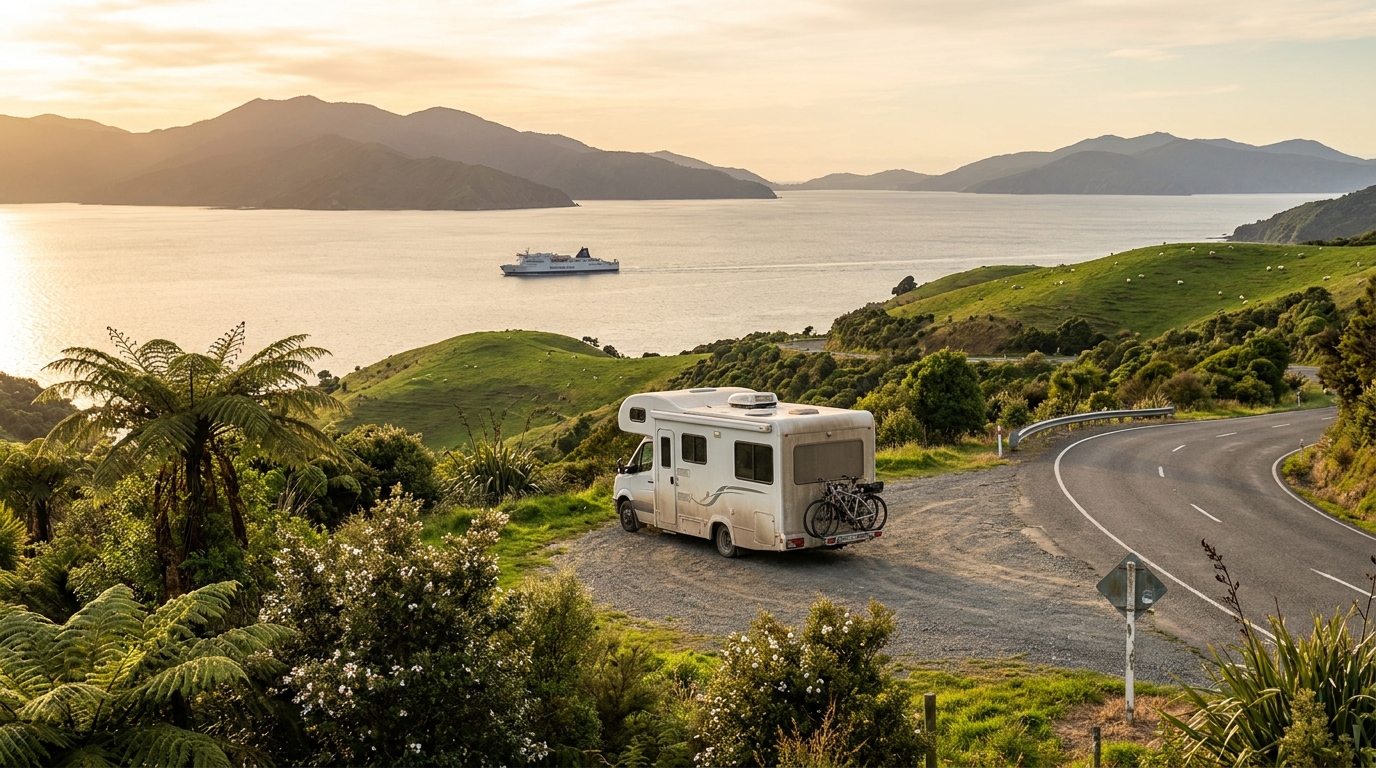
Yes, a valid full driver's license from your home country is typically sufficient for driving most rental RVs in New Zealand, provided the vehicle's Gross Vehicle Mass (GVM) is 3,500 kg or less. Foreign licenses are valid for up to 12 months from your arrival date in New Zealand, but if your license is not printed in English, an International Driving Permit (IDP) or an approved translation is legally required. Most rental companies, including Bandana's partners, require the primary driver to have held their license for at least one year. The minimum driver age for most RV rentals in New Zealand is generally 21 years old, with no young driver surcharges or vehicle class restrictions based on age when booking through Bandana.
It's important to carry your physical driver's license and any required IDP or translation with you at all times while driving. While most standard rental Class B campervans, Class C motorhomes, and even some Class A models fall within the 3,500 kg GVM limit, heavier RVs exceeding 3,500 kg GVM would require a New Zealand Class 2 heavy vehicle license, which is very uncommon for typical tourist rentals. Always confirm the specific license requirements with your chosen supplier.
Do you need a special license to drive an RV in New Zealand?
No, typically a standard car driver's license from your home country (or an International Driving Permit if not in English) is sufficient to drive most rental RVs in New Zealand, provided the vehicle's Gross Vehicle Mass (GVM) is 3,500 kg or less. A full, valid driver's license held for at least one year is required, and an International Driving Permit (IDP) is legally necessary if your license is not printed in English. The vast majority of rental RVs, including popular models like a "6 Berth Discovery" or a "Paradise Family 5" campervan, fall within the 3,500 kg GVM limit, meaning a Class 1 (car) license is all you need. You won't typically encounter rental motorhomes requiring a heavier Class 2 license unless you're specifically seeking a very large, specialized vehicle.
Road Conditions & Terrain in New Zealand
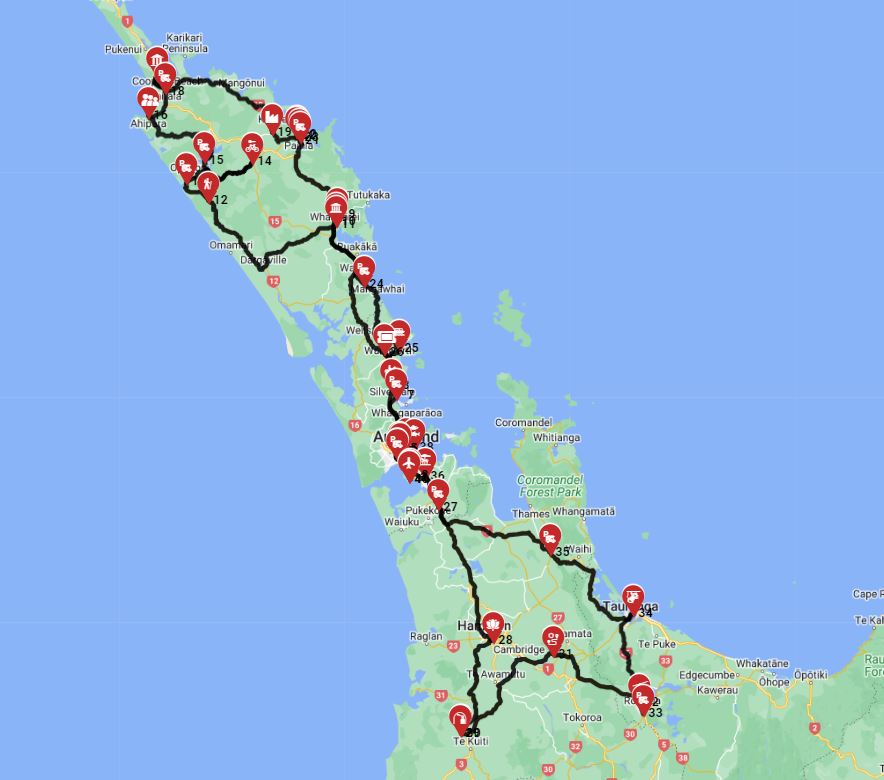
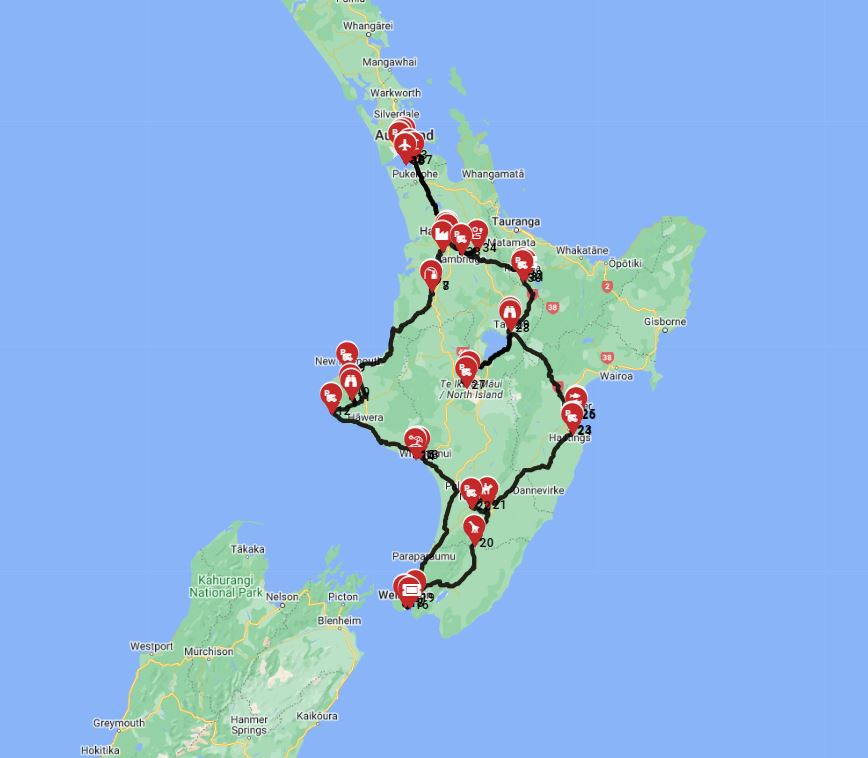
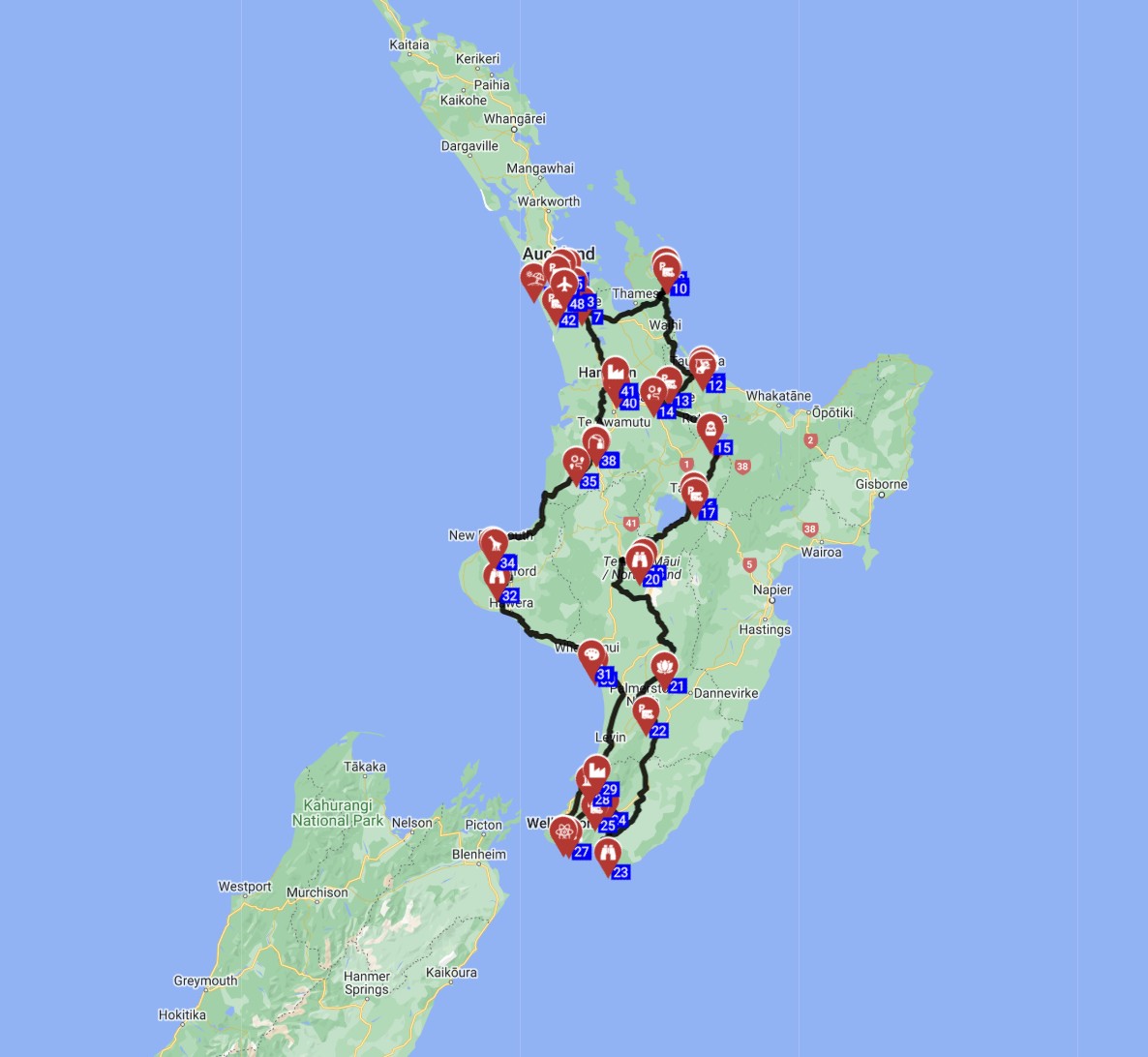
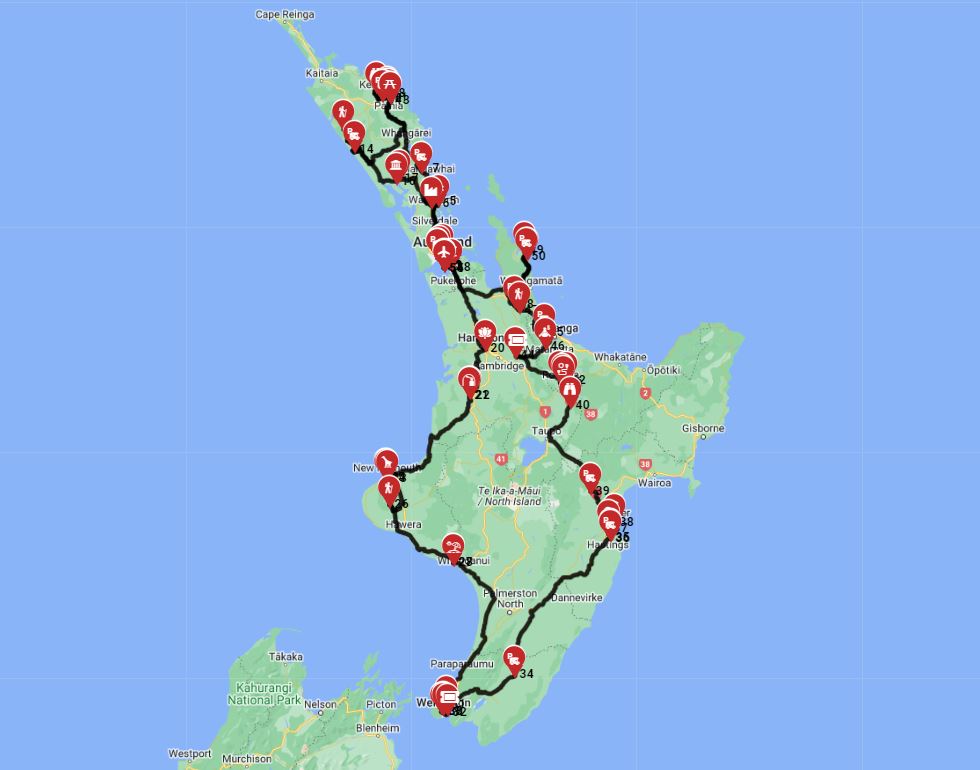
New Zealand's roads offer diverse conditions, ranging from well-maintained main highways to narrow, winding mountain passes, occasional unsealed gravel sections, and an abundance of single-lane bridges. Drivers must be prepared for left-hand driving, which can take some adjustment, and for steep gradients and sharp curves, particularly in mountainous regions like the Southern Alps on the South Island. For instance, the route to Milford Sound includes the Homer Tunnel, a unique passage that requires careful navigation for larger RVs. The incredible scenery often encourages a slower, more deliberate driving style, which perfectly suits the recommended travel pace of averaging max 100-150 km per day. Embrace the journey, take your time, and pull over often at designated bays to allow faster traffic to pass and to simply soak in the views.
You’ll frequently encounter single-lane bridges, especially in rural areas, where 'Give Way' rules are clearly signposted. Pay close attention to these signs, as traffic often flows in batches. For those interested in extended adventures, our "
RV Size Limits, Bridges & Restricted Zones
Most rental RVs comfortably fit New Zealand's roads, but drivers must be mindful of their vehicle's specific dimensions for low bridges, certain tunnels, and ferry bookings. Always check your rented motorhome's exact height and width upon pickup. While widespread, signage for overhead clearances and narrow passages can be encountered, particularly in older towns or near specific natural attractions. For example, the Homer Tunnel on the road to Milford Sound can have size restrictions and traffic controls depending on the season and specific vehicle. Planning your route with these considerations in mind will prevent any surprises. When booking ferry travel between the North and South Islands (via Interislander or Bluebridge), it is crucial to provide your RV's precise length, as prices and space availability vary significantly by vehicle size. While rare, some areas might have temporary or permanent environmental zones or restricted access, especially for very large vehicles; always obey local signage.
Bandana's expert team is always available to help you compare the dimensions of various campervan models from our 50+ leading suppliers worldwide, ensuring you find the perfect fit for your New Zealand adventure.
Fuel: Diesel vs. Petrol & Cost per 100 km
Most RVs in New Zealand, especially the larger Class C motorhomes and Class SI models, operate on diesel fuel, which is generally more efficient for extended journeys. However, petrol (unleaded) campervans are also widely available for rent. Bandana's global fleet averages suggest common fuel consumption for Class SI (Semi-integrated) RVs is 10-11 Liters/100 km, and for Class C (Alcove) RVs like the "6 Berth Discovery", it's 10-12 Liters/100 km. While petrol costs are straightforward, diesel vehicles in New Zealand are subject to Road User Charges (RUCs). These charges are typically included in your rental agreement or managed directly by the rental company, but it's always wise to confirm this detail. Fuel availability is good in towns and cities, but it's essential to plan ahead in remote areas, as service stations can be scarce. Some rental companies may also offer fuel discount cards, which can help manage costs. For a comprehensive overview of trip expenses, including fuel and campsite fees, explore RV PLANET routes, where you can itemize and track every expense along the way for easy budgeting. On the routes offered through RV PLANET routes, you can itemize and track every expense along the way for easy budgeting.
Tolls, Vignettes & Border Rules
New Zealand has a few electronic toll roads, primarily the Northern Gateway Toll Road north of Auckland and the Tauranga Eastern Link, but no physical toll booths or national vignettes are required for RV travel. These tolls are paid electronically online, via phone, or at designated service stations. Some rental motorhomes may offer pre-purchased toll passes or automatically manage toll payments, simplifying your journey and helping you avoid potential fines. It's best to check with your rental provider about their specific toll management policies when you pick up your vehicle. As an island nation, New Zealand has no land borders, eliminating any concerns about international border rules or customs checks during your RV journey. Ensure any toll payments are settled promptly after use to avoid late fees and keep your road trip smooth and enjoyable.
Driving Tips for rv rental Travelers
Always drive on the left side of the road in New Zealand, a crucial adjustment for drivers accustomed to right-hand traffic. Be mindful of your rented motorhome's increased length and width, especially when navigating turns, parking, and on narrow roads. Allow ample travel time, particularly on winding roads and mountainous terrain, to enjoy the scenery and avoid rushing. It is highly recommended to travel slowly, averaging a maximum of 100-150 km per day, allowing you to truly feel the place, connect to the culture, the food, and the scenery. Utilize the designated 'pull-over' bays on busy roads to allow faster traffic to pass safely. Take regular breaks, especially with family, to prevent driver fatigue and explore points of interest along your route. Familiarize yourself with New Zealand's unique give-way rules at intersections and single-lane bridges, which are often indicated by clear signage. By following these practical tips, your RV rental experience will be safe and immensely rewarding.
What is the 4 second rule in New Zealand?
The '4-second rule' in New Zealand is a recommended safe following distance guideline, advising drivers to maintain at least a four-second gap between their vehicle and the vehicle in front, especially crucial when driving a heavier RV. This rule helps account for the increased stopping distance required for motorhomes and allows adequate reaction time to avoid hazards. To apply the rule, pick a fixed object on the road ahead (e.g., a signpost), and when the vehicle in front passes it, slowly count 'one thousand and one, one thousand and two, one thousand and three, one thousand and four' – you should not reach the object before finishing your count. Increase this following distance to five seconds or more in adverse weather conditions (rain, fog, ice) or when driving on unsealed gravel roads. This simple practice significantly enhances safety for all road users.
Is it difficult for Americans to drive in New Zealand?
Americans may initially find driving in New Zealand challenging primarily due to the transition to driving on the left side of the road and the generally narrower, winding nature of many routes, but most adapt quickly with caution and practice. The primary adjustment is driving on the left, with the steering wheel often on the right side of the vehicle and controls (like indicators and wipers) sometimes reversed, requiring a conscious effort. New Zealand roads, especially outside major highways, are frequently winding, hilly, and feature numerous single-lane bridges, requiring slower speeds and heightened awareness compared to typical US highways. Patience, awareness of local road signs (including give-way rules), and allowing extra travel time are key to a smooth transition and an enjoyable driving experience in a rented campervan or motorhome.
Recommended RV Class for New Zealand Roads
For navigating New Zealand's diverse road network while providing a comfortable touring experience, a Class SI (Semi-integrated) or Class C (Alcove) motorhome is highly recommended. Class SI motorhomes, with an average length of around 6.9 meters, offer a good balance of living space and maneuverability on New Zealand's varied roads. Class C (Alcove) RVs, averaging 7.5 meters in length and often providing around 5-6 sleeping places, like the "6 Berth Discovery", are ideal for families needing more space without being overly cumbersome for most routes. For those prioritizing maximum agility and access to more remote locations, a Class B (Camper Van), averaging 5.8 meters in length, is an excellent choice. Our fleet includes models like the "2 Berth Hi Top" campervan, perfect for couples seeking nimble exploration. Bandana helps you compare these diverse vehicle options from leading suppliers like Apollo and Britz to find the perfect rental RV for your New Zealand adventure.
Should I Choose a Compact Van Instead of a Large RV in New Zealand?
While a compact van (like a Class B Camper Van such as a "Condo" model with a 1.92m internal height and 4.7m length) offers slightly easier parking and maneuverability, a larger RV generally provides significantly more comfort, amenities, and indoor space that often outweighs minor driving challenges on most New Zealand roads. Compact vans are advantageous for navigating tight city streets, parking in smaller spaces, and potentially accessing some tighter spots. However, larger RVs (Class SI, Class C) offer full kitchens, private bathrooms, ample storage, and dedicated living/dining areas, enhancing the overall comfort for longer trips or larger groups. Most main roads and holiday parks in New Zealand are well-equipped to accommodate larger RVs, making the trade-off for enhanced comfort and facilities a favorable one for many travelers, especially families or those planning an extended road trip. Drive slowly and carefully, and you can drive almost anywhere without issues. No need to stress - just use common sense and pay attention.
Can I Park Anywhere? Free & Wild Camping Rules in New Zealand
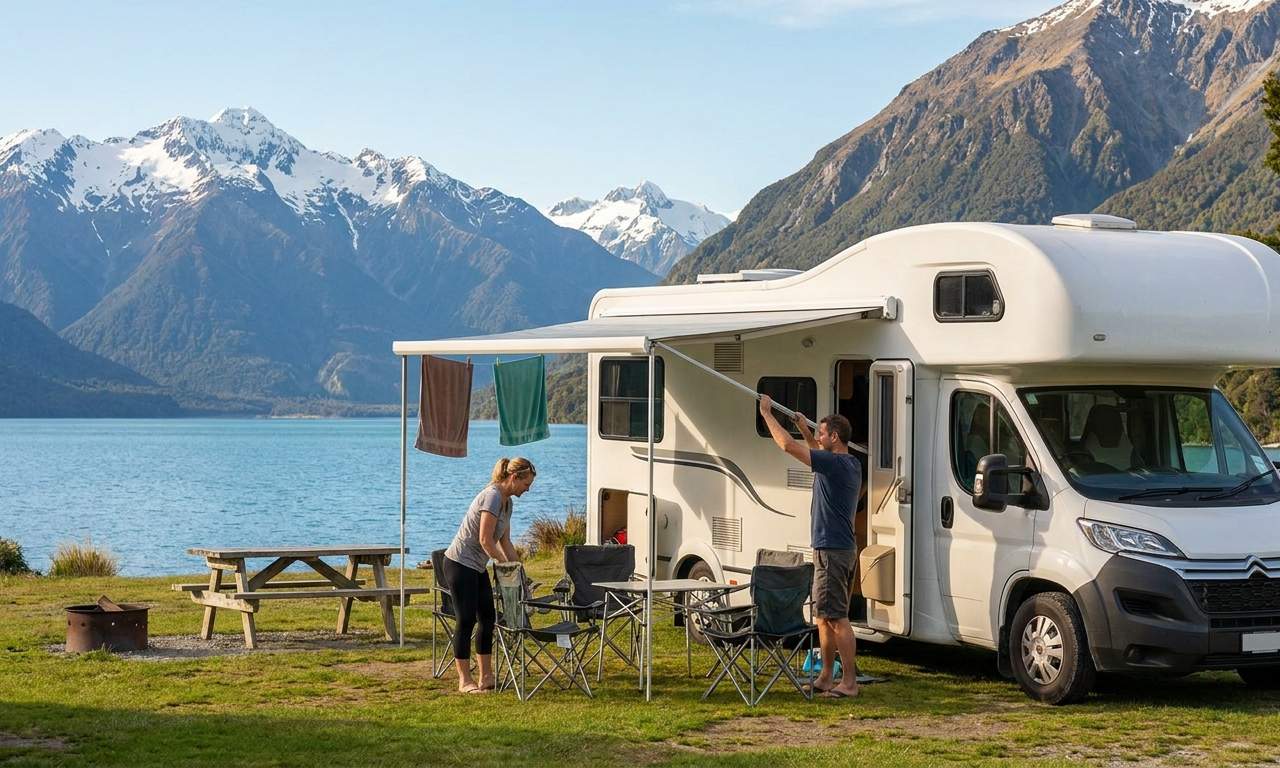
No, freedom camping in New Zealand is strictly regulated and permitted primarily for certified self-contained vehicles in designated areas, with significant fines for non-compliance. To legally freedom camp, your RV must display a blue 'self-contained' certification sticker, indicating it meets specific standards for onboard water storage (e.g., a 100-liter fresh water tank and 100-liter waste water tank), waste disposal (grey/black water), and sanitation. Many Department of Conservation (DOC) campsites are low-cost or free and cater to self-contained vehicles, while commercial holiday parks offer full amenities like waste disposal points, fresh water refills, LPG tank exchanges, and laundry facilities. Always check local council bylaws and follow local law before parking overnight, as rules vary by region and can be enforced rigorously. Using a resource like RV PLANET (rvplan.net) is great for locating available spots and understanding rules along your route.
Can I park my motorhome anywhere in New Zealand?
No, you cannot park your motorhome anywhere in New Zealand; freedom camping is heavily regulated and generally restricted to designated areas for certified self-contained vehicles only, with significant fines for illegal parking. To legally freedom camp, your motorhome must possess a 'self-contained' certification, demonstrating it has adequate onboard facilities for water, waste, and sanitation, indicated by a blue sticker. Always seek out designated Department of Conservation (DOC) campsites or commercial holiday parks, which provide proper facilities for overnight stays, including waste disposal (dump points) and fresh water refills. Ignoring freedom camping rules can result in instant fines of NZD 200 or more, so always check local council bylaws and signage carefully. This ensures you respect the local environment and community.
How hard is it to drive a motorhome in New Zealand?
Driving a motorhome in New Zealand requires attention and caution due to the country's varied terrain, often winding roads, and narrower lanes, but it is generally manageable for drivers accustomed to larger vehicles. Key challenges include adapting to left-hand side driving, navigating steep inclines and descents in mountainous areas, executing wider turns, and allowing for longer braking distances compared to a car. The stunning scenery encourages a slower pace, which often suits motorhome travel well, allowing drivers to be more vigilant and enjoy the journey. While it demands concentration, most main tourist routes are well-suited for motorhomes, and many rental vehicles feature automatic transmissions, easing the driving experience. Drive slowly and carefully, and you can drive almost anywhere without issues. No need to stress - just use common sense and pay attention.
Is it easy to drive a motorhome in New Zealand?
Driving a motorhome in New Zealand is generally manageable rather than 'easy,' requiring drivers to be mindful of the left-hand side of the road, varying road conditions, and the vehicle's larger size. While it demands a degree of focus and adaptation, especially for international drivers, the country's infrastructure is generally good, and popular tourist routes are well-maintained. Many rental motorhomes come with automatic transmissions, simplifying the driving process, and the often spectacular scenery encourages a relaxed, slower driving pace. With a bit of practice and adherence to road rules, most drivers find it a rewarding experience, offering unparalleled freedom to explore this beautiful country. Remember that Bandana offers 24/7 support for any pre-booking or post-booking coordination questions you might have.
What is the 333 rule for campervan?
The '333 rule' for campervans is not a standard or official New Zealand driving regulation or a universally recognized camping rule; it may refer to an informal personal guideline or a specific, localized practice. There is no official government or road safety body in New Zealand that enforces a '333 rule' related to campervan use. Unofficial camping guidelines can vary; for instance, some might interpret a '333 rule' as 'staying no more than 3 nights, no closer than 3 meters from the road, and 3 km from a town,' but this is not an official regulation. Always refer to official Department of Conservation (DOC) guidelines and local council bylaws for legitimate camping regulations, particularly regarding self-contained vehicle requirements. Misinterpreting unofficial rules could lead to fines for illegal freedom camping.
Can I Drive an RV Into the City Center? Heights, Tunnels & Local Signage
Yes, you can generally drive an RV into most New Zealand city centers, but it's crucial to pay close attention to local signage regarding height restrictions, parking availability, and specific environmental zones. Most urban roads are accessible, but watch for signs indicating low bridges, restricted tunnels, or narrow lanes that might pose challenges for larger vehicles. Parking for larger RVs in city centers can be limited and expensive; consider utilizing peripheral park-and-ride options or parking at holiday parks slightly outside the city and using public transport. Be aware of any residents-only parking restrictions or temporary clearways, especially during peak hours. Drive slowly and carefully, and you can drive almost anywhere without issues. No need to stress - just use common sense and pay attention.
Who insures motorhomes in NZ?
Motorhomes rented in New Zealand are typically insured by the rental company as part of your rental agreement, covering basic third-party liability and often offering additional collision damage waiver options for comprehensive coverage. Rental companies that partner with Bandana, such as Apollo and Britz, include a base level of insurance with an excess (deductible) in their rental price. Travelers can upgrade to a top-level deductible for extra peace of mind, significantly reducing your out-of-pocket liability in case of an incident. For privately owned motorhomes, various New Zealand insurance providers offer specialized motorhome insurance policies, including companies like Covi Insurance and Star Insurance, alongside larger general insurers. Travel insurance policies may also offer coverage for rental vehicle excess, but it's essential to check the specific terms and conditions to ensure adequate protection for your specific rental RV. As true RV specialists, we can help clarify insurance options during your booking process.
How much does it normally cost to insure an RV?
The cost to insure an RV (motorhome) in New Zealand varies significantly. For privately owned vehicles, it typically ranges from NZD 1,000 to NZD 3,000 annually, depending on factors like the vehicle's value, age, make and model, the driver's history, the level of coverage (third-party, comprehensive), and the chosen excess amount. For rental RVs, the base insurance is included in your daily rental rate, but reducing the excess (deductible) can add an extra NZD 25-75 per day to the rental cost. This optional upgrade provides greater peace of mind by minimizing your financial exposure. It's crucial to understand what is covered by your rental insurance and any additional excess reduction options before beginning your trip. We believe in full transparency, so you'll never encounter hidden fees or surprises when booking your motorhome with Bandana.
How much does caravan insurance cost in New Zealand?
Caravan insurance costs in New Zealand are generally comparable to motorhome insurance, typically ranging from NZD 1,000 to NZD 3,000 annually for privately owned vehicles, depending on the caravan's value, type, and coverage chosen. In New Zealand, the term 'caravan' typically refers to a towable travel trailer, which is distinct from the self-propelled 'motorhome' or 'campervan' rentals that Bandana specializes in. Key factors affecting caravan insurance premiums for privately owned units include the caravan's sum insured, age, features, whether it's stored securely, and the driver's claims history. For rental campervans or motorhomes (which may sometimes be colloquially called caravans by travelers from other regions), the insurance component is always included in the daily rental rate, with optional waivers available for excess liability. We focus exclusively on motorhome and campervan rentals, offering transparent pricing and optional upgrades for your journey.
What You Shouldn't Miss
Looking for expert insights from Avi Bandana? Here are some top adventures and experiences you simply shouldn't miss on your RV trip in New Zealand:
-
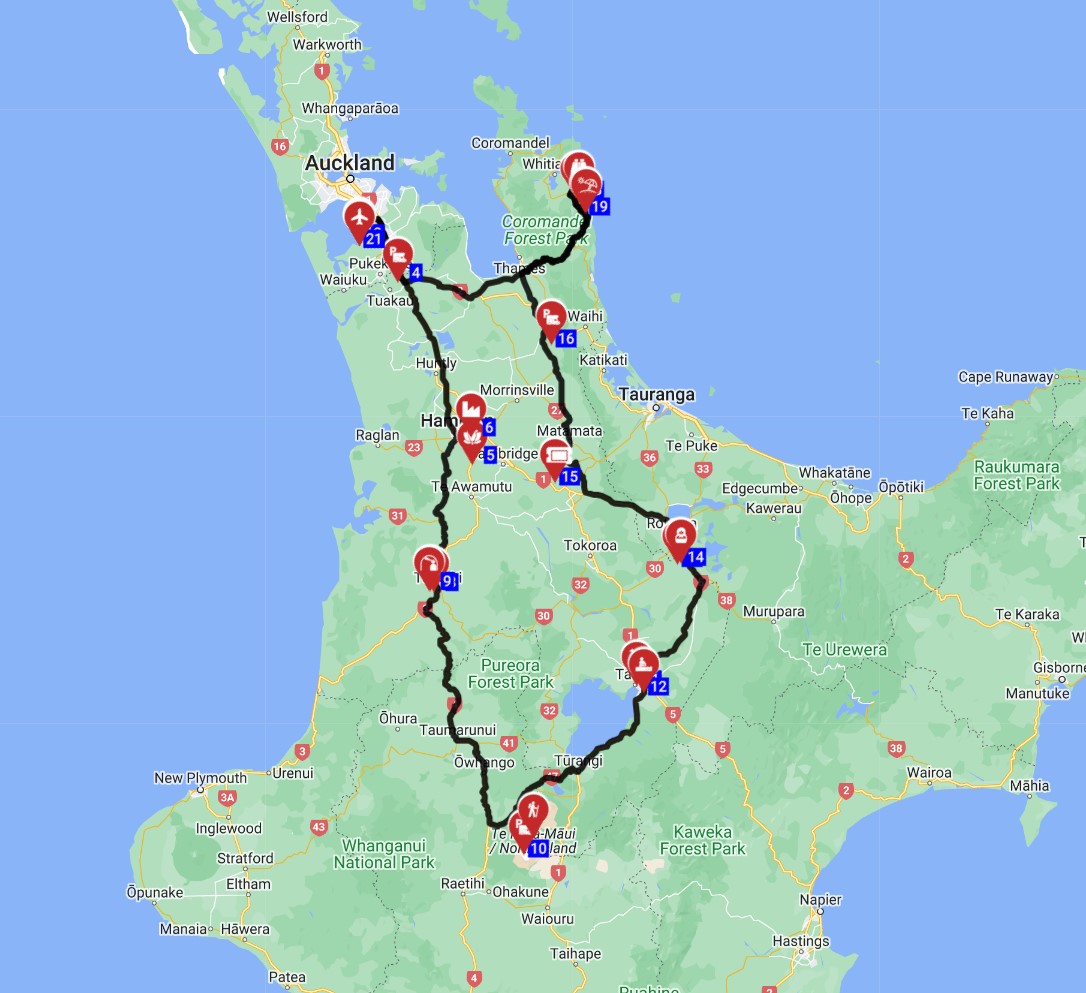
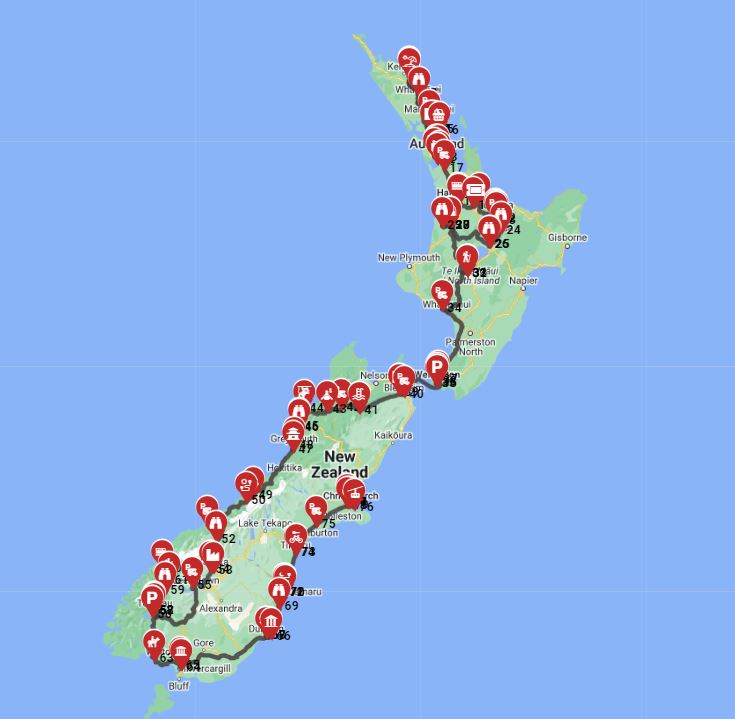
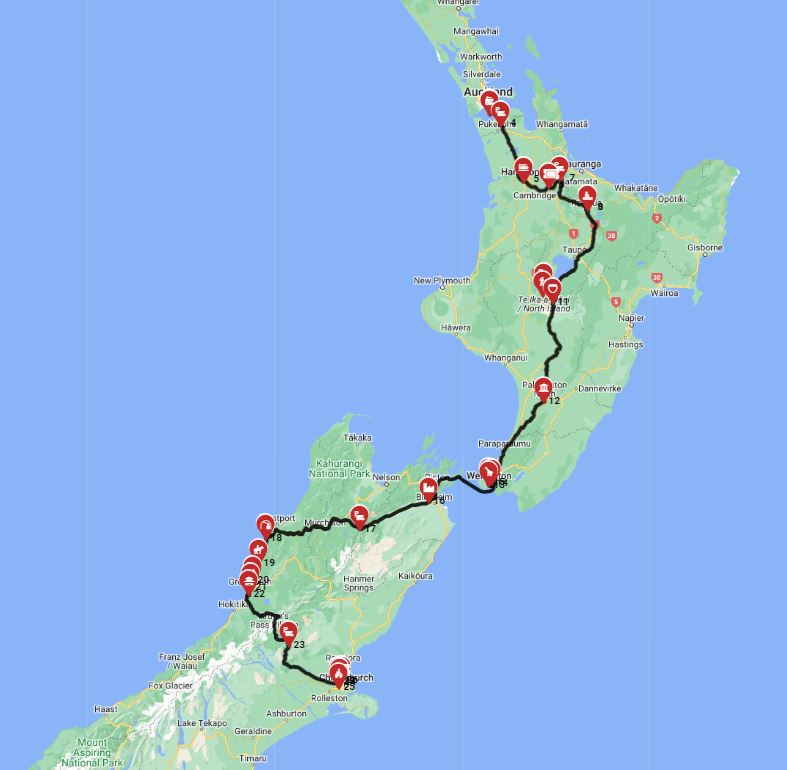
**Explore the Fjords of Milford Sound:** Drive the incredibly scenic Milford Road, navigating unique features like the Homer Tunnel, to witness the dramatic cliffs and waterfalls of Milford Sound. This route is part of our comprehensive 18-day "
" which includes 2 Natural Features and 3 Cruise Terminal / Sailing activities, showing you exactly how to experience this.
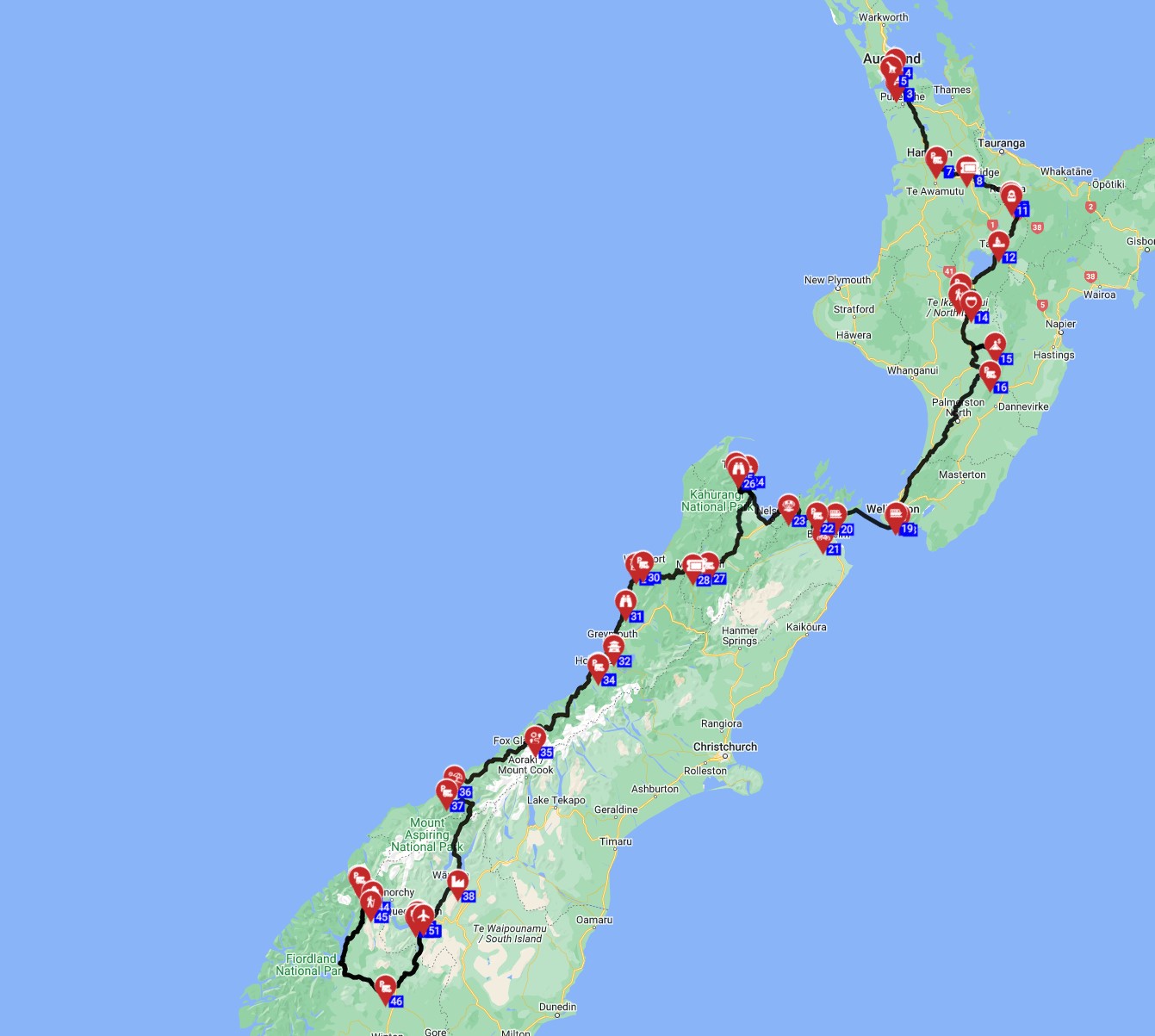 Auckland to Queenstown - The Great Kiwi Road Trip
 -
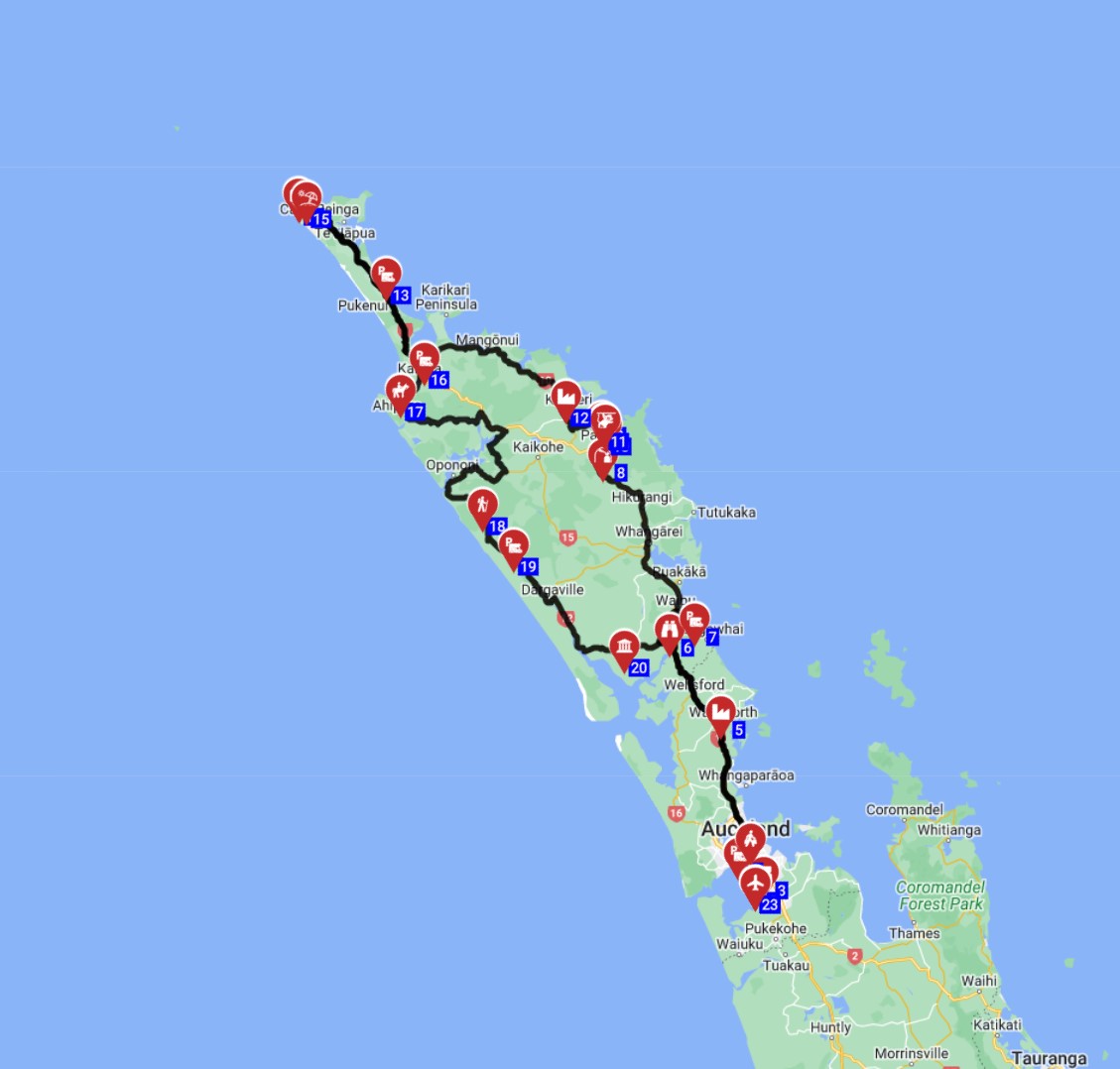
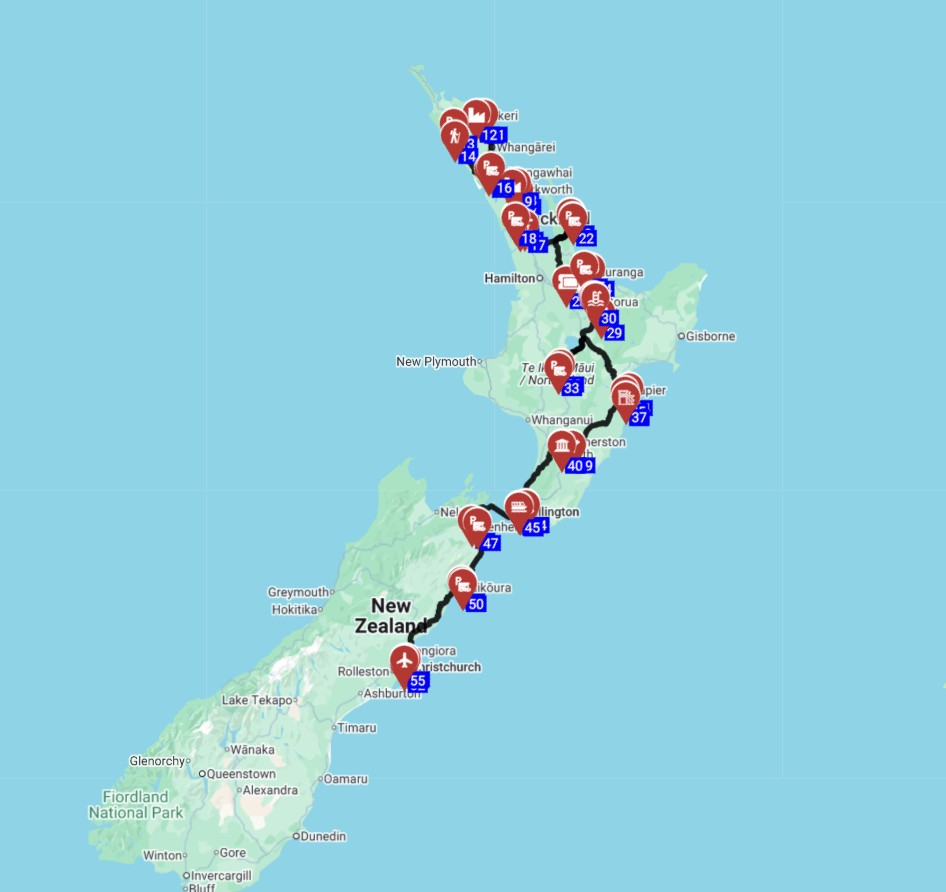
**Experience Geothermal Wonders in Rotorua:** Witness bubbling mud pools, erupting geysers, and vibrant silica terraces. This area is a highlight in the "
" itinerary, featuring 9 Natural Features and 1 Spa / Terme, providing ample opportunities to immerse yourself.
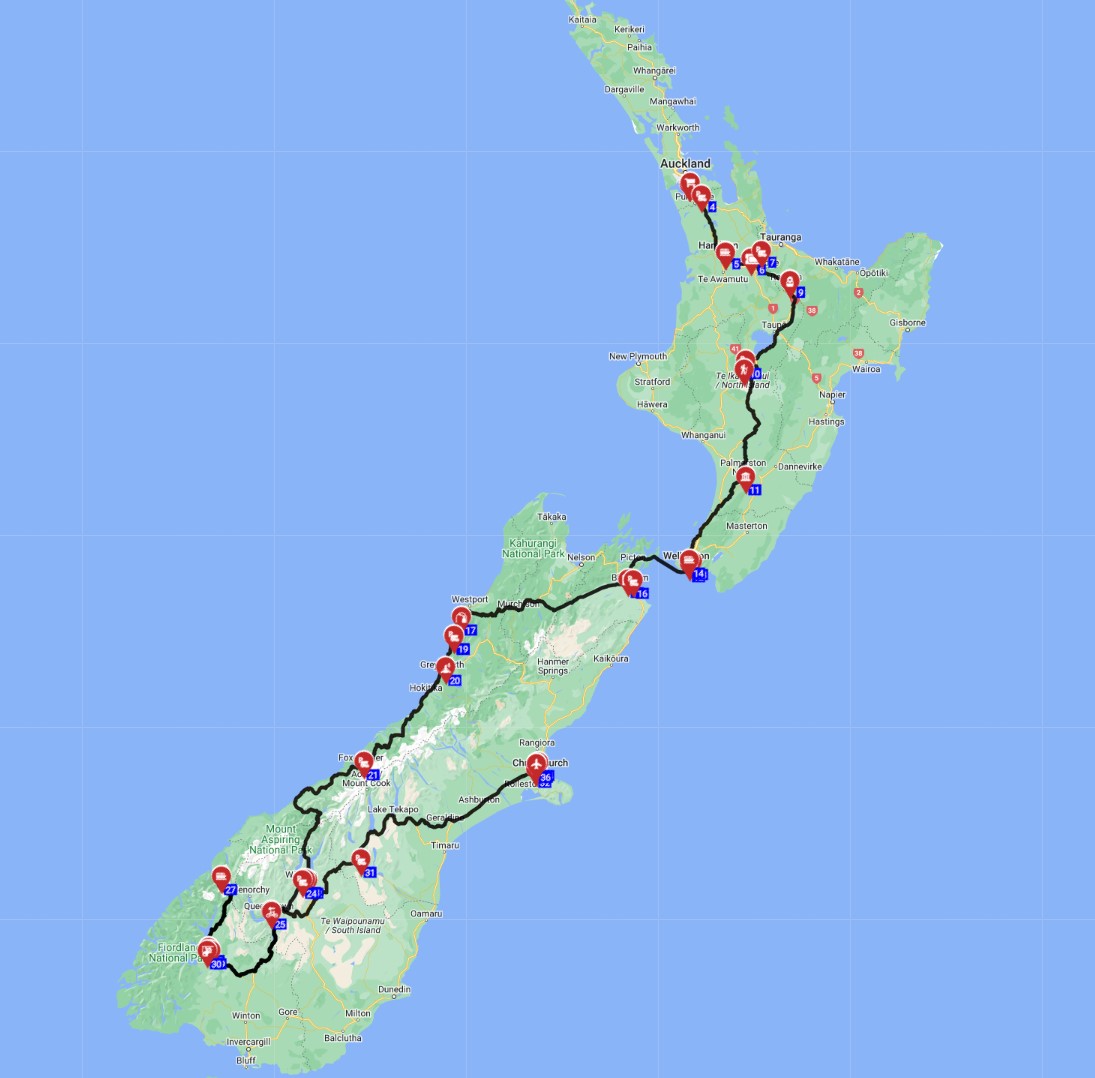
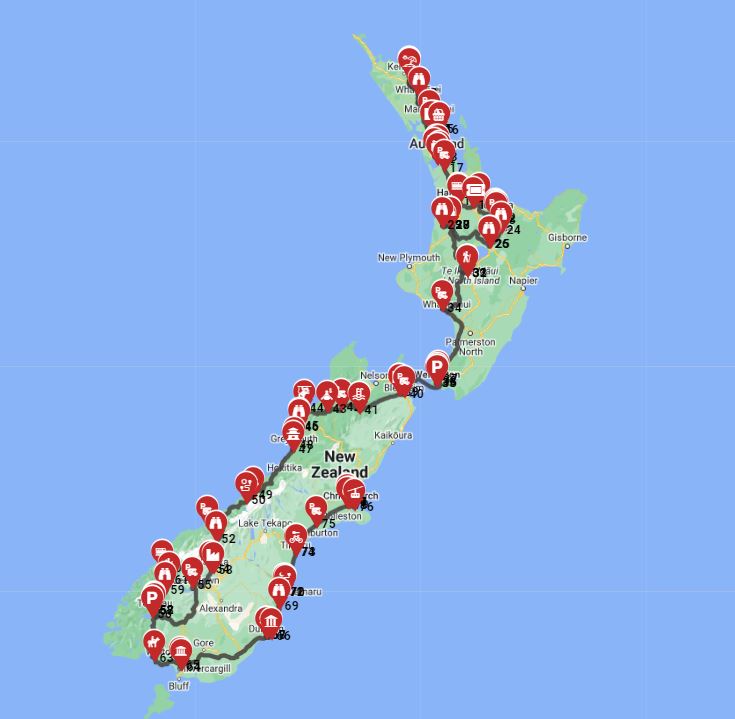 Auckland to Christchurch - Comprehensive New Zealand
 -
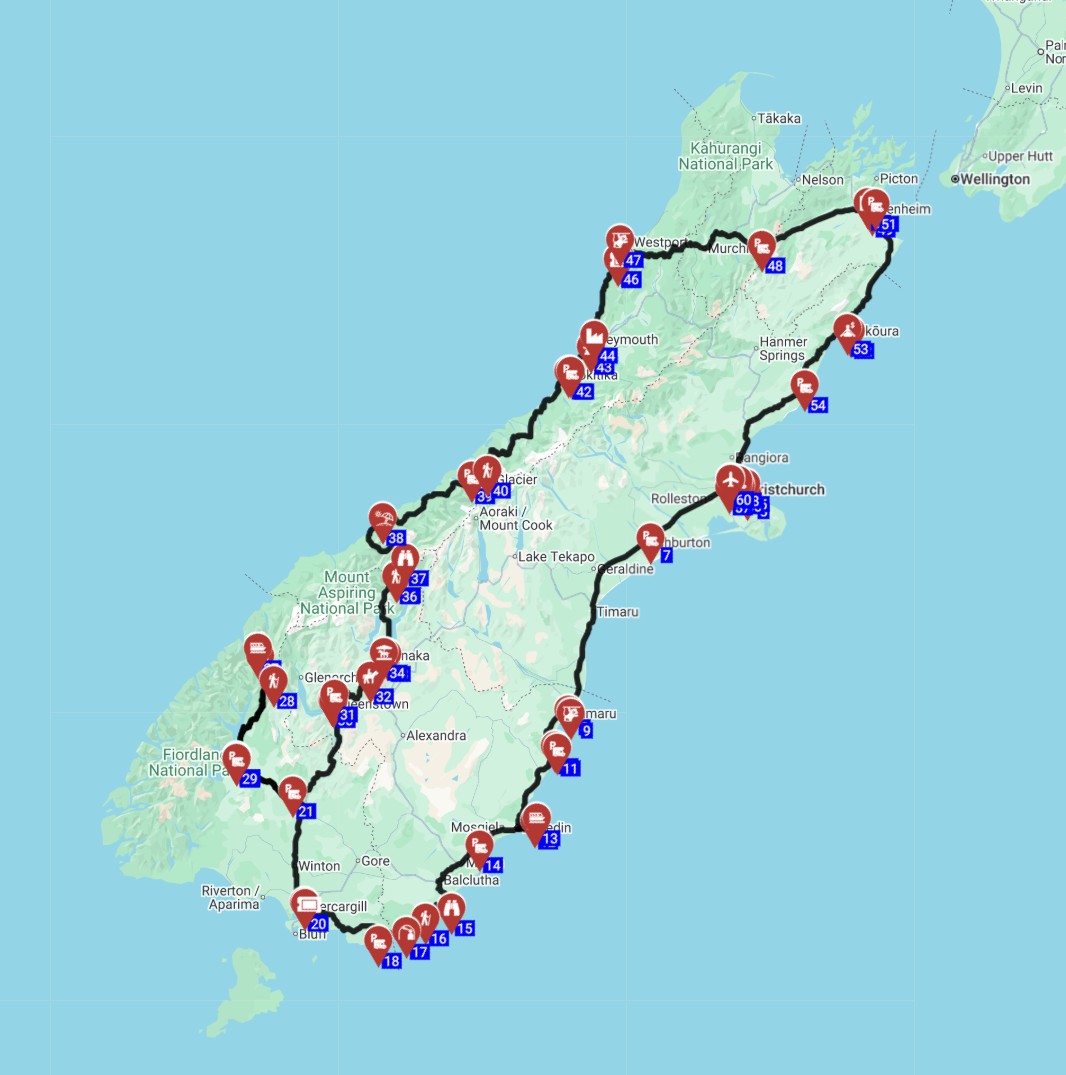
**Hike the Southern Alps:** Lace up your boots for stunning treks in national parks like Aoraki / Mount Cook or Fiordland. Our "
" plan includes 5 hiking areas and 2 Historical Sites, perfect for outdoor enthusiasts.
Christchurch Roundtrip - Around the South Island
-
**Discover Queenstown, the Adventure Capital:** From bungee jumping to jet boating, Queenstown offers an adrenaline rush for every traveler. Many of our pre-planned routes, like "
", integrate 1 Extreme Activity and 2 Tourist Attractions in this dynamic city.
Auckland to Queenstown - The Great Kiwi Road Trip
- **Indulge in Local Flavors:** Don't miss sampling fresh seafood, delicious wines, and traditional Māori hāngi. Your motorhome's kitchen facilities are perfect for preparing your own meals from local markets. Check out our RV-friendly recipes playlist for inspiration on cooking in your RV.
To help plan your own unique route, remember that RV PLANET (rvplan.net) offers over 1,300 pre-planned routes across 5 continents by professionals, and you can get a 25% planning discount when using it for your New Zealand RV rental. It’s a great way to ensure you hit all the highlights with minimal fuss.
Final Thoughts
Embarking on a one-way RV adventure through New Zealand is truly an experience of a lifetime, offering unparalleled freedom and flexibility to explore a country renowned for its natural splendor. From the moment you pick up your rental motorhome to the scenic drive to your final destination, every detail is an opportunity for discovery. We hope this comprehensive guide has equipped you with the knowledge and confidence to plan your ultimate Kiwi road trip, whether you're dreaming of an "
Remember, Bandana Caravan is here to support you in every step, offering full transparency, extensive vehicle options from over 50 suppliers, and the peace of mind that comes with knowing true RV specialists are behind your booking. We handle the details, you live the journey, creating memories that will last long after your trip concludes.
So, what are you waiting for? Get inspired for your next trip! Find the perfect motorhome for your one-way journey in New Zealand and start planning your unforgettable route today.
🎬 Video coming soon