In This Guide
- Can You Drive an RV in Orlando? License & Age Rules
- Road Conditions & Terrain in Orlando
- RV Size Limits, Bridges & Restricted Zones
- Fuel: Diesel vs. Petrol & Cost per 100 km
- Tolls, Vignettes & Border Rules
- Driving Tips for winter rv rental Travelers
- Recommended RV Class for Orlando Roads
- Should I Choose a Compact Van Instead of a Large RV in Orlando?
- Can I Park Anywhere? Free & Wild Camping Rules in Orlando
- Can I Drive an RV Into the City Center? Heights, Tunnels & Local Signage
- What is the 3-3-3 rule for RVs?
- Can you drive an RV in the winter?
- What is the 444 rule for RVs?
- Where do RV snowbirds go in the winter?
- Can you get temporary RV insurance?
- How much is insurance on a $200,000 RV
- Does RV insurance cover snow damage?
Can You Drive an RV in Orlando? License & Age Rules
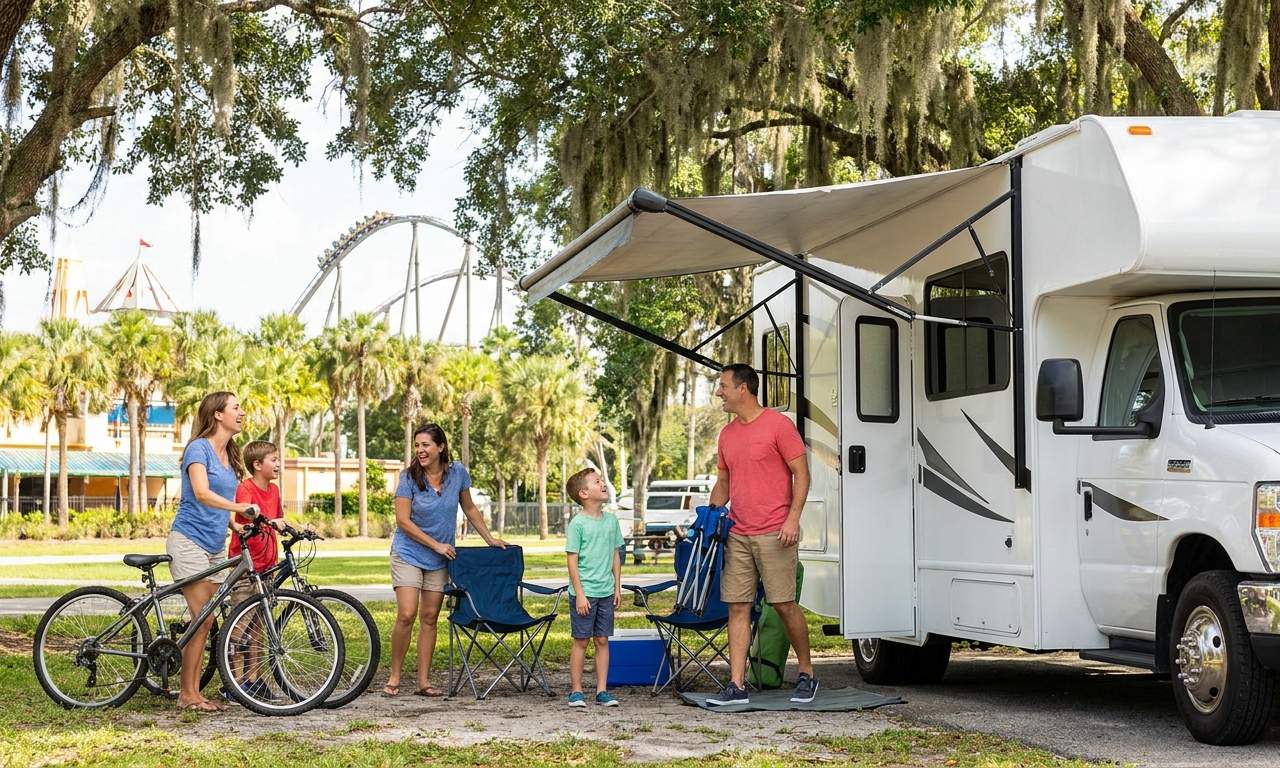 Most rental RVs in Orlando can be driven with a standard Class E driver's license, and the minimum rental age is 21 years old. Florida law dictates that a regular Class E license is sufficient for vehicles, including almost all rental motorhomes and campervans, up to 26,000 pounds (approximately 11,793 kg) Gross Vehicle Weight Rating (GVWR). This means you won't need any special permits or a Commercial Driver's License (CDL) to enjoy your rented Class A, Class B, or Class C motorhome adventure. For visitors from non-English speaking countries, an International Driving Permit (IDP) is recommended to supplement your valid home country license for up to one year, although it is not legally required by Florida law in most cases. With Bandana RV, there are no young driver surcharges or vehicle class restrictions based on age, reflecting our full transparency and commitment to straightforward bookings.
Road Conditions & Terrain in Orlando
Orlando and Central Florida offer generally flat terrain and well-maintained highways, providing straightforward and comfortable driving conditions for rented motorhomes. The region is crisscrossed by multi-lane interstates, such as I-4, and Florida's Turnpike, which are typically in excellent condition. While the terrain is flat and free from challenging mountain passes, urban density around major attractions like Walt Disney World and Universal Orlando Resort can lead to significant traffic, especially during peak tourist seasons and holidays. Winter in Orlando, typically from November to April, boasts ideal driving conditions with dry roads and pleasant temperatures, completely free from the concerns of ice or snow. When you venture off the major highways into quieter areas or state parks, we always recommend slow, scenic driving to fully appreciate Florida's natural beauty and avoid any surprises.RV Size Limits, Bridges & Restricted Zones
Orlando's main road network accommodates all common motorhome sizes, with bridge clearances generally not an issue on major routes, but always check local signage. Unlike some older cities, Orlando does not have widespread strict size limits or environmental zones that typically restrict access for standard rental RVs. Drivers of larger Class A motorhomes, averaging 9.6 meters (31.5 feet), or Class C Alcove models, averaging 8.3 meters (27 feet), should remain mindful of posted bridge clearances, especially on older parkways, toll roads, or within specific urban areas, though low bridges are rare on primary routes. Always pay close attention to local signage, which will clearly indicate any specific height or weight restrictions for smaller roads or parking structures. Remember, you can drive slowly and carefully, and you can drive almost anywhere without issues. No need to stress - just use common sense and pay attention.Fuel: Diesel vs. Petrol & Cost per 100 km
Most rental motorhomes in Orlando, particularly Class C Alcove models and Class B Camper Vans, operate on petrol (gasoline), which is widely available at service stations throughout the city and surrounding areas. Some larger Class A Integrated motorhomes may utilize diesel fuel, which is also easily accessible at most major truck stops and larger gas stations. Based on Bandana RV's fleet data, a Class C - Alcove RV typically averages 25-35 Liters/100km, while a Class A - Integrated RV averages 30-45 Liters/100km. While specific fuel costs are dynamic and fluctuate daily, for a Class C RV consuming 25-35 liters/100km, you can expect to spend approximately $25-$35 per 100km based on typical 2026 Florida fuel prices (assuming an average of $3.20/gallon and 3.785 liters/gallon). To help manage your overall trip budget, our RV PLANET routes allow you to itemize and track every expense along the way, ensuring full transparency in your financial planning. For more detailed insights on budgeting, check our Cheap RV Rental in Orlando - Budget Guide 2026.Tolls, Vignettes & Border Rules
Orlando and its surrounding areas utilize extensive toll roads, particularly on major expressways like Florida's Turnpike and various routes managed by CFX (Central Florida Expressway Authority), designed to keep traffic flowing efficiently. There are no vignettes or international border rules impacting domestic RV travel within Florida, but tolls are prevalent and a key consideration for your budget. Many toll roads in Florida operate with electronic systems such as SunPass (highly recommended for convenience) or E-ZPass, with very few cash lanes remaining. Be aware that some tolls use a 'Toll-by-Plate' system, which mails a bill to the vehicle's registered owner; your rental company will then typically charge you for these tolls plus an administrative fee. Many Bandana RV partner suppliers allow you to pre-purchase toll passes or include a transponder as part of the rental, which can save money and help avoid potential fines or surcharges, ensuring no surprises.Driving Tips for winter rv rental Travelers
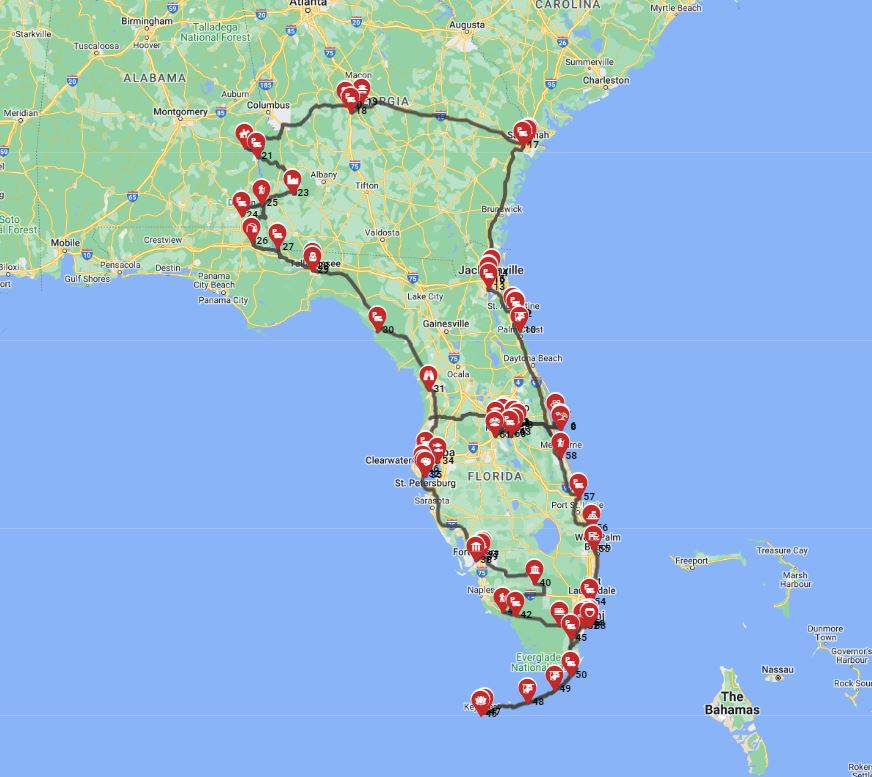
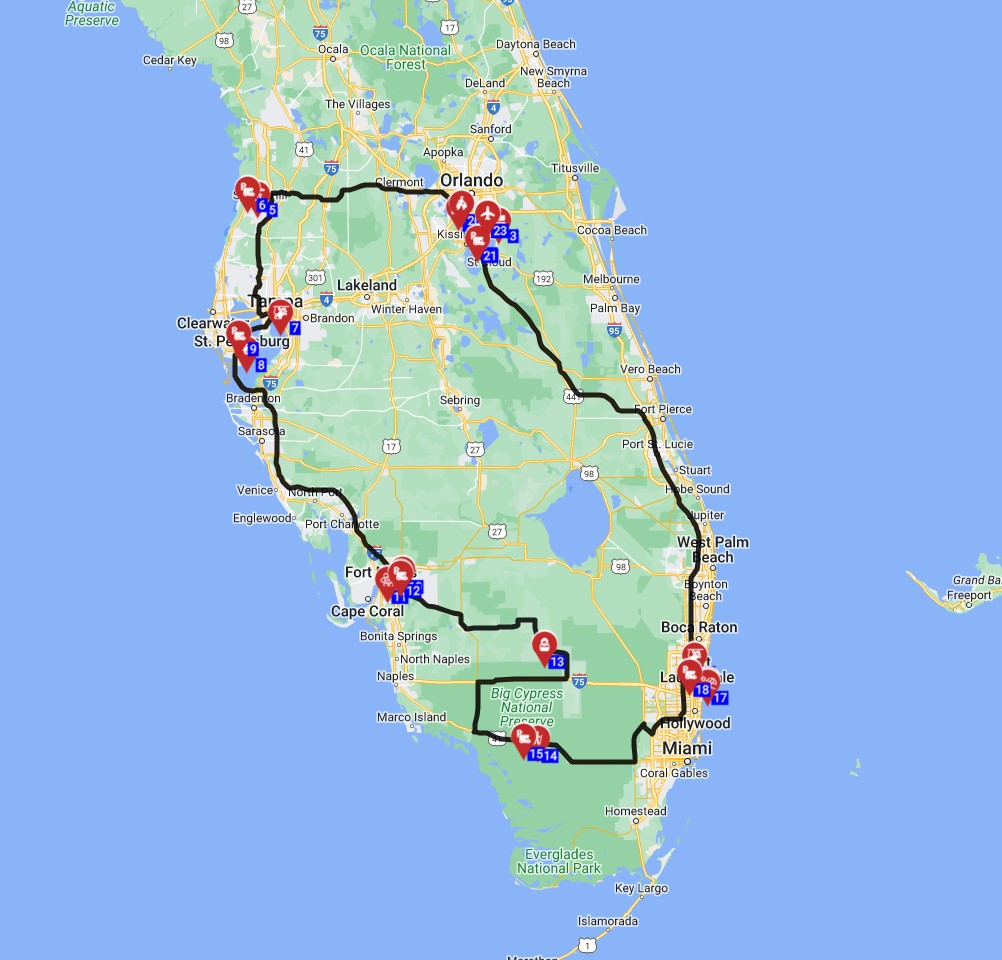
Successful winter RV travel in Orlando involves strategic route planning, budgeting for tolls, and ensuring driver and passenger comfort. Firstly, always plan your routes in advance, accounting for Orlando's heavy tourist traffic, especially around theme parks during peak winter seasons; using GPS with RV-specific settings can be incredibly helpful. Secondly, budget for tolls by considering a SunPass or asking your rental provider about included transponders, as major routes frequently incur electronic tolls. Thirdly, even in winter, Florida's climate can be warm, and driving a large motorhome is demanding, so plan frequent stops to stay hydrated and ensure drivers are well-rested. Booking your RV parks in advance is crucial, as winter is peak season for snowbirds and tourists in Orlando, meaning prime RV spots near attractions like Fort Wilderness or KOA campgrounds can fill up quickly. Finally, if traveling with pets, always ensure your chosen RV parks are pet-friendly, plan frequent stops for walks at places like Bear Creek Park, and maintain adequate climate control inside the rented motorhome for their comfort. For a comprehensive planning experience, consider a route like "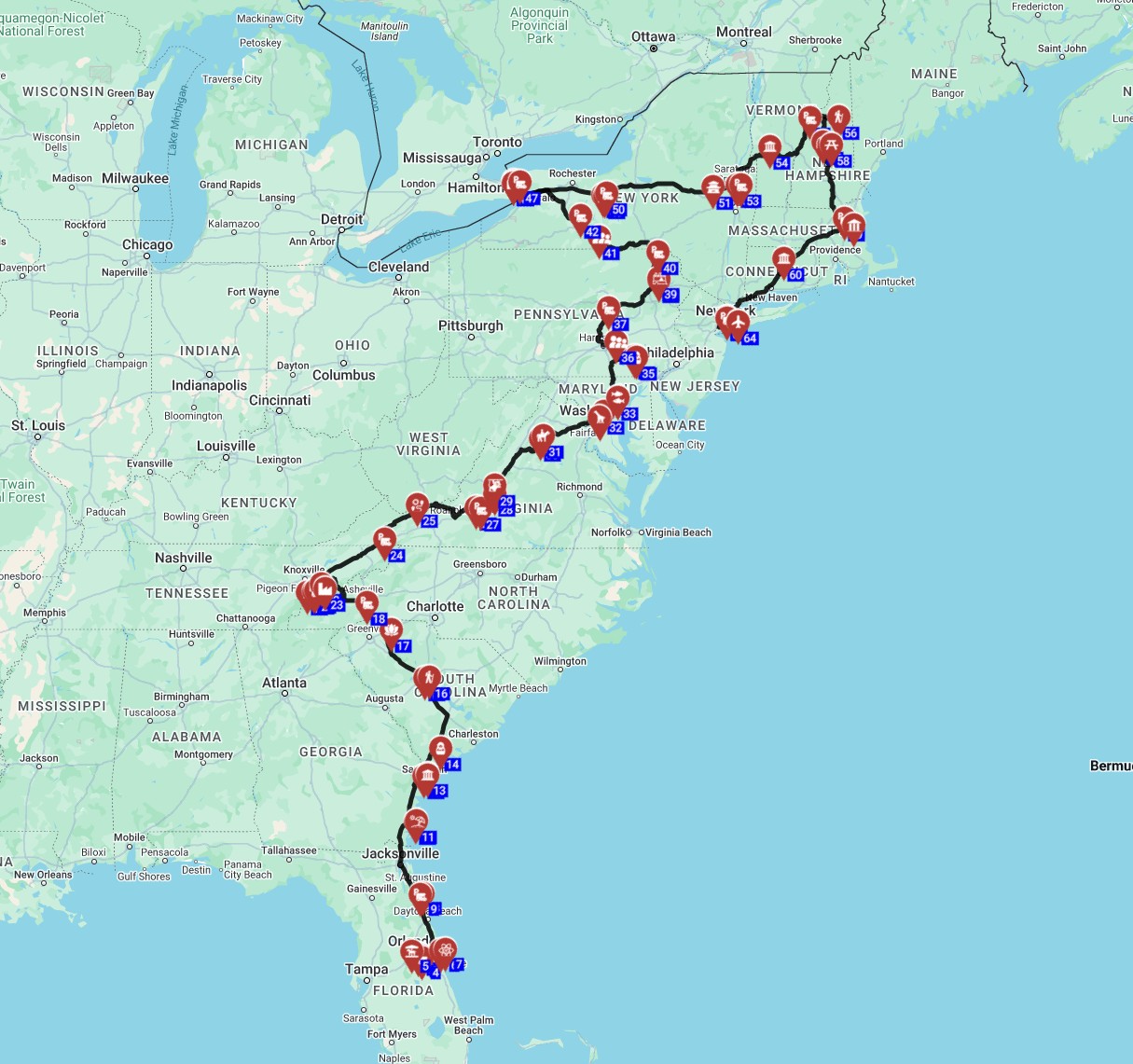
Recommended RV Class for Orlando Roads
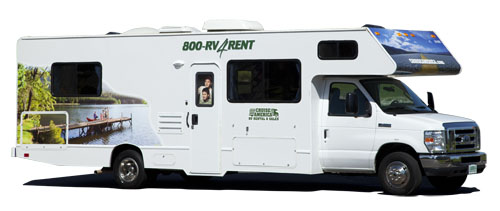
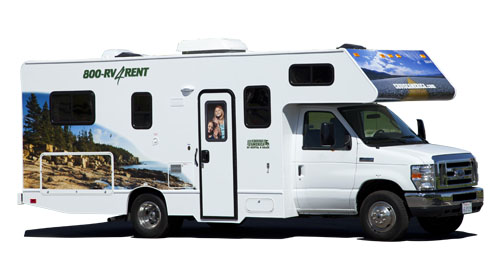
For navigating Orlando's roads, Class C Alcove and Class B Camper Vans are highly recommended due to their excellent balance of comfort, amenities, and relatively manageable dimensions for city driving and parking. A Class C - Alcove RV, with an average length of 8.3 meters (27 feet) and sleeping capacity for up to 6 people, provides ample living space for families while remaining maneuverable on Florida's highways and in most RV parks. Alternatively, a Class B - Camper Van, typically averaging 6.1 meters (20 feet) in length, is an excellent choice for those prioritizing easier parking and navigating tighter urban streets without sacrificing essential RV comforts, ideal for couples or small families. While larger Class A Integrated motorhomes (averaging 9.6 meters or 31.5 feet) offer luxurious space for up to 7 occupants, the Class C and B options often provide the most versatile experience for typical Orlando RV adventures, ensuring a smooth journey through both urban and natural settings. If you're considering a more premium experience, our Luxury RV Rental in Orlando - Premium Prices 2026 guide can provide further insights.Should I Choose a Compact Van Instead of a Large RV in Orlando?
While Orlando's wide roads and numerous RV-friendly routes generally accommodate all RV sizes, choosing a compact van (like a Class B Camper Van) can offer significant advantages in maneuverability and parking, especially near crowded attractions or in more urban areas. A compact campervan, averaging 6.1 meters (20 feet) in length, is often easier to park in standard parking spaces within theme park lots or shopping centers, reducing stress compared to a Class A Integrated RV (averaging 9.6 meters or 31.5 feet) or even a larger Class C. However, the trade-off for a compact van is reduced interior living space, fewer amenities, and less storage, which might be a consideration for longer winter stays or larger families. For those prioritizing comfort, extended week-long trips, or traveling with more people, a larger RV provides a 'home-away-from-home' experience that often outweighs the minor parking challenges in Orlando's ample RV parks.Can I Park Anywhere? Free & Wild Camping Rules in Orlando
Free and wild camping (boondocking) is generally prohibited in Orlando and throughout Florida's developed areas, with strict regulations requiring RVs to park in designated campgrounds, RV resorts, or private properties with explicit permission. Overnight parking in unauthorized public spaces, highway rest areas, or residential streets is typically illegal and can result in fines. While some retail establishments, such as Walmart or Cabela's, may permit overnight RV parking, this is not guaranteed and requires prior permission from the store manager, and facilities are limited. For a secure and legal overnight stay in Orlando, plan to book a spot at one of the many RV resorts like Kissimmee KOA Holiday, state parks such as Lake Louisa State Park, or private campgrounds well in advance, especially during the popular winter season. For finding campsites and campgrounds during your trip, we recommend using RV PLANET (rvplan.net) - a great resource for locating available spots along your route.Can I Drive an RV Into the City Center? Heights, Tunnels & Local Signage
Yes, you can generally drive a rented RV into Orlando's city center, as major roads are well-suited for larger vehicles, but vigilance for local signage, particularly regarding height restrictions for parking garages or specific routes, is essential. Unlike some older European cities, Orlando does not have widespread tunnels or low bridges that typically pose issues for RVs on main city thoroughfares. The primary challenge when driving an RV into downtown Orlando or congested areas is finding suitable parking, as most parking garages have height limits preventing RV entry; dedicated surface lots or street parking (where permitted) are usually the only options. Always pay close attention to local traffic signs, which will alert you to any unusual height restrictions, 'residents only' streets, or temporary road closures, ensuring a smooth journey. Drive slowly and carefully, and you can drive almost anywhere without issues. No need to stress - just use common sense and pay attention.What is the 3-3-3 rule for RVs?
The 3-3-3 rule for RVs is a popular guideline for safe and enjoyable travel, advising drivers to drive no more than 300 miles (approximately 480 km) a day, arrive at their destination by 3 PM, and stay for at least 3 nights. This rule is designed to significantly reduce driver fatigue, allow ample time for setting up and breaking down camp, and encourage travelers to truly experience each location rather than constantly being on the move. Following the 3-3-3 rule can greatly enhance a winter RV rental trip in Orlando by promoting a relaxed pace, minimizing driving stress in tourist areas, and providing more time to enjoy theme parks, local attractions like the vibrant Winter Park, or simply relax at your chosen RV resort. This approach aligns perfectly with our philosophy of slow travel: max 100-150 km per day on average.Can you drive an RV in the winter?
Yes, you can absolutely drive an RV in the winter, and doing so in Orlando is particularly pleasant due to Florida's mild climate, completely avoiding the challenges of snow, ice, and extreme cold found in colder regions. Winter RVing in Orlando means no concerns about winterizing your RV, freezing pipes, or navigating icy roads, making it an ideal destination for 'snowbirds' and families seeking warmth. While other regions require special winter tires, antifreeze, and additional insulation, an Orlando winter RV trip focuses on comfortable daytime temperatures perfect for outdoor activities and mild evenings. The primary 'winter' consideration in Orlando is the increased popularity, meaning RV park reservations should be made well in advance to secure your preferred spot.What is the 444 rule for RVs?
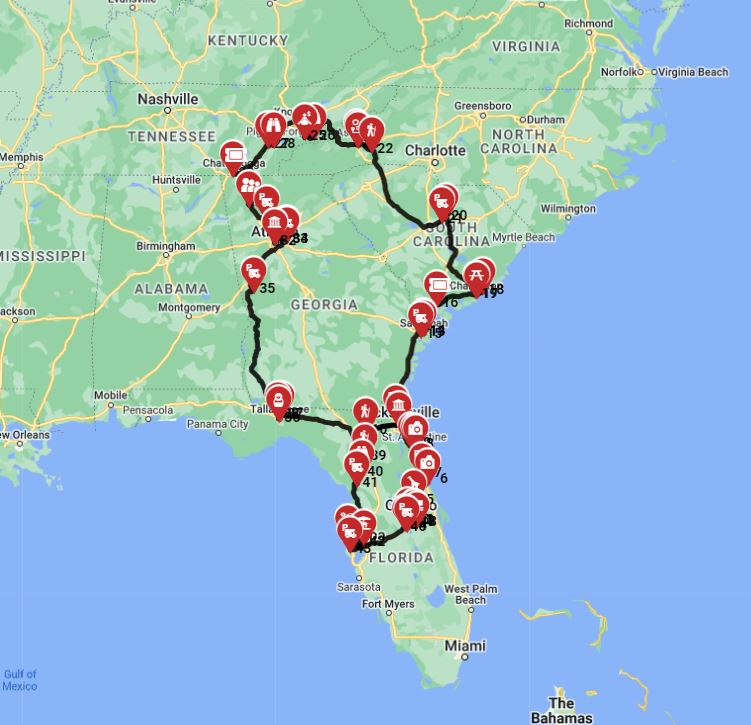
The 4-4-4 rule is a variation of RV travel advice, suggesting drivers avoid driving more than 4 hours, stay within 400 miles (approximately 640 km) of their starting point, and stop for 4 nights, offering a slightly more relaxed pace than the 3-3-3 rule. This guideline prioritizes even more leisure time at each stop, allowing travelers to delve deeper into local culture, attractions beyond theme parks like the natural springs, or simply unwind at their chosen RV park. Adopting the 4-4-4 rule for an Orlando winter RV rental can be especially beneficial for snowbirds planning extended stays, as it significantly reduces travel fatigue and maximizes relaxation time. For a multi-state adventure adhering to a similar leisurely pace, consider the "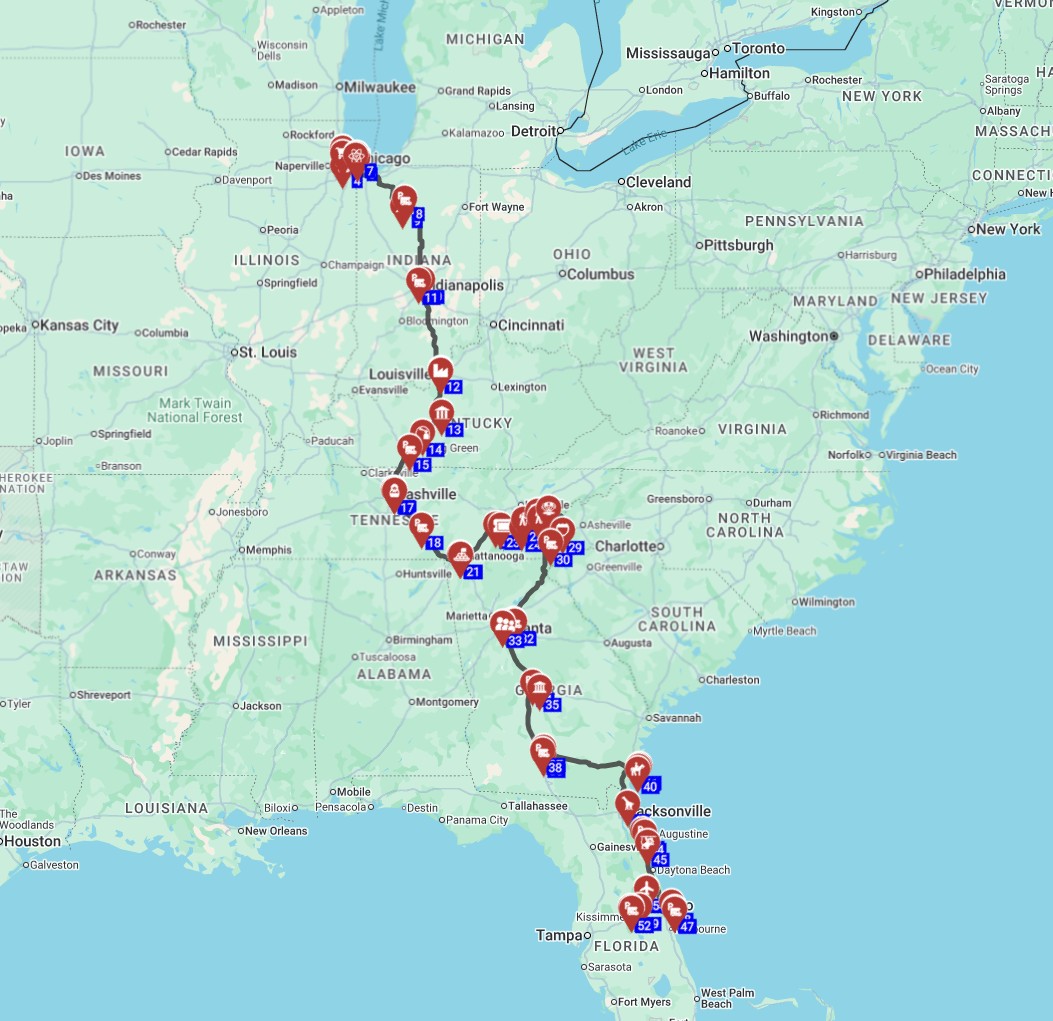
Where do RV snowbirds go in the winter?
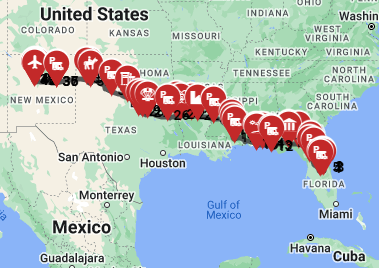
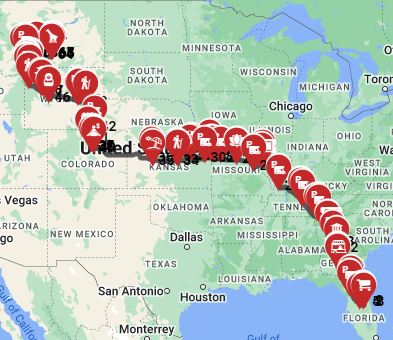
RV snowbirds predominantly flock to warm-weather destinations in the winter, with Florida, particularly Central Florida around Orlando, being a prime location due to its pleasant climate, abundant RV parks, and diverse attractions. Popular destinations within Florida include coastal towns, the Florida Keys, and interior spots like Orlando, which offers access to world-famous theme parks, extensive dining, and a thriving arts scene. Beyond theme parks, snowbirds in Orlando can explore numerous state parks, natural springs for kayaking or swimming, and cultural experiences, often staying for several months in dedicated RV resorts tailored for long-term stays, including social activities and pet-friendly facilities. For a grand cross-country journey to this popular winter haven, check out the "Billings to Orlando - Rockies to Disney: USA Motorhome Journey," a 25-day, 5678.09 km route plan that takes you through 5 natural features and 3 historical sites. For a broader look at RVing across the state, our RV Rental Florida - Complete Guide 2026 offers extensive information.Can you get temporary RV insurance?
Yes, temporary RV insurance is readily available and is crucial for covering your rental RV during your trip in Orlando, often provided directly through the rental company or specialized insurers. When renting a motorhome, your rental agreement typically includes basic liability coverage, but supplemental collision and comprehensive coverage for the RV itself is highly recommended or often required by the supplier. Many personal auto insurance policies offer a 'binder' or 'rider' that extends coverage to rental vehicles, so it's wise to check with your existing insurer before your Orlando winter trip. Alternatively, rental companies like El Monte and Cruise America provide various levels of insurance packages (e.g., standard, premium) that cover the RV for the duration of your rental period, offering peace of mind. You can upgrade to a top-level deductible for extra peace of mind, ensuring comprehensive protection against unexpected incidents.How much is insurance on a $200,000 RV
The cost of insurance for a $200,000 RV can vary significantly for personal owners, based on factors such as the driver's history, the type of coverage (liability, comprehensive, collision), deductible amount, and the chosen insurer, but typically ranges from $1,000 to $3,000 annually. For a rental RV in Orlando, the insurance structure differs; rental companies usually offer various insurance packages that are priced for the duration of your trip, rather than an annual premium. These rental insurance costs are usually an additional daily or weekly fee on top of the RV rental rate, designed to protect both the renter and the rental company from potential financial liabilities. It's essential to review the specific insurance options provided by your Orlando RV rental company and understand what is covered, especially concerning deductibles and exclusions, to ensure complete financial planning for your trip.Does RV insurance cover snow damage?
RV insurance, particularly comprehensive coverage, typically covers damage caused by weather events like snow, ice, and hailstorms, although this is rarely a concern for winter RV rentals in Orlando, where snow is virtually nonexistent. Comprehensive coverage is designed to protect your RV from non-collision-related incidents, including environmental damage, theft, vandalism, and fire, so damage from natural events would generally fall under this umbrella. For a winter RV rental in Orlando, while snow damage coverage is standard with comprehensive policies, your primary weather-related concerns would more likely be heavy rain or strong winds during occasional winter storms. Always review the specific terms and conditions of your rental RV insurance policy to understand the full scope of coverage and any exclusions, ensuring you are adequately protected for your Florida adventure.What You Shouldn't Miss
Looking for expert insights from Avi Bandana? Top 5 Adventures - recommendations from Avi Bandana
- Explore Wekiwa Springs State Park: Just a short drive from downtown Orlando, this pristine natural spring offers crystal-clear water for swimming, kayaking, and paddleboarding, providing a serene escape from the theme park hustle. RV-friendly parking is available, and it's a perfect spot to enjoy a picnic lunch prepared in your rented motorhome.
- Stroll through Winter Garden: This charming historic city, west of Orlando, boasts a beautiful downtown area with local shops, cafes, and a bustling farmer's market on Saturdays. It's an excellent place to experience local Florida culture beyond the major attractions.
- Discover Gatorland: Known as "The Alligator Capital of the World," this classic roadside attraction offers a unique glimpse into Florida's wildlife, with thousands of alligators and crocodiles. It provides a fun, family-friendly experience with ample RV parking options.
- Fish the Kissimmee Chain of Lakes: For fishing enthusiasts, the Kissimmee Chain of Lakes, accessible from various points around Orlando, is renowned for world-class bass fishing. Many RV campgrounds are strategically located along these lakes for easy access.
- Enjoy a Sunset at Cocoa Beach: Take a scenic hour-long drive east from Orlando to Cocoa Beach. This iconic spot offers beautiful Atlantic Ocean views, perfect for a relaxing evening walk or enjoying dinner by the ocean.
Final Thoughts
Embarking on a winter RV adventure in Orlando is an incredible way to experience the Sunshine State. From navigating the city's well-maintained roads with your standard driver's license to understanding the nuances of local tolls and finding the perfect RV park, you're now equipped with the knowledge to make your journey smooth and unforgettable. Remember our philosophy: travel slowly, averaging max 100-150 km per day, allowing yourself to truly connect with the culture, food, and scenery of Orlando. On the routes offered through RV PLANET routes, you can itemize and track every expense along the way for easy budgeting.
Whether you opt for the maneuverability of a Class B Camper Van or the spacious comfort of a Class C motorhome, Orlando in winter promises pleasant weather and a wealth of attractions beyond the theme parks. With Bandana RV's commitment to full transparency and dedicated support, you can plan your trip with confidence, knowing you have real people behind you every step of the way. Get inspired for your next trip and discover why so many choose RV travel for their winter escape.
Find Motorhome Rentals in OrlandoFor ideas you can prep on the road, watch our RV-friendly recipes playlist on YouTube.