In This Guide
- What RV Rental Costs in New Zealand (2026)
- Seasonal Pricing - Peak vs. Shoulder vs. Off-Season in New Zealand
- What's Included vs. What's an Add-On
- Hidden Costs to Budget For in New Zealand
- How to Save on RV Rental in New Zealand
- How much does it cost to rent an RV in New Zealand?
- Can you sleep in a camper anywhere in NZ?
- Is it worth renting a campervan in New Zealand?
- Do you need a special license to drive an RV in New Zealand?
- Can Americans rent property in New Zealand?
- Top Cities for RV Rental in New Zealand
- Driving Tips for Your RV Rental in New Zealand
- Connectivity & Cultural Etiquette for RV Travelers in New Zealand
New Zealand, often called Aotearoa in Māori, is a dream destination for RV adventurers, offering stunning landscapes, diverse activities, and the ultimate freedom of the open road. As true RV specialists, we understand that planning your first motorhome or campervan rental in this breathtaking country can feel like a big step, especially when it comes to understanding costs and local regulations. For live availability and current prices, start with our RV Rental New Zealand - Complete Guide 2026 guide.
At Bandana RV, we’re passionate about helping you discover the magic of RV travel, providing full transparency and expert support every step of the way. We want you to feel confident and excited about your journey, knowing there are no hidden fees or surprises.
What RV Rental Costs in New Zealand (2026)
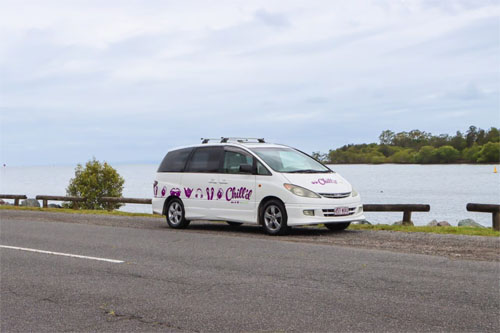
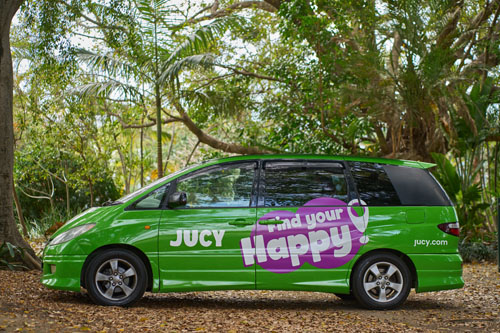
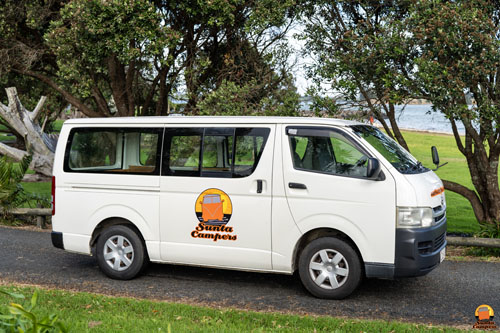
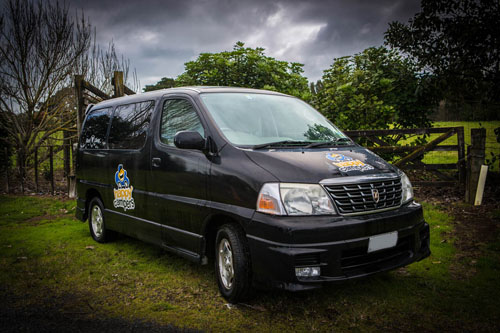
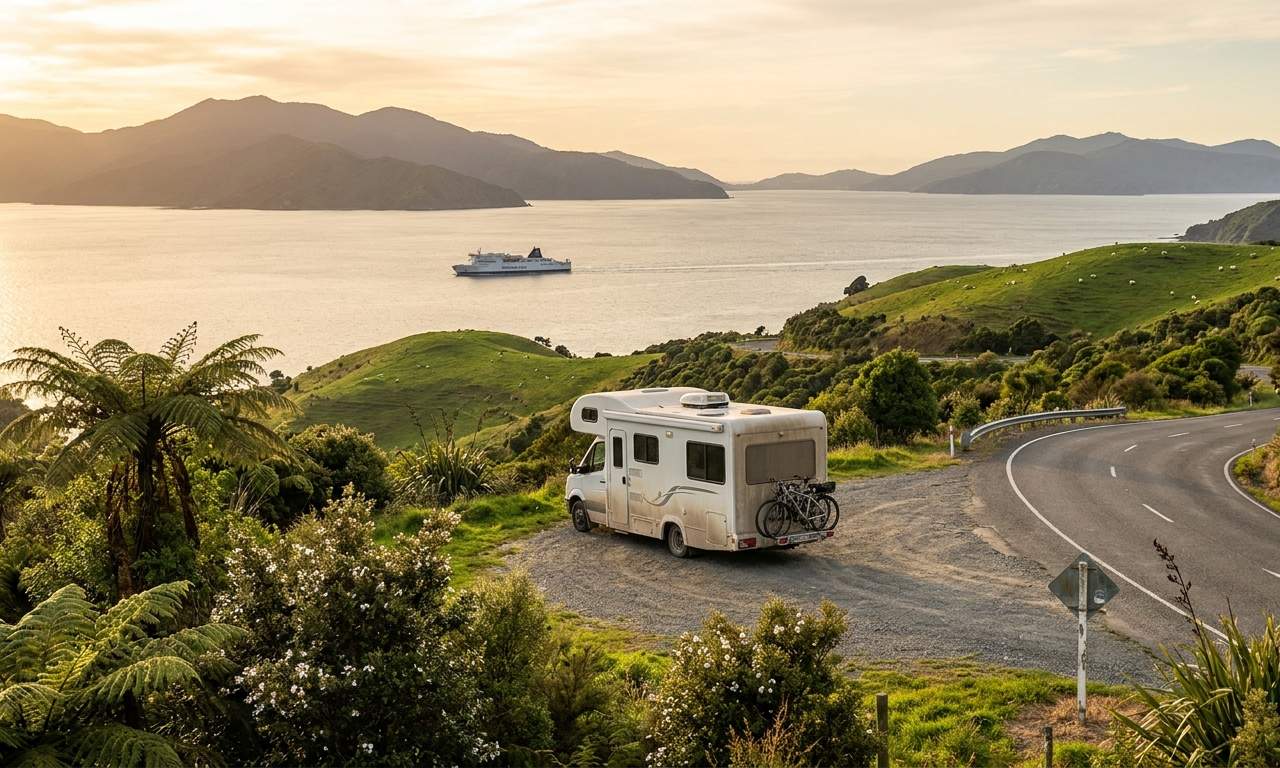
RV rental prices in New Zealand are dynamic and vary significantly by season, vehicle class, and rental duration, reflecting demand much like flight tickets. A compact campervan, perfect for a couple, might start from NZ$50-NZ$100 per day in the low season, while a spacious 6-berth Class C motorhome like the Euro Deluxe for a family could cost NZ$200-NZ$500+ per day in peak season. These prices are for the rental vehicle only; additional costs like insurance upgrades, fuel, and camping fees are always extra. Bandana RV prides itself on comparing final prices across suppliers, ensuring what you see is what you pay, with no surprise fees at pickup. On the routes offered through RV PLANET routes, you can itemize and track every expense along the way for easy budgeting.
For a week-long trip, a smaller 2-berth campervan might have a total rental cost of NZ$350-NZ$700 in off-peak, climbing to NZ$700-NZ$1,400+ in peak. For a two-week adventure, expect to pay NZ$700-NZ$1,400 off-peak, potentially reaching NZ$1,400-NZ$3,000+ in peak season for a comfortable 4-berth motorhome like the 4 Berth Adventurer. A month-long rental generally offers a lower daily rate, with a Class C motorhome possibly costing NZ$4,500-NZ$9,000+ depending on the season and vehicle size. Remember that these are estimates, and prices are truly dynamic, changing daily based on availability and supplier decisions.
Couples traveling in New Zealand often opt for smaller, fuel-efficient campervans (Class B) such as the Active Classic, typically ranging from NZ$50-NZ$200 per day. Families with kids, on the other hand, usually require more space, preferring Class C motorhomes (like the C-30 or a 6 Berth Discovery) that can sleep 4-7 people, with daily rates between NZ$150-NZ$500+. The additional space for sleeping, dining, and storage makes a significant difference for family comfort, and the overall cost will reflect the larger vehicle size and increased fuel consumption. Regardless of your group size, booking flexibility and transparent pricing are key when planning your New Zealand RV adventure.
Seasonal Pricing - Peak vs. Shoulder vs. Off-Season in New Zealand
Seasonal fluctuations significantly impact RV rental prices in New Zealand, making timing a crucial factor in your budgeting. Peak season, running from December to February and overlapping with July-August for winter sports enthusiasts on the South Island, sees the highest demand and consequently the highest prices for RV rentals. During these periods, you can expect daily rates to be at their maximum, with limited availability, often necessitating booking many months in advance. For example, a popular 4-berth motorhome during peak summer could easily be NZ$400-NZ$600+ per day.
Shoulder seasons (March-April and September-November) offer a fantastic balance of pleasant weather and more moderate prices, making them ideal for budget-conscious travelers. Daily rates can drop by 20-40% compared to peak season, and you'll find more availability for your preferred motorhome or campervan. The weather is often mild and beautiful, perfect for exploring without the peak season crowds. Considering One-Way RV Driving in New Zealand - Route Planner 2026 during these times can also unlock special relocation deals.
The off-season, typically May-June, generally presents the lowest rental rates, with some campervans available from NZ$50-NZ$100 per day. While temperatures are cooler and some campgrounds or attractions may have limited operating hours, this period offers a unique, serene experience of New Zealand's stunning landscapes without the tourist rush. Many national and state parks still have first-come-first-serve spots available, so even spontaneous travelers can find a great place to stay. Just be sure to call ahead before driving to confirm availability. Bandana RV helps you find these deals and offers a 25% planning discount when you utilize rvplan.net for your itinerary.
What's Included vs. What's an Add-On
Understanding what your RV rental in New Zealand includes and what constitutes an extra cost is vital for budget planning and avoiding surprises. Standard RV rentals typically come with basic insurance coverage (often with a high deductible, around NZ$5,000-NZ$7,500), a basic kitchen setup (like a gas stove and refrigerator), and essential vehicle features like front air conditioning. However, the specifics can vary significantly between suppliers and vehicle classes. For instance, a basic 2-berth campervan may not include a shower, while a 4-berth motorhome like the Challenger Genesis 36 usually does.
Common add-ons, which can quickly increase your total cost, include comprehensive insurance tiers (you can upgrade to a top-level deductible for extra peace of mind), unlimited mileage packages, portable generators, outdoor furniture (table and chairs), and convenience kits for bedding and kitchenware. Some larger motorhomes, such as a 6 Berth Deluxe, might include a microwave and TV by default, while smaller models often don't. Always check the rental agreement details carefully. Our platform allows you to use specific toggles during your search to compare what each RV model and rental company includes, ensuring full transparency. This helps you select a rental that perfectly aligns with your needs and budget, giving you peace of mind before you even pick up the keys.
When comparing different campervan hire new zealand options, pay close attention to inclusions like a fresh water tank (a 100-liter tank is common in mid-size RVs) and a gas stove (a 2-3 burner model is standard). Some vehicles, like the Combi Van, may come with an automatic transmission and front air conditioning, making driving more comfortable. Understanding these details upfront helps prevent unexpected expenses during your trip. Our focus as true RV specialists means we genuinely know RV travel and love helping people navigate these decisions.
How to Save on RV Rental in New Zealand
Savvy travelers know that a few strategic choices can lead to significant savings on an RV rental in New Zealand. One of the most effective ways to reduce costs is by planning your trip during the shoulder season (March-April, September-November) or off-season (May-June), where daily rental rates can be 20-40% lower than during peak summer. You'll also find greater availability and fewer crowds at popular attractions. Last-minute RV rental deals are more likely to appear during the off-season, and for short, spontaneous trips. Keep an eye on flex-rate drops, as prices are dynamic and can change daily based on supply and demand.
Choosing a smaller RV class that comfortably fits your group can lead to both lower rental costs and better fuel efficiency. A compact campervan, like the 2 Berth Hi Top, is ideal for couples and uses less fuel than a large Class C motorhome like the 6 Berth Derwent. Furthermore, opting for longer rental durations often results in a lower daily rate compared to shorter trips, encouraging slow travel at a maximum of 100-150 km per day to truly immerse yourself in the scenery, culture, and food. For those interested in exploring different regions, one-way rentals can sometimes be a great deal, especially if you can find a "relocation deal" where suppliers need to move vehicles between cities like Auckland and Christchurch.
Pre-planning your route with professional tools can also lead to substantial savings. Our sister company, RV PLANET (rvplan.net), offers over 1,300 pre-planned routes across 5 continents, including specific itineraries for New Zealand. By using rvplan.net, you can benefit from a 25% planning discount, helping you budget for all ancillary costs like fuel, campsites, and activities. This approach ensures full transparency, so there are no hidden fees or surprises along the way, giving you peace of mind before, during, and after your booking.
How much does it cost to rent an RV in New Zealand?
The total cost to rent an RV in New Zealand involves not only the dynamic daily rental rate but also significant additional expenses, which savvy travelers factor into their budget from the outset. Daily rental rates can fluctuate widely, ranging from NZ$50 in the off-season for smaller campervans (like a 2 Berth Sandpiper) to over NZ$500 in peak season for larger, modern Class C motorhomes (such as the Jayco Excursion). For a detailed cost breakdown and personalized trip plans, exploring RV PLANET routes allows you to itemize every anticipated expense along your journey.
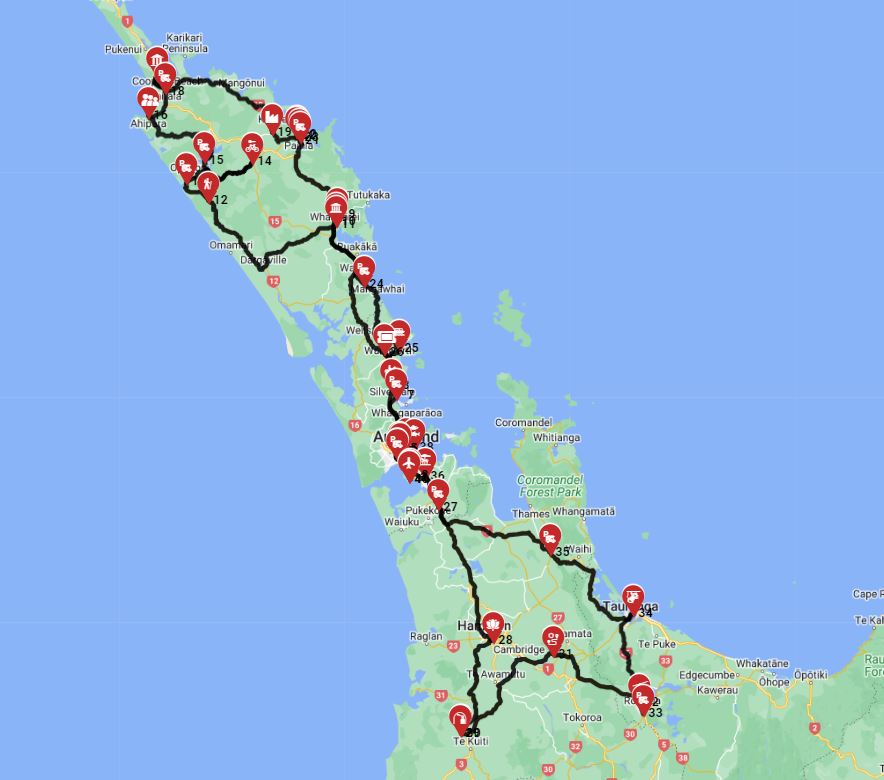
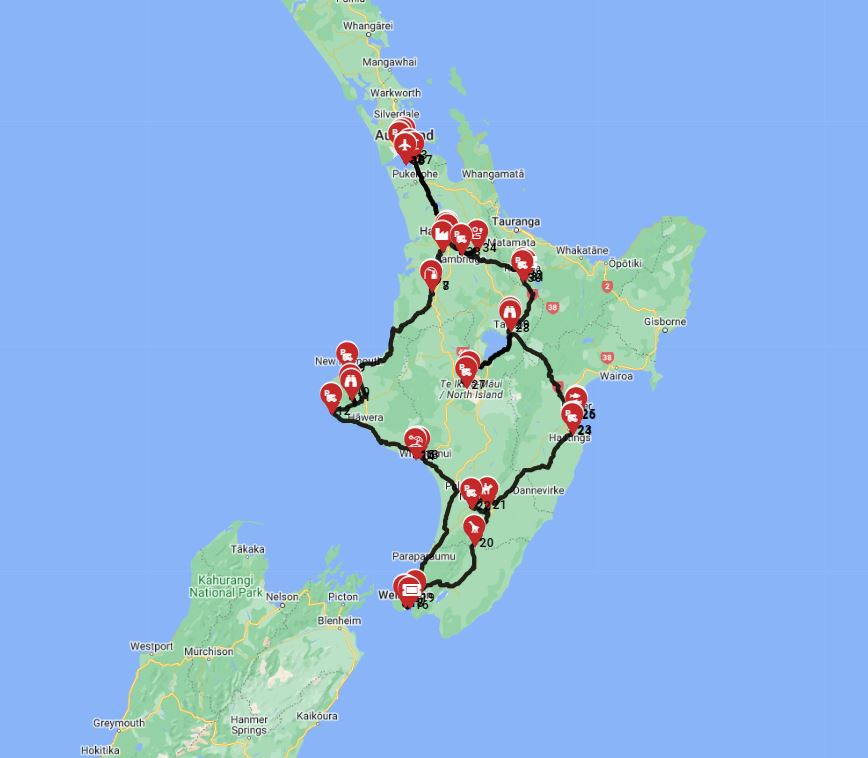
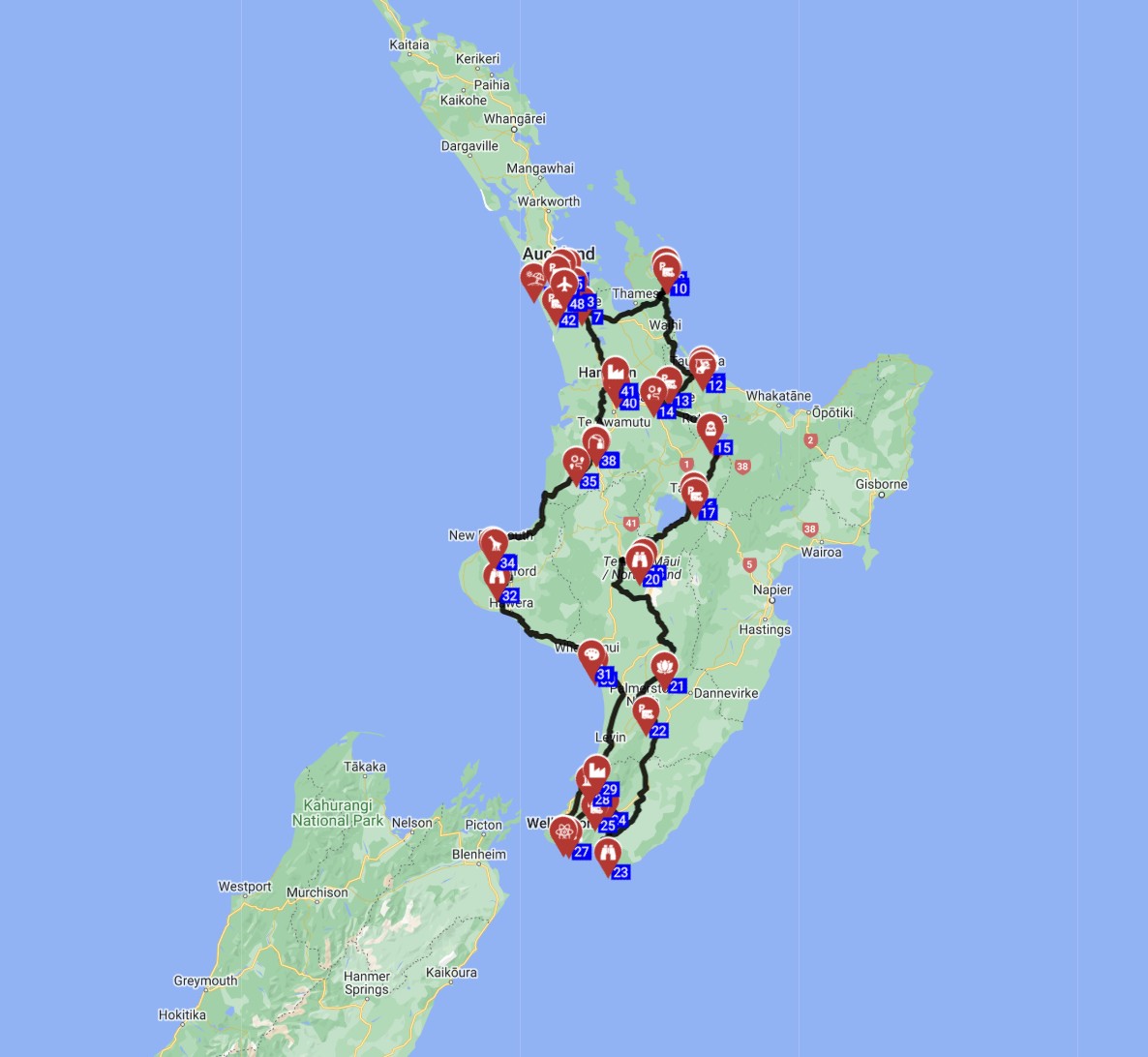
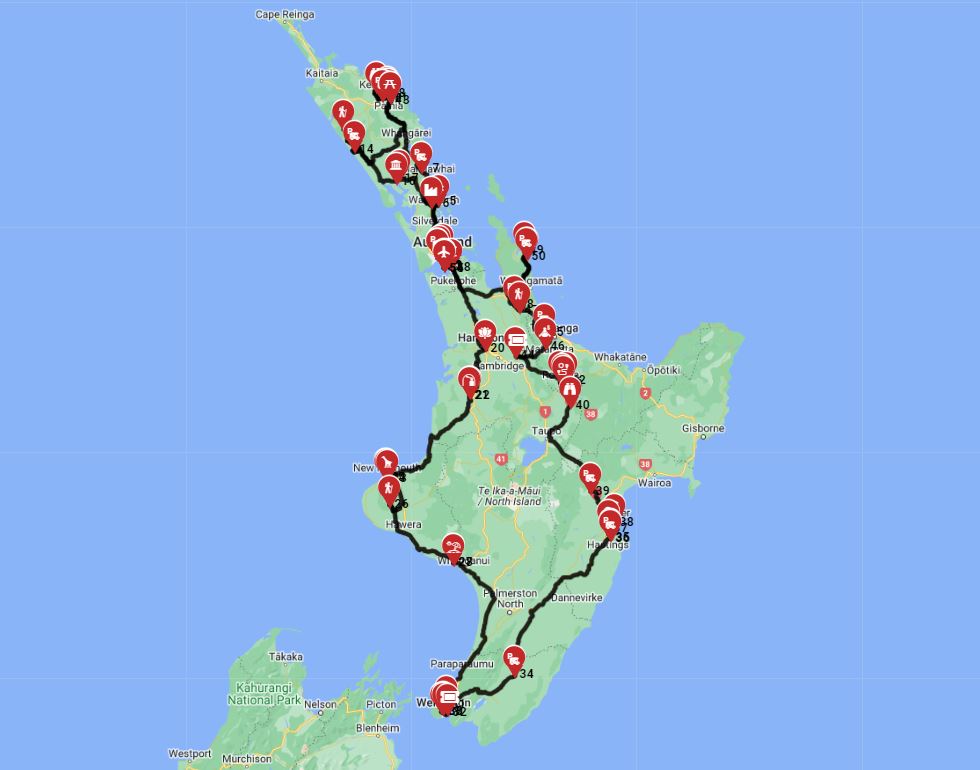
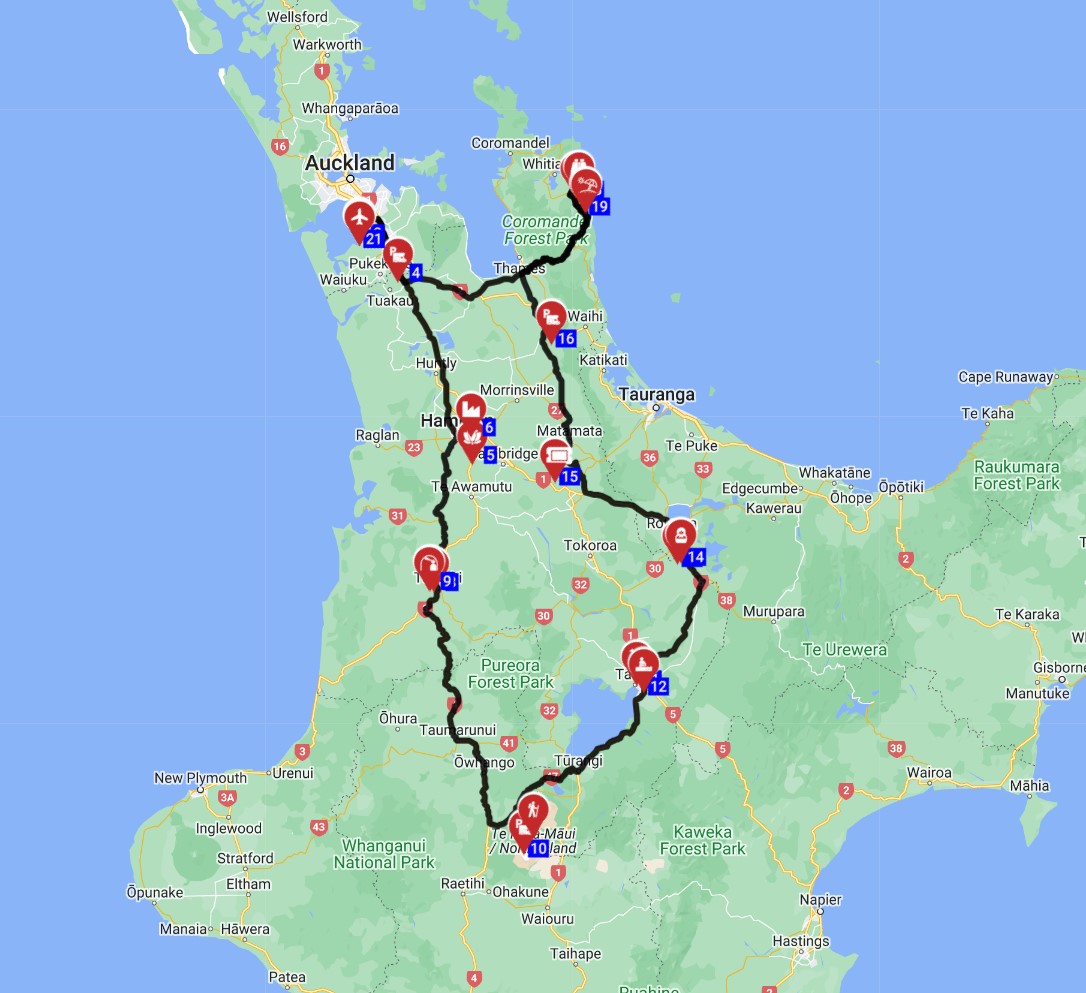
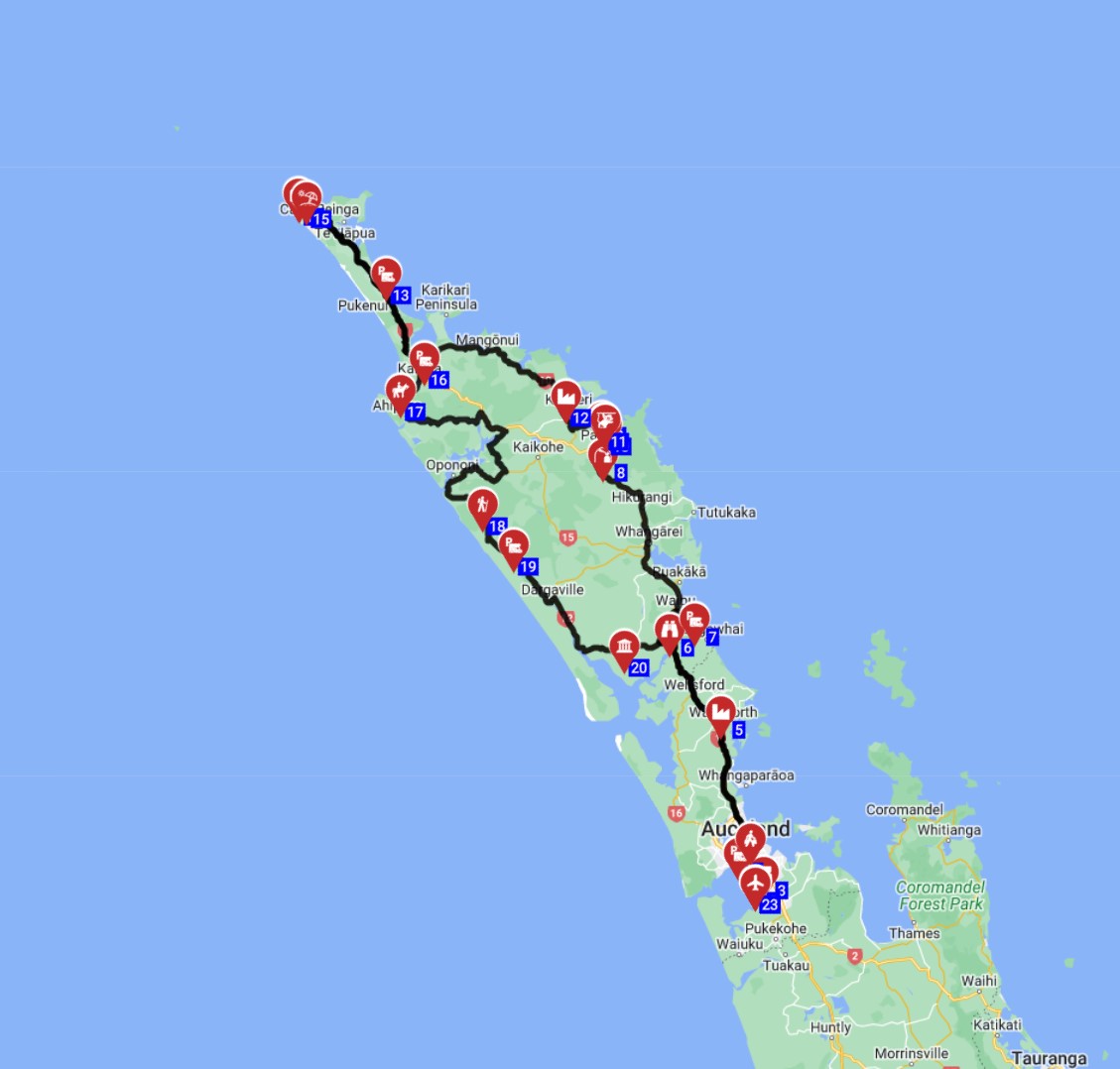
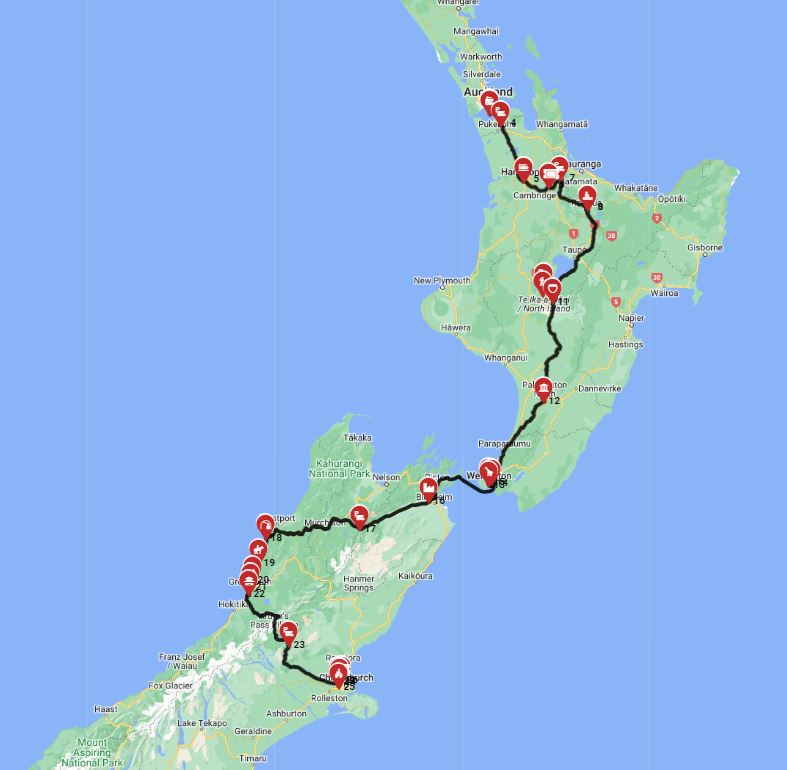
Fuel will be a major ongoing cost due to New Zealand's vast distances and extensive road network. Expect to budget for approximately NZ$2.80-NZ$3.20/liter for diesel and NZ$2.50-NZ$2.90/liter for petrol as of 2026. For example, a 2,830 km journey like the "
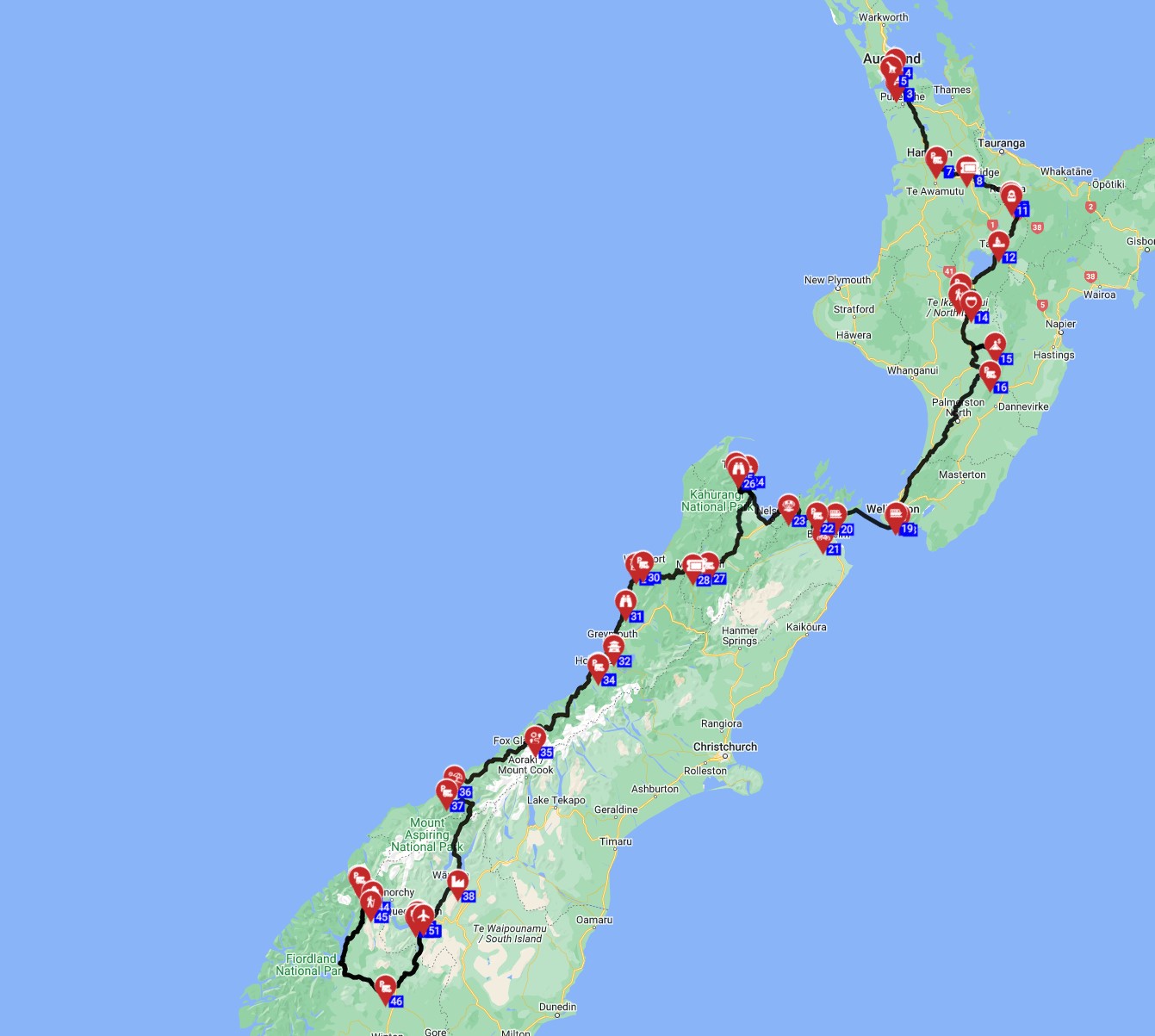
Groceries for self-catering in your rented campervan can offer substantial savings compared to dining out, but still require budgeting for, especially for fresh local produce and specialty items. Plan for NZ$100-NZ$150 per day for a family's groceries. Additionally, activities and excursions, from national park passes to guided tours and unique experiences (like a cruise in Milford Sound, included in the "
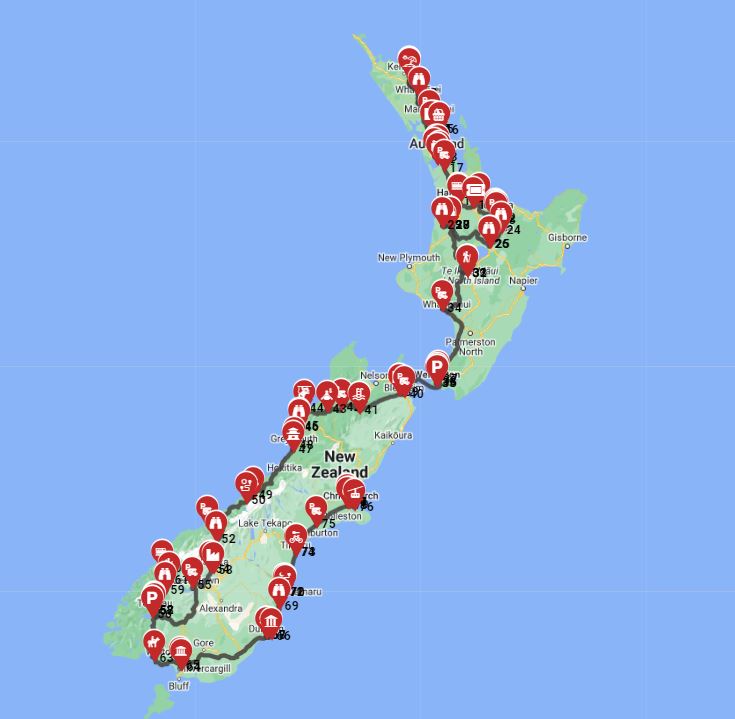
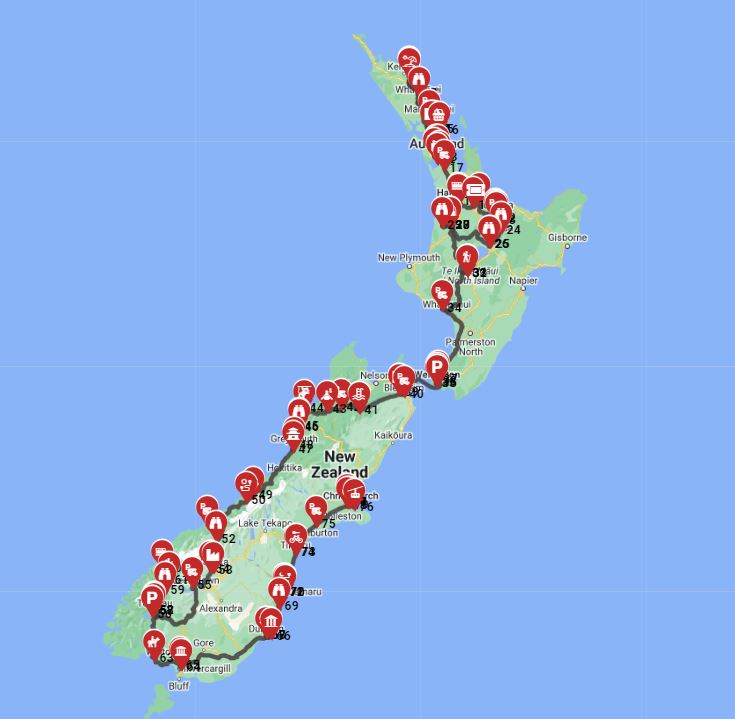
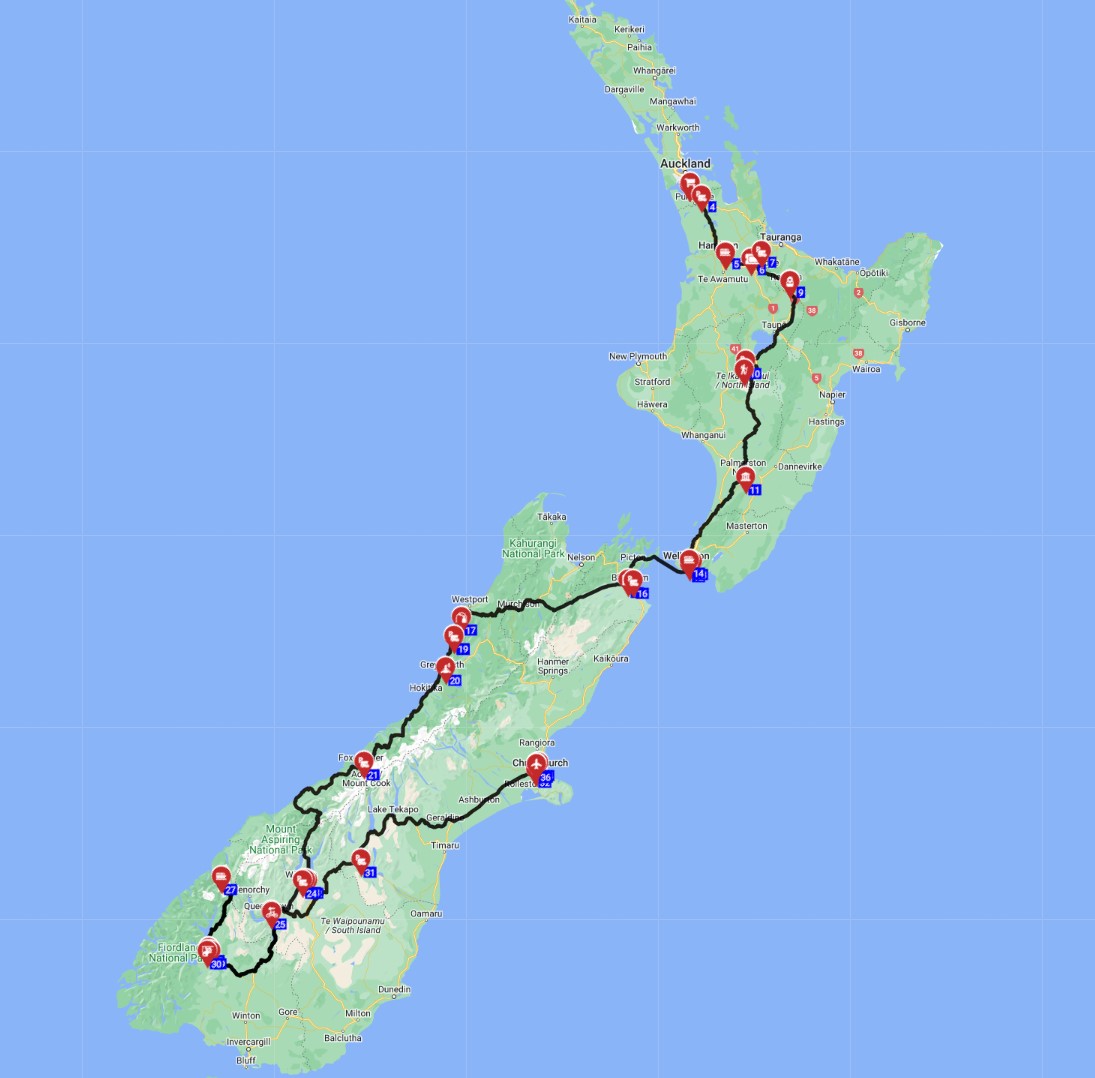
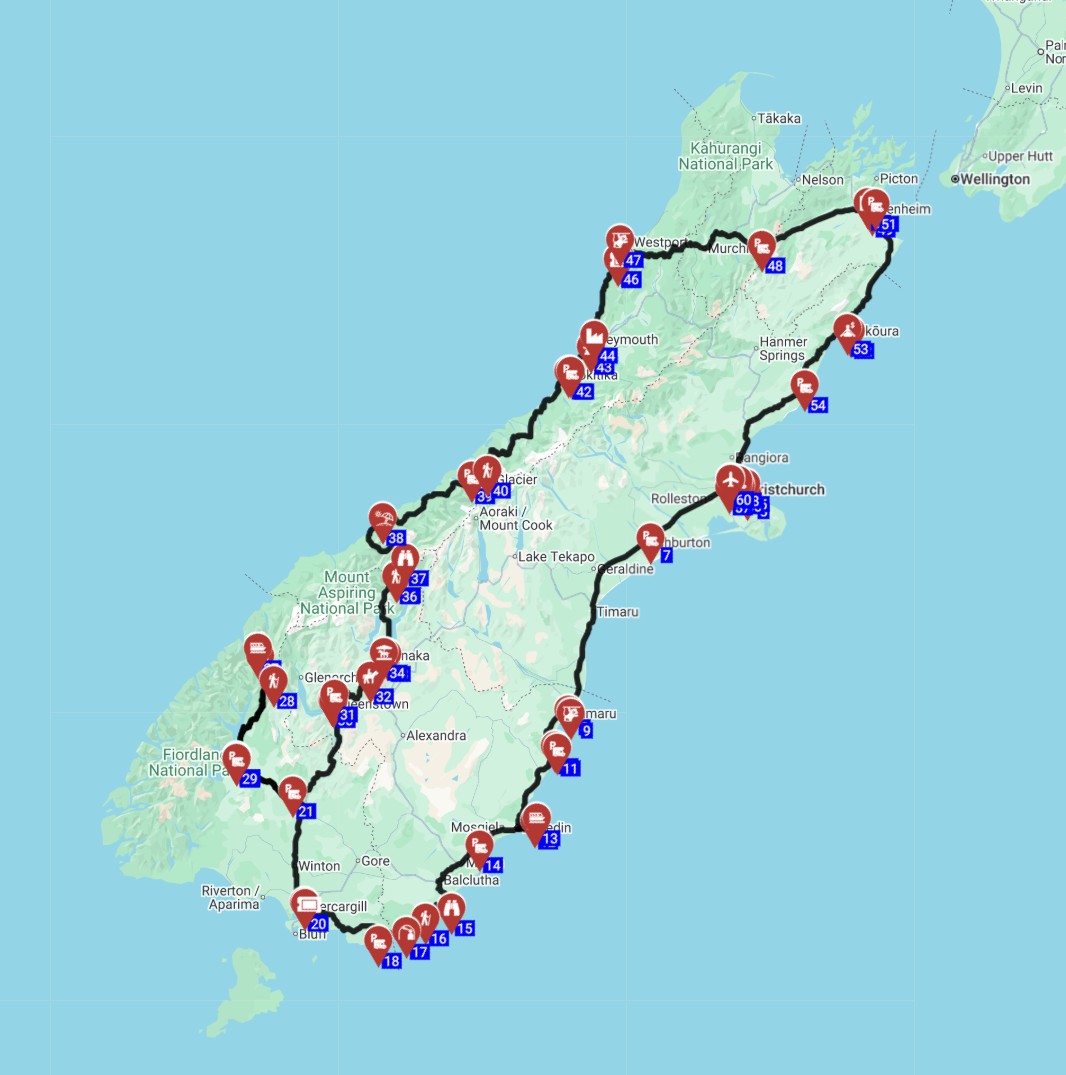
For those interested in exploring the South Island more thoroughly, consider the "Christchurch Roundtrip - Around the South Island" which covers 2,647 km and includes 5 hiking areas and 3 museums. This route offers a fantastic array of experiences, allowing you to immerse yourself in New Zealand's incredible natural beauty and local culture. Meanwhile, for a journey that takes you through both islands, the "
Can you sleep in a camper anywhere in NZ?
No, you cannot sleep in a camper anywhere in New Zealand; "freedom camping" is strictly regulated and generally only permitted in approved, designated areas for certified self-contained vehicles. New Zealand's commitment to preserving its pristine environment means strict rules are in place to prevent littering and improper waste disposal. Violating these regulations by sleeping overnight in unapproved public places or in a non-self-contained vehicle in a designated self-contained area can result in significant fines, typically ranging from NZ$200 to NZ$400.
A "self-contained" RV means it has a toilet, wastewater tank, fresh water tank (with a minimum 12L capacity per person for three days), and a rubbish bin, all certified by the New Zealand Motor Caravan Association (NZMCA) and indicated by a blue sticker. This certification ensures that your motorhome or campervan (such as the Koru Star 3 Freedom) can sustain its occupants for a minimum of three days without external services, allowing for responsible freedom camping. Designated freedom camping sites, often managed by local councils or the Department of Conservation (DOC), are clearly marked with specific signage indicating self-contained requirements and any time limits. For finding both freedom camping sites and commercial holiday parks, widely used apps like CamperMate or Rankers are invaluable resources for locating available spots, dump stations for wastewater disposal, and water refill points along your route.
For first-time RV renters in New Zealand, it's wise to plan your overnight stops in advance, especially during peak season, as even designated freedom camping spots can fill up quickly. Many national and state parks operate on a 25-30% reservation system, leaving the majority of spots open for first-come, first-served arrivals. If you don't find a spot at your first choice, don't stress – you'll find a spot, if not at the first campground, then the next one. Always call ahead before driving a long distance to confirm availability. Embracing these regulations is part of the unique and responsible RV travel experience in Aotearoa.
Is it worth renting a campervan in New Zealand?
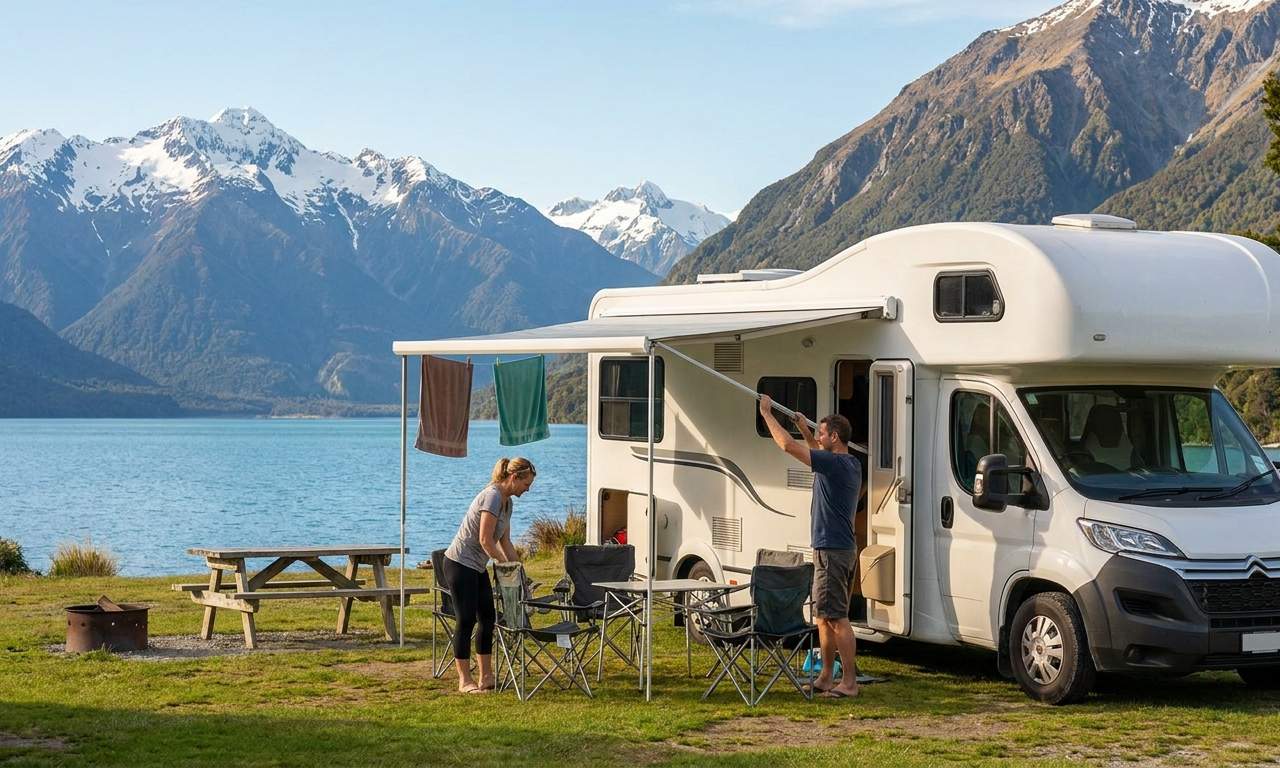
Yes, renting a campervan or motorhome in New Zealand is widely considered worth it for the unparalleled flexibility, freedom, and immersive travel experience it offers, allowing travelers to explore remote landscapes at their own pace. Imagine waking up to stunning natural views of the Southern Alps or a serene coastal bay, having your breakfast (with delicious local ingredients) right there in your rented motorhome. The extensive network of campgrounds, dump stations, and scenic routes makes New Zealand exceptionally well-suited for RV travel, contributing to a truly memorable adventure for many.
The ability to cook your own meals in your campervan and choose your accommodation, from basic DOC sites to full-service holiday parks, can offer significant cost savings compared to staying in hotels and eating out, particularly for longer trips of a week or more. A compact campervan, like the Chaser, offers an economical option for couples. Campervan travel also provides the unique opportunity to easily adapt your itineraries based on weather, local recommendations, or personal preference, allowing access to areas less accessible by public transport. However, it might be less "worth it" for those who prefer luxurious fixed accommodations, dislike driving long distances (though remember to travel slowly, max 100-150 km per day on average), or are on a very tight budget where hostel and bus travel might be slightly cheaper. For most adventurous families and couples seeking nature and culture, the freedom of a rented RV in New Zealand is an investment in unforgettable memories.
As true RV specialists, we believe that the value of RV rental in New Zealand extends beyond monetary savings. It's about connecting to the culture, the food, and the scenery in a deeply personal way. Whether you're a pre-planner who loves organized routes or a spontaneous explorer, a rented motorhome like the Koru Star 4 Freedom (a 4-berth model known for independent camping) provides the ultimate mobile headquarters. The country's infrastructure is incredibly welcoming to RVs, making your journey smooth and enjoyable, especially with 24/7 support from Bandana RV for any pre-booking or post-booking coordination needs.
Do you need a special license to drive an RV in New Zealand?
No, you generally do not need a special license to drive most RVs or campervans in New Zealand, provided the vehicle has a Gross Laden Weight (GLW) of 6,000 kg (6 tonnes) or less, which covers the vast majority of rental RVs, including large Class C motorhomes and campervans. This means your standard car driver's license from your home country is typically sufficient. This applies to vehicles like a 'rent rv example Comfort Class' or a 'Euro Deluxe', both of which are common rental choices.
For international visitors, you can usually drive with a valid and current overseas driver's license for up to 12 months from your last entry into New Zealand. However, it is crucial that your license is in English, or if it's not, it must be accompanied by an accurate English translation approved by the NZ Transport Agency (NZTA) or an International Driving Permit (IDP). An IDP is recommended for visitors from non-English-speaking countries to avoid any potential language barriers with local authorities, though it is not strictly mandatory if you have an approved translation. The driver must carry their valid license or IDP at all times while driving, and it must not be expired, suspended, or revoked in their home country.
For RVs exceeding 6,000 kg GLW, which are extremely rare in standard rental fleets, a heavy vehicle license (Class 2 or higher) would be required, mirroring the requirements for operating a similar heavy vehicle in the driver's home country. However, for typical vacation RV rentals, you won't encounter this. The minimum rental age for all motorhome classes (Class A, Class B, and Class C) is 21 years old in New Zealand, and there are no young driver surcharges or vehicle class restrictions based on age. So, whether you opt for a compact campervan or a spacious motorhome, you can hit the road with confidence, enjoying the full transparency and support Bandana RV offers.
Can Americans rent property in New Zealand?
While renting "property" in the sense of long-term real estate has specific rules for non-residents and typically requires a visa, Americans (and other international visitors) can readily rent an RV or campervan in New Zealand for tourism purposes without such restrictions. Renting a recreational vehicle like a motorhome is distinct from traditional property rental, falling under vehicle hire regulations which are far more permissive for short-term visitors. There are no specific restrictions for US citizens that differ from other international tourists when it comes to hiring a motorhome for a New Zealand road trip.
To rent an RV in New Zealand, Americans primarily need a valid driver's license (as detailed previously, a standard car license is sufficient for most rental RVs), a credit card for the security deposit and payment, and typically must be over 21 years of age. Unlike long-term residential property or land purchases which may involve stricter foreign ownership laws, the process for renting a motorhome or campervan is straightforward and designed for ease of travel. This ease of access makes RV travel an incredibly popular choice for exploring New Zealand's stunning landscapes.
As true RV specialists, Bandana RV streamlines the booking process for international travelers, offering bookings in 30+ currencies with full price transparency and no hidden conversion commissions. This means American travelers can compare motorhome prices for New Zealand with confidence, knowing exactly what they are paying. Our direct partnerships with over 50 leading RV suppliers worldwide, including major names like Apollo and Britz, ensure a wide selection of vehicles, from a compact 'rv rental denver example Category Van' to a more spacious 'rv rentals example Comfort Class' motorhome. We are with you before, during, and after your booking, providing support and local expertise to make your New Zealand adventure seamless and enjoyable.
Top Cities for RV Rental in New Zealand
New Zealand offers several excellent starting points for your RV adventure, with rental depots conveniently located in major cities on both the North and South Islands. Each city provides unique access to different regions and attractions, making your choice of pick-up location a strategic one. Remember to explore our "RV Travel Guide to New Zealand - Tips and Top Spots 2026" for more localized insights.
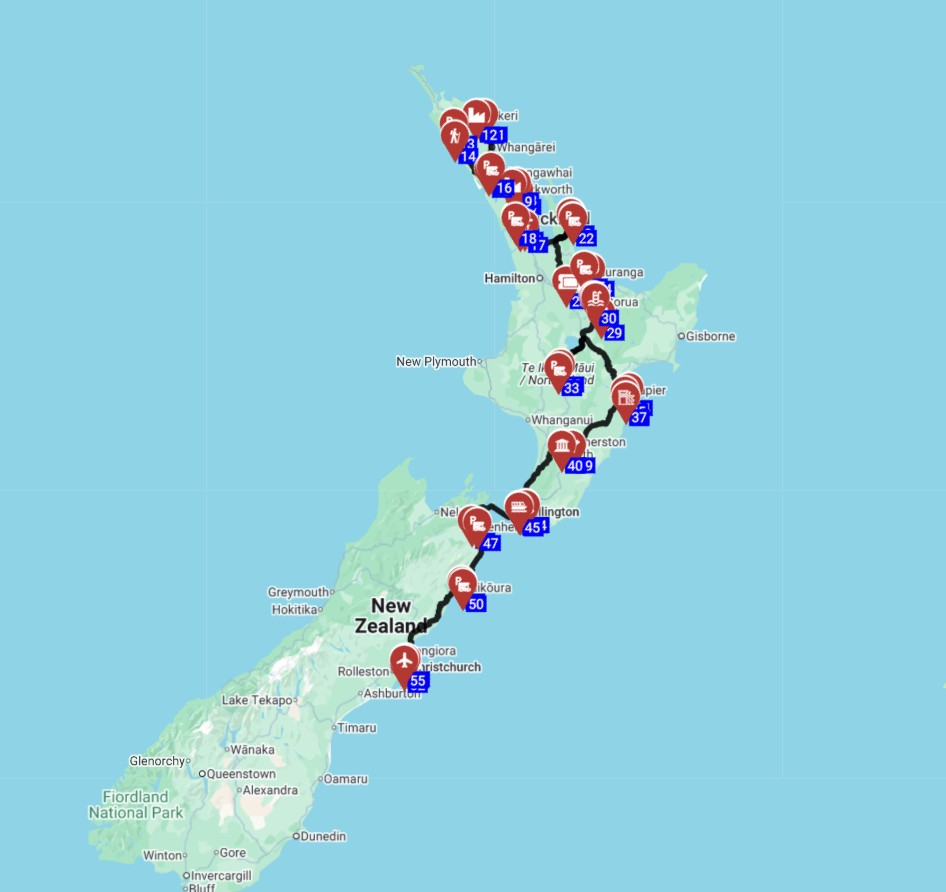
- Auckland: As New Zealand's largest city and a major international airport hub, Auckland is a very popular starting point for RV rentals. From here, you can easily head north to the Bay of Islands or embark on epic journeys south through the North Island. You could start your "
" route from here. Many suppliers offer a wide range of campervans and motorhomes here, like the spacious 'camper hire new zealand example Hercules' for larger families.
Auckland to Christchurch - Comprehensive New Zealand
- Christchurch: The largest city on the South Island, Christchurch is an ideal gateway for exploring the stunning Southern Alps, the West Coast glaciers, and the Fjordland region. It's a great base for the "
" itinerary, offering access to 4 wildlife watch locations and 5 hiking areas within an 18-day route.
 Christchurch Roundtrip - Around the South Island
 - Queenstown: Known as the adventure capital of the world, Queenstown on the South Island is perfect for travelers looking to immediately immerse themselves in thrilling activities like bungee jumping, jet boating, and hiking. While it's a smaller hub, it offers rentals for those wishing to explore the southern lakes and mountains. The "
" concludes here, featuring 1 extreme activity and 2 natural features.
Auckland to Queenstown - The Great Kiwi Road Trip
- Wellington: New Zealand's capital, located at the southern tip of the North Island, is an excellent choice for those wanting to explore the cultural heart of the country before heading north or crossing to the South Island via ferry. The city offers a vibrant arts scene and easy access to vineyards and scenic coastlines.
- Dunedin: On the South Island, Dunedin offers a Scottish heritage charm and is a fantastic base for exploring the Otago Peninsula, known for its unique wildlife like albatrosses, penguins, and seals. It’s a great starting point for a slower-paced RV trip focusing on nature and coastal beauty.
- Nelson: Located at the top of the South Island, Nelson is a sunny hub with access to three national parks: Abel Tasman, Kahurangi, and Nelson Lakes. It's an artistic city known for its vibrant craft scene and beautiful beaches, ideal for renting a campervan and exploring the Golden Bay area.
Regardless of your chosen starting city, driving slowly, averaging 100-150 km per day, allows you to fully experience the unique charm and breathtaking landscapes New Zealand has to offer. Drive slowly and carefully, and you can drive almost anywhere without issues. No need to stress - just use common sense and pay attention.
Driving Tips for Your RV Rental in New Zealand
Driving an RV in New Zealand is an incredible experience, but it's important to be prepared for local road conditions and rules. New Zealand operates on the left-hand side of the road, and all vehicles drive on the left. Speed limits are generally 100 km/h on open roads and 50 km/h in urban areas. Always adhere to posted speed limits, as they are strictly enforced. For more detailed driving advice, our "Driving an RV in New Zealand - Complete Guide 2026" is an excellent resource.
New Zealand's roads are often winding, hilly, and can narrow unexpectedly, especially in rural and scenic areas. You'll encounter many one-lane bridges where drivers must give way. It's crucial to drive defensively and be aware of "passing lanes" on highways that allow slower traffic to be overtaken. Do not feel rushed; maintain a safe speed that feels comfortable for you and your rented motorhome. Even large Class A motorhomes can navigate these roads without issues if you drive slowly and carefully, using common sense and paying attention.
Fuel stations can be sparse in remote areas, particularly on the South Island. Always plan your fuel stops, especially if you're driving a larger motorhome like the Cruise America Explorer with its 75-liter fuel tank. It's a good practice to refuel when your tank is half full. Emergency services can be reached by dialing 111. While toll roads are few and mostly around Auckland and Tauranga, be aware that most rental companies have systems for these, or you can pay online after your journey. For those on a tighter budget, exploring "Budget RV Driving in New Zealand - Save on Fuel 2026" might provide additional helpful tips.
Connectivity & Cultural Etiquette for RV Travelers in New Zealand
Staying connected while on your RV adventure in New Zealand is generally straightforward, though coverage can be spotty in very remote or mountainous regions. Major cellular providers like Spark, Vodafone, and 2degrees offer good 4G and 5G coverage in urban areas and along main highways. Purchasing a local SIM card upon arrival is highly recommended for reliable mobile data, navigation, and making calls. Many campgrounds and cafés offer Wi-Fi, though it might be limited or come with a fee. Planning your route can involve checking for Wi-Fi availability at your stops.
As you travel, practicing responsible tourism and showing respect for New Zealand's unique environment and Māori culture is paramount. Always adhere to "Leave No Trace" principles: take all rubbish with you, dispose of waste at designated dump stations, and stay on marked tracks. When visiting Māori cultural sites (marae) or engaging with local communities, always be respectful of customs and traditions. A simple "Kia Ora" (hello) goes a long way. Understanding and appreciating the local culture enhances your journey, allowing you to truly connect with the spirit of Aotearoa.
New Zealand is a country that cherishes its natural beauty, from pristine beaches to ancient forests and majestic fjords. When enjoying these spaces with your rented RV, remember to protect them. This includes being mindful of wildlife, particularly in coastal areas and national parks. For those looking for a luxurious experience, "Luxury RV Driving in New Zealand - Scenic Routes 2026" offers curated itineraries that align with responsible and respectful travel. By embracing these practices, you not only enjoy an incredible trip but also help preserve New Zealand's magic for future travelers.
What You Shouldn't Miss
- Explore Fiordland National Park: Cruise through the majestic Milford Sound or Doubtful Sound, marveling at towering cliffs and cascading waterfalls. It's an iconic experience that truly showcases New Zealand's dramatic natural beauty.
- Hike Tongariro Alpine Crossing: One of the world's best day hikes, this challenging track takes you through a volcanic landscape with emerald lakes and stunning views, offering an unforgettable adventure on the North Island.
- Visit Rotorua's Geothermal Wonderland: Immerse yourself in Māori culture and witness the powerful geothermal activity, including bubbling mud pools and erupting geysers, that makes this region unique.
- Discover the Marlborough Sounds: Drive through stunning coastal scenery, sample world-class wines, and enjoy water activities in this beautiful region at the top of the South Island.
- Stargaze in Aoraki Mackenzie International Dark Sky Reserve: Park your RV in this designated dark sky sanctuary for some of the most spectacular stargazing opportunities on Earth.
Looking for expert insights from Avi Bandana? Top 5 Adventures - recommendations from Avi Bandana.
Final Thoughts
Embarking on an RV adventure in New Zealand promises an unparalleled journey through some of the world's most stunning and diverse landscapes. From the volcanic wonders of the North Island to the majestic fjords and mountains of the South, a rented motorhome or campervan offers the flexibility to explore at your own pace, creating memories that will last a lifetime. Remember, planning is key, but so is embracing the spontaneity that RV travel allows. Don't worry too much about restrictive planning; many national and state parks offer first-come, first-serve camping, so you'll always find a spot.
Whether you're a couple seeking a romantic escape or a family craving adventure, New Zealand is incredibly welcoming to RV travelers. By understanding the pricing dynamics, being aware of all potential costs, and respecting local regulations, you're set for an incredible trip. We at Bandana RV are here to support you with full transparency, expert advice, and a passion for helping you discover the joy of the open road. Take your time, drive slowly, and let the magic of Aotearoa unfold around you.
Get inspired for your next trip! Discover top destinations, planning tips, all in one place with Bandana RV, and plan a trip itinerary in advance with minimal effort and maximum enjoyment using RV PLANET. Your unforgettable New Zealand RV journey starts now!