For live availability and current prices, start with our RV Rental Orlando - Complete Guide 2026 guide.
In This Guide
- Can You Drive an RV in Orlando? License & Age Rules
- Road Conditions & Terrain in Orlando
- RV Size Limits, Bridges & Restricted Zones in Orlando
- Fuel: Diesel vs. Petrol & Cost per 100 km in Orlando
- Tolls, Vignettes & Border Rules in Orlando
- Driving Tips for Family RV Rental Travelers in Orlando
- Recommended RV Class for Orlando Roads
- Should I Choose a Compact Van Instead of a Large RV in Orlando?
- Can I Park Anywhere? Free & Wild Camping Rules in Orlando
- Can I Drive an RV Into the City Center of Orlando? Heights, Tunnels & Local Signage
- Can your family ride in an RV while it drives in Orlando?
- What is the 3-3-3 rule for RV travel?
- Does Florida require a special license to drive an RV?
Can You Drive an RV in Orlando? License & Age Rules
Florida generally permits driving most family RV rentals with a standard Class E driver's license, provided the Gross Vehicle Weight Rating (GVWR) is under 26,001 pounds. Most Class C and Class B campervans, popular for family rentals in Orlando, fall comfortably within this weight limit. For live availability and current prices, start with our RV Rental Orlando - Complete Guide 2024 guide. A Commercial Driver's License (CDL) is typically only required for vehicles with a GVWR of 26,001 pounds or more, or if towing a trailer over 10,000 pounds with a combined GVWR exceeding 26,001 pounds. The minimum age to rent and drive a motorhome in Florida is 21, varying by specific rental company policies, and Bandana Caravan proudly offers no young driver surcharges or vehicle class restrictions based on age. Foreign drivers can operate a rented motorhome in Florida with a valid driver's license from their home country; an International Driving Permit (IDP) is highly recommended for translation, though not mandatory in most cases for non-English licenses. Bandana Caravan, founded in 2001, has over 23 years helping tens of thousands of travelers explore the world by RV, providing expertise on all these details before you book.Road Conditions & Terrain in Orlando
Orlando's road conditions are generally excellent, featuring well-maintained highways and interstates designed to accommodate significant tourist traffic, with the terrain being predominantly flat. The area is characterized by flat, often urbanized terrain with major multi-lane roads, making it relatively straightforward for driving a rented RV, but expect heavy traffic, especially near Walt Disney World, Universal Orlando Resort, and other theme parks during peak seasons like summer and holidays. While there are no mountainous regions or challenging gravel roads directly in Orlando, navigating urban density, particularly on I-4 and around major attractions, requires vigilance and patience. We always recommend slow travel, averaging max 100-150 km per day, to truly feel the place, connect to the culture, the food, and the scenery. Consider exploring lesser-known routes leading to natural springs or state parks like Wekiwa Springs State Park outside the immediate city to experience Florida's diverse landscapes beyond the main tourist corridors. You can find detailed suggestions in our RV Travel Guide to Orlando - Tips and Top Spots 2024.RV Size Limits, Bridges & Restricted Zones in Orlando
Orlando and Florida generally do not impose strict RV size limits that prevent common family rental motorhomes from navigating most roads, with typical RVs ranging from 6 to nearly 10 meters in length. The average length for Bandana's Class C Alcove RVs, like the "24' Class C Motorhome" (7.46m) or "29' Class C Motorhome", is 8.3 meters, while Class A Integrated models average 9.6 meters, both of which are common on Florida roads and interstates. Low bridges are rare on major routes like I-4 and Florida's Turnpike in and around Orlando; however, RV drivers should always pay attention to posted height restrictions, especially when entering parking garages at attractions or navigating smaller, local roads, such as those near Lake Eola Park or the historic districts. Florida does not have specific environmental zones that restrict RV access, but certain private communities or state parks, like some sections of Blue Spring State Park, may have their own vehicle length or noise restrictions. Ferry limits are not a concern within the immediate Orlando area, but if planning extended trips to barrier islands or the Florida Keys, checking ferry size restrictions in advance is advisable.Fuel: Diesel vs. Petrol & Cost per 100 km in Orlando
RV fuel types in Orlando primarily consist of diesel for larger Class A and some Class C motorhomes, and petrol (gasoline) for Class B campervans and many standard Class C models, both widely available at service stations along International Drive and near major highway exits. Based on Bandana's fleet data, Class C Alcove RVs typically consume between 25-35 Liters/100km, while Class A Integrated RVs, such as the "Class A - Thor ACE 30", consume 30-45 Liters/100km. Average fuel costs in Florida can fluctuate, but budgeting for approximately $0.80 - $1.20 USD per liter for diesel and slightly less for petrol is a reasonable estimate, making the cost per 100 km for a Class C RV roughly $20-42 USD. Many rental companies, including Bandana partners like El Monte and Cruise America, offer pre-paid fuel options or discount cards that can help manage fuel expenses during your Orlando RV trip. It's advisable to factor fuel costs into your overall Orlando trip budget, and with RV PLANET routes, travelers can itemize and track every expense along the way for easy budgeting.Tolls, Vignettes & Border Rules in Orlando
Orlando and the surrounding central Florida area have numerous toll roads, including major arteries like the Florida Turnpike, State Road 528 (Beachline Expressway), and State Road 417 (Central Florida GreeneWay), which do not use vignettes but rather electronic tolling systems. The primary toll collection methods are SunPass (transponder) and Toll-By-Plate (photo enforcement), with Toll-By-Plate typically incurring higher fees and administrative charges, as it mails a bill to the vehicle owner. Many rental motorhomes, including some from Bandana's direct partners like El Monte and Cruise America, allow pre-purchasing SunPass or include transponders, simplifying toll payments and often providing discounted rates, which helps avoid fines and simplifies travel around popular areas such as Kissimmee or the Orlando International Airport (MCO). There are no border rules or customs checks relevant to driving an RV within Florida or when traveling to neighboring US states, as it is all domestic travel. Budgeting for tolls is crucial for an Orlando RV trip; expect to encounter tolls frequently on major highways, especially if visiting theme parks like Walt Disney World or Universal Orlando Resort.Driving Tips for Family RV Rental Travelers in Orlando
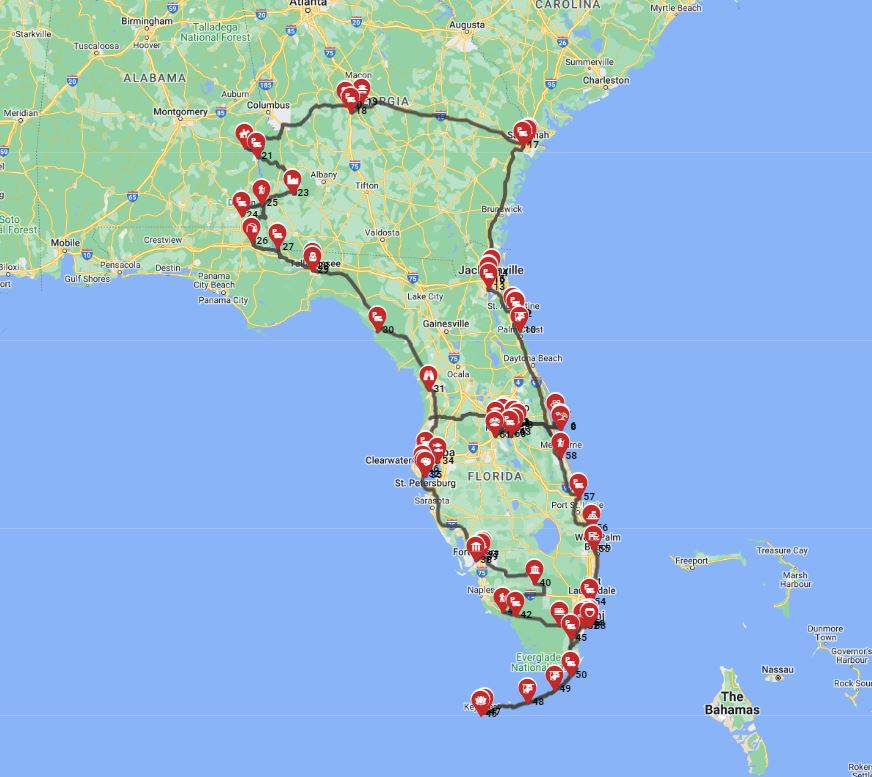
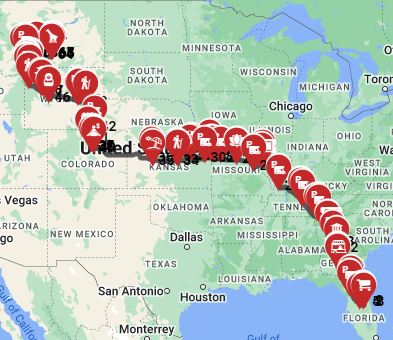
Planning frequent stops every 2-3 hours is essential for family comfort and to prevent driver fatigue, especially important with kids onboard your rented motorhome, allowing for stretch breaks and bathroom visits at popular rest areas along I-4 or local gas stations near attractions. Pre-pay tolls or ensure your rented RV has a SunPass transponder to avoid unexpected fees and streamline travel through Orlando's many electronic toll roads. Utilize GPS specifically designed for RVs, which can account for vehicle height and weight, helping avoid low bridges or restricted routes that might not be suitable for larger vehicles. For Orlando's busy tourist areas, consider visiting theme parks or attractions during off-peak hours or utilizing park-and-ride options if available, as dedicated RV parking can be challenging and expensive at places like Epcot or Hollywood Studios. Embrace scenic routes and local attractions beyond the theme parks, such as the natural springs around Apopka or the charming streets of Winter Garden, to provide a more diverse family experience and escape peak traffic. For a longer adventure, consider the "Billings to Orlando - Rockies to Disney: USA Motorhome Journey" route plan, which covers 5678.09 km and includes 3 Tourist Attractions in Orlando.Recommended RV Class for Orlando Roads
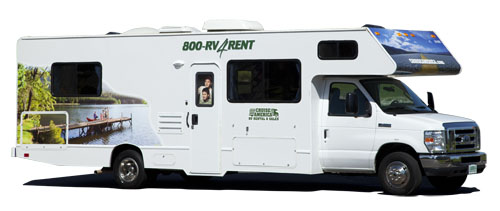
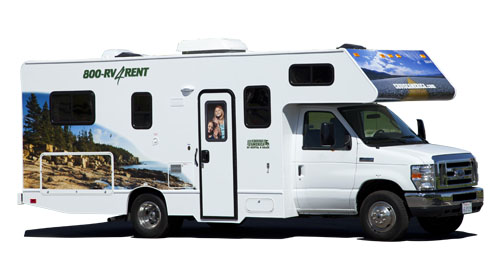
For family RV rentals in Orlando, both Class C - Alcove and Class B - Camper Van RVs are highly recommended due to their balance of family-friendly space and reasonable maneuverability on Florida's roads. Class C - Alcove RVs, with an average length of 8.3 meters and sleeping up to 5-7 people (like the "29′ Class C Motorhome"), offer ample living and sleeping space for families while still being manageable for parking at RV resorts like Disney's Fort Wilderness Resort & Campground and some larger attraction lots. Class B - Camper Vans, averaging 6.1 meters in length (like the "Active Pop Top") and sleeping around 2-4 people, provide greater agility for navigating busy Orlando traffic and potentially easier parking in more standard-sized spaces in areas like downtown Orlando or Winter Park. While Class A - Integrated RVs (avg. 9.6 meters, like "Class A - Thor ACE 30") offer luxurious space for larger families (sleeping up to 7), their increased length and fuel consumption may make them less ideal for frequent short-distance travel within Orlando's congested areas. The choice depends on family size, budget, and desired level of comfort versus ease of driving and parking, with Class C often striking the best balance for most Orlando family trips. For further details on options, check out RV Rental in Orlando - Prices and Best Deals 2024.Should I Choose a Compact Van Instead of a Large RV in Orlando?
While a compact van, like a Class B Camper Van, offers superior maneuverability and easier parking, a larger rented RV generally presents no significant driving issues in Orlando's main tourist areas and often provides a better trade-off for family comfort and amenities. Orlando's infrastructure, including major highways like I-4 and theme park parking lots at Universal or Disney, is designed to accommodate large vehicles, meaning most standard RV sizes, like a "Class C - Alcove", are manageable. A compact van, such as Bandana's Class B Camper Vans averaging 6.1 meters in length (e.g., "Active Bunk Auto"), genuinely helps in tight historic centers or for navigating very narrow streets, which are less common in the immediate Orlando area but might be found in smaller surrounding towns like Mount Dora. For family RV rentals, the additional indoor space, separate sleeping areas, and amenities like larger kitchens and bathrooms in a Class C (e.g., "MH23 Medium - Economy" with 115 liters fresh water tank) or a Class A RV (e.g., "MHADL" with 200 liters fresh water tank) often outweigh the marginal parking advantages of a compact van, especially for extended stays or multiple occupants. Ultimately, the decision balances driving ease with desired living space and comfort for your family's specific Orlando vacation style.Can I Park Anywhere? Free & Wild Camping Rules in Orlando
In Orlando and throughout Florida, free camping or 'wild camping' (boondocking outside of designated campgrounds) is generally not permitted on public lands or private property without explicit permission, particularly within city limits. It is typically illegal to park a rented RV overnight on most city streets in Orlando, in retail parking lots (like Walmart) without manager approval, or along highway shoulders. Designated RV parks, state parks like Wekiwa Springs State Park, and private campgrounds such as Kissimmee Prairie Preserve State Park are the only legal and safe options for overnight RV parking in and around Orlando, offering amenities and security. Some private businesses, like truck stops on US-192 or specific big-box stores along John Young Parkway, may allow overnight parking for self-contained RVs, but always ask management first and never assume it's permitted. For finding campsites and campgrounds during your trip, we recommend using RV PLANET (rvplan.net) - a great resource for locating available spots along your route. Always check local regulations and follow local law before parking overnight to avoid fines or other issues, as rules can vary by county.Can I Drive an RV Into the City Center of Orlando? Heights, Tunnels & Local Signage
Yes, you can drive a rented RV into Orlando's city center, as downtown Orlando lacks low bridges or extensive tunnels that would typically restrict RV access on main routes like Orange Avenue or Colonial Drive. While major thoroughfares are generally RV-friendly, drivers should still pay close attention to local signage for any potential height limits, especially when considering parking garages or navigating smaller, tree-lined streets near Lake Eola Park. Environmental zones are not typically a concern for RVs in Orlando, unlike some European cities. Most public roads in downtown Orlando are designed for standard vehicle traffic and can accommodate RVs, but finding dedicated RV parking within the densest parts of the city center can be challenging. It's advisable to seek out designated oversized vehicle parking or RV-friendly lots on the outskirts of downtown, or consider parking at nearby campgrounds and using public transport or ride-sharing into the core downtown area. Drive slowly and carefully, and you can drive almost anywhere without issues. No need to stress - just use common sense and pay attention. If you're planning a trip focusing on budget, our Cheap RV Rental in Orlando - Budget Guide 2024 offers further helpful tips.Can your family ride in an RV while it drives in Orlando?
Yes, in most states, including Florida, passengers are generally permitted to ride in a rented RV while it is in motion, provided they are using available seatbelts and following all state safety regulations. Children must be secured in appropriate car seats or booster seats as required by Florida law, which typically mandates children under age 6 be in a car seat. While passengers can ride in the living area, it is safest for everyone to remain seated and buckled in designated seating positions while the RV is in motion, especially for collision protection on busy roads like I-4. Avoid using facilities like the bathroom or kitchen while driving, as sudden stops or turns can cause falls or injuries. For family meals on the go, ensure all cabinets, drawers, and appliances are securely latched to prevent contents from shifting or opening during travel, protecting passengers and belongings. For delicious and easy family meals, check out our RV-friendly recipes playlist on YouTube.What is the 3-3-3 rule for RV travel?
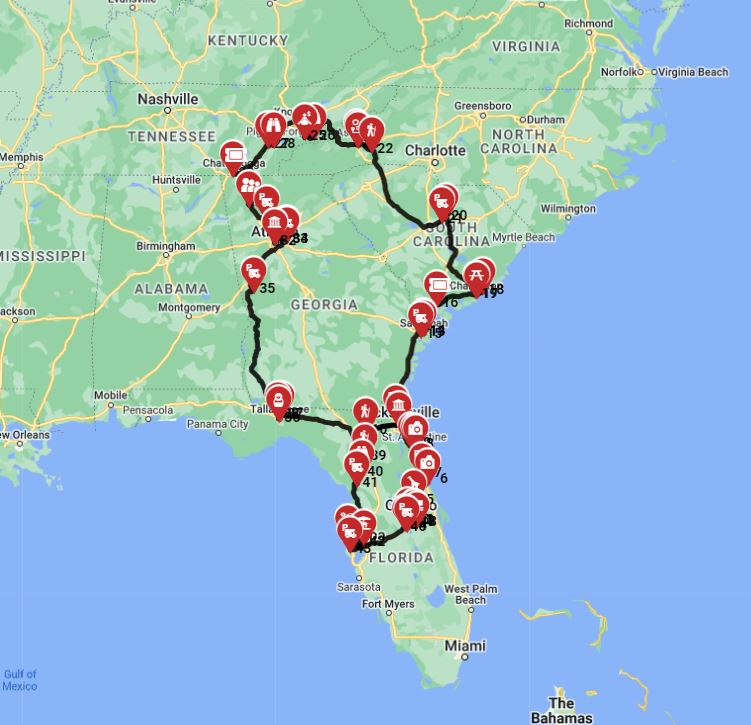
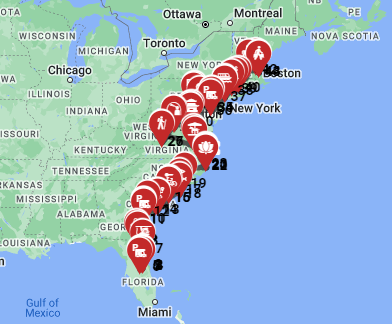
The '3-3-3 rule' is a widely adopted guideline for RV travelers designed to promote safety, conserve fuel, and enhance the travel experience, particularly useful for families exploring Orlando and beyond. It advises traveling no more than 300 miles (approximately 480 km) in a day to prevent driver fatigue and allow for unexpected stops or delays, ensuring a relaxed pace in a rented motorhome. It recommends arriving at your destination by 3 PM to ensure enough daylight for setting up camp, identifying potential issues at campgrounds like those near Lake Tohopekaliga, and allowing kids time to settle. It suggests staying a minimum of 3 nights at each location to fully experience the area without feeling rushed, reduce travel stress, and make the most of campground amenities. While a guideline, adhering to the 3-3-3 rule for your Orlando family RV rental helps create a more relaxed, enjoyable, and safer road trip, allowing more time for exploration and family activities. For extended RV adventures from Orlando, consider the "Orlando to New York - Include the smoky mountains and the Niagara falls" route, which spans 23 days and 5052.9 km, offering ample opportunity to embrace slow travel and connect to local culture. For those seeking different starting points for their Orlando adventure, the "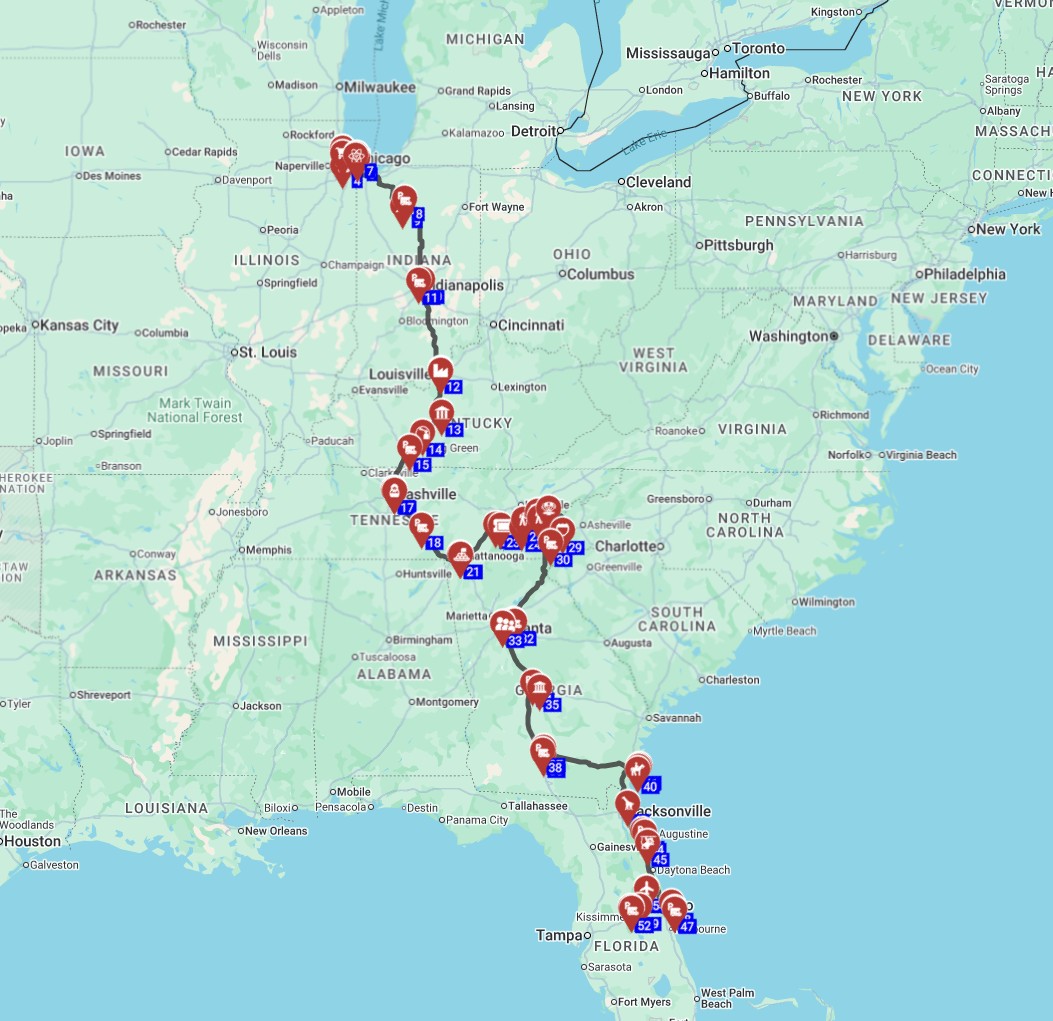
Chicago to Orlando - The Soul Tracks RV Road Trip
Does Florida require a special license to drive an RV?
No, Florida generally does not require a special license (beyond a standard Class E driver's license) to drive most recreational vehicles, including common family RV rentals in Orlando, unless the vehicle's Gross Vehicle Weight Rating (GVWR) exceeds 26,000 pounds. The vast majority of Class C and Class B motorhomes, which are popular for family trips to Orlando, have a GVWR below this threshold, making a regular driver's license sufficient. A Commercial Driver's License (CDL) or higher class license is only necessary if the RV's GVWR is 26,001 pounds or more, or if towing a very heavy trailer that results in a combined weight exceeding the threshold. Drivers should always verify the specific GVWR of their rental RV, like a "MH23 Medium - Economy" (7.21m length) or a "C-MEDIUM" (up to 8.1m length), and ensure their license type is appropriate, though most family RVs will not require a CDL. Out-of-state drivers can use their valid home state license, and international drivers should carry their valid license and ideally an International Driving Permit for ease of communication with local authorities around Orlando. For more information, read our RV Rental Florida - Complete Guide 2024.What You Shouldn't Miss
- Walt Disney World Resort: Explore Magic Kingdom, Epcot, Hollywood Studios, and Animal Kingdom. RV parking is available at the Transportation and Ticket Center.
- Universal Orlando Resort: Experience The Wizarding World of Harry Potter and thrilling rides at Universal Studios Florida and Islands of Adventure. Oversized vehicle parking is provided.
- Wekiwa Springs State Park: Enjoy swimming, kayaking, and hiking in natural freshwater springs, just a short drive north of downtown Orlando off Wekiwa Springs Road.
- Gatorland: Visit Orlando's original theme park, the "Alligator Capital of the World", offering unique wildlife shows and family fun with ample RV-friendly parking off US-441.
- Kennedy Space Center Visitor Complex: Journey to the Space Coast for an inspiring day of space exploration history and exhibits, about an hour's drive east of Orlando via SR 528.
- Old Town Kissimmee: Step back in time with classic car cruises, unique shops, and family entertainment in a nostalgic setting just south of Orlando, near US-192.
🎬 Video coming soon
Looking for expert insights from Avi Bandana? Top 5 Adventures - recommendations from Avi Bandana.
Compare Motorhome Prices for OrlandoFinal Thoughts
Embarking on a family RV adventure in Orlando offers unparalleled freedom and flexibility to explore Florida's diverse attractions at your own pace. With excellent road conditions, clear licensing requirements, and plenty of RV-friendly campgrounds, driving a rented motorhome through the Sunshine State is a joy. Remember to plan your route, account for tolls, and embrace the spirit of slow travel to truly soak in the magic of Orlando and its beautiful surroundings. Whether you choose a nimble Class B campervan for city navigation or a spacious Class C motorhome for family comfort, Bandana Caravan is here to support you every step of the way. From transparent pricing to expert advice and pre-planned route options, we make your Orlando RV rental dreams a reality. Get inspired for your next trip! Find Family RV Rentals in OrlandoOn the routes offered through RV PLANET routes, you can itemize and track every expense along the way for easy budgeting.