In This Guide
- Can You Drive an RV in Orlando? License & Age Rules
- Road Conditions & Terrain in Orlando
- RV Size Limits, Bridges & Restricted Zones
- Fuel: Diesel vs. Petrol & Cost per 100 km
- Tolls, Vignettes & Border Rules
- Driving Tips for weekly rv rental Travelers
- Recommended RV Class for Orlando Roads
- Should I Choose a Compact Van Instead of a Large RV in Orlando?
- Can I Park Anywhere? Free & Wild Camping Rules in Orlando
- Can I Drive an RV Into the City Center? Heights, Tunnels & Local Signage
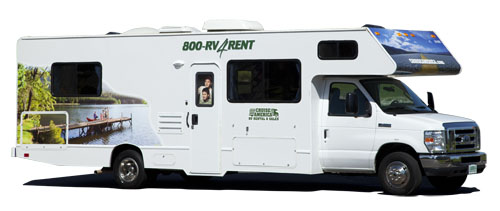
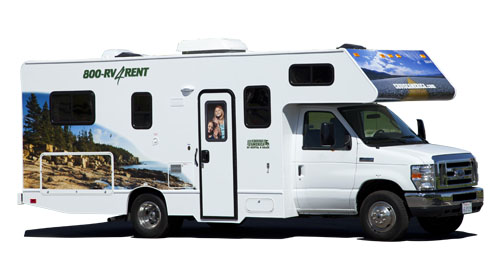
- Class C - Alcove for Orlando Adventures
- Class TC - Truck Camper for Orlando Adventures
- Class B - Camper Van for Orlando Adventures
- Class A - Integrated for Orlando Adventures
- What requirements do you need to drive an RV?
- Can you get temporary RV insurance?
- How much is RV insurance each month?
- Top RV Campgrounds Near Orlando: Amenities & Booking Tips
- Weekly RV Rental Orlando Cost Breakdown: Budgeting Your Trip
- Budget-Friendly Orlando RV Travel Alternatives
- Orlando RV Packing List & Organization Tips for Florida's Climate
Can You Drive an RV in Orlando? License & Age Rules
Most RVs under 26,001 pounds GVWR can be driven with a standard Class E license in Florida. This means that the vast majority of rental RVs, including larger Class A motorhomes, are legally drivable with a regular car license. A Commercial Driver's License (CDL) is required only for RVs exceeding 26,001 pounds GVWR, which are rarely encountered in rental fleets. For foreign drivers, a valid driver's license from your home country is typically sufficient for up to one year; however, an International Driving Permit (IDP) is recommended for clarity and is required in some specific rental situations. The minimum rental age for RVs is generally between 21 and 25 years old, depending on the rental company, even if 18 is the legal age for personal driving in Florida. Always check with your specific rental provider for their age policy.
Road Conditions & Terrain in Orlando
Orlando's road network is predominantly flat and well-maintained, making it highly suitable for all classes of RVs. You'll primarily encounter urban and suburban driving conditions, which means being prepared for significant traffic, especially near popular attractions and during peak seasons. Major highways, such as Interstate 4 (I-4) and the Florida Turnpike, are wide, multi-laned, and easily accommodate larger RVs. Access roads to campgrounds are generally paved and accessible, ensuring a smooth transition from major routes to your accommodation.
RV Size Limits, Bridges & Restricted Zones
Orlando generally lacks specific height or weight restrictions that commonly affect RV travel on its major routes. Most rental RVs fall well within standard road limits. However, it's always wise to observe local signage, especially when parking at theme parks and attractions, as some indoor parking garages or specific access points may have height limits. For typical RV travel within Orlando's metro area and surrounding attractions, you won't commonly encounter low bridges or environmental zones that would restrict access for any common rental RV classes.
Fuel: Diesel vs. Petrol & Cost per 100 km
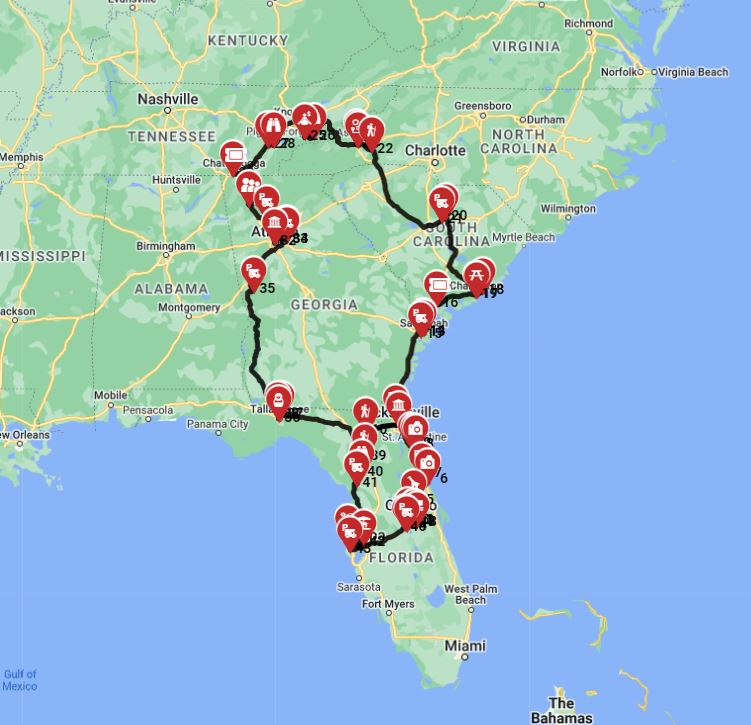
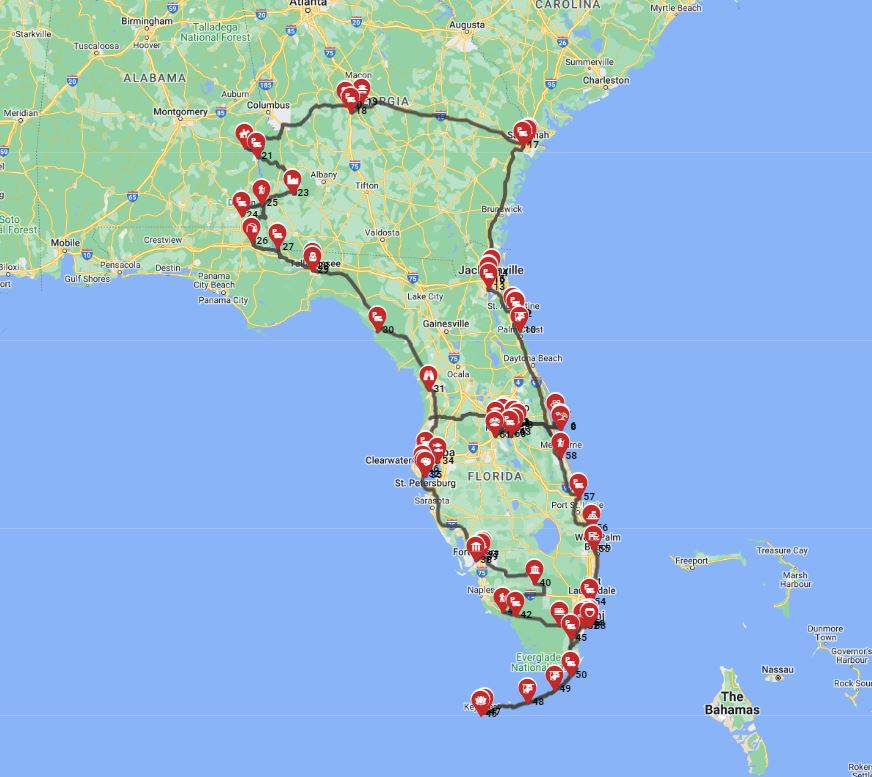
Most Class C and Class B RVs typically use petrol (gasoline), while larger Class A motorhomes often run on diesel fuel. Fuel availability for both petrol and diesel is widespread across Orlando and Florida, with numerous service stations readily accessible. For budgeting purposes, Class C models (averaging 25-35 liters per 100 km) might cost approximately $23-$33 per 100 km, depending on current fuel prices. Larger Class A Integrated models, with a consumption of 30-45 liters per 100 km, could cost around $28-$42 per 100 km. Some RV rental companies may offer fuel cards or programs that provide discounts or streamline payments. On the routes offered through RV PLANET routes, you can itemize and track every expense along the way for easy budgeting.
Tolls, Vignettes & Border Rules
Orlando's road network primarily utilizes electronic tolling systems like E-PASS and SunPass; cash lanes are rare or nonexistent. It's highly recommended to obtain an electronic transponder (e.g., SunPass Mini) for seamless travel and to avoid 'Toll-by-Plate' surcharges, which can be more expensive. No vignettes are required for driving in Florida or any other U.S. state. There are no border rules or checkpoints to consider when traveling within Florida or for inter-state travel in the U.S. Some RV rentals may offer pre-purchased toll passes or transponders as an add-on to simplify your journey and prevent unexpected fines.
Driving Tips for weekly rv rental Travelers
When driving an RV in Orlando, always allow extra stopping distance and plan for wider turns, especially within the city's busy traffic. Pre-planning your routes is crucial to avoid peak traffic times around major theme parks and arteries like I-4. Utilize GPS systems that can account for RV dimensions, though Orlando's generally flat terrain makes this less critical than in mountainous areas. It’s essential to pre-arrange parking at theme parks and major attractions, as RV parking areas can be specific and sometimes require advance booking. Always be aware of Florida's weather, including sudden, heavy afternoon thunderstorms, and plan for safe parking, especially during hurricane season (June through November).
Recommended RV Class for Orlando Roads
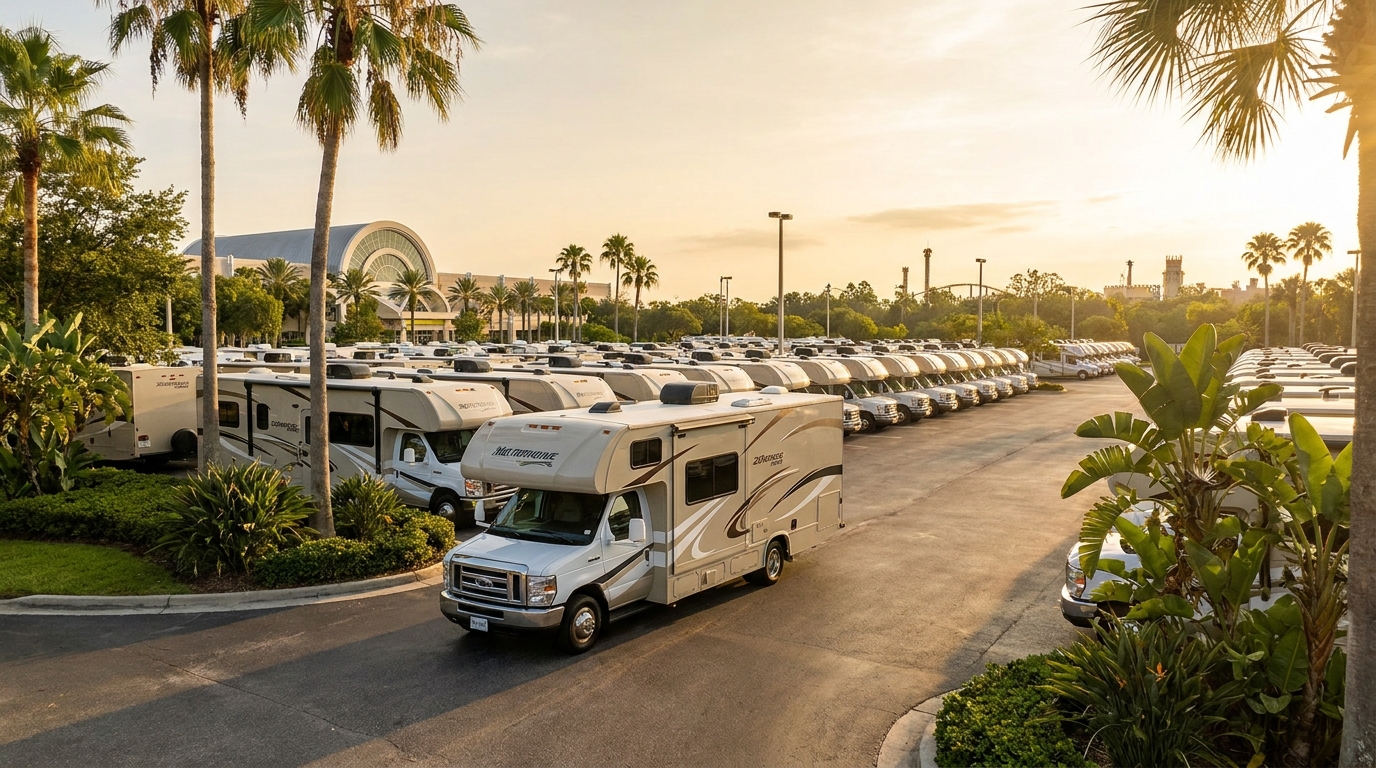
Class C Alcove RVs, averaging around 8.3 meters in length, offer an excellent balance of interior space, amenities, and maneuverability for navigating Orlando's roads and attractions. For smaller groups or couples prioritizing nimble handling and easier parking, Class B Camper Vans, averaging 6.1 meters, are a fantastic choice. It's worth noting that all RV classes, including large Class A models (averaging 9.6 meters), are generally well-suited for Orlando's highway infrastructure. When selecting your vehicle for a weekly rental, consider the passenger capacity – a Class C Alcove typically accommodates 5-8 sleepers, while a Class A can sleep up to 7.
Should I Choose a Compact Van Instead of a Large RV in Orlando?
While compact vans offer easier parking and superior maneuverability in tight city spots, Orlando's infrastructure readily accommodates larger RVs on its main thoroughfares and at most attractions. The primary advantage of a compact van in Orlando is potentially easier parking at extremely crowded attractions, rather than overall road navigation. For a weekly RV rental experience focused on comfort and space, especially for families or groups, a larger RV (Class C or A) generally provides better value without significant driving drawbacks. Many of the popular attractions have dedicated oversized vehicle parking that makes bringing a larger rig quite feasible.
Can I Park Anywhere? Free & Wild Camping Rules in Orlando
Free or 'wild' camping is generally prohibited within Orlando's city limits and developed areas. Overnight RV parking is restricted to designated RV parks, campgrounds, or specifically approved private properties. For instance, most Walmart stores in Orlando do not permit overnight RV parking due to local ordinances. Always check local regulations and follow posted signage before attempting to park overnight, as rules vary significantly by municipality. Florida State Parks often have excellent RV campgrounds that require reservations well in advance, especially for popular locations.
Can I Drive an RV Into the City Center? Heights, Tunnels & Local Signage
Yes, RVs can typically be driven into Orlando's city center without specific restrictions on main roads. The key is to pay close attention to local signage regarding parking availability, which can be scarce for larger vehicles in popular downtown areas. Always be mindful of any posted height limits for parking garages or covered areas, though these are rarely an issue on the main thoroughfares. Orlando does not have significant tunnels or environmental zones that would typically restrict RV access to the city center for most rental motorhomes.
Class C - Alcove for Orlando Adventures
The Class C Alcove RV, with an average length of 8.3 meters, strikes an excellent balance between spacious living and manageable drivability for exploring Orlando. These vehicles typically accommodate an average of 5-8 sleeping places, making them ideal for families or groups. Common fuel consumption ranges from 25-35 liters per 100 km, primarily using petrol or diesel. This class is highly recommended for comfortable weekly rentals where you plan to visit Orlando's theme parks and explore the surrounding natural attractions.
Class TC - Truck Camper for Orlando Adventures
The Class TC Truck Camper, averaging around 5 meters in length, offers a compact and agile option for those seeking greater flexibility. These typically provide approximately 2-3 sleeping places, making them best suited for couples or very small groups. Their smaller size excels at navigating narrower roads and finding parking with relative ease, combining the utility of a truck with essential RV amenities for adventurous Orlando trips.
Class B - Camper Van for Orlando Adventures
The Class B Camper Van, with an average length of 6.1 meters, is highly maneuverable and easy to park, making it a top choice for individuals, couples, or small families seeking convenience. These typically provide up to 4 sleeping places and combine the driving experience of a large SUV with the essential conveniences of an RV. They are ideal for travelers prioritizing ease of driving and quick stops around Orlando and beyond.
Class A - Integrated for Orlando Adventures
The Class A Integrated RV, averaging 9.6 meters in length, offers the most spacious and luxurious RV experience available. These models typically accommodate up to 7 sleeping places, making them perfect for large families or groups, with an average of 6 adults. Common fuel consumption is 30-45 liters per 100 km, usually requiring diesel. They provide expansive living areas and full amenities, truly offering a comfortable 'home away from home' for weekly rentals.
What requirements do you need to drive an RV?
To drive most RVs under 26,001 pounds Gross Vehicle Weight Rating (GVWR) in the U.S., a standard state driver's license is sufficient; a Commercial Driver's License (CDL) is only required for RVs exceeding this weight or towing heavy trailers. The minimum age for renting an RV is typically 21 or 25 years old, varying by rental company and RV class. Foreign drivers generally need a valid license from their home country, often accompanied by an International Driving Permit (IDP), which is recommended for easier communication with authorities.
Can you get temporary RV insurance?
Yes, temporary RV insurance is readily available for renters and is often included or offered as an add-on by rental companies. Third-party providers also offer short-term or temporary coverage options specifically for RV rentals. This rental insurance typically covers liability for damages to others and often includes physical damage to the rented RV itself. For Florida travel, it's recommended that your coverage includes sufficient liability, collision, and comprehensive protection, along with roadside assistance for added peace of mind.
How much is RV insurance each month?
For weekly RV rentals, insurance is typically purchased as a daily or weekly fee, rather than a recurring monthly premium. These rental insurance costs can range from $20-$60 per day, depending heavily on the RV's value and the extent of coverage selected. While monthly costs for owners vary greatly based on RV type, value, usage, driver history, and coverage limits, renters should focus on the per-day or per-trip insurance structure provided by the rental company.
Top RV Campgrounds Near Orlando: Amenities & Booking Tips
When looking for RV campgrounds near Orlando, consider options like Fort Wilderness at Disney, Orlando/Kissimmee KOA, and Lake Louisa State Park for diverse experiences. Prioritize amenities such as full hookups, swimming pools, laundry facilities, and pet-friendly policies. Proximity to major attractions like Walt Disney World, Universal Studios, and the Kennedy Space Center should also guide your choice. It's crucial to book well in advance, especially for peak seasons like holidays and school breaks, and for popular Disney-area campgrounds. Always verify pet policies, as some campgrounds may have breed restrictions or limits on the number of pets allowed.
Weekly RV Rental Orlando Cost Breakdown: Budgeting Your Trip
A comprehensive cost breakdown for an Orlando RV trip includes RV rental fees, fuel, campground fees, attraction tickets, food, and miscellaneous expenses. Weekly RV rental prices can range from $800 to $2,500+, heavily influenced by the RV class, season, and rental duration. Factor in fuel costs, which can range from $23-$42 per 100 km based on your chosen RV and planned mileage. Budget approximately $50-$150 per night for Orlando campground fees, and $100-$200+ per person per day for theme park tickets. Saving on food by cooking in your RV and choosing less expensive attractions can significantly help manage your budget. For ideas you can prep on the road, watch our RV-friendly recipes playlist on YouTube.
Budget-Friendly Orlando RV Travel Alternatives
For more budget-friendly RV travel in the Orlando area, explore lesser-known state parks or county parks slightly outside the immediate tourist zones, which often offer lower camping fees. Consider traveling during off-peak times, such as September or the shoulder seasons of January-February, to find lower RV rental rates and fewer crowds. Value-oriented campgrounds further from major attractions may provide shuttle services or public transit access, mitigating transportation costs. While strict boondocking is limited, some rural areas or specific businesses might permit overnight parking—always check local rules first. Self-catering meals in your RV remains one of the most effective ways to reduce overall food costs.
Orlando RV Packing List & Organization Tips for Florida's Climate
When packing for an Orlando RV trip, focus on lightweight, breathable clothing suitable for heat and humidity, along with reliable rain gear for sudden afternoon thunderstorms. Include sun protection essentials like hats, sunglasses, high-SPF sunscreen, and aloe vera. Hydration solutions such as reusable water bottles and electrolyte mixes are crucial due to Florida's warm climate. To combat humidity inside the RV, pack moisture-absorbing packets or small dehumidifiers. Don't forget theme park essentials: comfortable walking shoes, portable phone chargers, and small backpacks for daily excursions.
What You Shouldn't Miss
- Walt Disney World & Universal Orlando Resort: Experience the magic and thrills of the world-renowned theme parks, easily accessible with your rented RV.
- Kennedy Space Center Visitor Complex: Embark on a journey through space exploration history, just about an hour east of Orlando.
- ICON Park: Enjoy entertainment, dining, and attractions in Orlando's I-Drive district, with convenient parking options for RVs.
- Lake Eola Park: Relax in this urban oasis in downtown Orlando, perfect for a leisurely stroll or enjoying a swan boat ride.
- Winter Park Scenic Boat Tour: Take a charming boat tour through the canals and lakes of Winter Park, just north of Orlando, for a different perspective of the area's natural beauty.
Final Thoughts
Embarking on an RV adventure in Orlando offers a unique blend of convenience, flexibility, and immersion in the Sunshine State's vibrant attractions. From the thrill of world-class theme parks to the serenity of natural springs, a rented RV provides the perfect base for exploring all that Central Florida has to offer.
With Bandana Caravan, you get the peace of mind that comes from transparent pricing and dedicated support, ensuring your journey is as smooth as it is exciting. Our aim is to empower you to create unforgettable memories, whether you're planning a meticulously mapped-out itinerary or embracing a more spontaneous adventure.
Find Motorhome Rentals in Orlando