In This Guide
- What rv rental beginners RV Rental Costs in Norway (2026)
- Seasonal Pricing - Peak vs. Shoulder vs. Off-Season in Norway
- What's Included vs. What's an Add-On
- Hidden Costs to Budget For in Norway
- How to Save on rv rental beginners RV Rental in Norway
- What RV Type is Best for Norwegian Roads?
- When is the Best Time to Rent an RV in Norway?
- What Challenges Should I Expect When RVing in Norway?
- Top Cities for RV Rental in Norway
- Essential Driving Rules and Tips for RVers in Norway
- Campsites and Overnight Stays in Norway
- Connectivity and Emergency Information for Norway RV Trips
Embarking on your first rented RV adventure in Norway is an experience unlike any other, offering unparalleled freedom to explore its majestic fjords, vibrant cities, and serene landscapes. For live availability and current prices, start with our RV Rental Norway - Complete Guide 2026 guide. Whether you dream of chasing the Northern Lights or basking in the midnight sun, hitting the open road with a comfortable motorhome or campervan provides a unique way to connect with this stunning Scandinavian country. We understand that planning your first RV rental can feel a bit overwhelming, but don't worry-we are true RV specialists, dedicated to making your journey seamless from start to finish. We're here to offer transparent advice, 24/7 support (before and after your booking), and peace of mind every step of the way.
What rv rental beginners RV Rental Costs in Norway (2026)
April is typically the cheapest month for RV rental in Norway, with prices generally starting lower than peak summer rates. For a quick overview of potential costs across various RV classes and durations, refer to the table below.Live April Price Comparison — RV Class × Trip Length
| Trip length | Class A | Class B | Class C | Class SI | Class TC |
|---|---|---|---|---|---|
| 1 week 15/04 → 22/04 | 940.66 € EUR | 643.71 € EUR | 833.41 € EUR | 715.51 € EUR | Check prices |
| 2 weeks 15/04 → 29/04 | 1,483.46 € EUR | 985.26 € EUR | 1,287.66 € EUR | 1,089.26 € EUR | Check prices |
| 1 month 01/04 → 30/04 | 2,501.30 € EUR | 1,575.04 € EUR | 2,116.37 € EUR | 1,746.72 € EUR | Check prices |
Estimates only — flex-rate prices change daily based on availability and season.
Seasonal Pricing - Peak vs. Shoulder vs. Off-Season in Norway
RV rental prices in Norway fluctuate significantly with the seasons, peaking in July and August due to high demand and offering the best value in the shoulder and off-seasons. Norway's peak RV rental season runs from late June through August. During this period, coinciding with school holidays and optimal weather for exploring, demand surges, leading to the highest rental rates, sometimes reaching €200-€350 per day for a standard Class C motorhome. Expect prices to change significantly day-to-day for specific dates, with earlier booking highly recommended, often 3-6 months in advance, to secure better deals. The shoulder seasons-typically May-early June and September-offer a balance of pleasant weather and more moderate pricing, with daily rates potentially 15-20% lower than peak. Travelers can often find better deals than in peak season while still enjoying extended daylight hours and fewer crowds at popular attractions. Imagine yourself driving a rented campervan through the blooming spring landscapes or the vibrant autumn colors.
The off-season, primarily October through April, presents the lowest rental costs, with April often being the most budget-friendly month, potentially offering daily rates 25-30% below peak season. While some campsites and attractions may be closed, this period offers unique experiences like Northern Lights viewing (winter) or spring blossoms, ideal for adventurers prepared for cooler temperatures and fewer open services. For those seeking to save on their journey, considering a trip in the shoulder season can be a smart move, aligning with advice found in guides like Budget RV Driving in Norway - Save on Fuel 2026.
The shoulder seasons-typically May-early June and September-offer a balance of pleasant weather and more moderate pricing, with daily rates potentially 15-20% lower than peak. Travelers can often find better deals than in peak season while still enjoying extended daylight hours and fewer crowds at popular attractions. Imagine yourself driving a rented campervan through the blooming spring landscapes or the vibrant autumn colors.
The off-season, primarily October through April, presents the lowest rental costs, with April often being the most budget-friendly month, potentially offering daily rates 25-30% below peak season. While some campsites and attractions may be closed, this period offers unique experiences like Northern Lights viewing (winter) or spring blossoms, ideal for adventurers prepared for cooler temperatures and fewer open services. For those seeking to save on their journey, considering a trip in the shoulder season can be a smart move, aligning with advice found in guides like Budget RV Driving in Norway - Save on Fuel 2026.
What's Included vs. What's an Add-On
While basic insurance is always included with an RV rental in Norway, other items like comprehensive coverage, kitchen kits, and bedding are often add-ons, varying by rental station and specific vehicle. Typically, your rental will include the RV itself, basic liability insurance, and a certain amount of mileage (though unlimited mileage packages are common). Crucially, basic insurance is always included. To see prices including the most comprehensive coverage, select that option during search - then all relevant insurance options will be shown. You can also upgrade to a top-level deductible for extra peace of mind, ensuring a smoother journey.🎬 Video coming soon
Hidden Costs to Budget For in Norway
Beyond the rental fee, beginners should budget for additional costs in Norway such as extensive road tolls, campsite fees, high fuel prices, and potential dump-station charges. Norway has a comprehensive system of automated toll roads, bridges, and tunnels, which can add significant expense, sometimes totaling 150-300 NOK (€13-€26) per day depending on your route. It's important to understand how these are charged; some RVs available through Bandana allow you to pre-purchase toll-road usage or are equipped with AutoPASS tags, streamlining payment and helping you avoid surprise charges or fines after your trip. Always ask about the toll system at pickup. Wild camping (Allemannsretten) is permitted with restrictions, but you'll likely use official campsites, especially in popular areas. Fees typically range from 200-500 NOK (€17-€43) per night, depending on location, facilities, and seasonality. Norway's fuel prices are among the highest in Europe, often exceeding 22 NOK (€1.90) per liter for diesel, so budget generously, as you'll cover considerable distances. While many campsites include waste disposal in their fees, some dedicated dump stations might charge a small fee (e.g., 50-100 NOK) for emptying grey water and black water tanks. Factor this into your budgeting, and know that RV PLANET routes can help you itemize and track every expense along the way for easy budgeting.How to Save on rv rental beginners RV Rental in Norway
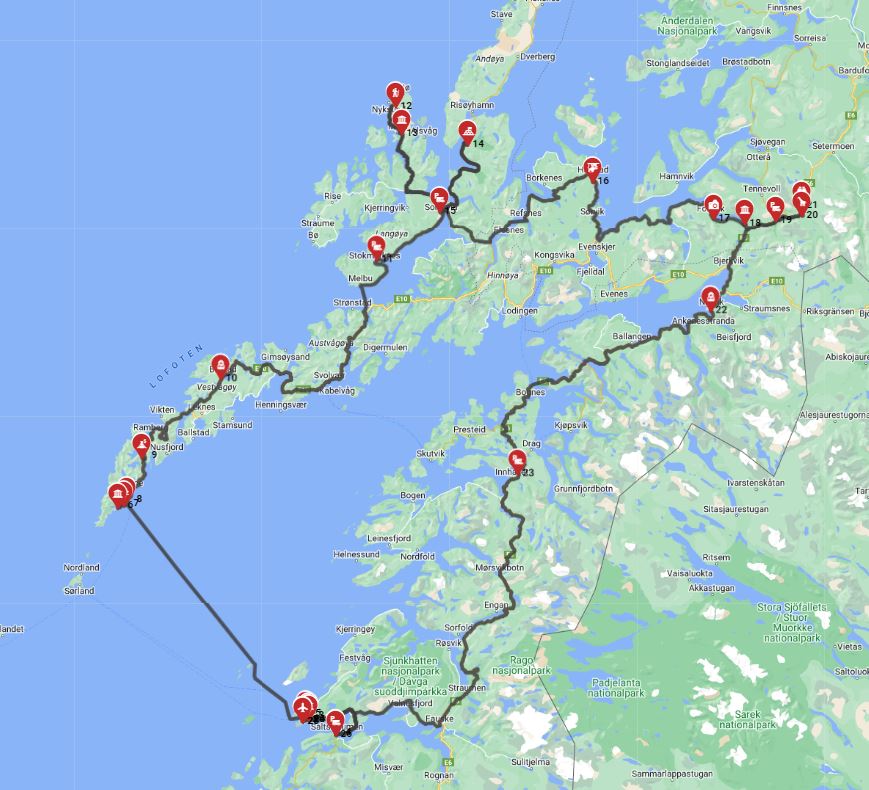
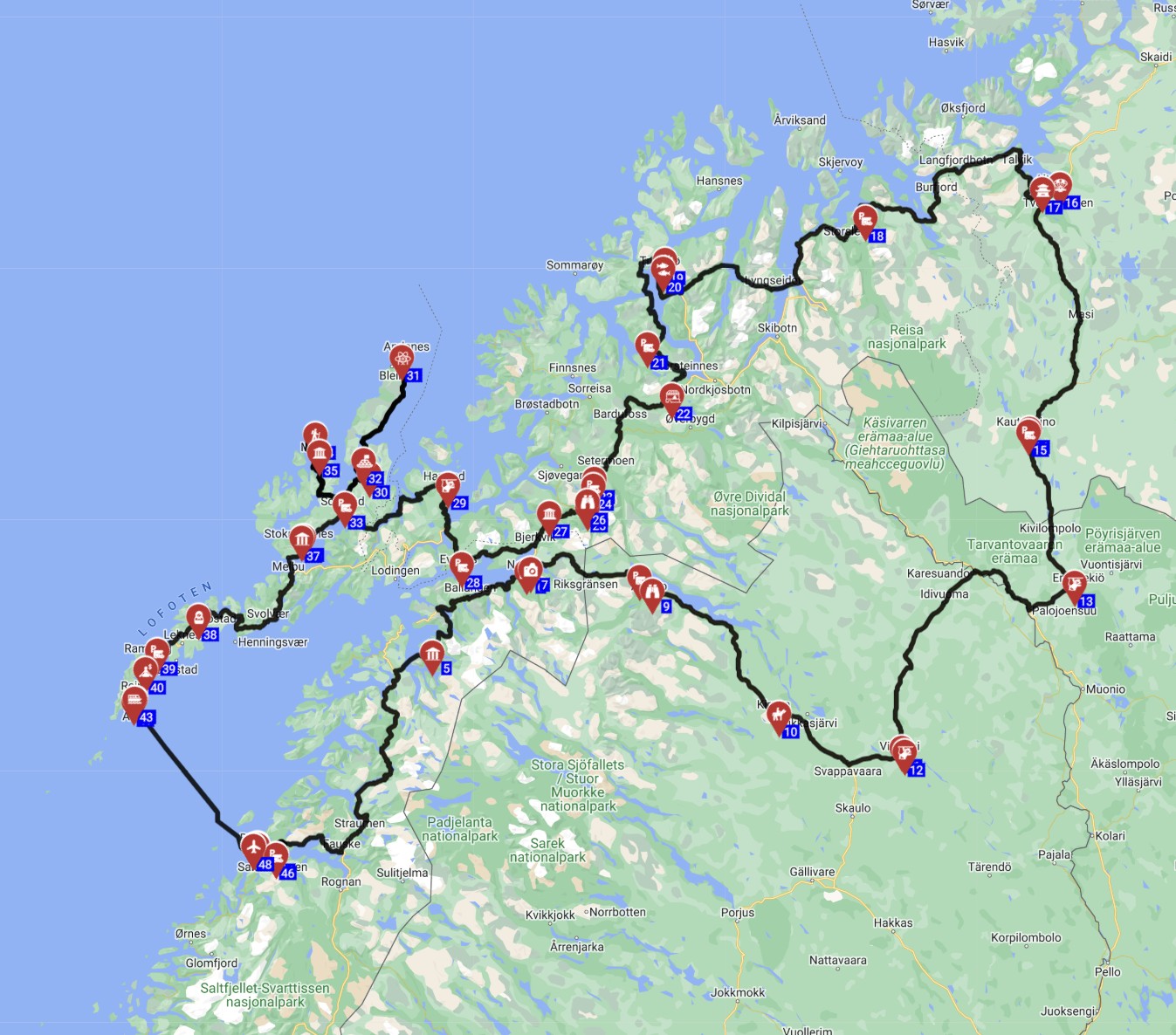
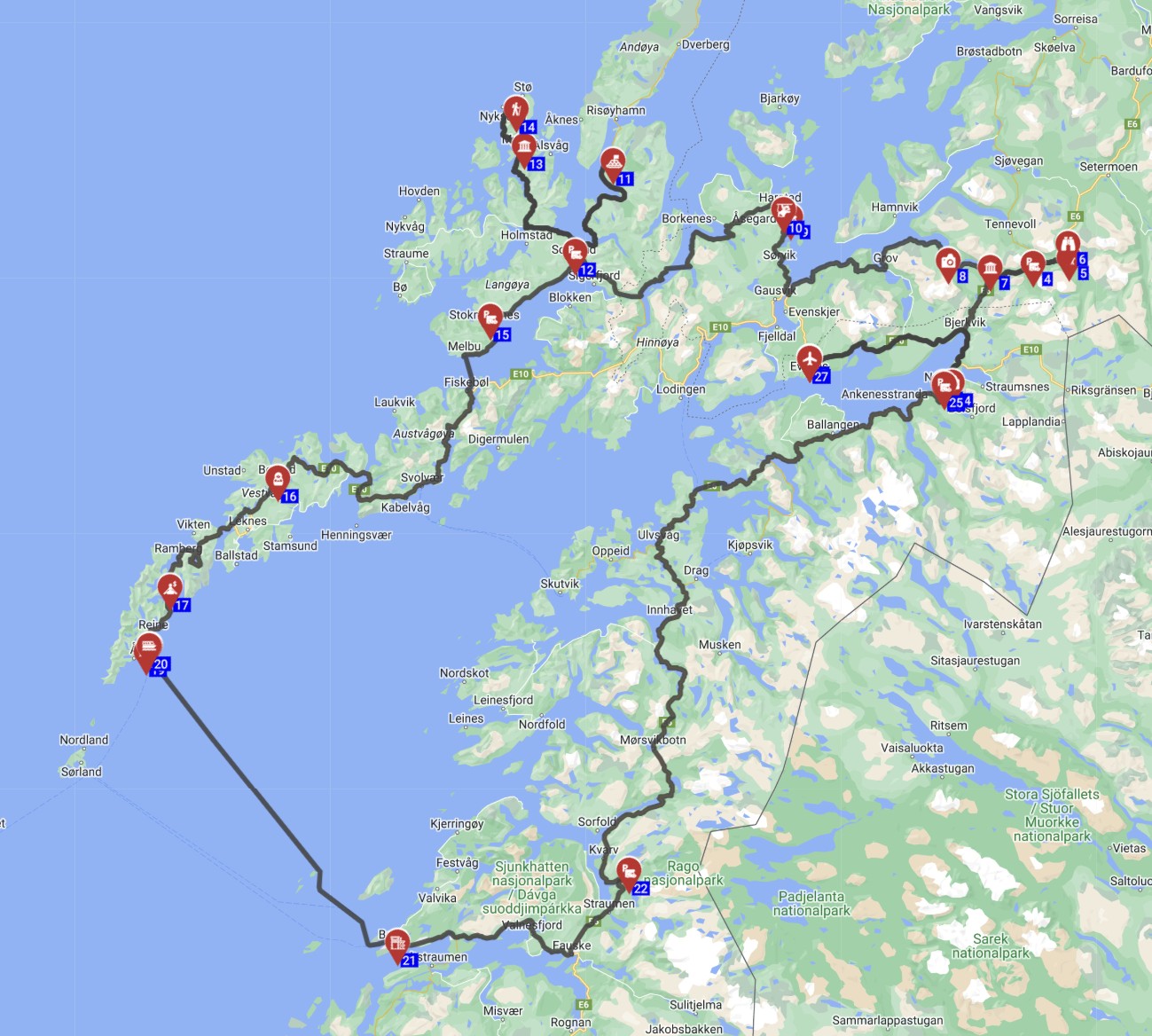
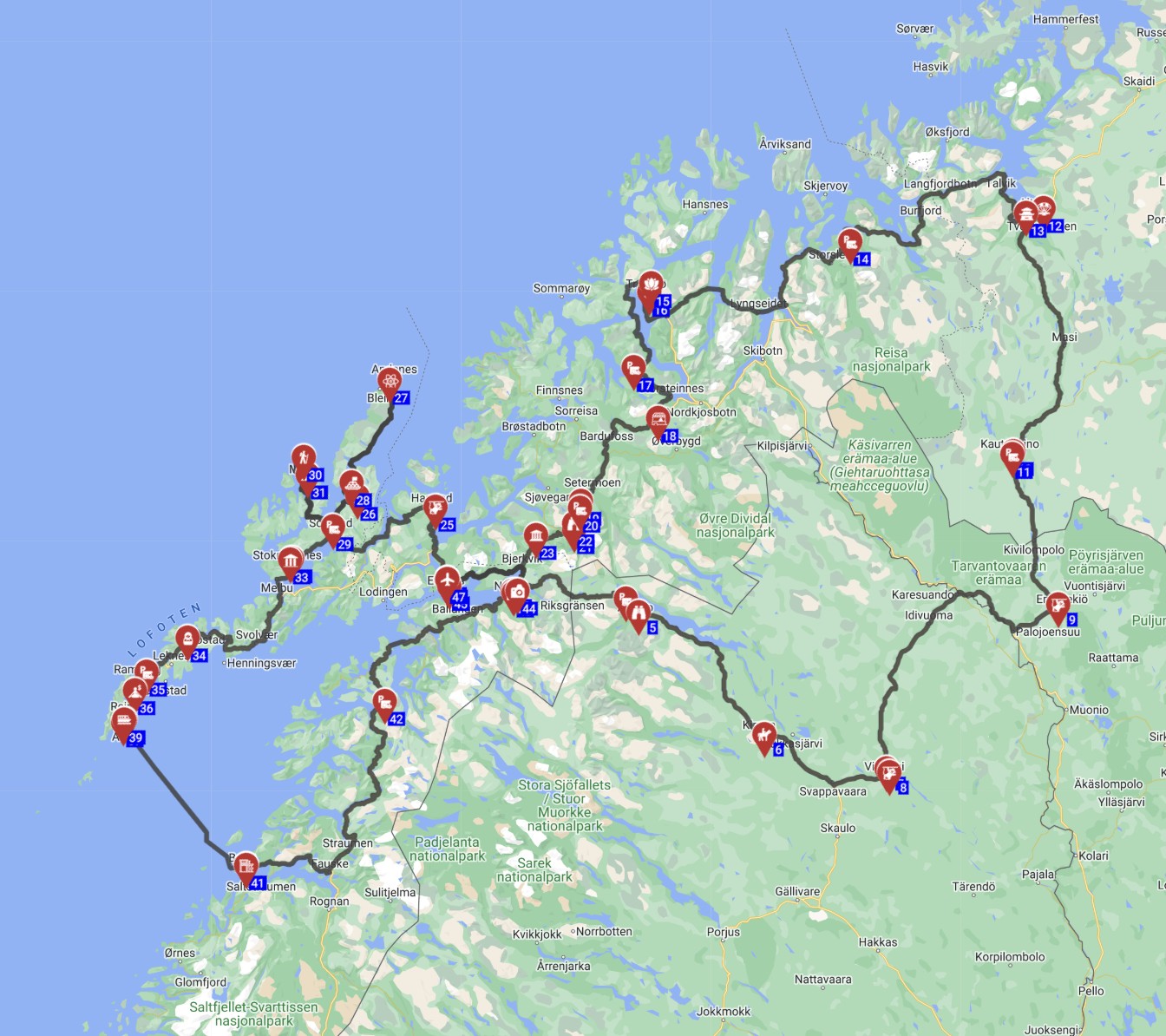
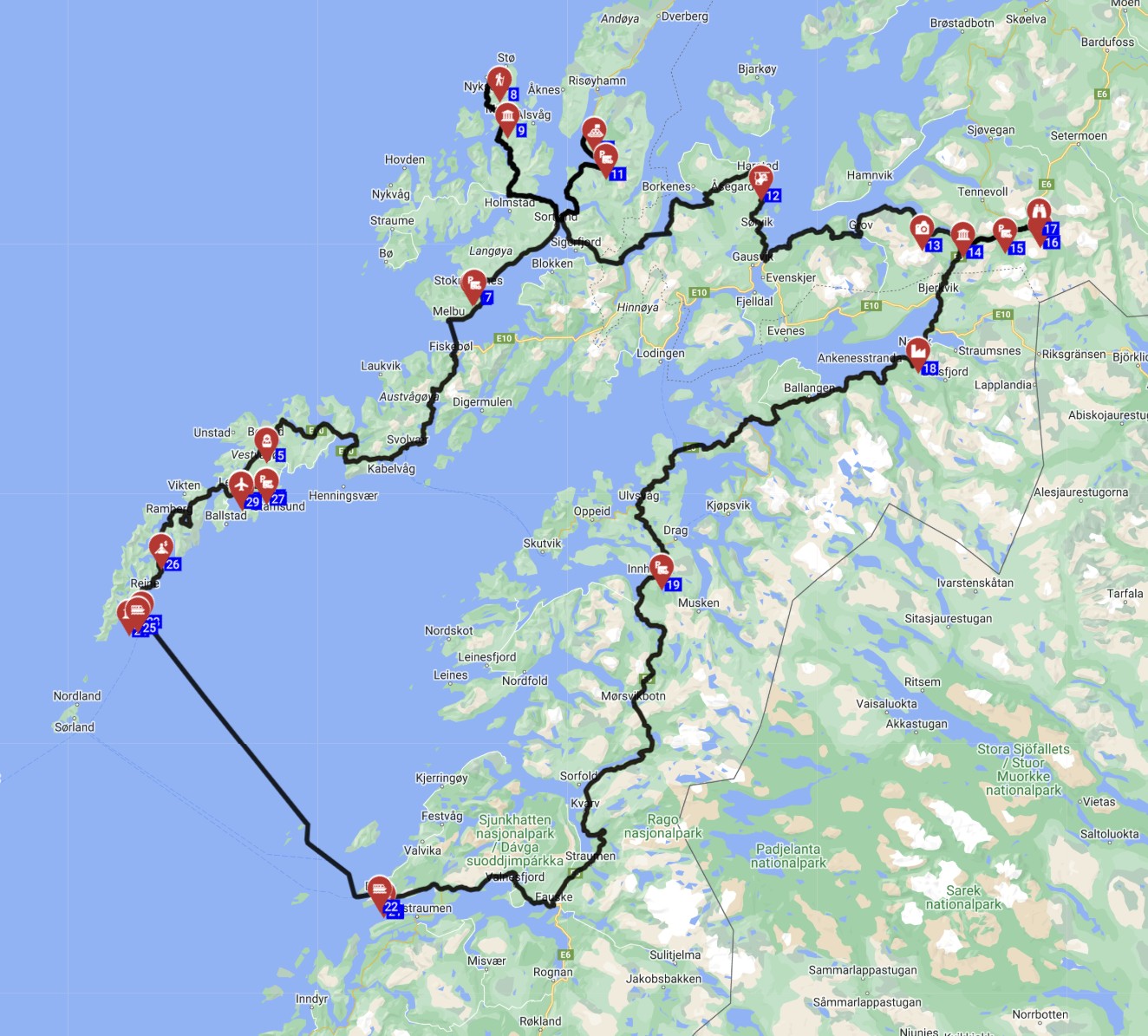
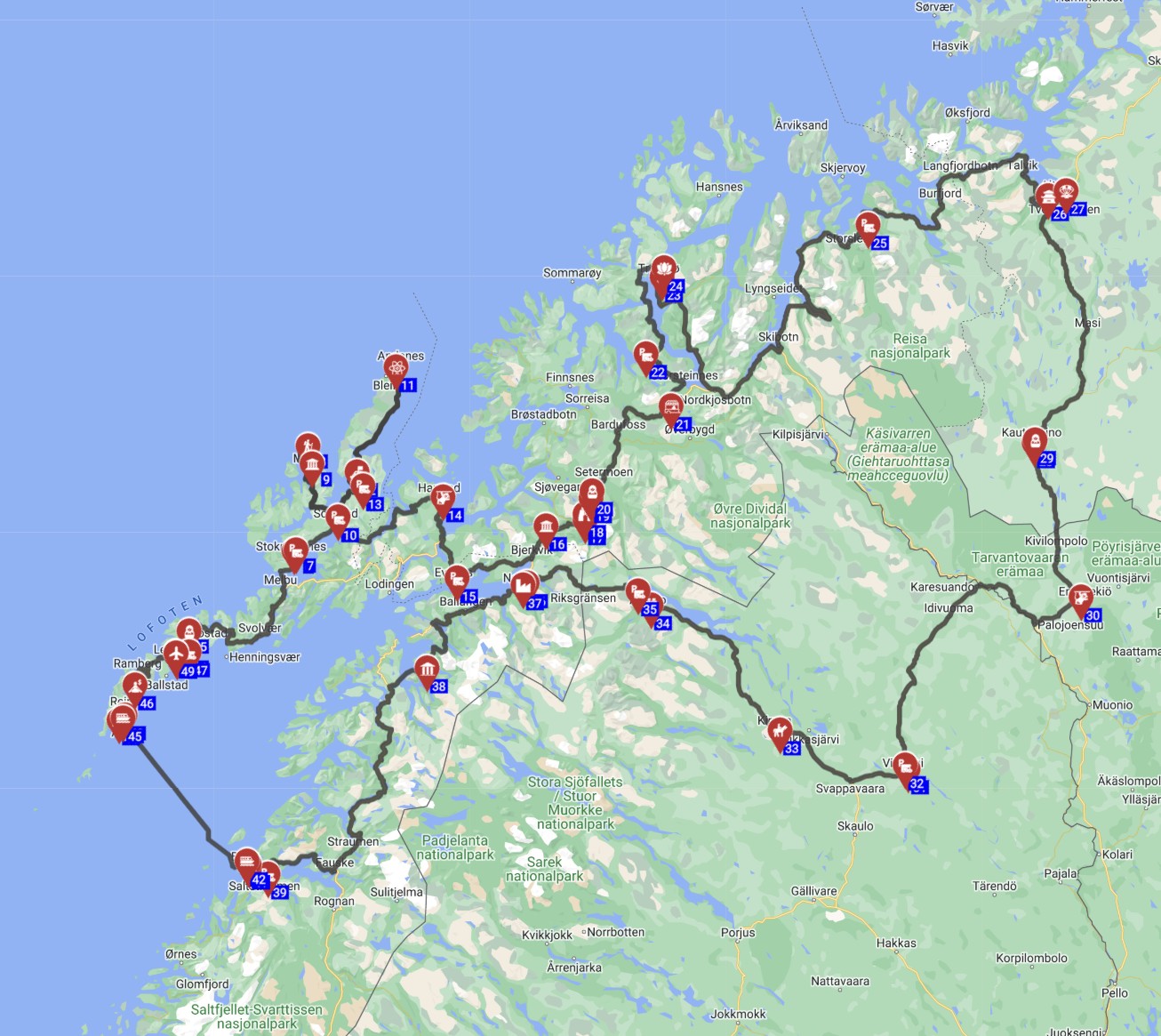
To significantly reduce the cost of an RV rental in Norway, beginners should consider booking during the shoulder season, opting for longer durations, and utilizing available discount programs. Renting an RV in May-early June or September can result in substantial savings, potentially 15-25% lower daily rates, compared to the peak summer months of July and August, while still providing enjoyable weather. Inquire about pre-purchasing toll road usage or RVs equipped with AutoPASS tags through your rental provider; this can sometimes offer a fixed rate or prevent post-trip invoicing complexities. Ask your rental company if they offer or participate in campground discount cards (e.g., Camping Key Europe) or fuel discount cards, as these can accumulate savings over your journey. For instance, a 15-day "Tromsø Round Trip - Arctic Wonders: Northern Norway Family Road Trip" can involve over 2400 km of driving, making fuel efficiency and discounts valuable. If your group size allows, opting for a smaller Class B campervan or Class C motorhome can lead to lower rental costs, better fuel efficiency (e.g., a compact campervan might achieve 8-10 L/100km compared to a large motorhome's 12-15 L/100km), and easier navigation on Norway's narrower scenic roads. Often, the daily rental rate decreases significantly for longer rental periods, such as a two-week adventure versus a one-week trip, making extended trips more cost-effective per day. If your travel dates are flexible, monitoring prices and booking when you see a favorable flex-rate drop, especially outside of peak demand periods, can yield better deals.What RV Type is Best for Norwegian Roads?
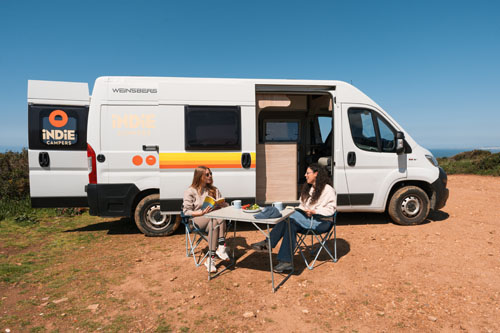
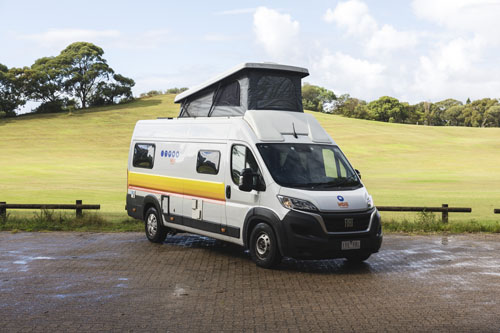
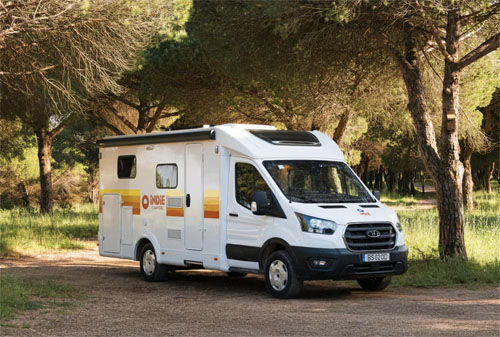
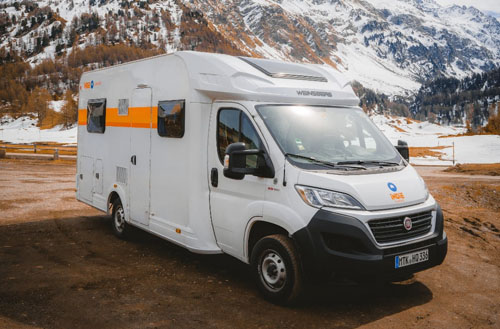
For RV beginners in Norway, a smaller Class B (campervan) or Class C RV is generally recommended due to Norway's narrow, winding fjord roads and mountainous terrain, offering easier navigation and better fuel efficiency. These compact options, such as a Class B campervan like the "Camper 2 - LOKI" (small RV, ideal for a couple) or a medium-sized Class C like the "Class C - Alcove" (ideal for family of 2+2), typically have lengths between 5 to 7 meters, making them more agile on challenging routes. While larger Class A motorhomes offer more space and luxury, they can pose challenges on less-traveled paths, tight turns in villages, and may incur higher ferry costs, as ferry pricing is often based on vehicle length. Drive slowly and carefully, and you can drive almost anywhere without issues. No need to stress - just use common sense and pay attention. When choosing, evaluate not only the rental price but also potential fuel costs and ease of driving on challenging routes, a key factor often overlooked by beginners. For those planning an extended trip, our "Week-Long RV Driving Tour in Norway 2026" itinerary often highlights routes best suited for these more nimble vehicles.When is the Best Time to Rent an RV in Norway?
The best time for RV rental beginners in Norway is during the shoulder seasons (May-early June or September) as they offer a balance of pleasant weather, fewer crowds, and more favorable rental prices compared to the peak summer months. While July and August offer the warmest temperatures and longest daylight hours (up to 24 hours of daylight above the Arctic Circle), they also come with the highest rental costs and most crowded attractions. May and early June showcase spring blossoms, burgeoning waterfalls, and still-snow-capped peaks, providing stunning scenery before peak tourist influx. September brings vibrant autumn foliage, crisp air, and a quieter travel experience, ideal for those seeking solitude. For specific seasonal activities like Northern Lights viewing, winter RVing (October-March) is unique but requires specialized cold-weather RVs and experience with winter driving conditions, making it less suitable for absolute beginners. Travelers looking for flexible options might benefit from our "One-Way RV Driving in Norway - Route Planner 2026" to make the most of shorter seasonal windows.What Challenges Should I Expect When RVing in Norway?
RV beginners in Norway should expect high costs for fuel and tolls, variable weather conditions even in summer, potentially remote areas with limited services, and narrow, winding roads requiring careful driving. Navigating Norway by rented RV offers unparalleled freedom but comes with distinct challenges. Financial considerations include some of Europe's highest fuel prices (diesel often 20-24 NOK/liter), extensive road tolls, and potentially expensive ferry crossings that are integral to many routes. Weather can change rapidly, from sunny skies to rain or even snow, regardless of the season, necessitating versatile packing and readiness for diverse conditions. Connectivity might be spotty in remote fjord regions, impacting navigation and emergency communication. Furthermore, strict wild camping rules (Allemannsretten) and the need for responsible waste disposal require adherence to Leave No Trace principles, which is crucial for preserving Norway's pristine natural environment. Mental preparation for these aspects ensures a smoother and more enjoyable journey, allowing you to travel slowly, averaging max 100-150 km per day, and truly connect to the culture, food, and scenery. For more detailed driving advice, consult "Driving an RV in Norway - Complete Guide 2026".Top Cities for RV Rental in Norway
Norway offers several excellent starting points for your RV rental adventure, each providing unique access to different regions of the country. Bergen is a popular choice for exploring the iconic Western Fjords, offering easy access to scenic routes and over 50 registered campsites within a 2-hour drive. Tromsø, located above the Arctic Circle, is ideal for those planning a Northern Lights quest or exploring the rugged Arctic coastline, with numerous national parks nearby. The "Tromsø Round Trip - Arctic Wonders: Northern Norway Family Road Trip" is a great example, covering 2402.5 km over 15 days and including visits to 4 museums and 2 natural features. For a Southern Norway experience, cities like Oslo or Kristiansand serve as excellent gateways to coastal towns, forests, and cultural sites. Even smaller towns like Ålesund or Bodø offer convenient pickup locations, allowing you to immediately immerse yourself in the natural beauty of their respective regions. When choosing your pickup location, consider how it aligns with your desired itinerary and whether a one-way rental might enhance your trip, perhaps by leveraging routes designed for efficient exploration, such as those found in "RV Driving Deals in Norway - Routes and Savings 2026".Essential Driving Rules and Tips for RVers in Norway
Driving a rented motorhome or campervan in Norway requires familiarity with local road rules and unique conditions to ensure a safe and enjoyable journey. Norwegians drive on the right side of the road. Speed limits are generally 80 km/h (50 mph) on rural roads, 90-100 km/h (56-62 mph) on highways, and 50 km/h (31 mph) in urban areas. Headlights must be on at all times, day and night, regardless of weather conditions. Roads, particularly in fjord country, can be narrow, winding, and steep, often featuring tunnels and numerous ferries; drive slowly and carefully, and you can drive almost anywhere without issues. No need to stress - just use common sense and pay attention. Pay attention to road signs for ferries, as many are part of the main highway system, and costs vary by vehicle length and passenger count. Watch out for wildlife, especially reindeer in the north, which can appear suddenly on roads. A standard car driver's license is sufficient for all motorhome classes (Class A, Class B, and Class C), and while an International Driving Permit (IDP) is recommended for non-English speaking visitors, it is not mandatory in most cases for Norway. Consider a more compact campervan rental, like the "Paradise S/T" (small RV, ideal for a couple), for easier navigation on these challenging roads, as suggested in "Luxury RV Driving in Norway - Scenic Routes 2026".Campsites and Overnight Stays in Norway
Norway offers a diverse range of campsites, from basic municipal options to full-service holiday parks, typically costing 200-500 NOK (€17-€43) per night for a motorhome pitch with electricity. While 'Allemannsretten' (everyman's right) allows for wild camping on uncultivated land for up to two nights, it comes with strict rules requiring you to be at least 150 meters (about 500 feet) from occupied buildings and to leave no trace. Many RVers prefer the convenience and facilities of official campsites, especially for emptying waste tanks and recharging batteries. Official campsites are generally well-maintained and offer amenities like showers, toilets, laundry facilities, and electricity hook-ups. It is always wise to call ahead, especially during peak season (July-August), to check availability before driving a long distance. Remember, many national/state parks reserve only 25-30% of spots for advance booking - the rest are first-come, first-serve. You'll find a spot. If not at the first campground, then the next one. For finding campsites and campgrounds during your trip, we recommend using RV PLANET (rvplan.net) - a great resource for locating available spots along your route. When planning extended itineraries like the 22-day "Stockholm Round trip - Sweden, Denmark and Norway Family Adventure" (which traverses 3673.6 km and includes 1,300+ pre-planned routes via RV PLANET), knowing your overnight stops in advance adds peace of mind.Connectivity and Emergency Information for Norway RV Trips
Staying connected and being prepared for emergencies are crucial aspects of RV travel in Norway, especially when exploring remote regions. Purchasing a local SIM card upon arrival, such as those from Telenor or Telia, offers reliable 4G/5G coverage in most populated areas and along major routes, with prepaid data packages typically ranging from 150-300 NOK for 5-10 GB. While coverage is generally good, expect spotty service in deep fjords or very remote mountainous areas. Offline maps (like Google Maps or Maps.me) are highly recommended for navigation, as is downloading entertainment before you lose signal. In case of emergencies, Norway uses the standard European emergency numbers: 112 for police, 113 for ambulance, and 110 for fire. Ensure your mobile phone is charged, and consider carrying a portable power bank. While Bandana provides comprehensive support before and after your booking, including comparing pre-booking options and post-booking coordination, immediate roadside assistance during your trip is typically handled by your rental supplier's dedicated service, whose contact information will be provided at pickup. Always keep a physical copy of important documents-rental agreement, insurance details, and emergency contacts-securely stored in your rented motorhome or campervan.What You Shouldn't Miss
- **Explore the Geirangerfjord:** Cruise through this UNESCO World Heritage site, marveling at dramatic cliffs, cascading waterfalls like "The Seven Sisters," and abandoned mountain farms.
- **Drive the Atlantic Road (Atlanterhavsveien):** Experience one of the world's most scenic drives, a 8.3-kilometer road that winds across an archipelago of small islands and skerries, connected by eight bridges, providing breathtaking views.
- **Hike to Pulpit Rock (Preikestolen):** Embark on a moderate 4-hour round-trip hike to a flat-topped cliff soaring 604 meters above the Lysefjord, offering iconic panoramic views.
- **Visit the Lofoten Islands:** Discover picturesque fishing villages, white sand beaches, and rugged mountains that plunge into the sea, perfect for scenic drives and coastal exploration.
- **Chase the Northern Lights in Tromsø:** During the winter months (September-March), journey above the Arctic Circle for a chance to witness the spectacular Aurora Borealis dancing across the sky.
- **Experience a Traditional Fjord Ferry Crossing:** Integrate a ferry ride, such as those across the Sognefjord, into your route; these are often essential parts of the journey and offer unique perspectives of Norway's landscape.