In This Guide
- Can You Drive an RV in Norway? License & Age Rules
- Road Conditions & Terrain in Norway
- RV Size Limits, Bridges & Restricted Zones
- Fuel: Diesel vs. Petrol & Cost per 100 km
- Tolls, Vignettes & Border Rules
- Driving Tips for RV Rental Travelers
- Recommended RV Class for Norway Roads
- Should I Choose a Compact Van Instead of a Large RV in Norway?
- Can I Park Anywhere? Free & Wild Camping Rules in Norway
- Can I Drive an RV Into the City Center? Heights, Tunnels & Local Signage
- What is the best time of year to RV in Norway?
- How much does it cost to rent an RV in Norway?
- Is it safe to wild camp in Norway?
- Do you need to book campsites in Norway?
- What are the rules for alcohol consumption in an RV in Norway?
- What is Allemannsretten in Norway?
- What apps are useful for RV travel in Norway?
- Is it difficult to drive a travel trailer in Norway?
- What are some cultural etiquette and sustainable travel practices for RVers in Norway?
Can You Drive an RV in Norway? License & Age Rules
Yes, driving an RV in Norway is generally permitted for those with a valid driver's license. For RVs weighing up to 3,500 kg, a standard European Class B license is typically sufficient. However, for heavier vehicles exceeding this weight, a Class C1 license (for vehicles between 3,500 kg and 7,500 kg) is required. Rental companies usually set a minimum driver age, commonly between 21 and 25 years, depending on the vehicle class. For drivers holding licenses issued outside the EU/EEA, an International Driving Permit (IDP) is often recommended or required in addition to their national license to ensure legal compliance.
Road Conditions & Terrain in Norway
Norway boasts an excellent overall standard of road quality, though the terrain can vary significantly. Primary routes are generally well-maintained, but expect to encounter everything from smooth coastal highways to winding mountain passes. Many roads, especially along the dramatic fjords and through mountainous regions, can be narrow with steep gradients and may feature numerous tunnels, some of which can be quite long. An awareness of these conditions encourages slower, more deliberate driving, which is not only safer but also allows you to fully absorb the breathtaking Norwegian scenery.
RV Size Limits, Bridges & Restricted Zones
While Norway's infrastructure is generally RV-friendly, drivers must be mindful of specific height and weight restrictions, particularly for tunnels and ferry crossings. Many tunnels have clearly marked height limits, sometimes as low as 3.5 meters, so always pay close attention to road signage. Larger RVs might also incur higher fees or face limited availability on certain ferry routes. Additionally, some Norwegian cities have introduced environmental zones, which may restrict access or charge fees for heavier vehicles, so it's wise to check local regulations for your intended urban destinations.
Fuel: Diesel vs. Petrol & Cost per 100 km
Diesel is the predominant fuel type for RVs in Norway and is readily available at service stations across the country, with petrol also being easily found. For planning your fuel budget, consider that a typical Class SI - Semi-integrated RV might consume around 10–11 liters per 100 km, while a more compact Class B - Camper Van typically uses between 8-10 liters per 100 km. It's important to note that fuel prices in Norway tend to be higher than the European average, so some rental companies offer fuel discount cards to help manage these expenses.
Tolls, Vignettes & Border Rules
Norway primarily operates an automatic toll system through AutoPASS, which electronically bills vehicles, eliminating the need for physical vignettes or manual toll stops on most major routes. Rental RVs are typically equipped with an AutoPASS tag, and renters are usually billed for tolls after their trip or can opt to pre-purchase toll passes through the rental company to avoid potential fines. When traveling between Norway and neighboring countries like Sweden or Finland, you generally won't encounter border controls or specific road charges related to the Norway border itself, though it's important to be aware of the distinct toll systems in those respective countries, such as congestion charges in Swedish cities. On the routes offered through RV PLANET routes, you can itemize and track every expense along the way for easy budgeting.
Driving Tips for RV Rental Travelers
When driving an RV in Norway, planning for frequent stops every 2-3 hours is a great idea, especially when traveling with family, allowing everyone to stretch their legs and appreciate the scenic viewpoints. Familiarize yourself with the AutoPASS toll system beforehand to ensure smooth and efficient travel through toll zones. During the peak summer season, pre-booking campsites in popular areas is highly recommended to guarantee a spot with desired amenities, as spontaneous camping can become challenging. Considering an RV with automatic transmission can make driving easier, particularly on Norway's often steep and winding roads. Always adhere strictly to posted speed limits, which are rigorously enforced, and be prepared for rapidly changing weather conditions by driving cautiously.
Recommended RV Class for Norway Roads
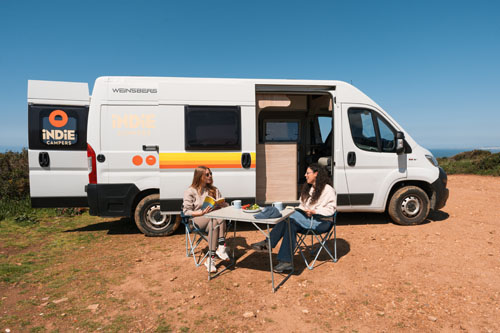
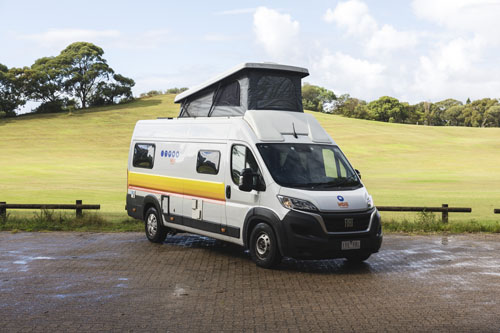
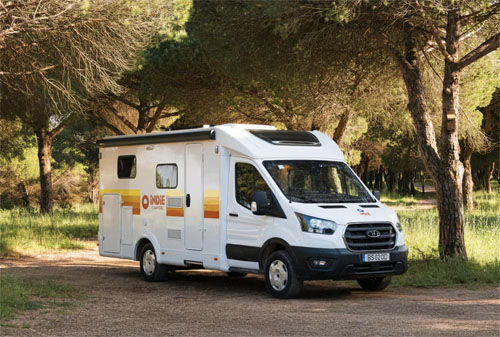
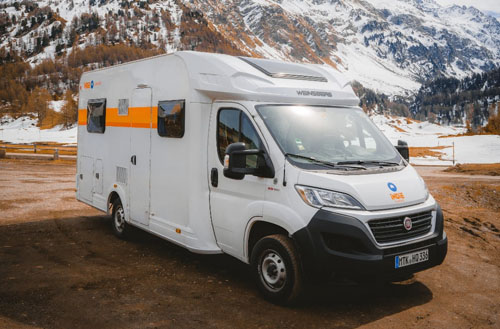
For navigating Norway's diverse and often challenging roads while maintaining a balance of comfort and maneuverability, a Class SI - Semi-integrated RV or a Class B - Camper Van is often a recommended choice. For instance, Class B - Camper Vans, with Bandana's global fleet averaging around 5.8 meters in length, offer excellent agility for those narrow fjord roads and are generally easier to park in towns and villages. Class SI - Semi-integrated RVs, typically averaging 6.9 meters, provide a good compromise, offering more living space and amenities for comfort while remaining manageable on most Norwegian routes.
Should I Choose a Compact Van Instead of a Large RV in Norway?
While a compact camper van, like the Class B - Camper Van, offers superior maneuverability on Norway's narrow roads and in city centers, larger RVs, such as Class SI or Class C models, provide significantly more comfort and living space. This added comfort is often a priority for longer trips, especially when dealing with Norway's variable weather. Compact vans excel in navigating tight turns and fitting into smaller parking spots, making them less intimidating on single-lane stretches or during ferry crossings. Conversely, larger RVs offer expanded amenities, separate sleeping areas, and more indoor living space, which can greatly enhance the experience, particularly during periods of inclement weather.
Can I Park Anywhere? Free & Wild Camping Rules in Norway
Norway's cherished 'Allemannsretten' (freedom to roam) generally permits free camping on uncultivated land for up to two nights, provided you maintain a distance of at least 150 meters from inhabited houses or cabins. It is essential to always practice 'leave no trace' principles, ensure you do not obstruct access roads or gates, and be aware of specific fire restrictions, which are often strict, especially during summer months when open fires are frequently prohibited to prevent wildfires. Remember that rules can vary by region, so it's always wise to check local regulations and signs before parking overnight, as some areas like national parks or cultivated land may have specific prohibitions or time limits.
Can I Drive an RV Into the City Center? Heights, Tunnels & Local Signage
Generally, yes, you can drive an RV into Norway's city centers, but it requires careful attention to local signage regarding height restrictions for tunnels and multi-story parking garages, as well as designated environmental zones. Be particularly vigilant for signs indicating maximum vehicle height (e.g., for tunnels or underpasses) or weight limits. Parking for larger RVs can be quite challenging in historic city centers, so utilizing perimeter parking facilities and then exploring the city via public transport might prove to be a more convenient option for urban exploration.
What is the best time of year to RV in Norway?
The prime time for RV travel in Norway is typically during the summer months, from June to August. This period offers the most favorable weather, with mild temperatures and long daylight hours, ensuring full accessibility to most roads and attractions. The shoulder seasons, May and September, present an excellent alternative for those seeking fewer crowds and potentially lower costs, offering unique experiences like spring blossoms or vibrant autumn foliage, though some higher mountain passes may still be subject to closure. Winter (October to April) is best suited for aurora borealis viewing but requires specialized winter-equipped RVs and meticulous planning due to potential road closures and shorter daylight hours; mosquitoes can also be a notable consideration during the summer months, particularly in the northern regions.
How much does it cost to rent an RV in Norway?
The cost to rent an RV in Norway fluctuates significantly based on the season, the specific RV class chosen, and the rental duration. Daily rates commonly range from €100 to €300, with prices peaking during the summer months. When budgeting for your trip, it's crucial to factor in other significant expenses. These include high fuel costs, as Norway's prices are among the highest in Europe, substantial ferry fees for popular routes connecting islands and fjords, and automatic toll charges managed through the AutoPASS system. Cost-saving strategies can involve preparing most meals in the RV rather than dining out, which is quite expensive in Norway, and maximizing the use of free wild camping opportunities under Allemannsretten to reduce accommodation expenses. For ideas you can prep on the road, watch our RV-friendly recipes playlist on YouTube.
Is it safe to wild camp in Norway?
Wild camping in Norway is generally considered very safe, attributed to the country's low crime rates and the widespread respect for public access rights under 'Allemannsretten'. However, it's crucial to be well-prepared for Norway's famously variable weather conditions, ensuring you have appropriate gear. Awareness of local wildlife is also important; while moose are common, bear encounters, though rare, are possible in remote northern and eastern areas. For personal security and emergency preparedness, always keep Norway's national emergency numbers handy: 112 for police, 110 for fire, and 113 for ambulance services.
Do you need to book campsites in Norway?
Booking campsites in Norway in advance is highly recommended, particularly during the peak summer season (June to August) and for popular destinations like the Lofoten Islands or the main fjord regions, to ensure you secure a spot with the necessary amenities. While spontaneous camping is more feasible during the shoulder seasons or in less frequented areas, making advance reservations through recommended platforms like NAF Camping or national park websites can prevent stress and guarantee access to facilities. Popular campsites, especially those offering specific hookups or prime scenic pitches, can fill up quickly during peak times, making early booking essential.
What are the rules for alcohol consumption in an RV in Norway?
While there are no specific laws prohibiting alcohol consumption within your parked RV at a private campsite or a designated wild camping spot in Norway, general public intoxication laws still apply. It is illegal to be visibly intoxicated in public spaces, and Norway enforces very strict zero-tolerance policies for driving under the influence of alcohol, with severe penalties. Therefore, it's advisable to consume alcohol discreetly and responsibly within your RV, always respecting local customs and ensuring no disturbance to others or the natural environment.
What is Allemannsretten in Norway?
Allemannsretten, often translated as the 'freedom to roam' in Norway, is a fundamental right that grants the public access to uncultivated land for recreational purposes, including walking, cycling, and wild camping, but it also comes with significant responsibilities. Key nuances of this right include the permission to camp for up to two nights in one spot, provided you remain at least 150 meters from inhabited houses or cabins and avoid cultivated land. Crucial responsibilities involve rigorously practicing 'leave no trace' principles—packing out all trash, respecting private property, adhering to national park regulations, and strictly observing fire restrictions, which are often very strict during summer months to prevent wildfires.
What apps are useful for RV travel in Norway?
Several apps can significantly enhance your RV journey in Norway. AutoPASS is essential for seamless management of automatic toll payments, while the YR.no app provides highly accurate and localized weather forecasts, which are crucial for planning your daily activities. For locating campsites, service points, and potential wild camping spots, camping apps such as Park4Night or NAF Camping are invaluable, often offering user reviews and offline map capabilities. While mobile data coverage is generally good in populated areas, downloading offline maps through services like Google Maps or Here WeGo is strongly recommended for navigating remote regions with potentially patchy connectivity.
Is it difficult to drive a travel trailer in Norway?
Driving a travel trailer in Norway can present particular challenges due to the country's extensive network of narrow, winding roads, steep gradients, and frequent ferry crossings. Comprehensive guidance for travelers considering travel trailers includes being aware of specific length and weight regulations, which can impact ferry costs and the suitability of certain roads. Generally speaking, motorhomes are often considered a more straightforward option than travel trailers in Norway, offering better maneuverability on challenging routes and simplifying ferry logistics compared to a towed unit.
What are some cultural etiquette and sustainable travel practices for RVers in Norway?
RV travelers in Norway should rigorously practice 'leave no trace' principles: pack out all trash, dispose of grey and black water only at designated stations, and leave nature undisturbed. Emphasize respectful interactions with locals by observing quiet hours at campsites, maintaining distance from private dwellings when wild camping, and ensuring your RV does not obstruct views or access. Supporting local communities by purchasing goods from small businesses, considering the use of local public transport in cities, and conserving resources like water and electricity are all vital aspects of minimizing your environmental footprint while enjoying Norway's pristine natural beauty.
What You Shouldn't Miss
- Embark on the "Stockholm Round trip - Sweden, Denmark and Norway Family Adventure" route, a 22-day itinerary covering 3673 km and featuring a diverse range of attractions from amusement parks to wildlife encounters.
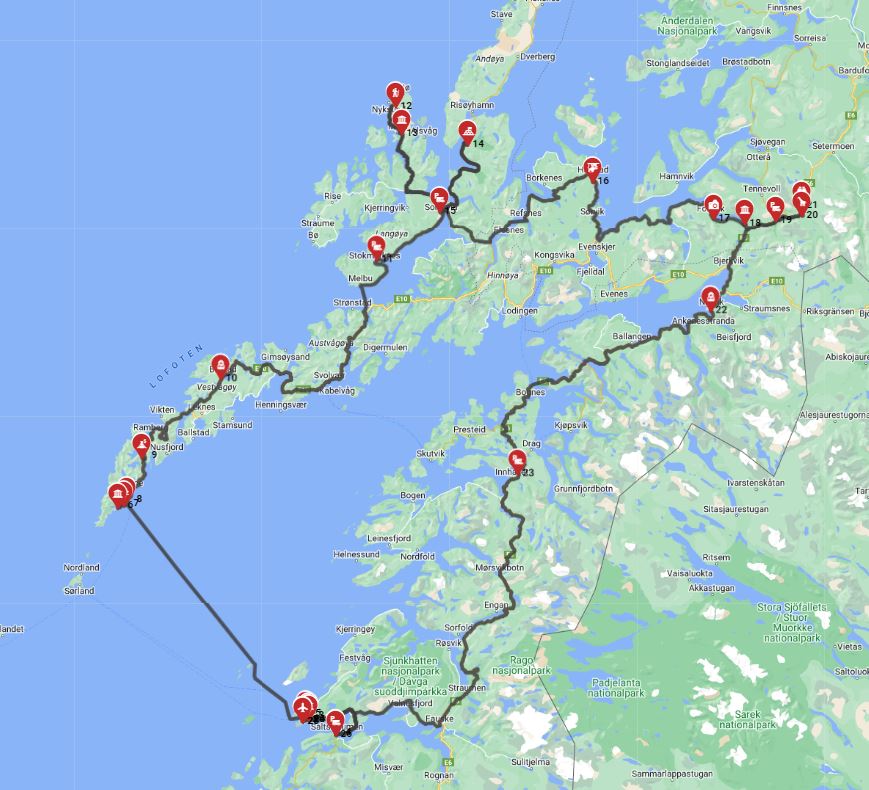
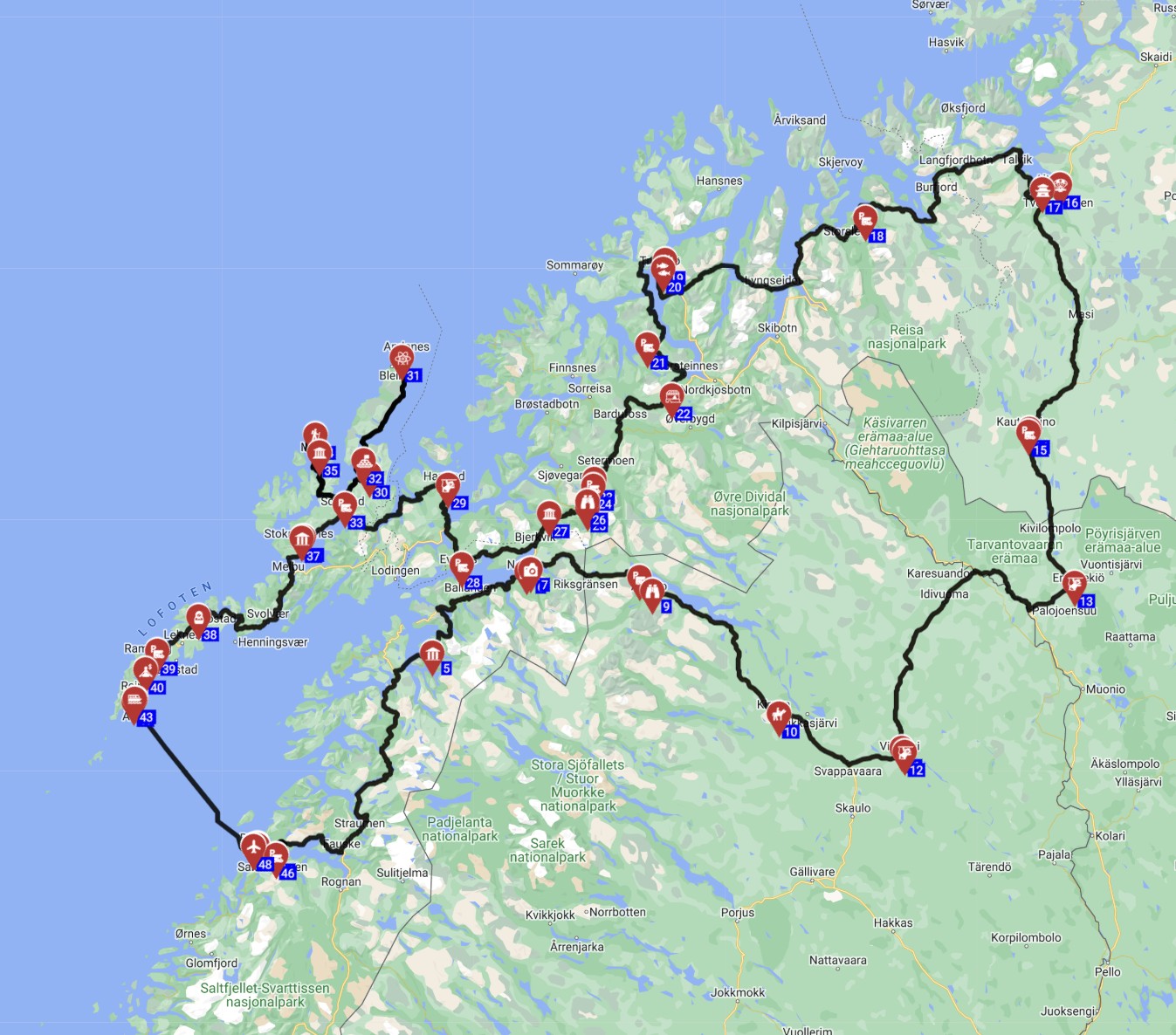
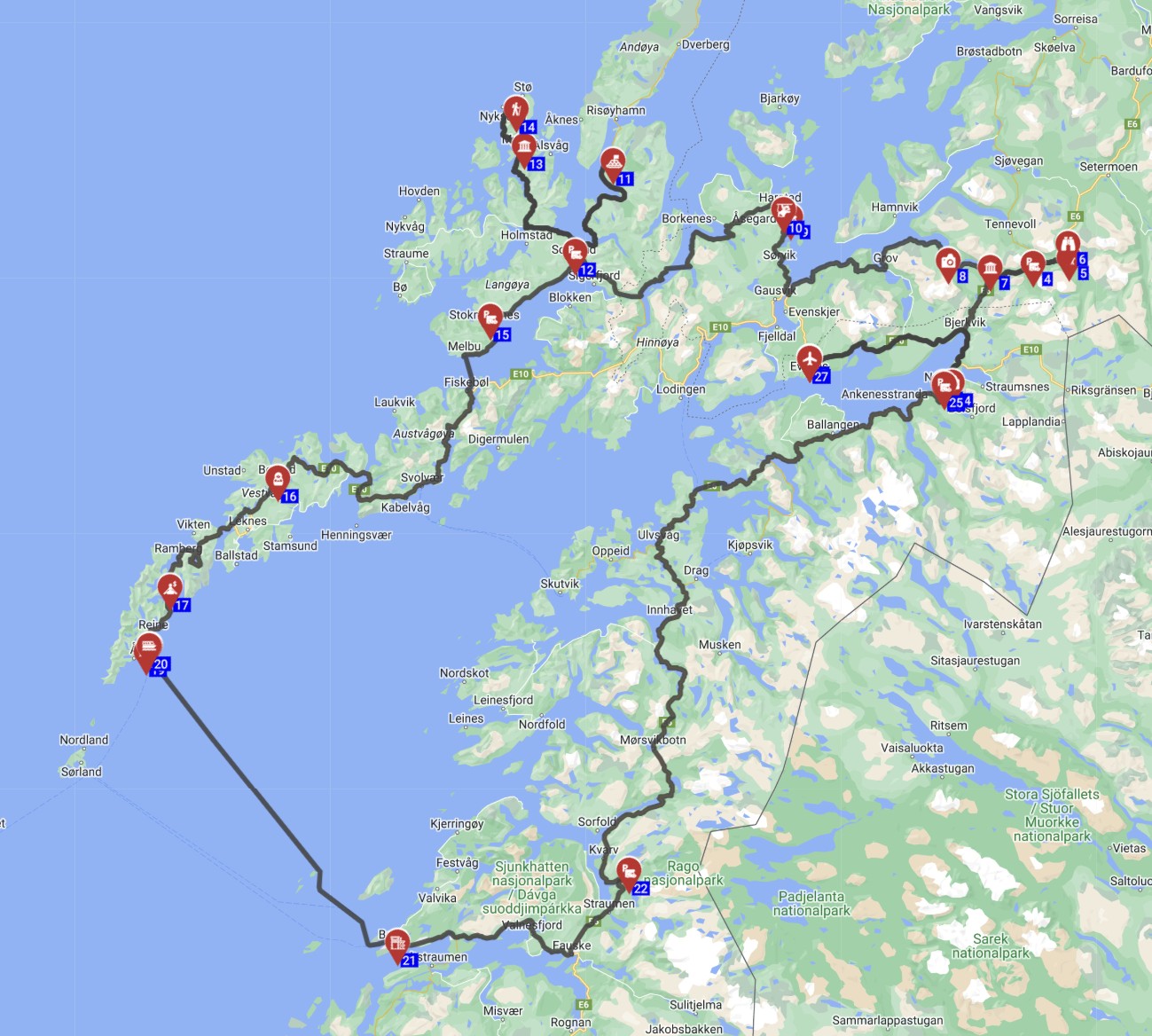
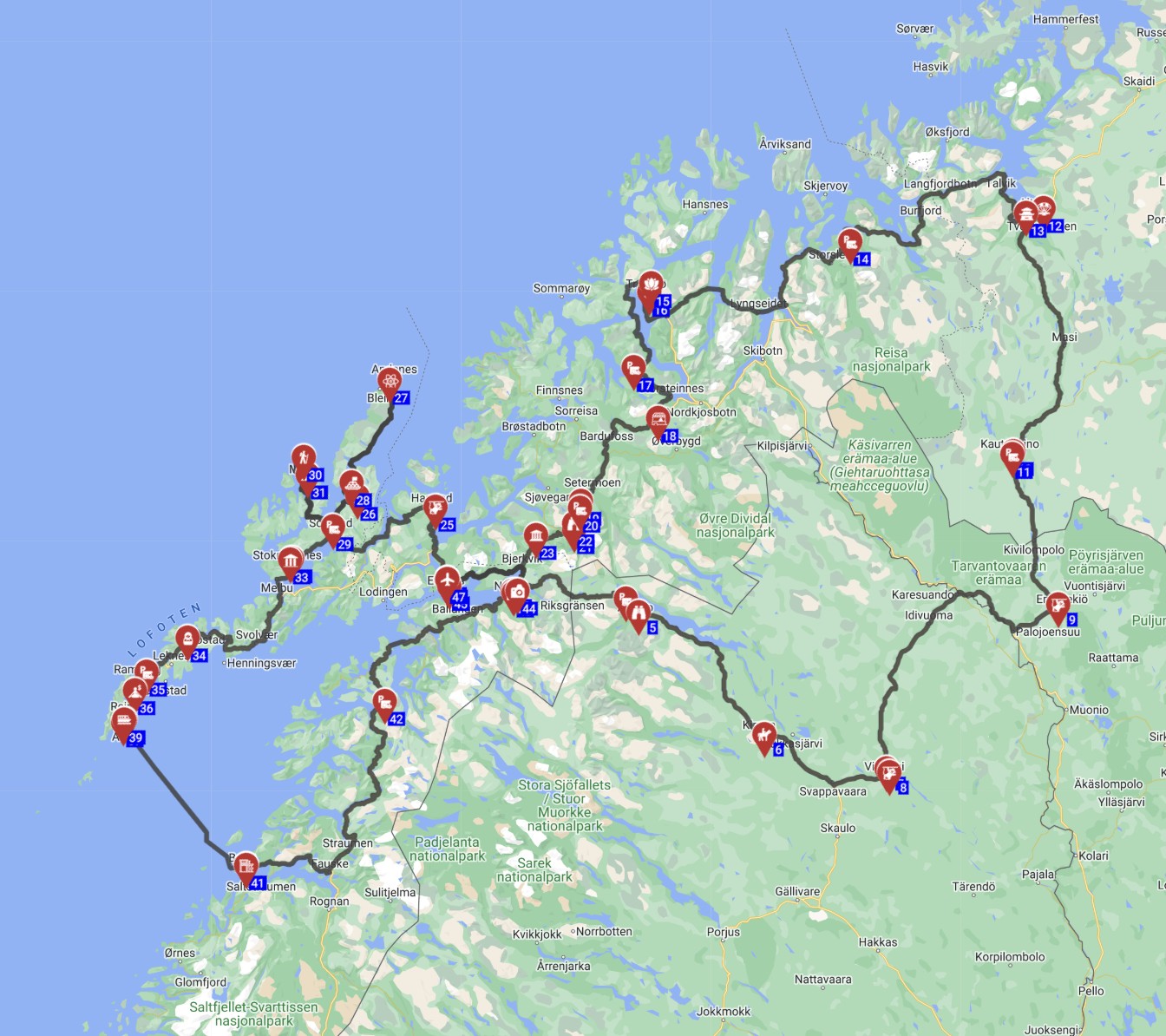
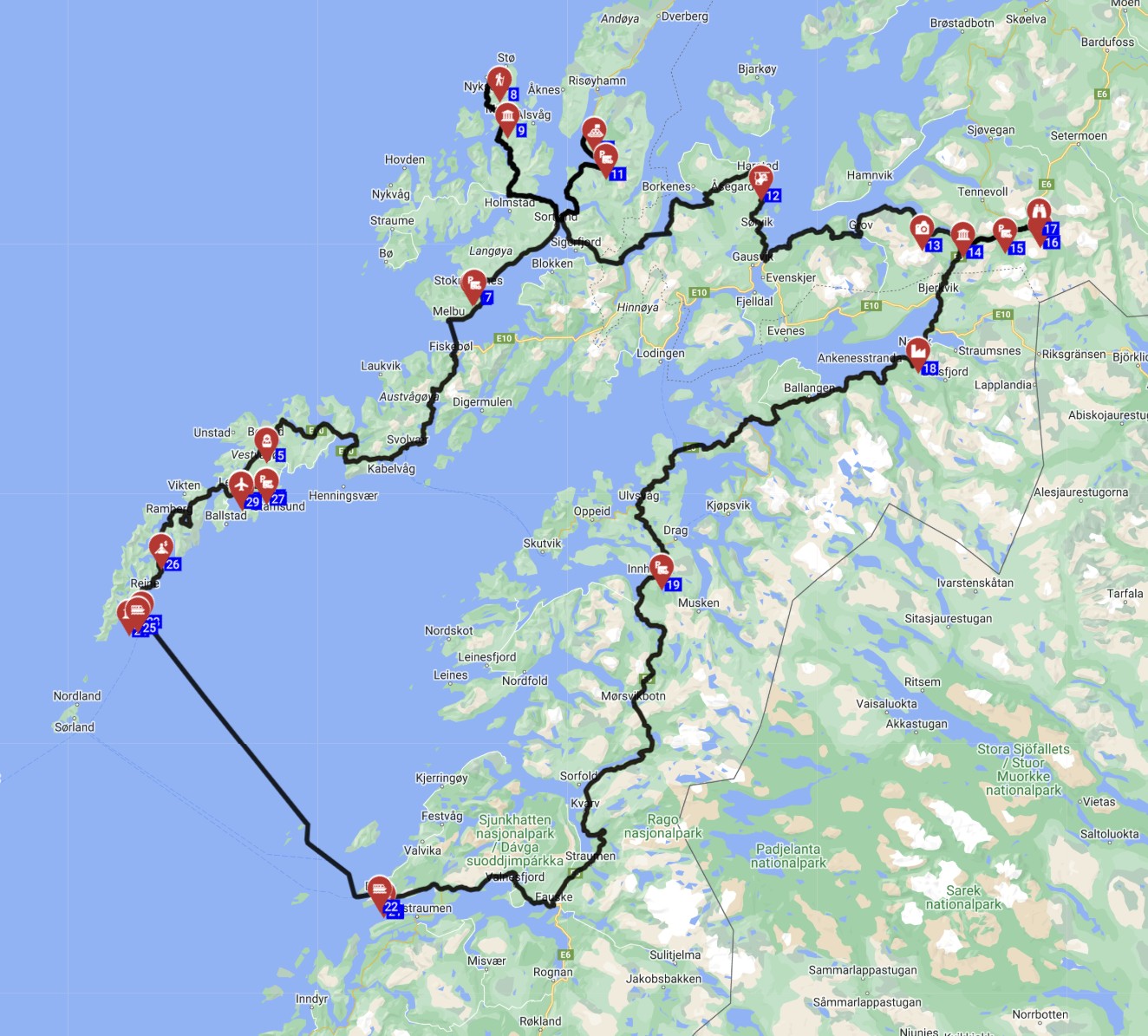
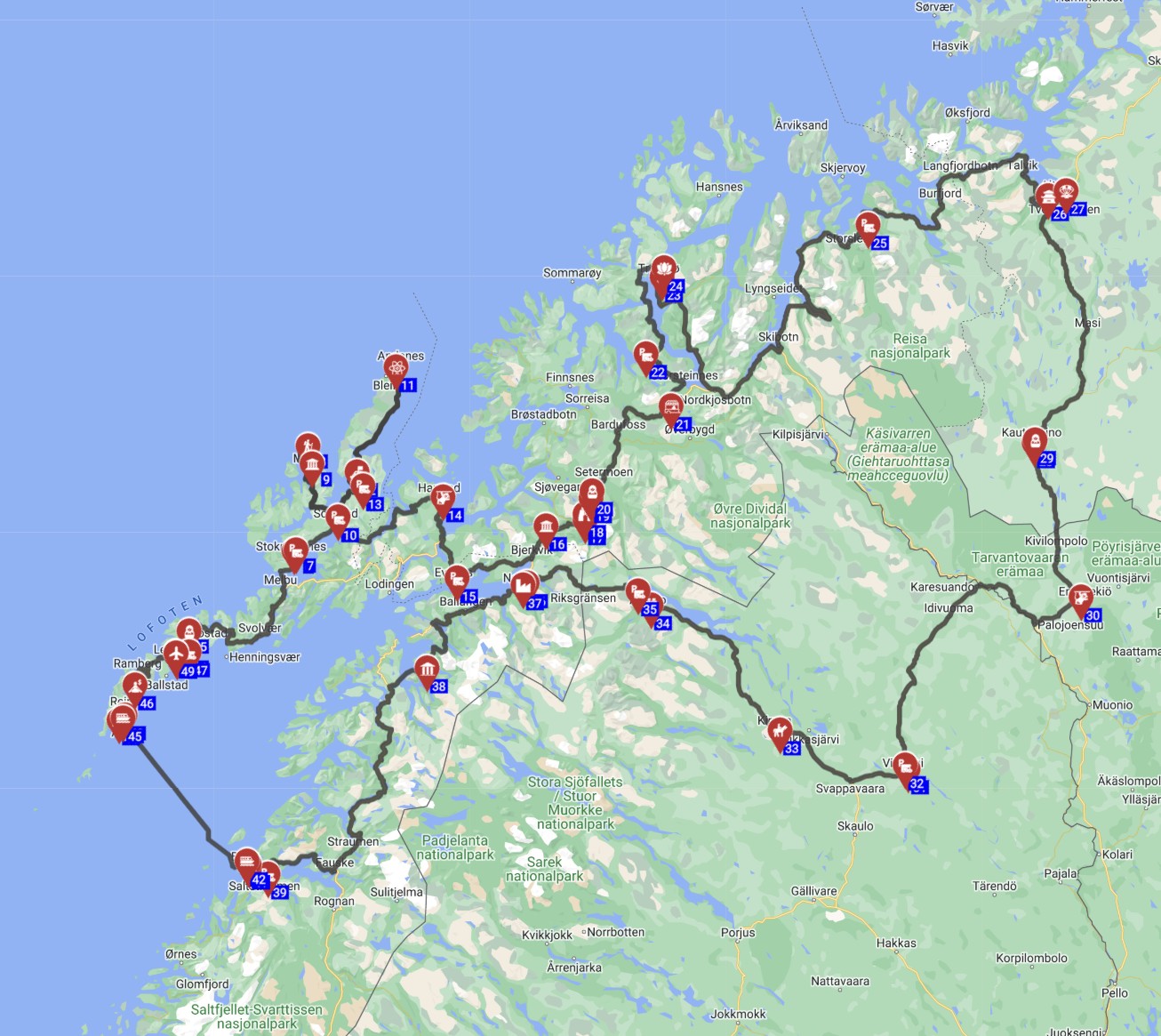
- Explore "Tromsø Round Trip - Arctic Wonders: Northern Norway Family Road Trip," a 15-day journey spanning 2402 km, perfect for experiencing the Arctic's unique wildlife and natural features.
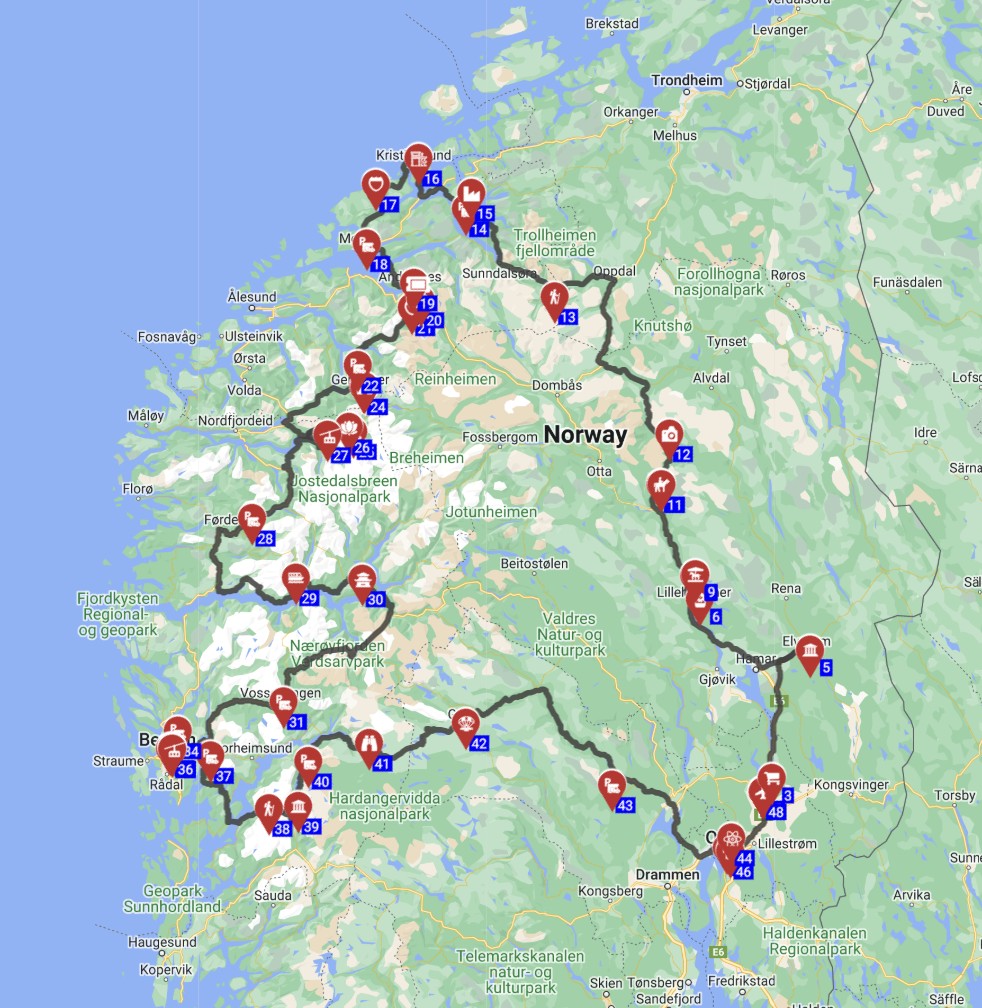
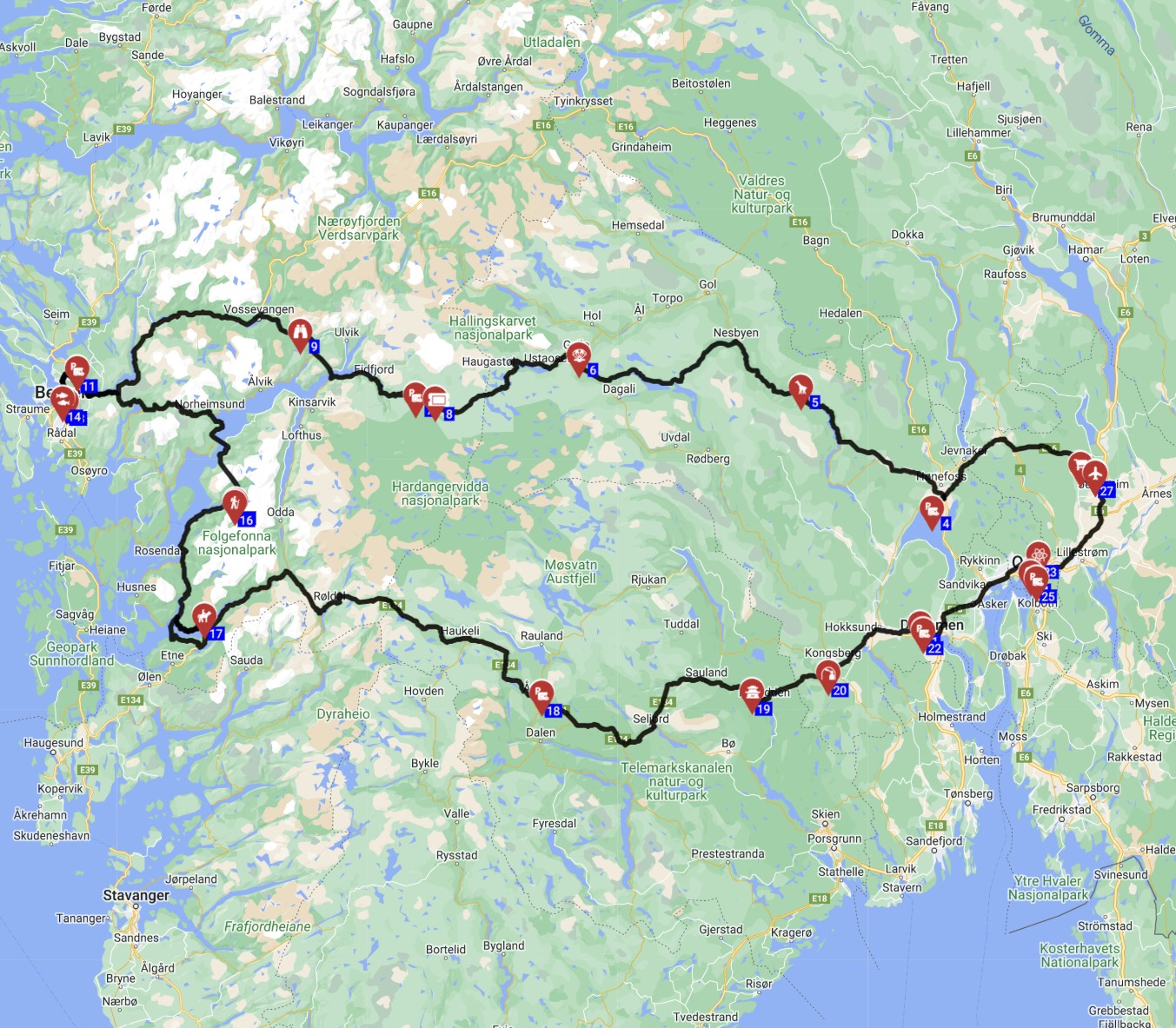
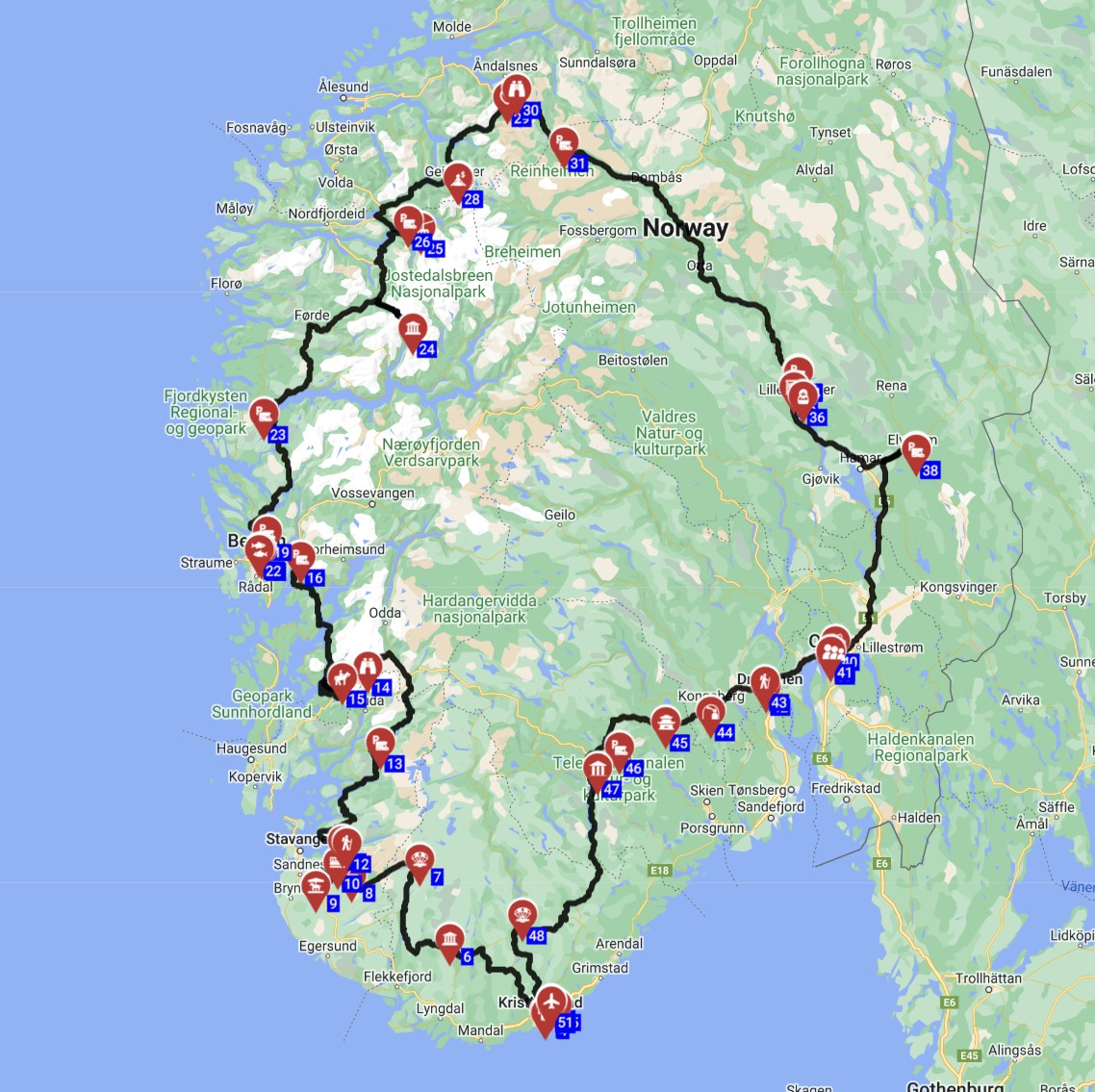
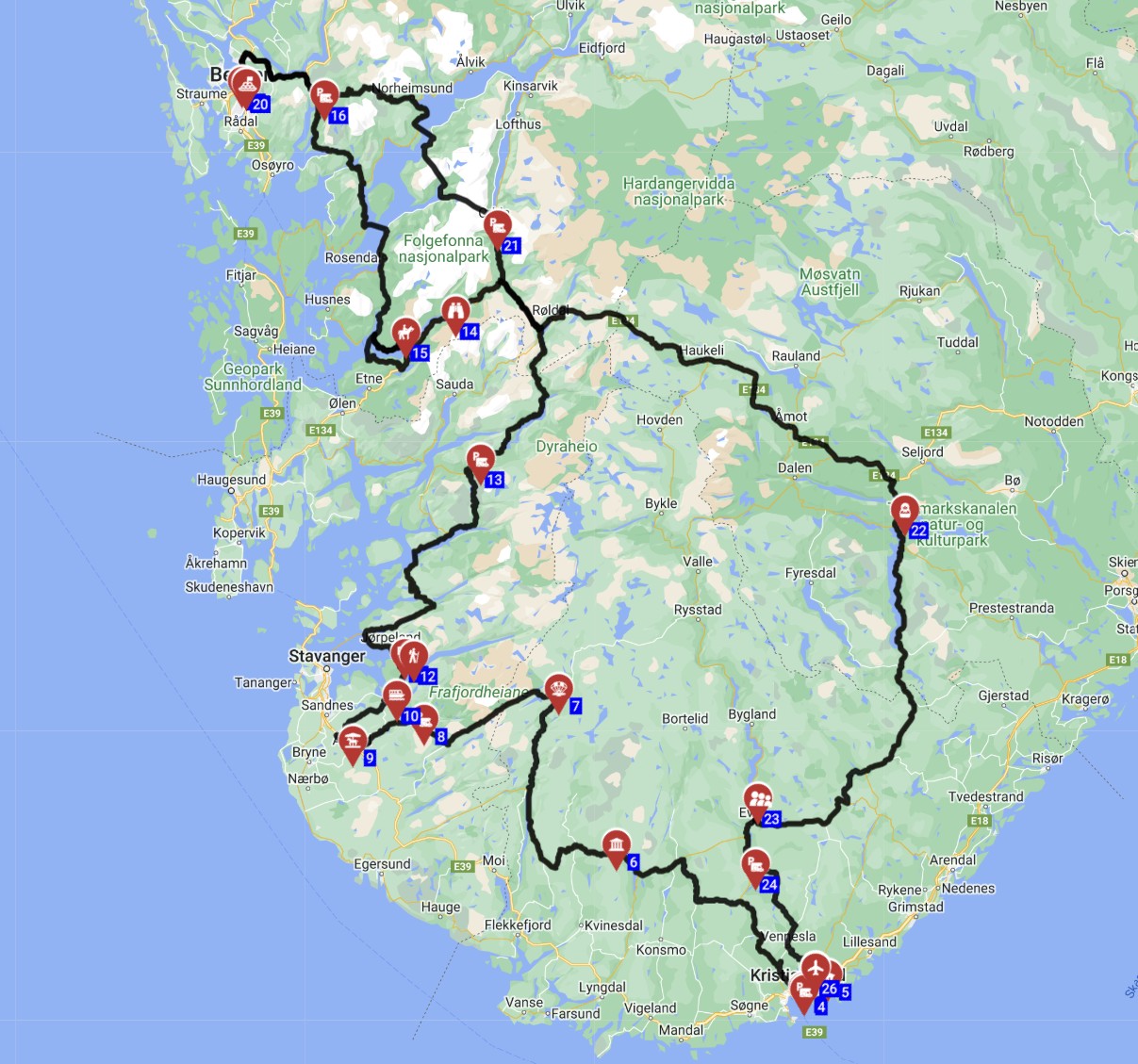
- Discover "Norway’s Coastal Wonders" with the "Bergen Round trip," an 8-day, 782 km route that includes scenic drives, museums, and cultural experiences along the coast.
- Experience the wonder of the Lærdal Tunnel, the world's longest road tunnel, complete with its artistic lighting to combat driver fatigue.
- Witness the phenomenon of reindeer herds migrating across roads in Northern Norway, a unique wildlife spectacle that can cause charming "reindeer jams."
- Incorporate short car ferries into your journey along the fjords, treating them as scenic mini-cruises with onboard cafes offering a taste of local culture.
Final Thoughts
Embarking on an RV adventure in Norway is an incredible way to experience its stunning natural beauty and unique culture. From the majestic fjords to the charming coastal towns, a rented RV offers unparalleled freedom and flexibility.
With a little planning, you can navigate the roads, find perfect campsites, and truly immerse yourself in the Norwegian landscape. Let Bandana RV help you find the perfect motorhome for your Norwegian road trip – start comparing prices today and get ready for an unforgettable journey!