For live availability and current prices, start with our RV Rental Norway - Complete Guide 2026 guide.
In This Guide
- Can You Drive an RV in Norway? License & Age Rules
- Road Conditions & Terrain in Norway
- RV Size Limits, Bridges & Restricted Zones
- Fuel: Diesel vs. Petrol & Cost per 100 km
- Tolls, Vignettes & Border Rules
- Driving Tips for RV Rental Deals Travelers
- Recommended RV Class for Norway Roads
- Should I Choose a Compact Van Instead of a Large RV in Norway?
- Can I Park Anywhere? Free & Wild Camping Rules in Norway
- Can I Drive an RV Into the City Center? Heights, Tunnels & Local Signage
- How Much Does it Cost to Rent an RV in Norway?
- When is the Best Time to Rent an RV in Norway?
- Navigating Norway's Unique Driving Infrastructure
- What are the Top RV Routes in Norway?
- RV-Specific Practicalities and Hacks for Norway
- What are the Best RV Rental Deals in Norway?
- What Documents Do I Need to Rent an RV in Norway?
- Where Can I Pick Up an RV Rental in Norway?
- Are There One-Way RV Rentals in Norway?
- Sustainable and Responsible RV Travel in Norway
- Wildlife Encounters and Road Safety in Norway
Can You Drive an RV in Norway? License & Age Rules
Yes, you can drive an RV in Norway with confidence, provided you meet the licensing and age requirements. For most rental motorhomes up to 3,500 kg Gross Vehicle Weight (GVW), a standard European Category B or a valid international driver's license is sufficient, covering up to 8 passengers. If you opt for a larger RV exceeding 3,500 kg, a Category C1 license or higher will be necessary. Rental companies typically set a minimum driver age, commonly between 21 and 25 years old, and may require you to have held your license for at least two years. Non-EU/EEA license holders will generally need an International Driving Permit (IDP) in addition to their national license for legal compliance.
Road Conditions & Terrain in Norway
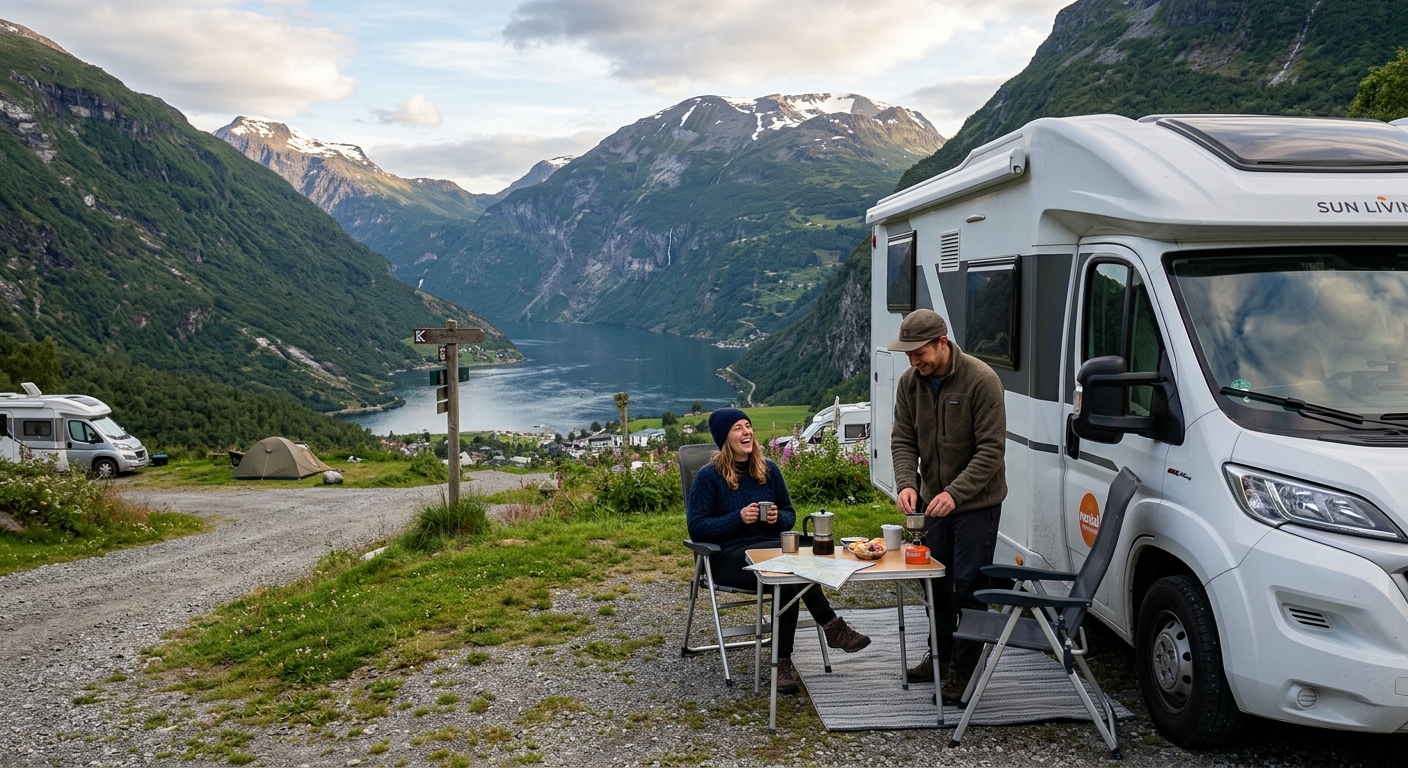
Norway's road network is generally excellent, with well-maintained main roads and designated National Tourist Routes that are specifically designed for scenic driving. However, the country's breathtaking natural beauty comes with a diverse and sometimes challenging terrain. Expect to encounter numerous mountain passes, often featuring steep ascents and descents, sharp hairpin bends, and extensive tunnel systems. Many fjords necessitate ferry crossings to continue your journey, so planning for these is essential. The terrain is highly mountainous, and while main roads are typically paved, some smaller or more remote routes might be unpaved. Driving an RV in Norway is an invitation to embrace a slower pace; rushing will not only be counterproductive but unsafe. Embrace the opportunity to fully appreciate the spectacular scenery, which can change rapidly, even within the same day, especially at higher elevations.
RV Size Limits, Bridges & Restricted Zones
While Norway's modern infrastructure is largely RV-friendly, being aware of size and weight restrictions is crucial. Height limits, often around 3.5 to 4 meters, are clearly marked before tunnels and in parking garages, which can affect larger Class C or Class A motorhomes. Ensure your chosen RV's dimensions are compatible with your planned routes, especially if venturing onto smaller roads or those known for tunnels. Weight restrictions primarily tie into the driver's license category, with the 3,500 kg threshold being the most common differentiator. Some iconic roads, like Trollstigen, may have specific length restrictions for longer vehicles, so always check route details in advance. Furthermore, some Norwegian cities implement environmental zones or congestion charges to manage traffic and emissions, typically managed automatically via the AutoPASS system. Ensure your rental company can assist with navigating these potential charges.
Fuel: Diesel vs. Petrol & Cost per 100 km
Diesel is the predominant fuel type for rental RVs in Norway, readily available at service stations nationwide. Fuel consumption for rental motorhomes typically ranges from 8 to 17 liters per 100 km, depending on the RV class and driving conditions. For a rough estimate, based on an average diesel price of 23 NOK per liter (this fluctuates), expect daily fuel costs to be approximately 184-391 NOK (roughly $17-$36 USD) per 100 km for various motorhome classes. Petrol (gasoline) is also available but less common for larger RVs. It's advisable to factor in higher fuel prices compared to many other European countries when budgeting for your trip. On the routes offered through RV PLANET routes, you can itemize and track every expense along the way for easy budgeting.
Tolls, Vignettes & Border Rules
Norway utilizes an efficient, automated toll system, AutoPASS, covering most major roads, bridges, and tunnels. This means no physical vignettes are required. Rental RVs are usually equipped with a transponder or have their license plates registered, with tolls billed to you post-trip or managed by the rental company. You'll generally find border crossings with neighboring Schengen countries like Sweden and Finland to be open with minimal checks, but always carry identification. Some rental providers may offer pre-paid toll packages, simplifying the process and helping you avoid unexpected fines.
Driving Tips for RV Rental Deals Travelers
Successfully navigating Norway's unique road infrastructure is key to an enjoyable RV trip. Prioritize a slower pace to safely handle winding roads and frequent ferry crossings. Utilize engine braking on steep descents and stay in lower gears to manage mountain driving. Be extra vigilant for wildlife, especially moose, reindeer, and sheep, particularly at dawn and dusk. Always pay close attention to road signage, especially for tunnel access, height/weight limits, and warnings like ‘glatt’ (slippery). Planning ferry crossings in advance, particularly for popular routes and larger RVs, can save you considerable waiting time.
Recommended RV Class for Norway Roads
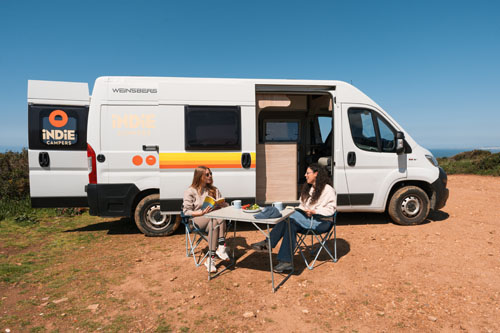
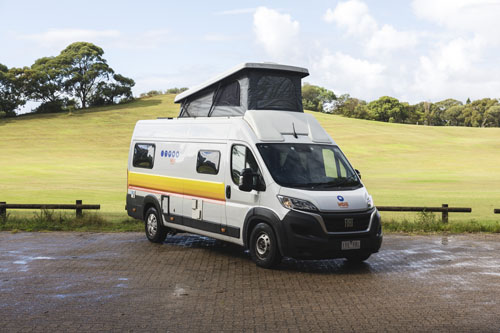
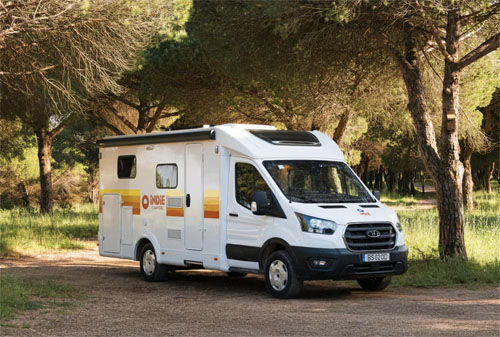
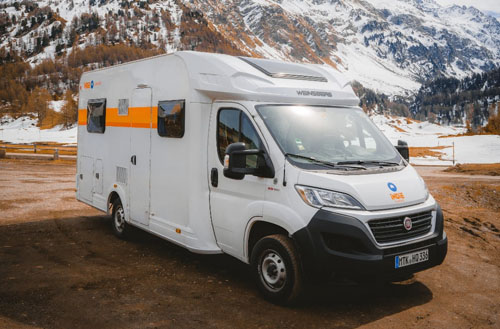
For exploring Norway's diverse landscapes, Class B Camper Vans and Class SI Semi-integrated RVs are generally the most recommended. These offer an excellent balance of maneuverability on narrower routes and comfortable living space. Class B camper vans, typically around 5.8 meters long and seating 3-4 people, are ideal for navigating tight city streets and remote areas, and are generally more economical on ferry crossings. Semi-integrated RVs, averaging around 6.9 meters, offer more living and storage space, suitable for families or longer trips, while still being manageable on most main roads. While larger Class C Alcove or Class A Integrated RVs provide maximum comfort, their larger dimensions might present challenges on very tight mountain passes and can increase ferry costs, requiring more meticulous route planning.
Should I Choose a Compact Van Instead of a Large RV in Norway?
While a compact van like a Class B Camper Van offers superior maneuverability and easier parking in Norwegian cities and on narrower roads, larger RVs provide significantly more comfort and indoor space, which many travelers prefer for extended trips. Compact vans are excellent for navigating tight historic centers and accessing more remote parking spots. However, larger RVs like semi-integrated or alcove models boast benefits such as dedicated sleeping areas, more spacious kitchens and bathrooms, and ample storage – crucial during periods of inclement weather. For most of Norway's main routes and National Tourist Routes, even larger RVs are accommodated, so the choice often comes down to personal preference for space versus ultimate nimbleness. Consider your travel party size and desired amenities for a comfortable long journey.
Can I Park Anywhere? Free & Wild Camping Rules in Norway
Norway's unique 'Allemannsretten' (Everyman's Right) generally permits wild camping, or free overnight parking, in uncultivated areas. The key rules are to maintain a 150-meter distance from inhabited houses or cabins and strictly adhere to 'leave no trace' principles. This right typically extends to tents and smaller camper vans; however, larger RVs might be viewed differently, especially in popular or sensitive natural areas. It's imperative not to park on cultivated land, in private driveways, or in areas explicitly marked against overnight parking. Always dispose of all waste properly at designated dump stations and avoid polluting water sources. Be aware that local regulations can vary, so checking municipal or nature reserve rules is always recommended before parking overnight.
Can I Drive an RV Into the City Center? Heights, Tunnels & Local Signage
Driving an RV into Norwegian city centers is generally feasible, but requires diligent attention to local signage, especially regarding height limits for tunnels and parking garages. Many historic city centers feature narrower streets and limited parking, making larger RVs more challenging to maneuver. Always look for specific RV or bus parking areas, or consider parking on the outskirts and utilizing public transport for city exploration. Be mindful of environmental zones or congestion charges, like those in Oslo and Bergen, which are typically managed automatically via the AutoPASS system.
How Much Does it Cost to Rent an RV in Norway?
The total cost of an RV rental trip in Norway extends beyond the rental fee itself. Significant expenses include fuel, automatic road and ferry tolls, campground fees, and provisions. These costs vary seasonally and depend on your RV class, making a detailed budget essential. Rental prices fluctuate widely by season, duration, RV class, and included amenities. Fuel costs, as noted, are substantial, and Norway's integrated ferry system and AutoPASS toll system mean these expenses accumulate. Designated campgrounds, offering facilities like electricity and water, typically range from 200-500 NOK ($18-$45 USD) per night, though wild camping is often permissible under strict guidelines. Don't forget to budget for groceries, dining out, and attraction entrance fees.
When is the Best Time to Rent an RV in Norway?
For the most pleasant weather and full road access, the summer months (June to August) are generally considered the best time for RV rentals in Norway. However, the shoulder seasons—May and September—offer unique advantages such as fewer crowds and the beauty of autumn colors, though weather can be more unpredictable, and some higher mountain roads or attractions may have limited access. Winter travel (October to April) presents opportunities to witness the Northern Lights, especially in the north, but requires an RV equipped for cold weather, including winter tires, and very short daylight hours significantly limit exploration routes.
Navigating Norway's Unique Driving Infrastructure
Successfully navigating Norway's driving infrastructure involves understanding its integrated ferry system, mastering mountain roads with their numerous tunnels and hairpin bends, and utilizing the automatic AutoPASS toll system. Ferries are a crucial part of the road network, crossing fjords; payment is often cashless via AutoPASS or specific ferry cards. Reservations are advised for longer, popular routes, especially with larger RVs. Expect well-maintained but often narrow and steep mountain roads with many tunnels, some single-lane with passing points, demanding careful driving and attention to length restrictions. Ensure your rental RV is registered with AutoPASS or has a compatible transponder to avoid fines. During winter, be prepared for icy conditions requiring studded tires or chains, which are legally mandated during certain periods.
What are the Top RV Routes in Norway?
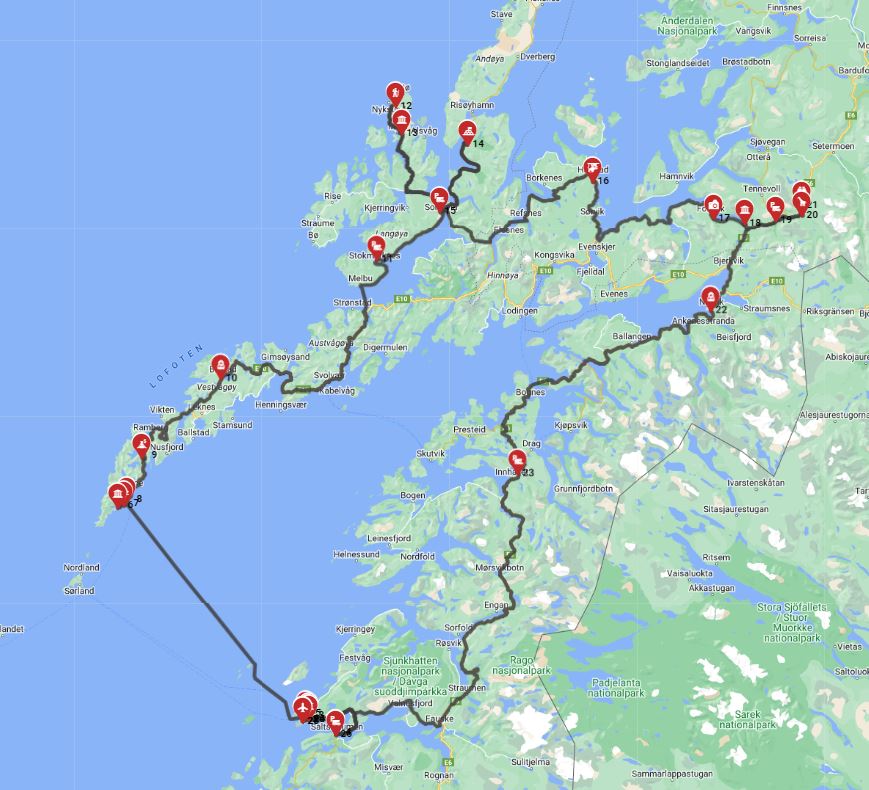
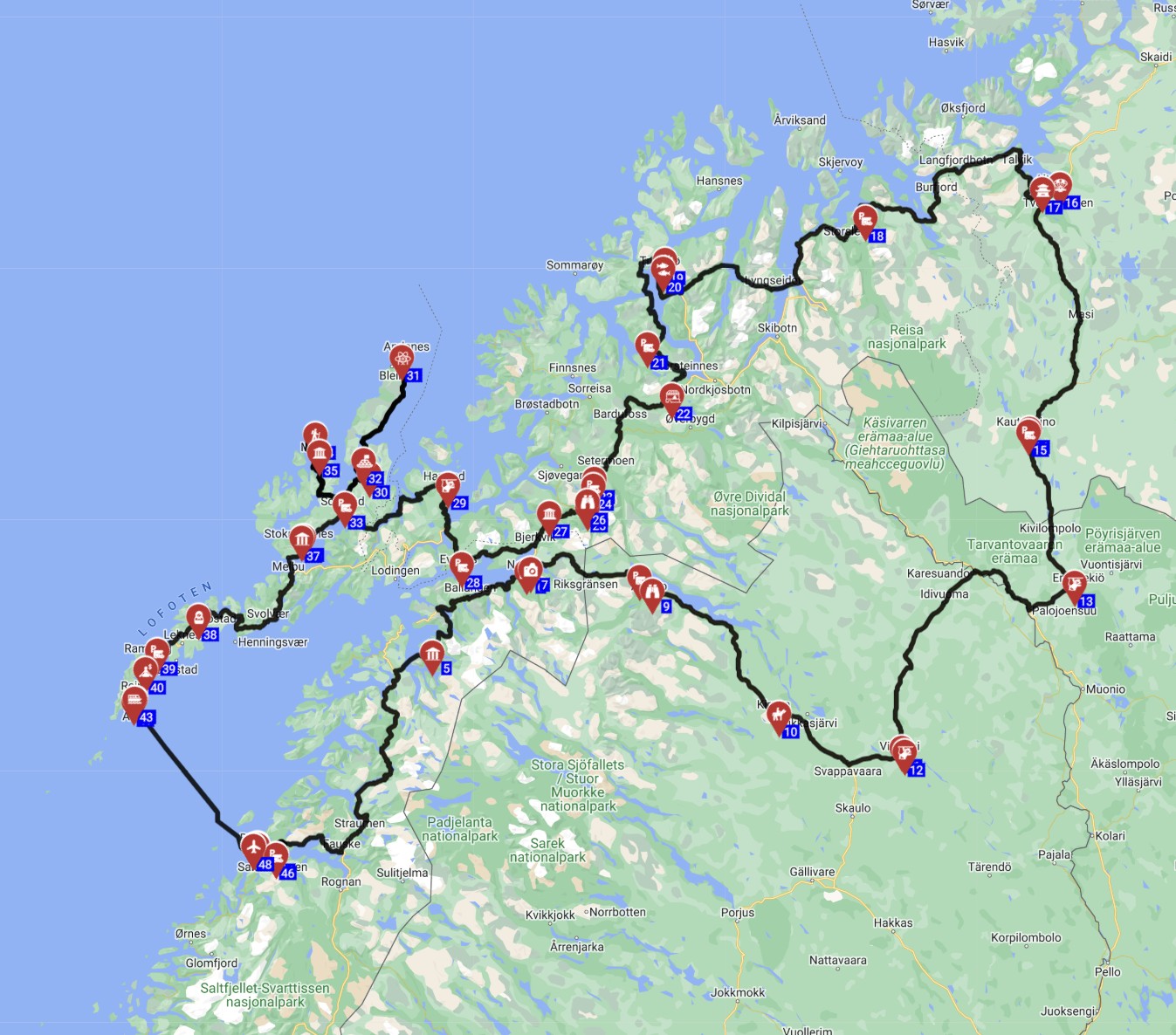
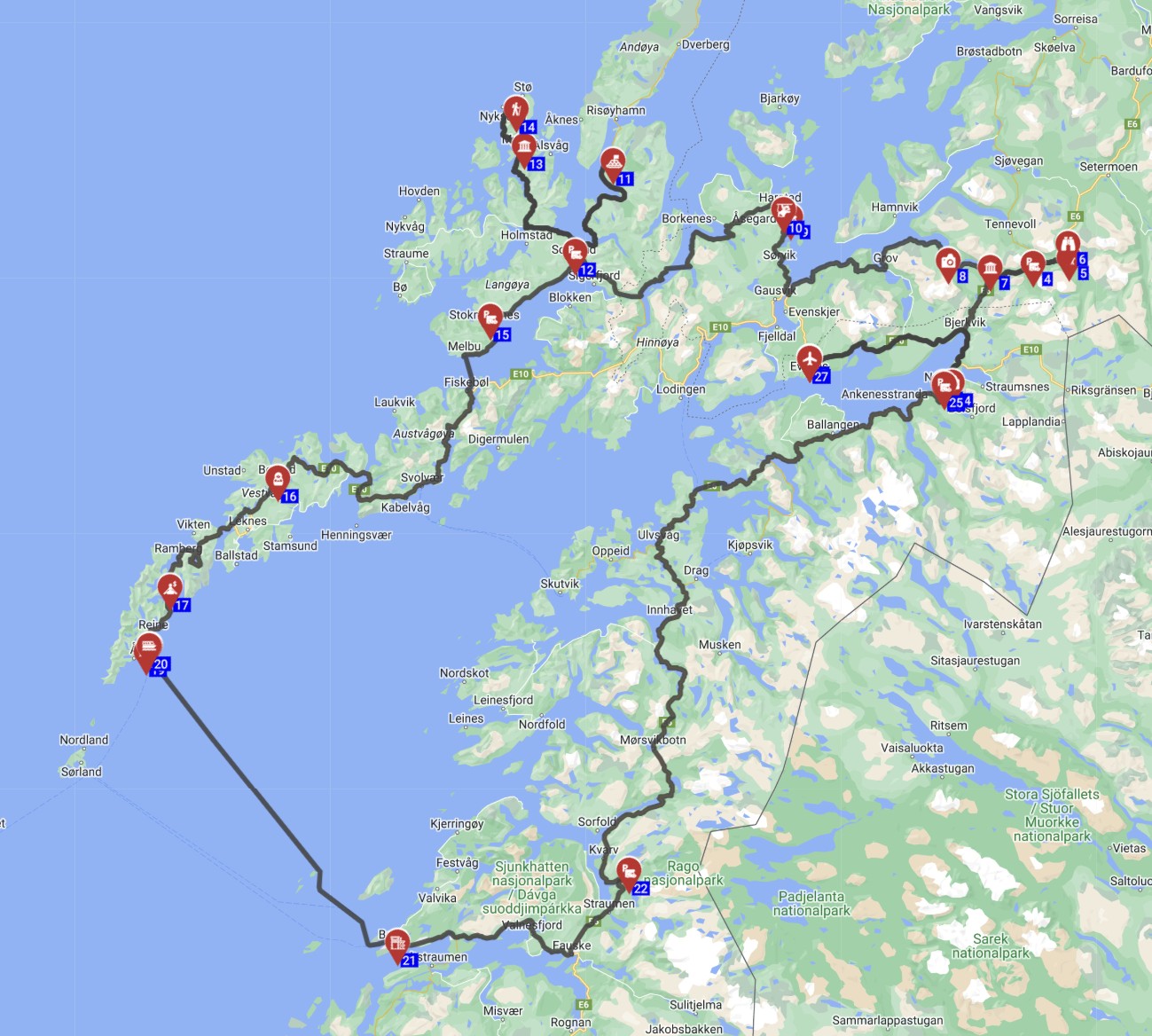
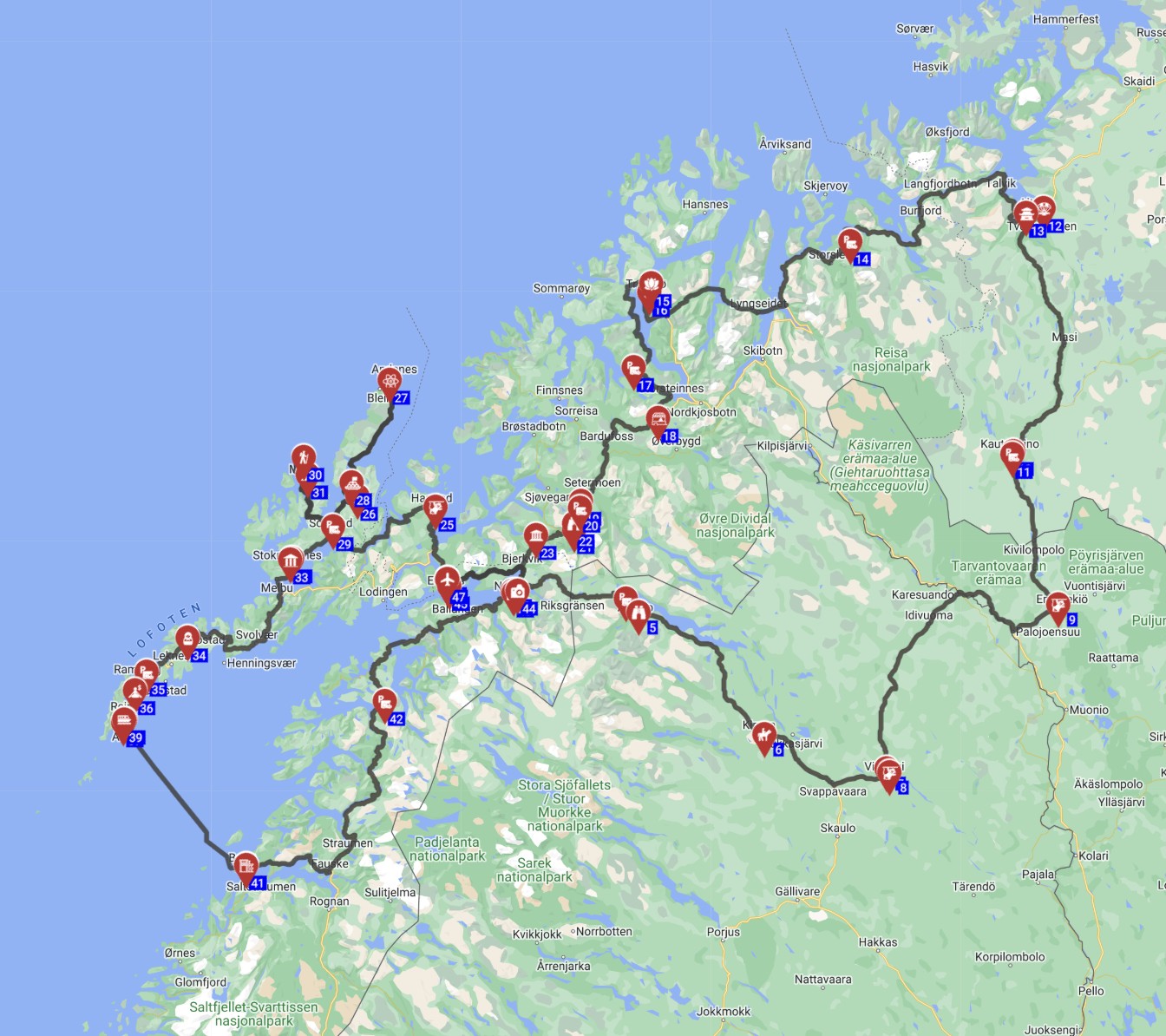
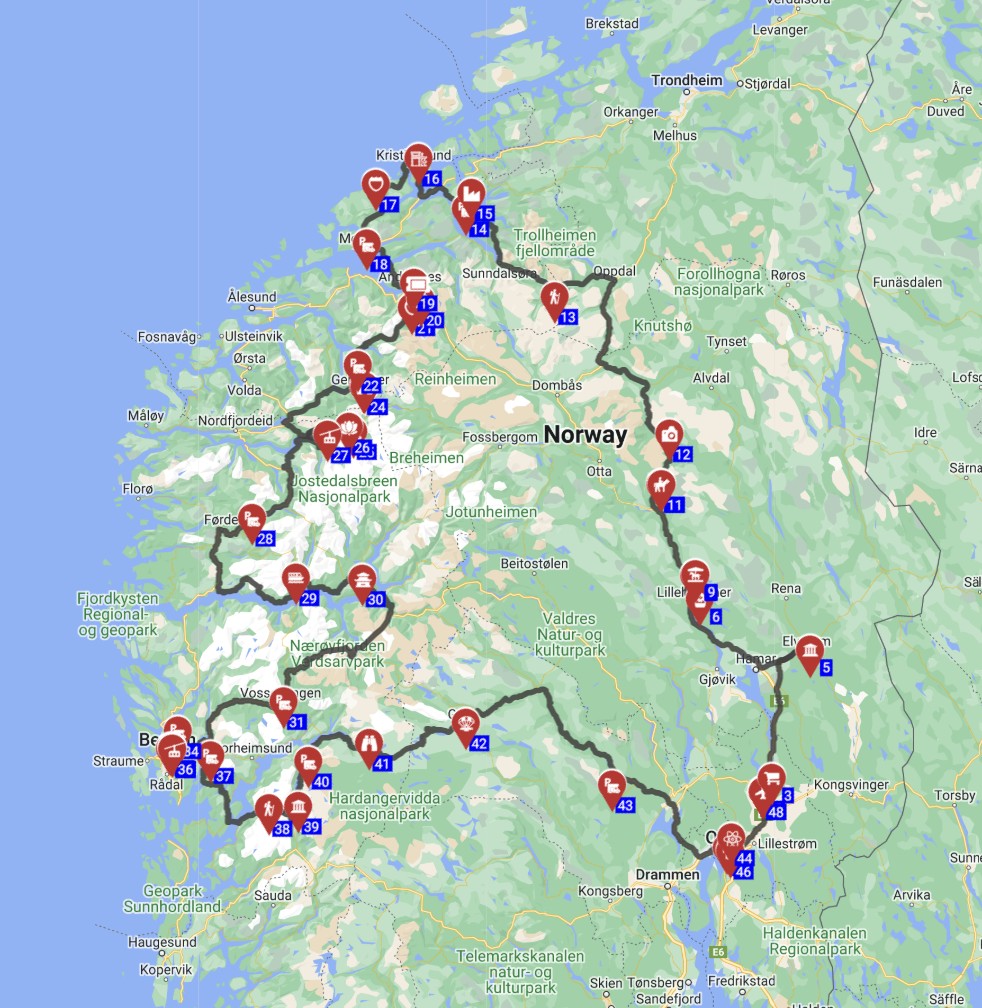
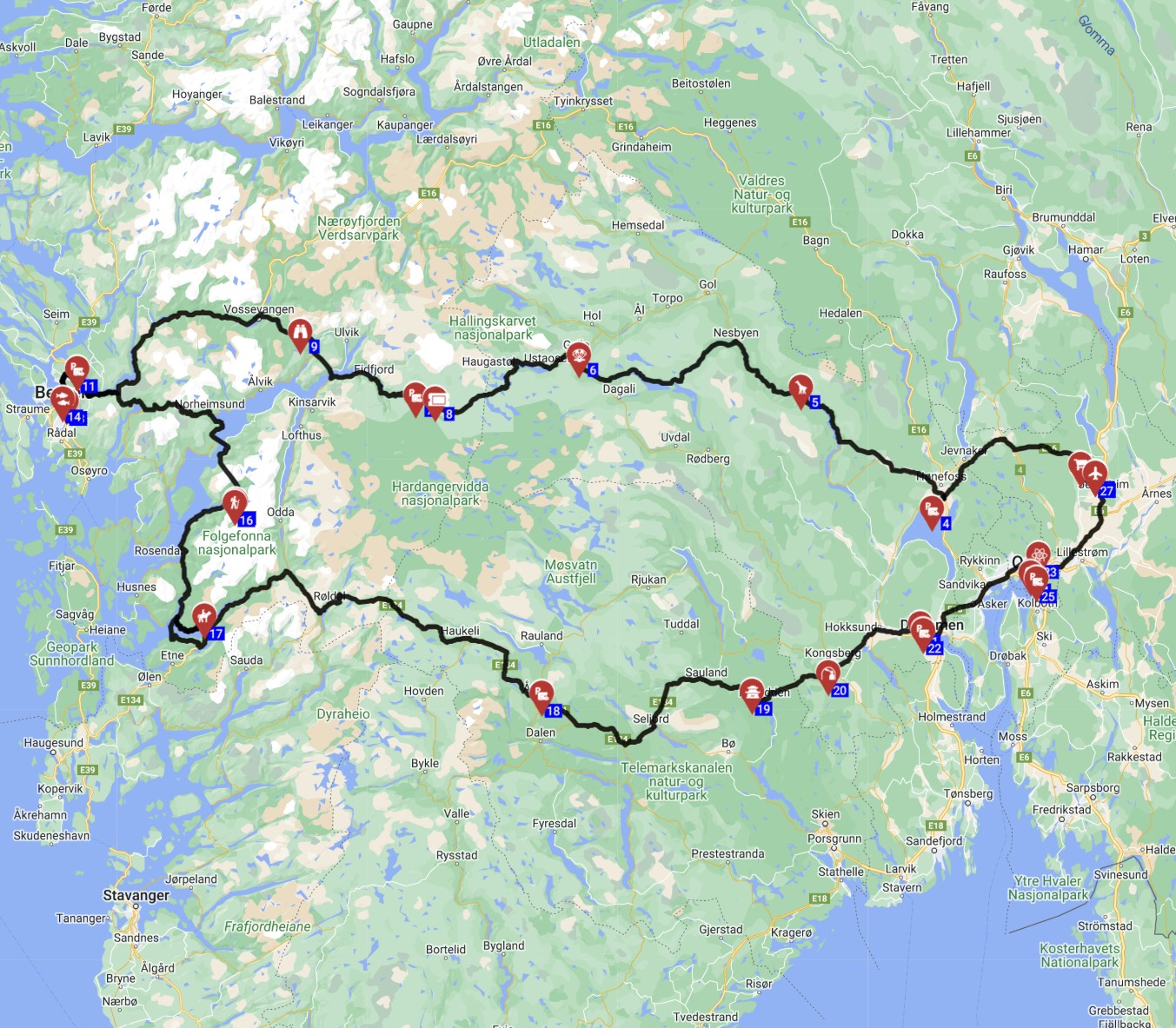
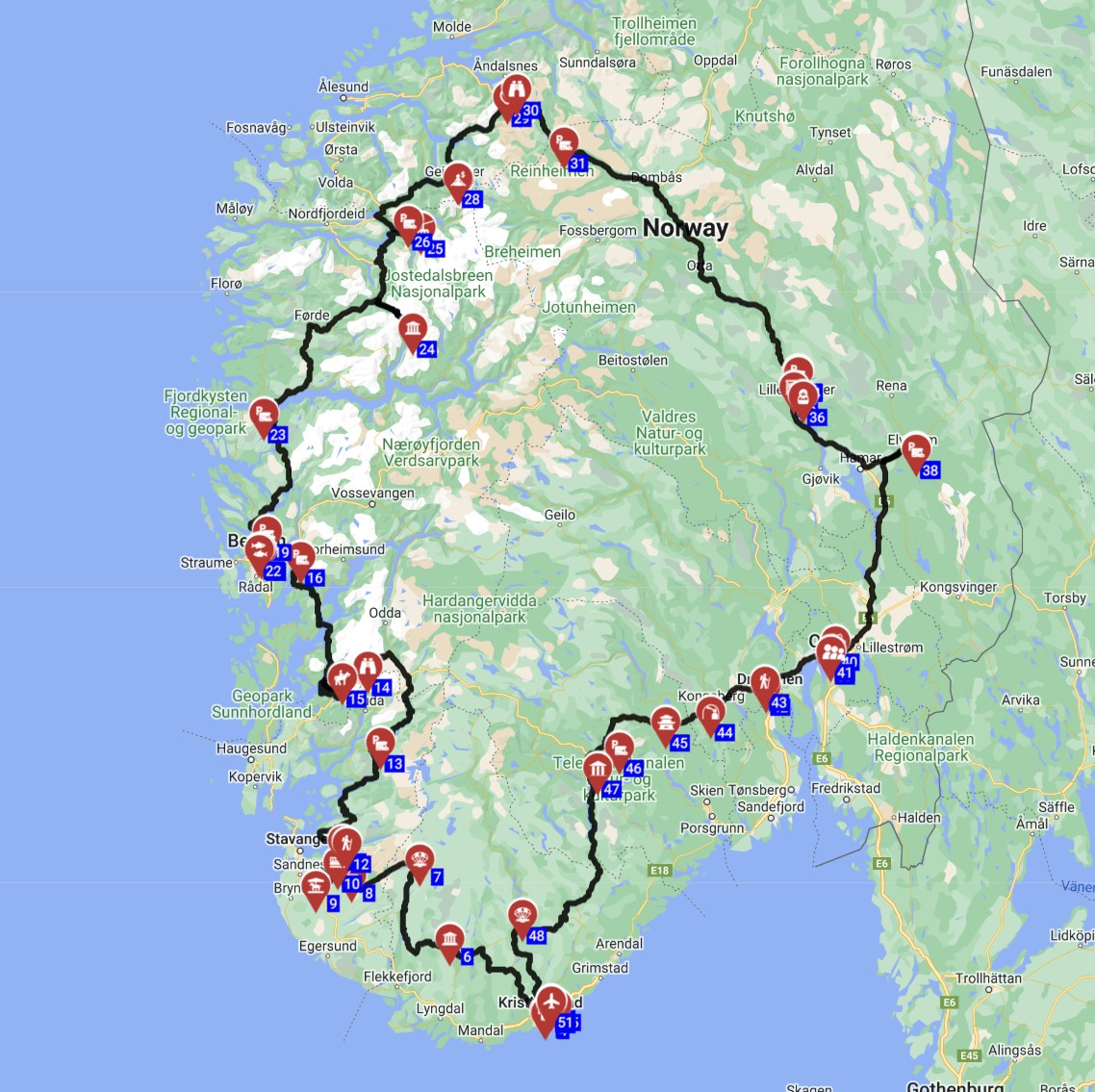
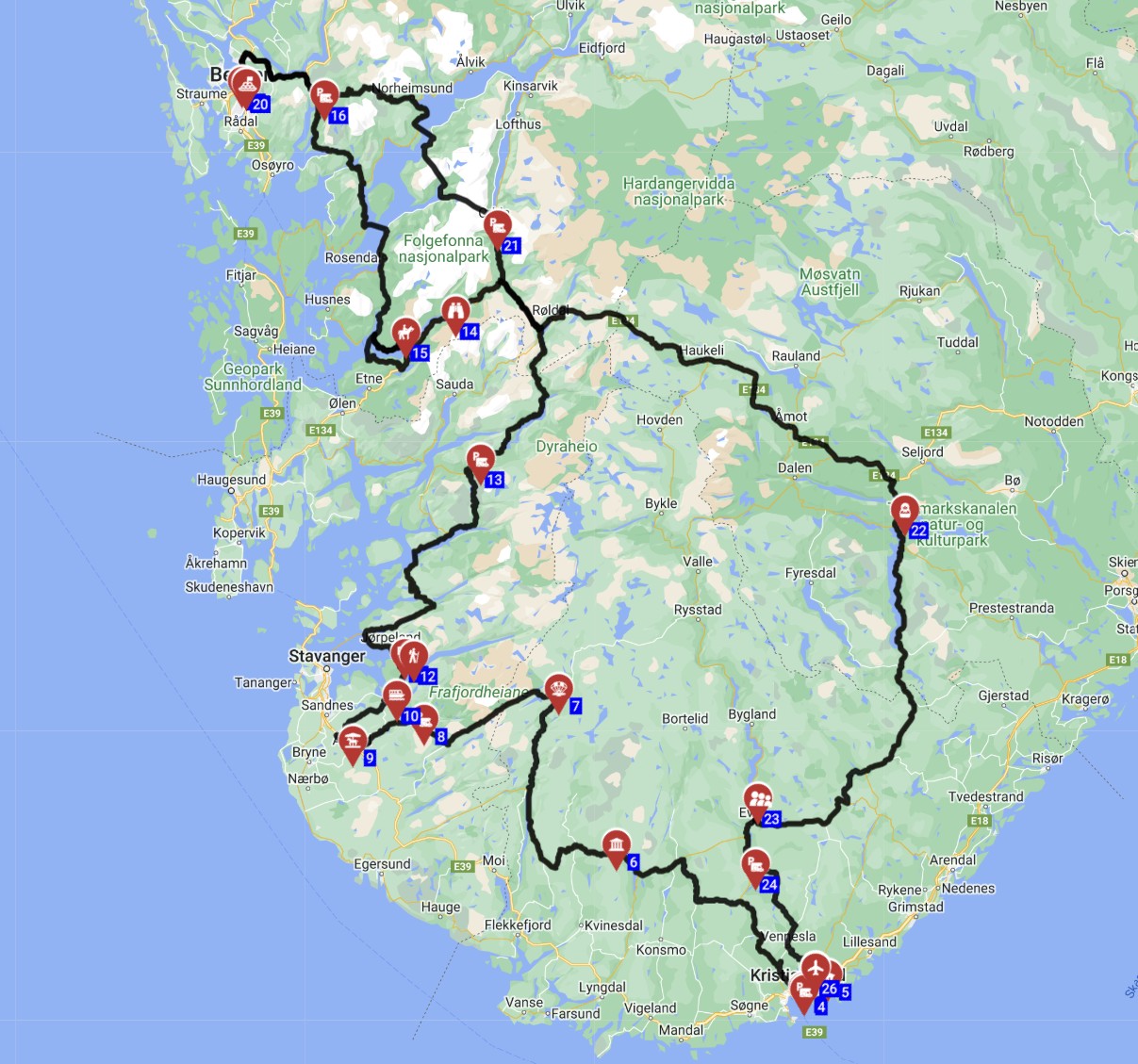
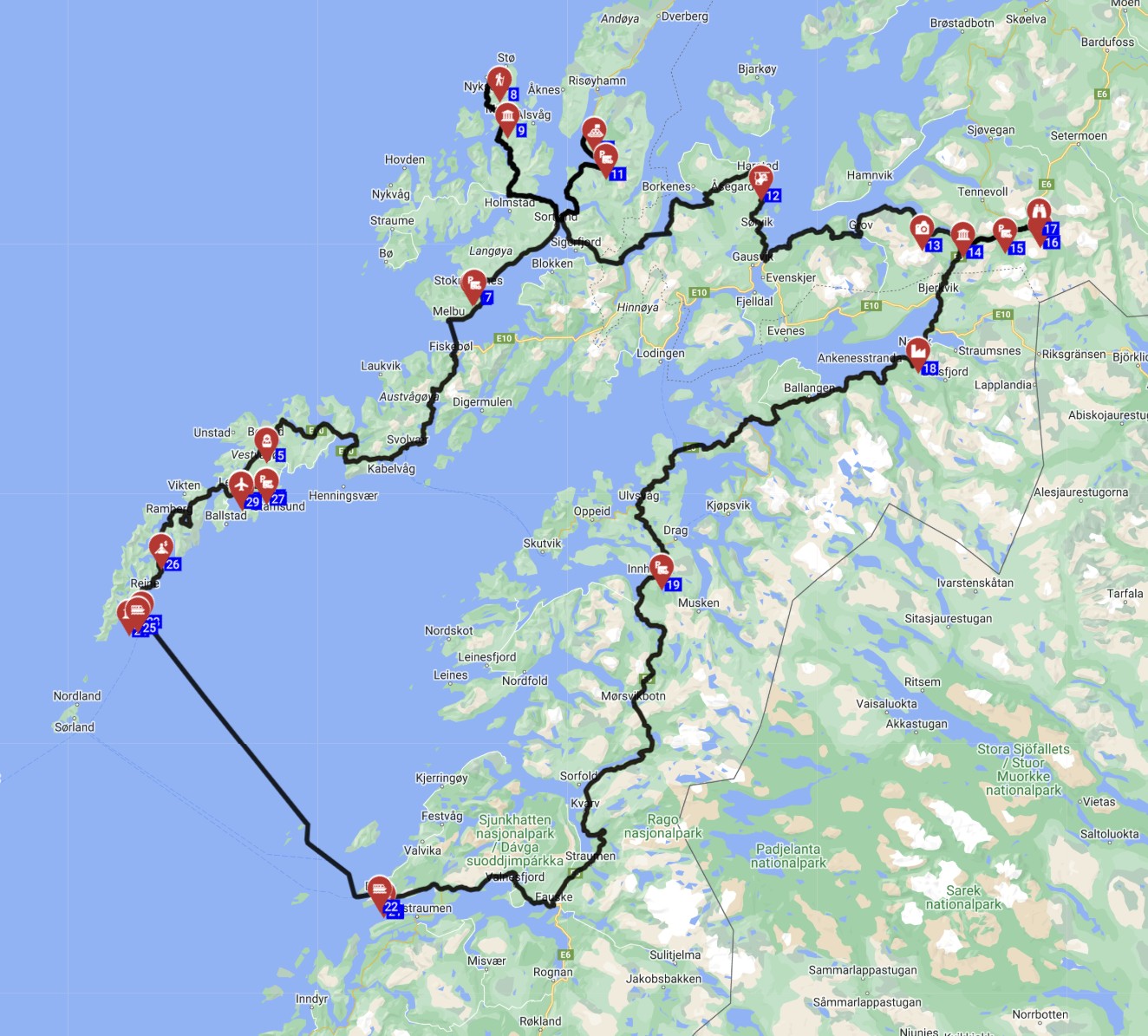
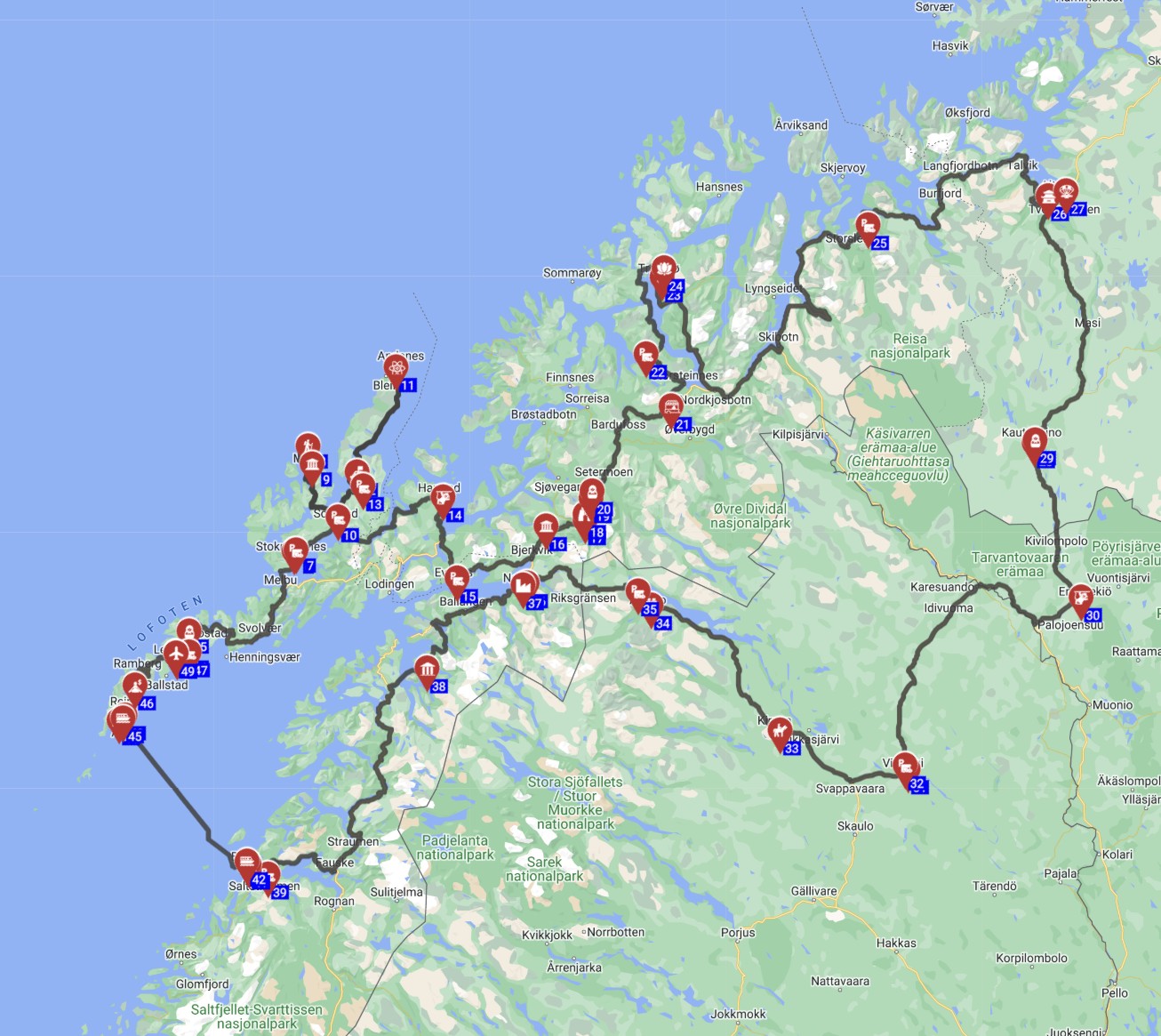
Norway offers several iconic RV routes, including the dramatic Atlantic Road, the scenic drives through Fjord Norway, and the breathtaking Lofoten Islands. For a well-rounded experience, consider the "Tromsø Round Trip - Arctic Wonders: Northern Norway Family Road Trip," which spans 15 days and covers approximately 2,400 km. This itinerary includes wildlife viewing, museums, and natural wonders, providing a fantastic glimpse into Arctic life. For a taste of the west coast's fjords, the "Bergen Round trip - Norway’s Coastal Wonders" is an 8-day, 780 km journey, hitting key scenic routes, museums, and traditional sites. If you're looking for a more extended exploration that includes neighboring countries, the "Stockholm Round trip - Sweden, Denmark and Norway Family Adventure" is a 22-day, 3,670 km route offering diverse cultural and natural attractions.
RV-Specific Practicalities and Hacks for Norway
Mastering practicalities is key for RV travel in Norway. Refill fresh water at campgrounds, some petrol stations, or designated service points. Dump stations for waste water are primarily located at official campgrounds and larger rest stops. Propane is used for heating, cooking, and refrigeration; ensure compatibility with adapters for European cylinders, and check if your rental company provides pre-filled tanks. Most campgrounds offer 230V electricity hookups, usually requiring a European CEE 7/4 plug adapter. For reliable connectivity, consider purchasing a local SIM card from providers like Telenor or Telia, which offer good coverage even in remote areas. Be prepared for Norway's extreme daylight variations: blackout blinds are essential for sleeping during the midnight sun in summer, while winter travel means very short daylight hours, especially in the north. For ideas you can prep on the road, watch our RV-friendly recipes playlist on YouTube.
What are the Best RV Rental Deals in Norway?
The best RV rental deals in Norway are typically secured by booking well in advance, particularly for the popular summer season. Look for off-season discounts or savings offered for longer rental periods. Early bird discounts can be substantial if you book 6-12 months ahead, ensuring better rates and a wider selection of vehicles. Traveling in May, early June, or September often yields significantly lower rental prices compared to July and August. While riskier for popular periods, last-minute deals can sometimes be found due to cancellations or unsold inventory. Utilizing comparison platforms that aggregate multiple rental companies is crucial for comparing prices, included amenities, insurance options, and terms across various RV classes.
What Documents Do I Need to Rent an RV in Norway?
To rent an RV in Norway, you'll need a valid driver's license that meets the required category for the RV's weight—typically Category B for vehicles up to 3,500 kg. If your license isn't from an EU/EEA country or doesn't have a photo, carrying an International Driving Permit (IDP) is highly recommended and often legally required. A major credit card in the primary driver's name is essential for paying the rental fee and providing the security deposit, which can be substantial. You'll also need your passport or national ID card for identification. Remember to check the rental company's specific age requirements, usually 21-25, and minimum driving experience, often two years.
Where Can I Pick Up an RV Rental in Norway?
RV rentals in Norway are conveniently available for pickup in major cities and at key airport locations, providing easy access points for your road trip. Oslo, Norway's capital, offers the widest selection of rental companies and RV models, with depots often located near the city center or Oslo Airport Gardermoen (OSL). Bergen, a popular starting point for exploring the fjords, also has several rental options, many situated near Bergen Flesland Airport (BGO). Other cities like Stavanger, Trondheim, and Tromsø (ideal for Arctic adventures) are additional pickup locations, though the vehicle selection might be more limited. Prioritize choosing a pickup location that aligns with your planned route to minimize initial driving time to your first destination.
Are There One-Way RV Rentals in Norway?
Yes, one-way RV rentals are generally available in Norway, offering the flexibility to pick up your vehicle in one city and drop it off in another. This is a popular option for travelers wishing to explore specific regions without backtracking, for instance, picking up in Oslo and dropping off in Bergen or even Tromsø. Be aware that this convenience typically incurs an additional one-way fee, which can vary significantly based on the rental company, the distance between locations, and the season. Availability for one-way rentals can also be more limited, especially during peak periods and for specific RV models, so booking well in advance is highly recommended to secure your preferred itinerary.
Sustainable and Responsible RV Travel in Norway
Practicing sustainable and responsible RV travel in Norway is crucial for preserving its pristine natural environment. Adhere strictly to 'Leave No Trace' principles by packing out all trash, using designated dump stations for waste water and sewage, and leaving campsites cleaner than you found them. Familiarize yourself with local regulations regarding wild camping, fires, and access to protected areas, as these can differ from the general 'Allemannsretten'. Be mindful of resource consumption, particularly water and electricity, when not connected at a campground. Always observe wildlife from a respectful distance, never feed animals, and drive cautiously to avoid collisions. Supporting the local economy by purchasing groceries from local shops and markets, dining at local eateries, and engaging respectfully with communities contributes positively to your travel experience and the local environment.
Wildlife Encounters and Road Safety in Norway
When RVing in Norway, maintaining vigilance for common wildlife such as moose, reindeer, and sheep on the roads is paramount, especially during dawn and dusk when they are most active. Sheep, in particular, often roam freely, even on main roads. Always exercise extreme caution and reduce your speed in areas with wildlife warning signs. In the unfortunate event of a collision with an animal, pull over safely, turn on your hazard lights, and immediately contact the police (dial 112) to report the incident, regardless of whether the animal appears to have left the scene. Ensure your rental RV includes roadside assistance coverage and keep contact information readily accessible for emergencies, as mobile phone coverage can be intermittent in very remote areas.
What You Shouldn't Miss
- Drive Norway's iconic Atlantic Road, a stunning 8.3 km stretch of highway that winds over several small islands and skerries.
- Explore the dramatic Geirangerfjord and Nærøyfjord, both UNESCO World Heritage sites, via scenic RV routes and fjord cruises.
- Hike through the rugged beauty of the Lofoten Islands, a popular destination for campervans offering spectacular coastal and mountain scenery.
- Experience the magic of the Northern Lights (winter) or the Midnight Sun (summer) in Northern Norway, and drive to Nordkapp for a true Arctic adventure.
- Discover lesser-known gems like the Helgelandskysten (Coastal Route 17) for quieter, equally stunning fjord and coastal drives.
- Sample local Norwegian delicacies like `brunost` (brown cheese), fresh seafood, and traditional `lefse` (a type of flatbread) from roadside farm stalls or local markets.
Final Thoughts
Renting an RV in Norway offers an unparalleled way to immerse yourself in its stunning natural beauty and unique culture. From the dramatic fjords to the charming coastal villages, the freedom of the open road awaits.
By understanding the nuances of Norwegian driving, planning your routes thoughtfully, and choosing the right vehicle for your adventure, you're set for an unforgettable journey. Embrace the slow travel philosophy, savor the moments, and let the majestic landscapes of Norway captivate you.
Ready to start planning your Norwegian RV adventure? Compare prices and availability across leading suppliers with Bandana Caravan to find the perfect deal for your dream trip!