In This Guide
- Where to Camp in Canada - Top Options
- Campground Types in Canada (National, Private, Wild)
- Featured RV Park or Campground in Canada
- Hookups & Amenities - What to Expect
- Booking Windows & Reservations in Canada
- Nearby Supermarkets & Resupply Points
- Best RV Class for Camping in Canada
- How to Save on Campgrounds in Canada
- How much does it cost to rent an RV in Canada per week
- What is the cheapest time to rent an RV in Canada
- What is the best month to RV in Canada
- Is it cheaper to RV or hotel in Canada
- What is included in an RV rental in Canada
- What do I need to rent an RV in Canada
- Is it hard to drive an RV in Canada
- Can you rent RV one way in Canada
- Top Cities for RV Rental in Canada
- Country-Wide Practical Info for RV Travelers in Canada
Canada, with its vast landscapes and breathtaking natural beauty, offers an unparalleled canvas for an RV adventure. Imagine waking up to the majestic Rocky Mountains or the serene coastal views of the Maritimes, all from the comfort of your rented motorhome. Finding great RV camping deals in Canada in 2026 means unlocking an unforgettable journey without breaking the bank. At Bandana RV, we understand the magic of RV travel, and we're here to guide you every step of the way, offering full transparency and unwavering support before, during, and after your booking. For live availability and current prices, start with our RV Rental Canada - Complete Guide 2026 guide.
Where to Camp in Canada - Top Options
Canada offers diverse camping experiences from the majestic Rocky Mountains to the tranquil Maritimes and rugged Pacific Coast. Top options for RVers include renowned National Parks, vast Provincial Parks, and numerous private campgrounds, each providing a unique atmosphere. For instance, the iconic Banff National Park and Jasper National Park in Alberta feature stunning alpine scenery and abundant wildlife, while British Columbia's Pacific Rim National Park Reserve on Vancouver Island offers dramatic coastal landscapes. Planning a route that embraces regional specificities, like the scenic coastal drives in Nova Scotia or the wild beauty of the Yukon, can lead to truly unique adventures.
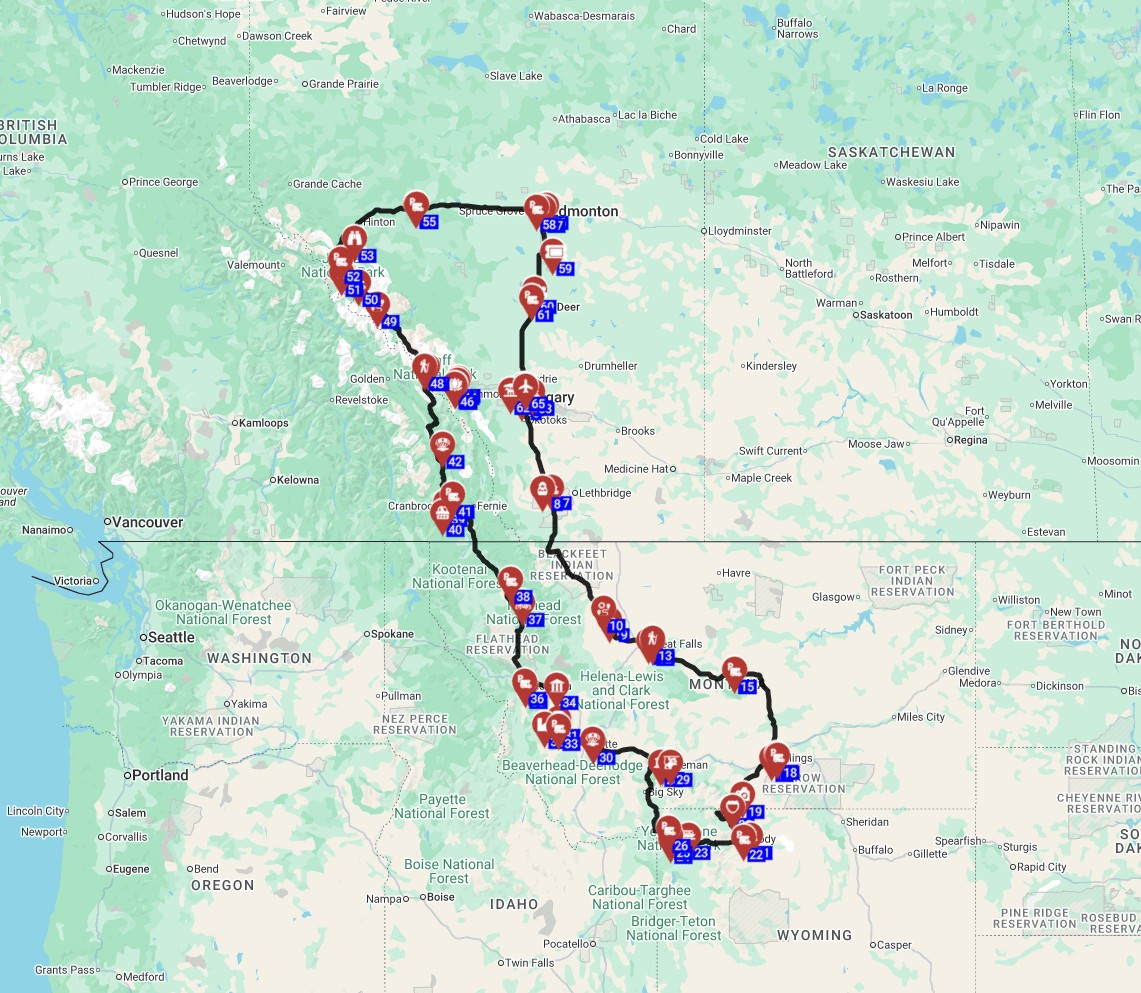
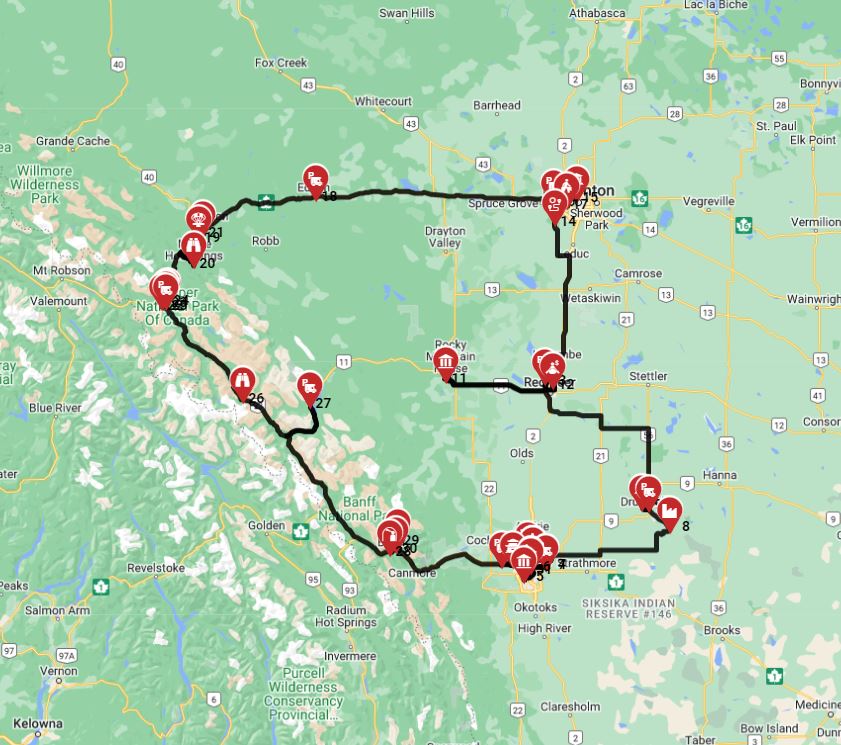
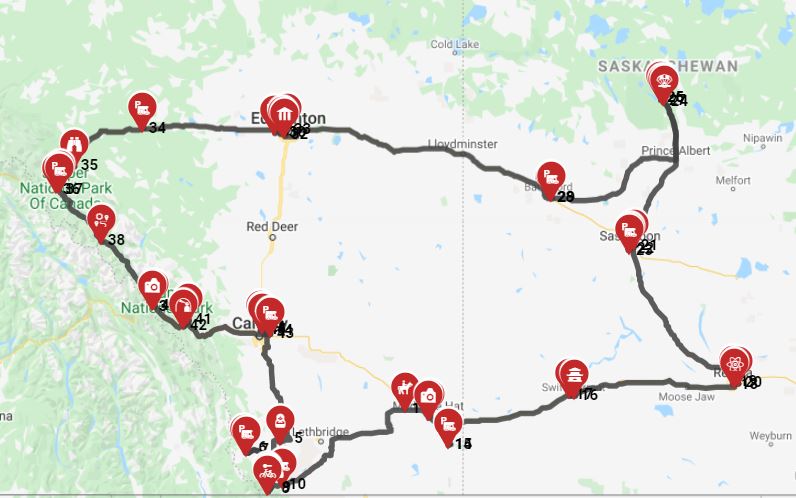
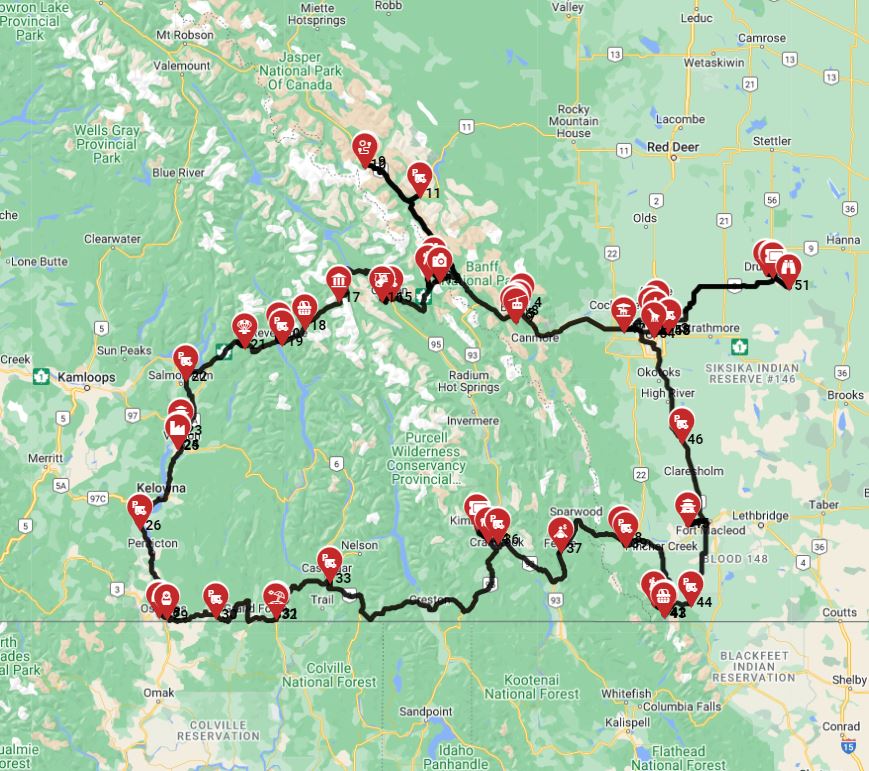
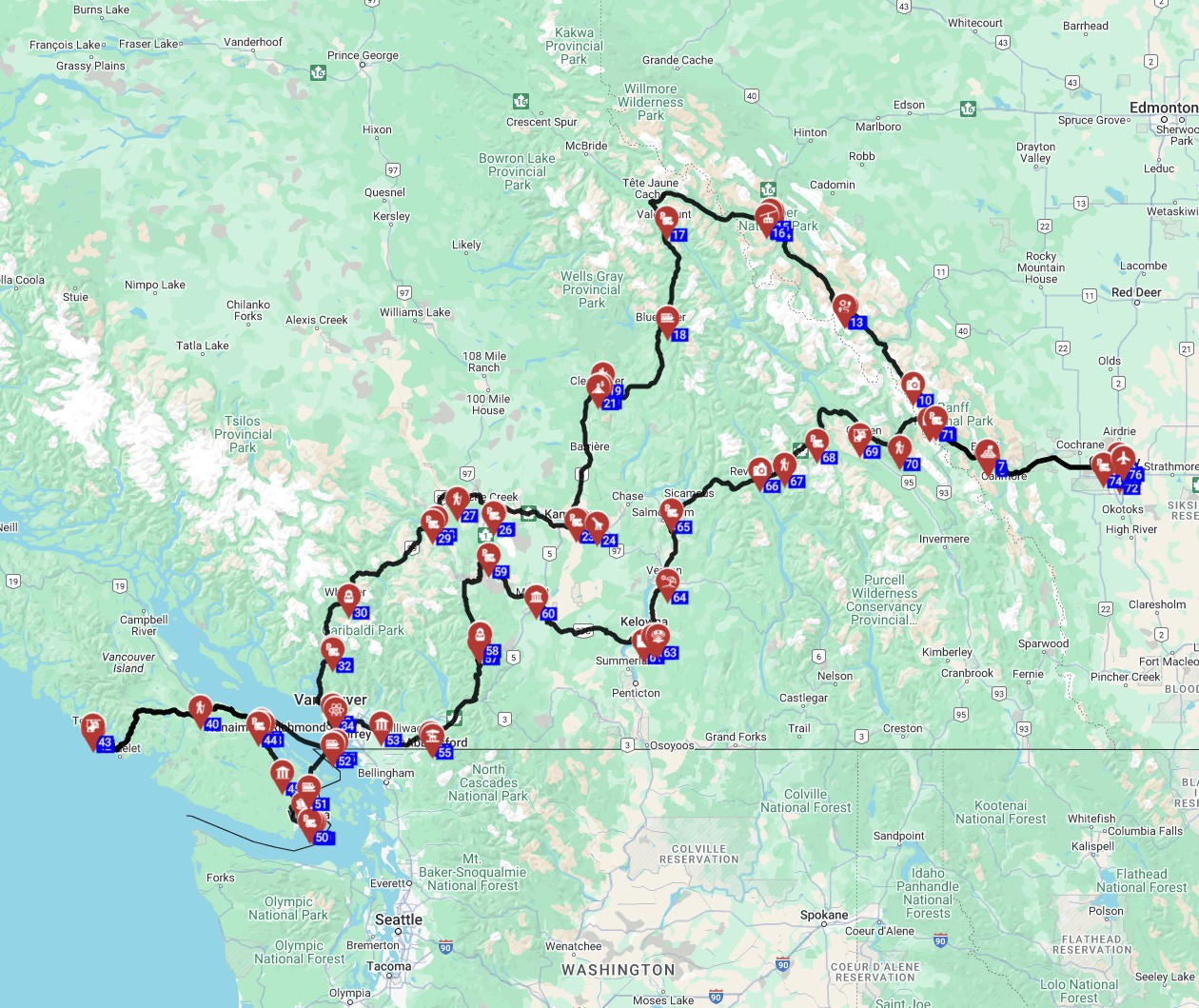
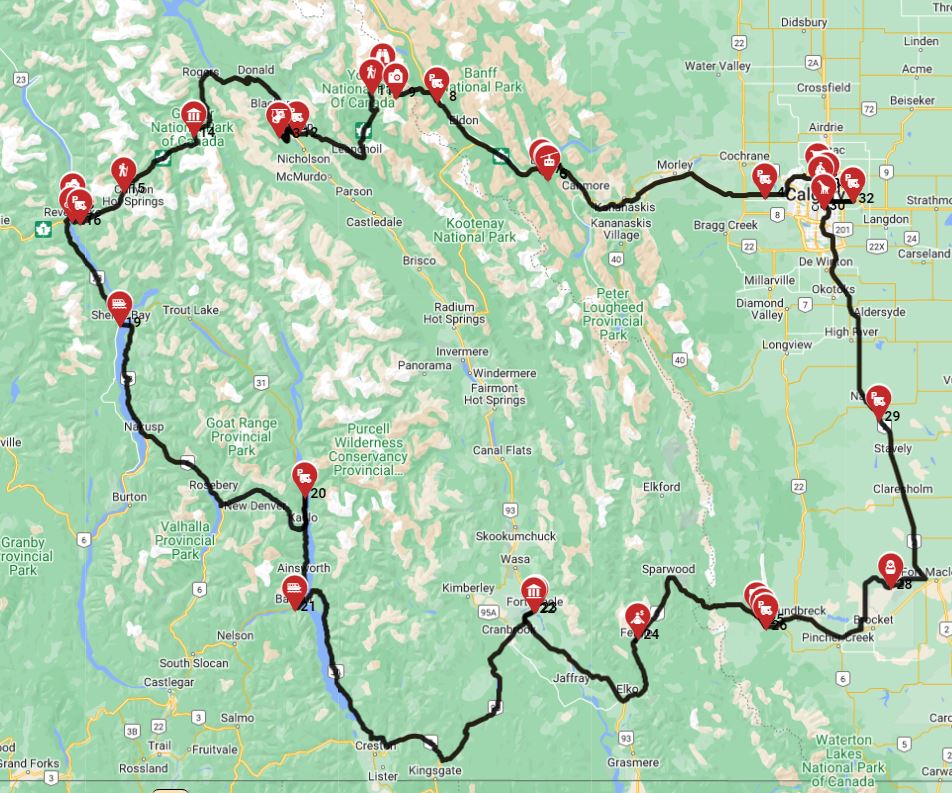
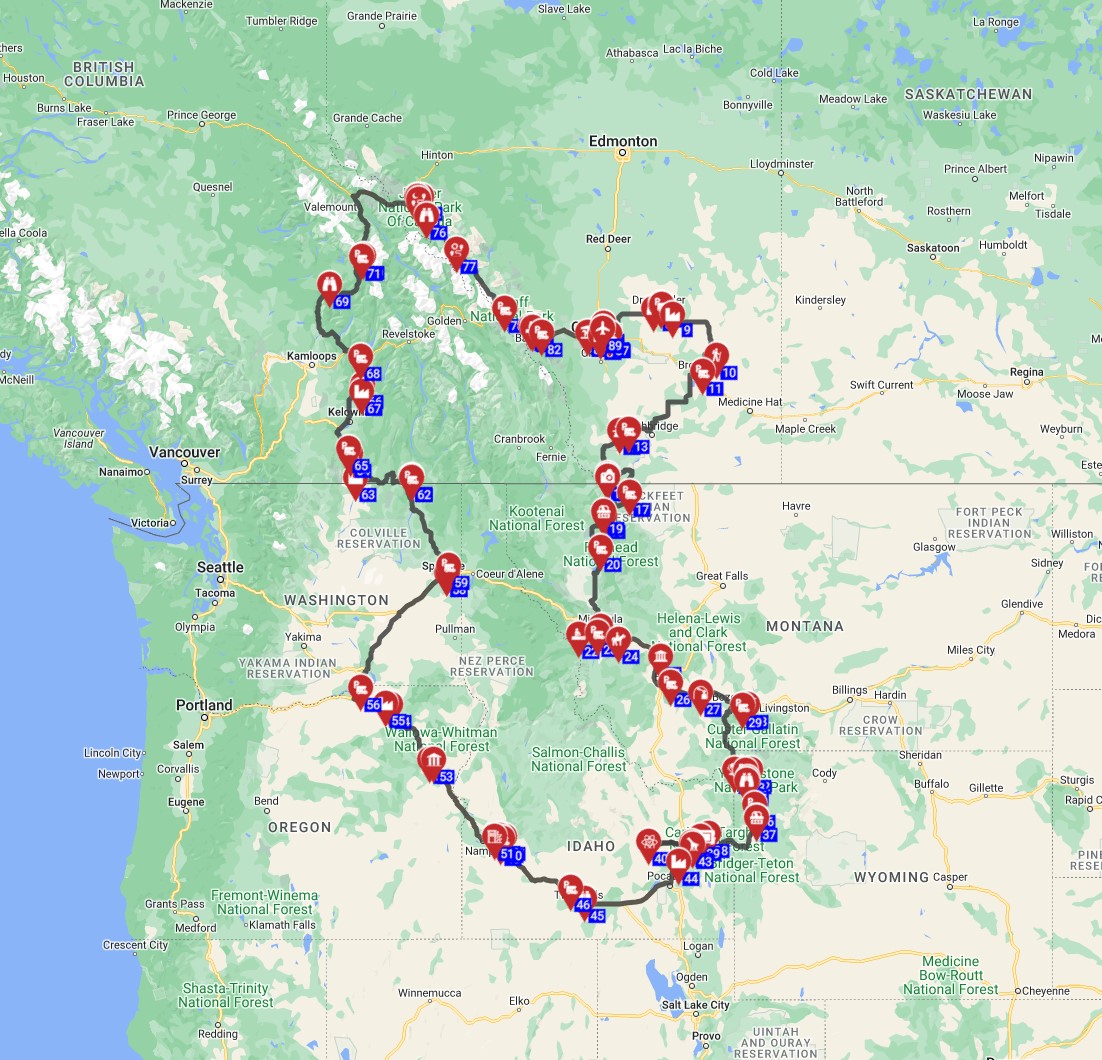
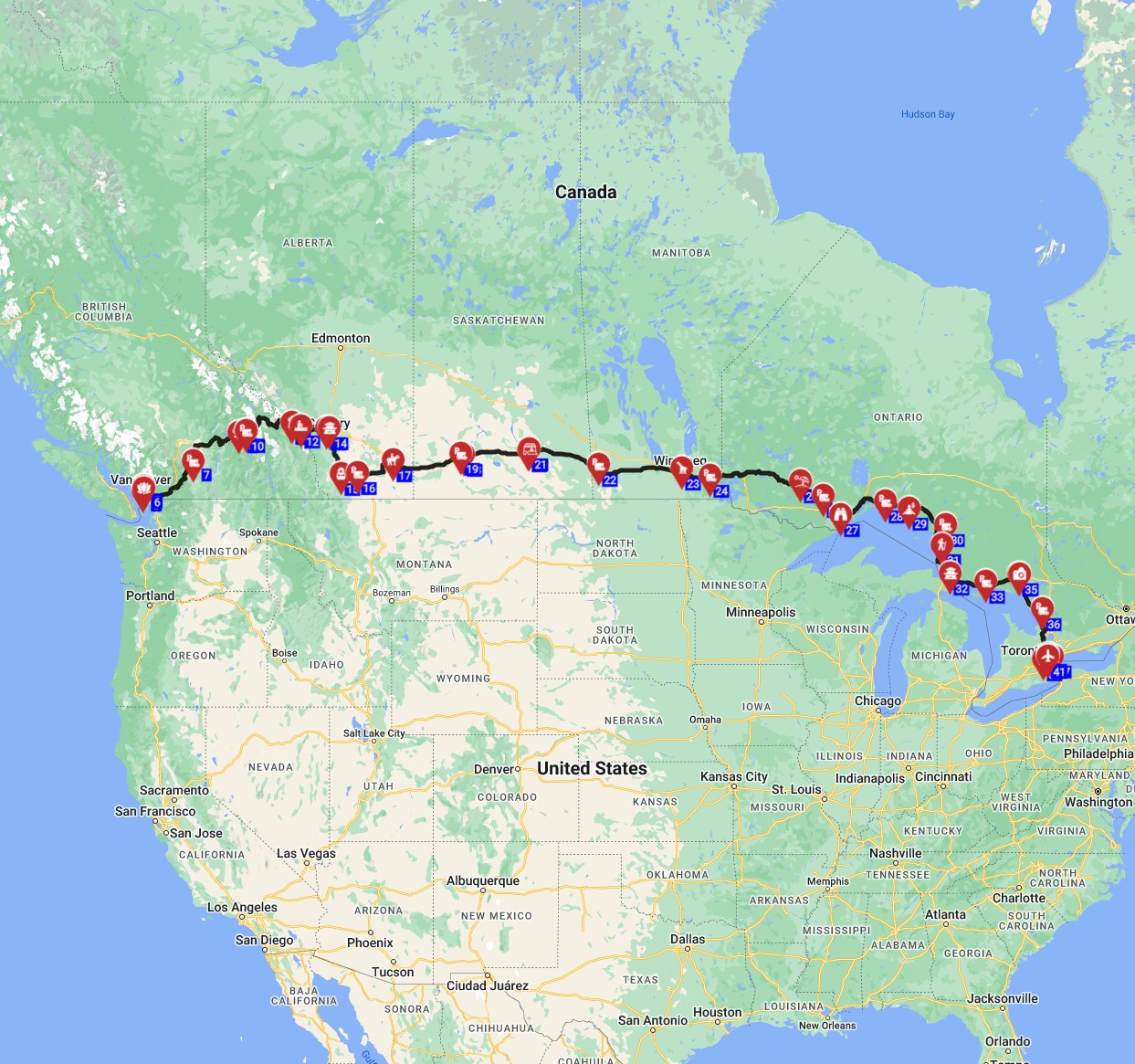
If you dream of exploring Canada's vast interior, the Halifax to Whitehorse - Exploring Canada’s Heartland in a Motorhome route covers 9199.1 km over 37 days, including visits to 4 hiking areas and 6 museums. For those captivated by Canada's western splendor, the

Campground Types in Canada (National, Private, Wild)
In Canada, RVers can choose from a variety of camping environments, including National Parks, Provincial Parks, private campgrounds, and opportunities for wild camping (also known as boondocking) on Crown Land. National and Provincial Parks typically offer structured camping with various amenities such as picnic tables, fire pits, and washroom facilities, often requiring advance reservations, especially during peak season. These parks also have clear rules for wildlife interaction and fire safety to protect both visitors and the environment.
Private campgrounds, available across the country, generally provide full hookups (electrical, water, and sewer), Wi-Fi, laundry facilities, and sometimes additional services like swimming pools or recreational programs. For a more adventurous and self-sufficient experience, boondocking on Crown Land is legal in many areas, particularly in less populated provinces and territories. However, this requires adherence to 'leave no trace' principles and a good understanding of local regulations regarding permissible sites and fire restrictions. Always check local government websites for the most up-to-date information on wild camping in specific regions of Canada.
Featured RV Park or Campground in Canada
When selecting an RV park or campground in Canada, look for locations that balance your desired amenities with proximity to attractions and natural beauty, ensuring a memorable experience. For example, Tunnel Mountain Village II Campground in Banff National Park, Alberta, offers 321 sites with electrical hookups and stunning mountain views, positioning you perfectly for exploring the Canadian Rockies. Consider factors such as full hookups, clean facilities, accessibility to hiking trails or lakes, and positive guest reviews to find your ideal spot.
Many popular parks offer unique regional experiences, from lakeside spots with water access like those in Ontario's Algonquin Provincial Park to mountain retreats near national park entrances. These diverse options cater to every traveler, whether you prefer bustling resort-style camping with extensive services or a quieter, more rustic experience with basic amenities. Utilizing resources like RV PLANET can help you pinpoint campgrounds that align with your travel style and budget for your Canadian adventure.
Hookups & Amenities - What to Expect
In Canadian campgrounds, RVers can typically expect a range of hookups and amenities designed for comfort and convenience during their journey. Electrical hookups commonly come in 15, 30, and 50 amp services, using standard North American connectors, allowing you to power your appliances and charge devices. Potable water hookups require a fresh water hose for direct connection, while sewer hookups (or nearby dump stations) enable easy wastewater disposal.
Beyond these essential connections, many campgrounds also offer communal showers, laundry facilities, and Wi-Fi, though internet connectivity can be spotty in more remote Canadian regions. For finding campsites and campgrounds during your trip, we recommend using RV PLANET (rvplan.net) - a great resource for locating available spots along your route. Additionally, amenities like picnic tables, fire rings, and sometimes even recreational facilities are common, ensuring a pleasant stay. Always check specific campground details in advance to confirm available services, especially if traveling during shoulder seasons when some facilities might operate on reduced schedules.
Booking Windows & Reservations in Canada
For RV camping in Canada, particularly for popular National and Provincial Parks like Banff or Jasper, travelers should plan to book well in advance. Reservations often open several months before peak season; for example, summer trips usually require booking as early as January. This proactive approach helps secure preferred sites and offers better RV Rental Deals in Canada - Latest Offers 2026. However, not all spots are claimed immediately by pre-planners.
Many national park campgrounds strategically reserve 25-30% of their spots for first-come, first-served arrivals, providing options for spontaneous travelers. While advance booking is highly recommended to secure your ideal site, rest assured that you will almost certainly find a place-if not at the first campground you try, then at the next one. Always call ahead before driving to confirm availability, especially during busy periods or for specific vehicle classes like a Class C motorhome. Remember, flexibility with your dates or chosen locations can significantly increase your chances of finding a spot, even at the last minute.
Nearby Supermarkets & Resupply Points
When RVing in Canada, reliable resupply points are crucial for a comfortable journey, and you'll find major supermarket chains readily available in most towns and cities. Chains like Loblaws (which includes popular brands such as Superstore, Zehrs, and No Frills), Sobeys, Metro, and Walmart offer a wide selection of groceries and essentials. For fresh, local produce and unique regional delicacies, be sure to seek out smaller independent grocers or vibrant farmers' markets, which are particularly prevalent in rural or resort areas.
Always plan ahead for your provisions, as options can become sparse in more remote regions of Canada, making it wise to stock up before venturing into wilderness areas. Preparing meals in your rented motorhome or campervan is one of the joys of RV travel, allowing you to enjoy local ingredients wherever you park. For inspiration and practical tips on cooking delicious meals on the road, check out our RV-friendly recipes playlist. This also helps manage your budget effectively. You can track all your meal-related expenses easily on RV PLANET routes.
Best RV Class for Camping in Canada
The best RV class for camping in Canada depends heavily on your preferred travel style and the size of your group. Class B Camper Vans, averaging around 5.8 meters (19 feet) in length and comfortably sleeping 3 people, are an excellent choice for couples or small families. Their compact size makes them highly maneuverable, fuel-efficient (typically achieving 8-10 Liters/100 km), and ideal for navigating smaller provincial park campsites or engaging in boondocking on Crown Land.
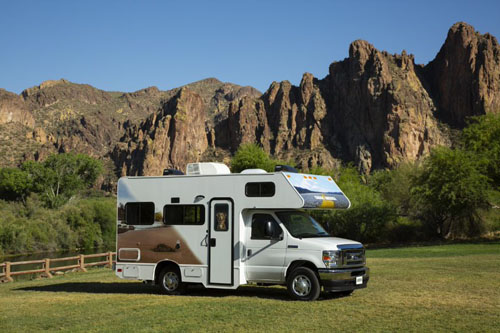
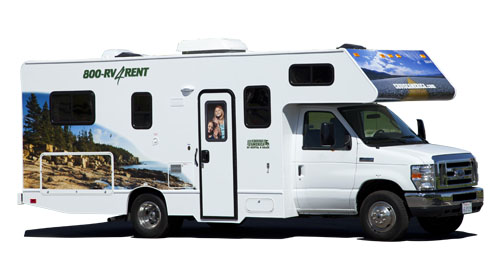
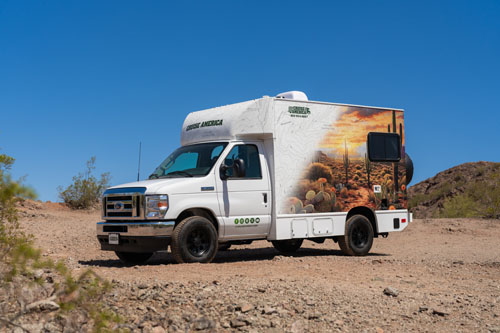
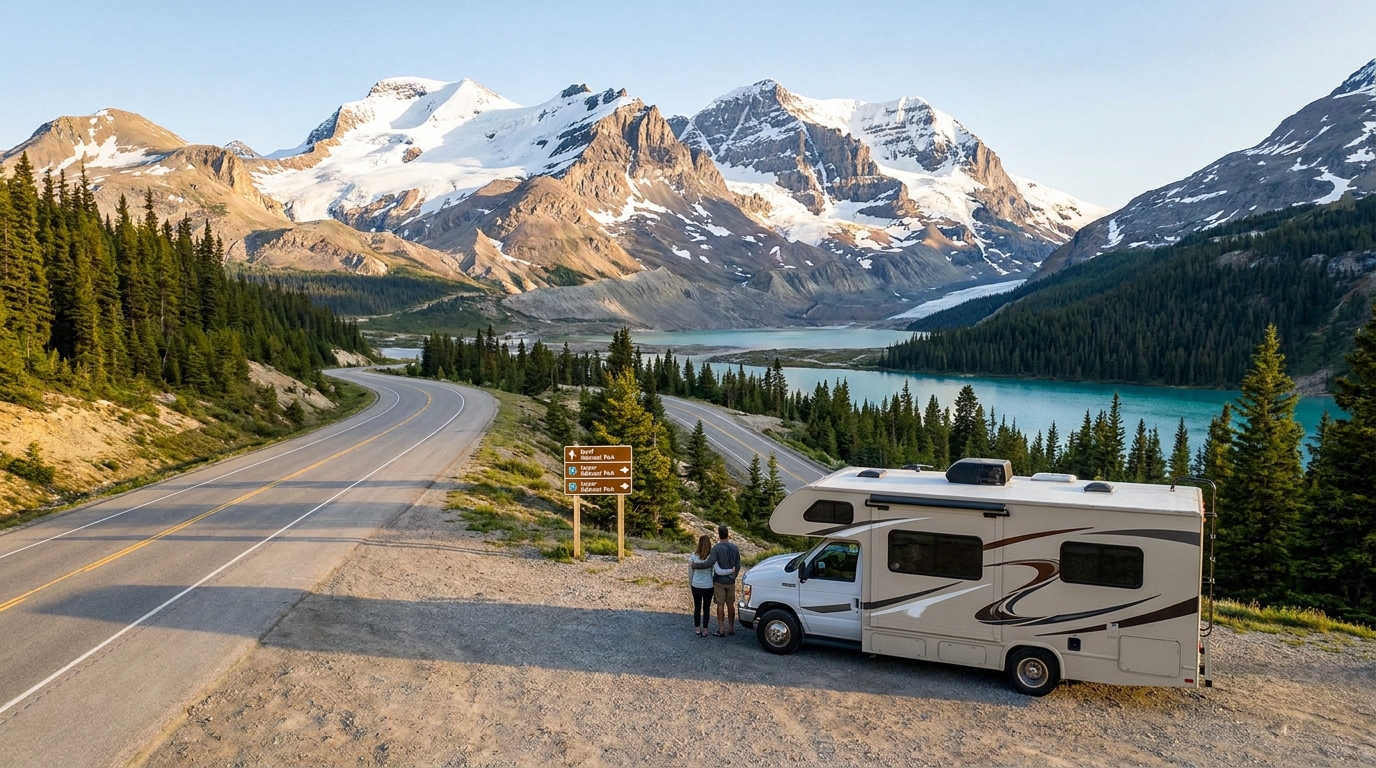
For families or groups desiring more space and amenities, Class C Alcove motorhomes, averaging 7.5 meters (24.6 feet) in length and sleeping around 6 people, offer a comfortable balance. Vehicles like the 'cruise america rv rental example Explorer' with its 7.1m length, 82L fresh water tank, and 11 L/100 km fuel consumption, or the '24 Class C Motorhome' which can sleep up to 5 people and has a 166 Liter fresh water tank, provide ample living space, a full kitchen, and a private bathroom. While Class C motorhomes have slightly higher fuel consumption (typically 10-12 Liters/100 km) and might be less agile for very tight spots, they provide a great mobile home base for extended road trips in Canada, allowing everyone to spread out and relax after a day of exploration. For an idea of the types of adventures you can have with a family-friendly RV, consider the
How to Save on Campgrounds in Canada
To save on Canadian campground fees, consider utilizing campground discount cards offered by various rental providers or memberships, which can significantly reduce nightly rates. These can include passes for national or provincial parks, or memberships to private campground networks, potentially saving you 10-20% per night. Our "Cheap RV Rental in Canada - Budget Guide 2026" offers more detailed strategies for cost-effective travel.
Other effective cost-saving strategies include booking during the shoulder seasons (late April to early June or September to October) when demand and prices are lower, often by 15-30% compared to peak summer. Opting for municipal or regional campgrounds over more expensive private resorts can also yield substantial savings. Additionally, many campgrounds offer discounted weekly rates, making it beneficial to stay three or more nights at a single location. If traveling in a group, consider sharing hookups or splitting costs at larger, more amenity-rich sites to maximize value. For a comprehensive look at budgeting, check out our guide on RV Rental in Canada - Prices and Best Deals 2026.
How much does it cost to rent an RV in Canada per week
The cost to rent an RV in Canada per week varies significantly based on factors like RV class, season, rental duration, and specific supplier deals, but generally ranges from CAD $800 to $2,500+. For example, a smaller Class B campervan might start around CAD $800-$1500 per week in the shoulder season, while a larger, newer Class C motorhome could easily be CAD $1500-$2500+ per week during peak summer.
Beyond the base rental fee, comprehensive budgeting should account for ancillary costs such as fuel expenses (e.g., Bandana's Class C Alcoves typically consume 10-12 Liters/100 km, while Class B Camper Vans average 8-10 Liters/100 km), diverse campground fees (from $25 CAD for basic dry sites to $80+ CAD for full-service resorts), insurance specifics, and activity costs. Prices are dynamic and change daily based on availability, seasonality, and supplier marketing decisions, with the final price set at actual booking time. Peak season (July-August) commands the highest prices, while shoulder seasons offer more affordable rates and potential discounts, making careful planning crucial for overall trip cost management. For longer trips, our Long-Term RV Rental in Canada - Monthly Rates 2026 guide can provide further insights into cost savings. Remember, on RV PLANET routes, travelers can itemize and track every expense along the way for easy budgeting.
What is the cheapest time to rent an RV in Canada
The cheapest time to rent an RV in Canada is typically during the shoulder seasons, specifically late April to early June and September to October. During these periods, rental demand is significantly lower than the peak summer months (July and August), resulting in more attractive rental rates and better availability across all motorhome and campervan classes. For example, you might find prices up to 25-30% lower than in mid-summer, making it an excellent time to find a great deal.
Traveling in the shoulder season also offers distinct advantages like fewer crowds at popular attractions, more serene national parks, and the opportunity to experience spring blooms or vibrant fall foliage, depending on the specific timing. While preparing for varied weather conditions is essential (pack layers!), the cost savings and more tranquil atmosphere make these periods ideal for budget-conscious RVers. Our Last-Minute RV Rental in Canada - What to Expect 2026 guide can offer tips for finding deals, even if you can't plan too far ahead.
What is the best month to RV in Canada
The best month to RV in Canada generally depends on your desired activities and the specific region you plan to explore, but July and August offer the warmest weather and full accessibility across the vast majority of the country. During these peak summer months, all national parks, mountain passes, and remote roads are typically clear and open, providing optimal conditions for hiking, water activities, and exploring the wilderness. While these months are popular and can be more expensive, the long daylight hours and pleasant temperatures are a major draw.
For those seeking to avoid peak crowds and potentially save money, June and September are excellent alternatives, providing pleasant temperatures, beautiful spring blooms or vibrant fall foliage, and often better availability for campgrounds. For instance, early June in British Columbia can be ideal for experiencing lush coastal rainforests, while late September in Eastern Canada offers spectacular autumn colors along routes like those highlighted in our Romantic RV Driving in Canada - Couples Routes 2026 itinerary. Travelers should consider regional specifics, as coastal areas might be milder in spring, while certain regions like the Yukon offer unique experiences outside peak summer with proper preparedness for cooler weather conditions.
Is it cheaper to RV or hotel in Canada
For many travelers, especially families or groups embarking on longer trips (a week or more), RVing in Canada can prove significantly more cost-effective than staying in hotels. This is primarily due to substantial savings on accommodation and dining, which often comprise a large portion of traditional travel budgets. With a rented motorhome, you have a mobile kitchen, allowing you to prepare your own meals and snacks, saving considerable money compared to eating out for every meal.
While an RV rental involves initial costs like the rental fee, fuel, and campground fees (ranging from $25-$80+ CAD per night), these expenses can often be offset by avoiding multiple expensive hotel rooms each night. The flexibility of RV travel also means you can choose more budget-friendly campgrounds or even opt for free boondocking where permitted, further reducing accommodation costs. Conversely, hotel stays mean nightly room rates that accumulate quickly, plus additional expenses for restaurant dining and potentially separate transportation, making the RV a strong contender for budget-conscious extended adventures across Canada.
What is included in an RV rental in Canada
An RV rental in Canada typically includes the vehicle itself, equipped with essential features for comfortable travel. This usually means a functional kitchen area with a stove, refrigerator, and sink, and often basic kitchenware such as pots, pans, and utensils. Limited linens for beds may also be provided, though this can vary significantly by rental company and specific package.
Essential items like a basic mileage allowance and comprehensive insurance coverage are frequently part of the standard rental package. However, many additional inclusions, such as extra mileage packages, convenience kits (containing bedding, towels, and more extensive kitchen supplies), generator usage, or enhanced roadside assistance, are often offered as optional add-ons or premium packages. It's crucial to review your rental agreement carefully before booking to understand precisely what is automatically provided and what additional items or services might incur extra charges. Bandana RV offers full transparency with no hidden fees, ensuring you know exactly what you're paying for.
What do I need to rent an RV in Canada
To rent an RV in Canada, you generally need a valid driver's license from your home country, a major credit card for deposit and payment, and to meet the minimum age requirement. The minimum rental age for all motorhome classes (Class A, Class B, and Class C) is typically 21 years old across Canada, and there are no young driver surcharges or vehicle class restrictions based on age. An International Driving Permit (IDP) is recommended for visitors from non-English-speaking countries to supplement their national license but is not mandatory in most cases.
Proof of insurance coverage is also essential, whether obtained through your personal vehicle insurance policy (if it extends to RV rentals), credit card benefits, or purchased directly from the rental company. Bandana RV ensures you understand your options, including the availability to upgrade to a top-level deductible for extra peace of mind. International travelers should also be prepared with proper documentation for border crossing, including passports and any necessary visas, and be aware of Canadian regulations for items like firearms or certain food products. Always verify specific requirements with your chosen supplier and the Canadian government well before your departure.
Is it hard to drive an RV in Canada
Driving an RV in Canada is generally manageable, but it does require an adjustment period due to the vehicle's larger size and weight compared to a standard car. While the highways are well-maintained, drivers should practice wider turns, allow for longer braking distances, and be constantly aware of the RV's height and width, especially when navigating through cities, gas stations, or beneath low clearances. Drive slowly and carefully, and you can drive almost anywhere without issues. No need to stress - just use common sense and pay attention.
The experience is less about difficulty and more about awareness. Most Canadian roads are designed to accommodate larger vehicles, though certain mountain passes in the Rockies or narrower provincial roads, particularly in regions like the Maritimes or parts of the Yukon, can present more challenging conditions. These routes necessitate careful driving, adherence to local road signs, and respecting posted speed limits (e.g., 100-110 km/h on most provincial highways). We always recommend slow travel, averaging a maximum of 100-150 km per day, allowing you to take time to feel the place, connect to the culture, the food, and the scenery. For specific route advice, our RV PLANET pre-planned itineraries can be invaluable.
Can you rent RV one way in Canada
Yes, one-way RV rentals are often possible in Canada, offering significant flexibility for travelers who wish to explore diverse regions without having to loop back to their original pick-up point. This option is particularly popular between major cities and tourist hubs like Vancouver, Calgary, Toronto, Montreal, and Halifax. One-way rentals are ideal for extended road trips, such as traversing the country from west to east, allowing you to experience more of Canada's vast landscapes.
While this option provides greater freedom in itinerary planning, one-way rentals typically incur an additional drop-off fee. This fee can vary significantly by rental company, the specific route, distance, and season, so it is always advisable to inquire about these charges upfront when planning your trip. For example, a one-way trip from Vancouver to Toronto might incur a fee ranging from CAD $300 to $700. Bandana RV's comparison platform allows you to easily compare options across different suppliers, ensuring full transparency regarding any potential one-way charges.
Top Cities for RV Rental in Canada
Canada boasts numerous excellent starting points for your RV adventure, offering convenient access to diverse landscapes and attractions. Whether you're chasing mountain peaks, coastal views, or vibrant urban experiences, these cities serve as ideal gateways for your rented motorhome journey.
- **Vancouver, British Columbia:** As a major West Coast hub, Vancouver is the perfect starting point for exploring the majestic Pacific Rim, the stunning Canadian Rockies, or embarking on a scenic cycling adventure. Pickup locations in Vancouver and nearby Coquitlam or Abbotsford provide easy access to the region.
- **Calgary, Alberta:** Situated close to the Rocky Mountains, Calgary offers direct access to world-renowned national parks like Banff and Jasper, making it an excellent choice for mountain enthusiasts.
- **Toronto, Ontario:** Canada's largest city is an ideal base for exploring Eastern Canada, the Great Lakes region, or even venturing into the USA. Rental options are available in Toronto and surrounding areas like Bolton and Burlington.
- **Montreal, Quebec:** With its rich history and European charm, Montreal is a fantastic starting point for exploring Quebec's unique culture, the scenic St. Lawrence River, or heading east towards the Maritimes.
- **Halifax, Nova Scotia:** For those dreaming of rugged coastlines and charming fishing villages, Halifax is the gateway to the Atlantic provinces and iconic coastal drives. Nearby Dartmouth offers additional pickup options.
- **Edmonton, Alberta:** Another excellent option for accessing the northern Canadian Rockies and Alberta's vast wilderness areas.
- **Winnipeg, Manitoba:** Located in the heart of Canada, Winnipeg offers a starting point for exploring prairie landscapes, lakes, and the transition to the Canadian Shield.
- **Quebec City, Quebec:** Experience North America's only walled city and embark on an RV journey through the beautiful province of Quebec, full of historical sites and natural beauty.
- **Delta and Gibsons, British Columbia:** These smaller, picturesque locations near Vancouver offer alternative pickup spots for a more relaxed start to your West Coast adventure.
- **Bellingham, Washington (USA):** Many travelers start their Canadian RV trip from Bellingham due to its proximity to the Canadian border and diverse rental options, providing a cross-border advantage.
- **Churchville, Ontario:** A convenient location near major routes, offering easy access to explore central Ontario and beyond.
These cities, along with their surrounding areas, ensure you can find a convenient starting point for your RV rental in Canada, no matter your desired route. We recommend checking our RV Rental Canada - Complete Guide 2026 for more details on each location.
Country-Wide Practical Info for RV Travelers in Canada
Navigating Canada in a rented motorhome is an incredible experience, and being prepared with some practical country-specific information can make your journey even smoother. Here's what you need to know:
- Road Rules: In Canada, you drive on the right side of the road, and speed limits are typically posted in kilometers per hour (km/h). Major highways generally have speed limits of 100-110 km/h, while secondary roads range from 80-90 km/h, and urban areas are usually 50 km/h. Drive slowly and carefully, and you can drive almost anywhere without issues. No need to stress - just use common sense and pay attention.
- Emergency Numbers: The universal emergency number for police, fire, and ambulance services across all of Canada is 911. Be sure to program this into your phone for quick access.
- SIM Card/Connectivity: Major Canadian mobile providers include Rogers, Bell, and Telus, offering prepaid SIM card options that provide good coverage in populated areas. However, expect connectivity to be spotty or non-existent in very remote regions or deep within national parks. Consider downloading offline maps and entertainment before venturing off the beaten path.
- Toll Roads: Most roads in Canada are toll-free. The most notable exception is Highway 407 ETR in Ontario, an electronic toll road that can incur significant charges if used without a transponder. Be mindful of signs and consider alternative routes if you wish to avoid tolls.
- National Park Permits: Entry permits are required for all National Parks in Canada. These can be purchased at park gates upon arrival or online in advance. Annual Discovery Passes are also available and can be a cost-effective option for extended trips or visits to multiple parks.
- Insurance Requirements: Basic insurance is typically included with your RV rental, but coverage levels can vary. It is mandatory to have sufficient insurance. You can often purchase additional coverage, such as a top-level deductible reimbursement, directly through your rental supplier or comparison platforms like Bandana RV for extra peace of mind. Always review your rental agreement for full details.
- Camping Laws: Camping laws vary by province and land type. While National and Provincial Parks have designated campgrounds with specific rules, wild camping or boondocking is often permitted on Crown Land, which is publicly owned land. Always research local regulations thoroughly, practice 'leave no trace' principles, and be aware of fire bans.
- Fuel Types: Both gasoline (unleaded) and diesel are widely available across Canada. Ensure you know the correct fuel type for your rented motorhome to avoid costly errors. Many RVs in Canada run on gasoline.
- Wildlife Safety: Canada is home to abundant wildlife, including bears, moose, and deer. Always keep a safe distance from animals, secure food in bear-proof containers, and never feed wildlife. Familiarize yourself with bear safety protocols, especially when hiking or camping in wilderness areas.
🎬 Video coming soon
What You Shouldn't Miss
Canada is brimming with incredible experiences perfect for a rented motorhome journey. Here are some of our top recommendations for an unforgettable trip:
- Drive the Icefields Parkway, Alberta: This 232-kilometer (144-mile) scenic route between Banff and Jasper National Parks offers unparalleled views of glaciers, turquoise lakes, and wildlife. Stop at Lake Louise and Peyto Lake for iconic photos.
- Explore the Cabot Trail, Nova Scotia: A world-renowned scenic highway on Cape Breton Island, the 298-kilometer (185-mile) loop offers dramatic coastal vistas, charming fishing villages, and access to Cape Breton Highlands National Park.
- Whale Watching in British Columbia or Quebec: Head to Vancouver Island for orcas and gray whales or the Tadoussac region of Quebec for belugas, fin whales, and humpbacks. Many coastal campgrounds offer easy access to boat tours.
- Stargazing in a Dark Sky Preserve: Visit Jasper National Park, the world's second-largest Dark Sky Preserve, or Kouchibouguac National Park in New Brunswick, for incredible celestial displays far from city lights.
- Discover Indigenous Culture: Immerse yourself in the rich history and traditions of Canada's First Nations, Inuit, and Métis peoples. Visit cultural centers, participate in guided tours, and attend local festivals to learn more.
- Experience the Yukon Wilderness: For the ultimate adventure, drive a rented RV up the Alaska Highway or even parts of the Dempster Highway to witness vast, untamed landscapes, abundant wildlife, and the midnight sun.
Looking for expert insights from Avi Bandana? Top 5 Adventures - recommendations from Avi Bandana.
Final Thoughts
Embarking on an RV adventure through Canada offers an unmatched sense of freedom and discovery, allowing you to immerse yourself in stunning landscapes and vibrant cultures at your own pace. From the towering peaks of the Rockies to the serene coasts of the Maritimes, every turn of the road reveals a new wonder. With careful planning and the right resources, finding RV camping deals in Canada can be simple and rewarding.
Remember to travel slowly, savoring each moment and allowing yourself to truly connect with the places you visit. Whether you're a meticulous planner or a spontaneous explorer, Canada welcomes you with open roads and incredible experiences. At Bandana RV, we're dedicated to making your RV rental experience as seamless and enjoyable as possible, offering transparent pricing and expert guidance every step of the way. Your dream Canadian road trip is within reach; all that's left is to choose your path and hit the road!