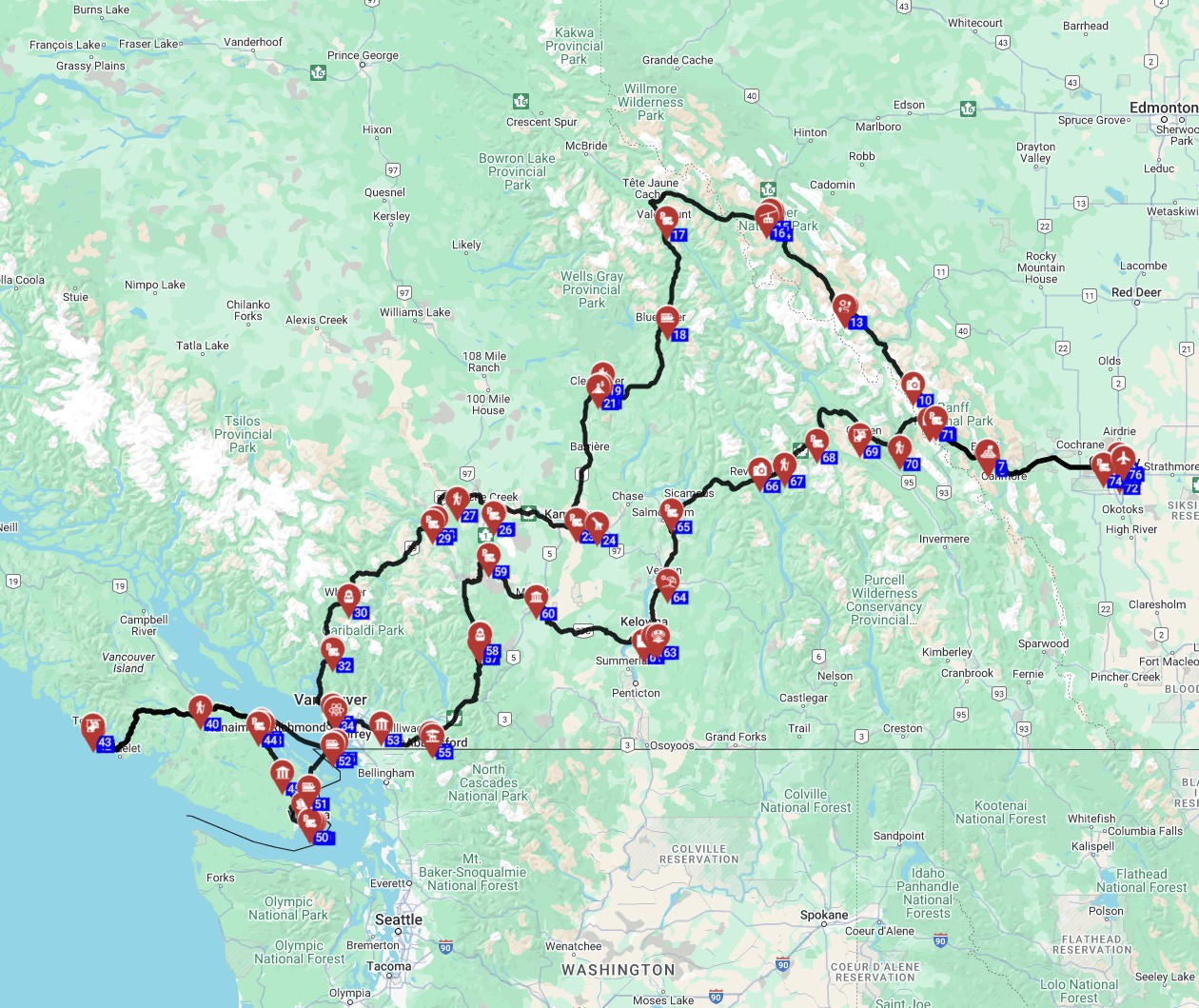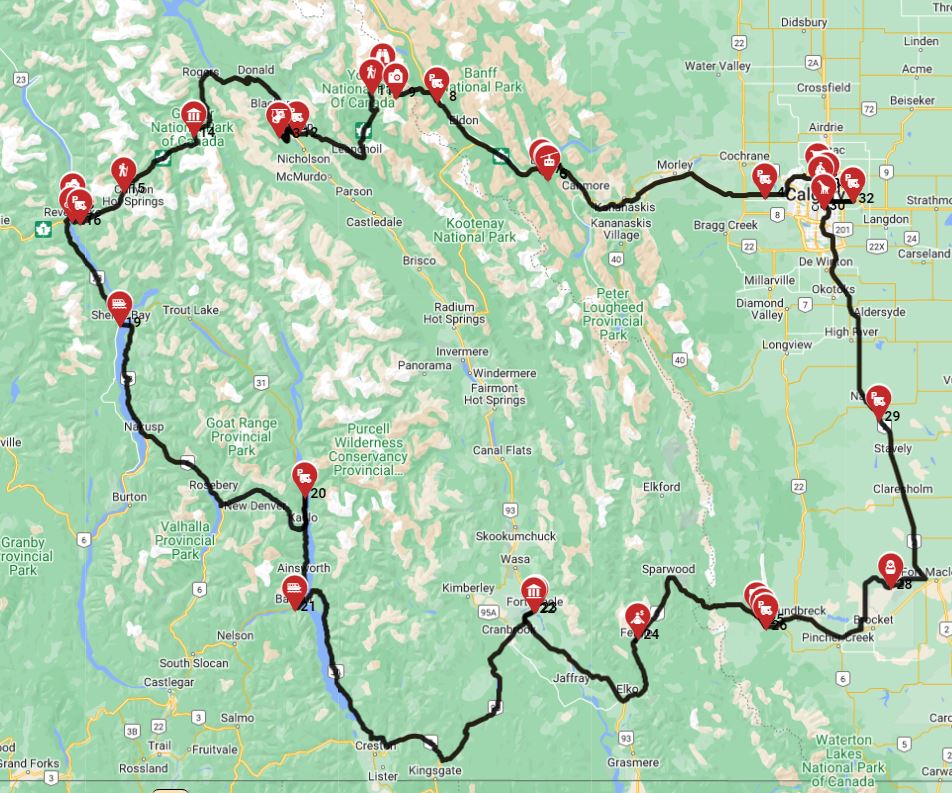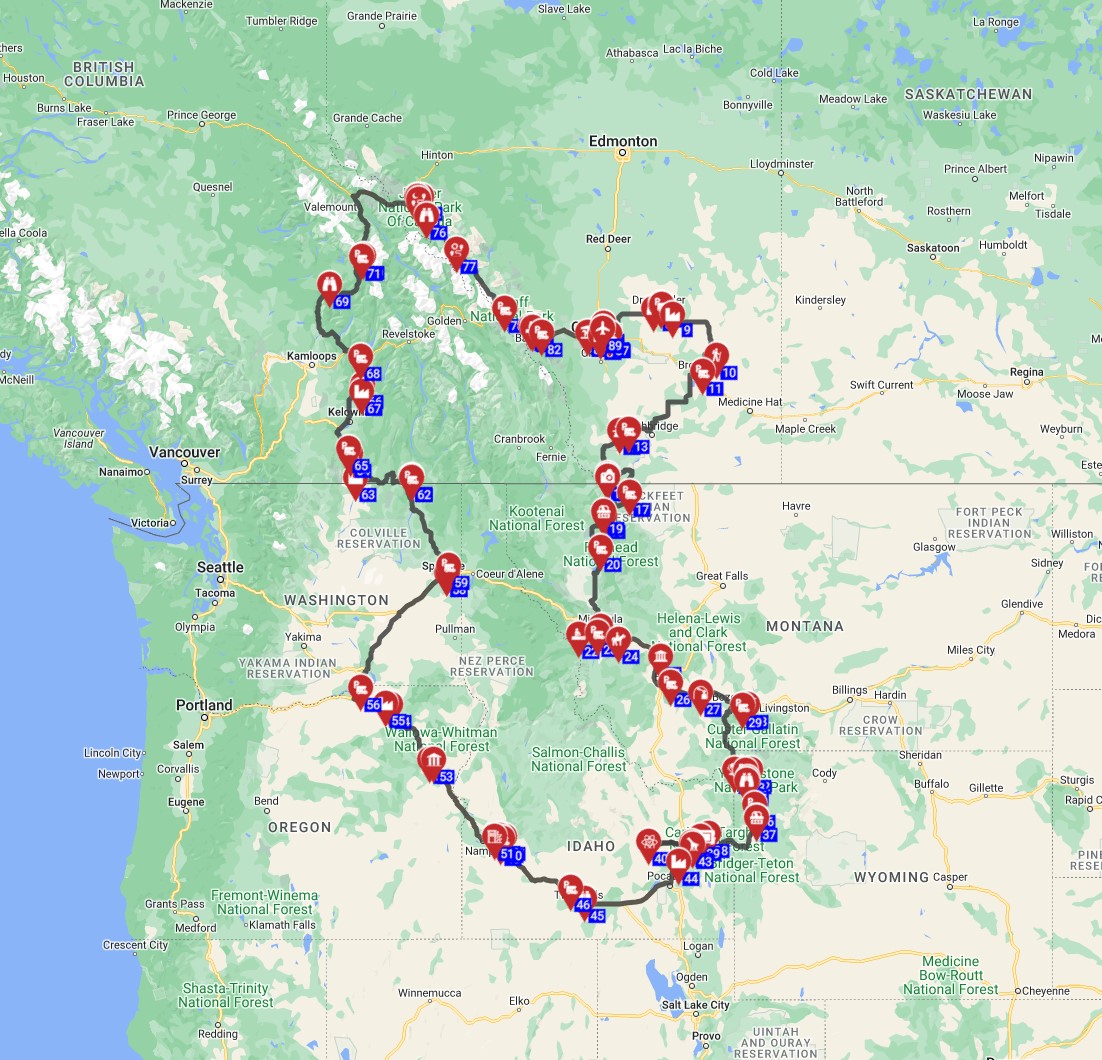
For live availability and current prices, start with our RV Rental Canada - Complete Guide 2026 guide.
In This Guide
- What Long Term RV Rental Costs in Canada (2024)
- Seasonal Pricing - Peak vs. Shoulder vs. Off-Season in Canada
- What's Included vs. What's an Add-On
- Hidden Costs to Budget For in Canada
- How to Save on Long Term RV Rental in Canada
- Can You Live in an RV Long-Term in Canada - Visa and Practicalities
- Off-Grid Camping and Boondocking in Canada - Opportunities and Regulations
- Traveling with Pets in an RV to and Within Canada - Requirements and Tips
- Staying Connected - Cell Service and Wi-Fi for RVers in Remote Canada
- Essential Gear and RV Modifications for Canadian Conditions
- Seasonal Challenges and Rewards for RVing in Canada
- Vehicle Breakdown and Emergency Services for RVers in Remote Canada
- Discovering Canada's Hidden Gems - Less Traveled RV Routes
- Canadian Culture and Etiquette for RV Travelers
- Top Cities for Long Term RV Rental in Canada
- What You Shouldn't Miss
- Why Book with Bandana Caravan
- Final Thoughts
- Frequently Asked Questions
Canada is a dream destination for extended RV adventures, offering vast landscapes, stunning national parks, and vibrant cities from coast to coast. Whether you're planning a month-long journey through the Rockies or a multi-week exploration of the Maritimes, renting a motorhome provides unparalleled freedom and comfort. With a rented RV, you have a mobile headquarters to explore at your own pace, truly connecting with the culture, food, and scenery. For live availability and current prices, start with our RV Rental Canada - Complete Guide 2024 guide, which covers everything you need to know for an unforgettable trip.
What Long Term RV Rental Costs in Canada (2024)
Long term RV rental costs in Canada for 2024 vary significantly by RV class, rental duration, and seasonality, with prices being dynamic and changing daily based on demand and availability. For a week-long trip in a smaller Class B campervan, like a "Category Van" perfect for a couple, you might expect daily rates starting from $100-$180 CAD during the shoulder season. A medium-sized Class C motorhome, such as a "MHC24" with a 150 Liter fresh water tank and sleeping up to 6 people, could range from $170-$300+ CAD per day, while larger Class A motorhomes might exceed $400 CAD per day. Extending your rental to a month or more often provides a lower average daily rate, making long-term travel more budget-friendly. Always compare options thoroughly, considering the specific features you need, such as a large refrigerator, propane tanks, or a generator for extended trips. On the routes offered through RV PLANET routes, you can itemize and track every expense along the way for easy budgeting.
For families with kids, a spacious Class C motorhome like the "MHC30" which sleeps up to 9 and has a 210 Liter fuel tank, offers ample space and comfort for extended travel. Couples might prefer a more compact campervan, such as the "DVC" model with a 114 Liter fresh water tank, offering easier maneuverability in cities and on scenic routes. Remember, prices are dynamic, much like flight tickets; they fluctuate daily. The final price is set at the actual booking time, so early planning or flexible dates can lead to better deals.
Seasonal Pricing - Peak vs. Shoulder vs. Off-Season in Canada
Peak season for long term RV rental in Canada, typically July and August, sees the highest prices due to high demand, with daily rates potentially increasing by 30-50% compared to other seasons. The shoulder seasons- May to June and September to October- offer a balance of excellent weather, fewer crowds, and lower prices, with daily rates often 15-25% less than peak rates. For example, renting a Class C motorhome in April, which is often the cheapest month, might cost $150 CAD per day, while the same unit could be $250 CAD per day in August. Traveling during these shoulder months also allows you to experience Canada’s stunning fall foliage or vibrant spring blooms without the full summer rush.
Off-season travel from November to April generally provides the lowest daily rates, although many RV rental stations may have limited availability or vehicle types optimized for colder weather, like units with enhanced heating and insulation. While winter RVing is a unique adventure, it requires careful planning for road conditions and campground availability. Flex-rates mean prices fluctuate daily, especially during peak times; always check specific dates through a comparison platform like Bandana RV to find the best current deals. Many national and provincial parks reserve 25-30% of their spots for spontaneous arrivals, so even if you book last-minute, you can often find a spot by calling ahead to nearby campgrounds.
What's Included vs. What's an Add-On
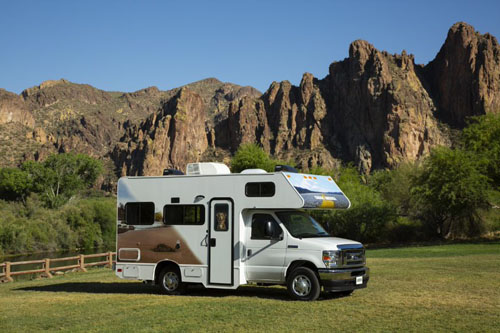
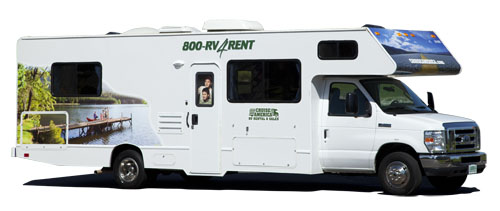
Basic insurance is always included with every RV rental in Canada, providing fundamental coverage for your trip. However, many travelers opt for additional insurance tiers for extra peace of mind, especially when considering the expansive distances and varied terrain across Canada. For instance, you can upgrade to a top-level deductible reimbursement option to reduce your out-of-pocket expenses in case of an incident. Common add-ons include additional mileage packages, which are often essential for long-term trips across a country as vast as Canada, as well as generator usage fees for those planning extended stays off-grid. A typical Class C motorhome like the "cruise america rv rental example Explorer" often comes with basic kitchen amenities but might require an extra fee for comprehensive kitchen kits or bedding.
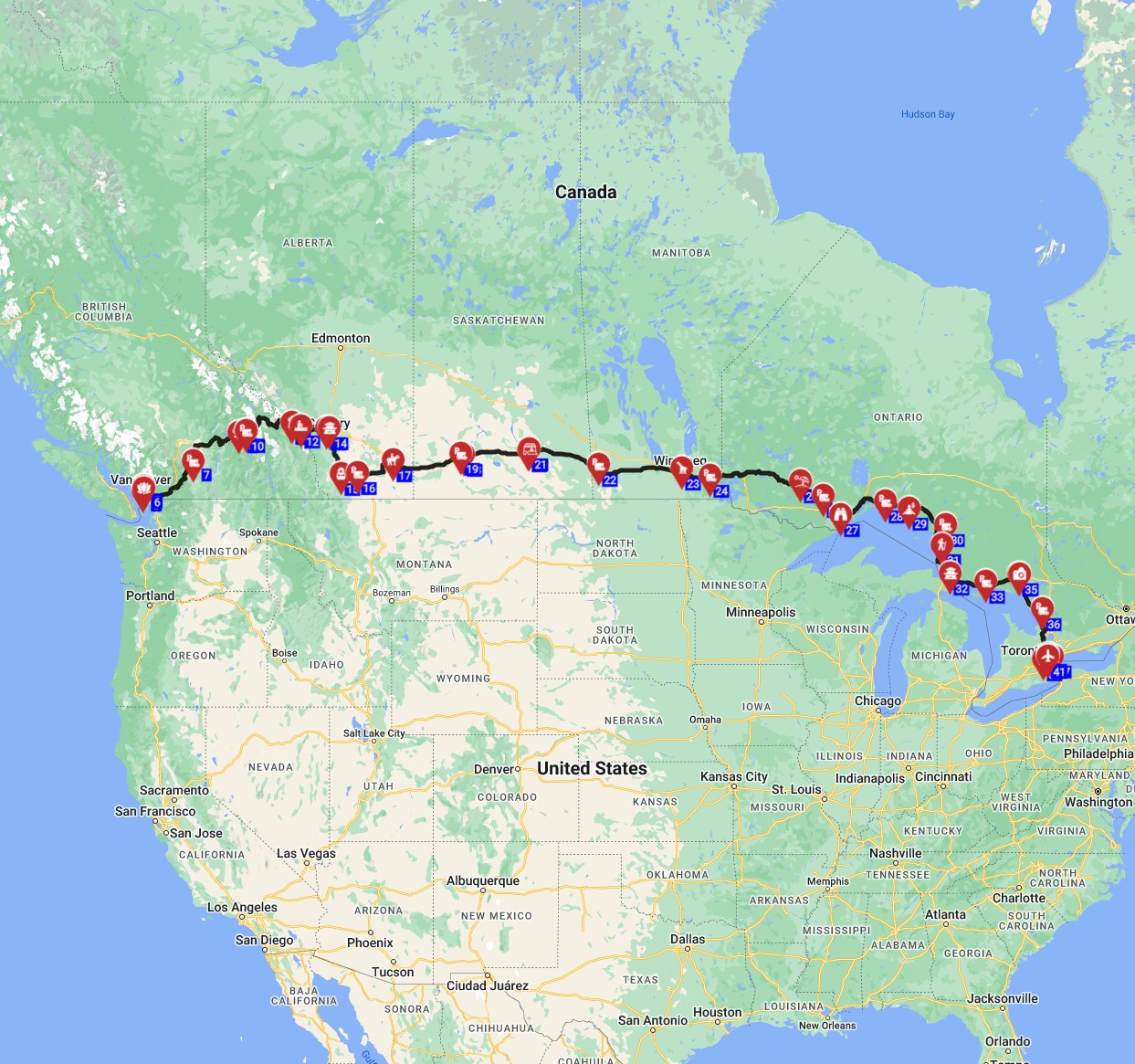
Inclusions and add-ons vary by RV type and rental station, so it's critical to verify the details for each booking. Bandana RV allows for a clear comparison of prices with comprehensive coverage and highlights options for convenience items like kitchen utensils, tableware, and bedding. Renters should also consider personal kits, roadside assistance, and one-way drop-off fees, which are almost always extra. For example, if you plan a Halifax to Whitehorse - Exploring Canada’s Heartland in a Motorhome trip covering 9199.1 km over 37 days, an unlimited mileage package could be a smart investment.
How to Save on Long Term RV Rental in Canada
To save on your long term RV rental in Canada, consider booking during shoulder seasons (May-June, September-October) to benefit from better daily rates, often 15-25% lower than peak summer prices. Traveling for longer durations typically results in a lower per-day cost, making a month-long trip more economical than several shorter ones. For instance, a Class C motorhome that costs $200 CAD/day for a week might drop to $150 CAD/day for a multi-week rental. Another strategy is to choose a smaller RV class if it comfortably fits your group, such as a campervan like the "Combi Van" which has a 60 Liter fresh water tank and seats 4, to reduce both rental cost and fuel consumption.
Pre-purchase toll-road usage with some RV rental suppliers to avoid higher on-the-spot charges or administrative fees. Utilizing campground discount cards, sometimes offered by rental companies, can also lead to savings on overnight stays. Regularly monitor flex-rate drops by checking prices frequently, especially for off-peak travel dates, as availability and demand change daily. For those with flexible schedules, booking last-minute can sometimes yield unexpected deals if suppliers have surplus inventory, though this is less reliable for popular peak season dates. Keep in mind that a standard driver's license is all you need for any Class A, Class B, or Class C motorhome, avoiding any special licensing costs. For expert guidance, remember Bandana RV offers 24/7 support to help you compare options and ensure you get the best value for your Canadian adventure.
Can You Live in an RV Long-Term in Canada - Visa and Practicalities
Living in an RV long-term in Canada involves understanding specific visa regulations and provincial/municipal bylaws regarding residency, as tourist visas are generally limited to six months. Visitors can typically stay for up to six months without a visa, but extended stays or actually "living" in a rented RV requires appropriate immigration status, such as a work permit or permanent residency. It is important to remember that Bandana RV caters exclusively to RV rental travelers for vacation purposes, not for full-time RV living. While on an extended rental trip, practical considerations include establishing mail delivery, ensuring access to healthcare, maintaining a Canadian address for various services, and finding long-term RV parking solutions. Researching community insights and provincial regulations is crucial, as rules for extended RV stays can vary significantly across Canada, with some municipalities having strict bylaws against residential use of RVs.
For long-term RV rental travelers, planning for vehicle maintenance and resupply points is essential. Many communities offer services for RVers, from dump stations to repair shops. Cooking in your rented RV's kitchen, which might feature a 2-burner stove and 80-liter refrigerator, can save significantly on food costs during a longer trip. Need some ideas? Check out our RV-friendly recipes playlist for delicious and easy meals on the road. Remember, our focus at Bandana RV is to help you plan and enjoy an incredible extended vacation, offering true RV specialists who understand the nuances of long-duration trips.
Off-Grid Camping and Boondocking in Canada - Opportunities and Regulations
Canada offers extensive opportunities for off-grid camping and boondocking, particularly on Crown Land, for RVers seeking wilderness experiences away from developed campgrounds. Regulations for boondocking vary significantly by province and territory; for instance, many areas of British Columbia and Alberta allow free camping on designated Crown Land for up to 14-21 days, while other provinces may have stricter rules or require permits. Always research specific rules regarding length of stay, fire restrictions, and waste disposal before setting up camp.
Popular areas for off-grid camping often include vast tracts of public land accessible via forest service roads, offering stunning natural scenery, though services like fresh water and dump stations will be limited. Responsible boondocking involves practicing Leave No Trace principles, respecting local wildlife (especially bears in many regions), and knowing your rented RV's capabilities for self-sufficiency in terms of water, power, and waste storage. Equipping your motorhome with a large fresh water tank (like the 167 Liter tank in the "rv rentals utah example Sunrise Escape" model) and understanding its waste water capacity (e.g., 132 Liter for grey water) is crucial for extended off-grid stays. Always call ahead to local visitor centers or park offices if you have questions about specific boondocking regulations in an area.
Traveling with Pets in an RV to and Within Canada - Requirements and Tips
Bringing pets into Canada requires specific documentation, including proof of rabies vaccination for dogs and cats aged three months or older, certified by a licensed veterinarian. Ensure your pets have microchips and that all necessary health certificates are up-to-date and easily accessible for smooth border crossings and within provincial checks. When traveling within Canada, consider breed-specific regulations for certain national or provincial parks that may restrict access for some dog breeds or require leashes at all times.
Prepare your rented RV for pet comfort and safety, including securing kennels or carriers while driving, providing ample fresh water, and managing temperature fluctuations, especially during warmer months. Many Class C motorhomes and campervans are pet-friendly, allowing you to bring your furry companions along for the adventure. Always research specific park or campground pet policies as they can vary greatly; some campgrounds may have designated pet areas, while others may restrict pets from certain facilities or trails. Carrying extra waste bags and being mindful of local wildlife by keeping pets leashed and supervised are essential parts of responsible pet travel.
Staying Connected - Cell Service and Wi-Fi for RVers in Remote Canada
Cell service in Canada's remote regions can be unreliable, especially outside of major population centers and along less-traveled routes. While major highways and populated areas generally have good 4G or 5G coverage from providers like Bell, Rogers, and Telus, service often diminishes quickly when venturing off the beaten path into national parks or vast wilderness areas. For consistent connectivity in remote areas, consider investing in satellite internet options or carrying satellite messengers for emergency communication. These devices can provide crucial links when cell towers are out of range, offering peace of mind for long term RV rental travelers.
Many campgrounds and some rural towns offer Wi-Fi hotspots, though speeds and reliability can vary. Don't expect high-speed streaming in every remote location; prioritize connectivity for navigation and essential communication. Planning your route with an awareness of cell coverage maps is crucial for both safety and effective communication in Canada's expansive wilderness areas. A rented motorhome equipped with a generator (like the "MH-C" model, which typically includes a generator) can also power Wi-Fi boosters or charging stations for your devices, ensuring you stay connected even when dry camping. For finding campsites and tracking your route, RV PLANET (rvplan.net) can be invaluable, especially when pre-planning your stops where connectivity might be scarce.
Essential Gear and RV Modifications for Canadian Conditions
For shoulder-season RVing in Canada, enhanced insulation and a robust heating system are highly recommended to ensure comfort during cooler nights and unexpected temperature drops, especially in mountainous regions. Modern rented motorhomes, even compact campervans, usually come equipped with sufficient heating for typical travel. Consider appropriate tire types for varying Canadian terrains; while most paved roads are well-maintained, some scenic routes or campground access roads may involve gravel or unpaved sections. All-season tires are generally sufficient, but always check tire pressure before long journeys.
Bear canisters or other bear-proof food storage solutions are essential for camping in many Canadian wilderness areas, particularly in national parks like Banff and Jasper, to protect both your food and local wildlife. Packing versatile clothing layers, a good insect repellent (especially for summer months with mosquitoes and black flies), and reliable navigation tools beyond just GPS (like detailed physical maps) is highly advisable for any long term RV trip in Canada. Ensure your rented RV is equipped with proper leveling blocks for uneven campsites and a basic emergency repair kit suitable for remote travel, as professional help may be hours away in some areas. A Class C motorhome like the "MHC28" usually offers a refrigerator with freezer and a 3-burner gas stove for cooking, making self-sufficiency easier.
Seasonal Challenges and Rewards for RVing in Canada
Long term RVing in Canada offers distinct seasonal challenges and rewards. Spring thaw (April-May) can present challenges like muddy roads, especially on unpaved access routes to some campgrounds, and increased insect activity in forested areas. However, it rewards travelers with blooming wildflowers, migrating wildlife, and fewer crowds at popular attractions. Summer (July-August) offers warm weather and long daylight hours, ideal for exploring national parks and engaging in outdoor activities, but also brings peak crowds, higher prices, and significant insect presence in some regions, making good screens and repellents essential.
Fall (September-October) provides stunning fall foliage routes, particularly in Eastern Canada, and cooler, crisp temperatures perfect for hiking, but requires awareness of potential early snowfalls in higher elevations or northern regions. Winter (November-March) RVing requires specialized preparation for your rented vehicle, such as winterizing water systems to prevent freezing, and planning around fewer open campgrounds and shorter daylight hours. Despite the cold, winter travel offers unique rewards like serene, snow-covered landscapes and opportunities for winter sports. Regardless of the season, responsible travel and preparation will ensure an enjoyable and comfortable adventure in Canada.
Vehicle Breakdown and Emergency Services for RVers in Remote Canada
Emergency services in remote Canadian areas can be limited, with potentially long response times, making thorough preparation crucial for RVers embarking on long-term trips. It is essential to ensure you have comprehensive roadside assistance coverage that specifically includes RVs and boasts a wide service network across Canada, such as through a major provider like AAA/CAA. Carrying a satellite communication device, like a satellite messenger or phone, is highly recommended for emergencies in areas without reliable cell service, which are common in many of Canada's vast national parks and northern regions.
Familiarize yourself with basic RV troubleshooting and carry a small toolkit for minor repairs, as professional help may be hours away. Understanding how to check tire pressure, fluids, and perform simple maintenance tasks can prevent small issues from becoming major problems. Always inform someone of your detailed itinerary, especially when venturing into very remote regions, for added safety. Additionally, a rented RV with a robust engine and a large fuel tank, like the "MHC28" with a V-10 engine and 200 Liter fuel tank, provides confidence for covering long distances. Bandana RV supports you before, during, and after your booking, offering peace of mind as you plan your journey, but always prioritize personal safety and preparedness on the road.

Canadian Culture and Etiquette for RV Travelers
Canadian culture is generally known for its politeness and respect, and long term RVers will find a welcoming atmosphere across the country, but awareness of local etiquette enhances the travel experience. For instance, while English and French are the official languages, regional customs can vary significantly from province to province. Tipping expectations might differ slightly from what some international visitors are used to, generally ranging from 15-20% for good service in restaurants and other service industries. Respect for local wildlife is paramount; always maintain safe distances, avoid feeding animals, and secure all food and scented items, especially in national parks where bear activity is common. This is particularly important for Class C motorhomes with external storage options, which should be bear-proofed.
Engaging with locals in small towns often provides invaluable insights into less-known attractions, unique regional experiences, and local traditions that might not be in guidebooks. Always adhere to local signage regarding parking, waste disposal, and campground rules, which reflect Canadian values of cleanliness and environmental preservation. Drive slowly and carefully, and you can drive almost anywhere without issues. No need to stress- just use common sense and pay attention, especially on smaller roads or in city centers. An International Driving Permit (IDP) is recommended for visitors from non-English-speaking countries but is not mandatory in most cases, as a standard car driver's license is sufficient for all motorhome classes.
Top Cities for Long Term RV Rental in Canada
Canada offers numerous excellent starting points for your long term RV adventure, with many cities providing convenient access to major attractions and rental suppliers. Here are some of the top cities for motorhome and campervan rentals:
- Vancouver, British Columbia: As a gateway to the Canadian Rockies and the Pacific Coast, Vancouver is a popular pickup location. It offers stunning scenery within a short drive, including multiple bike rental options and scenic routes.
- Calgary, Alberta: Perfectly situated near Banff and Jasper National Parks, Calgary is ideal for exploring the iconic mountain ranges and features extensive hiking areas and natural features.
- Toronto, Ontario: Canada's largest city provides access to the Great Lakes region, Niagara Falls, and routes heading east towards Quebec or south to the USA. It's a great base for combining city exploration with nature.
- Montreal, Quebec: With a vibrant European feel, Montreal is an excellent starting point for exploring French-speaking Canada, including the scenic Gaspésie Peninsula, rich with historical sites and traditional visits.
- Halifax, Nova Scotia: For those looking to explore Canada's Atlantic provinces, Halifax offers coastal beauty, historic sites, and routes like the Cabot Trail. Our Halifax to Whitehorse - Exploring Canada’s Heartland in a Motorhome route showcases its accessibility for vast cross-country journeys.
- Edmonton, Alberta: Another key access point to the northern Rockies and less-traveled routes heading further north into the vast Canadian wilderness, offering opportunities for wildlife watching and unique experiences.
- Winnipeg, Manitoba: Positioned in the heart of Canada, Winnipeg is a great starting point for exploring the prairies and offers unique cultural insights and numerous parks and picnic areas.
Each of these cities hosts several of Bandana RV's direct partners, including major suppliers like El Monte, Cruise America, Apollo, and Britz, ensuring a wide selection of Class A, Class B, and Class C motorhomes and campervans for your long-term rental.
What You Shouldn't Miss
- Drive the Icefields Parkway: This 232 km scenic route through Banff and Jasper National Parks offers breathtaking glaciers, turquoise lakes, and abundant wildlife viewing opportunities.
- Explore the Cabot Trail, Nova Scotia: A world-renowned 298 km scenic highway on Cape Breton Island, offering dramatic coastal views, charming villages, and challenging hiking trails.
- Visit Niagara Falls, Ontario: Witness the awe-inspiring power of Horseshoe Falls, then explore the surrounding wine region or charming town of Niagara-on-the-Lake.
- Discover the Yukon's Wilderness via the Dempster Highway: Drive your rented RV on this unique 737 km gravel highway to the Arctic Ocean, an unparalleled adventure for experienced RVers seeking remote beauty.
- Experience the West Coast Trail, British Columbia: While the trail itself is for hikers, the surrounding areas of Vancouver Island offer incredible coastal camping, surfing, and opportunities to spot marine wildlife.
- Canoe in Algonquin Provincial Park, Ontario: Rent a motorhome and immerse yourself in Ontario's iconic wilderness, perfect for canoeing, hiking, and wildlife photography across its 7,630 square kilometers.
Final Thoughts
Embarking on a long-term RV rental in Canada is an invitation to unparalleled freedom and discovery. Imagine the vastness of the Canadian landscape unfolding outside your window each morning, from the rugged coasts of British Columbia to the charming towns of Quebec, all from the comfort of your rented motorhome. This isn't just a trip; it's an extended journey of self-discovery and connection with nature and culture.
Whether you're a meticulous planner who loves every detail organized or a spontaneous explorer who thrives on day-to-day decisions, Canada welcomes all RV travelers. Remember to embrace slow travel, allowing yourself the luxury of lingering in places that capture your heart. With Bandana Caravan, you have a trusted partner committed to full transparency and genuine support, ensuring your Canadian RV adventure is everything you dreamed of and more. We handle the details, you live the journey- because God is in the small details, and we take care of them. That's what makes the big difference.
So, get inspired for your next trip! Discover top destinations, planning tips, all in one place, and prepare to create lasting memories on Canada's open roads. Plan a trip itinerary in advance with minimal effort and maximum enjoyment.
🎬 Video coming soon