In This Guide
- Can You Drive an RV in Canada? License & Age Rules
- Road Conditions & Terrain in Canada
- RV Size Limits, Bridges & Restricted Zones
- Fuel: Diesel vs. Petrol & Cost per 100 km
- Tolls, Vignettes & Border Rules
- Driving Tips for rv rental for couples Travelers
- Recommended RV Class for Canada Roads
- Should I Choose a Compact Van Instead of a Large RV in Canada?
- Can I Park Anywhere? Free & Wild Camping Rules in Canada
- Can I Drive an RV Into the City Center? Heights, Tunnels & Local Signage
- How much does it cost to rent an RV in Canada per day for a couple?
- What are the best RV routes for couples in Canada?
- What is the best time of year to RV in Canada?
- Is it cheaper to rent an RV in US or Canada?
- What documents do I need to cross the Canadian border in an RV?
- How do you find campsites in Canada?
Imagine yourself and your partner waking up to breathtaking mountain views, preparing a delicious breakfast in your private kitchen, and setting off on an unforgettable adventure through Canada's pristine wilderness. An RV rental for couples in Canada offers unparalleled freedom, flexibility, and intimacy, allowing you to discover hidden gems and romantic routes at your own pace. With Bandana RV, your journey becomes seamless, as we specialize in helping you find the perfect motorhome for your romantic escapade.
For live availability and current prices, start with our RV Rental Canada - Complete Guide 2026 guide. We are true RV specialists, not just a side department of a travel agency, ensuring you get accurate, up-to-date information on all requirements and the best possible experience for your Canadian RV rental. We've been helping tens of thousands of travelers explore the world by RV since our founding in 2001, fostering direct partnerships with over 50 leading RV suppliers worldwide, including trusted names like El Monte, Cruise America, Apollo, and Britz.
Can You Drive an RV in Canada? License & Age Rules
Yes, most standard RVs in Canada can be driven with a regular Class G (or equivalent) driver's license, provided the vehicle's Gross Vehicle Weight Rating (GVWR) is below 11,000 kg (24,250 lbs), which covers the vast majority of rental motorhomes and campervans. The minimum driver age for RV rentals in Canada is typically 21 years old, regardless of the RV class, and we are happy to confirm there are no young driver surcharges at Bandana RV. For foreign drivers, possessing a valid driver's license from your home country is mandatory, and an International Driving Permit (IDP) is highly recommended, especially if your national license is not in English or French, to avoid potential communication issues with local authorities.
Road Conditions & Terrain in Canada
Canadian road conditions are generally excellent on major highways, but terrain and quality can vary significantly from multi-lane urban routes to winding mountain passes and occasionally unpaved provincial or logging roads. Couples can expect diverse landscapes, including the flat expanses of the prairies, the dramatic peaks of the Canadian Rockies, the dense forests of Central Canada, and the scenic coastlines of the Maritimes. We advocate for slow travel, recommending a maximum of 100-150 km per day on average, to truly appreciate Canada's vast beauty, connect to its unique cultures, savor local food, and immerse yourselves in the stunning scenery, especially on popular routes like those found in Western Canada and the Pacific Northwest. For an overview of RV travel beyond Canada, our RV Rental USA - Complete Guide 2026 provides helpful cross-border insights.
RV Size Limits, Bridges & Restricted Zones
While most rented RVs for couples are designed to fit within standard Canadian road limits, it is always wise to be aware of your vehicle's specific height, length, and weight to navigate any potential restrictions. Drivers must actively watch for signage indicating low bridges and tunnels, particularly in older urban centers or on secondary roads; knowing your RV's exact height before setting out is crucial for safe passage. Furthermore, certain national parks or environmentally sensitive areas may have specific restrictions on vehicle size or type, so always check park regulations in advance. If your journey involves ferry services, be aware that they often have limits and different pricing tiers based on RV dimensions.
Fuel: Diesel vs. Petrol & Cost per 100 km
Most rental motorhomes for couples in Canada operate on petrol (gasoline), with diesel options more common for larger Class A or Class C units, and both fuel types are widely available across the country. Based on Bandana's global fleet averages, a Class SI - Semi-integrated RV typically consumes 10-11 Liters/100 km, while a Class B - Camper Van uses approximately 8-10 Liters/100 km. Fuel costs vary by province but budgeting for an average of CAD 1.50 - 2.00 per liter means an average cost of CAD 15-22 per 100 km for typical RVs. Additionally, some RV rental companies may offer fuel discount cards, providing a useful perk to help manage your overall Canadian road trip expenses. When planning your route and budgeting for fuel, remember that on RV PLANET routes, travelers can itemize and track every expense along the way for easy budgeting. For more detailed insights into managing your expenses, consult our Cheap RV Rental in Canada - Budget Guide 2026. On the routes offered through RV PLANET routes, you can itemize and track every expense along the way for easy budgeting.
Tolls, Vignettes & Border Rules
Canada has relatively few toll roads; the most notable example is Highway 407 ETR in Ontario, though many major routes are toll-free and vignettes are not required anywhere in the country. When planning to cross the US-Canada border in your rented RV, ensure all occupants have valid passports, and carry your RV rental agreement along with proof of insurance. Some RV rental providers may offer the option to pre-purchase toll passes, which can save time and help avoid potential fines for missed tolls, especially if you plan to travel through areas with electronic tolling.
Driving Tips for rv rental for couples Travelers
Prioritize safety by always being aware of wildlife, especially in remote areas and national parks; always be prepared for changing weather conditions, and carry emergency supplies such as extra water, blankets, and a first-aid kit. Canada's vastness means long distances, so plan comfortable driving days with plenty of stops to enjoy the scenery and avoid driver fatigue. While major routes have decent cell coverage, consider a cell booster or satellite internet (like Starlink) for remote areas to address potential connectivity gaps. Budget effectively by keeping a detailed cost breakdown for fuel, campgrounds, and activities to stay within your budget, leveraging any available fuel discounts. Most importantly, respect the land and culture by familiarizing yourself with local customs and respectful interaction guidelines, especially when visiting Indigenous communities, to ensure a positive experience for everyone. Bandana offers full transparency with no hidden fees or surprises, so you always know what to expect and can focus on the joy of your journey.
Recommended RV Class for Canada Roads
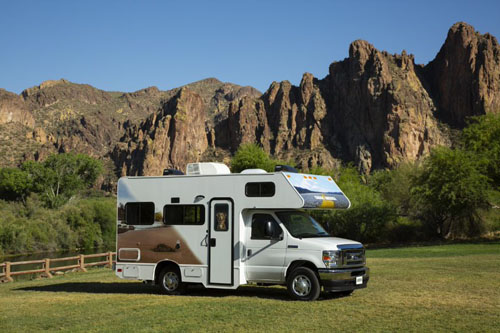
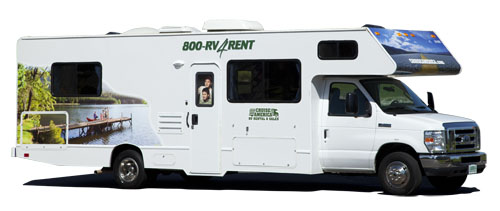
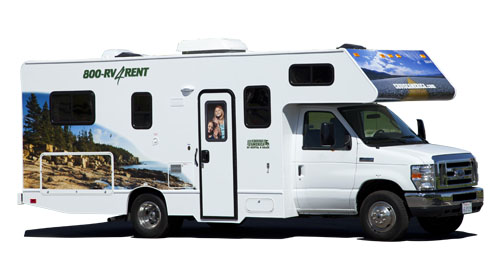
For couples exploring Canada, Class B - Camper Vans and Class SI - Semi-integrated RVs are highly recommended due to their optimal balance of maneuverability, fuel efficiency, and comfortable amenities. Bandana's Class B - Camper Vans, like the "2 Berth Hi Top" which features automatic transmission, front air conditioning, and is ideal for a couple, average 5.8 meters in length. These campervans are agile and easy to park, making them perfect for navigating both urban centers (such as the vibrant streets of Montreal) and winding scenic routes, while typically providing 3.2 sleeping places. For couples seeking greater comfort on longer trips, Class SI - Semi-integrated RVs, such as the "2 Berth Tamar" or "2 Berth Rover" (both automatic with front air conditioning, shower, and toilet), with an average length of 6.9 meters, offer more spacious living areas, a full kitchen for preparing RV-friendly recipes playlist, and separate washroom facilities, providing an average of 3.8 sleeping places for 3.4 adults on Bandana's global fleet.
🎬 Video coming soon
Should I Choose a Compact Van Instead of a Large RV in Canada?
For most major Canadian roads and popular destinations, there is no inherent issue with driving a larger RV; the decision between a compact van and a larger RV for couples often comes down to personal preference for space and amenities. Drive slowly and carefully, and you can drive almost anywhere without issues. No need to stress - just use common sense and pay attention. A compact van, such as a Class B - Camper Van, genuinely offers advantages for easier parking, navigating tight city streets (like those in Montreal or Quebec City), or accessing smaller, less developed campsites or unpaved routes, often providing a "Shower" and "Toilet" in a compact footprint. However, a larger RV (e.g., Class SI - Semi-integrated or Class C - Alcove) provides more indoor living space, a full kitchen, a larger bathroom, and greater storage, which many couples find significantly enhances comfort and convenience on extended Canadian adventures.
Can I Park Anywhere? Free & Wild Camping Rules in Canada
Free camping, also known as boondocking or dispersed camping, is generally permitted on Crown land (public land) in many Canadian provinces, particularly outside of designated parks and private properties, offering unique opportunities for adventurous couples. Regulations for wild camping vary significantly by province and municipality; for example, British Columbia offers extensive Crown land access, while rules can be stricter in proximity to urban areas or within established national/provincial parks. Always prioritize researching local regulations thoroughly before parking overnight and strictly adhere to 'Leave No Trace' principles to ensure environmental preservation and sustainable access for others. For finding campsites and campgrounds during your trip, we recommend using RV PLANET (rvplan.net) - a great resource for locating available spots along your route, whether you're looking for paid sites or exploring legal free options.
Can I Drive an RV Into the City Center? Heights, Tunnels & Local Signage
Yes, you can almost always drive an RV into Canadian city centers, though drivers should be prepared for potential challenges with maneuverability and finding suitable parking, especially with larger vehicles. Drive slowly and carefully, and you can drive almost anywhere without issues. No need to stress - just use common sense and pay attention. It is crucial to pay strict attention to local signage for height restrictions on tunnels, underpasses, and parking garages, as well as any environmental zones or resident-only streets. Many Canadian cities offer dedicated RV parking areas on the outskirts or larger parking lots with convenient access to public transportation, often providing a more practical alternative for urban exploration without the hassle of navigating congested downtown areas.
How much does it cost to rent an RV in Canada per day for a couple?
The daily cost to rent an RV in Canada for a couple typically ranges from CAD 100 to CAD 300+, depending on the RV class, time of year, rental duration, and specific amenities. For popular choices like a Class B Camper Van or a Class SI Semi-integrated RV, couples can expect daily rates of approximately CAD 120-250 during peak season (June-August), with lower rates available in the shoulder seasons. Beyond the base rental fee, couples should budget for additional expenses including optional insurance upgrades (CAD 20-50/day), fuel (CAD 15-22/100 km), campground fees (CAD 30-70/night), and groceries/food, which can collectively add CAD 50-100+ per day to your total trip cost. Booking well in advance and considering longer rental periods often results in more favorable daily rates from our partner rental companies. For longer adventures, explore options in Long-Term RV Rental in Canada - Monthly Rates 2026.
What are the best RV routes for couples in Canada?
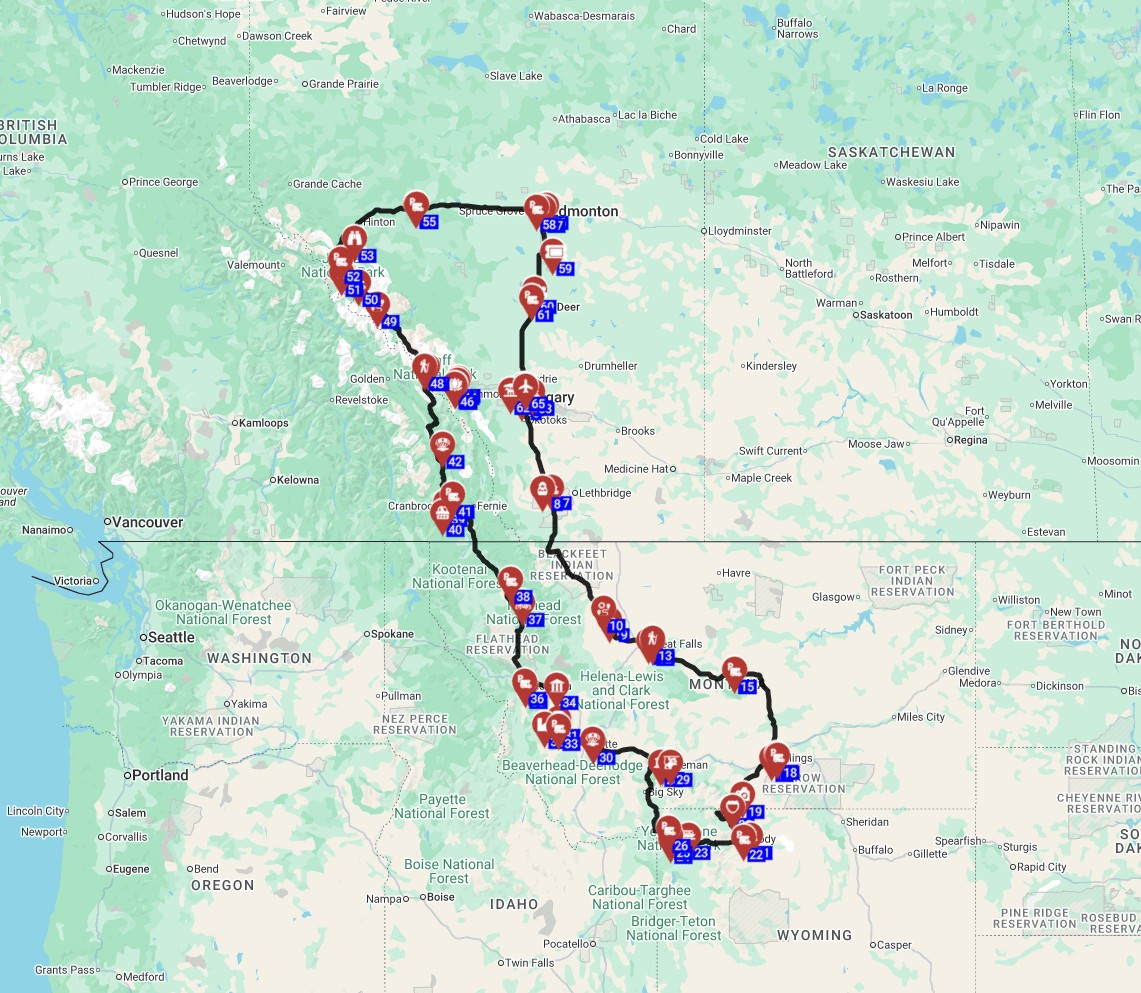
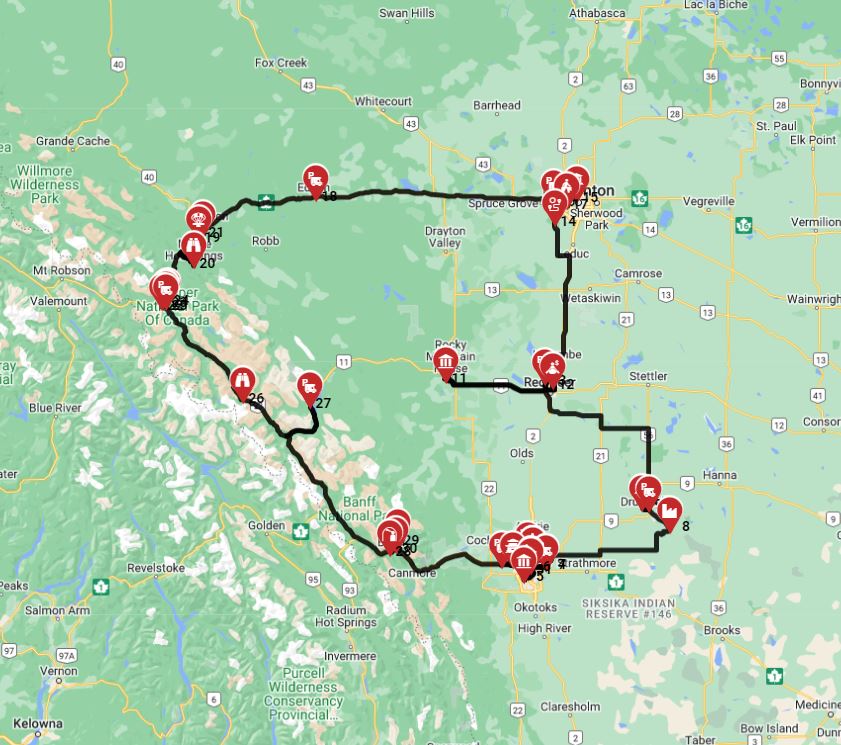
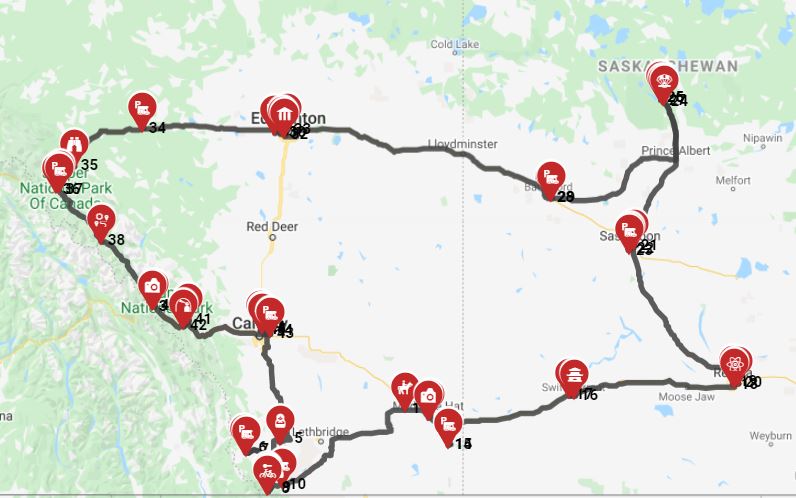
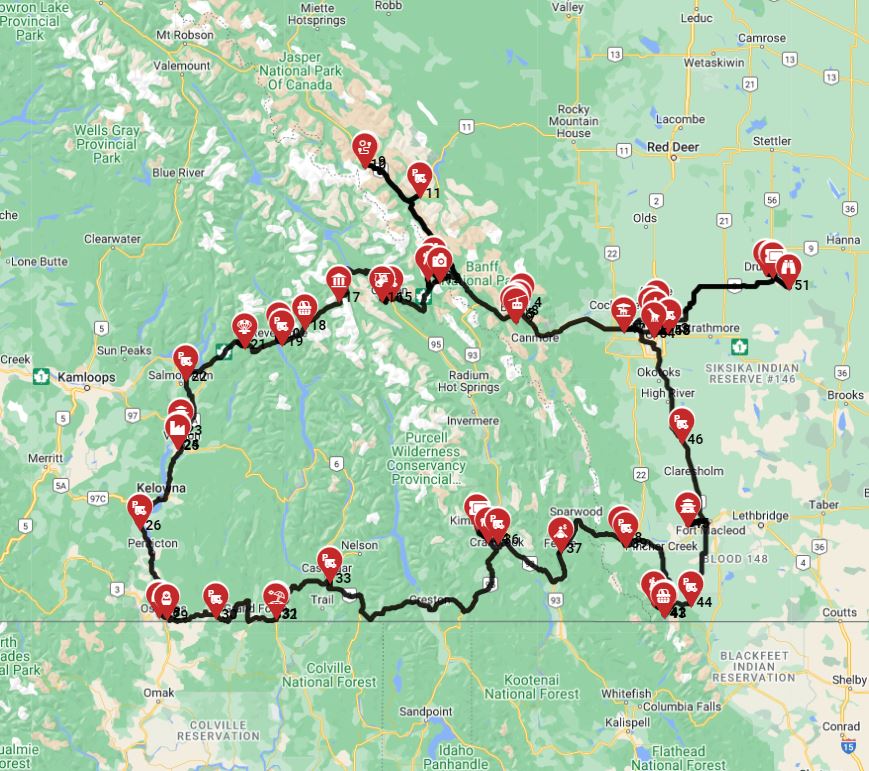
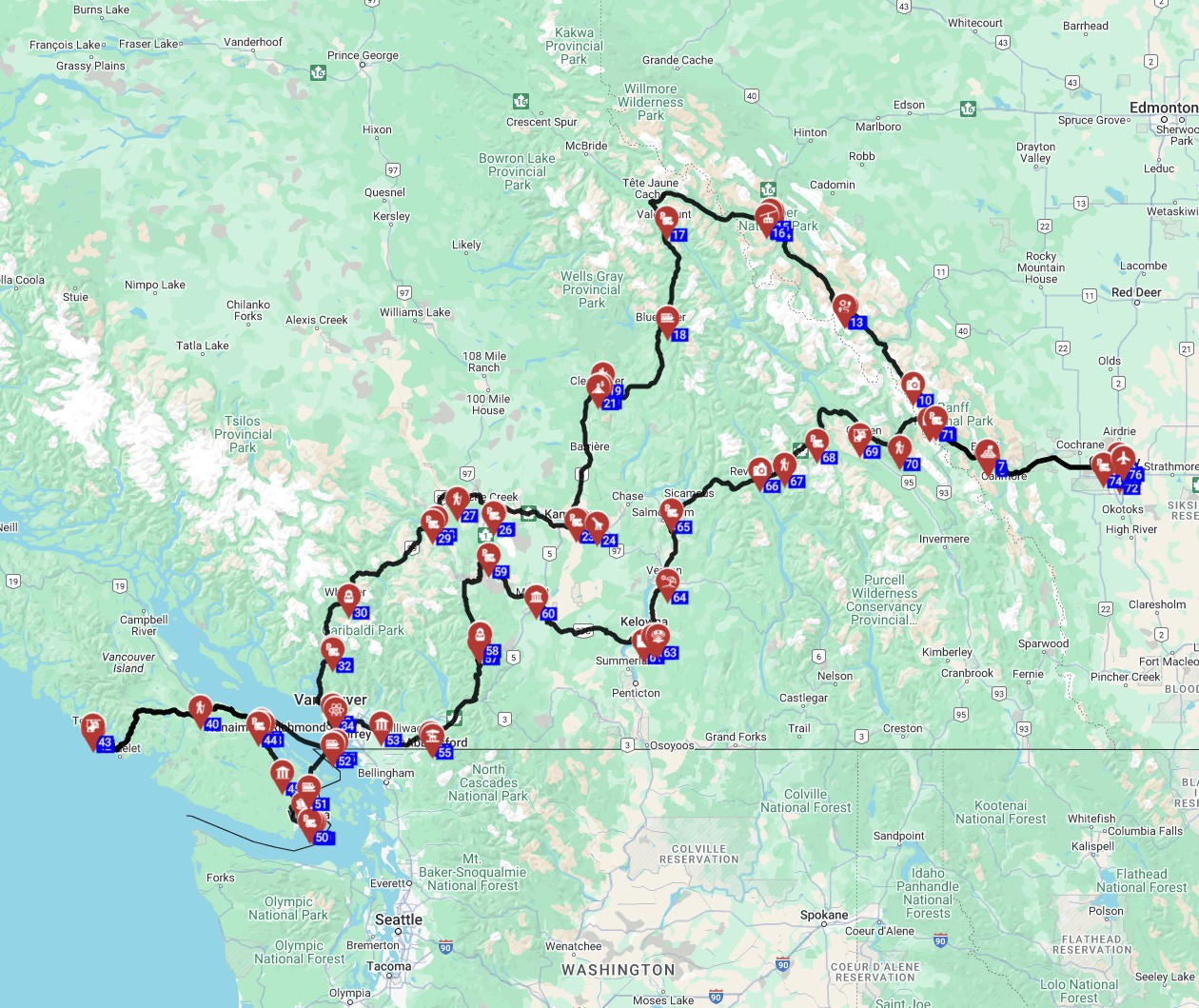
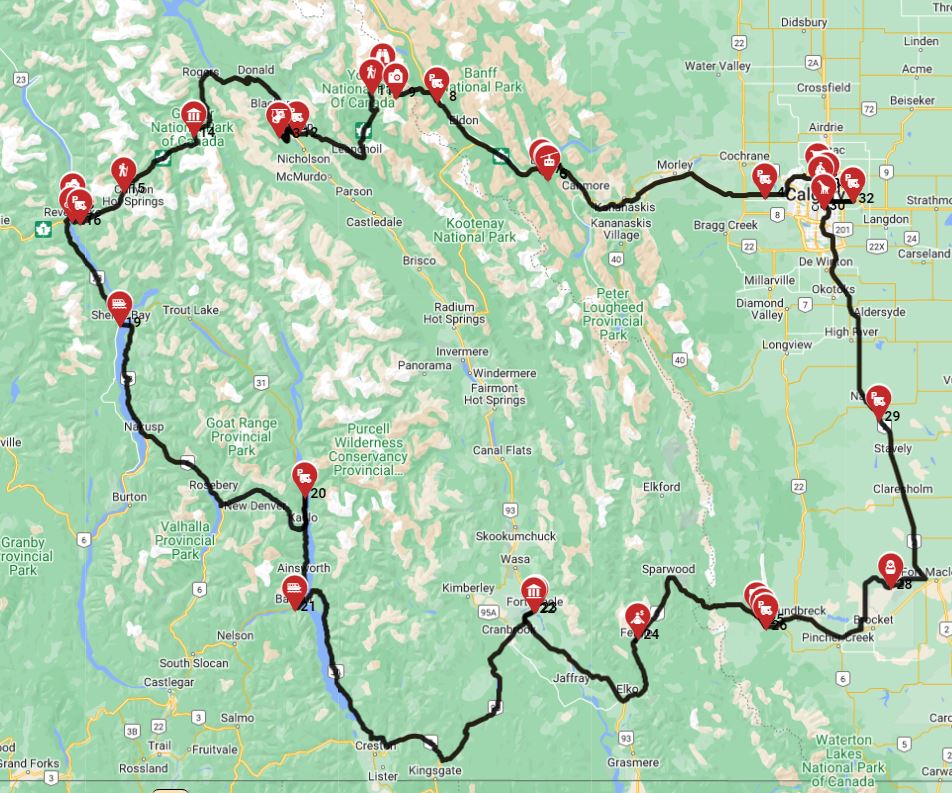
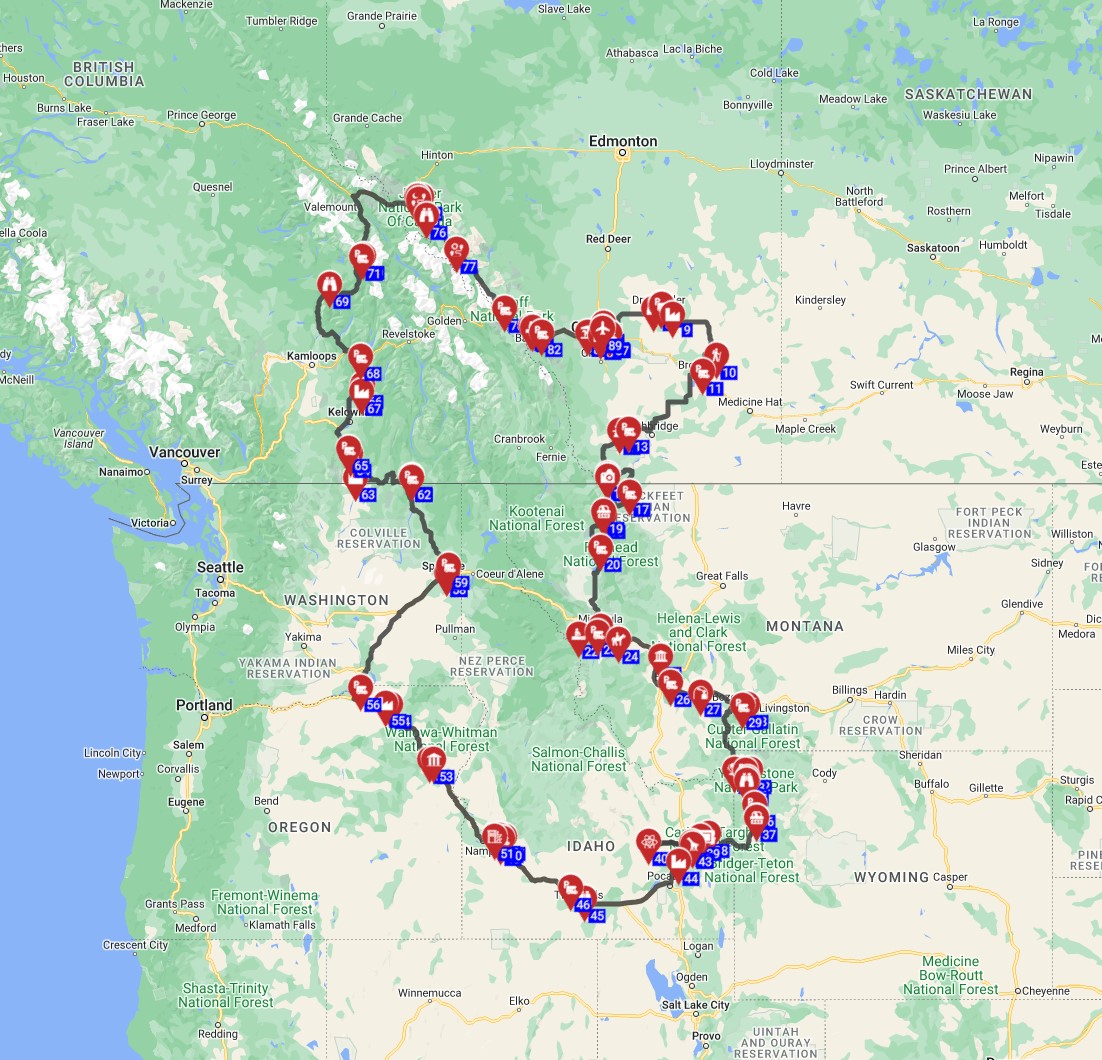
Canada offers countless romantic RV routes for couples seeking adventure and breathtaking scenery. Some of the best RV routes for couples in Canada include the iconic Icefields Parkway in the Canadian Rockies, offering breathtaking mountain vistas and over 100 hiking areas between Banff and Jasper. The Cabot Trail on Cape Breton Island, Nova Scotia, provides a spectacular coastal driving experience with charming fishing villages, perfect for romantic getaways with 4 natural features to explore. For a mix of scenic beauty and vibrant city life, the Sea-to-Sky Highway from Vancouver to Whistler combines Pacific coastline with mountainous backdrops, leading to endless outdoor activities. The Eastern Townships route in Quebec is ideal for couples seeking vineyards, picturesque towns, and gourmet experiences. RV PLANET offers meticulously pre-planned routes by professionals, such as:
This epic 37-day, 9199.1 km journey from Halifax to Whitehorse includes stops at 6 museums, 4 natural features, and 3 traditional restaurants. For Western explorations:
The

This 15-day, 4886.2 km adventure from Vancouver to Toronto includes 2 heritage sites, 2 hiking areas, and 1 aquarium. Discover more routes and offers with RV Rental Deals in Canada - Latest Offers 2026.
What is the best time of year to RV in Canada?
The best time of year to rent an RV in Canada for couples is generally from late May to early October, when the weather is warm, all campgrounds are open, and attractions are fully accessible. Peak season, encompassing July and August, offers the warmest temperatures and longest daylight hours but also brings larger crowds and higher prices for rentals and campgrounds, necessitating advance reservations (we recommend booking 3-12 months out for popular national parks). The shoulder seasons, May-June and September-October, present excellent opportunities with cooler weather, fewer crowds, and often lower rental rates, providing specific advantages like vibrant fall foliage in the autumn. While winter RVing is an option for adventurous and well-prepared couples, it requires specialized gear, carries risks of extreme cold and road closures, and is generally not recommended for first-timers without prior experience.
Is it cheaper to rent an RV in US or Canada?
Whether it is cheaper to rent an RV in the US or Canada depends on fluctuating exchange rates, seasonal demand, vehicle availability, and specific insurance considerations, making a direct cost comparison complex. While base rental prices in the US might sometimes appear lower, factors like currency conversion (CAD to USD), varying insurance coverage, one-way rental fees, and taxes should be thoroughly evaluated for a true comparison of total cost. Renting within Canada for a Canadian trip often simplifies insurance, border crossing procedures, and adherence to local regulations, which can outweigh perceived initial cost differences. We compare final prices across 50+ suppliers so you don't have to, ensuring full price transparency with no hidden fees, no surprises, and bookings available in 30+ currencies with no conversion commissions.
What documents do I need to cross the Canadian border in an RV?
To cross the Canadian border in a rented RV, all travelers, including couples, must present valid passports (or a NEXUS card for eligible citizens) as their primary identification. You will also need your valid driver's license from your home country (an International Driving Permit is recommended for non-English/French licenses), the RV rental agreement (serving as proof of vehicle registration), and proof of vehicle insurance, which your rental company should provide. Be prepared to declare all goods being brought into Canada, including food, alcohol, and tobacco, and ensure no restricted items (e.g., firearms, certain agricultural products) are present in the vehicle. It is always a good practice to keep both digital and physical copies of all essential documents stored separately, in case originals are lost or stolen.
How do you find campsites in Canada?
Campsites in Canada can primarily be found and booked through official national and provincial park reservation systems, such as Parks Canada for national parks (offering hundreds of campgrounds with amenities like power and water hookups) and specific provincial sites like BC Parks or Ontario Parks. Private campgrounds, often offering more amenities, are searchable via Google Maps, dedicated RV park apps (e.g., iOverlander), and websites like Camping in BC or RVing in Canada. Effective strategies for securing RV campsite reservations, especially during peak season, include booking well in advance (up to 3-12 months for popular destinations, where many sites are often reserved quickly) and actively checking for cancellations. For spontaneous trips, remember that many national and state parks reserve 25-30% of their spots as first-come, first-serve, so you'll find a spot; if not at the first campground, then the next one. Always call ahead before driving. Designated dispersed camping is also available on Crown land where permitted, offering more secluded, free camping experiences for couples looking to truly get away. Remember, when planning with RV PLANET (rvplan.net), you get access to 1,300+ pre-planned routes across 5 continents, including detailed information to make finding campsites effortless.
What You Shouldn't Miss
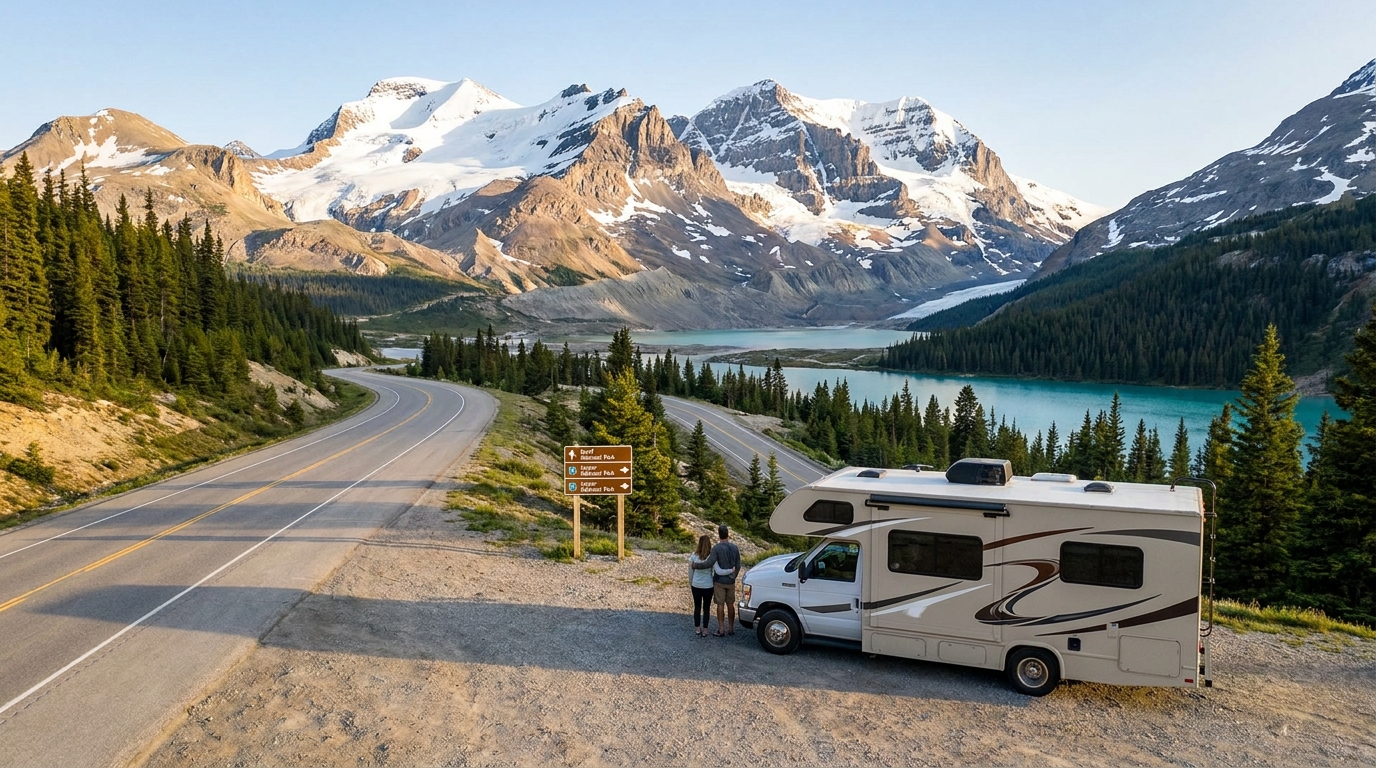
- **Drive the Icefields Parkway:** This 232 km (144 mile) stretch through Banff and Jasper National Parks offers stunning glaciers, turquoise lakes, and abundant wildlife. It's a quintessential Canadian RV experience for couples.
- **Explore the Cabot Trail:** Circumnavigate Cape Breton Island, Nova Scotia, on this 298 km (185 mile) scenic highway, taking in rugged coastal cliffs, charming villages, and Celtic culture.
- **Stargaze in a Dark Sky Preserve:** Head to Jasper National Park, one of the world's largest Dark Sky Preserves, for an unparalleled celestial show away from light pollution.
- **Experience a City RV-Friendly:** Enjoy urban exploration in Vancouver, with convenient RV parking solutions often available on city outskirts, giving you easy access to Stanley Park (405 hectares) or Granville Island Public Market (open 7 days a week).
- **Taste the Local Flavors:** Stop at farmers' markets and local eateries across provinces, from Quebec's poutine to fresh Pacific seafood, and perhaps even prepare your own gourmet meal in your RV kitchen.
- **Connect with Indigenous Culture:** Seek out opportunities to visit Indigenous cultural centers or participate in authentic experiences to learn about Canada's rich First Nations heritage.
Looking for expert insights from Avi Bandana? Top 5 Adventures - recommendations from Avi Bandana
Final Thoughts
A romantic RV adventure through Canada offers an unparalleled way for couples to connect with each other and the stunning natural beauty of this vast country. From the majestic Rockies to the charming Maritimes, the open road awaits your discovery. With the right planning, the perfect RV rental, and our unwavering support, your journey will be filled with cherished moments and breathtaking scenery.
Remember to embrace slow travel, allowing yourselves time to truly soak in each destination, from vibrant city centers to tranquil natural parks. We handle the details, you live the journey – that's our promise at Bandana RV. Let us help you compare motorhome prices for Canada and find the ideal campervan for your dream trip.
Get inspired for your next trip! Discover top destinations, planning tips, all in one place, and plan a trip itinerary in advance with minimal effort and maximum enjoyment. Your Canadian RV adventure for two starts here!
Compare Motorhome Prices for Canada