In This Guide
- What cheap rv rental RV Rental Costs in Canada (CurrentYear)
- Seasonal Pricing - Peak vs. Shoulder vs. Off-Season in Canada
- What's Included vs. What's an Add-On
- Hidden Costs to Budget For in Canada
- How to Save on cheap rv rental RV Rental in Canada
- Detailed budgeting and cost breakdowns beyond general expenses (e.g., permits, specific activities, grocery costs)
- In-depth seasonal planning, including specific road opening/closing dates
- Comprehensive guides for off-the-beaten-path destinations, hidden gems, and less-traveled routes
- Practical advice on connectivity: cell service coverage in remote areas, Wi-Fi availability at campgrounds, and charging solutions
- Specific rules and tips for traveling with pets, including border crossing requirements, pet-friendly campgrounds, and vet access
- Focus on local culinary experiences, farmers' markets, unique Canadian foods, and cultural immersion opportunities
- Information on boondocking, dispersed camping regulations, and recommended spots in Canada
- Advanced safety and emergency preparedness, including wildlife encounters (bears, moose)
- Recommendations for different RV types and sizes suitable for various Canadian terrains and road conditions
- Sustainability and Leave No Trace principles tailored for RVers in Canadian wilderness areas
- Health and medical considerations, including travel insurance specifics and accessing healthcare while on the road
- Guidance for long-term RV travel or temporary residency in Canada, addressing visa, mail, and other logistical challenges
- Top Cities for RV Rental in Canada
- General Road Rules and Driving Tips for Canada
What cheap rv rental RV Rental Costs in Canada (CurrentYear)
RV rental prices in Canada are dynamic, much like flight tickets, varying daily based on factors like demand, seasonality, vehicle class, and supplier pricing decisions. April is typically the most affordable month for an RV rental in Canada, with rates potentially 30% lower than peak summer prices. For example, a compact campervan like the "Category Van" might start from CAD $80-$120 per day in the off-season, while a larger Class C motorhome such as the "MHC24" (which sleeps up to 6 people with a 150-liter fresh water tank) could range from CAD $150-$250 daily. Live pricing for 1 week, 2 weeks, and 1 month for various RV classes is readily available through our comparison platform, ensuring you see the most current rates for your specific travel dates. For live availability and current prices, start with our RV Rental Canada - Complete Guide 2026 guide.How much does a 1-week / 2-week / 1-month cheap rv trip cost in Canada?
The total cost of a rented RV trip in Canada depends heavily on duration, vehicle choice, and travel style. A week-long trip in a smaller campervan, like the "Active Pop Top" (sleeping 4 with a 90-liter fresh water tank), might average CAD $700-$1,200 for the rental itself during shoulder season. For a two-week adventure, a mid-sized Class C motorhome like the "MH23 Medium - Economy" (sleeping 5 with 115-liter fresh water tank and microwave) could cost CAD $2,000-$3,500. An extended month-long journey in a larger Class A motorhome, such as the "MHLUX" (sleeping up to 7 with 260-liter fresh water tank and oven), could easily reach CAD $6,000-$10,000 or more, not including fuel and other expenses. Remember, these are estimates; the final price is set at the actual booking time.cheap rv rental cost for couples vs. families with kids in Canada
The size of your travel group directly influences your RV rental cost in Canada, as larger vehicles naturally come with a higher price tag. Couples often find the most economical options in compact campervans or smaller Class C motorhomes, like the "Deuce" (sleeping 2 with a 114-liter fresh water tank), which provides ample comfort for two without excess space. A one-week rental for a couple in a campervan can be as low as CAD $600-$900. Families with kids, typically 4-6 people, often opt for Class C motorhomes like the "24' Class C Motorhome" (sleeping 5-6 with a 166-liter fresh water tank and generator), offering more sleeping areas and a full bathroom. These rentals for a week-long trip typically range from CAD $1,200-$2,500 during the shoulder season. Bigger groups might choose Class A motorhomes, providing luxurious space but at a premium.Can I find last-minute cheap rv rental deals in Canada?
Yes, last-minute RV rental availability exists in Canada, although pricing is dynamic and changes daily. While booking several months in advance usually secures better rates, sometimes suppliers offer deals to fill their remaining fleet. Flexibility with pickup locations and vehicle types can increase your chances of finding a last-minute deal. It's important to remember that last-minute prices can fluctuate; a deal one day might be gone the next. You'll find spots, even if it's not the first campground you check. Always call ahead before driving to confirm availability.I'm flexible - how do I find the cheapest cheap rv rental?
Flexibility is your best friend when looking for the cheapest RV rental in Canada. Consider traveling during the shoulder seasons (May-June or September-October) to avoid peak summer prices and crowds. Being open to various pickup and drop-off locations, even small towns like Abbotsford or Gibsons, can reveal hidden gems and better deals. Utilizing our comparison tools allows you to easily adjust dates and locations to compare final prices across numerous suppliers like El Monte and Cruise America, ensuring what you see is what you pay, with no surprise fees at pickup. Renting for longer durations, such as a two-week adventure instead of a short trip, often results in a lower daily rate.Seasonal Pricing - Peak vs. Shoulder vs. Off-Season in Canada
RV rental prices in Canada fluctuate dramatically with the seasons, making timing a key factor for budget-conscious travelers. Peak season (July-August) sees the highest prices and demand due to school holidays and optimal weather across most regions, with popular spots like Banff National Park often fully booked months in advance. During this time, a Class C motorhome could cost upwards of CAD $250-$400+ per day. Shoulder seasons (May-June and September-October) offer an excellent balance of good weather and more moderate prices, often 15-25% less than peak rates. For example, a "Category Medium AT" (sleeping 4-5) might be CAD $150-$250 daily. Off-season (November-April), with April being notably affordable, provides the lowest rates (e.g., CAD $80-$150 daily for a campervan), but be prepared for colder weather and fewer accessible routes, particularly in northern areas.🎬 Video coming soon
What's Included vs. What's an Add-On
Basic insurance is always included with every RV rental in Canada, providing foundational coverage for your trip. Typical inclusions vary by rented RV and rental station but often cover essential vehicle components and roadside assistance. These base offerings ensure you can hit the road with confidence, knowing the basics are handled. For instance, a basic rental might include a fresh water tank and a functioning stove, allowing for simple meals on the go. Common add-ons, which can impact your overall cheap RV rental budget, include comprehensive insurance tiers, additional mileage packages, generator usage (often charged per hour, e.g., CAD $5 per hour for an "MHLUX"), kitchen kits with cooking utensils and tableware, and bedding. To see prices including the most comprehensive coverage, you can select that option during your search on our platform, and all relevant insurance options will be displayed. You can also toggle options for kitchen utensils, tableware, and bedding during your search to compare 'all-inclusive' prices directly. Always verify specific inclusions and add-on costs directly with your chosen rental supplier, such as El Monte, Cruise America, Apollo, or Britz, before booking to ensure full transparency and no surprises at pickup. God is in the small details, and we take care of them. That's what makes the big difference.How to Save on cheap rv rental RV Rental in Canada
Booking your RV rental during the shoulder season (May-June or September-October) can significantly reduce costs in Canada, offering savings of 15-25% compared to peak summer rates. For instance, a Class C motorhome like the "MHC24" might be CAD $180/day in shoulder season versus CAD $280/day in peak. Pre-paying for tolls or choosing routes that avoid them can save money and hassle on your journey; many toll roads have higher rates for larger vehicles. Utilizing campground discount cards or fuel discount cards, if available through your rental provider, offers direct savings on operational expenses. Opting for a smaller RV class, like a Class B campervan (e.g., a "Deuce" with 75-liter fuel tank and 10-15 L/100km fuel consumption) if it comfortably fits your group, generally results in lower rental fees and better fuel efficiency, saving on both rental and fuel costs. Booking longer rental durations, such as a two-week adventure rather than a week-long trip, often translates to a better daily rate. Monitoring flex-rate drops for your desired dates can help you secure a better deal, as prices can change daily based on demand and availability. Remember, travel slowly, max 100-150 km per day on average, to truly connect with the Canadian scenery and minimize fuel consumption.In-depth seasonal planning, including specific road opening/closing dates
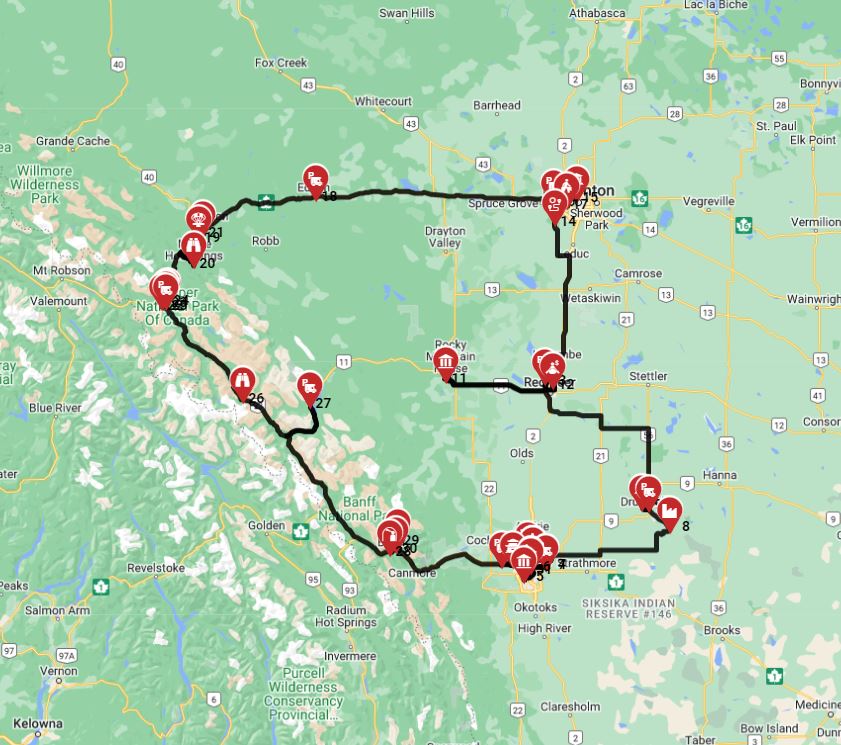
Effective seasonal planning for Canadian RV trips involves researching specific road opening/closing dates, particularly for mountain passes and northern routes. Iconic routes like Alberta's Icefields Parkway (Highway 93N), connecting Banff and Jasper, typically open fully by late spring (mid-May to early June) but can experience early or late season closures due to snow, sometimes extending into October. Similarly, the Dempster Highway to the Arctic, leading to the Inuvik-Tuktoyaktuk Highway, is best traveled from June to September. The best times for specific activities, such as whale watching in Nova Scotia (May-October) or bear viewing in British Columbia (late spring to early fall), vary seasonally and should be checked with local operators. Weather considerations are paramount; the Prairies can experience hot summers (up to 35°C) and extremely cold winters (down to -40°C), while coastal areas like Vancouver are milder but much wetter (over 1,000mm annual rainfall). Researching regional weather patterns for your chosen itinerary ensures you pack appropriately and avoid unexpected challenges. Checking provincial highway authorities (e.g., DriveBC, Alberta 511, Ontario 511) for real-time road conditions and closures is vital, especially during spring thaw or early winter.Comprehensive guides for off-the-beaten-path destinations, hidden gems, and less-traveled routes
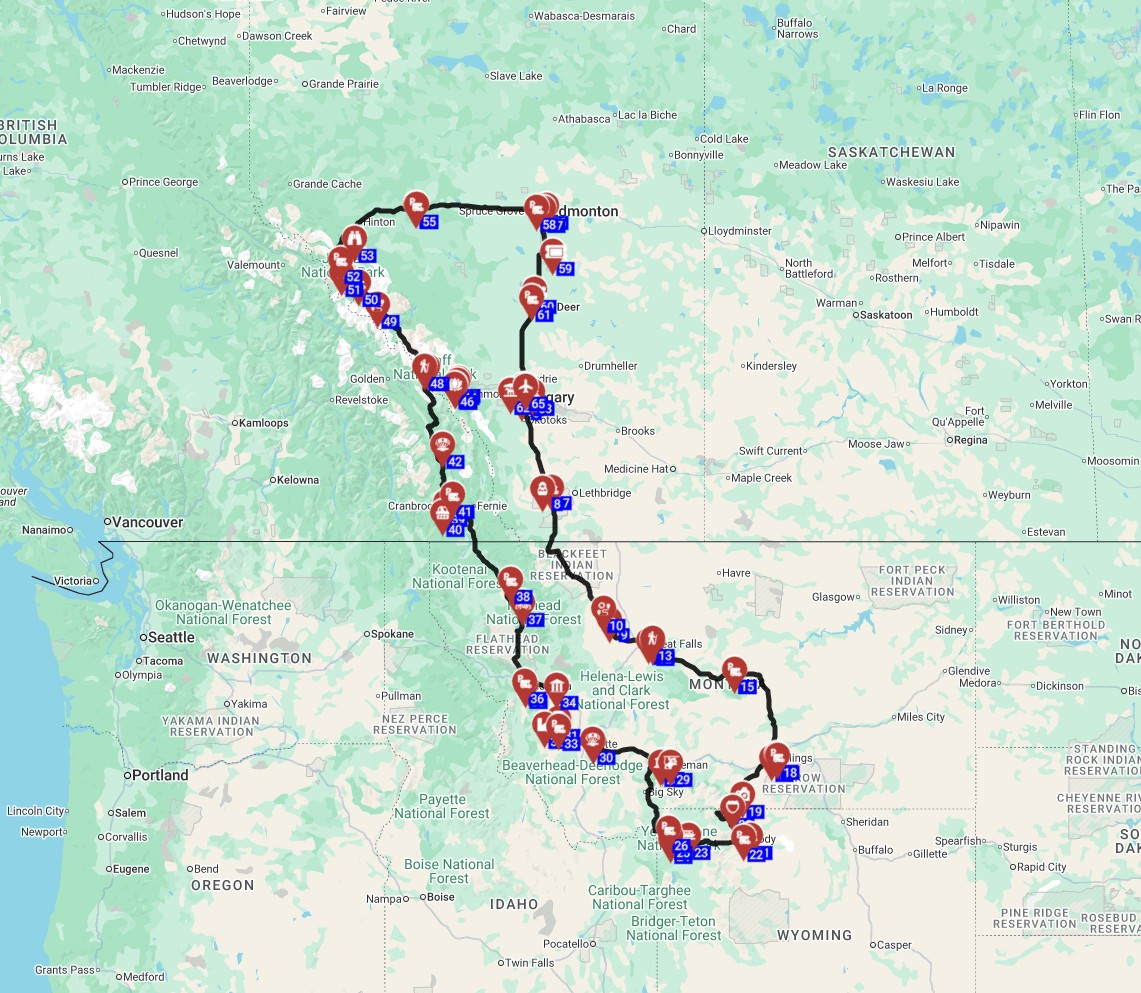
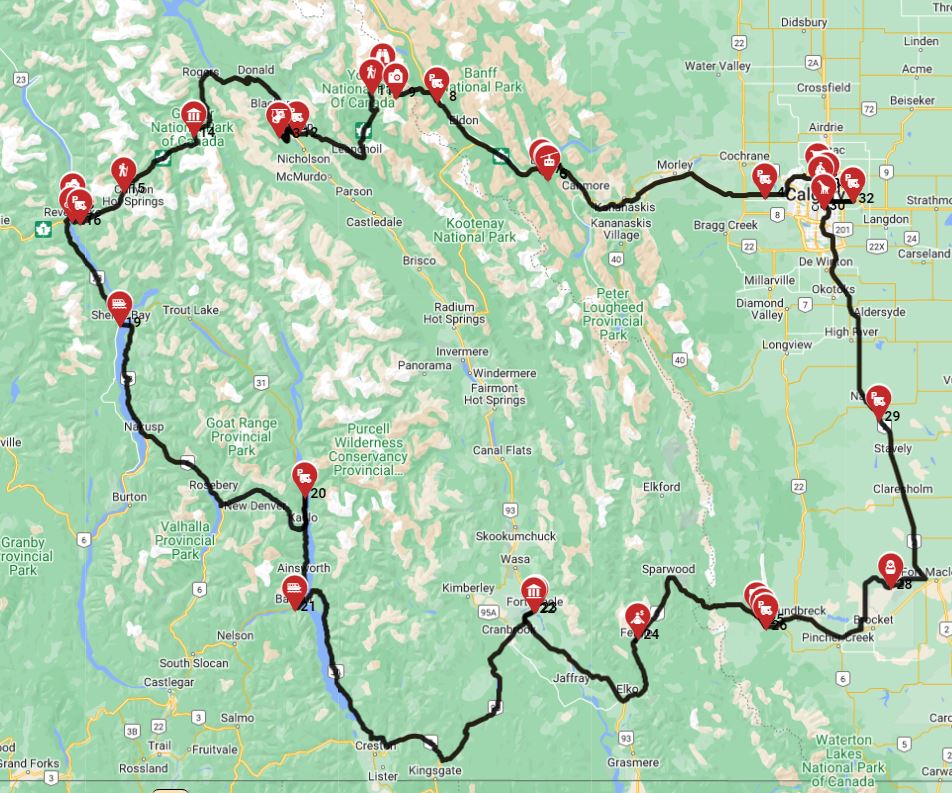
Exploring Canada's hidden gems and less-traveled routes offers unique RV experiences beyond typical tourist hotspots like Banff or Niagara Falls, revealing the true diversity of the country. Consider venturing into Quebec's Gaspésie Peninsula, an 885 km coastal loop, for remote beauty and vibrant local culture, rather than just Montreal. Discover the serene landscapes of the Eastern Townships for cultural immersion and charming vineyards. In Northern Ontario, explore pristine wilderness parks like Killarney Provincial Park, offering stunning white quartzite hills and sapphire lakes, far from urban centers. The Crowsnest Pass in Alberta offers stunning mountain scenery with a rich mining history, often less crowded than its northern counterparts, and boasts several historical sites. Seek out local tourism boards for recommendations on regional festivals, artisanal markets, and natural wonders not widely advertised. Destinations like Fogo Island in Newfoundland or the Sunshine Coast in British Columbia (accessed via BC Ferries) provide distinct local cultures and breathtaking ocean views, making for memorable detours on your rented motorhome trip. For pre-planned routes that delve into Canada's lesser-known wonders, explore RV PLANET routes.Practical advice on connectivity: cell service coverage in remote areas, Wi-Fi availability at campgrounds, and charging solutions
Maintaining connectivity during an RV trip in Canada requires understanding variable cell service coverage, especially in remote areas. Major Canadian carriers like Bell, Telus, and Rogers offer the most extensive networks, but coverage drops significantly outside populated corridors and along many scenic, less-traveled routes. For instance, in vast national parks or northern territories, cell service can be spotty or non-existent. Many campgrounds, particularly private ones, offer Wi-Fi access, though speed and reliability can vary greatly and often come with a fee (e.g., CAD $5-$10 per day). Portable Wi-Fi hotspots with a Canadian SIM card or satellite communication devices (like a Garmin inReach, costing around CAD $400 for the device plus a monthly subscription) are recommended for staying connected in truly remote or wilderness regions. For charging devices, ensure your rented RV has sufficient USB ports or 12V outlets, and consider a power inverter for AC appliances when boondocking. Solar panels or portable generators are effective charging solutions for extending battery life and device power during off-grid camping.Specific rules and tips for traveling with pets, including border crossing requirements, pet-friendly campgrounds, and vet access
Traveling with pets in an RV across Canada requires adherence to specific rules, including documentation for border crossing and planning for pet-friendly accommodations. For U.S. citizens entering Canada, dogs and cats must have a valid rabies vaccination certificate, signed by a licensed veterinarian, dated within the last year. Always ensure your pet is microchipped and wears identification tags with current contact information, including your RV rental details. Many national and provincial parks allow pets on leash in campgrounds and on designated trails, but some prohibit them in certain areas or buildings; always check park regulations in advance. Several RV models, like the "24' Class C Motorhome," are explicitly pet-friendly. Researching pet-friendly campgrounds, such as those found on sites like Campspot or GoRVing, is essential, as many have restrictions on pet size, breed, or require leashing at all times. Locate veterinary clinics along your route in advance, especially when traveling through remote areas, for emergency access to care. Pack a pet first-aid kit, ample food and water, and favorite toys to keep your animal comfortable and secure throughout the journey.Focus on local culinary experiences, farmers' markets, unique Canadian foods, and cultural immersion opportunities
RV travel in Canada provides ample opportunity to indulge in local culinary experiences, from vibrant farmers' markets to unique regional dishes. Seek out farmers' markets in small towns across provinces like Ontario or British Columbia for fresh, seasonal produce, artisanal cheeses, and locally baked goods. Try iconic Canadian foods such as poutine in Quebec, Nanaimo bars in British Columbia, or a tourtière (meat pie) during your travels through French-speaking regions. Many RVs, like the "MHC24" with its 3-4 burner gas stove and microwave, are well-equipped for preparing these local ingredients. For those who love to cook on the road, our RV-friendly recipes playlist offers great ideas. Engage with local communities by attending festivals, powwows, or cultural events, especially Indigenous cultural centers, to gain deeper insights into Canadian heritage and traditions. Many regions also offer craft breweries, wineries (e.g., Okanagan Valley, Niagara region), and distilleries that highlight local ingredients and offer tasting tours. Imagine yourself savoring fresh seafood on the Atlantic coast or enjoying wild blueberries in Quebec, all from the comfort of your rented motorhome.Information on boondocking, dispersed camping regulations, and recommended spots in Canada
Boondocking, or dispersed camping, in Canada is possible but requires understanding provincial and federal regulations, which vary significantly. Crown land, managed by provincial governments, often allows free dispersed camping for limited durations (typically up to 14-21 days) but rules differ by province; for example, British Columbia and Alberta have extensive Crown land suitable for this. National Parks generally prohibit boondocking; designated campgrounds (over 2,000 spots in Banff alone) are the only legal overnight spots for RVs, requiring reservations in peak season. Always research specific regional bylaws and land-use regulations before attempting to boondock to avoid fines or trespassing. Utilize apps and online forums, such as iOverlander, for community-sourced recommendations on legal and safe boondocking spots, focusing on publicly accessible lands. Remember to practice Leave No Trace principles strictly when boondocking, ensuring you pack out everything you pack in and leave no impact on the environment. Finding these secluded spots can be a rewarding way to experience Canada's vast wilderness with your rented motorhome.Advanced safety and emergency preparedness, including wildlife encounters (bears, moose)
Advanced safety for Canadian RV travel includes comprehensive emergency preparedness, especially for potential wildlife encounters in remote areas. Canada is home to black bears, grizzly bears, and moose, particularly in national parks and wilderness regions. Always carry bear spray (and know how to use it safely), store food securely in bear-proof containers or your rented RV's interior, and make noise when hiking to deter wildlife. Familiarize yourself with basic remote area survival skills, such as reading maps (GPS and physical), first aid for common injuries, and signaling for help. Before entering remote regions, inform someone of your itinerary and expected return time, and consider carrying a satellite communication device for emergencies where cell service is absent. Access to emergency services can be delayed in remote parts of Canada; know how to contact local authorities (dial 911 across Canada) and your rental provider's roadside assistance. Ensure your RV is equipped with a comprehensive first-aid kit, extra water (e.g., 100-liter fresh water tank in a "campervan hire example HiTop"), non-perishable food for at least 3-5 days, and warm blankets, even in summer, as mountain weather can change rapidly.Recommendations for different RV types and sizes suitable for various Canadian terrains and road conditions
Choosing the right rented RV type and size is crucial for navigating Canada's diverse terrains and road conditions effectively. Class C RVs, such as the "cruise america rv rental example Explorer" (sleeping 4 with a 7.1m length), are a popular choice for families, balancing ample space and comfort with reasonable maneuverability for highways and most provincial parks. These are excellent for longer trips like the "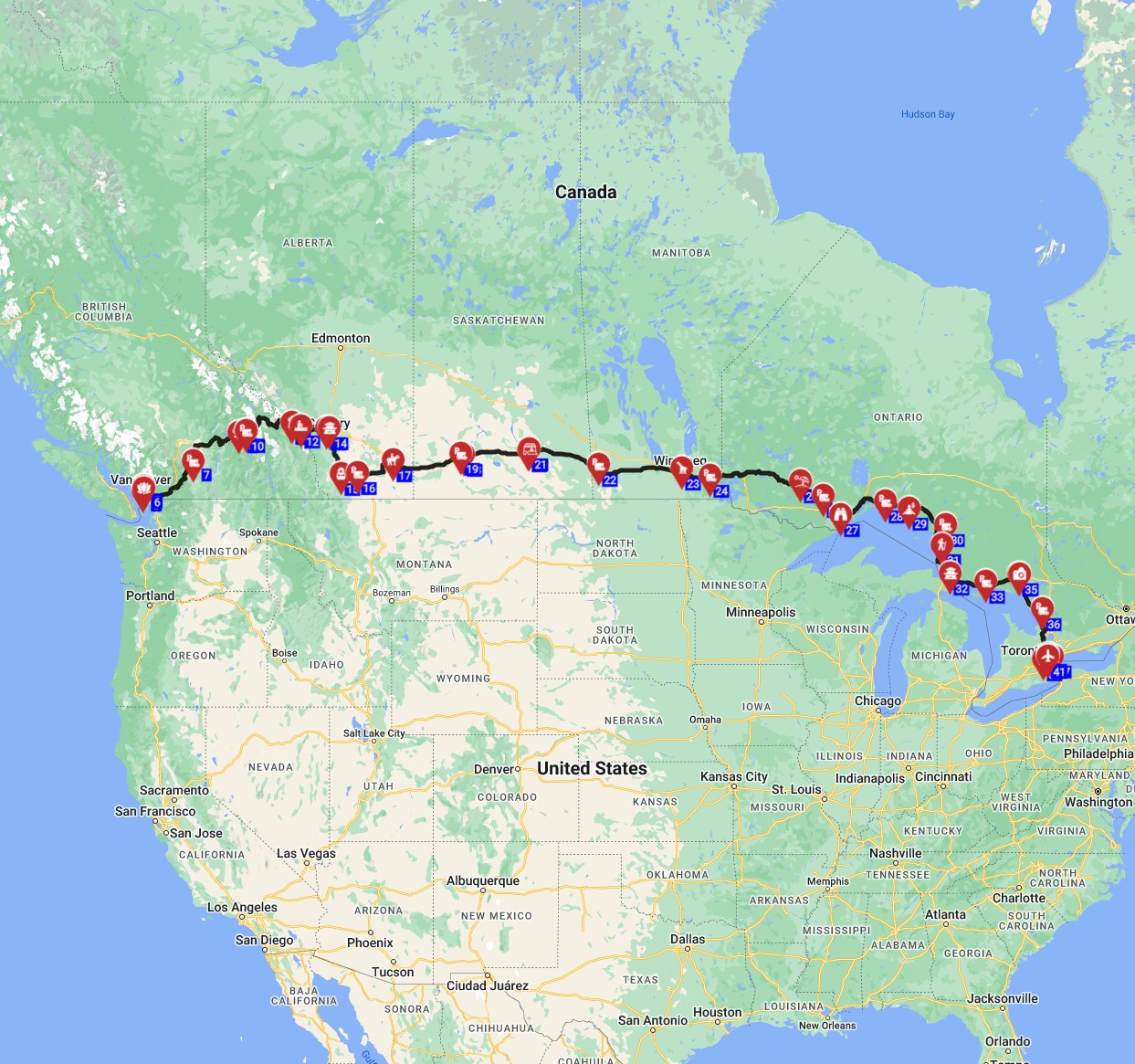
Vancouver to Toronto - Trans Canada West to East
Sustainability and Leave No Trace principles tailored for RVers in Canadian wilderness areas
Adhering to Sustainability and Leave No Trace principles is paramount for RVers exploring Canada's pristine wilderness areas, helping to preserve its natural beauty for generations. Plan ahead and prepare by researching regulations for your destination, packing appropriate gear, and understanding waste disposal guidelines for both solid waste and grey/black water (ensure your RV's waste water tank is sufficient). Always travel and camp on durable surfaces, sticking to designated roads and campsites to minimize impact on vegetation and soil, especially in sensitive ecosystems. Dispose of waste properly by packing out all garbage, food scraps, and human waste when boondocking, and utilizing designated dump stations at campgrounds or rest stops for your RV tanks. Minimize campfire impacts by using existing fire rings, keeping fires small (no larger than 0.5 meters in diameter), and ensuring they are completely out and cold to the touch before leaving. Respect wildlife by observing from a distance (e.g., 30 meters for large animals, 100 meters for bears), never feeding animals, and securing food and scented items in bear-proof containers to prevent attractants. By practicing these principles, you contribute to the health and preservation of Canada's magnificent natural environments.Health and medical considerations, including travel insurance specifics and accessing healthcare while on the road
Health and medical considerations are vital for Canadian RV travel, requiring specific travel insurance and knowledge of healthcare access. Travelers from outside Canada should purchase comprehensive travel medical insurance, as provincial healthcare systems generally do not cover non-residents for medical services or emergency care. Ensure your insurance explicitly covers RV-specific incidents, emergency evacuation (especially if exploring remote areas), and any pre-existing conditions. In case of a medical emergency, dial 911 across Canada for ambulance services, police, or fire departments; for non-emergencies, walk-in clinics or urgent care centers are accessible in most towns and cities. Keep a list of your medications, dosages, and any allergies readily available, along with contact information for your primary physician. Consider packing a basic first-aid kit and any necessary prescription refills to last the duration of your trip, as some pharmacies may require a Canadian prescription. Knowing these details offers peace of mind as you embark on your adventure.Guidance for long-term RV travel or temporary residency in Canada, addressing visa, mail, and other logistical challenges
Long-term RV travel or temporary residency in Canada involves specific logistical challenges, including visa requirements and mail forwarding. Non-Canadian citizens planning to stay for more than six months generally require a visitor record or other appropriate immigration status from Immigration, Refugees and Citizenship Canada (IRCC). It's crucial to research and apply for the correct visa or status well in advance of your trip, potentially consulting with an immigration lawyer for complex cases. Establishing a mail forwarding service or using a virtual mailbox is crucial for receiving correspondence and packages during extended travel. While we focus on rental vacations, if you're considering a longer stay, be aware that registering your RV in Canada (if applicable) requires understanding provincial registration and insurance requirements, which vary. For temporary residency, ensure you understand tax implications and any reporting requirements related to your extended stay to avoid complications. Always plan ahead for these details when envisioning an extended RV adventure in Canada.Top Cities for RV Rental in Canada
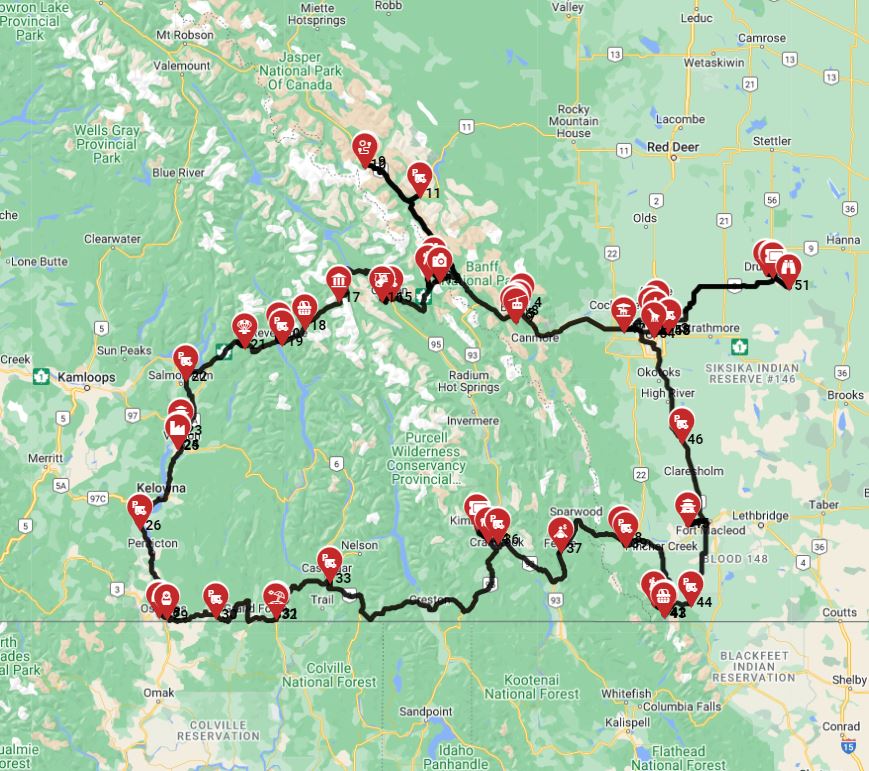
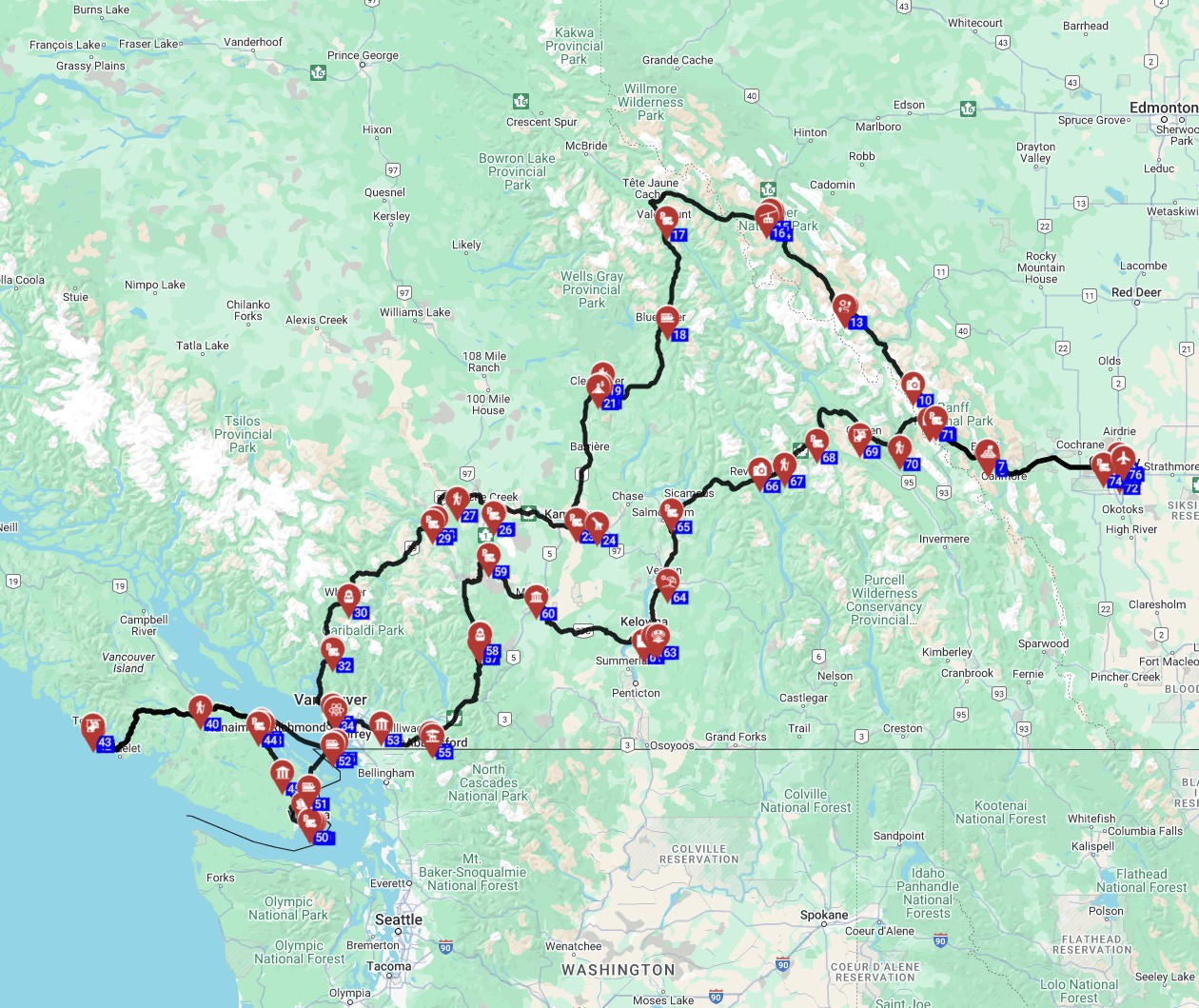
Canada offers numerous fantastic starting points for your RV adventure, with major hubs providing a wide selection of motorhomes and campervans.- **Vancouver, British Columbia**: Known as a gateway to the Rocky Mountains and the Pacific Northwest, Vancouver offers a stunning backdrop for any trip. You can pick up a campervan here for a 19-day "
" route covering 2,659.4 km, including 3 bike rental stops.
 Vancouver Round Trip - West Canada Cycling Adventure
 - **Calgary, Alberta**: Perfectly situated for exploring Banff, Jasper, and the Canadian Rockies, Calgary is a prime location for mountain adventures.
- **Toronto, Ontario**: As Canada's largest city, Toronto provides excellent access to the Great Lakes region, Niagara Falls, and eastward journeys. Consider picking up your RV here for a diverse trip.
- **Montreal, Quebec**: Offering a blend of European charm and North American accessibility, Montreal is ideal for exploring Quebec's unique culture and scenic routes, such as the Gaspésie Peninsula.
- **Halifax, Nova Scotia**: For an East Coast adventure, Halifax is your starting point for exploring the Maritime provinces and their rugged coastlines. A grand 37-day "Halifax to Whitehorse - Exploring Canada’s Heartland in a Motorhome" itinerary covering 9,199.1 km starts here, featuring 6 museums and 4 natural features.
- **Edmonton, Alberta**: Another excellent option for Rocky Mountain access, often with competitive pricing outside of peak season.
- **Winnipeg, Manitoba**: A central hub perfect for exploring the Prairies, vast lakes, and starting a cross-Canada journey.
- **Whitehorse, Yukon**: For the ultimate northern adventure, Whitehorse is the key access point to the Yukon and Alaska highways, offering unparalleled wilderness experiences.
General Road Rules and Driving Tips for Canada
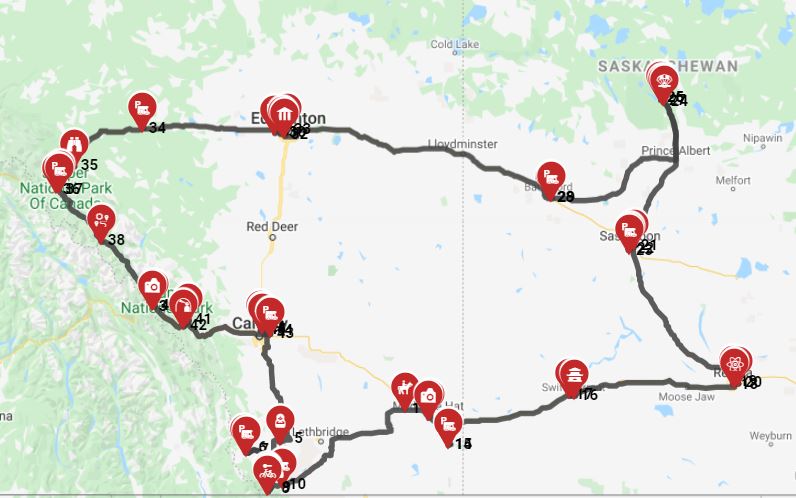
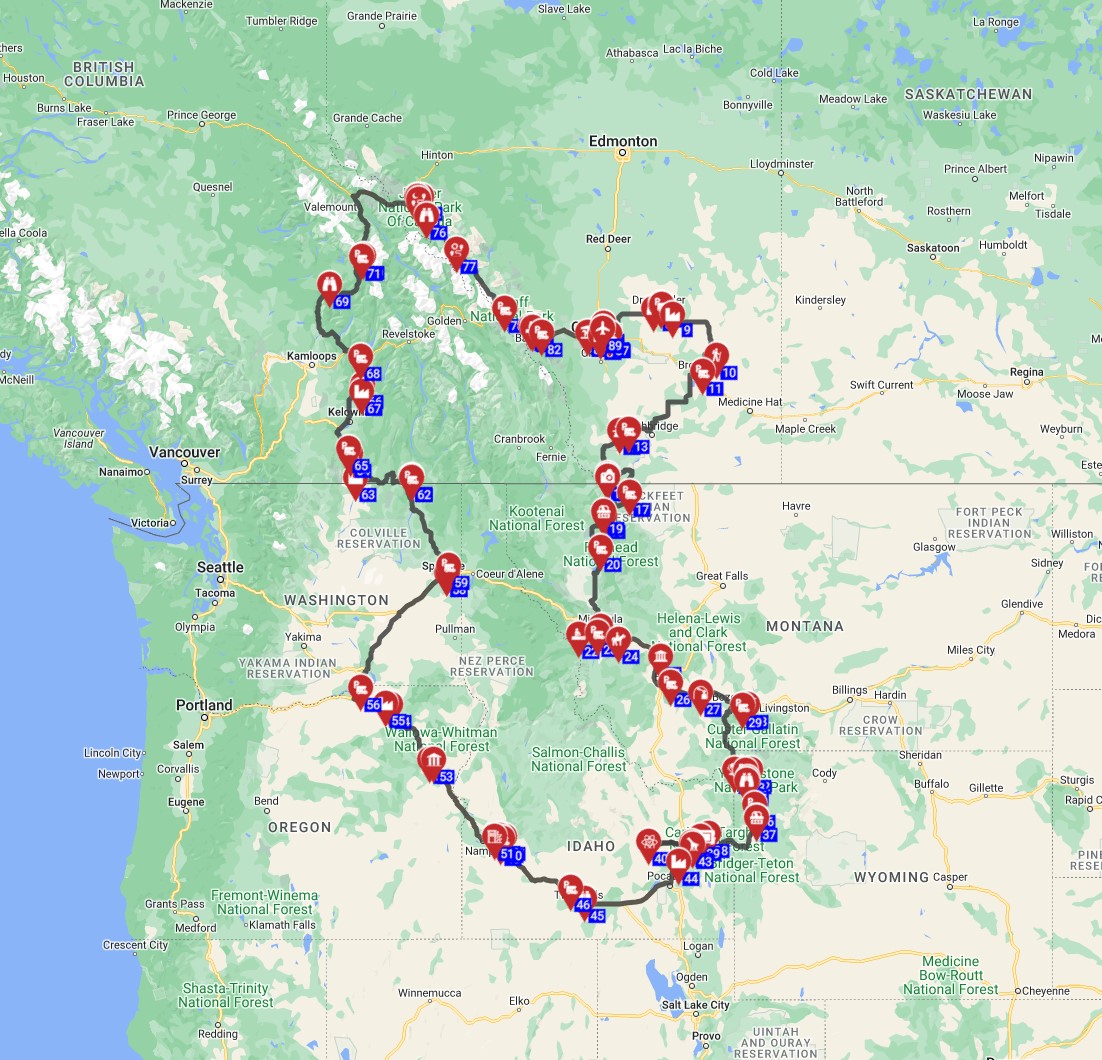
Driving a rented RV in Canada is an enjoyable experience, but it’s essential to be aware of local road rules and conditions. In Canada, vehicles drive on the right-hand side of the road, and speed limits are posted in kilometers per hour (km/h). Common speed limits include 50 km/h in urban areas, 80-100 km/h on rural highways, and 100-120 km/h on expressways. A standard car driver's license from your home country is sufficient for operating any Class A, Class B, or Class C motorhome in Canada. An International Driving Permit (IDP) is recommended for visitors from non-English-speaking countries to supplement your license but is generally not mandatory. Regarding specific rules, as mentioned, it is generally illegal to turn right on a red light in Quebec, a crucial detail to remember when driving in that province. Seatbelt use is mandatory for all occupants in an RV. While driving an RV in cities might seem daunting, drive slowly and carefully, and you can drive almost anywhere without issues. No need to stress - just use common sense and pay attention. For connectivity, plan for sporadic cell service in remote regions by carrying a local SIM card or a satellite device. Fuel types are typically gasoline or diesel, widely available at service stations, though pricing varies by province. For longer routes like the "
Vancouver to Toronto - Trans Canada West to East
What You Shouldn't Miss
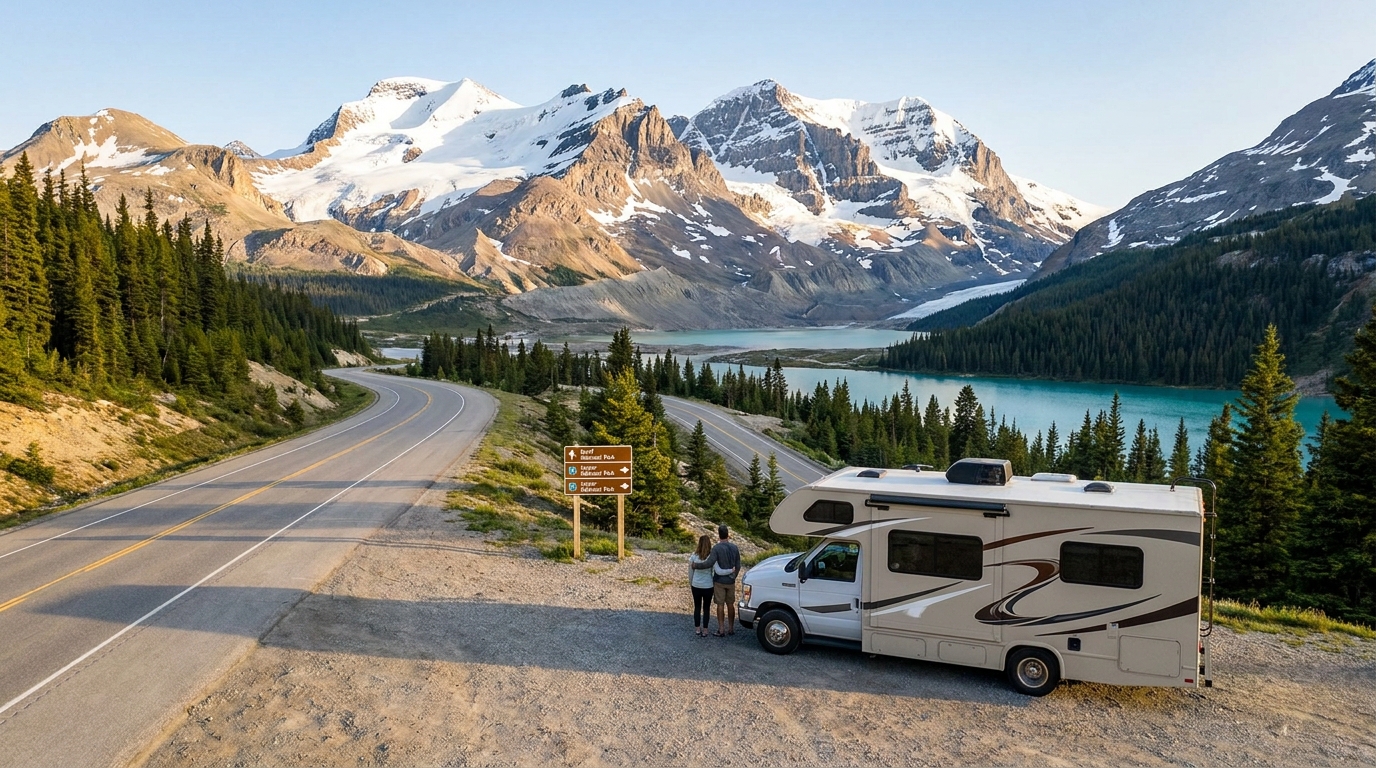
- **The Canadian Rockies:** Drive the Icefields Parkway between Banff and Jasper National Parks, an incredible 232 km journey with over 100 glaciers, stunning lakes, and abundant wildlife.
- **Niagara Falls, Ontario:** Witness the power of Horseshoe Falls, then explore the charming Niagara-on-the-Lake region with its wineries.
- **Gaspésie Peninsula, Quebec:** Circle this 885 km coastal route for breathtaking ocean views, charming fishing villages, and Percé Rock.
- **Cabot Trail, Nova Scotia:** Explore this 298 km scenic highway on Cape Breton Island, renowned for its dramatic coastal views and Celtic culture.
- **Vancouver Island, British Columbia:** Take a ferry to explore pristine beaches, old-growth forests, and the vibrant arts scene of Victoria.
- **Northern Lights in Yukon:** Plan a trip to Whitehorse in late fall or winter for a chance to witness the spectacular Aurora Borealis dancing across the sky.
Final Thoughts
Embarking on a cheap RV rental adventure in Canada is an experience that promises unparalleled freedom and unforgettable memories. From the majestic peaks of the Rockies to the vibrant coastal communities of the Atlantic, Canada's vast and diverse landscapes are best explored at your own pace. With Bandana RV, you have a partner dedicated to making your journey as smooth and transparent as possible, offering expert advice, honest pricing, and reliable support every step of the way. Imagine the joy of waking up to a new scenic vista each morning, preparing a delicious meal in your rented motorhome, and connecting with nature and culture on your terms. Whether you're a meticulous pre-planner or a spontaneous traveler, Canada welcomes you to discover its wonders. So, pack your bags, choose your perfect motorhome, and get ready to create your own Canadian story.On the routes offered through RV PLANET routes, you can itemize and track every expense along the way for easy budgeting.