In This Guide
- Best Orlando RV Itinerary for rv rental beginners — Overview
- 7-Day Classic Route in Orlando
- 14-Day Extended Journey in Orlando
- Recommended RVPlan Trip for Orlando
- Must-See Stops Along the Way (Avi Bandana Picks)
- Daily Driving Distances & Drive Times in Orlando
- Best RV Class for This Itinerary — Couple & Family Picks
- What is the 3-3-3 rule when RVing?
- What is the 4 4 4 rule for RVing?
- What is the 2 2 2 rule for RVing?
- Is it cheaper to rent an RV or stay in a hotel?
Best Orlando RV Itinerary for rv rental beginners — Overview
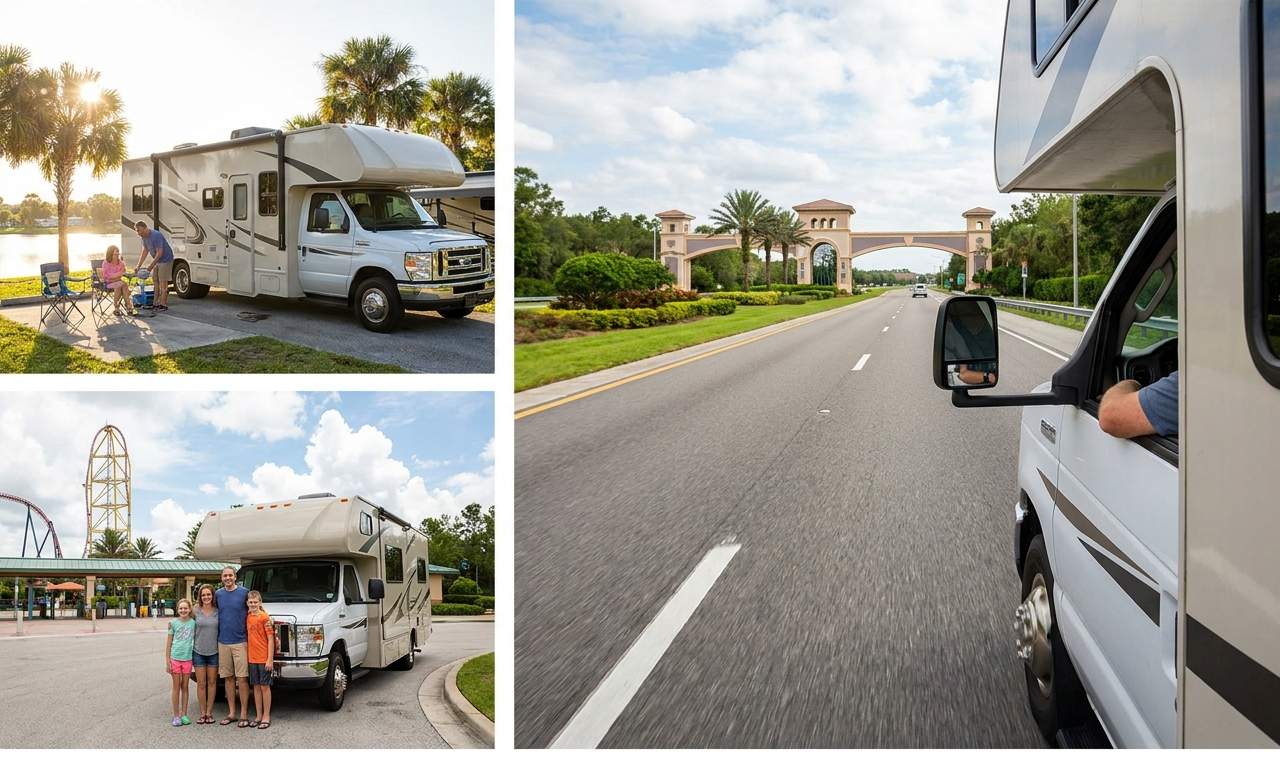
An ideal Orlando RV itinerary for beginners focuses on minimizing driving distances while maximizing family fun and practical experience, typically spanning 7-10 days. This allows ample time to comfortably explore theme parks and local natural attractions. The recommended approach for first-time RV renters is a 'hub-and-spoke' model, where you establish your RV at a single, well-equipped campground, such as Disney's Fort Wilderness Resort & Campground or a reputable Kissimmee RV resort. From this base, you can take day trips to various attractions. Expect total driving distances to be around 300-500 km (180-300 miles) over a 7-day trip, primarily for these excursions. A minimum of 7 days is highly recommended for a beginner RV trip, with 10-14 days offering a more relaxed pace to truly explore without feeling rushed.
The best seasons for RVing in Orlando are Fall (September-November) and Spring (March-May). These periods offer pleasant temperatures and lower humidity, helping you avoid the peak summer heat and the primary hurricane season (which typically runs from June through October). These shoulder seasons also often mean fewer crowds at popular attractions.
7-Day Classic Route in Orlando
A 7-day classic RV itinerary for beginners in Orlando provides a balanced experience, allowing ample time for major theme park immersion while also incorporating opportunities for relaxation and for you to get comfortable with the basics of RV living. This route is designed to be manageable and enjoyable for those new to motorhome travel.
Day 1: Arrival & Setup
Upon arriving in Orlando, your first priority is to pick up your rented RV and head directly to your chosen campground, like Disney's Fort Wilderness Resort & Campground or a well-appointed Kissimmee RV park. Spend the rest of the day focusing on familiarizing yourself with your RV's systems, setting up your campsite, and stocking up on groceries at an RV-friendly supermarket. On the routes offered through RV PLANET routes, you can itemize and track every expense along the way for easy budgeting.
Day 2: Magic Kingdom
Today is for theme park magic! Drive your RV to Magic Kingdom, where RV parking is available for a fee. Enjoy a full day at the park, taking in the iconic attractions and atmosphere, before returning to your campground in the evening.
Day 3: Epcot or Hollywood Studios
Choose another of Disney's world-renowned parks for your day's adventure – Epcot or Hollywood Studios. Again, utilize the convenient RV parking facilities and return to your base camp after a day of exploration.
Day 4: RV Recharge & Disney Springs
After a couple of busy park days, enjoy a more relaxed day at your campground. Make use of the amenities, whether it's lounging by the pool or exploring nature trails. In the evening, a visit to Disney Springs offers a change of pace with excellent dining, shopping, and entertainment options, easily accessible via shuttle from Fort Wilderness or a short drive.
Day 5: Universal Orlando Resort
Experience the thrills of Universal Studios Florida and Islands of Adventure. RV parking is available, providing a convenient way to access this popular resort complex. This day offers a different theme park experience compared to Disney.
Day 6: Natural Springs Escape
Venture slightly north of Orlando for a refreshing day trip to Wekiwa Springs State Park, located approximately 40 miles (65 km) away. Here, you can enjoy swimming in the crystal-clear spring waters, go kayaking, or explore the hiking trails. Packing a picnic is a great way to fully immerse yourself in the natural beauty of the park.
Day 7: Departure Prep & RV Return
Enjoy a final RV breakfast, begin packing up your belongings, and ensure all RV systems are ready for return. Locate the nearest dump station to empty your tanks before heading back to the rental depot to return your motorhome. For ideas you can prep on the road, watch our RV-friendly recipes playlist on YouTube.
14-Day Extended Journey in Orlando
Embarking on a 14-day RV journey in Orlando provides a deeper immersion into the Central Florida experience. This extended timeframe allows for a more leisurely pace, visits to a wider array of theme parks, exploration of natural attractions, and even a short excursion to Florida's famous coastline.
Days 1-7: Theme Parks & Springs Hub
Replicate the structure of the 7-day classic itinerary for your first week. Dedicate this period to exploring Orlando's major theme parks, including Magic Kingdom, Epcot, Hollywood Studios, and Universal Orlando Resort, and include a rejuvenating trip to a natural spot like Wekiwa Springs State Park from your base campground.
Day 8: Space Coast Adventure
Take your RV east towards the Space Coast for a visit to the Kennedy Space Center Visitor Complex, about a 60-mile (96 km) drive. After soaking in the wonders of space exploration, settle into a campground near Cape Canaveral, such as the Jetty Park Campground, which offers direct beach access for a relaxing evening.
Day 9: Beach Day at Cocoa Beach
Spend your day enjoying the quintessential Florida beach experience at Cocoa Beach. You can relax on the sand, explore the iconic pier, or try out some water sports. Return to your Cape Canaveral area campground for the night.
Day 10: Central Florida Backroads
Begin your journey back towards the broader Orlando area, a drive of about 60-70 miles (96-113 km). Consider choosing a different type of campground for a change of scenery – perhaps Lake Kissimmee State Park for a more rustic, nature-focused experience, or a luxury private resort that boasts extensive amenities.
Day 11: Manatees & Nature
A short drive north of Orlando (around 30 miles/48 km) brings you to Blue Spring State Park. This is an excellent spot to observe manatees, especially during the cooler months, and to enjoy the natural beauty of the spring. Alternatively, for a classic Florida wildlife encounter, consider a visit to Gatorland.
Day 12: Wildcard Day
This day is flexible, allowing you to tailor it to your interests. You could revisit a favorite theme park, explore Orlando's International Drive attractions like ICON Park and Madame Tussauds, or opt for a slightly longer drive to Busch Gardens Tampa (about 70 miles/113 km) for its thrilling roller coasters and animal encounters.
Day 13: RV Maintenance & Relaxation
Dedicate this day to essential RV tasks and relaxation. This includes refilling water and propane tanks, grocery shopping, emptying waste tanks, and simply unwinding at your campground. It's also a perfect buffer day to accommodate any unexpected delays or changes in plans.
Day 14: Final Departure
Enjoy a final Florida morning, complete your packing, ensure all RV systems are prepped for return, and then make your way to the rental depot for your motorhome's return.
Recommended RVPlan Trip for Orlando
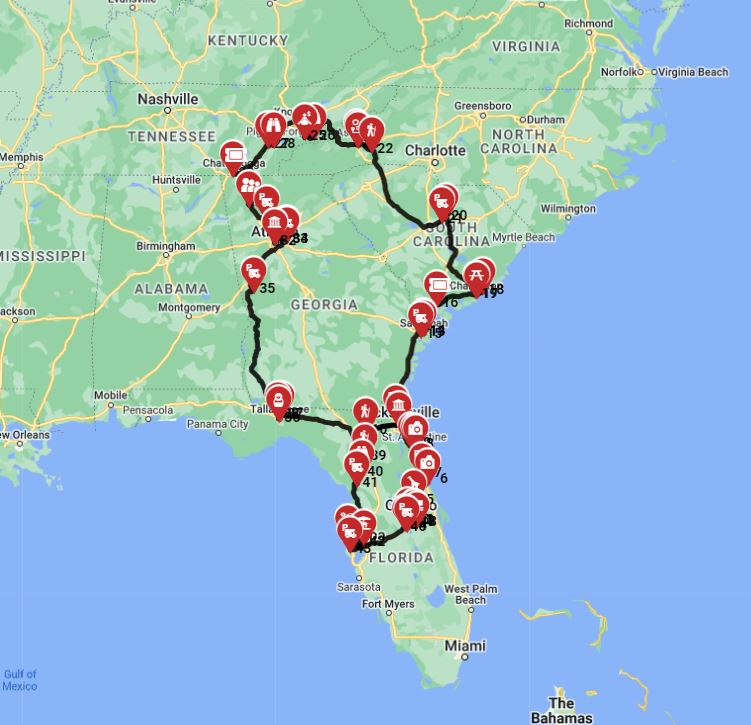
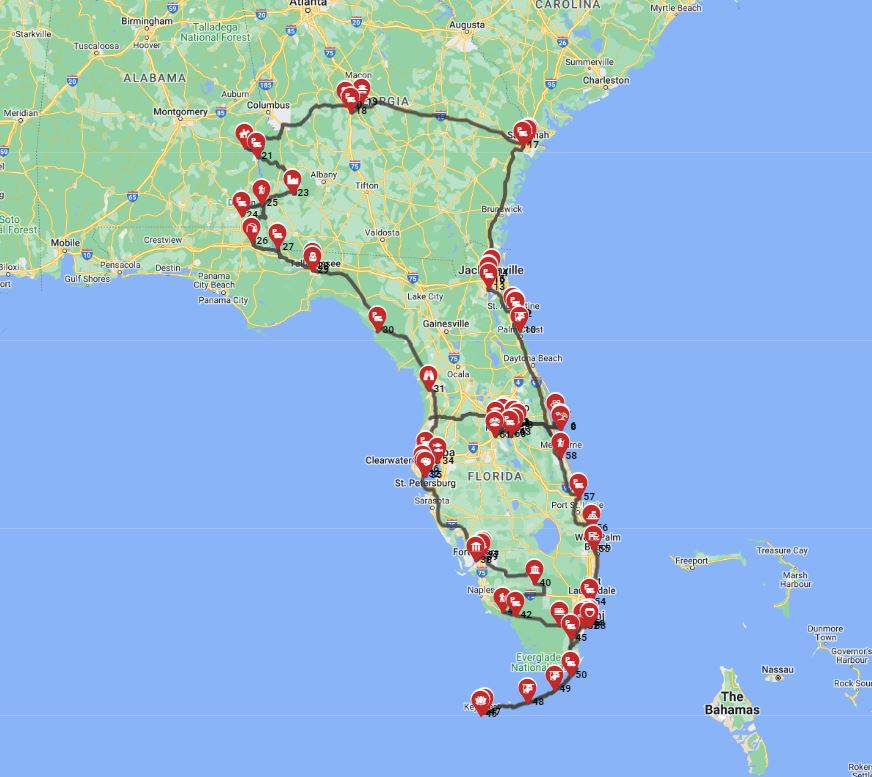
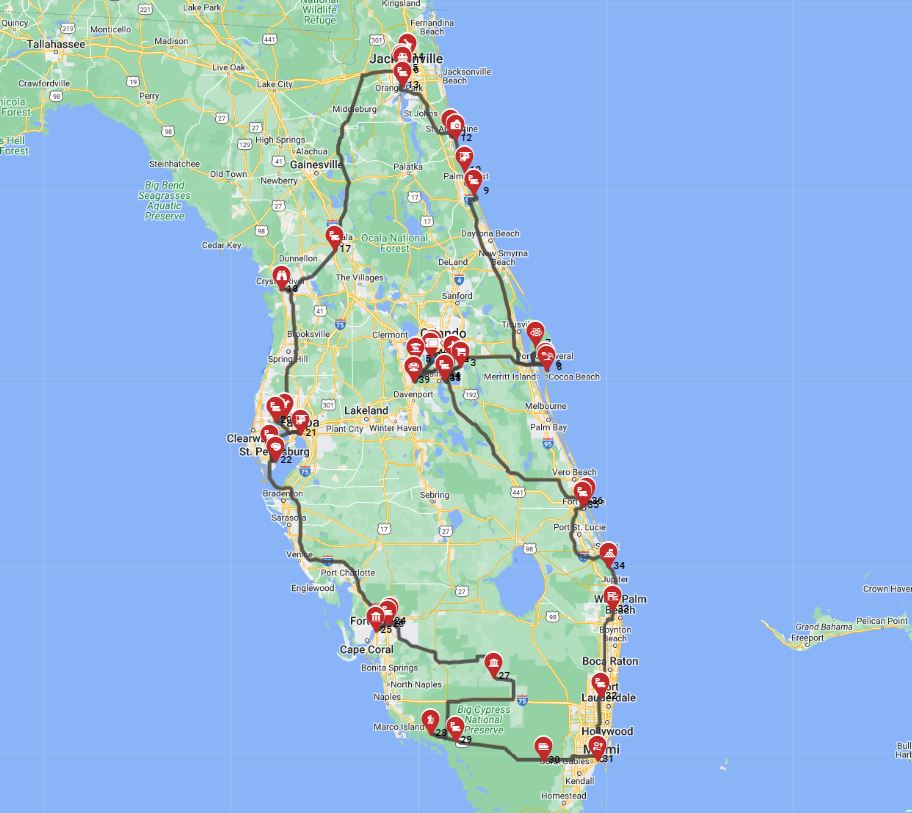
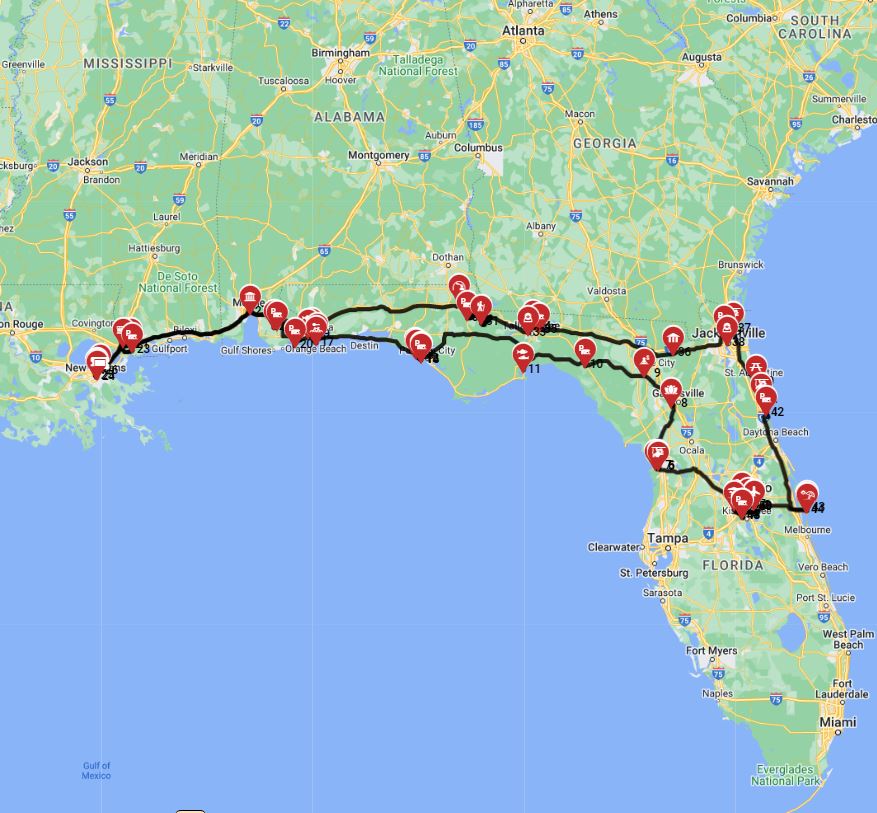
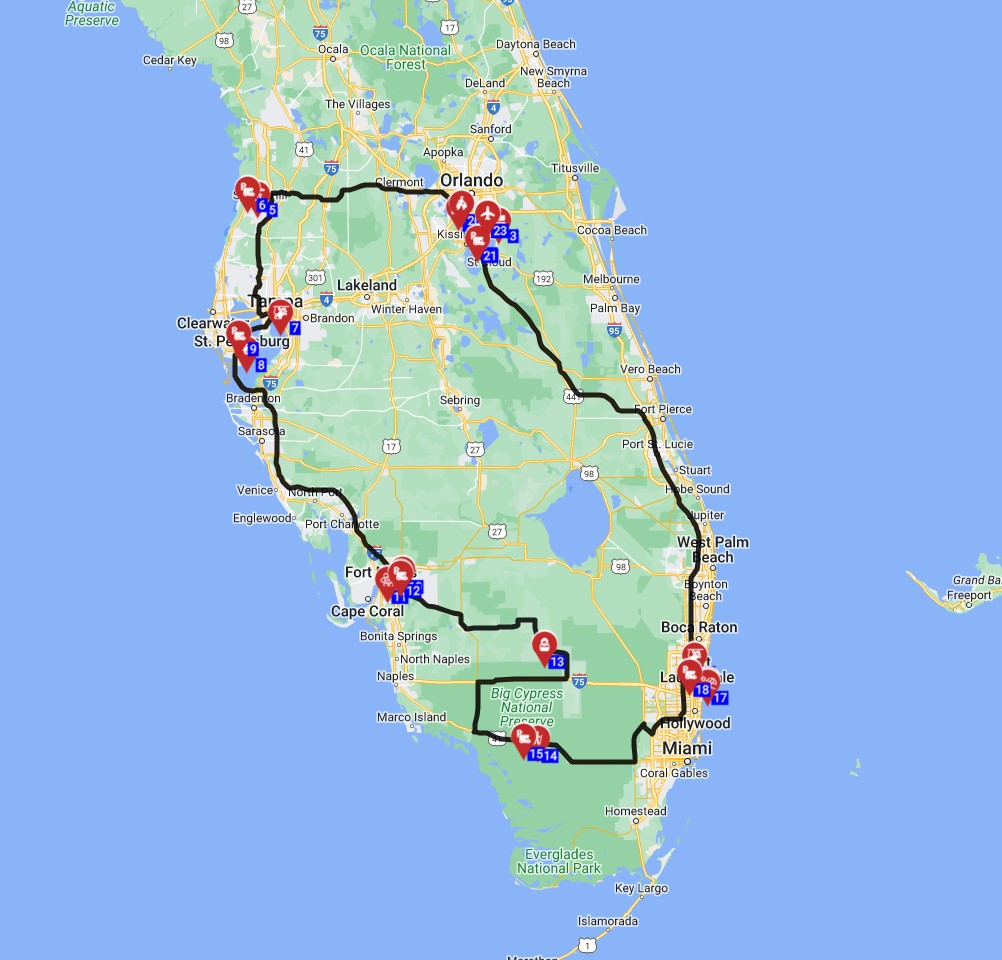
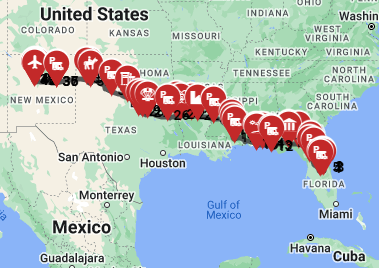
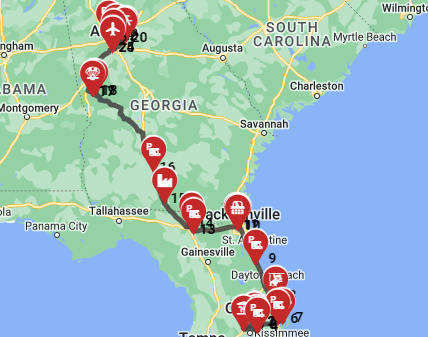
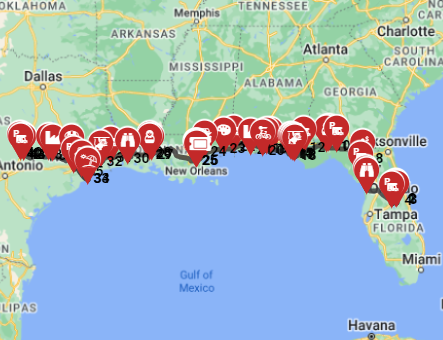
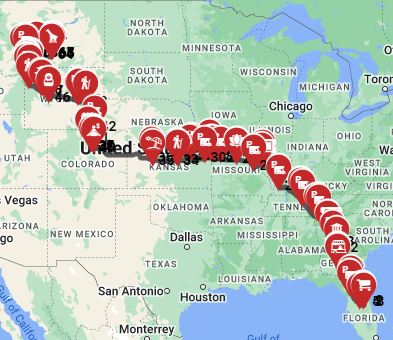
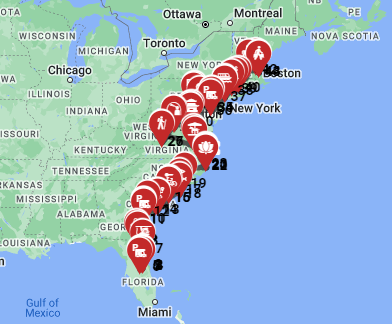
While a beginner's Orlando RV trip typically focuses on the region's immediate attractions, RVPlan offers a comprehensive cross-country adventure that can serve as an inspiring starting point or grand finale for your explorations. The "
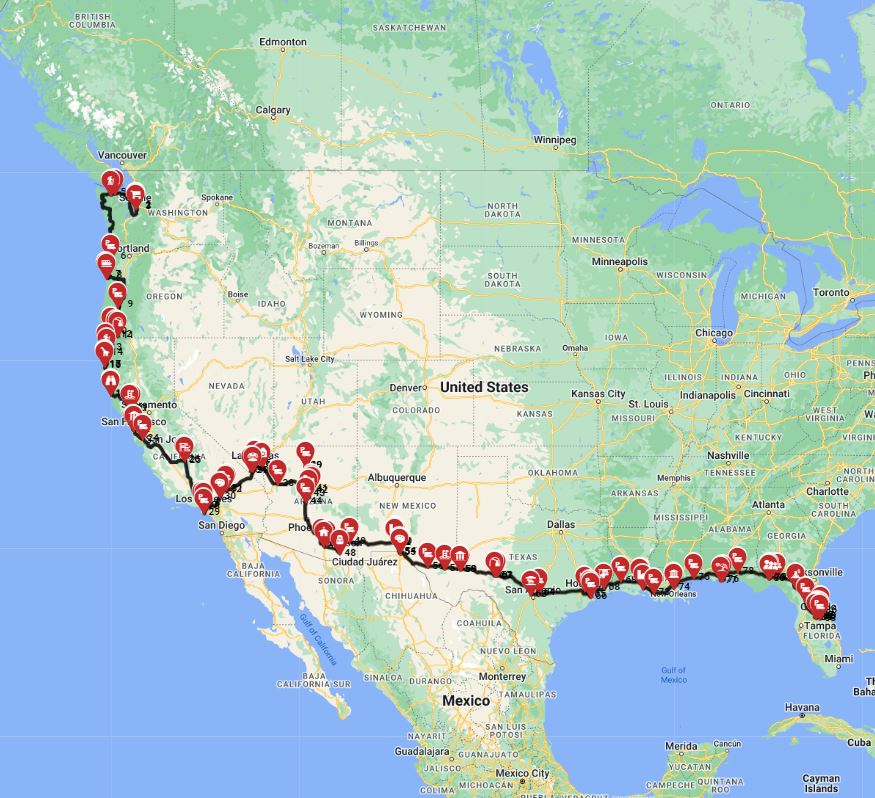
This grand journey, titled "
For those just starting their RV journey and specifically looking to explore Orlando and its surrounding Central Florida attractions, Avi Bandana, our founder, highly recommends utilizing the RVPlan platform to discover shorter, more localized itineraries. These curated plans are perfectly suited for a first-time RV experience in the region, simplifying the planning process and ensuring a smooth introduction to RV travel.
Must-See Stops Along the Way (Avi Bandana Picks)
When planning any RV trip, Avi Bandana emphasizes the importance of seeking out stops that offer unique local experiences. This includes exploring traditional markets, understanding local industries, and visiting specific cultural or natural sites to truly immerse yourself in the destination. For Orlando beginners, this translates to looking beyond the major theme parks for authentic Florida flavor.
Traditional Visits: Seek out sites that offer a genuine glimpse into the local heritage or natural beauty. In the Central Florida region, this could mean wandering through historic downtowns like Sanford or Mount Dora, which retain much of their original charm, or visiting scenic state parks that showcase Florida's natural landscapes beyond the theme park attractions.
Traditional Restaurants / Fine Dining: Make time to savor authentic local cuisine. For Orlando RV novices, this might involve sampling fresh Florida seafood, experiencing the vibrant flavors of Cuban-inspired dishes, or enjoying hearty Southern comfort food from local, non-chain eateries that are popular with residents.
Traditional Markets: Discover local farmers' markets or artisan fairs. These are excellent places to experience regional flavors, find unique, locally-made souvenirs, and interact directly with vendors. Orlando hosts various weekend markets offering fresh produce, handmade crafts, and local delicacies.
Local Industry: Explore industries unique to Florida. This could include visiting citrus groves, many of which offer tours and tastings, or discovering small craft breweries and distilleries that highlight regional ingredients and production methods, providing a taste of local enterprise.
Daily Driving Distances & Drive Times in Orlando
Avi Bandana recommends a relaxed approach to driving, suggesting a maximum of 100 miles or 150 km per day on average for RV travel. This guideline is especially crucial for beginners navigating Orlando, as it ensures a comfortable and enjoyable journey without the stress of overly long hauls. This slower pace allows ample time to comfortably manage your RV, account for potential traffic delays, explore scenic routes, and avoid driver fatigue.
Example Drive Time 1: Orlando International Airport (MCO) to Disney's Fort Wilderness Resort & Campground
This initial drive is approximately 25-30 miles (40-50 km) and typically takes around 45-60 minutes. Factor in the time needed for RV pickup procedures and your initial unfamiliarity with the vehicle's size and handling.
Example Drive Time 2: Fort Wilderness to Kennedy Space Center Visitor Complex
This popular day trip covers about 60 miles (96 km) and usually requires around 1.5 hours of driving. This route primarily involves highway travel.
Example Drive Time 3: Fort Wilderness to Wekiwa Springs State Park
This is a shorter, more local excursion, covering approximately 30 miles (48 km) to the north, with a drive time of about 45 minutes. It offers a pleasant journey to a natural attraction.
Beginners should always account for potentially increased travel times when driving a larger vehicle, particularly when navigating Orlando's busy city streets and areas surrounding the major theme parks. Planning your routes to avoid peak traffic hours whenever possible will significantly enhance your driving experience.
Best RV Class for This Itinerary — Couple & Family Picks
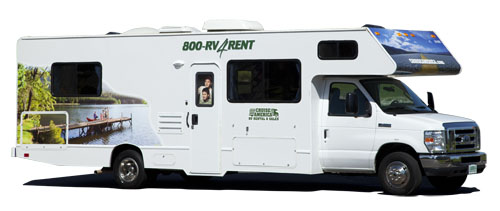
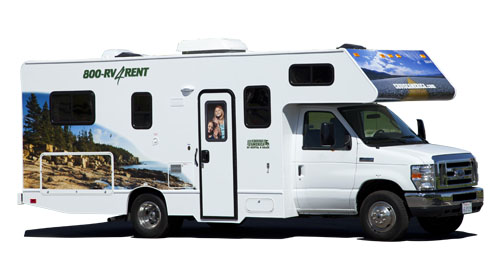
When selecting an RV for your Orlando adventure, the ideal choice balances ease of driving with sufficient space and amenities. For beginner RV rentals in Orlando, **Class TC - Truck Campers** are often recommended for couples due to their compact size and maneuverability, while **Class C - Alcove** models are excellent for families.
For Couples: Class TC - Truck Camper
Orlando's rental fleet typically features Class TC - Truck Campers that measure around 5 meters (16.4 ft) in length and are designed to sleep two adults comfortably. These units are exceptionally maneuverable, making them easy to drive and park in various Orlando settings, from theme park parking lots to the tighter spots sometimes found in state park campgrounds.
For Families: Class C - Alcove
For families, the Class C - Alcove RV is an outstanding choice. Orlando's rental offerings include Class C - Alcove motorhomes averaging 8.3 meters (27.2 ft) in length, comfortably sleeping up to 5.8 people (based on average capacity). Their design, often featuring an over-cab bed, maximizes living and sleeping space while remaining more manageable for beginners to drive than larger Class A models. This makes them perfect for navigating to and from Orlando's family-friendly attractions.
To further simplify your trip planning and ensure you have a seamless RV experience, Avi Bandana offers the 'Rent & Plan' service. This comprehensive offering combines your RV rental with a professionally crafted itinerary, providing full access to trip-planning software and removing the guesswork for first-time RVers.
What is the 3-3-3 rule when RVing?
The 3-3-3 rule is a popular guideline for RV travel, especially for those new to the experience. It suggests a relaxed pace: driving no more than 300 miles (approximately 480 km) in a day, aiming to arrive at your campground by 3 PM, and staying for at least 3 nights at each location. This promotes a healthy balance between exploration and rest.
Drive no more than 300 miles a day: This mileage limit is designed to prevent driver fatigue, particularly for beginners who are still getting accustomed to handling a larger vehicle. It also allows flexibility for unexpected detours or traffic without feeling overly rushed.
Arrive by 3 PM: Reaching your campground in the early afternoon provides ample daylight hours for setting up camp. This includes connecting utilities like water and electricity, troubleshooting any initial issues with your RV, and getting acquainted with the campground's amenities before sunset.
Stay for at least 3 nights: Spending three nights at each stop significantly reduces the time and effort spent on packing and setting up. This duration allows for a deeper exploration of the local area, shifting the focus from constant driving to truly experiencing your destination.
What is the 4 4 4 rule for RVing?
The "4-4-4 rule" for RVing is a variation of the more common 3-3-3 guideline, suggesting a slightly more ambitious yet still leisurely travel style. It advises travelers to drive no more than 400 miles a day, arrive at their destination by 4 PM, and stay for at least 4 nights. This approach can be suitable for those with some RV experience or for longer routes where covering more ground is desired.
Drive no more than 400 miles a day: This allows for covering more distance compared to the 3-3-3 rule, while still maintaining a manageable driving schedule. It’s a good option for intermediate RVers or when you have a longer trip ahead.
Arrive by 4 PM: While a bit later than the 3 PM guideline, arriving by 4 PM still provides sufficient daylight to comfortably set up camp, get oriented with your surroundings, and begin to relax before dark, especially during months with longer daylight hours.
Stay for at least 4 nights: Spending four or more nights at each location offers an even more in-depth exploration of the area. This extended stay minimizes the effort of frequent campsite changes and allows for more relaxation and spontaneous local excursions.
What is the 2 2 2 rule for RVing?
The 2-2-2 rule represents the most conservative and relaxed guideline for RVing, making it an excellent approach for absolute beginners or those who prefer a very slow-paced, stress-free journey. This rule recommends driving no more than 200 miles (approximately 320 km) in a day, arriving at your destination by 2 PM, and staying for at least 2 nights.
Drive no more than 200 miles a day: This highly conservative daily distance significantly reduces driving stress for new RV drivers. It's particularly beneficial when navigating larger vehicles or unfamiliar roads, maximizing both safety and enjoyment.
Arrive by 2 PM: This early arrival guarantees the maximum amount of daylight for setting up your RV. It provides ample time for troubleshooting any initial challenges, getting acquainted with the campground, and enjoying its amenities without feeling pressured by approaching darkness.
Stay for at least 2 nights: While shorter than other guidelines, staying for two nights still allows for a full day of exploration at your destination. It's a great way for beginners to gain confidence by moving more frequently as they become more comfortable with RV travel.
Is it cheaper to rent an RV or stay in a hotel?
For families or those planning longer trips, renting an RV can be significantly cheaper than staying in a hotel. This cost-effectiveness is amplified by substantial savings on dining out, thanks to the convenience of having a full kitchen, and the ability to visit multiple destinations without incurring new lodging costs each night.
RV Costs to Consider: When budgeting for an RV trip, factor in rental fees (which vary daily based on season and RV class), fuel (a major expense for larger vehicles), campground fees (ranging from basic sites around $30 to premium resort amenities like Disney's Fort Wilderness at $100+ per night), propane for cooking and heating, potential dump station fees, and RV-specific parking at attractions (e.g., $25-$30+ at Orlando theme parks).
Hotel Costs to Consider: Conversely, hotel costs include nightly room rates (which can easily double or triple for families needing multiple rooms or suites), the necessity of dining out for every meal, rental car expenses, daily hotel parking fees, and potential resort fees that are often not immediately apparent.
Cost Comparison for Families/Groups: RV travel often proves more economical for families or groups because a single rental fee covers everyone's lodging. Furthermore, the ability to prepare meals onboard drastically reduces food expenses compared to daily restaurant dining. You can also explore RV PLANET routes to help itemize and track all these ancillary costs for easy budgeting.
Cost Comparison for Longer Trips: For trips extending beyond a few days, RVs consistently offer better value. While the initial rental costs might seem high, the effective per-night cost decreases with longer durations. The inherent mobility of an RV also allows for seamless exploration of multiple locations without the hassle of booking new hotels at each stop.
Beyond Monetary Costs: The true value of RVing extends beyond direct financial comparisons. It offers unparalleled flexibility, the freedom to change plans on a whim, and a unique travel experience that often prioritizes nature, connection, and spontaneous adventures. These intangible benefits significantly enhance the overall value of your trip.
What You Shouldn't Miss
- Theme Park Immersion: Dedicate at least two full days to exploring the iconic theme parks like Magic Kingdom, Epcot, Hollywood Studios, and Universal Studios Florida. Renting an RV makes it easy to return to your 'home base' for breaks or to manage logistics.
- Kennedy Space Center Visitor Complex: A day trip to the Space Coast offers a fascinating glimpse into America's space program. The drive is manageable, and the experience is truly out of this world.
- Wekiwa Springs State Park: Escape the theme park crowds for a day and enjoy the natural beauty of Florida's springs. It’s perfect for swimming, picnicking, and a dose of tranquility.
- Disney Springs: Even without park tickets, Disney Springs is a vibrant hub for dining, shopping, and entertainment, easily accessible from many Orlando campgrounds.
- Local Culinary Scene: Venture beyond the tourist hubs to discover authentic Florida flavors at local restaurants, perhaps trying some fresh seafood or Southern comfort food.
- Gatorland: For a classic Florida experience showcasing unique wildlife, a visit to Gatorland offers thrilling encounters with alligators and other native creatures.
Final Thoughts
Renting an RV for your Orlando adventure opens up a world of flexibility and fun, especially for first-time renters. By focusing on a manageable itinerary, choosing the right vehicle, and embracing the RV lifestyle, you're set for an unforgettable experience.
Remember to utilize resources like RV PLANET (rvplan.net) for route planning and campsite research. With Bandana Caravan, you get transparent pricing and dedicated support, ensuring your journey is as smooth as possible. So, pack your bags, hit the road, and get ready to discover the magic of Orlando from the comfort of your own mobile home!
Find Motorhome Rentals in Orlando