In This Guide
- Where to Camp in New Zealand - Top Options
- Campground Types in New Zealand (National, Private, Wild)
- Featured RV Park or Campground in New Zealand
- Hookups and Amenities - What to Expect
- Booking Windows and Reservations in New Zealand
- Nearby Supermarkets and Resupply Points
- Best RV Class for Camping in New Zealand
- How to Save on Campgrounds in New Zealand
- Can I park my motorhome anywhere in New Zealand
- How much does it cost to park a campervan in New Zealand
- Does New Zealand have RV parks
- Can you free camp anywhere in New Zealand
- How much does it cost to stay at a campground in New Zealand
- Can you sleep in a camper anywhere in NZ
- Is New Zealand RV friendly
- Do you need a special license to drive an RV in New Zealand
- How much do campsites cost in New Zealand
- Is it worth getting a campervan in New Zealand
- What You Shouldn't Miss
- Why Book with Bandana Caravan
- Final Thoughts
- Frequently Asked Questions
Imagine embracing the crisp air and stunning snow-capped landscapes of New Zealand during winter, all from the comfort and warmth of your rented motorhome with heated sites. This unique experience offers unparalleled freedom to explore the breathtaking beauty of both the North and South Islands at a tranquil pace. For live availability and current prices, start with our RV Rental New Zealand - Complete Guide 2026 guide.
Renting a campervan or motorhome for a winter adventure in New Zealand provides an intimate connection with nature, allowing you to chase the best conditions for skiing, hiking, or simply enjoying the serene winter scenery. With Bandana Caravan, we're here to ensure your journey is seamless, from comparing the best deals on winter-ready RVs to helping you plan your route with full transparency and no hidden fees.
Where to Camp in New Zealand - Top Options
New Zealand offers diverse camping experiences, from national parks to coastal havens across both the North and South Islands. Popular regions for winter RV camping include the stunning Fiordland National Park, where you can marvel at Milford Sound, the geothermal wonders around Rotorua, and the beautiful beaches of the Coromandel Peninsula, which offer quieter retreats in colder months. Choosing a camping location often depends on your desired activities, whether it's skiing near Queenstown, hiking a snowy trail, or simply enjoying scenic tranquility from your warm motorhome.
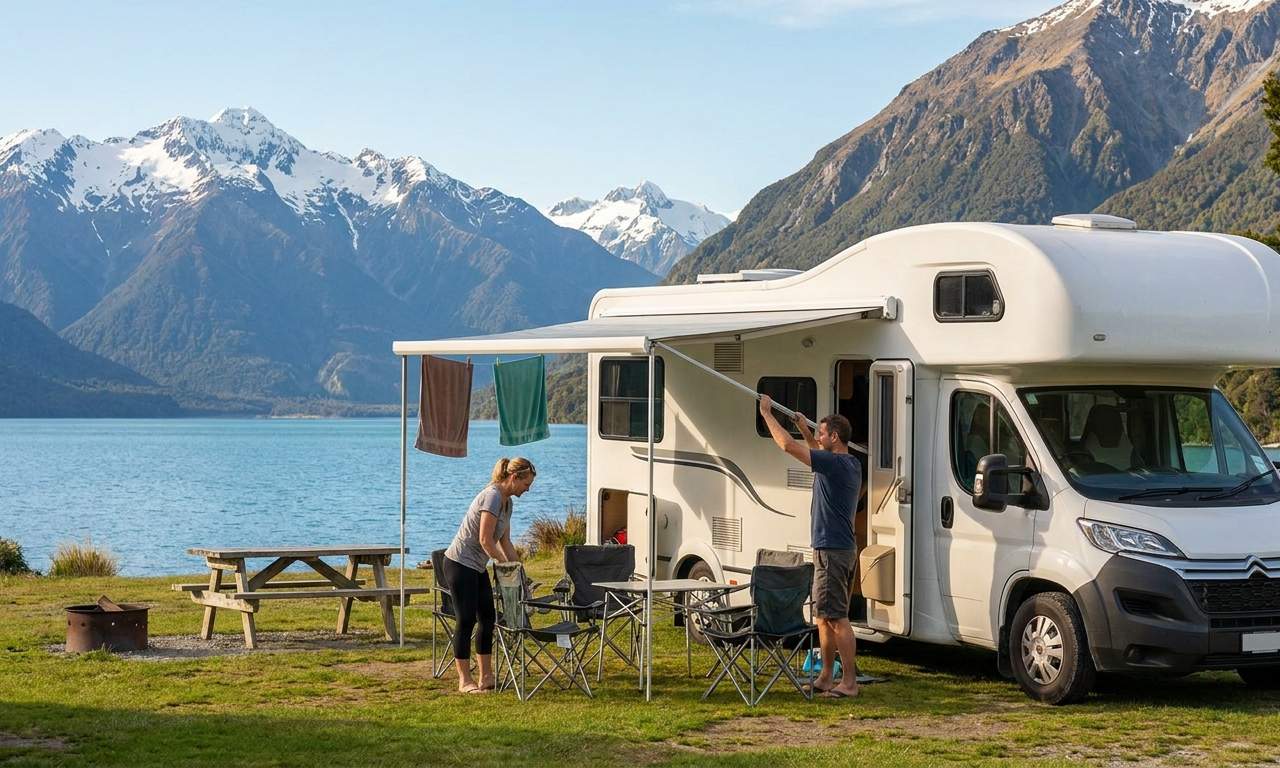
When seeking heated sites in New Zealand, private holiday parks are your best bet, offering reliable electricity for your RV's onboard heating systems. Many also feature communal lounges and kitchens, which are particularly inviting during cooler evenings. For those exploring the South Island, the areas around Queenstown, Wanaka, and Te Anau provide numerous campgrounds that cater to winter travelers, ensuring a warm and comfortable stay after a day of adventure.
Campground Types in New Zealand (National, Private, Wild)
New Zealand features three main types of camping for your rented RV: Department of Conservation (DOC) campsites, private Holiday Parks, and designated Freedom Camping areas. DOC campsites, numbering over 200, range from basic (minimal facilities like long-drop toilets and untreated water taps, very scenic) to serviced (toilets, water, sometimes hot showers) and are typically found in national parks and conservation land. Private Holiday Parks, found in towns and popular tourist spots, offer extensive amenities, including powered sites, hot showers, kitchens, laundries, and often playgrounds or swimming pools, ideal for staying warm and comfortable in winter.
Freedom Camping is permitted only in specific designated areas for certified self-contained vehicles, and strict local bylaws govern where it is allowed or forbidden. To find legal freedom camping spots, consulting official sources or apps is essential to avoid fines of NZD $200-$400. Remember, while wild camping in an RV can offer solitude and spectacular views, ensuring your rental motorhome is 'Winter Ready' with efficient heating and adequate insulation, like the "2 Berth Hi Top" campervan, is crucial for comfort and safety.
Featured RV Park or Campground in New Zealand
A prime example of a top-tier New Zealand RV park for winter travelers is the Queenstown Lakeview Holiday Park, which boasts breathtaking mountain views and immediate access to Lake Wakatipu. This park offers a full range of amenities including powered sites for consistent heating, clean and modern shower and toilet facilities, communal kitchens with cooking facilities, and convenient dump stations. Strategically located near Queenstown's vibrant center and ski fields, it provides a perfect base for exploring the region's winter attractions. On the routes offered through RV PLANET routes, you can itemize and track every expense along the way for easy budgeting.
Another excellent choice is the White Horse Hill Campground near Mount Cook, operated by DOC, offering basic facilities but unparalleled access to stunning alpine landscapes, though powered sites might be limited. For a different vibe, consider a Holiday Park in Rotorua to enjoy geothermal hot pools, a perfect way to warm up after a day of adventure. These parks are usually well-equipped to handle winter visitors, offering comfort and convenience.
Hookups and Amenities - What to Expect
In New Zealand, most powered campsites provide 230-240V electricity with Type I sockets (three flat pins, similar to Australia and China), water hookups, and access to dump stations for grey and black water. These powered sites are essential for running your rented motorhome's onboard heating system, ensuring a warm and comfortable environment during colder winter nights. Standard amenities at private holiday parks often include reliable hot showers, flush toilets, communal kitchens with cooking facilities, laundromats, and occasionally paid Wi-Fi access, offering all the comforts of home.
Department of Conservation (DOC) campsites may offer more basic facilities, such as long-drop toilets and untreated water taps, with fewer hookup options, especially at their most remote sites. Therefore, if you prioritize warmth and full amenities during your winter RV camping trip in New Zealand, opting for a private holiday park is highly recommended. Proper waste management, including utilizing designated dump stations for grey and black water, is crucial for maintaining New Zealand's pristine environment, whether you're staying at a serviced site or freedom camping.
Booking Windows and Reservations in New Zealand
For popular New Zealand campgrounds, especially DOC sites and private holiday parks during peak winter season (July-August for ski regions like Queenstown and Wanaka), booking 3-6 months in advance is highly recommended to secure your preferred spot. Many national park campgrounds operated by DOC only release 25%-30% of their spots for advance reservations, with the remainder available on a first-come, first-served basis, often requiring same-day or next-day booking. This means spontaneous travelers can often find a place to stay, particularly in the shoulder seasons, but it is always advisable to call ahead or check availability using apps like CamperMate or Rankers before driving to a remote site.
You will almost certainly find a place to park your rented campervan-if not at the first campground, then at the next one. Having a backup plan or flexibility in your itinerary is beneficial, especially if your heart is set on a specific, popular location during high season. Bandana RV can help you compare RV rental options, but for finding campsites during your trip, we recommend using RV PLANET (rvplan.net) - a great resource for locating available spots along your route.
Nearby Supermarkets and Resupply Points
Stocking up on groceries and supplies for your rented RV adventure in New Zealand is convenient with major supermarket chains like Countdown, Pak'nSave, and New World found in most towns and cities. These supermarkets offer a wide range of products, including fresh produce, meat, dairy, and pantry staples perfect for cooking delicious meals in your motorhome. Remember to consult our RV-friendly recipes playlist for inspiration!
For fresh produce and local goods, look for farmers' markets or smaller local stores, especially when traveling through more rural regions or smaller towns. It's wise to plan ahead for remote areas like Fiordland or the West Coast, ensuring you have enough food, water, and other essentials, as resupply points can be infrequent on less-traveled routes. When planning your route and budget, consider that RV PLANET routes allow travelers to itemize and track every expense along the way for easy budgeting, helping you manage costs like groceries and fuel efficiently. You can explore these RV PLANET routes to get started.
Best RV Class for Camping in New Zealand
The best RV class for camping in New Zealand depends on your travel style, group size, and desired level of amenities, with Class B Camper Vans and Class SI Semi-integrated models offering a good balance for diverse experiences, especially for winter travel. Class B Camper Vans, like the "2 Berth Hi Top" or "Active Standard Select", average 5.8m in length, sleep 2-3, accommodate 2-3 adults, consume about 8-10 Liters/100 km, and are ideal for agile travel and fitting into more compact freedom camping spots, especially if certified self-contained and 'Winter Ready' with heating.
Class SI Semi-integrated RVs, such as the "Koru Star 4 Freedom" or "Auto-Trail F60", typically average 6.9m in length, sleep 3-4, accommodate 3-4 adults, and use 10-11 Liters/100 km, offering more comfort and facilities while still being manageable on New Zealand's roads. Larger Class C Alcove models (e.g., "Koru Star 6 Freedom", 7.5m avg. length, 5-6 sleeping places) are excellent for families or groups seeking more space and amenities, though they are best suited for powered sites at holiday parks due to their size. For winter RV camping, ensure your chosen model is listed as 'Winter Ready' to guarantee adequate heating and insulation, providing comfort even when the temperatures drop.
How to Save on Campgrounds in New Zealand
Utilizing campground discount cards, often offered by RV rental suppliers or local associations, can provide significant savings on daily rates at participating holiday parks and private campgrounds across New Zealand. These cards can reduce costs by 10-20% per night, especially during an extended road trip. Consider traveling during the shoulder seasons (spring and autumn) when campsite prices are generally lower and campgrounds are less crowded than in the peak summer or winter ski months. For more options, explore our "Cheap RV Rental in New Zealand - Budget Guide 2026".
Opting for Department of Conservation (DOC) basic or serviced campsites is usually more cost-effective than private holiday parks, offering stunning locations at a fraction of the price (typically NZD $8-25 per person per night). Many campgrounds offer weekly rates or discounts for longer stays (e.g., 3+ nights), so planning extended visits to fewer locations can reduce overall accommodation costs. Legally utilizing designated freedom camping areas with a certified self-contained RV provides the ultimate saving, as these sites are typically free of charge, though they offer minimal amenities.
Can I park my motorhome anywhere in New Zealand
No, you cannot park your motorhome just anywhere in New Zealand for overnight stays; strict regulations govern where RVs can park, especially for freedom camping. Motorhomes must be certified self-contained to be eligible for freedom camping in designated areas, meaning they have a toilet, wastewater tank, and rubbish facilities onboard. Parking illegally or in non-designated areas can result in substantial fines (NZD $200-$400) from local councils or the Department of Conservation, so always check local signage or use official camping apps.
It's important to be respectful of local communities and the environment by only parking in approved spots and correctly disposing of all waste. Drive slowly and carefully, and you can drive almost anywhere without issues. No need to stress - just use common sense and pay attention to road signs and local bylaws. For detailed information on regulations and designated sites, refer to the Department of Conservation website or reliable camping apps specific to New Zealand.
How much does it cost to park a campervan in New Zealand
The cost to park a campervan in New Zealand varies significantly, ranging from free at designated freedom camping sites to NZD $20-80+ per night for powered sites at holiday parks or private campgrounds. Department of Conservation (DOC) campsites typically cost between NZD $8-25 per person per night, depending on the level of facilities (basic vs. serviced). Private holiday parks offer powered sites for approximately NZD $40-90 per night for two people, with additional charges for extra occupants or premium amenities like communal kitchens and hot showers.
Factors influencing the price include location (e.g., popular tourist hubs like Queenstown often have higher rates), season (peak summer or winter ski season will be more expensive), and the facilities provided. For a detailed overview of costs, consider reviewing "RV Rental in New Zealand - Prices and Best Deals 2026" or "Luxury RV Rental in New Zealand - Premium Prices 2026" for different budget options. Don't forget to factor in ancillary costs like fuel, propane, and dump fees when budgeting for your trip.
Does New Zealand have RV parks
Yes, New Zealand has a comprehensive network of RV parks and campgrounds, often referred to as 'Holiday Parks,' which cater specifically to motorhomes and campervans. These facilities range from full-service holiday parks with extensive amenities, including heated communal areas, to more rustic Department of Conservation (DOC) campsites and designated freedom camping areas. Many RV parks are strategically located in scenic areas or near popular tourist attractions, making them convenient bases for exploration.
Whether you're looking for a bustling park with all the creature comforts or a secluded spot in nature, New Zealand's diverse camping infrastructure has something for every RV traveler. When planning a trip, particularly during winter, prioritize parks with powered sites and facilities that are comfortable in cooler temperatures. Checking reviews and booking in advance, especially for popular areas, is always a smart move.
Can you free camp anywhere in New Zealand
No, you cannot free camp anywhere in New Zealand; freedom camping is only legally permitted in specific, designated areas for vehicles that are certified as self-contained. Local councils have their own bylaws, which often dictate specific areas where freedom camping is allowed or explicitly prohibited, making it crucial to check local signage and official apps like CamperMate or Rankers. Violating freedom camping rules by camping in prohibited areas or without a self-contained certification can lead to immediate fines and legal penalties, typically ranging from NZD $200 to $400.
It's important to understand what "self-contained" truly means. Your rented RV must have a toilet, wastewater tank, and rubbish facilities onboard to qualify for a self-contained certification. This ensures that you leave no trace and protect New Zealand's pristine environment. Always consult resources like the Department of Conservation website for up-to-date information on freedom camping spots, especially during winter months when some sites may have limited access.
How much does it cost to stay at a campground in New Zealand
Staying at a campground in New Zealand can cost anywhere from NZD $0 at legal freedom camping spots (for certified self-contained RVs) to upwards of NZD $90 per night for a premium powered site at a private holiday park. Department of Conservation (DOC) basic sites are the most affordable paid option, typically NZD $8-10 per adult per night, while DOC serviced sites with more facilities cost around NZD $15-25 per adult per night. Private holiday parks typically charge NZD $40-90 per powered site per night for two people, with prices fluctuating based on location, season, and the specific amenities offered.
Additional costs at private holiday parks might include extra charges for amenities like laundry facilities (NZD $4-6 per load) or paid Wi-Fi access. These costs are often clearly outlined when booking, highlighting Bandana's commitment to full transparency, with no hidden fees or surprises at pickup. For information on specific deals, check out "RV Rental Deals in New Zealand - Latest Offers 2026".
Can you sleep in a camper anywhere in NZ
No, you cannot legally sleep in a camper anywhere in New Zealand; overnight parking and sleeping are strictly restricted to designated campgrounds, holiday parks, or legal freedom camping sites for certified self-contained vehicles. Sleeping in non-designated areas, such as roadside pull-offs, car parks not explicitly marked for overnight stays, or private property without permission, is illegal and can result in significant fines. It is essential to consult official resources like the Department of Conservation (DOC) website, local council websites, or camping apps to identify approved overnight parking locations to avoid penalties.
Always prioritize legal and safe overnight spots. Many RV rental companies, including Bandana's partners like Apollo and Britz, provide information on self-containment regulations. Remember that a standard driver's license is sufficient for all motorhome classes, so you won't need a special permit to drive your rented RV to these designated locations. Drive slowly and carefully, and you can drive almost anywhere without issues. No need to stress - just use common sense and pay attention to signs.
Is New Zealand RV friendly
Yes, New Zealand is exceptionally RV-friendly, offering stunning scenic drives, a well-developed network of campgrounds, and an infrastructure largely supportive of motorhome travel, though specific road conditions require awareness. Drivers should be prepared for varying road conditions, including narrow, winding roads, single-lane bridges (yield to oncoming traffic), and steep mountain passes, especially in the South Island. Navigating inter-island travel requires booking the Interislander or Bluebridge ferry well in advance, particularly for RVs, and being mindful of local etiquette such as disposing of waste properly and respecting private land.
Unique aspects of RV travel in New Zealand include dealing with sandflies in certain areas, particularly during warmer months (less of an issue in winter), and ensuring you have adequate supplies when venturing into more remote regions. Despite these small considerations, the freedom and flexibility a rented RV provides make it an ideal way to explore the country's diverse landscapes. Whether you are after a compact "hire campervan example Paradise S/T" or a spacious "campervan hire new zealand example Hercules", there's a vehicle for your adventure.
Do you need a special license to drive an RV in New Zealand
For most RV rentals in New Zealand, you typically do not need a special license beyond a valid full overseas driver's license, provided the vehicle's Gross Vehicle Mass (GVM) is 6,000 kg or less. This applies to all standard motorhome classes, including Class A, Class B, and Class C. If your driver's license is not in English, you must carry an accurate English translation or an International Driving Permit (IDP) alongside your original license, though an IDP is not mandatory in all cases, it is strongly recommended for clarity.
Larger RVs with a GVM exceeding 6,000 kg may require a heavy vehicle license, but these are rarely offered for tourist rentals. The minimum rental age for motorhomes in New Zealand is 21 years old, with no young driver surcharges and no vehicle class restrictions based on age, making RV travel accessible for many. This straightforward licensing process contributes to New Zealand's RV-friendly reputation, allowing more travelers to experience its incredible landscapes.
How much do campsites cost in New Zealand
Campsite costs in New Zealand are highly variable, with options ranging from free designated freedom camping spots for certified self-contained RVs to around NZD $20-90 per night for powered sites at private holiday parks, depending on amenities and location. Department of Conservation (DOC) campsites provide more budget-friendly options, typically priced per person, while private holiday parks usually charge per site. Basic DOC sites cost NZD $8-10 per adult per night, while serviced DOC sites can be NZD $15-25 per adult per night.
Factors influencing campsite costs include the time of year (peak summer or winter ski season vs. shoulder seasons), the level of facilities offered (e.g., hot showers, laundry, communal kitchens, Wi-Fi), and the proximity to popular tourist destinations. When considering your total trip cost, remember to budget for campground fees, fuel, and other daily expenses. RV PLANET routes offer tools to itemize and track every expense along the way, making budgeting for your New Zealand adventure straightforward.
Is it worth getting a campervan in New Zealand
Yes, getting a campervan in New Zealand is overwhelmingly worth it for the unparalleled freedom, flexibility, and immersive nature experiences it offers, allowing travelers to truly explore the country at their own pace. RV travel provides the unique benefit of bringing your accommodation with you, enabling access to remote, stunning locations often inaccessible to other forms of tourism, fostering a deeper connection with the landscape. Imagine waking up to a new, breathtaking view each morning, with your breakfast just a stove-top away in your comfortable motorhome.
Compared to traditional travel with hotel bookings and separate car rentals, a rented campervan can be a cost-effective option for accommodation and transport combined, especially for longer trips or when utilizing freedom camping opportunities. The ability to spontaneously change your itinerary, stay longer in a place you love, and have all your necessities readily available enhances the overall adventure and creates lasting memories. With a diverse fleet including the versatile "Koru Star 3 Freedom" and family-friendly "new zealand motorhome hire example Euro Deluxe", Bandana RV ensures you find the perfect mobile home for your journey.
What You Shouldn't Miss
New Zealand is a land of incredible diversity, even in winter. Here are a few must-do experiences for your RV adventure:
- Skiing and Snowboarding: Hit the slopes at world-class resorts like Queenstown's Coronet Peak or The Remarkables. Many RV parks in these regions offer heated sites to warm up after a day on the snow.
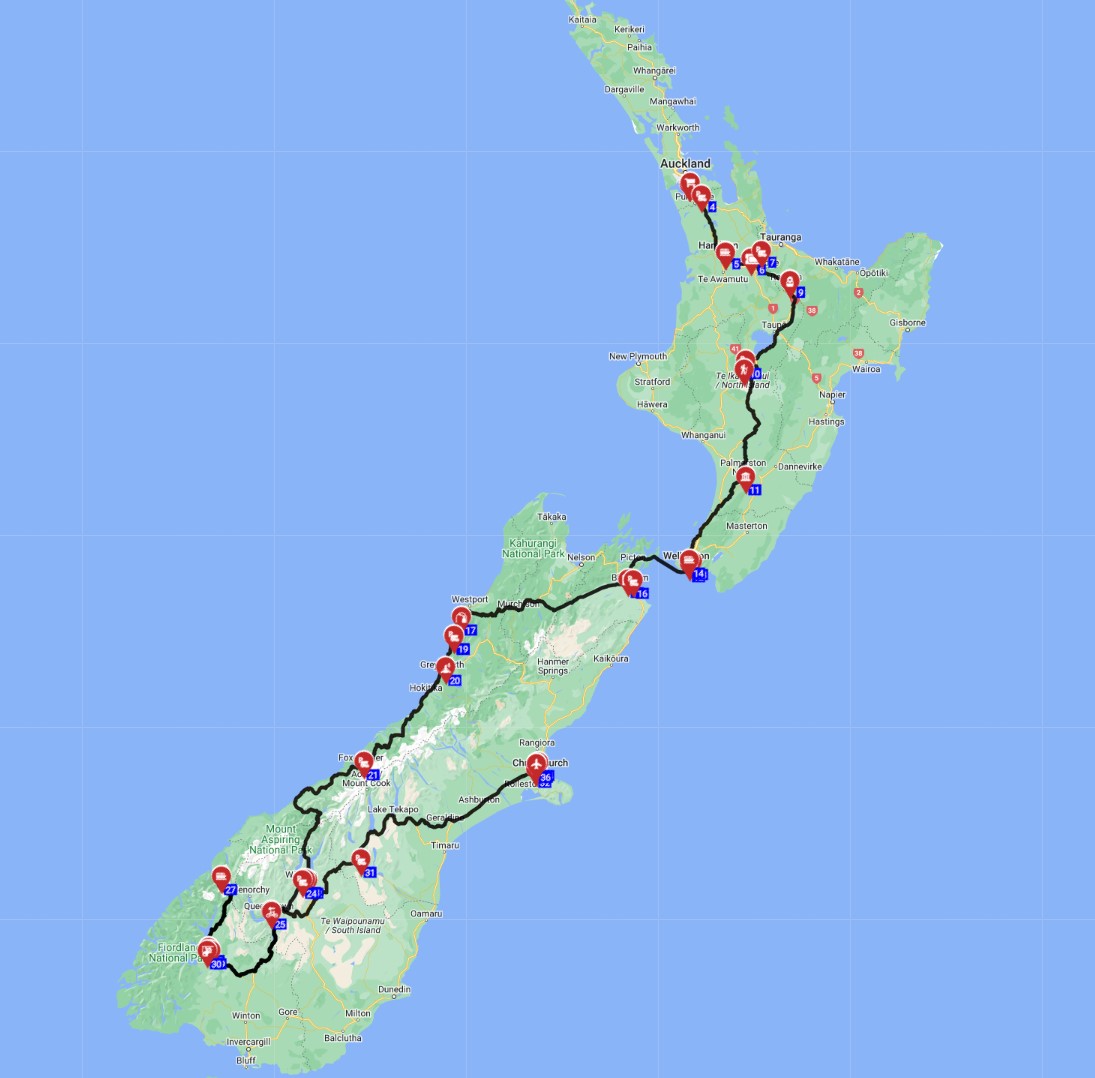
- Milford Sound Cruise: Experience the dramatic fjords of Fiordland National Park, often even more mystical with misty waterfalls and snow-dusted peaks in winter. The "
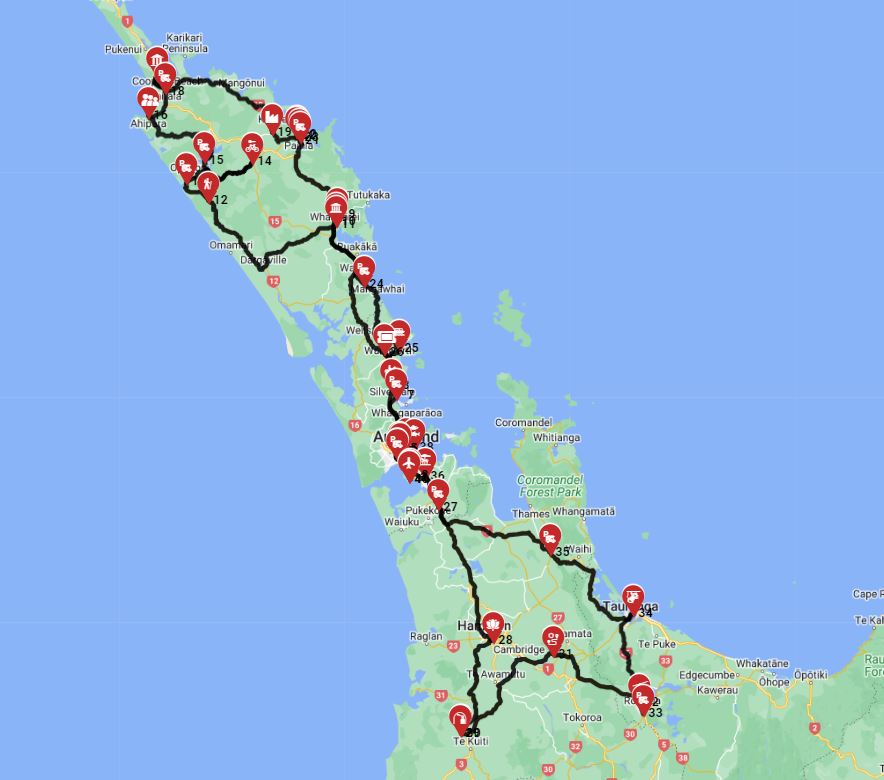
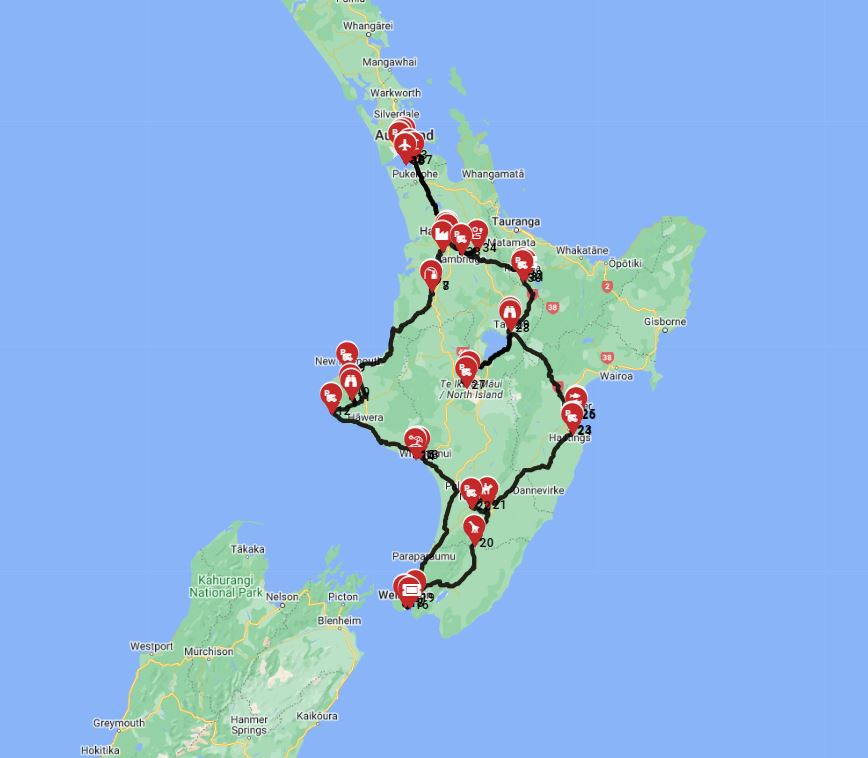
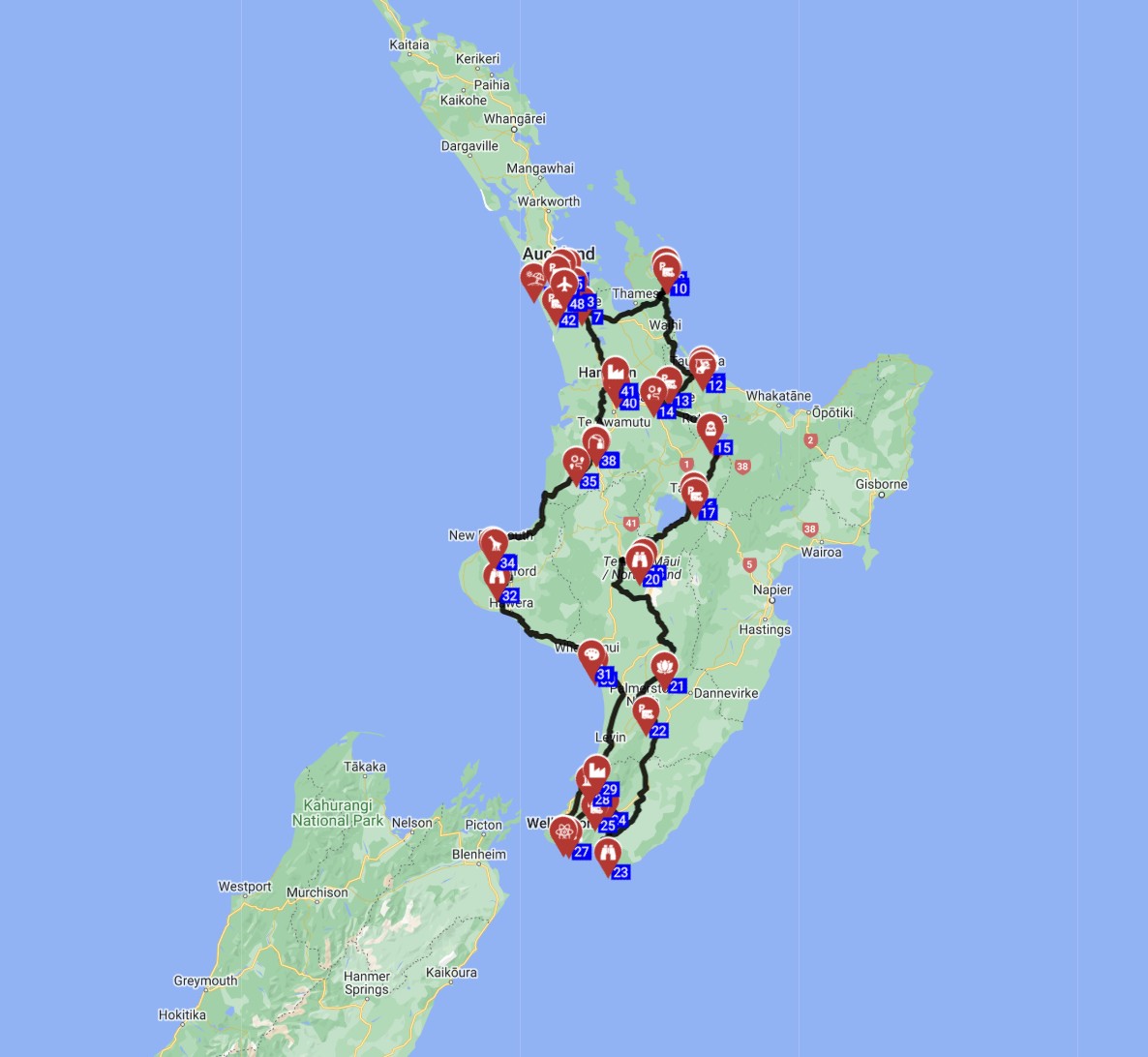
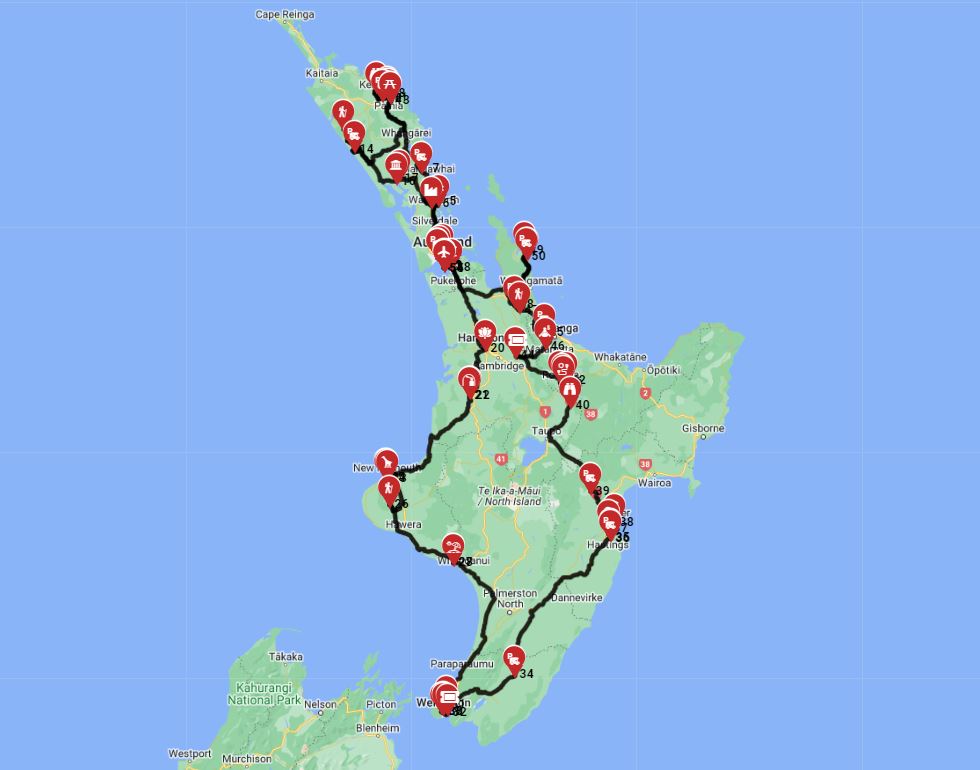
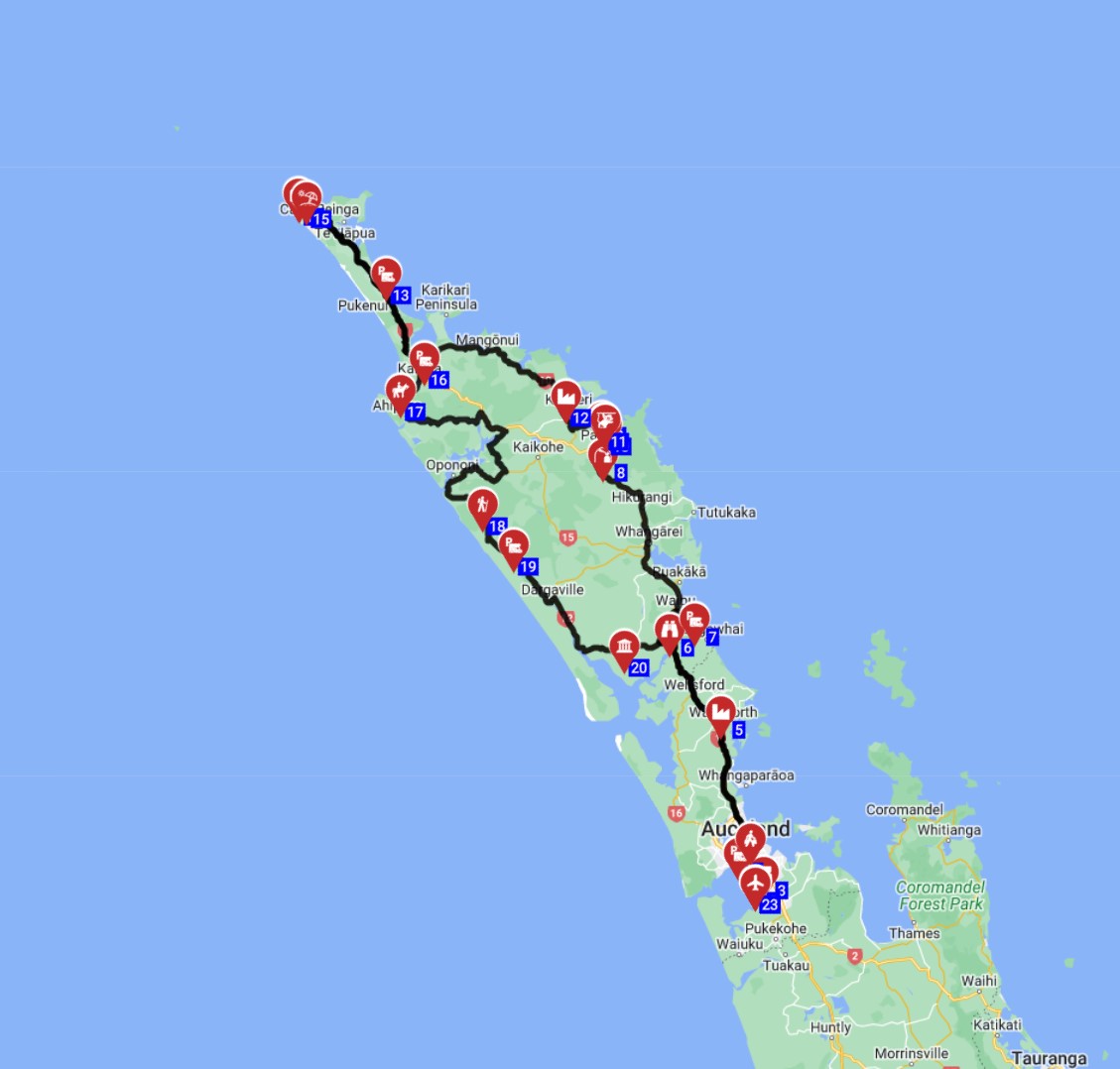
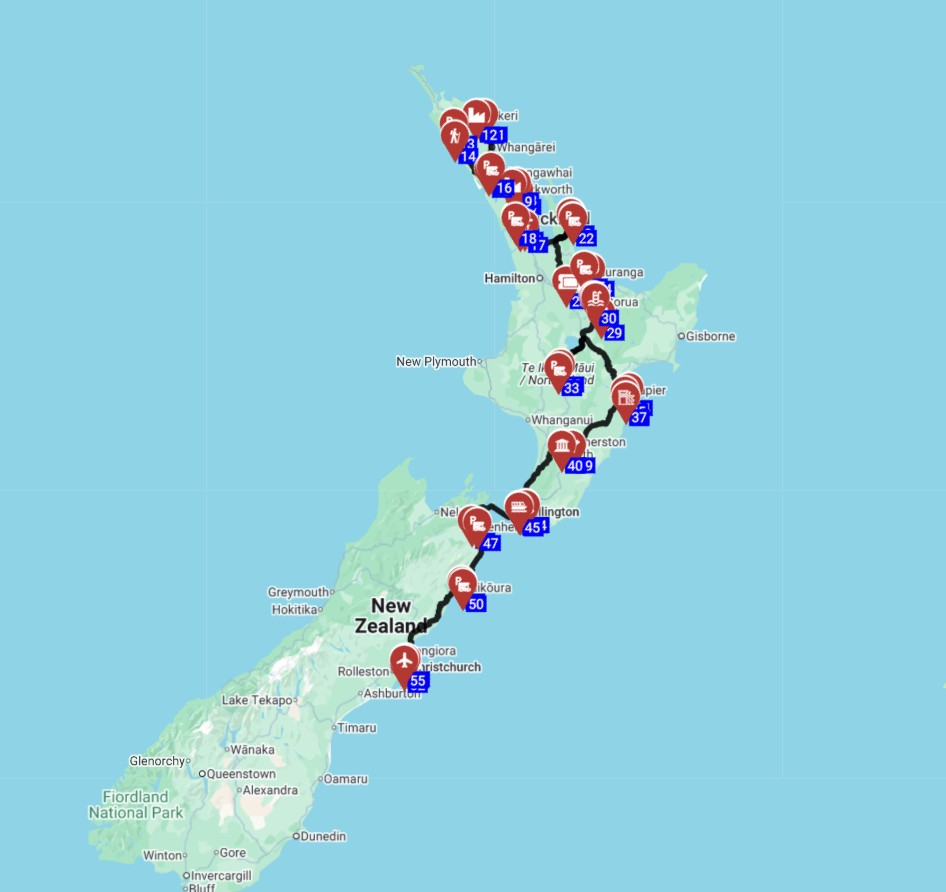
" itinerary, a 18-day, 2647.3 km adventure, includes 3 cruise terminals/sailing experiences.
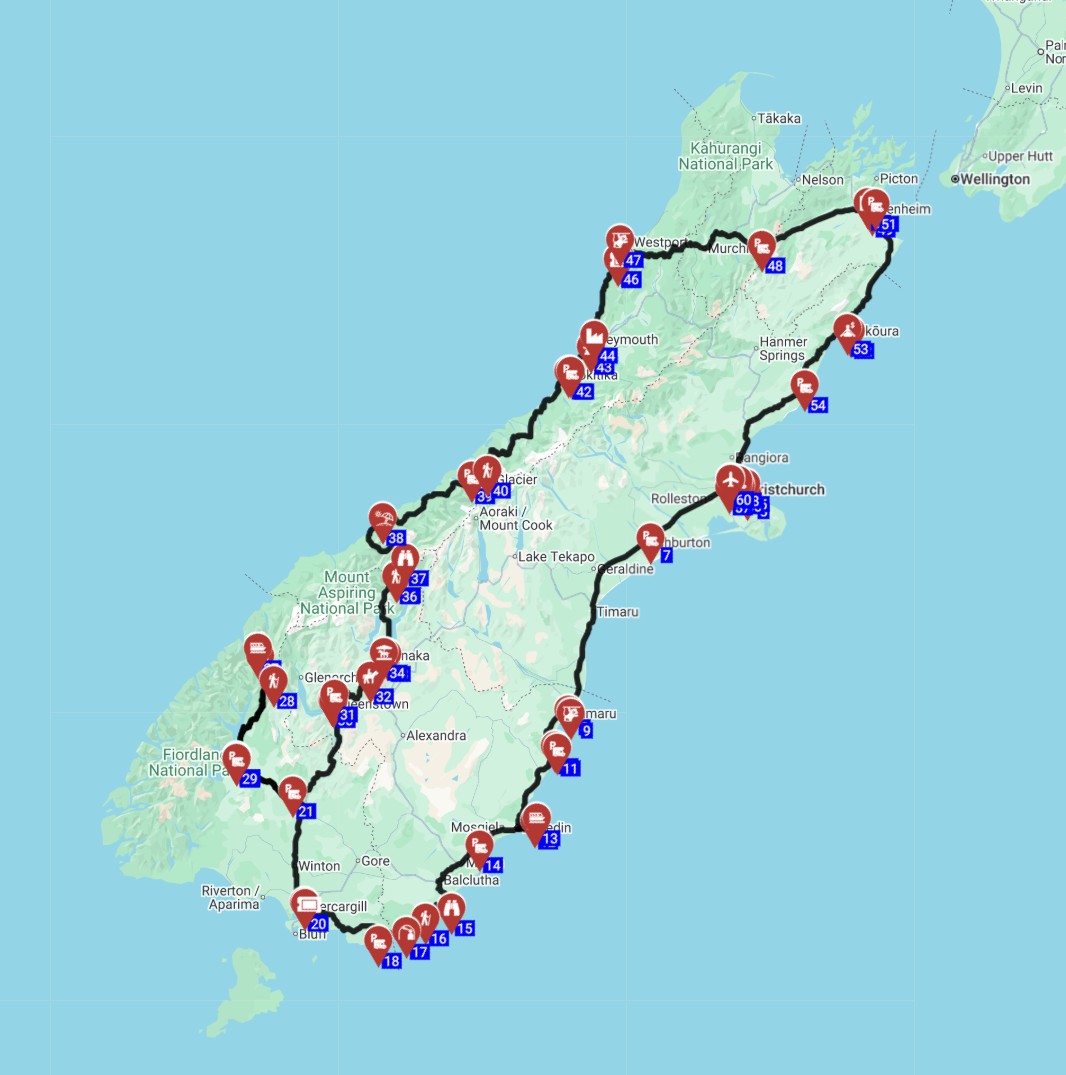 Christchurch Roundtrip - Around the South Island
 - Geothermal Wonders of Rotorua: Warm up in the natural hot pools and witness the vibrant geothermal activity, perfect for a cold winter's day.
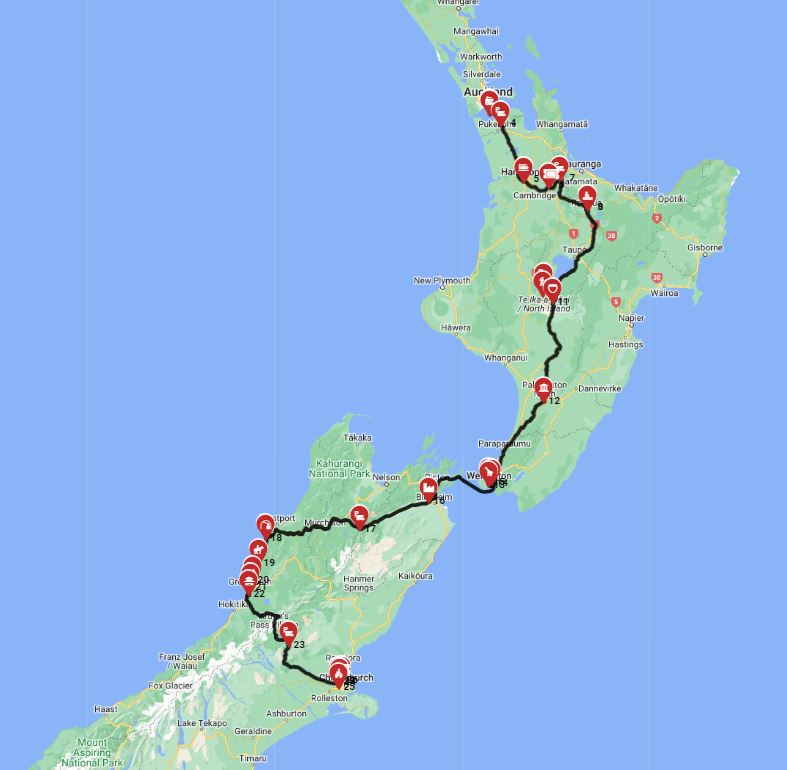
- Hiking in the National Parks: Many trails, especially on the North Island or lower elevations in the South Island, remain accessible and offer stark, beautiful winter scenery with fewer crowds. The "
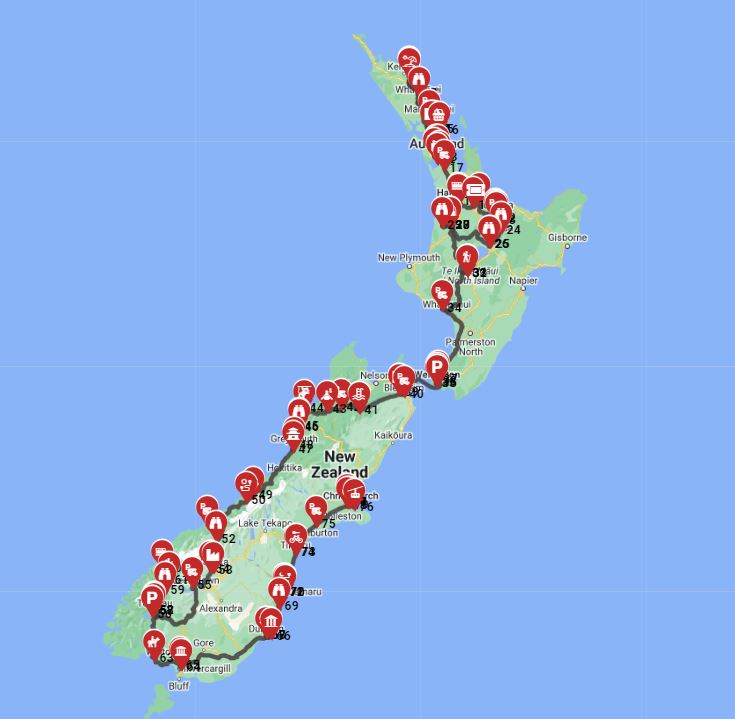
" route plan covers 4 hiking areas across 25 days and 4060.2 km.
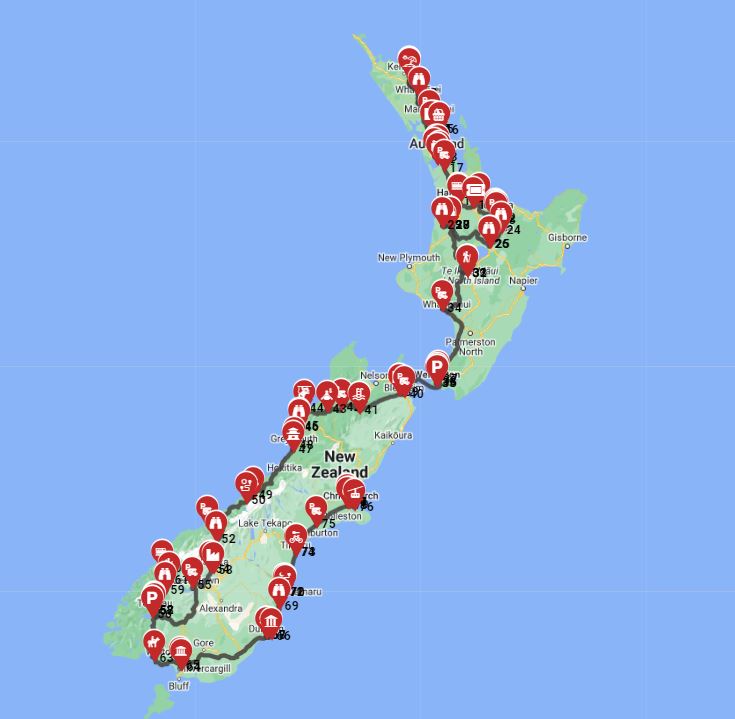 Auckland to Christchurch - Comprehensive New Zealand
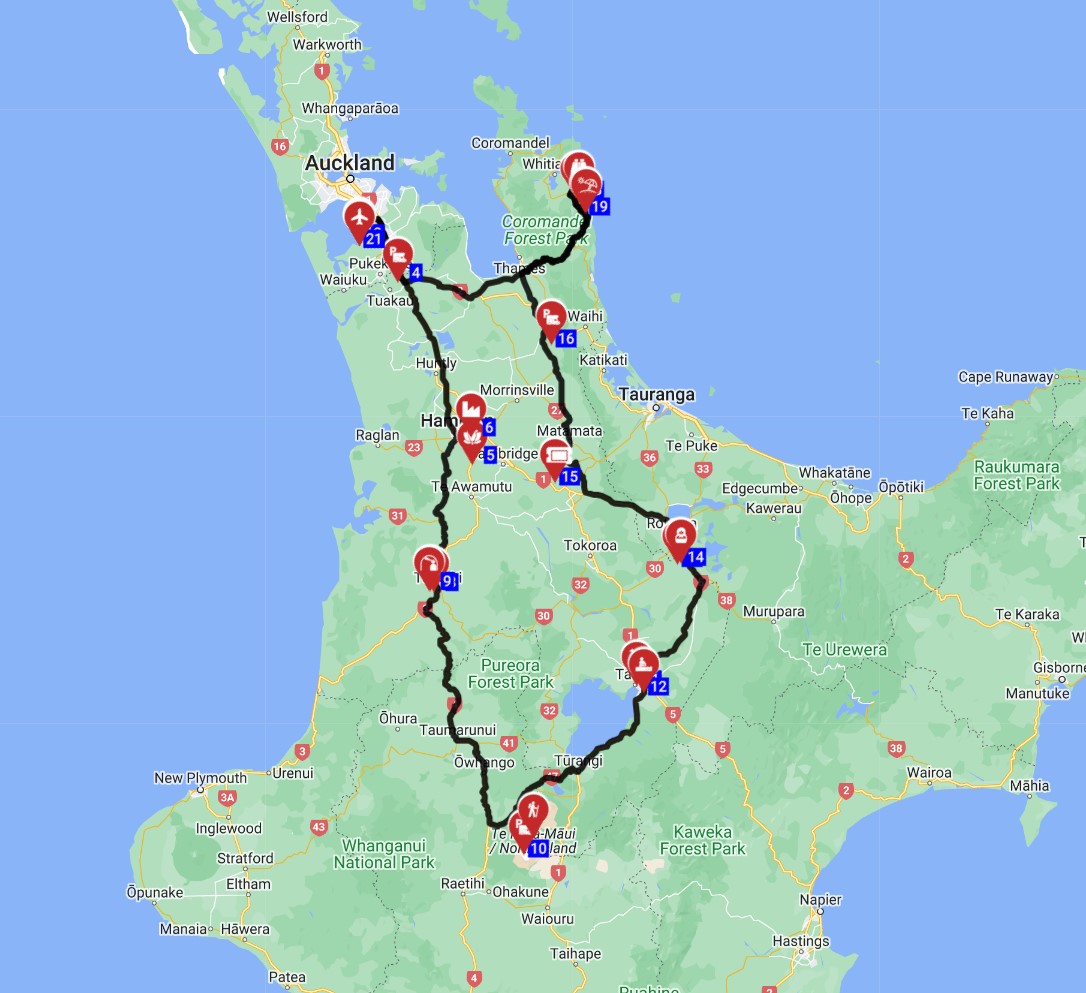
 - Coastal Drives: Explore the wild beauty of New Zealand's coastlines, like the Catlins in the South Island or the Coromandel Peninsula in the North, with spectacular views and marine wildlife viewing opportunities. The "
" includes 1 scenic route and covers 2830.2 km over 18 days.
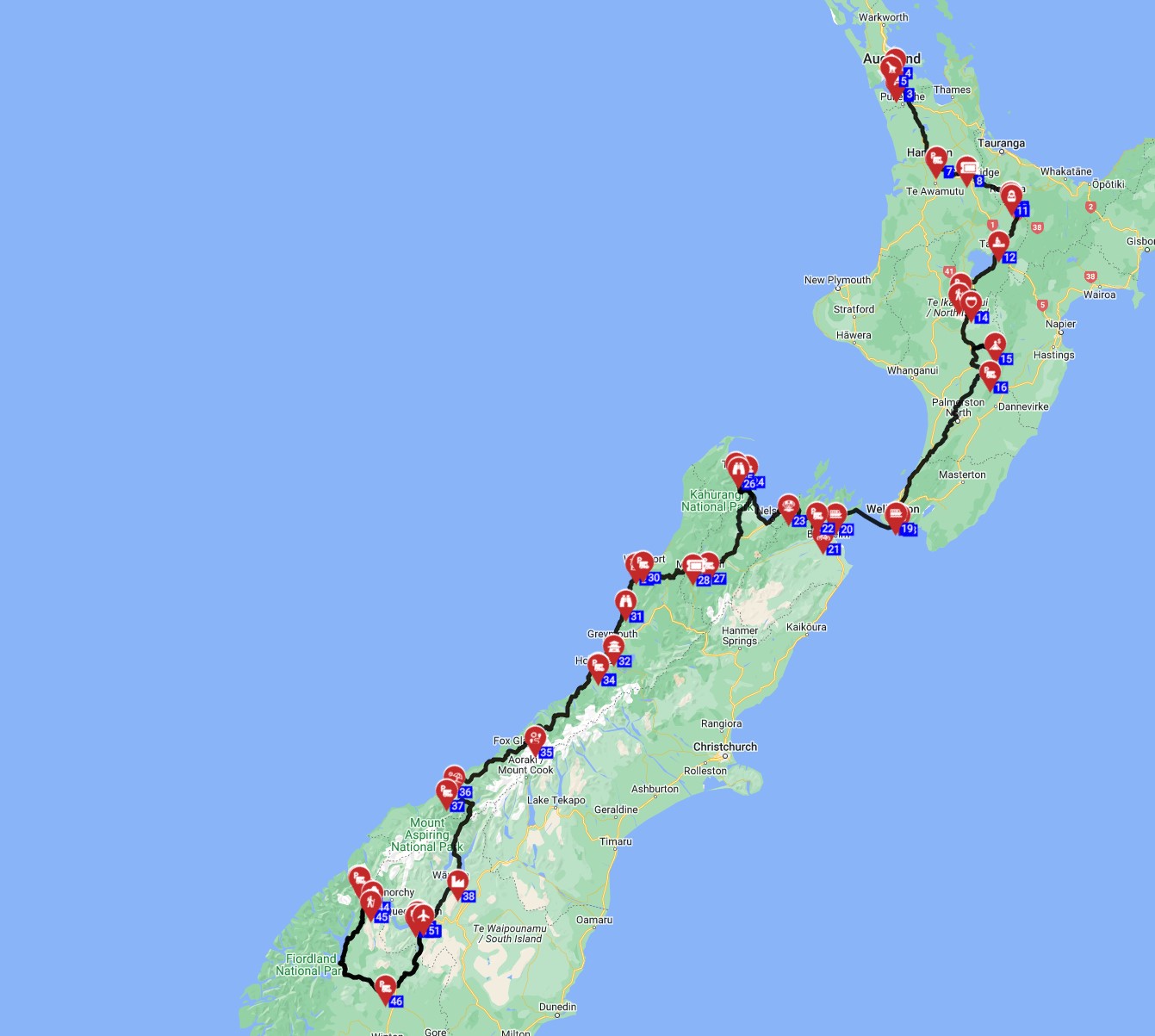 Auckland to Queenstown - The Great Kiwi Road Trip
Looking for expert insights from Avi Bandana? Top 5 Adventures - recommendations from Avi Bandana
🎬 Video coming soon
Final Thoughts
Winter RV camping in New Zealand is an adventure unlike any other, offering crisp air, fewer crowds, and the magical beauty of snow-dusted landscapes. With a comfortable, heated motorhome rental, you're perfectly equipped to explore stunning national parks, enjoy winter sports, and discover charming towns at your own pace. Remember to travel slowly, averaging a maximum of 100-150 km per day, allowing yourself time to truly feel the place, connect to the culture, the food, and the breathtaking scenery.
From understanding local camping regulations to finding the perfect heated site, Bandana Caravan is here to support you every step of the way, ensuring full transparency and peace of mind. So, pack your bags, prepare for warmth and wonder, and embark on an unforgettable winter journey through Aotearoa. The stunning beauty of New Zealand awaits your discovery in the quiet magic of its winter months.
Get inspired for your next trip! Discover top destinations, planning tips, all in one place with Bandana RV, and explore the freedom of the open road in New Zealand. Check New Zealand RV Rental Prices Now.