In This Guide
- Where to Camp in New Zealand - Top Options
- Campground Types in New Zealand (National, Private, Wild)
- Featured RV Park or Campground in New Zealand
- Hookups & Amenities - What to Expect
- Booking Windows & Reservations in New Zealand
- Nearby Supermarkets & Resupply Points
- Best RV Class for Camping in New Zealand
- How to Save on Campgrounds in New Zealand
- Can I park my motorhome anywhere in New Zealand?
- How much does it cost to park a campervan in New Zealand?
- Does New Zealand have RV parks?
- Can you free camp anywhere in New Zealand?
- How much does it cost to stay at a campground in New Zealand?
- Can you sleep in a camper anywhere in NZ?
- Is New Zealand RV friendly?
- Do you need a special license to drive an RV in New Zealand?
- How much do campsites cost in New Zealand?
- Is it worth getting a campervan in New Zealand?
New Zealand offers an incredible landscape for RV adventurers, providing diverse camping experiences from pristine national park sites to full-service private resorts. Embarking on a long-stay RV camping trip in New Zealand means immersing yourself in the country's breathtaking natural beauty, from the dramatic peaks of the South Island to the geothermal wonders of the North Island.
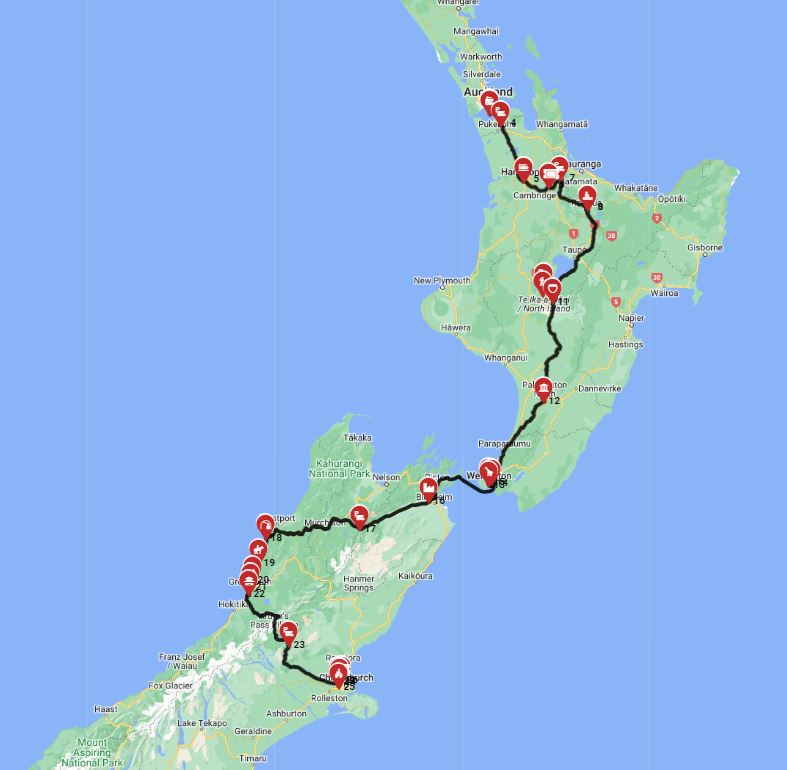
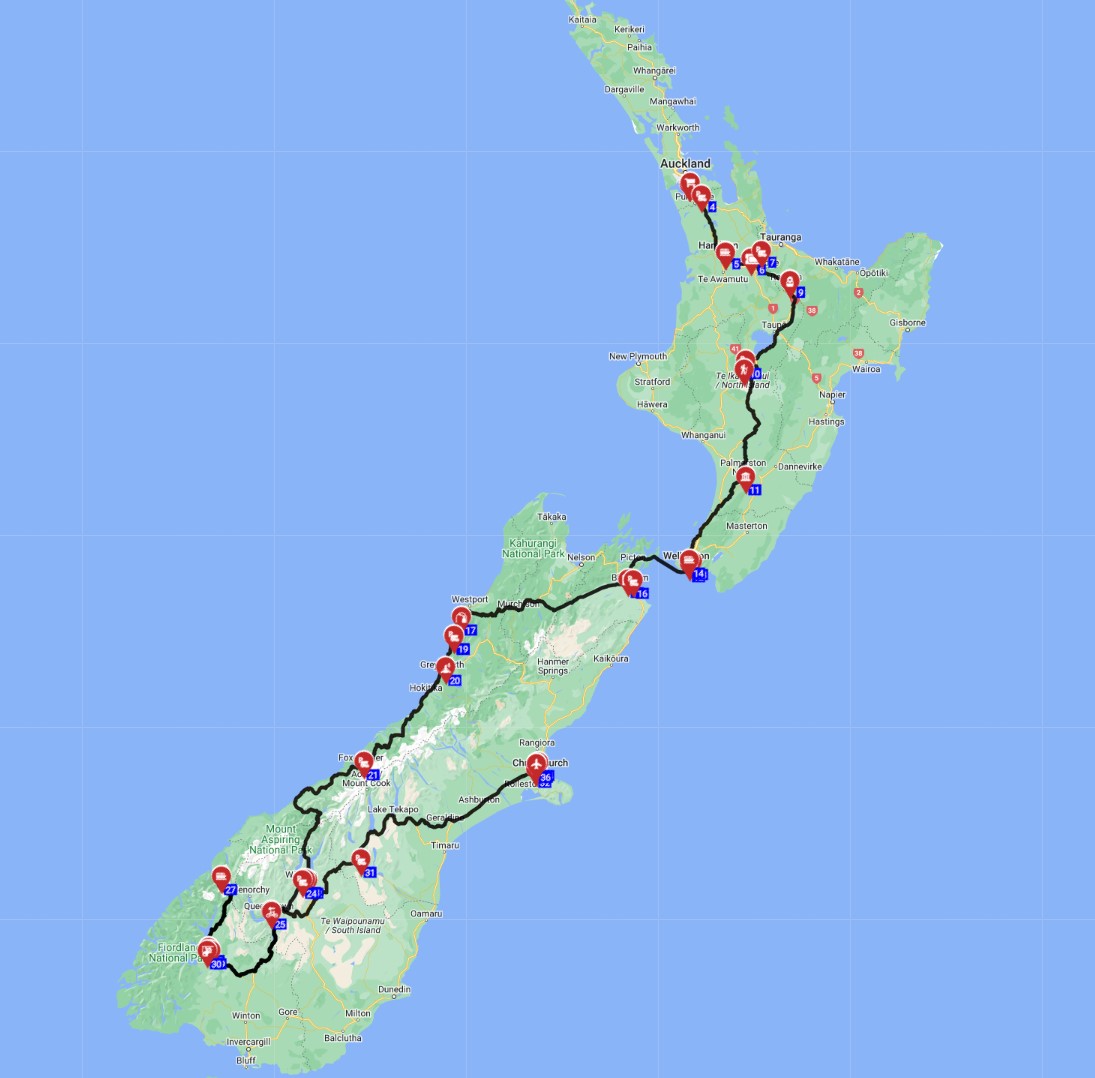
Planning your journey through New Zealand with a rented motorhome allows you the flexibility to truly savor each destination, adhering to the philosophy of slow travel: averaging no more than 100-150 km per day. This pace lets you connect deeply with the local culture, cuisine, and stunning scenery. For live availability and current prices, start with our RV Rental New Zealand - Complete Guide 2026 guide.
Where to Camp in New Zealand - Top Options
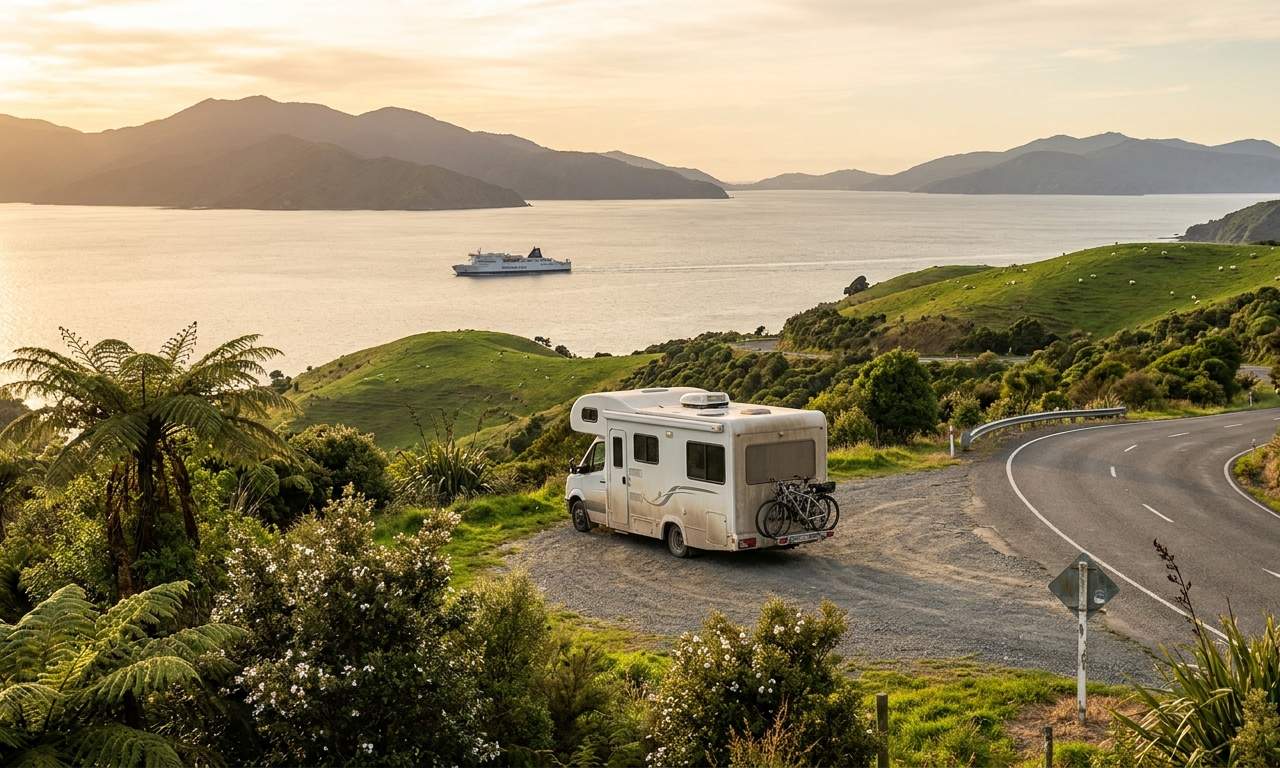
New Zealand offers three primary types of RV camping options: Department of Conservation (DOC) campsites, private holiday parks, and designated freedom camping areas, each providing a unique experience for travelers.
Department of Conservation (DOC) campsites, managed by New Zealand's government, are renowned for their picturesque locations within national parks and protected areas, offering a range from basic facilities (long-drop toilets, cold water) for NZD $8-$15 per night to more serviced options (flushing toilets, cold showers) for around NZD $15-$25 per night. These sites often require online booking in advance, especially during peak season, but also provide many first-come-first-serve opportunities. Private Holiday Parks, on the other hand, are commercial campgrounds found in or near most towns and popular tourist spots, providing comprehensive amenities like powered sites (240V three-pin), hot showers, flush toilets, communal kitchens, laundry facilities, and sometimes even swimming pools or playgrounds, with costs typically ranging from NZD $20-$60+ per night. Lastly, designated Freedom Camping areas allow self-contained certified campervans or motorhomes to park overnight for free or a minimal fee (NZD $0-$10) in specific, often stunning, remote locations, subject to strict local council bylaws and 'self-contained' vehicle certification.
For more detailed information on maximizing your budget while exploring, you might want to read our "Cheap RV Rental in New Zealand - Budget Guide 2026". Understanding these diverse camping environments is key to planning a fulfilling and compliant RV adventure in Aotearoa.
Campground Types in New Zealand (National, Private, Wild)
New Zealand features a structured system of campgrounds including DOC campsites, private holiday parks, and strictly regulated freedom camping areas, each with distinct facilities and rules.
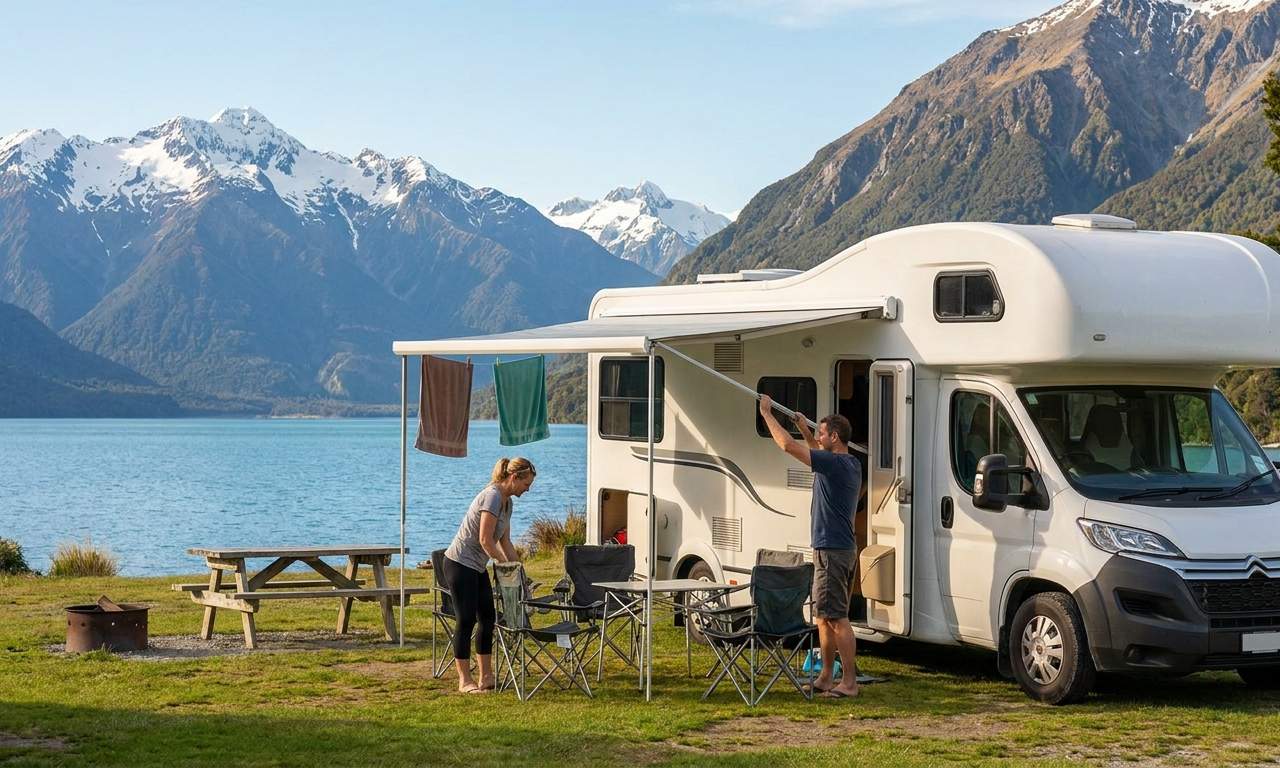
DOC campsites are categorized by the Department of Conservation and vary widely, from basic 'backcountry' sites with minimal facilities like a long-drop toilet and water from a stream, to 'serviced' sites offering flush toilets, showers, and even cooking shelters. These sites are generally more affordable, priced between NZD $8 and NZD $25 per person per night, and provide direct access to hiking trails and natural attractions, making them ideal for adventurers. Private Holiday Parks, also known as commercial campgrounds, offer a full suite of amenities, including 240V electric hookups, fresh water, grey/blackwater dump stations, hot showers, laundromats, and often Wi-Fi access. They are located conveniently near towns and popular sights and range in price from NZD $20 to NZD $60 or more per night for a powered site, catering to families and those seeking comfort. Finally, Freedom Camping is permitted only in designated areas and strictly requires a certified self-contained vehicle, meaning your rented RV or campervan must carry enough fresh water (12L per person per day) and wastewater (12L per person per day) for three days, along with a toilet and sealed rubbish facilities, to comply with the Freedom Camping Act 2011. Significant fines of NZD $200-$400 can be issued for non-compliance, so responsible waste management and adherence to local regulations are paramount for preserving New Zealand's pristine environment. On the routes offered through RV PLANET routes, you can itemize and track every expense along the way for easy budgeting.
For more insights on budgeting for your trip, consider checking out "RV Rental in New Zealand - Prices and Best Deals 2026".
Featured RV Park or Campground in New Zealand
Choosing the right RV park or campground significantly enhances your New Zealand adventure, with facilities ranging from basic to luxurious.
When selecting a campground in New Zealand, consider amenities like powered sites for 240V electricity, fresh water hookups, and readily available dump stations for grey and black water. Many travelers also prioritize laundry facilities, hot showers, and communal kitchens for preparing meals. For instance, the Top 10 Holiday Parks are a popular choice, offering consistently high standards across their network, typically including children's play areas, Wi-Fi, and often a BBQ area for social gatherings. Booking advice for popular parks, especially during peak season (December-February), is to secure your spot several months in advance. However, even for spontaneous travelers, many smaller, independent campgrounds and a significant portion of DOC sites operate on a first-come, first-served basis. If your first choice is full, another welcoming spot is usually nearby. Always call ahead to confirm availability before driving a long distance. For example, on the RV PLANET routes, travelers can itemize and track every expense, including campsite fees, helping to manage your trip budget effectively.
Hookups & Amenities - What to Expect
Travelers renting an RV in New Zealand can expect comprehensive hookup options and amenities at private holiday parks, ensuring a comfortable and convenient stay.
Electric hookups in New Zealand provide 240V power with a three-pin plug, which is standard across most powered sites in holiday parks. Fresh water supply is readily available at designated taps within campgrounds, and dump stations for greywater and blackwater disposal are common features at almost all holiday parks and many DOC sites. Staying connected is also easy, as most private campgrounds offer Wi-Fi access, sometimes for a fee, and mobile data coverage from major providers like Spark, Vodafone, and 2degrees is generally good in populated areas, though can be sparse in remote regions. Laundry facilities, including washing machines and dryers, are standard at private holiday parks, often operating on a coin-toss system (NZD $3-$5 per load). You'll also find hot showers, often requiring tokens or a small fee, and communal kitchens equipped with stoves, microwaves, and sinks. LPG (propane) refills are available at many petrol stations and specialty stores in larger towns, and basic repair services for your rental motorhome can be found in most regional centers. Remember to account for these ancillary costs when planning your overall trip budget.
Booking Windows & Reservations in New Zealand
Securing your ideal camping spot in New Zealand requires different strategies depending on your travel style and the time of year.
Booking ahead is highly recommended for peak season (December-February), especially for popular private holiday parks and serviced DOC campsites, where spots can fill up 3-6 months in advance. For those who prefer everything organized, booking 90+ days in advance can often lead to savings of up to 25% on peak-season rates. However, if you are a spontaneous traveler, New Zealand's extensive network also accommodates last-minute plans; many national and state parks only reserve 25-30% of their spots, leaving the majority available on a first-come, first-serve basis. It's a good practice to call ahead to the specific campground you're targeting on the day of your arrival, or the day before, to check for availability. If one campground is full, there's a strong chance you'll find a spot at the next one. Seasonal variations greatly impact availability and road conditions. While summer offers long days and open roads, winter in the South Island can bring snow and temporary road closures, particularly on mountain passes like the Lindis Pass or Arthur's Pass, so always check local weather and road reports before driving. We highly recommend exploring "RV Rental Deals in New Zealand - Latest Offers 2026" for potential savings.
Nearby Supermarkets & Resupply Points
Staying well-stocked with groceries and essentials is crucial for an enjoyable RV adventure in New Zealand, with convenient resupply options available throughout your journey.
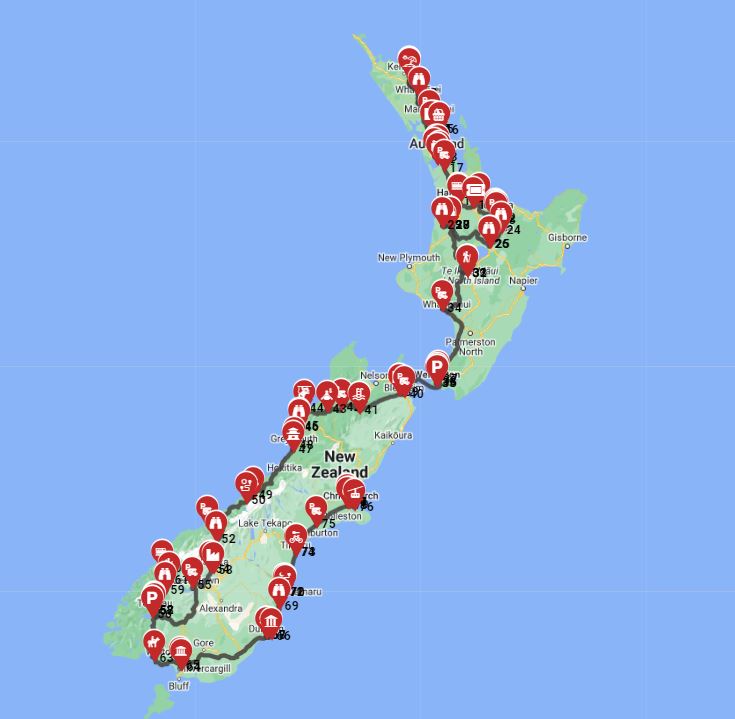
New Zealand is well-served by major supermarket chains such as Countdown, Pak'nSave, and New World, which are found in most towns and cities across both the North and South Islands. These supermarkets offer a wide range of fresh produce, pantry staples, and international foods, making it easy to prepare delicious meals in your rented motorhome. For a week-long trip or longer, planning your route to pass through towns with these larger stores allows for comprehensive resupply. In more remote or rural areas, you'll encounter local Four Square stores, smaller general stores, or even roadside stalls selling fresh local produce, often with unique regional specialties. It's wise to stock up before venturing into truly remote regions, especially if you plan extended stays off the main routes. Remember to utilize your RV's refrigerator and storage compartments efficiently. For those who enjoy cooking on the road, check out our RV-friendly recipes playlist for inspiration. Knowing where to resupply allows for maximum flexibility and enjoyment of your New Zealand RV experience, especially when exploring multiple regions like those covered in the "
Best RV Class for Camping in New Zealand
The ideal RV class for your New Zealand camping trip depends on your group size, comfort preferences, and the types of roads you plan to explore.
For couples or small groups seeking agility on New Zealand's winding coastal roads and easy parking in towns, a Class B Camper Van is an excellent choice. These compact models, such as the "Active Classic" or "2 Berth Hi Top" often feature a shower, toilet, and a small kitchen, balancing maneuverability with self-sufficiency. If you desire more comfort and living space without the full size of a large motorhome, a Class SI (Semi-integrated) motorhome like the "2 Berth Rover" or "Active Compact Select" offers a good balance, typically accommodating 2-4 people with more extensive kitchen facilities and a separate shower/toilet. For families or larger groups of 4-6 people, a Class C motorhome, like the "4 Berth Henty" or "Euro Deluxe", provides ample sleeping capacity (up to three double beds in larger models), a generous living area, and often a larger fresh water tank and waste water tank, enhancing self-containment for longer stays. Drive slowly and carefully, and you can drive almost anywhere without issues. No need to stress - just use common sense and pay attention. When planning your journey, consider the average lengths (e.g., 5-7.5 meters for most Class C models) and fuel consumption (e.g., 10-14 liters per 100 km for diesel RVs) to match your budget and driving comfort. Keep in mind that while all motorhome classes can be driven with a standard car driver's license in New Zealand, larger vehicles require extra awareness on narrow or winding roads.
For those interested in premium options, explore "Luxury RV Rental in New Zealand - Premium Prices 2026".
How to Save on Campgrounds in New Zealand
Maximizing your RV camping budget in New Zealand involves strategic choices regarding campground types, booking times, and discount programs.
One of the most effective ways to save is by utilizing campground discount cards, such as the Top 10 Holiday Parks membership, which often offers 10-15% off nightly rates and other perks. Traveling during the shoulder season (spring: September-November or autumn: March-May) can significantly lower rates compared to peak summer (December-February), while still enjoying pleasant weather and fewer crowds. Opting for Department of Conservation (DOC) campsites, which range from free to NZD $25 per night, provides budget-friendly options, though amenities are often more basic. Many private holiday parks offer weekly rates that are considerably cheaper than booking individual nights, making longer stays at one location a smart financial move. Additionally, consider municipal or regional campgrounds which typically cost less than private resorts and still provide essential facilities like water and dump stations. By combining these strategies, you can enjoy New Zealand's stunning natural beauty without overspending on accommodation. For those managing their overall trip expenses, remember that on RV PLANET routes, travelers can itemize and track every expense along the way for easy budgeting.
Check out our "RV Rental Deals in New Zealand - Latest Offers 2026" for more ways to save on your rental itself.
Can I park my motorhome anywhere in New Zealand?
No, parking your rented motorhome anywhere in New Zealand for an overnight stay is generally not permitted and is subject to strict freedom camping regulations.
New Zealand's Freedom Camping Act 2011 dictates that overnight parking outside of designated campgrounds is only allowed for certified 'self-contained' vehicles and exclusively in areas where freedom camping is explicitly permitted by local council bylaws. A self-contained vehicle is one that can operate for at least three days without external services, possessing a toilet with adequate capacity (12L per person per day), onboard fresh water (12L per person per day), greywater storage, and rubbish facilities. Significant fines, typically ranging from NZD $200 to NZD $400, are issued for non-compliance, including parking in prohibited areas, not having a certified vehicle, or improper waste disposal. Always look for clear signage indicating where freedom camping is allowed or prohibited. Responsible waste management, including utilizing the widespread dump stations for grey and black water and disposing of rubbish properly, is crucial for preserving New Zealand's pristine environment and ensuring continued access for RVers.
How much does it cost to park a campervan in New Zealand?
The cost to park a rented campervan in New Zealand varies significantly, from free in designated freedom camping areas to NZD $60+ per night at premium private holiday parks.
Freedom camping, for certified self-contained vehicles in permitted areas, typically costs nothing or a very low fee (NZD $0-$10). Department of Conservation (DOC) campsites, offering varying levels of amenities from basic to semi-serviced, generally range from NZD $8 to NZD $25 per person per night. These sites provide a great way to access natural attractions at a lower cost. Private holiday parks, which are common across both the North and South Islands, offer the most amenities (powered sites, hot showers, kitchens, laundries) and usually cost between NZD $20 and NZD $60 or more per night for a powered site. Prices at these parks can fluctuate based on seasonality, location, and the specific facilities offered. For example, staying at a premium park near a major tourist hub like Queenstown during peak summer will be on the higher end of the spectrum, while a more modest park in a smaller town during the shoulder season will be more affordable. When planning your trip, consider options like a "Paradise Family 5" campervan from our fleet, perfect for families looking to balance comfort and cost.
Does New Zealand have RV parks?
Yes, New Zealand has an extensive and well-developed network of RV parks, commonly known as "holiday parks," alongside numerous Department of Conservation (DOC) campsites across both the North and South Islands.
These holiday parks are widespread, offering a variety of amenities from basic unpowered sites to full-service powered sites with access to communal kitchens, hot showers, laundry facilities, and dump stations for grey and black water. Major chains like Top 10 Holiday Parks and Holiday Parks New Zealand provide consistent quality and are often located in prime tourist destinations and towns. Beyond commercial parks, the Department of Conservation maintains over 200 campsites in some of New Zealand's most stunning natural locations, offering a more rustic experience, often with limited facilities like long-drop toilets and untreated water sources, but at a significantly lower cost (NZD $8-$25 per night). This robust RV infrastructure, combined with designated freedom camping spots for certified self-contained vehicles, makes New Zealand an incredibly welcoming destination for motorhome and campervan travel. Finding available spots is usually manageable, but during peak seasons, especially from December to February, advance booking for popular holiday parks is highly advisable to ensure you secure your preferred location. We've been helping tens of thousands of travelers explore the world by RV since 2001, including extensive trips through New Zealand, giving us deep knowledge of local infrastructure.
Can you free camp anywhere in New Zealand?
No, you cannot free camp anywhere in New Zealand; freedom camping is strictly regulated and permitted only in designated areas with certified self-contained vehicles.
The Freedom Camping Act 2011 sets clear guidelines, requiring that any vehicle used for overnight freedom camping must be certified as self-contained. This means the vehicle must have a fixed or portable toilet, fresh water storage (minimum 12 liters per person per day for three days), wastewater storage (minimum 12 liters per person per day for three days), and a sealed waste bin. Local councils also have bylaws that specify exact locations where freedom camping is allowed or prohibited. These areas are typically marked with clear signage. Parking outside of designated sites or without a valid self-contained certification can result in hefty fines, ranging from NZD $200 to NZD $400. To ensure a smooth trip and avoid penalties, it's essential to plan your overnight stops using resources like the CamperMate app or the official DOC website, which list approved freedom camping sites and holiday parks. For finding campsites and campgrounds during your trip, we recommend using RV PLANET (rvplan.net) - a great resource for locating available spots along your route.
🎬 Video coming soon
For additional resources, you can also refer to our "RV Travel Guide to New Zealand - Tips and Top Spots 2026".
How much does it cost to stay at a campground in New Zealand?
Staying at a campground in New Zealand typically costs between NZD $8 for a basic Department of Conservation (DOC) site and over NZD $60 for a premium private holiday park, with prices influenced by amenities, location, and season.
DOC campsites, managed by the Department of Conservation, offer budget-friendly options ranging from basic sites with long-drop toilets and cold water for NZD $8-$15 per person per night to more developed 'serviced' sites with flushing toilets and cold showers costing NZD $15-$25 per person per night. These are excellent for nature lovers seeking a rustic experience. Private Holiday Parks, which are plentiful throughout New Zealand, provide a full range of facilities including powered sites (240V electricity), hot showers, communal kitchens, laundry, and dump stations. These parks typically charge NZD $20-$60+ per night for a powered site, with higher prices during the peak summer months (December-February) and in popular tourist destinations like Queenstown or Rotorua. Some extra amenities, such as hot showers, might incur an additional small cost (e.g., NZD $1 for 5 minutes). Renting a campervan for a family of 2+2, for example, might mean opting for a larger Class C motorhome to maximize comfort, which will impact overall accommodation costs. We work with over 50 leading RV suppliers worldwide, including Apollo and Britz, to offer a wide range of options to suit every budget.
Can you sleep in a camper anywhere in NZ?
No, sleeping in a rented camper anywhere in New Zealand is not permitted; overnight stays are strictly limited to designated camping areas.
New Zealand has clear regulations governing where RVs and campervans can stay overnight, primarily through the Freedom Camping Act 2011 and local council bylaws. Vehicles must be certified self-contained to even consider freedom camping in designated areas, meaning they are equipped with an onboard toilet, fresh and wastewater tanks (12 liters per person per day for 3 days), and a sealed rubbish bin. Parking a non-self-contained vehicle or sleeping overnight in a prohibited area can result in substantial fines. The emphasis is on responsible camping to protect the environment and maintain local amenities. Always refer to official signage or use reliable camping apps and websites to locate authorized overnight parking spots, whether it's a DOC campsite, a private holiday park, or a designated freedom camping site. This policy ensures the beauty of New Zealand is preserved for everyone.
Is New Zealand RV friendly?
New Zealand is exceptionally RV friendly, offering excellent infrastructure and breathtaking scenery that makes motorhome and campervan travel an ideal way to explore the country.
The country boasts an extensive network of well-maintained roads, numerous holiday parks with full amenities, and hundreds of Department of Conservation (DOC) campsites. RVers will find widespread availability of dump stations for grey and black water, fresh water refill points, and LPG (propane) gas exchange locations, particularly in towns and major tourist hubs. While the infrastructure is robust, New Zealand's diverse terrain does present unique driving conditions, including winding mountain passes, narrow roads, and a surprisingly high number of one-lane bridges, especially on the South Island. Drivers should approach these with caution, maintain safe speeds, and be aware of "give way" rules. Drive slowly and carefully, and you can drive almost anywhere without issues. No need to stress - just use common sense and pay attention. The requirement for certified self-contained vehicles for freedom camping is a key regulation, ensuring responsible waste management and environmental preservation, making it important to select an appropriately equipped rental motorhome. Overall, New Zealand's stunning natural landscapes, combined with its welcoming attitude towards RV travel, makes for an unforgettable adventure. We've been helping tens of thousands of travelers explore destinations like New Zealand by RV for over 20 years, since our founding in 2001.
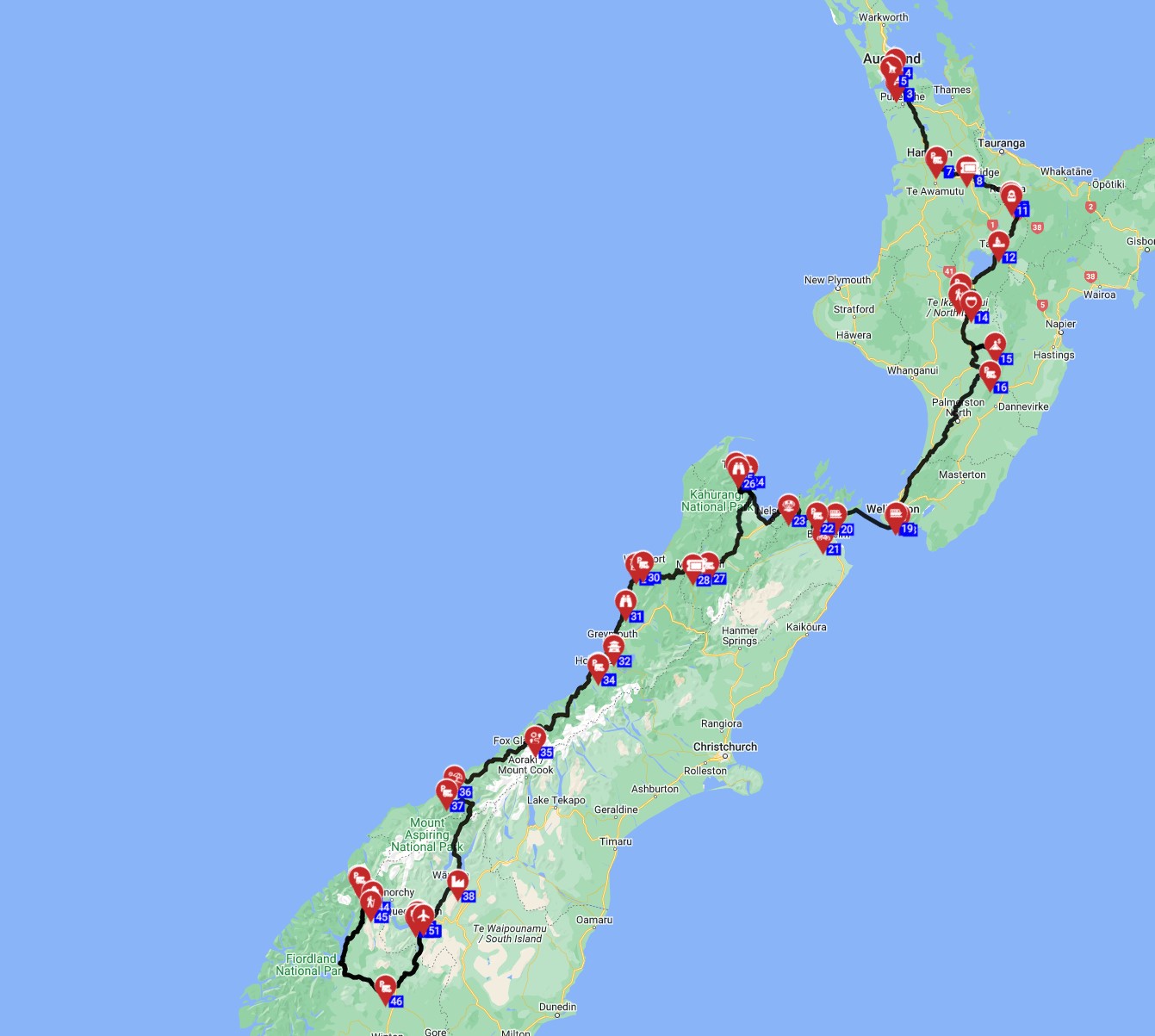
You can find more detailed route plans and itineraries by visiting RV PLANET (rvplan.net) and exploring options like the "
Do you need a special license to drive an RV in New Zealand?
No special license is required to drive an RV in New Zealand if the Gross Laden Weight (GLW) of the motorhome is under 3,500 kg, which applies to almost all rental RVs and campervans.
A standard car driver's license from your home country is sufficient for operating any Class A, Class B, or Class C motorhome available for rental in New Zealand. For visitors from non-English-speaking countries, an International Driving Permit (IDP) is highly recommended as a translation of your existing license, although it is not legally mandatory in all cases if your license has a clear English translation or is accepted under specific agreements. The minimum age requirement for renting an RV in New Zealand is typically 21 years old by most rental companies, and importantly, there are no young driver surcharges or vehicle class restrictions based on age. This makes RV travel accessible to a wide range of adult drivers, offering flexibility whether you choose a compact "Combi Van" or a spacious "6 Berth Discovery". We ensure full transparency, so you'll never face hidden fees or surprises regarding licensing requirements.
How much do campsites cost in New Zealand?
Campsite costs in New Zealand vary widely, ranging from free for designated freedom camping sites to over NZD $60 per night for full-service private holiday parks, depending on amenities, location, and time of year.
Department of Conservation (DOC) campsites are generally the most affordable, with basic sites costing NZD $8-$15 per person per night and more developed 'serviced' sites typically priced at NZD $15-$25 per person per night. These offer a more rustic camping experience in stunning natural settings. Private holiday parks, found in most towns and tourist areas, provide a comprehensive range of facilities, including powered sites (240V), hot showers, flush toilets, communal kitchens, and laundry services. A powered site at a private holiday park usually costs between NZD $20-$60+ per night. During peak season (December-February) and in popular destinations like Queenstown, prices can be at the higher end of this range. Some amenities, like hot showers or Wi-Fi, might incur additional charges. Freedom camping, while free or very low cost, strictly requires a certified self-contained vehicle and is only permitted in designated areas, with significant fines for non-compliance. Our RV PLANET routes offer comprehensive cost breakdowns, allowing travelers to budget for every expense, including varied campsite fees.
Is it worth getting a campervan in New Zealand?
Yes, getting a rented campervan or motorhome in New Zealand is absolutely worth it, offering unparalleled flexibility, freedom, and an intimate way to experience the country's diverse landscapes and culture.
A rented RV provides a mobile headquarters, allowing you to wake up to a new stunning vista almost every day, from beach sunrises to mountain views. It grants you access to remote and scenic natural areas that might be less accessible with traditional car-and-hotel travel. For families or groups, it can often be a more cost-effective option than combining car rental and hotel stays, especially for extended road trips, as you can prepare many of your own meals in the onboard kitchen, saving on restaurant expenses. Cooking meals in your mobile home, for instance, adds to the adventure. Imagine preparing breakfast with ingredients from a local market, overlooking a picturesque lake. The experience fosters a deep connection to nature and provides memorable moments not possible with other travel styles. However, it does require responsible camping practices, adherence to self-contained vehicle regulations, and some seasonal planning. With Bandana Caravan, you get full transparency and 24/7 support (pre-booking, booking, and post-booking coordination) to help you plan an unforgettable journey. We handle the details, you live the journey, ensuring that God is in the small details, and we take care of them, making a big difference.
What You Shouldn't Miss
Looking for expert insights from Avi Bandana? Top 5 Adventures - recommendations from Avi Bandana:
- **Explore Fiordland National Park:** Cruise Milford Sound or Doubtful Sound for dramatic fjords, towering waterfalls, and incredible wildlife sightings, often hailed as one of the most stunning natural features in the world.
- **Hike the Tongariro Alpine Crossing:** This renowned 19.4 km day hike on the North Island traverses a volcanic landscape with emerald lakes and steam vents, offering one of New Zealand's premier hiking experiences.
- **Experience Rotorua's Geothermal Wonders:** Visit Wai-O-Tapu Thermal Wonderland to witness vibrant geothermal pools, geysers, and mud pools, and immerse yourself in Māori culture with traditional performances and Hāngi feasts.
- **Discover Queenstown, the Adventure Capital:** From bungee jumping and jet boating to scenic gondola rides and wine tours, Queenstown offers an abundance of extreme activities and scenic points of interest for every traveler.
- **Drive the West Coast of the South Island:** Journey along State Highway 6, passing through Franz Josef and Fox Glaciers, ancient rainforests, and dramatic coastal cliffs, stopping to explore pancake rocks and blowholes.
Final Thoughts
Embarking on an RV adventure in New Zealand promises a journey of unparalleled beauty and freedom. From the rugged coastlines to the majestic mountains, a rented motorhome or campervan gives you the unique ability to craft your own pace, discover hidden gems, and truly connect with the enchanting spirit of Aotearoa. Whether you're planning a week-long trip or an extended road trip, the flexibility of an RV allows you to fully immerse yourself in the culture, food, and scenery.
With a diverse range of camping options, from budget-friendly DOC sites to luxurious holiday parks, and a welcoming infrastructure for RVers, New Zealand is truly a dream destination for mobile travel. Remember to embrace slow travel, respecting local regulations, and you'll find yourself making memories that last a lifetime. Get inspired for your next trip! Discover top destinations, planning tips, all in one place!
Let Bandana Caravan be your trusted partner in unlocking this incredible experience. We’re here to help you navigate the details, ensuring your RV rental in New Zealand is seamless and utterly enjoyable. Plan a trip itinerary in advance with minimal effort and maximum enjoyment, and get ready for the adventure of a lifetime.