In This Guide
- Where to Camp in Canada - Top Options
- Campground Types in Canada (National, Private, Wild)
- Featured RV Park or Campground in Canada
- Hookups & Amenities - What to Expect
- Booking Windows & Reservations in Canada
- Nearby Supermarkets & Resupply Points
- Best RV Class for Camping in Canada
- How to Save on Campgrounds in Canada
- How much does it cost to rent an RV in Canada for a week?
- How much does it cost to RV in Canada per month?
- Where can I RV for free in Canada?
- What is the best time to RV in Canada?
- Do you need reservations for RV parks in Canada?
- Is it worth it to rent an RV in Canada?
- What is the cheapest way to RV in Canada?
- How much does a camper cost per night in Canada?
- Where can I dump my RV waste in Canada?
- Do RVs need full hookups in Canada?
- What are the best RV routes in Canada?
- Can you use apps to find RV parks in Canada?
Canada, with its vast landscapes, stunning national parks, and vibrant cities, offers an unparalleled setting for an extended RV adventure. A weekly rv rental in Canada provides the perfect blend of flexibility and comfort, allowing families, couples, and friends to discover everything from majestic mountains to serene coastlines. For live availability and current prices, start with our RV Rental Canada - Complete Guide 2026 guide.
At Bandana RV, we understand that planning an extensive road trip requires careful consideration, which is why we’re committed to full transparency with no hidden fees or surprises. We are true RV specialists, dedicated to helping you craft an unforgettable journey across this incredible country, offering expert advice and support every step of the way. When you choose a Bandana RV rental, you're not just booking a vehicle; you're gaining a partner who genuinely knows and loves RV travel.
Where to Camp in Canada - Top Options
Canada offers diverse camping experiences from popular provincial and national parks to private resorts and more secluded natural areas. Travelers exploring Canada should consider regional gems like the Okanagan Valley in British Columbia for its vineyards and lakes, the Canadian Rockies in Alberta (e.g., Banff, Jasper National Parks) for iconic mountain scenery, or the coastal beauty of Nova Scotia for varying landscapes and maritime activities. When specific campground data isn't available, focusing your search on well-known regions for their scenic beauty and established RV infrastructure is always a solid strategy. For example, the
Campground Types in Canada (National, Private, Wild)
Canada features three main types of RV camping for your weekly rv rental: National Park campgrounds, Provincial Park campgrounds, private RV parks, and a limited scope for 'wild camping' (boondocking). National and Provincial Parks, such as those found along the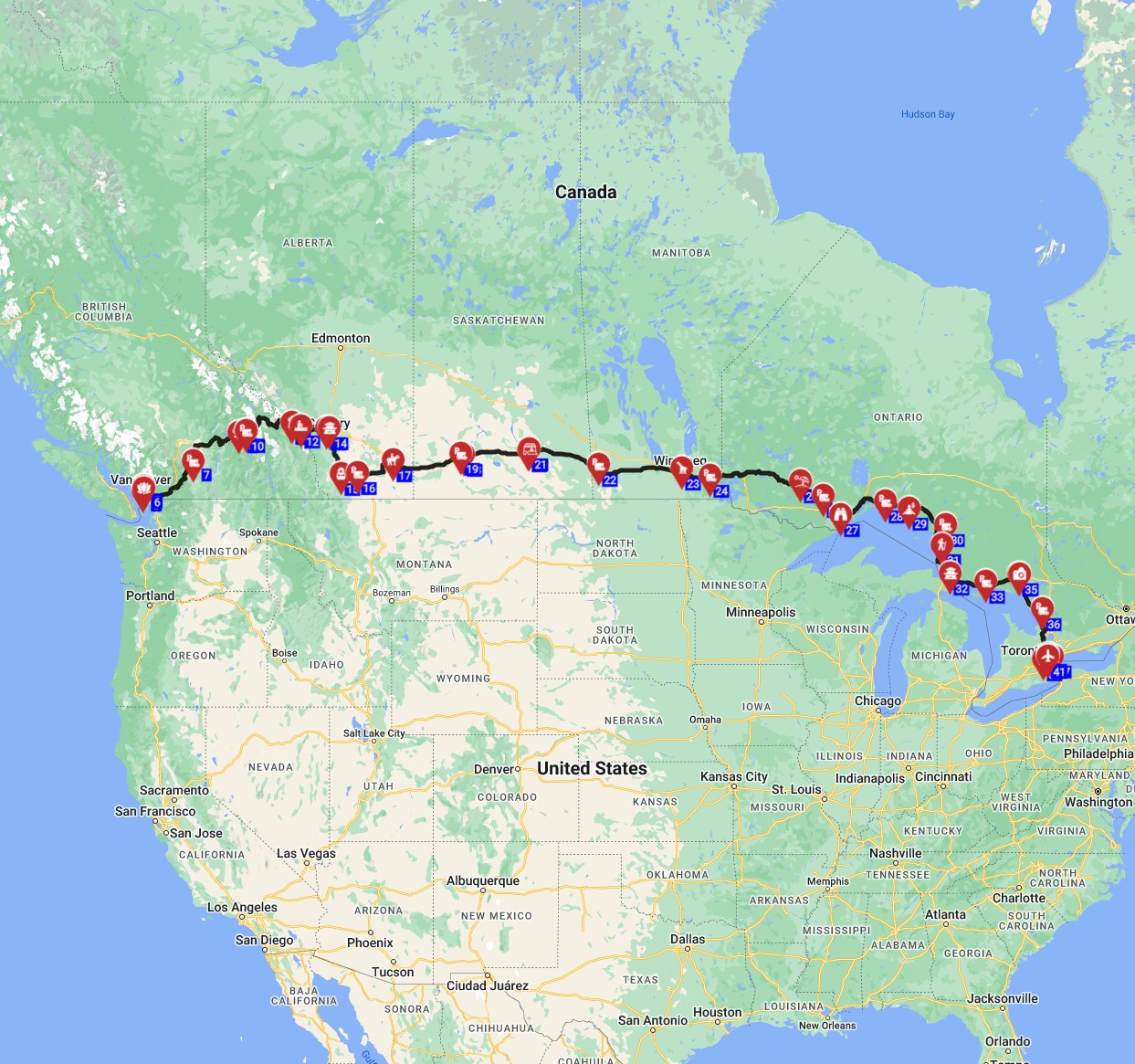
Featured RV Park or Campground in Canada
While specific featured RV park data is not available, travelers on a weekly rv rental in Canada should look for campgrounds that align with their desired amenities and location, such as those offering full hookups, scenic views, or proximity to attractions. A highly-rated park might offer extensive services like laundry facilities, recreation rooms, and guided activities, enhancing your weekly RV experience. Many top-tier parks also provide access to hiking trails, fishing spots, or lake activities, making them ideal bases for exploration. Imagine staying right by a stunning lake in British Columbia or nestled among the pines in Ontario; Canada truly has it all for RVers.For example, if you're exploring the Canadian Rockies, sites within Banff National Park, even without a specific name, will offer unparalleled access to hiking and wildlife viewing. Alternatively, many private resorts in regions like the Okanagan Valley provide luxury amenities and recreational activities like boating and wine tasting. Always check reviews and photos on platforms like RV PLANET (rvplan.net) to find a spot that perfectly suits your travel style and preferences for your Canada adventure.
Hookups & Amenities - What to Expect
In Canadian RV parks, you can expect common hookups including 15, 30, or 50 amp electrical service, fresh water connections, and sewage dump stations, with full hookup sites offering all three at your spot. Most private campgrounds provide amenities such as Wi-Fi (though often limited in bandwidth), shower facilities, laundry rooms, and sometimes recreational areas like playgrounds or pools. National and Provincial Parks may offer more basic services, ranging from unserviced sites to those with electric-only or electric-and-water hookups. RV voltage in Canada is typically 120V AC, and standard electrical connectors are similar to those in the US, so US-compatible adapters for different amperage connections are recommended. Beyond hookups, plan for access to propane refill stations and freshwater sources, which are generally available in most towns and larger campgrounds.🎬 Video coming soon
When planning your weekly rv rental adventure in Canada, understanding what amenities your chosen campground offers is key. For those who enjoy cooking up delicious meals on the road, knowing your RV's kitchen capabilities, like the 3-burner gas stove and 170-liter refrigerator in a "rv rentals utah example Sunrise Escape" model, can help you decide if you need full hookups or if partial hookups are sufficient. If you plan to prepare most of your meals in your mobile home, check out our RV-friendly recipes playlist for inspiration! For finding dump stations and fresh water refill points along your route, resources like RV PLANET (rvplan.net) are invaluable for keeping your rig fully operational during your extended road trip. On the routes offered through RV PLANET routes, you can itemize and track every expense along the way for easy budgeting.
Booking Windows & Reservations in Canada
For popular Canadian RV destinations, especially National and Provincial Parks, securing reservations 6-12 months in advance is highly recommended, particularly for peak season (July-August) weekly rentals. Spontaneous travelers can often find same-day or next-day spots at private campgrounds or municipal sites, though popular areas might still be challenging to book last-minute. Many National Park campgrounds operate on a dual system, releasing a portion of sites for reservations (often 25-30%) while reserving the rest for first-come, first-served arrivals; calling ahead is crucial. Even without an advance booking, you will almost certainly find a place to stay in Canada; if not at your first choice campground, then usually at a nearby alternative, especially if flexible with amenities. Shoulder seasons (late spring, early fall) generally offer more availability and often lower rates, making last-minute bookings more feasible.Planning ahead for your weekly rv rental in Canada not only secures your preferred spot but can also lead to savings. Articles like Last-Minute RV Rental in Canada - What to Expect 2026 further elaborate on strategies for those who prefer to travel spontaneously. Whether you're an organized pre-planner who likes everything meticulously arranged or a spontaneous traveler who books day-to-day, Canada's vast network of campgrounds ensures you'll find a suitable spot. Just remember, a quick call ahead before driving a long distance can save you time and hassle.
Nearby Supermarkets & Resupply Points
Stocking up for a weekly RV rental in Canada is straightforward, as major supermarket chains are present in most towns and cities. Look for national chains like Loblaws (including banner stores like Real Canadian Superstore, Zehrs), Sobeys, Safeway, or Walmart for comprehensive grocery shopping. Smaller towns and remote areas will have independent grocers, gas stations with convenience stores, and often local markets, allowing for easy resupply on your route. Planning your route with resupply points in mind is key, especially when venturing into less populated regions, ensuring you can enjoy home-cooked meals in your motorhome.Maintaining a well-stocked pantry and refrigerator in your rented motorhome allows for flexible meal planning and can significantly reduce your travel costs. When traveling through places like Coquitlam or Delta, you'll find plenty of options. For those embarking on a Long-Term RV Rental in Canada - Monthly Rates 2026, regular resupply points are even more critical. Our Rent&Plan service can even help you integrate these stops into your pre-planned routes. On RV PLANET routes, travelers can itemize and track every expense along the way for easy budgeting, including groceries and other ancillary costs.
Best RV Class for Camping in Canada
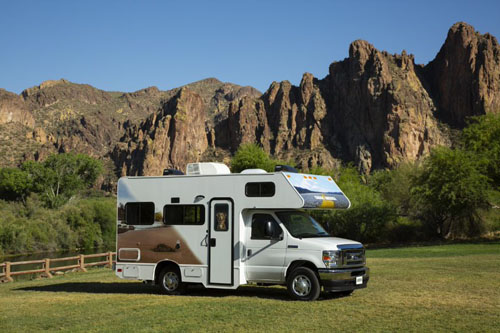
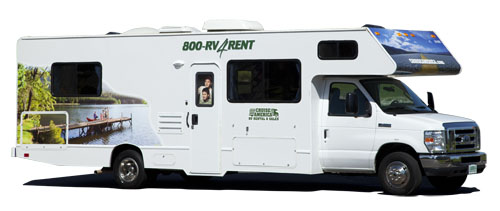
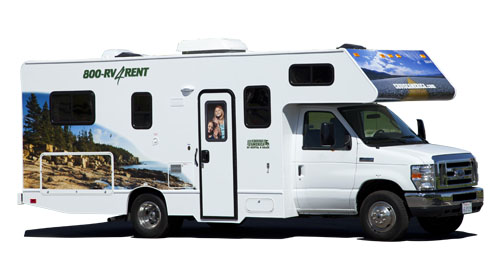
For a weekly RV rental in Canada, the 'Class C - Alcove' and 'Class SI - Semi-integrated' motorhomes offer a versatile balance of comfort, space, and maneuverability. Class C - Alcove RVs, averaging 7.5 meters in length and sleeping around 5-6 people, are ideal for families, providing ample living space and an over-cab bunk. For example, a "cruise america rv rental example Explorer" model, measuring 7.1 meters, offers a comfortable 4-berth layout with an 82-liter fresh water tank. These typically consume 10-12 Liters/100 km of fuel. Class SI - Semi-integrated motorhomes, averaging 6.9 meters and sleeping about 3-4 people, are well-suited for couples or smaller families seeking a more streamlined design, offering similar fuel efficiency of 10-11 Liters/100 km.For those prioritizing flexibility and access to more remote areas or urban environments, 'Class B - Camper Vans' (averaging 5.8 meters) are excellent, consuming around 8-10 Liters/100 km and easier to park. An example like the "DVC" campervan, at 6.7 meters, is ideal for a couple with its 2-berth capacity and 114-liter fresh water tank, offering 11-15 Liters/100 km fuel consumption. Drive slowly and carefully, and you can drive almost anywhere without issues. No need to stress - just use common sense and pay attention. Consider the size limitations of certain park roads or ferry crossings when choosing a larger RV class, especially if planning to explore specific national parks or coastal regions.
If you're still weighing your options, our specialized team members are true RV specialists, not a travel agency side department. We offer personalized advice to help you select the perfect motorhome or campervan from our direct partnerships with 50+ leading RV suppliers worldwide, including names like El Monte, Cruise America, Apollo, and Britz. Our comprehensive comparison tools ensure you find the best vehicle for your weekly RV camping in Canada needs.
How to Save on Campgrounds in Canada
To significantly save on campground costs for your weekly RV rental in Canada, leverage discount cards and memberships, often available through rental providers or specific RV associations. Booking during the shoulder seasons (May-June and September-October) typically offers lower rates and fewer crowds compared to peak summer. Opt for municipal or regional campgrounds over private resorts, as they often provide more affordable rates with essential amenities. Many campgrounds offer weekly rates that are more economical than booking seven individual nights; inquire about these extended stay discounts. If traveling with a group, sharing a single site with hookups can divide costs, making camping more budget-friendly. Explore options for unserviced or partial hookup sites if full amenities are not strictly necessary, as these are generally cheaper.Further discounts on your weekly RV camping in Canada can be found by researching RV Rental Deals in Canada - Latest Offers 2026. For example, a week-long stay at an unserviced site might cost $30 CAD per night, totaling $210 CAD for the week, whereas a full hookup site at a private resort could be $80 CAD per night, costing $560 CAD. Planning your meals and cooking in your RV kitchen can also save you hundreds of dollars over a week, compared to dining out constantly. We handle the details from day one until your booking is confirmed, ensuring you have all the information to make smart choices.
How much does it cost to rent an RV in Canada for a week?
The cost to rent an RV in Canada for a week typically ranges from $800 to $2,500 CAD, heavily depending on the RV class, rental season, and booking duration, with larger, more luxurious models at the higher end. This price generally includes the base rental fee, but additional costs such as insurance, mileage packages, preparation fees, and taxes will increase the total. Factor in seasonal demand, as peak summer months (July-August) often see higher prices compared to shoulder seasons (May-June, September-October). Weekly rates often offer a better per-day value than shorter rentals, but always compare total cost including all add-ons to ensure full transparency.A "C-MEDIUM PLUS" motorhome, a newer Class C model with 5 sleeping places, could cost significantly more than a smaller Class B campervan like the "DVC" which sleeps 2. For families, the total weekly cost might include an average of $300-$700 CAD for fuel, $200-$500 CAD for campgrounds, and $150-$300 CAD for groceries. These are dynamic prices, just like flight tickets, changing daily based on availability and supplier marketing. What you see is what you pay, with no surprise fees at pickup, thanks to Bandana Caravan's commitment to honesty.
For more detailed breakdowns and tips on managing your budget, our guide Cheap RV Rental in Canada - Budget Guide 2026 offers valuable insights. By leveraging tools like RV PLANET (rvplan.net), you can efficiently track and manage these varying costs. Remember, we are true RV specialists, founded in 2001, with over 20 years helping tens of thousands of travelers explore the world by RV, and we want to help you make your Canadian adventure affordable.
How much does it cost to RV in Canada per month?
While focused on weekly rentals, a monthly RV trip in Canada can cost anywhere from $3,000 to $8,000 CAD or more, encompassing rental fees, fuel, campgrounds, food, and activities, offering a longer-term perspective on budgeting. For a weekly trip, expect a scaled-down version of these expenses: approximately $800-$2,500 CAD for the rental itself, plus $300-$700 CAD for fuel (depending on distance and RV fuel efficiency), $200-$500 CAD for campgrounds, and $150-$300 CAD for groceries. Fuel is a significant variable; Class C - Alcove RVs typically consume 10-12 Liters/100 km, while Class B - Camper Vans are more efficient at 8-10 Liters/100 km, directly impacting your budget.Beyond rental and fuel, allocate funds for campground fees (averaging $30-$80 CAD/night), propane refills, dump station fees, national/provincial park passes, and personal expenses like dining out or attractions. For instance, a basic propane refill might cost $20-$40 CAD, and park passes can range from $20-$140 CAD depending on duration and type. You can upgrade to a top-level deductible for extra peace of mind, which is an optional purchase, not included by default. This commitment to full transparency ensures you know exactly what to expect financially. For detailed monthly breakdowns, see our Long-Term RV Rental in Canada - Monthly Rates 2026 guide.
Where can I RV for free in Canada?
Free RV camping, also known as boondocking or 'wild camping,' is possible on certain Crown Land in Canada, primarily in provinces like British Columbia and Alberta, though access and regulations vary significantly by region. Legitimate free camping requires careful research of provincial Crown Land regulations and often involves self-sufficiency without amenities like water, electricity, or sewage disposal. Websites and apps dedicated to RV travel, such as iOverlander, often list known boondocking spots, but always verify legality and respect 'Leave No Trace' principles. Many municipalities prohibit overnight parking in public areas, and private property requires explicit permission; always check signage and local bylaws to avoid fines. Environmental responsibility is paramount when boondocking; pack out all trash, use biodegradable products, and properly manage human waste to protect Canada's pristine natural environments.Finding free spots for your weekly rv rental in Canada can significantly reduce your overall trip cost, contributing to a more budget-friendly adventure. However, these sites typically offer no services, meaning your motorhome's fresh water tank (e.g., 158 Liters in a "C-MEDIUM PLUS" model) and waste water tanks will need to manage your needs. Ensure you have ample water, power, and a plan for waste disposal. This allows for a truly immersive experience in Canada's vast wilderness, but requires more self-reliance. Always be prepared for remote conditions and ensure you have reliable communication, as cell service can be spotty in certain areas.
What is the best time to RV in Canada?
The best time to RV in Canada is generally from late May to early October, offering optimal weather for travel and outdoor activities, with July and August being peak season. Shoulder seasons (late May-June and September-early October) are ideal for lower costs, fewer crowds, and pleasant weather, though some campgrounds or attractions may have reduced services. Be prepared for diverse Canadian weather: mountain regions can experience sudden temperature drops even in summer, while coastal areas might be rainy; always pack layers and check forecasts. During fire season (typically summer in many western provinces), be aware of fire bans and air quality advisories, adjusting routes if necessary for safety. For wildlife safety, especially in bear country, ensure food is stored securely and familiarize yourself with bear encounter protocols, regardless of the season.Traveling during the shoulder season for your weekly rv rental in Canada can save you money, as outlined in RV Rental in Canada - Prices and Best Deals 2026. For instance, booking a Class C motorhome in September might be 15-20% cheaper than in July. During these months, the temperatures are often pleasant for hiking and exploring, and many major attractions remain open. Our true RV specialists can help you plan the ideal route, considering seasonal variations and local conditions, ensuring your trip is as smooth and enjoyable as possible.
Do you need reservations for RV parks in Canada?
Yes, reservations are highly recommended, and often essential, for RV parks and campgrounds in Canada, especially if traveling during peak season (July-August) or planning a weekly rental. Popular national and provincial parks can book up completely months in advance, particularly for desirable sites or week-long stays. While some private campgrounds and municipal parks may accommodate same-day arrivals, relying on spontaneity can lead to limited choices or the need to drive further. To ensure specific amenities like full hookups, or to secure a spot in a sought-after location, booking at least 3-6 months ahead is advisable. If you prefer flexibility, consider traveling during the shoulder seasons or researching less popular areas where first-come, first-served sites might be more abundant.Many Bandana partner suppliers offer flexible booking options, but securing your weekly rv rental in Canada and your campsites beforehand provides significant peace of mind. Remember that even if you can't get a spot at the first campground, there are usually alternatives nearby; always call ahead before driving. With 1,300+ pre-planned routes across 5 continents via RV PLANET (rvplan.net), our sister company, you can find ready-made itineraries that often include recommended campgrounds, making your planning process seamless and efficient. You can also get a 25% planning discount when you use rvplan.net to plan your trip.
Is it worth it to rent an RV in Canada?
Renting an RV in Canada is generally worth it for travelers seeking unparalleled freedom, flexibility, and the ability to immerse themselves in Canada's vast natural landscapes on a weekly adventure. An RV provides the convenience of a mobile home, allowing you to explore diverse regions from coast to coast without constantly packing and unpacking, creating a unique and memorable travel experience. It can be a cost-effective option for families or groups when compared to hotel stays and separate car rentals, especially for longer trips or those planning to cook most meals. The experience offers direct access to scenic campgrounds and the ability to explore off-the-beaten-path locations not easily reachable by traditional tourism. However, evaluate the 'worth' against your budget and travel style; if you prefer urban experiences or minimalist travel, other options might be more suitable.A weekly rv rental in Canada truly allows you to live life on your own terms. Imagine waking up to a different breathtaking view each morning, whether it's a mountain vista or a lakeside sunrise, all from the comfort of your rented motorhome. Our customer support team is with you before, during, and after your booking, ensuring that your journey is supported and any questions are answered. We pride ourselves on being true RV specialists, providing reliable vehicles from suppliers like El Monte and Cruise America, so you can focus on making memories.
What is the cheapest way to RV in Canada?
The cheapest way to RV in Canada involves a combination of smart rental choices, strategic planning, and cost-conscious daily habits to maximize your weekly budget. Opt for a smaller, more fuel-efficient RV class like a Class B - Camper Van (8-10 Liters/100 km) or look for special rental deals during the shoulder season (May, June, September, October). Minimize paid campground stays by utilizing free Crown Land camping where legally permitted and safe, or choose more affordable provincial/municipal parks over private resorts. Self-cater by cooking most of your meals in the RV kitchen, stocking up on groceries at supermarkets, and bringing your own entertainment rather than relying on paid attractions. Leverage campground discount cards, stay for extended periods (e.g., weekly rates), and travel with a group to split fixed costs like the rental fee and fuel.For instance, choosing a compact campervan like the "DVC" (fuel consumption 11-15 Liters/100 km) over a large Class A motorhome can significantly cut down fuel expenses over a week. For those looking for the ultimate in savings, consulting our guide on Cheap RV Rental in Canada - Budget Guide 2026 can provide even more tailored advice. Remember, booking outside of peak season can often yield 15-20% savings on your weekly rv rental in Canada, making your adventure more accessible without compromising the experience.
How much does a camper cost per night in Canada?
The cost of a camper site per night in Canada typically ranges from $30 to $80 CAD, varying significantly based on the campground type, location, amenities, and season. Basic unserviced sites in provincial or national parks are usually on the lower end ($30-$50 CAD), offering just a spot to park, sometimes with shared washrooms. Full hookup sites at private RV resorts or highly popular national park campgrounds can cost $60-$80+ CAD per night, providing water, electricity, and sewage connections. Prices can also fluctuate based on demand, with peak summer weekends and long holidays commanding higher rates. Some private campgrounds may offer weekly rates that effectively reduce the per-night cost compared to booking individual nights.When budgeting for your weekly rv rental in Canada, remember that these per-night costs are just one component. Other expenses include fuel, food, and activities. By opting for a week-long stay, many campsites offer a small discount compared to booking single nights, highlighting the benefit of extended road trips. We ensure full transparency in our pricing, allowing you to easily compare final prices across suppliers, so you always know what you're paying for your total trip budget.
Where can I dump my RV waste in Canada?
You can typically dump your RV waste in Canada at designated dump stations found in most provincial and national parks, private RV campgrounds, and some truck stops or rest areas. Many gas stations or travel centers on major highways, particularly those catering to large vehicles, also offer dump station services, sometimes for a small fee of $10-$25 CAD. Utilize apps like RV Dump Stations, iOverlander, or Allstays to locate nearby dump stations along your weekly rental route. It is crucial to never dump grey or black water in undesignated areas due to environmental and public health concerns, adhering to responsible waste management practices. Some smaller communities or very remote areas may have limited options, so planning your dump schedule in conjunction with fresh water refills is essential for self-sufficiency.Managing waste and water is a key part of any weekly rv rental. For instance, a Class C motorhome like the "cruise america rv rental example Explorer" has an 82-liter waste water tank, requiring periodic emptying. Being prepared and knowing where these services are located, especially when exploring destinations like Gibsons or Dartmouth, ensures a smooth and environmentally responsible journey. RV PLANET (rvplan.net) is an excellent resource for planning your route with dump stations and fresh water stops in mind.
Do RVs need full hookups in Canada?
RVs do not strictly require full hookups in Canada, as many campgrounds offer partial hookups (electric and water) or unserviced sites, and boondocking is also an option in some areas. The necessity of full hookups depends on your RV's capabilities (e.g., fresh water tank size, battery capacity, toilet type) and your desired level of comfort for a weekly rental. For self-contained RVs with adequate fresh water and grey/black water tank capacities, a few nights without full hookups are easily manageable. Campgrounds with only electric hookups are common and allow you to run appliances and charge batteries, relying on your onboard water supply and using dump stations for waste. If you plan to stay in one spot for an entire week or prefer unlimited water and the convenience of direct sewer connection, full hookups are highly beneficial and reduce the need for constant resupply runs.The choice between full, partial, or no hookups for your weekly rv rental in Canada largely depends on your comfort level and how long you plan to stay in one spot. A motorhome like the "C-MEDIUM PLUS" features a 158-liter fresh water tank, offering significant autonomy before needing a refill. Modern RVs are designed for versatility, allowing you to enjoy Canada's natural beauty without being tethered to full hookups every night. We encourage travelers to embrace slow travel, allowing for time to feel the place, connect to the culture, the food, and the scenery, and this often means enjoying diverse camping experiences.
What are the best RV routes in Canada?
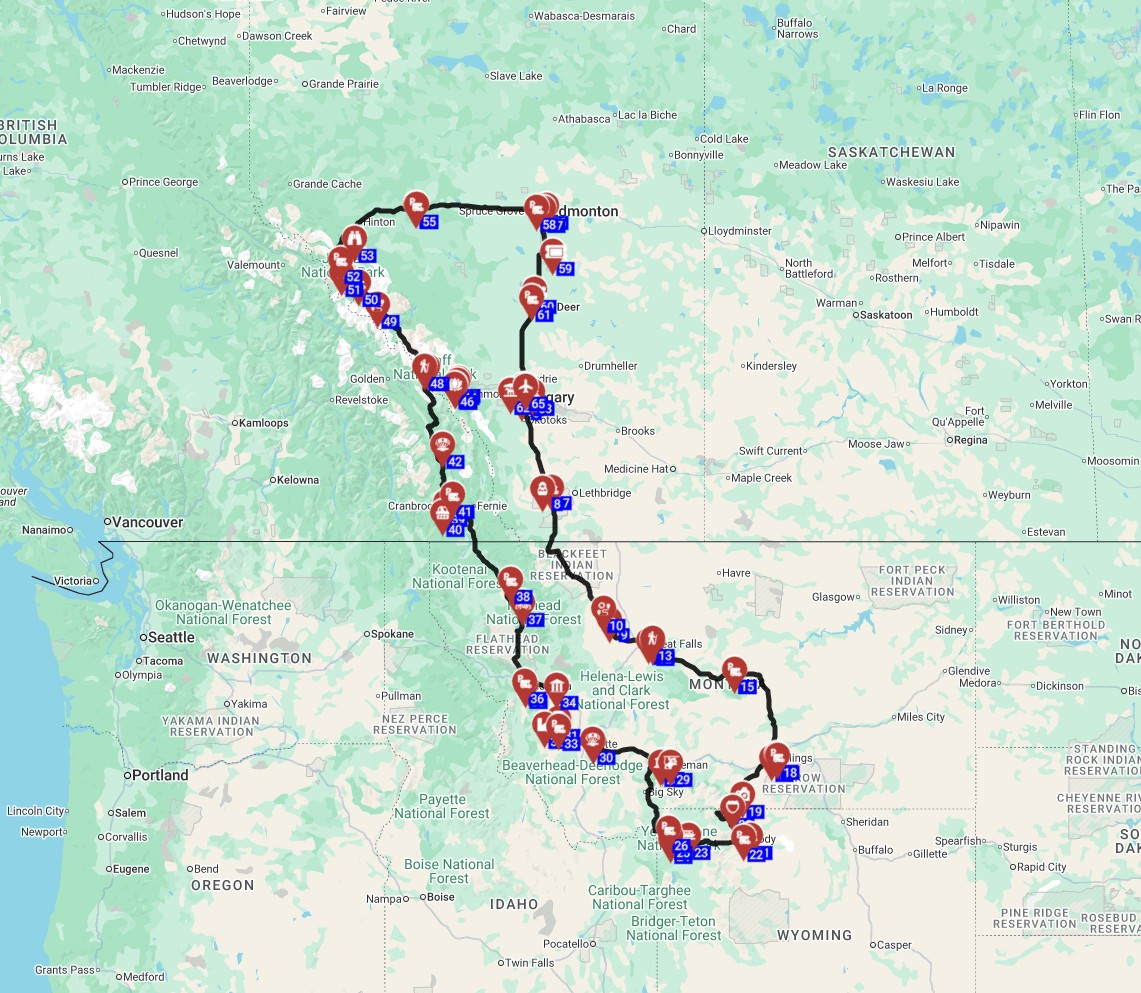
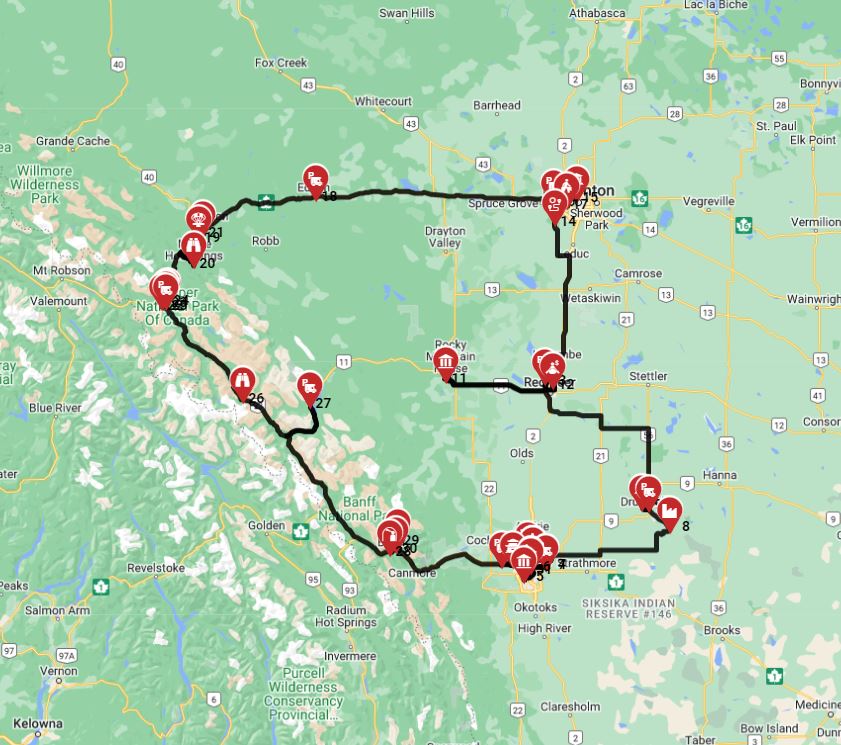
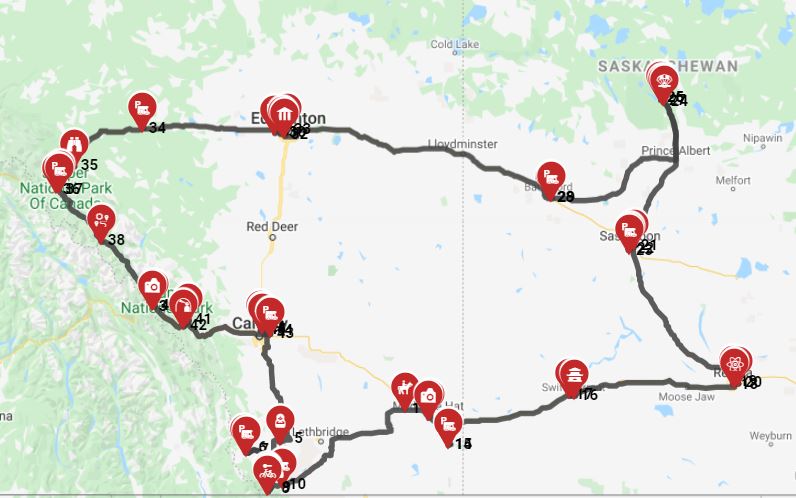
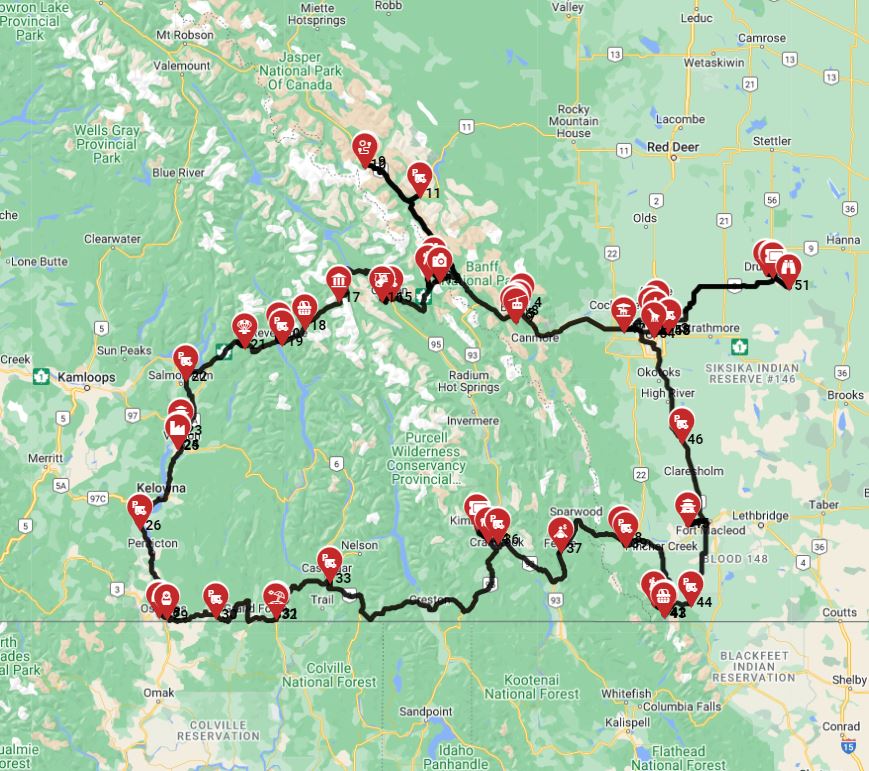
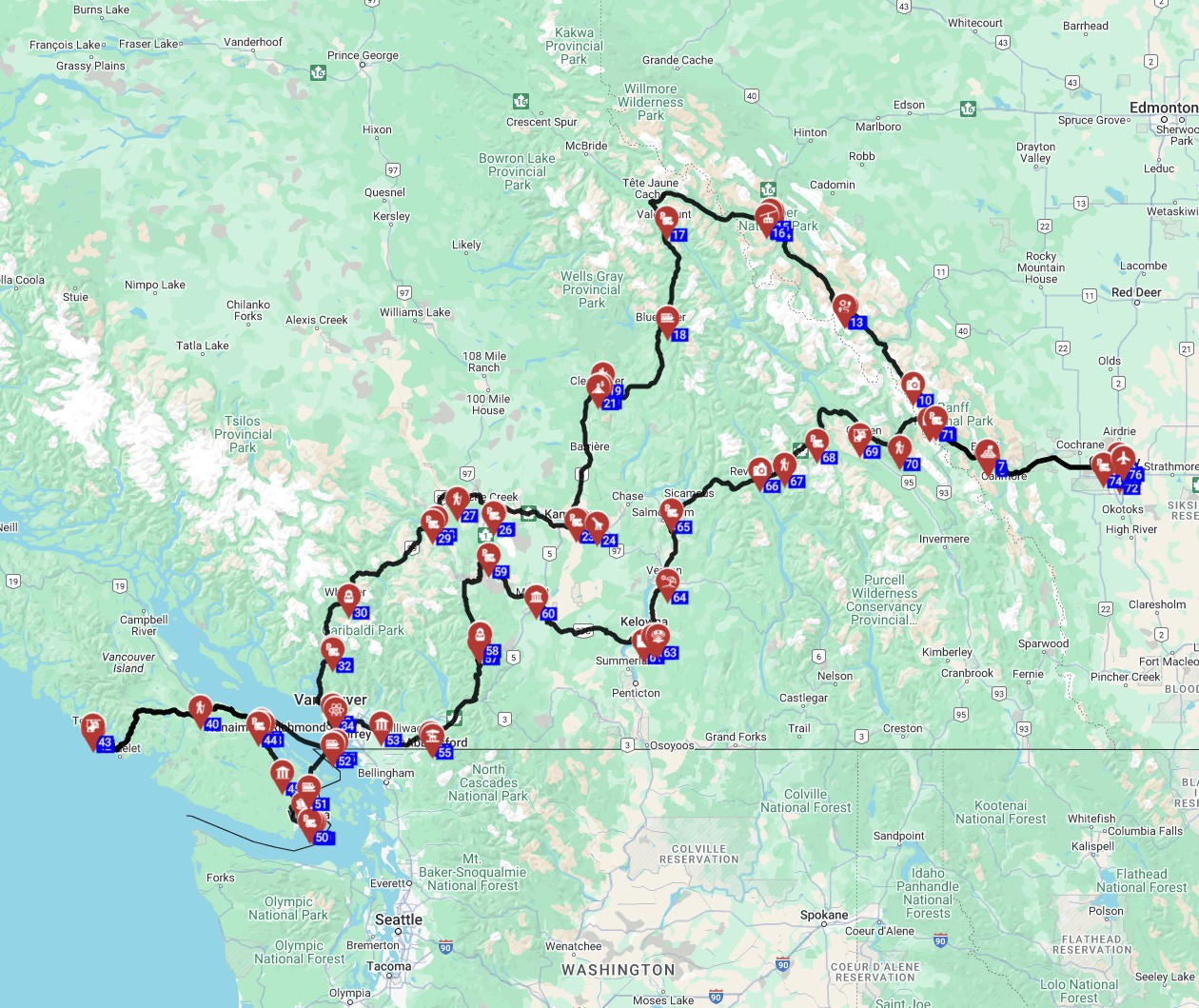
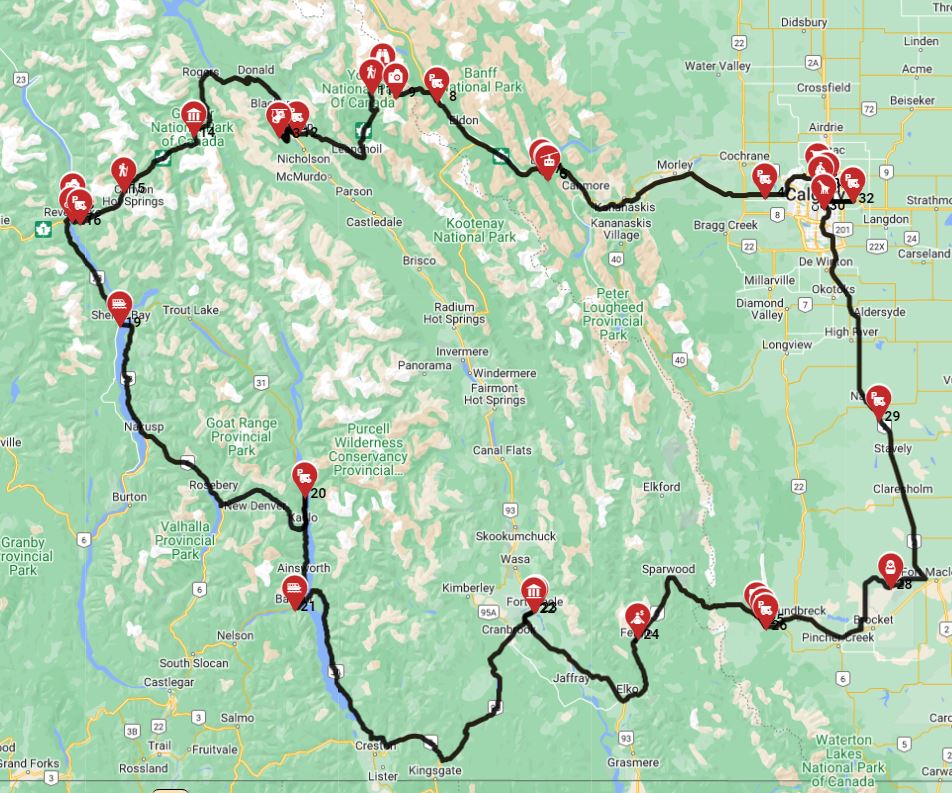
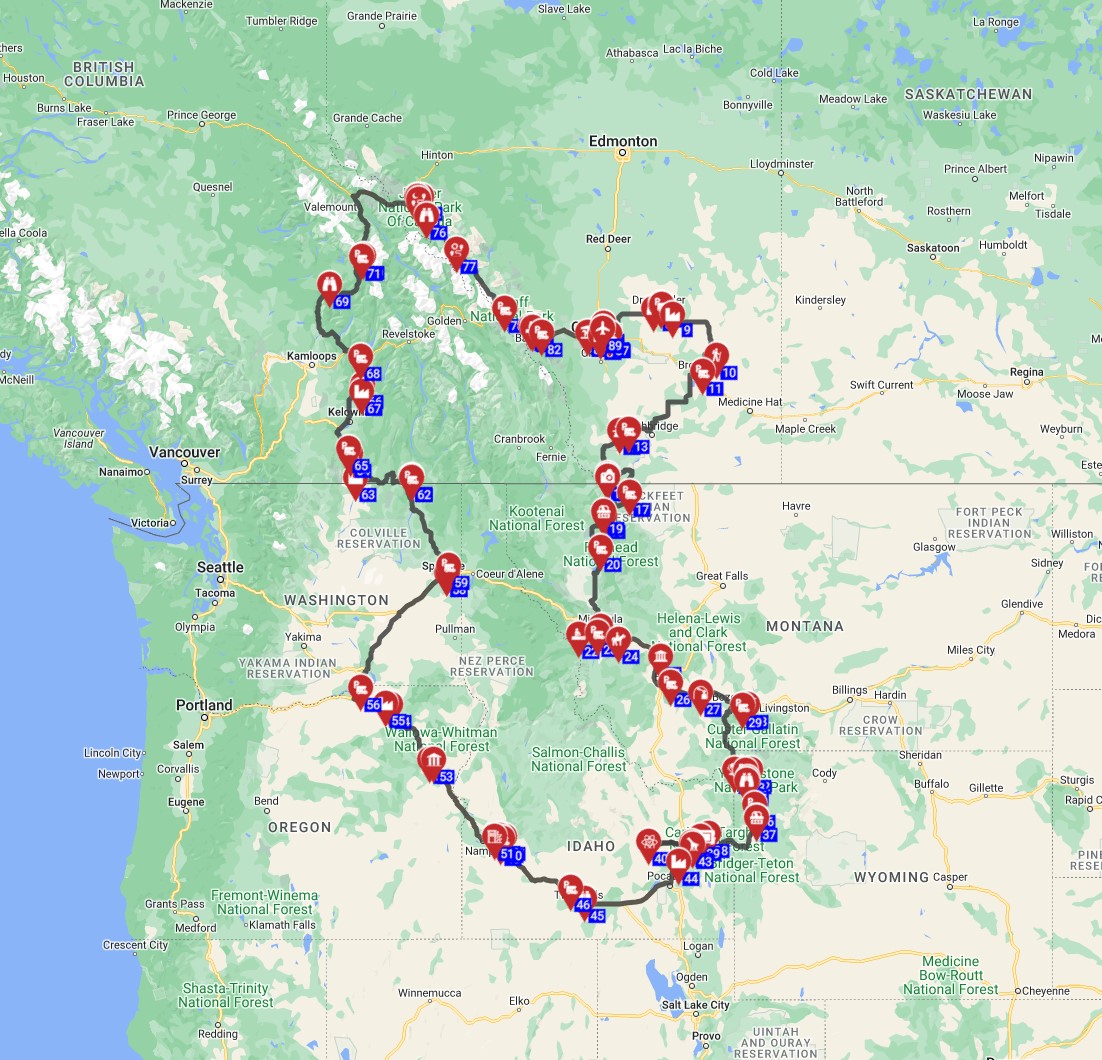
Canada offers numerous best RV routes, with iconic options including the scenic Icefields Parkway in Alberta (connecting Banff and Jasper National Parks) and the Cabot Trail on Cape Breton Island, Nova Scotia. The Icefields Parkway is famed for its majestic mountain passes and glacier views, while the Cabot Trail showcases breathtaking coastal scenery; both present specific driving challenges such as winding roads and mountain navigation. Drive slowly and carefully, and you can drive almost anywhere without issues. No need to stress - just use common sense and pay attention. For a different experience, the Pacific Rim Highway on Vancouver Island offers temperate rainforests and rugged coastlines, while routes through Quebec provide cultural immersion, including language and unique regional nuances. Consider themed itineraries like the 'Great Lakes Waterfront Trail' for culinary experiences, or follow historical routes in Eastern Canada. Always research specific vehicle restrictions for certain park roads or ferry travel logistics if your route includes islands or remote crossings, ensuring your chosen RV class is suitable.Embarking on a weekly rv rental allows you to explore these incredible routes at your own pace. For instance, the Halifax to Whitehorse - Exploring Canada’s Heartland in a Motorhome route, covering 9199.1 km over 37 days, takes you through diverse regions with 5 natural features and 5 points of interest. Another fantastic option is the Vancouver to Toronto - Trans Canada West to East journey, spanning 4886.2 km over 15 days, featuring 2 heritage sites and 2 hiking areas. Our Rent&Plan service, available through rvplan.net, offers 1,300+ pre-planned routes across 5 continents, making it easy to pick an itinerary that matches your interests and vehicle choice. Plus, you get a 25% planning discount for using rvplan.net.
Can you use apps to find RV parks in Canada?
Yes, several highly effective apps are available to help you find RV parks and services across Canada, making planning and on-the-go navigation for your weekly rental much easier. Popular options include 'RV Parky,' 'iOverlander' (excellent for boondocking and services), 'Allstays Camp & RV,' and official provincial park apps (e.g., BC Parks, Ontario Parks) for government-run campgrounds. These apps typically offer search filters for amenities (full hookups, pet-friendly, Wi-Fi), reviews, photos, contact information, and sometimes direct booking links. For staying connected in remote areas, while apps can help find Wi-Fi hotspots, consider supplementary solutions like Wi-Fi boosters or checking specific Canadian carrier coverage maps (e.g., Bell, Rogers, Telus) online to anticipate cell service availability in more remote parts of your chosen route.Using these digital tools greatly simplifies your weekly rv rental experience, helping you navigate Canada's vastness. Whether you're looking for a campground with specific features or trying to find a dump station in a remote location, these apps are indispensable. For instance, planning a trip from Coquitlam to Gibsons might involve a ferry, and these apps can help with logistics. As true RV specialists, we recommend leveraging every available resource to ensure your journey is seamless and enjoyable, from pre-booking comparisons to post-booking coordination. Our commitment to transparent service extends to empowering you with the best planning tools.
What You Shouldn't Miss
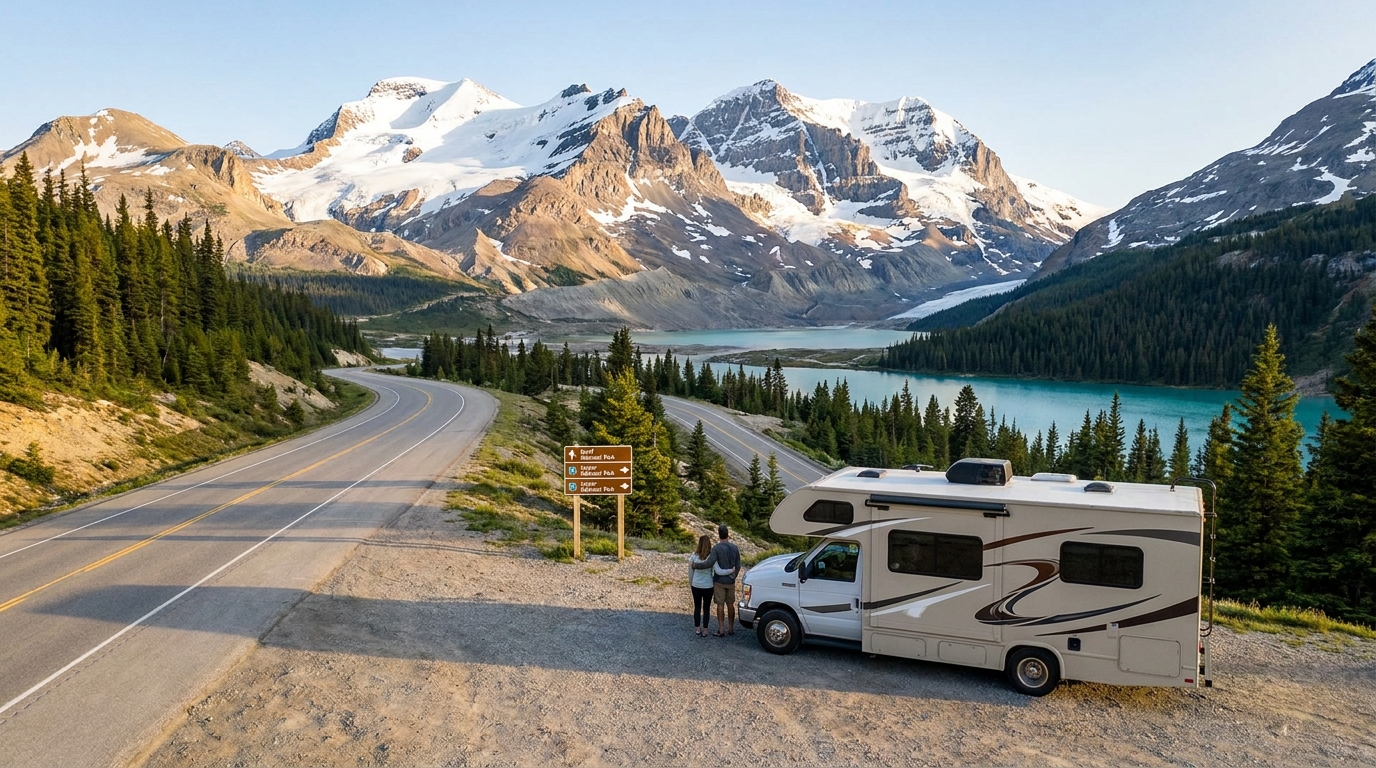
- **Explore the Canadian Rockies**: Drive the Icefields Parkway in Alberta, a 232 km stretch connecting Banff and Jasper National Parks, offering glaciers, turquoise lakes, and abundant wildlife.
- **Discover Coastal Charm on the Cabot Trail**: This 298 km (185 mile) scenic highway on Cape Breton Island, Nova Scotia, offers breathtaking ocean views, charming fishing villages, and vibrant Celtic culture.
- **Experience the Bay of Fundy's Tides**: Witness the world's highest tides, up to 16 meters (52 feet), between New Brunswick and Nova Scotia, and explore the unique geological formations at Hopewell Rocks.
- **Stargaze in a Dark Sky Preserve**: Head to Jasper National Park, one of Canada's largest Dark Sky Preserves, for incredible views of the Milky Way and potentially the Northern Lights.
- **Immerse in Quebec's European Flair**: Drive through Quebec, enjoying its unique culture, French influence, and the absence of billboards along most highways, providing a visually uninterrupted journey.
- **Enjoy Urban Nature in Vancouver**: Explore Stanley Park, a 405-hectare natural rainforest park in Vancouver, offering seawall biking, hiking trails, and the Vancouver Aquarium, all accessible with your rented campervan.
Looking for expert insights from Avi Bandana? Top 5 Adventures - recommendations from Avi Bandana
Discover Avi's personal favorite routes and hidden gems, hand-picked from his over 25 years of RV travel across 5 continents, to make your Canadian adventure truly exceptional.
Final Thoughts
Canada truly is an RV paradise, offering a diverse array of landscapes and experiences perfect for a weekly rv rental adventure. From the towering peaks of the Rockies to the serene beauty of the Atlantic coast, the freedom of a rented motorhome or campervan allows you to create your own unforgettable itinerary. Whether you’re a meticulous planner or prefer to hit the road spontaneously, Canada's extensive network of campgrounds and services is ready to welcome you.At Bandana Caravan, we are passionate about making your RV dreams a reality. Our commitment to full transparency, dedicated support, and deep expertise ensures that your journey will be as smooth and enjoyable as possible. So, get inspired for your next trip! Imagine yourself navigating Canada's scenic routes, discovering charming towns, and waking up to incredible natural wonders each day. An amazing week-long adventure awaits you.
Don't wait any longer to plan your perfect escape. Discover top destinations, planning tips, and all the essential information you need in one place. Plan a trip itinerary in advance with minimal effort and maximum enjoyment using RV PLANET (rvplan.net), and then easily compare and book your ideal weekly rv rental in Canada through Bandana Caravan. Life is now - hit the road!