In This Guide
- Where to Camp in New Zealand - Top Options
- Campground Types in New Zealand (National, Private, Wild)
- Featured RV Park or Campground in New Zealand
- Hookups & Amenities - What to Expect
- Booking Windows & Reservations in New Zealand
- Nearby Supermarkets & Resupply Points
- Best RV Class for Camping in New Zealand
- How to Save on Campgrounds in New Zealand
- Can I park my motorhome anywhere in New Zealand?
- How much does it cost to park a campervan in New Zealand?
- Does New Zealand have RV parks?
- Can you free camp anywhere in New Zealand?
- How much does it cost to stay at a campground in New Zealand?
- Can you sleep in a camper anywhere in NZ?
- Is New Zealand RV friendly?
- Do you need a special license to drive an RV in New Zealand?
- How much do campsites cost in New Zealand?
- Is it worth getting a campervan in New Zealand?
- What You Shouldn't Miss
- Why Book with Bandana Caravan
- Final Thoughts
- Frequently Asked Questions
Exploring New Zealand by a rented RV for quick stays is an unparalleled experience, offering the freedom to immerse yourself in its breathtaking landscapes and vibrant culture. Whether you're dreaming of a week-long journey through the South Island's majestic fjords or a shorter adventure exploring the North Island's geothermal wonders, a motorhome provides the perfect mobile base. Bandana RV, with over 23 years of expertise in motorhome travel, is here to guide you through every step of planning your perfect getaway. For live availability and current prices, start with our RV Rental New Zealand - Complete Guide 2026 guide.
Where to Camp in New Zealand - Top Options
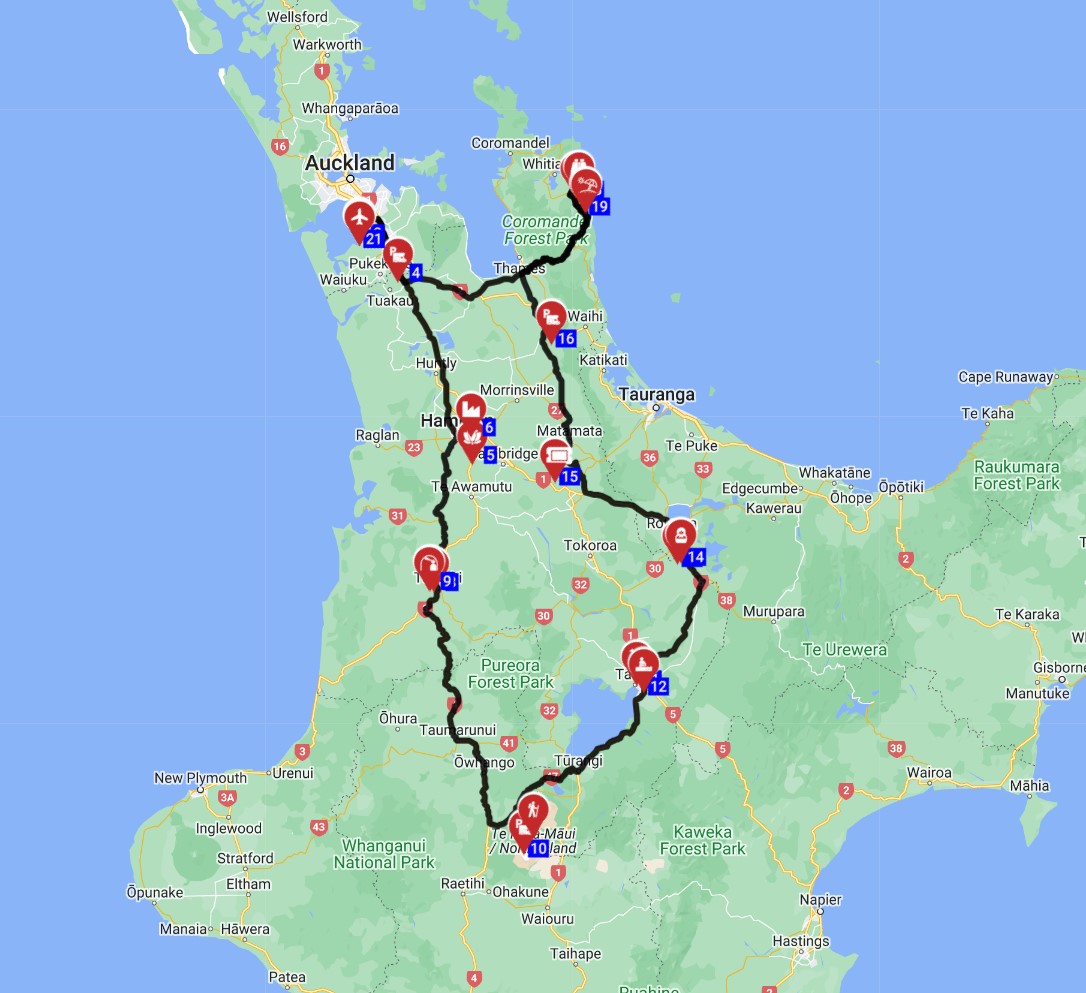
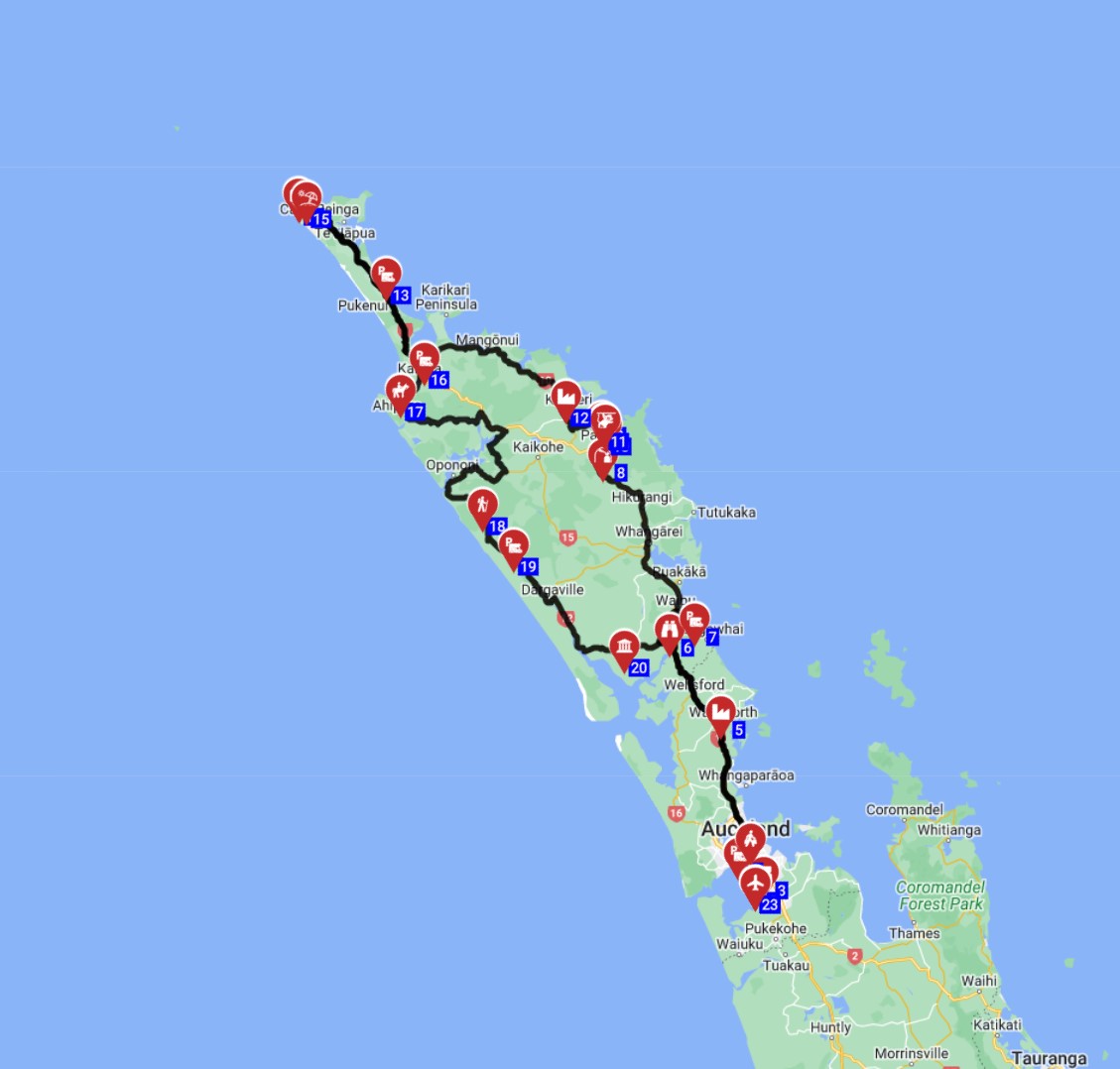
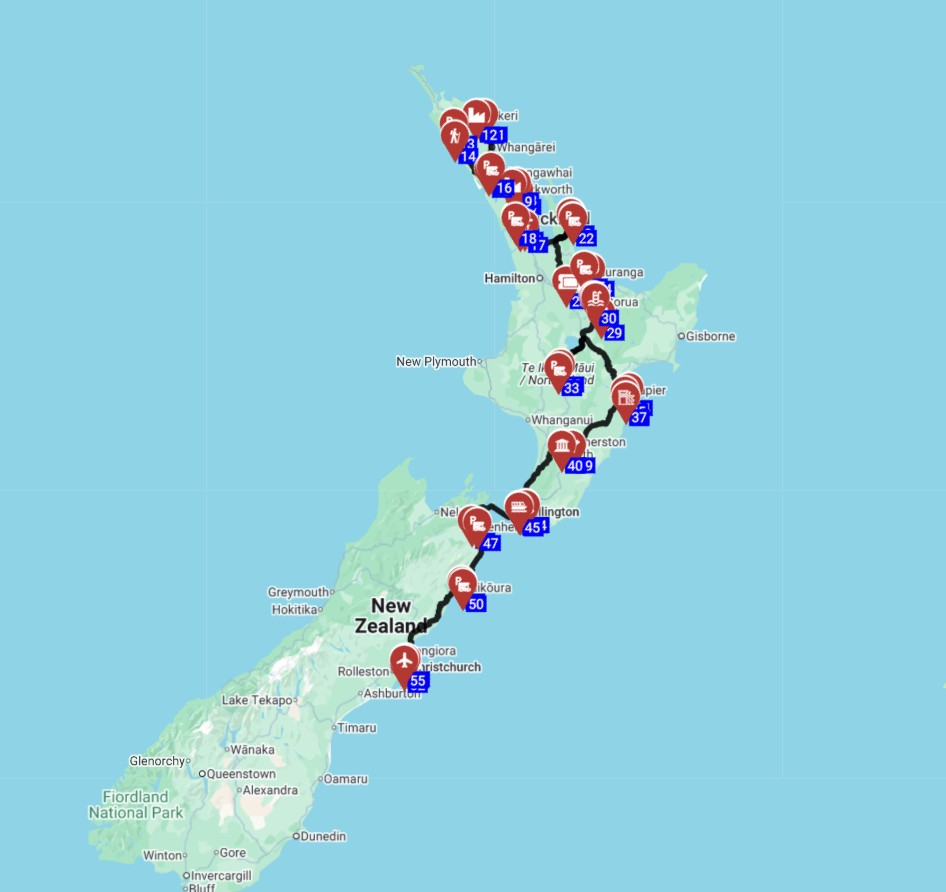
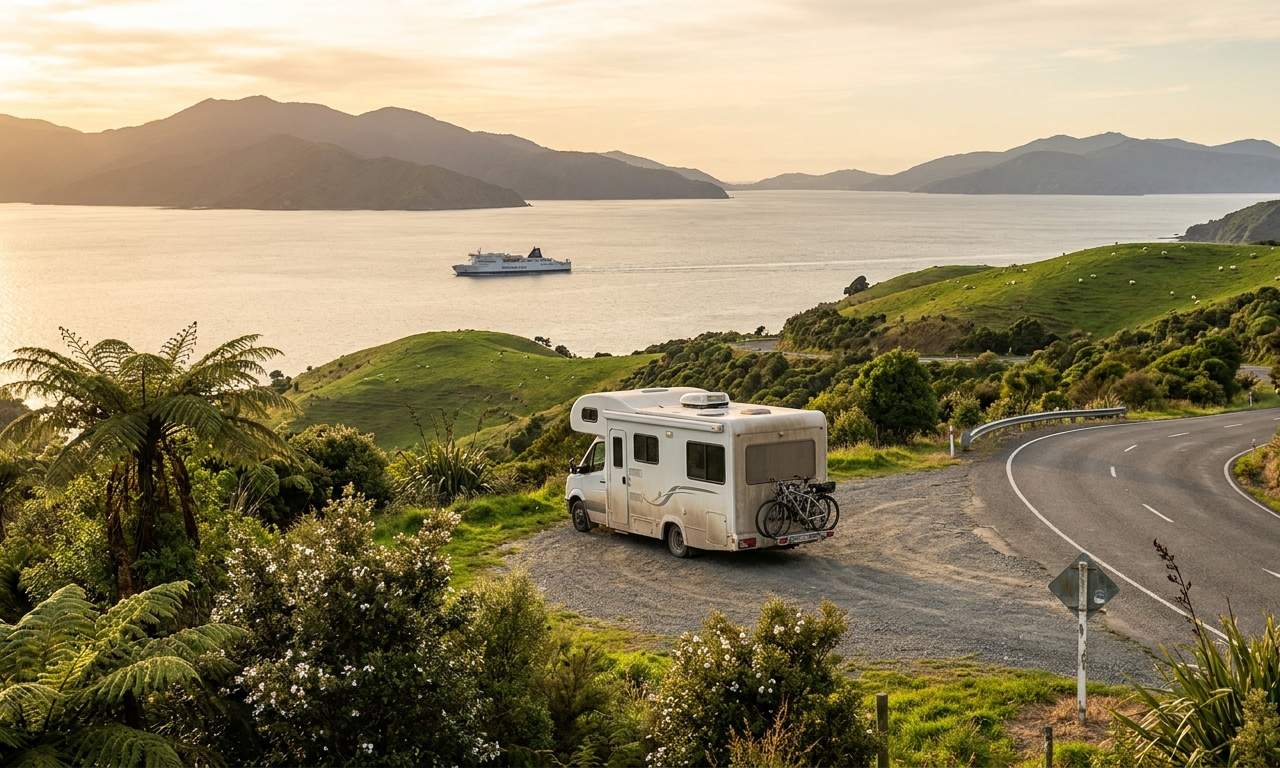
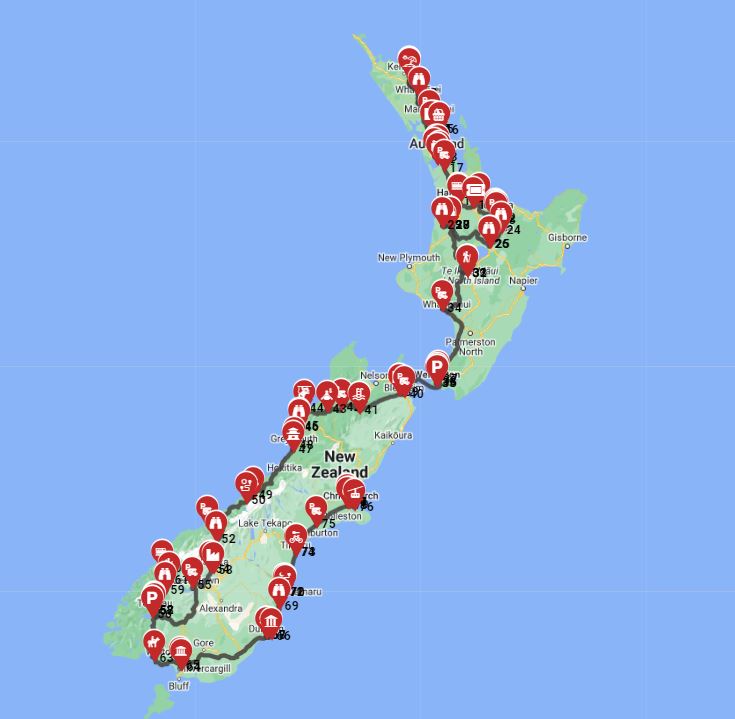
New Zealand offers diverse camping experiences, ranging from remote Department of Conservation (DOC) sites to full-service private holiday parks, ensuring every type of traveler finds their ideal spot. Popular regions for RV camping include the Coromandel Peninsula with its stunning beaches, the dramatic Fiordland National Park, and the rugged West Coast, all offering unique scenery and varied amenities. To discover routes with numerous camping opportunities, consider comprehensive plans like "
Beyond mainstream tourist hubs, regional parks and private land stays can offer unique, often less crowded, experiences for your rented campervan. Many locations cater specifically to RVs, providing convenient access to amenities and attractions. Remember, New Zealand's roads are generally well-maintained, but some remote areas, especially in the South Island, feature winding mountain passes and narrower roads, requiring careful driving. Drive slowly and carefully, and you can drive almost anywhere without issues. No need to stress - just use common sense and pay attention.
Campground Types in New Zealand (National, Private, Wild)
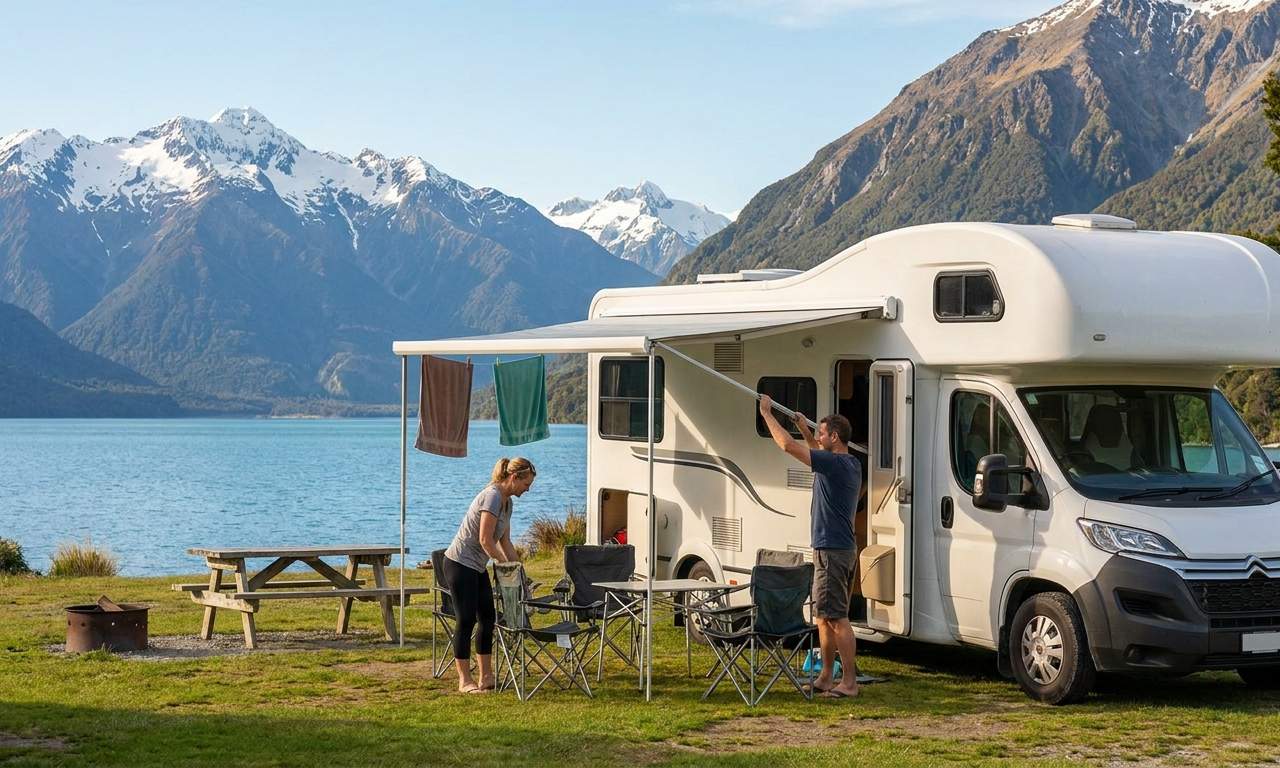
New Zealand's camping infrastructure caters to all tastes, primarily through three main types: DOC campsites, private holiday parks, and designated freedom camping areas. Department of Conservation (DOC) campsites vary widely, ranging from basic, unserviced sites (NZD $8-15/person) with long-drop toilets to serviced sites (NZD $15-25/person) offering flush toilets and cold showers, all providing an immersive experience in nature. These are fantastic for a true wilderness connection.
Private Holiday Parks, often called Motor Camps, offer extensive amenities like powered sites, fully equipped kitchens, laundries, hot showers, and often recreational facilities, typically costing NZD $25-80+ per night for a powered site. For those seeking maximum comfort and convenience, these parks are an excellent choice. Our RV PLANET routes can help travelers itemize and track every expense, including these varied campsite fees, for easy budgeting. On the routes offered through RV PLANET routes, you can itemize and track every expense along the way for easy budgeting.
Freedom camping is legally permitted only in designated areas for certified self-contained vehicles, adhering strictly to local council rules, which can vary significantly by region and are rigorously enforced. It is essential to understand and follow these rules to avoid fines of NZD $200 or more. For more details on budgeting, explore our "Cheap RV Rental in New Zealand - Budget Guide 2026" which offers insights into managing costs for all types of camping.
Featured RV Park or Campground in New Zealand
When selecting an RV park in New Zealand, it is beneficial to look for options that perfectly align with your travel style, whether that means a bustling holiday park with family-friendly amenities or a tranquil, basic DOC site immersed in nature. Prioritize parks offering reliable 230V, 50Hz power hookups, fresh water refill stations, and dedicated grey/black water dump points (known as 'dump stations') for optimal convenience during your journey. Many top-rated parks are strategically situated near major attractions or scenic routes, providing easy access to activities like hiking, beautiful beaches, or town services, often boasting stunning views from your campervan site.
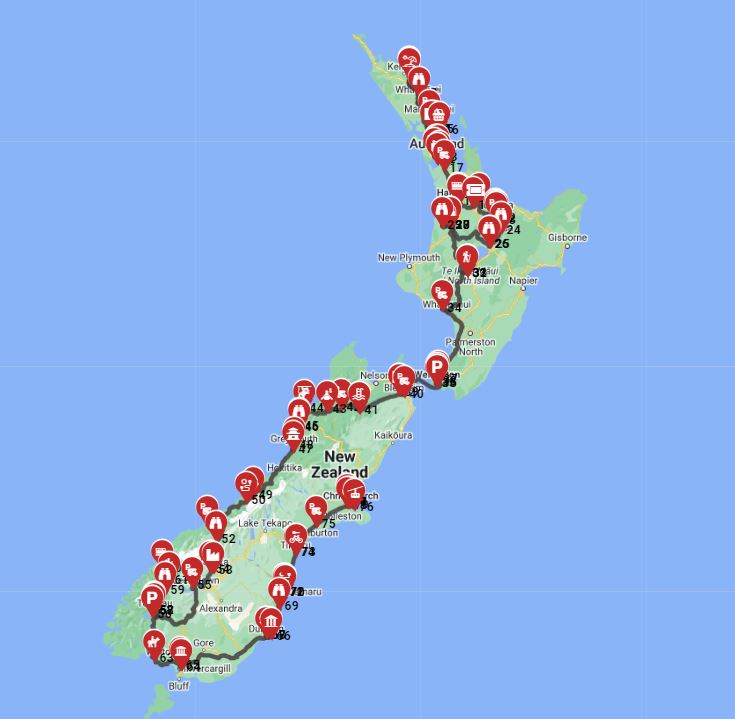
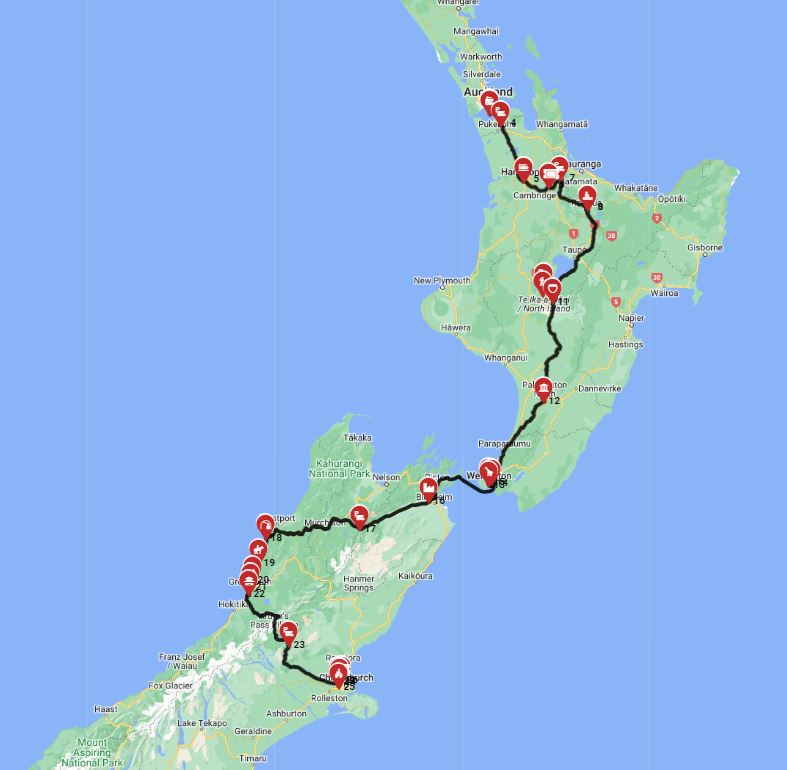
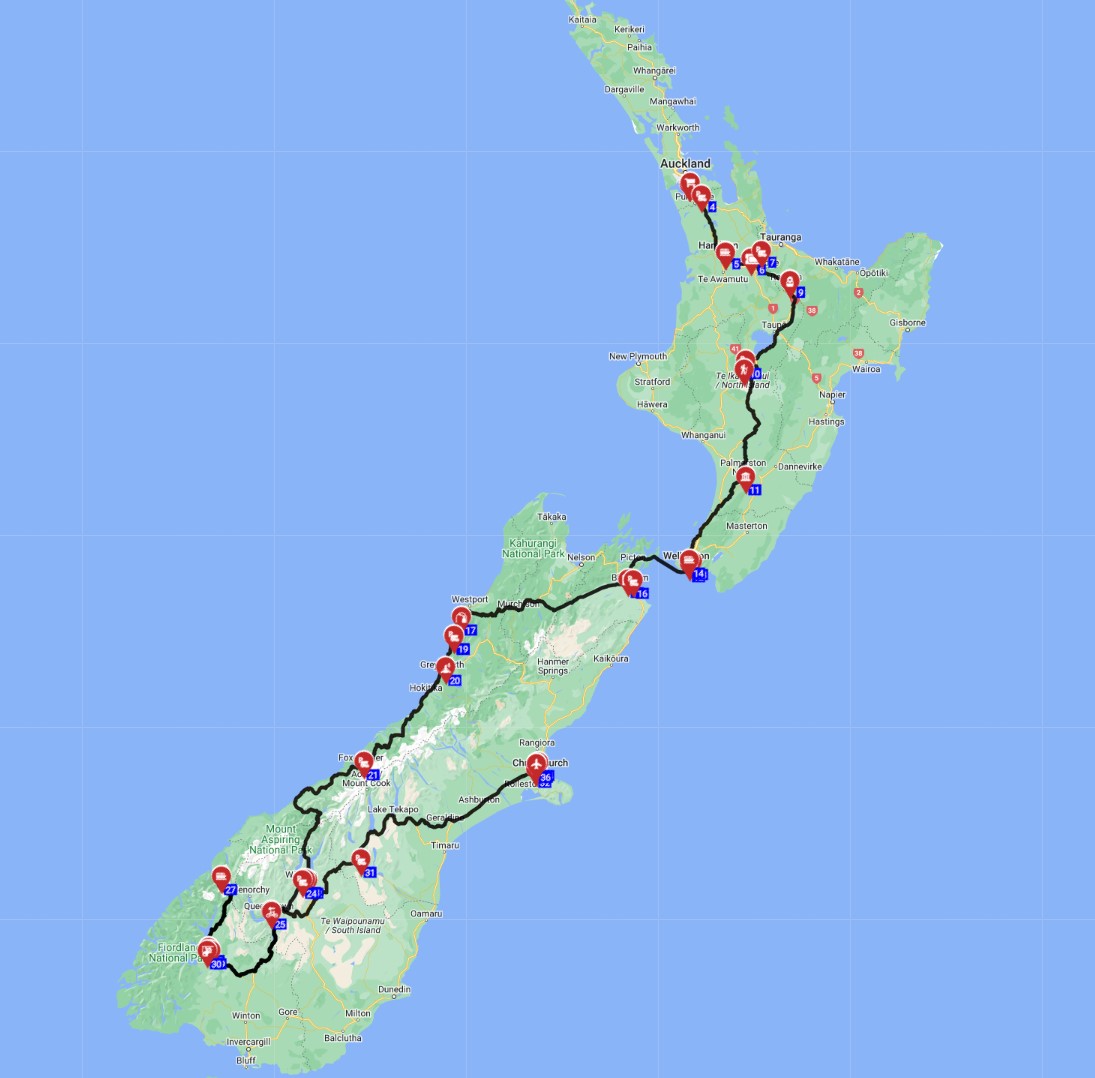
For example, exploring a "Christchurch Roundtrip - Around the South Island" (18 days, 2,647.3 km) offers numerous opportunities to stay at highly-rated campgrounds near its 5 hiking areas and 3 museums. This route plan gives you the flexibility to choose between various camping styles, from well-equipped holiday parks in coastal towns to more rustic Department of Conservation sites deep within the national parks. Similarly, if you are looking for luxury, our "Luxury RV Rental in New Zealand - Premium Prices 2026" guide can help you find premium campgrounds that match. Choosing the right campground can elevate your entire experience, offering a blend of comfort and natural beauty.
Hookups & Amenities - What to Expect
Most private holiday parks throughout New Zealand provide comprehensive hookups, including powered sites (230V, 50Hz, standard 3-pin plugs), fresh water connections, and convenient wastewater disposal points. Travelers can generally expect a good range of amenities at these parks, such as hot showers (which may sometimes be coin-operated), laundry facilities for keeping clothes fresh, communal kitchens for preparing meals, and often Wi-Fi access (though this may be paid or have data limits). When cooking in your rental RV, remember to plan simple yet delicious meals. Check out our RV-friendly recipes playlist for inspiration!
In contrast, Department of Conservation (DOC) campsites generally offer fewer amenities, often limited to basic toilets and water taps for freshwater, with dump stations found at larger sites or conveniently located nearby towns. The choice between these options depends on your preference for comfort versus a more rugged, nature-focused experience. Planning ahead for water and waste management is key, especially when opting for more remote DOC sites with your rented campervan.
Booking Windows & Reservations in New Zealand
For RV travel in New Zealand, particularly during the peak season from December to February, booking private holiday parks and serviced DOC sites several months in advance is highly recommended to secure your preferred spots. Many national park campgrounds typically release only a portion (around 25-30%) of their spots for advance reservations, leaving the remainder available on a first-come, first-served basis. This system provides flexibility, but also means that early booking is beneficial for popular sites.
While spontaneous travel with your rented motorhome is certainly possible, especially during the shoulder seasons (spring and autumn) when crowds are thinner and rates may be lower, it is always wise to call ahead to check availability before driving to a specific campground. This simple step can save you time and ensure you find a suitable spot. If not at the first campground, then you'll likely find one at the next. You can also look for "RV Rental Deals in New Zealand - Latest Offers 2026" during these quieter times to find attractive pricing.
Nearby Supermarkets & Resupply Points
New Zealand's main supermarket chains - Countdown, Pak'nSave, and New World - are widely available in towns and cities across both the North and South Islands, providing convenient points for grocery resupply during your RV adventure. These stores offer a comprehensive range of products, from fresh produce to pantry staples, ensuring you can stock your rented motorhome with everything you need for delicious meals on the road.
For an authentic taste of local flavors and often superior quality, consider stopping at local farmers' markets or roadside stalls, especially for fresh produce and artisan goods. These stops also offer a wonderful opportunity to connect with local communities and discover unique treats. Planning your route with regular resupply points in mind is crucial, as grocery options can become sparse in remote areas, and fuel stations may also be spread out, particularly on the South Island. For assistance in planning your route to include resupply points and track overall trip costs, consider our RV PLANET routes. This can also be invaluable for keeping an eye on your overall budget, including fuel, groceries, and site fees.
Best RV Class for Camping in New Zealand
For maximum flexibility and accessibility to various camping types, including some freedom camping spots, a Class B Camper Van is often an ideal choice for exploring New Zealand. These compact vehicles, with Bandana's fleet averaging 5.8m in length, offer excellent maneuverability on narrower roads and in bustling city centers. Drive slowly and carefully, and you can drive almost anywhere without issues. No need to stress - just use common sense and pay attention. The "rv rental denver example Category Van" is a great example of a compact, shower and toilet equipped Class B option.
If prioritizing comfort, spacious living areas, and more extensive amenities for a family (Bandana's fleet averages 4.4 adults and 5.8 sleeping places), a Class C Alcove or Class SI Semi-integrated motorhome offers a good balance. Vehicles like the "Euro Deluxe" (RV size - Large, 3 double beds) or "4 Berth Adventurer" (7.4m length, 4-cylinder Turbo Diesel engine) are well-suited for private holiday parks and serviced DOC sites. These larger options provide amenities like fully-equipped kitchens and more sleeping capacity for a family of 2+2. Consider your desired level of self-containment for freedom camping; smaller vehicles are often easier to certify and manage for waste disposal requirements in New Zealand.
🎬 Video coming soon
How to Save on Campgrounds in New Zealand
Travelers can significantly save on campground costs in New Zealand by leveraging several smart strategies and Bandana's exclusive offerings. One effective method is to opt for Department of Conservation (DOC) basic campsites or municipal/regional parks, which are generally more affordable than private, resort-style holiday parks. Many DOC sites can be as low as NZD $8-15 per person per night, offering excellent value for money.
Traveling during the shoulder seasons (spring: September-November and autumn: March-May) provides the benefit of lower rates and fewer crowds compared to the peak summer months (December-February). Additionally, inquire about weekly rates for stays of three or more nights at private holiday parks, as many offer discounts for extended periods. Keep an eye on "RV Rental Deals in New Zealand - Latest Offers 2026" for potential savings not just on rentals but sometimes also on campground partnerships. Choosing a smaller campervan, such as an "Acer" (RV size - Small), can also reduce fuel costs, which typically range from 10-12 Liters/100 km for most of Bandana's fleet.
Can I park my motorhome anywhere in New Zealand?
No, you cannot park your motorhome just anywhere in New Zealand; freedom camping is strictly regulated and generally requires a certified self-contained vehicle in designated areas, with many places outright prohibiting it. New Zealand's Freedom Camping Act 2026 dictates where and how you can freedom camp, and local councils have specific bylaws that vary significantly by region. Always look for 'No Overnight Parking' or 'No Freedom Camping' signs, as illegal camping can result in immediate fines of NZD $200 or more, and could even lead to vehicle impoundment. Respecting these local regulations is key to an enjoyable and hassle-free trip.
How much does it cost to park a campervan in New Zealand?
The cost to park a campervan in New Zealand varies widely, depending on the type of site and amenities. It can range from free for designated freedom camping spots for certified self-contained vehicles, to NZD $15-25 for basic Department of Conservation (DOC) sites, and upwards of NZD $25-80+ per night for private holiday parks offering full amenities. Serviced DOC sites, which provide basic facilities like flush toilets and cold showers, typically cost NZD $15-25 per person per night. Private holiday parks, like those found on the "
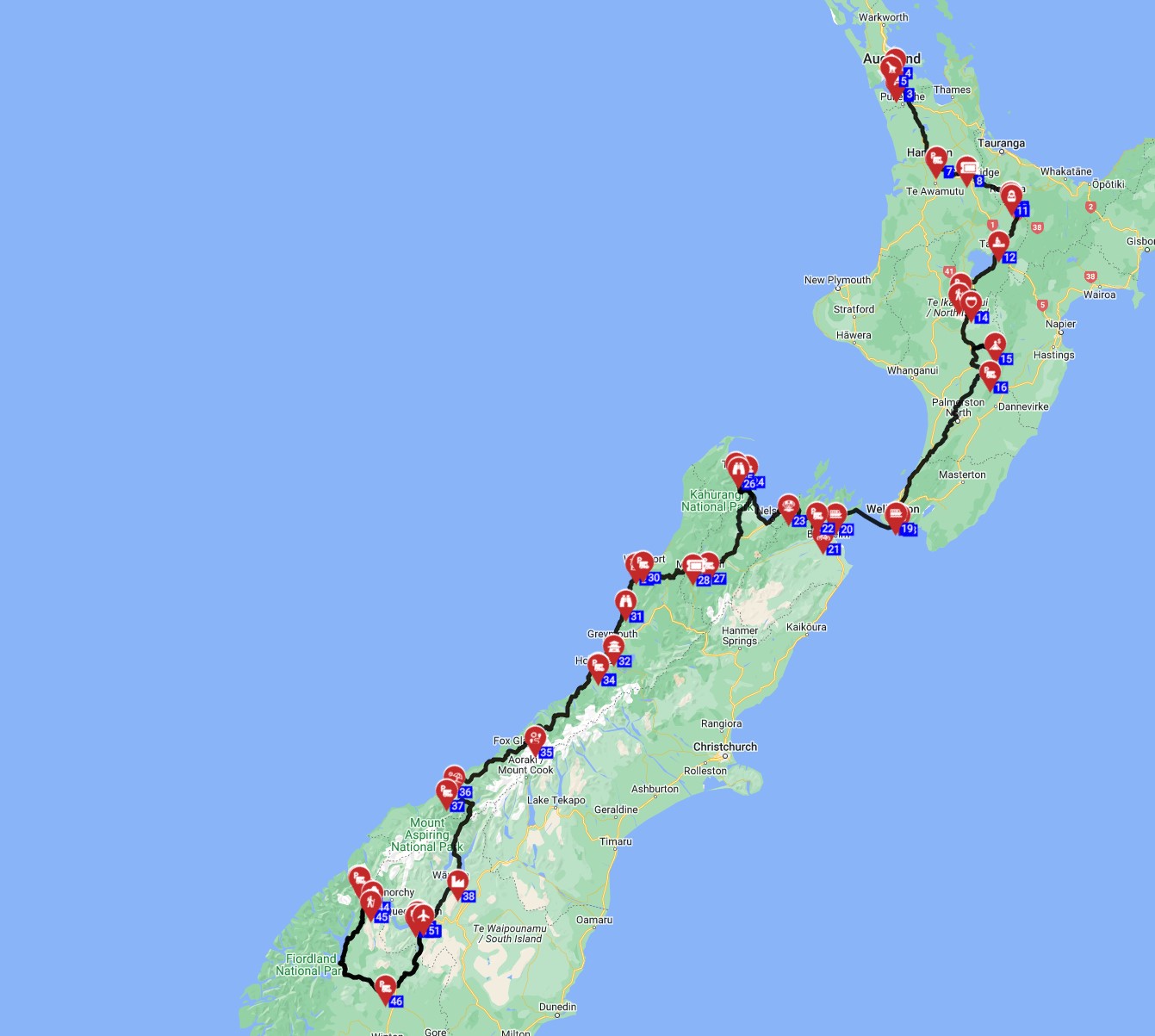
For those interested in "One-Way RV Rental in New Zealand - Price Guide 2026", remember that drop-off fees can be an additional cost factor to consider in your total trip budget. Prices for rentals and campsites are dynamic, much like flight tickets, changing daily based on availability, seasonality, and supplier decisions, so checking current rates at the time of booking is always recommended.
Does New Zealand have RV parks?
Yes, New Zealand boasts a comprehensive network of RV parks, commonly known as holiday parks or motor camps, which offer a wide array of facilities from basic power and water hookups to full amenities like kitchens, laundries, and recreational areas. These holiday parks are conveniently located in nearly every town and popular tourist destination across both the North and South Islands, providing reliable and comfortable overnight stays for rented RV travelers. Beyond private holiday parks, there is also an extensive network of Department of Conservation (DOC) campsites and designated freedom camping areas, catering to diverse RV styles and budgets, from the compact "Juliette 2-3" campervan to a larger "6 Berth Discovery" motorhome.
Can you free camp anywhere in New Zealand?
No, you cannot free camp anywhere in New Zealand; freedom camping is strictly permitted only in designated areas, typically requiring your rented vehicle to be certified as self-contained, and is prohibited in many popular tourist spots and urban areas to protect local environments. To legally freedom camp, your RV must prominently display a 'self-contained' sticker, indicating it meets specific standards for onboard waste water, fresh water, and toilet facilities that can last for at least three days. It is crucial to utilize reliable resources like the CamperMate or Rankers apps to locate legal freedom camping sites and diligently check specific local council rules, as ignorance of bylaws is not a valid defense for the hefty fines you could incur.
How much does it cost to stay at a campground in New Zealand?
The cost to stay at a campground in New Zealand varies significantly based on the type of campground and the amenities it provides. Department of Conservation (DOC) sites typically range from NZD $8-25 per person per night for basic to serviced options. In contrast, private holiday parks offer powered sites costing NZD $25-80+ per night for a couple, with higher rates for more luxurious facilities or larger groups. Budget-friendly options include unserviced DOC sites (NZD $8-15 per person) or designated free freedom camping areas, provided your vehicle is certified self-contained.
The cost also depends on the season of travel, with peak summer months (December-February) generally being the most expensive. Many private holiday parks offer loyalty programs or discounts for extended stays, which can help reduce overall camping expenses for longer trips. For example, a two-week adventure could see significant savings by opting for weekly rates when available. Remember, prices for amenities and extra features are dynamic and can change daily, so it's always best to verify current rates when planning your trip.
Can you sleep in a camper anywhere in NZ?
No, you cannot legally sleep in a camper anywhere in New Zealand; overnight stays are generally restricted to designated campgrounds, Department of Conservation (DOC) sites, or specific freedom camping areas where your rented vehicle must be certified self-contained. Attempting to sleep in non-designated areas, such as roadside pull-offs or public car parks, is illegal and can lead to significant fines of NZD $200 or more. Always refer to local signage and official resources from local councils or DOC to confirm legal overnight parking spots to avoid penalties and respect local regulations, especially with a rented campervan like the "Condo" which is popular for these types of trips.
Is New Zealand RV friendly?
Yes, New Zealand is exceptionally RV-friendly, offering an extensive network of diverse campgrounds, easily accessible dump stations, and stunning scenic routes that make exploring by motorhome a fantastic adventure. The country's infrastructure is well-suited to support RV travel, with numerous towns providing essential services such as fuel, supermarkets, and mechanics. While roads are generally well-maintained, be prepared for winding mountain passes and narrower roads in more remote, scenic areas, particularly on the South Island, which add to the charm of the journey.
Understanding and adhering to local freedom camping regulations, including the necessity for a certified self-contained vehicle in many areas, is crucial for a smooth trip. Overall, the unparalleled natural beauty and robust support services make New Zealand an ideal destination for a rented RV holiday. For those interested in exploring more of the continent, our "RV Rental Australia - Complete Guide 2026" offers extensive information for a combined adventure.
Do you need a special license to drive an RV in New Zealand?
For most standard RVs available for rent in New Zealand, you typically do not need a special license; a valid full overseas driver's license, held for at least one year and accompanied by an English translation or International Driving Permit (IDP) if not already in English, is usually sufficient. This applies as long as the vehicle's Gross Laden Weight (GLW) is under 6,000 kg, which covers all Class A, Class B, and Class C motorhomes and campervans available through Bandana RV. Drivers must be at least 21 years old for most rental companies, with no additional young driver surcharges or vehicle class restrictions based on age. Always carry your physical driver's license and any required translation or permit with you while driving your rented motorhome in New Zealand to comply with local laws.
How much do campsites cost in New Zealand?
Campsite costs in New Zealand vary widely, reflecting the diversity of available facilities and locations. Prices range from free for approved freedom camping sites (requiring a self-contained vehicle) to NZD $8-25 per person per night for Department of Conservation (DOC) basic sites, and NZD $25-80+ for powered sites at private holiday parks offering more amenities. The specific cost is heavily influenced by the level of facilities provided, whether you choose a powered or unpowered site, and the season of travel, with peak summer rates generally being higher. For those planning a two-week adventure, many private holiday parks offer loyalty programs or discounts for extended stays, helping to manage the overall trip expenses.
Is it worth getting a campervan in New Zealand?
Yes, getting a campervan in New Zealand is widely considered an excellent choice, offering unparalleled flexibility to explore its diverse landscapes at your own pace, convenience for accessing remote natural attractions, and the unique experience of waking up to breathtaking views. A rented campervan allows for spontaneous itinerary changes and the freedom to choose your accommodation each night, often positioning you closer to nature than traditional lodging. While the initial rental and fuel costs are considerations (Bandana's fleet averages 10-12 Liters/100 km for most classes, like the "Condo" or "Chaser"), the ability to cook your own meals and combine accommodation with transport can provide excellent value, making a campervan adventure truly worthwhile.
What You Shouldn't Miss
- **Cruise Milford Sound**: Take a majestic cruise through the iconic fiord, surrounded by towering cliffs and waterfalls, an absolute must-see in the South Island.
- **Explore Rotorua's Geothermal Wonders**: Witness bubbling mud pools, vibrant hot springs, and powerful geysers on the North Island, experiencing the heart of Maori culture.
- **Hike the Tongariro Alpine Crossing**: Embark on one of the world's greatest day hikes, a challenging yet rewarding trek through a volcanic landscape with stunning vistas.
- **Discover Queenstown's Adventure Scene**: From bungee jumping to jet boating, Queenstown offers an adrenaline rush amid spectacular Southern Alps scenery, ideal for thrill-seekers.
- **Visit Abel Tasman National Park**: Enjoy golden beaches, turquoise waters, and lush coastal forests by kayaking, walking, or water taxi in the sunny top of the South Island.
- **Sample Local Cuisine in Napier**: Experience the art deco charm and indulge in delicious local wines and fresh seafood along the Hawke's Bay coast.
Looking for expert insights from Avi Bandana? Top 5 Adventures - recommendations from Avi Bandana
Final Thoughts
New Zealand truly is a dream destination for RV travel, offering an incredible blend of stunning natural beauty and well-equipped facilities for a memorable adventure. Whether you opt for the rugged charm of a DOC campsite or the full amenities of a private holiday park, the freedom of a rented motorhome allows you to tailor your trip to your exact desires. Remember to travel slowly, perhaps a maximum of 100-150 km per day on average, to truly take time to feel the place, connect to the unique culture, savor the delicious food, and immerse yourself in the breathtaking scenery.
From the North Island's vibrant geothermal areas to the South Island's majestic fiords and mountains, every turn brings a new discovery. Planning ahead for campsite bookings, understanding freedom camping rules, and considering your vehicle choice will set you up for success. We are with you before and after your booking, offering comprehensive comparisons and support to ensure your New Zealand RV journey is nothing short of spectacular. What are you waiting for?
Get inspired for your next trip! Discover top destinations, planning tips, all in one place!