In This Guide
- The 5 RV Families Compared for New Zealand
- Class A (Integrated) - Best For
- Class SI (Semi-Integrated) - Best For
- Class C (Alcove) - Best For
- Class B (Campervan) - Best For
- Class TC (Truck Camper) - Best For
- Side-by-Side Comparison Table
- Our Recommendation for rv rental Travelers in New Zealand
- How much does an RV cost in New Zealand?
- Is it worth getting a campervan in New Zealand?
- How to get a cheap campervan in New Zealand?
- How much does it cost to rent a campervan in New Zealand for 2 weeks?
- What You Shouldn't Miss
- Why Book with Bandana Caravan
- Final Thoughts
- Frequently Asked Questions
The 5 RV Families Compared for New Zealand
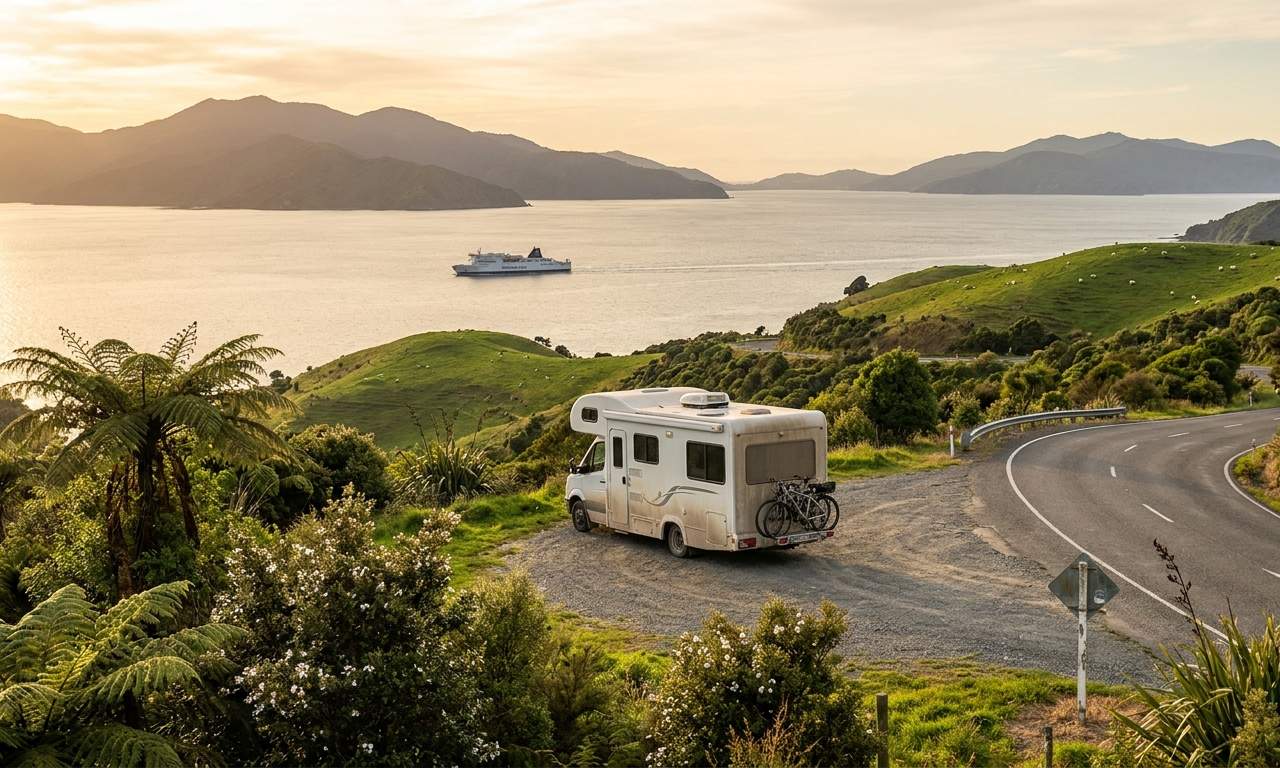
Matching your RV rental choice to New Zealand's unique landscape, varied climate, and diverse road network is crucial for an optimal travel experience. Imagine yourself navigating the stunning coastal routes, exploring lush national parks, and discovering charming small towns with the perfect mobile home as your base. Consider factors like your group size, desired comfort level, budget, and planned itinerary when selecting an RV family, as different classes offer distinct advantages for traversing New Zealand's diverse terrain. For live availability and current prices, start with our RV Rental New Zealand - Complete Guide 2026 guide. Bandana Caravan, with over 23 years of experience helping tens of thousands of travelers, partners with more than 50 leading RV suppliers worldwide, including popular choices like Apollo and Britz, to ensure you find the ideal vehicle for your adventure.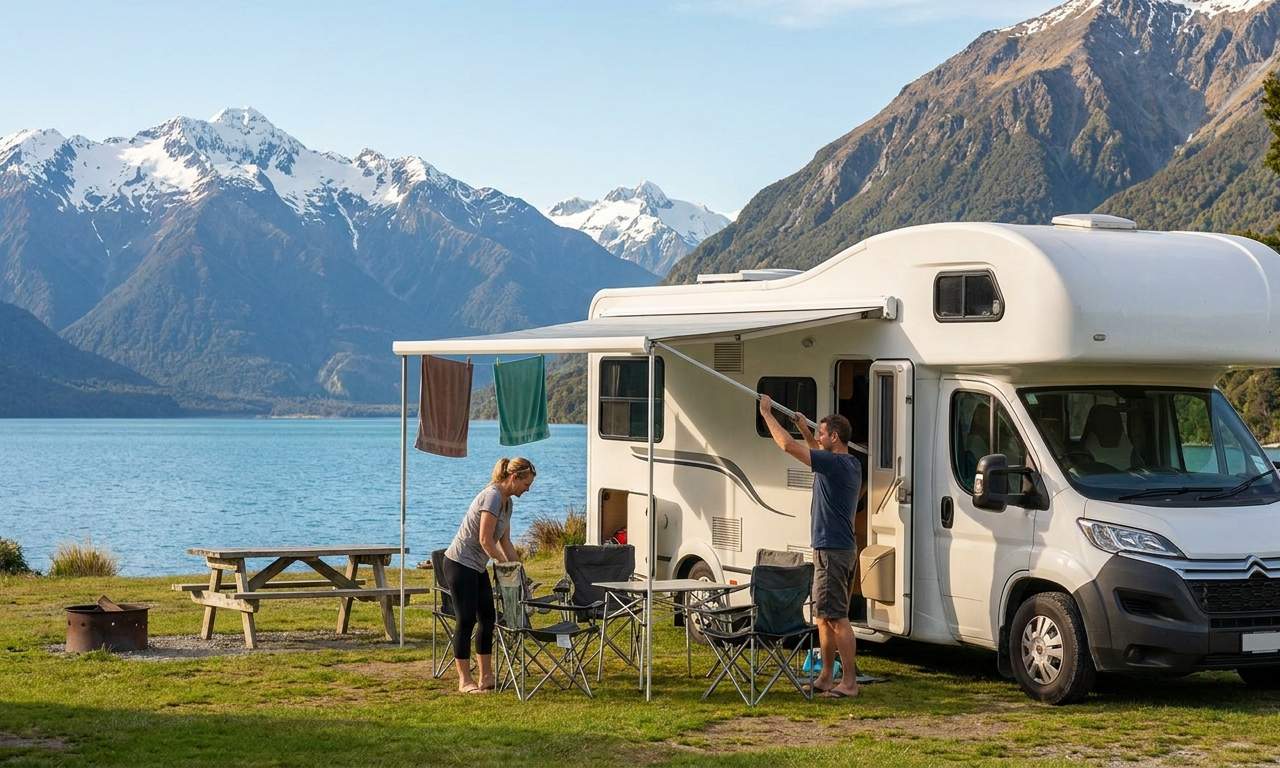
Class A (Integrated) - Best For
Class A integrated motorhomes are best suited for travelers prioritizing luxury, spacious living, and maximum comfort on longer trips in New Zealand. These magnificent vehicles offer an expansive home-on-wheels experience, perfect for those who enjoy a grand adventure with all the amenities. Bandana's fleet typically features Class A RVs averaging 7.5 meters in length, comfortably sleeping 4 to 6 people (for example, the luxurious `\u200brent rv example E3` with TV), and accommodating up to 4 adults, with an average load capacity of 209.5 kg. These larger motorhomes provide extensive amenities and ample storage, making them ideal for families or groups who plan extended stays at well-equipped holiday parks. Fuel consumption for Class A vehicles typically ranges from 11-12 Liters/100 km, which is a consideration for New Zealand's varied terrain, but the comfort and space often outweigh the fuel cost for many renters. While offering superior comfort, their size can make navigating narrower, winding New Zealand roads or parking in smaller towns more challenging, but with careful driving, you can drive almost anywhere without issues.Price Comparison by RV Class in New Zealand
RV rental prices in New Zealand are dynamic and vary based on seasonality, booking lead time, vehicle availability, and the specific RV class. Just like airline tickets, prices can change daily, so it’s always best to check for current rates. Because pricing is flex-rate, the table below pulls real example prices from Bandana's live search for various RV classes and trip durations, offering a snapshot of potential costs. For the most current rates tailored to your travel dates and preferences, simply use the search box at the top of this page. We compare final prices across 50+ suppliers, so what you see is what you pay, with no surprise fees at pickup. This full transparency is a core differentiator of Bandana Caravan.Live April Price Comparison — RV Class × Trip Length
| Trip length | Class A | Class B | Class C | Class SI | Class TC |
|---|---|---|---|---|---|
| 1 week 15/04 → 22/04 | Check prices | 747.20 € EUR | 2,556.00 € EUR | 926.40 € EUR | Check prices |
| 2 weeks 15/04 → 29/04 | Check prices | 1,296.00 € EUR | 5,112.00 € EUR | 1,632.00 € EUR | Check prices |
| 1 month 01/04 → 30/04 | Check prices | 2,472.00 € EUR | 6,547.74 € EUR | 3,144.00 € EUR | Check prices |
Estimates only — flex-rate prices change daily based on availability and season.
Class SI (Semi-Integrated) - Best For
Class SI semi-integrated motorhomes are the optimal choice for couples or small families seeking a perfect balance of comfort, maneuverability, and essential amenities for their New Zealand adventure. These RVs offer a good compromise between the spaciousness of larger motorhomes and the easier handling of smaller campervans, making them well-suited for New Zealand's diverse roads. Bandana's fleet typically has Class SI RVs averaging 6.9 meters in length, sleeping 3 to 4 people (like the `2 Berth Tamar` or `2 Berth Rover` models), and accommodating 3.4 adults, with an average load capacity of 72.2 kg. Fuel consumption is generally efficient for their size, typically around 10-11 Liters/100 km, which helps manage travel costs over longer journeys. They are perfect for exploring both popular tourist routes and slightly less accessible areas without sacrificing essential comforts like a shower and toilet.Class C (Alcove) - Best For
Class C alcove motorhomes are ideal for families or larger groups traveling in New Zealand, offering ample sleeping capacity and a practical layout. The distinctive 'alcove' bed over the cab provides extra sleeping space, making them highly cost-efficient for groups needing multiple berths. Bandana's fleet typically features Class C RVs averaging 7.5 meters in length, sleeping up to 6 people (such as the `Euro Deluxe` or `6 Berth Deluxe`), and accommodating 4.4 adults, with an average load capacity of 42.4 kg. These vehicles generally consume 10-12 Liters/100 km, balancing their generous space with reasonable fuel economy for their size. While larger than campervans, they are designed for functionality and family-friendly travel, capable of handling most New Zealand main roads and holiday park access without stress. Drive slowly and carefully, and you can drive almost anywhere without issues.Class B (Campervan) - Best For
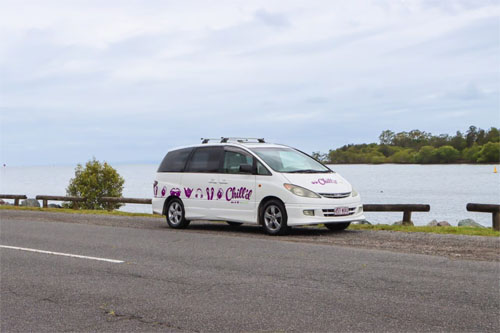
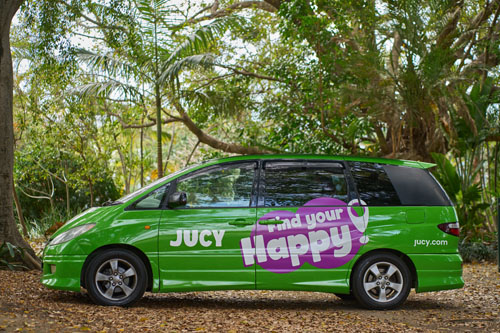
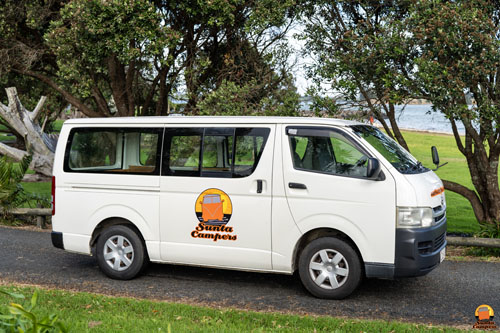
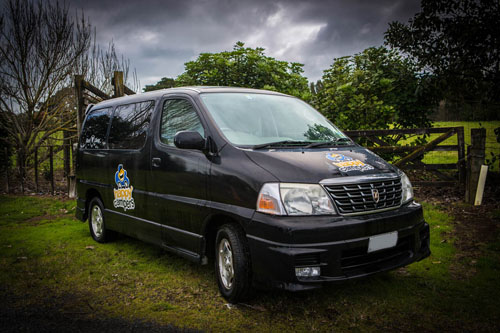
Class B campervans are perfectly suited for solo travelers, couples, or small groups who prioritize maneuverability, fuel efficiency, and spontaneous exploration in New Zealand. Their compact size makes them exceptionally easy to drive on winding roads, navigate through towns, and park in smaller spots, offering maximum flexibility for diverse itineraries. Bandana's fleet typically has Class B campervans averaging 5.8 meters in length, sleeping 2 to 3 people (like the `2 Berth Hi Top` or `Kiwi Deluxe 2/3 ST` models), and accommodating 2.7 adults, with an average load capacity of 37 kg. With common fuel consumption of 8-10 Liters/100 km, they are among the most economical options for covering long distances. Many Class B campervans are 'self-contained,' which is crucial for legally utilizing New Zealand's scenic freedom camping sites, providing an authentic and budget-friendly way to experience the country. If you enjoy preparing meals on the go, the compact kitchenettes are perfect for whipping up tasty treats; check out our RV-friendly recipes playlist for inspiration.Class TC (Truck Camper) - Best For
Class TC truck campers are an excellent choice for adventurous travelers in New Zealand seeking off-grid capabilities, robust performance, and the flexibility of a detachable living unit. These vehicles, mounted on a pickup truck chassis, offer superior ground clearance and often 4x4 capability, making them ideal for reaching more remote campsites or exploring unsealed roads in New Zealand's wilderness. Bandana's fleet typically features Class TC RVs averaging 5.5 meters in length, sleeping 2 to 3 people (such as the `4x4 Scout Adventure Truck Camper Gold`), and accommodating 2.1 adults, although their average load capacity is not broadly tracked. Common fuel consumption is higher, ranging from 12-17 Liters/100 km, reflecting their rugged build and off-road potential. Truck campers appeal to those who desire a truly immersive outdoor experience and value the ability to separate the living unit from the truck for day trips to explore challenging terrain.Side-by-Side Comparison Table
To assist with your decision, this table provides a quick side-by-side comparison of the key attributes and ideal use cases for each RV family available for rent in New Zealand. Understanding these differences will help you choose the best rented campervan or motorhome for your unique travel style and itinerary.| Family | Avg Length (m) | Sleeps | Fuel Use (L/100km) | Best Use Case in New Zealand |
|---|---|---|---|---|
| Class A (Integrated) | 7.5 | 4.4 | 11-12 | Luxury, large groups, long trips, comfort at holiday parks |
| Class SI (Semi-Integrated) | 6.9 | 3.8 | 10-11 | Couples/small families, balanced comfort and maneuverability |
| Class C (Alcove) | 7.5 | 5.8 | 10-12 | Families/larger groups, cost-efficient, ample sleeping space |
| Class B (Campervan) | 5.8 | 3.2 | 8-10 | Solo/couples, maneuverability, fuel economy, freedom camping |
| Class TC (Truck Camper) | 5.5 | 2.4 | 12-17 | Adventure seekers, off-grid travel, remote access, flexibility |
Our Recommendation for rv rental Travelers in New Zealand
For most RV rental travelers exploring the breathtaking landscapes of New Zealand, we primarily recommend a **Class SI (Semi-integrated) motorhome** due to its optimal balance of comfort, space, and manageable size for navigating New Zealand's diverse road conditions and accessing various campsites. The Class SI offers sufficient amenities for a comfortable journey without the bulk that can complicate driving on winding mountain passes or finding parking in smaller towns. Drive slowly and carefully, and you can drive almost anywhere without issues. As a strong runner-up, especially for budget-conscious couples or solo adventurers prioritizing flexibility and minimal environmental impact, a **Class B (Campervan)** is an excellent choice. Its superior maneuverability and fuel efficiency make it ideal for spontaneous travel, city exploration, and taking full advantage of legal freedom camping opportunities across the country, particularly if the campervan is certified self-contained. For more insights on budget travel, explore our "Cheap RV Rental in New Zealand - Budget Guide 2026" guide.How much does an RV cost in New Zealand?
An RV trip in New Zealand typically costs anywhere from NZD 150 to NZD 400+ per day, encompassing rental fees, fuel, campsites, and insurance, varying significantly with vehicle type, season, and inclusions. Transparency is key with Bandana, so here's a detailed breakdown to help you plan your adventure. **Rental Fees**: The base rental cost is the largest component, fluctuating by RV class (refer to our price comparison table above), season (peak summer from December-February is most expensive), and duration. Booking 6-12 months in advance can often secure better rates. **Fuel Estimates**: New Zealand's fuel prices are considerable. Factor in 8-17 Liters/100 km depending on your RV class, plus Road User Charges (RUCs) for diesel vehicles, which are often passed on by rental companies. **Campsite Fees**: Your accommodation costs will vary based on your choice: Department of Conservation (DOC) sites (NZD 10-25/person/night), commercial holiday parks (NZD 25-60/night for a powered site), or legal freedom camping (free, but requires a certified self-contained vehicle to avoid a NZD$400 fine). **Insurance Options**: Basic insurance with a high excess (deductible) is usually included, but comprehensive options with lower or zero excess can add NZD 20-50 per day to your rental. You can upgrade to a top-level deductible for extra peace of mind. **Interisland Ferry Costs**: If traveling between the North and South Islands, budget NZD 200-400 for your RV and passengers on the Interislander or Bluebridge ferry; booking well in advance is essential. **Hidden Charges & Extras**: Look out for one-way rental fees (which can range from NZD 200-500 depending on the route, as detailed in our "One-Way RV Rental in New Zealand - Price Guide 2026"), additional driver fees, cleaning fees (if not returned tidy), gas bottle refills, additional equipment hire (e.g., picnic tables, GPS), and potential credit card processing fees. We pride ourselves on full transparency, so we'll always show you the final price with no surprises. For keeping track of all these expenses, RV PLANET routes allow travelers to itemize and track every expense along the way for easy budgeting.Is it worth getting a campervan in New Zealand?
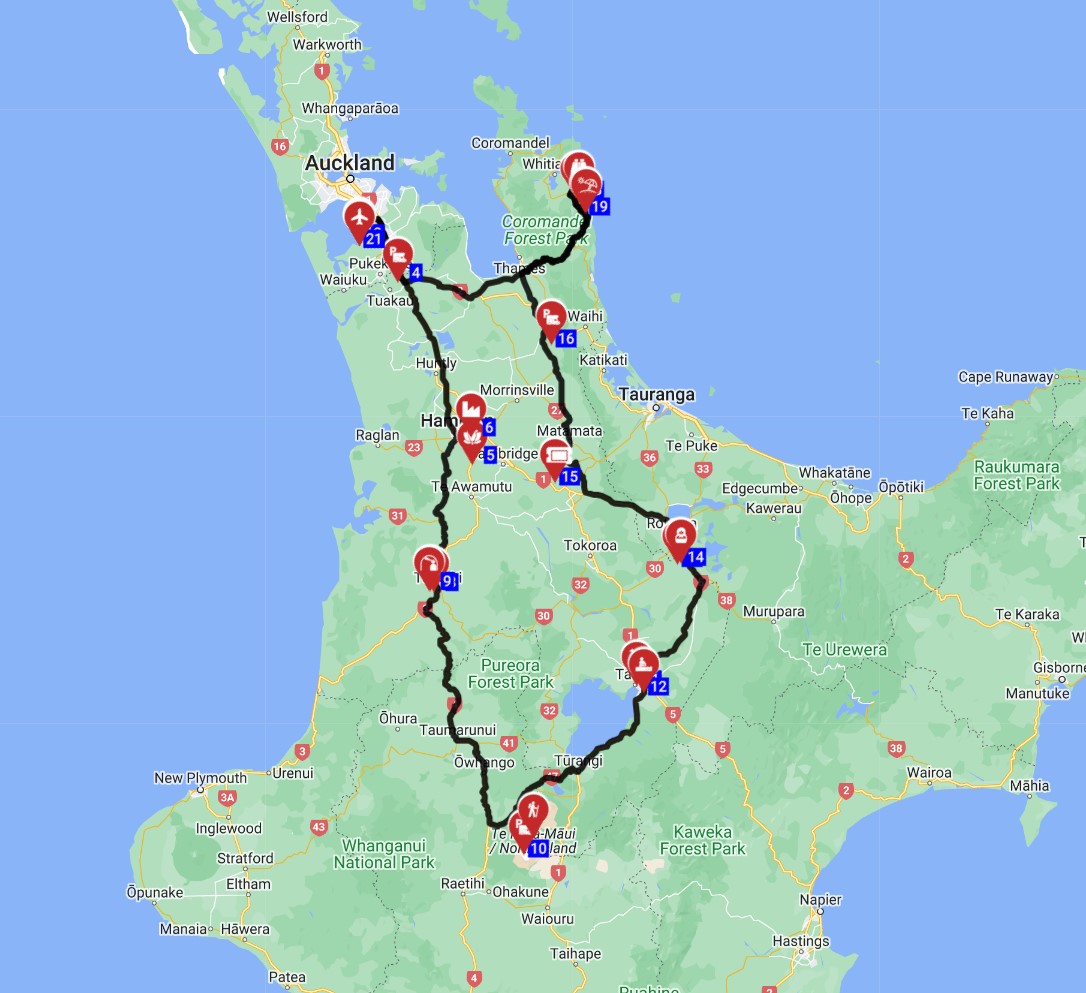
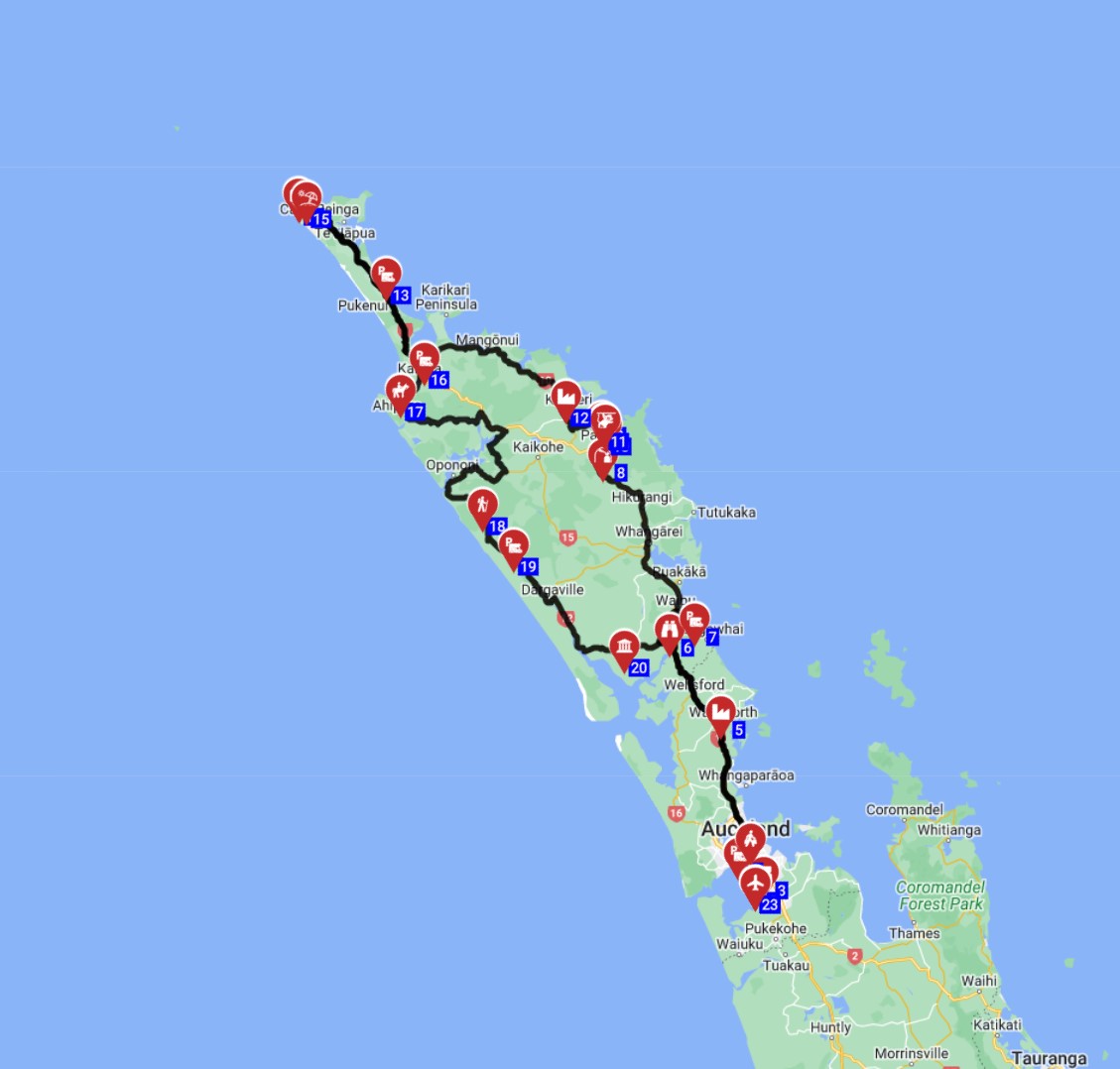
Yes, getting a campervan rental in New Zealand is overwhelmingly worth it for the unparalleled freedom, flexibility, and immersive access to the country's stunning landscapes it provides. Imagine waking up to the sound of waves, preparing breakfast with a view of snow-capped mountains, or pulling over at a picturesque spot just because you can. **Freedom and Flexibility**: A campervan allows you to create your own itinerary, stop at picturesque viewpoints on a whim, and wake up to incredible scenery, providing a unique sense of adventure. This is particularly true for travelers who embrace slow travel, spending no more than 100-150 km per day on average to truly soak in the culture, food, and scenery. **Access to Scenic Routes**: Rented campervans are well-suited for New Zealand's winding coastal roads, national park drives, and more remote areas that might be less accessible with a car and fixed accommodation. For example, the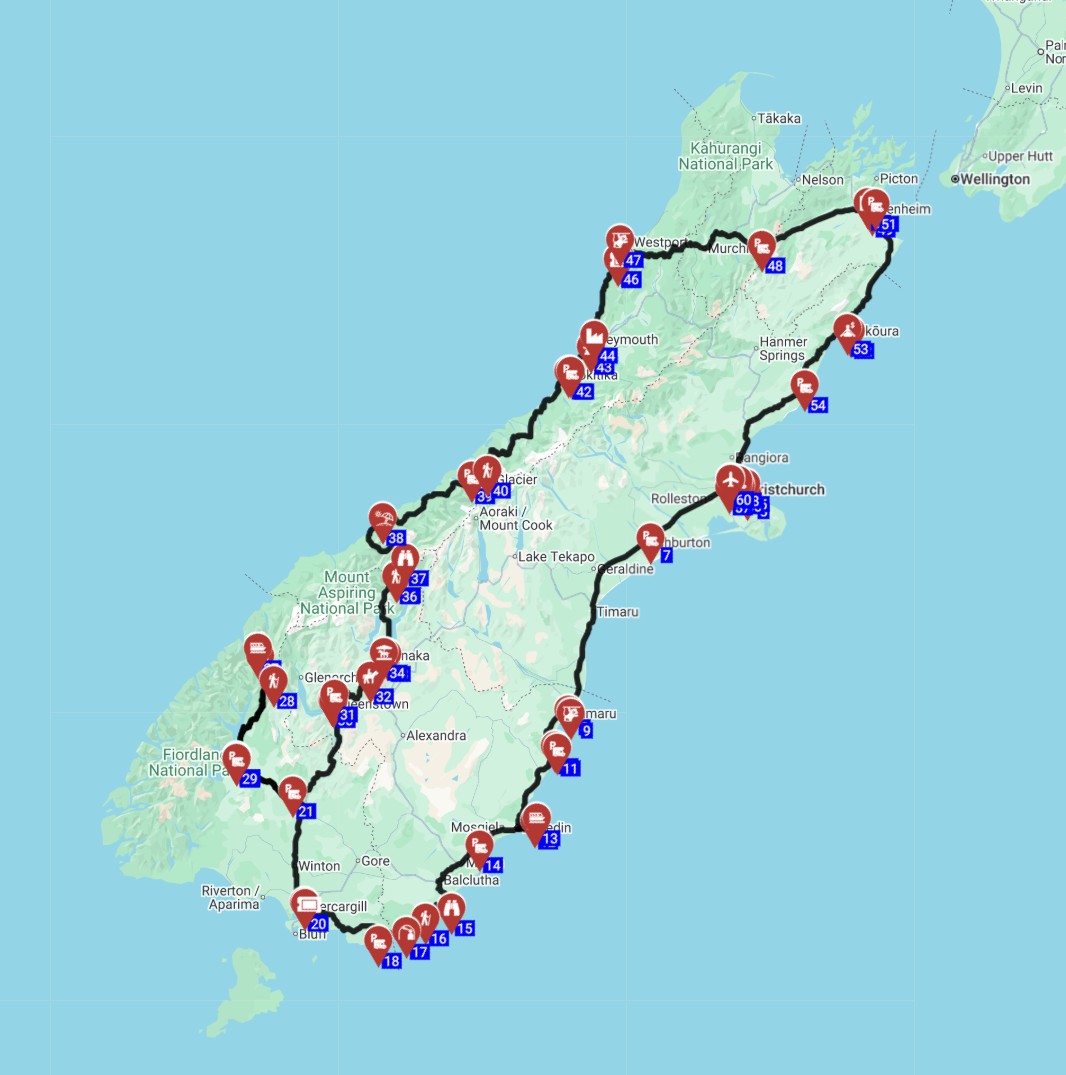
How to get a cheap campervan in New Zealand?
To secure a cheaper campervan in New Zealand, strategic planning involves booking well in advance, traveling during off-peak seasons, opting for smaller or older models, and taking advantage of budget-friendly camping options. Here's how to maximize your savings without compromising your adventure. **Book Early**: The best rates and vehicle availability are typically found by booking your campervan 6-12 months ahead of your travel dates, especially for peak summer (December-February) or school holidays. Early booking can save you up to 25% on peak-season rates. **Travel Off-Season**: Consider visiting during the shoulder seasons (April-June, September-November) or winter (June-August) for significantly lower rental prices, though weather can be more variable. While some national park campgrounds may have limited amenities or access in winter, many are open year-round. **Choose Smaller & Older Models**: Class B campervans or older models from reputable rental companies often come at a lower daily rate than newer, larger, or more luxurious motorhomes. For example, a budget campervan might be the `Crib` which offers efficient travel for couples. **Look for Relocation Deals**: Rental companies sometimes offer heavily discounted rates (or even free rentals with limited free kilometers) for vehicles that need to be moved from one location to another; these are short-term and specific, but can lead to incredible bargains. Our "RV Rental Deals in New Zealand - Latest Offers 2026" page frequently lists such opportunities. **Avoid One-Way Fees**: Picking up and dropping off your campervan at the same location can save you a one-way rental fee, which can be substantial (NZD 200-500). However, one-way rentals are convenient for extensive itineraries like the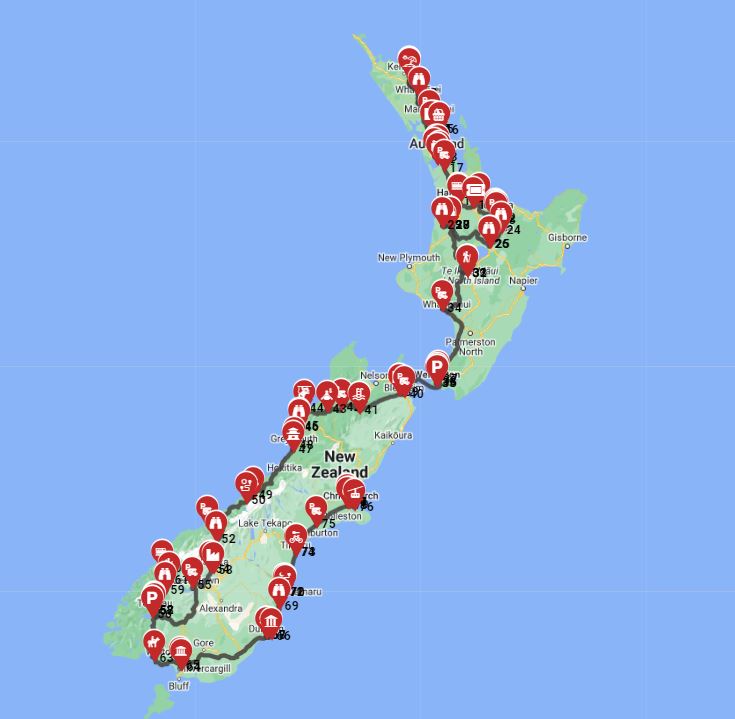
How much does it cost to rent a campervan in New Zealand for 2 weeks?
Renting a campervan in New Zealand for a two-week trip typically ranges from NZD 2,500 to NZD 7,000+, depending heavily on the season, campervan class, and how diligently other expenses are managed. This estimate provides a realistic breakdown, acknowledging the dynamic nature of rental pricing. **Base Rental Cost**: For a 2-week period, refer to the '2 weeks (15/04→29/04)' row in our 'Price Comparison by RV Class in New Zealand' table for example flex-rate rental prices for different campervan types. These prices reflect current market conditions and fluctuate daily based on availability and demand. **Fuel Cost (approx. NZD 600-1200)**: Assuming you cover 2,000-3,000 km over two weeks (e.g., exploring one island thoroughly or a quick North-South traverse) and an average fuel consumption of 8-12 L/100 km at NZD 2.50/L, fuel costs alone can be significant. Diesel vehicles will also incur Road User Charges (RUCs). **Campsite Fees (approx. NZD 200-500)**: A mix of 7 nights at Department of Conservation (DOC) sites (NZD 15-25/night) and 7 nights at commercial holiday parks (NZD 35-50/night for powered sites) would cost approximately NZD 350-525. Utilizing legal freedom camping for some nights can lower this substantially, particularly if your campervan is certified self-contained. **Insurance (approx. NZD 280-700)**: Opting for comprehensive insurance with reduced excess, typically costing NZD 20-50 per day, adds a notable amount over two weeks. Remember that you can upgrade to a top-level deductible reimbursement for complete peace of mind. **Interisland Ferry (NZD 200-400)**: If your 2-week itinerary involves crossing between the North and South Islands, this one-time cost for the vehicle and passengers is crucial to budget for and should be booked in advance. **Groceries & Activities**: Beyond these core costs, factor in your budget for food, activities, and any additional equipment hire, which are entirely dependent on your personal preferences and travel style. A typical daily food budget could be NZD 50-80 for a couple. For managing all these ancillary costs, remember that RV PLANET routes offer tools to itemize and track every expense.What You Shouldn't Miss
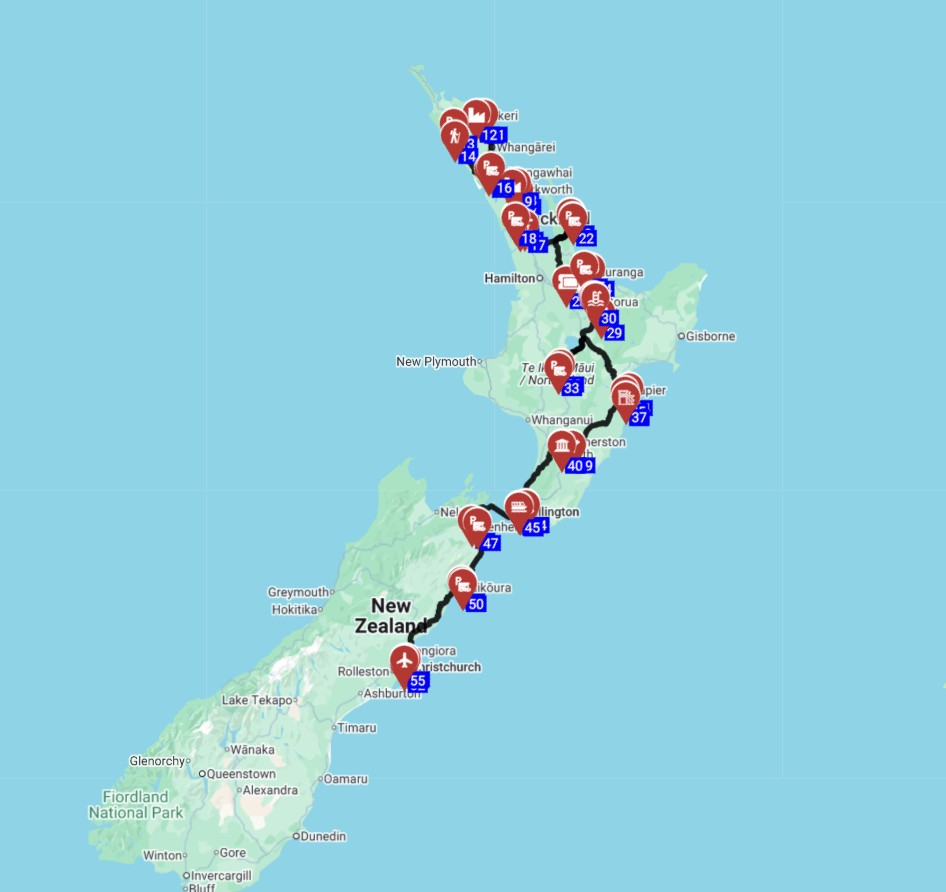
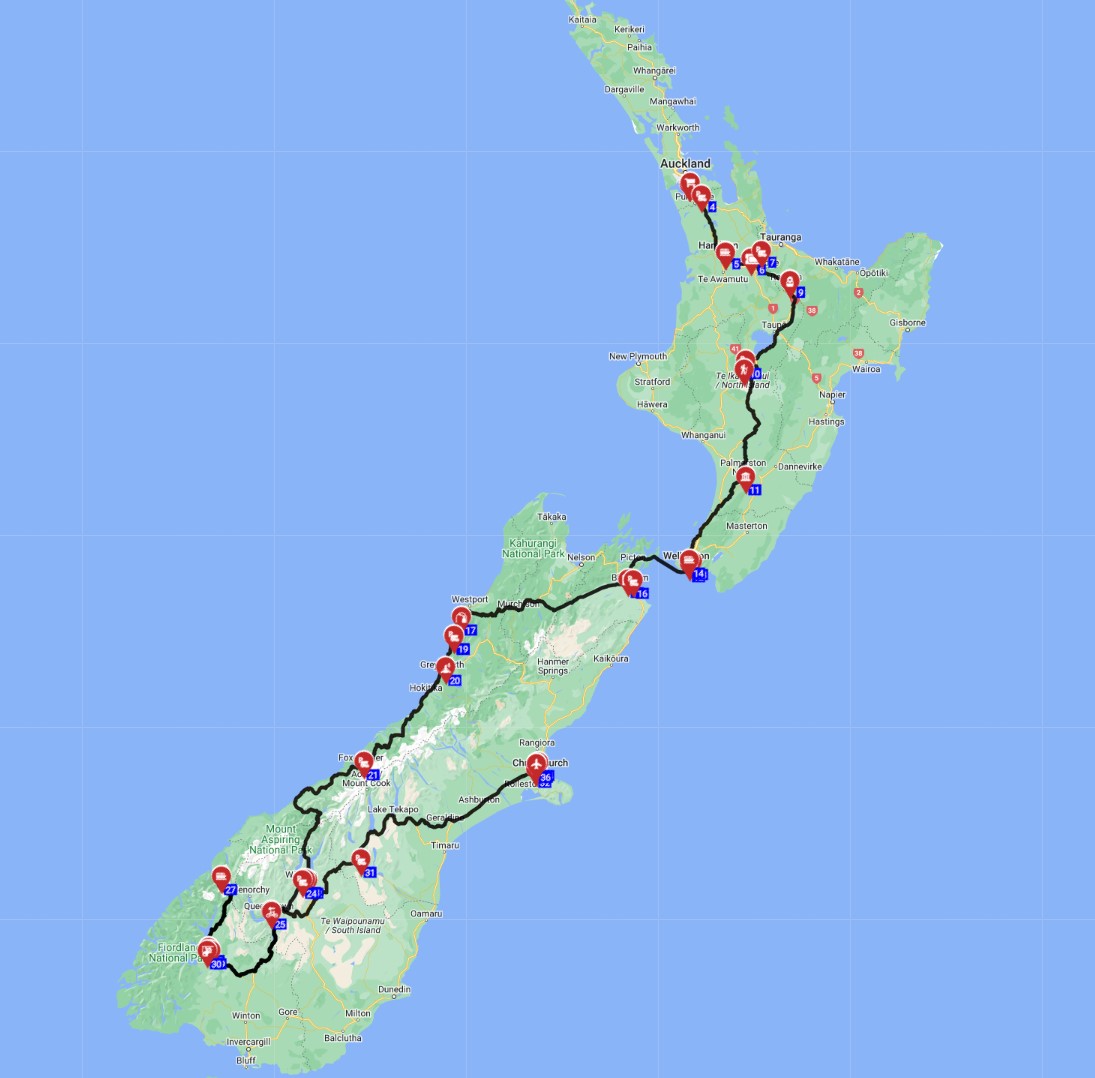
New Zealand is an RV traveler's dream, offering an endless array of stunning landscapes and unique experiences. Here are a few recommendations to inspire your trip:- Explore the majestic Fiordland National Park: Cruise Milford Sound or Doubtful Sound, marveling at the towering waterfalls and ancient rainforests. The
route provides an excellent framework for this.
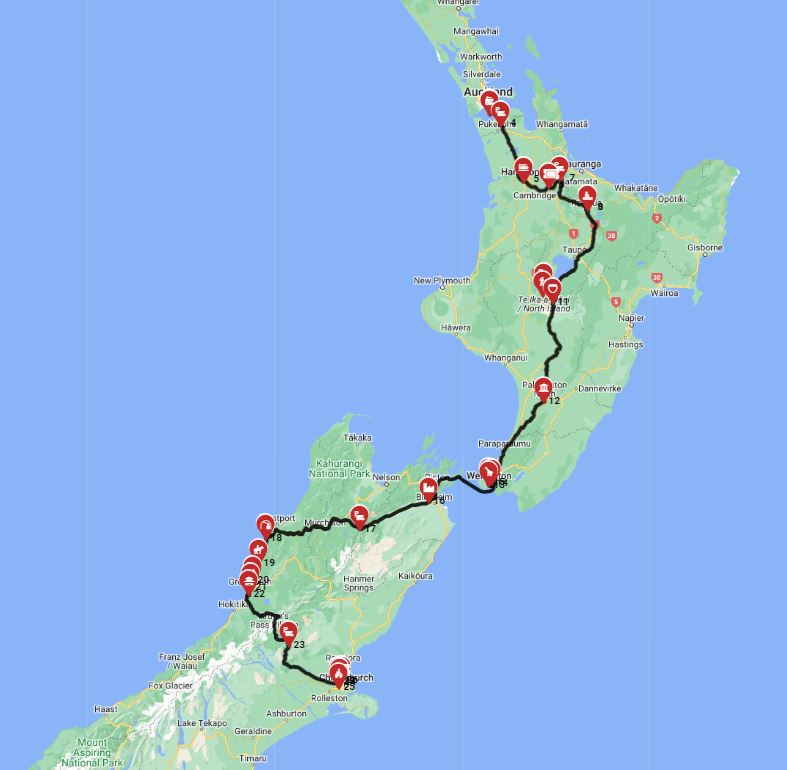
Christchurch Roundtrip - Around the South Island
- Discover the geothermal wonders of Rotorua: Immerse yourself in Māori culture, witness bubbling mud pools, and experience traditional Hāngi feasts.
- Hike the Tongariro Alpine Crossing: Often considered one of the best day hikes in the world, this volcanic traverse offers breathtaking, otherworldly scenery on the North Island.
- Relax on the golden sands of Abel Tasman National Park: Kayak along the coast, hike portions of the Great Walk, or simply unwind on secluded beaches in the South Island.
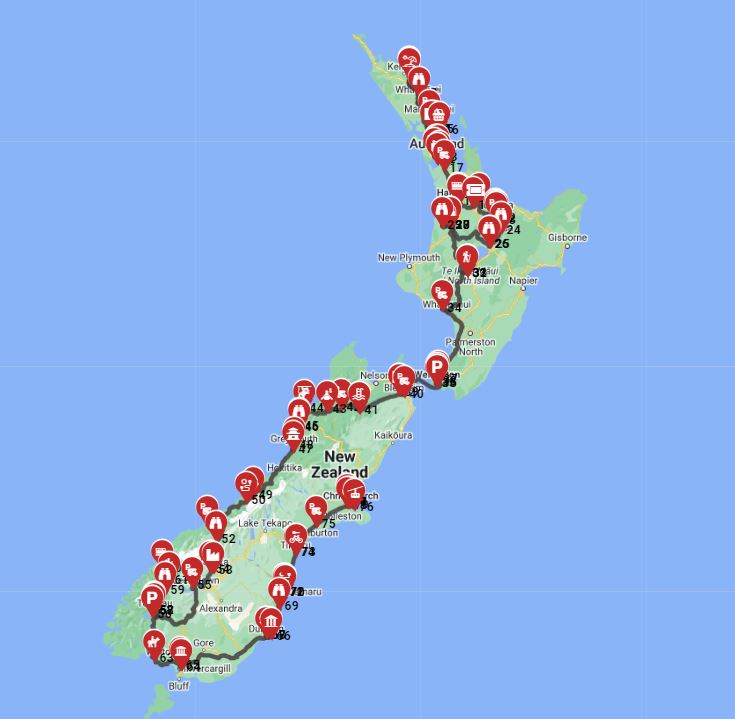
- Experience the thrill of Queenstown: From bungee jumping and jet boating to serene lake cruises, Queenstown offers adventure for every taste, a highlight of the
.
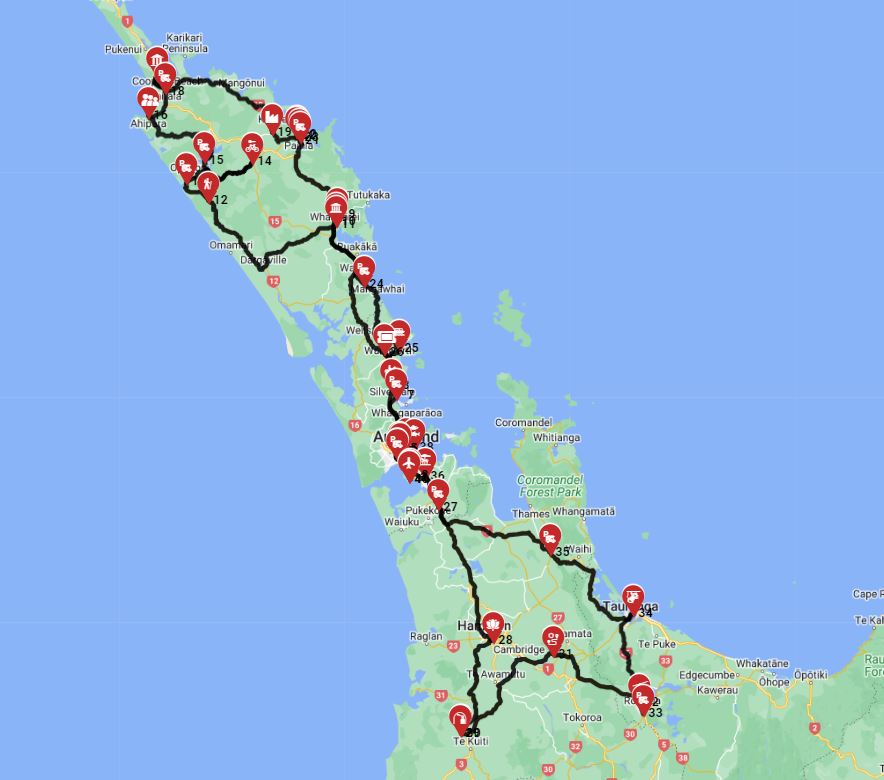
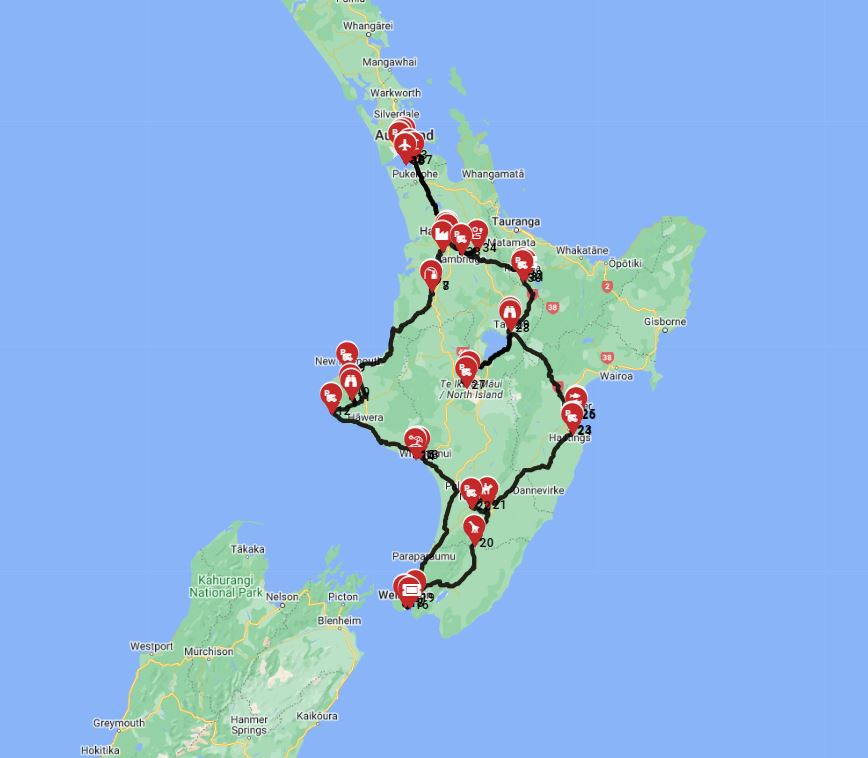
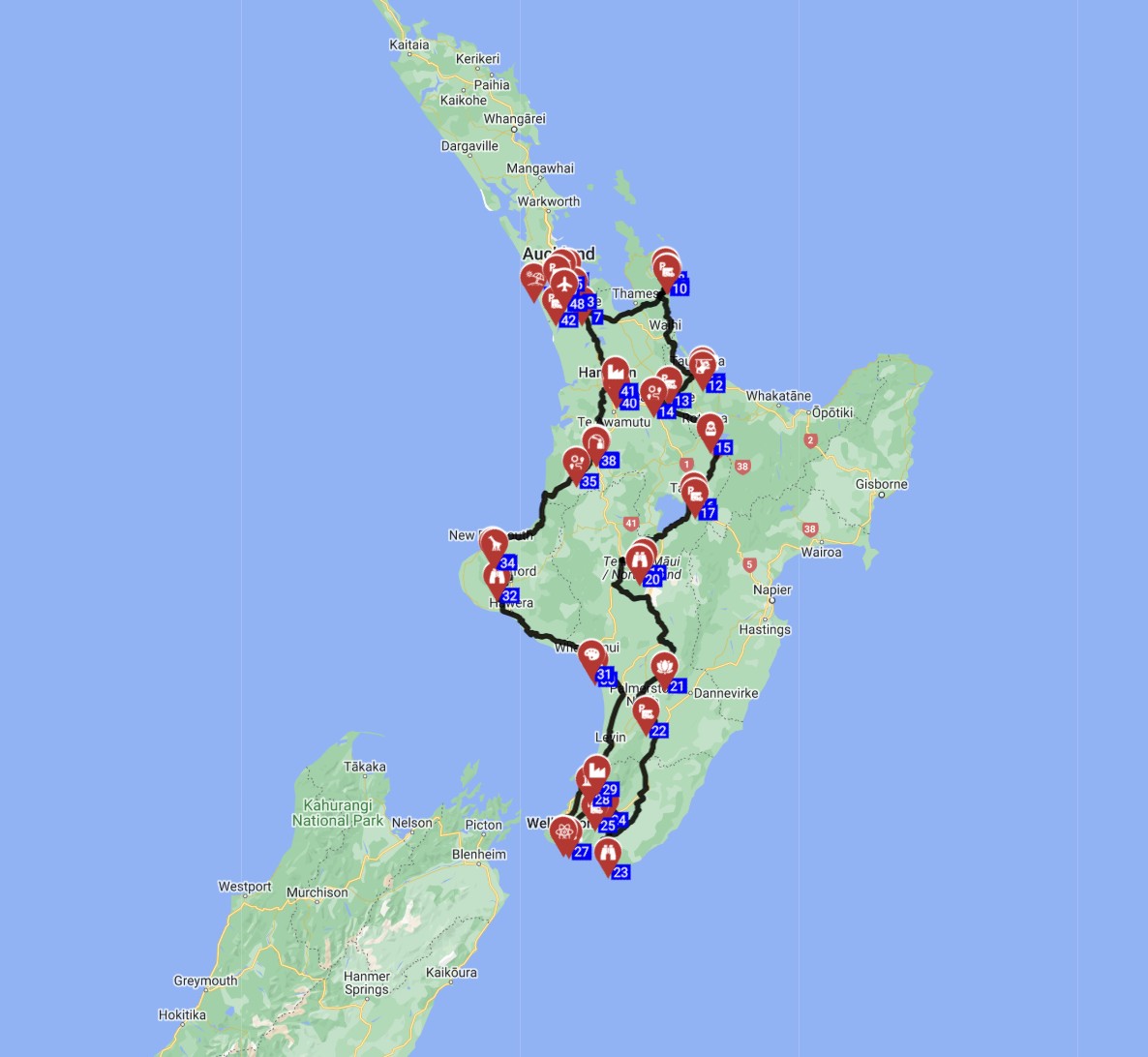
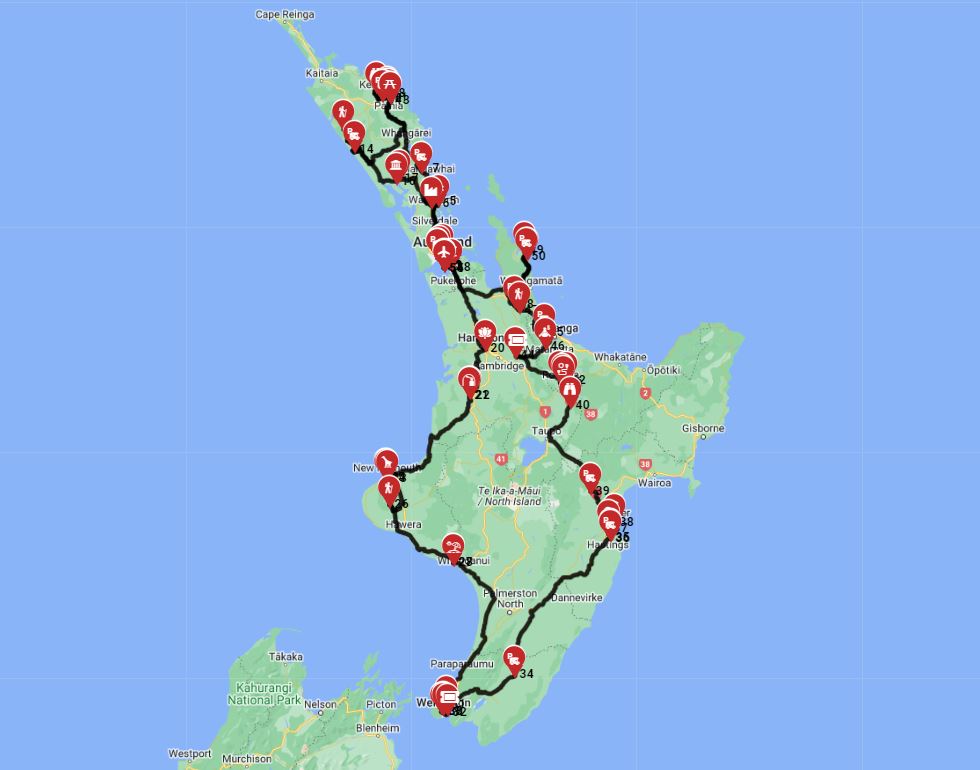
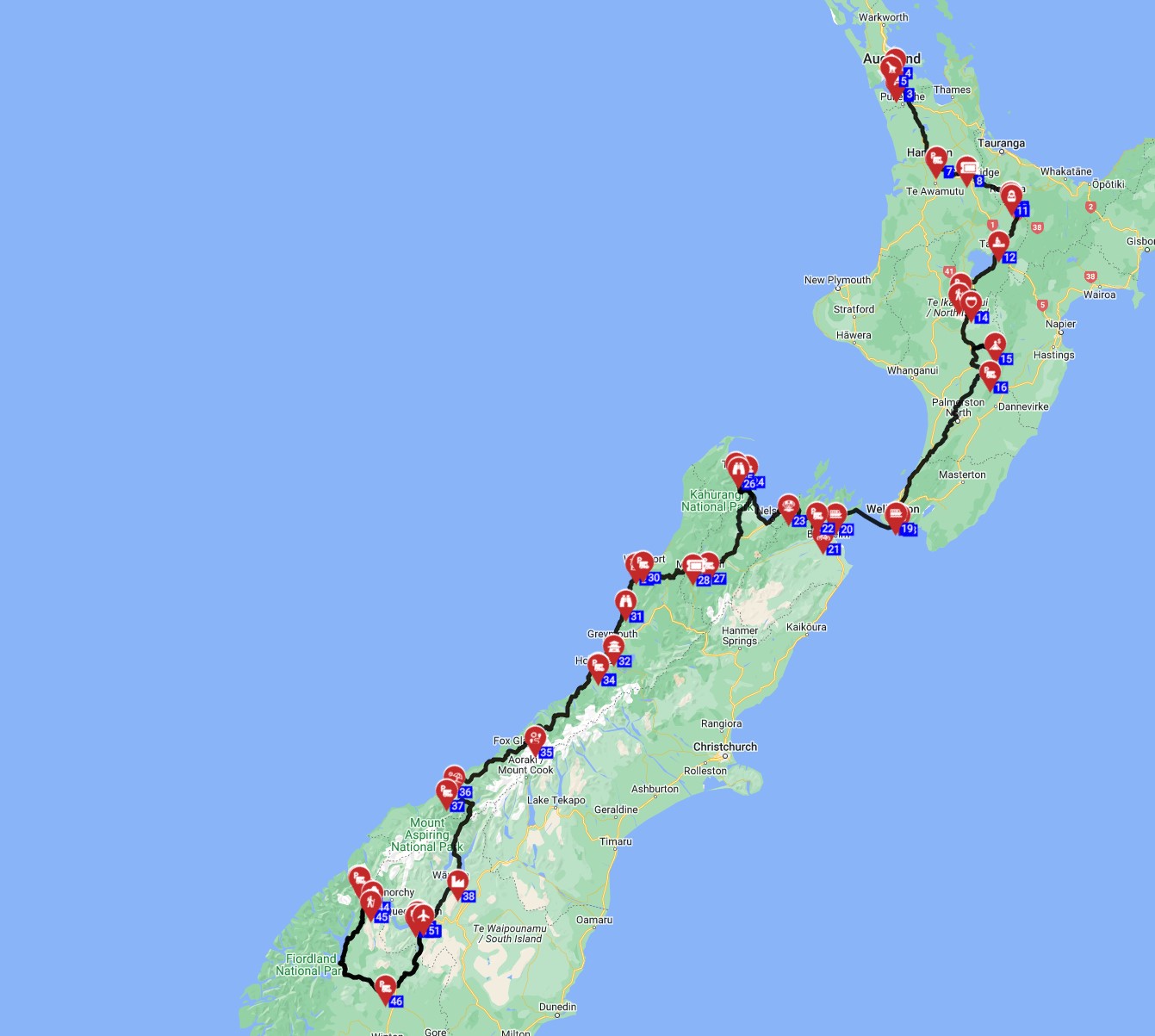 Auckland to Queenstown - The Great Kiwi Road Trip
 - Take time for the local food scene: From fresh seafood on the coast to farm-to-table experiences in agricultural regions, savor New Zealand's culinary delights.
Why Book with Bandana Caravan
Full Transparency
No hidden fees, no surprises. What you see is what you pay. Our commitment to full price transparency means you can budget confidently, knowing there won't be any unexpected charges when you pick up your rented RV in New Zealand.
True RV Specialists
We're not just a side department of a general travel agency. We are true RV specialists, passionate about motorhome travel and dedicated to helping you plan the perfect adventure. Our expertise, honed since our founding in 2001, ensures you get the best advice and support.
24/7 Support
Real people are behind you before, during, and after your booking process. From comparing options to coordinating your pickup, our team is always there to assist, making your RV rental in New Zealand seamless and stress-free.
Rent&Plan with RV PLANET
Take advantage of our professional pre-planned routes via RV PLANET (rvplan.net). With over 1,300 curated routes across 5 continents, you can save 25% on planning services when you use rvplan.net to organize your New Zealand itinerary, such as the
Bandana Caravan was founded in 2001, meaning we have over 23 years of dedicated experience helping tens of thousands of travelers explore the world by RV. We have direct partnerships with 50+ leading RV suppliers worldwide, including trusted names like Apollo and Britz. Our bookings are available in 30+ currencies with full price transparency, ensuring no hidden conversion commissions. Our extensive coverage spans across 50+ countries, offering local expertise and support wherever your adventure takes you.
Final Thoughts
Embarking on an RV adventure in New Zealand is truly an experience of a lifetime, offering unparalleled freedom to explore stunning landscapes at your own pace. Whether you dream of a luxurious Class A motorhome for a family expedition or a nimble Class B campervan for a solo journey, there’s a perfect home-on-wheels waiting for you. Remember that booking your rental RV in New Zealand is straightforward, with options for every budget and travel style. At Bandana Caravan, we are dedicated to making your journey as smooth and enjoyable as possible. With our commitment to full transparency, 24/7 support, and expert knowledge, you can plan your trip with confidence. Take your time, embrace the spirit of slow travel, and let the magic of New Zealand unfold before you. Discover top destinations, planning tips, all in one place! Compare Motorhome Prices for New Zealand now and start planning your unforgettable road trip!On the routes offered through RV PLANET routes, you can itemize and track every expense along the way for easy budgeting.