In This Guide
- The 5 RV Families Compared for Australia
- Class A (Integrated) — Best For
- Price Comparison by RV Class in Australia
- Class SI (Semi-Integrated) — Best For
- Class C (Alcove) — Best For
- Class B (Campervan) — Best For
- Class TC (Truck Camper) — Best For
- Side-by-Side Comparison Table
- Our Recommendation for rv rental Travelers in Australia
- What is the best RV rental company?
- How much does it cost to rent an RV in Australia?
- What is the difference between Maui and Apollo?
- What is the best RV in Australia?
- What is the most reliable brand of motorhome in Australia?
- What is the 333 rule for campervan?
- What is the most affordable RV to buy?
- What is the best value for money caravan in Australia?
- Practical Tips for RV Rental in Australia
- Top Cities for RV Rental in Australia
- What You Shouldn't Miss
- Why Book with Bandana Caravan
- Final Thoughts
- Frequently Asked Questions
Embarking on an RV adventure in Australia is a dream for many, offering unparalleled freedom to explore its diverse landscapes, from sun-kissed beaches to rugged outback. Whether you're a seasoned RVer or planning your first motorhome rental, choosing the right vehicle and understanding the nuances of Australian travel is key to an unforgettable experience. At Bandana RV, we believe in full transparency and providing you with all the information you need to make the best choice, ensuring no hidden fees and no surprises along your journey.
For live availability and current prices, start with our RV Rental Australia - Complete Guide 2026 guide. We're here to support you before, during, and after your booking, like true RV specialists who genuinely love helping people discover the magic of RV travel.
The 5 RV Families Compared for Australia
Choosing the right RV family significantly impacts your Australian adventure, considering its vast distances, diverse climates, and varied terrain. The ideal motorhome or campervan ensures comfort, accessibility to desired locations, and aligns perfectly with your trip length and group size, whether you're traveling for a week-long trip or an extended road trip. From compact campervans to spacious integrated motorhomes, each type offers distinct advantages for navigating Australia's unique conditions, allowing you to travel slowly and truly connect with the country's culture, food, and scenery.
Class A (Integrated) — Best For
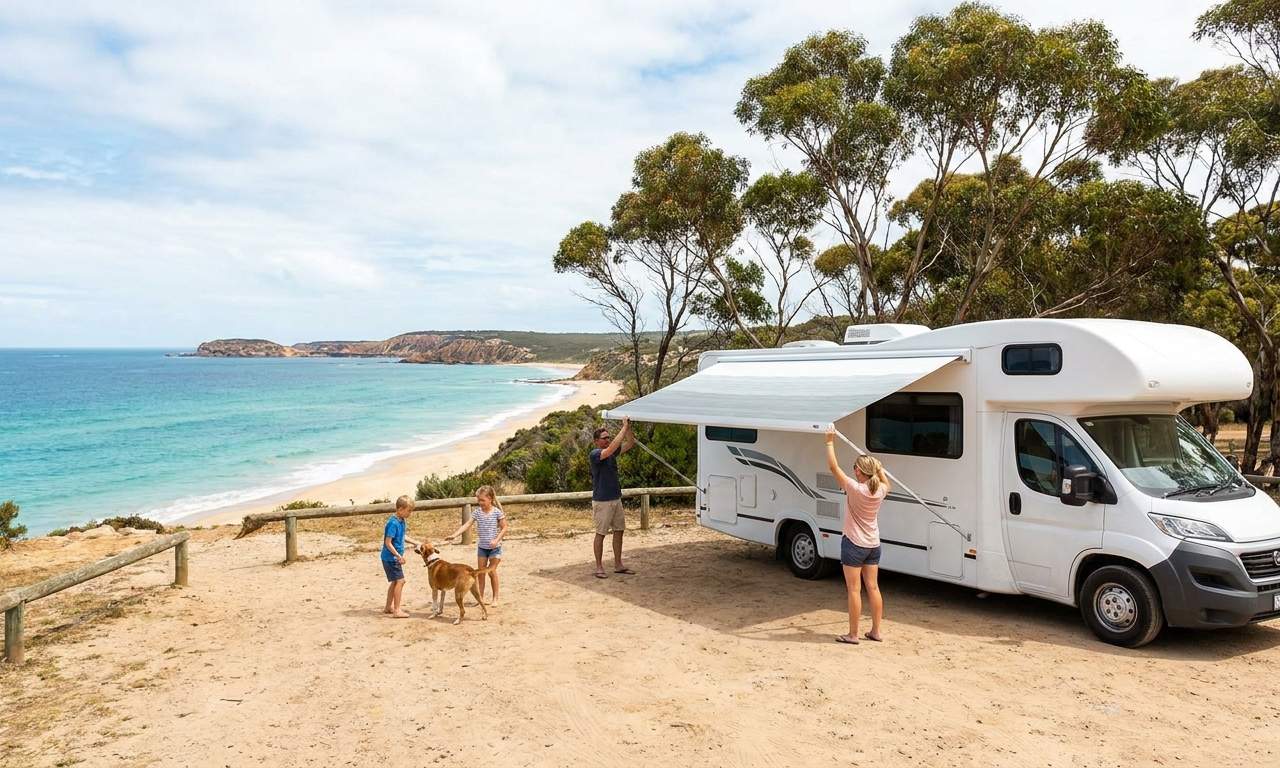
Class A (Integrated) motorhomes are ideal for travelers seeking maximum luxury, space, and comfort during extended RV rentals in Australia, especially when sticking to sealed major roads. Bandana's fleet typically features Class A units averaging 7.5 meters in length, sleeping 4.4 people, and accommodating 4 adults, with an average load capacity of 209.5 kg. These RVs offer a premium experience with amenities often mirroring a small apartment, consuming around 11-12 liters/100 km, making them suited for long-haul touring on well-maintained routes. Their larger size, however, means less maneuverability in urban areas and limited access to unsealed or rougher national park roads, and they generally come with a higher rental cost.
Price Comparison by RV Class in Australia
RV rental prices in Australia are dynamic and fluctuate based on demand, season, booking lead time, and the specific vehicle class, much like flight tickets. We believe in full transparency, which means what you see is what you pay, with no surprise fees at pickup. Because pricing is flex-rate, the table below pulls real example prices from Bandana's live search, offering an immediate snapshot of potential costs.
It's important to remember that these prices are estimates and update daily; for the most accurate and current numbers, use the search box at the top of the page. For a more detailed breakdown of costs, you can explore RV PLANET routes, where every expense can be itemized and tracked for easy budgeting. On the routes offered through RV PLANET routes, you can itemize and track every expense along the way for easy budgeting.
Live April Price Comparison — RV Class × Trip Length
| Trip length | Class A | Class B | Class C | Class SI | Class TC |
|---|---|---|---|---|---|
| 1 week 15/04 → 22/04 | Check prices | 881.60 € EUR | 3,006.00 € EUR | 1,016.00 € EUR | Check prices |
| 2 weeks 15/04 → 29/04 | Check prices | 1,548.00 € EUR | 6,012.00 € EUR | 1,800.00 € EUR | Check prices |
| 1 month 01/04 → 30/04 | Check prices | 2,976.00 € EUR | 7,417.74 € EUR | 3,480.00 € EUR | Check prices |
Estimates only — flex-rate prices change daily based on availability and season.
Class SI (Semi-Integrated) — Best For
Class SI (Semi-integrated) motorhomes offer an excellent balance of comfort, fuel efficiency, and maneuverability, making them a versatile choice for RV rentals across Australia. Bandana's fleet typically shows Class SI units averaging 6.9 meters in length, sleeping 3.8 people and accommodating 3.4 adults, with an average load capacity of 72.2 kg. These vehicles, consuming around 10-11 liters/100 km, outperform larger Class A models in ease of driving and accessing slightly smaller campsites, while still providing more internal space and amenities than a Class B campervan. They are particularly well-suited for couples or small families exploring a mix of major highways and well-maintained secondary roads, offering a comfortable touring experience without the bulk of an integrated model.
Class C (Alcove) — Best For
Class C (Alcove) motorhomes are highly favored for family RV rentals in Australia due to their dedicated over-cab sleeping area, providing extra beds without compromising living space. Bandana's fleet typically averages 7.5 meters in length for Class C units, sleeping 5.8 people and accommodating 4.4 adults, with an average load capacity of 42.4 kg. Consuming approximately 10-12 liters/100 km, these RVs offer a cost-efficient option for larger groups or families, balancing space and amenities with reasonable operational costs for touring Australia's sealed road network. They are robust and suitable for most popular Australian routes, offering a comfortable and practical base for family adventures, though their height can sometimes be a consideration for certain low clearances.
Class B (Campervan) — Best For
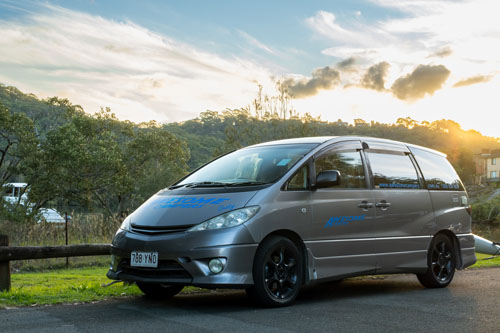
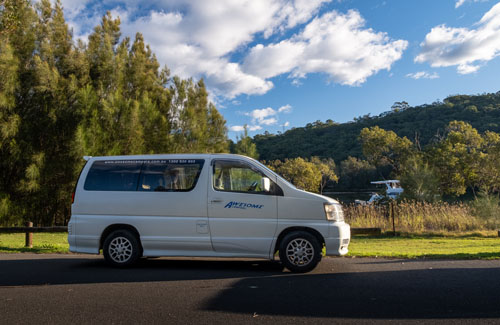
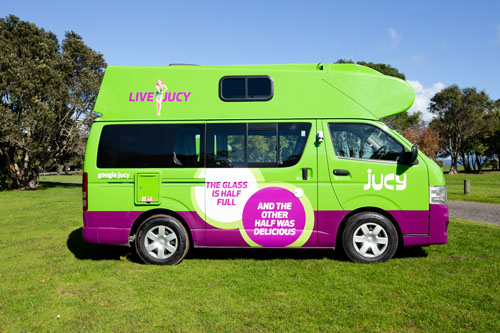
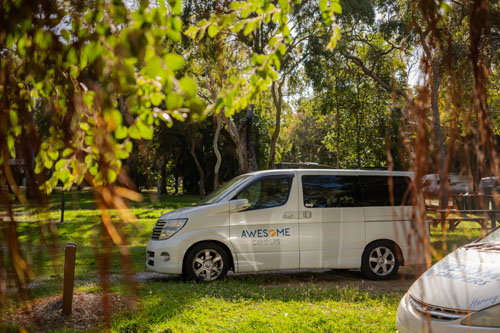
Class B (Campervan) models are perfect for solo travelers, couples, or small groups seeking flexibility, fuel economy, and ease of driving for their Australian RV rental. Bandana's fleet typically features Class B campervans averaging 5.8 meters in length, sleeping 3.2 people and accommodating 2.7 adults, with an average load capacity of 37 kg. These compact vehicles, consuming around 10 liters/100 km, excel in maneuverability, making them suitable for navigating cities, parking in tighter spots, and accessing a wider range of campsites than larger RVs. While offering less internal space and amenities than larger motorhomes, their efficiency and agility make them ideal for covering long distances comfortably and exploring coastal roads or regions with good sealed road access.
Class TC (Truck Camper) — Best For
Class TC (Truck Camper) rentals are uniquely suited for adventurers in Australia who prioritize off-grid capability and access to remote, rugged terrain. Bandana's fleet typically shows Class TC units averaging 5.5 meters in length, sleeping 2.4 people and accommodating 2.1 adults, although specific load capacity data for our global fleet shows 0kg, these vehicles are built for durability. Consuming around 12-17 liters/100 km, these versatile units are often mounted on 4x4 trucks, allowing unparalleled access to national parks and unsealed roads, including regions like the Kimberley or parts of the Outback, which larger RVs cannot reach. Their compact size and detachable nature provide ultimate flexibility, making them the top choice for intrepid travelers eager to explore Australia's more challenging and less-traveled landscapes, where robust vehicle choice for Australian conditions is paramount. Such vehicles are perfect for routes like the one found in the One-Way RV Driving in Australia - Route Planner 2026 guide.
🎬 Video coming soon
Side-by-Side Comparison Table
To aid in your decision for an RV rental in Australia, this table summarizes the key characteristics and ideal use cases for each motorhome family. Choosing the right RV class involves balancing space, comfort, budget, and the specific types of Australian terrain you plan to explore. Remember, our goal is to help you compare final prices across suppliers, ensuring what you see is what you pay, with no surprise fees.
| Family | Avg Length (m) | Sleeps | Avg Fuel Use (L/100km) | Best Use Case in Australia |
|---|---|---|---|---|
| Class A (Integrated) | 7.5 | 4.4 | 11-12 | Luxury, long-haul touring on sealed roads, maximum comfort for families or groups. |
| Class SI (Semi-integrated) | 6.9 | 3.8 | 10-11 | Balanced comfort and maneuverability for couples/small families on sealed roads, good fuel efficiency. |
| Class C (Alcove) | 7.5 | 5.8 | 10-12 | Family-friendly, cost-effective for larger groups, excellent for popular routes and national parks with sealed access. |
| Class B (Campervan) | 5.8 | 3.2 | 10 | Solo travelers or couples, urban exploration, agile, fuel-efficient, ideal for coastal drives and easy access. |
| Class TC (Truck Camper) | 5.5 | 2.4 | 12-17 | Adventurous couples, off-grid exploration, 4x4 access to remote areas and unsealed tracks. |
Our Recommendation for rv rental Travelers in Australia
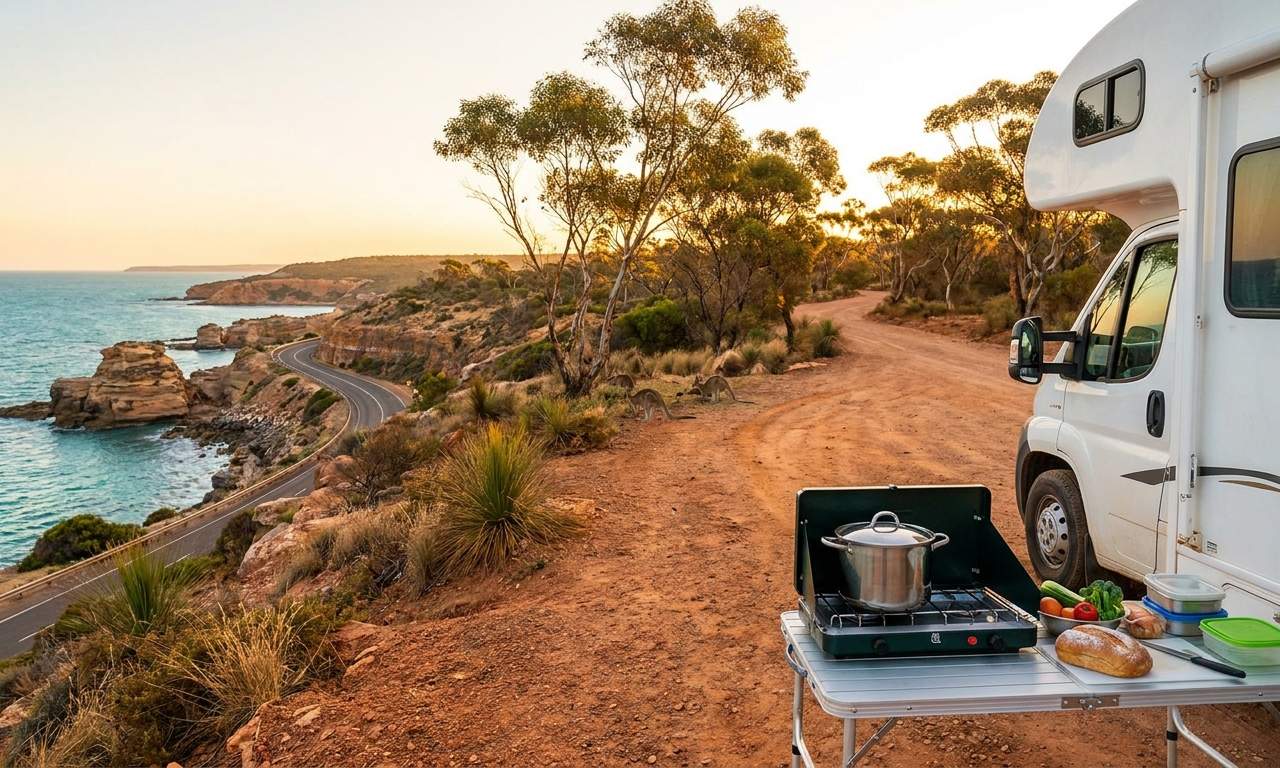
For most RV rental travelers exploring Australia, we primarily recommend a Class C (Alcove) motorhome due to its optimal balance of space, comfort, and cost-effectiveness, especially for families or groups. Its generous sleeping capacity and amenities make it ideal for popular routes like the East Coast or the Great Ocean Road, where diverse accommodation is needed for varied weather conditions. Imagine yourself cruising along the coastline, stopping for a freshly prepared meal in your comfortable kitchen, inspired by our RV-friendly recipes playlist.
As a strong runner-up, the Class SI (Semi-integrated) motorhome is perfect for couples or smaller groups desiring a more streamlined yet comfortable experience, offering better fuel efficiency and maneuverability than Class C while still providing excellent living space. These choices generally align with the common desire for comprehensive amenities, moderate fuel consumption, and suitability for Australia's extensive sealed road network, providing a practical base for navigating vast distances. Our 24/7 support means real people are behind you every step of the booking process, ensuring peace of mind.
What is the best RV rental company?
Determining the 'best' RV rental company in Australia depends heavily on individual needs, budget, and desired vehicle type, but leading Bandana partner suppliers include Apollo, Maui, Britz, Jucy, and Cruisin'. When choosing, key factors to consider include fleet age (Maui typically offers newer vehicles), comprehensive insurance options, 24/7 roadside assistance crucial for remote travel safety, and the number and location of depots across Australia. Bandana connects you with direct partnerships with 50+ leading RV suppliers worldwide, ensuring a wide selection and competitive rates.
Customers often prioritize transparent pricing with no hidden fees, flexible booking terms, and robust vehicle maintenance, all of which contribute to a reliable and worry-free travel experience, especially given Australia's vast distances and unique regional challenges. Reviews and testimonials can also provide valuable insights into customer service and emergency preparedness, addressing potential value gaps in detailed safety advice. We are true RV specialists, not just a travel agency side department, meaning we know the ins and outs of RV travel.
How much does it cost to rent an RV in Australia?
The cost to rent an RV in Australia varies significantly, typically ranging from AUD $70 per day for a basic campervan in the off-season to over AUD $400 per day for a luxury motorhome during peak periods. Beyond the base rental fee, a comprehensive cost breakdown must include fuel for long distances (expect consumption up to 17L/100km for larger 4x4 truck campers), national park entry fees which vary by state and park, potential ferry costs (e.g., to Tasmania's Bruny Island or Queensland's Fraser Island), and one-way rental fees which can range from AUD $150 to $500. For detailed planning, consider exploring RV PLANET routes where you can itemize and track every expense for easy budgeting.
Additional expenses often overlooked include optional insurance upgrades for a lower excess (you can upgrade to a top-level deductible for extra peace of mind), campground fees (ranging from free basic sites to AUD $50+ for powered sites), and a higher food budget for remote areas where grocery options are limited and more expensive. Seasonal advice is crucial, as prices can double or triple during peak travel times like school holidays (especially December–January) and the dry season in northern Australia (May–October), while permits for specific areas like Indigenous lands may also add to the overall trip cost. Our full transparency means no hidden fees, so you always know what to expect.
What is the difference between Maui and Apollo?
Maui and Apollo are two prominent RV rental brands in Australia, both owned by the same parent company, Tourism Holdings Limited (THL), but they cater to different market segments with distinct fleet characteristics. Maui is generally positioned as the premium brand, offering newer, more luxurious, and often larger motorhomes (like Class A or high-end Class SI), typically appealing to couples or families seeking a higher level of comfort and amenities for their RV Rental Near Australia Airport - Pickup Pricing 2026 needs or other adventures.
Apollo, conversely, provides a broader and more budget-friendly range of vehicles, including Class C motorhomes and campervans, which may be older but are well-maintained, appealing to a wider audience, including young travelers and families looking for value. While both offer reliable vehicles and extensive depot networks across Australia, the primary difference lies in the age and luxury level of the fleet, with Maui focusing on an upscale experience and Apollo on affordability and variety. Regardless of your choice, our 24/7 support team is here to assist with your booking and pre-trip coordination.
What is the best RV in Australia?
The 'best' RV in Australia is highly subjective and depends entirely on the traveler's specific itinerary, group size, budget, and desired level of comfort and off-road capability. For extensive touring on sealed roads with a family, a Class C (Alcove) motorhome offers excellent space and amenities; for luxury, a Class A (Integrated) excels. For example, a "camper for rent example Alcove Sport Plus" is ideal for 2 couples or a family of 2+2, offering front and roof air conditioning. A "Class A - Thor ACE 30" can sleep up to 6 people with 7 seatbelts, a fresh water tank of 189 liters, and a fuel tank of 302 liters, perfect for longer journeys.
Adventurous travelers aiming to explore remote areas and unsealed tracks, such as the Gibb River Road or specific national parks, will find a Class TC (Truck Camper) mounted on a 4x4 chassis indispensable due to its off-road capability and robust design. Consider in-depth vehicle choice and features for Australian conditions like sufficient water storage for dry areas (e.g., a 122-liter fresh water tank in a "Truck Camper"), robust suspension for corrugated roads, and air conditioning for extreme heat, as these factors define an RV's suitability for particular regions. Our specialists are always ready to help you find the best vehicle for your specific trip, ensuring you make the most of your RV Travel Guide to Australia - Tips and Top Spots 2026 adventure.
What is the most reliable brand of motorhome in Australia?
The most reliable brand of motorhome in Australia often refers less to the manufacturer and more to the rental company's maintenance standards and the age of its fleet. Reputable rental companies like Maui (known for newer vehicles) and Apollo (with a diverse, well-maintained fleet) invest significantly in keeping their motorhomes in top condition to handle Australia's demanding travel conditions. Brands commonly found in reputable rental fleets include Mercedes-Benz, Fiat Ducato, and Ford Transit chassis, often fitted with custom bodies by Australian manufacturers like Jayco, Avida, or Winnebago (which often uses international chassis).
Reliability is also bolstered by comprehensive 24/7 roadside assistance, critical for peace of mind, especially when traveling through remote areas where accessing mechanical support can be challenging. Bandana partners directly with these leading suppliers, allowing you to choose from a wide range of well-maintained vehicles. For example, a "MH-A" from CanaDream offers a 6.8 liter gas engine and a 208 liter fuel tank, ensuring reliability for long hauls. Our commitment to transparent comparisons means you always get a well-maintained, reliable vehicle for your journey.
What is the 333 rule for campervan?
The '333 rule' for campervan travel is a popular guideline designed to promote safe, sustainable, and enjoyable road trips, particularly relevant for the vast distances and unique environments of Australia. It advises travelers to drive no more than 300 kilometers (or 3 hours) per day to avoid driver fatigue and allow for spontaneous stops, ensuring a more relaxed pace. This aligns perfectly with our recommendation to travel slowly, averaging a maximum of 100-150 km per day, taking time to feel the place, connect to the culture, the food, and the scenery.
The rule also suggests stopping by 3 PM each day to secure a campsite, allowing ample time to set up, relax, and prepare for the evening, especially important in remote areas where finding suitable spots can be challenging. Finally, it recommends staying at least 3 nights in one spot to fully immerse in the local area, support local communities, and reduce the environmental impact of frequent movement, aligning with responsible tourism practices. These practices are especially beneficial for longer journeys, such as those discussed in our Long-Term RV Rental in Australia - Monthly Rates 2026 guide.
What is the most affordable RV to buy?
While the most affordable RVs to buy are typically older models, smaller campervans, or pop-top caravans, for those considering temporary travel in Australia, renting an RV almost always proves more affordable and practical than purchasing one. Renting eliminates the significant upfront cost, depreciation, insurance, registration, and ongoing maintenance expenses that come with RV ownership. Our focus is exclusively on RV rentals for vacation travel, making it accessible and joyful for everyone to experience the freedom of the open road.
For short-term travel or a one-off Australian adventure, opting for a rented motorhome or campervan allows you access to a wide range of modern, well-maintained vehicles without the substantial financial commitment of buying. This is where Bandana Caravan truly shines, offering transparent price comparisons across many suppliers to ensure you find the best value for your trip without any hidden costs. If you're flexible with your dates and can travel during off-peak seasons, you might find even more economical options, as detailed in our Winter RV Rental in Australia - Pricing Guide 2026 article.
What is the best value for money caravan in Australia?
When considering the "best value for money caravan in Australia" for a rental, it's important to clarify that Bandana exclusively rents motorhomes and campervans, not towable caravans. Motorhomes offer integrated convenience, combining the vehicle and living space into one unit, simplifying driving and setup. For a temporary travel solution, this integrated design generally provides superior value as it streamlines your experience and eliminates the need for a suitable towing vehicle.
Value for money in a rented RV context means finding the right balance of comfort, size, fuel efficiency, and included amenities that best suit your itinerary and budget. For instance, a Class B campervan like the "Paradise Family 5" offers sleeping for 5 with an automatic transmission and 13L/100km fuel consumption, providing a compact yet capable option. Our platform allows you to compare different motorhome classes and suppliers to identify the vehicle that delivers the most comprehensive experience for your investment, ensuring full price transparency and no surprises.
Practical Tips for RV Rental in Australia
Driving in Australia: Road Rules and Conditions
In Australia, driving is on the left-hand side of the road. Speed limits are generally 100-110 km/h on highways and 50 km/h in urban areas. Drive slowly and carefully, and you can drive almost anywhere without issues. No need to stress - just use common sense and pay attention, especially when encountering large wildlife like kangaroos at dawn or dusk. A standard car driver's license is sufficient for all motorhome classes (Class A, Class B, and Class C), but an International Driving Permit (IDP) is recommended for visitors from non-English speaking countries.
Be aware of specific road conditions, particularly when venturing off main sealed roads. Always check local road conditions, especially after heavy rain, as unsealed roads can become impassable. For journeys into the Outback, robust 4x4 vehicles are essential. Always carry enough water, fuel, and supplies. Australia's road trains require special etiquette; if one is approaching from behind, slow down and move as far left as safely possible to allow it to pass. If a road train is approaching head-on, slow down and move left to reduce dust and rock flicking.
Permits, National Parks, and Camping Laws in Australia
Accessing many national parks in Australia requires a permit or entry fee, which varies by state and territory. It's wise to research these in advance, especially if you plan to visit multiple parks. For some Indigenous lands, specific permits must be obtained well in advance, and travel may be restricted to guided tours. Wild camping (or "free camping") is permitted in designated areas, often found using apps or resources like rvplan.net. Always check for local restrictions, as illegal camping can result in hefty fines. We recommend booking campsites in advance, especially during peak season, although many national and state parks reserve 25-30% of spots for first-come-first-serve arrivals. You'll find a spot; if not at the first campground, then the next one. Call ahead before driving.
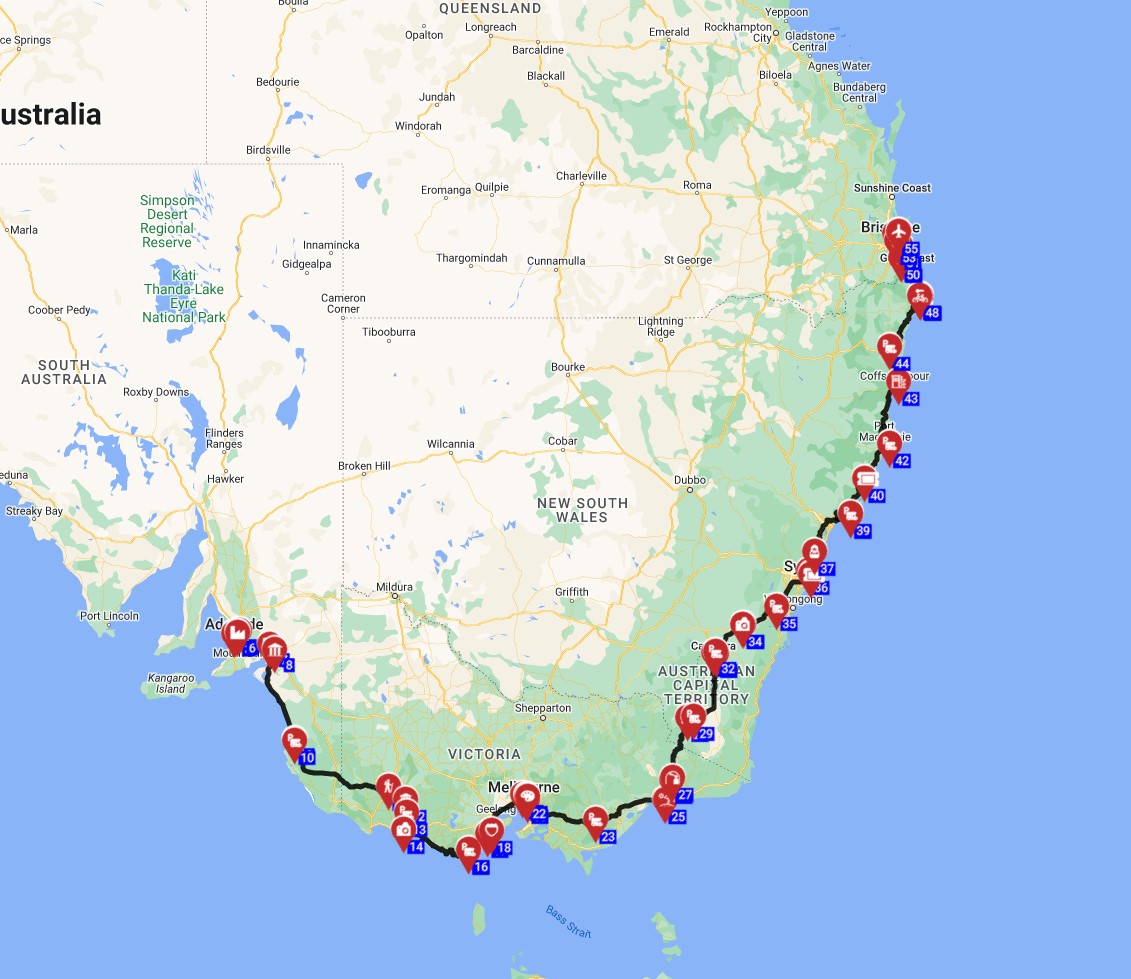
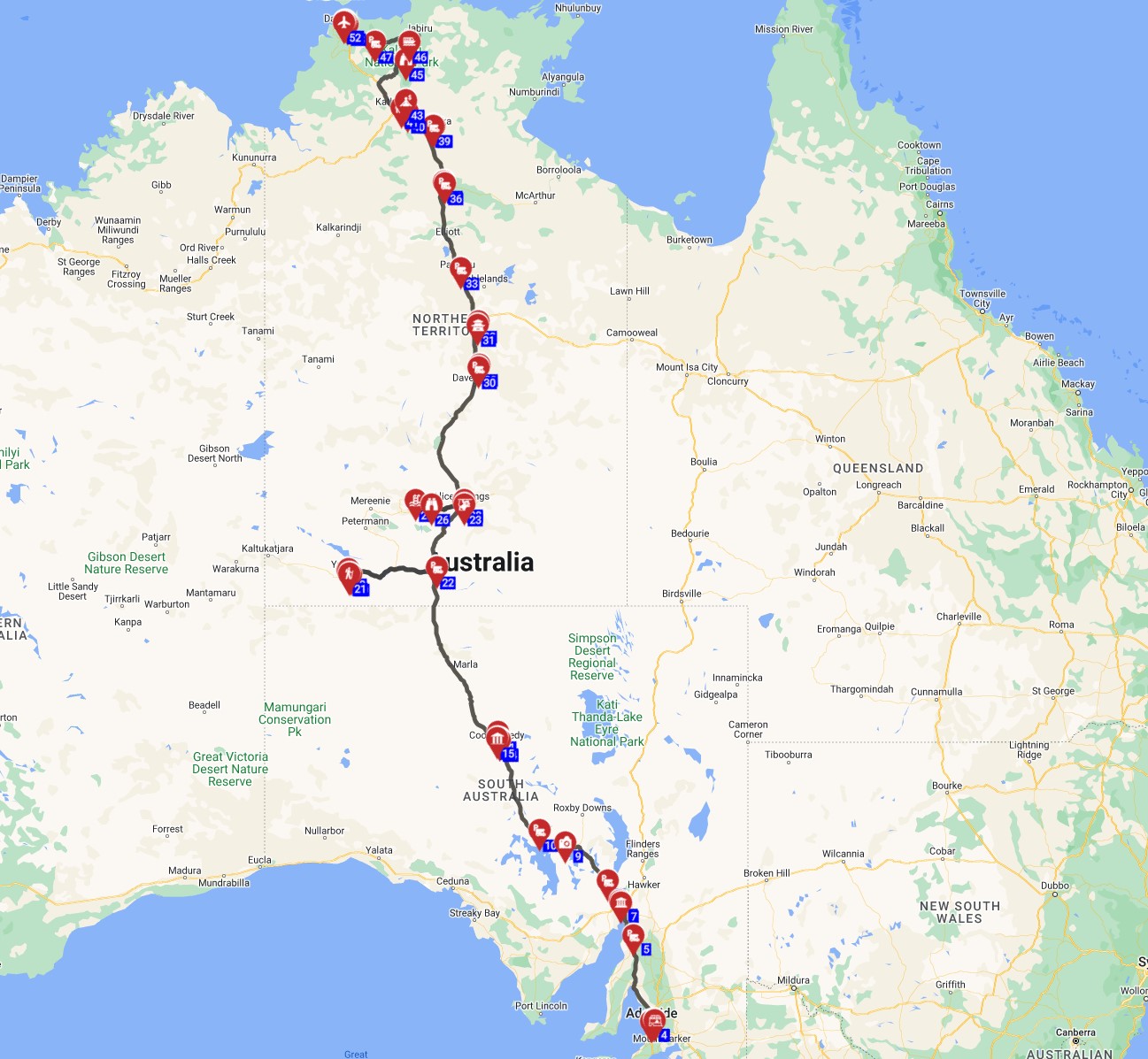
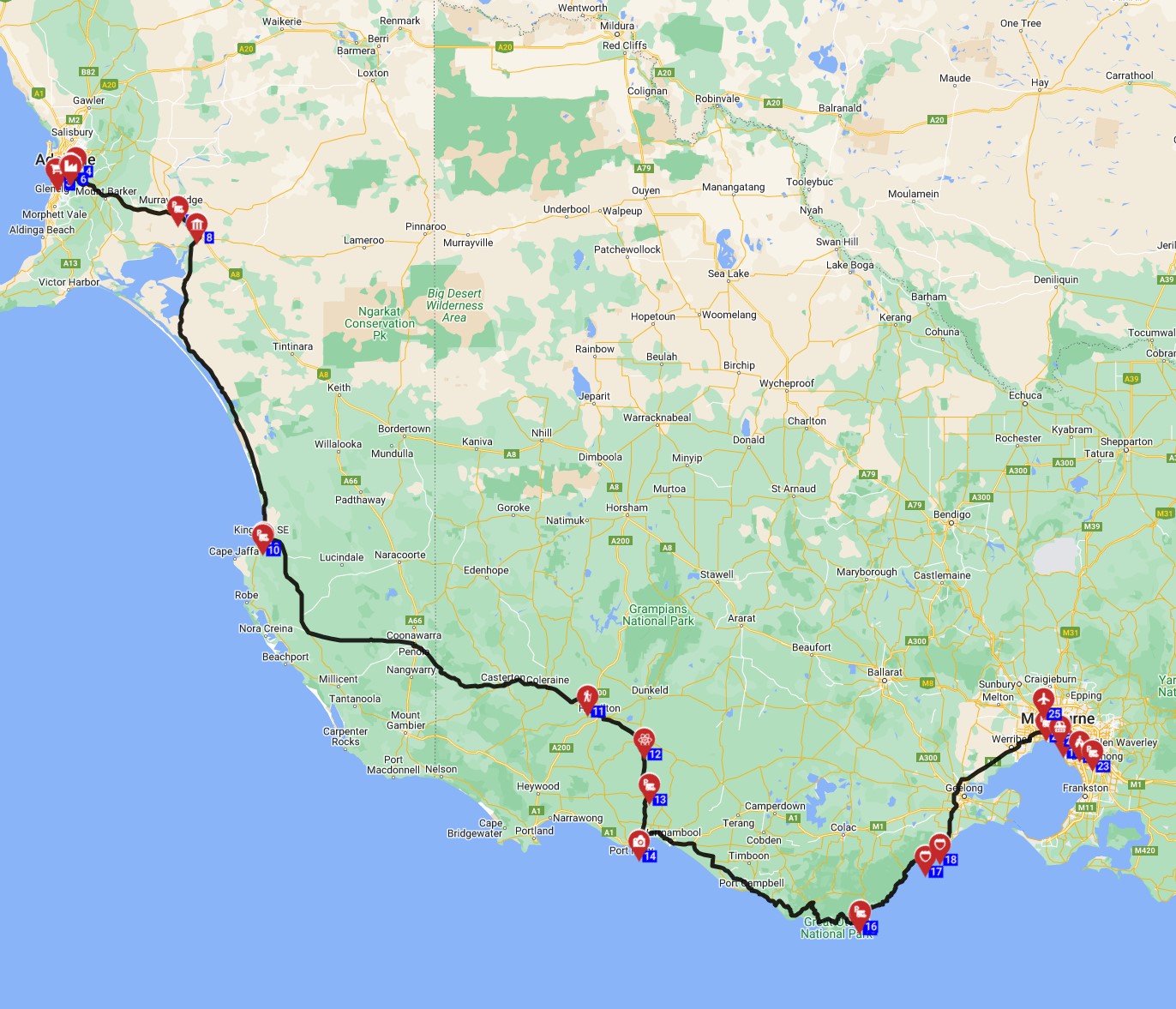
When planning your route with RV PLANET, you'll discover comprehensive itineraries that often include recommended campgrounds, helping you navigate local regulations seamlessly. For example, the "Melbourne to Darwin - Australia’s Heartline Road Trip" route includes 5 recommended hiking areas and 4 natural features. For finding campsites and campgrounds during your trip, we recommend using RV PLANET – a great resource for locating available spots along your route.
Connectivity and Emergency Services
Mobile phone coverage can be limited in remote parts of Australia. Consider purchasing a local SIM card from providers like Telstra for the best coverage, especially in rural areas. For deep outback travel, a satellite phone or a personal locator beacon (PLB) is highly recommended for emergency communication. The national emergency number is 000 for police, fire, or ambulance. Always ensure your rental RV has a first-aid kit and know how to use it. Our 24/7 support is available for booking and pre-trip coordination, offering peace of mind as you plan your adventure.
Responsible Tourism & Environmental Respect
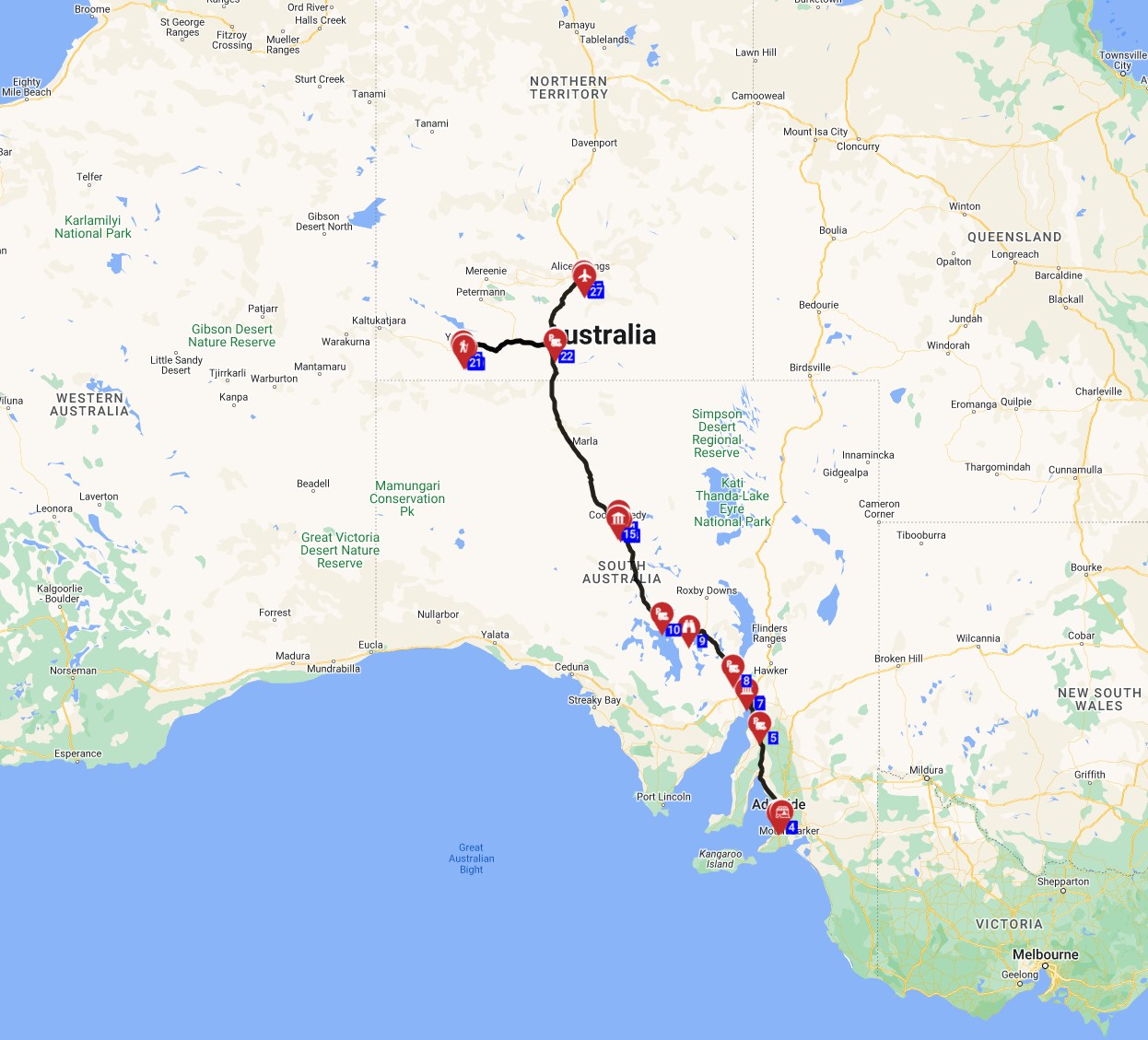
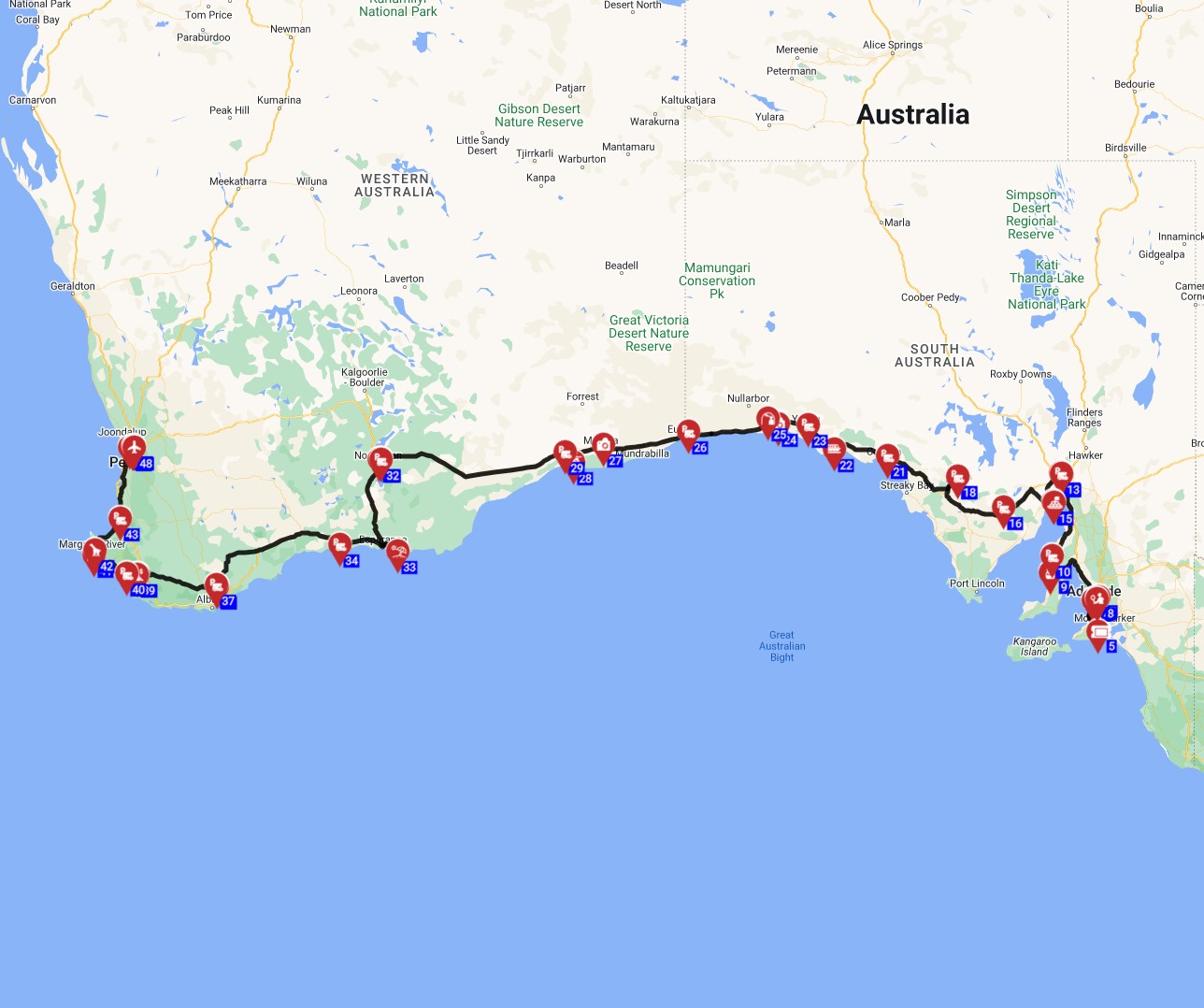
Australia's natural beauty is fragile. Practice 'leave no trace' principles: take all rubbish with you, use designated dump points for waste, and conserve water, especially in arid regions. Be mindful of wildlife, particularly venomous snakes and crocodiles in tropical areas. Drive carefully to avoid collisions with kangaroos and other animals, especially at dawn and dusk. Respect Indigenous culture and sacred sites; follow local guidelines and avoid entering restricted areas. Our goal is to help you explore responsibly, preserving these incredible landscapes for future generations. The Perth to Alice Springs - The Dreamtime Highway: A Journey Through Australia's Heart route, for example, includes 3 museums and 2 traditional restaurants, encouraging cultural immersion.
Top Cities for RV Rental in Australia
Australia offers numerous excellent starting points for your RV adventure, with major cities providing a wide selection of motorhome and campervan rentals. For example, our partners offer extensive options for Pet-Friendly RV Rental in Australia - Pricing 2026 in many of these locations. Here are some of the most popular cities for RV pickup, each offering unique access to Australia's diverse regions:
- Sydney, New South Wales: A vibrant city offering access to the stunning Blue Mountains, coastal drives, and wine regions.
- Melbourne, Victoria: The cultural capital, perfect for exploring the Great Ocean Road, Phillip Island, and the Grampians National Park.
- Brisbane, Queensland: Gateway to the Sunshine Coast, Gold Coast, and the wonders of the Great Barrier Reef via further travel north.
- Perth, Western Australia: Ideal for discovering the vast beauty of Western Australia, from Margaret River's vineyards to the Pinnacles Desert.
- Adelaide, South Australia: Known for its wine regions like Barossa Valley and access to the Flinders Ranges and Kangaroo Island.
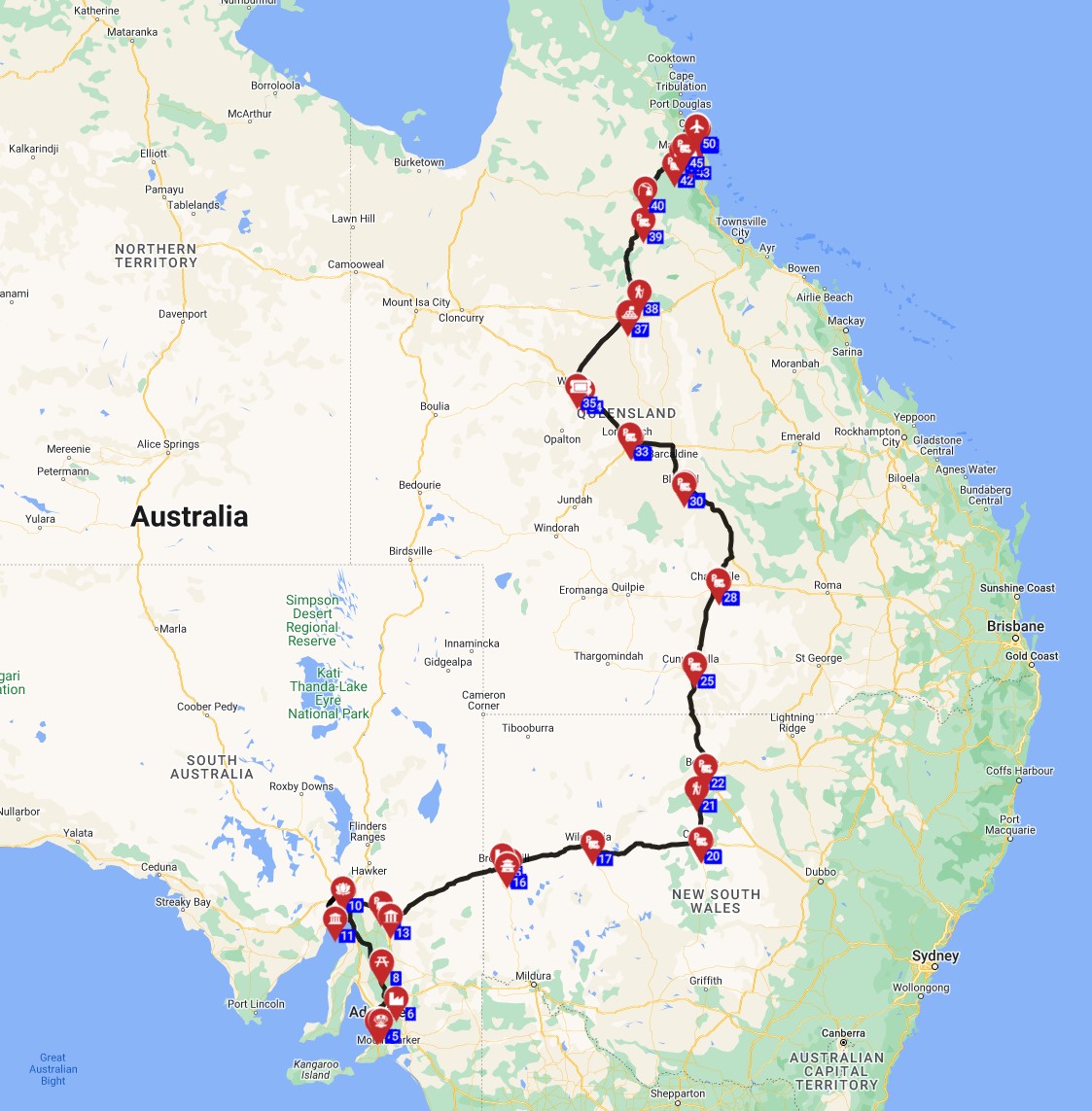
- Cairns, Queensland: The ultimate starting point for exploring the Wet Tropics, Daintree Rainforest, and the northern reaches of the Great Barrier Reef. The Cairns to Alice Springs - Northern Horizons: A Journey Through Australia’s Heartland route offers 3 hiking areas and 2 caves, showcasing the diverse landscapes accessible from Cairns.
- Darwin, Northern Territory: The gateway to Kakadu National Park, Litchfield National Park, and the vast wilderness of the Top End.
- Hobart, Tasmania: Offers access to Tasmania's rugged national parks, pristine coastlines, and unique wildlife.
What You Shouldn't Miss
Looking for expert insights from Avi Bandana? Top 5 Adventures - recommendations from Avi Bandana:
- The Great Ocean Road, Victoria: A stunning 243-kilometer stretch famous for the Twelve Apostles and dramatic coastal scenery. Perfect for a week-long trip in a Class B campervan.
- Uluru-Kata Tjuta National Park, Northern Territory: Witness the awe-inspiring sunrise and sunset over Uluru, a sacred Indigenous site, best experienced with a Class TC truck camper for true Outback exploration.
- Kakadu National Park, Northern Territory: Explore ancient Aboriginal rock art, lush wetlands, and abundant wildlife. A 4x4 capable motorhome is ideal for accessing all areas.
- Fraser Island, Queensland: The world's largest sand island, offering unique 4WD experiences, freshwater lakes, and dingo sightings. Remember, only 4x4 vehicles are permitted.
- The Kimberley, Western Australia: A rugged, remote region with ancient gorges, waterfalls, and breathtaking landscapes, best tackled with a well-equipped 4x4 motorhome or truck camper.
These experiences are just a taste of what's possible with a rented RV in Australia, offering freedom and flexibility you won't find any other way. For a deeper dive into routes and experiences, refer to our Luxury RV Driving in Australia - Scenic Routes 2026 guide.
Final Thoughts
Australia truly is a continent made for RV travel. Its vast, varied landscapes offer endless opportunities for discovery, from the bustling cities to the serene outback and stunning coastlines. With a rented motorhome or campervan, you unlock a level of freedom and flexibility that simply can't be matched by traditional travel. Imagine waking up to a different breathtaking view every day, with your comfortable home-on-wheels always at your side.
At Bandana Caravan, we're passionate about helping you realize these dreams. We provide transparent pricing, expert advice, and a wide selection of quality vehicles to ensure your Australian adventure is seamless and joyful. So, whether you're planning a grand tour of the continent or a cozy week-long trip along a scenic route, we're here to support you every step of the way.
Don't just dream about your Australian RV adventure – make it a reality! Discover top destinations, planning tips, all in one place, and explore options for RV Rental Comparison in Australia for Seniors - Suppliers 2026 today. Life is now, so let's get you on the road!