For live availability and current prices, start with our RV Rental Australia - Complete Guide 2026 guide.
In This Guide
- Can You Drive an RV in Australia? License & Age Rules
- Road Conditions & Terrain in Australia
- RV Size Limits, Bridges & Restricted Zones
- Fuel: Diesel vs. Petrol & Cost per 100 km
- Tolls, Vignettes & Border Rules
- Driving Tips for rv rental Travelers
- Recommended RV Class for Australia Roads
- Should I Choose a Compact Van Instead of a Large RV in Australia?
- Can I Park Anywhere? Free & Wild Camping Rules in Australia
- Can I Drive an RV Into the City Center? Heights, Tunnels & Local Signage
- Can you sleep in a motorhome while driving in Australia?
- Can you legally drive in Australia with a US license?
- Do you need a special license to drive an RV in Australia?
- Can you stop anywhere in a motorhome in Australia?
- Are RVs allowed in Australia?
- How much does it cost to travel around Australia in a motorhome?
- What is the average cost of insuring a motorhome in Australia?
- What You Shouldn't Miss
- Why Book with Bandana Caravan
- Final Thoughts
- Frequently Asked Questions
Australia, a land of breathtaking contrasts and endless horizons, is perfectly suited for a rented RV adventure. Imagine yourself navigating iconic coastal roads, exploring vast outback landscapes, and discovering vibrant cities-all from the comfort of your mobile home. With a rented motorhome or campervan, you truly unlock the freedom to explore at your own pace, stopping wherever the scenery captivates you. For live availability and current prices, start with our RV Rental Australia - Complete Guide 2026 guide.
Can You Drive an RV in Australia? License & Age Rules
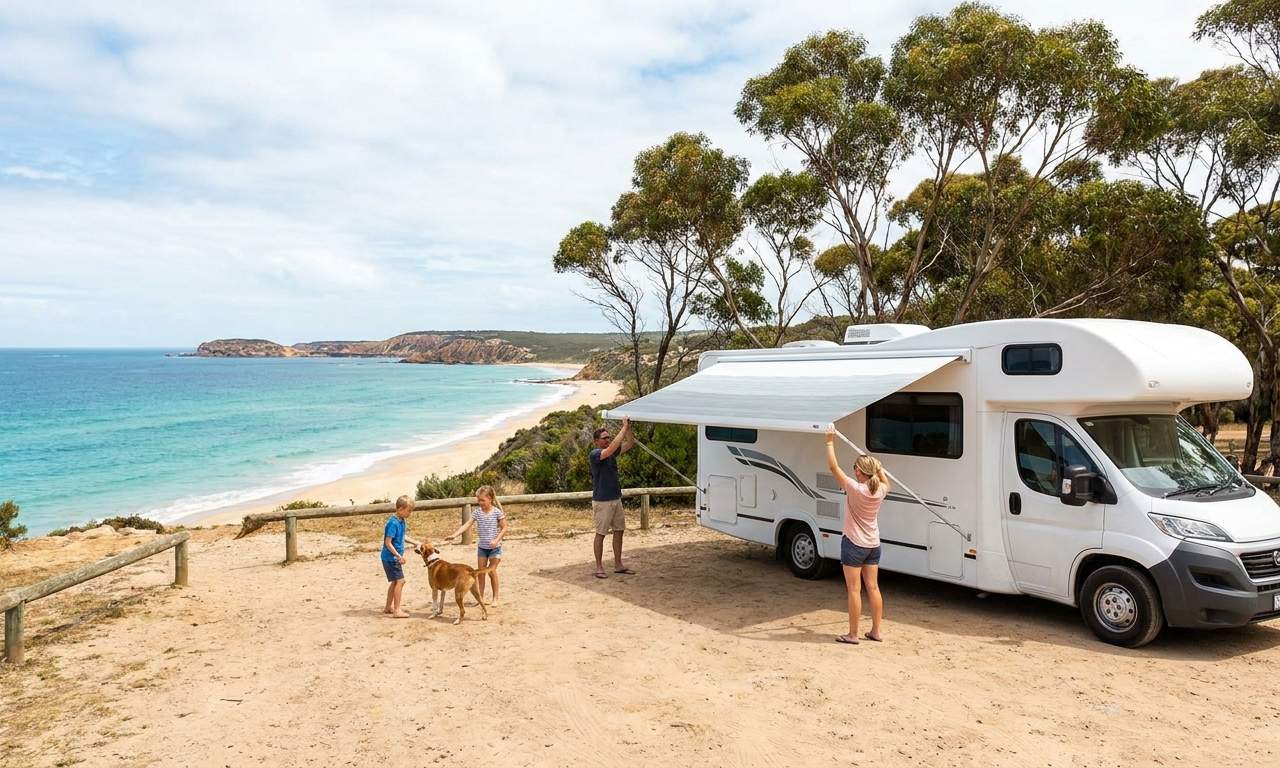
Most standard rental RVs in Australia can be driven with a regular car license, provided the vehicle's Gross Vehicle Mass (GVM) does not exceed 4.5 tonnes. This means that a standard car driver's license, equivalent to an Australian Class C, is sufficient for the vast majority of motorhomes and campervans offered for rent.
For RVs with a GVM under 4.5t, an Australian Class C (car) license equivalent is sufficient; vehicles over this threshold require a heavier vehicle license (e.g., Light Rigid, Medium Rigid), which is rare for rental fleets. Foreign visitors can generally drive with a valid international driver's license for a temporary period, usually up to three months, though this can vary slightly by state. If your domestic license is not in English, an International Driving Permit (IDP) is highly recommended for an official translation, though it is not mandatory in all cases.
Rental companies typically require drivers to be a minimum age of 21, regardless of the legal driving age in Australia. Some suppliers may have higher age requirements, such as 25 years old, for larger Class A motorhomes, so it's always best to check the specific terms and conditions when comparing prices for your RV Rental in Australia - Prices and Best Deals 2026. There are no young driver surcharges or vehicle class restrictions based on age with Bandana Caravan. With full transparency, you'll know all requirements upfront, with no hidden fees or surprises.
Road Conditions & Terrain in Australia
Australian road conditions vary significantly across the continent, ranging from well-maintained sealed highways on major routes to unsealed gravel tracks and challenging off-road terrains, particularly in regional and Outback areas. Major coastal highways, such as the Pacific Highway along the east coast, and inter-city routes like the M1, are generally excellent, facilitating smooth travel for all types of rented RVs, including larger Class C motorhomes.
Drivers should be prepared for unique Australian driving challenges, including vast distances between towns, which necessitate careful fuel and water planning. Encounters with road trains, multi-trailer trucks that can be up to 53.5 meters long, are common in the Outback; always give them ample space when passing or being overtaken. Wildlife, especially kangaroos and emus, poses a significant hazard at dawn and dusk, so reducing speed during these times is crucial. Occasional floodways or single-lane bridges may also be encountered in more remote regions.
Popular routes, like the pre-planned itineraries available through RV PLANET, are generally suitable for 2WD RVs like a cruise america rv rental example Explorer (7.1m long, 82L fresh water tank). However, venturing off sealed roads into the Outback or specific national parks may necessitate a 4WD camper or a dedicated 4WD motorhome, which are offered by some suppliers. Always consult route plans and local conditions before deviating from paved roads.
RV Size Limits, Bridges & Restricted Zones
While Australia generally accommodates RVs of various sizes, drivers of a rented motorhome or campervan must be aware of potential height, weight, and length restrictions, especially in urban areas, national parks, and on specific ferry routes. Height restrictions are most common in city car parks, tunnels, and under some older bridges; always pay close attention to signage indicating clearance levels, which are typically displayed in meters.
Most rental RVs, including popular Class C motorhomes averaging around 7.5 meters in length, fall well within standard road legal weight limits. However, drivers should still be mindful of gross vehicle mass (GVM) for smaller, older bridges found in remote areas, particularly if the RV is fully loaded. It's rare for a standard rental motorhome to exceed a 4.5-tonne GVM that would require a special license.
Some national parks, indigenous lands, or environmentally sensitive areas may have restrictions on vehicle type or size, or require special permits and bookings for access. For example, certain tracks in Kakadu National Park or areas of Fraser Island might only be accessible by 4WD vehicles. Always research your intended destinations thoroughly in advance. Bandana RV, as true RV specialists, recommends thorough route planning, and our 24/7 support team is always ready to assist with pre-booking questions about vehicle suitability for specific regions.
Fuel: Diesel vs. Petrol & Cost per 100 km
Most rental RVs in Australia operate on diesel fuel, which is generally more fuel-efficient for heavier vehicles like motorhomes than petrol, with Bandana's semi-integrated RVs typically consuming 10-11 Liters/100 km. Diesel and petrol are widely available across major routes and in towns, but fuel stops can be infrequent in remote Outback regions, necessitating careful planning for long distances. Always fill up when you have the chance, especially before heading into sparsely populated areas.
Based on Bandana's global fleet averages, fuel consumption varies by rented RV class: Class SI (Semi-integrated) is 10-11 Liters/100 km, Class C (Alcove) is 10-12 Liters/100 km, and Class B (Camper Van) is 8-10 Liters/100 km. While Class A (Integrated) motorhomes are less common in Australian rental fleets, they typically range from 8-12 Liters/100 km. 4WD Truck Campers might consume 12-17 Liters/100 km due to their robust design and often challenging terrain. These figures provide a good starting point for budgeting for your adventure. On the routes offered through RV PLANET routes, you can itemize and track every expense along the way for easy budgeting.
Average fuel costs per 100 km can be estimated by multiplying the RV's consumption rate by the prevailing fuel price, which varies significantly across states and with remoteness, but generally ranges from AUD $1.80 to $2.50 per liter. For example, a Class C motorhome consuming 11 Liters/100 km at $2/liter would cost approximately $22 per 100 km. When planning your RV PLANET routes, you can itemize and track every expense along the way for easy budgeting, including fuel, campground fees, and other ancillary costs. Some rental companies may offer fuel discount cards or perks, which can help mitigate costs on longer journeys, so it's worth inquiring about these when booking your RV rental in Australia.
Tolls, Vignettes & Border Rules
Australia primarily uses electronic toll roads concentrated around major metropolitan areas such as Sydney, Melbourne, and Brisbane, with no country-wide vignettes or physical border tolls between states or territories. This means you won't encounter toll booths in most regional areas, but you'll need to be aware of how to manage tolls when entering or passing through the big cities.
There are no cash payment options on Australian toll roads; drivers must use an electronic tag or purchase a temporary pass online within a specified timeframe to avoid fines. Many rental motorhome suppliers offer the option to pre-purchase toll passes or have transponders fitted to their vehicles, which provides convenience and helps avoid unexpected penalties. It's advisable to arrange this with your rental company before picking up your vehicle if your itinerary includes major cities.
Travel between Australian states and territories is generally seamless, with no border checks or specific fees. You can easily plan an extended road trip from one end of the country to the other, perhaps considering a one-way RV rental in Australia - Price Guide 2026 to maximize your exploration. However, be aware that some states have agricultural inspection points, particularly when entering from certain regions, where you might need to declare or dispose of fresh produce to prevent the spread of pests and diseases.
Driving Tips for rv rental Travelers
RV travelers in Australia should always drive on the left side of the road and prioritize safe driving practices, including frequent rest breaks due to Australia's vast distances. The country's expansive landscape means long stretches between services, so planning your stops and conserving energy is key for a comfortable journey. Slow travel, averaging max 100-150 km per day, is highly recommended to fully appreciate the scenery and culture.
Be extra vigilant for wildlife, especially kangaroos and emus, particularly around dawn and dusk in rural and regional areas, as collisions can be severe. These animals are most active during these times and can appear suddenly on the road. Exercise caution around road trains, the multi-trailer trucks common in the Outback; always give them ample space to overtake and be prepared for strong wind drafts when they pass you.
For connectivity in remote Australian areas, consider using Telstra for mobile service, as it typically offers the best coverage, though even Telstra can have patchy service in truly isolated regions. Carrying alternative communication methods, like a satellite phone or a personal locator beacon (PLB), is recommended for very isolated regions. Always carry sufficient water, extra fuel (if venturing far from towns), and emergency supplies, and inform someone of your itinerary, especially when exploring less populated or Outback areas. Cooking is a joy in a rented RV, and for inspiration, check out our RV-friendly recipes playlist.
Recommended RV Class for Australia Roads
For general touring on Australia's sealed roads and popular routes, Class SI (Semi-integrated) and Class C (Alcove) RVs are highly recommended, offering a practical balance of comfort and manageability. These motorhomes provide all the amenities of a home on wheels without being overly cumbersome for Australian roads.
Bandana's Class SI (Semi-integrated) RVs, like an Active Standard Select, with an average length of 6.9m and sleeping 3-4 people, are well-suited for couples or small families, providing good amenities and relatively good fuel efficiency. Class C (Alcove) motorhomes, such as a "4 Berth Deluxe" typically averaging 7.5m in length and sleeping up to 6, are an excellent choice for families, offering generous living space and often separate sleeping areas, making them ideal for a family holiday. The 24 Class C Motorhome is another great example for families, featuring a queen mattress and sleeping up to 5 people.
For those prioritizing maneuverability and better fuel economy in cities or on tighter coastal roads, Class B (Camper Van) RVs, averaging 5.8m in length, are an ideal compact option. These are perfect for solo travelers or couples who appreciate the flexibility of a smaller vehicle. While most rental RVs are 2WD and best suited for sealed roads, specific 4WD camper options, like some Truck Campers (averaging 5.5m in length) or a "2 Person 4WD Camper" would be necessary for serious off-road or Outback tracks not accessible by conventional motorhomes. Our true RV specialists can help guide you to the perfect vehicle, ensuring top-level deductible reimbursement options are clear so you can travel with peace of mind.
Should I Choose a Compact Van Instead of a Large RV in Australia?
While compact vans offer greater maneuverability in urban settings and on narrower roads, a larger RV in Australia generally provides superior comfort, amenities, and living space without posing significant driving challenges on most popular routes. For couples or solo travelers who value ease of parking and navigating tight city streets, a compact campervan like an Active Original excels, often providing better fuel economy with 8-10 Liters/100 km for a Class B Camper Van.
However, for longer trips, families, or those seeking more luxury, larger RVs (such as Class C Alcove or Class SI Semi-integrated) are often preferred. These offer more spacious interiors, full kitchens, private bathrooms, and dedicated sleeping areas, significantly enhancing comfort for extended adventures. A Class C motorhome, like the "4 Berth Henty", provides ample space for up to 6 people with features like a shower and toilet.
Australia's main road network is generally wide and well-suited for larger motorhomes, meaning that on most popular itineraries, the trade-off in maneuverability for a larger RV is often outweighed by the increased living comfort. Drive slowly and carefully, and you can drive almost anywhere without issues. No need to stress - just use common sense and pay attention to signage. For detailed route plans that consider vehicle size, explore the options on rvplan.net.
Can I Park Anywhere? Free & Wild Camping Rules in Australia
No, you cannot legally park and sleep anywhere in a rented motorhome in Australia; free camping or wild camping is generally restricted to designated areas, with rules varying significantly by state, territory, and local council. It's crucial to understand and adhere to these regulations to avoid fines and ensure a safe, enjoyable trip.
Legal overnight parking for RVs is typically permitted only in designated campgrounds, commercial caravan parks, authorized roadside rest areas (often with time limits and basic facilities), or specific free camping sites. Utilizing resources like the WikiCamps Australia app is highly recommended to locate legal free and low-cost camping spots, which often include details on amenities, user reviews, and any specific regulations.
Always check and adhere to local government and park authority rules, respecting 'No Camping' or 'No Overnight Parking' signage, as fines for illegal camping can be substantial, often ranging from AUD $200-$1000 per offense. When permitted to camp outside commercial parks, practice 'Leave No Trace' principles by taking all rubbish with you, using designated dump points for waste, and minimizing environmental impact. Our 24/7 support team can help answer questions before and during your booking process, ensuring you're well-informed about regulations for your chosen itinerary. For finding campsites and campgrounds during your trip, we recommend using RV PLANET (rvplan.net) - a great resource for locating available spots along your route.
Can I Drive an RV Into the City Center? Heights, Tunnels & Local Signage
Yes, you can generally drive an RV into Australian city centers on main roads, but drivers must be vigilant for specific local signage regarding height restrictions, tunnels, and designated parking areas. Major arterial roads leading into and through Australian city centers are typically wide enough to accommodate even larger rented RVs like a Class C motorhome.
The primary concerns for RVs in city centers are height clearances for multi-story car parks, some tunnels, and low overhead structures; always pay close attention to posted height limits, usually displayed in meters (e.g., 2.2m for many car parks). Finding suitable and legal parking for an RV in a city center can be difficult, often requiring parking on the outskirts and using public transport, or utilizing specific RV-friendly parking zones if available. For instance, Sydney has limited large vehicle parking within the CBD, so planning is essential.
Australian cities do not currently have widespread environmental zones that restrict RV access based on emissions, but drivers should always check for any updated local regulations. The key is to drive slowly and carefully, and you can drive almost anywhere without issues. No need to stress - just use common sense and pay attention to your surroundings, particularly overhead clearances and road signs, to ensure a smooth urban experience with your rented motorhome in Australia.
Can you sleep in a motorhome while driving in Australia?
No, it is illegal and extremely unsafe to sleep in a motorhome while it is actively being driven in Australia, as all occupants must be properly seated and restrained with seatbelts. Australian road safety laws are very strict on this, applying to all vehicles including rented RVs and campervans.
These laws require all passengers to be in an approved seat with a seatbelt fastened while the vehicle is in motion, prohibiting sleeping in beds or unsecured areas. Passengers found not wearing a seatbelt while the vehicle is being driven can result in significant fines for both the passenger (e.g., up to AUD $330 in New South Wales) and the driver. For resting or sleeping, the motorhome must be stationary and legally parked in a designated area, as detailed in the 'Can I Park Anywhere? Free & Wild Camping Rules in Australia' section.
Can you legally drive in Australia with a US license?
Yes, a US citizen can generally drive a rented RV in Australia with a valid US driver's license for a temporary visit, provided the license is current, appropriate for the vehicle class, and often accompanied by an International Driving Permit (IDP). Most Australian states and territories allow temporary visitors to drive on their overseas license for up to three months from their arrival date, provided it is in English (which US licenses are).
While US licenses are in English, an International Driving Permit (IDP) is highly recommended as it provides an officially recognized translation and can simplify interactions with local authorities, rental companies, and insurance providers. The IDP effectively translates your domestic license into ten languages, making it universally understood. The US license must be valid for the class of vehicle being driven, meaning a standard passenger vehicle license (equivalent to an Australian Class C) is sufficient for most rental RVs with a Gross Vehicle Mass (GVM) under 4.5 tonnes.
Before your trip, it's always wise to check the specific requirements for the states you plan to visit, as regulations can occasionally vary. Bandana RV offers full transparency in our booking process, ensuring you understand all licensing requirements for your RV rental in Australia. We are true RV specialists, dedicated to making your journey seamless, from pre-booking comparisons to post-booking coordination.
Do you need a special license to drive an RV in Australia?
For the vast majority of rental RVs in Australia, typically those with a Gross Vehicle Mass (GVM) under 4.5 tonnes, a standard car license (equivalent to an Australian Class C) is sufficient; a special license is only required for larger, heavier vehicles. This means that if you hold a valid driver's license for a standard passenger car in your home country, you're likely covered for most campervans and motorhomes available for rent.
The critical threshold in Australia is a GVM of 4.5 tonnes (4,500 kg); most standard rental motorhomes and campervans are specifically designed to stay below this weight to accommodate general car licenses. For example, a common Class C motorhome like the cruise america rv rental example Explorer with a length of 7.1m is well within this limit. If an RV's GVM exceeds 4.5 tonnes, a heavier vehicle license such as a Light Rigid (LR) or Medium Rigid (MR) license is legally required, though these types of RVs are rarely offered by mainstream rental companies.
Always confirm the GVM of your chosen rental RV and verify that your existing driver's license category covers this weight class, especially if you are an international visitor. Our Bandana RV specialists are always happy to clarify these details during the booking process, ensuring you have all the necessary information for your adventure, and reminding you that an International Driving Permit (IDP) is recommended for visitors from non-English speaking countries, but not mandatory in most cases.
Can you stop anywhere in a motorhome in Australia?
No, you cannot stop and park a rented motorhome anywhere you choose in Australia for overnight stays, as specific regulations govern free camping and roadside parking, with significant fines for illegal stops. This is a common misconception, and understanding local rules is crucial for a hassle-free RV trip across Australia.
Legal overnight parking for RVs is strictly limited to designated areas such as commercial caravan parks, official campgrounds (many requiring bookings, especially during peak season), and approved roadside rest areas, some of which may have time limits (e.g., 24-hour limits). Regulations concerning free camping vary significantly between Australian states, territories, and even local councils, making it essential to check local signage and rules diligently.
Always adhere to 'No Camping' or 'No Overnight Parking' signs, as ignoring them can result in substantial penalties ranging from hundreds to over a thousand Australian dollars. For comprehensive guidance on finding legal overnight parking and free camping spots, consult resources like the WikiCamps Australia app. Remember, Bandana Caravan does not help find campsites during your rental, but we wholeheartedly recommend RV PLANET (rvplan.net) as a great tool for locating available spots and planning your route, especially for those looking into Weekly RV Rental in Australia - Pricing 2026 or longer.
Are RVs allowed in Australia?
Yes, recreational vehicles (RVs) are widely allowed and are an incredibly popular mode of travel throughout Australia, with extensive infrastructure supporting motorhome and campervan tourism. Australia's vast and diverse landscapes, from the iconic coastlines to the rugged Outback, are perfectly explored with the freedom a rented RV provides.
RV travel is a significant and celebrated part of Australian culture, enabling visitors and locals alike to explore the country's unique natural wonders at their own pace. Australia boasts a comprehensive network of caravan parks, campgrounds, and service facilities specifically designed to cater to RVs, providing essential amenities like power, fresh water, and dump points. Many national parks also offer well-equipped campgrounds that are perfect for rented motorhomes.
While most RVs are well-suited for the country's extensive sealed road network, certain remote or rugged areas may require specific 4WD-capable campers or additional planning for access. Whether you're planning an extended road trip along the coast or a multi-week exploration of the Red Centre, a rented motorhome is an excellent way to experience the continent. We at Bandana Caravan are true RV specialists, with over 20 years (founded in 2001) of experience helping tens of thousands of travelers explore the world by RV.
How much does it cost to travel around Australia in a motorhome?
The cost of traveling around Australia in a rented motorhome can vary significantly, typically ranging from AUD $150 to $400+ per day, depending on the RV type, rental duration, season, fuel prices, campground fees, and personal travel style. For example, a compact campervan like an "Active Original" for a couple might fall on the lower end, while a large 6-berth Class C motorhome like the 6 Berth Discovery for a family will naturally be higher.
RV rental costs are influenced by the vehicle class (e.g., smaller campervans are generally cheaper than large integrated motorhomes), the time of year (peak season, roughly December-February, is typically more expensive), and how far in advance you book (booking 90+ days ahead can save an average of 25%). Fuel is a major ongoing expense, with average costs estimated around $22 per 100 km for an RV consuming 11 Liters/100 km at $2/liter, fluctuating with global oil prices and regional availability. Campground accommodation costs range from free designated campsites (requiring self-sufficiency) to commercial caravan parks charging AUD $30-$80+ per night for powered sites with amenities like showers and cooking facilities.
Other significant expenses include food (budgeting for self-catering, made easy with a full RV kitchen, can save money), national park entry fees (often AUD $10-$30 per vehicle), activity costs, and potential permits for specific remote or Indigenous lands. On RV PLANET routes, travelers can itemize and track every expense along the way for easy budgeting, providing full transparency for your total trip cost. Remember, prices are dynamic, much like flight tickets, and the final price is set at actual booking time, so comparing prices early is always a good idea.
What is the average cost of insuring a motorhome in Australia?
For rental motorhomes in Australia, the primary insurance coverage is typically included in the rental price, with additional optional excess reduction policies ranging from AUD $25 to $75 per day to lower your financial liability in case of damage. This means you're not paying for basic insurance separately, but rather choosing to reduce your out-of-pocket risk.
The standard rental agreement usually includes basic insurance, but this comes with a high excess (deductible), often several thousands of dollars (e.g., AUD $5,000-$7,500), which is your maximum out-of-pocket liability in the event of an incident. Purchasing an optional top-level deductible reimbursement policy is highly recommended for extra peace of mind, as it significantly reduces this liability to a much lower amount, or even zero, depending on the chosen coverage level and supplier. This optional upgrade is not included by default and is designed to protect your travel budget.
The daily cost of excess reduction can vary based on the rental company, the rented RV class, the driver's age, and the specific level of coverage selected. For instance, a basic campervan might have cheaper options than a luxury Class A motorhome. It's important to carefully review the terms and conditions of your rental agreement regarding insurance coverage and excess before committing to a booking. Bandana Caravan ensures full transparency, so there are no hidden fees or surprises related to insurance at pickup time, allowing you to compare final prices across suppliers confidently.
What You Shouldn't Miss
Australia is an immense land of endless possibilities for your RV adventure. As true RV specialists, we've explored many corners of this incredible country and have some must-do recommendations:
- **The Great Ocean Road, Victoria:** A classic coastal drive, stretching over 240 kilometers from Torquay to Allansford, featuring iconic landmarks like the Twelve Apostles. It's perfectly suited for a rented motorhome, with numerous caravan parks along the way.
- **Uluru-Kata Tjuta National Park, Northern Territory:** Experience the spiritual heart of Australia. Witnessing Uluru change colors at sunrise and sunset from your campervan is an unforgettable experience. Book your campsites in advance as they are limited.
- **
Coastal Drive:** Explore the vibrant cities and stunning beaches of Australia's east coast, stopping at charming surf towns and national parks. Consider a "campervan hire australia example Pegasus" for family comfort.
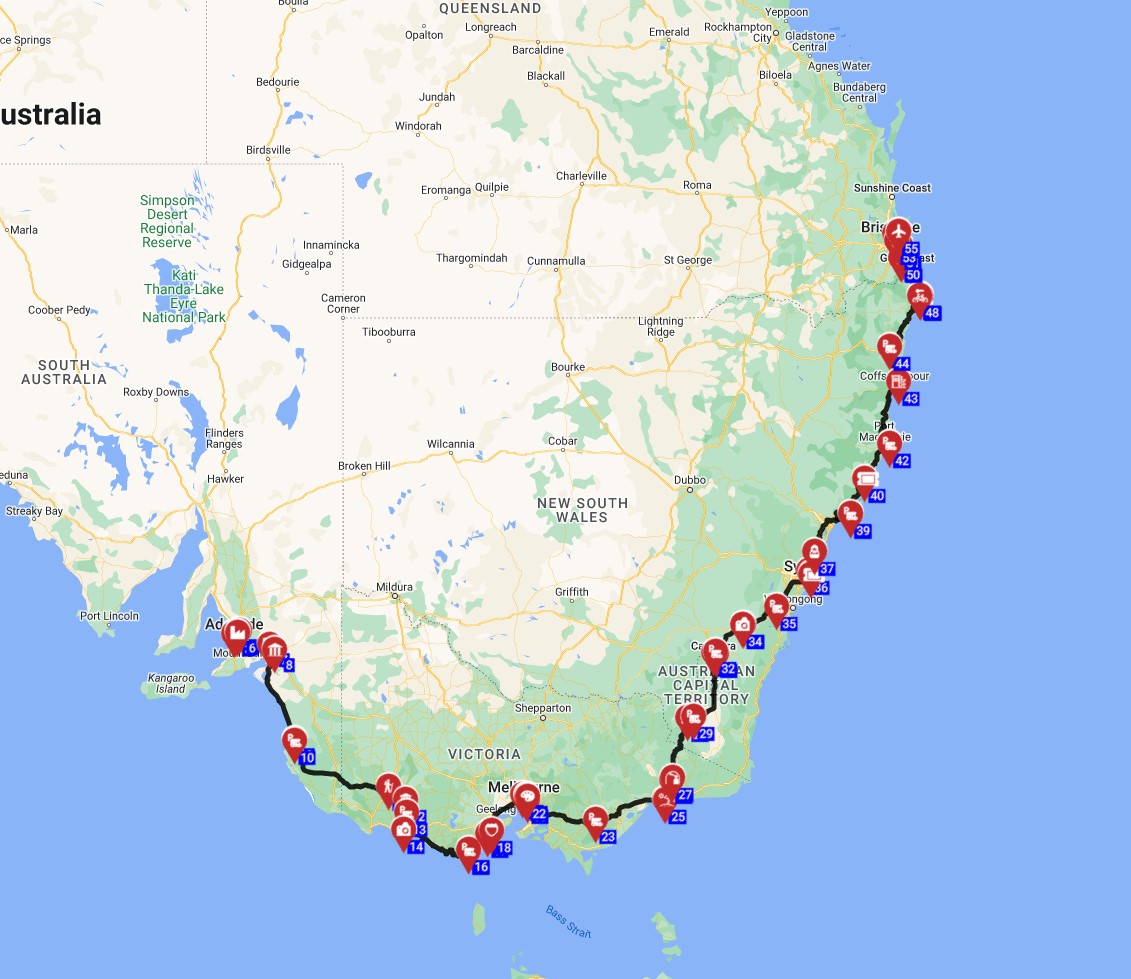
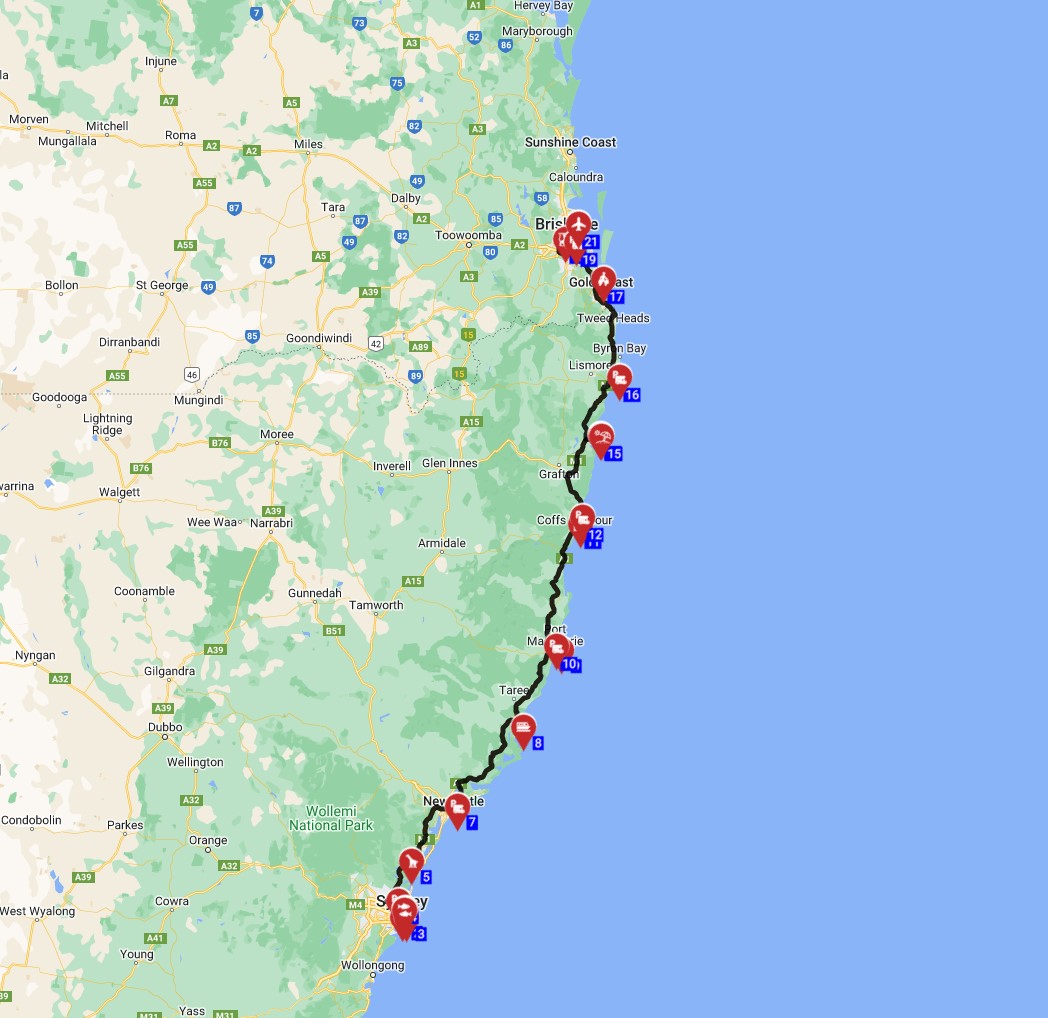 Sydney to Brisbane
 - **Kakadu National Park, Northern Territory:** Discover ancient Aboriginal rock art, diverse wildlife, and spectacular waterfalls. Some areas might require 4WD access, so check your rented RV's capabilities and any necessary permits beforehand.
- **Tasmania's Wilderness:** Take your motorhome on the ferry to Tasmania and explore its pristine national parks, rugged coastline, and unique wildlife. It's a fantastic destination for slow travel, allowing you to truly connect with nature.
Looking for expert insights from Avi Bandana? Top 5 Adventures - recommendations from Avi Bandana
🎬 Video coming soon
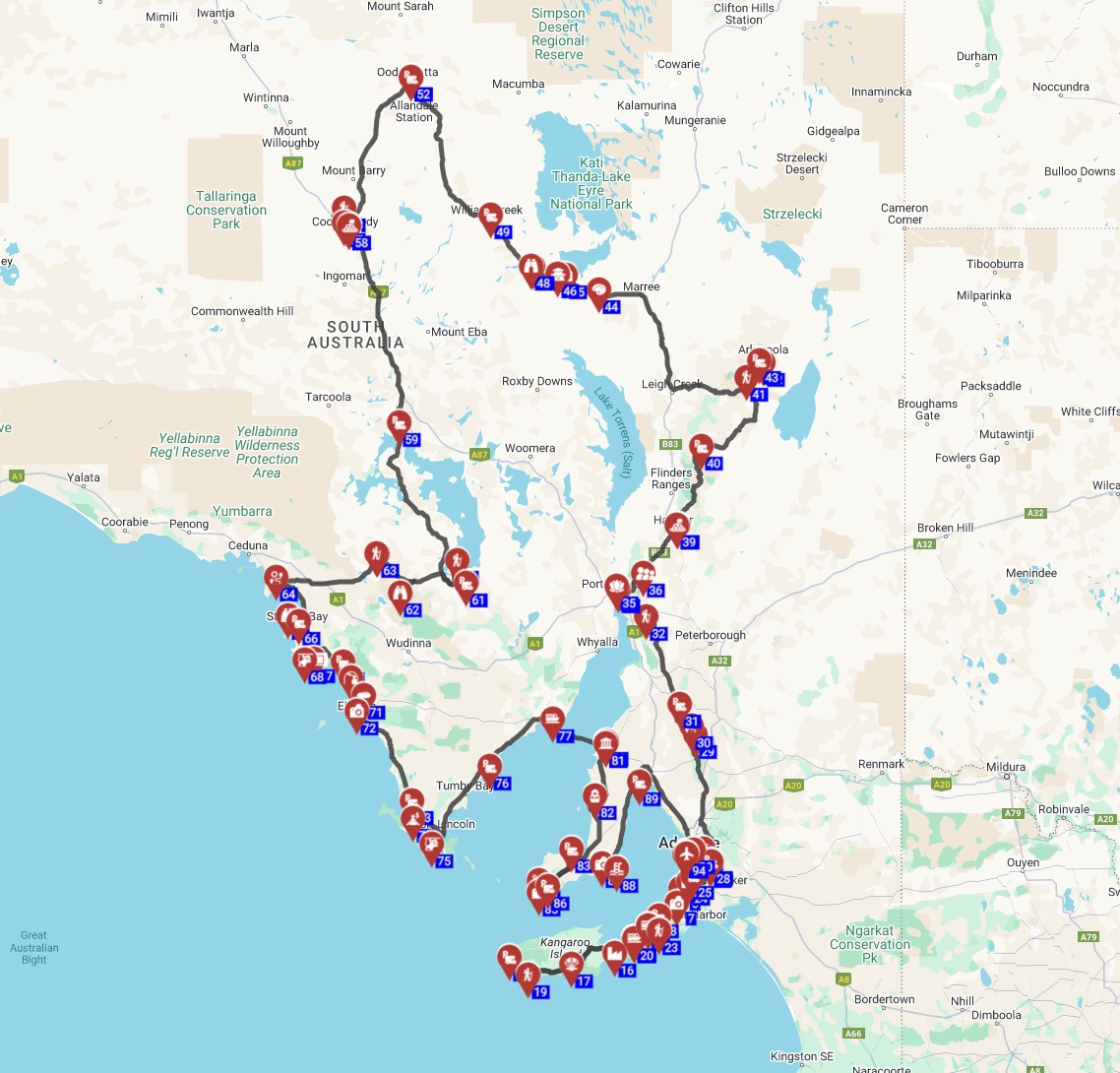
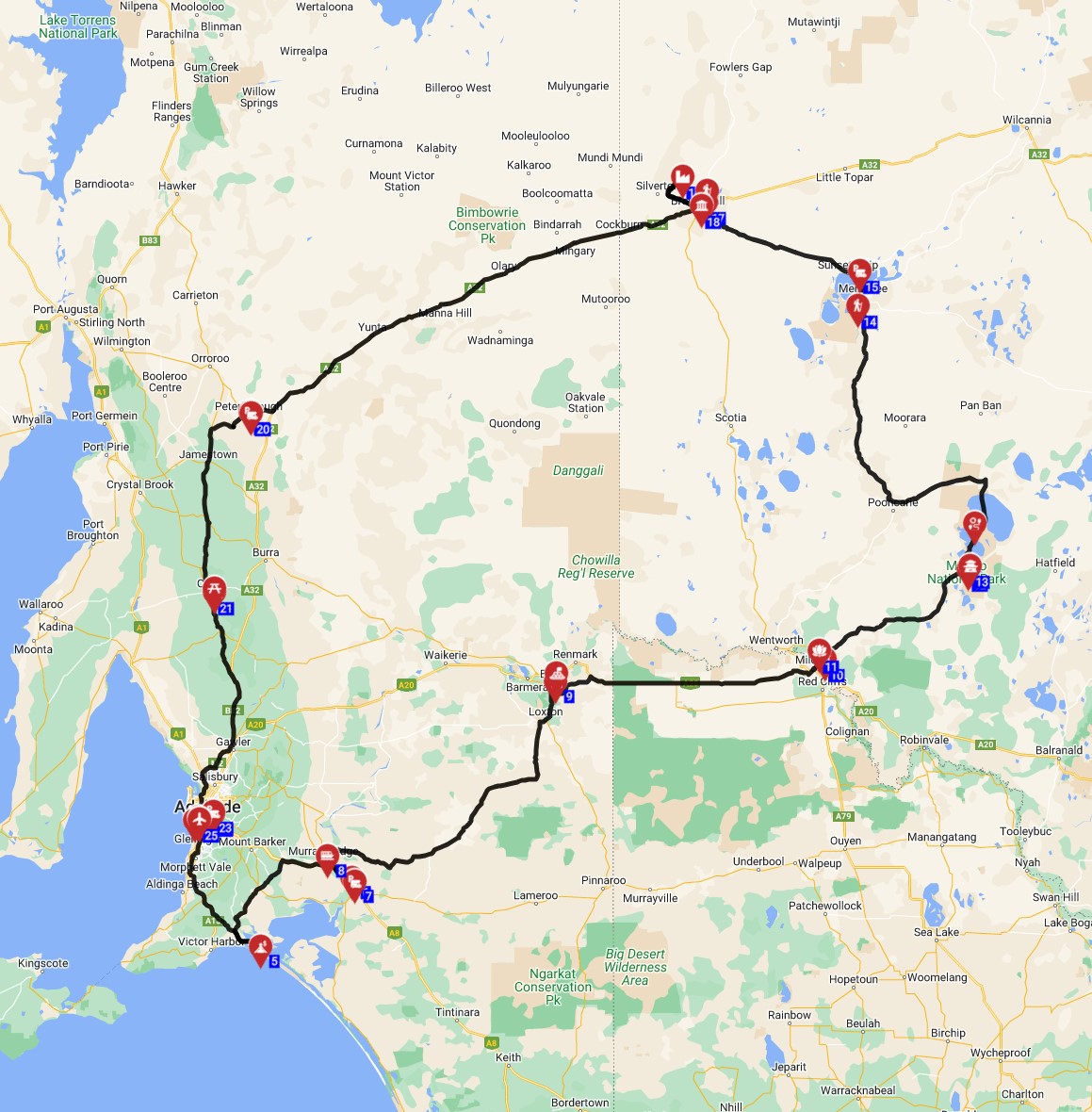
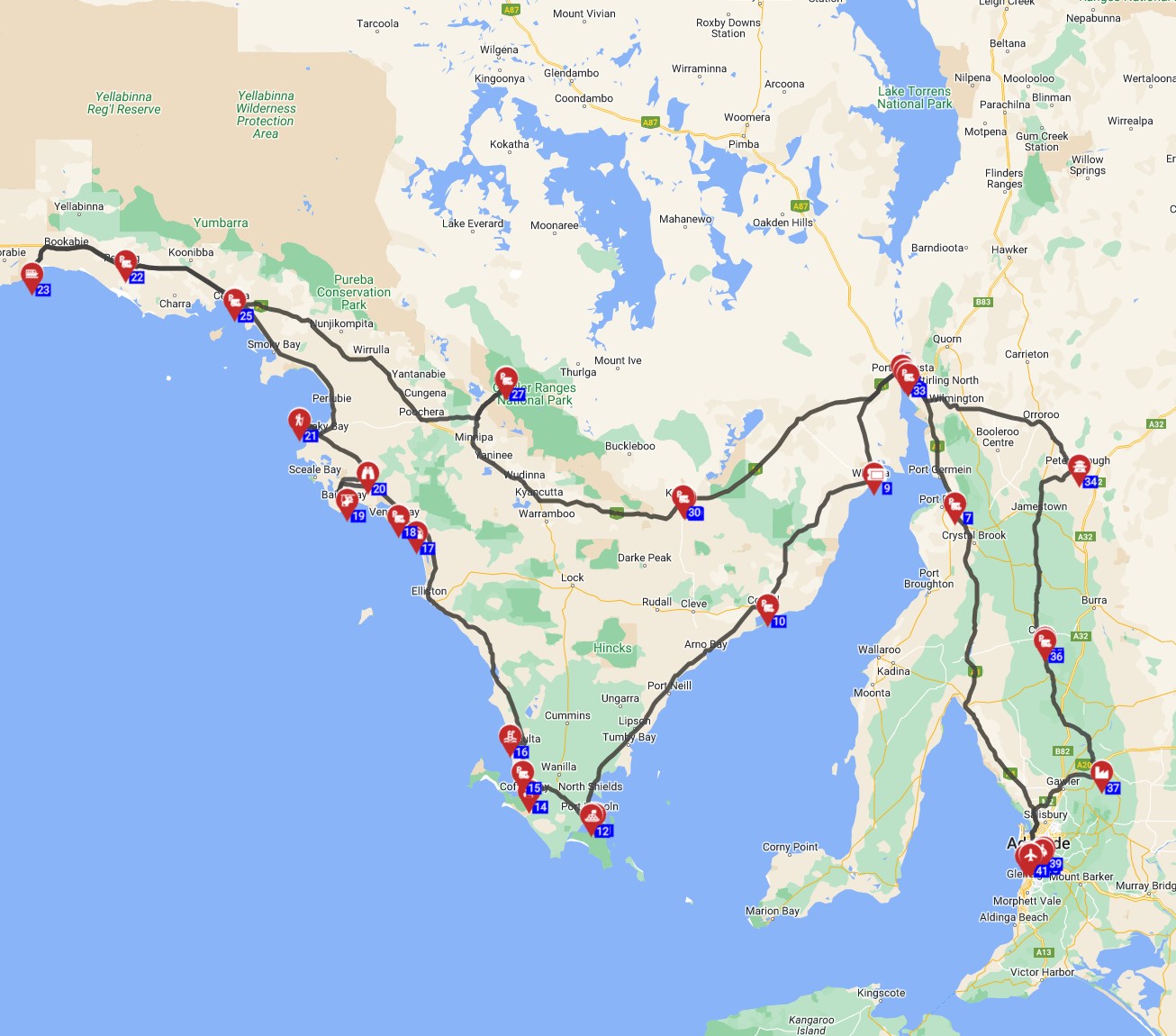
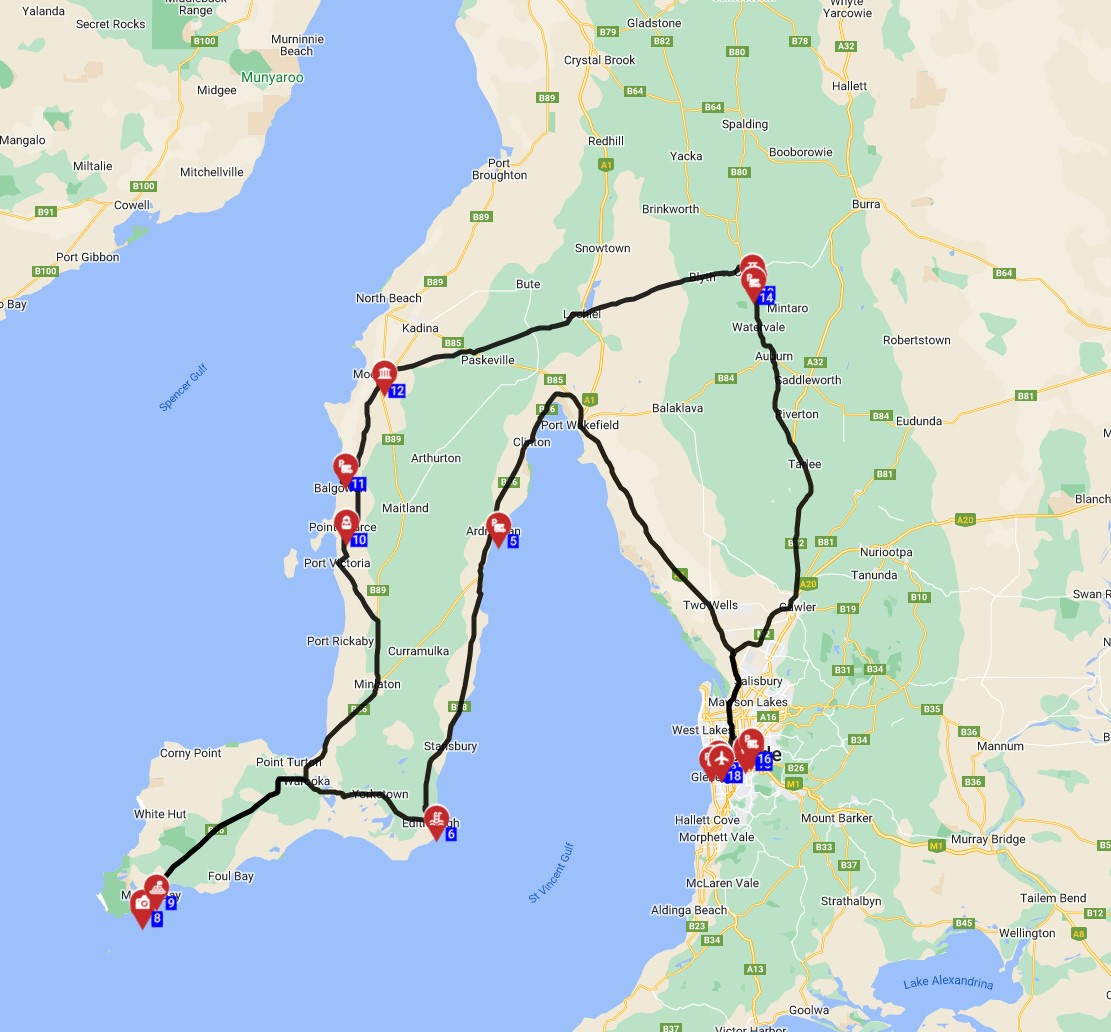
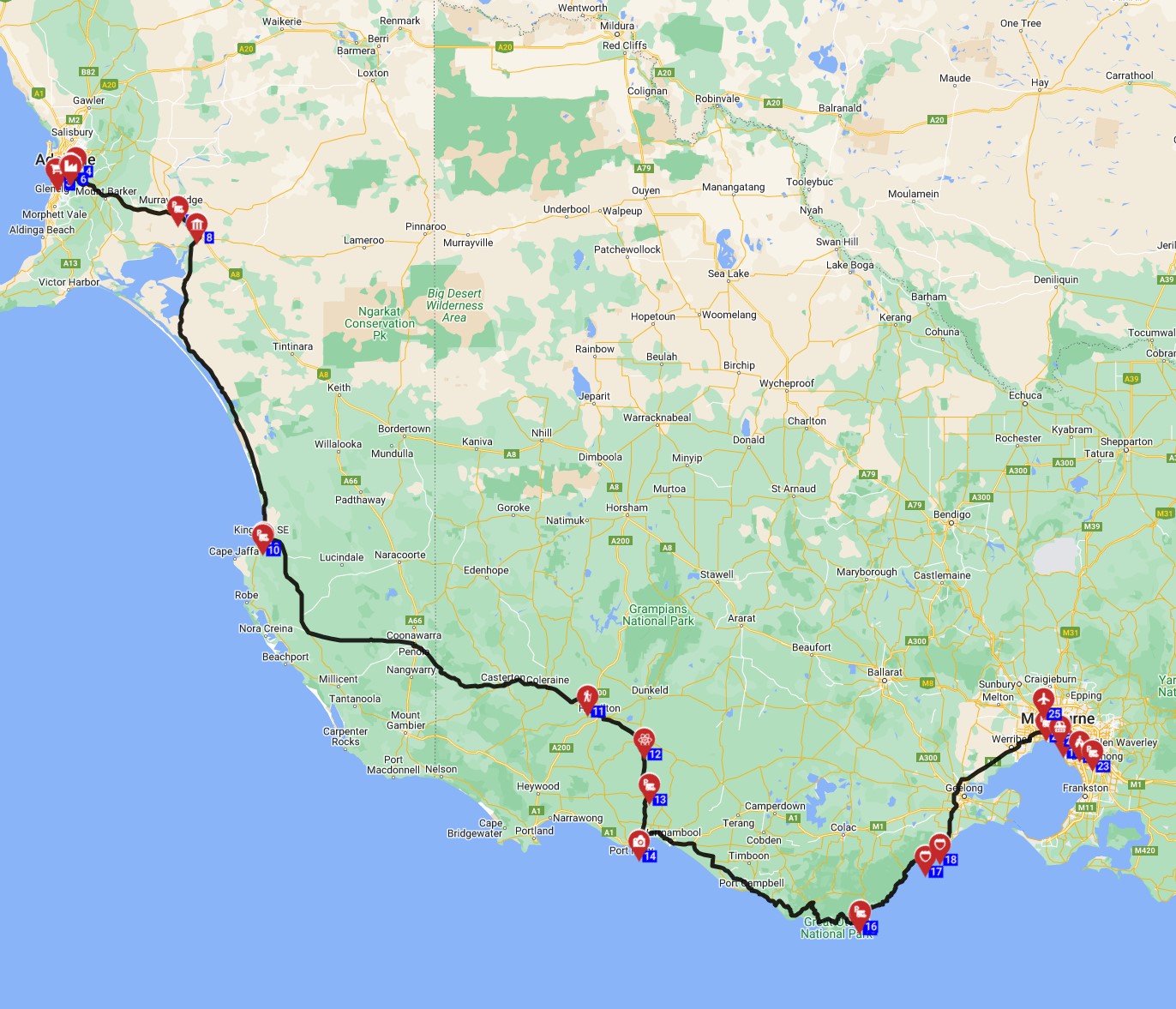
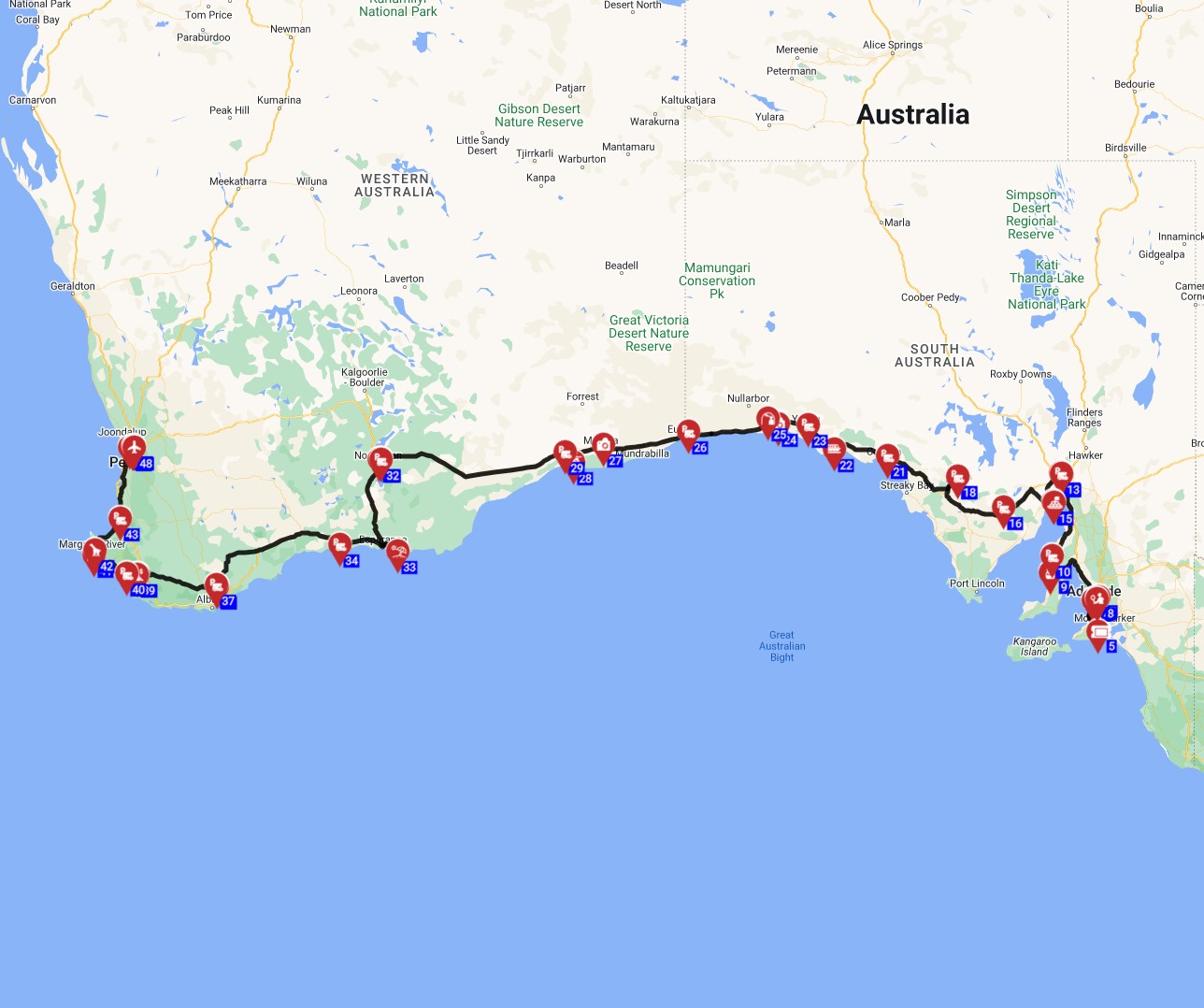
For those eager to dive into expertly crafted itineraries, RV PLANET offers fantastic options for exploring Australia by motorhome. These pre-planned routes take the guesswork out of your adventure.
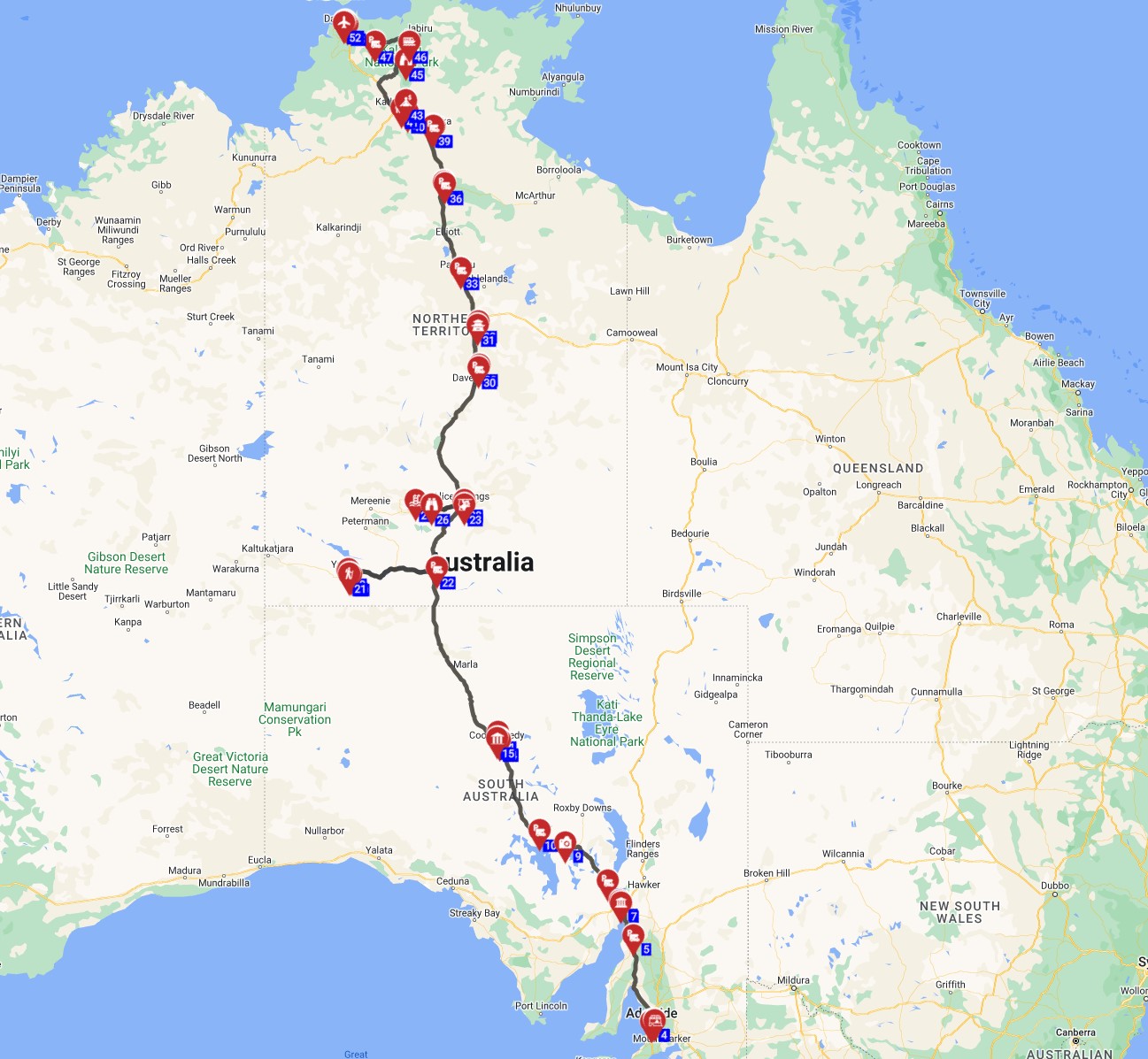
This 26-day journey spans 5622.8 kilometers from Melbourne to Darwin, featuring a rich tapestry of experiences including 2 animal shows, 5 hiking areas, 3 museums, and 2 scenic routes, offering a comprehensive look at Australia's heartland.
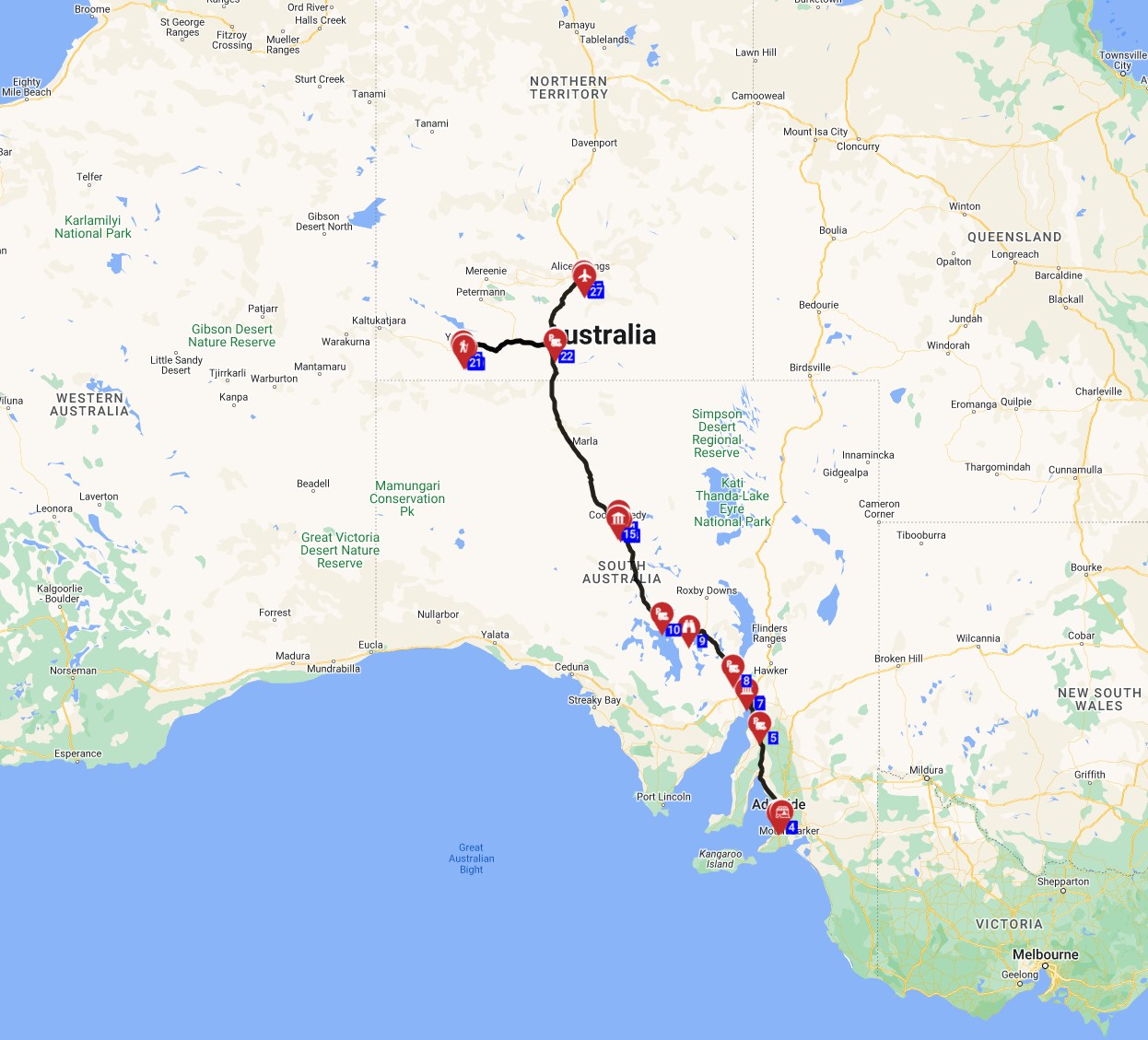
Journey 5447.3 kilometers over 21 days from Perth to Alice Springs, discovering 2 wildlife encounters, 3 museums, and 4 natural features. This route plan, known as The Dreamtime Highway, offers a profound connection to Australia's ancient landscapes and vibrant culture.
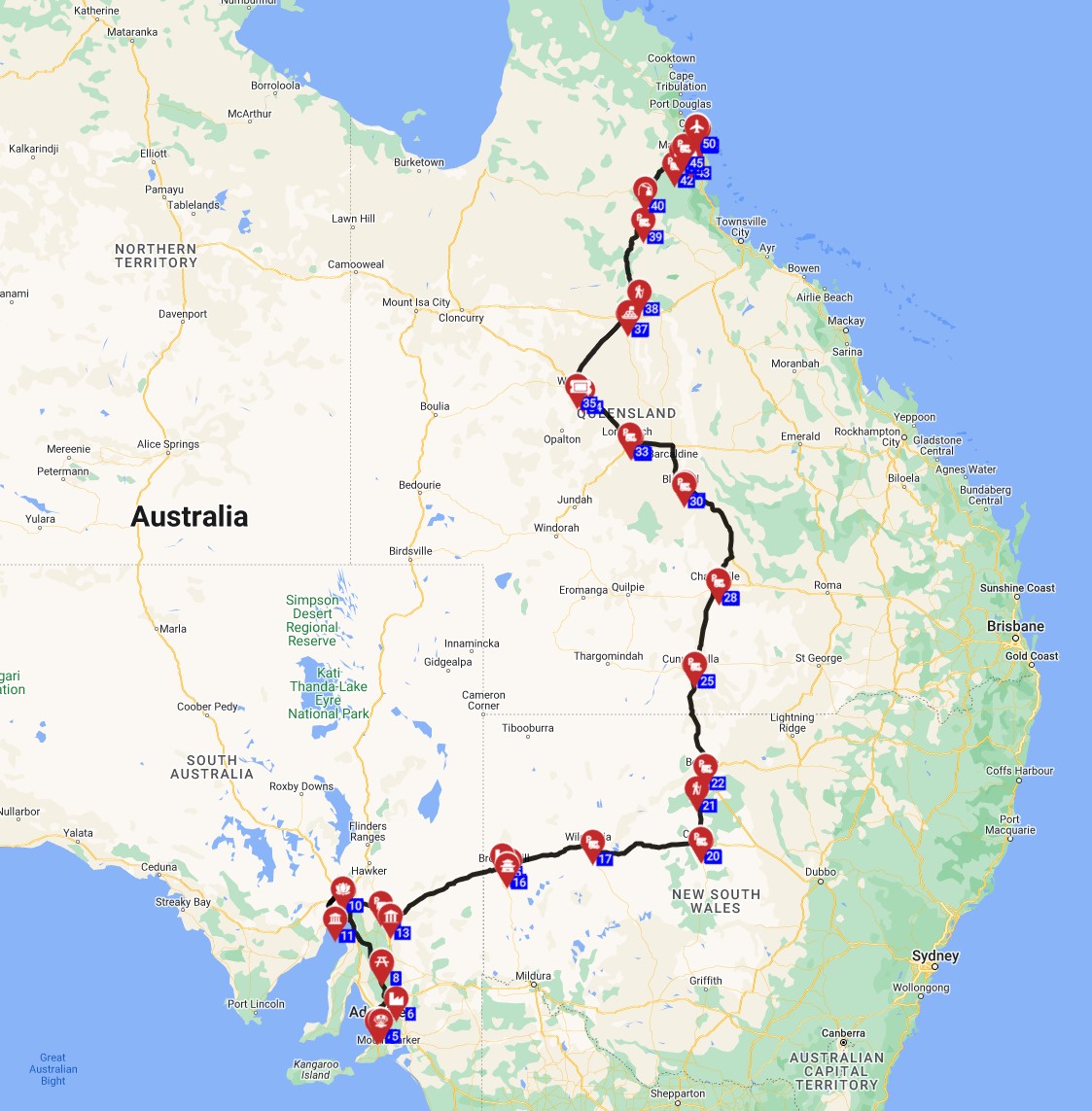
This 17-day route, covering 4003.6 kilometers from Cairns to Alice Springs, includes visits to 3 hiking areas, 2 caves, and 2 tourist attractions, making it an ideal choice for experiencing Northern Horizons: A Journey Through Australia's Heartland.
These itineraries, and many more like them, are designed by professionals on RV PLANET to ensure you get the most out of your motorhome rental, simplifying your RV PLANET routes. Plus, remember you can get a 25% planning discount when using rvplan.net to craft your perfect Australian adventure!
Final Thoughts
Australia is a destination that truly comes alive when explored by rented RV. From the rugged beauty of the Outback to the pristine beaches and bustling cities, a motorhome or campervan provides the ultimate flexibility and comfort to immerse yourself in this incredible country. We're here to support you through every stage, ensuring you have all the information and peace of mind you need for an unforgettable journey.
Remember to embrace slow travel, allowing yourself to linger in places that capture your heart, connect with the local culture, savor the delicious food, and soak in the breathtaking scenery. Whether you're a seasoned RVer or embarking on your first motorhome rental, Australia promises an adventure like no other.
Ready to start planning your dream trip? Discover top destinations, planning tips, all in one place! Compare Motorhome Prices for Australia and begin your extraordinary journey today.