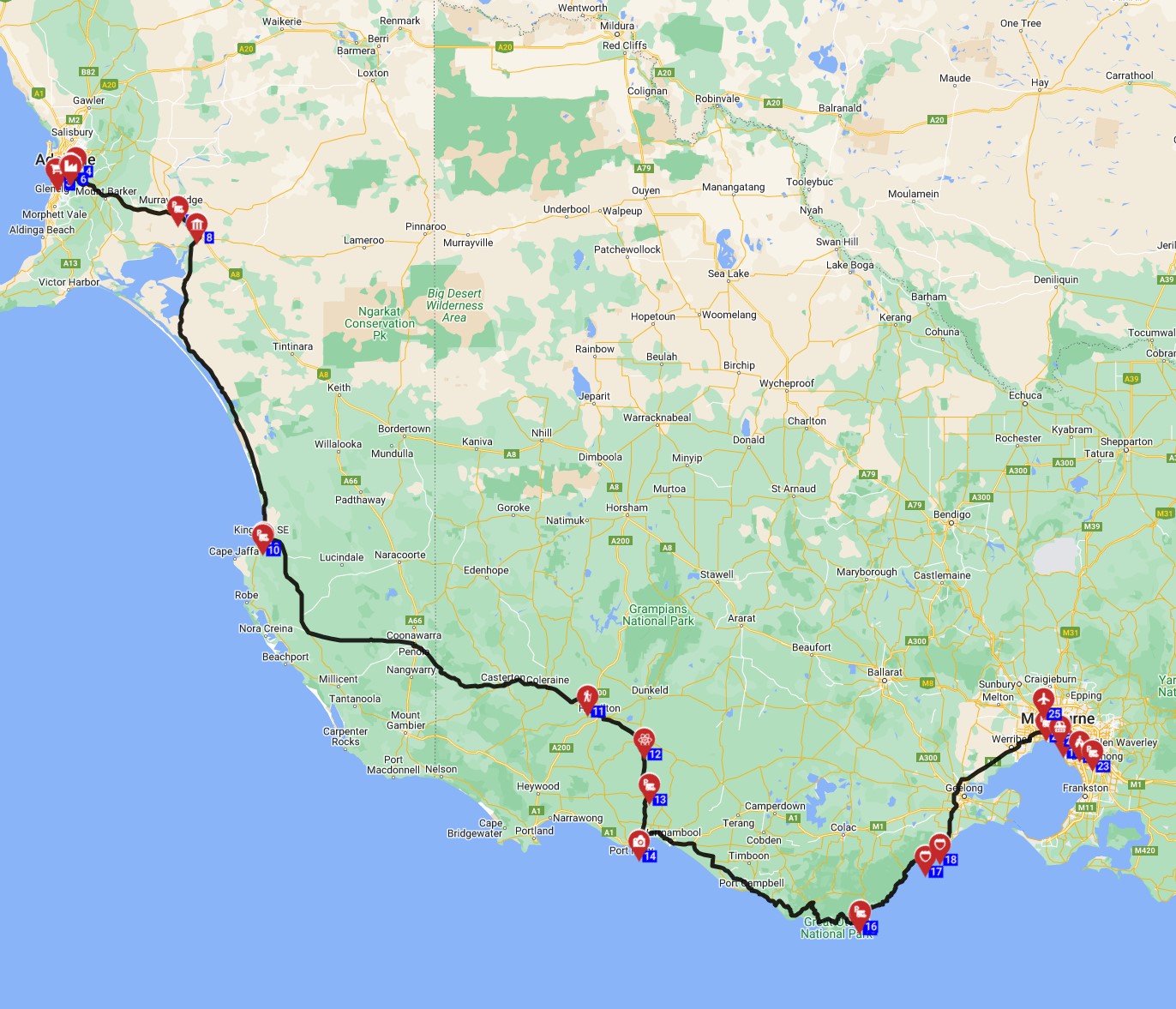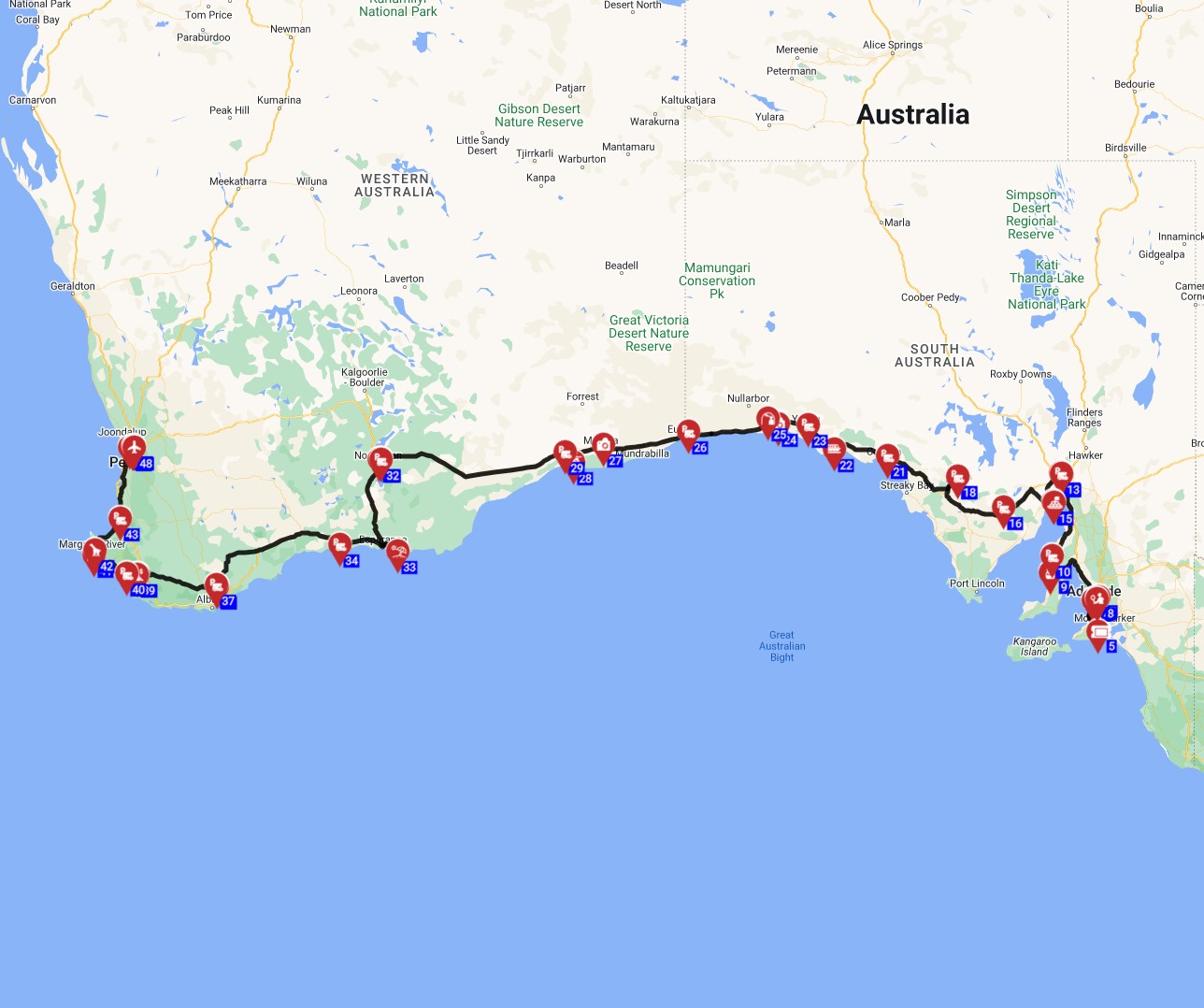
For live availability and current prices, start with our RV Rental Australia - Complete Guide 2026 guide.
In This Guide
- Can You Drive an RV in Australia? License & Age Rules
- Road Conditions & Terrain in Australia
- RV Size Limits, Bridges & Restricted Zones
- Fuel: Diesel vs. Petrol & Cost per 100 km
- Tolls, Vignettes & Border Rules
- Driving Tips for RV Rental Travelers
- Recommended RV Class for Australia Roads
- Should I Choose a Compact Van Instead of a Large RV in Australia?
- Can I Park Anywhere? Free & Wild Camping Rules in Australia
- Can I Drive an RV Into the City Center? Heights, Tunnels & Local Signage
- Do you need a special license to drive an RV in Australia?
- Can you legally drive in Australia with a US license?
- Are RVs allowed in Australia?
- Can you stop anywhere in a motorhome in Australia?
- Can you sleep in a motorhome while driving in Australia?
- How much does it cost to travel around Australia in a motorhome?
- What is the average cost of insuring a motorhome in Australia?
Dreaming of wide-open roads, stunning coastlines, and unique wildlife? An RV adventure across Australia offers unparalleled freedom and immersion in one of the world's most captivating countries. Whether you're planning an epic one-way journey from Melbourne to Darwin or a coastal exploration, preparing with the right information ensures a smooth and memorable trip. For live availability and current prices, start with our RV Rental Australia - Complete Guide 2024 guide, your go-to resource for everything related to renting a motorhome in this incredible land.
Can You Drive an RV in Australia? License & Age Rules
A standard car license (Class C equivalent) is sufficient for driving most rented RVs under 4.5 tonnes Gross Vehicle Mass (GVM) in Australia. This means the vast majority of motorhomes and campervans available for rental won't require a special license beyond what you already hold in your home country. For international visitors, especially those with non-English licenses, carrying an International Driving Permit (IDP) alongside your valid foreign driver's license is highly recommended, as it translates your credentials into multiple languages and can smooth interactions with rental agencies and local authorities. The minimum driver age for RV rentals in Australia is typically 21 years old across our partner suppliers, with no young driver surcharges or vehicle class restrictions based on age, making it accessible for a wider range of travelers. Bandana Caravan, as true RV specialists, ensures that all these details are transparently communicated to you from day one, so there are no surprises.
Road Conditions & Terrain in Australia
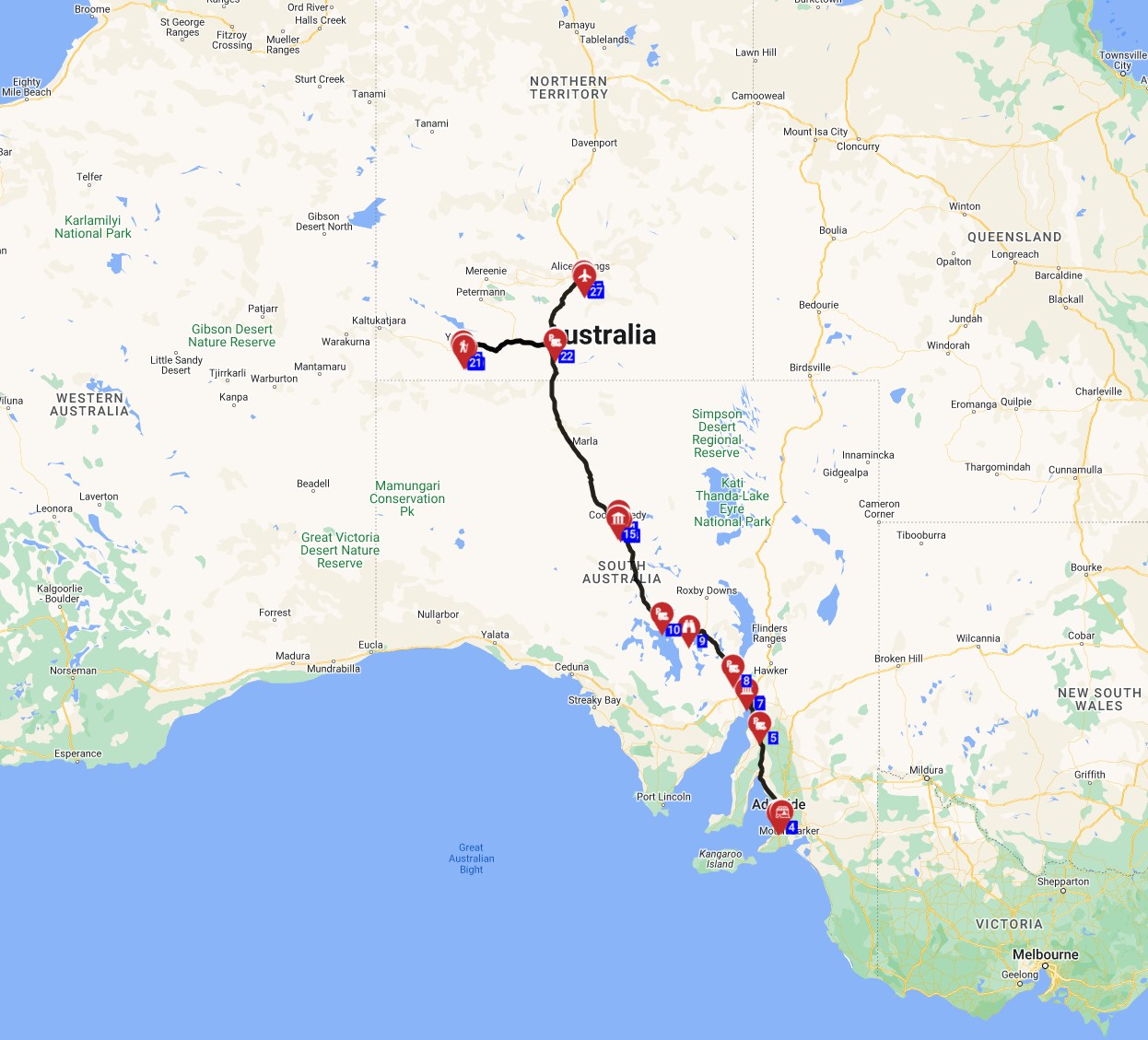
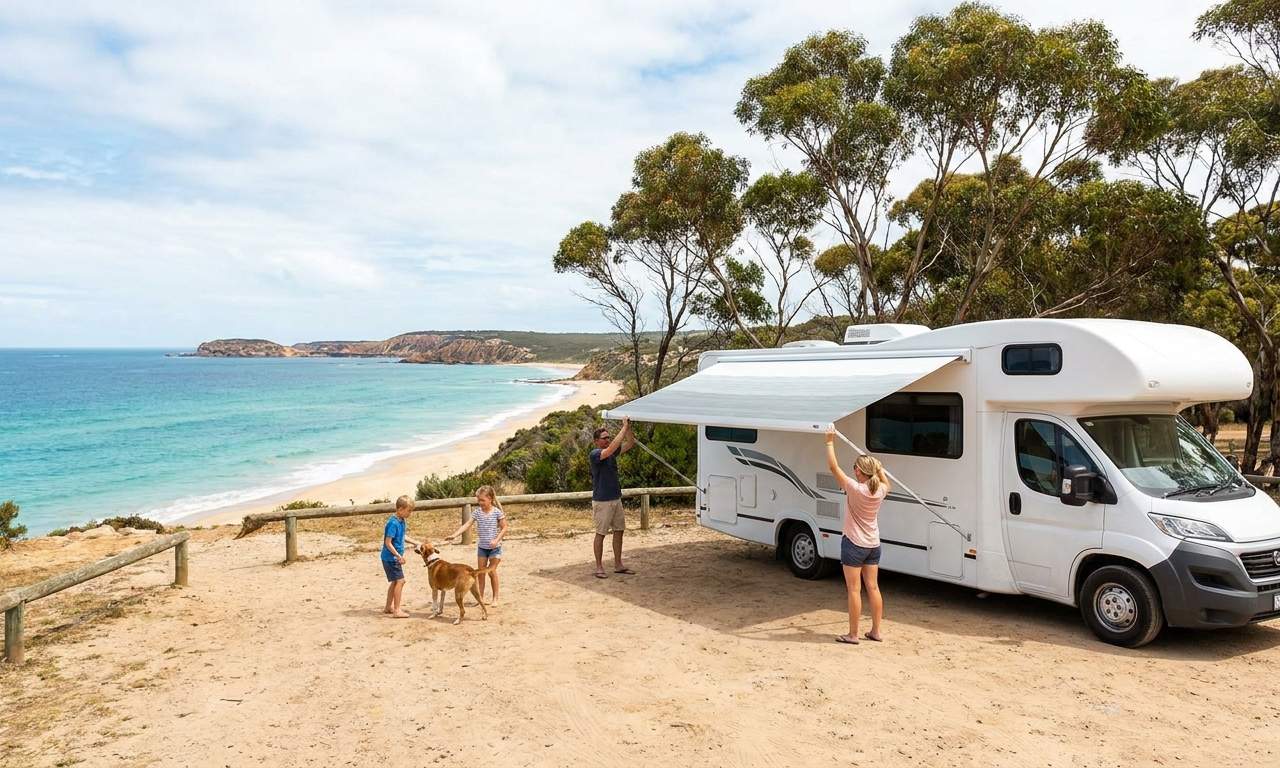
Australia features diverse road conditions, ranging from well-maintained sealed (paved) highways connecting major cities to extensive unsealed (gravel or dirt) roads in regional and outback areas. RV travelers should anticipate long driving distances, especially when undertaking journeys like the 5447.3 km Perth to Alice Springs - The Dreamtime Highway: A Journey Through Australia's Heart, and potential encounters with native wildlife, particularly kangaroos at dawn and dusk. Driving on the left side of the road is mandatory, and adherence to posted speed limits (in km/h) is crucial. On unsealed roads, maintain a slower speed and be prepared for dust, corrugations, and sudden changes in surface quality. Remember that challenges like road trains, which are multi-trailer trucks up to 53.5 meters long, require cautious and often slower driving, often requiring you to pull well off the road to let them pass safely. Planning for extreme weather, including high heat, potential bushfires, or floods depending on the season and region, is also crucial for a safe rental motorhome trip.
RV Size Limits, Bridges & Restricted Zones
Most rental RVs in Australia generally operate within standard road limits, but drivers must be mindful of height and weight restrictions, particularly for low bridges, city car parks, and ferry crossings. Always be aware of the exact dimensions of your rented motorhome to avoid issues with height clearances on bridges, tunnels, and car park entries, especially when navigating unfamiliar urban areas. While Australia lacks widespread environmental zones seen in some European cities, specific national parks or remote areas may have access restrictions for larger vehicles or require 4WD capability, necessitating prior checks of park regulations. Planning ahead, particularly when heading to popular spots or remote regions, is key to avoiding unforeseen restrictions. Our full transparency promise means you'll have all the vehicle specifications upfront when comparing options for your motorhome rental in Australia.
Fuel: Diesel vs. Petrol & Cost per 100 km
Most rental RVs in Australia operate on diesel fuel, which is widely available across the country, though smaller campervans like the `Paradise Family 5` may use petrol (gasoline). Bandana's fleet of Class SI and Class C motorhomes typically consumes between 10-12 liters per 100 km, while Class B Camper Vans are often more fuel-efficient at 8-10 liters per 100 km. The average cost per 100 km varies with fluctuating fuel prices, which tend to be higher in remote areas; some rental companies may offer fuel discount cards for certain RVs. When planning your budget, remember to account for these ancillary trip costs like fuel, national park fees, and campground expenses. For easy budgeting and tracking every expense along the way, we recommend checking out RV PLANET routes, which can help you itemize and plan your trip finances. On the routes offered through RV PLANET routes, you can itemize and track every expense along the way for easy budgeting.
Tolls, Vignettes & Border Rules
Australia primarily uses electronic tolls in major metropolitan areas like Sydney, Melbourne, and Brisbane, with no physical toll booths requiring cash or nationwide vignettes. There are no formal border controls or specific rules for driving a rental RV between Australia's states and territories, allowing seamless interstate travel for your extended road trip. Some RV rental companies offer options for pre-purchasing toll passes or electronic tags, which is advisable for city driving to avoid fines. Always check with your supplier about toll solutions to ensure you are fully prepared before hitting the major city arterial roads. It is part of our full transparency commitment that you understand all potential costs upfront.
Driving Tips for RV Rental Travelers
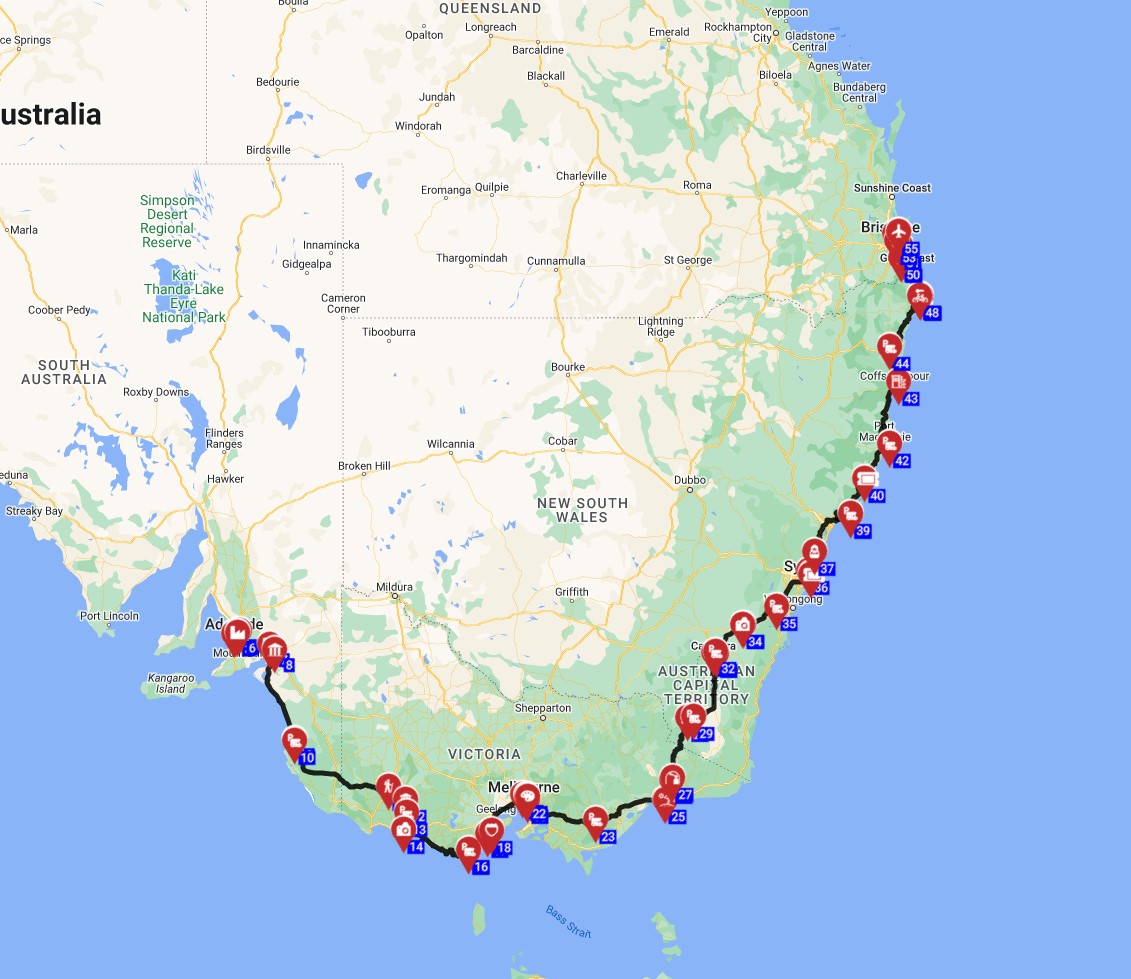
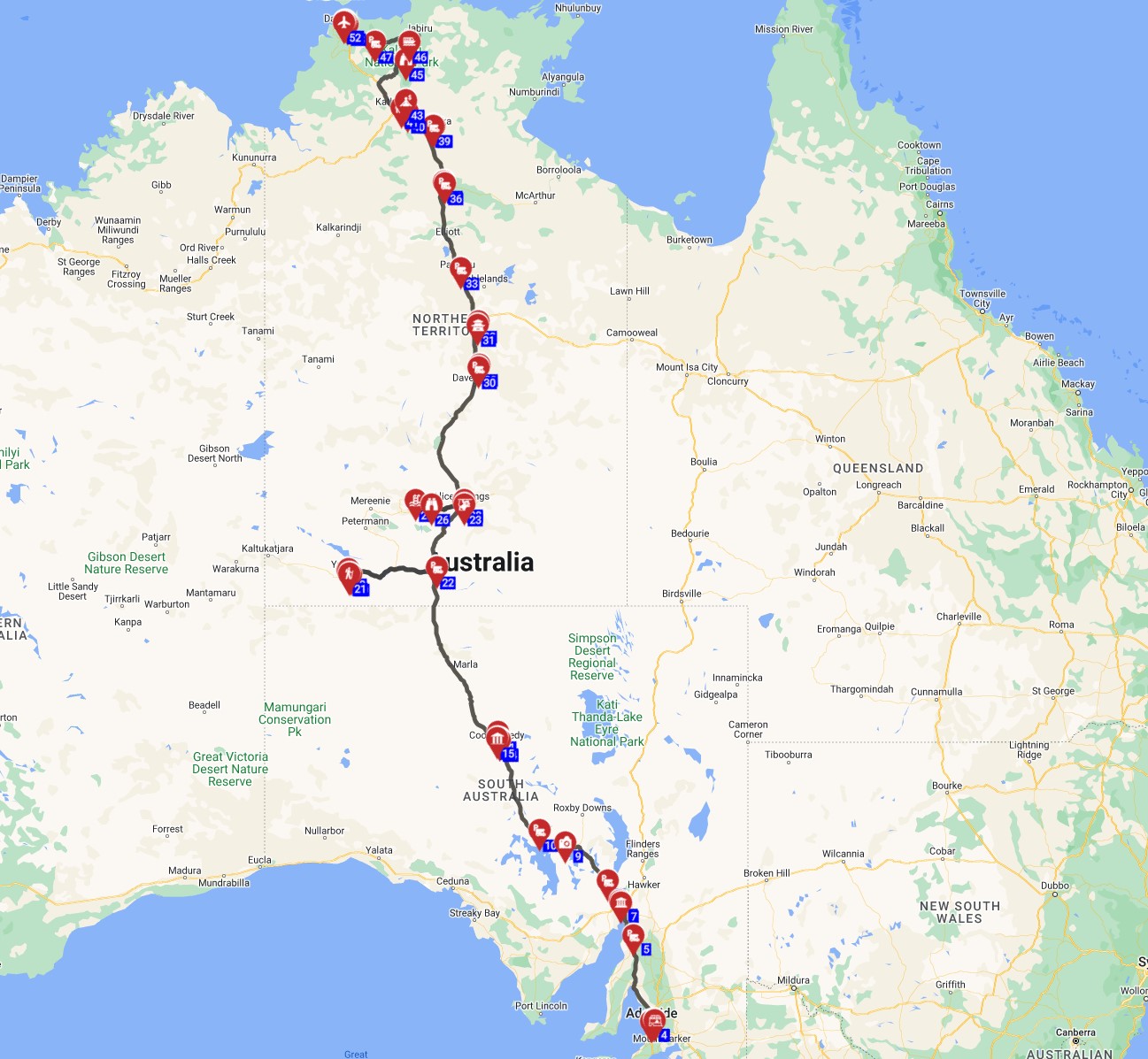
Always drive on the left side of the road in Australia and adhere strictly to posted speed limits, which are in kilometers per hour (km/h). Take frequent breaks, ideally every 2-3 hours, to combat fatigue, especially when covering vast distances on a one-way RV journey like the 5622.8 km Melbourne to Darwin - Australia’s Heartline Road Trip. Be vigilant for wildlife, particularly kangaroos and emus, especially at dawn and dusk, by reducing your speed during these times. Planning remote journeys carefully by carrying extra water, fuel, and communication devices (e.g., satellite phone or UHF radio) is essential as mobile reception can be limited outside of populated areas. Give way to large 'road trains' (multi-trailer trucks) by pulling over to the side of the road when they approach, especially on unsealed surfaces. Finally, embrace 'Leave No Trace' principles by taking all rubbish with you and respecting Indigenous communities and their lands, ensuring you leave every spot as pristine as you found it.
Recommended RV Class for Australia Roads
For traversing Australia's diverse road network, Class B Camper Vans, averaging 5.8 meters in length, and Class SI Semi-integrated motorhomes are generally highly recommended for their balance of maneuverability and comfort. Bandana offers a variety of these vehicle types, including the `Active Pop Top` (5.99m long) which is ideal for a couple or small family, providing a comfortable sleeping area with kitchen facilities. These models are excellent for fuel efficiency and easier parking in towns and cities. Class SI Semi-integrated models, with an average length of 6.9 meters, like the `2 Berth Rover`, offer more spacious living areas and amenities suitable for longer week-long trips without being overly cumbersome on most main routes. For larger groups or families, Class C Alcove models, averaging 7.5 meters, such as the `4 Berth Adventurer` or `6 Berth Discovery`, are also popular, providing ample sleeping capacity and amenities for extended Australian adventures. Remember, a standard car driver's license is sufficient for all these motorhome classes.
Should I Choose a Compact Van Instead of a Large RV in Australia?
In Australia, driving any size rental RV on main roads is generally feasible, and the choice between a compact van and a larger motorhome often comes down to prioritizing comfort and indoor space for your travel style. A compact van, such as a Class B Camper Van like the `HiTop Campervan` (approximately 5 meters in length), typically offers better fuel economy at 8-10 liters per 100 km and is easier to park in tight city centers or smaller campgrounds. Larger motorhomes, while less agile in urban environments, provide superior amenities, storage, and living space, which are significant advantages for extended travel across Australia's vast distances and for families. The trade-off involves assessing your comfort needs versus ease of maneuverability and parking, as both types are well-suited for Australian road trips. We, as true RV specialists, recommend considering your group size and trip duration when making this choice, ensuring your rented RV truly enhances your journey.
Can I Park Anywhere? Free & Wild Camping Rules in Australia
In Australia, you generally cannot park a rented RV anywhere you wish for overnight stays; wild camping or 'free camping' is restricted to designated areas, often managed by local councils, national parks, or private landowners. While free campgrounds and designated rest areas exist, particularly outside major urban centers, illegal overnight parking in undesignated areas can lead to fines. It is crucial to check local regulations for each state and territory, utilize apps like Wikicamps to find legal overnight spots, and always adhere to 'Leave No Trace' principles by managing waste responsibly. Rules vary by region- always check local regulations and follow local law before parking overnight. For finding campsites and campgrounds during your trip, we recommend using RV PLANET (rvplan.net), a great resource for locating available spots along your route, whether they are paid sites or designated free camping locations. Many national and state parks reserve only 25-30% of spots for advance booking, with the rest available on a first-come, first-serve basis, so you'll find a spot; if not at the first campground, then the next one, just call ahead before driving.
Can I Drive an RV Into the City Center? Heights, Tunnels & Local Signage
Yes, you can almost always drive a rental RV into city centers in Australia, but it's essential to pay close attention to local signage regarding height limits, especially for underground car parks and older infrastructure. Drive slowly and carefully, and you can drive almost anywhere without issues. No need to stress- just use common sense and pay attention. Be aware of any specific tunnel restrictions or residents-only streets that might apply to larger vehicles in certain urban areas. While driving through city centers is feasible, parking a motorhome can be challenging and expensive; using public transport from a peripheral campsite is often a more convenient option for urban exploration. Always confirm your rented RV's exact height and weight to safely navigate potential restrictions in metropolitan areas. With full transparency, all vehicle specifications are provided at the time of booking.
Do you need a special license to drive an RV in Australia?
For most recreational vehicles (RVs) available for rental in Australia, a standard car license (Class C equivalent) is sufficient, provided the vehicle's Gross Vehicle Mass (GVM) does not exceed 4.5 tonnes. You generally do not need a special or commercial driver's license unless you are driving a very large bus or truck-based RV that surpasses this 4.5-tonne threshold, which is uncommon for typical rental motorhomes. Confirm the GVM of your chosen rental RV with the rental provider to ensure your current license covers it. This simplifies planning for many international travelers.
Can you legally drive in Australia with a US license?
Yes, a US citizen can legally drive a rental RV in Australia with a valid US driver's license, provided it is current, not suspended, and often recommended to be accompanied by an International Driving Permit (IDP). While an IDP is not strictly mandatory in all Australian states/territories if your US license is printed in English, it is highly recommended as it translates your license details into multiple languages, facilitating communication with authorities and rental agencies. Always carry both your valid US driver's license and your IDP (if obtained) while driving in Australia to ensure compliance with local laws and a smooth RV rental experience.
Are RVs allowed in Australia?
Yes, RVs are widely allowed and are an exceptionally popular mode of travel across Australia, with a well-developed infrastructure of roads, campgrounds, and services supporting motorhome tourism. Australia is considered an ideal destination for RV travel, offering unparalleled freedom to explore its vast and diverse landscapes, national parks, and iconic coastal routes. Numerous rental companies, including Bandana's partners like Apollo and Britz, operate throughout Australia, catering to a wide range of RV preferences and budgets. Exploring the country with a rented mobile home offers flexibility that traditional tours simply cannot match.
Can you stop anywhere in a motorhome in Australia?
You can stop a rental motorhome in many places across Australia for short breaks, to admire a view, or for day-use rest stops, but you generally cannot park just anywhere for overnight camping. Overnight parking outside of designated campgrounds, legal free camping sites, or authorized private property is largely prohibited in most areas and can result in fines. It's crucial to differentiate between stopping for a quick break and attempting to camp overnight, with legal overnight stays requiring specific designated locations. We strongly recommend planning your overnight stops in advance or utilizing resources like RV PLANET (rvplan.net) to find appropriate campgrounds. This helps you avoid issues and ensures a stress-free trip.
Can you sleep in a motorhome while driving in Australia?
You cannot legally or safely sleep in a rental motorhome while it is in motion and being driven in Australia; all occupants must be properly seated and restrained with seatbelts. However, you can certainly sleep *in* your motorhome once it is legally and safely parked overnight, either in a designated campground, a permitted free camping spot, or other authorized overnight parking areas. Driver fatigue is a major safety concern on long Australian drives, making regular rest stops and designated overnight parking essential for safe travel. Ensure you plan for adequate rest stops when crafting your route plans.
How much does it cost to travel around Australia in a motorhome?
The cost to travel around Australia in a rented motorhome varies significantly based on rental duration, RV size, time of year, fuel prices, and chosen activities, but a general budget for a comprehensive trip often ranges from AUD $150 to $400+ per day. This estimate typically includes RV rental fees (which are highest in peak season from December-February), fuel (averaging 10-12 L/100km for common RVs, impacting cost per 100 km), campsite fees (ranging from free to AUD $50+ per night), national park entry fees, and daily expenses for food and activities. Detailed budgeting should encompass all these elements, plus the cost of optional upgrades like a top-level deductible reimbursement for extra peace of mind. To keep meal costs down, consider preparing your own meals using the onboard kitchen facilities. For some RV-friendly recipes playlist, check out our YouTube channel.
🎬 Video coming soon
What is the average cost of insuring a motorhome in Australia?
The average cost of basic motorhome insurance is typically included within the rental price for RVs in Australia, but renters often choose additional comprehensive insurance to reduce their excess liability, which can add AUD $30 to $80 per day. For foreign travelers, it is crucial to thoroughly understand the specifics of the rental company's insurance policy, including what it covers (e.g., accidents, theft, third-party damage) and the excess amount you would be financially responsible for in case of an incident. Reviewing your personal travel insurance for any existing coverage for rental vehicle excess is also recommended, as it might offer a more cost-effective solution than the rental company's daily insurance. As part of our full transparency, we ensure all insurance options and costs are clearly outlined before you book, empowering you to make informed decisions about your rental motorhome in Australia.
What You Shouldn't Miss
- Explore the Great Ocean Road (Victoria): Drive along this iconic 243-kilometer stretch, experiencing breathtaking coastal views, the Twelve Apostles, and charming seaside towns.
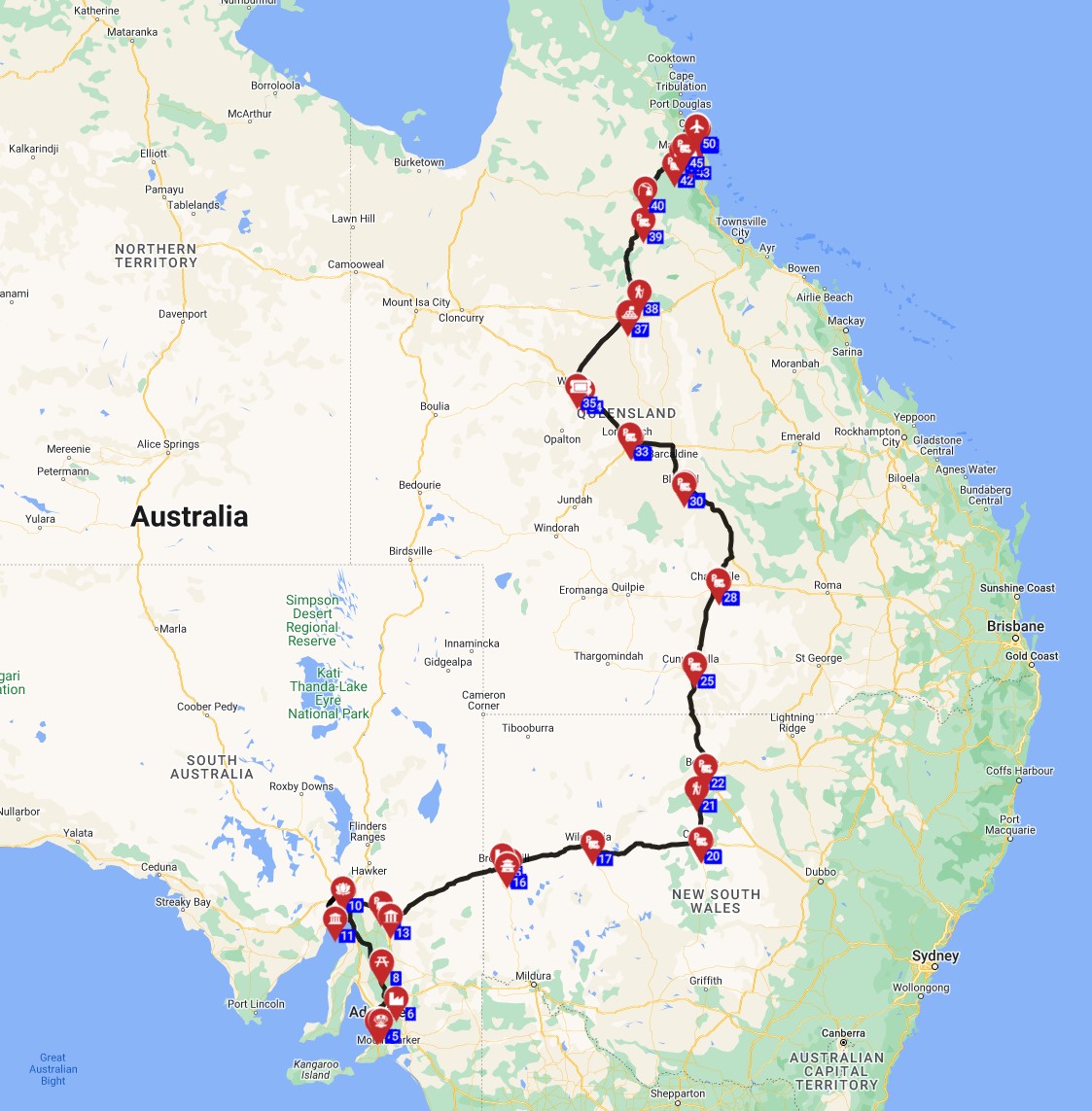
- Discover Uluru and Kata Tjuta (Northern Territory): Immerse yourself in the spiritual heart of Australia, witnessing stunning sunrises and sunsets over these ancient monoliths. Our Cairns to Alice Springs - Northern Horizons: A Journey Through Australia's Heartland itinerary is a fantastic route that includes these sacred sites.
- Snorkel the Great Barrier Reef (Queensland): From Cairns or Port Douglas, take a trip to explore the world's largest coral reef system, teeming with marine life.
- Wander through Tasmania's Wilderness: Take a ferry from Melbourne and explore the pristine national parks, rugged mountains, and unique wildlife of this island state.
- Experience Sydney's Icons (New South Wales): Park your RV at a nearby campground and explore the Sydney Opera House, Harbour Bridge, and vibrant city culture.
Final Thoughts
An RV journey through Australia is more than just a trip; it's an immersive experience that allows you to truly connect with the country's vast beauty and unique culture. From navigating its diverse roads to discovering hidden gems and respecting local customs, every mile offers a new adventure. Remember to travel slowly, aiming for a maximum of 100-150 km per day on average, to truly feel the place, connect to the culture, the food, and the scenery. Our team is here to handle the details, so you can live the journey, ensuring personal service from day one until your booking is confirmed.
With transparent pricing, expert advice, and a passion for RV travel, we're dedicated to helping you plan the Australian adventure of a lifetime. Whether you opt for a compact campervan for agile exploration or a spacious motorhome for family comfort, Australia's open road awaits. Compare Motorhome Prices for Australia now and embark on your unforgettable Down Under road trip!