In This Guide
- Where to Camp in New Zealand - Top Options
- Campground Types in New Zealand (National, Private, Wild)
- Featured RV Park or Campground in New Zealand
- Hookups and Amenities - What to Expect
- Booking Windows and Reservations in New Zealand
- Nearby Supermarkets and Resupply Points
- Best RV Class for Camping in New Zealand
- How to Save on Campgrounds in New Zealand
- Can I park my motorhome anywhere in New Zealand?
- How much does it cost to park a campervan in New Zealand?
- Does New Zealand have RV parks?
- Can you free camp anywhere in New Zealand?
- Can you sleep in a camper anywhere in NZ?
- How much do campsites cost in New Zealand?
- Is New Zealand RV friendly?
- Do you need a special license to drive an RV in New Zealand?
- Can you still free camp in New Zealand?
- Do you need to pre-book campsites in New Zealand?
- What You Shouldn't Miss
- Why Book with Bandana Caravan
- Final Thoughts
- Frequently Asked Questions
New Zealand, with its breathtaking landscapes and welcoming spirit, is an unparalleled destination for an RV adventure. Imagine waking up to the sound of waves on a pristine beach, or stepping out your door to mountain vistas and lush native forests. Traveling in a rented motorhome or campervan here offers incredible freedom and flexibility, allowing you to immerse yourself in the country's unique natural beauty and vibrant culture. Whether you're exploring the North Island's geothermal wonders or the South Island's majestic fjords, RV camping in New Zealand provides an intimate way to experience this truly special corner of the world.
For live availability and current prices, start with our RV Rental New Zealand - Complete Guide 2026 guide. We're here to support you before, during, and after your booking, ensuring your trip planning is seamless and stress-free.
Where to Camp in New Zealand - Top Options
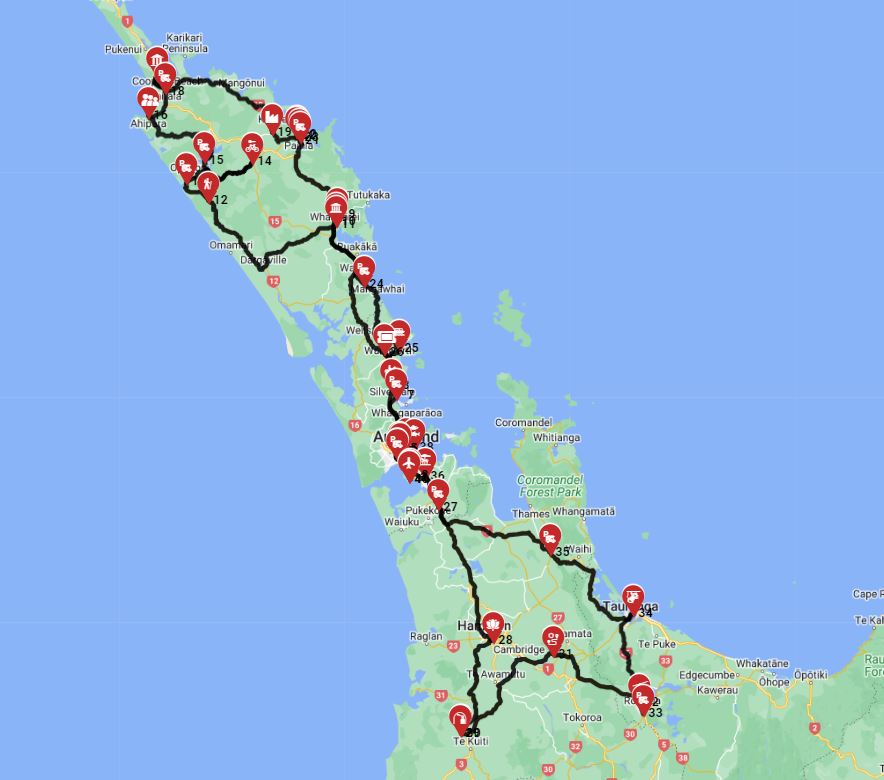
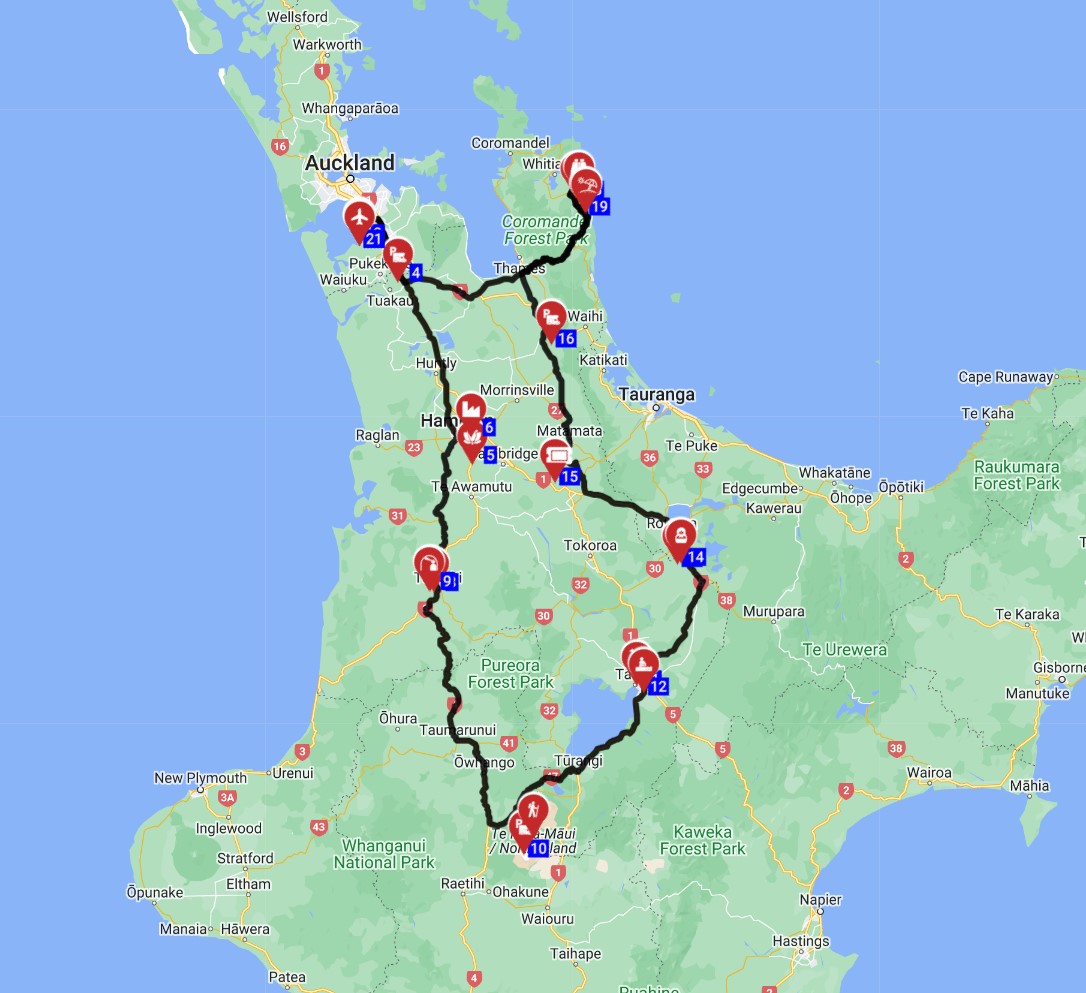
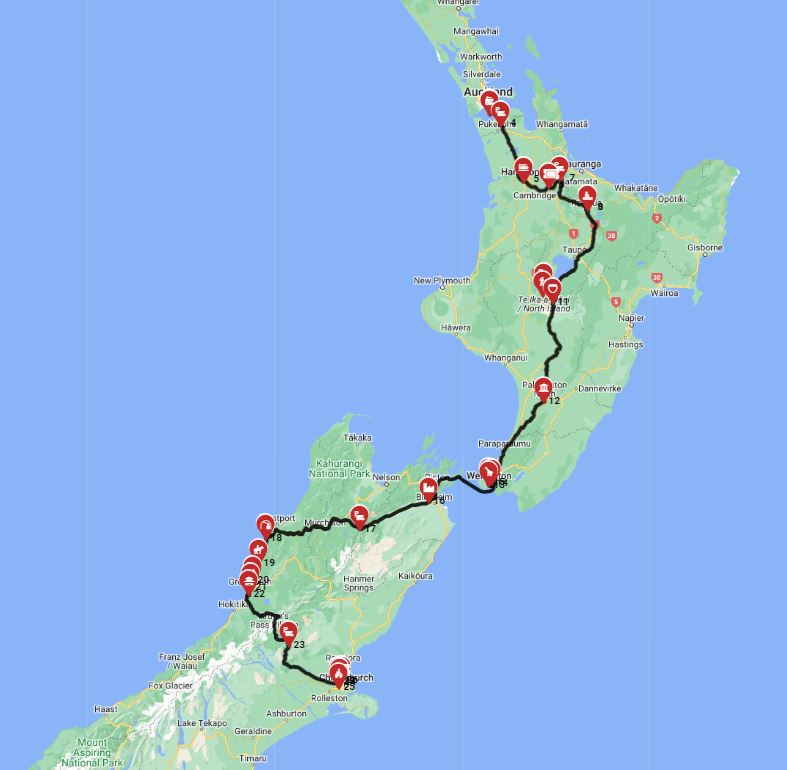
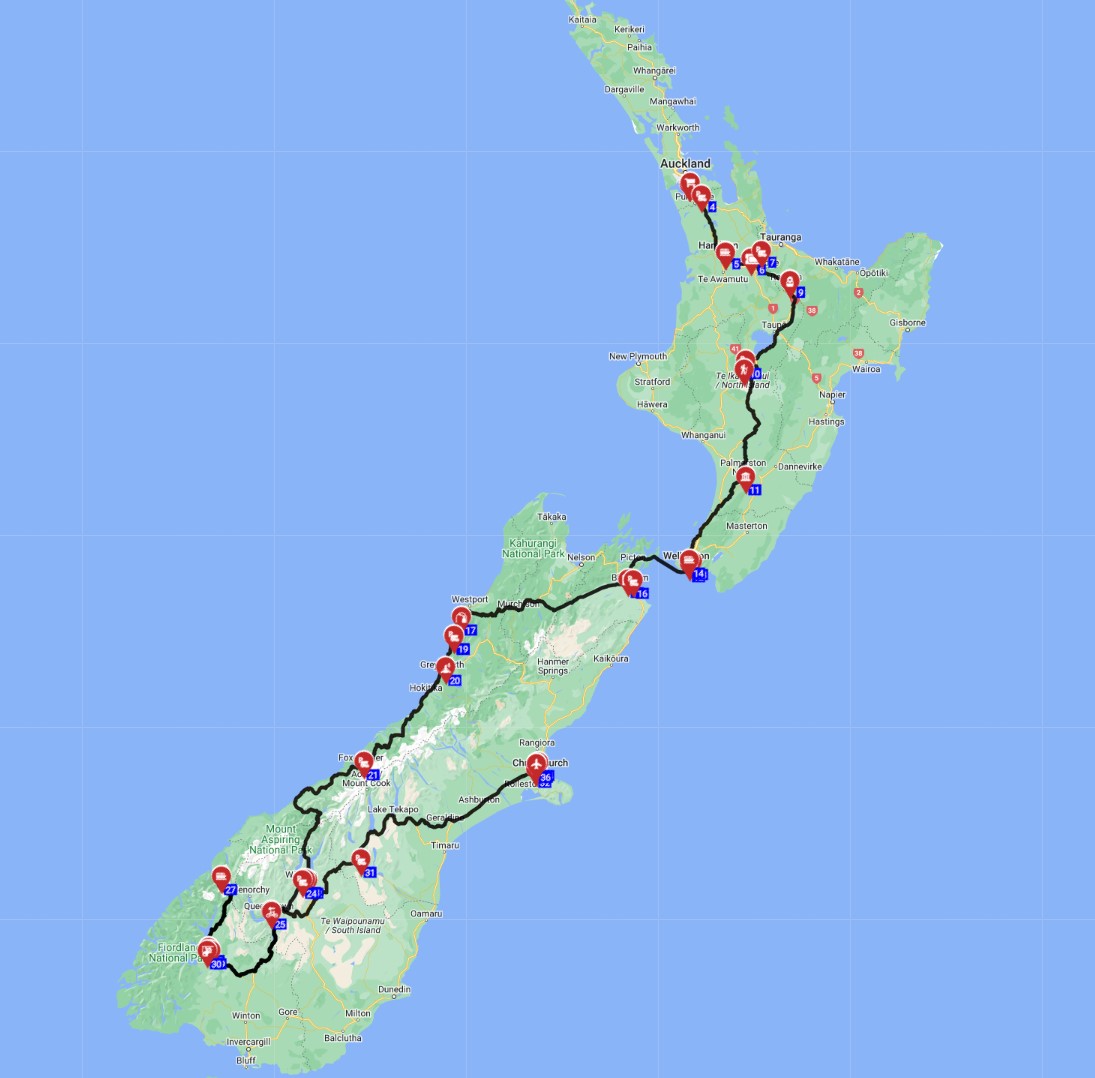
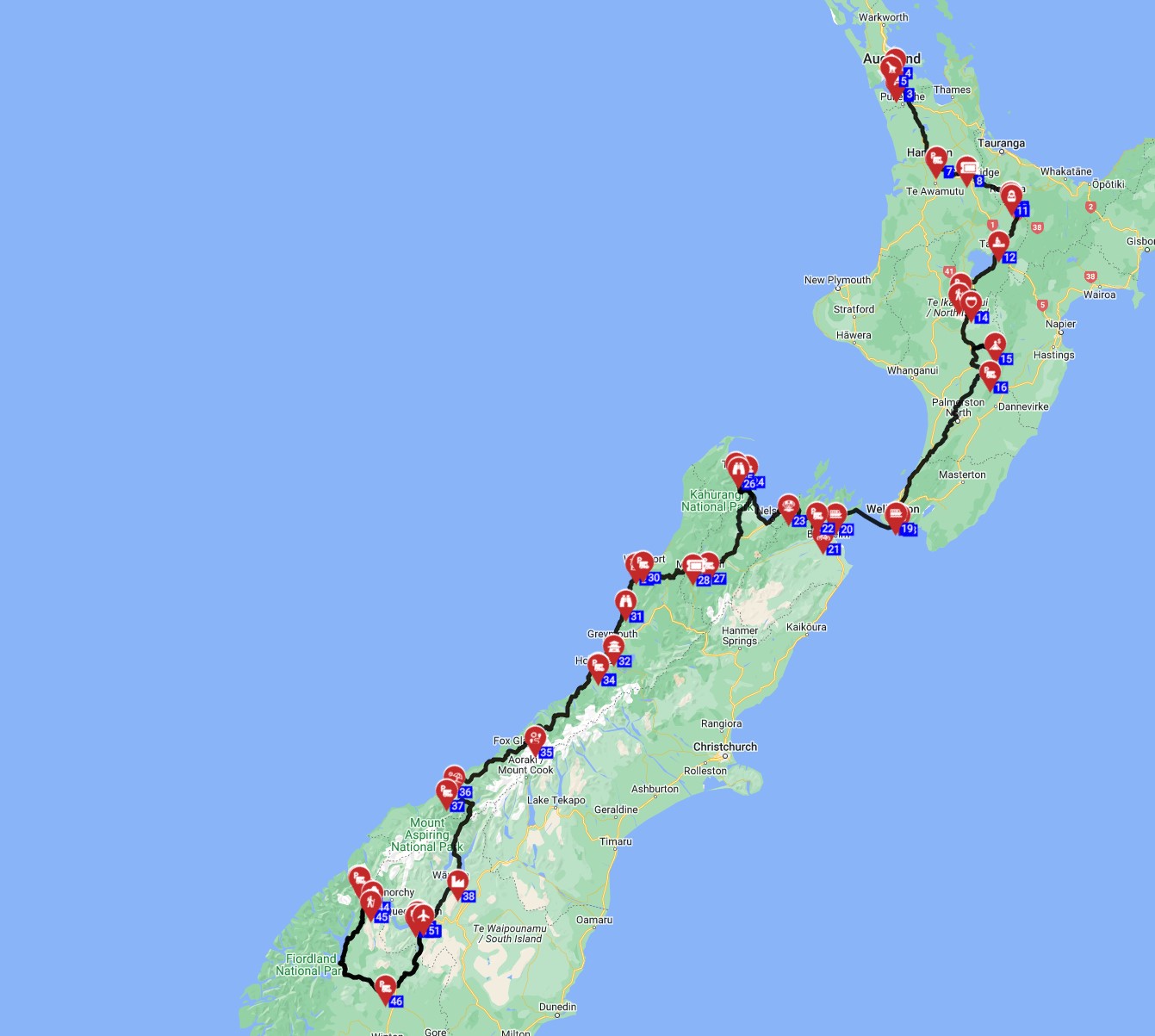
 New Zealand offers diverse camping experiences from pristine national parks to bustling holiday parks, ensuring a perfect spot for every taste. Popular regional hubs like Queenstown are ideal for adventure seekers with numerous nearby campgrounds, while the Coromandel Peninsula boasts stunning coastal beauty and a variety of beachside holiday parks. For nature immersion, Abel Tasman National Park provides spectacular scenery, though campground access often requires specific planning due to its remote nature. Many specific campsites cater to different RV sizes and self-containment requirements, so checking ahead is always a good idea. Consider starting your planning with routes like the "
Campground Types in New Zealand (National, Private, Wild)
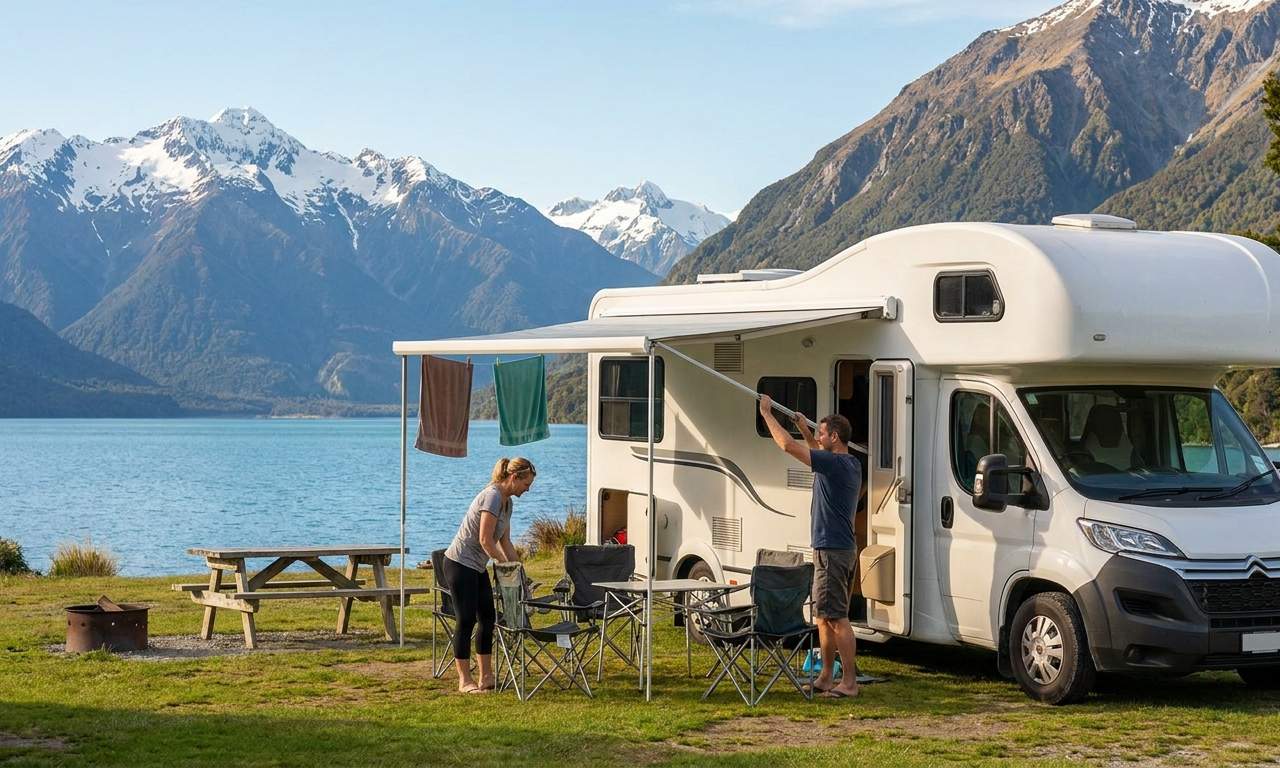
In New Zealand, RV travelers will encounter three primary types of campgrounds: Department of Conservation (DOC) campsites, privately run holiday parks, and designated freedom camping areas. DOC campsites, managed by the government, often provide basic facilities, typically including toilets and water, and are ideal for self-contained RVs, generally costing NZD $8-$25 per person per night. These sites offer incredible scenic locations within national parks and reserves, providing a truly wild New Zealand camping experience. Holiday parks, on the other hand, are privately run and offer a comprehensive range of amenities like powered sites (230-240V at 50Hz), full kitchens, hot showers, laundromats, and often recreational facilities, with prices usually ranging from NZD $25-$60 per night. Finally, freedom camping is legally permitted only in specifically designated areas for certified self-contained vehicles, with strict rules enforced by local councils to protect the environment and local communities. Violating these rules can result in significant fines, so always look for the 'self-contained' sticker on your rental motorhome and check local signage. For finding campsites and campgrounds during your trip, we recommend using RV PLANET (rvplan.net) - a great resource for locating available spots along your route.Featured RV Park or Campground in New Zealand
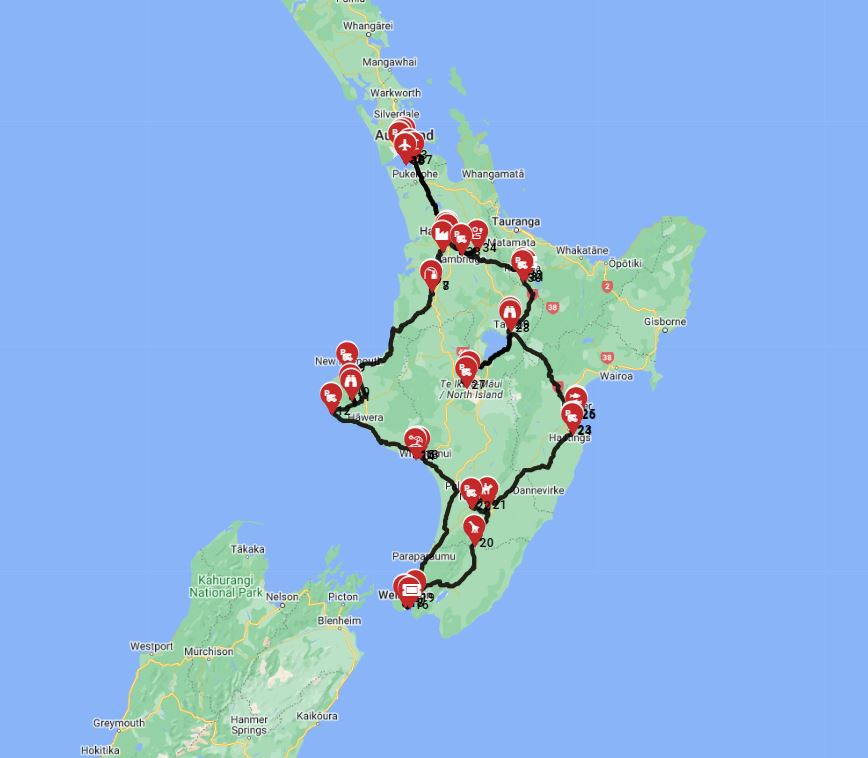
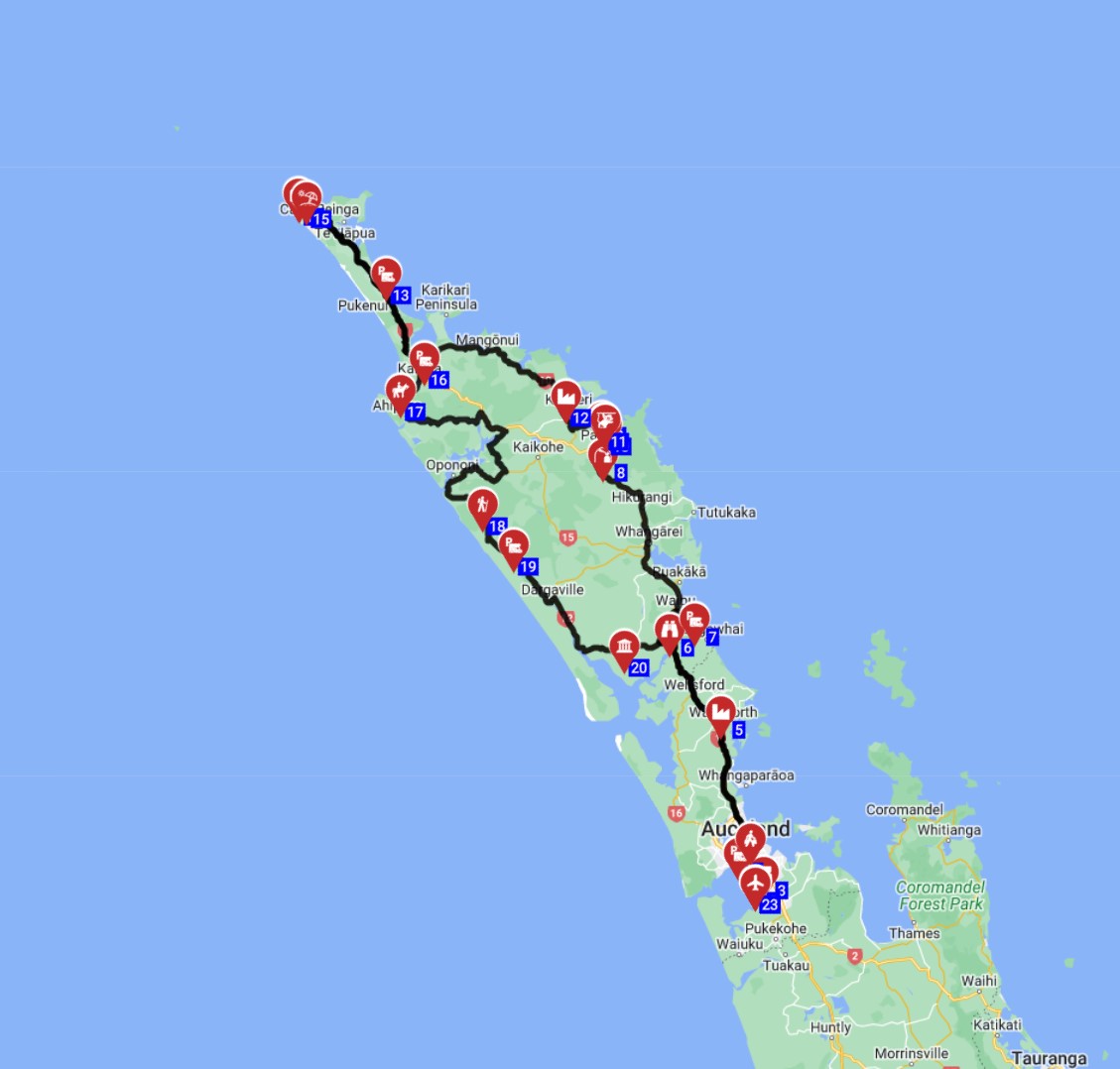
When choosing an RV park in New Zealand, properties offering a blend of essential amenities and unique local experiences are often the most rewarding. For instance, holiday parks located near major attractions like Lake Taupo provide powered sites, potable water, and dump stations, along with easy access to activities such as geothermal tours or lake cruises. In the Marlborough Sounds, parks may offer boat ramp access and stunning coastal views, perfect for water activities. A good featured park will typically offer powered sites (standard 3-pin flat plug, Type I), potable water, dump stations, and communal facilities like clean kitchens and laundry. For example, a route plan like "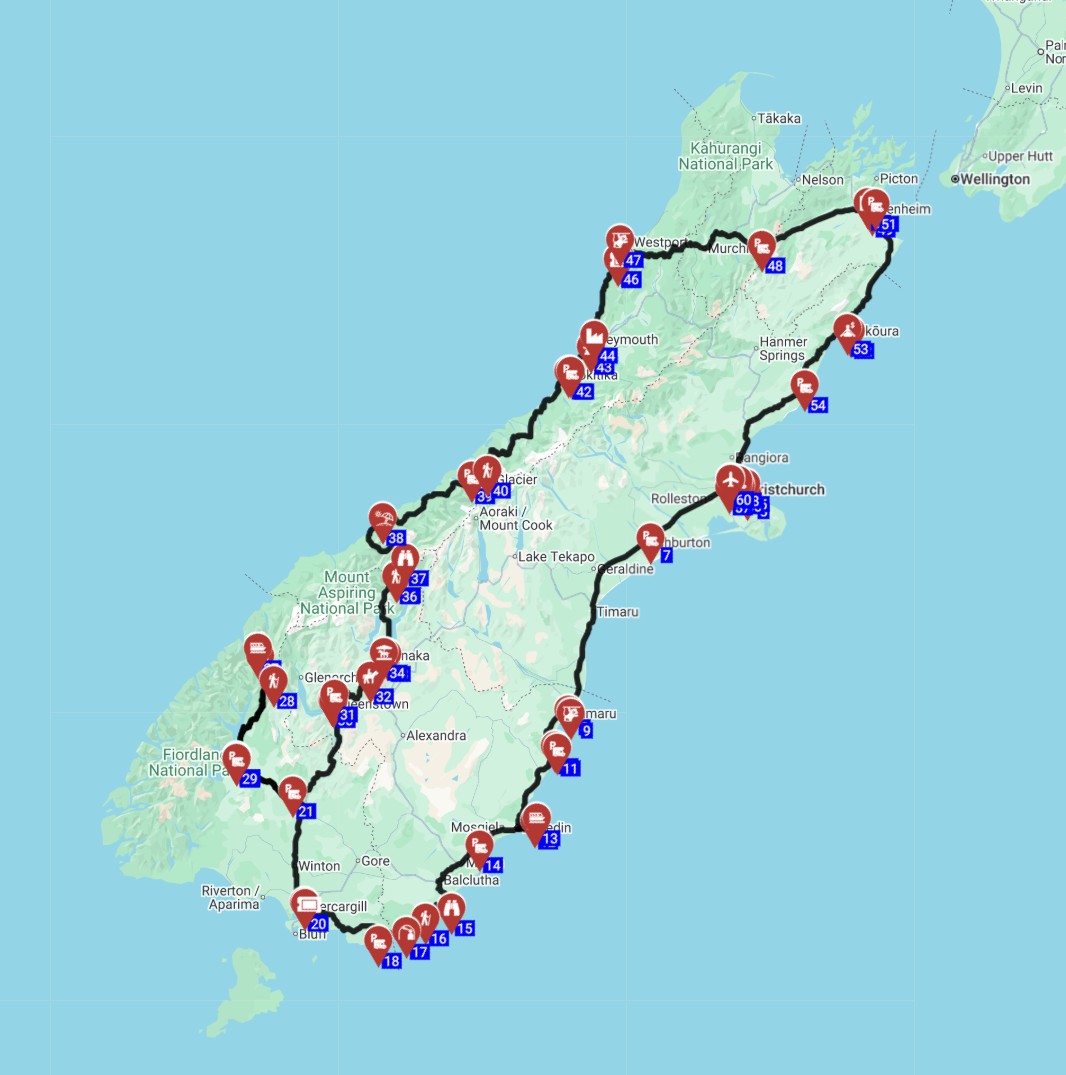
Hookups and Amenities - What to Expect
When RV camping in New Zealand, you can expect a good range of hookups and amenities, particularly at private holiday parks. Electrical hookups almost universally provide 230-240V at 50Hz, utilizing a 3-pin flat plug (Type I), which is standard across New Zealand and Australia. Potable water refills and grey/black water dump stations are widely available at holiday parks, some upgraded DOC sites, and designated public facilities. Most holiday parks also offer clean showers, toilets, communal kitchens (perfect for preparing meals from our RV-friendly recipes playlist), and laundry facilities. Wi-Fi availability varies and may incur extra costs. Ensure your rental motorhome has sufficient water tank capacity, like a typical Class C model with an 82-liter fresh water tank, and waste water capacity for comfort between full-service sites.Booking Windows and Reservations in New Zealand
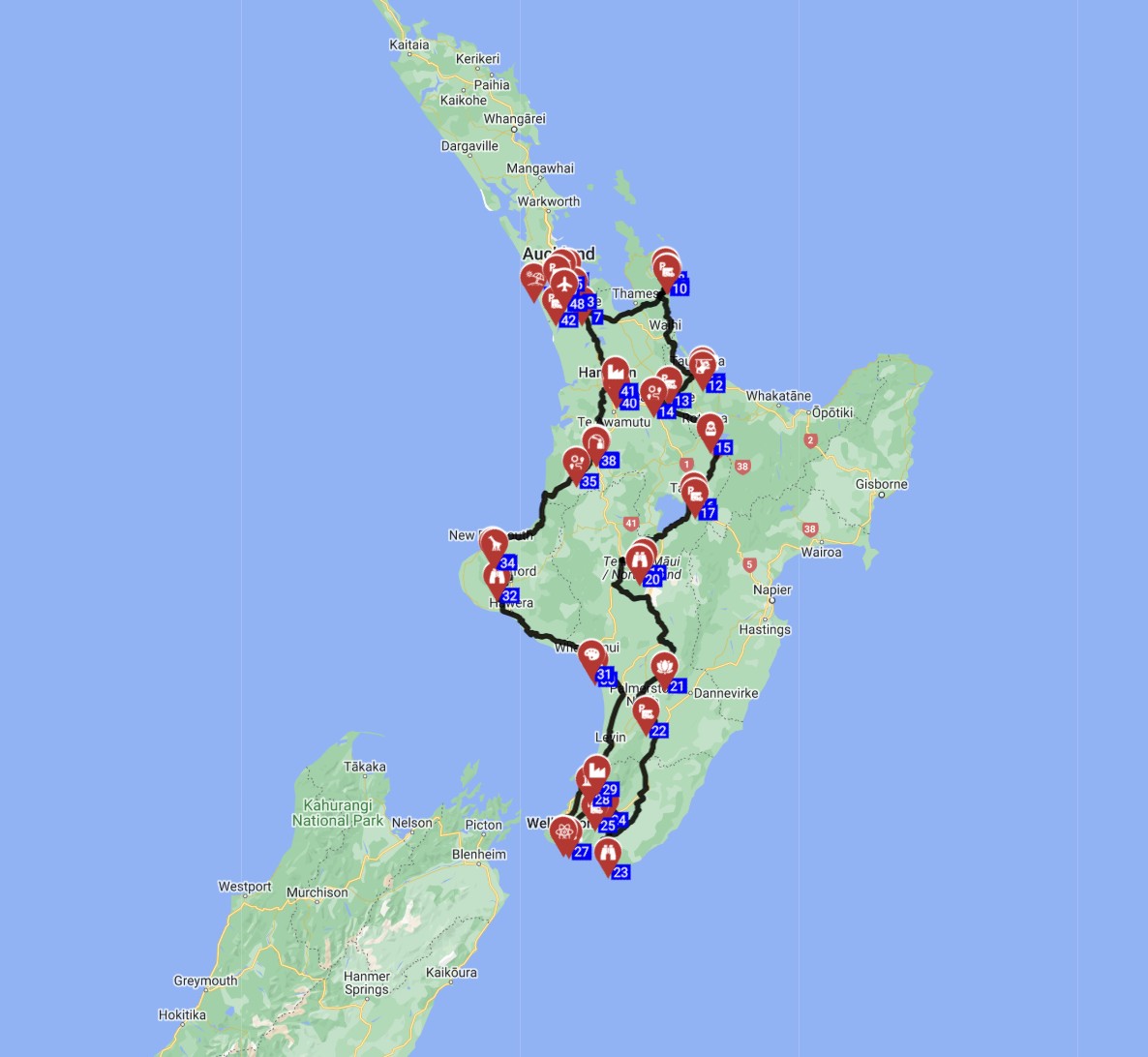
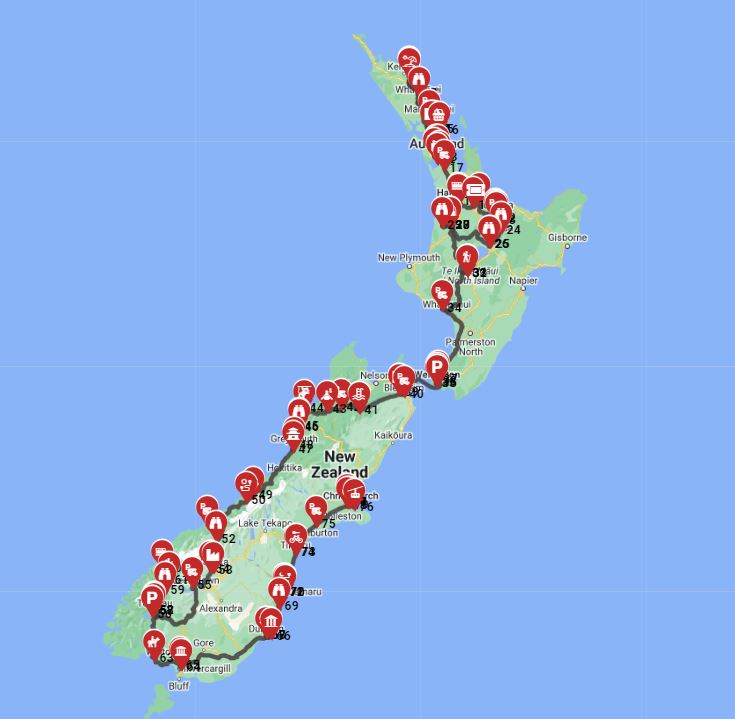
For peak season RV travel in New Zealand (December-February) and popular locations like the Milford Sound area or specific holiday parks, pre-booking campsites several months in advance is highly recommended. However, for spontaneous travelers, many national park campgrounds, particularly those run by the Department of Conservation (DOC), reserve only 25-30% of spots for online reservations, with the majority available on a first-come, first-served basis. These often require on-site payment or booking via an honesty box system. Don't stress too much if you haven't booked every night, you will find a spot. If not at the first campground, then the next one. Always call ahead before driving a long distance, especially when exploring areas covered in routes like "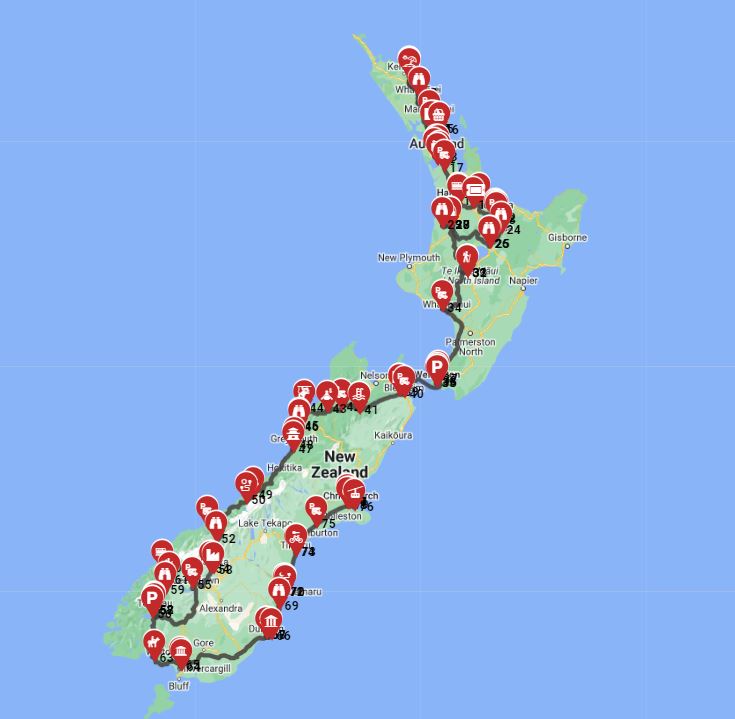
Nearby Supermarkets and Resupply Points
Major supermarket chains such as Countdown, Pak'nSave, and New World are found in most towns and cities across both the North and South Islands of New Zealand, making resupply relatively easy. It's wise to plan your RV route to pass through larger towns for comprehensive grocery shopping, as smaller rural areas may have limited options. Beyond groceries, gas stations are abundant for fuel, and many also offer quick top-ups of essential items. LPG (propane) refills and dump stations are often co-located at larger service stations or holiday parks. To keep track of your budget for groceries, fuel, and other ancillary costs during your trip, remember that RV PLANET routes allow you to itemize and track every expense along the way.Best RV Class for Camping in New Zealand
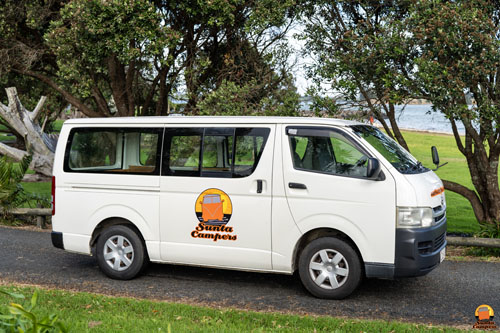
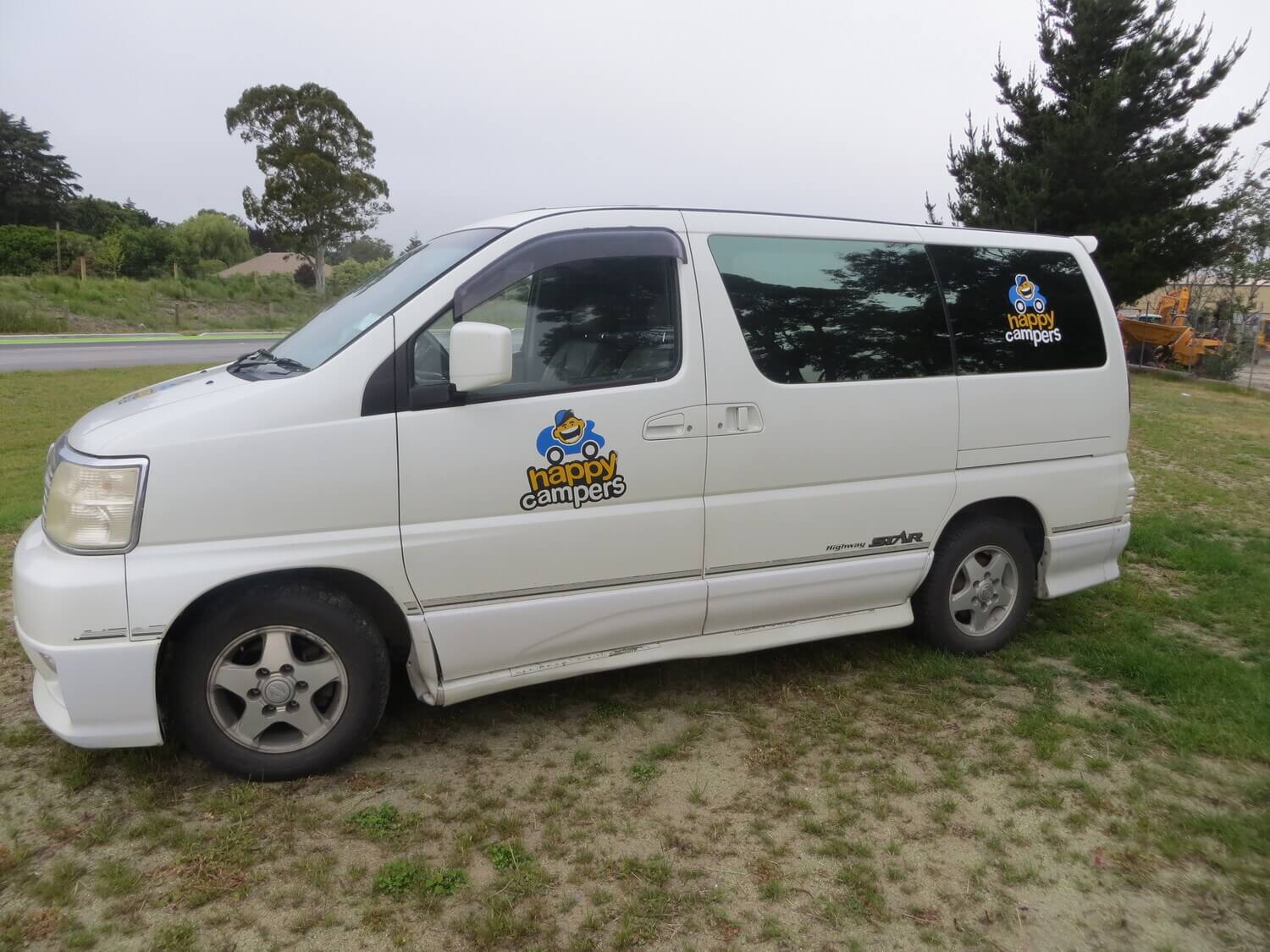
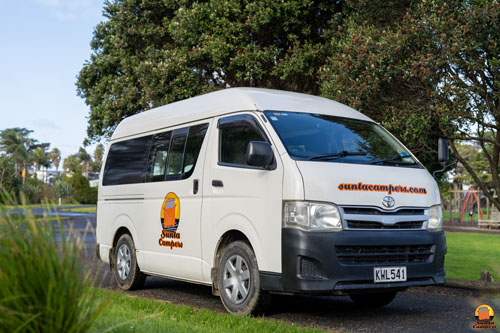
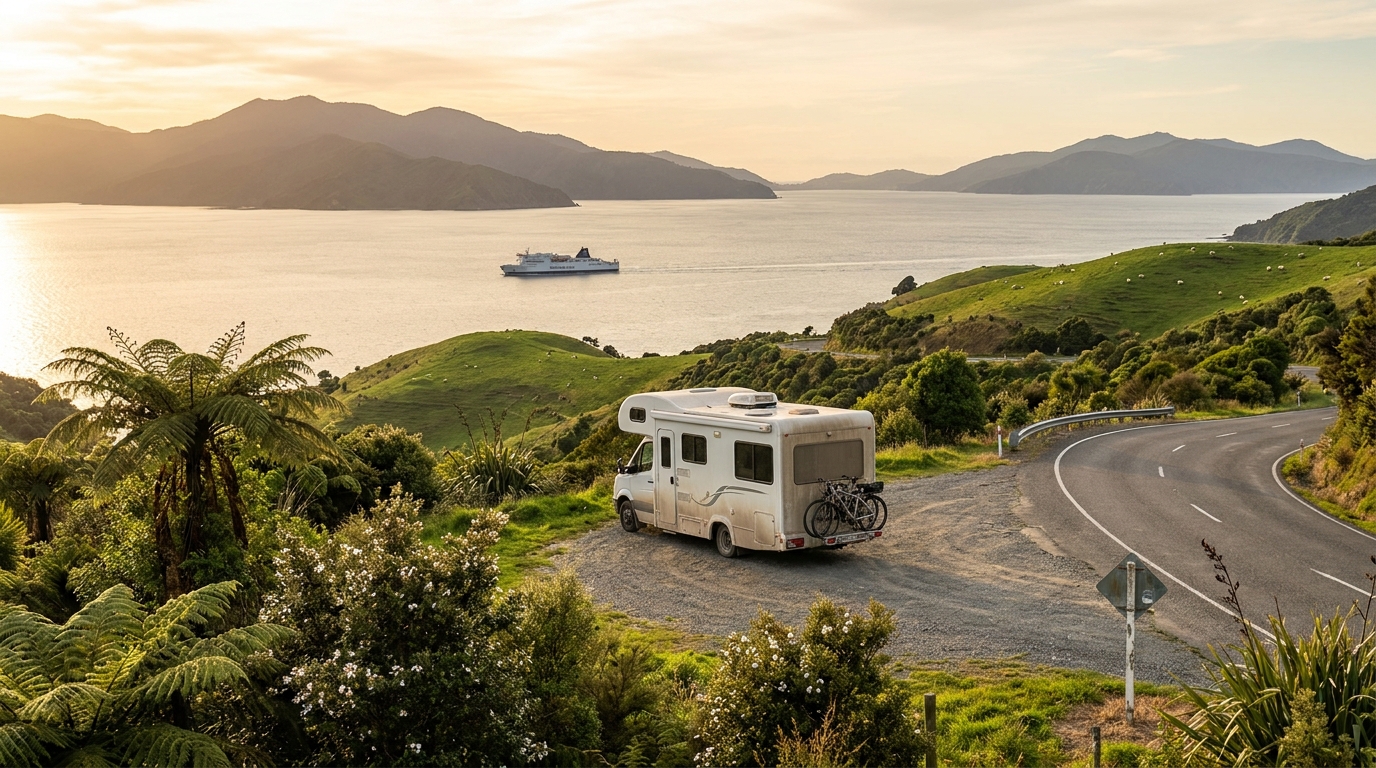
The best RV class for camping in New Zealand depends largely on your travel style and group size, with Class B campervans and Class C motorhomes being the most popular rental options. Class B Campervans (Bandana's fleet averages 5.8m in length), like a model designed for a couple with a shower and toilet, are ideal for navigating narrower roads and accessing more remote DOC sites due to their compact size and easier parking. They offer flexibility for freedom camping if certified self-contained. Class C motorhomes, often referred to as Alcove models, like a "6 Berth Discovery" with a length of 7.4m, or a "camper for rent example Big Six" are typically larger, providing more space and amenities for families or groups. These models might feature multiple double beds, a larger refrigerator (e.g., 190 liter with freezer), and often a microwave. While larger, remember that you can drive almost anywhere without issues – just drive slowly and carefully, use common sense and pay attention. The crucial factor often comes down to vehicle length for ferry crossings between the North and South Islands and access to certain national park roads or small town centers.How to Save on Campgrounds in New Zealand
You can save on campground costs in New Zealand by strategically choosing campsite types and traveling during off-peak seasons. Utilize campground discount cards, such as those often offered by our RV rental suppliers like Britz or Apollo, to secure savings on private holiday parks. Opting for Department of Conservation (DOC) campsites or municipal/regional parks, which generally range from NZD $8-$25 per person, is significantly more affordable than private holiday resorts. Traveling during the shoulder seasons (spring: September-November and autumn: March-May) offers benefits like lower rates and fewer crowds compared to the peak summer months. Additionally, some holiday parks provide weekly rate discounts, making a longer stay at one location more economical. Planning your itinerary through RV PLANET can help you discover these cost-saving options efficiently.Can I park my motorhome anywhere in New Zealand?
No, you cannot park your motorhome just anywhere in New Zealand; strict regulations govern where RVs can be parked or freedom camped. Parking is generally permitted only in designated campgrounds, holiday parks, and specific council-approved freedom camping areas. RVs must typically be certified 'self-contained,' meaning they can store wastewater and rubbish for at least three days, and must display a valid 'self-contained' sticker. Illegal parking or freedom camping can result in significant fines, up to NZD $400, and negatively impacts local communities and the environment, so always check local signage and official mobile apps for permissible overnight spots.How much does it cost to park a campervan in New Zealand?
The cost to park a campervan in New Zealand varies significantly, ranging from free for designated freedom camping spots to upwards of NZD $80 per night for premium holiday parks. Department of Conservation (DOC) campsites typically range from NZD $8-$25 per person per night, depending on the level of facilities (basic to serviced). Private holiday parks offer powered sites generally costing NZD $25-$60 per night for two people, with additional costs for extra occupants or more upscale amenities like swimming pools or private bathrooms. These prices are dynamic and can fluctuate based on season, demand, and specific location, so it's always best to check current rates.Does New Zealand have RV parks?
Yes, New Zealand has a comprehensive network of RV parks, commonly known as 'holiday parks' or 'motor camps', across both the North and South Islands. These facilities range from basic sites to full-service resorts, offering amenities like powered sites, fresh water, dump stations, clean showers, laundries, communal kitchens, and often recreational areas. In addition to private holiday parks, the Department of Conservation (DOC) manages numerous basic to standard campsites within national parks and scenic reserves, providing scenic and often more rustic camping options for rented motorhomes.Can you free camp anywhere in New Zealand?
No, you cannot free camp anywhere in New Zealand; freedom camping is restricted to specific, designated areas that are clearly signposted. To legally freedom camp in most permissible locations, your rented vehicle must typically be 'self-contained' and display a certified self-contained warrant, demonstrating its ability to contain all waste. Local council bylaws dictate where freedom camping is allowed or prohibited, with strict penalties for non-compliance, such as fines up to NZD $400. Always use apps like CamperMate or consult local visitor information centers to identify legal freedom camping spots and avoid issues.Can you sleep in a camper anywhere in NZ?
No, sleeping in a camper anywhere in New Zealand is not permitted; you must use designated overnight parking or camping areas. This includes avoiding sleeping in residential streets, private property without explicit permission, or areas explicitly signposted as 'no overnight parking' or 'no camping'. Many towns have specific areas reserved for self-contained RVs, or you can opt for paid holiday parks or DOC campsites. Always check local signage and official mobile apps (like CamperMate or Rankers) to identify legal places to park and sleep overnight in your rented motorhome, ensuring a respectful and legal trip.How much do campsites cost in New Zealand?
Campsite costs in New Zealand vary widely, typically ranging from free for basic Department of Conservation (DOC) sites to NZD $60+ per night for full-service holiday parks. DOC 'Basic' sites might be free, 'Standard' sites around NZD $8-$15 per person, and 'Serviced' sites approximately NZD $15-$25 per person, offering progressively more amenities. Private holiday parks, which are common and well-equipped, offer powered sites from approximately NZD $25-$60 per night for two people, with additional costs for extra occupants or premium facilities such as private bathrooms or Wi-Fi. Prices can fluctuate significantly with seasonality, with peak summer rates being the highest. For finding budget-friendly options, check out our "Cheap RV Rental in New Zealand - Budget Guide 2026".Is New Zealand RV friendly?
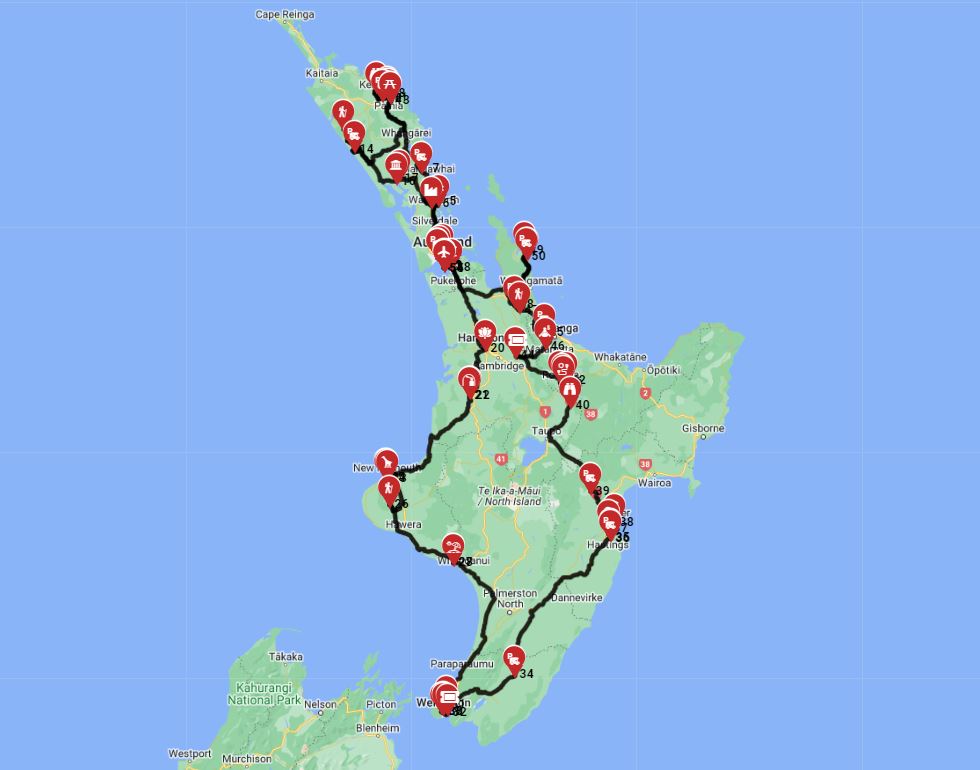
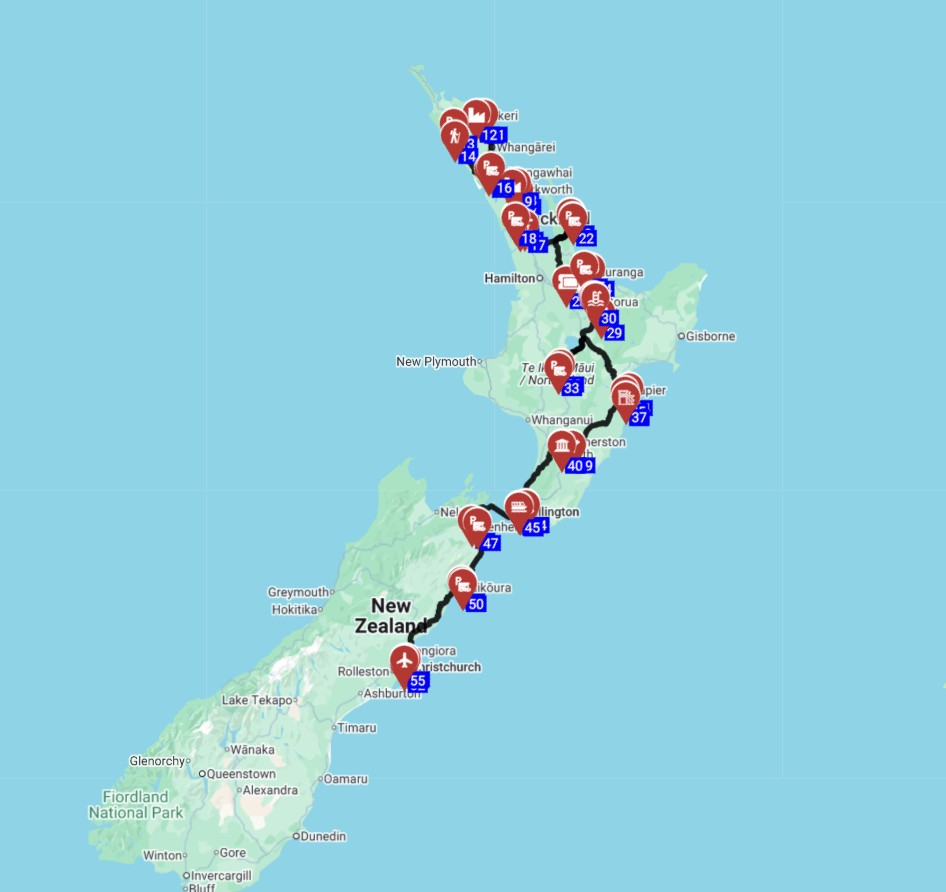
Yes, New Zealand is generally very RV friendly, offering excellent infrastructure tailored for motorhome and campervan travel. The country boasts a vast network of holiday parks, DOC campsites, and designated freedom camping areas, alongside readily available dump stations, fresh water, and LPG refills across both islands. While roads are generally well-maintained, be mindful of winding mountain passes, particularly in the South Island, narrow bridges in rural areas, and specific road restrictions for larger vehicles in some scenic or small-town areas. Drive slowly and carefully, and you can drive almost anywhere without issues. No need to stress - just use common sense and pay attention. For instance, the "
Do you need a special license to drive an RV in New Zealand?
For most rental RVs in New Zealand, you typically do not need a special license; a current, valid driver's license from your home country is usually sufficient. New Zealand's standard car license generally covers all Class A, Class B, and Class C motorhomes available for rental. Your foreign license must be in English or accompanied by an approved English translation or an International Driving Permit (IDP), which is recommended for visitors from non-English-speaking countries. Ensure your license covers the Gross Vehicle Mass (GVM) of the RV you intend to drive, though most rental RVs fall within the standard car license category (up to 3,500 kg). The minimum rental age is 21, and there are no young driver surcharges or vehicle class restrictions based on age.Can you still free camp in New Zealand?
Yes, you can still free camp in New Zealand, but only in areas explicitly designated for freedom camping and typically only if your vehicle is certified self-contained. The rules for freedom camping have become stricter in recent years to protect the environment and manage visitor impact. Always consult the local council bylaws for the specific area you plan to visit, as regulations vary greatly by region and non-compliance can lead to fines. Look for the 'self-contained' certification sticker on your rental campervan, which indicates your vehicle meets specific requirements for wastewater and rubbish containment for at least three days.Do you need to pre-book campsites in New Zealand?
While not always strictly necessary, pre-booking campsites in New Zealand is highly recommended, especially during the peak summer months (December to February) and for popular locations like national parks. Booking in advance ensures you secure a spot, particularly for powered sites or specific holiday parks you wish to visit. For spontaneous travel or during off-peak seasons, you might find availability by calling ahead on the day or using mobile camping apps for real-time occupancy updates. Remember, many national and state parks reserve only 25-30% of spots for advance online reservations, with the rest often available on a first-come, first-served basis. You'll find a spot. If not at the first campground, then the next one. Just call ahead before driving.What You Shouldn't Miss
New Zealand offers an incredible array of experiences for RV travelers.- **Explore Fiordland National Park:** Cruise Milford Sound or Doubtful Sound for spectacular glacial landscapes and wildlife sightings. The road to Milford Sound itself is an iconic journey for any motorhome rental.
- **Hike the Tongariro Alpine Crossing:** One of the world's best day hikes, offering dramatic volcanic scenery on the North Island. Plenty of nearby campsites make it accessible.
- **Relax in Rotorua's Geothermal Hot Pools:** Immerse yourself in Māori culture and experience the unique geothermal activity, from bubbling mud pools to active geysers.
- **Visit Queenstown, the Adventure Capital:** From bungee jumping to jet boating, Queenstown and its surrounding areas provide endless thrills and stunning lakeside RV parks. You might want to consider a luxurious RV rental from our "Luxury RV Rental in New Zealand - Premium Prices 2026" options for this trip.
- **Discover the Glaciers of the West Coast:** Drive your rented campervan along the rugged South Island coast to witness Franz Josef and Fox Glaciers, where ice meets rainforest.
- **Indulge in Marlborough Wine Country:** Sample world-renowned Sauvignon Blanc directly from the vineyards, with many RV-friendly wineries and holiday parks in the region.
Looking for expert insights from Avi Bandana? Top 5 Adventures - recommendations from Avi Bandana
🎬 Video coming soon
Final Thoughts
Renting an RV for a week-long trip or an extended road trip through New Zealand truly opens up a world of discovery. With stunning landscapes at every turn and the freedom to explore at your own pace, it's an adventure that promises unforgettable memories. From the North Island's thermal valleys to the South Island's majestic fjords, a rental motorhome provides your comfortable base for connecting with nature and local culture. Embrace the spirit of slow travel, allowing yourself to linger in charming towns, savor local cuisine, and fully appreciate the breathtaking scenery. By understanding the various camping options, booking smart, and choosing the right vehicle, you're well on your way to an incredible journey. Compare RV rental options for New Zealand today and start planning your perfect mobile holiday!On the routes offered through RV PLANET routes, you can itemize and track every expense along the way for easy budgeting.