In This Guide
- Where to Camp in Canada - Top Options
- Campground Types in Canada (National, Private, Wild)
- Featured RV Park or Campground in Canada
- Hookups & Amenities - What to Expect
- Booking Windows & Reservations in Canada
- Nearby Supermarkets & Resupply Points
- Best RV Class for Camping in Canada
- How to Save on Campgrounds in Canada
- Can you park an RV anywhere in Canada?
- Where can I park my RV for free in Canada?
- What is the 3-3-3 rule for RV travel?
- How much does it cost to park an RV in Canada?
- How much does it cost to camp in an RV in Canada?
- Can a US citizen go camping in Canada?
- Do you need to book campsites in Canada?
- How much do campsites cost in Canada?
- Can I use my USA national park pass in Canada?
- What You Shouldn't Miss
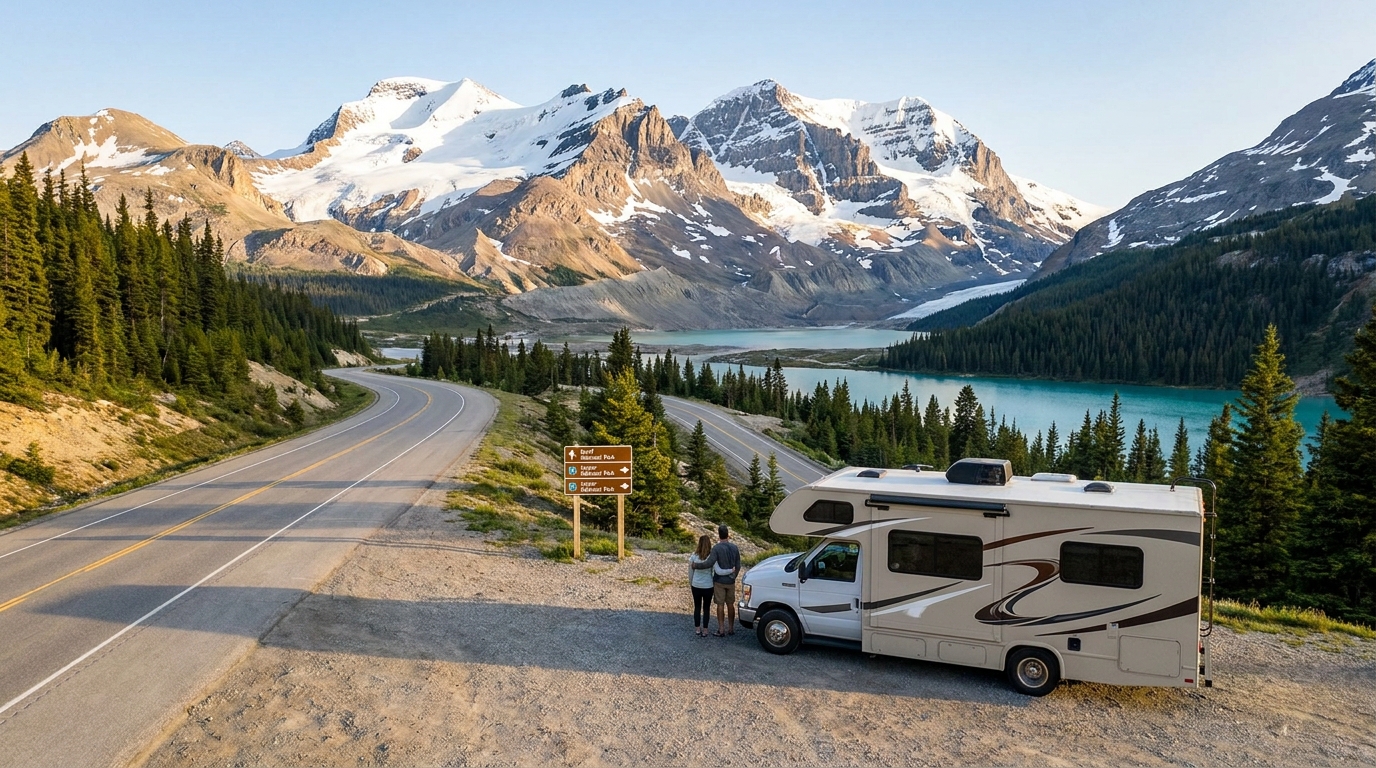
Imagine yourself traversing majestic mountains, exploring vibrant cities, and discovering serene coastlines, all from the comfort of your own rented motorhome. Canada is an RV traveler's dream, offering an unparalleled diversity of landscapes and experiences. From the Pacific shores of British Columbia to the Atlantic provinces, a rented campervan provides the freedom to immerse yourself in Canada's vast natural beauty at your own pace. At Bandana RV, we've been helping tens of thousands of travelers explore the world by RV since 2001, making us true RV specialists who genuinely know and love helping people discover this incredible way to travel. For live availability and current prices, start with our RV Rental Canada - Complete Guide 2026 guide.
Where to Camp in Canada - Top Options
Canada offers diverse camping experiences from the majestic Rocky Mountains to the rugged Atlantic coast, providing a myriad of stunning locations for your rented RV adventure. Popular destinations for RVers include Banff National Park in Alberta, renowned for its turquoise lakes and towering peaks, Algonquin Provincial Park in Ontario with its vast wilderness and canoe routes, and the picturesque Cape Breton Highlands National Park in Nova Scotia, famous for the scenic Cabot Trail. Each region of Canada presents unique landscapes, activities, and campground styles, ensuring every RV trip can be tailored to your preferences, whether you seek tranquil forest sites or bustling lakeside resorts.
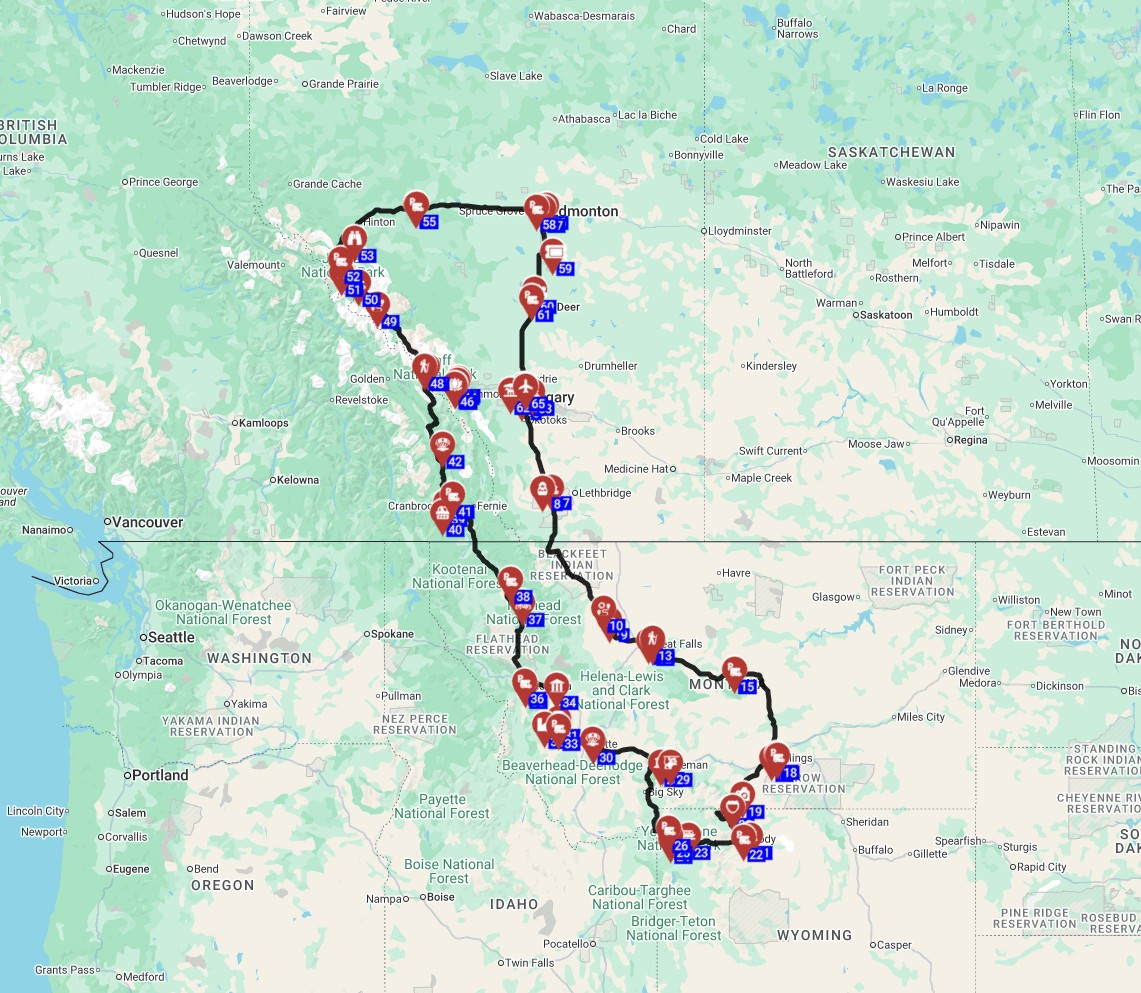
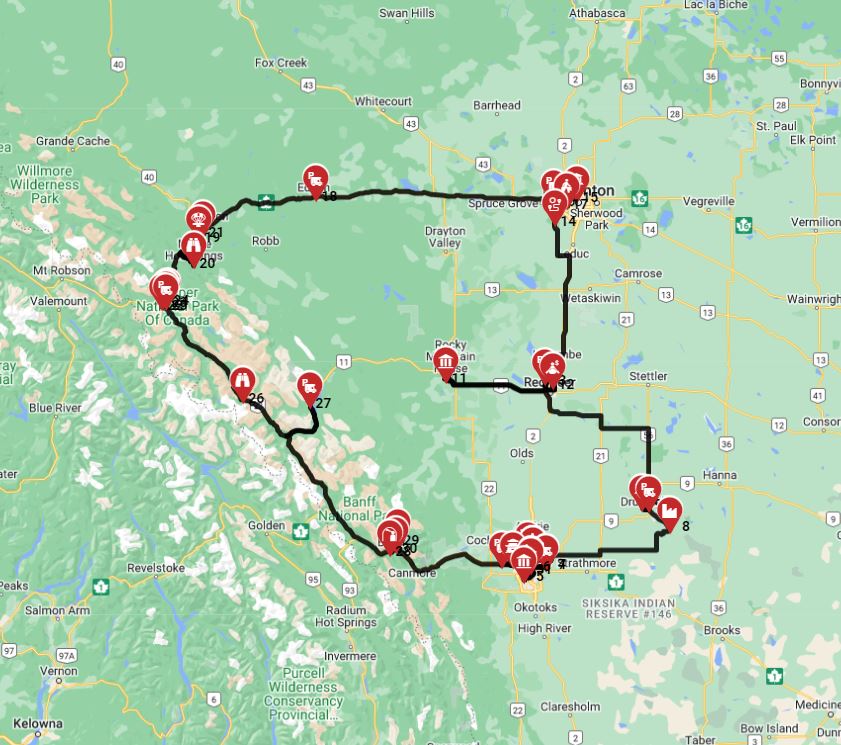
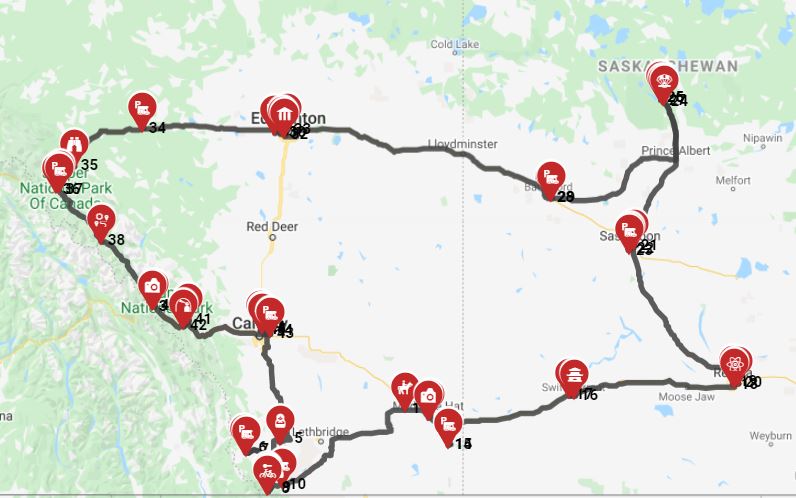
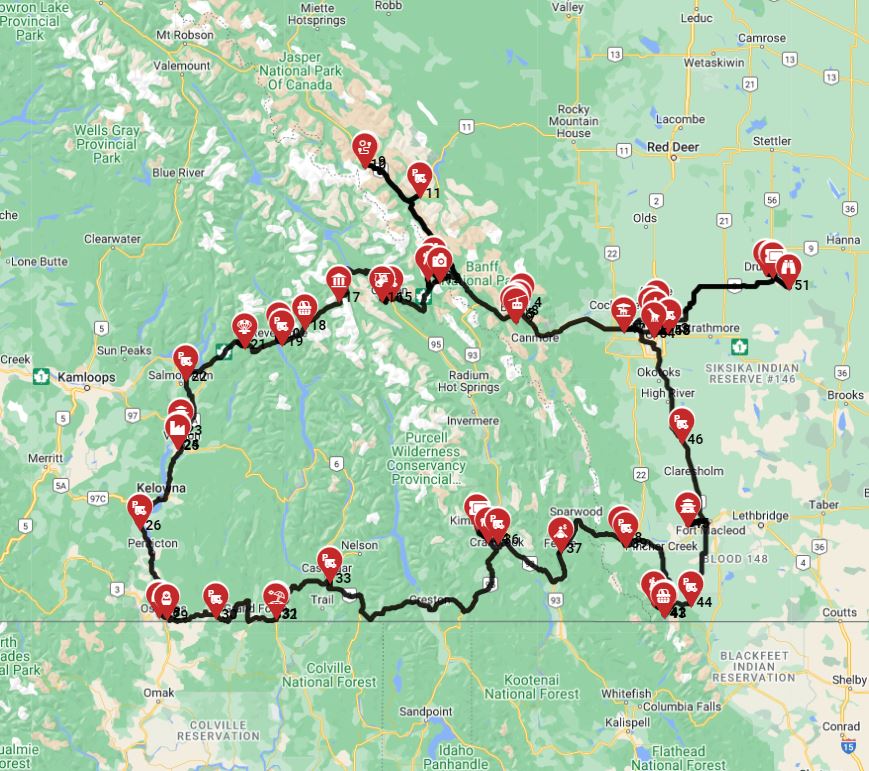
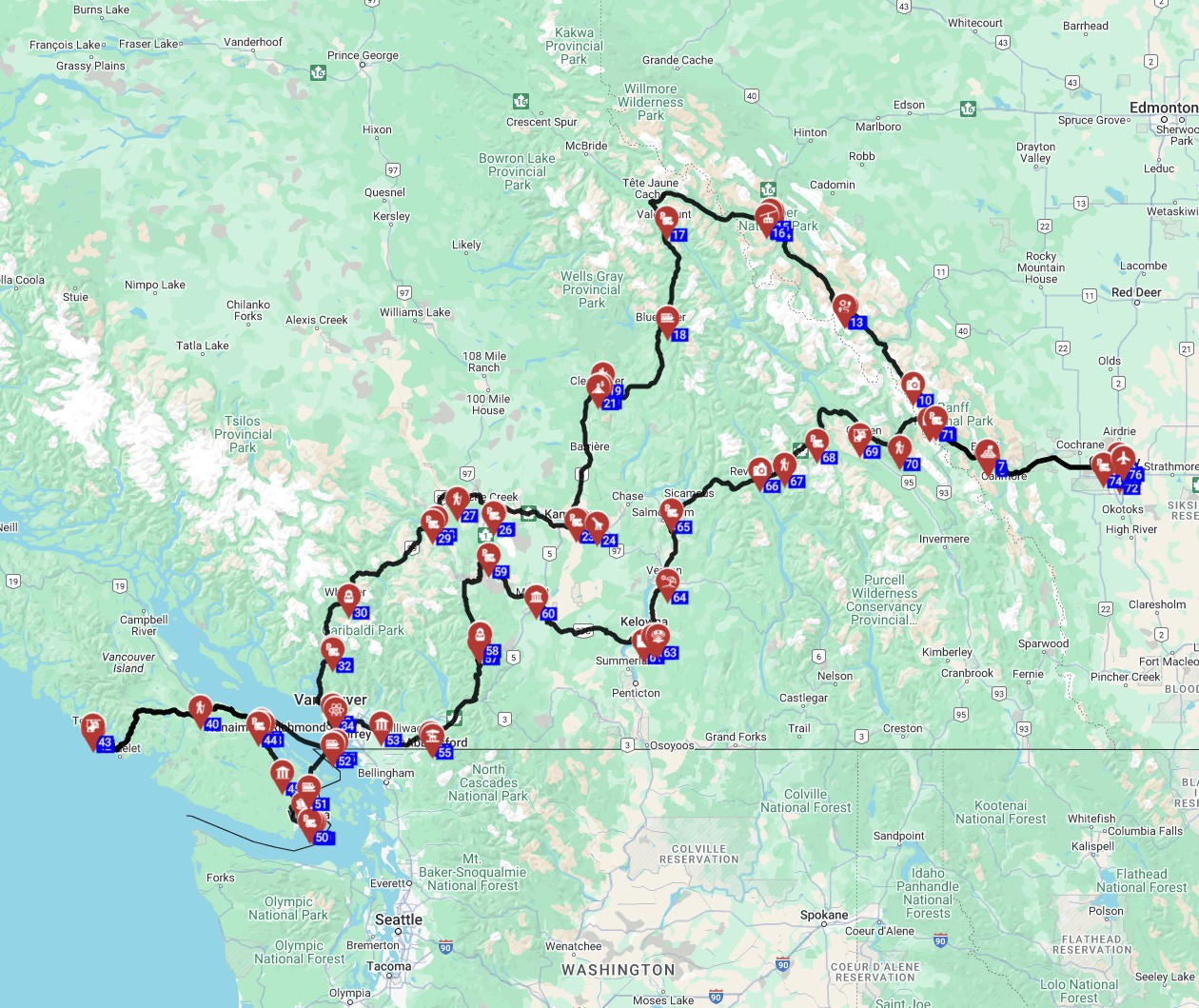
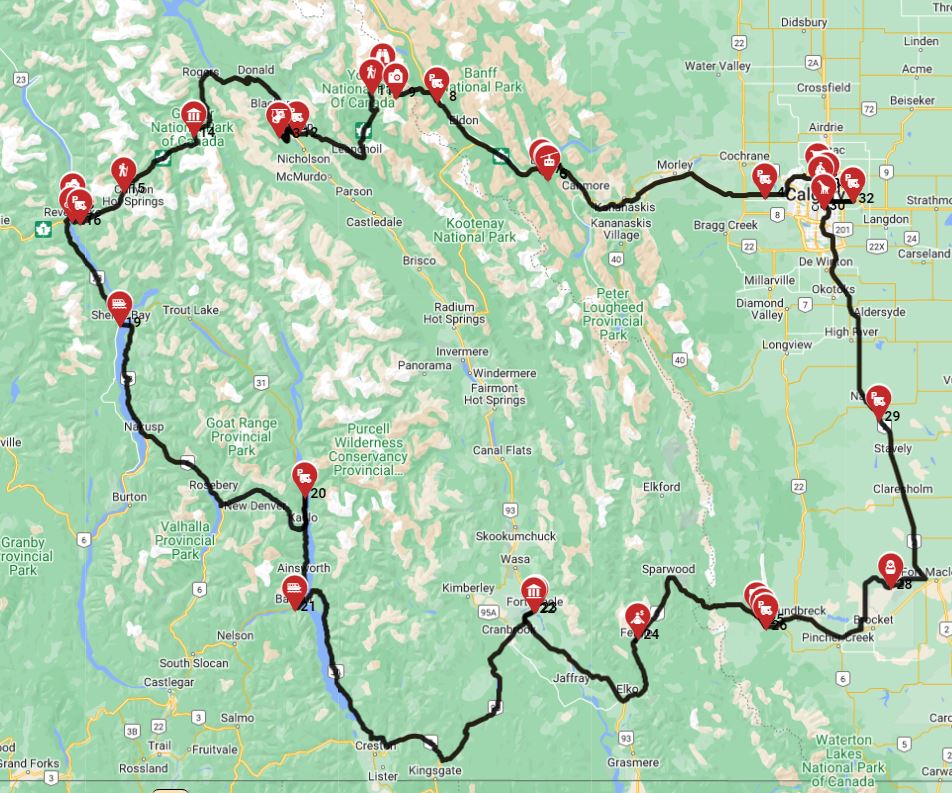
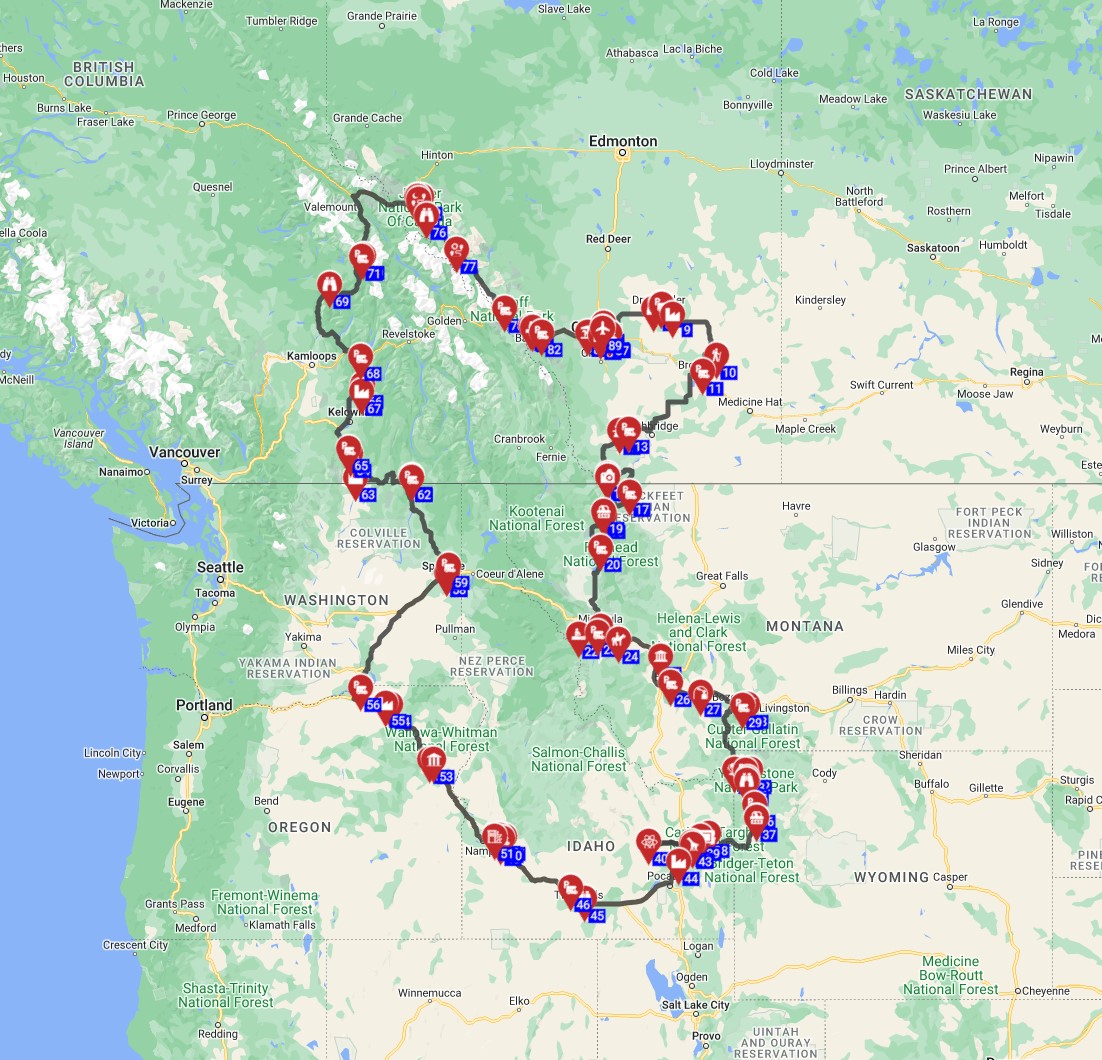
For those eager to dive into a pre-planned Canadian adventure, RV PLANET offers expertly crafted routes. Consider the "

No matter where you choose to park your rented campervan, remember our philosophy: travel slowly, max 100-150 km per day on average. This allows you to truly feel the place, connect to the culture, the food, and the scenery, making your journey through Canada richer and more rewarding.
Campground Types in Canada (National, Private, Wild)
Canada presents three primary types of RV camping: highly regulated National and Provincial Parks, amenity-rich Private Campgrounds, and permitted (often remote) wild camping, each offering distinct experiences for travelers. National and Provincial Parks, managed by Parks Canada or respective provincial bodies, provide stunning natural settings, often with basic to partial hookups, focusing on conservation and outdoor activities like hiking and wildlife viewing. Private campgrounds, such as KOA or independent resorts, typically offer more extensive amenities, including full hookups, Wi-Fi, pools, and recreational facilities, catering to a more resort-like experience for your rented motorhome. Wild camping or boondocking, while possible on Crown land (public land) in many provinces, requires thorough research into local regulations, permits, and strict adherence to Leave No Trace principles to ensure environmental protection and legality.
🎬 Video coming soon
Featured RV Park or Campground in Canada
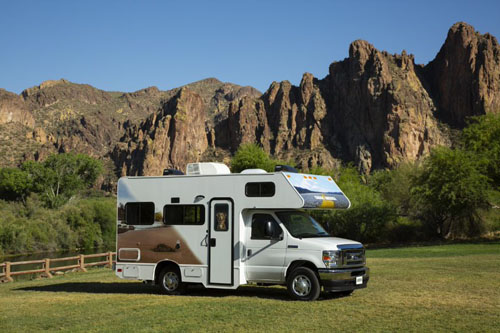
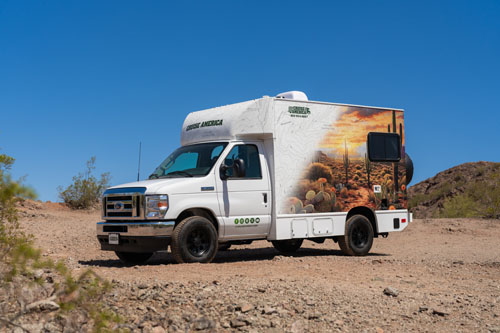
When selecting an RV park in Canada, look for establishments that balance desired amenities with proximity to attractions, considering factors like hookup availability, site size, and family-friendly facilities. Excellent RV parks often boast full hookups, clean washrooms, laundry facilities, and sometimes even reliable Wi-Fi connectivity. Many also feature communal fire pits, playgrounds, and organized activities, perfect for families or groups renting a mobile home. Consider parks near national or provincial attractions for convenience, or those offering unique experiences like waterfront access or guided tours. For instance, Tunnel Mountain Village II in Banff National Park is a top choice, offering 618 sites and shuttle service to town amenities, making it a highly sought-after destination for a rented RV. Our partner suppliers like El Monte and Cruise America often have vehicles well-suited for these popular spots, such as a "cruise america rv rental example Explorer" model, offering a comfortable retreat after a day of exploring.
Planning your journey through Canada can be made simple with RV PLANET routes. These routes often highlight campgrounds that offer various amenities and access to unique experiences, ensuring you find the best RV camping spots along your way.
Hookups & Amenities - What to Expect
RV parks and campgrounds in Canada generally offer a range of hookups and amenities, typically including 15, 30, or 50 amp electrical service (120V), fresh water connections, and sani-dump stations, alongside facilities like showers, laundry, and varying levels of Wi-Fi access. Full hookup sites provide electricity, water, and sewer connections directly at your site, ensuring maximum convenience for your rented motorhome. Partial hookup sites usually include water and electricity, while unserviced sites offer a basic place to park without utilities, often favored by those seeking a more rustic experience. Connectivity solutions for RVers in remote Canadian areas often involve cellular boosters, satellite internet devices, or relying on campground Wi-Fi, which can vary in speed and reliability. Always check what's included before booking your site. For instance, a Class A motorhome like the "rent rv example E3" could feature amenities such as a refrigerator, shower, and toilet, making long trips comfortable. On the routes offered through RV PLANET routes, you can itemize and track every expense along the way for easy budgeting.
When preparing meals in your rented RV, remember that many modern motorhomes come equipped with fully functional kitchens. For inspiration on what delicious meals to whip up on the road, check out our RV-friendly recipes playlist. Cooking your own meals can also help you save on overall trip costs, which is a great budgeting tip!
Booking Windows & Reservations in Canada
Securing an RV campsite in Canada often requires advance booking, especially for popular national and provincial parks where reservation windows open months prior. For peak season (June-August) and popular destinations like Banff or Algonquin, reservations for your rented motorhome can open as early as 3-5 months in advance and fill up within minutes. Parks Canada and most provincial park systems utilize online reservation portals, typically releasing 70-75% of sites for booking, with the remainder often available on a first-come, first-served basis. Spontaneous travelers are advised to call campgrounds ahead, particularly private ones, as they often have more flexible booking policies and last-minute openings; you will almost certainly find a place, if not at the first campground, then the next one. Don't stress too much about booking 6-12 months ahead for every single spot; many national and state parks reserve a significant portion of spots for walk-ins. We encourage both pre-planners who like everything organized and spontaneous travelers who book day-to-day.
For more insights on securing your preferred rental, check out our "Last-Minute RV Rental in Canada - What to Expect 2026" guide.
Nearby Supermarkets & Resupply Points
For convenient resupply during your RV trip in Canada, look for major supermarket chains such as Loblaws (including brands like Real Canadian Superstore, Zehrs, and No Frills), Sobeys, and Save-On-Foods, as well as smaller local grocery stores in rural communities. These chains offer a wide selection of groceries, fresh produce, and essential supplies across the country, ensuring you can keep your rented motorhome pantry stocked. Many smaller towns will have independent grocers or general stores, which are excellent for supporting local businesses and finding unique regional products. Planning your stops around these resupply points is a smart way to manage your overall trip budget, which includes ancillary costs like groceries, fuel, and campground fees. For comprehensive route planning that considers resupply points and other expenses, exploring RV PLANET routes allows you to itemize and track every expense along the way for easy budgeting.
Best RV Class for Camping in Canada
The best RV class for camping in Canada truly depends on your travel style and needs; Class B Camper Vans, averaging 5.8 meters in length within Bandana's fleet, are ideal for agile travel and boondocking, while larger Class C Alcove models (averaging 7.5 meters) offer more space and amenities for families seeking serviced campgrounds. Class B Camper Vans (Bandana fleet average 5.8m length, suitable for 2-3 adults, with 8-10 L/100km fuel consumption like a 'Class I Van' or 'Active Classic') offer maneuverability and fuel efficiency, perfect for navigating smaller roads and accessing remote boondocking sites. Class C Alcove RVs (Bandana fleet average 7.5m length, ideal for 4-6 adults, with 10-12 L/100km fuel consumption like a '24' Class C Motorhome' or 'MHC28') provide more living space, separate beds, and sleeping capacity, making them suitable for families or longer trips requiring more amenities and typically full hookup sites. A Class A motorhome like the "Class A - Thor ACE 30" might offer even more luxurious features such as an oven and refrigerator, making it perfect for extended family trips.
When considering your options, remember a standard car driver's license is sufficient for all motorhome classes in Canada. No special license or additional permits are required, making RV travel accessible to many. For couples, a compact "rv rental denver example Category Van" with shower and toilet features could be an excellent fit, while families might prefer a "rent rv example D2" with bunk beds and a larger dining area for up to 6 people.
How to Save on Campgrounds in Canada
To save on RV campgrounds in Canada, leveraging discount cards, opting for shoulder season travel, choosing municipal or provincial parks over private resorts, and booking extended stays for weekly rates are effective strategies. Utilizing discount programs like Good Sam Club or similar memberships can provide savings at participating private campgrounds, often 10-15% off nightly rates. Traveling during the shoulder seasons (spring and fall) typically means lower rates and fewer crowds compared to peak summer. Municipal and provincial campgrounds are generally more affordable than private resorts, offering excellent value for basic services. Additionally, many campgrounds offer discounted weekly or monthly rates, which can significantly reduce costs for longer trips. These savings on campground fees free up your budget for other aspects of your Canadian adventure, such as fuel for your rented RV or exciting activities. For specific pricing guidance, you might find our "Cheap RV Rental in Canada - Budget Guide 2026" helpful.
Can you park an RV anywhere in Canada?
No, you cannot legally park a rented RV just anywhere in Canada; regulations vary significantly by province, territory, municipality, and land ownership, often prohibiting overnight parking without explicit permission or designation. Overnight parking is generally restricted in urban areas, on private land without consent, and in most retail parking lots unless signage explicitly permits it or permission is granted by management. Designated campgrounds in National Parks, Provincial Parks, and private facilities are the most common and legally sanctioned places for RV parking and overnight stays. Crown land may offer free parking opportunities, but specific provincial regulations and land use atlases must be consulted to ensure legality and responsible practices. Drive slowly and carefully, and you can drive almost anywhere without issues. No need to stress - just use common sense and pay attention.
Where can I park my RV for free in Canada?
Free RV parking in Canada is primarily found on designated Crown land in certain provinces (requiring research into specific provincial regulations), in some permitted retail parking lots (always with prior permission), or informal roadside pull-offs where overnight parking isn't explicitly prohibited. Legal boondocking on Crown land is possible in provinces like British Columbia (via Recreation Sites and Trails BC), Ontario (Crown Land Use Policy Atlas), and others, but specific permits, stay limits, and responsible camping practices are essential. Some retail establishments, such as Walmart or certain casinos, may allow overnight RV parking; always ask permission from store management first to avoid issues. Rest stops and highway pull-offs occasionally permit short overnight stays, but always look for signage and avoid overstaying the posted limits. Remember to check local regulations carefully, as "wild camping" laws vary by region.
What is the 3-3-3 rule for RV travel?
The '3-3-3 rule' for RV travel is a widely recommended guideline promoting a relaxed and safe journey: drive no more than 300 miles (approximately 500 km) per day, arrive at your destination by 3 PM, and stay for a minimum of 3 nights at each location. Driving no more than 300 miles (500 km) helps prevent driver fatigue, especially important given varying speed limits and road conditions across Canada's vast distances. Arriving by 3 PM allows ample time to set up your rented RV, settle in, and explore your surroundings before dark, which is crucial for wildlife preparedness in areas with moose and bears. Staying for at least 3 nights provides a chance to fully enjoy the destination, relax, and reduces the stress of constant packing and unpacking, aligning with our advice to travel slowly, max 100-150 km per day on average.
Following this rule enhances your enjoyment, allowing you to connect to the culture, the food, and the scenery, as recommended by our seasoned RV specialists. Our "First-Time RV Driving in Canada - Beginners Guide 2026" offers more safety tips.
How much does it cost to park an RV in Canada?
The cost to park a rented RV in Canada varies significantly, ranging from free for approved boondocking to $30-$100+ CAD per night for a fully serviced site at a private campground, with additional expenses like fuel, propane, park entry fees, groceries, insurance, and potential border fees substantially increasing the overall trip cost. Unserviced sites typically cost $20-50 CAD per night, while partial (water & electric) and full hookup sites range from $35-100+ CAD. Beyond parking, budget for fuel (e.g., Bandana's Class C Alcove models like the 'MH-B' average 10-12 L/100km, while smaller campervans like the 'DVC' consume 11-15 L/100km), propane refills, groceries, national or provincial park passes, and specific RV insurance for non-residents. Border fees, while not common for personal vehicles, can arise with specific temporary import documentation or inspections, adding to unexpected costs for US RV owners.
For more detailed cost breakdowns, refer to our "RV Rental in Canada - Prices and Best Deals 2026" guide.
How much does it cost to camp in an RV in Canada?
Camping in a rented RV in Canada typically incurs costs between $30 and $100+ CAD per night for a campsite with services, with the total trip budget needing to account for additional expenses like fuel, food, park passes, RV rental insurance, and miscellaneous fees. National and provincial park campsites generally fall into the $30-$70 CAD range for a serviced site, offering good value for scenic locations. Private RV resorts often have higher prices ($50-$100+ CAD) but include extensive amenities like pools, Wi-Fi, and recreational facilities, such as those that might be suited for a "Family Luxury" Class C motorhome. Factor in average fuel consumption for your RV type (e.g., Bandana's Class B Camper Vans average 8-10 L/100km, Class C Alcoves 10-12 L/100km), along with daily food expenses and potential activity fees. When you book with Bandana, you get full transparency on your rental costs, with no hidden fees or surprises.
We handle the details, you live the journey - personal service from day one until your booking is confirmed, ensuring you have a clear picture of your budget. Remember that prices are dynamic like flight tickets, changing daily based on availability, seasonality, and supplier marketing decisions. The final price is set at actual booking time.
Can a US citizen go camping in Canada?
Yes, US citizens can absolutely go camping in Canada, provided they possess a valid passport, meet all Canadian entry requirements, carry necessary vehicle documentation and insurance, and comply with any specific RV import regulations, such as the '10 Year Rule'. A valid US passport is mandatory for entry; visitors must be prepared to declare all goods and potentially provide proof of sufficient funds and intent to return to the US. For US-registered RVs, the '10 Year Rule' clarifies that RVs older than 15 years are generally exempt from complex RIV (Registrar of Imported Vehicles) modification requirements for temporary import, while newer vehicles may require a Temporary Vehicle Importation Form (e.g., e-DIRT) and specific insurance coverage validated for Canada. It's advisable to carry a Canadian non-resident insurance card from your provider and be aware of any prohibited items before crossing the border. For those looking to combine trips, our "RV Rental USA - Complete Guide 2026" offers comprehensive information on RV travel south of the border.
Do you need to book campsites in Canada?
While not always strictly mandatory, booking RV campsites in Canada is highly recommended, especially during peak seasons (summer) and for popular destinations like National and Provincial Parks, where sites can be fully reserved months in advance. For prime locations and dates, reservation windows typically open 3-5 months ahead of time, and sites can be claimed within minutes of release. Strategic advice for securing campsites includes monitoring reservation opening dates closely, having alternative dates or locations in mind, utilizing alternative booking platforms (e.g., provincial park sites, private campground websites), and checking for last-minute cancellations. During off-peak seasons or in less popular areas, first-come, first-served sites are more readily available, but it's always wise to call ahead to confirm availability before driving to ensure you'll find a spot. Remember, even if the first campground is full, you'll find a spot at the next one.
How much do campsites cost in Canada?
Campsite costs in Canada generally range from $20 CAD for basic unserviced sites in provincial or municipal parks to upwards of $100 CAD per night for premium, full-hookup sites at private RV resorts, with National Park sites typically falling in the $30-$70 range. Unserviced sites, offering no utilities, are the most budget-friendly option, often found in provincial or regional parks and perfect for smaller campervans. Partial hookup sites (water and electricity) are a common mid-range option, providing essential comforts for your rented mobile home. Full hookup sites (water, electricity, and sewer) are the most expensive, primarily found in private RV parks, offering maximum convenience for longer stays in a larger motorhome like a Class C "MHC30." Additional costs may include national park entry fees, which can be covered by a Parks Canada Discovery Pass. For route planning that meticulously details all costs, remember to leverage RV PLANET routes to itemize every expense.
Can I use my USA national park pass in Canada?
No, a USA National Parks Pass, such as the 'America the Beautiful' annual pass, is not valid for entry into Canadian National Parks; visitors must purchase a separate Parks Canada Discovery Pass or daily entry permits. Canada's national park system is managed by Parks Canada, an entirely separate entity from the US National Park Service, meaning distinct passes are required. Visitors planning to explore multiple Canadian National Parks and National Historic Sites, such as those found on the "Halifax to Whitehorse - Exploring Canada’s Heartland in a Motorhome" itinerary, can purchase a Parks Canada Discovery Pass, which offers unlimited entry to all national parks, national historic sites, and national marine conservation areas for a full year. Daily entry fees are also available for single visits, and provincial parks often require their own separate passes or fees.
What You Shouldn't Miss
- Banff National Park & Lake Louise: Explore the iconic turquoise lakes, glaciers, and wildlife of Alberta's Rocky Mountains, with numerous RV-friendly campgrounds like Tunnel Mountain Village II.
- The Cabot Trail (Cape Breton, Nova Scotia): Drive this stunning 298 km (185 mile) scenic route renowned for coastal vistas, charming fishing villages, and access to Cape Breton Highlands National Park.
- Whistler Blackcomb (British Columbia): Beyond winter sports, enjoy summer activities like hiking, mountain biking, and gondola rides, with many RV parks in the surrounding area.
- Quebec City's Old Town (Quebec): Immerse yourself in North America's only walled city, a UNESCO World Heritage site with European charm, finding RV campgrounds just a short drive away.
- Niagara Falls (Ontario): Witness the awe-inspiring power of the Horseshoe Falls, with ample RV parking and campgrounds nearby for an unforgettable experience.
- Gros Morne National Park (Newfoundland): Discover a UNESCO World Heritage site with dramatic fjords, ancient mountains, and unique geological formations, perfect for a remote RV adventure.
Looking for expert insights from Avi Bandana? Top 5 Adventures - recommendations from Avi Bandana
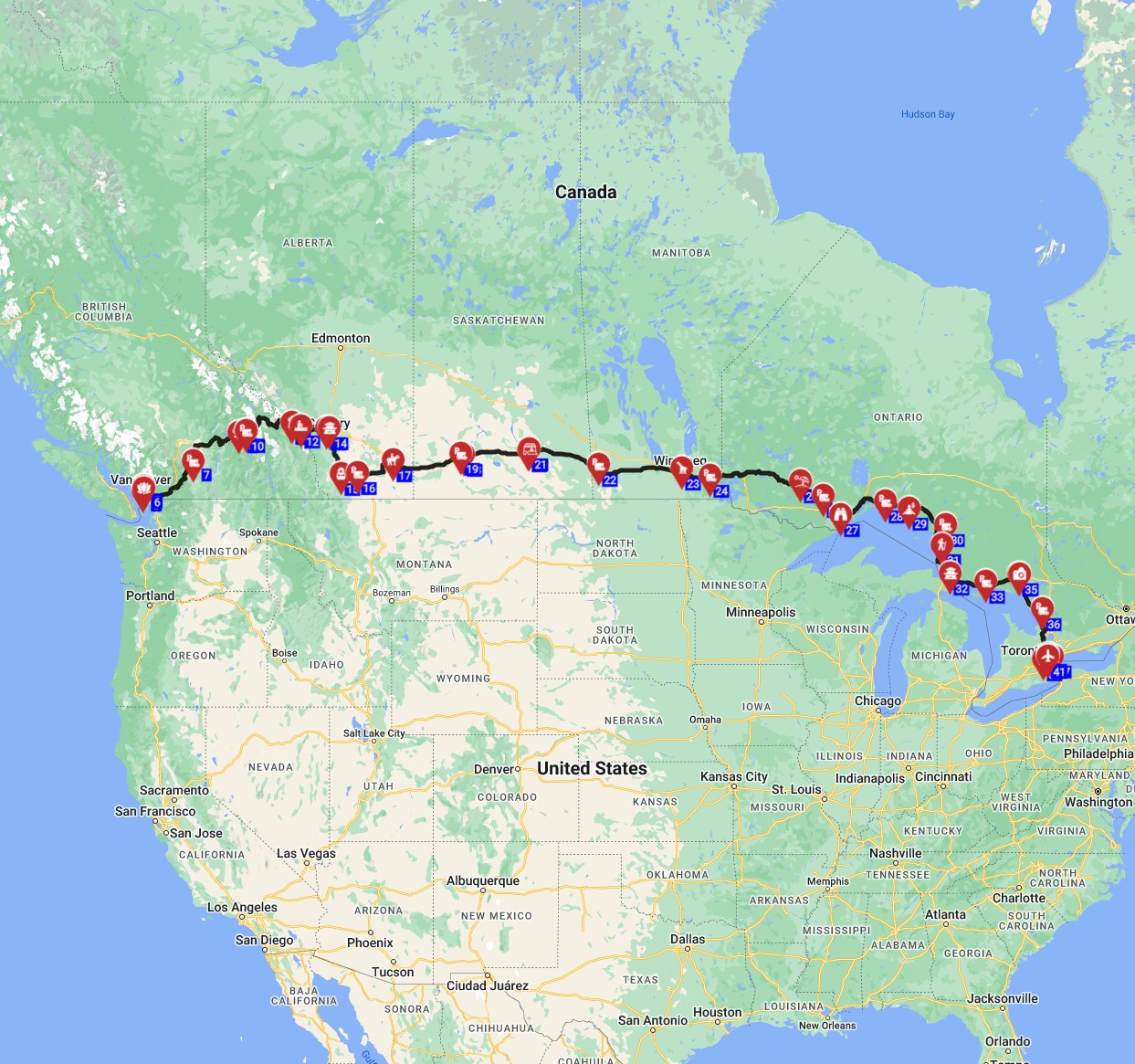
When I think of RVing in Canada, my mind immediately goes to the sheer scale and variety of its landscapes. One of my personal favorite routes is the Trans-Canada highway journey. Starting in Vancouver and heading east towards Toronto, you truly get a sense of the country's vastness and diversity. On a recent trip, we stopped in places like Banff, taking in the stunning glacier-fed lakes, and then moved through the prairies, experiencing the incredible openness of the land. It’s a route that offers so many different experiences – from mountainous terrain to rolling hills and bustling cities. My top recommendation for an extended trip would be the "
Another highlight for me was exploring the Atlantic provinces, specifically the Bay of Fundy. The tides there are truly a wonder of the world, and finding a small, local campground to experience them firsthand from your camper is magical. These personal experiences are what make RV travel so special, and why we're so passionate about helping you plan your perfect trip with a rented RV.
Final Thoughts
Exploring Canada by rented RV is an adventure unlike any other, offering the freedom to connect with nature, culture, and the open road. From the majestic Rockies to the rugged Atlantic coast, the diverse landscapes and welcoming communities create the perfect backdrop for unforgettable memories. Whether you’re a meticulous planner or a spontaneous traveler, the information and tools provided here are designed to make your journey smooth and enjoyable.
At Bandana RV, we're with you every step of the way – from comparing the best motorhome prices for Canada to ensuring your booking is confirmed with full transparency. Our passion for RV travel is matched only by our commitment to your incredible journey. So, go ahead, get inspired, and start planning your Canadian RV adventure today!
Discover top destinations, planning tips, all in one place! Plan a trip itinerary in advance with minimal effort and maximum enjoyment.