In This Guide
- Can You Drive an RV in Canada? License & Age Rules
- Road Conditions & Terrain in Canada
- RV Size Limits, Bridges & Restricted Zones
- Fuel: Diesel vs. Petrol & Cost per 100 km
- Tolls, Vignettes & Border Rules
- Driving Tips for RV Rental Beginners Travelers
- Recommended RV Class for Canada Roads
- Should I Choose a Compact Van Instead of a Large RV in Canada?
- Can I Park Anywhere? Free & Wild Camping Rules in Canada
- Can I Drive an RV Into the City Center? Heights, Tunnels & Local Signage
- Do US Cell Phones Work in Canada?
- How Do I Stay Safe From Wildlife When RVing in Canada?
- What Are Responsible RVing Practices in Canada?
- What Essential Gear Do I Need For RVing in Canada?
- What Are Canadian Customs and Local Etiquette for RV Travelers?
Embarking on a rented RV adventure in Canada is an unparalleled way to experience its breathtaking landscapes, vibrant cities, and diverse cultures. For first-time RV drivers, the thought of navigating a larger vehicle in a new country might seem a bit daunting, but with the right preparation, it's an incredibly rewarding experience. This guide will walk you through everything you need to know to confidently hit the road, from licensing requirements and road conditions to local etiquette and essential packing tips. For live availability and current prices, start with our RV Rental Canada - Complete Guide 2026 guide, offering comprehensive insights into planning your perfect Canadian road trip.
Can You Drive an RV in Canada? License & Age Rules
Yes, you can absolutely drive a rented RV in Canada with a standard car driver's license in most cases. Most standard motorhomes, including Class A, Class B, and Class C vehicles, fall under the category of recreational vehicles that do not require a special commercial driver's license (CDL) in Canada, as long as their gross vehicle weight (GVW) is under 11,000 kg (approximately 24,250 lbs). For example, a Class G or equivalent license from your home country or state is typically sufficient. The minimum driver age for RV rentals in Canada is generally 21 years old, with Bandana RV ensuring no young driver surcharges or vehicle class restrictions based on age, making it easier for younger adventurers to explore. Foreign drivers are recommended to carry an International Driving Permit (IDP) if their domestic license is not in English or French, although it is not mandatory in all provinces.
Road Conditions & Terrain in Canada
Canada boasts a vast network of well-maintained highways, yet road conditions and terrain vary significantly across its immense landmass. You can anticipate diverse terrains, from the flat, seemingly endless expanses of the Prairies to the dramatically winding mountain passes of the Canadian Rockies and the rugged, scenic coastal roads of the Maritimes. While main highways are generally excellent, some remote routes, especially those leading into provincial parks or wilderness areas, may feature unpaved or gravel roads. These require slower speeds and increased caution, but they also lead to some of the most spectacular, untouched scenery. Driving a rented RV in Canada often encourages a slower, more scenic pace, typically around 100-150 km per day, allowing travelers to fully appreciate the varied landscapes and immerse themselves in the local culture and natural beauty.
RV Size Limits, Bridges & Restricted Zones
While Canada generally accommodates large vehicles on its major roadways, RV drivers must remain vigilant about height, weight, and length restrictions, particularly in specific areas. It is crucial to pay close attention to roadside signage for low bridges, underpasses, and tunnels, especially when navigating older urban areas like Montreal or within certain national parks. Some ferry services, essential for reaching destinations like Vancouver Island or Newfoundland, have specific length and weight limits for RVs, and it's highly recommended to book these well in advance to secure your spot and avoid delays. Environmental zones are less common in Canada compared to Europe, but certain sensitive natural areas or specific national park roads might have temporary or permanent vehicle restrictions in place to protect wildlife or fragile ecosystems, so always check local advisories before venturing off major routes.
Fuel: Diesel vs. Petrol & Cost per 100 km
Most rented RVs available in Canada operate on either diesel or petrol (gasoline), both of which are widely available at service stations across the country. Bandana's global fleet offers a range of options: Class B - Camper Vans typically achieve excellent fuel economy, averaging 8-10 Liters/100 km, while Class SI - Semi-integrated models use approximately 10–11 Liters/100 km. Larger Class C - Alcove RVs, such as an "Explorer" model with a 75 Liter fuel tank, generally consume 11-12 Liters/100 km, varying slightly by model and driving conditions. The actual cost per 100 km will fluctuate based on current provincial fuel prices, which can vary significantly. For easy budgeting and expense tracking on longer trips, remember that RV PLANET routes allow travelers to itemize and track every expense along the way, helping you manage your total trip costs beyond the initial rental fee. On the routes offered through RV PLANET routes, you can itemize and track every expense along the way for easy budgeting.
Tolls, Vignettes & Border Rules
Canada has relatively few toll roads compared to many other countries, simplifying travel for RVers. Notable exceptions include parts of Highway 407 ETR in Ontario, which is an electronic toll highway often avoidable for scenic routes. There are no country-wide vignettes required for RVs in Canada; any tolls encountered are typically point-based fees. When planning travel from the US to Canada, preparing for border crossings is essential. Ensure all travelers have valid passports, and carry your rented RV's registration and rental agreement. Be aware of customs regulations for goods and food items, as some agricultural products are restricted. Some Bandana partner suppliers, like El Monte and Cruise America, may offer options for pre-purchasing toll passes or electronic transponders, which can streamline your journey and help avoid unexpected fines.
Driving Tips for RV Rental Beginners Travelers
For new RV renters in Canada, adapting to local driving norms and vehicle handling is key to a smooth journey. First, familiarize yourself with metric measurements: speed limits are always in kilometers per hour (km/h) and fuel is sold in liters, so a quick mental conversion or a small calculator can be helpful. Plan frequent stops, especially if traveling with families, as even a comfortable rented motorhome can be tiring to drive for extended periods; aim for breaks every 2-3 hours to stretch and refresh. Practice wide turns and always allow extra braking distance, as RVs are significantly longer and heavier than standard passenger vehicles. Be particularly mindful of fuel stops in remote areas, especially in regions like Western Canada or the vast Prairies, where distances between services can be substantial. Many modern RV rentals, including those in Bandana's fleet, come with automatic transmissions, which greatly simplifies driving for beginners.
Recommended RV Class for Canada Roads
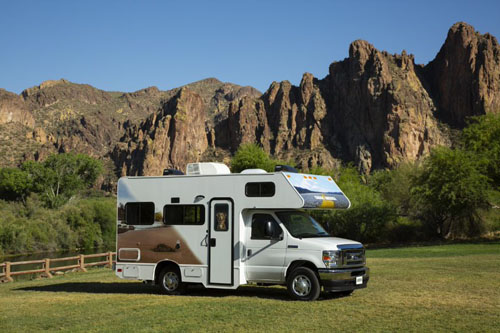
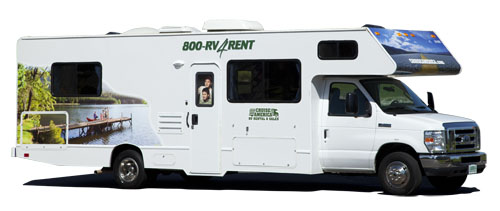
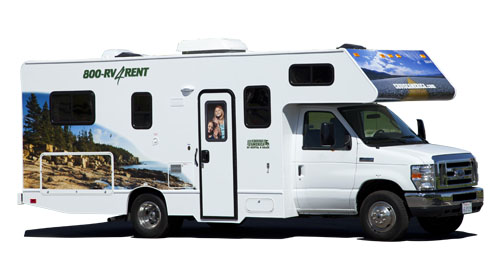
For RV rental beginners in Canada, a Class B - Camper Van or a Class SI - Semi-integrated RV often strikes an excellent balance of comfort and maneuverability. Class B Camper Vans, averaging around 5.8 meters (19 feet) in length, are agile for navigating various terrains and fitting into smaller campgrounds, making them ideal for couples or small families, typically sleeping 2.7 adults comfortably. Class SI Semi-integrated motorhomes, with an average length of 6.9 meters (22.6 feet), provide more expansive living space, usually accommodating 3.4 adults and 3.8 sleeping places, while remaining relatively manageable for Canada's major highways and provincial park roads. While Class C Alcove motorhomes, averaging 7.5 meters (24.6 feet) and offering generous space for larger families (4.4 adults, 5.8 sleeping places), provide ample amenities, their increased length may require more caution on narrower roads or in tight parking situations, making smaller options a popular choice for first-timers.
Should I Choose a Compact Van Instead of a Large RV in Canada?
For most major Canadian routes and destinations, there is no significant issue driving a larger rented RV; the choice between a compact van and a larger motorhome ultimately comes down to your personal comfort level and desired indoor space. Compact vans, often referred to as Class B - Camper Vans, are genuinely advantageous for navigating very tight city centers, extremely narrow mountain passes, or accessing smaller, more rustic campsites within certain parks. However, for beginners prioritizing comfort, ample storage for luggage and gear, and dedicated living areas, a larger Class SI or Class C motorhome typically offers a much more comfortable and enjoyable experience for an extended road trip across Canada. It’s important to remember: drive slowly and carefully, and you can drive almost anywhere without issues. No need to stress-just use common sense and pay attention to road signs, regardless of your chosen RV size.
Can I Park Anywhere? Free & Wild Camping Rules in Canada
Free and wild camping, often known as 'boondocking,' is generally restricted in Canada, particularly within the highly popular national parks, provincial parks, and designated protected areas. Overnight parking on public lands (Crown Land) outside of established campgrounds may be permitted in some provinces, but specific rules, durations, and restrictions on fire pits or vehicle access apply and vary significantly by region. Always prioritize staying in established campgrounds, which provide essential amenities like fresh water, dump stations, and often electrical hookups, and adhere to safety regulations, especially concerning wildlife. It's crucial to always check local municipal and provincial regulations before parking overnight, as fines for unauthorized camping can be substantial. For finding available campsites and campgrounds during your trip, we recommend using RV PLANET (rvplan.net) - a great resource for locating available spots along your route and planning ahead, which is a great strategy since many national and provincial parks only reserve 25-30% of their spots, leaving the rest for first-come, first-serve. You'll find a spot. If not at the first campground, then the next one. Always call ahead before driving.
Can I Drive an RV Into the City Center? Heights, Tunnels & Local Signage
Yes, almost all rented RVs can be driven into Canadian city centers without major issues, though navigating larger vehicles requires extra care due to traffic, limited parking, and potentially narrow streets. It's vital to pay careful attention to local signage indicating height limits for tunnels, underpasses, and parking garages, as well as weight restrictions on certain older bridges. Be aware that some historical districts, such as parts of Quebec City or Old Montreal, might have tighter streets or specific vehicle restrictions. Drive slowly and carefully, and you can drive almost anywhere without issues. No need to stress - just use common sense and pay attention to posted signs. Using an RV-specific GPS navigation system can also be incredibly helpful, as it can factor in your vehicle's dimensions to help you avoid unexpected obstacles and find suitable routes and parking.
Do US Cell Phones Work in Canada?
Most US cell phones will work in Canada, but connectivity largely depends on your specific carrier's roaming agreements and your current phone plan. Many US carriers offer international roaming packages or daily passes that allow you to use your phone for calls, texts, and data at an additional cost, which can quickly add up on an extended road trip. For longer trips or better value, consider purchasing a Canadian SIM card upon arrival, available from providers like Rogers, Bell, or Telus, or renting a portable Wi-Fi hotspot for reliable internet access. It's important to note that cell service can be spotty to non-existent in remote areas, particularly in vast wilderness regions like northern Ontario or stretches of the Trans-Canada Highway in the Rockies. For extremely remote regions, such as along the Dempster Highway, a satellite communication device may be a worthwhile investment for emergency contact and peace of mind, directly addressing the need for comprehensive connectivity solutions.
How Do I Stay Safe From Wildlife When RVing in Canada?
Staying safe from wildlife when RVing in Canada requires adherence to specific protocols, especially in bear country, which is common across many national and provincial parks. Always store all food, scented items, and garbage in bear-proof containers or securely inside your hard-sided rented RV, never in tents or left unsecured outside. Carrying bear spray is highly recommended, but ensure you know how to use it safely and are aware of any local legality and training requirements; making noise while hiking can also help avoid surprising animals. Critically, maintain a safe distance from all wildlife, including bears, moose, elk, and deer; never feed animals or approach them for photos, as this can habituate them to humans and lead to dangerous encounters. By practicing these responsible behaviors, you can enjoy Canada's incredible wildlife safely.
What Are Responsible RVing Practices in Canada?
Responsible RVing in Canada embraces "Leave No Trace" principles, ensuring minimal environmental impact by packing out all trash and waste, leaving natural areas as you found them. Always dispose of grey and black water only at designated dump stations, which are readily available at most campgrounds and many rest stops, to protect natural waterways and ecosystems from pollution. When cooking meals in your rented RV, consider our RV-friendly recipes playlist for delicious, low-impact meal ideas. Additionally, support local Indigenous communities by respectfully engaging with cultural sites, purchasing local crafts and food items, and taking the time to learn about their rich heritage and traditions. Minimize your carbon footprint by choosing fuel-efficient routes, consolidating your trips, and properly maintaining your rental motorhome, ensuring a sustainable and respectful adventure. Bandana's philosophy encourages slow travel, max 100-150 km per day, allowing you to truly feel the place, connect to the culture, the food, and the scenery.
What Essential Gear Do I Need For RVing in Canada?
Essential gear for RVing in Canada includes practical items to enhance safety and comfort. A reliable GPS system, preferably one with RV-specific routing capabilities that considers vehicle dimensions, is invaluable for navigation. Always pack a comprehensive first-aid kit and an emergency road safety kit, including jumper cables, a flashlight, and basic tools. For Canadian campgrounds, ensure you have appropriate electrical adapters (typically 15, 30, or 50 amp services) and a sturdy hose for freshwater hookups, which can be found in most RV accessory kits. For remote travel, carrying extra water and fuel is crucial, along with a satellite communication device for areas without cell service, and bear spray for wildlife safety, as mentioned previously. Many Bandana RV rentals, such as the "cruise america rv rental example Explorer" with its 82-Liter fresh water tank and 75-Liter fuel tank, are well-equipped, but these additional items ensure you're prepared for any adventure.
What Are Canadian Customs and Local Etiquette for RV Travelers?
Canadian customs generally involve a high degree of politeness, respect for personal space, and a tendency towards quietude in public spaces, including campgrounds. When RVing in Canada, it's a good practice to be particularly mindful of noise levels in shared areas. Be aware of regional specificities, especially the prominent use of French in Quebec, where even a few basic French phrases can significantly enhance your interactions and demonstrate respect. Always be respectful of local laws, posted speed limits, and wildlife regulations, particularly within the country's extensive national parks and protected areas. Engaging with local communities by visiting farmers' markets, supporting small businesses, and appreciating the diverse cultural tapestry of Canada will enrich your travel experience and contribute positively to the places you visit.
What You Shouldn't Miss
Looking for expert insights from Avi Bandana? Top 5 Adventures - recommendations from Avi Bandana:
- **Journey from Halifax to Whitehorse**: Experience Canada’s Heartland on a 37-day, 9199.1 km motorhome expedition. This route includes stops at 6 museums, 4 hiking areas, and 3 historical sites. Discover diverse attractions like amusement parks, wildlife shows, aquariums, and traditional markets, perfect for families and culture enthusiasts.
- **
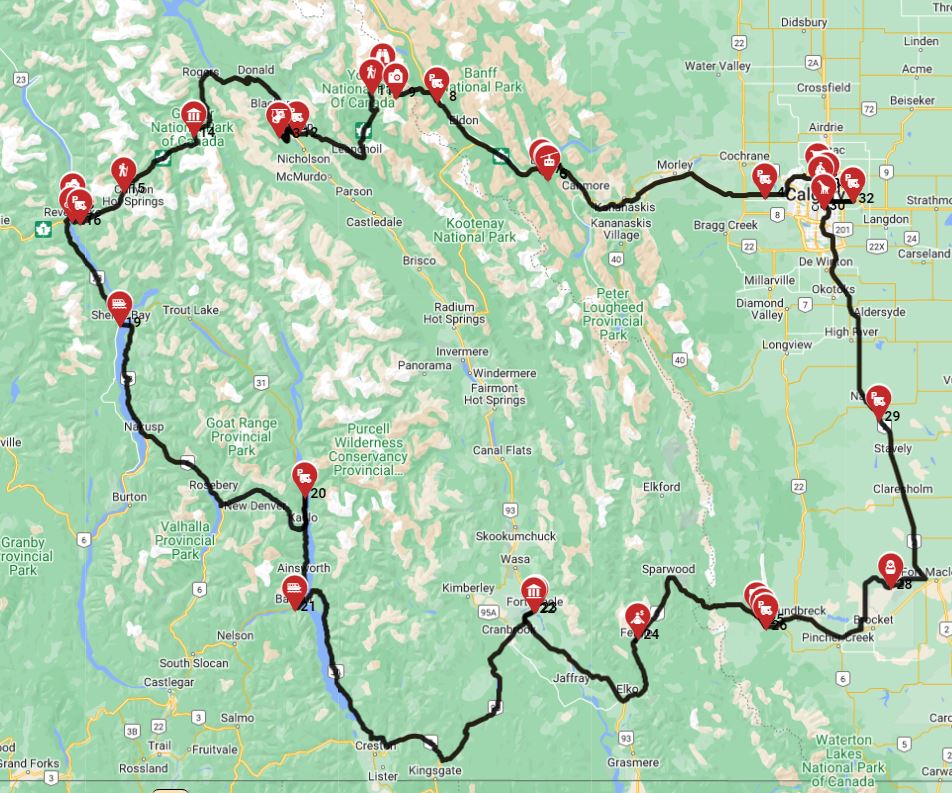
**: This 19-day, 2659.4 km loop is ideal for active travelers, featuring 3 bike rental opportunities and 3 dedicated hiking areas. Explore caves, enjoy scenic routes, and find relaxation at spa destinations.
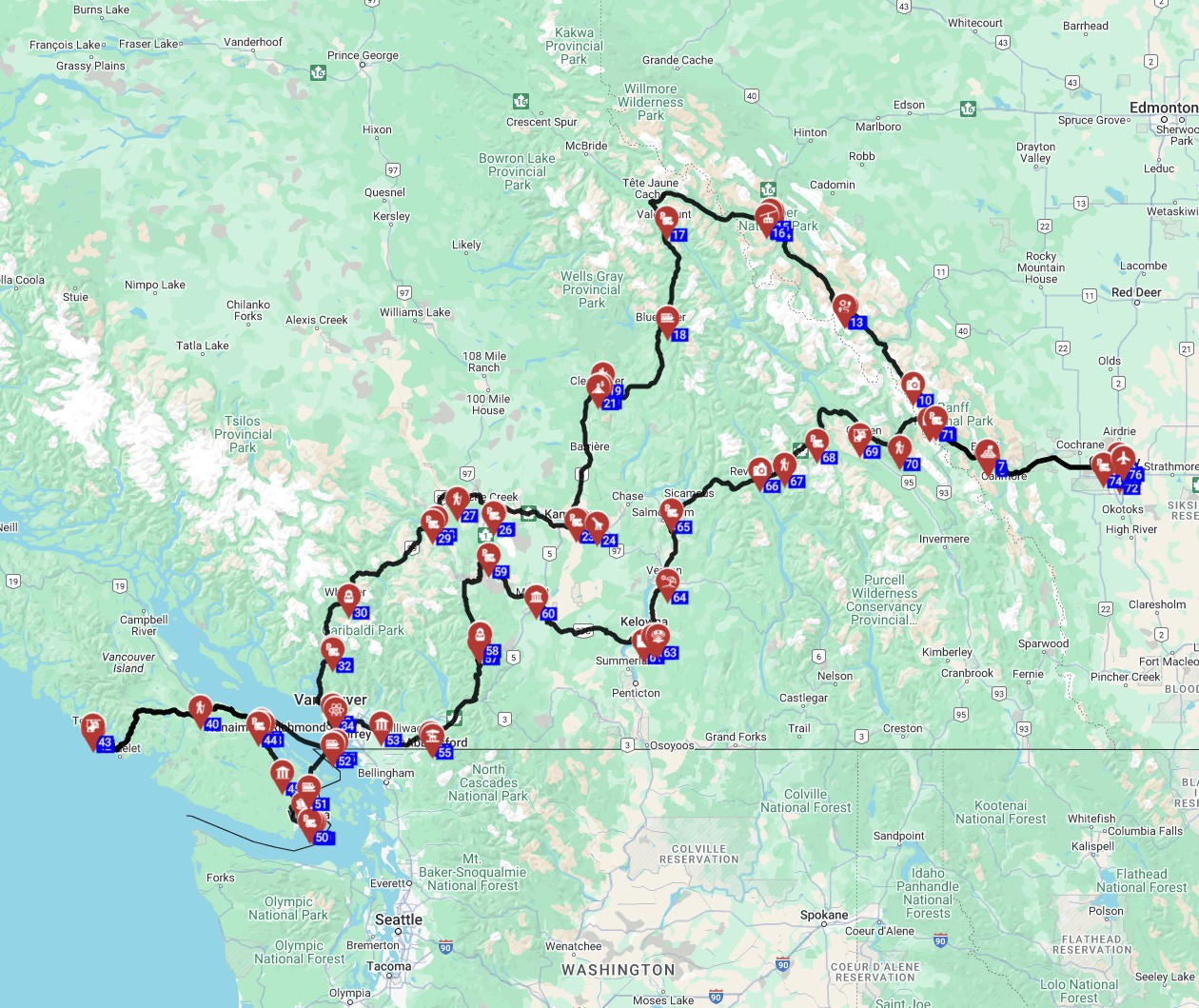
 Vancouver Round Trip - West Canada Cycling Adventure
 - **
**: A comprehensive 15-day, 4886.2 km journey across the country, highlighting 2 heritage sites and 2 hiking areas. This route offers a taste of Canada's diverse geography, from coastal beaches to botanical gardens, suitable for those who want a grand tour.
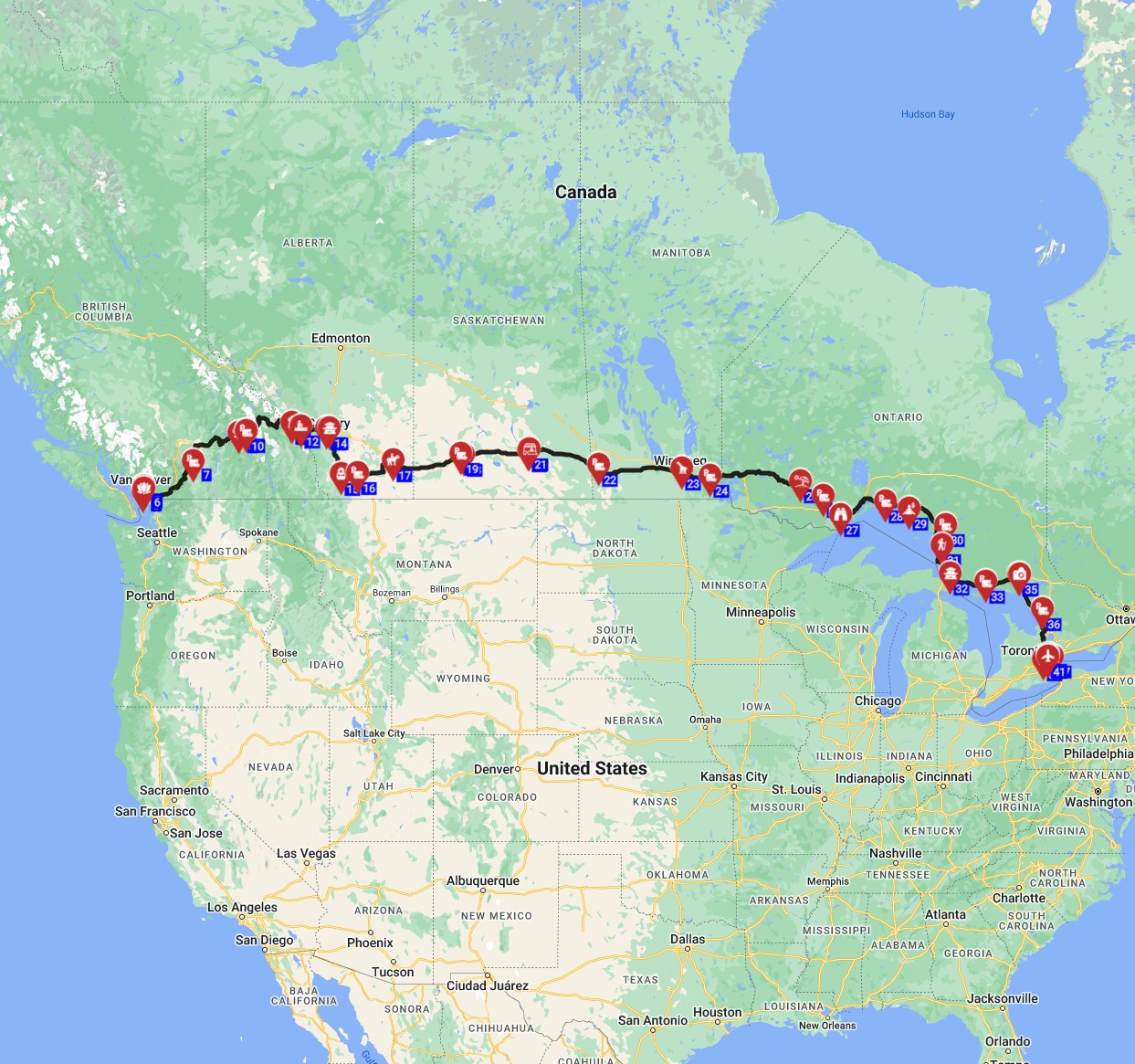 Vancouver to Toronto - Trans Canada West to East
 - **Explore the Cabot Trail, Nova Scotia**: A renowned 298 km (185 mi) scenic loop in Cape Breton Island, offering dramatic coastal views, charming fishing villages, and access to Cape Breton Highlands National Park. This route is a highlight for those seeking Atlantic Canada's rugged beauty.
- **Witness the Northern Lights in Yukon**: For an unforgettable experience, plan an RV trip to Whitehorse, Yukon, especially between September and April, to chase the mesmerizing Aurora Borealis. The vast, dark skies of Canada's north offer some of the best viewing opportunities in the world.
Final Thoughts
Embarking on your first rented RV adventure in Canada is a journey that promises unparalleled freedom and unforgettable memories. From the moment you pick up your comfortable motorhome, you're not just driving a vehicle; you're carrying your home with you, ready to discover the vast beauty of this incredible country at your own pace. Don't let any initial worries about driving a larger vehicle hold you back - with a little preparation and our expert tips, you'll navigate Canada's roads like a seasoned pro.
Whether you dream of majestic mountains, serene coastlines, or bustling city centers, Canada by RV offers it all. At Bandana Caravan, we are dedicated to making your planning process as smooth and transparent as possible, helping you find the perfect rental motorhome for your needs with no hidden fees and supportive assistance every step of the way. We encourage you to travel slowly, perhaps averaging 100-150 km per day, truly taking the time to connect with the culture, the food, and the stunning scenery that Canada offers. The open road is calling; it's time to answer!
🎬 Video coming soon
Ready to plan your incredible journey? Compare Motorhome Prices for Canada and begin your adventure today.