In This Guide
- The 5 RV Families Compared for New Zealand
- Class A (Integrated) — Best For
- Class SI (Semi-Integrated) — Best For
- Class C (Alcove) — Best For
- Class B (Campervan) — Best For
- Class TC (Truck Camper) — Best For
- Price Comparison by RV Class in New Zealand
- Side-by-Side Comparison Table
- Our Recommendation for rv rental Travelers in New Zealand
- Pet-Friendly RV Travel in New Zealand with Your Four-Legged Friend
- Country-Specific Driving Tips for New Zealand
- How much does an RV cost in New Zealand?
- Is it worth getting a campervan in New Zealand?
- How to get a cheap campervan in New Zealand?
- How much does it cost to rent a campervan in New Zealand for 2 weeks?
- What You Shouldn't Miss
- Why Book with Bandana Caravan
- Final Thoughts
- Frequently Asked Questions
New Zealand, with its breathtaking landscapes and welcoming spirit, offers an unparalleled adventure for travelers exploring by motorhome or campervan. Imagine waking up to the sound of waves on a secluded beach, or the mist clearing to reveal majestic mountains, all with your home on wheels and perhaps your beloved pet right there with you. For live availability and current prices, start with our RV Rental New Zealand - Complete Guide 2026 guide.
The 5 RV Families Compared for New Zealand
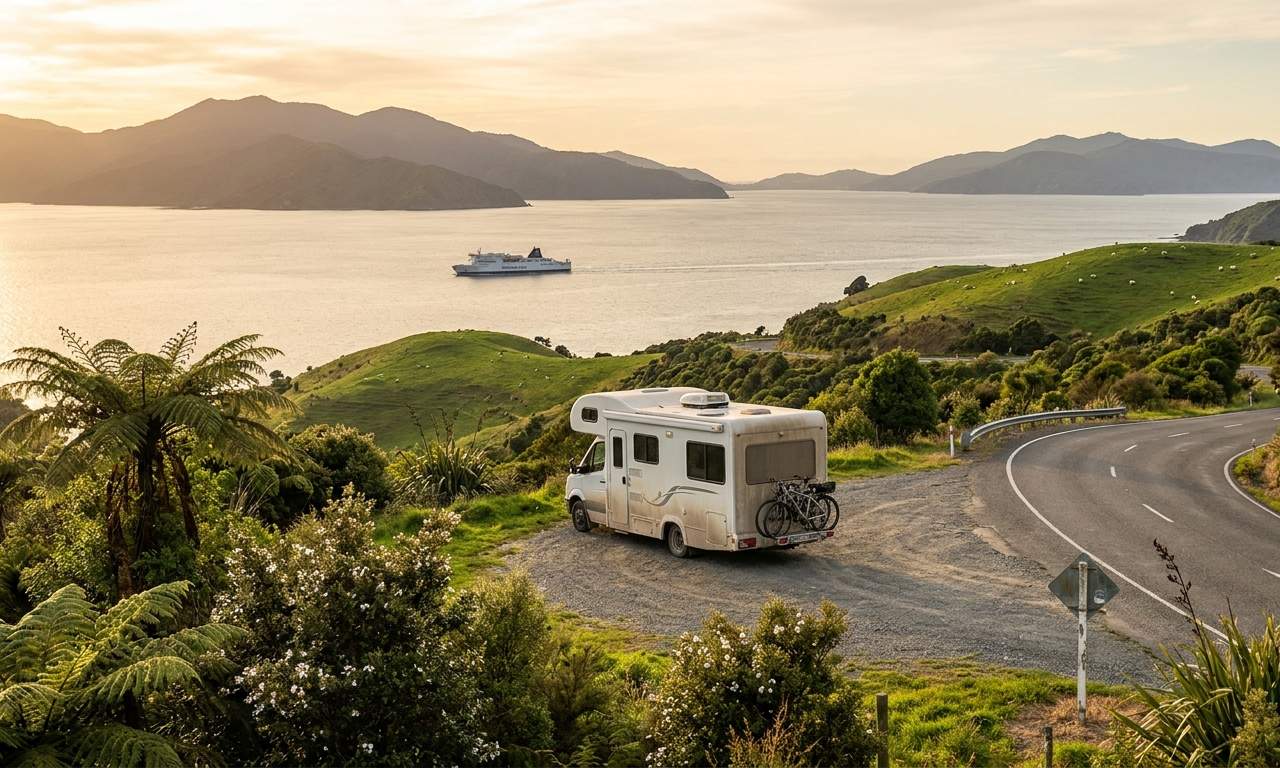
Choosing the right RV family is critical for a New Zealand adventure, impacting your comfort, maneuverability on diverse terrain, budget, and overall trip experience. New Zealand's varied landscapes, from narrow winding roads to spacious national parks, make RV size, fuel efficiency, and onboard amenities significant considerations for any rental. Understanding the differences between Class A, SI (Semi-Integrated), C (Alcove), B (Campervan), and TC (Truck Camper) helps align your vehicle choice with your travel style, group size, and desired level of wilderness access. We work with over 50 leading RV suppliers worldwide, including trusted partners like Apollo and Britz, to ensure you find the perfect match for your journey, complete with full transparency and no hidden fees.
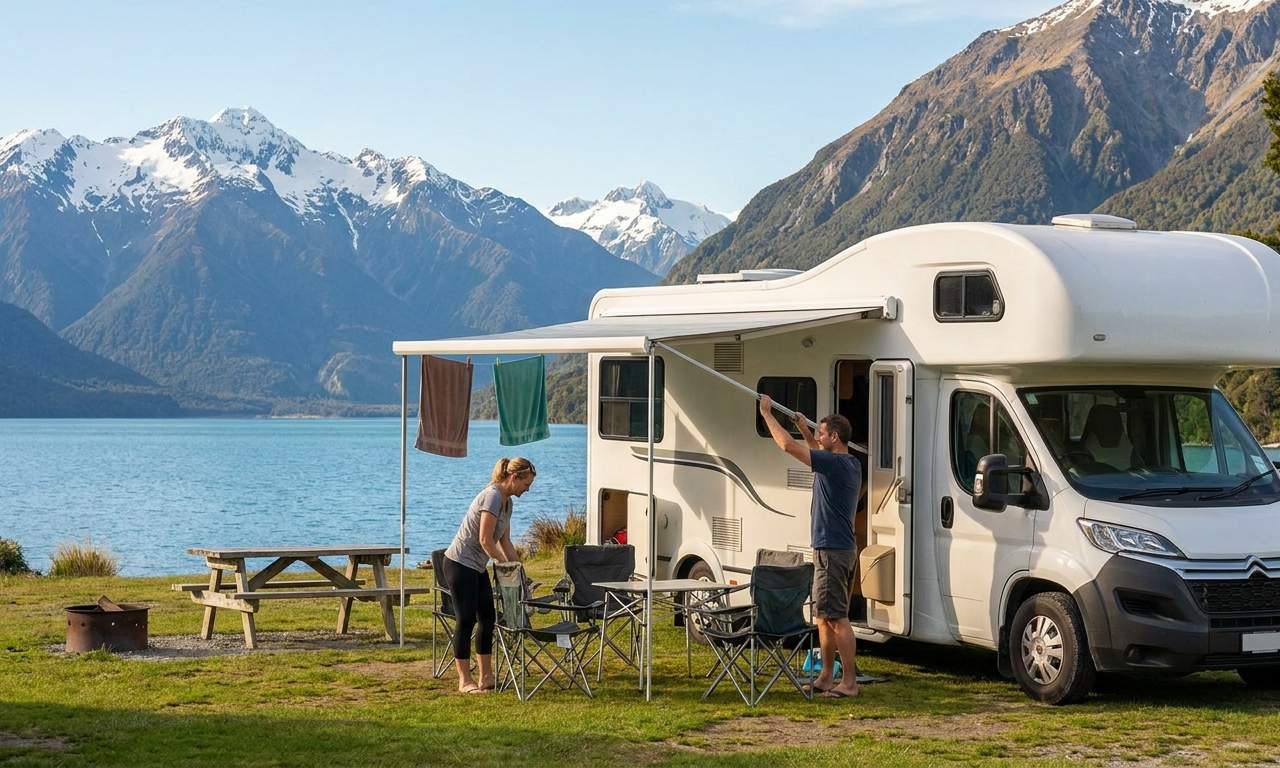
Many of our partners offer pet-friendly options within these categories, allowing your furry companions to join in the adventure. Our extensive fleet covers everything from compact campervans ideal for couples to spacious motorhomes perfect for families, ensuring a comfortable journey whether you're seeking a cheap RV rental in New Zealand or a Luxury RV Rental in New Zealand - Premium Prices 2026.
Class A (Integrated) — Best For
Class A integrated motorhomes are best suited for luxury travelers or larger groups seeking maximum space and amenities on their New Zealand adventure. These vehicles, with Bandana's fleet averaging 7.5 meters in length and sleeping around 4.4 people, offer a home-like experience with spacious interiors, full kitchens, and bathrooms. Their generous average load capacity of 209.5 kg accommodates extensive luggage and supplies, ideal for longer trips. While offering superior comfort, their larger size can be challenging on New Zealand's narrower roads and in tight parking spaces, and their fuel consumption averages 11-12 liters/100 km. Trade-offs include higher rental costs and potentially limited access to certain freedom camping spots not suitable for large vehicles. Some Class A models like the "Family Sleeper (MA)" often feature generators and ample storage, making them suitable for extended stays.
Class SI (Semi-Integrated) — Best For
Class SI semi-integrated motorhomes are ideal for couples or small families seeking a balance of comfort, space, and maneuverability for their New Zealand road trip. These vehicles, typically around 6.9 meters long and sleeping 3.8 people in Bandana's fleet, offer a more streamlined profile than Class A while retaining essential amenities. Outperforming Class A in agility on New Zealand's winding roads and Class C in modern design, they are a versatile choice for exploring both urban centers and natural landscapes. With an average fuel consumption of 10-11 liters/100 km, they offer better efficiency than larger models, balancing travel costs with onboard comfort. They suit travelers who appreciate a comfortable living space but also value easier driving and parking. Several semi-integrated models, such as the "Active Standard Auto" and "Elnagh Baron 579", are listed as pet-friendly, providing a comfortable option for travelers with animal companions.
Class C (Alcove) — Best For
Class C alcove motorhomes are primarily recommended for families or larger groups traveling New Zealand who prioritize extra sleeping capacity and cost-efficiency. Distinguished by the 'alcove' bed over the cab, Bandana's fleet averages 7.5 meters in length and typically sleeps 5.8 people, making them excellent for accommodating more travelers comfortably. Their robust build and familiar driving experience (similar to a large van or truck) are well-suited to New Zealand's varied road conditions, including mountain passes and gravel sections. With common fuel consumption around 10-12 liters/100 km, they offer a relatively economical option for their size and capacity, aligning with budget-conscious family travel priorities. While offering ample space, their height can be a consideration for ferry travel and some low-clearance areas, but they remain a popular choice for their practicality. Many Class C vehicles, such as the "24' Class C Motorhome" and "Euro Deluxe", are pet-friendly, accommodating families and their furry companions.
Class B (Campervan) — Best For
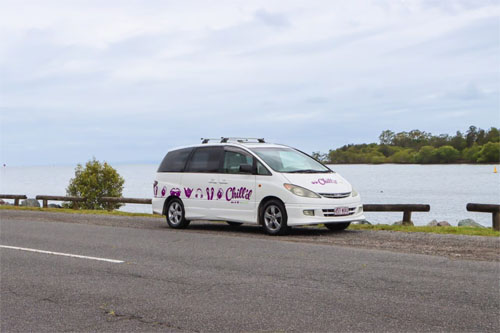
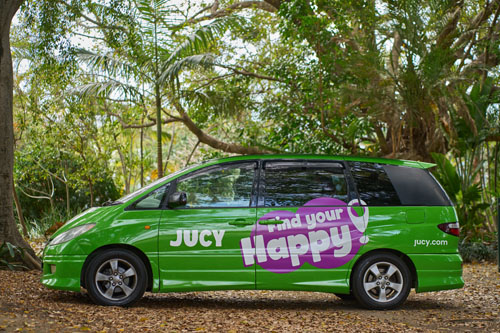
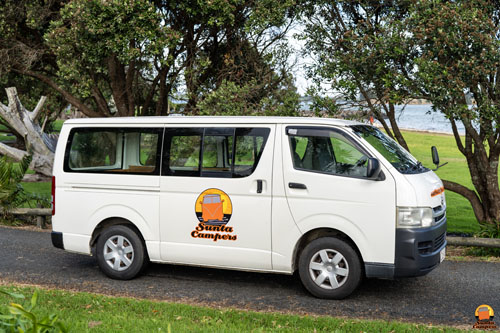
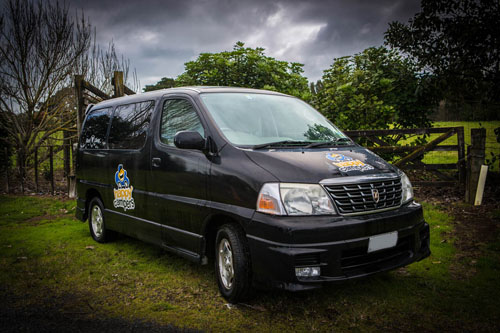
Class B campervans are perfectly suited for adventurous solo travelers, couples, or small groups who value maneuverability, fuel economy, and a more immersive connection with New Zealand's natural environment. Bandana's fleet of campervans averages a compact 5.8 meters in length and typically sleeps 3.2 people, making them incredibly agile for navigating narrow roads, city streets, and scenic overlooks. These vehicles excel in scenarios requiring frequent stops, easy parking, and access to more remote locations where larger RVs might struggle. With outstanding fuel efficiency, often around 8-10 liters/100 km, Class B campervans significantly reduce travel costs over longer distances. They are ideal for travelers prioritizing flexibility and a minimalist approach, offering essential amenities without the bulk of larger motorhomes, facilitating spontaneous exploration across both North and South Islands. Several campervan models, including the "Active Bunk Auto" and "Endeavour Camper", are designated as pet-friendly, offering flexibility for pet owners.
Class TC (Truck Camper) — Best For
Class TC truck campers are the ultimate choice for intrepid travelers seeking true off-grid capabilities and maximum flexibility for their New Zealand adventure. These unique vehicles, averaging 5.5 meters in length and typically sleeping 2.4 people, feature a detachable camper unit mounted on a pickup truck chassis, offering superior off-road capability compared to other RV classes. Truck campers are uniquely positioned for accessing remote tracks, unsealed roads, and secluded freedom camping spots, perfect for exploring New Zealand's rugged terrain and pristine wilderness areas. Their flexibility allows for detaching the camper at a base camp, freeing the truck for day trips to explore less accessible areas. While offering a rugged experience, their fuel consumption can be higher (12-17 liters/100 km), and living space is more compact, making them best for self-sufficient adventurers prioritizing exploration over extensive onboard amenities. Models like the "4x4 Truck Camper Bronze" and "Maverick 4WD" are specifically marked as pet-friendly, opening up rugged adventures for you and your animal companion.
Price Comparison by RV Class in New Zealand
RV rental prices in New Zealand vary significantly based on the class of vehicle, duration of the rental, season, and booking lead time. Because pricing is dynamic and updated daily, the table below provides real example prices from Bandana's live search for various durations and RV classes, offering an immediate snapshot of potential costs. Please remember that these are examples; for the most accurate and current figures, always use the search box at the top of the page to check live availability and rates for your specific travel dates in New Zealand.
Booking during the shoulder seasons (spring: September-November; autumn: March-May) can often result in lower rates compared to the peak summer months (December-February). For those seeking to maximize their savings, exploring "Cheap RV Rental in New Zealand - Budget Guide 2026" can provide more specific strategies.
| RV Class | Avg Length (m) | Avg Sleeps | Example Daily Rate (NZD - Shoulder Season) | Example Weekly Rate (NZD - Shoulder Season) |
|---|---|---|---|---|
| Class A (Integrated) | 7.5 | 4.4 | $250-$450 | $1,750-$3,150 |
| Class SI (Semi-Integrated) | 6.9 | 3.8 | $200-$380 | $1,400-$2,660 |
| Class C (Alcove) | 7.5 | 5.8 | $180-$350 | $1,260-$2,450 |
| Class B (Campervan) | 5.8 | 3.2 | $120-$280 | $840-$1,960 |
| Class TC (Truck Camper) | 5.5 | 2.4 | $150-$320 | $1,050-$2,240 |
These prices are estimates and can change daily; for the most accurate and current figures, always use the search box at the top of the page to check live availability and rates for your specific travel dates. Our platform offers full transparency, showing you what you pay with no hidden fees at pickup, which is a core part of our philosophy. For detailed information on typical costs, explore "RV Rental in New Zealand - Prices and Best Deals 2026".
Side-by-Side Comparison Table
This table provides a concise overview of the key specifications and ideal uses for each RV family available for rent in New Zealand, facilitating an informed decision. Understanding these differences at a glance helps align your travel needs with the most suitable vehicle type for your adventure.
| Family | Avg Length (m) | Sleeps (Avg) | Fuel Use (L/100km) | Best Use Case in New Zealand |
|---|---|---|---|---|
| Class A (Integrated) | 7.5 | 4.4 | 11-12 | Luxury, large groups, maximum comfort, long trips |
| Class SI (Semi-integrated) | 6.9 | 3.8 | 10-11 | Couples/small families, balanced comfort and maneuverability |
| Class C (Alcove) | 7.5 | 5.8 | 10-12 | Families, larger groups, cost-efficient space |
| Class B (Camper Van) | 5.8 | 3.2 | 8-10 | Solo/couples, maneuverability, fuel economy, adventure |
| Class TC (Truck Camper) | 5.5 | 2.4 | 12-17 | Off-grid, remote access, rugged terrain, adventurous couples |
Our Recommendation for rv rental Travelers in New Zealand
For most RV rental travelers exploring New Zealand, a Class SI (Semi-integrated) motorhome is our primary recommendation due to its optimal balance of comfort, essential amenities, and maneuverability. These vehicles, averaging 6.9 meters in length and sleeping around 3.8 people, provide enough living space for couples or small families without being overly cumbersome on New Zealand's diverse roads, including scenic routes and smaller towns. Their efficiency (10-11 L/100km) makes them a cost-effective option for longer journeys while still offering modern conveniences. They are also frequently available as pet-friendly rentals, adding to their versatility.
As a strong runner-up, especially for budget-conscious solo travelers or couples, the Class B (Campervan) offers unparalleled agility, fuel economy (8-10 L/100km), and ease of parking, perfect for those prioritizing exploration and flexibility over expansive living space, particularly when navigating urban areas or accessing more secluded spots. Many of these are also pet-friendly, making them a superb choice for adventurous duos with a furry friend. You can explore options for "One-Way RV Rental in New Zealand - Price Guide 2026" if your itinerary involves different pickup and drop-off cities.
Pet-Friendly RV Travel in New Zealand with Your Four-Legged Friend
Embarking on a New Zealand RV adventure with your pet is entirely possible and highly rewarding, with many suppliers offering "Pet Friendly" motorhome and campervan options. You'll find a range of vehicles, from compact Class B campervans like the "Active Original" to more spacious Class C models such as the "Euro Deluxe", that welcome your furry companions. Typically, there's an additional pet cleaning fee, often ranging from NZD $50-$150, which ensures the vehicle is thoroughly cleaned for the next renter.
Planning is key for a smooth pet-friendly trip. Always confirm a campground's pet policy before arrival; while many commercial holiday parks are pet-friendly, some national parks and Department of Conservation (DOC) campsites have restrictions or require dogs to be on a leash. New Zealand's strict biosecurity laws mean that while domestic pets can travel within the country, international visitors importing pets need to adhere to rigorous quarantine procedures, so plan well in advance if you're bringing your pet from overseas. Remember to pack essentials like food, water bowls, a leash, waste bags, and your pet's bed to make the RV feel like home. For finding campsites and campgrounds during your trip, we recommend using RV PLANET (rvplan.net) - a great resource for locating available spots along your route that may also specify pet policies.
Pet-friendly rentals are a prime example of our commitment to helping every type of traveler. We understand that pets are family, and our extensive comparison platform makes it easy to filter for vehicles that welcome them. You can find many options from our partner suppliers like Apollo and Britz that accommodate pets, ensuring no family member gets left behind on your Kiwi road trip.
Country-Specific Driving Tips for New Zealand
Driving a rented RV in New Zealand offers incredible freedom, but it's important to be aware of local road rules and conditions. New Zealanders drive on the left side of the road, and speed limits are typically 100 km/h on open roads and 50 km/h in urban areas. Drive slowly and carefully, and you can drive almost anywhere without issues. No need to stress - just use common sense and pay attention. You'll encounter many scenic, winding roads, especially in the South Island, so allow extra travel time.
A standard car driver's license from your home country is sufficient for all motorhome classes (Class A, Class B, and Class C) in New Zealand. An International Driving Permit (IDP) is recommended for visitors from non-English-speaking countries but is not mandatory in most cases. Minimum rental age is 21 years old, and there are no young driver surcharges or vehicle class restrictions based on age. Fuel stations are widely available in towns, but it's wise to fill up whenever possible in more remote areas, especially on the South Island. Emergency services can be reached by dialing 111. For connectivity, local SIM cards are readily available from providers like Spark, Vodafone, and 2degrees, offering good coverage in most populated areas, though signal can be patchy in very remote regions or deep fiords.
🎬 Video coming soon
Many New Zealand roads also feature "slow vehicle bays" on uphill sections. If you notice a queue of cars building up behind your RV, use these bays to let faster traffic pass - it's a courteous and common practice. For more in-depth advice, you might find valuable insights in "RV Travel Guide to New Zealand - Tips and Top Spots 2026".
How much does an RV cost in New Zealand?
The total cost of an RV trip in New Zealand typically ranges from NZD $2,000 to $6,000+ for a two-week journey, encompassing not just the rental but also significant expenses like fuel, campground fees, food, and activities. RV rental prices themselves vary widely by vehicle class, season (peak summer is most expensive), duration, and how far in advance you book, with smaller campervans generally being more affordable than large motorhomes. Beyond the daily rental rate, budget approximately NZD $100-200 per day for fuel (given average consumption of 8-12 L/100km and fuel prices, which fluctuate but are generally higher than in Australia), NZD $20-70 per night for powered campsites, and NZD $80-150 per day for food and incidental expenses. Factor in additional costs for activities, ferry crossings between islands (if applicable, typically NZD $200-$400 for a motorhome), insurance excess reduction (optional upgrade to a top-level deductible for peace of mind), and potential unexpected maintenance, making comprehensive budget planning crucial for a stress-free trip. On RV PLANET routes, travelers can itemize and track every expense along the way for easy budgeting, giving you full transparency. On the routes offered through RV PLANET routes, you can itemize and track every expense along the way for easy budgeting.
Is it worth getting a campervan in New Zealand?
Renting a campervan in New Zealand is generally considered highly worthwhile for travelers seeking flexibility, immersive natural experiences, and a unique way to explore the country's stunning landscapes. The 'worth' of a campervan depends heavily on individual travel style, budget, and desired level of comfort; it offers unparalleled freedom to follow scenic routes, wake up to breathtaking views, and avoid the constant packing and unpacking of traditional accommodation. However, it might not be the best choice for those on a very tight budget (due to rental, fuel, and site costs), travelers who prefer luxury hotels, or those uncomfortable with driving larger vehicles on winding roads, though as we always say, drive slowly and carefully, and you can drive almost anywhere without issues.
Consider the trade-offs: freedom and proximity to nature versus potentially higher costs than budget car-and-motel travel, and the responsibility of adhering to strict freedom camping regulations and 'Leave No Trace' principles. For adventure seekers and independent explorers, the ability to access remote areas and adapt itineraries spontaneously often outweighs the practical considerations, making it an unforgettable way to experience New Zealand. Many pet-friendly campervans, such as the "Active Standard", make this worthwhile experience accessible for those traveling with animal companions.
How to get a cheap campervan in New Zealand?
Securing a cheap campervan rental in New Zealand primarily involves strategic booking, flexible travel dates, and an awareness of cost-saving opportunities. Book well in advance, especially for peak seasons (December-February and school holidays), as early bird discounts can be substantial, potentially saving you up to 25% on peak season rates. Conversely, last-minute deals sometimes appear if rental companies have excess inventory, particularly for relocation specials on routes like Auckland to Christchurch. Travel during the shoulder seasons (spring: September-November; autumn: March-May) or winter (June-August) to find significantly lower rental rates and fewer crowds, although weather can be more unpredictable.
Opt for smaller, older, or less-equipped Class B campervans, as these typically have the lowest daily rates and better fuel efficiency, further reducing overall trip costs. Look for relocation deals (where you move a vehicle from one depot to another for a very low daily rate, often with limited mileage and duration) or utilize comparison platforms like Bandana to compare prices across multiple providers simultaneously, leveraging competitive pricing. Bandana provides full transparency, ensuring you see the final price with no hidden fees. Our "Cheap RV Rental in New Zealand - Budget Guide 2026" offers more comprehensive tips for finding great deals.
How much does it cost to rent a campervan in New Zealand for 2 weeks?
Renting a campervan in New Zealand for two weeks typically costs between NZD $1,000 and $3,500 for the rental portion alone, with the final price heavily influenced by the campervan's size, rental season, and booking timing. For a budget-friendly Class B campervan in the shoulder season, expect to pay closer to the lower end (around NZD $1,000-$1,800), while a newer, larger model during peak summer could easily exceed NZD $2,500-$3,500 for two weeks. Beyond the rental, a two-week trip will incur additional costs: budget roughly NZD $700-1,400 for fuel (depending on distance and efficiency), NZD $280-980 for powered campsites (averaging NZD $20-70 per night), and NZD $1,120-2,100 for food and activities (NZD $80-150 per day). This brings the estimated total cost for a two-week campervan adventure in New Zealand to a range of approximately NZD $3,100 to $7,980, emphasizing the importance of detailed budgeting to cover all aspects of the trip. Always review the inclusions and exclusions of your rental agreement (e.g., insurance excess, one-way fees, additional driver costs) to avoid unexpected expenses.
What You Shouldn't Miss
New Zealand is a land of incredible diversity, and with a rented RV, you have a mobile headquarters to venture out and truly feel the place, connect to the culture, the food, and the scenery. Remember to travel slowly, max 100-150 km per day on average, to savor every moment.
- Explore the Fiordland National Park's Milford Sound: This iconic natural feature is a must-see. Take a scenic cruise through the fiord, marveling at towering cliffs, waterfalls, and wildlife. Many campsites are available near Te Anau, the gateway to Milford Sound.
- Hike Tongariro Alpine Crossing (North Island): Considered one of the world's best day hikes, this 19.4 km trail takes you through volcanic landscapes, emerald lakes, and offers stunning panoramic views. Book shuttle transport in advance and ensure your RV is securely parked at a designated campground.
- Discover the Glaciers of the West Coast (South Island): Drive your motorhome to Franz Josef Glacier and Fox Glacier. Take a guided walk or a scenic helicopter flight to appreciate these magnificent ice formations up close. There are several campgrounds in both glacier towns.
- Experience Queenstown, the Adventure Capital: Park your campervan and dive into adrenaline-pumping activities like bungee jumping, jet boating, or paragliding. Enjoy the vibrant food scene and take a gondola ride for incredible views over Lake Wakatipu. There are good RV parking options and numerous holiday parks here.
- Relax in Rotorua's Geothermal Wonderland: Immerse yourself in Māori culture and witness the powerful geothermal activity, including bubbling mud pools and geysers. Enjoy a traditional Hāngi meal and soak in the mineral-rich hot springs.
- Coastal Cruise on the Coromandel Peninsula: Drive your RV along the stunning coastal roads, stopping at Hot Water Beach to dig your own thermal pool in the sand, and Cathedral Cove for an iconic photo opportunity. Numerous beachfront campgrounds offer perfect overnight stays.
Looking for expert insights from Avi Bandana? Top 5 Adventures - recommendations from Avi Bandana.
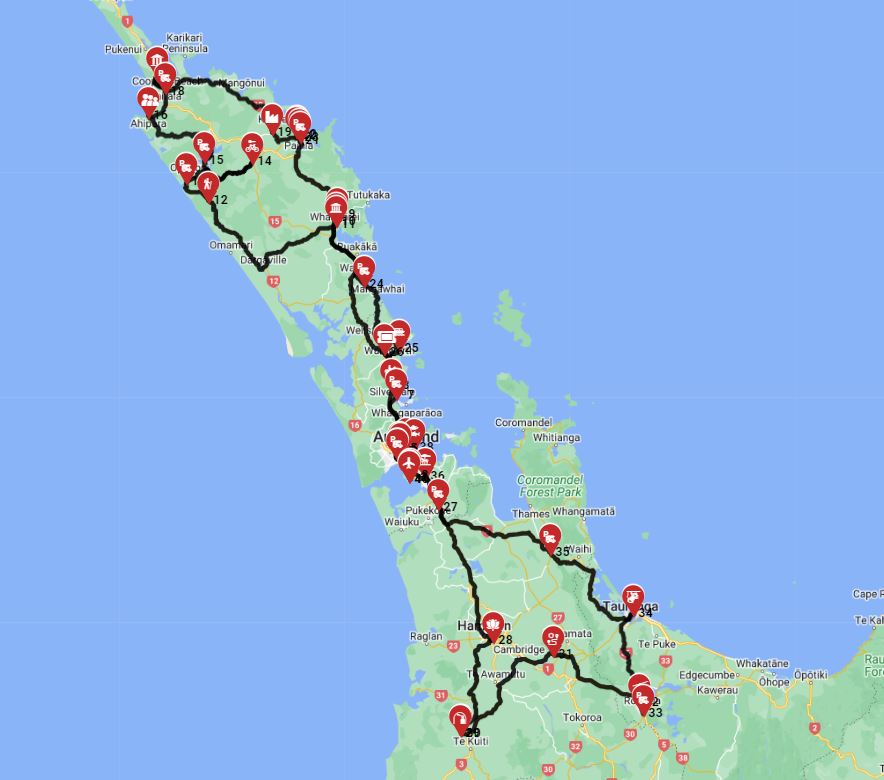
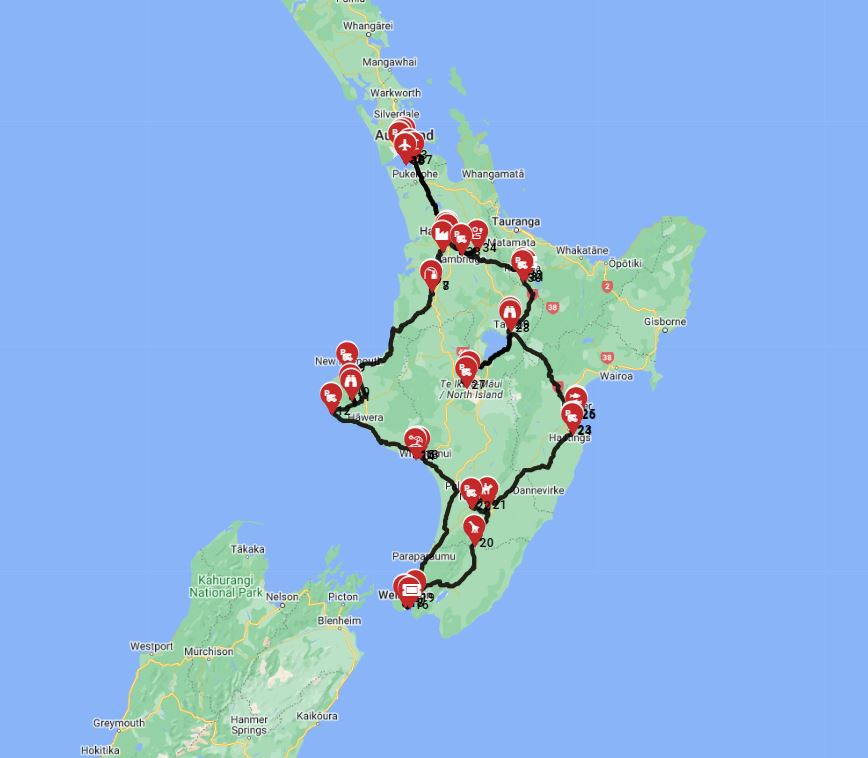
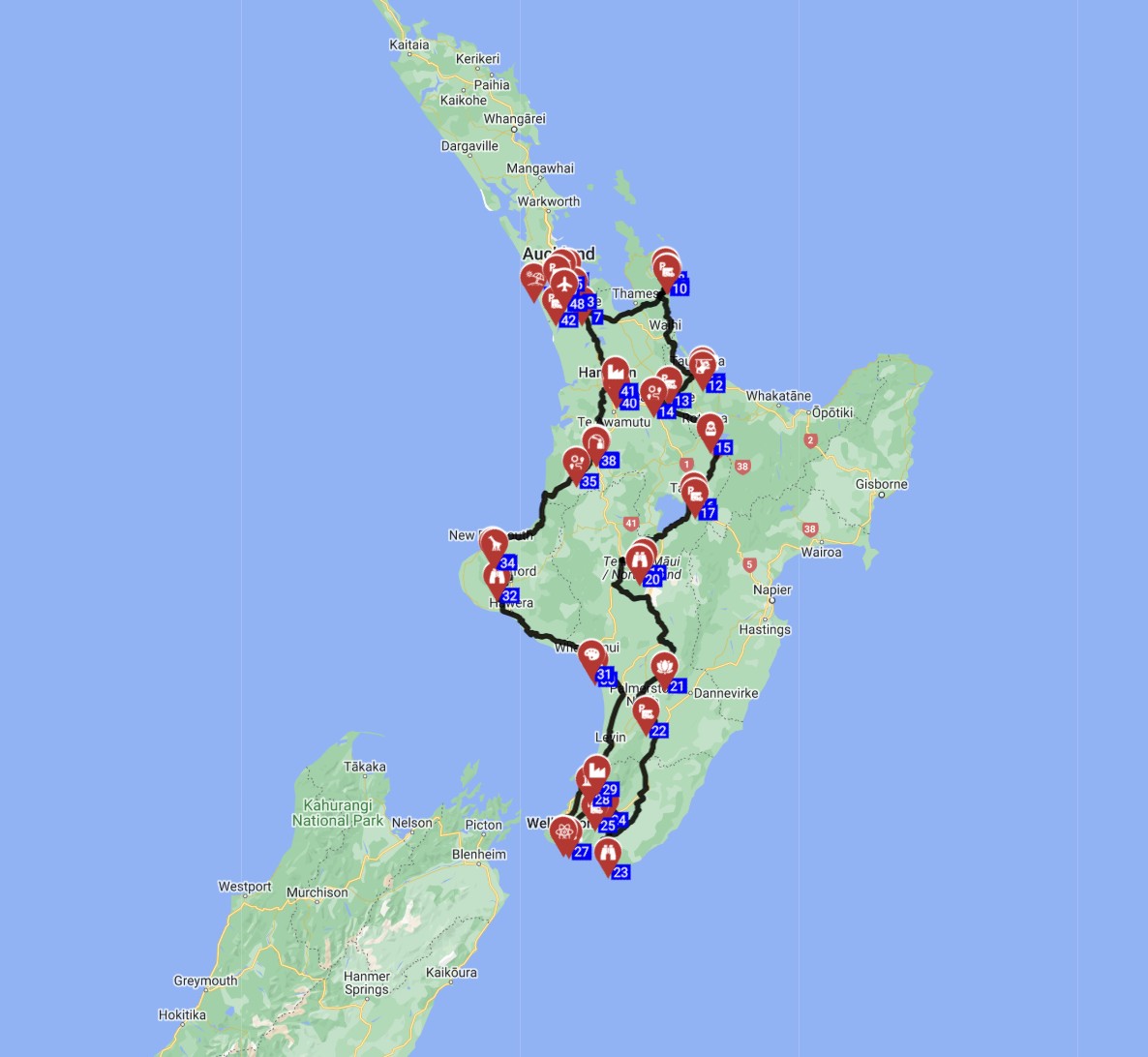
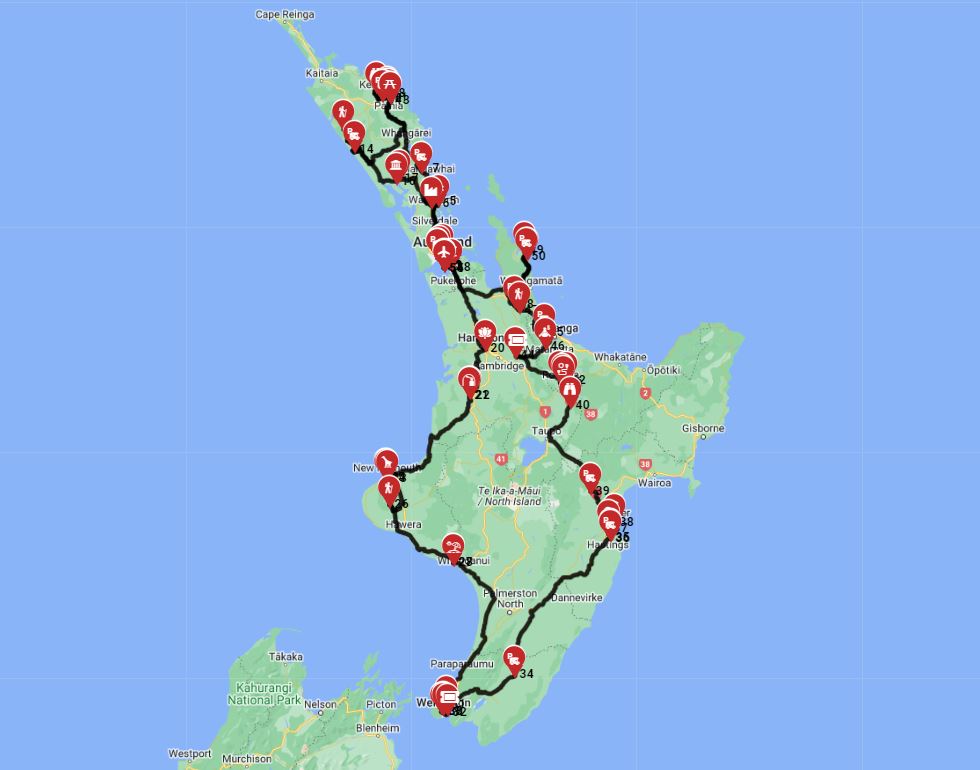
Sample Itineraries from RV PLANET
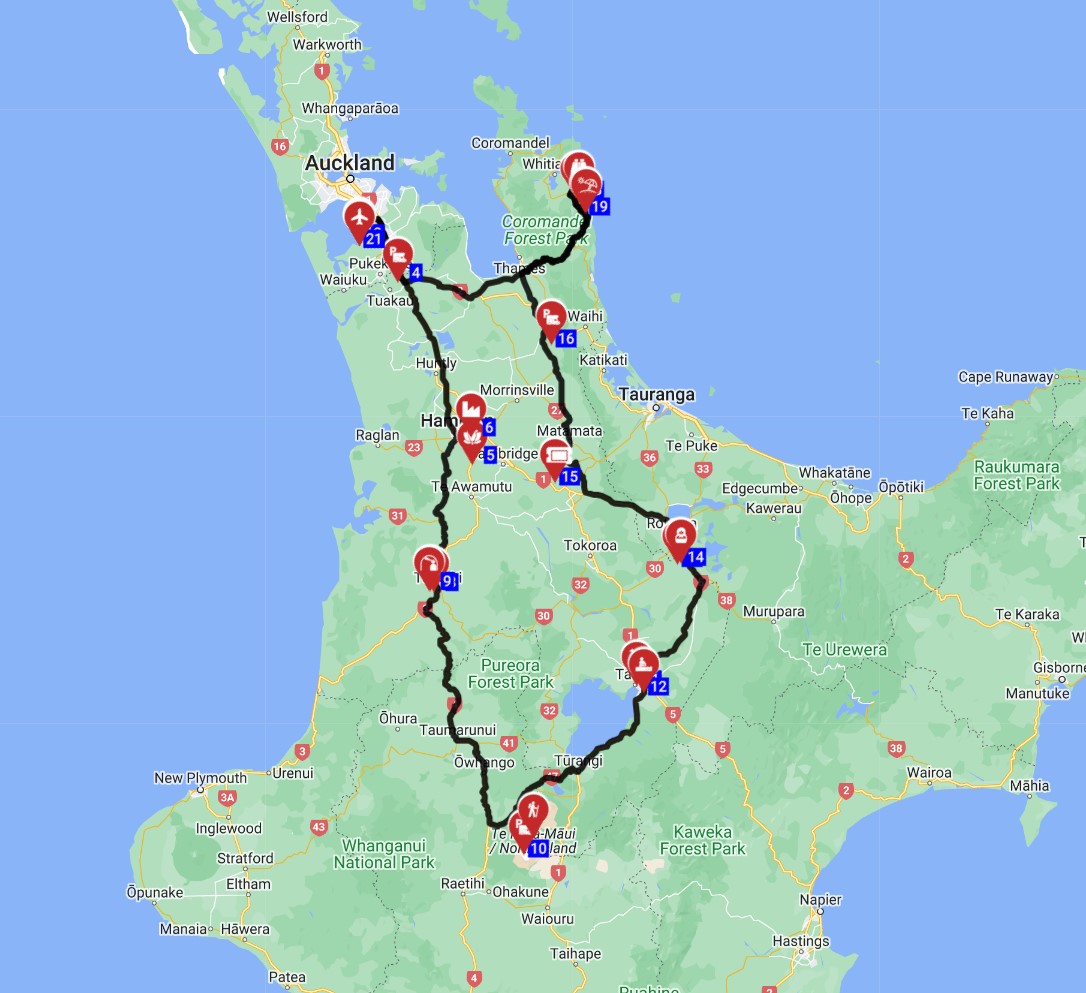
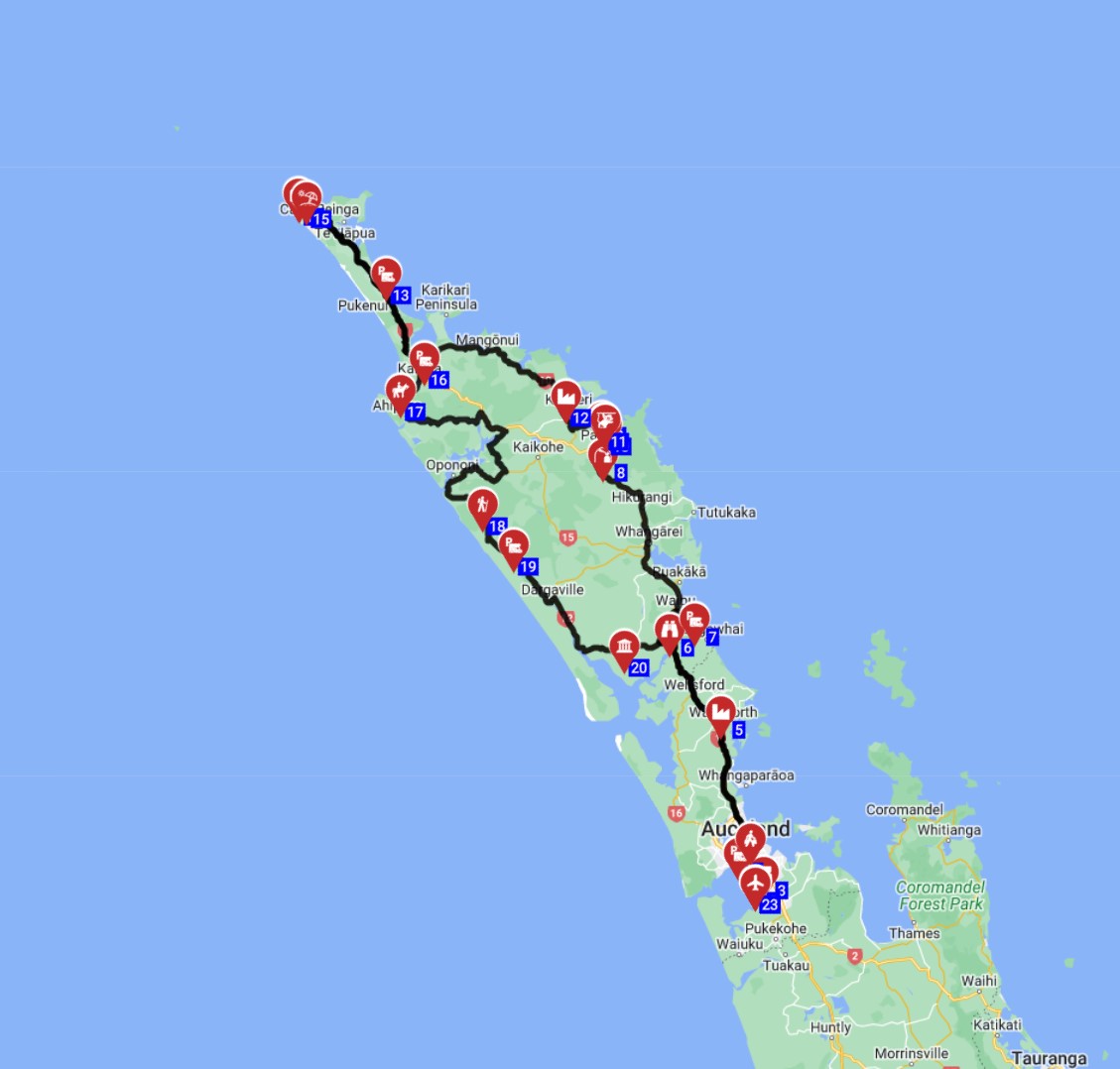
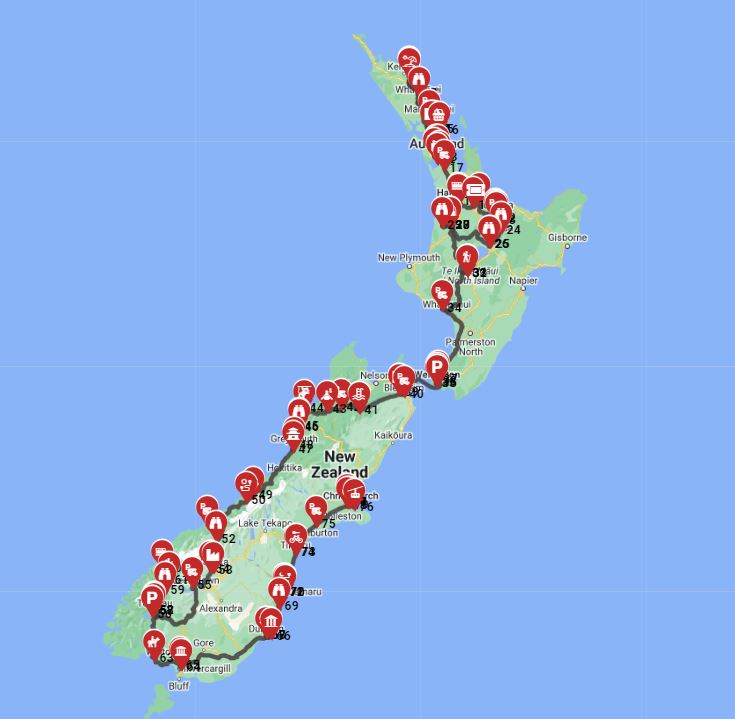
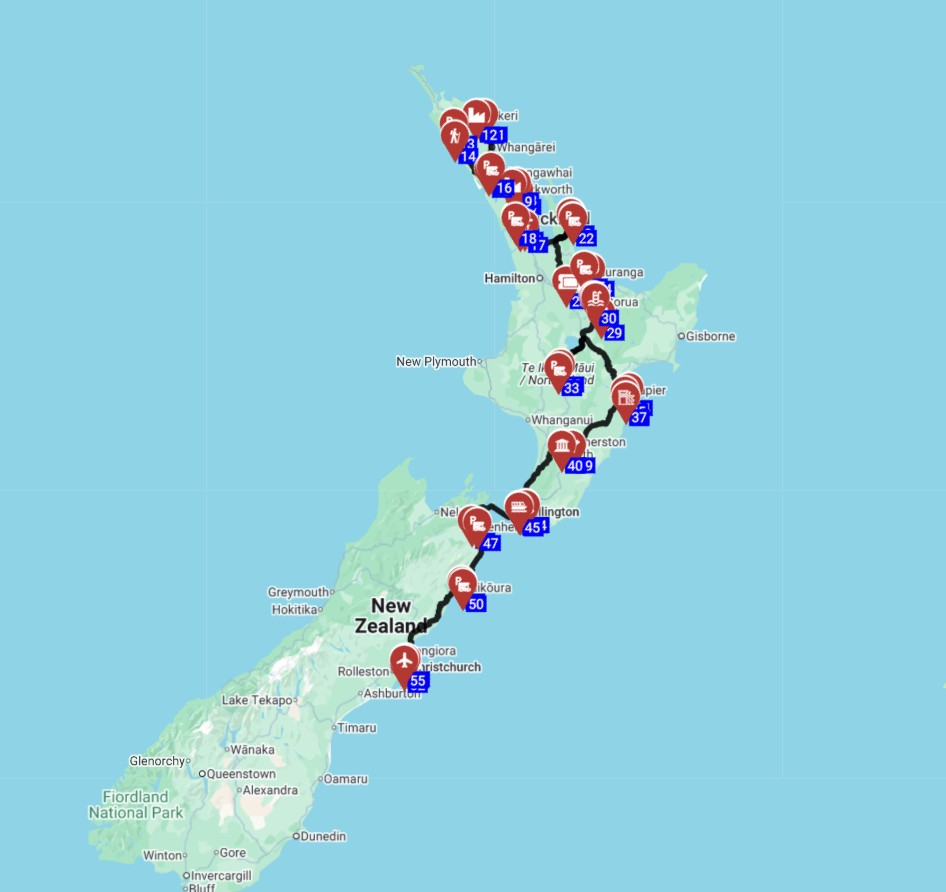
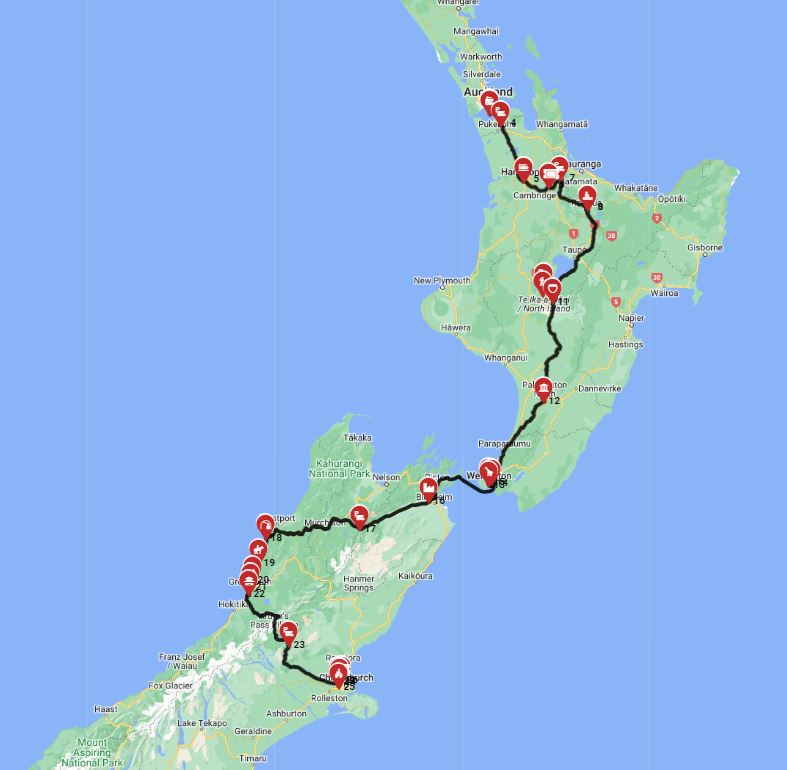
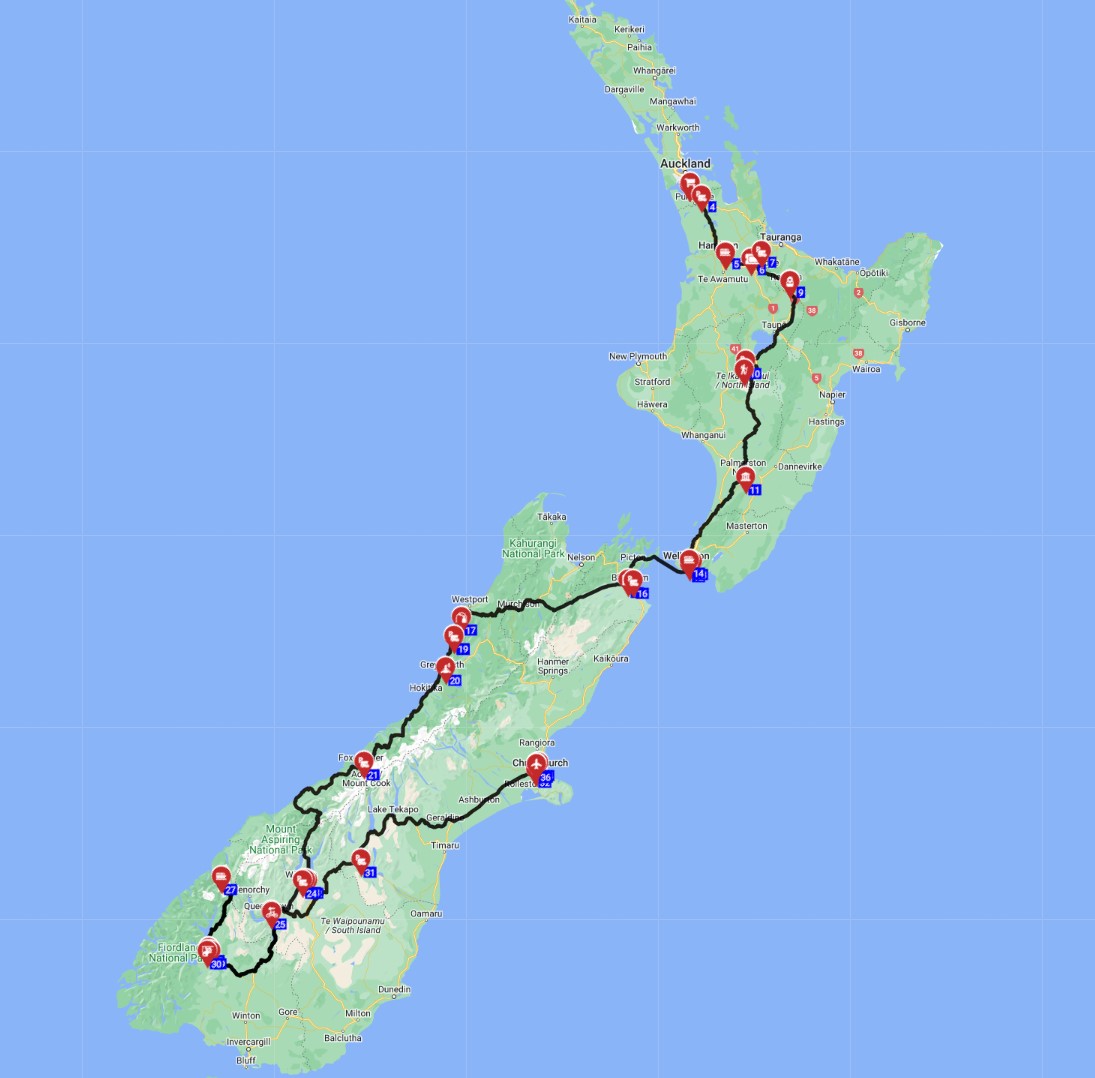
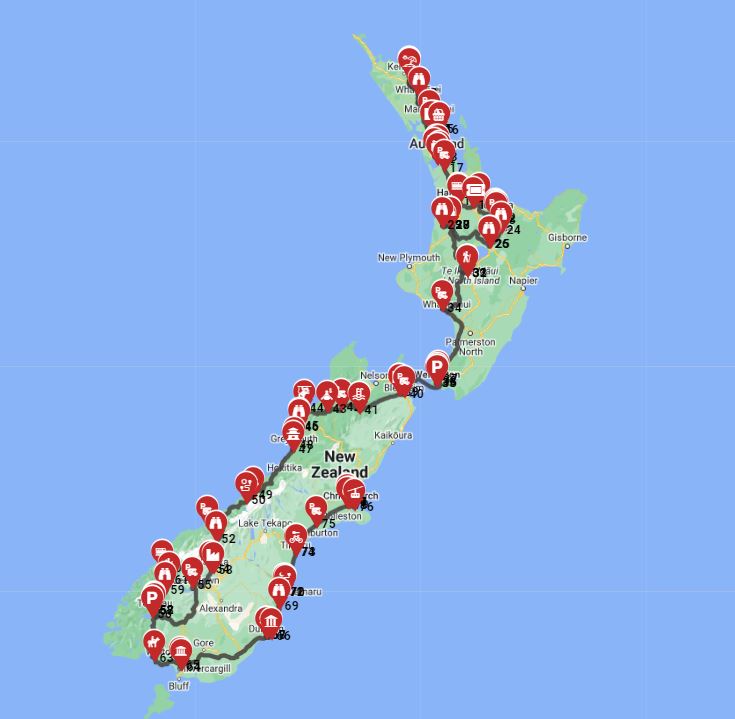
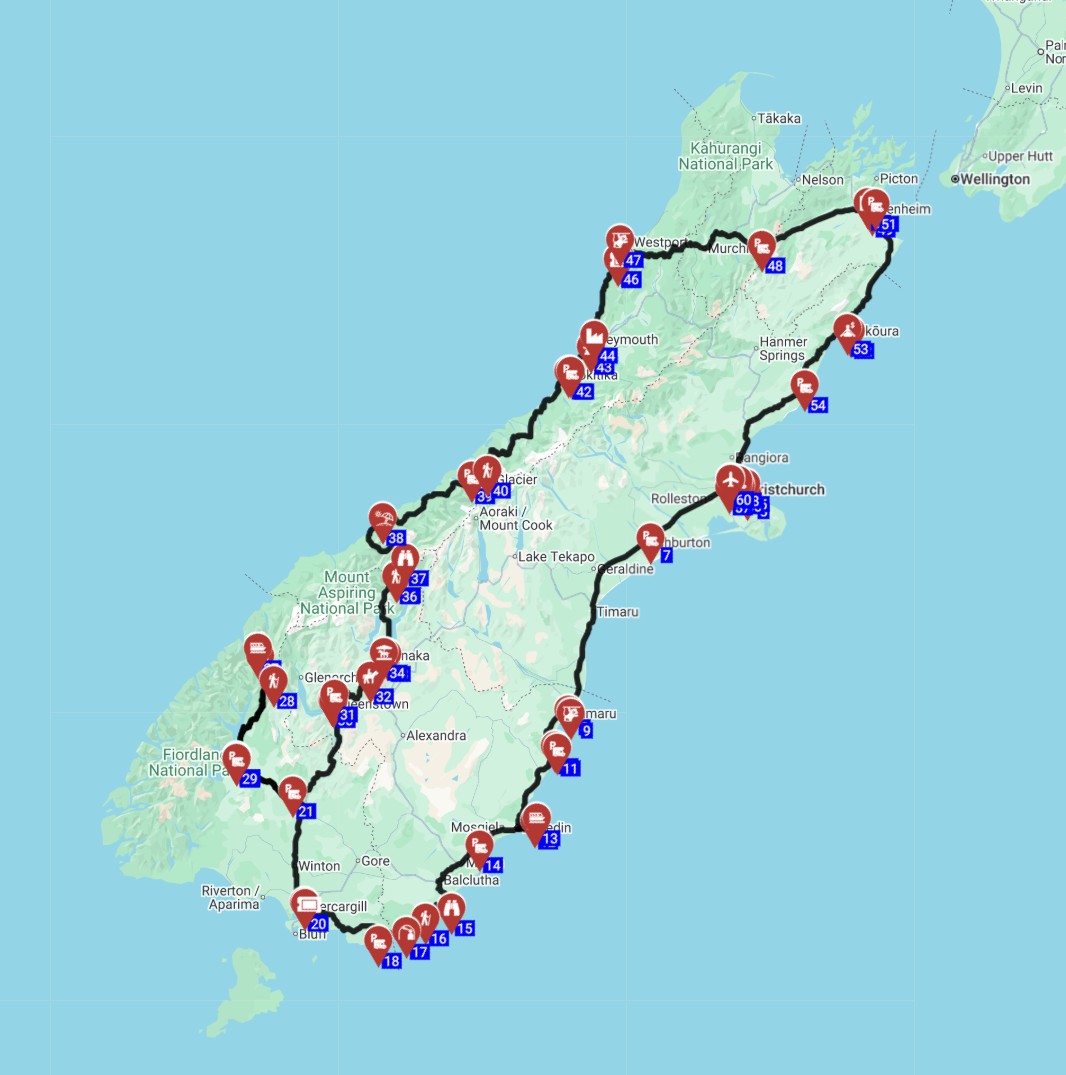
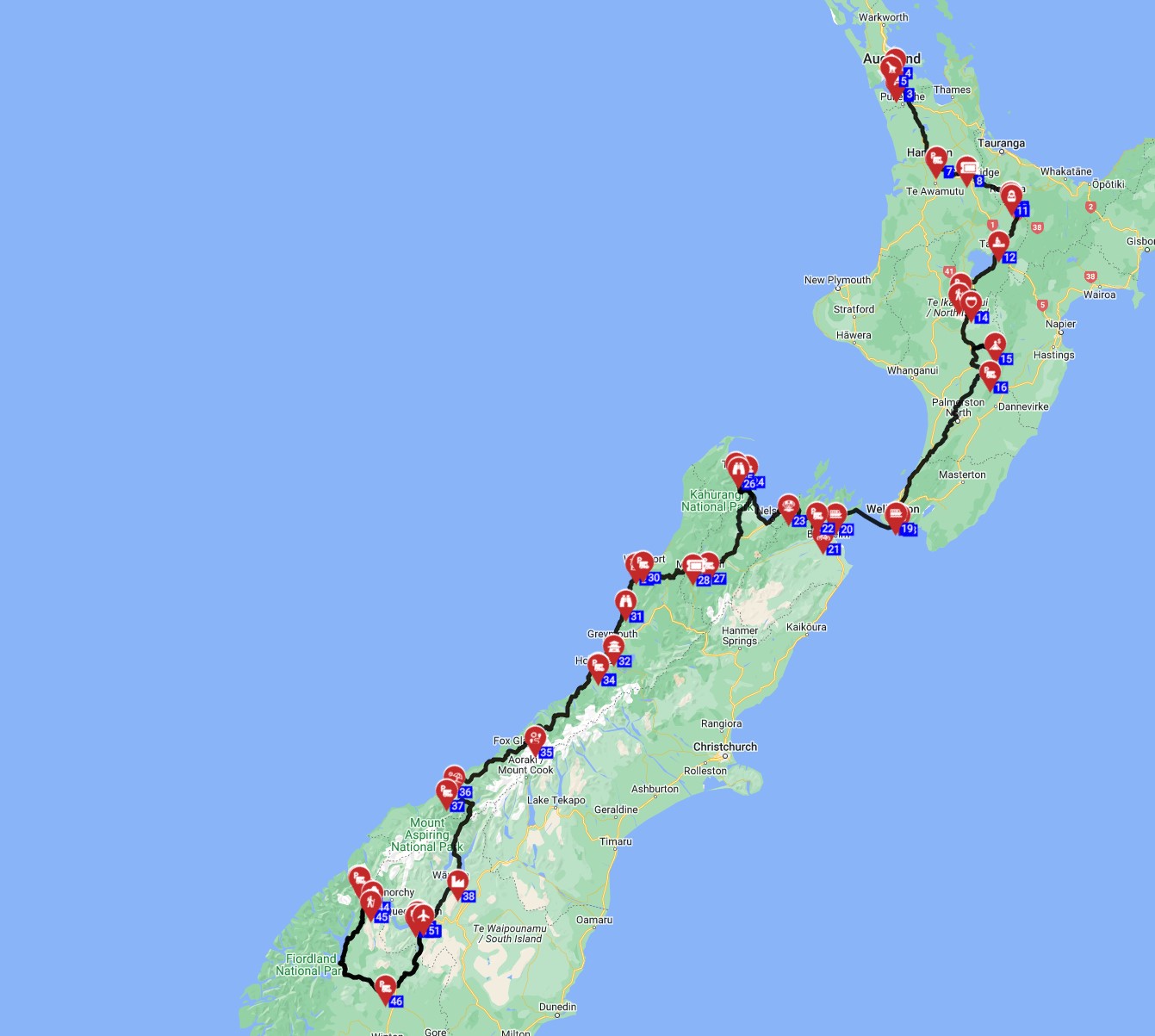
To help you visualize your adventure, here are a few professionally planned routes from RV PLANET that showcase the diverse experiences New Zealand offers:
This RV PLANET route, "
Another excellent option is the "
For a grand North to South adventure, consider "
Final Thoughts
Exploring New Zealand in a rented RV is an experience that truly redefines travel. From the North Island's volcanic wonders to the South Island's majestic fiords and glaciers, having your own mobile home, especially one that accommodates your beloved pet, gives you unparalleled freedom and intimacy with nature. With Bandana Caravan, you're choosing a partner dedicated to full transparency, comprehensive support, and the peace of mind that comes from knowing you're in expert hands.
So, whether you're dreaming of a compact campervan for two or a spacious motorhome for the whole family (pets included!), New Zealand awaits. Get inspired for your next trip, compare final prices across suppliers, and embark on an unforgettable journey through a land of breathtaking beauty. We're true RV specialists, not just a side department, and we're passionate about helping you discover the joy of the open road.
Plan a trip itinerary in advance with minimal effort and maximum enjoyment, focusing on the incredible experiences rather than logistical worries. Why not extend your adventure and explore further with our "RV Rental Australia - Complete Guide 2026"?
In This Guide
- The 5 RV Families Compared for New Zealand
- Class A (Integrated) — Best For
- Class SI (Semi-Integrated) — Best For
- Class C (Alcove) — Best For
- Class B (Campervan) — Best For
- Class TC (Truck Camper) — Best For
- Price Comparison by RV Class in New Zealand
- Side-by-Side Comparison Table
- Our Recommendation for rv rental Travelers in New Zealand
- Pet-Friendly RV Travel in New Zealand with Your Four-Legged Friend
- Country-Specific Driving Tips for New Zealand
- How much does an RV cost in New Zealand?
- Is it worth getting a campervan in New Zealand?
- How to get a cheap campervan in New Zealand?
- How much does it cost to rent a campervan in New Zealand for 2 weeks?
- What You Shouldn't Miss
- Why Book with Bandana Caravan
- Final Thoughts
- Frequently Asked Questions
New Zealand, with its breathtaking landscapes and welcoming spirit, offers an unparalleled adventure for travelers exploring by motorhome or campervan. Imagine waking up to the sound of waves on a secluded beach, or the mist clearing to reveal majestic mountains, all with your home on wheels and perhaps your beloved pet right there with you. For live availability and current prices, start with our RV Rental New Zealand - Complete Guide 2026 guide.
The 5 RV Families Compared for New Zealand
Choosing the right RV family is critical for a New Zealand adventure, impacting your comfort, maneuverability on diverse terrain, budget, and overall trip experience. New Zealand's varied landscapes, from narrow winding roads to spacious national parks, make RV size, fuel efficiency, and onboard amenities significant considerations for any rental. Understanding the differences between Class A, SI (Semi-Integrated), C (Alcove), B (Campervan), and TC (Truck Camper) helps align your vehicle choice with your travel style, group size, and desired level of wilderness access. We work with over 50 leading RV suppliers worldwide, including trusted partners like Apollo and Britz, to ensure you find the perfect match for your journey, complete with full transparency and no hidden fees.
Many of our partners offer pet-friendly options within these categories, allowing your furry companions to join in the adventure. Our extensive fleet covers everything from compact campervans ideal for couples to spacious motorhomes perfect for families, ensuring a comfortable journey whether you're seeking a "Cheap RV Rental in New Zealand - Budget Guide 2026" or a "Luxury RV Rental in New Zealand - Premium Prices 2026".
Class A (Integrated) — Best For
Class A integrated motorhomes are best suited for luxury travelers or larger groups seeking maximum space and amenities on their New Zealand adventure. These vehicles, with Bandana's fleet averaging 7.5 meters in length and sleeping around 4.4 people, offer a home-like experience with spacious interiors, full kitchens, and bathrooms. Their generous average load capacity of 209.5 kg accommodates extensive luggage and supplies, ideal for longer trips. While offering superior comfort, their larger size can be challenging on New Zealand's narrower roads and in tight parking spaces, and their fuel consumption averages 11-12 liters/100 km. Trade-offs include higher rental costs and potentially limited access to certain freedom camping spots not suitable for large vehicles. Some Class A models like the "Family Sleeper (MA)" often feature generators and ample storage, making them suitable for extended stays.
Class SI (Semi-Integrated) — Best For
Class SI semi-integrated motorhomes are ideal for couples or small families seeking a balance of comfort, space, and maneuverability for their New Zealand road trip. These vehicles, typically around 6.9 meters long and sleeping 3.8 people in Bandana's fleet, offer a more streamlined profile than Class A while retaining essential amenities. Outperforming Class A in agility on New Zealand's winding roads and Class C in modern design, they are a versatile choice for exploring both urban centers and natural landscapes. With an average fuel consumption of 10-11 liters/100 km, they offer better efficiency than larger models, balancing travel costs with onboard comfort. They suit travelers who appreciate a comfortable living space but also value easier driving and parking. Several semi-integrated models, such as the "Active Standard Auto" and "Elnagh Baron 579", are listed as pet-friendly, providing a comfortable option for travelers with animal companions.
Class C (Alcove) — Best For
Class C alcove motorhomes are primarily recommended for families or larger groups traveling New Zealand who prioritize extra sleeping capacity and cost-efficiency. Distinguished by the 'alcove' bed over the cab, Bandana's fleet averages 7.5 meters in length and typically sleeps 5.8 people, making them excellent for accommodating more travelers comfortably. Their robust build and familiar driving experience (similar to a large van or truck) are well-suited to New Zealand's varied road conditions, including mountain passes and gravel sections. With common fuel consumption around 10-12 liters/100 km, they offer a relatively economical option for their size and capacity, aligning with budget-conscious family travel priorities. While offering ample space, their height can be a consideration for ferry travel and some low-clearance areas, but they remain a popular choice for their practicality. Many Class C vehicles, such as the "24' Class C Motorhome" and "Euro Deluxe", are pet-friendly, accommodating families and their furry companions.
Class B (Campervan) — Best For
Class B campervans are perfectly suited for adventurous solo travelers, couples, or small groups who value maneuverability, fuel economy, and a more immersive connection with New Zealand's natural environment. Bandana's fleet of campervans averages a compact 5.8 meters in length and typically sleeps 3.2 people, making them incredibly agile for navigating narrow roads, city streets, and scenic overlooks. These vehicles excel in scenarios requiring frequent stops, easy parking, and access to more remote locations where larger RVs might struggle. With outstanding fuel efficiency, often around 8-10 liters/100 km, Class B campervans significantly reduce travel costs over longer distances. They are ideal for travelers prioritizing flexibility and a minimalist approach, offering essential amenities without the bulk of larger motorhomes, facilitating spontaneous exploration across both North and South Islands. Several campervan models, including the "Active Bunk Auto" and "Endeavour Camper", are designated as pet-friendly, offering flexibility for pet owners.
Class TC (Truck Camper) — Best For
Class TC truck campers are the ultimate choice for intrepid travelers seeking true off-grid capabilities and maximum flexibility for their New Zealand adventure. These unique vehicles, averaging 5.5 meters in length and typically sleeping 2.4 people, feature a detachable camper unit mounted on a pickup truck chassis, offering superior off-road capability compared to other RV classes. Truck campers are uniquely positioned for accessing remote tracks, unsealed roads, and secluded freedom camping spots, perfect for exploring New Zealand's rugged terrain and pristine wilderness areas. Their flexibility allows for detaching the camper at a base camp, freeing the truck for day trips to explore less accessible areas. While offering a rugged experience, their fuel consumption can be higher (12-17 liters/100 km), and living space is more compact, making them best for self-sufficient adventurers prioritizing exploration over extensive onboard amenities. Models like the "4x4 Truck Camper Bronze" and "Maverick 4WD" are specifically marked as pet-friendly, opening up rugged adventures for you and your animal companion.
Price Comparison by RV Class in New Zealand
RV rental prices in New Zealand vary significantly based on the class of vehicle, duration of the rental, season, and booking lead time. Because pricing is dynamic and updated daily, the table below provides real example prices from Bandana's live search for various durations and RV classes, offering an immediate snapshot of potential costs. Please remember that these are examples; for the most accurate and current figures, always use the search box at the top of the page to check live availability and rates for your specific travel dates in New Zealand.
Booking during the shoulder seasons (spring: September-November; autumn: March-May) can often result in lower rates compared to the peak summer months (December-February). For those seeking to maximize their savings, exploring "Cheap RV Rental in New Zealand - Budget Guide 2026" can provide more specific strategies.
| RV Class | Avg Length (m) | Avg Sleeps | Example Daily Rate (NZD - Shoulder Season) | Example Weekly Rate (NZD - Shoulder Season) |
|---|---|---|---|---|
| Class A (Integrated) | 7.5 | 4.4 | $250-$450 | $1,750-$3,150 |
| Class SI (Semi-Integrated) | 6.9 | 3.8 | $200-$380 | $1,400-$2,660 |
| Class C (Alcove) | 7.5 | 5.8 | $180-$350 | $1,260-$2,450 |
| Class B (Campervan) | 5.8 | 3.2 | $120-$280 | $840-$1,960 |
| Class TC (Truck Camper) | 5.5 | 2.4 | $150-$320 | $1,050-$2,240 |
These prices are estimates and can change daily; for the most accurate and current figures, always use the search box at the top of the page to check live availability and rates for your specific travel dates. Our platform offers full transparency, showing you what you pay with no hidden fees at pickup, which is a core part of our philosophy. For detailed information on typical costs, explore "RV Rental in New Zealand - Prices and Best Deals 2026".
Side-by-Side Comparison Table
This table provides a concise overview of the key specifications and ideal uses for each RV family available for rent in New Zealand, facilitating an informed decision. Understanding these differences at a glance helps align your travel needs with the most suitable vehicle type for your adventure.
| Family | Avg Length (m) | Sleeps (Avg) | Fuel Use (L/100km) | Best Use Case in New Zealand |
|---|---|---|---|---|
| Class A (Integrated) | 7.5 | 4.4 | 11-12 | Luxury, large groups, maximum comfort, long trips |
| Class SI (Semi-integrated) | 6.9 | 3.8 | 10-11 | Couples/small families, balanced comfort and maneuverability |
| Class C (Alcove) | 7.5 | 5.8 | 10-12 | Families, larger groups, cost-efficient space |
| Class B (Camper Van) | 5.8 | 3.2 | 8-10 | Solo/couples, maneuverability, fuel economy, adventure |
| Class TC (Truck Camper) | 5.5 | 2.4 | 12-17 | Off-grid, remote access, rugged terrain, adventurous couples |
Our Recommendation for rv rental Travelers in New Zealand
For most RV rental travelers exploring New Zealand, a Class SI (Semi-integrated) motorhome is our primary recommendation due to its optimal balance of comfort, essential amenities, and maneuverability. These vehicles, averaging 6.9 meters in length and sleeping around 3.8 people, provide enough living space for couples or small families without being overly cumbersome on New Zealand's diverse roads, including scenic routes and smaller towns. Their efficiency (10-11 L/100km) makes them a cost-effective option for longer journeys while still offering modern conveniences. They are also frequently available as pet-friendly rentals, adding to their versatility.
As a strong runner-up, especially for budget-conscious solo travelers or couples, the Class B (Campervan) offers unparalleled agility, fuel economy (8-10 L/100km), and ease of parking, perfect for those prioritizing exploration and flexibility over expansive living space, particularly when navigating urban areas or accessing more secluded spots. Many of these are also pet-friendly, making them a superb choice for adventurous duos with a furry friend. You can explore options for "One-Way RV Rental in New Zealand - Price Guide 2026" if your itinerary involves different pickup and drop-off cities.
Pet-Friendly RV Travel in New Zealand with Your Four-Legged Friend
Embarking on a New Zealand RV adventure with your pet is entirely possible and highly rewarding, with many suppliers offering "Pet Friendly" motorhome and campervan options. You'll find a range of vehicles, from compact Class B campervans like the "Active Original" to more spacious Class C models such as the "Euro Deluxe", that welcome your furry companions. Typically, there's an additional pet cleaning fee, often ranging from NZD $50-$150, which ensures the vehicle is thoroughly cleaned for the next renter.
Planning is key for a smooth pet-friendly trip. Always confirm a campground's pet policy before arrival; while many commercial holiday parks are pet-friendly, some national parks and Department of Conservation (DOC) campsites have restrictions or require dogs to be on a leash. New Zealand's strict biosecurity laws mean that while domestic pets can travel within the country, international visitors importing pets need to adhere to rigorous quarantine procedures, so plan well in advance if you're bringing your pet from overseas. Remember to pack essentials like food, water bowls, a leash, waste bags, and your pet's bed to make the RV feel like home. For finding campsites and campgrounds during your trip, we recommend using RV PLANET (rvplan.net) - a great resource for locating available spots along your route that may also specify pet policies.
Pet-friendly rentals are a prime example of our commitment to helping every type of traveler. We understand that pets are family, and our extensive comparison platform makes it easy to filter for vehicles that welcome them. You can find many options from our partner suppliers like Apollo and Britz that accommodate pets, ensuring no family member gets left behind on your Kiwi road trip.
Country-Specific Driving Tips for New Zealand
Driving a rented RV in New Zealand offers incredible freedom, but it's important to be aware of local road rules and conditions. New Zealanders drive on the left side of the road, and speed limits are typically 100 km/h on open roads and 50 km/h in urban areas. Drive slowly and carefully, and you can drive almost anywhere without issues. No need to stress - just use common sense and pay attention. You'll encounter many scenic, winding roads, especially in the South Island, so allow extra travel time.
A standard car driver's license from your home country is sufficient for all motorhome classes (Class A, Class B, and Class C) in New Zealand. An International Driving Permit (IDP) is recommended for visitors from non-English-speaking countries but is not mandatory in most cases. Minimum rental age is 21 years old, and there are no young driver surcharges or vehicle class restrictions based on age. Fuel stations are widely available in towns, but it's wise to fill up whenever possible in more remote areas, especially on the South Island. Emergency services can be reached by dialing 111. For connectivity, local SIM cards are readily available from providers like Spark, Vodafone, and 2degrees, offering good coverage in most populated areas, though signal can be patchy in very remote regions or deep fiords.
🎬 Video coming soon
Many New Zealand roads also feature "slow vehicle bays" on uphill sections. If you notice a queue of cars building up behind your RV, use these bays to let faster traffic pass - it's a courteous and common practice. For more in-depth advice, you might find valuable insights in "RV Travel Guide to New Zealand - Tips and Top Spots 2026".
How much does an RV cost in New Zealand?
The total cost of an RV trip in New Zealand typically ranges from NZD $2,000 to $6,000+ for a two-week journey, encompassing not just the rental but also significant expenses like fuel, campground fees, food, and activities. RV rental prices themselves vary widely by vehicle class, season (peak summer is most expensive), duration, and how far in advance you book, with smaller campervans generally being more affordable than large motorhomes. Beyond the daily rental rate, budget approximately NZD $100-200 per day for fuel (given average consumption of 8-12 L/100km and fuel prices, which fluctuate but are generally higher than in Australia), NZD $20-70 per night for powered campsites, and NZD $80-150 per day for food and incidental expenses. Factor in additional costs for activities, ferry crossings between islands (if applicable, typically NZD $200-$400 for a motorhome), insurance excess reduction (optional upgrade to a top-level deductible for peace of mind), and potential unexpected maintenance, making comprehensive budget planning crucial for a stress-free trip. On RV PLANET routes, travelers can itemize and track every expense along the way for easy budgeting, giving you full transparency.
Is it worth getting a campervan in New Zealand?
Renting a campervan in New Zealand is generally considered highly worthwhile for travelers seeking flexibility, immersive natural experiences, and a unique way to explore the country's stunning landscapes. The 'worth' of a campervan depends heavily on individual travel style, budget, and desired level of comfort; it offers unparalleled freedom to follow scenic routes, wake up to breathtaking views, and avoid the constant packing and unpacking of traditional accommodation. However, it might not be the best choice for those on a very tight budget (due to rental, fuel, and site costs), travelers who prefer luxury hotels, or those uncomfortable with driving larger vehicles on winding roads, though as we always say, drive slowly and carefully, and you can drive almost anywhere without issues.
Consider the trade-offs: freedom and proximity to nature versus potentially higher costs than budget car-and-motel travel, and the responsibility of adhering to strict freedom camping regulations and 'Leave No Trace' principles. For adventure seekers and independent explorers, the ability to access remote areas and adapt itineraries spontaneously often outweighs the practical considerations, making it an unforgettable way to experience New Zealand. Many pet-friendly campervans, such as the "Active Standard", make this worthwhile experience accessible for those traveling with animal companions.
How to get a cheap campervan in New Zealand?
Securing a cheap campervan rental in New Zealand primarily involves strategic booking, flexible travel dates, and an awareness of cost-saving opportunities. Book well in advance, especially for peak seasons (December-February and school holidays), as early bird discounts can be substantial, potentially saving you up to 25% on peak season rates. Conversely, last-minute deals sometimes appear if rental companies have excess inventory, particularly for relocation specials on routes like Auckland to Christchurch. Travel during the shoulder seasons (spring: September-November; autumn: March-May) or winter (June-August) to find significantly lower rental rates and fewer crowds, although weather can be more unpredictable.
Opt for smaller, older, or less-equipped Class B campervans, as these typically have the lowest daily rates and better fuel efficiency, further reducing overall trip costs. Look for relocation deals (where you move a vehicle from one depot to another for a very low daily rate, often with limited mileage and duration) or utilize comparison platforms like Bandana to compare prices across multiple providers simultaneously, leveraging competitive pricing. Bandana provides full transparency, ensuring you see the final price with no hidden fees. Our "Cheap RV Rental in New Zealand - Budget Guide 2026" offers more comprehensive tips for finding great deals.
How much does it cost to rent a campervan in New Zealand for 2 weeks?
Renting a campervan in New Zealand for two weeks typically costs between NZD $1,000 and $3,500 for the rental portion alone, with the final price heavily influenced by the campervan's size, rental season, and booking timing. For a budget-friendly Class B campervan in the shoulder season, expect to pay closer to the lower end (around NZD $1,000-$1,800), while a newer, larger model during peak summer could easily exceed NZD $2,500-$3,500 for two weeks. Beyond the rental, a two-week trip will incur additional costs: budget roughly NZD $700-1,400 for fuel (depending on distance and efficiency), NZD $280-980 for powered campsites (averaging NZD $20-70 per night), and NZD $1,120-2,100 for food and activities (NZD $80-150 per day). This brings the estimated total cost for a two-week campervan adventure in New Zealand to a range of approximately NZD $3,100 to $7,980, emphasizing the importance of detailed budgeting to cover all aspects of the trip. Always review the inclusions and exclusions of your rental agreement (e.g., insurance excess, one-way fees, additional driver costs) to avoid unexpected expenses.
What You Shouldn't Miss
New Zealand is a land of incredible diversity, and with a rented RV, you have a mobile headquarters to venture out and truly feel the place, connect to the culture, the food, and the scenery. Remember to travel slowly, max 100-150 km per day on average, to savor every moment.
- Explore the Fiordland National Park's Milford Sound: This iconic natural feature is a must-see. Take a scenic cruise through the fiord, marveling at towering cliffs, waterfalls, and wildlife. Many campsites are available near Te Anau, the gateway to Milford Sound.
- Hike Tongariro Alpine Crossing (North Island): Considered one of the world's best day hikes, this 19.4 km trail takes you through volcanic landscapes, emerald lakes, and offers stunning panoramic views. Book shuttle transport in advance and ensure your RV is securely parked at a designated campground.
- Discover the Glaciers of the West Coast (South Island): Drive your motorhome to Franz Josef Glacier and Fox Glacier. Take a guided walk or a scenic helicopter flight to appreciate these magnificent ice formations up close. There are several campgrounds in both glacier towns.
- Experience Queenstown, the Adventure Capital: Park your campervan and dive into adrenaline-pumping activities like bungee jumping, jet boating, or paragliding. Enjoy the vibrant food scene and take a gondola ride for incredible views over Lake Wakatipu. There are good RV parking options and numerous holiday parks here.
- Relax in Rotorua's Geothermal Wonderland: Immerse yourself in Māori culture and witness the powerful geothermal activity, including bubbling mud pools and geysers. Enjoy a traditional Hāngi meal and soak in the mineral-rich hot springs.
- Coastal Cruise on the Coromandel Peninsula: Drive your RV along the stunning coastal roads, stopping at Hot Water Beach to dig your own thermal pool in the sand, and Cathedral Cove for an iconic photo opportunity. Numerous beachfront campgrounds offer perfect overnight stays.
Looking for expert insights from Avi Bandana? Top 5 Adventures - recommendations from Avi Bandana.
Sample Itineraries from RV PLANET
To help you visualize your adventure, here are a few professionally planned routes from RV PLANET that showcase the diverse experiences New Zealand offers:
This RV PLANET route, "
Another excellent option is the "
For a grand North to South adventure, consider "
Final Thoughts
Exploring New Zealand in a rented RV is an experience that truly redefines travel. From the North Island's volcanic wonders to the South Island's majestic fiords and glaciers, having your own mobile home, especially one that accommodates your beloved pet, gives you unparalleled freedom and intimacy with nature. With Bandana Caravan, you're choosing a partner dedicated to full transparency, comprehensive support, and the peace of mind that comes from knowing you're in expert hands.
So, whether you're dreaming of a compact campervan for two or a spacious motorhome for the whole family (pets included!), New Zealand awaits. Get inspired for your next trip, compare final prices across suppliers, and embark on an unforgettable journey through a land of breathtaking beauty. We're true RV specialists, not just a side department, and we're passionate about helping you discover the joy of the open road.
Plan a trip itinerary in advance with minimal effort and maximum enjoyment, focusing on the incredible experiences rather than logistical worries. Why not extend your adventure and explore further with our "RV Rental Australia - Complete Guide 2026"?
For ideas you can prep on the road, watch our RV-friendly recipes playlist on YouTube.