In This Guide
- Can You Drive an RV in Canada? License & Age Rules
- Road Conditions & Terrain in Canada
- RV Size Limits, Bridges & Restricted Zones
- Fuel: Diesel vs. Petrol & Cost per 100 km
- Tolls, Vignettes & Border Rules
- Driving Tips for pet friendly rv rental Travelers
- Recommended RV Class for Canada Roads
- Should I Choose a Compact Van Instead of a Large RV in Canada?
- Can I Park Anywhere? Free & Wild Camping Rules in Canada
- Can I Drive an RV Into the City Center? Heights, Tunnels & Local Signage
- What are the typical costs for a pet friendly RV trip in Canada?
- Can I live in my RV full-time in Canada?
- What special preparations are needed for RVing in Canada's conditions with pets?
- How to stay safe from Canadian wildlife and emergencies while RVing with pets?
- How can I maintain internet and work remotely from an RV in Canada?
- Can you take an RV anywhere in Canada? (Road restrictions and ferry logistics)
- What cultural nuances and local etiquette should I know when RVing in Canada?
- Top Cities for RV Rental in Canada
- What You Shouldn't Miss
- Why Book with Bandana Caravan
- Final Thoughts
- Frequently Asked Questions
Embarking on a pet-friendly RV driving adventure in Canada offers unparalleled freedom to explore its vast landscapes with your beloved companions. Canada, known for its majestic mountains, sprawling coastlines, and vibrant cities, is an ideal destination for motorhome travel, especially when you bring your furry friends along. For live availability and current prices, start with our RV Rental Canada - Complete Guide 2026 guide.
Can You Drive an RV in Canada? License & Age Rules
Most standard RVs in Canada can be driven with a regular Class 5 (or equivalent) driver's license from your home province or state. The combined weight of the rented RV and any towed unit must not exceed 11,000 kg (24,250 lbs) for a standard license, which covers the vast majority of motorhomes and campervans we offer. Foreign drivers generally require a valid driver's license from their home country and may need an International Driving Permit (IDP) if their license is not in English or French, though it's often recommended for ease of international travel. The minimum driver age for RV rentals in Canada is typically 21 years old, with no young driver surcharges or vehicle class restrictions based on age when booking through Bandana, making it accessible for many adventurers.Road Conditions & Terrain in Canada
Canada offers a wide range of road conditions, from well-maintained multi-lane Trans-Canada highways to narrower provincial roads and even gravel paths in more remote areas. Travelers should expect diverse terrain, including flat prairies, dense forests, winding mountain passes (particularly in the Rockies and coastal ranges), and stunning coastal routes. Remote areas may indeed feature unpaved roads, requiring slower speeds and careful driving, which is also beneficial for ensuring pet comfort and safety. Always encourage slow, scenic driving to fully appreciate the landscapes and minimize stress for your pets in a rented motorhome. Traveling at a maximum of 100-150 km per day on average allows you to truly feel the place, connect to the culture, the food, and the scenery, making the journey as enriching as the destination.RV Size Limits, Bridges & Restricted Zones
Canada's infrastructure is generally RV-friendly, allowing for comfortable travel in most motorhome classes, but drivers must remain vigilant for specific height, weight, and length restrictions. Low bridges and tunnels exist, particularly in older urban centers like Montreal, so always pay close attention to posted signage. Some national parks or remote provincial roads may have length restrictions for vehicles over a certain size (e.g., 25 feet), which should be checked with park authorities before your trip. When traveling to islands or coastal regions, ferries often require reservations for large RVs and may have specific size limitations, so booking well in advance is highly advisable.Fuel: Diesel vs. Petrol & Cost per 100 km
Bandana's global fleet offers various motorhomes, with Class SI Semi-integrated RVs typically consuming 10-11 Liters/100 km, Class C Alcove models 10-12 Liters/100 km, and Class B Camper Vans 8-10 Liters/100 km. Diesel fuel is common for larger RVs and often offers better fuel economy, while petrol (gasoline) is common for smaller RVs and passenger vehicles. Both diesel and petrol are widely available across Canada, though rural areas may have fewer stations, so planning fuel stops is important. Fuel costs vary significantly by province and region; budgeting $1.50 - $2.00 CAD per liter is a conservative estimate for 2026. For managing these and other ancillary costs, remember that RV PLANET routes offer tools to itemize and track every expense along the way for easy budgeting.Tolls, Vignettes & Border Rules
Canada primarily uses per-use tolls on specific highways and bridges, rather than a national vignette system like some European countries. Notable toll roads include sections of Highway 407 ETR in Ontario, certain bridges in Nova Scotia, and highways in Quebec. There are no national vignettes required for entering Canada from the United States with an RV, simplifying cross-border travel. When crossing the Canada-U.S. border, ensure all occupants (including pets) have necessary documentation, such as valid passports and up-to-date pet health certificates and vaccination records. Always verify current entry requirements closer to your travel date.Driving Tips for pet friendly rv rental Travelers
Planning frequent stops every 2-3 hours is crucial for pet-friendly RV travel, allowing animals to stretch their legs, hydrate, and relieve themselves safely in designated areas. Always secure pets in a crate or with a harness during transit to prevent injury during sudden stops or accidents, ensuring safety for both your pet and human passengers. Adjust your driving speed to road conditions, especially on winding mountain roads or unpaved sections, for a smoother ride for everyone on board. Making campsite reservations in advance, particularly for popular pet-friendly sites in national and provincial parks, is highly recommended as they book up quickly; however, remember that many parks reserve only 25-30% of spots, leaving others for first-come, first-serve. If you don't find a spot at the first campground, check the next one, and always call ahead before driving. Lastly, carry ample fresh water for both human and pet consumption, especially when traveling through remote areas.Recommended RV Class for Canada Roads
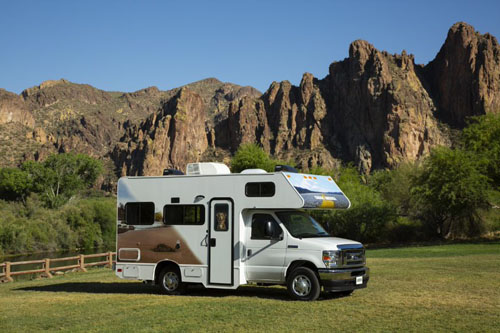
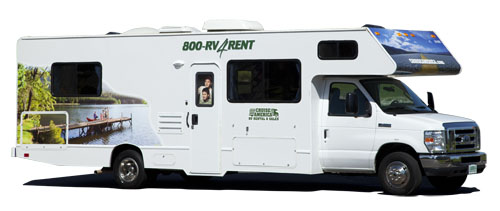
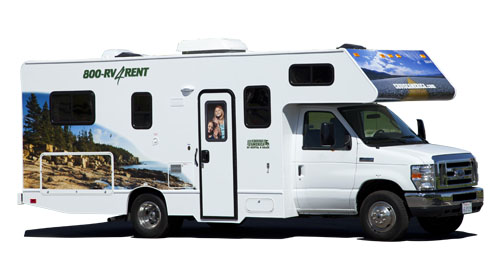
For pet-friendly RV travel in Canada, Class C Alcove motorhomes are an excellent choice for families, providing ample space and comfort. These vehicles, averaging 7.5m in length with 5.8 sleeping places and 4.4 adult capacity (like our "24' Class C Motorhome" or "29′ Class C Motorhome"), offer comfortable living areas and often come with pet-friendly features. Alternatively, Class SI Semi-integrated RVs, averaging 6.9m in length with 3.8 sleeping places and 3.4 adult capacity (such as the "Active Standard Auto"), offer a more compact option while still providing good amenities for smaller groups or couples with pets. Both Class C and Class SI vehicles from Bandana's global fleet offer good maneuverability and sufficient ground clearance for most Canadian roads, balancing indoor living space for pets during inclement weather with practical driving dimensions for diverse Canadian terrains. If you're comparing options, consider our Cheap RV Rental in Canada - Budget Guide 2026 for pricing insights.Should I Choose a Compact Van Instead of a Large RV in Canada?
While larger RVs (like Class C motorhomes) typically offer more interior space and comfort for pets and multiple passengers, most Canadian roads can accommodate all RV sizes without issues. A compact campervan, such as Bandana's Class B models (averaging 5.8m in length, like the "2 Berth Hi Top"), provides superior maneuverability, making it ideal for navigating tight historic city centers or very narrow, remote mountain passes. However, the trade-off for a compact size is reduced living space, storage, and onboard amenities, which might be a consideration for longer trips, inclement weather, or larger pets needing more room. For extensive travel across Canada's diverse landscapes, the added comfort and features of a larger Class C or SI motorhome often outweigh the minor maneuverability benefits of a compact van, especially when traveling with pets. Our RV Rental in Canada - Prices and Best Deals 2026 guide can help compare costs for different sizes.Can I Park Anywhere? Free & Wild Camping Rules in Canada
While specific regulations vary by province and municipality, free or 'wild' camping (boondocking) in Canada is generally permitted on Crown land (public land) unless explicitly restricted by signage or local bylaws. It is often prohibited to wild camp in populated areas, on private property without permission, and within the boundaries of national or provincial parks, which require designated campsites and fees. Always research local regulations for your specific destination before parking overnight, as rules are strictly enforced and can differ greatly from one region to another. Adhere to 'Leave No Trace' principles by packing out all garbage and waste, minimizing environmental impact, and respecting wildlife. For finding campsites and campgrounds during your trip, we recommend using RV PLANET (rvplan.net) - a great resource for locating available spots along your route. Additionally, consider our RV Camping in Canada - Best Campgrounds 2026 article for more detailed information on regulations and recommended spots.Can I Drive an RV Into the City Center? Heights, Tunnels & Local Signage
Most RVs can generally be driven into Canadian city centers, providing access to urban attractions and amenities. Drive slowly and carefully, and you can drive almost anywhere without issues. No need to stress - just use common sense and pay attention to your surroundings. Drivers must remain highly vigilant for local signage indicating height restrictions for underpasses, low tunnels, and parking garages, as these can vary significantly. Pay close attention to weight limits on certain bridges and designated environmental zones or residents-only streets. Parking a large RV in city centers can be challenging; consider utilizing peripheral parking lots or designated RV parking areas and using public transport for inner-city exploration. Always check municipal websites for specific vehicle restrictions or bylaws before entering major urban areas. For detailed routes and city driving tips, refer to RV PLANET routes.What are the typical costs for a pet friendly RV trip in Canada?
Rental fees for pet-friendly RVs in Canada vary widely by season, RV class, and rental duration, typically ranging from $150 to $400+ CAD per night for a Class C motorhome, with smaller campervans potentially starting lower. Fuel costs are a major expense, with Bandana's fleet averaging 10-12 Liters/100 km for larger models; factor in current fuel prices and your estimated travel distance to budget realistically. Campsite fees range from $20-$100+ CAD per night depending on amenities, location (e.g., provincial vs. private parks), and hook-ups. Many rental companies and some campgrounds levy additional pet fees, ranging from a flat rate to a per-night charge. Beyond these, remember to budget for food, activities, national or provincial park entrance fees, propane, dump fees, tolls, and unexpected maintenance or pet-related emergencies. On RV PLANET routes, travelers can itemize and track every expense along the way for easy budgeting. If you’re looking for a good deal, our RV Rental Deals in Canada - Latest Offers 2026 page might be helpful.Can I live in my RV full-time in Canada?
While not explicitly illegal, living full-time in an RV in Canada presents significant challenges regarding establishing legal residency and maintaining provincial services like healthcare and mail. Each province has specific residency requirements, often tied to a physical address, which can be difficult for individuals living solely in an RV. Insurance for a full-time RV lifestyle is different from recreational use and requires specialized policies, which Bandana does not facilitate for rental purposes. Setting up a reliable mail forwarding service and maintaining a Canadian bank account are crucial for managing finances and communications for long-term stays. For non-Canadians, visa implications and residency rules must be carefully reviewed to ensure compliance with immigration laws for extended stays, as Bandana focuses on recreational rentals rather than permanent living solutions. For planning extended trips, our Long-Term RV Rental in Canada - Monthly Rates 2026 guide offers rental insights.What special preparations are needed for RVing in Canada's conditions with pets?
Ensuring your chosen pet-friendly RV rental has appropriate features is key, such as adequate ventilation, secure tie-down points for crates, and enough space for your pet to be comfortable during travel and rest. Prepare for Canada's diverse weather by packing insulation for colder evenings and cooling mats or fans for hot summer days, especially when leaving pets in the RV, even for short periods. Equip your RV with basic tools and spare parts for minor repairs, as remote areas may lack immediate services, and ensure your pet's first-aid kit is comprehensive, including any necessary medications. Consider a motorhome with good ground clearance if planning to explore less-maintained roads, as specified in the Road Conditions & Terrain section, to ensure a smooth ride. Finally, have a plan for fresh water and food storage that is accessible but secure from wildlife, especially with pets potentially attracting attention. For tips on RV cooking, check out our RV-friendly recipes playlist.How to stay safe from Canadian wildlife and emergencies while RVing with pets?
Practice 'bear-aware' camping diligently by storing all food, garbage, and scented items in bear-resistant containers or securely inside your RV, especially when parked overnight. Always keep pets on a leash in natural areas to prevent them from chasing or being chased by wildlife, including bears, moose, and coyotes, and to adhere to national and provincial park regulations. Carry emergency communication devices like a satellite messenger or personal locator beacon when traveling in remote areas with limited or no cell service, ensuring you can call for help if needed. Familiarize yourself with basic first aid for both humans and pets, including how to treat minor injuries or allergic reactions from insect bites. Understand specific provincial road safety rules, especially regarding wildlife crossings, and know how to contact local emergency services (911) if needed. When planning routes, consider checking the RV Rental USA - Complete Guide 2026 as well, as some trips might involve crossing the border.How can I maintain internet and work remotely from an RV in Canada?
Maintaining internet access in Canada's vast and often remote regions can be effectively achieved using cellular boosters, which amplify existing cell signals for improved connectivity where service is available. For truly off-grid work and reliable high-speed internet almost anywhere, satellite internet services like Starlink provide a robust solution, though they require a clear view of the sky. Utilize public Wi-Fi hotspots available in many campgrounds, libraries, and cafes, but be aware of potential security risks when handling sensitive work. Consider investing in a portable Wi-Fi hotspot device with a generous data plan from a Canadian provider for on-the-go connectivity while traveling in your rented campervan. Develop strategies for offline work, such as downloading documents and syncing files when a connection is available, to maximize productivity in low-service areas.Can you take an RV anywhere in Canada? (Road restrictions and ferry logistics)
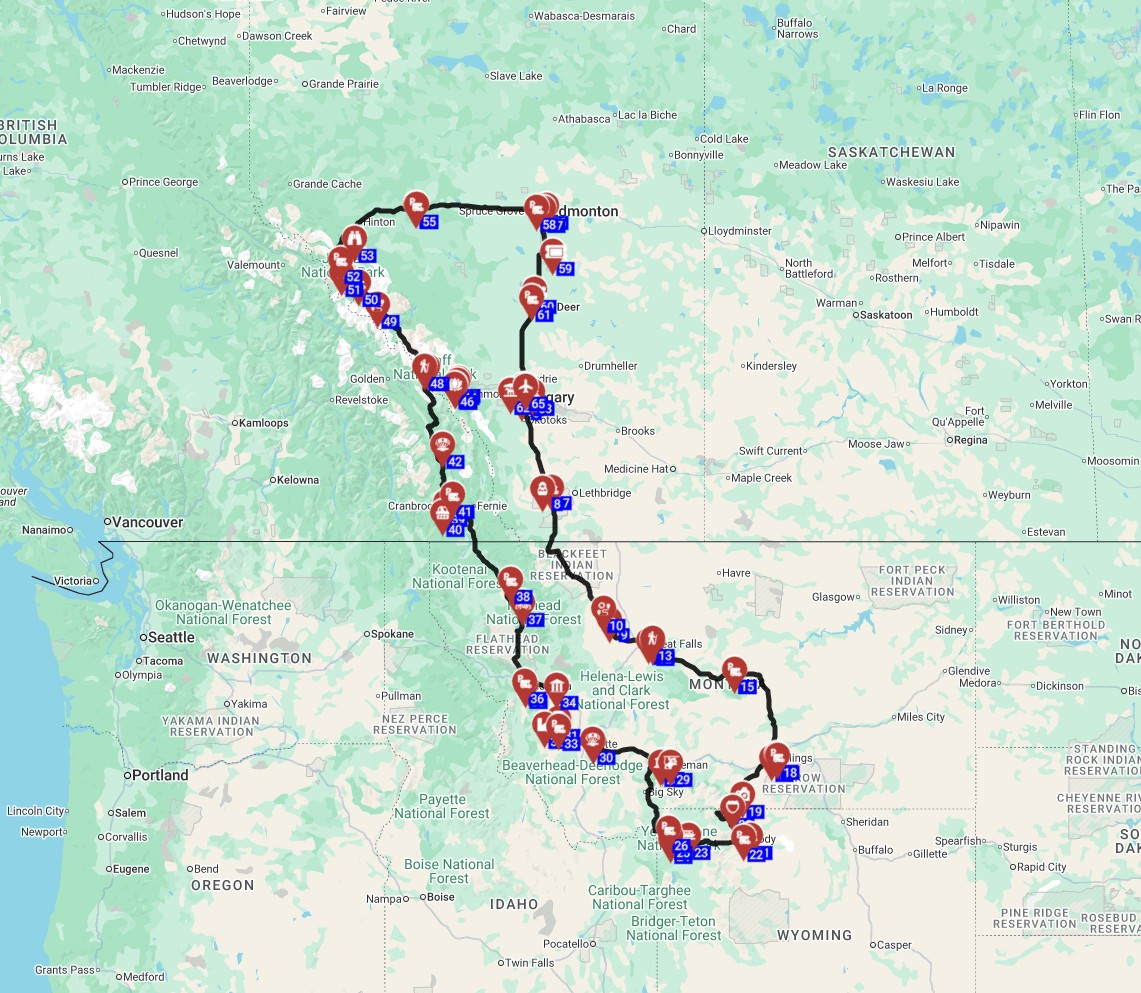
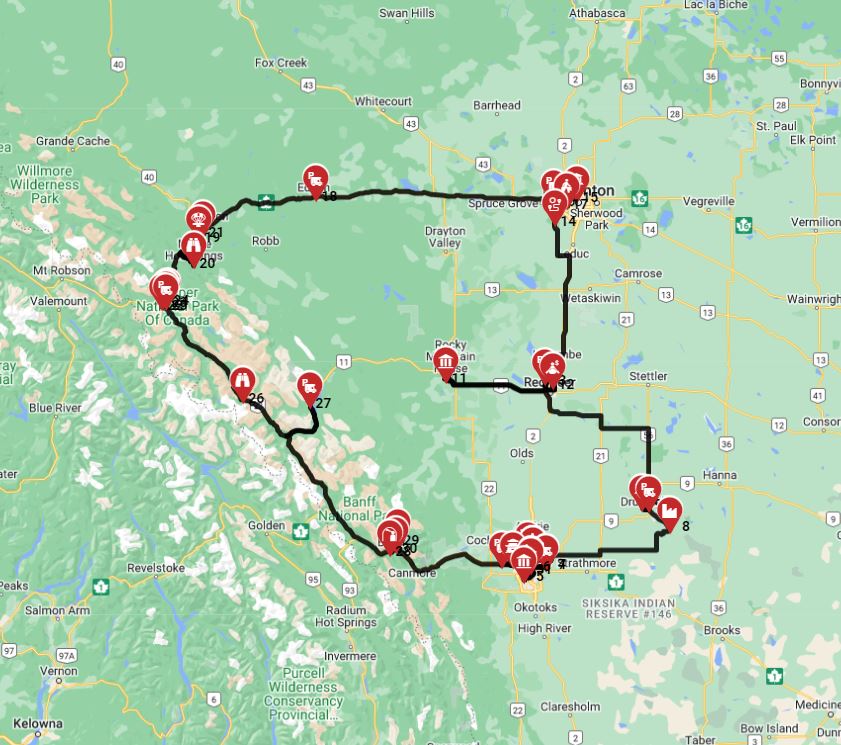
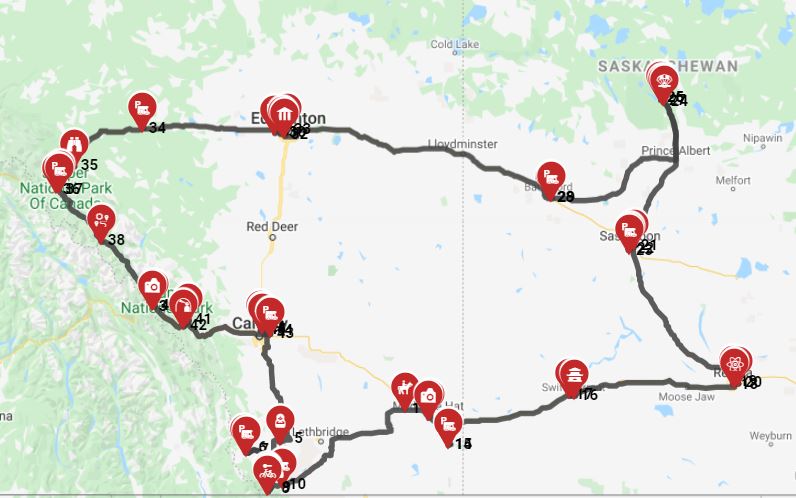
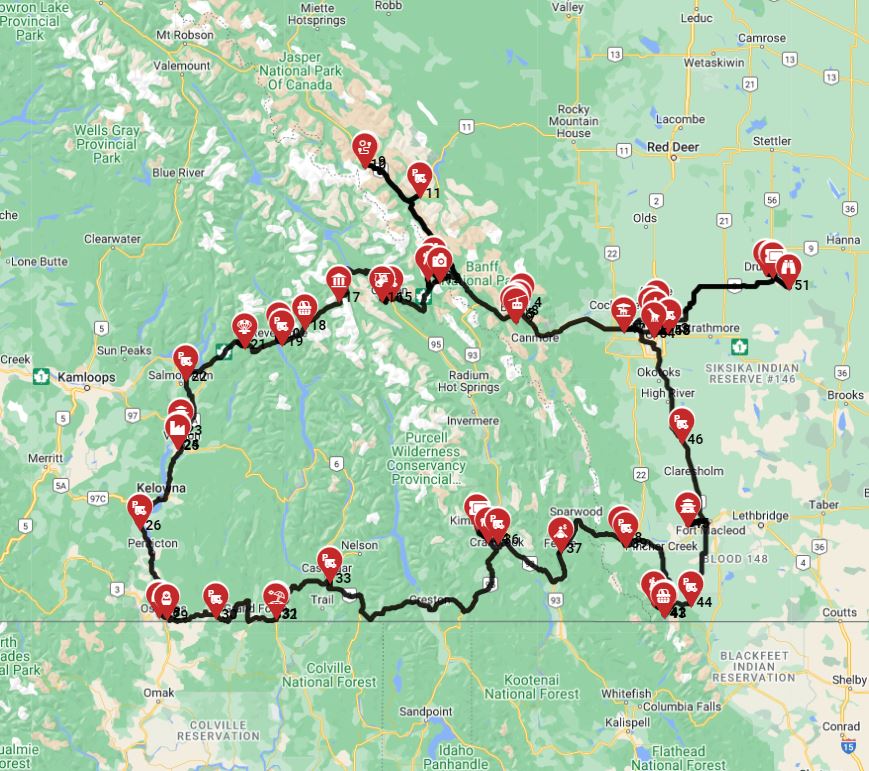
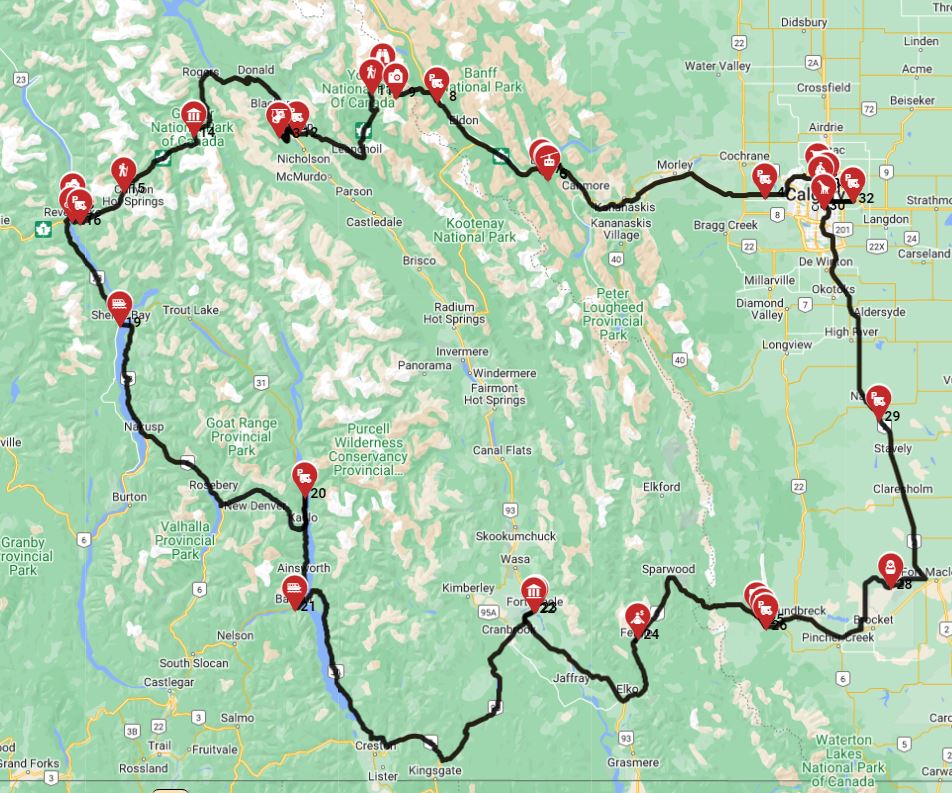
While Canada has an extensive road network, access can be limited by specific restrictions, such as vehicle length or weight limits on certain national park roads or historic routes. Many provincial and national parks have designated RV-friendly routes, but some scenic drives, particularly those with sharp turns or steep grades, may not be suitable for larger vehicles. Ferry travel, especially to popular destinations like Vancouver Island in British Columbia or Newfoundland, requires careful planning, including checking capacity limits and booking RV spots well in advance, often several months ahead during peak season. Be aware of diverse provincial regulations regarding vehicle modifications, overnight parking, and speed limits that can vary across the country. Remote logging roads or unmaintained paths are generally not recommended for rented RVs and can void rental agreements due to insurance limitations. For specific route planning, RV PLANET (rvplan.net) offers detailed itineraries like the "
What cultural nuances and local etiquette should I know when RVing in Canada?
Respect Indigenous lands and communities, as many RV routes traverse traditional territories; be mindful of cultural sites and local customs by educating yourself on the Indigenous history of the areas you visit. Understand regional differences, as Canada is a vast and diverse country with distinct cultural norms between provinces (e.g., Quebec's French culture versus Western Canada's more rugged outdoor ethos), and be open to these variations. Practice 'Leave No Trace' principles diligently, especially when camping in wilderness areas, to preserve natural beauty for future generations. Be courteous and considerate in campgrounds: keep noise levels down, respect personal space, and follow posted rules for waste disposal and pet management. When interacting with locals, politeness and a friendly demeanor are highly valued; a simple 'thank you' (or 'merci' in Quebec) goes a long way.Top Cities for RV Rental in Canada
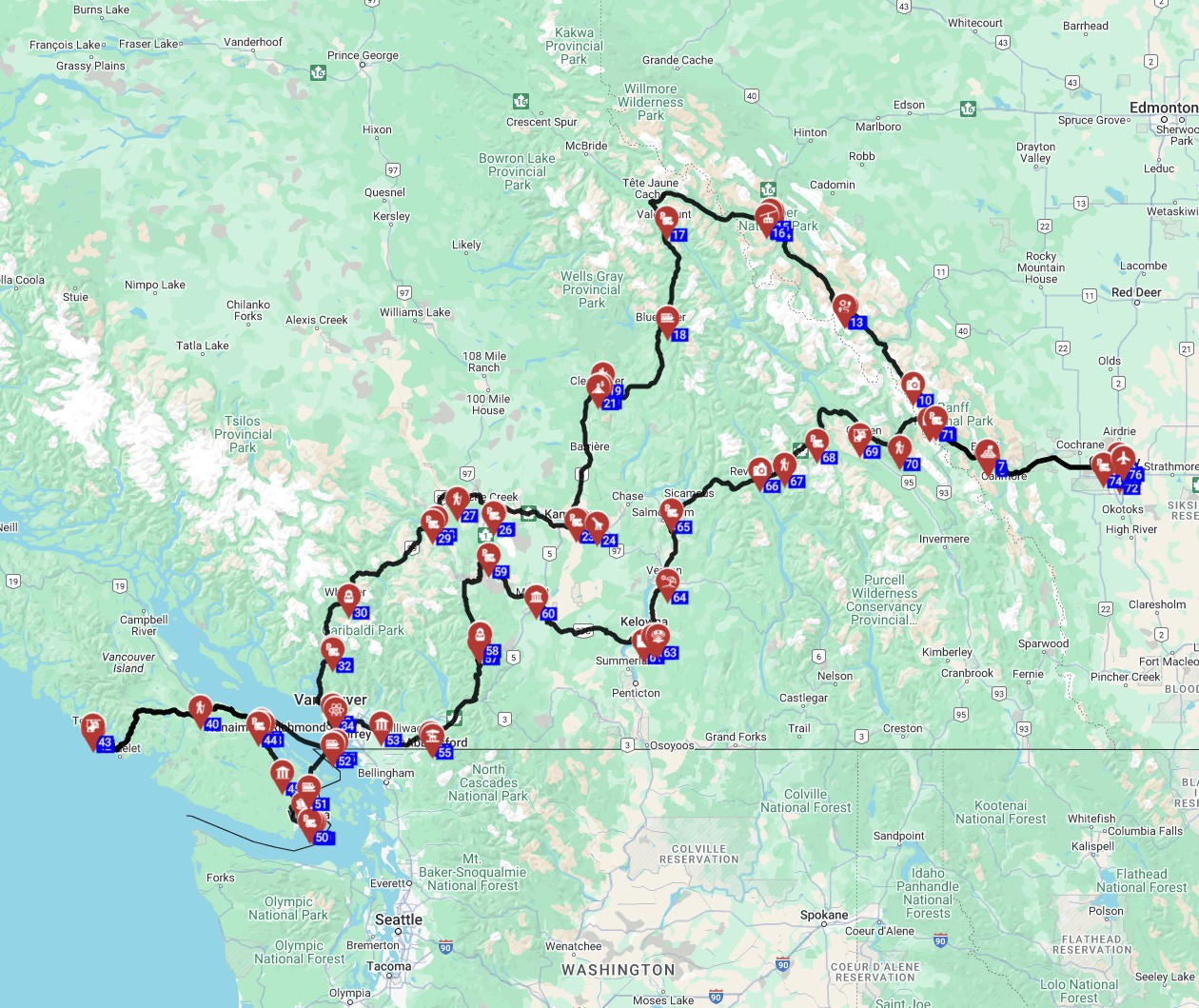
Canada boasts numerous fantastic cities for picking up your rented motorhome and starting your adventure.- Vancouver: Nestled between mountains and ocean, Vancouver is a popular starting point for West Coast explorations, offering access to stunning provincial parks and coastal routes. Many choose to begin a "
" (15 days, 4886.2 km) trip here, which includes 1 aquarium and 2 heritage sites.
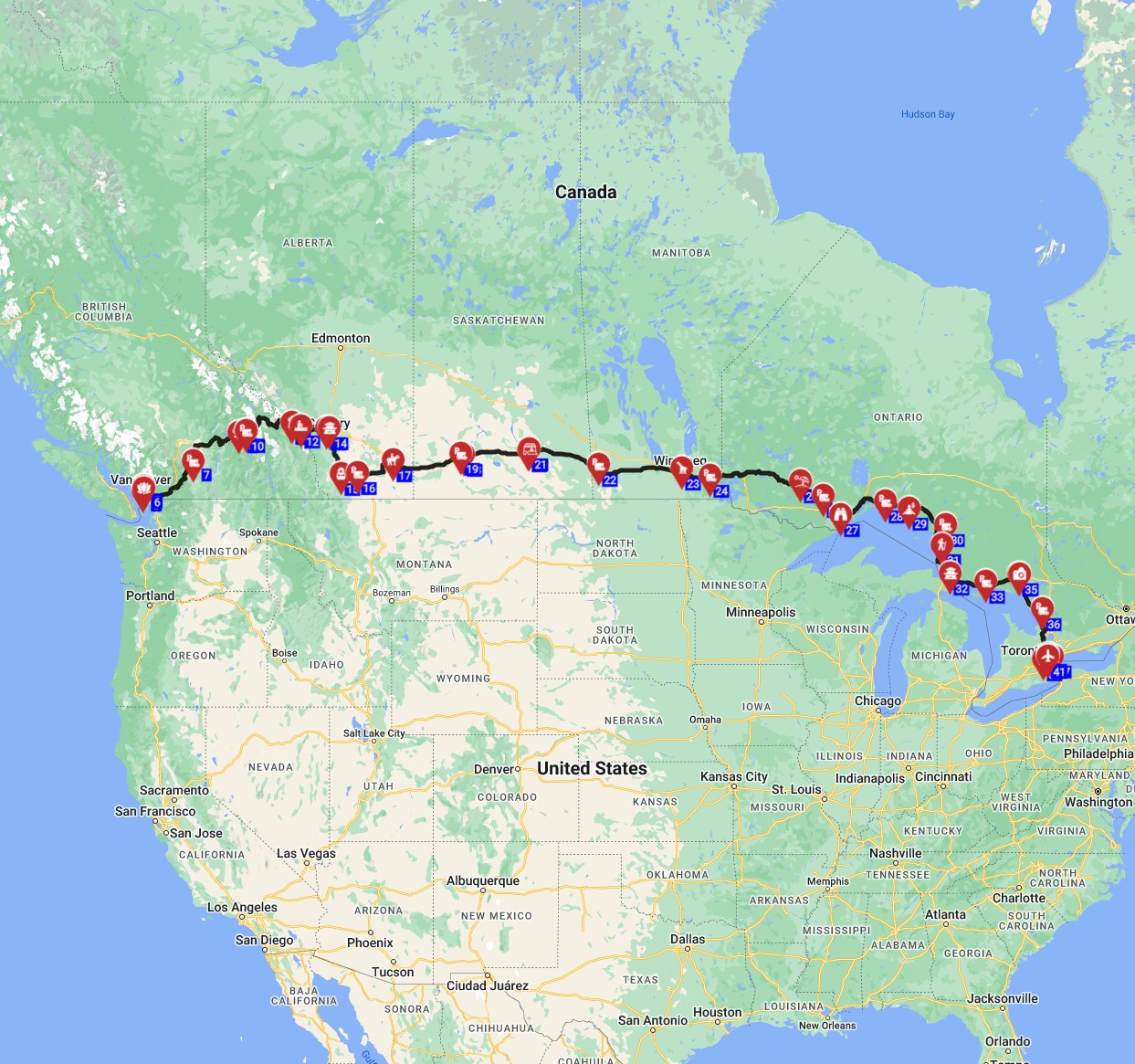 Vancouver to Toronto - Trans Canada West to East
 - Calgary: The gateway to the Canadian Rockies, Calgary is perfect for those heading to Banff and Jasper National Parks, offering incredible mountain scenery and outdoor activities.
- Toronto: As Canada's largest city, Toronto provides a vibrant urban experience and is an excellent base for exploring Ontario's lakes, Niagara Falls, and eastward journeys.
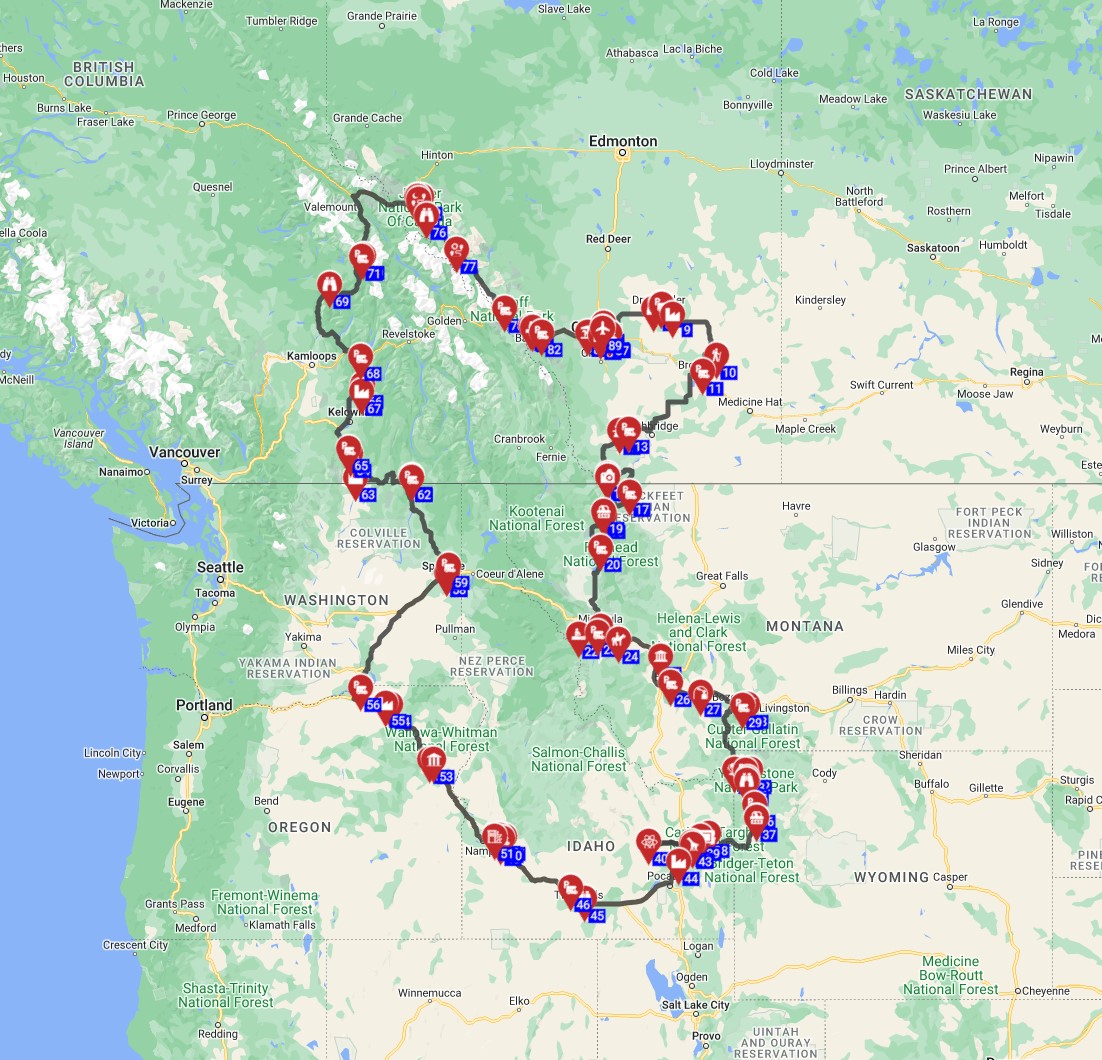
- Montreal: With its distinct European charm and rich history, Montreal is ideal for starting a cultural RV trip through Quebec and Atlantic Canada. Our "Halifax to Whitehorse - Exploring Canada’s Heartland in a Motorhome" (37 days, 9199.1 km) offers extensive cultural stops.
- Halifax: The historic capital of Nova Scotia, Halifax is your starting point for exploring the Maritimes, including picturesque coastal drives and charming fishing villages.
- Edmonton: Further north in Alberta, Edmonton provides access to national parks and is a fantastic hub for heading into Canada's vast northern territories.
🎬 Video coming soon
What You Shouldn't Miss
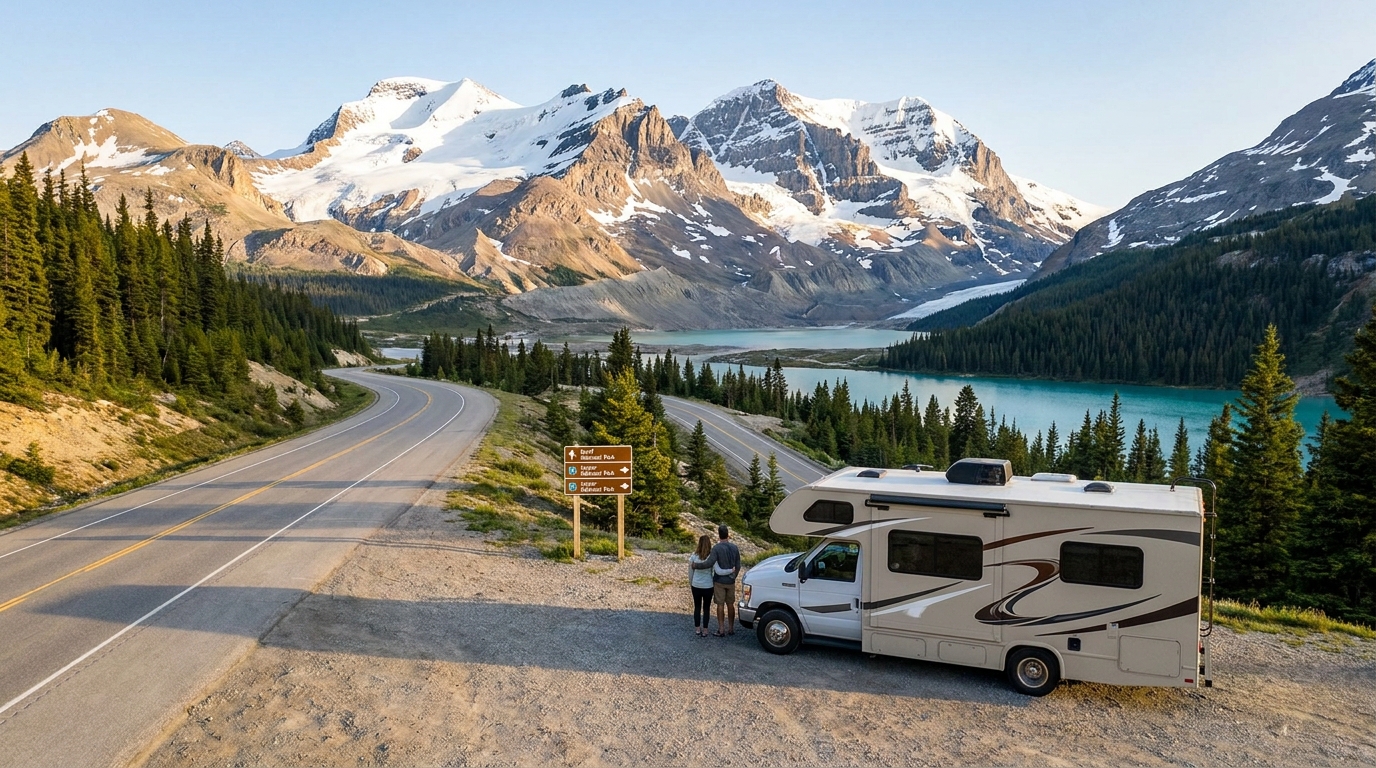
- Explore the Canadian Rockies: Drive the Icefields Parkway, a 232 km (144 mile) scenic highway connecting Banff and Jasper National Parks, offering stunning glacier views and abundant wildlife sightings. Allow at least 2-3 days for this stretch alone.
- Discover Pacific Rim National Park Reserve on Vancouver Island: Experience ancient rainforests and rugged coastlines. This park is a perfect spot for hiking with your dog on designated trails and enjoying the vast beaches, with numerous pet-friendly campgrounds nearby.
- Visit the Bay of Fundy: Witness the world's highest tides between New Brunswick and Nova Scotia. Plan to visit twice in 12 hours to see the dramatic difference and even walk on the ocean floor at low tide.
- Experience Quebec City's Historic Charm: Park your RV just outside the city and use public transport to explore North America's only walled city, a UNESCO World Heritage site with cobbled streets and a rich French-Canadian culture.
- Stargaze in a Dark Sky Preserve: Head to one of Canada's many Dark Sky Preserves, such as Jasper National Park, for an unforgettable night sky experience free from light pollution. Remember to adhere to park guidelines to maintain the preserve's integrity.
- Savor Local Flavors: Indulge in poutine, maple syrup treats, and fresh seafood on the coasts. Exploring local markets for ingredients and cooking in your rented campervan is a wonderful way to experience Canadian cuisine authentically.
Looking for expert insights from Avi Bandana? Top 5 Adventures - recommendations from Avi Bandana
As the founder of Bandana Caravan, I’ve had the privilege of exploring some of the most breathtaking places on Earth. Canada holds a special place, and I often share my personal favorite routes and hidden gems. While this article provides a great starting point, keep an eye on our dedicated sections for Avi Bandana's Top 5 Adventures in Canada, where I dive into unique experiences you won't want to miss on your RV journey.
Final Thoughts
A pet-friendly RV adventure in Canada is more than just a trip; it's an opportunity to create lasting memories with your entire family, including your furry companions. With its incredible natural beauty and welcoming RV culture, Canada offers an ideal backdrop for exploration, allowing you to discover everything from bustling city centers to serene wilderness. At Bandana, we’re dedicated to making your RV rental experience seamless and joyful. We understand the unique considerations of traveling with pets and provide the resources and support to help you plan an unforgettable journey. Remember, travel slowly, immerse yourself in the local culture, and let the open road guide you to Canada's wonders. So, are you ready to pack up your bags, and your pet's favorite toy, and hit the road? Canada awaits with open arms and endless possibilities for adventure.On the routes offered through RV PLANET routes, you can itemize and track every expense along the way for easy budgeting.