In This Guide
- Where to Camp in New Zealand - Top Options
- Campground Types in New Zealand (National, Private, Wild)
- Featured RV Park or Campground in New Zealand
- Hookups & Amenities - What to Expect
- Booking Windows & Reservations in New Zealand
- Nearby Supermarkets & Resupply Points
- Best RV Class for Camping in New Zealand
- How to Save on Campgrounds in New Zealand
- Can I park my motorhome anywhere in New Zealand?
- How much does it cost to park a campervan in New Zealand?
- Does New Zealand have RV parks?
- Can you free camp anywhere in NZ?
- How much does it cost to stay at a campground in New Zealand?
- Can you sleep in a camper anywhere in NZ?
- Is New Zealand RV friendly?
- Do you need a special license to drive an RV in New Zealand?
- How much do campsites cost in New Zealand?
- Is it worth getting a campervan in New Zealand?
- What You Shouldn't Miss
- Why Book with Bandana Caravan
- Final Thoughts
- Frequently Asked Questions
Where to Camp in New Zealand - Top Options
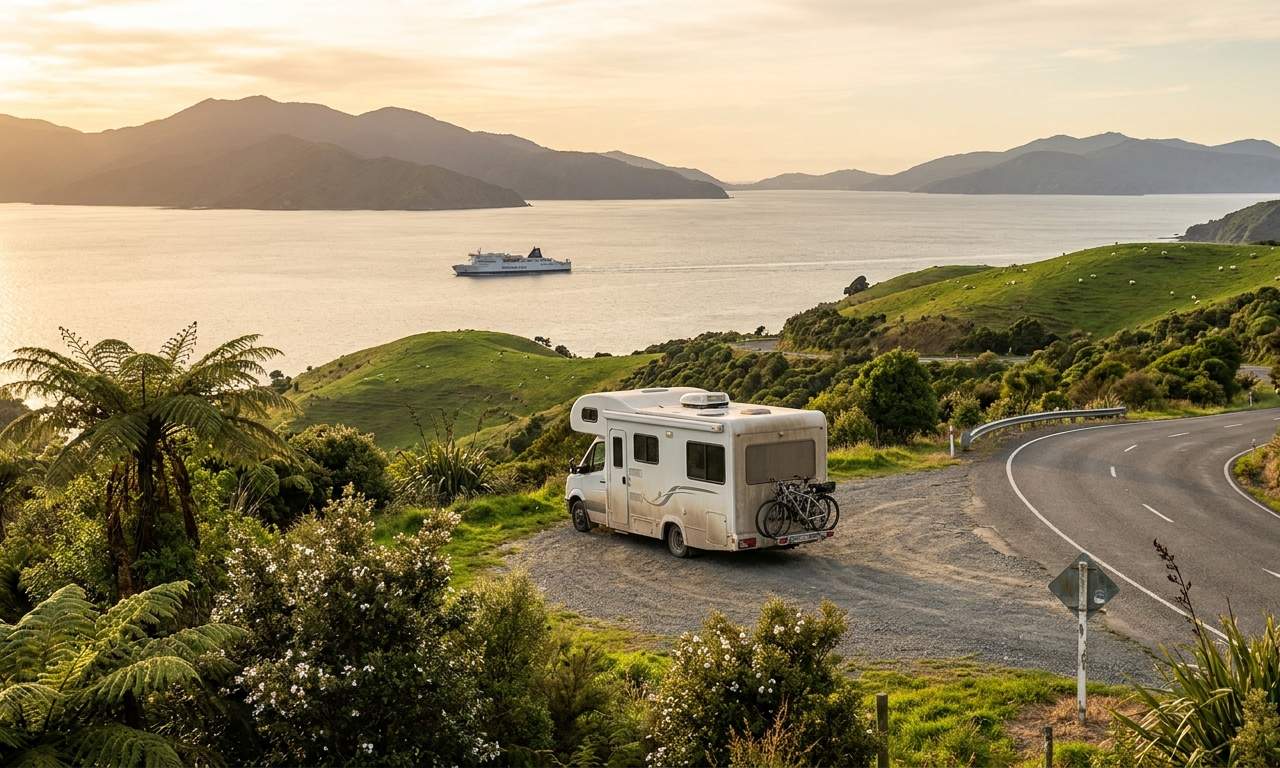
New Zealand offers diverse camping options for you and your dog, ranging from stunning national parks to private holiday parks across both the North and South Islands. While planning your route, be sure to check the specific pet policies of each campground, as rules can vary. Popular regions for RV camping with pets include the Queenstown-Lakes District, known for its scenic trails and dog parks, the Coromandel Peninsula with its coastal walks, Fiordland National Park (though pet access is restricted in some areas due to wildlife protection), and the scenic routes of the West Coast, which boast many pet-friendly outdoor spaces. Many top options are strategically located near major attractions, providing convenient access to activities and natural beauty for both you and your canine companion. For instance, you can find great spots near Rotorua for geothermal wonders or the Bay of Islands for coastal adventures, often with ample RV facilities that welcome dogs on a leash.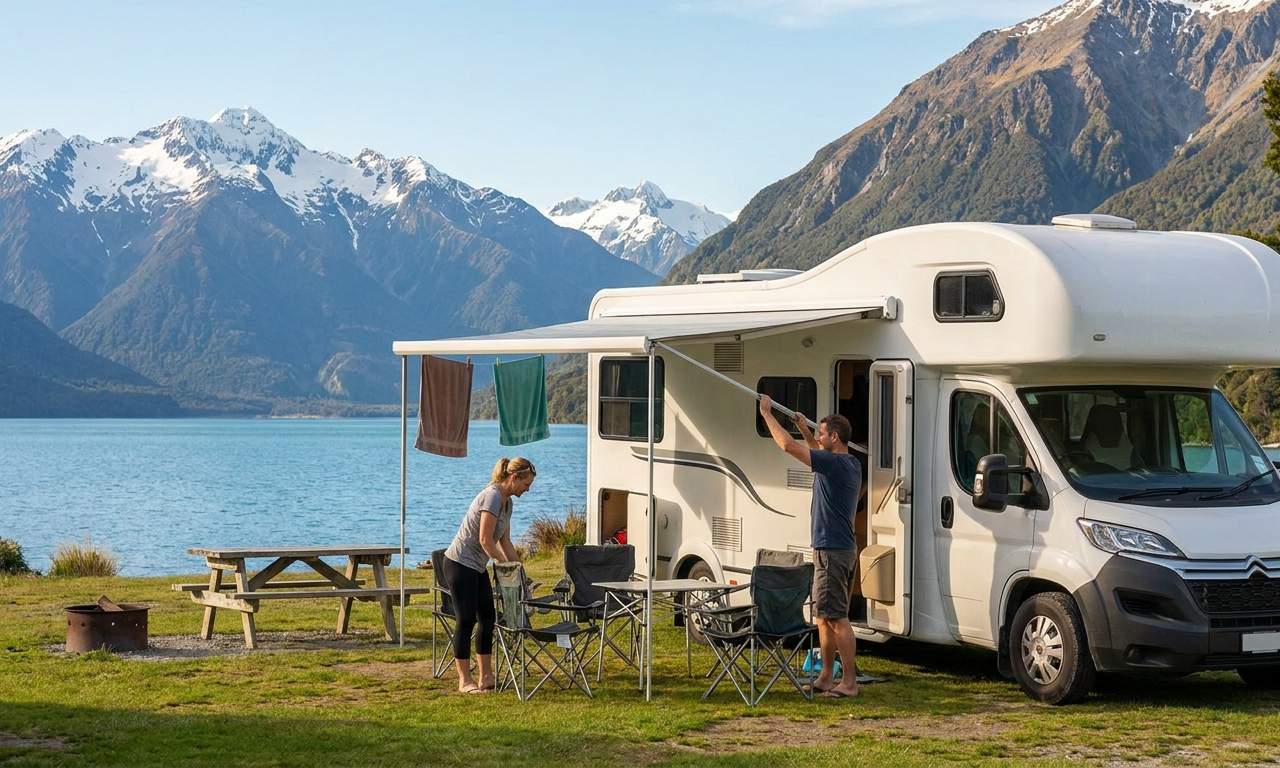
Campground Types in New Zealand (National, Private, Wild)
New Zealand primarily features three types of campgrounds: Department of Conservation (DOC) sites, private holiday parks, and designated freedom camping areas. When traveling with a pet, understanding the regulations for each is critical. **DOC Campsites**, managed by the Department of Conservation, vary from basic (minimal facilities, often remote) to serviced (flushing toilets, tap water, sometimes cold showers). While many DOC sites are located in breathtaking natural areas, pet access is frequently restricted or prohibited in national parks and reserves to protect native wildlife. Always check specific DOC site rules on their website or local information boards. **Private Holiday Parks** are commercial campgrounds providing extensive amenities such as powered sites (offering 230-240V at 50Hz electrical hookups), hot showers, laundries, shared kitchens, and often recreational facilities like playgrounds. Many private holiday parks are pet-friendly, but typically require dogs to be leashed and supervised, and may have specific areas designated for pet owners. Always confirm their pet policy directly when booking. **Freedom Camping (Wild Camping)** is highly regulated in New Zealand, requiring vehicles to be certified self-contained and only permitted in specific, designated locations. Non-compliance incurs significant fines, typically NZD $200-400. While some freedom camping spots may permit pets, it’s imperative to verify local council bylaws for each area, as rules can differ greatly. Adhering to the Tiaki Promise, which emphasizes care for New Zealand's environment and culture, is essential across all camping types, especially when traveling with pets to minimize your environmental footprint.Featured RV Park or Campground in New Zealand
When selecting an RV park in New Zealand that welcomes pets, look for facilities that offer full hookups (power, water, wastewater), modern ablution blocks, and laundry amenities for convenience, along with specific dog-friendly features. Many private holiday parks across New Zealand, such as those under the Top 10 Holiday Parks or Kiwi Holiday Parks brands, are known for their comprehensive services and often have clear pet policies. These parks frequently provide additional features like shared kitchens, lounge areas, and children's playgrounds, making them comfortable for families and couples with a dog. Consider parks located strategically near major tourist attractions or towns, such as those around Lake Taupo or close to Queenstown, for easy access to supermarkets and fuel stations. Some parks also offer unique settings, from lakeside spots to coastal views, enhancing your New Zealand RV experience for both you and your furry travel companion. Always call ahead to confirm pet availability and any associated fees or restrictions.Hookups & Amenities - What to Expect
In New Zealand, electrical hookups typically provide 230-240V at 50Hz, utilizing specific 3-pin plugs, so international travelers may need adapters. Most private holiday parks offer powered sites, ensuring your rented motorhome has electricity for appliances and heating. Potable water refills and grey/black water dump stations are widely available at holiday parks, some serviced DOC sites, and designated public 'Sanidump' facilities across the country. Wi-Fi is commonly offered at private holiday parks, though often with a fee, while mobile data is generally reliable in populated areas but can be sparse in remote regions. Laundry facilities and hot showers (often coin-operated) are standard amenities at private holiday parks. Shared kitchens are a common feature at many campgrounds, providing cooking facilities if your RV has a limited setup; for some great ideas on preparing delicious meals on the road, check out our RV-friendly recipes playlist. Some pet-friendly parks even offer dedicated dog-washing stations, adding extra convenience for travelers with furry friends.Booking Windows & Reservations in New Zealand
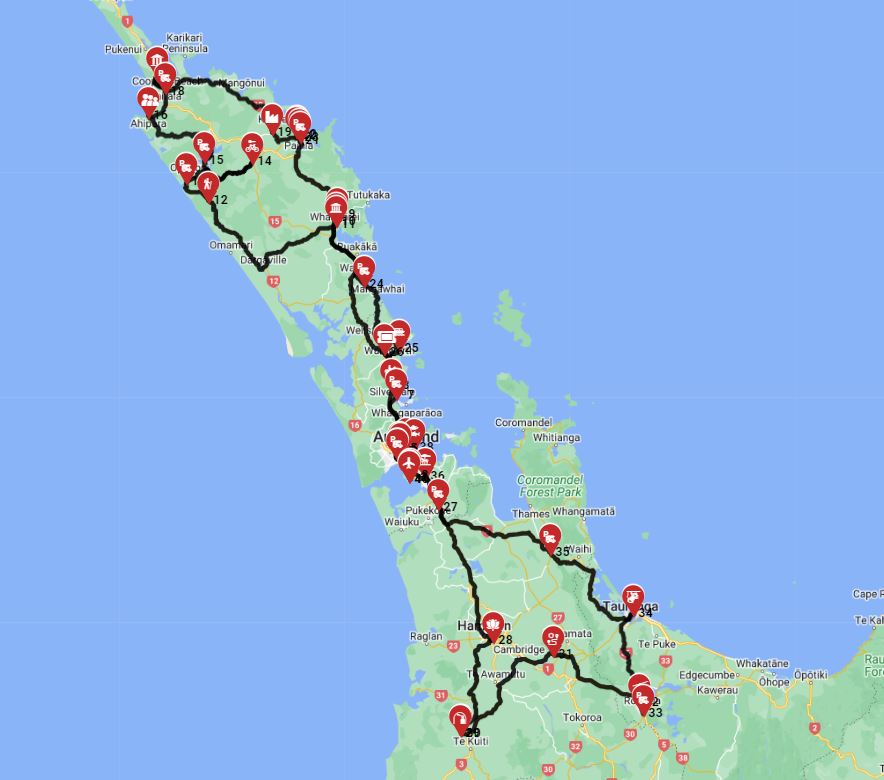
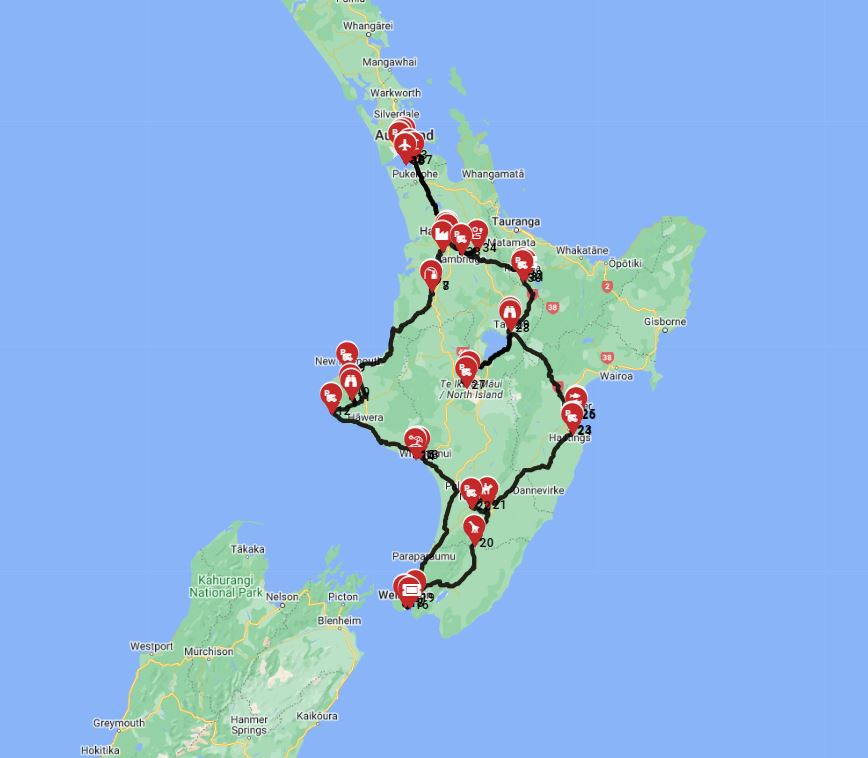
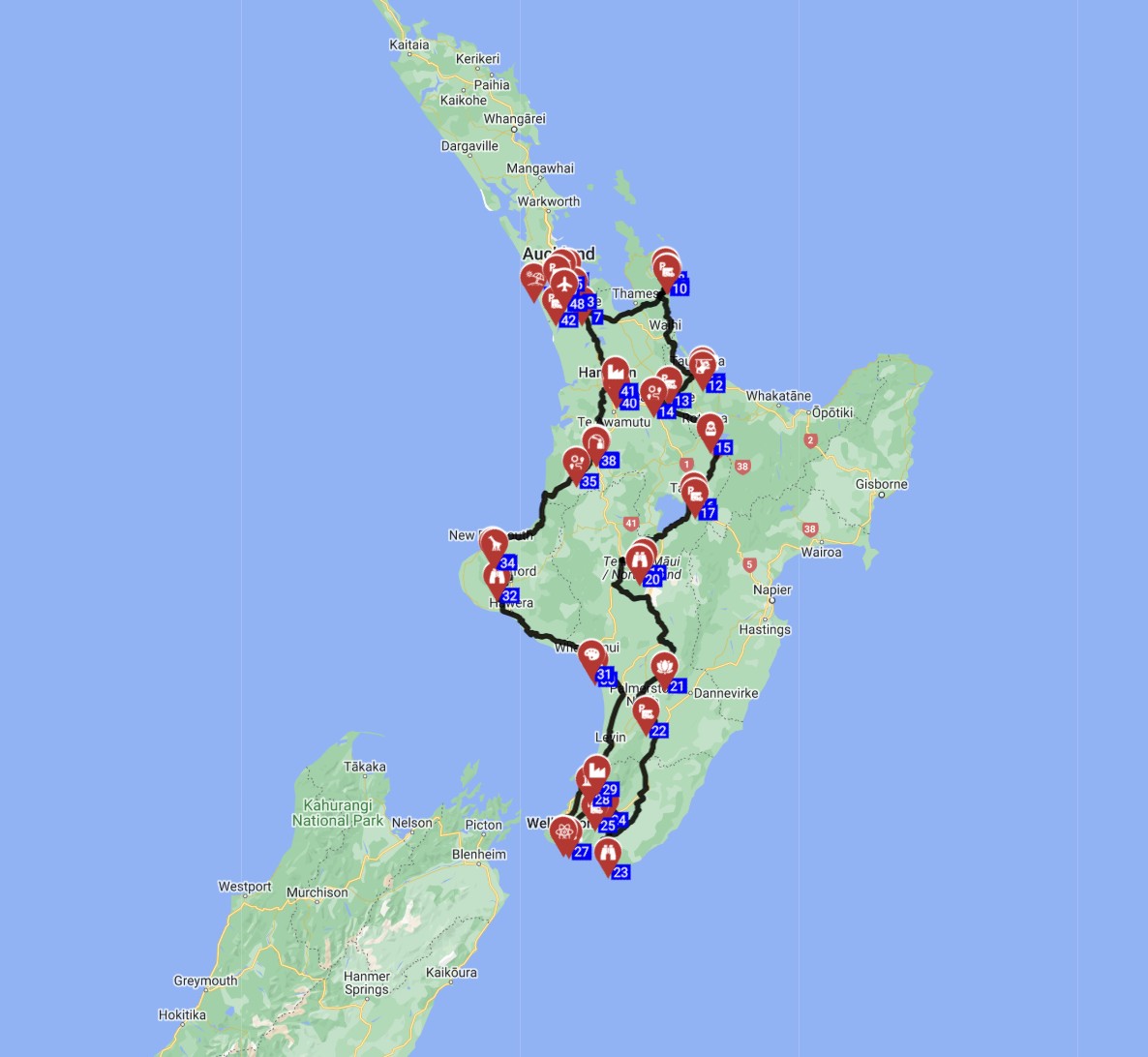
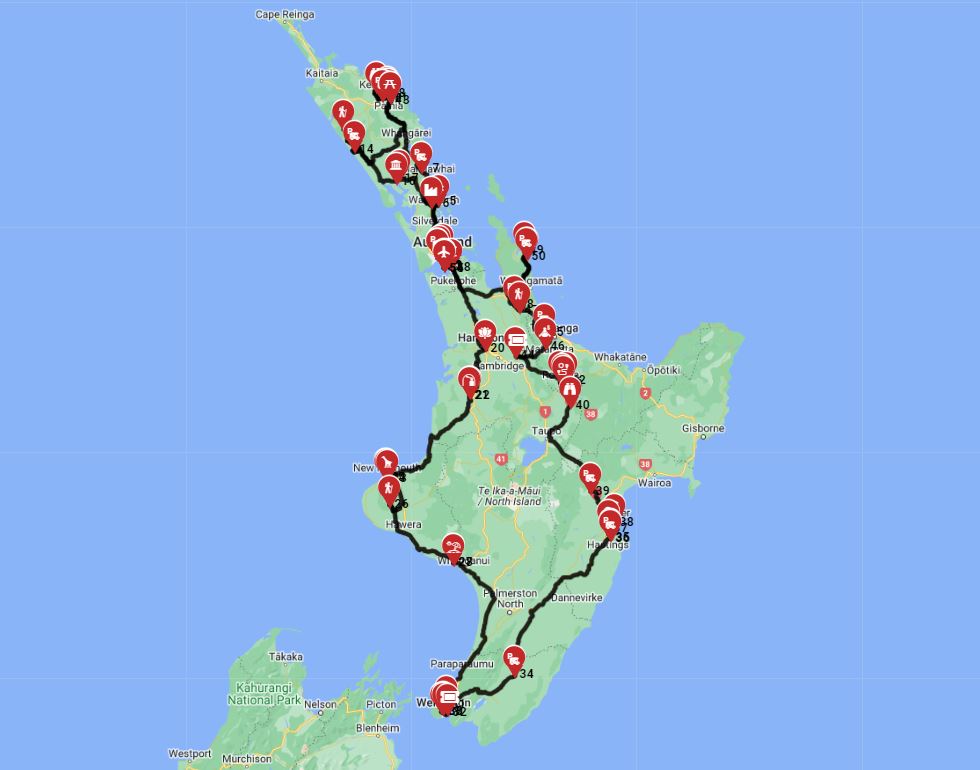
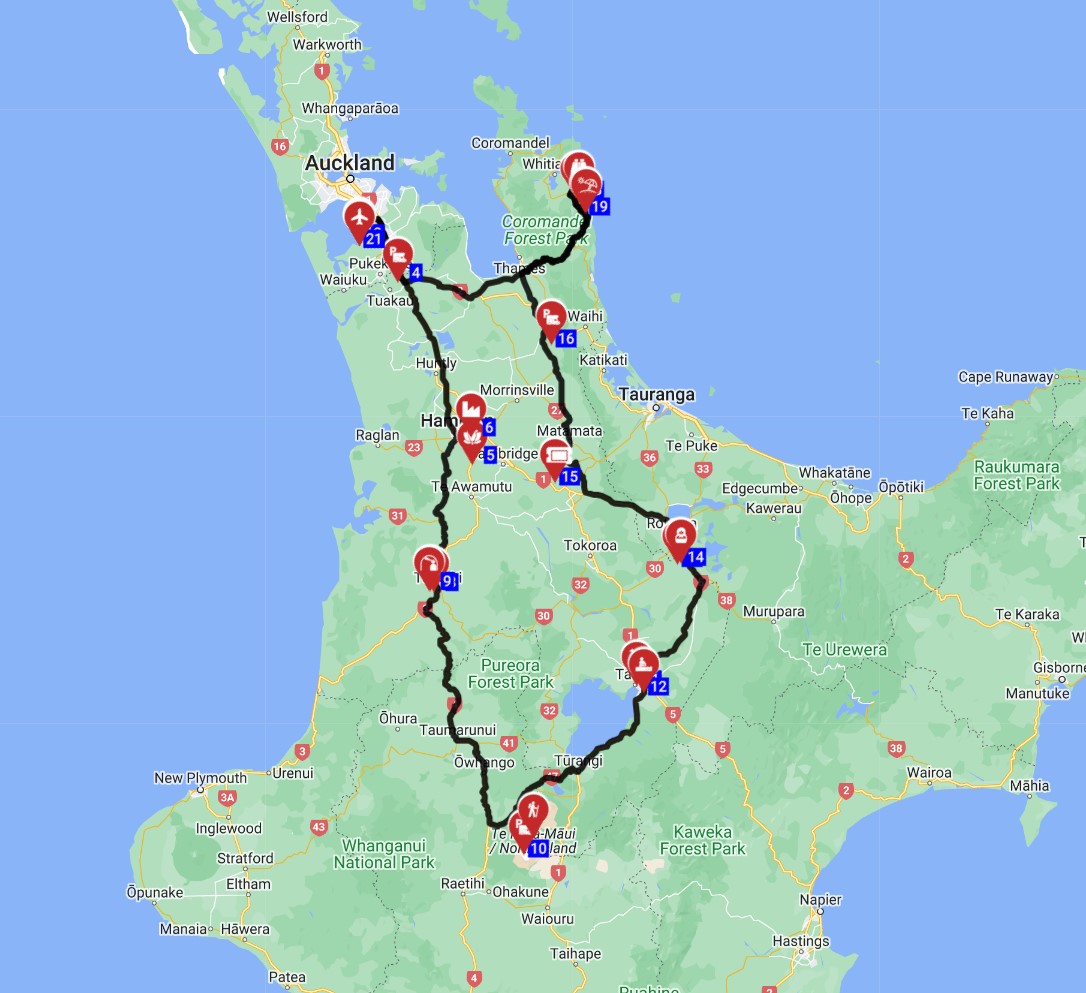
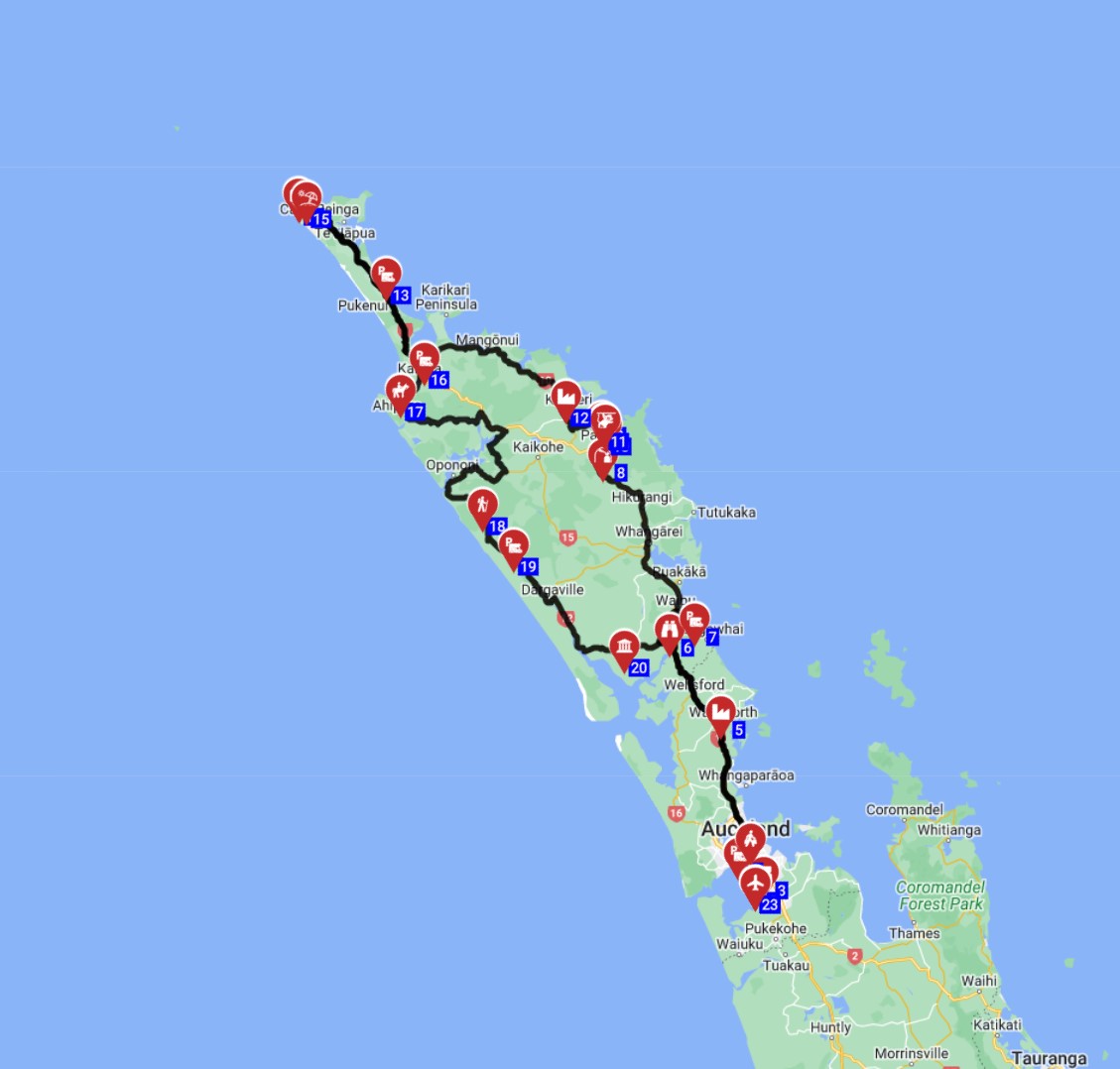
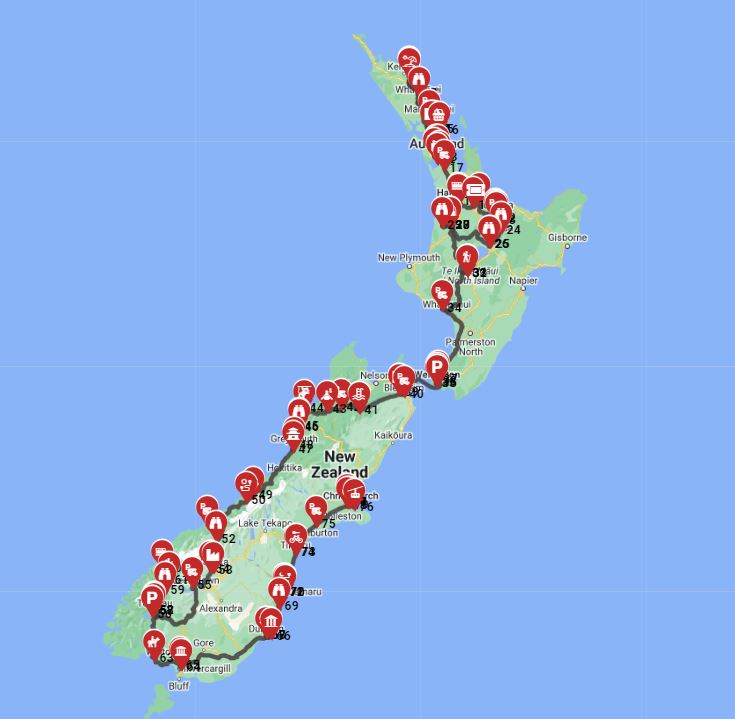
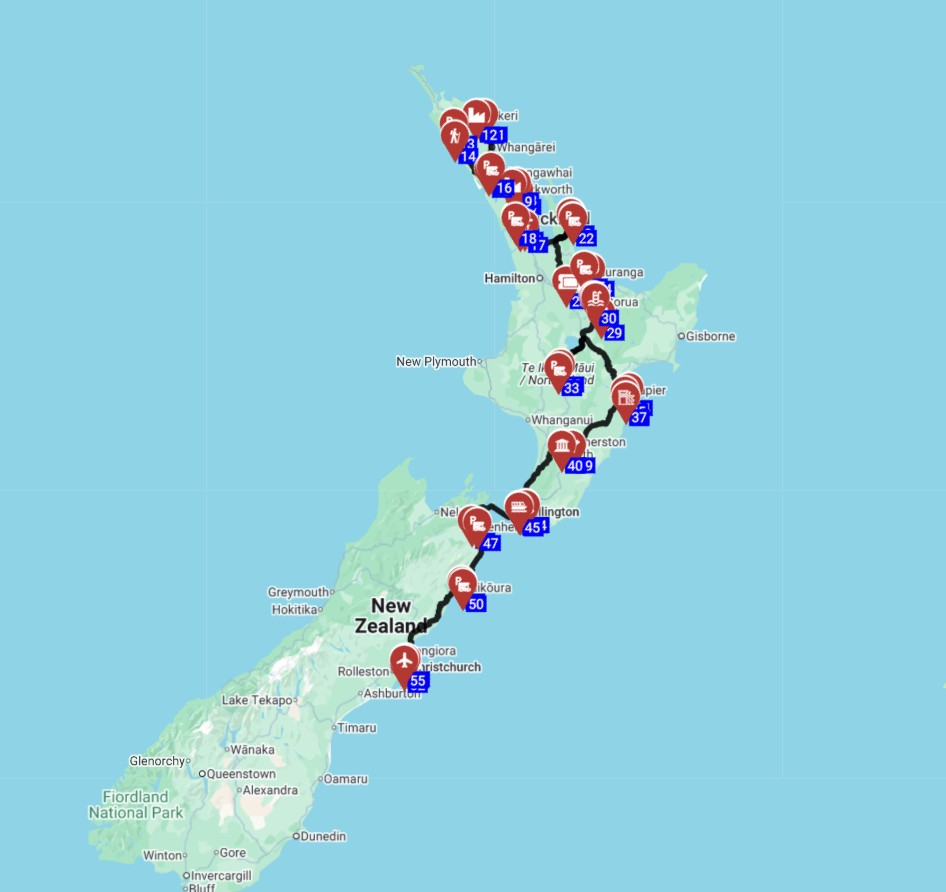
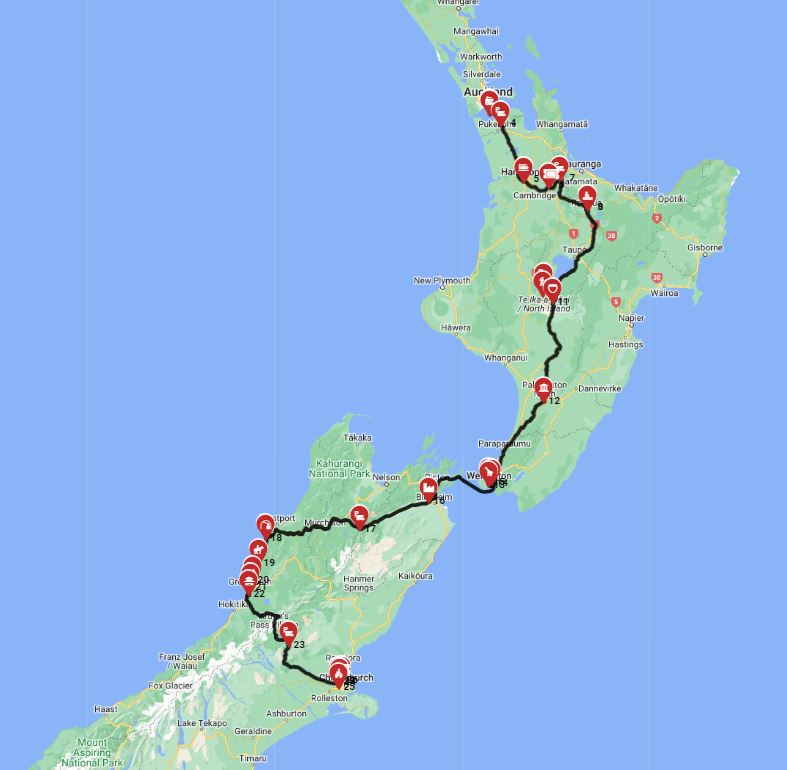
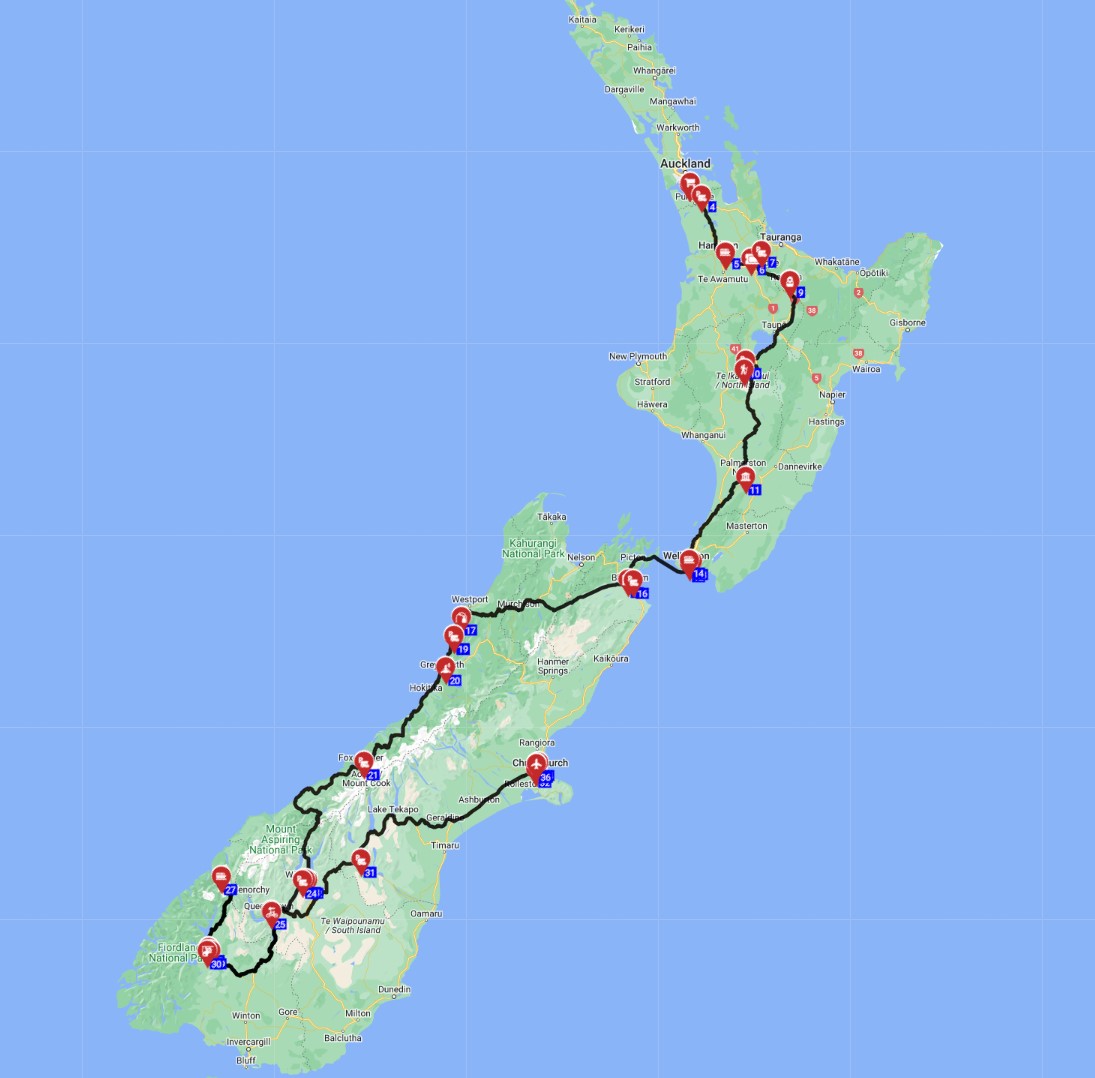
For peak season travel in New Zealand (December-February) and popular destinations like Queenstown or Rotorua, it is advisable for pre-planners to book private holiday parks and serviced DOC sites 3-6 months in advance. Many travelers like to have everything organized, especially when traveling with pets, to ensure specific pet-friendly spots are available. Spontaneous travelers can often find same-day or next-day availability outside of peak season or in less frequented areas, but calling ahead is always recommended before driving to a new spot. Remember, many Department of Conservation (DOC) campgrounds operate on a first-come, first-served basis, with only 25-30% of spots reservable online, so calling ahead is crucial before driving there. While popular spots fill quickly, you will almost certainly find a place- if not at the first campground, then the next one- ensuring flexibility for your RV journey with your dog. Even during busy periods, a good portion of sites remain open for those who arrive early. Consider exploring our routes, like the "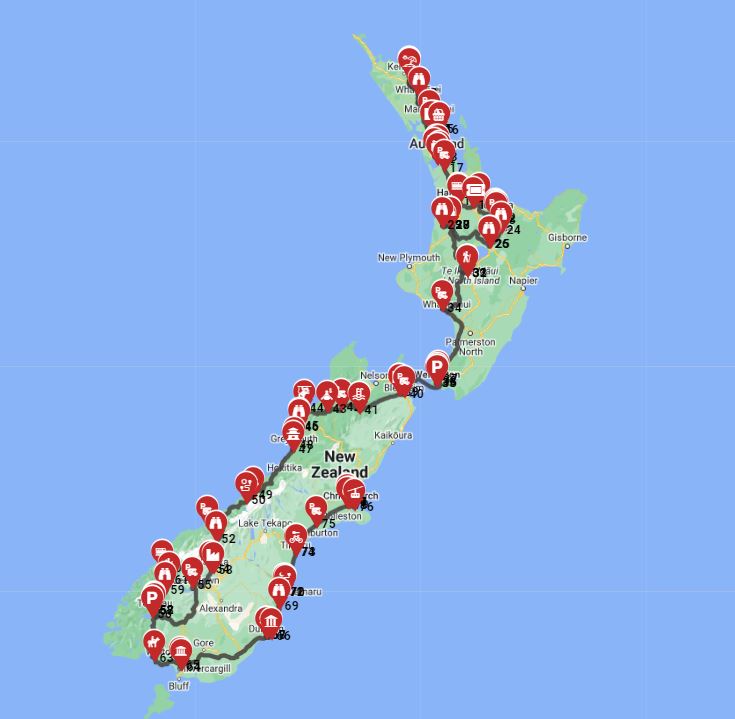
Auckland to Christchurch - Comprehensive New Zealand
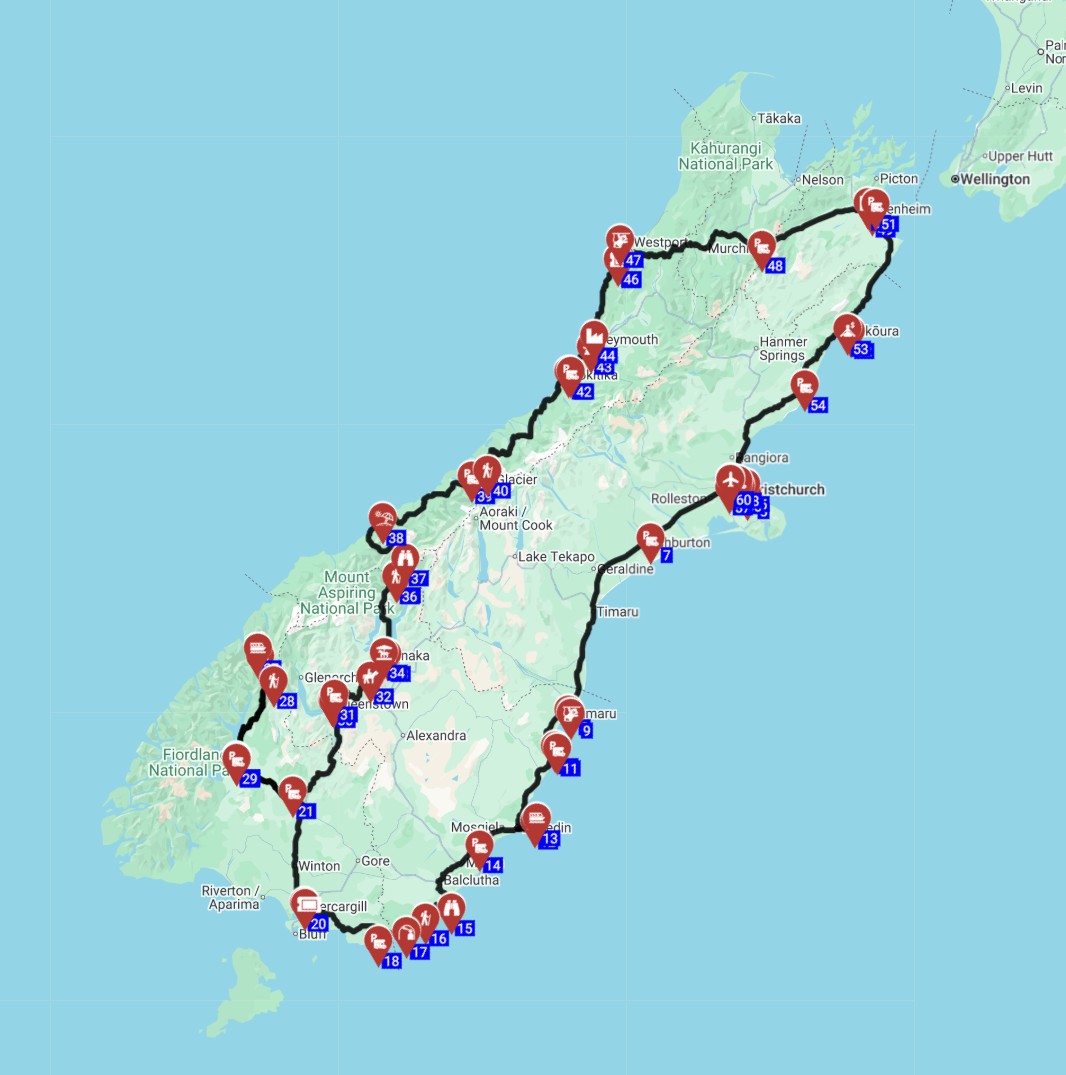
Christchurch Roundtrip - Around the South Island
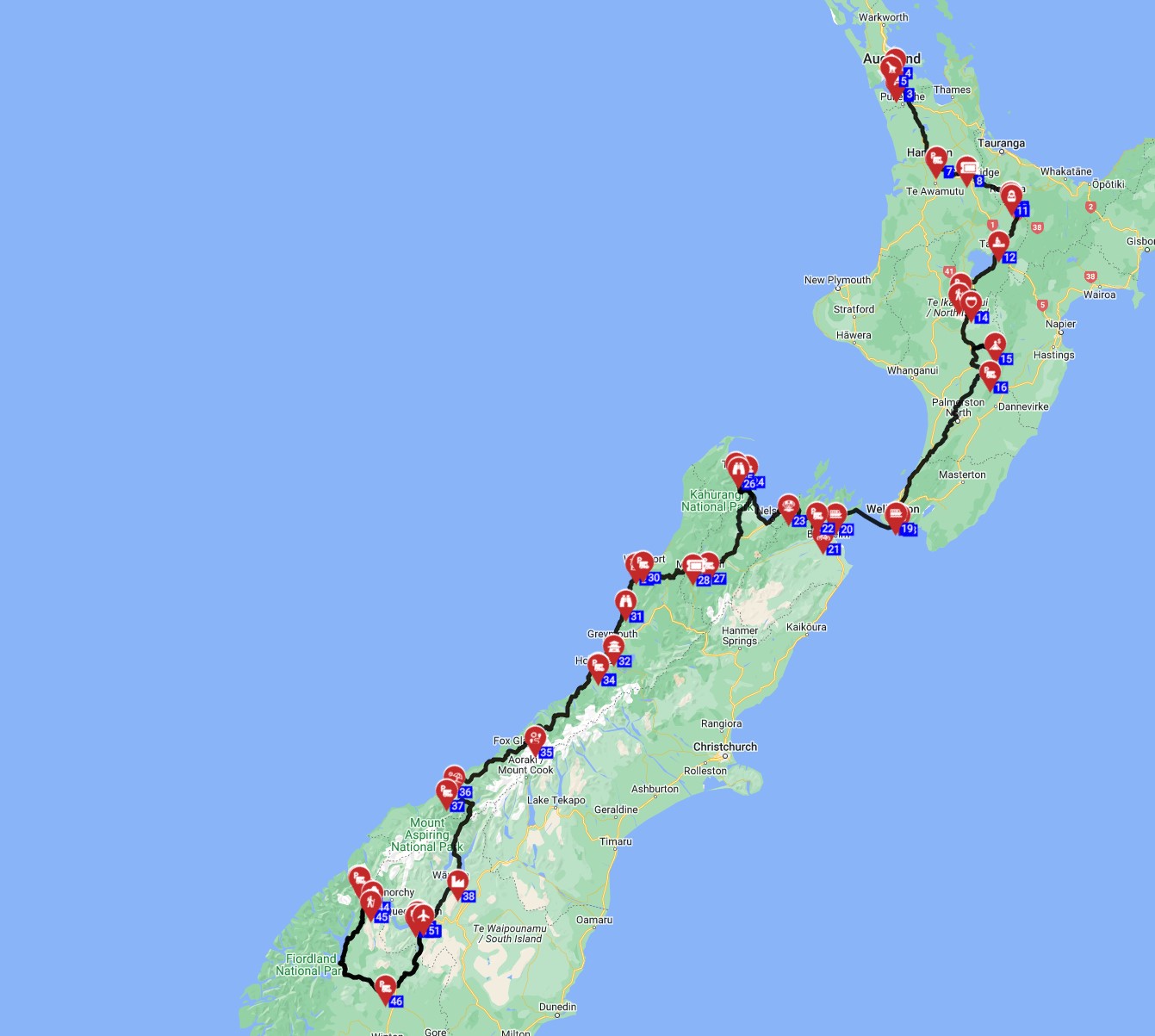
Auckland to Queenstown - The Great Kiwi Road Trip
Nearby Supermarkets & Resupply Points
Major supermarket chains in New Zealand, such as Countdown, Pak'nSave, and New World, are readily available in most towns and cities for convenient resupply. When traveling in your rented motorhome with a pet, having a well-stocked pantry is essential, especially for your dog's food. Plan your routes to include stops in larger towns for bulk shopping, as smaller settlements may have limited or more expensive grocery options. Local farmers' markets offer fresh produce and a taste of regional specialties, providing a great opportunity to stock up on local goods for both human and canine travelers. Remember to utilize designated rubbish and recycling facilities at campgrounds or public points to adhere to New Zealand's strict environmental standards, particularly important when disposing of pet waste. Our RV PLANET routes can help you identify these resupply points, allowing you to budget effectively for groceries and other ancillary trip costs.Best RV Class for Camping in New Zealand
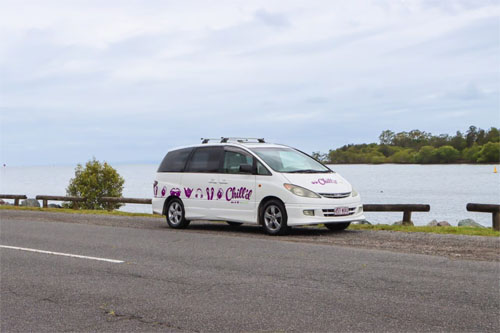
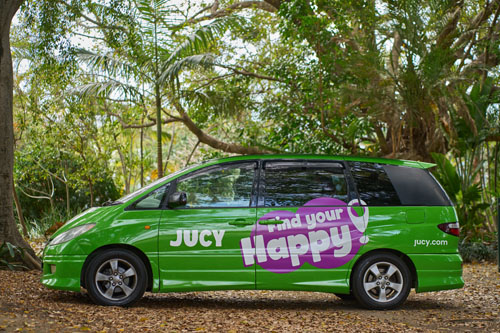
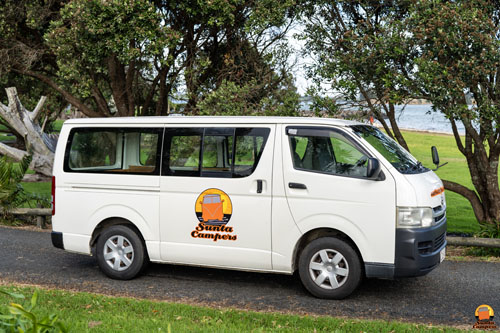
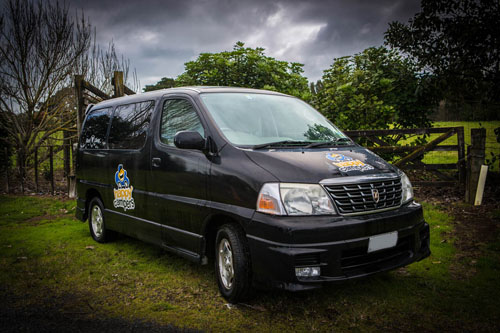
Choosing the best RV class for camping in New Zealand, especially with a pet, depends on your group size and desired comfort level. For optimal maneuverability on New Zealand's winding roads and easier access to smaller sites, Class B - Camper Vans (averaging 5.8m in length) are highly recommended. These compact vehicles, like the "Active Pop Top Select" or "HiTop Campervan" (many of which are pet-friendly), offer fuel efficiency of 8-10 L/100 Km (global fleet average) and are agile enough for varied terrain, making them ideal for a couple or small family with a dog. Class SI - Semi-integrated RVs (averaging 6.9m in length, sleeping 3.8) offer a popular balance of comfort and agility, suitable for couples or small families with average fuel consumption of 10-11 L/100 km (global fleet average). Families or groups needing more space might prefer Class C - Alcove RVs (averaging 7.5m in length, sleeping 5.8), which typically consume 10-12 L/100 km (global fleet average) and offer more living area for both humans and pets. Vehicles like the "29′ Class C Motorhome" often include features like a refrigerator with freezer and a Gas Stove, perfect for preparing meals. Class A - Integrated RVs (averaging 7.5m in length, sleeping 4.4) provide the most luxury and space, ideal for established holiday parks. Remember, driving slowly and carefully, you can drive almost anywhere without issues. No need to stress- just use common sense and pay attention.How to Save on Campgrounds in New Zealand
To save on campgrounds in New Zealand, several strategies can help manage your budget effectively. Utilizing campground discount cards or memberships (e.g., Top 10 Club Card, Kiwi Holiday Parks membership) can provide significant savings on private holiday park stays, often offering 10-20% off nightly rates. Traveling during the shoulder seasons (spring: September-November; autumn: March-May) offers lower rates and fewer crowds compared to the peak summer, making it a great time for a more economical pet-friendly trip. Choosing municipal/regional campgrounds or basic Department of Conservation (DOC) sites over private resorts will substantially reduce accommodation costs, although amenities may be simpler and pet rules stricter. Many private parks offer discounted weekly rates, making longer stays more economical than nightly bookings. When certified self-contained, responsibly utilizing free designated freedom camping spots is the most cost-effective option, provided all regulations are strictly followed. Bandana Caravan is dedicated to full transparency, helping you compare final prices across suppliers so you can budget for these ancillary costs effectively.Can I park my motorhome anywhere in New Zealand?
No, you cannot park your motorhome just anywhere in New Zealand; strict freedom camping regulations, enforced by local councils and the Department of Conservation (DOC), limit where you can park overnight. To legally freedom camp, your rented vehicle must be certified self-contained (NZS 5465:2001), meaning it has a fixed toilet, wastewater tank, fresh water tank, and rubbish bin, with certification typically valid for 4 years. This certification ensures that your RV can hold enough fresh water (12 liters per person per day for 3 days), grey water (12 liters per person per day for 3 days), and a toilet capacity of 3 liters per person per day for 3 days. Always use official resources like the CamperMate app, Rankers NZ, or local council websites to locate designated freedom camping sites and ensure your RV meets self-containment standards. Illegally parking can result in immediate fines of NZD $200-400, vehicle impoundment, and contributes negatively to New Zealand's tourism image. Beyond rules, adhering to 'Leave No Trace' principles involves packing out all waste, using designated dump stations, respecting private land, and minimizing noise, especially important when traveling with pets.How much does it cost to park a campervan in New Zealand?
The cost to park a campervan in New Zealand varies significantly, ranging from free for approved self-contained freedom camping sites to upwards of NZD $70+ per night for premium private holiday parks. Basic DOC Sites typically cost around NZD $8-15 per person per night for unpowered sites with minimal facilities. Serviced DOC Sites generally cost NZD $15-25 per person per night for sites with additional amenities like flushing toilets or tap water. Private Holiday Parks, which often welcome pets, generally range from NZD $20-40 per person per night for powered sites, with prices increasing during peak season (December-February) or for prime locations like Queenstown. Beyond basic parking costs, a comprehensive budget breakdown should include fuel (e.g., Bandana's Class B Camper Vans average 8-10 L/100 Km), potential one-way rental fees (which can be NZD $150-500 depending on distance), insurance excess, road tolls (like the Northern Gateway), ferry costs (Interislander or Bluebridge), and occasional dumping station fees if not staying at a park. Strategies for saving money include cooking meals in your rented RV rather than dining out and enjoying New Zealand's abundant free natural attractions. Our "Cheap RV Rental in New Zealand - Budget Guide 2026" offers more ways to save.Does New Zealand have RV parks?
Yes, New Zealand has a comprehensive and well-developed network of RV parks, locally known as holiday parks or campgrounds, catering to a wide range of budgets and preferences. These parks are managed by both the Department of Conservation (DOC), offering sites in stunning natural environments, and by private companies, often under brands like Top 10 Holiday Parks or Kiwi Holiday Parks. Many of these private parks are pet-friendly, making them ideal for a pet-friendly RV adventure. RV parks typically offer extensive facilities, from basic unpowered sites to fully serviced powered sites with access to communal kitchens, laundries, hot showers, and recreational areas. They are strategically located throughout both the North and South Islands, near popular tourist attractions, towns, and scenic routes, making RV travel highly convenient. Whether you're looking for an economical campsite or a luxurious RV resort, New Zealand offers plenty of choice for your rented motorhome. You can explore more options in our "RV Rental in New Zealand - Prices and Best Deals 2026" guide.Can you free camp anywhere in NZ?
No, you cannot legally free camp anywhere in New Zealand; strict regulations require RVs to be certified self-contained and only permit freedom camping in designated areas. Your rented RV must meet the NZS 5465:2001 standard, demonstrating it has adequate onboard facilities like a toilet, greywater tank (minimum 25 liters), freshwater tank (minimum 9 liters), and a sealable rubbish bin (minimum 5 liters per person), along with holding tanks for 3 days of use per person. Reliable resources such as the CamperMate app, Rankers NZ website, and official local council websites are essential for locating approved freedom camping areas. Be aware that freedom camping rules can vary significantly by district, so always check local signage and specific council bylaws to avoid fines. Even in designated areas, practicing 'Leave No Trace' principles- including proper waste disposal, especially pet waste, and respecting the natural environment and local communities- is paramount to responsible tourism. This helps preserve New Zealand's pristine landscapes for everyone. For detailed routes and camping options, consider exploring rvplan.net.How much does it cost to stay at a campground in New Zealand?
The cost to stay at a campground in New Zealand typically ranges from NZD $8-15 per person per night for basic Department of Conservation (DOC) unpowered sites to NZD $20-40+ per person per night for powered sites with comprehensive amenities at private holiday parks. DOC Basic/Standard Sites are generally the most affordable, offering minimal facilities but access to beautiful, often remote natural settings. DOC Serviced Sites provide slightly more amenities, such as flushing toilets and tap water, and usually require advance booking. Private Holiday Parks offer hot showers, full kitchens, laundries, and recreational facilities, making them more expensive, especially during peak season (December-February) and in popular tourist destinations like Auckland or Queenstown. Additional costs can apply for specific amenities like coin-operated hot showers or Wi-Fi access, so always check what's included. Beyond just campsite fees, it's crucial to budget for other significant costs such as fuel (considering common consumption for different classes, e.g., Class C 10-12 L/100 km, based on Bandana's global fleet), food, activities, and potential one-way rental or inter-island ferry fees. Our "RV Rental Deals in New Zealand - Latest Offers 2026" can help you find ways to manage these expenses.Can you sleep in a camper anywhere in NZ?
No, sleeping in a camper anywhere in New Zealand is generally prohibited outside of designated campgrounds, holiday parks, or approved freedom camping sites, with strict enforcement and fines for non-compliance. Unauthorized overnight parking or 'wild camping' in non-designated areas can lead to significant fines, typically ranging from NZD $200 to $400, issued by local authorities. It is illegal and disrespectful to park or sleep on private land without explicit permission from the landowner. Sticking to designated sites ensures better security, access to facilities, and proper waste disposal, which are essential for responsible travel, especially when you have a pet. Drive slowly and carefully, and you can drive almost anywhere without issues. No need to stress- just use common sense and pay attention. Adhering to these regulations is crucial for upholding the Tiaki Promise, New Zealand's commitment to caring for its environment and cultural heritage.Is New Zealand RV friendly?
Yes, New Zealand is highly RV-friendly, offering an excellent infrastructure, diverse landscapes perfect for road trips, and a welcoming attitude towards motorhome travelers, though specific road challenges exist. Drivers should be prepared for narrow, winding roads, numerous single-lane bridges (where 'Give Way' etiquette applies, indicated by arrows), gravel sections, and steep mountain passes (e.g., Crown Range Road), which demand cautious driving, especially in a larger rented RV. Inter-island travel between the North and South Islands requires booking your RV on the Interislander or Bluebridge ferry well in advance, especially during the peak season from December to February. Familiarize yourself with New Zealand's unique road signs, such as 'Loose Chippings' (gravel), 'Blind Crest' (limited visibility ahead), and 'Share the Road' (cyclists), to ensure safe navigation. Embrace the Tiaki Promise by driving safely, disposing of all waste responsibly, respecting local communities, and being mindful of Māori cultural sites and customs during your journey with your pet. You can get more local tips in our "RV Travel Guide to New Zealand - Tips and Top Spots 2026".Do you need a special license to drive an RV in New Zealand?
No, you typically do not need a special license to drive most RVs in New Zealand if you hold a valid, full driver's license from your home country, provided it is in English or accompanied by an approved English translation or International Driving Permit (IDP). If your license is not in English, an IDP or an approved English translation must be carried alongside your original license at all times. Your driver's license must be current and not suspended or revoked in your home country. For most tourist RVs with a Gross Laden Weight (GLW) up to 3,500 kg, a standard car license is sufficient. For heavier vehicles, a heavy vehicle license may be required, so always confirm with your rental provider. The minimum rental age is 21, and Bandana Caravan proudly states there are no young driver surcharges and no vehicle class restrictions based on age. Ensure your specific license type and driving history are compatible with your chosen RV rental insurance policy to avoid any coverage issues, allowing for peace of mind on your pet-friendly adventure.How much do campsites cost in New Zealand?
Campsite costs in New Zealand vary widely, from around NZD $8-15 per person for basic unpowered sites in national parks (like some DOC sites) to NZD $20-40 per person for powered sites with full amenities at private holiday parks. Prices are influenced by location (e.g., popular tourist hubs like Auckland or Queenstown are pricier), season (peak season, December-February, is more expensive), the range of amenities offered (basic vs. full hookups, Wi-Fi, laundry, pet facilities), and the size of your rented RV. For instance, a basic DOC site with cold water and pit toilets might be NZD $8, while a top-tier holiday park with a swimming pool and pet-friendly areas could be NZD $70+. Beyond just campsite fees, it's crucial to budget for other significant costs such as fuel (considering common consumption for different classes, e.g., Class C 10-12 L/100 km, based on Bandana's global fleet), food, activities, and potential one-way rental or inter-island ferry fees. To reduce expenses, utilize campground discount cards, opt for more affordable Department of Conservation (DOC) sites, cook your own meals using your RV's kitchen, and consider traveling during the shoulder seasons for lower rates. Our "RV Rental Near New Zealand Airport - Pickup Pricing 2026" can provide more context on initial costs.Is it worth getting a campervan in New Zealand?
Yes, getting a campervan or motorhome in New Zealand is highly worth it for travelers seeking unparalleled flexibility, immersive experiences, and a cost-effective way to explore the country's diverse landscapes at their own pace, especially with a pet. A rented campervan caters to various travel styles, offering budget-conscious travelers significant savings on accommodation and food, while providing families with convenience and space for multi-stop trips. For adventurers, it's ideal for accessing remote hiking trails, surf spots, and national parks, allowing for spontaneous itinerary changes and waking up to new, breathtaking views daily. Even larger Class A or premium Class SI RVs offer comfort and amenities while granting the freedom to explore New Zealand's stunning scenery on your terms. The pros include an unrestricted itinerary, access to remote locations, picturesque 'backyard' views every morning, potential cost savings on accommodation and food, and a truly immersive way to experience New Zealand's natural beauty. Cons can include navigating larger vehicles on narrow roads, strict freedom camping rules requiring diligent adherence, and peak season rentals/campsites being expensive and potentially fully booked. Ultimately, the freedom to explore New Zealand at your leisure, embrace its natural wonders, and create a personalized journey often makes an RV trip an unforgettable and highly recommended experience.What You Shouldn't Miss
- **Explore the Coromandel Peninsula with your dog:** Many beaches and walking tracks on the Coromandel are dog-friendly, allowing you to dig your own hot pool at Hot Water Beach (check tide times) or hike to Cathedral Cove (pet rules vary for specific sections, so confirm locally).
- **Visit the Queenstown-Lakes District:** This adventure capital offers numerous pet-friendly walking trails around Lake Wakatipu and Lake Hayes, providing stunning scenery for you and your dog.
- **Discover the Central North Island's thermal areas:** While geothermal parks often have strict "no pet" policies, nearby regional parks and campgrounds in Rotorua or Taupo offer pet-friendly spots and walks, allowing you to experience the unique landscape.
- **Drive the scenic West Coast of the South Island:** With expansive beaches and lush native forests, this region provides plenty of opportunities for dog walks and scenic stops. Remember to keep dogs leashed and respect local wildlife.
- **Experience the Otago Rail Trail with a rented RV:** While dogs aren't allowed directly on the trail, many nearby accommodations and support services are pet-friendly, making it a great base for exploring the region's cycling and history.
Final Thoughts
Traveling through New Zealand with a rented RV and your dog is an experience filled with unparalleled freedom and breathtaking scenery. From the moment you pick up your pet-friendly motorhome to the winding roads of Fiordland, every day brings a new discovery for you and your furry companion. Remember to embrace the local customs, drive slowly and carefully, and always respect the natural environment, ensuring a smooth and joyful adventure for everyone.With Bandana Caravan, you're not just booking an RV- you're gaining a partner dedicated to making your journey seamless. Our commitment to full transparency and unwavering support means you can explore New Zealand's stunning landscapes with complete peace of mind. So pack your bags, grab your dog's leash, and get ready for the trip of a lifetime!
Discover top destinations, planning tips, all in one place! Explore our extensive selection and start comparing prices for your ultimate New Zealand adventure today.
On the routes offered through RV PLANET routes, you can itemize and track every expense along the way for easy budgeting.