In This Guide
- Top 5 Tips for RV Rental in New Zealand
- Before You Book - Class, Dates, Insurance
- Pre-Trip Prep - Packing Checklist for New Zealand
- On the Road - Driving, Fueling, Navigation
- At the Campground - Setup, Hookups and Etiquette
- RV Rental-Specific Tips for New Zealand
- Common Mistakes to Avoid in New Zealand
- How much does it cost to rent a RV in New Zealand
- What is the 333 rule for campervan
- What is the best camper rental in New Zealand
- Is it worth it to rent a campervan in New Zealand
- Is it easy to drive a motorhome in New Zealand
- Do and don'ts New Zealand
- How much money would I need for 2 weeks in New Zealand
- Is it easy to campervan around New Zealand
- What are the drawbacks of renting an RV
- Top Cities for RV Rental in New Zealand
- Country-Wide Practical Information for RV Travel in New Zealand
- What You Shouldn't Miss
- Why Book with Bandana Caravan
- Final Thoughts
- Frequently Asked Questions
Top 5 Tips for RV Rental in New Zealand
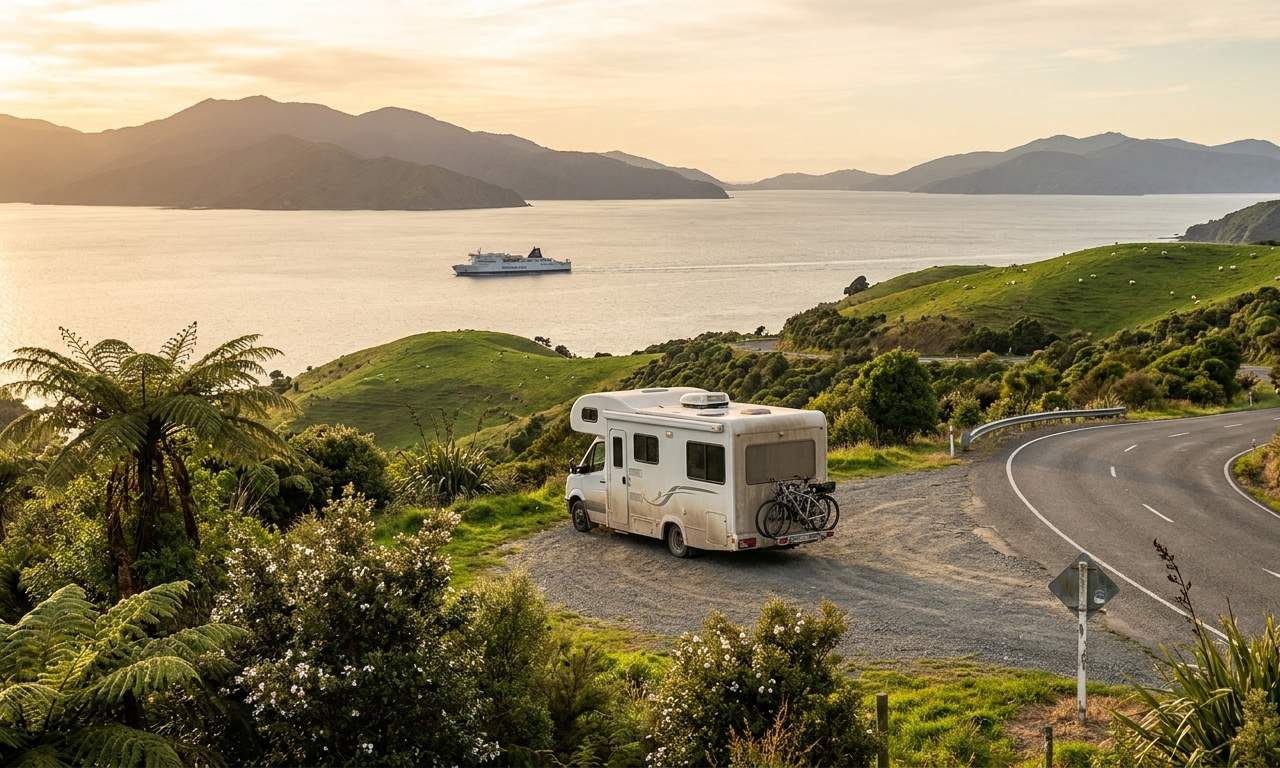
Securing an RV rental in New Zealand for an unforgettable adventure involves strategic planning and awareness of local specifics to ensure a smooth journey. For live availability and current prices, start with our RV Rental New Zealand - Complete Guide 2026.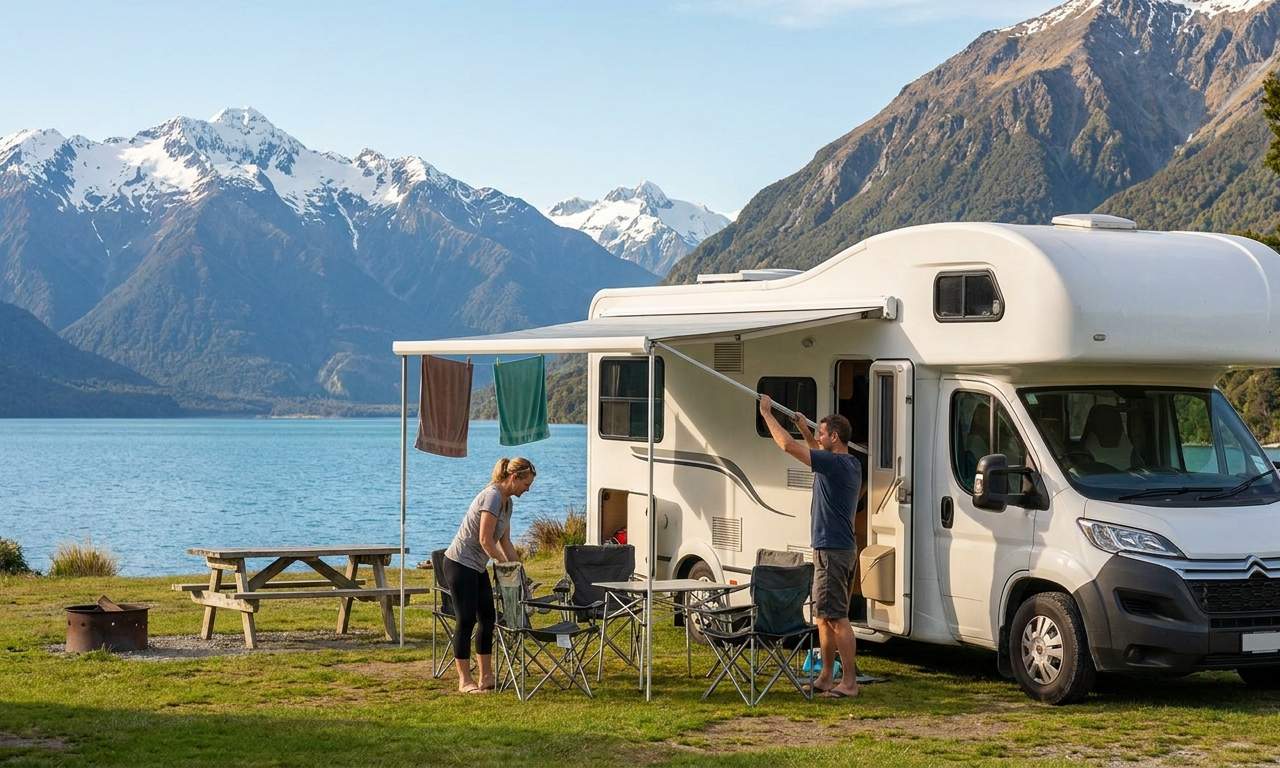
- Book Early: Booking your motorhome rental 90+ days in advance can secure an average saving of 25% on peak-season rates, especially for popular periods like December-February. For more ways to save, check out our "Cheap RV Rental in New Zealand - Budget Guide 2026" itinerary.
- Understand Self-Containment: New Zealand has strict rules for freedom camping, and your rented RV must be certified self-contained to legally park overnight in many areas. This means having onboard facilities for fresh water, greywater, and blackwater, sufficient for 3 people for 3 days.
- Plan Realistic Driving Routes: New Zealand's roads, particularly in scenic areas, can be narrow, winding, and feature mountain passes and single-lane bridges, meaning actual travel times often exceed what maps suggest. We recommend traveling slowly, aiming for a maximum of 100-150 km per day on average, to fully immerse yourself in the scenery, culture, and food.
- Pack for All Seasons: New Zealand's weather is famously changeable, sometimes experiencing "four seasons in one day" due to its varied topography. Packing versatile layers, including waterproof and windproof gear, is essential for comfort in sun, rain, and cooler temperatures, even during summer.
- Embrace Flexibility: While initial planning is key, leaving room for spontaneous detours allows you to discover unexpected attractions and truly experience Aotearoa's hidden gems. Remember, many national and state parks reserve 25-30% of their spots for first-come-first-serve campers, so you'll often find a spot, even if it's not at your first choice. Always call ahead before driving long distances to confirm availability.
Before You Book - Class, Dates, Insurance
Selecting the right rented RV class, booking dates strategically, and understanding insurance options are crucial steps before finalizing your New Zealand adventure. RV classes range from compact campervans like the 'rv rental denver example Category Van' which is ideal for a couple, to larger Class C motorhomes such as the 'rv rentals example Comfort Class' offering three double beds and ample space for a big family or group of friends. Campervans often provide a balance of maneuverability and comfort, while larger motorhomes offer home-like conveniences with features like showers and toilets. Booking dates significantly impact rental prices and availability, as prices are dynamic, much like flight tickets. Peak season (December to February) and school holidays are typically the most expensive and competitive periods. Traveling during the shoulder seasons (spring or autumn) or off-peak generally offers better value and fewer crowds. Reviewing insurance options is also essential; basic coverage is typically included with your rental. You can upgrade to a top-level deductible for extra peace of mind, minimizing your out-of-pocket expenses in unforeseen incidents. Bandana Caravan is committed to full transparency, meaning what you see is what you pay, with no surprise fees at pickup. This is part of our commitment to helping tens of thousands of travelers explore the world by RV since our founding in 2001. For current deals, consider checking our "RV Rental Deals in New Zealand - Latest Offers 2026" page.Pre-Trip Prep - Packing Checklist for New Zealand
Preparing for an RV trip in New Zealand requires a thoughtful packing strategy to accommodate diverse weather and activities. While most rental motorhomes, including models like the 'rent rv example A1' which offers a shower and toilet, come equipped with basic kitchenware and bedding, a personalized checklist ensures maximum comfort and preparedness.- Clothing: Layered clothing (thermals, fleece, waterproof/windproof jacket), comfortable walking shoes for hikes, sandals, swimwear, a wide-brimmed sun hat, and warm socks are essential due to New Zealand's famously changeable weather.
- Kitchen & Food: Reusable water bottles, a selection of basic spices, non-perishable snacks, and a small cooler bag (if your RV's refrigerator isn't sufficient) are highly recommended for self-catering. Cooking meals in your rented motorhome is a fantastic way to save money and enjoy local produce. For inspiration, check out our RV-friendly recipes playlist.
- Safety & Comfort: A comprehensive first-aid kit, effective insect repellent (especially for sandflies in the South Island), high-SPF sunscreen, a small backpack for day trips, a headlamp or torch, a universal power adapter, and a portable charger are invaluable.
- Documents & Navigation: Your standard driver's license (an International Driving Permit is recommended for visitors from non-English-speaking countries but is not mandatory), passport, rental booking confirmation, travel insurance details, and offline GPS maps or a physical map (for areas with intermittent mobile signal) are vital.
- Entertainment: Books, small travel games, and downloaded movies or music will be appreciated during evenings or in areas without internet connectivity.
At the Campground - Setup, Hookups and Etiquette
Setting up your rented RV at a New Zealand campground involves a straightforward process of leveling, connecting utilities, and respecting local etiquette for a comfortable stay. Upon arrival, park your campervan or motorhome on a level site using ramps or blocks if necessary; this helps appliances function correctly and ensures a good night's sleep. Next, connect your RV to power (if available) using the provided shore power cord, followed by water hookups. Finally, ensure your wastewater hose is connected for greywater disposal, and familiarize yourself with the blackwater dump station location. Respecting quiet hours, typically from 10 PM to 7 AM, is essential for campground harmony. Always leave your site clean, dispose of waste properly in designated bins, and adhere to 'Leave No Trace' principles, which are highly valued in New Zealand's natural environments. For instance, many freedom camping spots require your vehicle to be a certified self-contained motorhome, meaning it must have an onboard toilet, fresh water tank (at least 12L per person per day), greywater tank (12L per person per day), and a sealed waste holding tank (3L per person per day for blackwater), along with rubbish facilities.RV Rental-Specific Tips for New Zealand
Tailoring your RV rental experience in New Zealand to your specific travel profile can significantly enhance your trip. Bandana Caravan, as true RV specialists with direct partnerships with over 50 leading RV suppliers worldwide including Apollo and Britz, understands that every traveler's needs are unique.- For Families with Children: Consider renting larger Class C motorhomes, like the 'rv rentals example Comfort Class' (a 6-berth unit, ideal for families of 2+2 or bigger groups). These often feature dedicated sleeping areas, child seat anchor points, and more interior space, like models with a 150L fresh water tank, allowing for comfortable family travel. Plan shorter driving days with frequent stops at playgrounds or scenic reserves to keep kids engaged. You might find useful insights in our "RV Travel Guide to New Zealand - Tips and Top Spots 2026" video.
- For Couples or Budget Travelers: Opt for smaller campervans or Class B motorhomes such as the 'rv rental denver example Category Van' or 'Paradise Camper 4x4 double cab.' These vehicles offer better fuel efficiency (e.g., 11 liters/100 km for some models) and are easier to maneuver. Utilizing certified self-contained freedom camping sites where permitted and cooking your own meals can significantly reduce costs. Don't forget to check our "Cheap RV Rental in New Zealand - Budget Guide 2026" if budget is a main concern.
- For Luxury Seekers: Explore premium Class A or larger Class C motorhomes from our exclusive fleet options. These luxurious mobile homes often feature spacious layouts, integrated GPS, advanced heating/cooling systems, and optional add-ons like outdoor furniture or gourmet kitchen kits for an elevated experience. For premium offerings, take a look at "Luxury RV Rental in New Zealand - Premium Prices 2026".
-
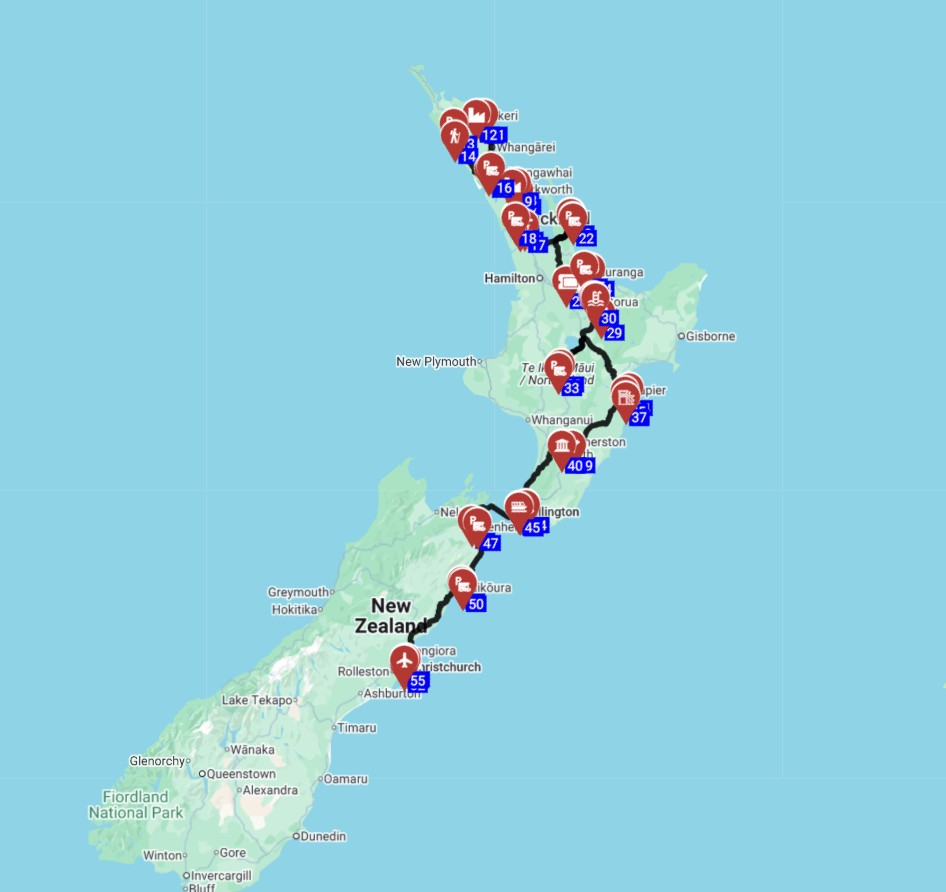
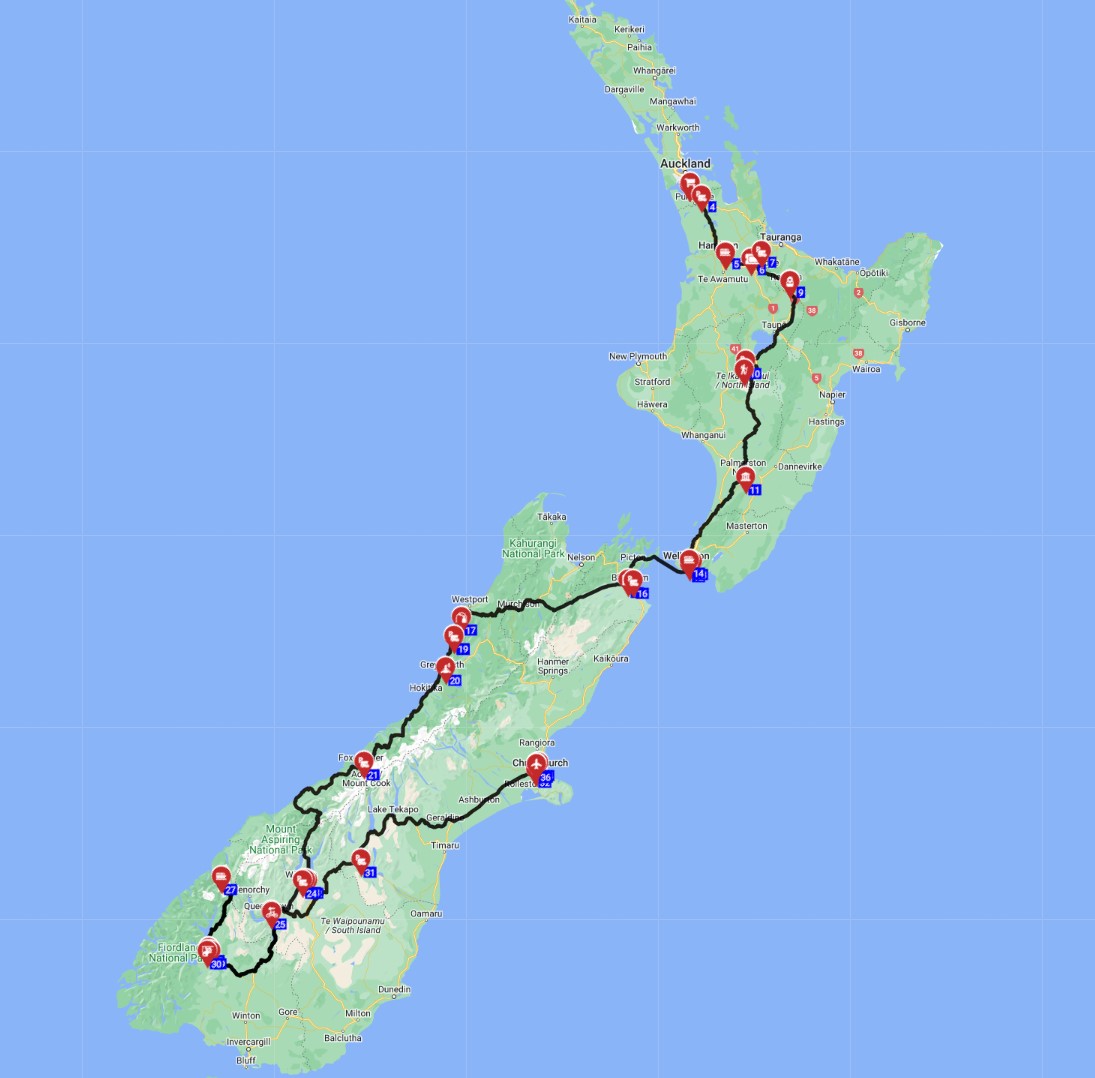
For One-Way Adventures: One-way motorhome rentals are a popular choice for exploring New Zealand, often allowing you to travel from Auckland to Queenstown, or
. These trips may incur a one-way fee ranging from NZD $150 to $500, depending on the route and season. Our "One-Way RV Rental in New Zealand - Price Guide 2026" offers detailed pricing information.
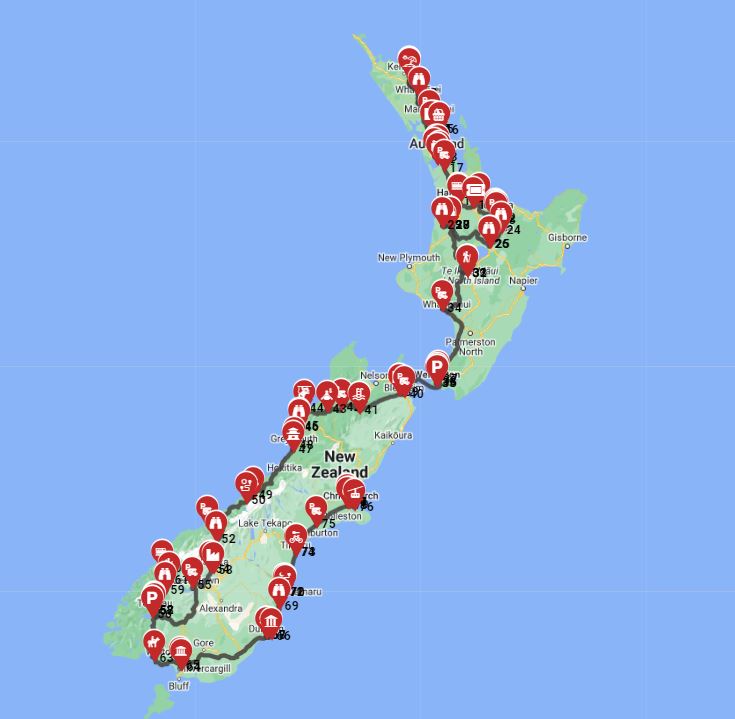 Auckland to Christchurch - Comprehensive New Zealand
Common Mistakes to Avoid in New Zealand
Avoiding common pitfalls can transform an ordinary RV trip in New Zealand into an extraordinary adventure, ensuring a seamless experience.- Underestimating Driving Times: New Zealand's winding roads, single-lane bridges, and frequent scenic pull-offs mean that a 200 km journey can take significantly longer than expected. Always plan for slower travel speeds, typically no more than 100-150 km per day on average, to avoid rushing and fully enjoy the scenery.
- Improper Waste Disposal: Dumping greywater or blackwater anywhere other than designated dump stations is illegal and carries hefty fines (up to NZD $400 for illegal dumping). Ensure your rented motorhome is certified self-contained and always use proper facilities to protect New Zealand's pristine environment.
-
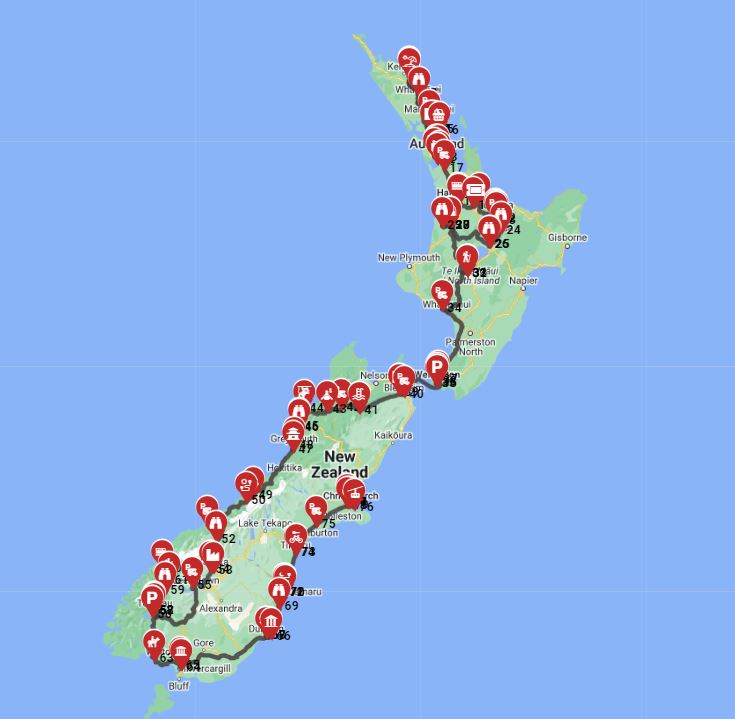
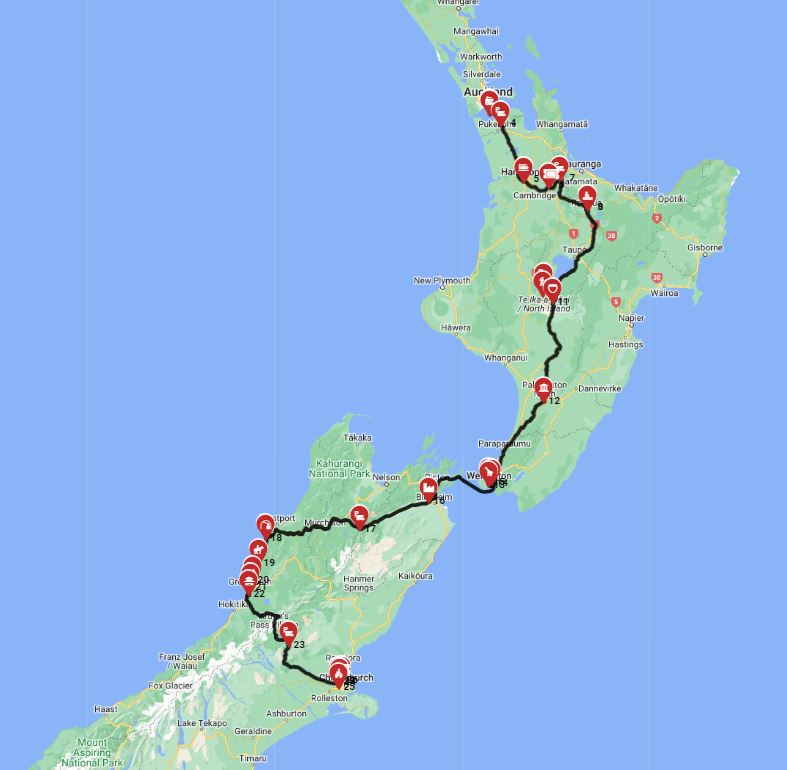
Neglecting to Pre-book Campsites: While New Zealand has many campgrounds, popular Department of Conservation (DOC) sites and holiday parks, especially those along routes like the 2830.2 km
, can fill up quickly during peak seasons (December-February) or school holidays. Booking ahead, particularly for powered sites, is highly recommended to secure your spot. Remember that many parks also offer first-come, first-serve spots, so if your first choice is full, another option is usually nearby. Always call ahead.
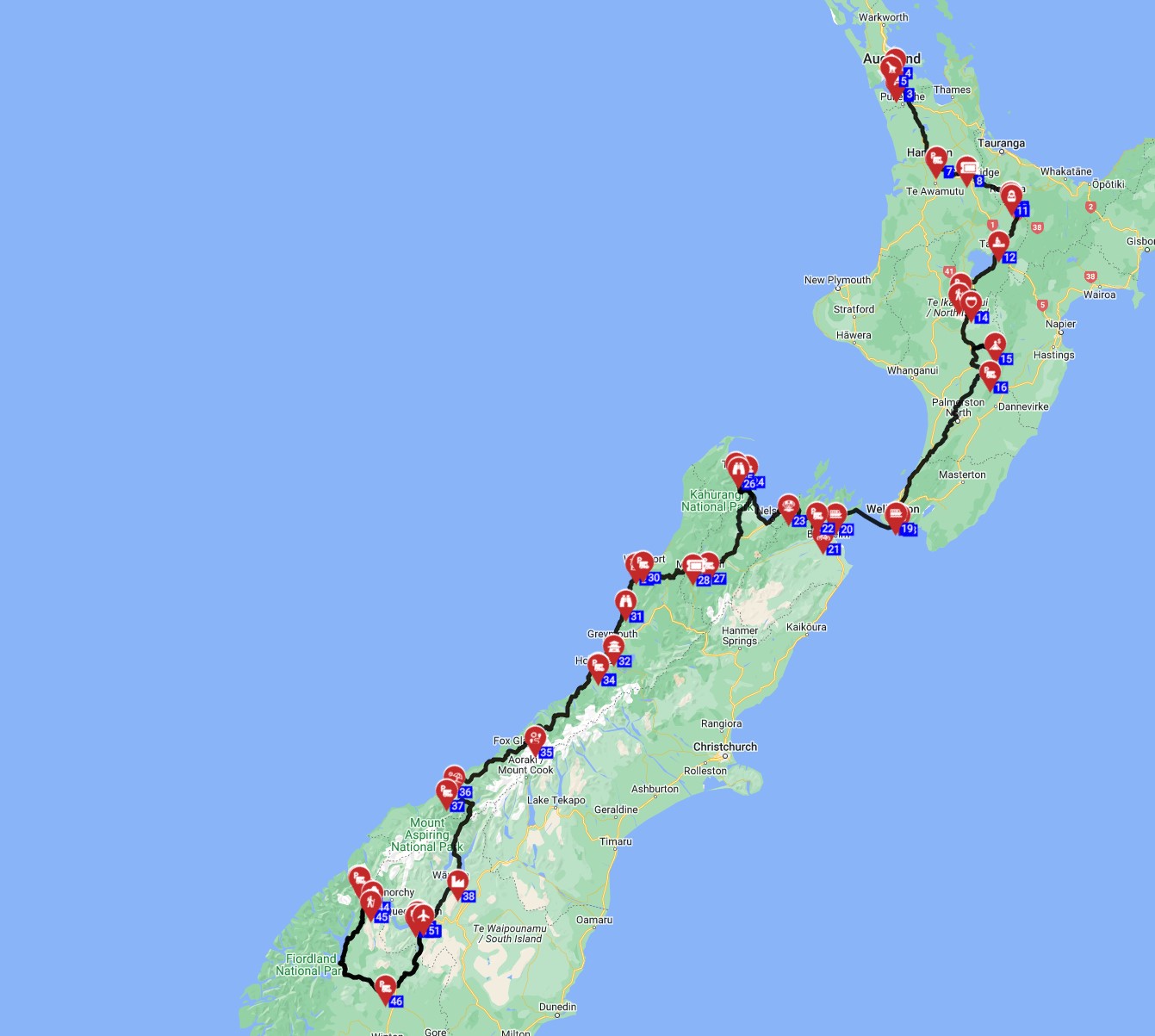 Auckland to Queenstown - The Great Kiwi Road Trip
 - Being Unprepared for Weather: New Zealand's 'four seasons in one day' reputation is well-earned. Always check local forecasts and pack layers, even in summer, to be ready for sudden changes in temperature, rain, or wind, especially when exploring mountainous regions or coastal areas.
- Ignoring Road Signs: Pay close attention to signage, especially for one-lane bridges common in the South Island, and for road closures or warnings in national parks. Understanding these local tips is key to a safe journey.
How much does it cost to rent a RV in New Zealand
Renting an RV in New Zealand typically costs between NZD $80 to $400+ per day, varying significantly based on vehicle size, rental season, and booking duration. This daily rate often includes basic insurance but excludes other substantial expenses. A comprehensive budget for an RV trip should also account for fuel, which can be a major cost given New Zealand's vast distances and fuel prices (currently around NZD $2.80 per liter for petrol). For instance, a Class C motorhome like the 'cruise america rv rental example Explorer' has a 75-liter fuel tank and consumes about 11 liters per 100 km. Campsite fees range from free (for certified self-contained freedom camping) to NZD $20-60+ per night for powered sites at holiday parks. Additionally, factor in inter-island ferry costs if traveling between the North and South Islands (around NZD $200-400 for an RV and passengers for a one-way trip), daily food expenses (NZD $50-100 per person when cooking most meals onboard), and activity costs (e.g., tours, entry fees, which can add NZD $100-300+ per person per activity). For detailed pricing and current deals, explore our "RV Rental in New Zealand - Prices and Best Deals 2026" guide. Remember, prices are dynamic and change daily based on availability, seasonality, and supplier decisions, with the final price set at the actual booking time.What is the 333 rule for campervan
The '333 rule' for campervans in New Zealand is an informal but widely referenced guideline for responsible freedom camping, although official regulations focus on 'self-containment' certification. This informal rule generally suggests parking for a maximum of 3 nights in one spot, ensuring at least 3 meters from any water source, and having 3 liters of greywater capacity per person per day. Legally, the critical requirement for freedom camping in New Zealand is that your campervan or motorhome must be *certified self-contained*. This certification, issued by a Plumbing and Drainage Act 2006 authorized certifying authority, ensures the vehicle has an onboard toilet (minimum 3L capacity per person for 3 days), fresh water tank (minimum 12L per person for 3 days), greywater tank (minimum 12L per person for 3 days), a sealed blackwater tank, and rubbish facilities. Adhering to these regulations prevents fines (up to NZD $400 for non-compliance) and protects New Zealand's pristine environment, upholding the 'Leave No Trace' principles.What is the best camper rental in New Zealand
Determining the 'best' camper rental in New Zealand depends heavily on individual travel priorities, budget, and desired vehicle features. Leading rental companies, direct partners of Bandana Caravan, include reputable names like Apollo and Britz, each offering different vehicle types, price points, and service levels. When choosing, consider the vehicle size and layout suitable for your group; for instance, a 'hire campervan example Paradise S/T' is ideal for a couple, while a 'bunk bed' equipped 'camper hire new zealand example Casa 6' suits a family of 2+2. Key factors also include the insurance options offered (including excess reduction, which you can upgrade to a top-level deductible for extra peace of mind), any potential hidden costs such as one-way fees or additional driver charges, and recent customer reviews for insights into vehicle condition and roadside assistance. Our platform allows you to compare final prices across suppliers, ensuring what you see is what you pay, with no surprise fees at pickup. Remember, Bandana Caravan are true RV specialists, not just a travel agency side department, ensuring expert guidance.Is it worth it to rent a campervan in New Zealand
Renting a campervan or motorhome in New Zealand is widely considered a highly rewarding travel experience, offering unparalleled flexibility and intimate access to the country's stunning landscapes. Imagine waking up to a new, breathtaking view each morning, whether it's overlooking a serene lake or a dramatic mountain range. The freedom to explore at your own pace, adapt your itinerary to weather or whim, and save on accommodation costs by preparing your own meals onboard often makes it a worthwhile investment. While there are considerations like driving larger vehicles, managing waste, and occasionally navigating limited interior space, the ability to effortlessly access remote areas and truly immerse yourself in nature adds significant value. For many, the unique blend of adventure, independence, and connection to Aotearoa's natural beauty far outweighs these minor challenges, making it an iconic way to experience New Zealand for a week-long trip or an extended road trip.Is it easy to drive a motorhome in New Zealand
Driving a motorhome in New Zealand is manageable for most drivers, but it requires caution and an adjustment to local road conditions and etiquette. New Zealanders drive on the left-hand side of the road, and many roads are narrow, winding, or steep, particularly in mountainous regions and coastal areas. However, don't let this deter you; drive slowly and carefully, and you can drive almost anywhere without issues. No need to stress - just use common sense and pay attention. It is important to drive defensively, allow plenty of time for journeys, and pull over safely at designated passing bays to let faster traffic pass, especially on roads with a 100 km/h speed limit. Finding suitable parking can be challenging in bustling city centers like Auckland or Wellington, so planning ahead for designated RV parking is advisable. Locating water refill and dump stations is generally straightforward at holiday parks and designated Department of Conservation (DOC) sites, but requires prior knowledge. Be prepared for varied road surfaces, including some unsealed (gravel) roads, and single-lane bridges that require drivers to yield to oncoming traffic based on clear signage. A standard car driver's license is sufficient for all motorhome classes (Class A, Class B, and Class C).Do and don'ts New Zealand
Respecting New Zealand's cultural norms and environmental ethos is paramount for a positive RV experience, encompassing specific 'do's and 'don'ts for travelers.- Do greet locals with 'Kia Ora' (Māori for hello) and show respect for Māori culture, especially if visiting a marae (meeting ground).
- Do practice 'Leave No Trace' principles by taking all rubbish with you, sticking to designated paths, and respecting wildlife. Always dispose of waste properly in designated dump stations to avoid fines up to NZD $400.
- Don't freedom camp unless your vehicle is certified self-contained and you are in a permitted area; illegal camping is strictly enforced.
- Do drive carefully, yield to faster traffic by pulling over when safe, and appreciate scenic pull-offs. Remember New Zealand's maximum speed limits are 100 km/h on open roads and 50 km/h in urban areas.
- Don't feed wildlife or leave food unattended where native animals like kea (mountain parrots) can access it, as this can harm them.
- Do be prepared for rapidly changing weather conditions, packing layers for sun, rain, and cooler temperatures even on the same day.
- Don't forget to call ahead to campsites, especially during peak season, to check for availability before driving long distances.
How much money would I need for 2 weeks in New Zealand
For a two-week RV trip in New Zealand, a comfortable budget for two people typically ranges from NZD $3,500 to $7,000, depending on your rental choice, activities, and spending habits. This estimate includes key expenditures: RV rental (approx. NZD $1,120 - $5,600 for 14 days, averaging $80-400/day for a campervan or Class C motorhome), fuel (NZD $500-1000, covering approx. 2,000-3,000 km at an average fuel consumption of 11-15 liters/100 km), and campsite fees (NZD $200-700, averaging $15-50/night for powered sites or free for freedom camping). Additionally, allocate funds for inter-island ferry travel (if applicable, around NZD $200-400 for an RV and passengers for the 2647.3 km Christchurch Roundtrip - Around the South Island itinerary), daily food expenses (NZD $700-1400, averaging $50-100/day when cooking most meals), and a significant portion for activities and excursions (NZD $800-2000+), such as bungy jumping, Milford Sound cruises, or Māori cultural experiences. For a flexible budget, consider traveling during the shoulder seasons (spring or autumn) when rental rates are generally lower, and always remember to compare final prices across suppliers with Bandana Caravan for full transparency. For more details on budgeting, check out "RV Rental in New Zealand - Prices and Best Deals 2026".Is it easy to campervan around New Zealand
Campervanning around New Zealand is generally considered easy and immensely rewarding for those prepared for its unique conditions and logistical requirements. The country offers excellent infrastructure for RVs, including numerous holiday parks (over 300 nationwide), Department of Conservation (DOC) campsites (with hundreds of low-cost options), and designated freedom camping spots. While infrastructure is good, ease can be influenced by rapidly changing weather patterns, particularly in mountain passes or during shoulder seasons, necessitating vigilance and adaptability. Safety preparedness for unique New Zealand conditions includes carrying adequate supplies for unexpected delays, being aware of sandfly hotspots (especially in the South Island), and understanding emergency protocols for remote areas by having emergency numbers (111 for Police, Fire, Ambulance) readily available. While navigation is straightforward with good maps and GPS, mobile connectivity can be spotty in isolated regions, so offline maps are a must. With good planning and a flexible mindset, campervanning is an accessible and fantastic way to explore Aotearoa's natural wonders. If you are also considering RV travel in a nearby country, explore our "RV Rental Australia - Complete Guide 2026" for comparative information.What are the drawbacks of renting an RV
Renting an RV in New Zealand, while largely beneficial, comes with potential drawbacks that can be mitigated with proactive planning and awareness. Common issues include limited interior space, which can feel cramped during prolonged stays or bad weather; unexpected mechanical repairs, though reputable rental companies (our direct partners like Britz and Apollo) offer 24/7 roadside assistance; and navigating busy periods where popular campsites, especially at scenic spots, fill up quickly, requiring advance reservations. Drivers might also find maneuvering a larger vehicle, such as a 7-meter long Class C motorhome like the 'cruise america rv rental example Explorer', on New Zealand's narrow, winding roads challenging at first, particularly with parking in smaller towns. To address these drawbacks, choose an RV size appropriate for your group (e.g., a compact 'rv rental denver example Category Van' for couples), understand your rental company's roadside assistance and insurance policies, and book campsites in advance during peak season, remembering many operate on a first-come, first-serve basis. Embrace the 'less is more' packing philosophy for limited space, and allow extra driving time for a more relaxed journey, adhering to our recommendation of max 100-150 km per day.Top Cities for RV Rental in New Zealand
New Zealand offers numerous fantastic starting points for your rented RV adventure, each providing access to unique landscapes and experiences.- Auckland: As New Zealand's largest city, Auckland serves as a major international gateway and offers a wide selection of motorhome rental options. From here, you can easily explore the Northland region, the Coromandel Peninsula, or head south towards Rotorua and the Central North Island.
-
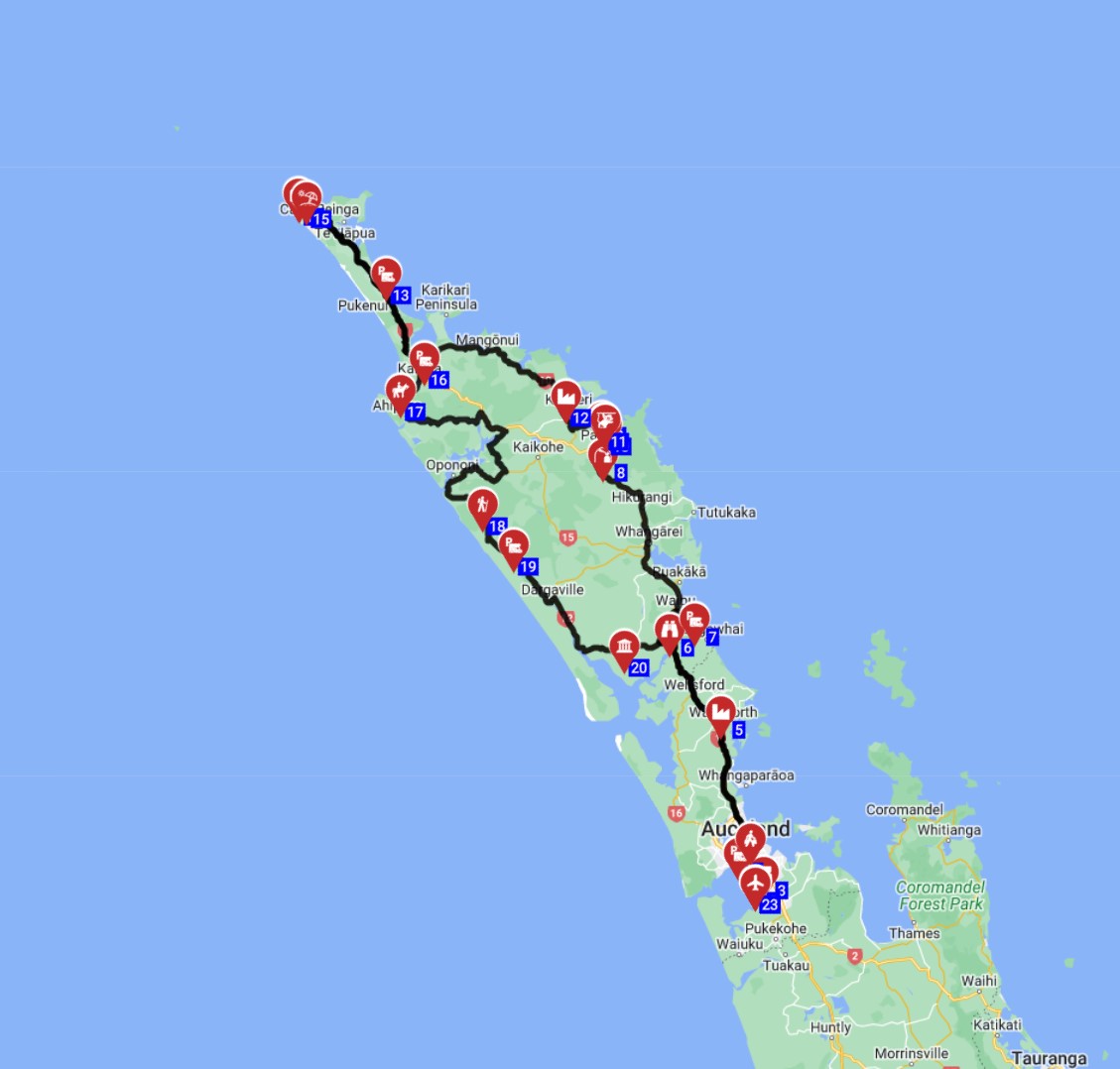
Christchurch: The largest city on the South Island, Christchurch is an excellent base for exploring the Southern Alps, the West Coast glaciers, or the stunning coastline of the Canterbury region. Many epic South Island itineraries, such as the 2647.3 km
, begin and end here.
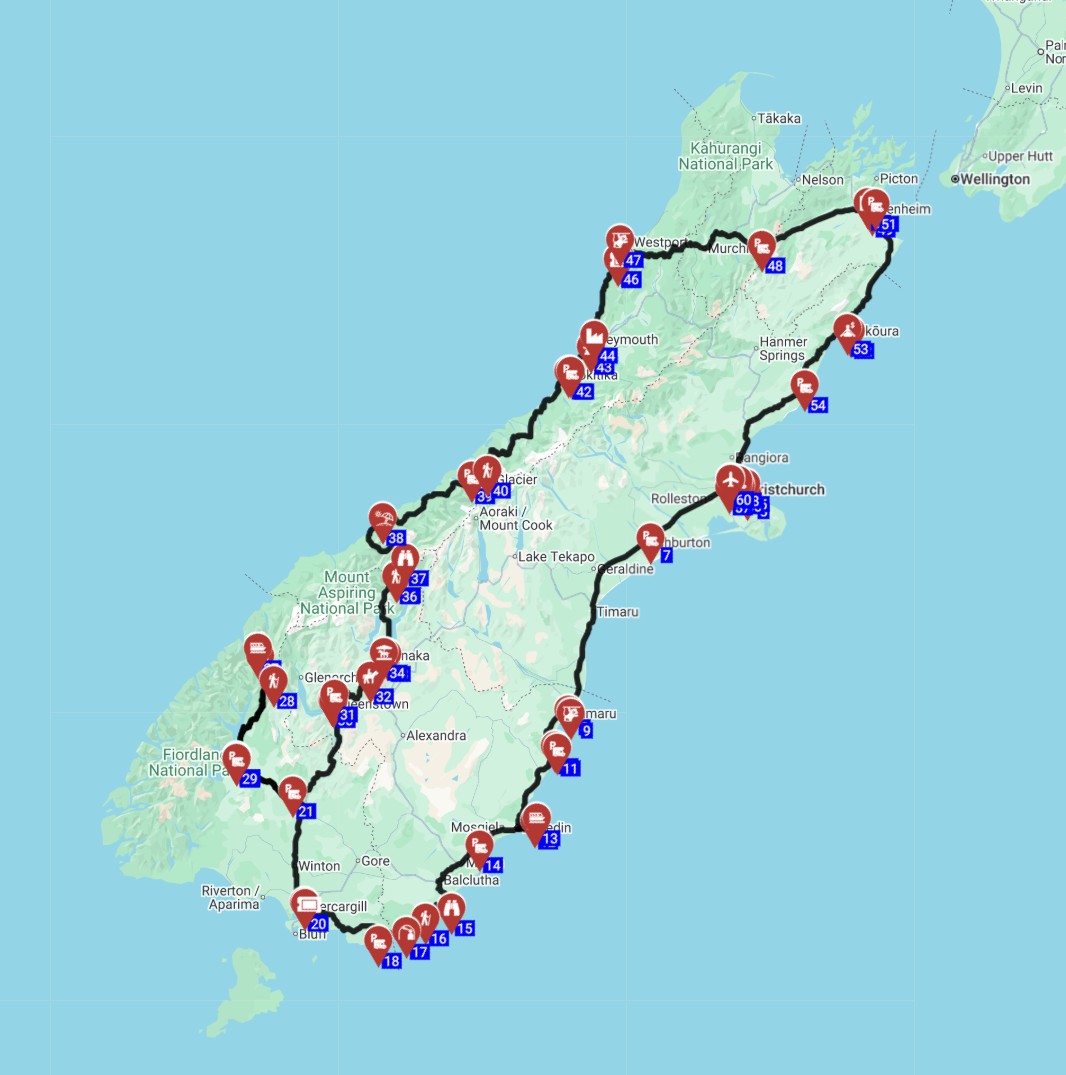 Christchurch Roundtrip - Around the South Island
 - Queenstown: Known as the adventure capital of the world, Queenstown is ideal for those looking to start their RV trip amidst breathtaking mountain and lake scenery, with easy access to Milford Sound and Fiordland National Park.
- Wellington: New Zealand's vibrant capital city on the southern tip of the North Island offers a cultural start to your journey. From here, you can take the Interislander ferry to the South Island, or explore the Wairarapa wine region.
- Rotorua: Located in the North Island's geothermal wonderland, Rotorua is perfect for travelers keen on Māori culture and geothermal attractions. It's a great central hub to explore the middle of the North Island.
- Franz Josef / Fox Glacier: While not major cities, these West Coast towns are popular pickup points for specific 4x4 campervan rentals, catering to adventurers who want immediate access to the glaciers and surrounding wilderness.
- Dunedin: On the lower South Island, Dunedin offers a Scottish heritage feel and unique wildlife experiences, including penguins and albatross. It's a great starting point for exploring the Catlins and the South Otago coast.
Country-Wide Practical Information for RV Travel in New Zealand
Embarking on an RV adventure across New Zealand means understanding a few crucial country-specific details to ensure a safe and enjoyable trip.- Road Rules: New Zealand operates on the left-hand side of the road, and the speed limit is generally 100 km/h on open roads and 50 km/h in urban areas. Drivers must be aware of winding roads, narrow passages, and numerous one-lane bridges, especially in the South Island, where priority signage is essential. Always indicate before turning and be mindful of passing lanes to let faster traffic go by.
- Fuel Types: Most modern rented motorhomes in New Zealand run on Diesel, while many older campervans might use Unleaded 91 or 95. Diesel is generally cheaper than petrol but is subject to a Road User Charge (RUC) collected by rental companies, so factor this into your overall costs. Fuel stations are readily available in towns, but distances can be significant in remote areas, so plan your refills carefully.
- Toll Roads: New Zealand has a few toll roads, primarily in the North Island (e.g., Northern Gateway Toll Road, Tauranga Eastern Link, Takitimu Link). These tolls are electronic, and your rental company will typically manage payment and charge you retrospectively, often with a small administration fee.
- National Park Permits: Most national parks in New Zealand do not require an entry permit for general access. However, if you plan to stay at Department of Conservation (DOC) campsites within national parks, you will need to pay site fees, which vary. Some popular Great Walks or specific activities might require booking and permits, which can be done through the DOC website (doc.govt.nz).
- Emergency Numbers: For Police, Fire, or Ambulance services anywhere in New Zealand, dial 111. It's essential to have this number stored and know your approximate location in case of an emergency.
- SIM Card/Connectivity: Major towns and cities offer good mobile coverage (4G/5G) from providers like Vodafone, Spark, and 2degrees. However, in remote areas and national parks, signal can be intermittent or nonexistent. Purchasing a local SIM card with a data plan upon arrival is easy and affordable. For navigation, always download offline maps.
What You Shouldn't Miss
New Zealand is a land of incredible contrasts and unforgettable experiences, especially when explored in a rented motorhome. Don't miss these highlights:-
Milford Sound Cruise: Often described as the "Eighth Wonder of the World," a cruise through Milford Sound (part of Fiordland National Park) is an absolute must. Towering cliffs, cascading waterfalls, and abundant wildlife make it truly magical. It's a key highlight on the 2647.3 km "
" route.
Christchurch Roundtrip - Around the South Island
- Hike the Tongariro Alpine Crossing: Voted one of the best one-day hikes in the world, this 19.4 km trek in Tongariro National Park offers dramatic volcanic landscapes, emerald lakes, and panoramic views.
-
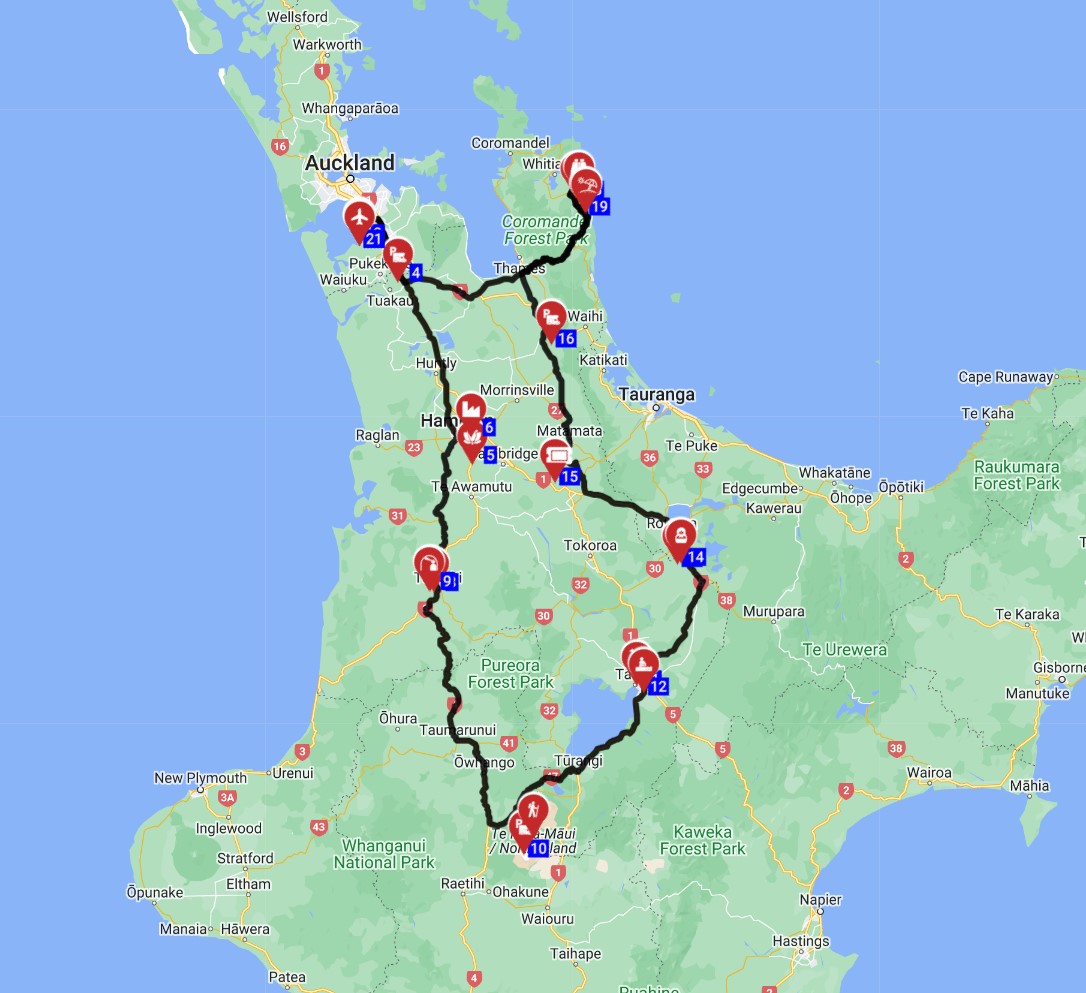
Explore the Waitomo Glowworm Caves: Experience the natural wonder of thousands of tiny glowworms illuminating underground caves like a starry sky, a unique highlight often included in North Island itineraries such as the
, which features 2 natural features.
Auckland to Queenstown - The Great Kiwi Road Trip
- Relax in Rotorua's Geothermal Hot Pools: Immerse yourself in Māori culture and the therapeutic geothermal hot springs around Rotorua, offering a perfect blend of relaxation and cultural insight.
-
Queenstown Adventure: From bungy jumping and jet boating to serene lake cruises, Queenstown offers an array of thrilling activities amidst spectacular scenery. The
includes 1 extreme activity and 2 tourist attractions in this vibrant area.
Auckland to Queenstown - The Great Kiwi Road Trip
- Discover the West Coast Glaciers: Witness the majestic Franz Josef and Fox Glaciers in the South Island, where ice descends almost to sea level. Enjoy scenic walks or helicopter tours for breathtaking views.
Final Thoughts
New Zealand truly is a playground for RV enthusiasts, offering unparalleled natural beauty and a warm welcome at every turn. Whether you're dreaming of a week-long trip exploring the North Island's geothermal wonders or an extended road trip encompassing the South Island's dramatic landscapes, a rented motorhome or campervan provides the freedom and flexibility to make your adventure truly your own. Remember to travel slowly, savor each moment, and immerse yourself in the unique culture and breathtaking scenery. We're here to support you before, during, and after your booking, ensuring every detail is handled so you can focus on making incredible memories.Get inspired for your next trip! Discover top destinations, planning tips, all in one place, and plan a trip itinerary in advance with minimal effort and maximum enjoyment. Your unforgettable New Zealand RV journey awaits.
On the routes offered through RV PLANET routes, you can itemize and track every expense along the way for easy budgeting.