In This Guide
- What one way rv rental RV Rental Costs in Texas (2024)
- Seasonal Pricing - Peak vs. Shoulder vs. Off-Season in Texas
- What's Included vs. What's an Add-On
- Hidden Costs to Budget For in Texas
- How to Save on one way rv rental RV Rental in Texas
- What is the average cost of a one-way RV rental
- Can you rent a camper in one state and drop it off in another
- How much does it cost to RV Texas
- Are RVs cheaper than hotels in Texas
- Where can you park an RV for free in Texas
- Can you park an RV anywhere in Texas
- Is it safe to RV in Texas
- How much does it cost to RV for a month in Texas
- What is the best month to RV in Texas
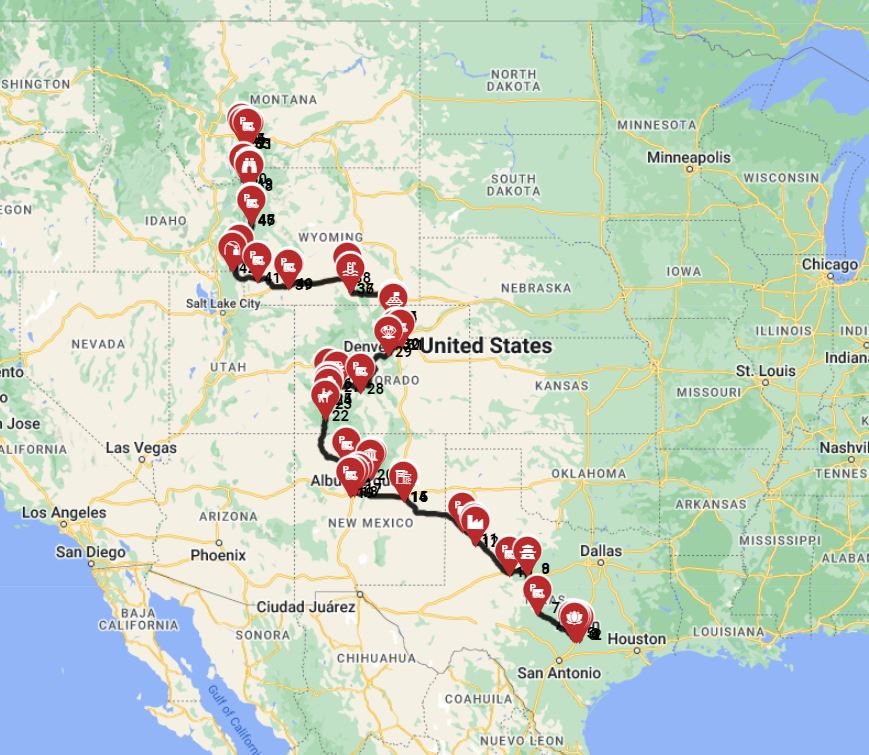
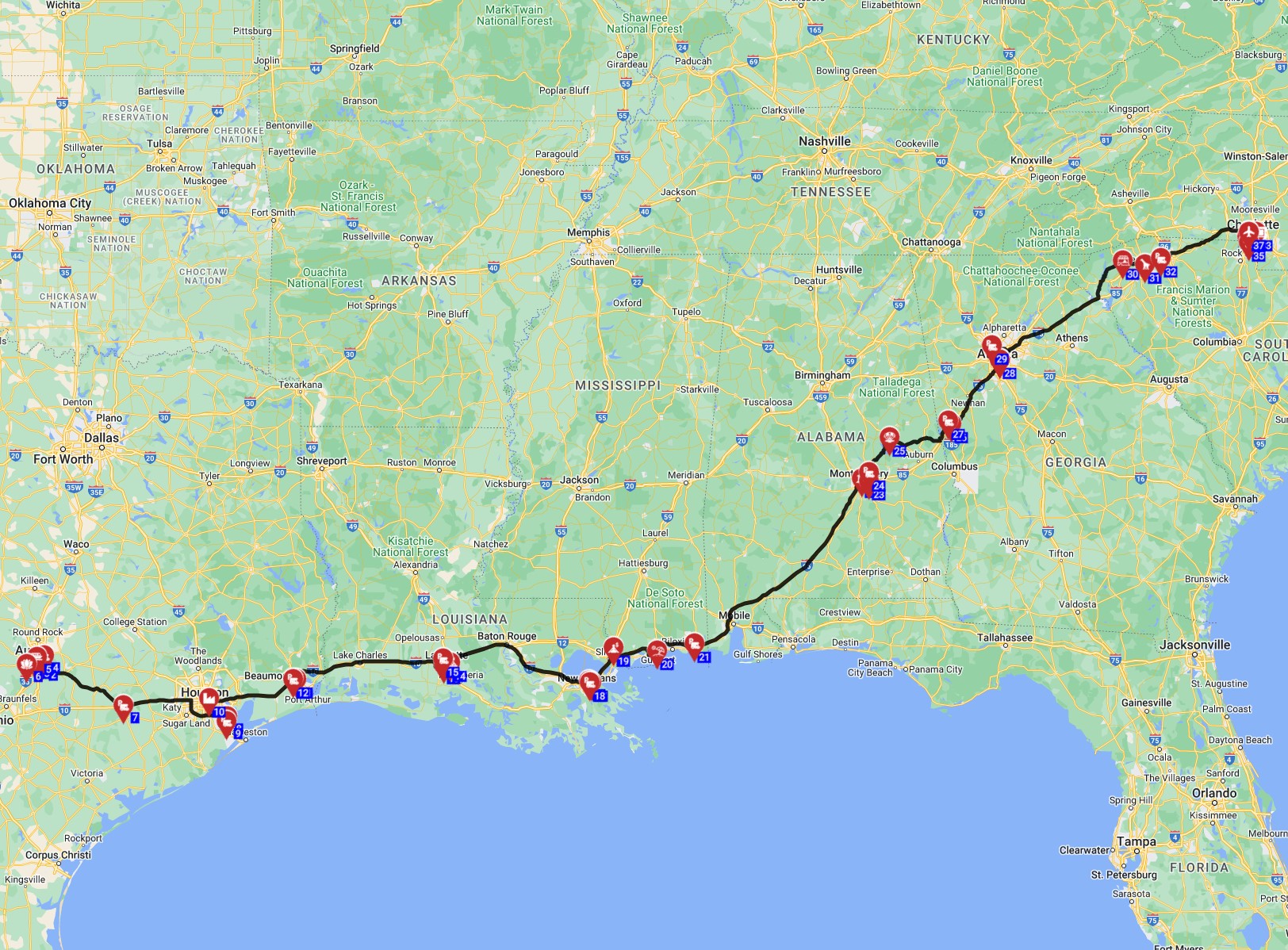
- What are the best RV routes in Texas
- What You Shouldn't Miss
- Why Book with Bandana Caravan
- Final Thoughts
- Frequently Asked Questions
Texas, the second-largest state in the USA, offers an unparalleled canvas for an extended one-way RV rental adventure. Imagine driving through vast open landscapes, from the Gulf Coast beaches to the rugged mountains of Big Bend, all with the comfort and flexibility of your own mobile home. A one-way RV trip in Texas allows you to maximize your exploration without the need to circle back, uncovering hidden gems and iconic sights at your own pace. For live availability and current prices, start with our RV Rental Texas - Complete Guide 2026 guide.
What one way rv rental RV Rental Costs in Texas (2024)
April is typically the cheapest month for RV rental in Texas, with daily prices for a Class C motorhome averaging $100-$400, but these rates can vary significantly based on demand, vehicle class, and rental duration. The base cost for a one-way RV rental in Texas is influenced by your chosen vehicle, whether it's a compact campervan like the "rv rental denver example Category Van" for a couple or a spacious Class C motorhome for a family, and the length of your journey.
To accurately estimate your trip's cost, always check live prices for your specific dates and desired pick-up/drop-off locations directly via our search box. Our platform provides full transparency on pricing, ensuring no hidden fees or surprises at checkout. Prices are dynamic, similar to flight tickets, changing daily based on availability and supplier decisions, so booking when you see a good rate is always a smart move. One-way fees are an additional consideration, covering the logistical costs for suppliers to reposition the rented motorhome.
🎬 Video coming soon
Live April Price Comparison — RV Class × Trip Length
| Trip length | Class A | Class B | Class C | Class SI | Class TC |
|---|---|---|---|---|---|
| 1 week 15/04 → 22/04 | Check prices | 3,021.34 $ US | 560.13 $ US | 4,594.95 $ US | 996.50 $ US |
| 2 weeks 15/04 → 29/04 | Check prices | 5,098.51 $ US | 820.47 $ US | 7,753.98 $ US | 1,655.27 $ US |
| 1 month 01/04 → 30/04 | Check prices | 10,197.02 $ US | 1,340.70 $ US | 15,507.97 $ US | 2,971.68 $ US |
Estimates only — flex-rate prices change daily based on availability and season.
Seasonal Pricing - Peak vs. Shoulder vs. Off-Season in Texas
Texas's peak RV rental season typically spans July and August, coinciding with school holidays and major events like summer festivals, leading to significantly higher prices and limited availability. During these months, daily rental rates can increase by 30-50% compared to off-peak periods, and it's crucial to book popular Class C motorhomes or spacious Class A options well in advance if planning a summer trip or holiday travel.
The shoulder seasons, usually April-May and September-October, offer a balance of pleasant weather and more moderate pricing, making them ideal for RVing in Texas. These months are perfect for exploring Texas's diverse landscapes, from the Hill Country wildflowers to the coastal areas, without the intense summer heat or peak season crowds, often providing better deals and more choices for rented motorhomes. Many travelers find these periods offer the best value and experience.
The off-season generally covers the winter months, typically November, February, and early April, excluding major holidays like Christmas and New Year's. During this time, rental rates are usually at their lowest, and availability is highest. While some parts of northern Texas can experience winter freezes, the southern regions remain mild, attracting "snowbirds" seeking warmer climates for an extended road trip with their rented mobile home. Our 25% Planning Discount for using rvplan.net can further enhance your off-season savings.
What's Included vs. What's an Add-On
Basic insurance is always included with every RV rental through Bandana Caravan, providing fundamental coverage for your trip and peace of mind. Beyond that, common inclusions usually cover a standard amount of mileage, with many suppliers offering additional mileage packages for purchase as an add-on if you plan to travel extensively across Texas's vast distances. For example, a 6-berth "Euro Deluxe" Class C motorhome might include 100 miles/day, with extra miles available for $0.35-$0.75 per mile.
Typical add-ons that enhance your trip convenience often include generator usage, comprehensive kitchen kits with utensils and cookware, bedding and linen packages, and roadside assistance upgrades. The specific items included and available as add-ons vary significantly by RV model, rental station, and even the individual supplier (such as El Monte, Cruise America, Apollo, or Britz); it is essential to verify these details during the booking process. We make this transparent by showing you exactly what's included and what's extra. You can also upgrade to a top-level deductible for extra peace of mind, ensuring you're covered for unexpected situations.
Insider tip: While basic insurance is always included, to see prices including the most comprehensive coverage, select that option during your search. Our comparison platform allows you to use toggles to easily see which rented RVs include essentials like kitchen utensils, tableware, and bedding, helping you compare final prices across 50+ suppliers without hidden fees.
Hidden Costs to Budget For in Texas
When RVing in Texas, budgeting for ancillary trip costs beyond the RV rental itself is crucial, with fuel, campsite fees, and potential toll road charges being primary considerations. Toll road charges, especially around major cities like Houston or Dallas, can accumulate, though some RV rental suppliers may offer options to pre-purchase toll-road usage to avoid surprise charges and fines. For a two-week adventure, expect to spend an average of $300-$800 on fuel, depending on the rented motorhome's size and your mileage. On the routes offered through RV PLANET routes, you can itemize and track every expense along the way for easy budgeting.
Campsite fees vary widely, ranging from free boondocking opportunities in National Forests to upwards of $80+ per night for full-service private RV resorts. Propane refills for heating, cooking in your RV's kitchen, and water heating, as well as dump-station charges if your chosen campsite doesn't offer them, should also be factored into your budget. For example, a 9 kg propane bottle might cost $20-$40 to refill. It's always wise to inquire about these potential 'hidden' costs and available perks at pickup to ensure a smooth financial journey. On RV PLANET routes, travelers can itemize and track every expense along the way for easy budgeting.
Other potential expenses include national and state park entrance fees, which can range from $5-$30 per vehicle, and any additional mileage fees if you exceed your rental's allowance. We believe in full transparency, so our platform helps you see all these potential costs upfront, ensuring no surprises.
How to Save on one way rv rental RV Rental in Texas
To significantly save on your one-way RV rental in Texas, consider booking your trip during the shoulder seasons (April-May or September-October) to benefit from lower demand and more competitive daily rates compared to peak summer. For instance, a Class C motorhome might be $150/night in April versus $250/night in July. Flexible travelers can often find better deals by shifting their dates slightly.
Pre-paying tolls or inquiring about any available fuel or campground discount cards offered by the rental provider can also reduce incidental expenses. Choosing a smaller RV class, such as a Class B campervan like the "hire campervan example Paradise S/T" for a couple or a compact Class C, can notably lower both rental costs and fuel consumption over your trip across Texas. A typical Class B campervan might get 15-18 miles per gallon, whereas a larger Class A motorhome might get 8-10 MPG. Opting for longer rental durations also typically decreases the daily rate; consider booking for a week or a month to achieve a more cost-effective per-day price. When you plan a trip itinerary in advance with minimal effort and maximum enjoyment, you're more likely to secure better rates.
Finally, utilize our comparison platform to monitor flex-rate pricing fluctuations; if your travel dates are flexible, you might catch a price drop, especially closer to your desired pickup date during off-peak times. Always carefully review what's included versus what's an add-on, as choosing a rented RV that bundles essentials like kitchen kits, bedding, or sufficient mileage can help avoid extra charges. Our Rent&Plan service can help you create custom route plans, and you get a 25% Planning Discount when using rvplan.net for this service.
What is the average cost of a one-way RV rental
The average cost for a one-way RV rental in Texas typically ranges from $100 to $400 per night for the vehicle itself, with additional one-way or repositioning fees that can add $200 to $1,000+ to the overall rental price. These one-way fees are a primary factor contributing to the higher average cost compared to round-trip rentals, as they compensate the rental company (such as El Monte or Cruise America) for the logistical expense of returning the RV to its home base. For example, a one-way trip from Dallas to Houston might incur a fee of $250, while a longer trip to another state could be $700.
Factors influencing the final one-way RV rental cost in Texas include the specific pick-up and drop-off locations (e.g., Austin to Dallas), the distance between them, the rental duration (longer trips often have lower daily rates), the season, and the class of RV (a Class B campervan is generally cheaper than a Class A motorhome). Mileage charges, additional insurance tiers, and convenience add-ons also contribute to the final price. Always request a detailed quote that clearly outlines all one-way fees and mileage allowances to ensure full transparency and avoid any surprises. We compare final prices across 50+ suppliers so you don't have to.
Can you rent a camper in one state and drop it off in another
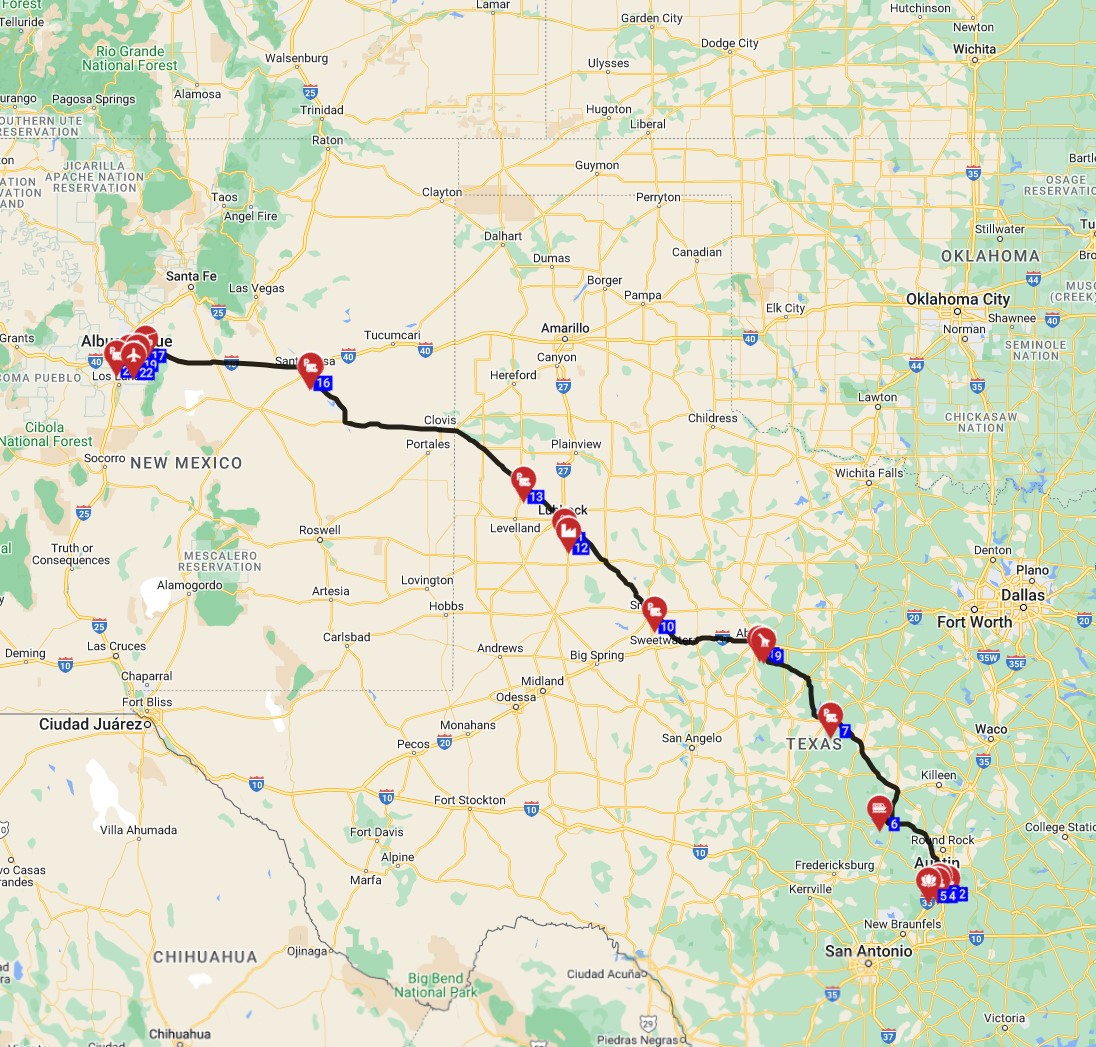
Yes, you can rent a campervan or motorhome in one state, such as Texas, and drop it off in another state, a service commonly offered by major RV rental companies with extensive networks of depots across the country, including Bandana's direct partners like Apollo and Britz. This convenient option typically involves an additional one-way fee, which compensates the rental company for repositioning the vehicle back to a high-demand location or its original depot. For instance, a one-way rv rental from Texas to Arizona might carry a fee of $500-$800, depending on the season and distance.
Availability for specific one-way routes between states can vary significantly based on the rental company's fleet balancing needs, popular travel corridors, and seasonal demand. To find available routes and associated costs, it's essential to use the rental company's search interface, specifying both your desired pick-up and drop-off cities. Booking one-way rentals well in advance is advisable, especially for popular routes or during peak travel seasons, to secure your preferred RV and itinerary. Our "One-Way RV Driving in Texas - Route Planner 2026" guide provides further insights into planning such trips.
How much does it cost to RV Texas
The total cost to RV Texas, beyond just the rental fee, typically ranges from $150 to $500+ per day for a family of four, encompassing fuel, campsite fees, food, and activities. Fuel expenses are a major variable given Texas's vast distances, with a larger Class A motorhome consuming significantly more fuel (e.g., 8-10 MPG) than a compact Class B campervan (e.g., 15-18 MPG), making route planning and fuel efficiency crucial. For tips on saving on fuel, consult our "Budget RV Driving in Texas - Save on Fuel 2026" guide.
Campsite costs can range from free boondocking opportunities on public lands to $30-$80+ per night for private RV parks with full hookups and amenities. Budget for groceries to self-cater, as a rented RV with a functional kitchen allows for significant savings on meals, as well as occasional dining out experiences. Consider setting aside $50-$100 per day for groceries for a family. Also, factor in entrance fees for Texas state parks, national parks (like Big Bend), and other attractions, which might add $5-$30 per visit. Don't forget other potential expenses such as propane refills (a 22 kg propane tank is standard on some RVs), dump station fees ($10-$25), and any unforeseen repairs or maintenance, which contribute to a holistic trip budget.
Are RVs cheaper than hotels in Texas
RVs can be significantly cheaper than hotels in Texas, particularly for longer trips, larger groups (4-6 people), or families seeking flexibility and the ability to self-cater and access more affordable overnight parking. For a two-week adventure, renting a motorhome like the "cruise america rv rental example Explorer" can be more economical than booking multiple hotel rooms and eating out for every meal. The primary cost savings come from being able to cook your own meals, significantly reducing restaurant expenses. For instance, preparing meals in your RV's kitchen from our RV-friendly recipes playlist can cut food costs by 50% or more compared to dining out.
Additionally, RVs offer the option for free or low-cost camping (boondocking or staying at state/national park campgrounds at $20-$40 per night), which is often far more affordable than hotel rooms that can easily run $100-$300+ per night. When comparing, it's essential to factor in all RV-related expenses (rental fees, one-way fees, fuel, campground charges) against hotel costs plus dining out and other incidentals like pet fees, which are often waived in RVs. Beyond monetary savings, RVs offer unparalleled flexibility, unique experiences, and access to natural attractions that hotels simply cannot provide, especially when exploring sprawling destinations like Big Bend National Park.
Where can you park an RV for free in Texas
You can park an RV for free in Texas primarily through dispersed camping on designated public lands and at certain retail establishments that permit overnight stays. Texas has limited Bureau of Land Management (BLM) land but offers excellent free dispersed camping opportunities within its four National Forests: Sam Houston, Angelina, Davy Crockett, and Sabine, where you can find secluded spots for your rented motorhome. Always remember to practice Leave No Trace principles when enjoying these natural areas.
Many large retail stores, such as Walmart, Cabela's, and some truck stops, often allow overnight RV parking; however, always confirm with store management upon arrival as policies can vary by individual location. For a long drive, Texas state rest areas typically permit short overnight stays (e.g., up to 24 hours) for weary travelers, but specific regulations should always be observed through posted signs or local information. When utilizing free parking, always be respectful of the environment and local communities, and check for any local ordinances prohibiting overnight RV parking. For finding campsites and campgrounds during your trip, we recommend using RV PLANET (rvplan.net) - a great resource for locating available spots along your route.
This approach allows for budget-friendly travel and the chance to explore beyond typical tourist areas. Consider the "
Can you park an RV anywhere in Texas
No, you cannot park an RV anywhere in Texas; parking is governed by local city ordinances, county regulations, state laws, and private property rules, making prior research essential for RV renters. While some areas permit temporary overnight parking, such as designated highway rest stops or certain big-box store lots with prior permission, many municipalities strictly prohibit RV parking on public streets, in commercial zones, or within residential areas.
Understanding and adhering to specific local laws for each city or region you visit is crucial to avoid fines, towing, or other legal issues. Always look for 'No Overnight Parking' signs, consult local government websites, or inquire at visitor centers for current RV parking regulations in cities like Austin, Dallas, or Houston. The most reliable and legal options for overnight RV parking remain established private RV parks, state campgrounds, and designated public lands for dispersed camping. Drive slowly and carefully, and you can drive almost anywhere without issues. No need to stress - just use common sense and pay attention. Our "Driving an RV in Texas - Complete Guide 2026" offers detailed advice on navigating Texas roads.
Is it safe to RV in Texas
RVing in Texas is generally safe, provided travelers are well-prepared for its vast distances, varying road conditions, and diverse climate, especially during extreme seasons. Texas's road infrastructure is largely well-maintained, with major highways like I-10 and I-35 in excellent condition. However, be aware that some rural routes or access roads to remote parks, particularly in West Texas, might be less developed; always check your route for RV suitability before venturing out.
Summers (June-August) bring extreme heat across much of the state, necessitating reliable air conditioning, ample water supply (a typical RV might have a 150-liter fresh water tank), and careful planning to prevent heat-related issues for both occupants and the rented RV. Winter travel (December-February), particularly in northern Texas, can encounter freezing temperatures and icy conditions, requiring proper RV winterization or careful monitoring of weather forecasts. Availability of RV services like dump stations, propane refills, and repair shops is generally good in and around major towns, though internet connectivity can be spotty in more rural or remote areas like Big Bend. Planning your itinerary through RV PLANET can help identify service points along your chosen route. Bandana Caravan offers 24/7 support through real people behind you, ready to assist with pre-booking, booking, and post-booking coordination if any questions arise.
For an epic journey, consider the "

How much does it cost to RV for a month in Texas
RVing for a month in Texas typically costs between $2,000 and $6,000 or more, factoring in the long-term rental fee, monthly campsite rates, fuel, food, and other living expenses. Monthly RV rental rates often provide significant daily discounts compared to shorter-term rentals, making extended stays more economical per night; for example, a Class C motorhome might drop from $200/day to $100-$150/day on a monthly rate. For long-term stays, seek out RV parks offering monthly rates, which can range from $400 to $1,200+, often including utilities like water, electricity, and sewer hookups, making them substantially cheaper than nightly rates.
Fuel costs for a month can accumulate quickly if you're frequently relocating across Texas; budgeting for groceries and occasional dining out, along with any attraction fees, is also crucial. For a family, expect to spend $800-$1,500 on fuel for extensive travel and $1,000-$2,000 on groceries for a month. To stay within budget, it's beneficial to prioritize parks with amenities like laundry facilities and community events, sometimes just outside major tourist hubs, to enjoy a more cost-effective extended road trip. Remember, slow travel is key: aim for a maximum of 100-150 km per day on average to truly feel the place, connect to the culture, the food, and the scenery.
What is the best month to RV in Texas
The best months to RV in Texas are generally spring (March-May) and fall (September-November), offering pleasant temperatures ideal for exploring the state's diverse attractions. These shoulder seasons avoid the extreme heat of summer and the occasional freezes of winter, providing comfortable conditions for outdoor activities and driving a rented motorhome.
Spring (March-May) boasts comfortable weather for hiking and festivals, with temperatures averaging 15-25°C (60-77°F), and is renowned for vibrant wildflowers, especially in the Hill Country, before the intense summer heat arrives. Fall (September-November) offers cooler temperatures, averaging 18-28°C (65-82°F), making it perfect for visiting state parks like Palo Duro Canyon, enjoying seasonal events, and experiencing the changing foliage in East Texas. Summer (June-August) is extremely hot across most of Texas, with temperatures often exceeding 35°C (95°F), making it suitable for RVers primarily interested in water activities or those with robust RV air conditioning systems like the "Comfort Family 5" motorhome. Winter (December-February) is mild in Southern Texas, attracting "snowbirds" seeking warmer climates, while northern parts can experience freezes; it's also a good time for holiday light displays and quieter park visits, with average temperatures of 5-15°C (40-60°F).
What are the best RV routes in Texas
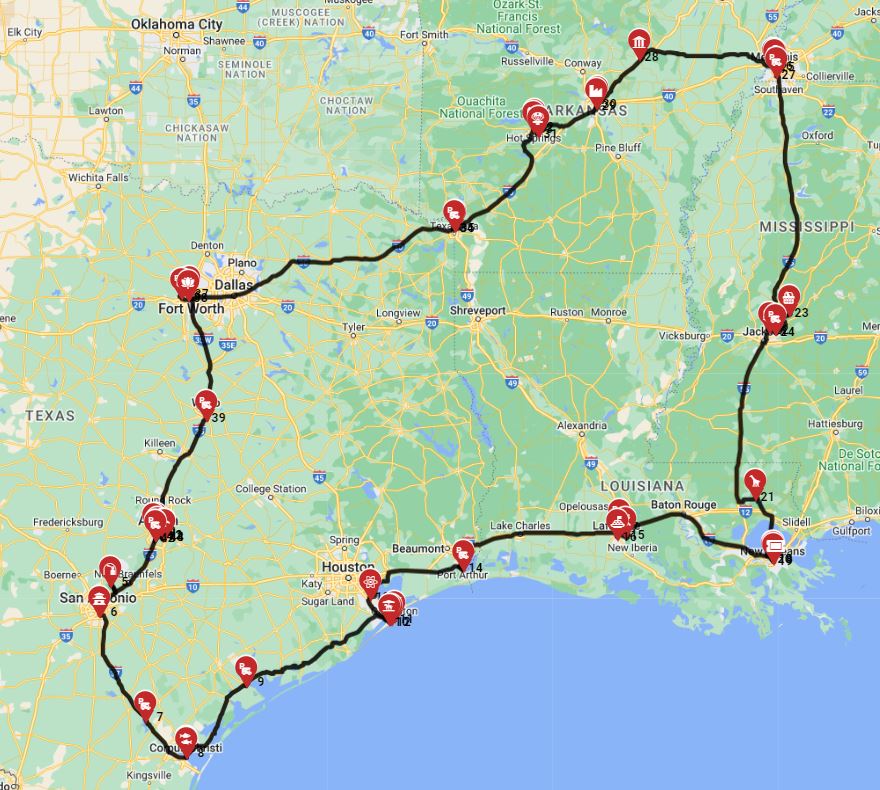
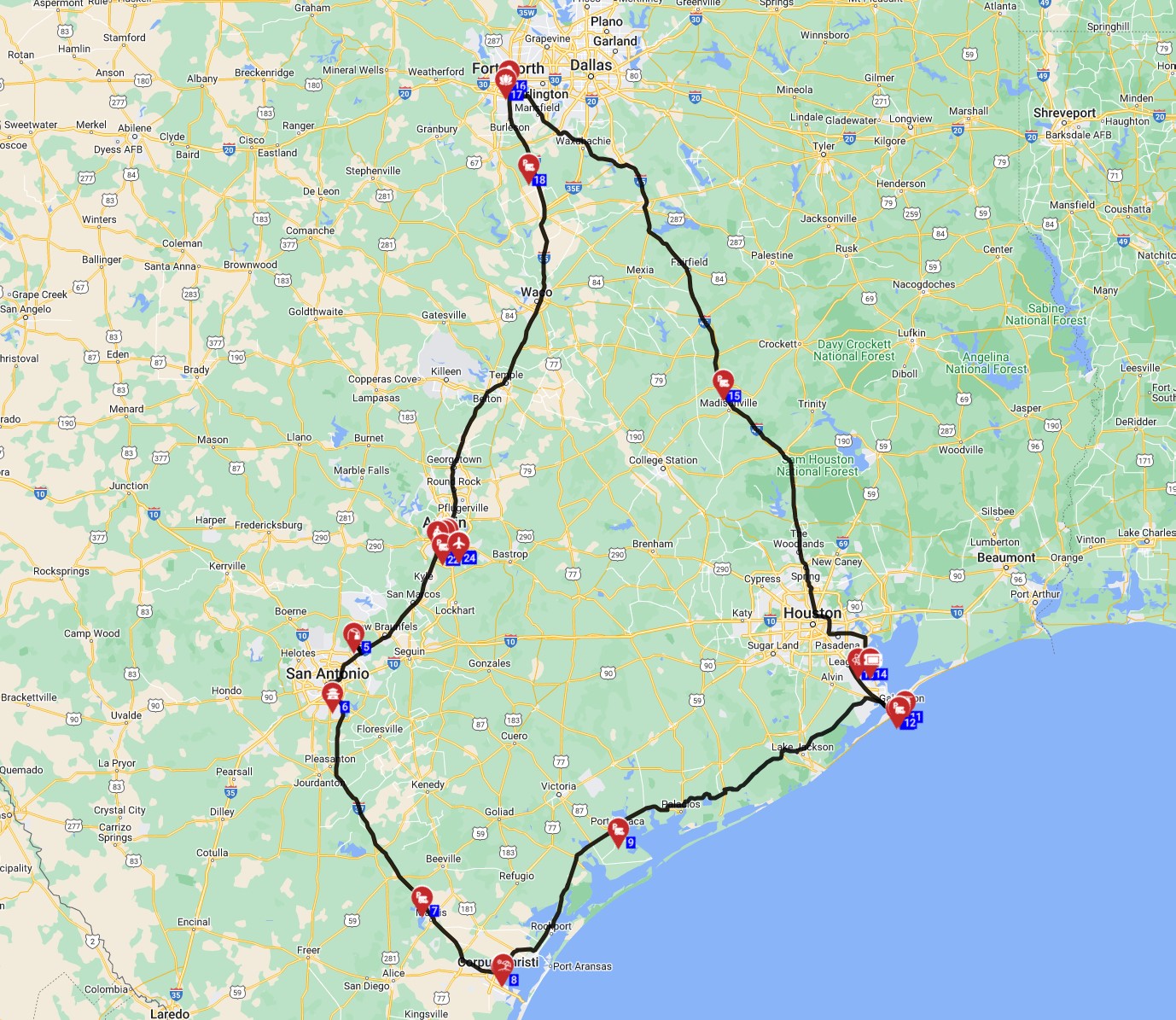
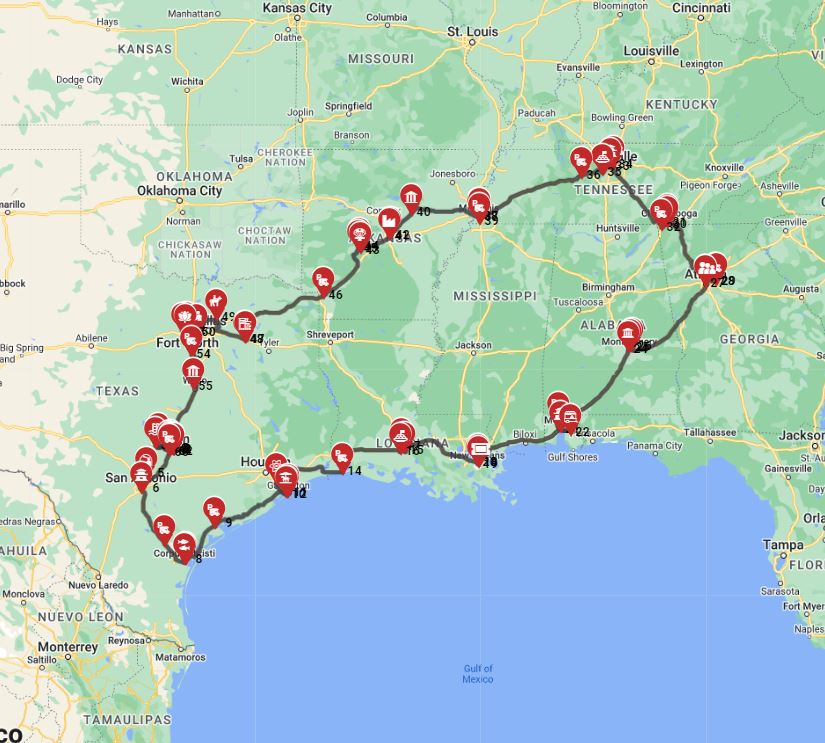
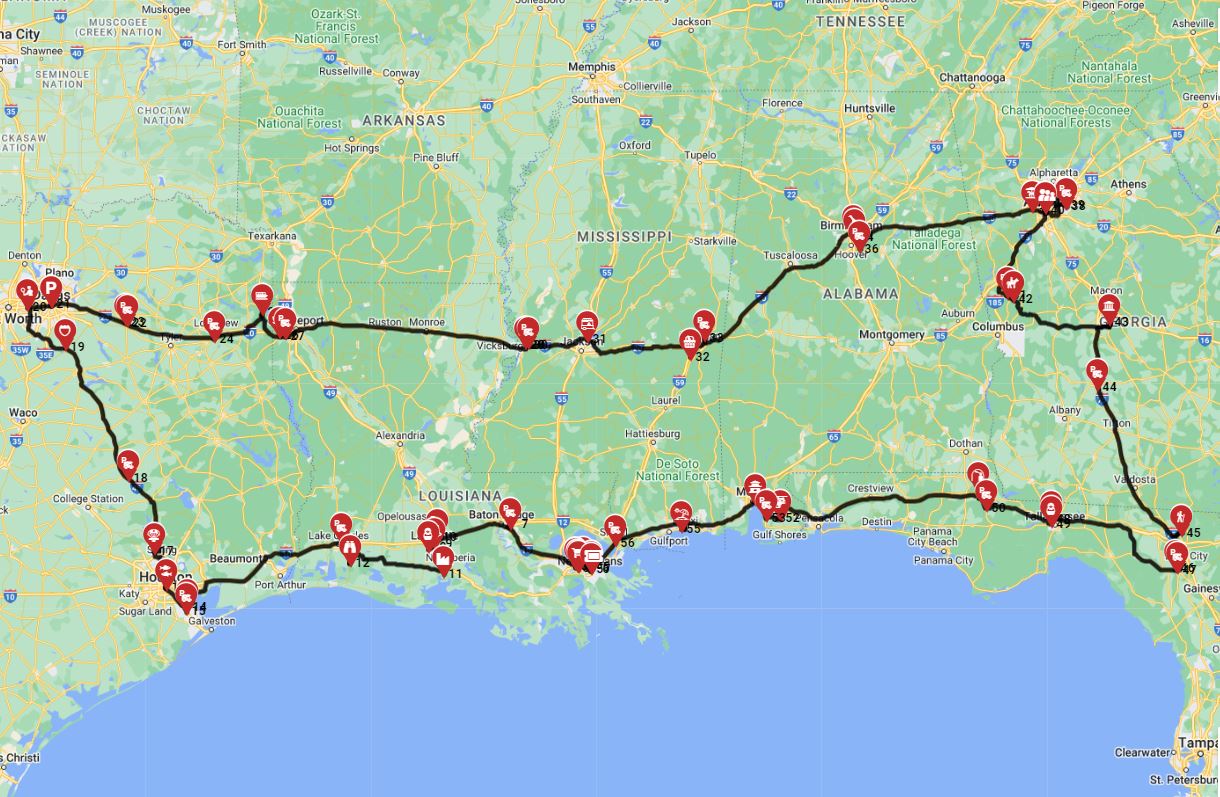
Texas offers a diverse array of RV routes, from scenic coastal drives to historic trails and rugged desert landscapes, catering to every interest. For exploring the Hill Country, a loop through charming towns like Fredericksburg, Wimberley, and Gruene offers wineries, rivers, and German heritage, with numerous scenic byways and RV-friendly campgrounds. Our "Luxury RV Driving in Texas - Scenic Routes 2026" guide can help you plan this. A rented campervan is ideal for navigating the winding roads and smaller towns of this region.
For a Gulf Coast adventure, drive along the coast from Galveston to South Padre Island, visiting beaches, birding centers, and historic sites. This route offers ample opportunities for fishing, birdwatching, and enjoying the warm waters. Venture into the vast, rugged beauty of Big Bend National Park and the surrounding Chihuahuan Desert for unparalleled stargazing and hiking, an unforgettable experience that requires a well-prepared RV. This area boasts some of the darkest night skies in the continental U.S. Discover East Texas's lush forests, lakes, and small towns along the Piney Woods Trail, offering a different natural experience. For unique, off-the-beaten-path attractions, consider routes along historic highways like Route 66 in the Panhandle, or seek out quirky roadside stops that reveal the true character of Texas beyond typical tourist destinations. We encourage slow travel, max 100-150 km per day, to truly immerse yourself in these diverse Texan landscapes.
What You Shouldn't Miss
- Explore Big Bend National Park: Experience the vastness of the Chihuahuan Desert, hike diverse trails, and witness incredible stargazing opportunities, often cited as the best in the continental U.S.
- Visit the Texas Hill Country Wineries: Take a leisurely drive through the scenic hills, stopping at charming towns like Fredericksburg and visiting its numerous vineyards.
- Discover Palo Duro Canyon State Park: Hike or drive through the 'Grand Canyon of Texas,' marveling at its dramatic geological formations and colorful strata.
- Experience Galveston Island: Enjoy the historic charm, beautiful beaches, and family-friendly attractions of this Gulf Coast gem.
- Visit the Alamo in San Antonio: Immerse yourself in Texas history at this iconic landmark, then stroll along the famous River Walk.
- Looking for expert insights from Avi Bandana? Top 5 Adventures - recommendations from Avi Bandana
Final Thoughts
Embarking on a one-way RV rental adventure through Texas offers an unparalleled sense of freedom and discovery. From the vibrant city life of Austin, Dallas, and Houston to the serene wilderness of Big Bend, a rented motorhome or campervan provides the perfect base for exploring the Lone Star State's incredibly diverse landscapes and rich culture. With the flexibility to plan your route as you go or choose from expertly crafted itineraries like a "Week-Long RV Driving Tour in Texas 2026" from RV PLANET, your journey will be uniquely yours.
We're here to support you every step of the way, from comparing final prices across a wide range of suppliers to providing transparent information on costs and inclusions. Remember to travel slowly, savoring every moment and connecting with the local food and scenery. Whether you're a couple seeking a cozy campervan or a family needing a spacious Class A motorhome, Texas is ready to welcome you with open roads and unforgettable experiences. Discover top destinations, planning tips, all in one place!
Don't let the details overwhelm you; with a minimum driver age of 21 and no special licenses required, the open road is truly calling. Start dreaming, start planning, and get inspired for your next trip! Find one way RV Rentals in Texas and begin your unforgettable Texan journey today.