In This Guide
- Can You Drive an RV in Texas? License & Age Rules
- Road Conditions & Terrain in Texas
- RV Size Limits, Bridges & Restricted Zones
- Fuel: Diesel vs. Petrol & Cost per 100 km
- Tolls, Vignettes & Border Rules
- Driving Tips for RV Rental Travelers
- Recommended RV Class for Texas Roads
- Should I Choose a Compact Van Instead of a Large RV in Texas?
- Can I Park Anywhere? Free & Wild Camping Rules in Texas
- Can I Drive an RV Into the City Center? Heights, Tunnels & Local Signage
- How much is it to rent an RV in Texas?
- How much does it cost to RV in Texas?
- What is the easiest way to RV in Texas for the first time?
- What is the best month to RV in Texas?
- What is the best part of Texas to RV?
Exploring the vast and diverse landscapes of Texas with a rented motorhome offers an unparalleled sense of freedom and adventure. From the rugged peaks of Big Bend National Park to the vibrant cities and sun-kissed Gulf Coast beaches, Texas is a prime destination for RV travelers seeking everything from serene nature escapes to cultural immersion. At Bandana Caravan, we are true RV specialists, with over 25 years of helping tens of thousands of travelers explore the world by RV, and we're here to guide you through every aspect of planning your Texas RV adventure. For live availability and current prices, start with our RV Rental Texas - Complete Guide 2026 guide.
Can You Drive an RV in Texas? License & Age Rules
Yes, most standard RVs, including Class B campervans, Class C alcove motorhomes, and many Class A motorhomes under 26,000 pounds (11,793 kg) Gross Vehicle Weight Rating (GVWR), can be driven in Texas with a regular Class C driver's license. A standard Class C driver's license in Texas allows operation of vehicles up to this weight, making RV travel accessible for most licensed drivers. For vehicles exceeding 26,000 lbs GVWR, or towing a unit over 10,000 lbs, a non-commercial Class A or B license may be required, but this is generally not a concern for the rental motorhomes and campervans available through Bandana Caravan. The minimum age to rent an RV in Texas through Bandana Caravan is 21, and we do not apply any young driver surcharges or vehicle class restrictions based on age, ensuring more travelers can experience the open road.
Foreign drivers can typically use their valid home country driver's license for up to one year in Texas, provided it is current and valid. For longer stays or for added peace of mind, an International Driving Permit (IDP) is recommended alongside their foreign license, especially if the home country license is not in English or accompanied by a certified translation. We strive for full transparency, so there are no hidden fees or surprises regarding licensing requirements or age restrictions when you book with us.
Road Conditions & Terrain in Texas
Texas features generally well-maintained, wide roads, including an extensive network of interstates and highways, making it highly suitable for RV travel across its diverse terrain. The state's geography is incredibly varied, encompassing flat plains in the Panhandle, rolling hills in the Central Texas Hill Country, dense forests in East Texas (Piney Woods), rugged desert and mountains in West Texas (Big Bend), and beautiful coastal stretches along the Gulf of Mexico. While main highways are excellent and smooth for larger vehicles like a rented Class A or C motorhome, be prepared for narrower, winding roads in rural areas, particularly in the Hill Country. You might also encounter potentially rougher, unpaved surfaces when accessing more remote campsites or natural attractions, so always drive slowly and carefully.
The vast distances between destinations in Texas are a characteristic feature, encouraging slow, scenic driving averaging no more than 100-150 km per day to fully appreciate the varied landscapes and optimize fuel consumption. Urban areas such as Houston, Dallas, Austin, and San Antonio feature extensive multi-lane freeways, but can experience significant traffic congestion, particularly during peak hours. No need to stress about city driving though - just use common sense and pay attention, and you can drive almost anywhere without issues.
RV Size Limits, Bridges & Restricted Zones
Texas generally accommodates large RVs with generous size limits, allowing for diverse travel experiences across the state. The maximum length for a single motor vehicle like a rented RV in Texas is typically 45 feet (13.7 meters), while the maximum height is 14 feet (4.27 meters), and width is 8 feet 6 inches (2.6 meters). Most common motorhome and campervan classes (Class C, Class B, Class A) fit comfortably within these limits. For example, many of Bandana's Class C Alcove RVs average 7.5 meters (24.6 ft) in length, and Class A Integrated RVs also average 7.5 meters (24.6 ft), well within the state's allowances. Always remember to check your specific rental unit's dimensions.
Drivers should always be vigilant for signage indicating lower bridge clearances, particularly on older routes or secondary roads, and be aware of any posted weight limits on historic bridges. While Texas does not typically have environmental zones that restrict RV access, certain specific restricted areas like military bases, private communities, or sensitive ecological sites may have access limitations or require special permits. When planning your route, especially for a week-long trip or longer, utilizing resources like RV PLANET (rvplan.net) can help identify potential restrictions along your path, ensuring a smooth journey without surprises.
Fuel: Diesel vs. Petrol & Cost per 100 km
RV fuel consumption in Texas varies by vehicle class and driving conditions, but most modern RVs run on either diesel or petrol, with diesel generally offering better fuel efficiency for longer distances. Many larger rented RVs (Class A and C motorhomes) in Bandana's global fleet typically run on diesel, while smaller Class B campervans may use petrol. For example, our global fleet averages for fuel consumption include a Class C motorhome at 10-12 Liters/100 km and a Class B at 8-10 Liters/100 km. To estimate your cost per 100 km in Texas, multiply the average consumption (e.g., 10 Liters/100 km for a Class C) by the current local fuel price per liter. If diesel is $1.00/liter (hypothetical), a Class C RV would cost approximately $10-12 per 100 km.
Fuel stations are widely available across Texas, though they can be sparse in remote regions like West Texas, so planning your stops is crucial, especially on an extended road trip. Some of Bandana's partner suppliers like Cruise America may offer fuel discount cards, so inquire about these when booking. For comprehensive trip budgeting, including fuel, tolls, and other ancillary costs, remember that RV PLANET routes allow you to itemize and track every expense along the way. On the routes offered through RV PLANET routes, you can itemize and track every expense along the way for easy budgeting.
Tolls, Vignettes & Border Rules
Texas features an extensive network of electronic toll roads, particularly around major metropolitan areas like Houston, Dallas, and Austin, making awareness of payment methods essential for RV travelers. The state primarily uses electronic toll collection systems, such as TxTag, TollTag, and EZ TAG, which often operate without cash payment options. To simplify your journey and avoid potential fines or higher pay-by-mail rates, some Bandana RVs may offer pre-purchased toll passes as an optional add-on.
Unlike some European countries, there are no 'vignette' systems (time-based road usage fees) in Texas, meaning tolls are transaction-based for specific road segments. RV travelers should be aware that failing to pay tolls can result in fines and administrative fees, so utilizing a rental RV with an integrated toll pass or signing up for a temporary toll account is recommended. While Texas borders Mexico, this article focuses on driving within Texas; RV rentals typically do not permit cross-border travel into Mexico, so plan your itinerary accordingly for your two-week adventure or longer trip.
Driving Tips for RV Rental Travelers
RV travel in Texas offers immense freedom, but smart driving practices enhance safety and enjoyment, especially for first-time renters. First, plan your route and stops carefully. Texas is vast, so pre-planning your daily mileage (aim for max 100-150 km per day), fuel stops, and overnight parking is crucial to avoid rushing and truly take time to feel the place, connect to the culture, the food, and the scenery. Families with young children should factor in stops every 2-3 hours.
Secondly, monitor weather conditions regularly. Texas weather can change rapidly, from scorching summer heat to sudden thunderstorms or even winter ice in the Panhandle, so check forecasts and adjust travel plans as needed. Always understand your RV's dimensions - know your rented motorhome or campervan's height, width, and length to safely navigate low bridges, tight spaces, and narrow roads. Practice wide turns, longer braking distances, and backing up in a safe, open space before heading out on busy roads; larger RVs like Bandana's Class A or C models require extra vigilance. Finally, utilize technology wisely by using RV-specific GPS apps, which consider height and weight restrictions, and avoid relying solely on standard mapping services that might direct you down unsuitable roads.
🎬 Video coming soon
Recommended RV Class for Texas Roads
Given Texas's extensive and generally wide road network, most RV classes are suitable for exploration, but Class C (Alcove) and Class B (Camper Van) motorhomes offer a versatile balance of comfort and maneuverability. Class C - Alcove RVs, like the Cruise America Explorer model which sleeps 4 and has dimensions of 7.1m length and 2.78m width, are highly recommended for families or groups, offering comfortable sleeping for around 5-6 people and ample space for longer trips across Texas while remaining relatively manageable to drive. Class B - Camper Vans, such as the `rv rental denver example Category Van` with amenities like a shower and toilet, are ideal for couples or smaller groups seeking greater maneuverability and fuel efficiency, perfect for exploring urban areas or accessing more compact state park sites, averaging 5.8 meters (19 ft) in length and sleeping about 3.2 people.
For those prioritizing luxury and expansive space on long hauls, Class A - Integrated RVs (averaging 7.5 meters / 24.6 ft) are also well-suited for Texas's main highways, offering premium living areas. Semi-integrated (Class SI) RVs, averaging 6.9 meters (22.6 ft), offer a streamlined profile with good living amenities. Ultimately, the best choice for your week-long trip or extended adventure depends on your group size, budget, and desired level of comfort, but Texas roads can accommodate a wide range of rental motorhomes and campervans.
Should I Choose a Compact Van Instead of a Large RV in Texas?
While a compact campervan offers superior maneuverability and fuel efficiency, a larger motorhome is often the preferred choice for comfort and space when exploring the vast landscapes of Texas. Texas's wide roads and spacious campgrounds mean that even larger RVs, such as Bandana's Class C (averaging 7.5m) or Class A (averaging 7.5m), generally pose no significant driving issues. A compact campervan, like a Class B Camper Van averaging 5.8m in length, is genuinely beneficial for navigating tight historic city centers (e.g., parts of San Antonio), fitting into standard parking spots, or accessing very small, rustic campgrounds. Consider a compact option like the `hire campervan example Paradise S/T` if urban exploration is a key focus for your trip.
However, the trade-off with a compact van is reduced living space, limited storage, and often smaller kitchens and bathrooms, which can impact comfort on longer trips, especially for families or during inclement weather. For most Texas RV adventures, prioritizing indoor comfort, dedicated sleeping areas, and ample storage often makes a larger motorhome a better trade-off, as maneuverability challenges are generally minimal outside of specific urban scenarios. Drive slowly and carefully, and you can drive almost anywhere without issues. No need to stress - just use common sense and pay attention.
Can I Park Anywhere? Free & Wild Camping Rules in Texas
In Texas, you cannot legally camp just anywhere for free; specific regulations govern overnight parking and dispersed camping, primarily on designated public lands or with private landowner permission. Dispersed camping (boondocking) is permitted in designated areas within Texas's National Forests, such as Angelina, Davy Crockett, Sam Houston, and Sabine National Forests, and National Grasslands like the Lyndon B. Johnson National Grassland. These areas typically require adherence to 'Leave No Trace' principles and often have fire restrictions, so always check with local ranger stations.
Overnight parking at businesses like Walmart, Cracker Barrel, or some truck stops is often allowed in Texas with prior permission from store management, offering a convenient option for a single night's stopover during your RV adventure. However, camping on private land without explicit permission from the owner is considered trespassing and is illegal. Always check local regulations and follow local law before parking overnight, as rules vary by region and specific land management agencies. For finding campsites and campgrounds during your trip, we recommend using RV PLANET (rvplan.net) - a great resource for locating available spots along your route, whether you're a pre-planner or a spontaneous traveler.
Can I Drive an RV Into the City Center? Heights, Tunnels & Local Signage
Yes, you can generally drive a rented RV into most Texas city centers, as urban infrastructure is often built to accommodate larger vehicles, but vigilance for specific signage is crucial. Drivers must pay close attention to local signage indicating height limits for tunnels, parking garages, and low bridges, particularly in older or more congested parts of cities like Austin, Dallas, Houston, and San Antonio. While Texas does not typically have environmental zones that restrict RV access, watch for signs indicating residents-only streets or areas with restricted vehicle access during certain hours.
Finding suitable parking for a large motorhome can be the biggest challenge in city centers, with options often limited to dedicated RV parking lots (which are rare), oversized parking spaces, or street parking further from the core. Planning your entry and exit routes, using RV-specific navigation, and scouting parking options in advance can significantly ease urban RV navigation. Remember, drive slowly and carefully, and you can drive almost anywhere without issues. No need to stress - just use common sense and pay attention.
How much is it to rent an RV in Texas?
The cost to rent an RV in Texas varies significantly based on factors such as RV class, rental duration, season, amenities, mileage packages, and insurance choices. Smaller campervans (Class B) might start around $100-$200 per night, offering a more budget-friendly option for a couple or solo traveler. Mid-sized Class C or Semi-integrated RVs, like the `cruise america rv rental example Explorer`, which typically sleeps 4-5 people, can range from $150-$350 per night. Larger Class A luxury motorhomes can exceed $300-$500+ per night, providing expansive living spaces and more premium amenities.
Peak seasons, such as spring break (March), summer (June-August), and major holidays, typically see higher rental rates and lower availability compared to off-peak periods. Rental duration also impacts daily rates, with longer rentals for a week-long trip or a month-long adventure frequently offering a lower per-night cost. Additional costs to budget for include mileage fees (if your package isn't unlimited), generator usage, convenience kits, cleaning fees, and comprehensive insurance coverage. With Bandana Caravan, you benefit from full transparency, meaning no hidden fees, no surprises – what you see is what you get, and we always show the final price at actual booking time.
How much does it cost to RV in Texas?
The total cost to RV in Texas extends beyond the rental fee, encompassing fuel, campsite fees, food, activities, and potential unexpected expenses, requiring comprehensive budgeting for your extended road trip. Fuel is a significant cost, as Texas is a vast state; using Bandana's global fleet average, a Class C RV consuming 10-12 Liters/100 km can incur substantial expenses over long distances, depending on current diesel/petrol prices. Campsite fees range from free (for dispersed camping in National Forests or Grasslands) to approximately $20-$40 per night for state parks, and $40-$100+ for private RV resorts offering full hookups and extensive amenities.
You'll also need to budget for food and drinks, whether you prefer cooking meals in your RV kitchen (check out our RV-friendly recipes playlist for inspiration) or enjoying Texas's famous BBQ and Tex-Mex cuisine. Factor in costs for attractions, park entrance fees (e.g., Big Bend National Park can cost $30 for a 7-day vehicle pass), souvenirs, and always keep a contingency fund for unforeseen mechanical issues or emergencies to ensure a smooth trip. Remember, RV PLANET routes allow you to itemize and track every expense along the way for easy budgeting.
What is the easiest way to RV in Texas for the first time?
The easiest way for first-time RVers to experience Texas is by starting with a smaller, more manageable RV class like a Class B campervan or a compact Class C motorhome, choosing a simple itinerary, and practicing essential RV skills. Opt for a smaller rental RV, such as Bandana's Class B Camper Van (avg. 5.8m long) or a compact Class C (avg. 7.5m long, like the `rv rentals utah example Sunrise Escape` which sleeps 5), as these are easier to drive, park, and maneuver than larger Class A models. Plan an initial trip to established RV parks or state campgrounds with full hookups, which provide easy access to water, electricity, and sewage, simplifying the learning curve for utilities.
Choose an easy, less strenuous route, focusing on one region like the Texas Hill Country or the Gulf Coast, and avoid very remote or challenging terrain for your first adventure. Before you leave, familiarize yourself with basic RV functions such as leveling, connecting hookups, using propane, and dumping tanks. Pack essential items tailored for comfort and basic repairs. Many national and state parks reserve only 25-30% of their spots online; the rest are first-come-first-serve, so you'll find a spot. If not at the first campground, then the next one – just call ahead before driving.
What is the best month to RV in Texas?
The best months to RV in Texas are generally spring (March-May) and fall (September-November) due to mild temperatures, lower humidity, and beautiful natural scenery. Spring offers pleasant weather across most of the state, ideal for exploring wildflowers, especially the famous bluebonnets in the Hill Country, and enjoying outdoor activities before the intense summer heat sets in. Fall brings comfortable temperatures and reduced humidity, perfect for hiking in state parks, visiting vineyards, and attending festivals, often with fewer crowds than the peak summer months.
Winter (December-February) is excellent for RVing in South Texas, such as the Rio Grande Valley and Gulf Coast, where temperatures remain mild, providing a warm escape from colder northern climates. Summer (June-August) can be extremely hot and humid across much of inland Texas, making it less ideal for extensive outdoor activities unless your trip focuses on coastal areas or water-based recreation, with reliable RV air conditioning being essential. Consider a Pet-Friendly RV Rental in Texas - Pricing 2026 if traveling with your furry companions during the milder seasons for maximum enjoyment.
What is the best part of Texas to RV?
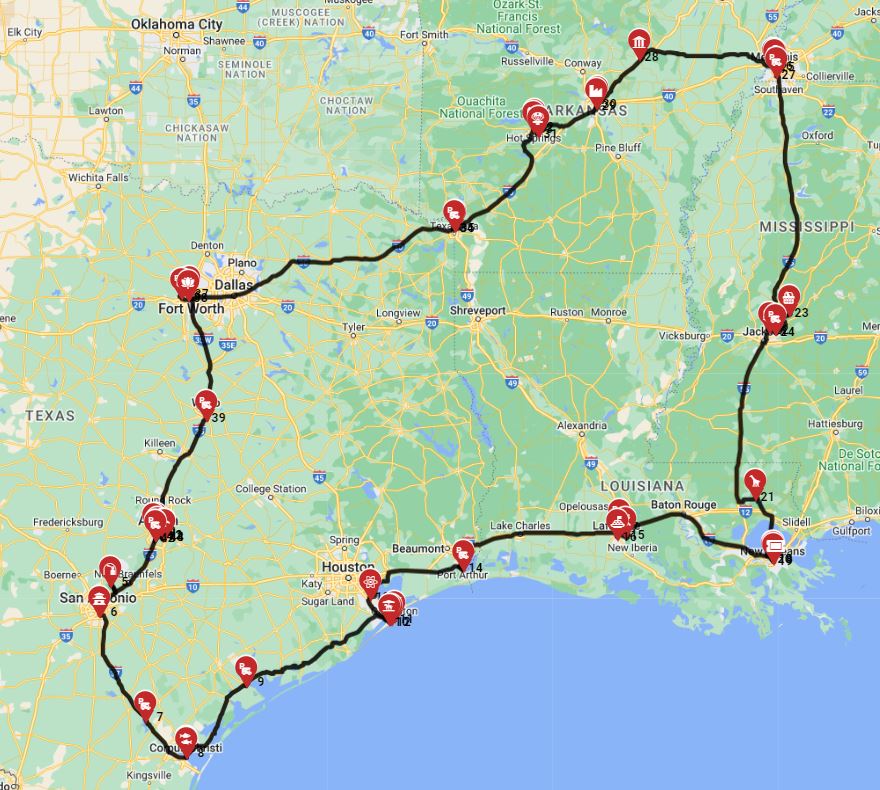
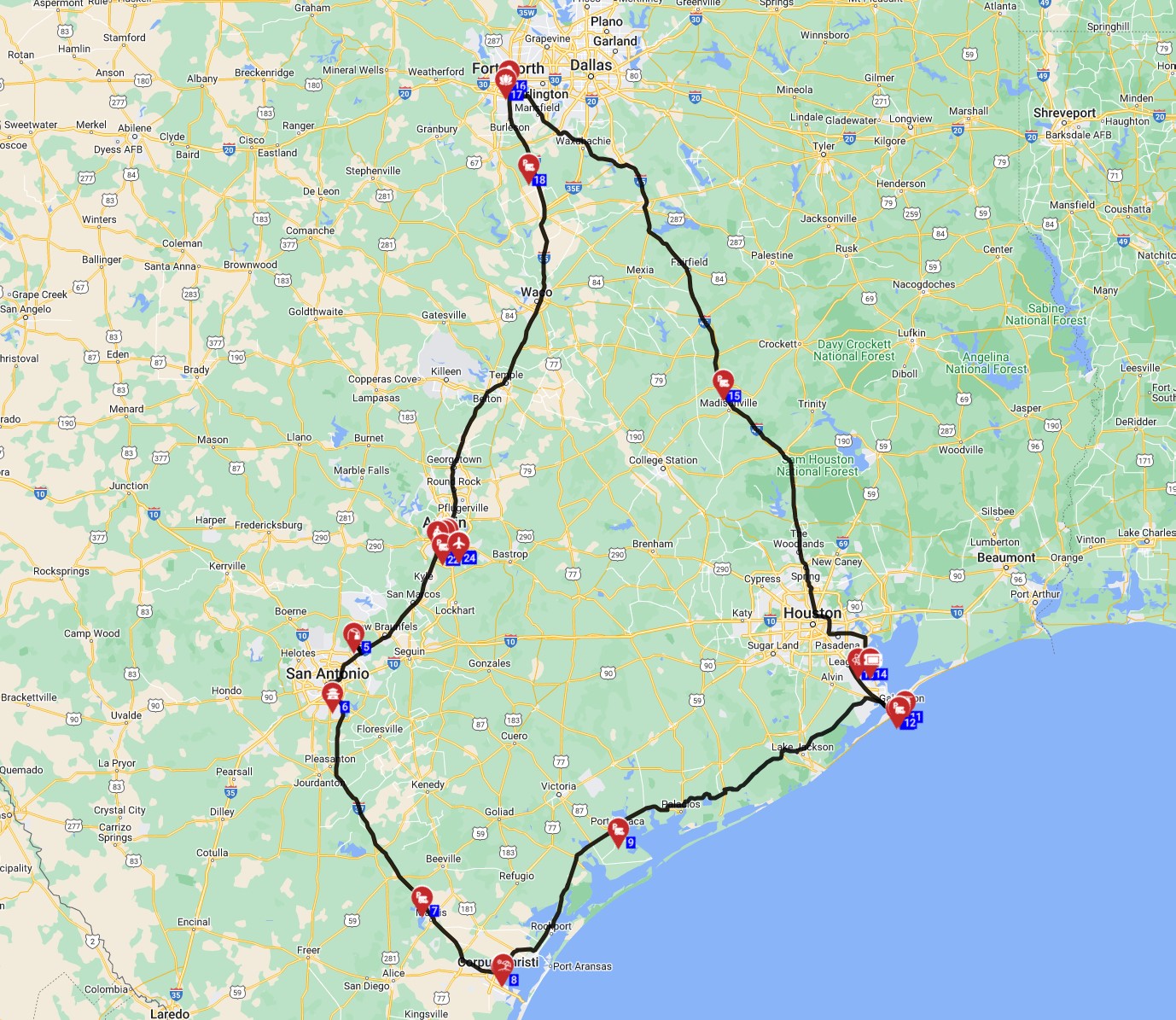
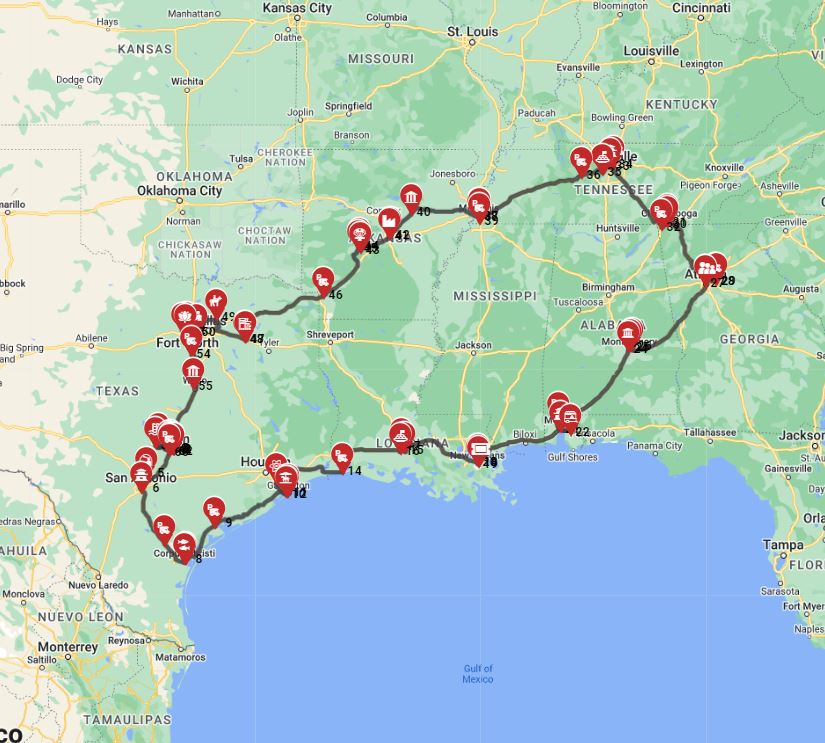
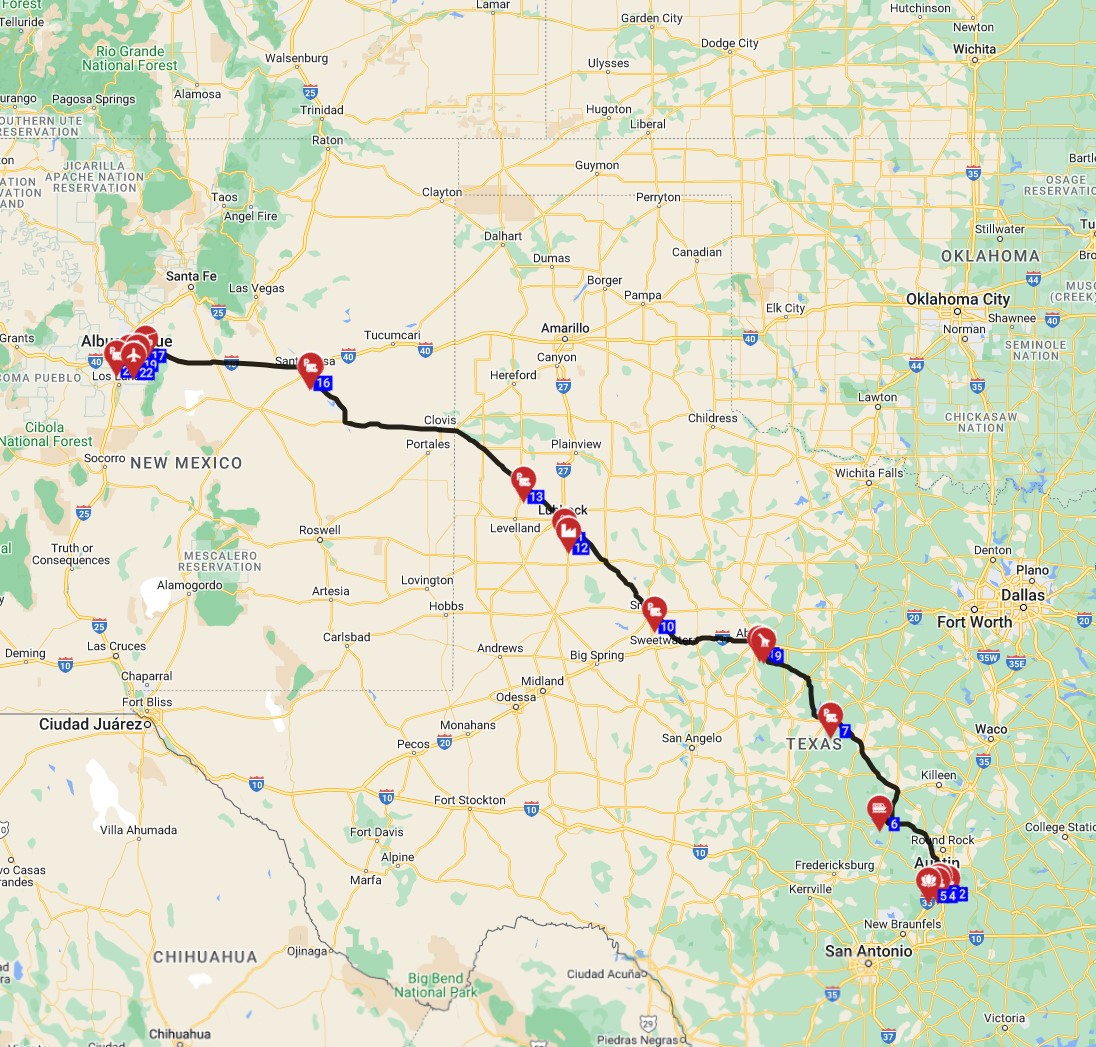
The best part of Texas to RV depends entirely on your interests, with diverse regions offering unique experiences from rugged mountains to vibrant cities and serene coastlines. West Texas, home to Big Bend National Park, is ideal for stargazers, hikers, and those seeking remote, majestic desert landscapes. This region, while stunning, requires careful planning due to limited services, making it a true adventure for a dedicated week-long trip. The Texas Hill Country, encompassing areas around Austin, San Antonio, and Fredericksburg, offers a delightful mix of rolling hills, spring-fed rivers for tubing, charming wineries, historic towns, and live music, perfect for those seeking scenic drives and cultural experiences.
The Gulf Coast provides ample opportunities for beach camping, fishing, birdwatching, and seaside relaxation, with notable spots like Galveston Island and Padre Island National Seashore. For nature lovers and outdoor enthusiasts seeking tranquility, East Texas, known as the Piney Woods, is characterized by dense forests, numerous lakes, and state parks, perfect for fishing and boating. Alternatively, for a unique historical and culinary adventure, consider a 'Texas BBQ Trail' itinerary through Central Texas or a 'Historic Missions Road Trip' around San Antonio, exploring the rich heritage and distinct flavors of the region. Whichever part you choose, remember to travel slowly, max 100-150 km per day on average, to fully immerse yourself in the local culture and scenery.
What You Shouldn't Miss
- **Big Bend National Park:** Immerse yourself in remote desert mountains, diverse wildlife, and some of the darkest night skies for unparalleled stargazing.
- **Padre Island National Seashore:** Experience undeveloped barrier island beauty, with opportunities for primitive beach camping directly on the sand.
- **The Alamo & San Antonio Riverwalk:** Explore iconic historical sites and enjoy the vibrant culture, shops, and dining along San Antonio's famous waterway.
- **Texas Hill Country Wineries:** Discover charming vineyards and scenic drives through picturesque rolling hills, sampling local wines.
- **Franklin Barbecue (Austin):** Indulge in some of the most renowned BBQ in the state, a true Texas culinary experience (plan for a long wait!).
- **National Forests (East Texas):** Hike, fish, and relax in the lush, pine-filled forests of Angelina, Davy Crockett, Sam Houston, or Sabine National Forests.
Final Thoughts
Texas is a destination that truly calls for the open road, and a rented RV is your perfect companion for this grand adventure. Imagine waking up to a desert sunrise in Big Bend, enjoying a leisurely lunch by a Hill Country stream, or savoring a Gulf Coast sunset from the comfort of your mobile home. With Bandana Caravan, you're not just renting a vehicle; you're gaining a partner dedicated to making your journey seamless and unforgettable.
We're here to help you navigate the details, from choosing the right motorhome to understanding local regulations, all with our commitment to honesty and transparency. So, whether you're planning a week-long trip to explore the Piney Woods or a month-long adventure across the entire Lone Star State, trust our expertise to help you discover the magic of RV travel in Texas. Life is now - seize the adventure!
Compare Motorhome Prices for Texas and start planning your epic road trip today!