For live availability and current prices, start with our RV Rental Texas - Complete Guide 2026 guide.
In This Guide
- Can You Drive an RV in Texas? License & Age Rules
- Road Conditions & Terrain in Texas
- RV Size Limits, Bridges & Restricted Zones
- Fuel: Diesel vs. Petrol & Cost per 100 km
- Tolls, Vignettes & Border Rules
- Driving Tips for luxury rv rental Travelers
- Recommended RV Class for Texas Roads
- Should I Choose a Compact Van Instead of a Large RV in Texas?
- Can I Park Anywhere? Free & Wild Camping Rules in Texas
- Can I Drive an RV into the City Center? Heights, Tunnels & Local Signage
- Is Texas RV friendly?
- What is the best month to RV in Texas?
- Where can I take my RV in Texas?
- What is the best RV for Texas?
- What is the average cost to rent an RV in Texas?
- Can you sleep in an RV anywhere in Texas?
Can You Drive an RV in Texas? License & Age Rules
Most recreational vehicles in Texas can be driven with a standard Class C driver's license, provided their Gross Vehicle Weight Rating (GVWR) is under 26,00The minimum driver age for RV rental typically ranges from 21-25, depending on the rental company's policy, although state law for a Class C license is 18. Foreign drivers need a valid driver's license from their home country, accompanied by an International Driving Permit (IDP) if their license is not in English.
Additionally, a non-commercial Class A or B license is required for RVs exceeding 26,001 lbs GVWR, though such vehicles are rarely found in rental fleets. Always confirm the specific requirements with your chosen rental provider before booking your luxury RV in Texas.
Road Conditions & Terrain in Texas
Texas offers diverse road conditions and terrains, from smooth interstate highways to rugged country roads, accommodating luxury RV travel with scenic routes and careful planning. The state boasts an extensive network of well-maintained highways, including Interstates 10, 20, 35, and 45, which are ideal for comfortable long-distance travel in your rented RV.
However, rural roads, especially in West Texas or the Hill Country, may feature narrower, less paved, or gravel surfaces, requiring cautious driving for luxury RVs. Terrain varies significantly, encompassing flat coastal plains, dense East Texas forests, the rolling Central Texas Hill Country, and the mountainous Big Bend region. Large luxury RVs should be mindful of strong crosswinds in the open areas of West Texas and prioritize slow, deliberate driving on unpaved or steep roads to ensure comfort and vehicle protection.
RV Size Limits, Bridges & Restricted Zones
While Texas generally accommodates large RVs, drivers must remain vigilant for specific height and weight restrictions, particularly on older bridges, within urban centers, and in some state parks. The general maximum RV length in Texas is 45 feet, and overall height is 14 feet, but always check local signage for specific exceptions.
Low bridges are uncommon on major interstates but can be encountered on smaller state or county roads, especially in older towns or scenic routes; always heed posted clearance signs. Texas does not have statewide environmental zones restricting RV entry based on emissions. Ferry limits, such as those for the Galveston Bolivar Ferry, typically accommodate RVs but may have specific weight or length restrictions during peak times or adverse weather; it's advisable to check in advance.
Fuel: Diesel vs. Petrol & Cost per 100 km
Most luxury RVs in Bandana's fleet typically use diesel fuel, which is widely available across Texas. Average consumption ranges from 10-12 Liters per 100 km, significantly impacting your overall trip cost. Diesel is common for larger RVs like Class A, Class C, and Semi-integrated models, and is readily available at truck stops and most gas stations throughout Texas.
Bandana's global fleet averages for diesel consumption include 10-11 Liters/100 km for Class SI, 10-12 Liters/100 km for Class C, and 8-12 Liters/100 km for Class A vehicles. Petrol (gasoline) is used by some smaller RVs or specific models, such as Class B Camper Vans (averaging 8-10 Liters/100 km in Bandana's global fleet), and is also widely available. Average fuel costs per 100 km will fluctuate with market prices; multiply the consumption rate by the current per-liter fuel price for an estimate, and consider fuel discount cards often offered by rental companies like rent-motorhome. On the routes offered through RV PLANET routes, you can itemize and track every expense along the way for easy budgeting.
Tolls, Vignettes & Border Rules
Texas has a significant number of toll roads, primarily around major metropolitan areas. RV travelers should plan for these as there are no statewide vignettes, and border crossings into neighboring U.S. states are generally seamless.
Extensive toll road networks are concentrated near Dallas, Houston, Austin, and San Antonio (e.g., Grand Parkway, Sam Houston Tollway, SH 130). Tolls are often electronic, utilizing systems like TxTag, EZ TAG, or TollTag, with no cash payment booths; vehicles without a tag are typically billed by mail at a higher administrative rate. Some rent-motorhome RVs may offer pre-purchased toll passes, which can help renters avoid mail-billed fines and higher rates. Texas does not require vignettes for road usage. Crossing into Mexico requires specific vehicle permits and insurance, generally not covered by U.S.-based RV rental agreements.
Driving Tips for luxury rv rental Travelers
Navigating Texas in a luxury RV requires a mindful approach, focusing on comfort, safety, and enjoying the journey. Plan your routes carefully, utilizing RV-specific GPS or mapping apps to identify suitable paths, avoiding potential hazards like low bridges, narrow roads, or steep grades, especially when heading to state parks or rural destinations.
Embrace automatic transmissions, as most luxury RVs come equipped with them, simplifying driving across Texas's varied terrains. Leverage the spacious interiors of luxury RVs by planning frequent stops every 2-3 hours for driver rest and passenger comfort, particularly when traveling with family. Secure reservations at high-end RV resorts well in advance, especially during peak seasons, to guarantee full hookups and access to desired amenities. Monitor Texas weather closely, as it can be extreme, with high heat and sudden storms; stay updated on forecasts and be prepared to adjust travel plans for safety and comfort.
Recommended RV Class for Texas Roads
For a luxury RV rental experience in Texas, Class A (Integrated) and Class C (Alcove) RVs are highly recommended. These classes offer superior spaciousness, amenities, and suitability for the state's diverse roads, ensuring comfort for extended trips.
Class A Integrated models, averaging 7.5 meters in length in Bandana's global fleet, provide expansive living space and high-end features, making them perfect for comfortable, long-distance travel. Class C Alcove RVs, also averaging 7.5 meters, offer a great balance of size and luxury amenities with easier maneuverability than some Class A models. For a slightly more compact footprint without sacrificing luxury, Class SI Semi-integrated RVs, averaging 6.9 meters in Bandana's global fleet, are also a strong choice. These larger classes provide the space and comfort expected for a luxurious Texas adventure and are well-suited to the state's extensive and generally well-maintained road network.
Should I Choose a Compact Van Instead of a Large RV in Texas?
While a compact van (Class B) offers superior maneuverability, larger luxury RVs are generally well-suited for Texas roads. Their enhanced comfort and indoor space often outweigh the minor driving convenience of a smaller vehicle.
Texas's expansive road network, large state parks, and ample parking at many attractions mean larger RVs (Class A, C) are rarely problematic. They offer significantly more living space, luxury amenities, and storage for an elevated experience. Class B vans, averaging 5.8 meters in Bandana's global fleet, are easier to park and navigate in tighter city streets, often with better fuel efficiency (averaging 8-10 Liters/100 km). If your luxury trip prioritizes extensive urban exploration or accessing remote, unpaved areas with limited turning space, a Class B might be more convenient. However, for a true luxury RV experience emphasizing relaxation, spacious living, and full amenities, a larger RV is typically the preferred choice in Texas.
Can I Park Anywhere? Free & Wild Camping Rules in Texas
In Texas, free or 'wild camping' (boondocking) is generally restricted to specific federal lands or private property with permission. Parking overnight in random public places is often illegal.
Dispersed camping is typically allowed in designated areas within Texas National Forests and National Grasslands, usually without a fee but requiring adherence to 'Leave No Trace' principles. Bureau of Land Management (BLM) lands, which offer extensive boondocking opportunities in other Western states, are very limited in Texas. Many Walmart stores, truck stops, and some other retail chains may permit overnight RV parking as a courtesy; however, always seek permission from store management first. It is generally illegal to simply park overnight on most public streets, at rest stops (which often have 24-hour limits for resting, not camping), or on private land without explicit consent. Rules vary by region, so always check local regulations and follow local law before parking overnight.
Sourcing campsites for your trip can be easily done using our sister company's platform, RV PLANET (rvplan.net), which offers a comprehensive database of campgrounds and available spots along your chosen route.Can I Drive an RV into the City Center? Heights, Tunnels & Local Signage
Yes, you can generally drive an RV into most Texas city centers, but it requires careful attention to local signage, particularly for height restrictions, low bridges, and parking regulations. Major Texas cities like Houston, Dallas, San Antonio, and Austin feature wide roads designed to accommodate larger vehicles, making RV access feasible.
Drivers must watch for signs indicating low bridge clearances or tunnel height limits, especially on older infrastructure or underpasses; these are typically well-marked on main thoroughfares. Finding suitable parking for a large RV in city centers can be challenging; look for designated oversized vehicle parking, periphery lots, or plan to use public transport from RV parks located outside the immediate core. Texas cities do not currently implement environmental zones that restrict RV access based on vehicle emissions. Always adhere to posted local signage for 'No RV Parking,' 'No Overnight Parking,' or resident-only zones to avoid fines and ensure a smooth luxury RV experience.
Is Texas RV friendly?
Texas is exceptionally RV friendly, boasting vast landscapes, numerous state and national parks, a well-developed highway system, and a wide array of RV parks and luxury resorts to accommodate all types of travelers.
The state offers an extensive and well-maintained highway system that facilitates easy travel for all RV sizes. Texas features a diverse range of destinations, from coastal beaches to desert mountains, urban centers, and dense forests, catering to varied RV trip preferences. There is an abundance of RV parks, campgrounds, and high-end luxury RV resorts equipped with full hookups and amenities. Logistical support, including readily available fuel, maintenance services, and supply stores, is widespread across the state. Travelers should plan for long driving distances given the state's size and be prepared for potentially extreme weather, especially high summer temperatures.
For travelers planning an extensive exploration of the Lone Star State, our guide "RV Rental Texas - Complete Guide 2026" provides a comprehensive overview of popular destinations and logistical tips.
What is the best month to RV in Texas?
The best months to RV in Texas are typically spring (March to May) and fall (September to November), offering mild temperatures ideal for outdoor activities and comfortable travel.
Spring brings vibrant wildflowers like bluebonnets and comfortable conditions for hiking and city exploration, though occasional severe weather events can occur. Fall offers pleasant, cooler temperatures conducive to exploring state parks and enjoying outdoor festivals. Winter is generally mild in South Texas, making it a popular destination for 'snowbirds,' while northern areas can experience cold weather. Summer, from June to August, often brings extremely hot and humid conditions, limiting daytime outdoor activities unless focused on coastal or water-based recreation with reliable air conditioning. Seasonal planning should align activities with regional weather patterns, such as visiting Big Bend National Park in winter or spring.
If you're looking for more budget-friendly options, consult our "Cheap RV Rental in Texas - Budget Guide 2026".
Where can I take my RV in Texas?
Texas offers a vast array of destinations for luxury RV travel, from its expansive national and state parks to vibrant cities and serene coastal retreats, with opportunities for detailed, themed itineraries.
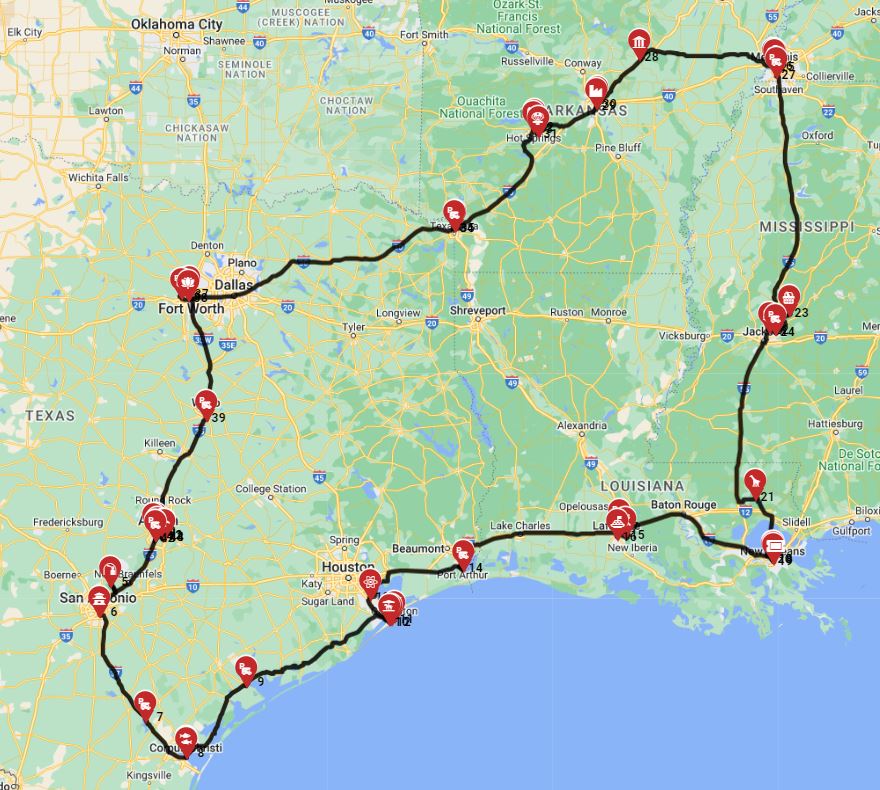
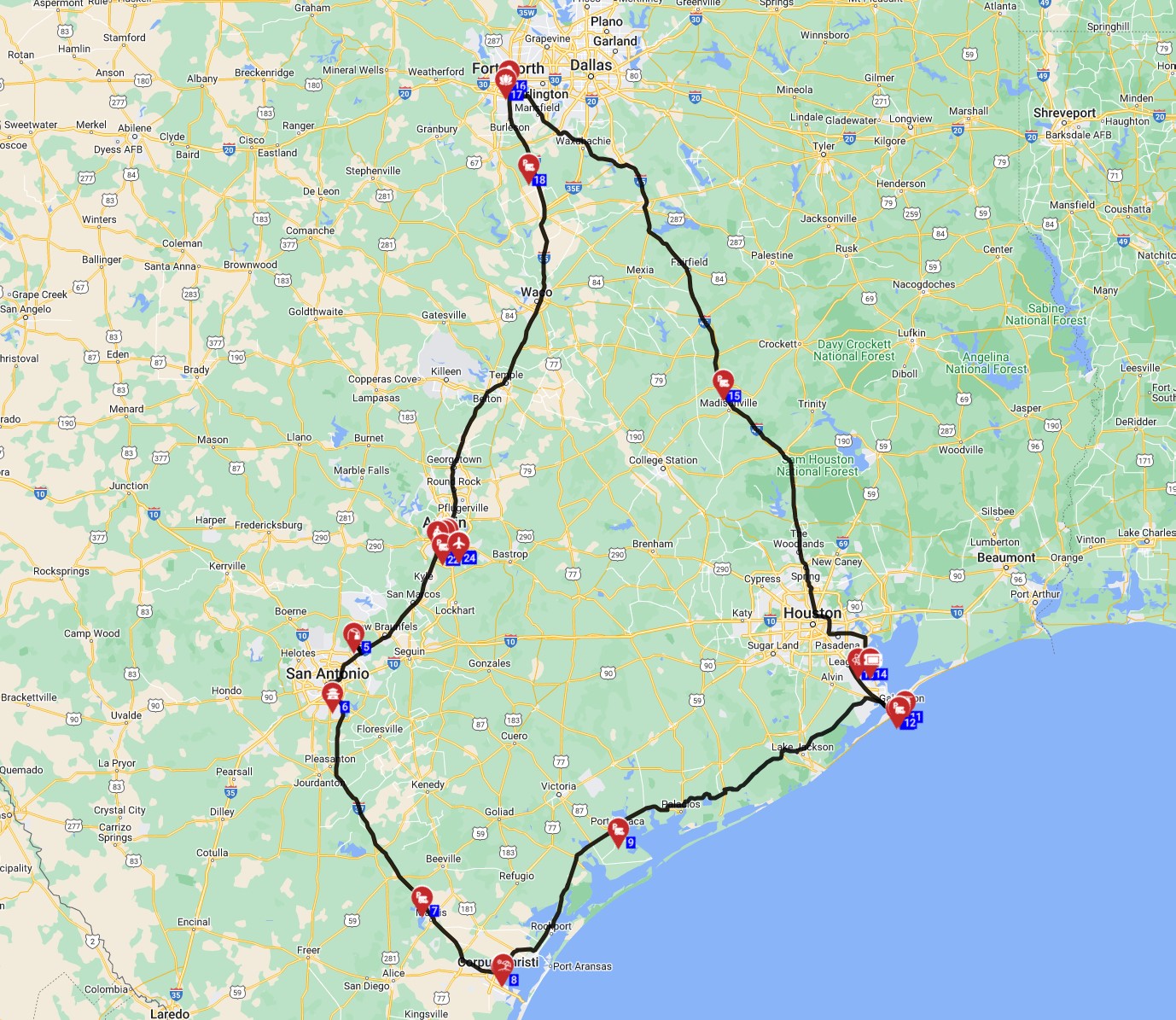
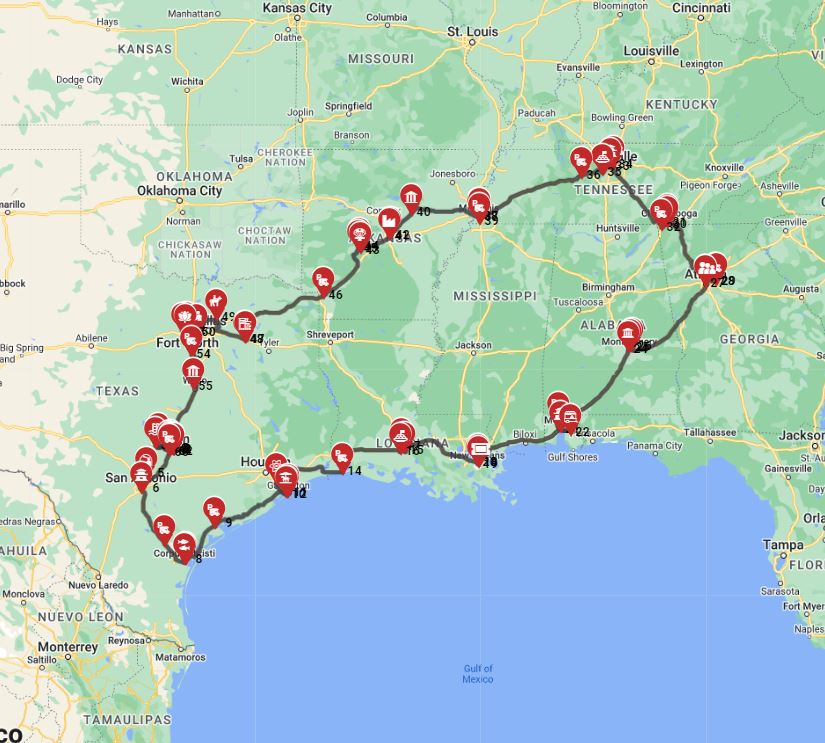
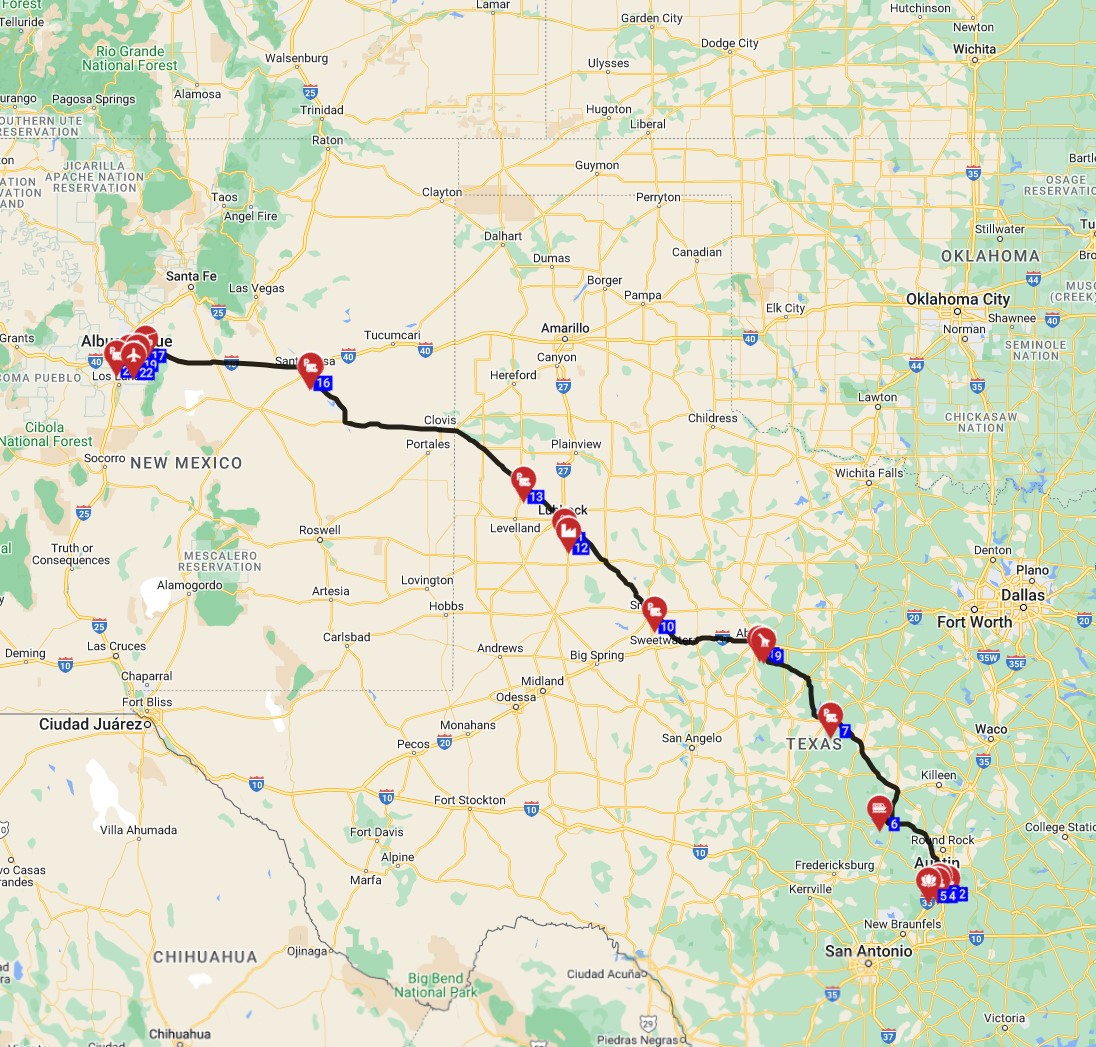
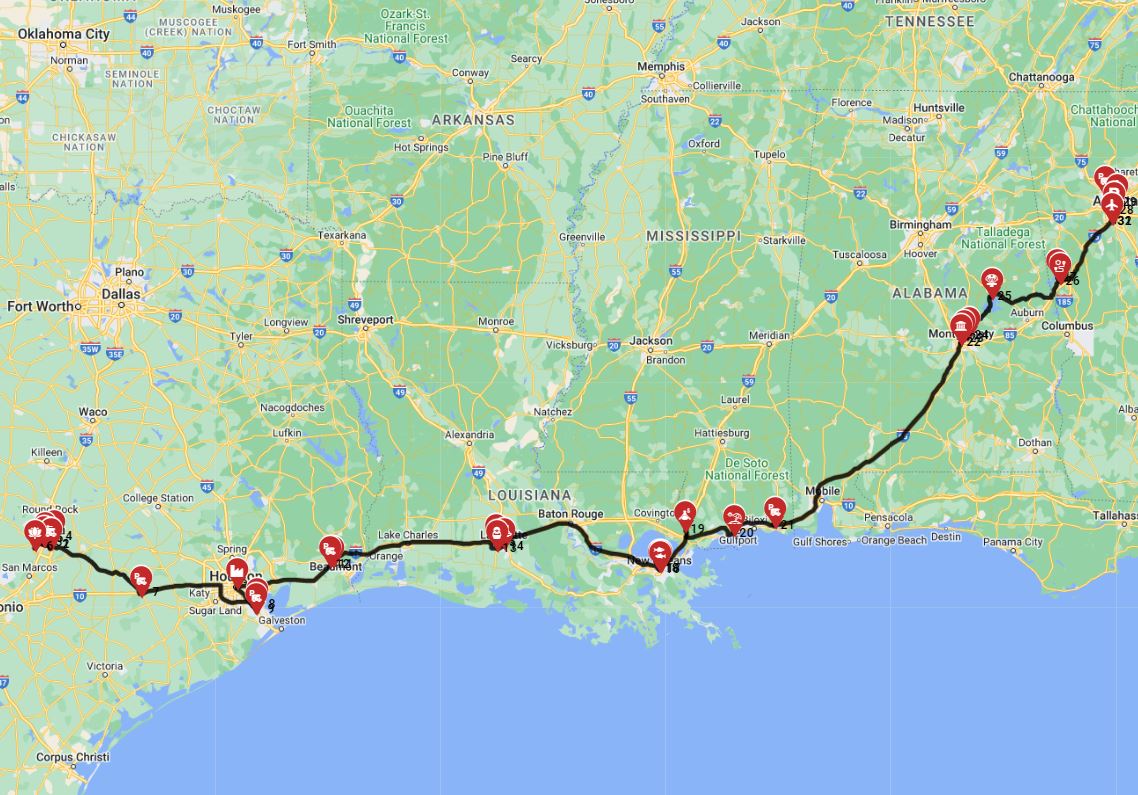
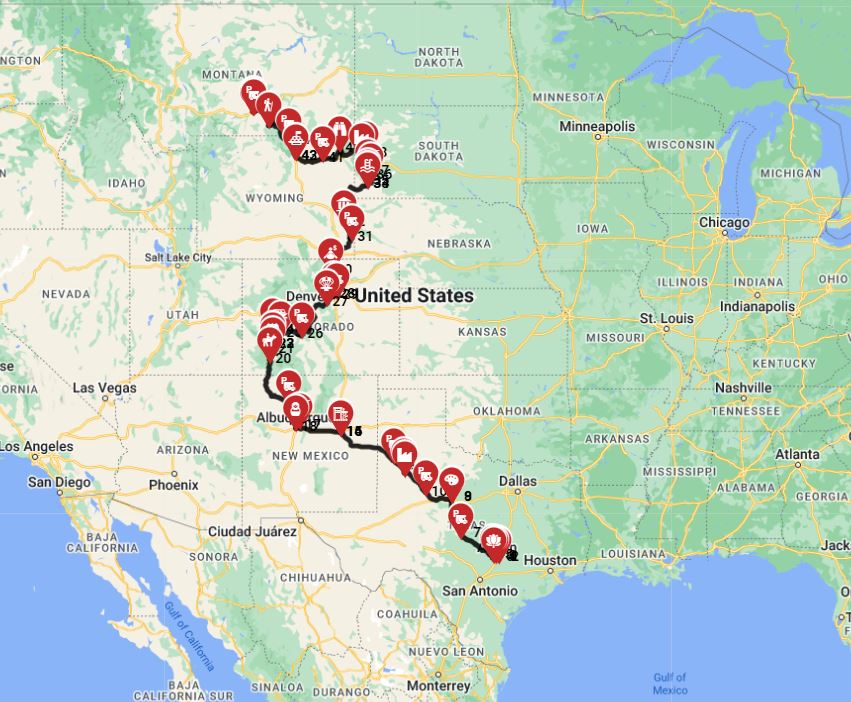
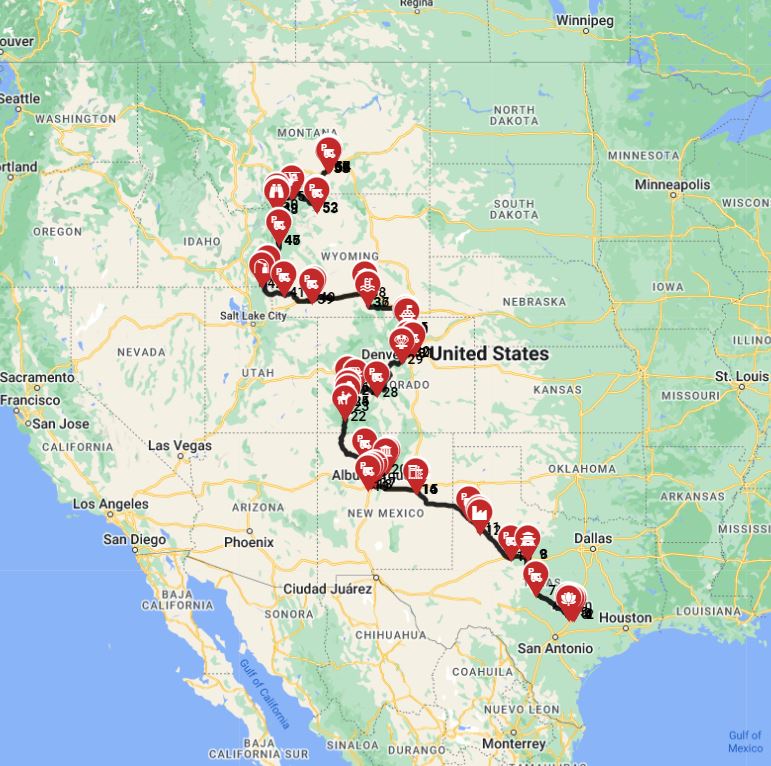
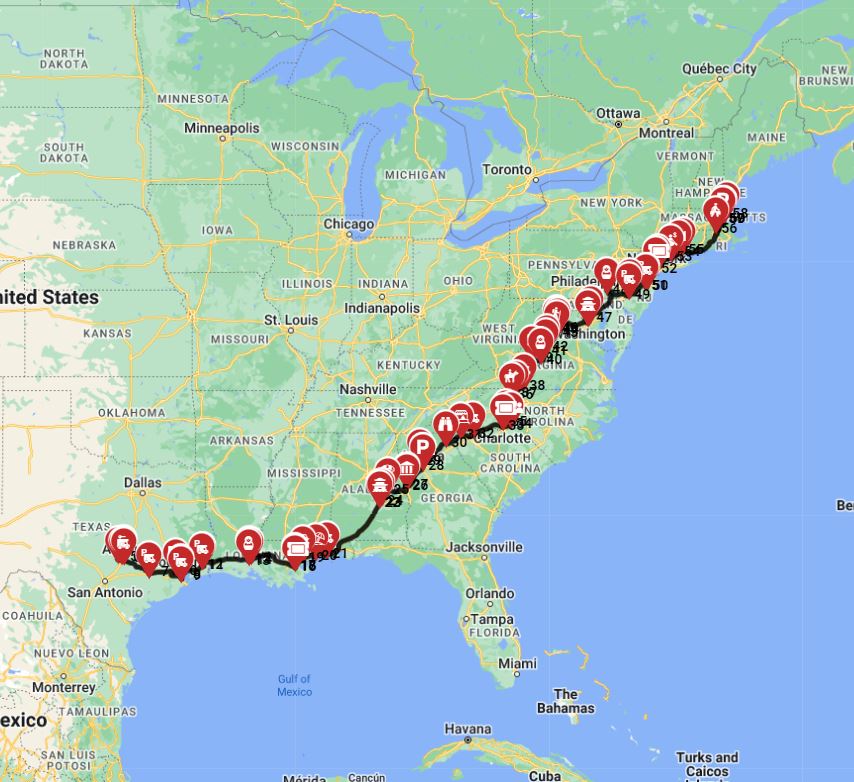
Explore the Texas Hill Country Wine & BBQ Trail, visiting charming towns like Fredericksburg and Wimberley. Discover Big Bend National Park for breathtaking rugged beauty and unparalleled stargazing, though this requires careful planning for remote access. Enjoy the Gulf Coast beaches and birdwatching in Port Aransas or South Padre Island. Immerse yourself in historic and cultural cities like San Antonio, Austin, Dallas, and Houston, all accessible with nearby luxury RV parks. For a distinct natural escape, explore the Piney Woods of East Texas, or seek out quirky roadside attractions like Cadillac Ranch near Amarillo.
For travelers seeking structured adventures, consider the "

What is the best RV for Texas?
The best RV for a luxury trip in Texas is typically a Class A Integrated or a spacious Class C Alcove. These options offer ample living space, high-end amenities, and the comfort necessary for traversing the state's diverse landscapes.
Class A Integrated RVs, often around 7.5 meters in length, provide a home-like experience with large living areas and premium features. Class C Alcove RVs, also averaging 7.5 meters, offer a great balance of size and luxury, making them easier to drive. Key luxury features to consider include comfortable sleeping arrangements, high-end kitchen appliances, multiple climate control zones, and potentially outdoor living spaces. Reliable air conditioning is paramount for Texas summers, and large fresh and grey water tanks are beneficial for longer stays in parks.
What is the average cost to rent an RV in Texas?
The average cost to rent a luxury RV in Texas can range significantly, typically from $200 to over $600 per night, depending on the RV class, rental season, duration, and included amenities.
Class B Camper Vans (avg. length 5.8m) are generally on the lower end ($150-$300/night); Class C Alcove (avg. length 7.5m) and Class SI Semi-integrated (avg. length 6.9m) fall into the mid-range ($200-$450/night); while Class A Integrated (avg. length 7.5m) represents the highest end ($300-$600+/night). Peak seasons like spring break and summer holidays typically incur higher rates, while off-peak seasons may offer lower prices. Longer rental periods often benefit from lower per-night rates. Beyond the rental fee, factor in fuel costs (e.g., a Class A RV consuming 8-12 Liters/100 km), campground fees ($30-$100+ per night for luxury resorts), insurance, and activity costs for a comprehensive trip budget. For travelers seeking deals, exploring our "RV Rental Deals in Texas - Latest Offers 2026" can be beneficial.
Can you sleep in an RV anywhere in Texas?
Legally sleeping in an RV 'anywhere' in Texas is generally not permitted. Overnight parking is typically restricted to designated campgrounds, RV parks, private property with permission, or specific rest stops with time limits.
It is best practice and often legally required to only sleep in your RV at established campgrounds, licensed RV resorts, or on private land with explicit consent from the owner. While some RVers attempt 'stealth camping' in urban areas, this practice carries risks of fines, trespassing charges, or safety issues. Many large retailers and truck stops may permit overnight RV parking as a courtesy for a single night's rest; however, policies vary by location, and it is crucial to always ask store management first. State and national parks in Texas require reservations for overnight stays and do not permit impromptu roadside camping. Be aware that individual cities and counties may have specific ordinances prohibiting overnight vehicle parking on public streets or lots.
For help planning your stops, discover the many options available through the detailed listings on RV PLANET (rvplan.net), which can help you find suitable and legal overnight parking spots across Texas.
What You Shouldn't Miss
- Drive through the dramatic landscapes of Palo Duro Canyon State Park, offering stunning vistas and hiking trails.
- Experience the unique beach camping at Padre Island National Seashore, a true off-road adventure for the intrepid RVer.
- Gaze at the unparalleled night sky in Big Bend National Park, a designated International Dark Sky Park perfect for RV stargazing.
- Witness the spectacular evening bat exodus from Bracken Cave (near San Antonio) or Old Tunnel State Park during warmer months.
- Visit the iconic Cadillac Ranch near Amarillo for a quirky roadside photo opportunity and a chance to leave your artistic mark.
- Embark on the Texas Hill Country Wine & BBQ Trail, enjoying local flavors and charming towns with your luxury RV.
Final Thoughts
Embarking on an RV adventure in Texas is an incredible way to experience the vast beauty and diverse culture of this iconic state. From the rugged landscapes of Big Bend to the vibrant streets of Austin, a rented RV offers unparalleled freedom and comfort.
Remember to plan your routes, book popular campsites in advance, and embrace the slower pace of RV travel. Bandana Caravan is here to help you navigate the details, ensuring your luxury RV rental in Texas is as seamless and enjoyable as possible. Get inspired for your next trip and discover top destinations and planning tips all in one place!
Start planning your Texas RV journey today and prepare for an unforgettable road trip filled with adventure, discovery, and the true spirit of the Lone Star State.
For ideas you can prep on the road, watch our RV-friendly recipes playlist on YouTube.