In This Guide
- What long term rv rental RV Rental Costs in Norway (2026)
- Seasonal Pricing - Peak vs. Shoulder vs. Off-Season in Norway
- What's Included vs. What's an Add-On
- Hidden Costs to Budget For in Norway
- How to Save on long term rv rental RV Rental in Norway
- How do I choose the right RV type for Norway's roads?
- What are practical RV itineraries for different durations in Norway?
- What are the specific costs for an RV trip in Norway beyond rental fees?
- What are essential RV logistics and gear for navigating Norway?
- Can I RV in Norway during shoulder seasons or winter for unique experiences?
- What are specific safety tips for solo, family, or accessible RV travel in Norway?
- What cultural and environmental etiquette should I follow when RVing in Norway?
- How can digital nomads ensure connectivity while RVing in Norway?
- What are the rules for overnight RV parking in Norway, beyond Allemannsretten?
What long term rv rental RV Rental Costs in Norway (2026)
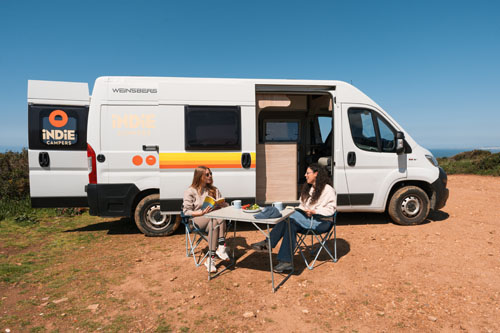
April is typically the cheapest month for RV rental in Norway, offering significant savings compared to peak season. Rental prices for a long-term motorhome adventure in Norway vary greatly by RV class, rental duration, the exact dates of your trip, and your chosen pickup city, reflecting a dynamic flex-rate system similar to airline tickets. For live availability and current prices, start with our RV Rental Norway - Complete Guide 2026 guide. Expect a compact campervan (Class B) to start around €80-€120 per day in the low season, while a larger, family-friendly Class C motorhome might range from €150-€300+ per day during peak summer. A Class A integrated model, offering ultimate luxury, can easily exceed €350 per day in high season. Longer rental durations, such as a month-long trip, often provide a more favorable daily rate than shorter, week-long excursions. Remember that prices are not fixed and can change daily based on demand and supplier marketing decisions, so comparing options is key.🎬 Video coming soon
Seasonal Pricing - Peak vs. Shoulder vs. Off-Season in Norway
Peak season in Norway, typically spanning July and August, sees the highest demand and prices for long term RV rentals, with limited availability across all campervan and motorhome categories. Travelers during these months can expect daily rates to be 30-50% higher than off-peak, reflecting the popularity of Norway's stunning summer landscapes and comfortable temperatures ranging from 15-25°C. Shoulder seasons, late spring (May-June) and early autumn (September-October), offer a superb balance of pleasant weather, fewer crowds, and more favorable pricing, often 15-25% lower than peak season. For instance, renting a 'Category Van' campervan in May might cost €100-€150 per day, allowing you to enjoy vibrant spring blossoms or spectacular fall foliage. Off-season, covering the winter months and early spring like April, provides the lowest rental rates, with some campervans available for as little as €80-€100 per day. This period offers unique travel experiences, such as chasing the Northern Lights above the Arctic Circle or enjoying snow-covered landscapes, but requires careful planning for road conditions and campsite availability.What's Included vs. What's an Add-On
Basic insurance and essential vehicle equipment are typically included with your long term RV rental in Norway, ensuring a foundational level of safety and functionality for your trip. Most rental motorhomes, such as a "cruise america rv rental example Explorer" model, come with standard features like a 2.5 Liter Turbo diesel engine, automatic transmission, a refrigerator, gas stove with 4 burners, and hot and cold water for the shower and toilet. Common add-ons, which can influence your monthly rate, often include comprehensive insurance tiers, additional mileage packages beyond the standard allowance, generator usage, kitchen kits, and bedding/linen sets. For instance, a basic kitchen kit might cost an extra €50-€100, while a personal kit (bedding) could be €30-€50 per person. While basic insurance is always included, you can upgrade to a top-level deductible for extra peace of mind and potentially lower out-of-pocket expenses in case of an incident. It is crucial to verify the specific inclusions and optional add-ons for each rented RV model and rental station before finalizing your booking. Bandana RV offers full transparency with no hidden fees, so what you see in your booking summary is exactly what you get.Hidden Costs to Budget For in Norway
Tolls, ferry fees, and bridge charges are significant hidden costs that accumulate rapidly when RVing throughout Norway, adding considerably to your long term rental budget. Norway employs an automatic toll system (AutoPASS), and your rental motorhome will likely be registered, meaning you'll be billed for tolls after your trip, sometimes months later. A typical 2-week journey through the Western Fjords can easily incur €100-€300 in tolls. Ferry crossings are frequent and necessary in fjord country; costs vary by vehicle length and number of passengers, with a popular route like Geiranger-Hellesylt costing around €30-€50 for a standard RV. Campsite fees also contribute significantly, ranging from 200-500 NOK (approx. €17-€43) per night depending on location, amenities, and season, often including electricity. Fuel expenses are another major factor, with diesel prices generally higher than in many other European countries, fluctuating based on global markets. Factor in propane refills for heating and cooking, and occasional dump-station charges or service fees for fresh water. When planning your budget, remember that our RV PLANET routes allow travelers to itemize and track every expense along the way for easy budgeting. RV PLANET routes are an excellent tool for managing these ancillary costs. Some RV rental suppliers may offer the option to pre-purchase toll-road usage or include fuel and campground discount cards to help manage these costs.How to Save on long term rv rental RV Rental in Norway
Booking your long term RV rental during the shoulder or off-season, such as April, can result in substantial savings on daily rates, potentially lowering costs by 20-30% compared to peak summer. Being flexible with your travel dates and even your pick-up and drop-off locations in Norway, such as considering a pickup from Alesund instead of Bergen, can unlock cheaper options. Pre-purchasing toll packages or utilizing available fuel and campground discount cards, if offered by suppliers, can further reduce incidental travel costs over a month-long trip. Choosing a smaller campervan or a compact Class C motorhome, like the "rv rental denver example Category Van" for a couple, not only lowers the rental fee but also improves fuel efficiency on Norway's winding roads. Opting for longer rental durations, such as a full month, often provides a more favorable daily rate compared to shorter trips. Finally, diligently monitor flex-rate pricing fluctuations and book when rates are at their lowest for your desired dates to maximize your savings. Our 25% Planning Discount for using rvplan.net for your route planning also helps keep costs down!How do I choose the right RV type for Norway's roads?
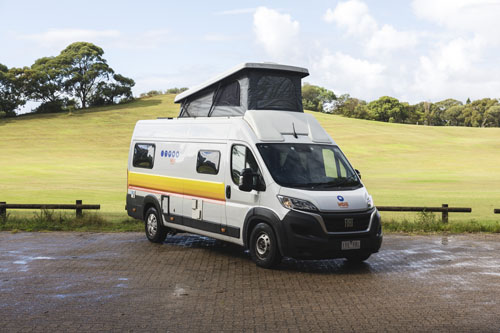
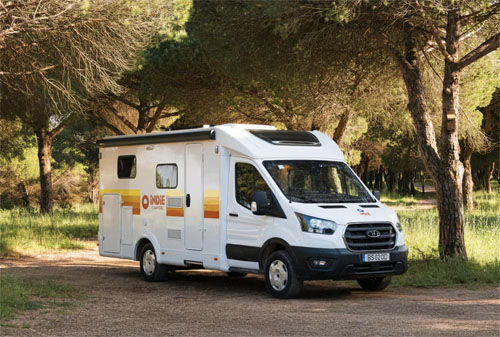
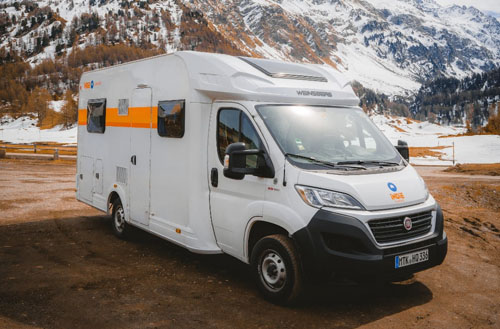
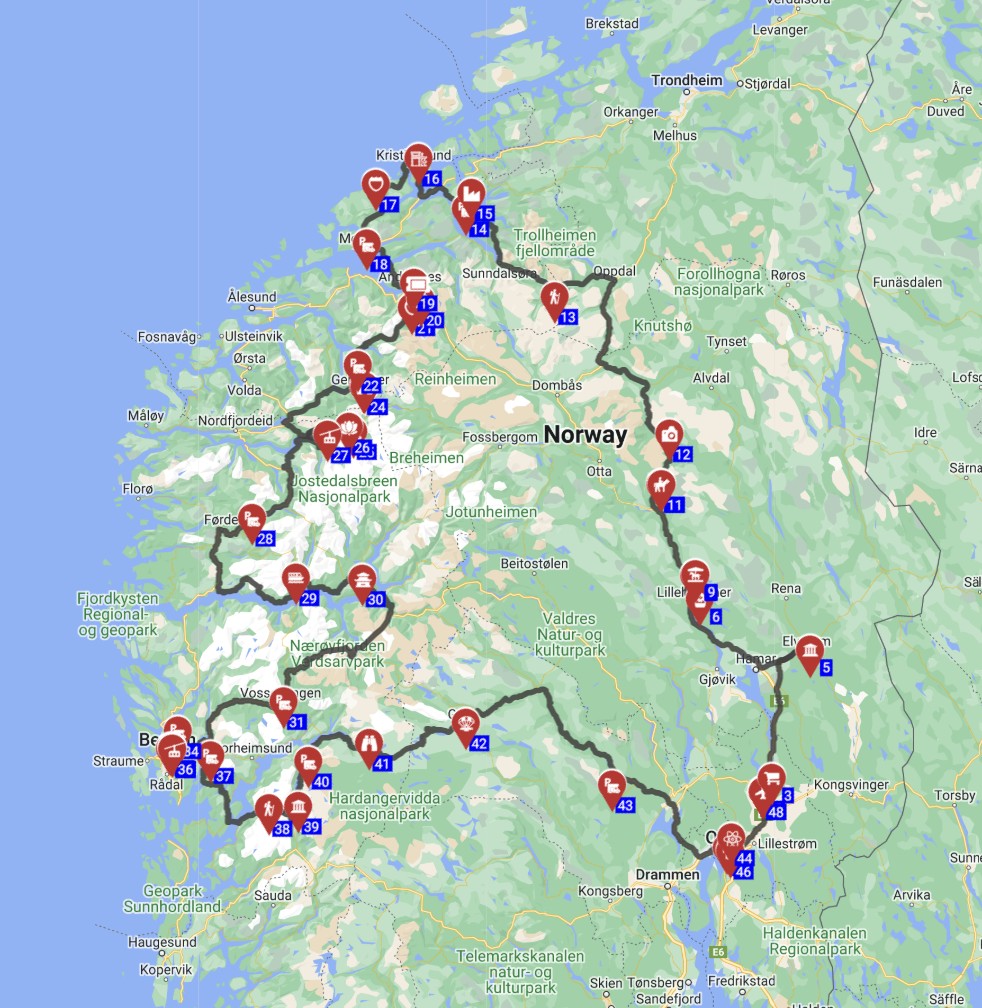
The choice between a nimble campervan (Class B/SI) and a more spacious motorhome (Class A/C) depends on your group size, comfort needs, and desired driving experience on Norway's often narrow and winding roads. Campervans, like a "luxury rv rentals example Carthago Malibu 600" or a "Category Van", offer superior maneuverability and easier parking in charming towns like Bergen and on smaller, scenic roads, making them ideal for couples or solo travelers who prioritize agility and fuel efficiency. These typically feature compact living spaces, a shower, and a toilet. Larger motorhomes, such as an "rv rentals example Comfort Class" with 3 double beds, provide more expansive living space, a larger kitchen, and amenities suitable for families of 2+2 or groups planning longer stays at campsites. While a larger rental mobile home offers more comfort, it requires a more attentive driving style on city streets. Drive slowly and carefully, and you can drive almost anywhere without issues. No need to stress - just use common sense and pay attention. Consider the length and width of your rented RV in relation to specific tunnels (like the Lærdal Tunnel), ferries, and mountain passes you intend to traverse, as some may have restrictions, particularly for vehicles over 7 meters. For those planning a detailed itinerary focusing on the coastal wonders, our "Bergen Round trip - Norway’s Coastal Wonders" is an 8-day route covering 782.9 km, including 2 hiking areas and 2 traditional visits, which will give you a good sense of typical Norwegian roads.What are practical RV itineraries for different durations in Norway?
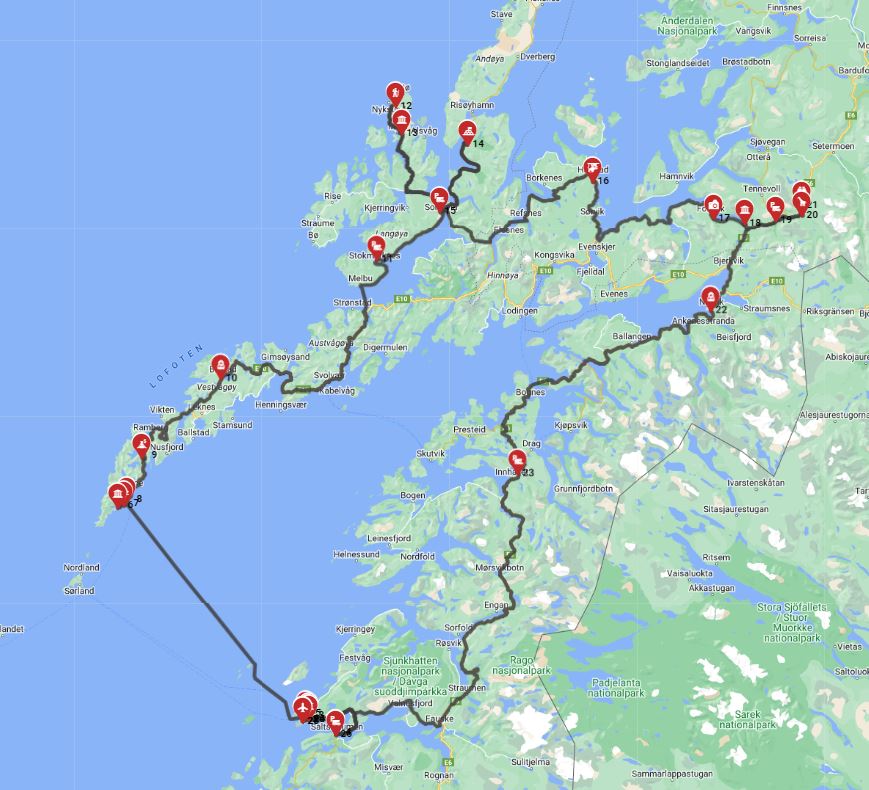
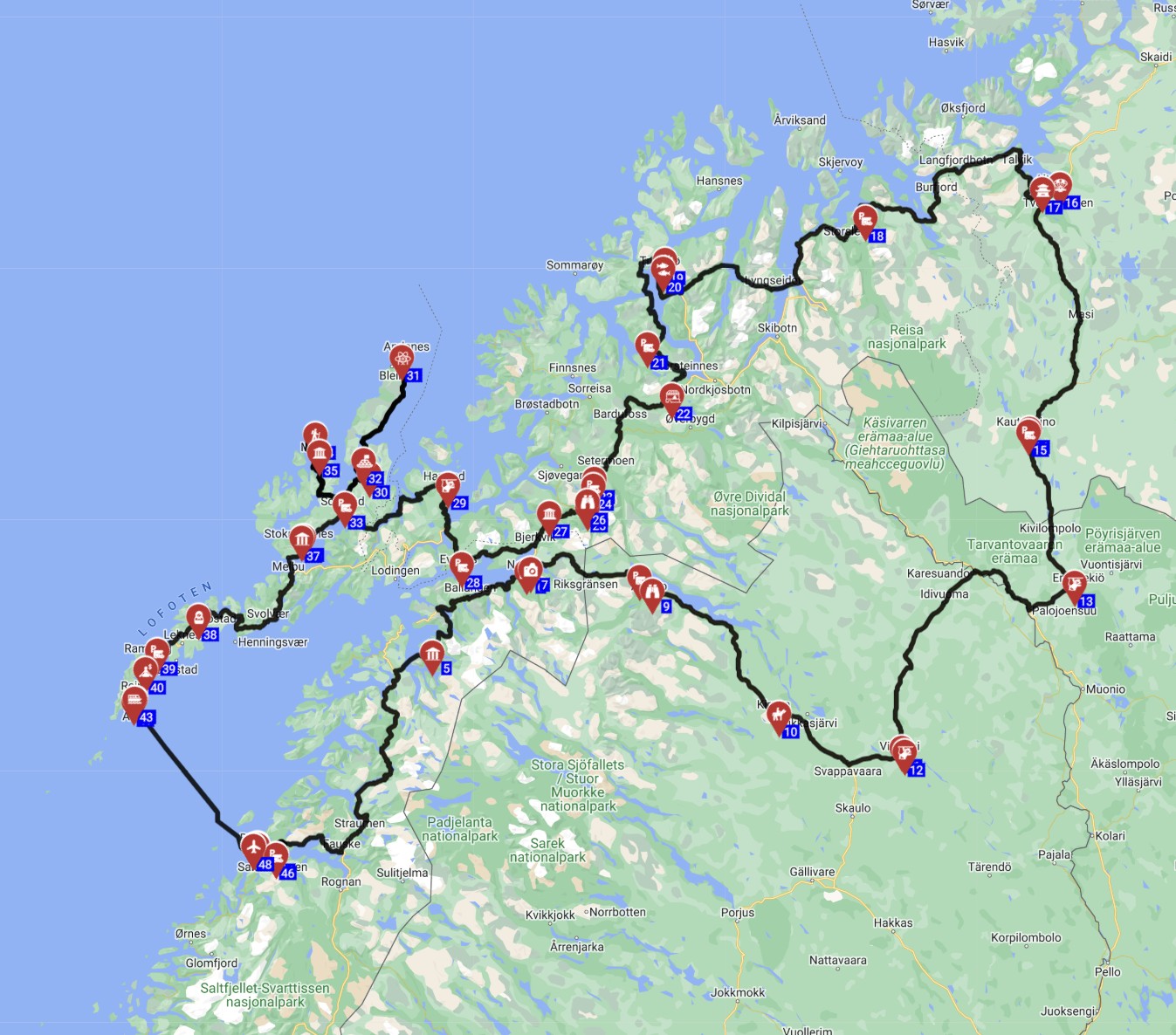
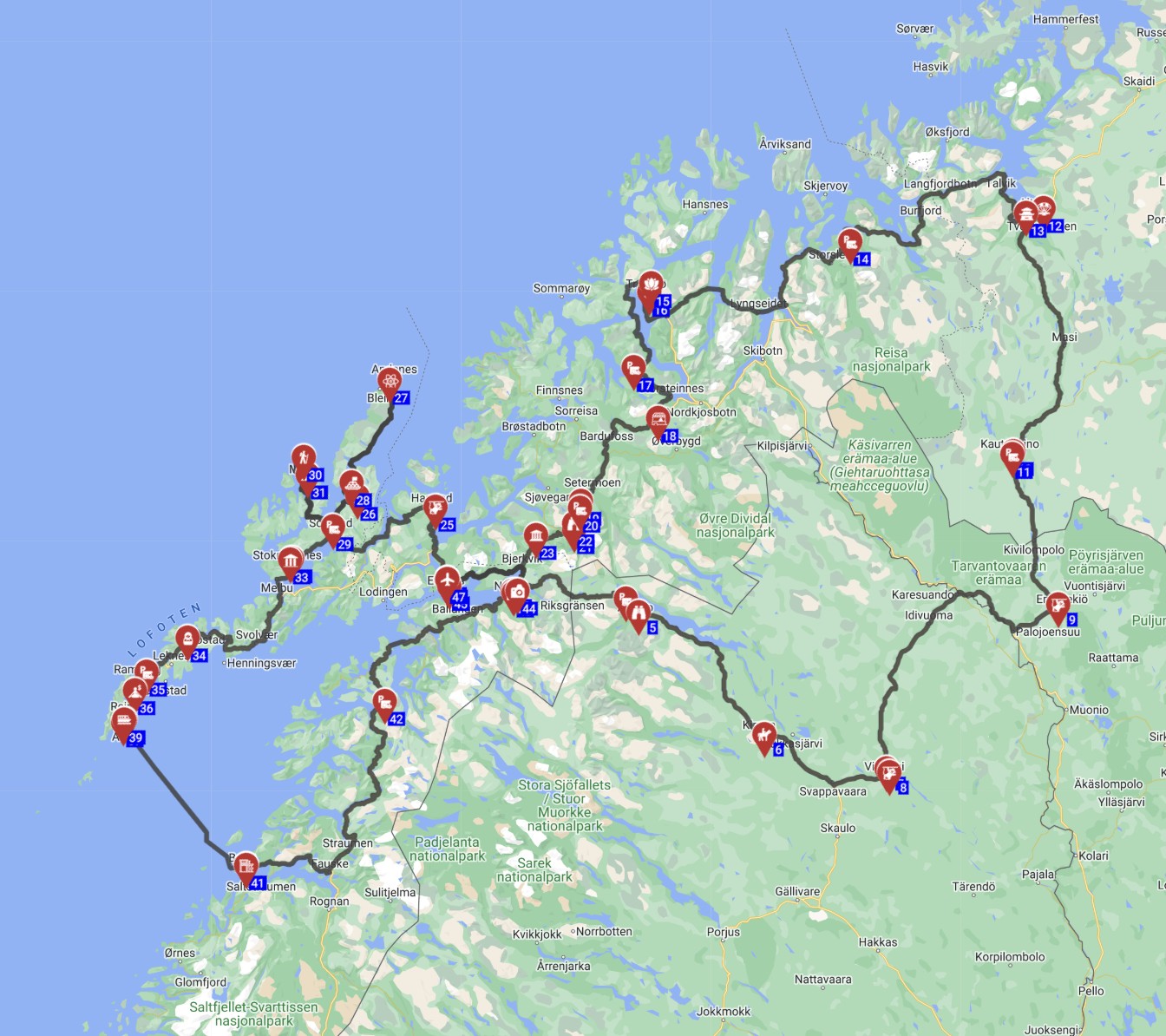
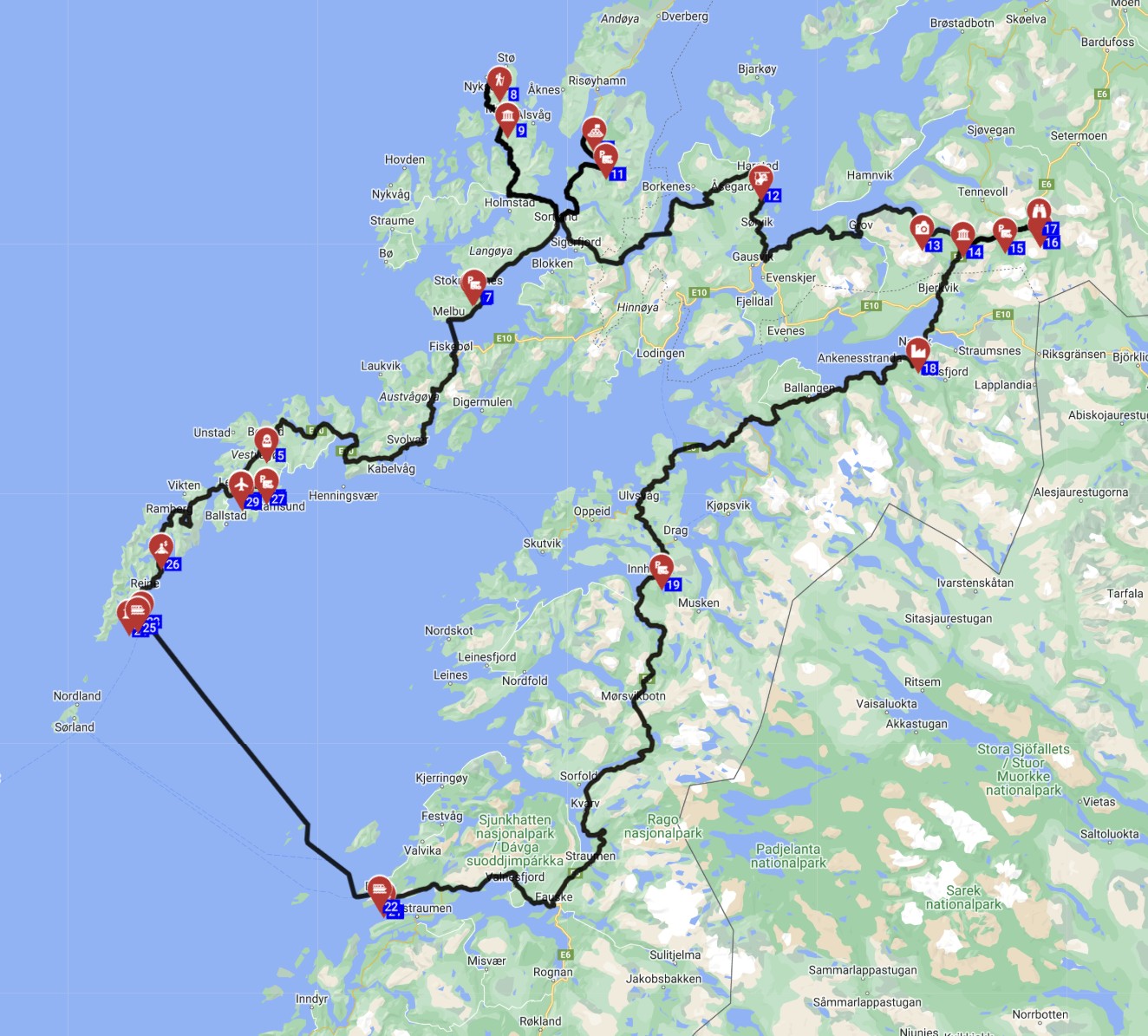
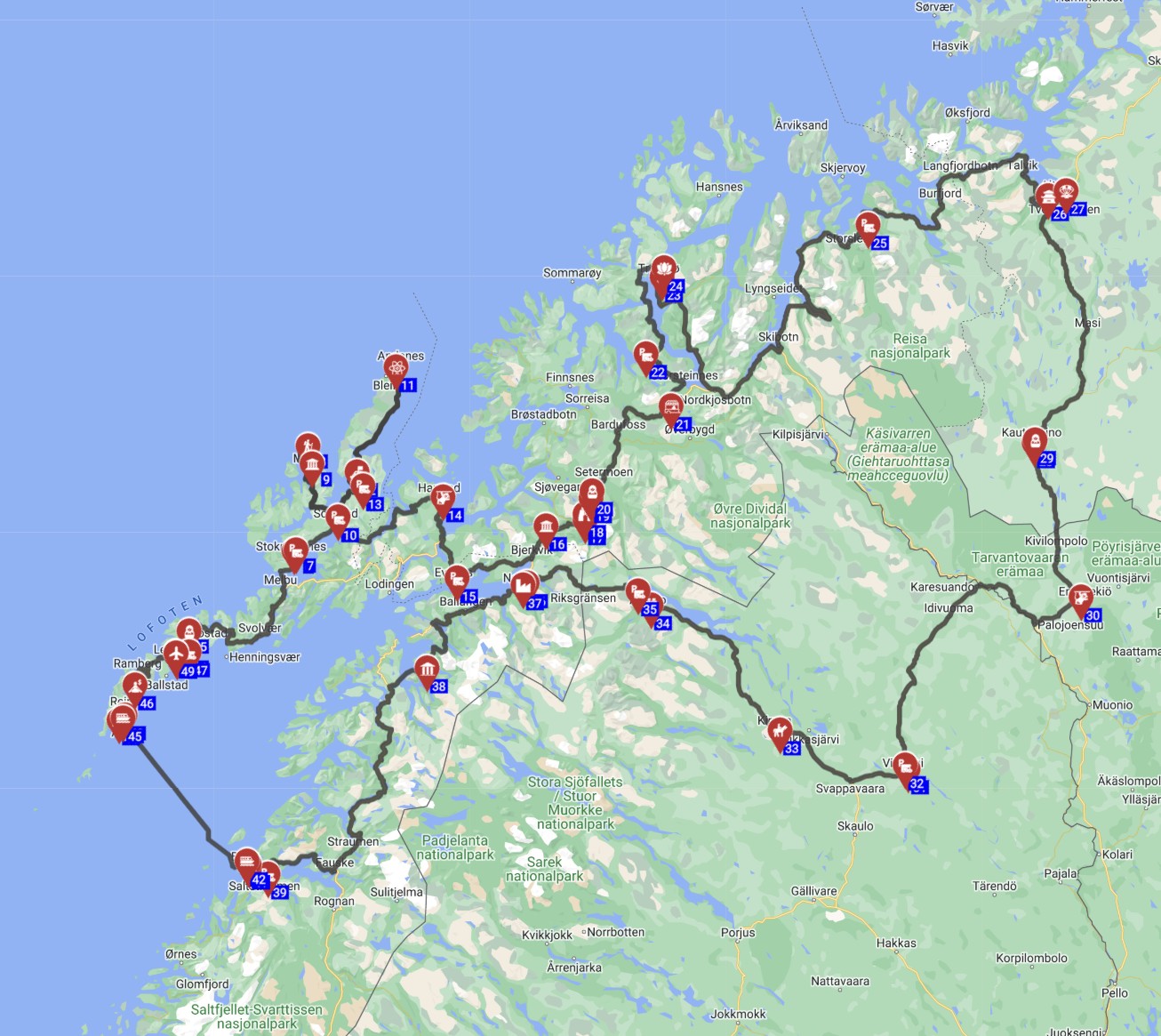
For a 1-week RV trip in Norway, it is best to focus on a specific region like the iconic fjords (e.g., a loop from Bergen to Geiranger) or the dramatic Lofoten Islands, to avoid rushing and truly savor the scenery. An ideal week-long RV trip could start and end in Bergen, exploring destinations like Flåm, Hardangerfjord, and Eidfjord, enjoying scenic drives and short hikes. A 2-week itinerary allows for exploring two distinct regions or a more in-depth experience of one, such as a comprehensive loop from Oslo that encompasses the Western Fjords, the Atlantic Road, and maybe even a visit to Trondheim. For example, the "Tromsø Round Trip - Arctic Wonders: Northern Norway Family Road Trip" is a 15-day itinerary covering 2402.5 km, featuring 3 wildlife watches and 4 museums. This route plan offers sufficient time to experience the Arctic wonders. For a month-long long term RV rental, a comprehensive journey from south to north is entirely feasible, including highlights like the Atlantic Road, Trondheim, and potentially extending up to the North Cape, allowing you to travel slowly, averaging 100-150 km per day. Pacing advice suggests allocating ample travel time between destinations, factoring in frequent ferry crossings, photo stops, and the generally slower speeds of RV travel on Norway's often mountainous and winding scenic routes. Plan a trip itinerary in advance with minimal effort and maximum enjoyment. For those looking for broader Nordic adventures, consider our "Stockholm Round trip - Sweden, Denmark and Norway Family Adventure," a 22-day, 3673.5999999999985 km route featuring a remarkable 6 museums and 3 natural features across multiple countries.What are the specific costs for an RV trip in Norway beyond rental fees?
Fuel is a significant cost in Norway, with diesel prices generally higher than in many other European countries, fluctuating based on global markets and potentially adding €500-€1000+ for a month-long trip covering thousands of kilometers. Tolls are prevalent on many roads, bridges, and tunnels, often managed by an automatic system (AutoPASS) linked to your rental vehicle; expect to incur €100-€300 in tolls for an extended trip through varied regions. Ferry crossings are frequent and necessary in fjord country, with costs varying significantly by vehicle length and number of passengers; budget at least €20-€60 per crossing in popular areas. Campsite fees range from 200-500 NOK (€17-€43) per night, depending on location, amenities, and season, often including electricity. Budget for groceries for your RV kitchen – cooking in your rented motorhome is a fantastic way to save on Norway's restaurant prices, allowing you to prepare meals on board using our RV-friendly recipes playlist. Additionally, allocate funds for activities (e.g., fjord cruises, hiking permits), and miscellaneous expenses like dump station fees or LPG refills.What are essential RV logistics and gear for navigating Norway?
Locating and utilizing dump stations (tømmestasjon) for grey and black water is crucial for responsible RV travel in Norway, often found at campsites, some gas stations, and designated public service points. Water refill points (vannpåfylling) are readily available at most campsites, many petrol stations, and public facilities, but it’s always wise to fill up when you have the chance. Be aware of varying RV size restrictions on certain scenic roads, mountain passes, and ferry capacities; always check your planned routes in advance, especially for larger Class A motorhomes. Essential gear for your rented campervan or motorhome includes European power adapters (Type F) for campground hook-ups, reliable insect repellent (especially in summer near lakes and forests), a good physical Norway road map or a GPS with RV-specific routing capabilities, and possibly leveling blocks for uneven parking spots at campgrounds. Carrying basic tools, a first-aid kit, and having an emergency roadside assistance contact number readily available is always a good practice. For a smooth trip, consider "Driving an RV in Norway - Complete Guide 2026" which provides in-depth information on road rules and navigation.Can I RV in Norway during shoulder seasons or winter for unique experiences?
RVing in Norway during shoulder seasons (late spring: May-June; early autumn: September-October) offers significantly fewer crowds, vibrant landscapes, and often better rental prices, with daily rates potentially 15-25% lower than peak. Spring brings thawing waterfalls and blossoming nature, particularly in the southern fjords, while autumn showcases stunning fall foliage, especially in the mountains and inland regions. Winter RVing is indeed possible and offers truly unique experiences, such as chasing the Northern Lights above the Arctic Circle in a 'Winter Ready' motorhome, or enjoying serene, snow-covered landscapes for activities like cross-country skiing. However, be prepared for colder temperatures (average -5°C to -15°C in the north), potentially icy roads, reduced campsite availability (many close for winter), and shorter daylight hours, especially north of the Arctic Circle where polar night occurs. Winter-ready vehicles typically include enhanced insulation and robust heating systems. For a detailed guide on managing fuel efficiency in colder climates, check out Budget RV Driving in Norway - Save on Fuel 2026.What are specific safety tips for solo, family, or accessible RV travel in Norway?
Solo female RV travelers in Norway should prioritize secure overnight parking, opting for established campsites over remote wild camping spots, and inform a trusted contact of their itinerary and expected locations. Families should ensure child safety seats are properly installed and compatible with their rented motorhome's seatbelts, plan routes with frequent stops every 2-3 hours to prevent fatigue, and pack a variety of entertainment for children during longer drives. Travelers with accessibility needs should choose RVs with suitable modifications (e.g., wider doors, grab bars) and research accessible campsites and attractions in advance, as infrastructure can vary. All travelers should be acutely aware of rapidly changing weather conditions, especially in mountain passes, carry emergency contacts (112 for all emergencies), and have a fully charged phone with a local SIM card (e.g., from Telenor or Telia) for reliable communication, even in remote areas.What cultural and environmental etiquette should I follow when RVing in Norway?
Beyond the general spirit of 'allemannsretten' (the right to roam), practicing responsible waste management is paramount for RVers in Norway, always using designated bins and dump stations (tømmestasjon) and never leaving any trash behind. Respect local communities by being mindful of noise levels, especially when overnight parking near residential areas, and support local businesses by purchasing supplies and dining out occasionally. Understand and adhere to local customs, such as queueing politely, respecting personal space, and showing deep appreciation for Norway's pristine nature by staying on marked trails during hikes. Avoid damaging flora and fauna, never light fires during dry periods or outside designated fire pits, and always respect private property boundaries, even when exercising your right to roam. Remember that the privilege of enjoying Norway's stunning natural beauty comes with the responsibility of preserving it.How can digital nomads ensure connectivity while RVing in Norway?
Purchasing a local SIM card from major Norwegian providers like Telenor, Telia, or Ice is often the most cost-effective way for digital nomads to ensure reliable mobile data coverage while RVing in Norway, with plans offering ample data for remote work. Be aware that internet access can be patchy in extremely remote fjord areas or high mountain regions, so plan critical work around larger towns or established campsites where coverage is generally stronger. Many campsites across Norway offer Wi-Fi, though quality and speed can vary significantly; some may charge extra for access, while others include it in the nightly fee. For those requiring constant, robust connectivity, consider investing in a portable Wi-Fi hotspot or a mobile data booster to enhance signal strength, especially if your long term RV rental takes you off the beaten path frequently. Before your trip, investigate coverage maps for your intended route.What are the rules for overnight RV parking in Norway, beyond Allemannsretten?
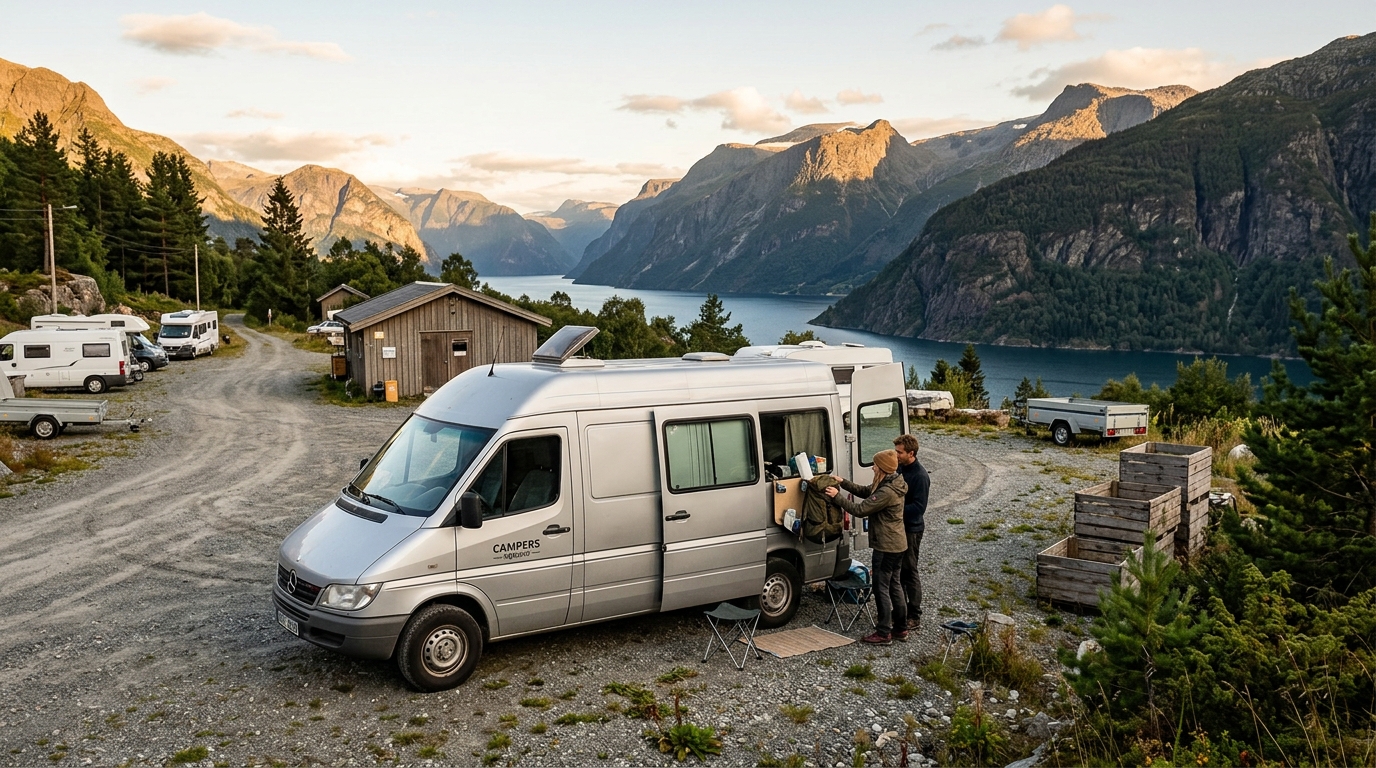
While Allemannsretten grants general access to uncultivated land for short stays (typically up to two nights), it generally does not apply to motor vehicles for overnight parking, particularly on private land or within 150 meters of inhabited buildings. Designated 'stellplass' (motorhome parking areas) are purpose-built for RVs in Norway, offering basic services like waste disposal and often electricity, providing a legal and convenient place to park overnight, usually for a small fee (e.g., 100-300 NOK). Rest areas along main roads are generally acceptable for short overnight stops if you are primarily resting, but extended stays or setting up a full camp (with chairs, awnings, etc.) are typically not permitted. Always avoid parking overnight in residential areas, private property without explicit permission, or clearly marked 'no overnight parking' zones to prevent fines or potential towing. For comprehensive guidance on navigation and parking regulations, refer to our Driving an RV in Norway - Complete Guide 2026. Explore our pages for specific pickup locations such as Alesund, Bergen - Airport, and Hylkje for more localized information.What You Shouldn't Miss
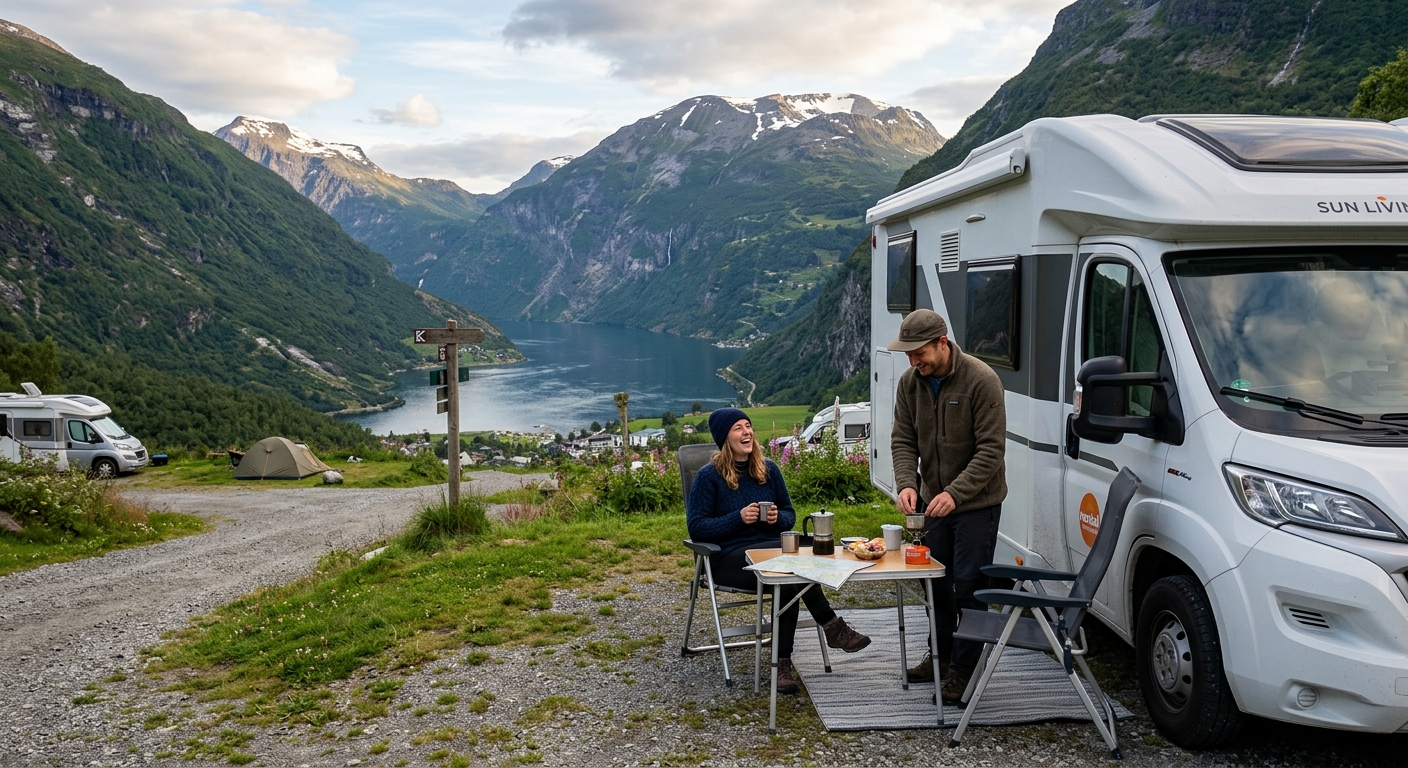
- **Explore the Geirangerfjord:** Drive the iconic Eagle Road (Ørnevegen) for breathtaking views of the UNESCO-listed Geirangerfjord, then take a ferry cruise through its emerald waters, past towering cliffs and waterfalls.
- **Drive the Atlantic Road:** Experience the "Road in the Ocean," an 8.3-kilometer stretch of highway connecting islands with unique bridges, offering dramatic coastal scenery and excellent fishing opportunities.
- **Hike to Trolltunga:** For adventurous travelers with a full day to spare (10-12 hours round trip, 27 km), the challenging hike to Trolltunga offers one of Norway's most spectacular and recognizable viewpoints over Ringedalsvatnet lake.
- **Visit Pulpit Rock (Preikestolen):** Embark on a moderately challenging hike (4 hours round trip, 8 km) to this massive flat-topped cliff, suspended 604 meters above Lysefjord, providing unparalleled panoramic views.
- **Experience the Lofoten Islands:** Drive through picturesque fishing villages like Reine and Nusfjord, surrounded by dramatic mountains and turquoise waters, perfect for photography, hiking, and enjoying fresh seafood.
- **Chase the Northern Lights (Winter):** Head above the Arctic Circle to destinations like Tromsø or Alta during winter for the best chance to witness the mesmerizing aurora borealis dance across the night sky from your rented motorhome.
Looking for expert insights from Avi Bandana? Top 5 Adventures - recommendations from Avi Bandana
As the founder of Bandana Caravan, Avi Bandana has personally explored countless routes and destinations by RV. His deep passion for travel ensures that every recommendation is backed by genuine experience and a desire for you to have the best trip possible.
Final Thoughts
Embarking on a long-term RV rental in Norway offers an unparalleled opportunity to explore its majestic fjords, vibrant cities, and serene wilderness at your own pace. With careful planning, understanding the seasonal pricing, and budgeting for all costs, your month-long motorhome adventure can be both memorable and manageable. Remember to travel slowly, averaging max 100-150 km per day, allowing yourself the time to truly feel the place, connect to the culture, the incredible food, and the breathtaking scenery. Whether you're a seasoned RVer or a first-timer, Norway provides a welcoming and awe-inspiring backdrop for an extended road trip. From comparing campervan options to navigating local logistics, we're here to support you every step of the way. So pack your bags, choose your ideal rented mobile home, and get ready to discover the magic of Norway. Discover top destinations, planning tips, all in one place!Check Norway RV Rental Prices Now!