In This Guide
- Best Canada RV Itinerary for rv rental beginners - Overview
- 7-Day Classic Route in Canada
- 14-Day Extended Journey in Canada
- Recommended RVPlan Trip for Canada
- Must-See Stops Along the Way (Avi Bandana Picks)
- Daily Driving Distances & Drive Times in Canada
- Best RV Class for This Itinerary - Couple & Family Picks
- How to Find Free Camping and Boondock in Canada Safely?
- What are the Considerations for Long-Term RVing in Canada?
- What RV Types and Sizes are Best for Canadian Roads and National Parks?
- How to Ensure Safety and Emergency Preparedness for Remote RV Travel in Canada?
- What are Sustainable and Leave No Trace RVing Practices for Canada?
- Is Canada Accessible for RV Travelers with Disabilities?
- What Advanced Planning Tools and Technology are Recommended for RVing in Canada?
- How to Budget for an RV Trip in Canada?
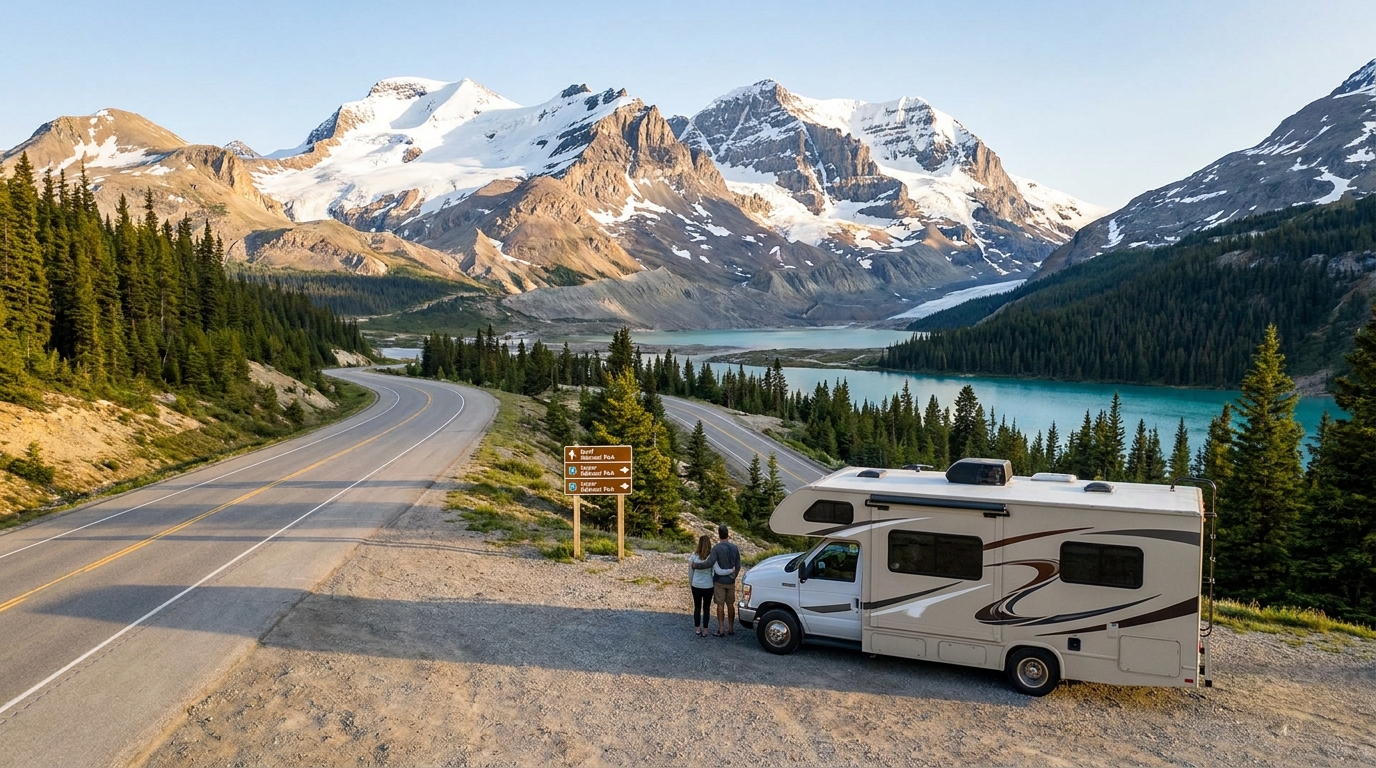
Embarking on your first motorhome adventure in Canada is an exciting prospect, promising unparalleled freedom to explore vast landscapes and vibrant cities at your own pace. With a rented RV, you unlock a mobile home base for discovering everything from the majestic Canadian Rockies to the serene coastlines. For live availability and current prices, start with our RV Rental Canada - Complete Guide 2026 guide, which provides comprehensive insights for your trip.
Best Canada RV Itinerary for rv rental beginners - Overview
A Canadian RV itinerary for beginners should offer a diverse exploration of the country's stunning landscapes, with a recommended minimum duration of 7 days, although 14+ days is ideal for a more comprehensive experience. The best season for RV travel in Canada typically extends from late Spring to early Fall, specifically May through September, when the weather is mild and most attractions are open. Total distances for your rented campervan will vary significantly based on your chosen route, always emphasizing a relaxed pace of around 100-150 km per day on average, allowing ample time for leisurely stops and soaking in the local culture, food, and scenery.
Choosing an itinerary that balances driving with exploration is key for first-time RVers. Many prefer to focus on a specific region, such as the Canadian Rockies or the Atlantic provinces, to avoid lengthy travel days and maximize enjoyment. Whether you're looking for Cheap RV Rental in Canada - Budget Guide 2026 options or more luxurious experiences, planning your route strategically will make all the difference. Remember, the journey is just as important as the destination when you're traveling in a rented motorhome.
7-Day Classic Route in Canada
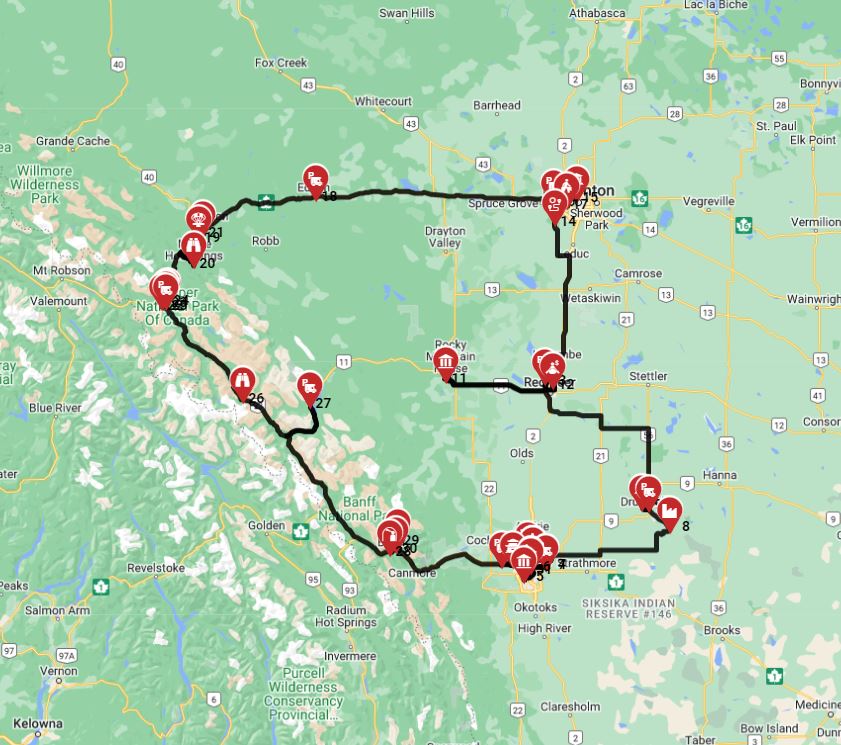
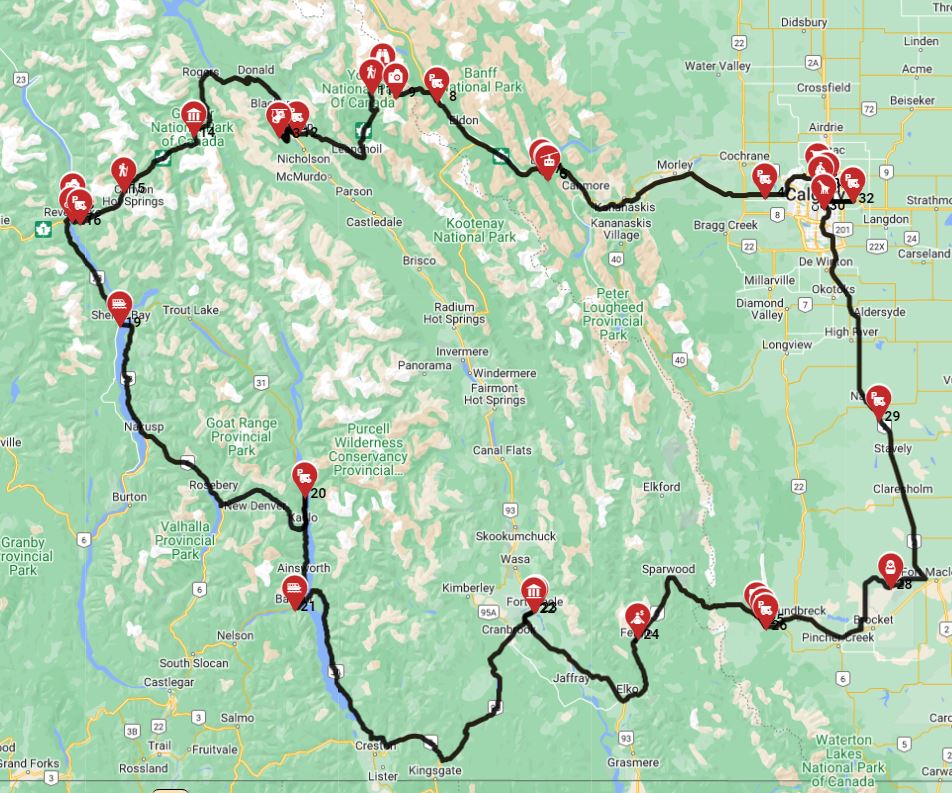
A popular 7-day classic route in Canada for beginners focuses on the stunning Canadian Rockies, beginning in Calgary and exploring iconic national parks. This itinerary is designed with short driving days to allow ample time for exploration and relaxation, perfect for your first rented motorhome experience.
- Day 1: Calgary to Canmore (105 km / 65 mi) - Explore Canmore's charming downtown. Overnight at Bow Valley Provincial Park.
- Day 2: Canmore to Banff (25 km / 15 mi) - Discover Banff townsite and ride the Sulphur Mountain Gondola. Overnight at Tunnel Mountain Village II Campground.
- Day 3: Banff to Lake Louise (60 km / 37 mi) - Visit iconic Lake Louise and Moraine Lake (seasonal access). Overnight at Lake Louise Campground.
- Day 4: Lake Louise to Icefields Parkway (part 1) (approx. 80 km / 50 mi) - Enjoy Peyto Lake viewpoint and Bow Summit. Overnight at Rampart Creek Campground.
- Day 5: Icefields Parkway (part 2) to Jasper (90 km / 56 mi) - Experience the Columbia Icefield and Athabasca Falls. Overnight at Whistlers Campground, Jasper.
- Day 6: Jasper Local Exploration (0 km) - Explore Maligne Lake, take a Spirit Island cruise, or hike local trails. Overnight at Whistlers Campground, Jasper.
- Day 7: Jasper to Hinton (80 km / 50 mi) - Relax in Hinton before preparing for your rented RV return. Overnight at Hinton / Local RV Park.
This route offers a manageable introduction to RV travel, highlighting some of Canada's most breathtaking scenery without feeling rushed. You'll find that with a rented campervan, making breakfast in your mobile kitchen amidst stunning mountain views is a truly magical way to start each day. For finding campsites and campgrounds during your trip, we recommend using RV PLANET (rvplan.net) - a great resource for locating available spots along your route. You can find more details on planning your finances in our RV Rental in Canada - Prices and Best Deals 2026 article.
14-Day Extended Journey in Canada
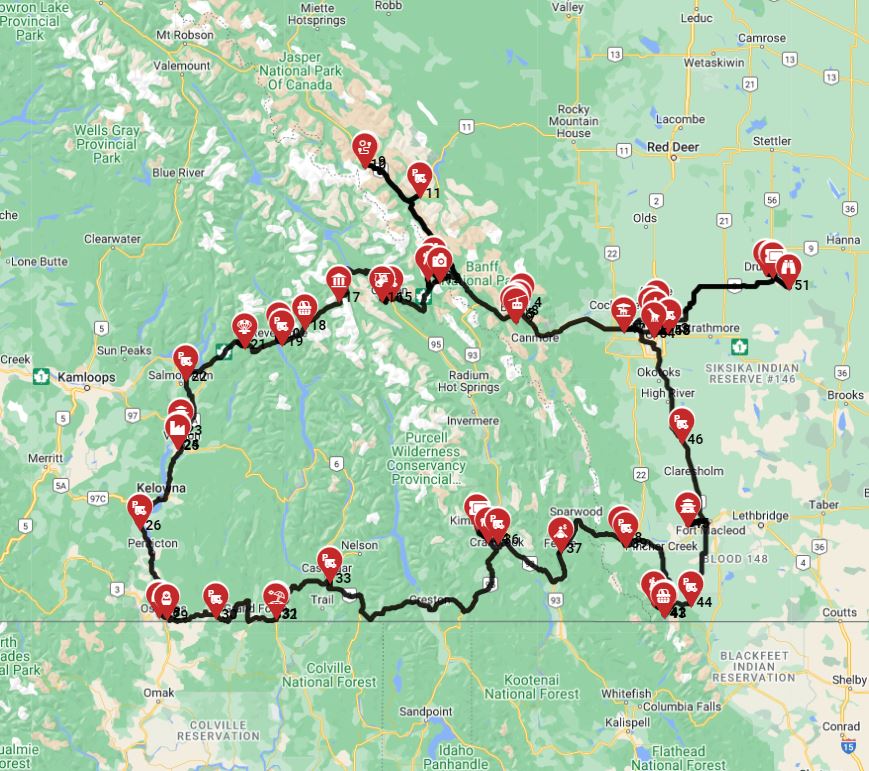
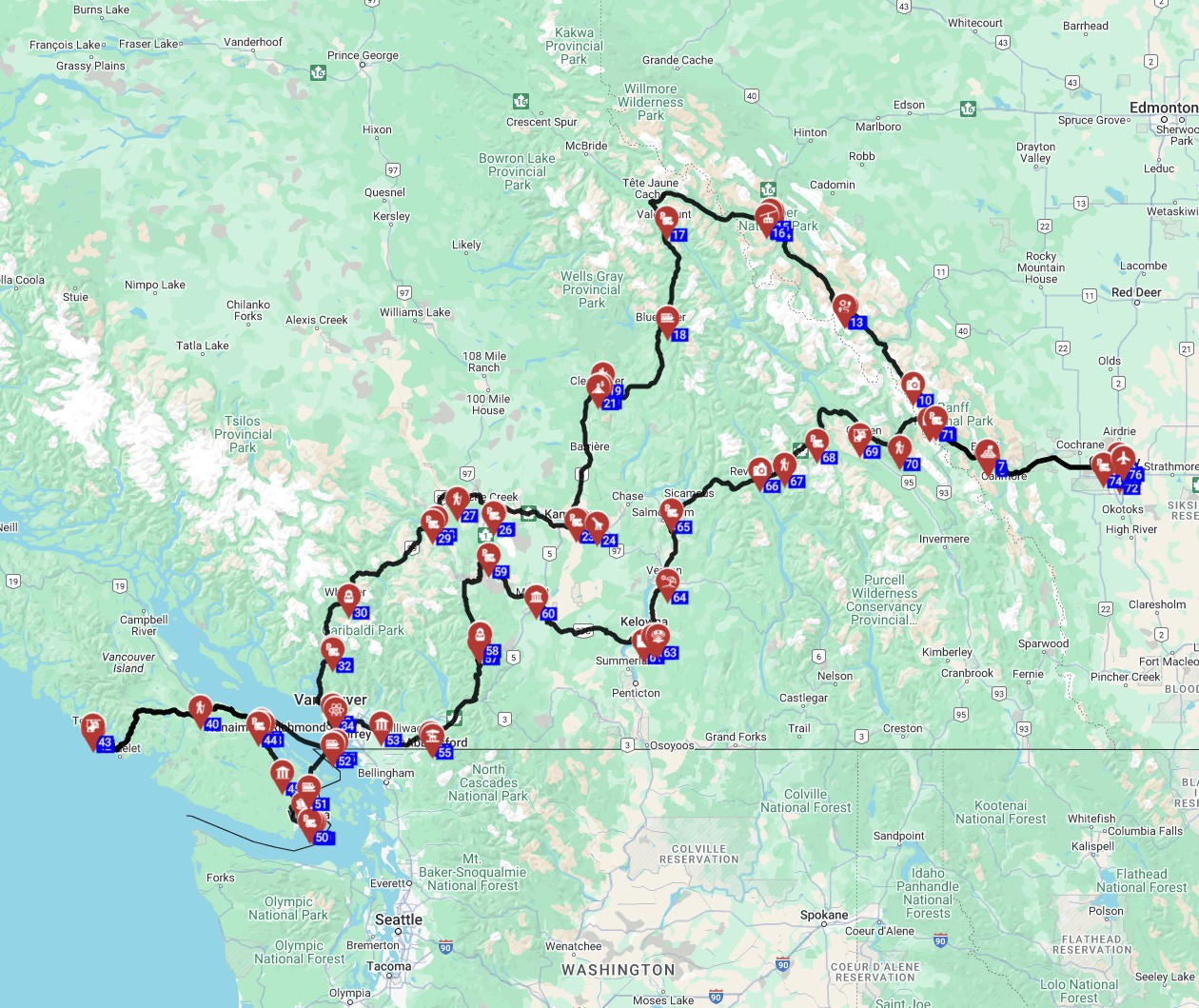
An extended 14-day journey in Canada allows for a deeper exploration of the Canadian Rockies and offers the chance to venture further west into British Columbia, providing a comprehensive experience for your motorhome rental. The first week follows the 7-Day Classic Route from Calgary to Hinton, immersing you in the grandeur of Banff and Jasper National Parks.
- Week 1: Canadian Rockies Wonders (Days 1-7 follow the 7-Day Classic Route: Calgary to Hinton).
- Day 8: Hinton to Valemount, BC (160 km / 100 mi) - Witness Mount Robson Provincial Park, home to the highest peak in the Rockies. Overnight at Valemount Pines Golf & RV Park.
- Day 9: Valemount to Clearwater (120 km / 75 mi) - Explore Wells Gray Provincial Park, featuring Helmcken Falls. Overnight at Wells Gray Golf and RV Park.
- Day 10: Clearwater to Kamloops (125 km / 78 mi) - Enjoy lake activities or visit the BC Wildlife Park. Overnight at Kamloops Overlanders RV Park.
- Day 11: Kamloops to Hope (150 km / 93 mi) - Drive through the scenic Fraser Canyon. Overnight at Hope River Valley Campground.
- Day 12: Hope to Cultus Lake (30 km / 18 mi) - Experience water activities at Cultus Lake Provincial Park. Overnight at Cultus Lake Provincial Park.
- Day 13: Cultus Lake to Vancouver (100 km / 62 mi) - Explore Stanley Park, Gastown, and downtown Vancouver. Overnight at Burnaby Cariboo RV Park (nearby).
- Day 14: Vancouver Local Exploration / Departure (0 km) - Enjoy a final day in Vancouver before returning your rented RV.
This extended itinerary showcases Canada's diverse landscapes, transitioning from alpine peaks to lush coastal regions. For a more intensive planning experience, consider exploring one of RV PLANET's professionally designed itineraries. For example, the "

Recommended RVPlan Trip for Canada
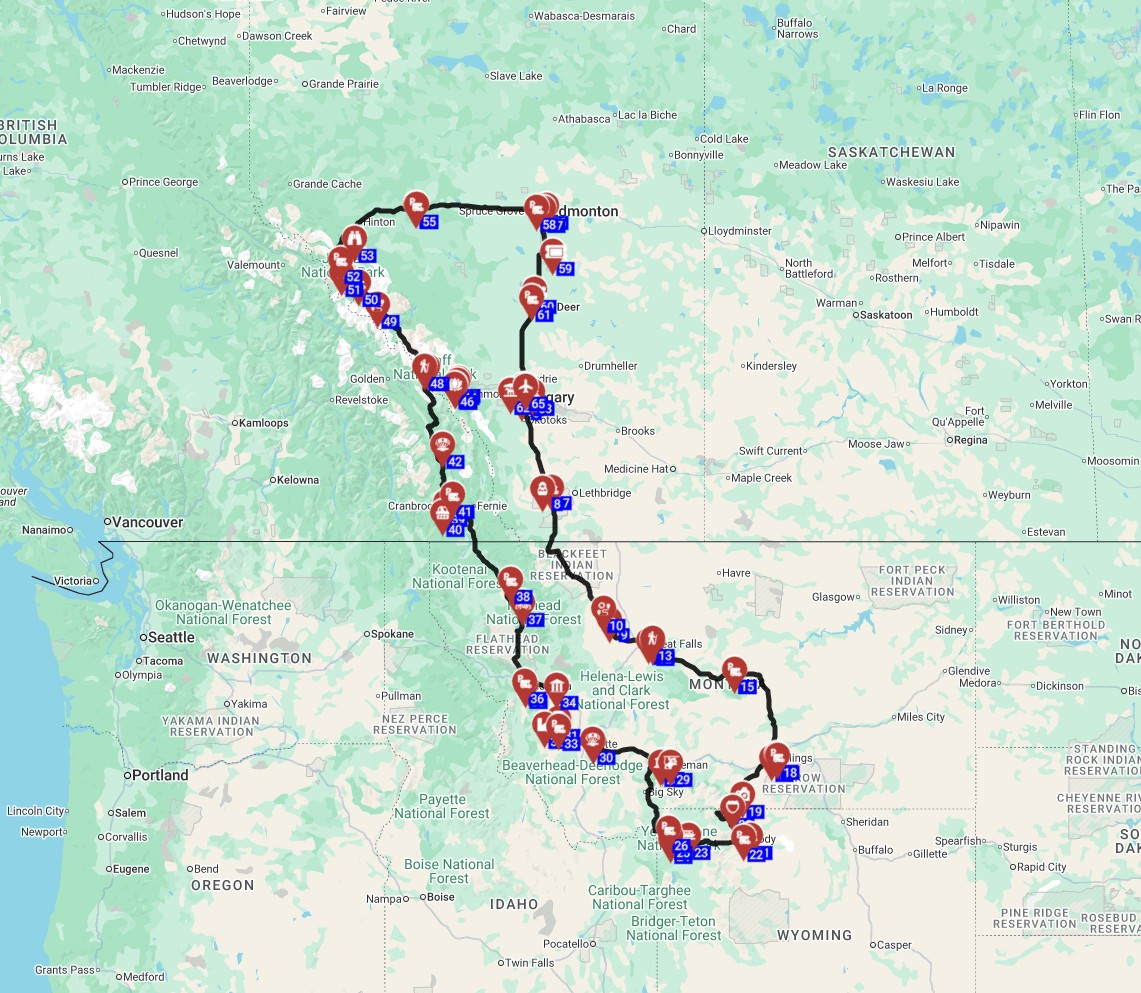
For an epic trans-Canada adventure, consider the RVPlan trip: "Halifax to Whitehorse - Exploring Canada’s Heartland in a Motorhome," an extensive journey covering 9199.1 km over 37 days. This itinerary offers a deep dive into Canada's diverse landscapes and cultures, starting in Halifax and concluding in Whitehorse. With 1 amusement park, 1 animals show/wildlife watch, 1 aquarium, 3 art galleries, and numerous other attractions, it's a truly immersive experience designed by professionals. You can enjoy a 25% planning discount when you utilize rvplan.net to customize your route plans, ensuring every detail is covered for an unforgettable journey.
Must-See Stops Along the Way (Avi Bandana Picks)
Avi Bandana recommends focusing on authentic local experiences that genuinely connect you with Canada's rich culture and heritage. When you're traveling in a rented RV, you have the flexibility to discover these hidden gems.
- Traditional Visit: Explore Site d'Interprétation Micmac de Gespeg in Quebec to learn about Indigenous culture, and step back in time at Fort William Historical Park in Ontario for engaging fur trade reenactments. These sites offer profound insights into Canada's past.
- Traditional Restaurant / Fine Dining: Seek out local eateries for authentic Canadian cuisine. In Halifax, savor fresh seafood, or in Quebec City, indulge in classic French-Canadian delights. For those who love to cook, a rented motorhome's kitchen means you can prepare delicious meals on the go too, perhaps with some RV-friendly recipes playlist to inspire your onboard dining.
- Traditional Market: Visit the Fort Nelson Farmers Market in BC for fresh local produce and artisan goods. In Whitehorse, Yukon, explore Qwanlin Mall for unique souvenirs and a taste of local charm.
- Local Industry: Take a tour or sample local craft beers at Lake of the Woods Brewing Company in Ontario for a taste of regional industry and a glimpse into Canadian entrepreneurship.
These experiences, hand-picked by our founder, emphasize connecting with the place and its people. For other unique ideas, consider our One-Way RV Rental in Canada - Price Guide 2026 to open up more possibilities for your journey.
Daily Driving Distances & Drive Times in Canada
Avi Bandana recommends a maximum of 100 miles or 150 km per day on average to ensure a relaxed pace and ample time for exploration during your Canadian RV trip. This slower travel approach is ideal for beginners, allowing you to comfortably manage driving, navigate new environments, and fully enjoy the journey without feeling rushed.
- Example 1: Driving from Calgary to Banff, approximately 105 km (65 mi), typically takes about 1.5 hours, providing a gentle start to your adventure.
- Example 2: The journey from Jasper to Hinton, about 80 km (50 mi), is roughly a 1-hour drive, leaving much of the day for sightseeing.
- Example 3: Traveling from Hope to Vancouver, covering around 150 km (93 mi), takes approximately 2 hours, depending on traffic, allowing you to arrive at your destination refreshed.
It is important to remember that heavy traffic or unexpected road conditions can extend these times. While Canada has excellent highways, many scenic routes encourage slower speeds. Drive slowly and carefully, and you can drive almost anywhere without issues. No need to stress - just use common sense and pay attention. Planning for shorter distances not only reduces stress but also allows for spontaneous stops at interesting points along the way in your rented campervan.
Best RV Class for This Itinerary - Couple & Family Picks
Choosing the right rented RV class is crucial for comfort and ease of travel on your Canadian itinerary, with options ideally suited for couples and families. For couples, the Class B - Camper Van is an excellent choice for its maneuverability and fuel efficiency; Bandana's fleet typically offers Class B Camper Vans with an average length of 5.8m, ideal for 2.7 adults and 3.2 sleeping places, consuming around 8-10 Liters/100 km. These compact motorhomes are perfect for navigating smaller towns and national park roads.
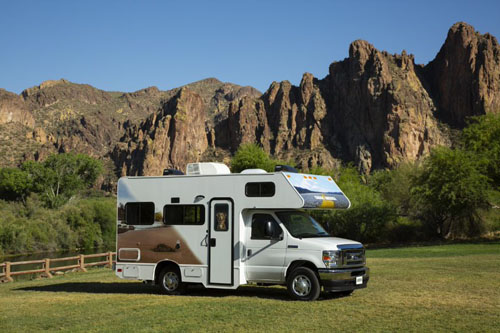
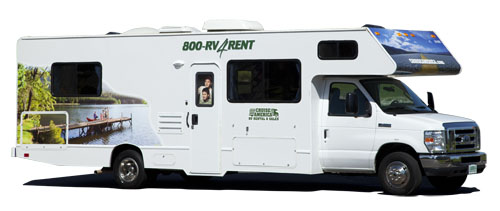
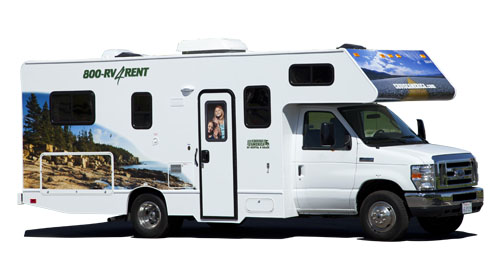
For families, the Class C - Alcove provides more space and comfort, making it a popular choice; Bandana's fleet typically features Class C Alcove RVs averaging 7.5m in length, suitable for 4.4 adults and 5.8 sleeping places, with fuel consumption around 10-12 Liters/100 km. These larger rented motorhomes offer amenities like a shower and toilet, a full kitchen with 3 burners, and a refrigerator (e.g., the cruise america rv rental example Explorer model has an 82 Liter fresh water tank and 75 Liter fuel tank). To streamline your adventure, Bandana's 'Rent&Plan' service combines your RV rental with a professionally designed itinerary by travel experts, giving you full access to trip-planning software and removing the planning headache. Check out RV Rental Deals in Canada - Latest Offers 2026 for current deals on various vehicle types.
How to Find Free Camping and Boondock in Canada Safely?
Finding free camping and boondocking in Canada requires researching Crown Land access, adhering to local regulations, and practicing Leave No Trace principles for safety and environmental protection. Legality varies by province: many allow free camping on Crown Land (public land) for up to 21 days, but specific rules differ; National and Provincial Parks generally require staying in official campgrounds. Resources like apps such as iOverlander and provincial government websites are invaluable for identifying suitable boondocking spots, which are often found along forest service roads. Always ensure comprehensive travel insurance is in place for added peace of mind.
For etiquette and safety, always inform someone of your route and estimated return, carry bear spray, ensure you have adequate water and supplies, adhere to fire bans, and always pack out all trash to minimize environmental impact. Boondocking offers a unique way to experience Canada's wilderness in your rented motorhome, but preparedness is essential. When planning your route, RV PLANET routes can help you itemize and track every expense, including potential savings from boondocking, for easy budgeting. On the routes offered through RV PLANET routes, you can itemize and track every expense along the way for easy budgeting.
What are the Considerations for Long-Term RVing in Canada?
For extended or seasonal RVing in Canada, key considerations include understanding visa requirements for stays beyond six months, establishing reliable mail forwarding, arranging healthcare access for non-residents, and potentially managing temporary vehicle registration if staying longer than standard tourist periods. Tourists typically can remain in Canada for up to six months without a visa, though longer visits may necessitate obtaining a visitor record; verifying immigration rules based on your nationality is crucial. For practical matters, consider using services like Canada Post's FlexDelivery or private mailbox solutions for dependable mail reception during your long-term rental.
Regarding healthcare, it is imperative to secure comprehensive travel insurance, as provincial health plans may not fully cover non-residents or long-term visitors. If you're planning an extended trip, our Long-Term RV Rental in Canada - Monthly Rates 2026 guide provides valuable insights into costs and options. Renting an RV often simplifies vehicle registration issues compared to owning one for extended periods, making it a practical choice for long-duration travel.
What RV Types and Sizes are Best for Canadian Roads and National Parks?
For navigating Canadian roads and national parks, smaller to medium-sized RVs like Class B Camper Vans or Class C Alcove models are often recommended due to potential length restrictions in some park campgrounds and on certain scenic routes or ferries. While most major highways accommodate all RV sizes, some secondary, remote, or mountainous roads can be narrow, winding, or unpaved, making more maneuverable rigs preferable. Many popular national park campgrounds, managed by Parks Canada, impose length restrictions, especially for prime or scenic sites; always check their websites for specific limits (e.g., 25-35 feet is a common maximum length).
Canadian ferry services, such as BC Ferries, base fares on vehicle length, so smaller RVs are more economical and easier to book. For instance, a Class B campervan, like the "rv rental denver example Category Van" with front air conditioning and a toilet, offers excellent agility for tackling unpaved roads and reaching more remote locations. Drive slowly and carefully, and you can drive almost anywhere without issues. No need to stress - just use common sense and pay attention.
How to Ensure Safety and Emergency Preparedness for Remote RV Travel in Canada?
Ensuring safety in remote Canadian RV travel involves carrying satellite communication devices, having detailed breakdown protocols, understanding specific wildlife encounter procedures, and being prepared for medical emergencies in wilderness areas. Cell service is often nonexistent outside populated areas, making a satellite messenger (e.g., Garmin inReach, Spot) or satellite phone essential for emergency communication. For breakdowns, carry a basic toolkit, a spare tire, and ensure you have roadside assistance details readily available, understanding its coverage limitations in remote regions.
Familiarize yourself with local wildlife, particularly bears, moose, and wolves; always store all food securely in your rented campervan, carry bear spray, and know appropriate reactions to encounters (e.g., make noise, do not run). Pack a comprehensive first-aid kit, possess basic wilderness first aid knowledge, and be aware that emergency services can take significant time to reach remote locations. Always share your itinerary with someone who can alert authorities if you don't check in, and consider using RV PLANET for detailed route plans that highlight essential services along your path.
What are Sustainable and Leave No Trace RVing Practices for Canada?
Sustainable and Leave No Trace RVing in Canada involves careful waste management, minimizing impact on sensitive ecosystems, respecting wildlife, and supporting local communities. Always pack out all trash, dispose of grey and black water only at designated dump stations, and actively minimize food waste from your rented motorhome. Conserve water and electricity by using efficient appliances, taking shorter showers, and turning off lights when not needed to reduce your environmental footprint.
To preserve natural habitats, stay strictly on established roads and designated campsites, preventing damage to delicate vegetation and soil; use existing fire rings or portable fire pits instead of creating new ones. Observe wildlife from a safe distance, never feed animals, and store all food properly to avoid attracting animals to your campsite. Lastly, contribute positively to regional economies by purchasing supplies, fuel, and services from local businesses in the areas you visit, fostering a mutually beneficial relationship with the communities you encounter.
Is Canada Accessible for RV Travelers with Disabilities?
Canada is making strides towards greater accessibility for RV travelers with disabilities, with an increasing number of accessible campgrounds, trails, and attractions, though planning ahead is essential. Some rental companies may offer RVs with accessibility modifications, such as ramps or wider doors; it is advisable to inquire about availability when booking your campervan. Many provincial and national park campgrounds provide accessible campsites, washrooms, and showers; look for specific accessibility symbols or filters when making reservations online or through resources like RV PLANET.
National and Provincial Parks frequently feature accessible boardwalks or paved trails, and major tourist attractions generally offer accessible facilities; researching specific sites in advance is highly recommended. Websites like Access Now and regional tourism boards often provide detailed information on accessible travel options, including facilities and services, ensuring a comfortable and enjoyable experience for all travelers in their rented motorhome.
What Advanced Planning Tools and Technology are Recommended for RVing in Canada?
Beyond basic internet and cell service, advanced planning tools and technology for RVing in Canada include dedicated navigation apps, offline map resources, and specialized Canadian road trip apps to enhance safety and convenience. RV-specific GPS applications, such as CoPilot RV or RV LIFE GPS, can tailor routes based on your vehicle's size and weight, helping to avoid restricted roads or tight turns, while Google Maps and Apple Maps are useful for general navigation but lack these specialized features. It's also smart to consult Last-Minute RV Rental in Canada - What to Expect 2026 if your planning window is short.
Downloading offline maps (available through Google Maps, Maps.me, or Gaia GPS) is crucial for areas with unreliable or no cell service, and always carry a physical road atlas as a dependable backup. Camping apps like iOverlander and Campendium are invaluable resources for locating campgrounds, dump stations, and water access points across Canada, while reliable weather applications, such as The Weather Network, are essential for monitoring conditions, particularly in mountainous or coastal regions. For remote areas beyond cellular network coverage, satellite communicators like Garmin inReach or Spot are indispensable for emergency communication. Remember, with rvplan.net, you can access over 1,300 pre-planned routes across 5 continents by professionals and enjoy a 25% planning discount, providing comprehensive support from true RV specialists.
How to Budget for an RV Trip in Canada?
Budgeting for an RV trip in Canada requires accounting for regional price variations across several categories, including RV rental fees, fuel, groceries, campground fees, and specific attraction costs. RV rental costs fluctuate significantly based on the motorhome class, season, duration, and supplier, with peak summer months (July-August) typically seeing higher rates. Fuel is a major expense, with prices varying by province and region; estimate 10-15 Liters/100 km for most rented RVs, noting that while diesel can be more expensive, it often offers better mileage.
Campground fees for provincial and National Parks usually range from $30-$60 CAD per night, while private campgrounds can be $40-$100+ CAD, often offering more amenities. Boondocking, or free camping, significantly reduces this cost, as discussed earlier. Prices for groceries and dining out also vary, with remote areas and popular tourist destinations often having higher costs; dining out frequently can add up quickly. Factor in additional costs for National Park passes (like the Discovery Pass, around $145.25 CAD for a family for a year), ferry fees (e.g., BC Ferries), and admission to popular attractions like gondolas or museums. Always allocate an additional 10-15% of your total budget for unexpected repairs, medical emergencies, or last-minute itinerary changes. On RV PLANET routes, travelers can itemize and track every expense along the way for easy budgeting, providing full transparency with no hidden fees.
What You Shouldn't Miss
- Explore the Icefields Parkway: Drive this 232 km (144 mi) scenic highway in Alberta, connecting Banff and Jasper National Parks, offering breathtaking views of glaciers, turquoise lakes, and abundant wildlife.
- Wander through Banff Townsite: Discover the charming mountain town of Banff, Alberta, with its vibrant streets, boutique shops, and access to the Sulphur Mountain Gondola for panoramic vistas.
- Canoe on Lake Louise: Experience the iconic turquoise waters of Lake Louise in Banff National Park by renting a canoe for an hour (typically $135 CAD per hour for a canoe rental), offering unparalleled views of the Victoria Glacier.
- Witness Athabasca Falls: Visit this powerful waterfall on the Icefields Parkway near Jasper, Alberta, known for its sheer force and the short, accessible walking trails around its impressive gorges.
- Discover Maligne Lake: Take a cruise to Spirit Island on Maligne Lake in Jasper National Park, Alberta, a truly picturesque and serene experience amidst the Canadian Rockies.
- Hike in Wells Gray Provincial Park: Explore the "Waterfall Park" near Clearwater, British Columbia, home to over 40 waterfalls, including the majestic Helmcken Falls, offering numerous hiking opportunities.
Looking for expert insights from Avi Bandana? Top 5 Adventures - recommendations from Avi Bandana, our founder, highlight these authentic experiences to make your first RV rental trip truly memorable.
Final Thoughts
Embarking on your first motorhome trip in Canada is an adventure filled with breathtaking scenery, diverse cultures, and the incredible freedom of the open road. From the majestic Canadian Rockies to the vibrant cities, a rented RV provides the perfect way to experience it all at your own pace. With careful planning, a suitable vehicle, and our transparent, supportive approach, your inaugural journey will be a memorable one.
We hope this guide has equipped you with the confidence and information needed to plan your ideal first-time RV itinerary in Canada. Remember, the key is to travel slowly, savor each moment, and embrace the unexpected joys that motorhome travel brings. Discover top destinations, planning tips, all in one place and let us help you plan a trip itinerary in advance with minimal effort and maximum enjoyment.
Ready to start planning your Canadian RV adventure? Compare RV Rental prices for Canada now and find your perfect campervan to hit the road!