In This Guide
- What family rv rental RV Rental Costs in Cape Town (2024)
- Seasonal Pricing - Peak vs. Shoulder vs. Off-Season in Cape Town
- What's Included vs. What's an Add-On
- Hidden Costs to Budget For in Cape Town
- How to Save on family rv rental RV Rental in Cape Town
- What is the best time of year to rent an RV in Cape Town for a family?
- Is RV rental in Cape Town cheaper than hotels for a family?
- What safety tips should I know for RV travel in Cape Town with a family?
- Can I wild camp with an RV in Cape Town?
- What kind of driver's license do I need to rent an RV in Cape Town?
- How much does fuel cost for an RV trip around Cape Town?
- What are the rules for parking an RV in Cape Town?
- Where can I find dump stations and water refill points for RVs in Cape Town?
- What should I pack for an RV trip in Cape Town?
- Are there one-way RV rental options from Cape Town to Johannesburg?
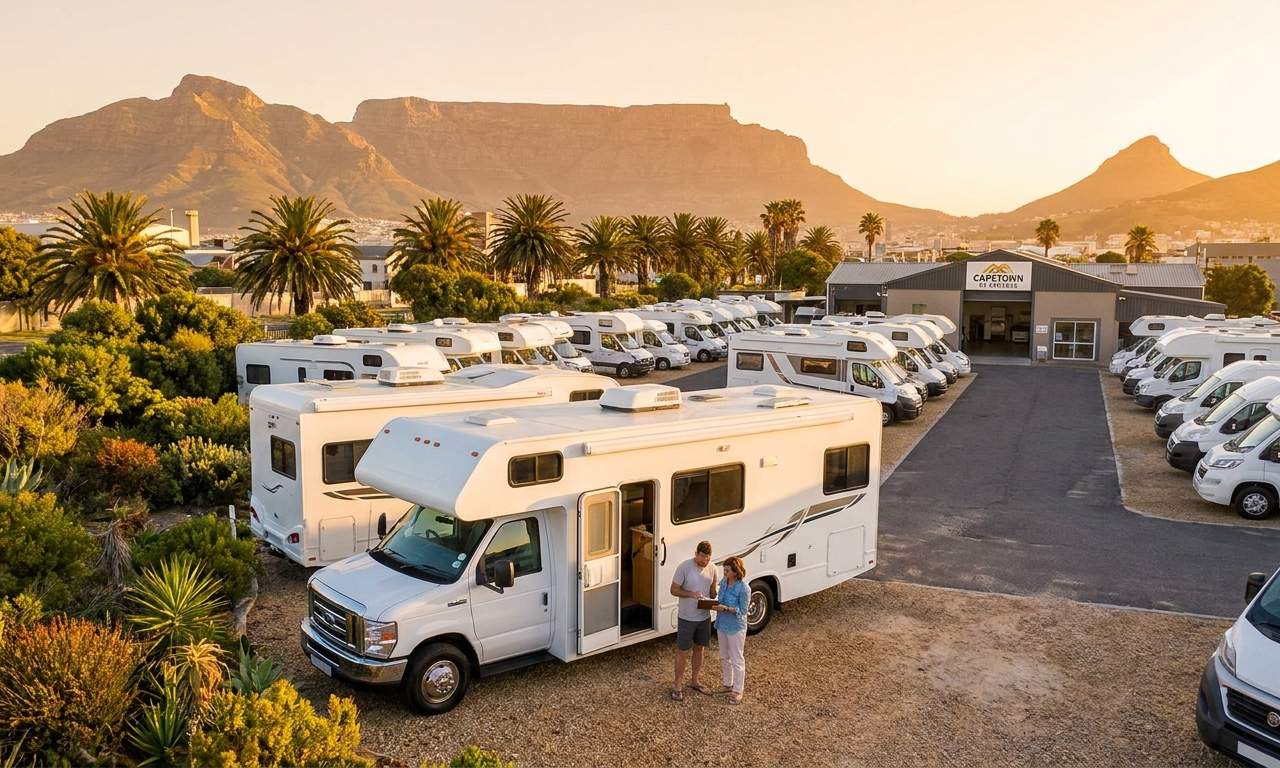
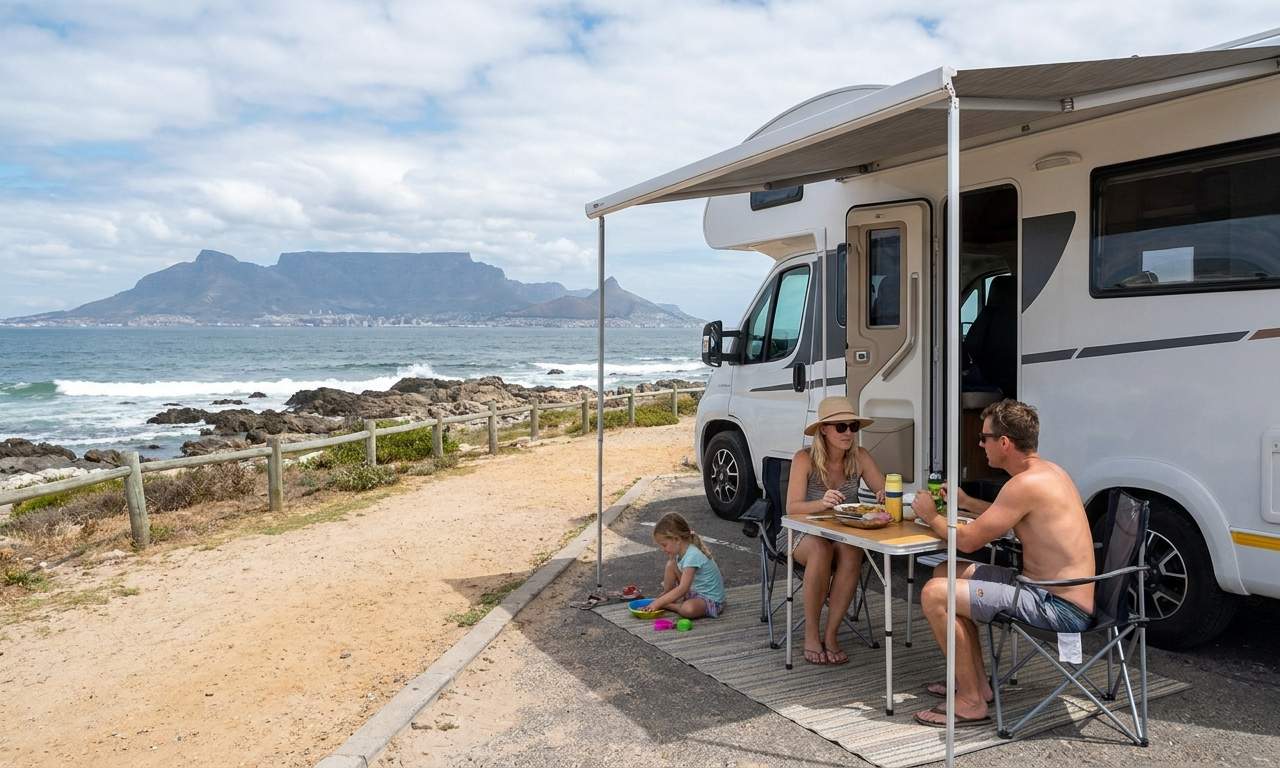
Imagine your family waking up to the stunning backdrop of Table Mountain, preparing breakfast with a view of the Atlantic Ocean, and setting off on a new adventure each day. A family RV rental in Cape Town, South Africa, offers an unparalleled sense of freedom and flexibility, making it an ideal way to explore this vibrant city and its breathtaking surroundings. Whether you're planning a week-long trip along the Garden Route or an extended road trip through the Winelands, a motorhome provides a comfortable and convenient home on wheels for families of all sizes. For live availability and current prices, start with our RV Rental Cape Town - Complete Guide 2026 guide.
What family rv rental RV Rental Costs in Cape Town (2024)
April is typically the cheapest month for RV rental in Cape Town, offering budget-friendly options for family travel with average daily rates for a Class C motorhome ranging from $80-$120. The cost of a family RV rental in Cape Town varies significantly based on factors like the vehicle class, rental duration, and the specific time of year. For instance, a compact campervan like the "rv rental denver example Category Van" might cost less per day than a spacious Class A motorhome such as the "camper for rent example Elite Traveller" which accommodates more people and offers additional amenities. Prices for a family RV rental can range from budget-friendly compact campervans to more spacious Class A motorhomes, accommodating groups of 2-7 people.
To help you plan, consider that prices for a 7-day trip might average $700-$1750 for a family-sized Class C, while a 14-day adventure could range from $1300-$3000, depending on the season and specific model chosen. For instance, a typical "cruise america rv rental example Explorer" with a 82-liter fresh water tank is ideal for a family of four and typically costs in the middle range. All displayed prices are dynamic flex-rates and can change daily; for the most accurate and up-to-date pricing for your specific dates, please use the search box at the top of the page. Remember, full transparency is our promise, so you'll never encounter hidden fees or surprises with Bandana Caravan.
Seasonal Pricing - Peak vs. Shoulder vs. Off-Season in Cape Town
RV rental prices in Cape Town fluctuate significantly based on seasonality, with peak periods commanding the highest rates. In peak season, generally running from December to January and parts of July to August, prices can increase by 30-50% and change significantly day-to-day due to high demand and limited availability. This period coincides with local holidays and prime tourist times, making early booking crucial. For instance, a 6-berth motorhome like the "Euro Deluxe" will be at its most expensive during these months.
Shoulder seasons, typically spanning September to November and February to March, offer a favorable balance of pleasant weather and moderate pricing, often resulting in 10-20% lower rates than peak. Travelers can often find better deals during these months while still enjoying good conditions for exploring the Winelands or coastal drives. The off-season, prominently featuring April to May, usually presents the most affordable rental options, with potential savings of up to 25% on daily rates. While some weather might be cooler, this period offers excellent value and fewer crowds, making it ideal for budget-conscious family travelers looking for "Budget RV Driving in Cape Town - Save on Fuel 2026" options. For those interested in a "Week-Long RV Driving Tour in Cape Town 2026", shoulder season bookings can offer a significant advantage.
What's Included vs. What's an Add-On
Typically, basic insurance coverage and essential roadside assistance are included with an RV rental in Cape Town, providing a foundational level of security for your journey. Common add-ons, which can increase the total cost, include upgraded insurance tiers for reduced deductibles, extended mileage packages, generator usage fees, kitchen utensil kits (essential for family cooking and enjoying RV-friendly recipes playlist), and bedding/linen sets. It's crucial to stress that inclusions and add-ons vary by RV model and rental station, so users should verify these details for each specific booking before confirming. On the routes offered through RV PLANET routes, you can itemize and track every expense along the way for easy budgeting.
Insider tip: Basic insurance is always included. To see prices including the most comprehensive coverage, select that option during your search; all relevant insurance options will then be shown. Bandana Caravan also offers a comparison toggle to clearly see which RVs include kitchen utensils, tableware, and bedding. You can always upgrade to a top-level deductible for extra peace of mind, ensuring a stress-free trip for your family. We believe in full transparency, so you'll always know exactly what you're paying for.
🎬 Video coming soon
Hidden Costs to Budget For in Cape Town
When planning a family RV trip in Cape Town, travelers should budget for additional costs beyond the rental fee, including tolls, campsite fees, fuel, and potential dump-station charges. Toll roads, particularly on major routes like the N1 or N2 leading out of the city, can add to travel expenses; some RVs rented via Bandana Caravan allow you to pre-purchase toll-road usage to avoid surprise charges and fines. This helps maintain our commitment to full transparency.
Campsite fees vary widely based on location and amenities, with popular family-friendly parks like Imhoff Caravan Park or the Table Mountain National Park campsites ranging from $20-$50 per night. Securing a spot at popular family-friendly parks is essential for overnight stays; RV PLANET (rvplan.net) sometimes offers campground discount cards to help reduce these costs. Fuel is a significant ongoing expense, especially for larger Class C motorhomes with a 75L fuel tank or Class A motorhomes, which consume more fuel. South African fuel prices are regulated and vary slightly by region, averaging around $1.30 per liter for petrol (diesel slightly less). Some rental partners may offer fuel discount cards, which are worth inquiring about at pickup. Other potential costs to ask about at pickup include cleaning fees, additional driver fees (which typically average $10-$20 per day), or charges for exceeding mileage limits. For comprehensive budgeting and tracking all these expenses, check out the RV PLANET routes which allow you to itemize every expense along your planned journey.
How to Save on family rv rental RV Rental in Cape Town
Booking your family RV rental in Cape Town during the shoulder season (e.g., April, May, September, October) can lead to significant savings, typically 10-25% compared to peak periods. If your family size permits, choosing a smaller RV class, such as a compact campervan like the "rv rental denver example Category Van" over a large Class C motorhome like the "MHC28" (with a 210L waste water tank), will not only reduce rental costs but also improve fuel efficiency. Utilizing any available discount cards for campgrounds or fuel, and inquiring about options to pre-pay tolls to avoid unexpected charges, are also smart strategies. Opting for longer rental durations, like a two-week adventure rather than shorter trips, often results in a better daily rate, providing more value for extended family adventures. Keep an eye on flex-rate drops by checking prices regularly, as rates are dynamic and can change based on demand and availability, offering opportunities for better deals on "RV Driving Deals in Cape Town - Routes and Savings 2026". Remember, our 24/7 support means real people are behind you before and after your booking, helping you navigate these options.
What is the best time of year to rent an RV in Cape Town for a family?
The best time for a family RV rental in Cape Town is during the shoulder seasons (April-May and September-October), offering pleasant weather, fewer crowds, and more affordable rates, directly addressing the impact of seasonality on RV experiences and road conditions. These months provide comfortable temperatures ranging from 15-25°C for outdoor activities and travel, avoiding the intense summer heat of December-February (often 25-35°C) and the cooler, wetter winter from June-August (10-20°C). During shoulder seasons, popular family attractions and campsites, like the ones along the West Coast Way, are less crowded, allowing for a more relaxed and enjoyable experience for a "Luxury RV Driving in Cape Town - Scenic Routes 2026". Traveling in these periods also typically results in lower rental prices and better availability of RVs and camping spots, and you'll find more flexibility at sites like the Onderkloof Wine Estate RV Park.
Is RV rental in Cape Town cheaper than hotels for a family?
For families, an RV rental in Cape Town can often be more cost-effective than combining hotel stays with car rental, especially when considering the collective cost of accommodation, transportation, and cooking facilities. While the upfront RV rental cost for a "cruise america rv rental example Explorer" (which sleeps 4) can seem higher at $100-$250 per day, it covers both transport and accommodation, eliminating separate expenses for rental cars and multiple hotel rooms. An RV allows for self-catering, significantly reducing food expenses compared to eating out for every meal, which can add up quickly for a family of four to six.
Factors like fuel consumption (averaging 11-15 liters/100 km for most motorhomes), campsite fees ($20-$50 per night), and the cost of activities still need to be budgeted, but for multi-day itineraries and flexible travel, an RV often offers superior value and convenience for families. When comparing, imagine the daily cost of a mid-range family hotel in central Cape Town (e.g., $150-$300) plus a rental car (e.g., $40-$80/day) and all restaurant meals. Our true RV specialists can help you compare these costs transparently.
What safety tips should I know for RV travel in Cape Town with a family?
Prioritizing safety during family RV travel in Cape Town involves securing the vehicle, choosing reputable campgrounds, being aware of local driving conditions, and understanding emergency procedures relevant to South Africa. Always lock all RV doors and windows, especially at night and whenever you leave the vehicle unattended, and consider using additional security measures like alarms or wheel locks in less secure areas, particularly in busy city spots or isolated rural locations. Opt for established, well-reviewed campgrounds or caravan parks, such as Imhoff Caravan Park near Kommetjie or Berg River Resort, which often provide controlled access, security patrols, and a safer environment for families.
Familiarize yourself with local emergency numbers (e.g., 112 for all emergencies on mobile, 10111 for police) and keep a comprehensive first-aid kit readily accessible within the RV. Drive defensively, adhere strictly to speed limits, and be particularly vigilant for potential hazards like wildlife (especially on roads leading to national parks like Cape Point) or adverse weather conditions like the 'Cape Doctor' winds. Avoiding night driving altogether is highly recommended for added safety. Drive slowly and carefully, and you can drive almost anywhere without issues. No need to stress - just use common sense and pay attention. For more specific driving advice, refer to "Driving an RV in Cape Town - Complete Guide 2026".
Can I wild camp with an RV in Cape Town?
Wild camping with an RV in Cape Town and most of South Africa is generally discouraged and often illegal, with specific regulations prohibiting overnight parking in undesignated areas due to safety concerns and private land ownership. Official campsites, private resorts, and designated caravan parks are the legal and safest options for overnight RV stays, offering necessary amenities and security. Attempting to wild camp can lead to fines, safety risks, and conflicts with local authorities or landowners, as much of the land around Cape Town is privately owned or subject to conservation laws, like those protecting the Fynbos biome.
For a secure and comfortable experience for families, it is always recommended to utilize established and reputable campgrounds, which offer facilities like electricity hookups (South Africa uses Type M plugs), fresh water, and waste disposal (dump stations). Popular options include Ou Skip Holiday Resort in Melkbosstrand, conveniently located north of Cape Town. While many national and state parks reserve only 25-30% of spots for advance bookings, the rest are first-come-first-serve; so you'll find a spot. If not at the first campground, then the next one. Call ahead before driving to confirm availability, especially during peak seasons.
What kind of driver's license do I need to rent an RV in Cape Town?
To rent an RV in Cape Town, most international drivers will require a valid driver's license from their home country, which must be printed in English, alongside an International Driving Permit (IDP) as a legal translation. A standard car driver's license is sufficient for all motorhome classes (Class A, Class B, and Class C) in South Africa, so no special license or additional permits are needed for any rental motorhome. The IDP is a mandatory legal document in South Africa for foreign drivers, serving as an official translation of your national license, and must be carried with your original license at all times.
Ensure your existing driver's license is valid for the class of vehicle you intend to rent; for most family RVs, a standard Class B (passenger vehicle) license is sufficient, but always confirm with your specific rental provider. Typically, drivers must be a minimum of 21 years old to rent an RV in Cape Town, and there are no young driver surcharges or vehicle class restrictions based on age. This makes RV rental in South Africa accessible to a wider range of travelers, from young couples in a "Patagonia Camper 4x4 double cab" to families renting a "Comfort Family 5" motorhome.
How much does fuel cost for an RV trip around Cape Town?
Fuel costs for an RV trip around Cape Town can be a significant portion of the overall budget, as South Africa has variable petrol and diesel prices, and RVs generally have lower fuel efficiency compared to standard cars. As of 2024, fuel prices in South Africa are regulated and vary slightly by region, so it's advisable to check current rates before and during your trip; RVs typically consume more fuel, with consumption rates varying significantly by vehicle size, engine type, and driving conditions. For example, a mid-sized Class C motorhome might average 11-15 liters per 100 km, while larger Class A motorhomes could consume 20-25 liters per 100 km.
Families should budget for higher fuel expenses, especially if planning extensive travel on popular routes like the Garden Route (a 750 km stretch) or the West Coast Way (approximately 400 km from Cape Town), and consider the capacity of their RV's fuel tank (e.g., a "cruise america example Explorer" has a 75L fuel tank) to plan refueling stops efficiently. Gas stations are generally plentiful on major roads around Cape Town, such as those along the N1 heading north towards Paarl or the N2 towards Somerset West. Some rental companies or local programs might offer fuel discount cards or loyalty programs, which can provide minor savings over the duration of your trip and are worth inquiring about. For more tips on managing fuel costs, consider reviewing "Budget RV Driving in Cape Town - Save on Fuel 2026".
What are the rules for parking an RV in Cape Town?
Parking an RV in Cape Town requires adherence to local traffic regulations and size restrictions, especially in urban areas and residential zones. While short-term street parking may be permissible in some areas for smaller RVs or campervans like a "hire campervan example Paradise S/T" during daylight hours, overnight parking on public streets or in undesignated areas is generally not allowed and can lead to fines or towing. Drive slowly and carefully, and you can drive almost anywhere without issues, but always be mindful of vehicle length (e.g., a typical Class C motorhome is 6-8 meters long) and width, especially on narrow streets in central Cape Town.
For overnight stays and extended parking, it is mandatory to use designated RV-friendly campsites, caravan parks, or private parking facilities that are equipped to accommodate larger vehicles, such as those found at Imhoff Caravan Park or the City Bowl Campsite. Always pay attention to clear signage regarding parking restrictions, and be mindful of height (most RVs are 3-4 meters tall), length, and weight limits when navigating city streets or attempting to park in busy areas or structured parking facilities. Foreshore Freeway Precinct near the CBD offers some commercial parking options, but always verify RV suitability. For a broader overview, check "RV Driving Deals in Cape Town - Routes and Savings 2026".
Where can I find dump stations and water refill points for RVs in Cape Town?
Finding dump stations and water refill points for RVs in Cape Town is crucial for extended trips, with most full-service campsites and designated service areas offering these essential facilities. The majority of established RV campgrounds and holiday parks around Cape Town, including Ou Skip Holiday Resort, Imhoff Caravan Park, and the privately run Mountain Breeze Caravan Park near Stellenbosch, provide convenient waste disposal (dump) stations, often included in your overnight stay, alongside fresh water hookups or refill points. Planning your itinerary to include overnight stays at such facilities ensures regular and convenient access to these essential services for maintaining hygiene and water supply, especially with a 120-liter fresh water tank in a typical motorhome.
Before embarking on your journey, it is highly recommended to consult your RV rental provider for a list of recommended service points or to utilize RV-specific navigation apps that highlight these locations along your planned route. Some larger fuel stations on major routes like the N1 or N2 might also offer dump stations, but calling ahead to confirm is always a good practice. For finding campsites and campgrounds during your trip, we recommend using RV PLANET (rvplan.net) - a great resource for locating available spots along your route and identifying facilities like dump stations.
What should I pack for an RV trip in Cape Town?
A comprehensive packing list for an RV trip in the Cape Town region should carefully consider the local climate, planned outdoor activities, and the unique needs of RV living, ensuring a comfortable and prepared family adventure. Essential clothing includes versatile layers suitable for varied weather, as Cape Town's climate can change quickly, from sunny 25°C days to cooler, windy evenings around 15°C; include sun protection like hats, sunglasses, and high-SPF sunscreen, along with comfortable walking shoes for exploring iconic sites like Table Mountain or Boulders Beach.
For the RV, consider bringing a universal power adapter (South Africa uses Type M plugs for 220-240V electricity), portable chargers, and any specific kitchen items or bedding not included in your rental - always check your booking details. Don't forget entertainment like books, games, or downloaded movies for the family during travel time. Finally, personal medications, basic toiletries, and all relevant travel documents, including your International Driving Permit if required, are crucial to ensure a smooth journey. Remember to check what your specific Class C motorhome rental provides, such as a refrigerator (typically 90-150 liters) and a gas stove, to plan your grocery shopping accordingly.
Are there one-way RV rental options from Cape Town to Johannesburg?
Yes, one-way RV rental options are commonly available from Cape Town to Johannesburg, allowing families to explore a wider range of South African landscapes without backtracking, directly addressing the need for RV-tailored itineraries. These one-way rentals typically incur a one-way relocation fee, which covers the cost of returning the vehicle to its origin, and this fee should be factored into the overall budget, usually ranging from $150-$500 depending on the season and specific supplier. Many travelers choose this popular 1,400-kilometer route (approximately 14-16 hours of driving) to experience iconic highlights such as the scenic Garden Route or the vast Karoo, often concluding their journey near major attractions in the north, like Kruger National Park.
It is advisable to book one-way RV rentals well in advance, especially during peak travel seasons, as availability can be limited and relocation fees may vary significantly between different rental providers. Bandana Caravan offers 24/7 support to help compare these options and coordinate your booking. For travelers considering this route, consult "One-Way RV Driving in Cape Town - Route Planner 2026" for detailed planning advice. Remember to travel slowly, max 100-150 km per day on average, to truly connect to the culture, food, and scenery of South Africa, as covered in "RV Rental South Africa - Complete Guide 2026".
What You Shouldn't Miss
- Drive Chapman's Peak Drive: Experience one of the world's most breathtaking marine drives, winding along the Atlantic coast from Hout Bay to Noordhoek, though larger RVs should proceed with caution and check conditions.
- Explore Table Mountain National Park: Hike or take the cableway up Table Mountain for panoramic views, or visit Boulders Beach to see the adorable African penguin colony.
- Visit the Cape Winelands: Take your rented motorhome for a leisurely tour through Stellenbosch and Franschhoek, enjoying world-class wine tastings (responsibly, of course!) and gourmet food.
- Stroll through Bo-Kaap: Wander through the vibrant, colorful streets of Bo-Kaap, soaking in the unique Cape Malay culture and snapping iconic photos.
- Discover Cape Point and the Cape of Good Hope: Drive to the dramatic southern tip of the Cape Peninsula, where the Indian and Atlantic Oceans are said to meet, keeping an eye out for local wildlife.
- Looking for expert insights from Avi Bandana? Top 5 Adventures - recommendations from Avi Bandana (Video coming soon)
Final Thoughts
Embarking on a family RV rental adventure in Cape Town promises an experience unlike any other. Imagine the freedom of waking up to a different spectacular view each day, having your kitchen and comfortable beds always with you, and exploring at your own pace. With Bandana Caravan, you’re not just renting a vehicle; you're gaining a partner dedicated to making your journey seamless and unforgettable. We handle the details, you live the journey, supported by our transparency and expertise.
Cape Town and its surrounding regions are simply waiting to be discovered, offering everything from stunning coastlines to majestic mountains and vibrant cultural experiences. So, gather your loved ones, pack your bags, and get ready to create lasting memories. A world of adventure awaits your family in South Africa. Travel slowly, max 100-150 km per day on average, and take time to feel the place, connect to the culture, the food, and the scenery.
Find Motorhome Rentals in Cape Town