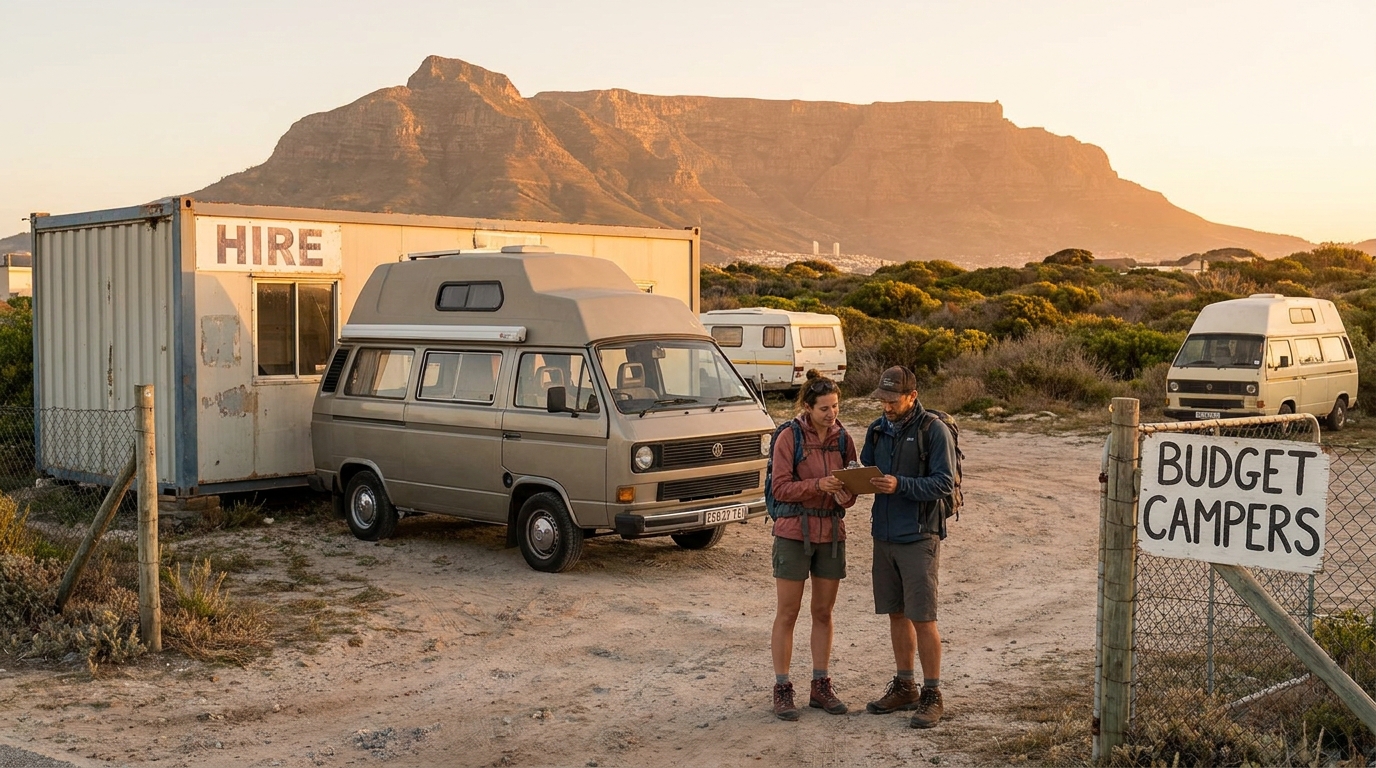
For live availability and current prices, start with our RV Rental Cape Town - Complete Guide 2026 guide.
In This Guide
- Can You Drive an RV in Cape Town? License & Age Rules
- Road Conditions & Terrain in Cape Town
- RV Size Limits, Bridges & Restricted Zones
- Fuel: Diesel vs. Petrol & Cost per 100 km
- Tolls, Vignettes & Border Rules
- Driving Tips for RV Rental Travelers
- Recommended RV Class for Cape Town Roads
- Should I Choose a Compact Van Instead of a Large RV in Cape Town?
- Can I Park Anywhere? Free & Wild Camping Rules in Cape Town
- Can I Drive an RV Into the City Center? Heights, Tunnels & Local Signage
- What are the best RV routes near Cape Town?
- How much does it cost to rent an RV in Cape Town?
- Is RV travel safe in Cape Town?
- Where can I find RV campsites in Cape Town?
- What are the best times of year to RV in Cape Town?
- Do I need special equipment for RV travel in South Africa?
- How do I find RV services (fuel, water, dump stations) in Cape Town?
- Can I use public transport with my RV in Cape Town?
Can You Drive an RV in Cape Town? License & Age Rules
Driving an RV in Cape Town is accessible for most travelers, provided you meet the licensing and age requirements. A standard South African Code B driver's license, or its international equivalent, is generally sufficient for RVs with a Gross Vehicle Mass (GVM) under 3,500 kg. For drivers from outside South Africa, an International Driving Permit (IDP) along with your home country license is recommended and often required by rental companies. Typically, rental providers set a minimum driver age of 21, though some may increase this to 23 or even 25 for larger motorhome classes. Ensure you confirm these details with your chosen rental company when booking.
Road Conditions & Terrain in Cape Town
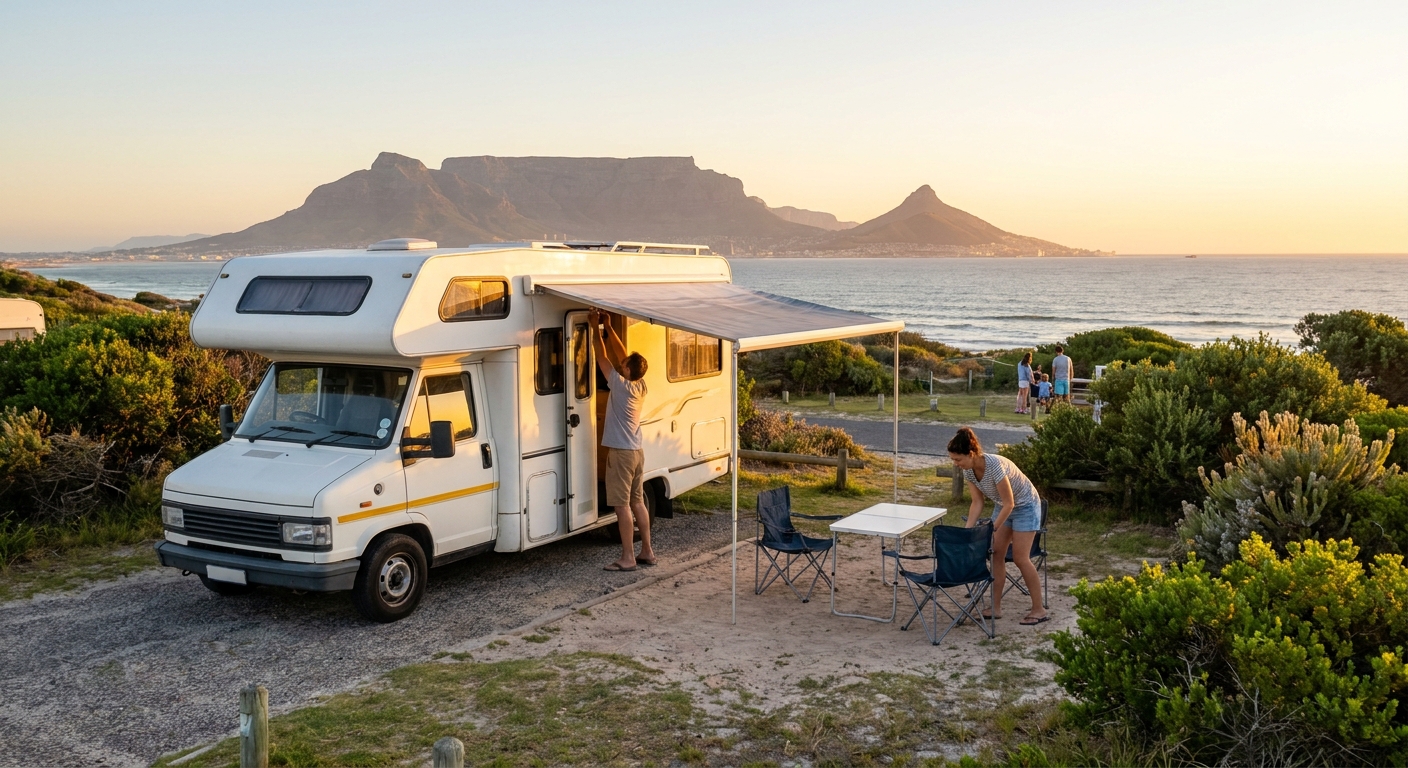
Cape Town offers a varied driving experience, with major highways like the N1 and N2 generally being well-maintained and suitable for RVs. However, venturing onto secondary and rural roads might present winding, narrow sections, or even unpaved gravel surfaces, requiring careful navigation. The iconic mountain passes, while offering spectacular views, demand cautious driving due to their gradients and sharp bends. Within the city, urban traffic can be dense during peak hours, so patience is key. Embracing slow travel, with an average of 100-150 km per day, allows you to truly savor the diverse landscapes and enjoy the journey.
RV Size Limits, Bridges & Restricted Zones
When navigating Cape Town, most standard rental RVs will comfortably fit under common bridge clearances and through tunnels without issue. It's always wise to adhere to road signage indicating height, weight, or length restrictions, especially in older urban areas or certain national parks that might have narrower access points. Cape Town does not typically have designated environmental zones that restrict RV access based on emissions, making it straightforward for renters to explore the city and its surroundings.
Fuel: Diesel vs. Petrol & Cost per 100 km
Diesel is the predominant fuel type for RVs in South Africa, readily available at service stations across urban areas and along major routes. For example, a Class B Camper Van might typically consume between 6-11 liters per 100 km, making it quite economical. Larger vehicles like semi-integrated or alcove motorhomes generally average around 11-12 liters per 100 km. Fuel prices are generally comparable throughout South Africa, so keeping an eye on local prices will help with budgeting. Some rental providers may even offer fuel discount cards for added savings. On the routes offered through RV PLANET routes, you can itemize and track every expense along the way for easy budgeting.
Tolls, Vignettes & Border Rules
RV travelers heading to or from Cape Town will encounter tolls on major national routes, such as the N1 and N2. South Africa does not utilize a vignette system; instead, tolls are paid per use at designated plazas, typically with options for cash or credit card payments. For those considering venturing beyond South Africa's borders, remember that crossing international borders requires specific vehicle documentation. It's crucial to confirm these requirements with your rental provider and relevant consulates, as additional taxes or levies may apply.
Driving Tips for RV Rental Travelers
When driving an RV in South Africa, remember that traffic moves on the left-hand side of the road. Be patient with Cape Town's urban traffic, especially during peak hours. Prioritize scenic routes, but plan for frequent stops, particularly when traveling with family, to ensure everyone remains comfortable. Always maintain vigilant security practices by keeping RV doors locked and valuables out of sight. Utilizing reliable GPS and keeping your fuel tank topped up, especially in more rural areas, are essential for a smooth journey.
Recommended RV Class for Cape Town Roads
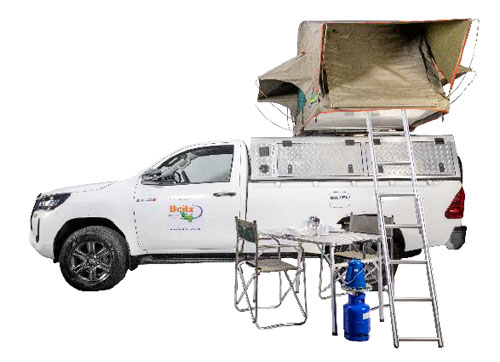
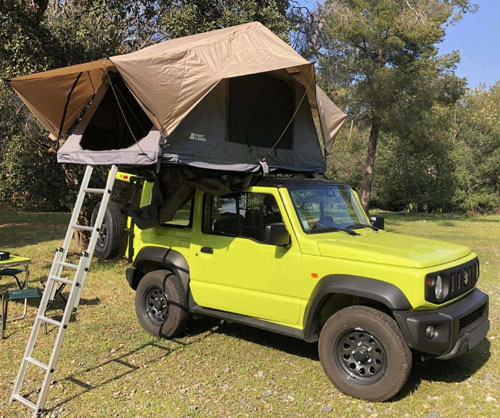
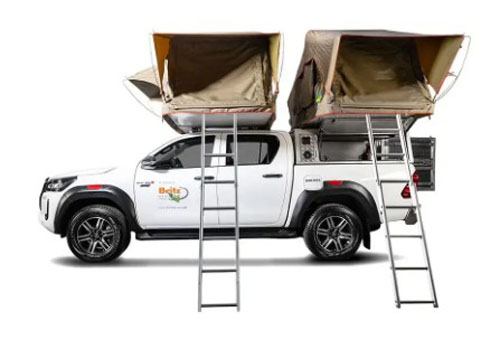
For exploring Cape Town and its surroundings, Class B Camper Vans, typically around 5.6 meters in length, offer excellent maneuverability, making them ideal for navigating both urban streets and winding coastal roads. The Class SI Semi-integrated RVs, averaging about 6.7 meters, provide a great balance of interior space and drivability for up to four adults. Both these options generally have sufficient ground clearance for well-maintained gravel roads, offering agility without sacrificing comfort.
Should I Choose a Compact Van Instead of a Large RV in Cape Town?
While a compact van offers easier parking in very tight city spaces, larger RVs, such as Class SI or C models, generally pose no significant driving challenges on Cape Town's main roads. The added comfort, amenities, and living space of a larger RV often outweigh the minor maneuverability advantage of a compact van. Designated RV parking is available at many tourist sites and campsites for all sizes. For extensive urban exploration, consider parking your RV at a secure location or campsite on the outskirts and utilizing public transport or ride-sharing services for city center visits.
Can I Park Anywhere? Free & Wild Camping Rules in Cape Town
Free and wild camping is generally not permitted within Cape Town and the surrounding Western Cape region. Overnight RV parking is restricted to designated campsites, holiday parks, or private land with explicit permission. Opting for recognized campsites ensures greater security and access to necessary amenities. Wild camping is discouraged due to safety concerns and potential environmental impact. Always check local regulations and obtain permission before parking overnight anywhere outside of official campsites. Designated dump stations for grey and black water are typically available at official campsites.
Can I Drive an RV Into the City Center? Heights, Tunnels & Local Signage
Standard RVs can generally be driven into Cape Town's city center without widespread access restrictions. There are no common low bridges or restrictive tunnels in the CBD that typically impede standard RVs, but always observe specific signage. The primary challenge for RV drivers in the city center is finding suitable and affordable parking for larger vehicles. Pay close attention to local signage regarding height limits, 'no entry' streets, or 'residents only' access. Cape Town does not operate specific environmental zones that restrict RV access based on emissions.
What are the best RV routes near Cape Town?
South Africa's Western Cape offers fantastic RV routes. The West Coast Way provides scenic coastal drives through charming fishing villages and nature reserves. For the more adventurous, the Cederberg Mountains offer rugged landscapes and ancient rock art, with opportunities for off-the-beaten-path camping. The Overberg region is perfect for whale watching in Hermanus and exploring the southernmost tip of Africa at Cape Agulhas. Alternatively, consider Route 62, the world's longest wine route, for a journey through vineyards and quaint towns. Don't forget to incorporate stops at local farm stalls and markets for authentic cultural experiences.
How much does it cost to rent an RV in Cape Town?
RV rental costs in Cape Town for 2026 can vary from R1,500 to R4,000+ per day, influenced by the RV class, rental duration, and the season. Peak season, typically from December to February, sees higher prices and reduced availability. Budgeting for your trip should also include fuel (estimated at 10-14 L/100km depending on RV type), campsite fees which can range from R200-R600 per night at reputable sites, tolls on major routes, groceries, and activity costs. Always review your rental agreement carefully for any additional costs such as security deposits, one-way fees, or optional insurance extras.
Is RV travel safe in Cape Town?
RV travel in Cape Town is generally safe when adhering to common-sense safety practices. Drive defensively, observe speed limits, and avoid driving on unlit roads at night. Always keep RV doors locked and windows closed when unattended, and store valuables out of sight. Utilize secure, recognized campsites for overnight stays and remain aware of your surroundings, particularly in urban areas. Having local emergency contact numbers (like 10111 for police and 10177 for ambulance) and your rental company's roadside assistance information readily available is also crucial.
Where can I find RV campsites in Cape Town?
Numerous well-equipped campsites are available within Cape Town itself, such as Imhoff and Miller's Point, as well as in the surrounding regions like the Winelands and Overberg. SanParks also operates campsites within national parks, including the scenic West Coast National Park. Booking campsites in advance is highly recommended, especially during peak season, to secure your spot. Most reputable sites offer essential amenities like electrical hook-ups, water, ablution blocks, and braai (barbecue) facilities.
What are the best times of year to RV in Cape Town?
The shoulder seasons, from March to May and September to November, offer the most pleasant conditions for RV travel in Cape Town, with mild temperatures, fewer crowds, and better rental prices. Summer (December to February) is warm and dry but can be crowded, with the possibility of strong 'Cape Doctor' winds. Winter (June to August) brings cooler, wetter weather, which enhances the lush scenery and is ideal for whale watching. Spring (September to November) is spectacular for wildflower viewing, especially along the West Coast.
Do I need special equipment for RV travel in South Africa?
Essential gear for your South African RV adventure includes a reliable GPS or offline maps and a comprehensive first-aid kit. For electrical needs, bring Type M adapters for South African power outlets and consider a portable power bank. Carrying extra bottled water or a water filter is advisable for rural trips. Insect repellent, comfortable camping chairs, and a portable braai (barbecue) are highly recommended for enjoying the outdoors. An emergency kit with jumper cables and basic tools is also a prudent addition to your packing list.
How do I find RV services (fuel, water, dump stations) in Cape Town?
Fuel is readily available at numerous service stations across Cape Town's urban areas and along major routes. For water refills and dump stations for grey and black water, designated RV campsites are your primary resource. Propane or LPG refills can be sourced from specialized suppliers or larger hardware stores. If you encounter any mechanical issues, your rental company's roadside assistance is the first point of contact for repairs. Utilizing RV-specific apps like iOverlander can also help locate essential services along your route.
Can I use public transport with my RV in Cape Town?
Yes, combining your RV travel with Cape Town's public transport is an excellent strategy. Park your RV securely at your campsite or a designated parking area and utilize the efficient MyCiTi bus system to connect to key urban areas and attractions. Ride-sharing services like Uber and Bolt are also widely available and reliable for convenient door-to-door transport. This approach helps you avoid the challenges of navigating busy city traffic and finding parking for a larger vehicle, allowing for a more relaxed exploration of the city.
What You Shouldn't Miss
- Drive a Class B Camper Van along the scenic West Coast Way, stopping in charming fishing villages and exploring coastal nature reserves.
- Hike to the Old Lighthouse at Cape Point for dramatic views and a glimpse into maritime history, then visit the nearby penguin colony at Boulders Beach.
- Experience the engineering marvel of Chapman's Peak Drive in your RV, taking your time to soak in the breathtaking ocean vistas.
- Explore the rugged beauty of the Cederberg Mountains, perhaps finding a scenic spot to camp and admire ancient rock art.
- Take advantage of the RV's kitchen and enjoy preparing meals with fresh local produce from a farm stall along Route 62, the world's longest wine route.
Final Thoughts
Renting an RV in Cape Town opens up a world of exploration, from the city's vibrant culture to the breathtaking natural beauty of the Western Cape. By understanding the driving nuances, planning your routes, and embracing the freedom of the open road, your RV adventure promises to be unforgettable. Remember, slow travel is key – take your time, connect with the places you visit, and savor every moment.
Ready to plan your dream RV journey? We’re here to help you every step of the way, ensuring a seamless and enjoyable experience from booking to your final destination. Let the adventure begin!
Find Motorhome Rentals in Cape TownFor ideas you can prep on the road, watch our RV-friendly recipes playlist on YouTube.