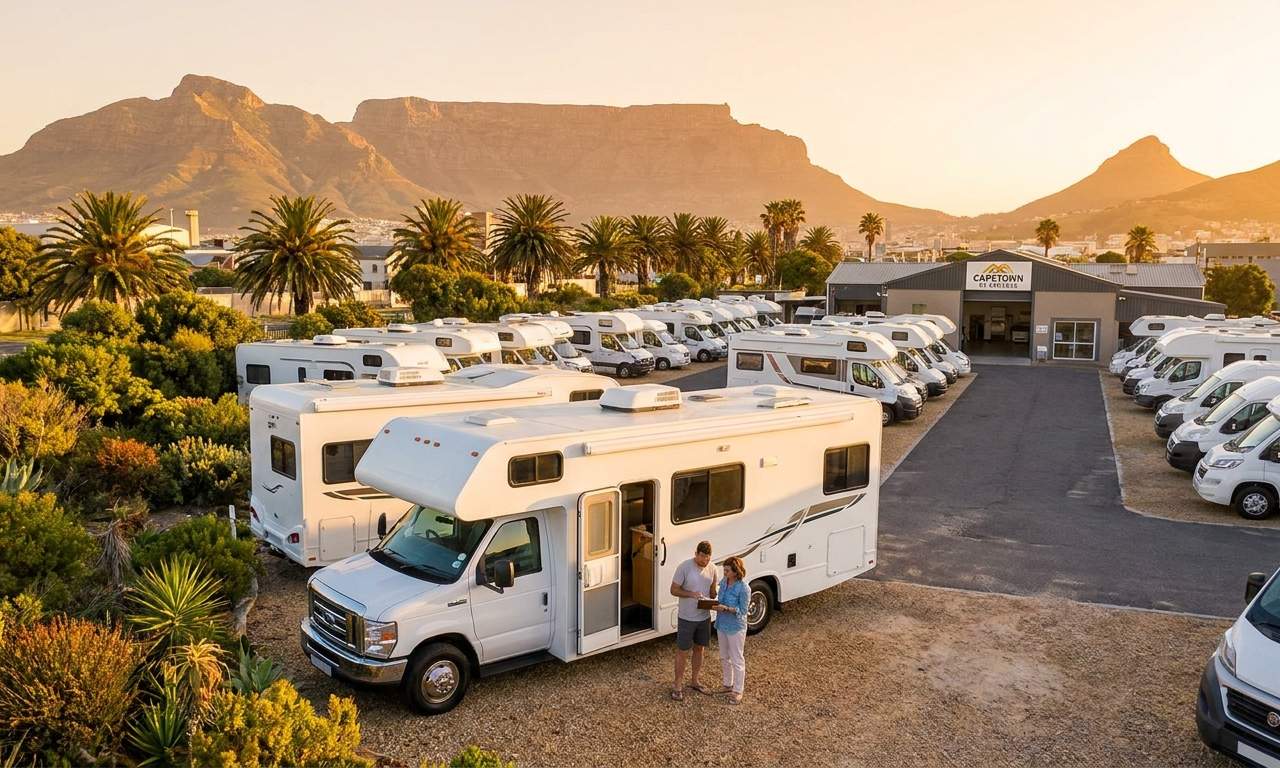
For live availability and current prices, start with our RV Rental Cape Town - Complete Guide 2026 guide.
In This Guide
- Can You Drive an RV in Cape Town? License & Age Rules
- Road Conditions & Terrain in Cape Town
- RV Size Limits, Bridges & Restricted Zones
- Fuel: Diesel vs. Petrol & Cost per 100 km
- Tolls, Vignettes & Border Rules
- Driving Tips for one way rv rental Travelers
- Recommended RV Class for Cape Town Roads
- Should I Choose a Compact Van Instead of a Large RV in Cape Town?
- Can I Park Anywhere? Free & Wild Camping Rules in Cape Town
- Can I Drive an RV Into the City Center? Heights, Tunnels & Local Signage
- Is it safe to drive an RV in South Africa?
- Do you need a 4x4 for South Africa RV road trip?
- How much does it cost to rent an RV in South Africa for a month?
- What are the best RV routes in South Africa?
- Where can you park an RV in Cape Town?
- What is the best time of year to RV in Cape Town?
- Is it cheaper to RV or stay in hotels in South Africa?
- What license do I need to drive an RV in South Africa?
- Where can you fill up water in an RV in Cape Town?
- Where can I get groceries for RV in South Africa?
- How does the fuel consumption of an RV compare to a normal car?
Can You Drive an RV in Cape Town? License & Age Rules
Yes, driving an RV in Cape Town is generally permissible with the correct licensing and adherence to age requirements. For most rental motorhomes weighing up to 3,500 kg GVM, a standard South African Class B (Code 08) driver's license is sufficient. However, for larger RVs exceeding this weight, a Code 10 (C1) license may be necessary, depending on the specific vehicle's classification and your rental provider's policies. The minimum driving age for RV rental in South Africa is typically 21, though some rental companies may impose a higher minimum age, such as 23, especially for larger or more powerful motorhome classes. Foreign drivers renting an RV in Cape Town are required to carry an International Driving Permit (IDP) alongside their national driver's license to ensure compliance and clarity with local authorities.
Road Conditions & Terrain in Cape Town
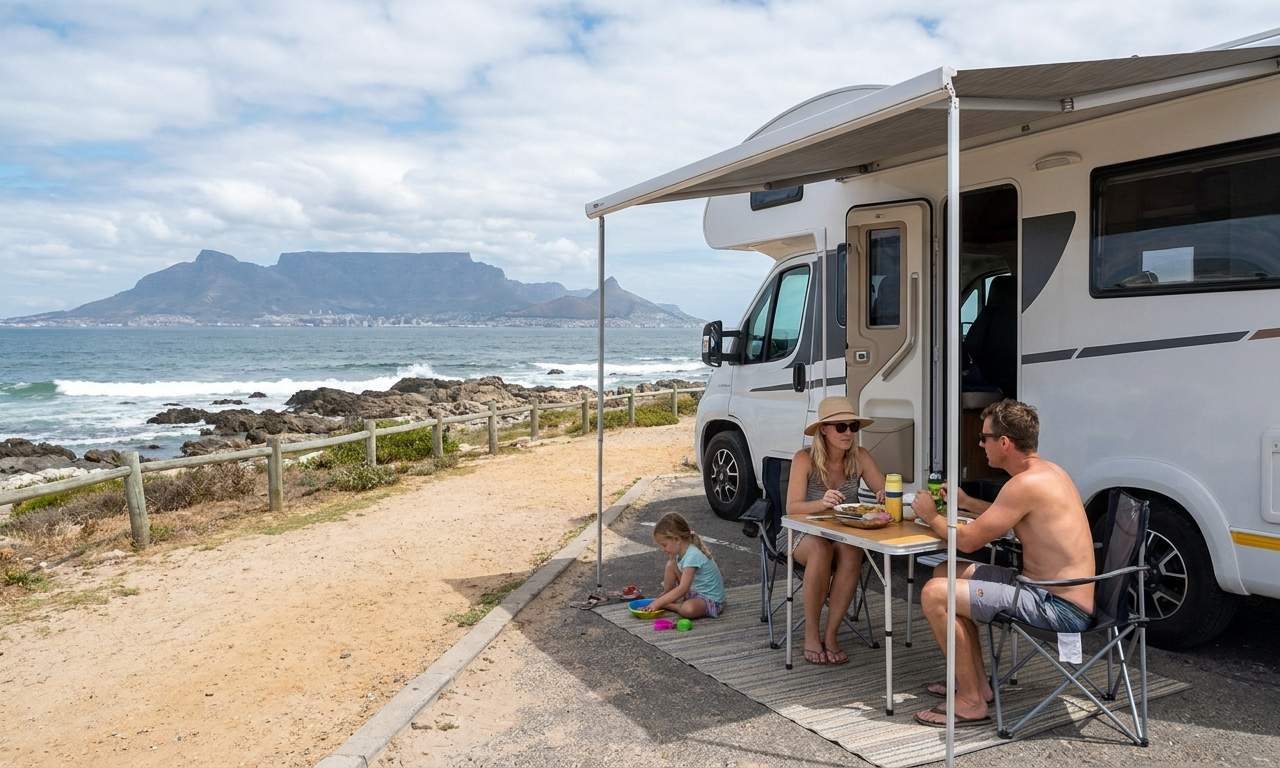
Navigating Cape Town and its surrounding areas in a rented RV is generally a smooth experience, as the roads in and around the city are typically well-maintained and in excellent condition. The terrain, however, offers a diverse range of driving conditions. You'll encounter smooth urban and coastal routes, picturesque mountain passes that offer stunning vistas, and potentially some unpaved sections when venturing into more remote wilderness areas or national parks. The major highways, such as the N1 and N2, are designed to accommodate all RV sizes without issue. For exploring the diverse landscapes at a leisurely pace, especially along scenic routes like Chapman's Peak Drive, remember to drive slowly and carefully, paying attention to the road and any signage, and you can navigate most places without issues.
RV Size Limits, Bridges & Restricted Zones
Cape Town's infrastructure is generally accommodating for most standard RV sizes, but drivers should always be mindful of specific height, weight, and restricted zone signage. While most urban infrastructure, including bridges and tunnels on main routes, can handle typical RV dimensions, low-clearance parking garages are the primary concern for larger vehicles. As of 2026, Cape Town does not have prevalent environmental or low-emission zones that would restrict RV access. However, it's always prudent to check local signage, particularly in smaller towns, historical city centers, or narrow residential streets, for any specific vehicle restrictions that might apply. For example, the iconic Chapman's Peak Drive has specific regulations for larger vehicles.
Fuel: Diesel vs. Petrol & Cost per 100 km
The vast majority of rental RVs available in South Africa, including those picked up in Cape Town, operate on diesel, which is widely available at fuel stations across the country. When considering fuel consumption, Bandana's fleet data indicates that Class B Camper Vans typically consume between 6 to 11 liters per 100 km. Larger RVs, such as Class SI, Class C, and Class TC models, generally average between 11 to 12 liters per 100 km. As of 2026, you can budget approximately R20-R25 per liter for diesel. This translates to an average fuel cost per 100 km ranging from R120 to R300, depending on the RV class and driving conditions. It’s always a good idea to inquire with your rental provider about any potential fuel discount cards or benefits they might offer. On the routes offered through RV PLANET routes, you can itemize and track every expense along the way for easy budgeting.
Tolls, Vignettes & Border Rules
When driving an RV within the immediate Cape Town area, you will typically encounter minimal to no direct tolls. South Africa does utilize an e-toll system, but this is primarily concentrated on certain national routes, notably around Gauteng Province, and not typically encountered on a standard Cape Town-based itinerary. Vignettes, common in some European countries, are not used in South Africa. If your one-way RV rental plans involve crossing international borders, such as into Namibia or Botswana, be aware that specific permits, cross-border fees, and detailed vehicle documentation are mandatory. It is crucial to confirm all border crossing requirements and necessary documentation with your rental company well in advance of your departure to ensure a smooth journey.
Driving Tips for one way rv rental Travelers
When embarking on your one-way RV rental adventure, especially around Cape Town, keep these essential driving tips in mind: South Africa drives on the left-hand side of the road, so be sure to adjust your driving habits accordingly. On multi-lane highways, remember to keep left and pass on the right. Be vigilant for wildlife on rural roads, particularly during dawn and dusk, as they can pose a hazard. It's advisable to fuel up regularly, as distances between fuel stations can be significant in more remote areas. Always secure your RV and valuables when parked, and prioritize reputable, secure campsites for overnight stays. To ensure comfort and safety for all passengers, plan for regular stops every 2-3 hours to prevent driver fatigue.
Recommended RV Class for Cape Town Roads
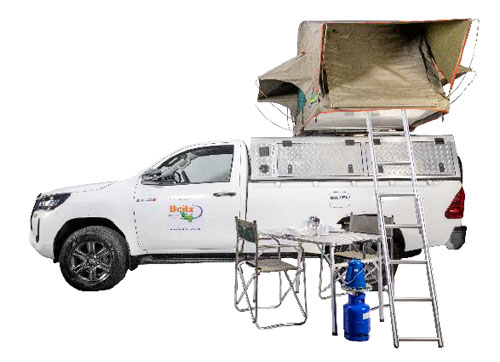
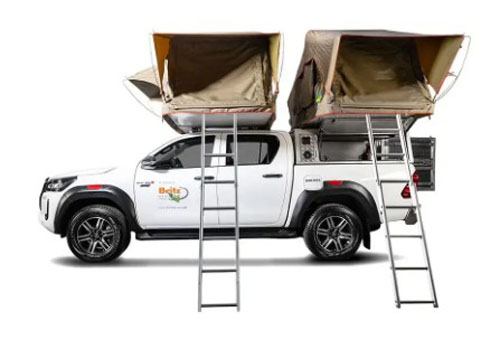
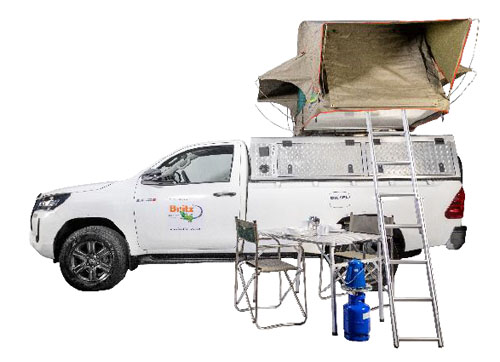
For navigating the diverse roads around Cape Town, smaller and more maneuverable RV classes are often recommended. Bandana's Class B Camper Vans, typically around 5.6 meters in length, are highly recommended for their ease of parking and ability to navigate both busy city streets and winding coastal roads. Similarly, Class TC Truck Campers, also averaging around 5.6 meters, offer a great balance of compact size and potential off-road capability, suitable for varied terrains. While larger RVs, such as Class SI or Class C models (averaging 6.7 meters), provide more interior living space and amenities, opting for smaller classes can offer better fuel economy and reduce driving stress, especially in urban environments or on scenic routes.
Should I Choose a Compact Van Instead of a Large RV in Cape Town?
The decision between a compact van and a larger RV in Cape Town primarily hinges on your group's size, your comfort with maneuverability, and your overall travel style. Compact vans, such as Class B campervans, offer distinct advantages in terms of easier city parking and superior fuel efficiency, typically consuming 6-11 liters per 100km. On the other hand, larger RVs, like Class C motorhomes, provide significantly more living space, often featuring separate sleeping and living areas, which can be ideal for families or longer trips. While Cape Town's main roads readily accommodate larger RVs without major issues, the primary trade-off is in maneuverability within tighter urban centers, making comfort in larger models often a higher priority than extreme agility outside of those specific city areas.
Can I Park Anywhere? Free & Wild Camping Rules in Cape Town
Free or wild camping with an RV in Cape Town and across South Africa is generally prohibited outside of designated and authorized areas. South African law strictly forbids overnight parking on public land, beaches, or roadsides unless explicit authorization has been granted. For secure and convenient overnight stays, it is essential to utilize designated RV-friendly campsites and caravan parks. These locations typically offer essential amenities, security, and adherence to local regulations, ensuring a comfortable and legal experience for all travelers. Always prioritize established campgrounds over attempting to wild camp.
Can I Drive an RV Into the City Center? Heights, Tunnels & Local Signage
You can generally drive an RV into Cape Town's city center, but it's crucial to pay close attention to local signage and be aware of potential restrictions. The city center's infrastructure is largely accommodating for standard RV sizes, and main arterial roads present no significant issues. However, you should be wary of multi-story parking garages, which almost invariably have height and weight restrictions unsuitable for most RVs. Always watch for temporary restrictions or specific street signage, such as 'no heavy vehicles,' particularly in busy or historically sensitive areas. For a more relaxed exploration of the city center, consider parking your RV on the outskirts and utilizing public transport or ride-sharing services for direct access to key attractions.
Is it safe to drive an RV in South Africa?
Driving an RV in South Africa is generally considered safe, provided travelers take standard precautions and utilize secure facilities. It's important to prioritize well-maintained roads, avoid driving at night, and remain aware of potential road hazards, such as wildlife, especially on rural routes. Always lock your RV when unattended and keep valuables out of sight. Choosing reputable, secure campsites for overnight stays is also a crucial safety measure, rather than opting for wild camping. Ensure you have readily available emergency contacts, including your rental provider's roadside assistance information, for any unforeseen circumstances.
Do you need a 4x4 for South Africa RV road trip?
A 4x4 RV is typically not essential for most popular RV routes and attractions across South Africa. Standard 2WD motorhomes, including Class B campervans and larger Class C or SI models, are perfectly sufficient for navigating major tourist routes, paved national park roads, and scenic coastal drives. A 4x4 camper, such as a Class TC Truck Camper, would only be necessary if your planned itinerary specifically includes challenging gravel roads, deep sand, or remote tracks that necessitate higher clearance and enhanced traction. It’s always wise to confirm with your rental company if your intended route might require a 4x4 if you plan on venturing significantly off paved roads.
How much does it cost to rent an RV in South Africa for a month?
Monthly RV rental costs in South Africa typically range from R25,000 to R70,000+ (approximately $1,300 - $3,700+ USD) for the rental itself, excluding operational expenses. These rental rates are influenced by the RV class, the season of travel, and the duration; smaller camper vans generally fall at the lower end of this spectrum. Beyond the rental price, you should budget for significant fuel costs, potentially R7,200 - R9,000 for a 3,000 km trip in a Class C RV, assuming diesel costs of R20-R25 per liter. Campsite fees can add another R6,000 - R18,000 per month, plus national park entrance fees and any optional insurance or extras. Therefore, a realistic total monthly budget, encompassing all operational costs, could realistically fall between R40,000 and R100,000+.
What are the best RV routes in South Africa?
From Cape Town, several exceptional RV routes await. The iconic Garden Route, stretching from Cape Town to Port Elizabeth, offers a diverse array of coastal and forest landscapes that are well-suited for all RV sizes. For a different coastal experience, the West Coast Way showcases stunning wildflowers (in season) and charming fishing villages, making it ideal for smaller campers. Alternatively, consider Route 62, the world's longest wine route, which winds through dramatic mountain passes, past ostrich farms, and through unique Karoo towns. Other popular options for shorter trips include exploring the Overberg region for whale watching or venturing towards the Cederberg for more adventurous, off-the-beaten-path routes.
Where can you park an RV in Cape Town?
When parking your RV in Cape Town, your primary options for secure and well-equipped overnight stays are designated caravan parks and official campgrounds. Popular choices include Imhoff Caravan Park in Kommetjie, offering direct beach access, and Riviera Caravan Park in Hout Bay. Municipal caravan sites are also available and can provide good value. For day trips into the city center, it's best to utilize larger public parking lots or opt for parking further out and then utilizing Cape Town's public transport system or ride-sharing services for convenient access to city attractions. Remember, wild camping is illegal and strongly discouraged for safety and legal reasons.
What is the best time of year to RV in Cape Town?
The optimal time to RV in Cape Town generally falls into two main periods: summer (November to February) for the warmest weather and ample outdoor activities, or the shoulder seasons (March to April and September to October) for milder temperatures, less wind, and fewer crowds. Summer offers hot, dry conditions perfect for exploring the peninsula's natural beauty, though you might experience stronger winds, particularly on the coast, and higher visitor numbers. Autumn and Spring provide pleasant temperatures and a more relaxed atmosphere, ideal for touring the wine regions and scenic drives. Winter (May to August) is cooler and wetter, but it's the prime season for whale watching along the coast and often comes with lower rental prices.
Is it cheaper to RV or stay in hotels in South Africa?
For longer trips and particularly for larger groups, RV travel can often be more economical than staying in hotels in South Africa, primarily due to savings on accommodation and dining. Campsite fees are typically significantly lower than hotel room rates, especially for families who would otherwise require multiple hotel rooms. Furthermore, an RV's onboard kitchen facilitates self-catering, drastically reducing food expenses compared to dining out for every meal. While the initial RV rental and ongoing fuel costs are higher than comparable car travel, the overall cost-per-person for accommodation and food often makes RVing a more budget-friendly option for groups of three or more. For ideas you can prep on the road, watch our RV-friendly recipes playlist on YouTube.
What license do I need to drive an RV in South Africa?
To legally drive an RV in South Africa, you'll need a valid national driver's license that corresponds to the vehicle's Gross Vehicle Mass (GVM). For foreign nationals, an International Driving Permit (IDP) is also required in conjunction with your national license. Most standard motorhomes up to 3,500 kg GVM require a Code B (or the international 'B' category) license. However, if you plan to rent larger RVs exceeding 3,500 kg GVM, a Code C1 (or its international equivalent) license will typically be necessary. As mentioned earlier, the minimum rental age is generally 21 or 23, with potential increases for larger vehicle classes.
Where can I fill up water in an RV in Cape Town?
You can reliably fill your RV's freshwater tank at designated caravan parks and official campgrounds around Cape Town. These facilities typically provide dedicated water points, which are often conveniently located alongside power hookups and waste disposal (dump) stations. While you might find public taps in parks or rest areas, it’s best to avoid using them for RV filling unless explicitly marked as potable and suitable for drinking water. Always carry a suitable hosepipe and necessary connectors to ensure an easy hookup at various facilities.
Where can I get groceries for RV in South Africa?
Stocking your RV with groceries in South Africa is straightforward, thanks to the widespread availability of major supermarket chains and local markets in most towns and cities. Major supermarket chains such as Shoprite, Checkers, Pick n Pay, Woolworths Food, and Spar are ubiquitous and offer a comprehensive range of supplies. For a taste of local flavor and fresh produce, explore local farmers' markets, like Cape Town's Oranjezicht City Farm Market. It’s practical to plan for major grocery stops in larger towns, as the selection of goods might be more limited in more remote or rural areas.
How does the fuel consumption of an RV compare to a normal car?
RVs inherently have significantly higher fuel consumption than normal cars due to their larger size, heavier weight, and less aerodynamic profile. While a typical passenger car might achieve fuel efficiency in the range of 5 to 8 liters per 100 km, Bandana's RVs commonly consume between 6 to 12 liters per 100 km. This means an RV can use approximately 1.5 to 2.5 times more fuel over the same distance compared to a standard car. Factors such as driving style, the terrain being traversed, the vehicle's payload, and even wind conditions can further influence an RV's fuel efficiency, making it essential to factor a larger fuel budget into your RV trip planning.
What You Shouldn't Miss
- The Garden Route: Embark on a classic South African RV journey, exploring the stunning coastline, lush forests, and charming towns like Knysna and Plettenberg Bay.
- West Coast National Park: Drive your RV through this protected area, especially during wildflower season (August-September), for incredible floral displays and coastal scenery.
- Route 62: Experience the world's longest wine route at your own pace in your rented RV, sampling wines and enjoying the unique landscapes of the Klein Karoo.
- Cape Peninsula Scenic Drive: Navigate your RV along scenic routes like Chapman's Peak Drive (check restrictions) for dramatic coastal views, and visit Cape Point and the Cape of Good Hope.
- Table Mountain National Park: Drive your RV to accessible viewpoints and trailheads within the park for hiking and unparalleled vistas of Cape Town.
- Boulders Beach Penguin Colony: Park your RV near Simon's Town and take a short stroll to witness the adorable African Penguins in their natural habitat.
Final Thoughts
Embarking on an RV adventure in Cape Town offers unparalleled freedom and a unique perspective on South Africa's stunning landscapes. By understanding the driving regulations, choosing the right RV for your needs, and planning your routes and stops, you're set for an unforgettable journey.
Whether you're drawn to the coastal beauty of the Garden Route or the wine-tasting opportunities along Route 62, a one-way RV rental provides the perfect means to explore at your own pace. Remember to book in advance, especially during peak seasons, and always prioritize safety and local regulations.
Ready to start planning your dream South African road trip? Compare a wide range of RVs and find the perfect vehicle for your adventure.
Find Motorhome Rentals in Cape Town