In This Guide
- Can You Drive an RV in Cape Town? License & Age Rules
- Road Conditions & Terrain in Cape Town
- RV Size Limits, Bridges & Restricted Zones
- Fuel: Diesel vs. Petrol & Cost per 100 km
- Tolls, Vignettes & Border Rules
- Driving Tips for luxury rv rental Travelers
- Recommended RV Class for Cape Town Roads
- Should I Choose a a Compact Van Instead of a Large RV in Cape Town?
- Can I Park Anywhere? Free & Wild Camping Rules in Cape Town
- Can I Drive an RV Into the City Center? Heights, Tunnels & Local Signage
- How Much Does a Luxury RV Rental Cost in Cape Town, and What's Included?
- What Safety Protocols and Emergency Procedures are Essential for RVers in Cape Town?
- How to Combine Your Luxury RV Trip with Safaris, Wine Tours, and City Attractions in Cape Town
Imagine yourself cruising along Cape Town's breathtaking coastline, the majestic Table Mountain as your backdrop, and the freedom of the open road stretching out before you. A luxury RV rental in Cape Town offers an unparalleled way to experience South Africa's Mother City and its surrounding wonders. From the iconic beaches of Clifton and Camps Bay to the historic vineyards of Stellenbosch and Franschhoek, a rented motorhome transforms your journey into a seamless blend of adventure and comfort. For live availability and current prices, start with our RV Rental Cape Town - Complete Guide 2026 guide.
At Bandana RV, we believe your adventure should be as smooth and enjoyable as the roads you travel. That's why we're dedicated to full transparency, with no hidden fees and no surprises. We're true RV specialists, not just a travel agency side department, offering 24/7 support to assist you before, during, and after your booking, ensuring real people are behind you every step of the way.
🎬 Video coming soon
Can You Drive an RV in Cape Town? License & Age Rules
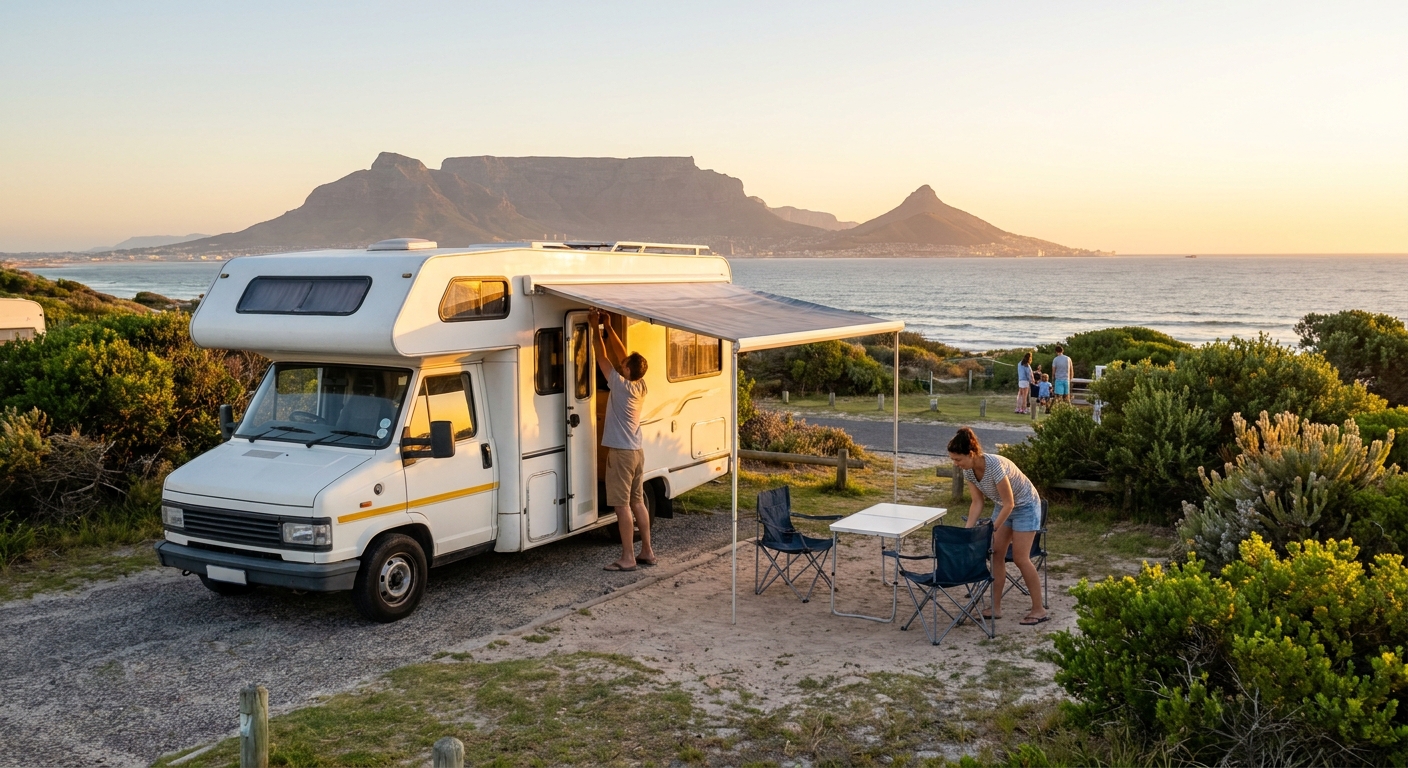
Yes, most standard rented motorhomes can be driven in Cape Town with a valid Code B or Code EB driver's license, depending on the vehicle's Gross Vehicle Mass (GVM).
A Code B license is typically sufficient for motorhomes up to 3,500 kg GVM, which covers the majority of Class B campervans and many Class C models available for rental. For heavier vehicles exceeding this weight, a Code EB (or heavier codes) is required, but these are less common in the rental fleet. Bandana RV suppliers generally enforce a minimum driver age of 21 years for all motorhome and campervan rentals in Cape Town, with no young driver surcharges or vehicle class restrictions based on age. Foreign drivers planning a luxury RV rental in Cape Town should carry an International Driving Permit (IDP) alongside their valid national driver's license, although it is not mandatory in all cases, it's highly recommended for clarity and ease of communication.
Navigating the roads of Cape Town with a larger vehicle is manageable. Drive slowly and carefully, and you can drive almost anywhere without issues. No need to stress - just use common sense and pay attention to road signs and other drivers. For a broader overview of RV travel in the country, you can refer to our RV Rental South Africa - Complete Guide 2026 for more information.
Road Conditions & Terrain in Cape Town
Cape Town offers a mix of well-maintained urban roads, scenic coastal routes like Chapman's Peak Drive, and accessible mountain passes, all generally suitable for luxury RV travel.
The road quality is high on major routes, national highways (like the N1 and N2), and popular tourist roads, providing a smooth journey for a rented motorhome. However, older city areas, particularly in the CBD, or rural access roads leading to remote campsites or vineyards, can be narrower or have varied surfaces. Mountain passes in the Western Cape, such as those through the Cape Winelands, require careful, slow driving due to winding roads, steep inclines, and elevation changes, but they offer incredible views. While most popular tourist routes are paved and well-signed, occasional gravel roads leading to certain remote attractions or quieter campsites may be encountered, where mindful driving is key.
RV Size Limits, Bridges & Restricted Zones
Cape Town and its surrounding areas generally accommodate RVs, but drivers must observe height restrictions for certain tunnels and parking garages, and explicit weight limits on some older or rural bridges.
Major roads and highways typically have no specific RV size restrictions, allowing for comfortable travel with a large rented campervan. Tunnels, such as the Huguenot Tunnel on the N1 towards Worcester, usually have standard height clearances around 4.5 meters, which are well above the height of most Class A, Class B, and Class C motorhomes. The primary consideration for larger RVs in urban areas is often parking and tight turns on older streets rather than direct road limitations. Currently, environmental zones or specific vehicle class restrictions for entering Cape Town's urban areas are not widely implemented for private RVs, making city access straightforward. Always pay attention to posted signage, especially around commercial areas or residential zones, which may have local restrictions.
Fuel: Diesel vs. Petrol & Cost per 100 km
Most luxury RVs in Cape Town, including many available through Bandana, predominantly use diesel fuel, which is widely available, with consumption ranging from 6-7 lit/100km for Class B Camper Vans to 12 lit/100km for larger Class SI/C models.
Bandana's Class B - Camper Vans, like an "rv rental denver example Category Van" or "Active Bunk Auto", average an impressive 6-7 lit/100km, making them efficient for extended touring. Class SI - Semi-integrated models, such as a "2 Berth Rover" or "Euro Quest", and Class C - Alcove models, like a "24' Class C Motorhome" or "4 Berth Deluxe", typically average around 12 lit/100km. Truck Campers, like a "Patagonia Camper 4x4 double cab", average 11 lit/100km. Fuel stations are plentiful along major routes and in most towns across the Western Cape, though they become less frequent in very remote areas, necessitating careful trip planning for refills. Fuel costs represent a significant portion of the total trip budget; when planning your adventure with RV PLANET routes, you can itemize and track every expense along the way for easy budgeting, including fuel, campground fees, and more. On the routes offered through RV PLANET routes, you can itemize and track every expense along the way for easy budgeting.
Tolls, Vignettes & Border Rules
Cape Town and its surrounding region, like the rest of South Africa, utilizes a 'pay-as-you-go' toll system on national highways, requiring payment at specific toll plazas rather than a vignette system.
Toll roads, such as sections of the N1 towards Worcester and the N2 towards Sir Lowry's Pass, accept cash or card payments directly at the toll gates. There are no vignette systems for RVs in South Africa, unlike in some European countries, simplifying planning. For those considering cross-border travel from Cape Town (e.g., to Namibia or Botswana for a more extensive RV Rental South Africa - Complete Guide 2026 adventure), specific documentation is required. This typically includes the vehicle registration papers, a letter of authority from the rental company granting permission for cross-border travel, and potentially additional insurance coverage. Be prepared for border post procedures and associated fees, which can vary by country.
Driving Tips for luxury rv rental Travelers
Luxury RV travelers in Cape Town should prioritize route planning, adherence to local speed limits, secure parking, and awareness of specific local driving customs and wildlife to ensure a safe and enjoyable journey.
When planning your route, always use GPS but cross-reference with traditional maps, especially considering potential load shedding impacts on traffic signals at intersections. South Africa's speed limits are strictly enforced: 120 km/h on highways, 100 km/h on rural roads, and 60 km/h in urban areas. Drive slower and more carefully with a rented motorhome, particularly on winding coastal roads like Chapman's Peak Drive or mountain passes. Always choose secure, well-lit parking, especially overnight, and opt for designated RV parking at attractions and shopping centers like the V&A Waterfront. Exercise caution for wildlife, especially at dawn and dusk, in rural areas, and always avoid interacting with or feeding animals, particularly baboons at Cape Point. Drive on the left side of the road, be vigilant of minibus taxis that may drive unpredictably, and understand local customs like flashing headlights (which often mean "I'm coming through" rather than "you go first"). In case of a police stop, remain calm, keep your hands visible on the steering wheel, and politely request identification from the officer.
Recommended RV Class for Cape Town Roads
For luxury RV travel in Cape Town, both the Class B - Camper Van and Class SI - Semi-integrated models from Bandana's fleet are highly recommended due to their blend of comfort, amenities, and suitability for diverse local road conditions.
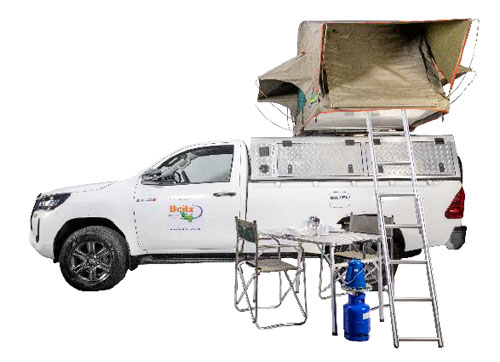
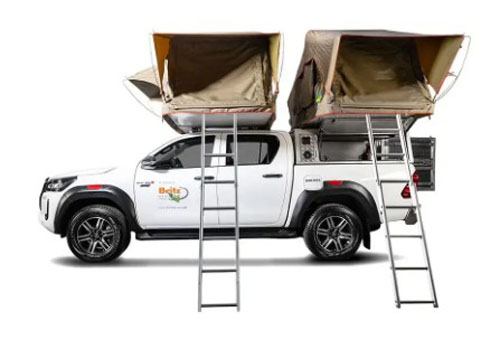
A Class B - Camper Van, averaging around 5.6m in length (like the "2 Berth Hi Top"), offers excellent maneuverability for city driving, accessing tighter spots along scenic routes, and fitting into smaller parking spaces. These models typically sleep 2-3 people and boast good fuel efficiency of 6-7 lit/100km. If you prefer more spacious living areas and enhanced amenities, a Class SI - Semi-integrated motorhome, averaging 6.7m in length (like a "2 Berth Tamar"), is ideal for families or couples seeking enhanced comfort on longer trips, averaging 12 lit/100km. The Class C - Alcove, also around 6.7m and sleeping up to 6, is suitable for larger groups needing maximum space and amenities, such as a full kitchen with a gas stove and refrigerator. For RV-friendly recipes to make in your rented RV's kitchen, check out our RV-friendly recipes playlist. The Class TC - Truck Camper (avg. 5.6m, sleeps 2) offers higher ground clearance for more rugged routes, often preferred for specific safari adventures outside the main city areas. Our Luxury RV Rental in Cape Town - Premium Prices 2026 guide can help you compare these options.
Should I Choose a Compact Van Instead of a Large RV in Cape Town?
While a compact van like a Class B Camper Van offers marginally easier maneuverability in very tight urban spaces, a larger luxury RV often provides superior comfort and living amenities that typically outweigh minor parking challenges for most Cape Town itineraries.
Compact vans, such as a Class B at approximately 5.6m in length, are indeed easier for navigating extremely narrow city streets and fitting into smaller parking spots, particularly in dense areas like the Bo-Kaap or specific V&A Waterfront parking bays. However, larger RVs, like a Class SI or Class C at around 6.7m in length, offer significantly more interior space, dedicated washrooms, larger kitchens, and greater overall comfort, enhancing the luxury travel experience, especially for a week-long trip or longer. Most popular attractions, major shopping centers, and well-equipped campsites around Cape Town are designed with adequate parking for larger RVs, making the trade-off for increased comfort and amenities generally favorable. Drive slowly and carefully, and you can drive almost anywhere without issues. No need to stress - just use common sense and pay attention.
Can I Park Anywhere? Free & Wild Camping Rules in Cape Town
While South Africa does not permit a formal 'right to roam' for wild camping, designated secure campsites are plentiful around Cape Town, and wild camping is generally discouraged, often illegal, and unsafe in most areas without explicit permission.
Wild camping or boondocking is not allowed in national parks like Table Mountain National Park, most nature reserves, or within Cape Town's urban areas. It is strongly recommended to use dedicated RV parks and official campsites, such as the Imhoff Farm Campsite near Kommetjie or the Slangkop Lighthouse Caravan Park, which offer secure facilities, ablutions, electrical hook-ups, and dump stations, ensuring both safety and compliance with local regulations. Always seek explicit permission from landowners or local authorities if considering overnight parking outside a designated campsite, and check local regulations as rules vary by region. For finding campsites and campgrounds during your trip, we recommend using RV PLANET (rvplan.net) - a great resource for locating available spots along your route. You'll find a spot. If not at the first campground, then the next one. Call ahead before driving.
Can I Drive an RV Into the City Center? Heights, Tunnels & Local Signage
Yes, you can generally drive a rented RV into Cape Town's city center, though careful attention to local signage regarding height restrictions for parking garages, one-way streets, and potential pedestrian zones is highly advised.
Major roads leading into and through the city center, such as Buitengracht Street and the Eastern Boulevard, are typically wide enough to accommodate motorhomes. The primary challenge is usually finding suitable and secure parking, as multi-story or underground garages often have height limits (e.g., 2.1-2.4 meters) unsuitable for RVs. There are no specific environmental zones or vehicle class restrictions for private RVs entering Cape Town's city center currently, but always observe local signage for one-way systems or temporary closures, particularly around the bustling Greenmarket Square. For exploring city attractions like the Iziko Slave Lodge or the colourful Bo-Kaap, it's often more practical to park your RV at a secure, peripheral location like a well-appointed RV park outside the CBD and then utilize ride-sharing services (Uber/Bolt) or public transport (MyCiTi bus) to navigate the immediate urban core. Drive slowly and carefully, and you can drive almost anywhere without issues. No need to stress - just use common sense and pay attention.
How Much Does a Luxury RV Rental Cost in Cape Town, and What's Included?
The cost of a luxury RV rental in Cape Town varies significantly based on vehicle class, rental duration, season, and inclusions, with a comprehensive budget needing to account for base rental fees, fuel, tolls, insurance, and activity fees.
Base rental rates for luxury RVs in Cape Town can range from roughly R1,500 to R4,000+ (approximately $80-$210+ USD) per day, depending on the model (e.g., a "2 Berth Rover" versus a larger "4 Berth Deluxe") and the time of year. Prices are dynamic, similar to flight tickets, changing daily based on availability, seasonality, and supplier marketing decisions. The final price is set at the actual booking time. Typical inclusions often cover unlimited mileage, basic third-party insurance, and essential kitchen equipment. However, comprehensive RV-specific insurance is a critical additional consideration; you can upgrade to a top-level deductible for extra peace of mind. Key additional costs include fuel (ranging from 6-12 lit/100km depending on RV class), toll fees (e.g., on the N1 or N2), campsite fees (R200-R600+ per night for luxury sites near the city, like Chapman's Peak Caravan Park), and activity integration costs like national park entry fees or safari excursion prices. For those seeking maximum flexibility, last-minute luxury RV rental deals in Cape Town can sometimes be found, though choice may be limited. If you're flexible, consider traveling during off-peak seasons (May-August) or adjusting your dates to find the cheapest luxury RV rental options. Our Luxury RV Rental in Cape Town - Premium Prices 2026 and Cheap RV Rental in Cape Town - Budget Guide 2026 provide more details on pricing differences.
What Safety Protocols and Emergency Procedures are Essential for RVers in Cape Town?
Essential safety protocols for RVers in Cape Town include practicing defensive driving, ensuring stringent vehicle security, being aware of all local emergency numbers, and understanding specific procedures for breakdowns or police stops.
Always prioritize defensive driving and maintain extra following distance, especially with a larger rented motorhome. For vehicle security, keep your RV locked, even when occupied, utilize secure designated parking areas, and avoid leaving valuables visible. For emergencies, dial 10111 for Police, 10177 for Ambulance/Fire, or 112 from a mobile phone for general emergencies; also keep your rental company's roadside assistance number readily accessible. In case of a breakdown, pull over safely, activate hazard lights, place a warning triangle behind your vehicle, and wait for official roadside assistance, avoiding unsolicited help. It is advisable to avoid driving outside well-lit urban areas at night due to reduced visibility and potential hazards like pedestrians, animals, and potholes, especially on routes like Baden Powell Drive. Be vigilant for wildlife in rural areas, particularly baboons in coastal areas and antelopes near nature reserves. If stopped by police, remain calm, keep your hands visible on the steering wheel, and comply with instructions while politely requesting identification. Safety is paramount, and being prepared makes for a much smoother week-long trip.
How to Combine Your Luxury RV Trip with Safaris, Wine Tours, and City Attractions in Cape Town
Integrating a luxury RV trip with other Cape Town experiences requires strategic planning for parking, alternative transportation, and selecting RV-friendly destinations for safaris, wine tasting, and urban exploration.
For safaris, many private game reserves in the Western Cape (e.g., Aquila Private Game Reserve, Sanbona Wildlife Reserve) offer secure RV parking or dedicated campsites, allowing you to park your rented motorhome and join guided game drives. For more remote national parks, consider parking at a nearby town and arranging transfers. The Stellenbosch, Franschhoek, and Paarl wine regions are highly RV-friendly with ample parking at many estates; however, ensure a designated driver or use local transfer services (Uber/Bolt) for wine tastings. To explore central Cape Town attractions like the V&A Waterfront, Table Mountain Cableway, or the District Six Museum, park your RV at a secure, peripheral location such as the municipal parking near the Foreshore or an RV park just outside the city, then use ride-sharing services (Uber/Bolt) or public transport (MyCiTi bus) to navigate the immediate urban core. This avoids city traffic and challenging parking. For a well-curated plan, explore RV PLANET (rvplan.net) for pre-planned routes by professionals that effortlessly weave together these experiences. Remember to support local businesses, respect cultural etiquette, and minimize your environmental impact by using designated waste disposal and dump stations, particularly around scenic routes like Clarence Drive and the coastal road to Hermanus. Traveling slowly, averaging max 100-150 km per day, allows you to truly feel the place, connect to the culture, the food, and the scenery.
What You Shouldn't Miss
- **Table Mountain & Lion's Head:** Hike or take the cable car up Table Mountain for iconic panoramic views of Cape Town, then consider a sunset hike up Lion's Head for equally stunning vistas.
- **Chapman's Peak Drive:** Drive this spectacular coastal road (Chapman's Peak Drive is a toll road, remember to pay at the gate!) for breathtaking ocean scenery, stopping at viewpoints along the way. Your RV will handle it beautifully; just take it slow and soak it all in.
- **Boulders Beach Penguin Colony:** Visit Simon's Town to see the adorable African Penguins waddling on the beach and swimming in the clear waters. There's RV parking nearby for easy access.
- **Cape Winelands Tour:** Dedicate a full day to exploring the historic towns and vineyards of Stellenbosch, Franschhoek, or Paarl. Many wineries offer tastings and beautiful picnic spots.
- **V&A Waterfront:** Spend time at Cape Town's bustling V&A Waterfront, enjoying fresh seafood, unique shops, and boat trips around the harbour. Park your RV slightly outside the immediate area and use public transport or ride-shares to get there easily.
- **Cape Point Nature Reserve:** Drive to the dramatic Cape Point, the southwesternmost tip of Africa, and explore the reserve's pristine beaches, fynbos landscapes, and iconic lighthouse. Keep an eye out for baboons and other wildlife.
Looking for expert insights from Avi Bandana? Top 5 Adventures - recommendations from Avi Bandana
Final Thoughts
A luxury RV rental in Cape Town opens up a world of discovery, offering the flexibility to chase sunsets along the Atlantic Seaboard and wake up to the sounds of nature in a tranquil Winelands campsite. Whether you're planning an extended road trip to explore the entire Western Cape or a focused week-long adventure around the city's iconic landmarks, a comfortable motorhome provides your perfect mobile base.
We're here to support you every step of the way, from comparing the best deals on a "Luxury RV Rental in Cape Town - Premium Prices 2026" to providing honest advice and transparent pricing. Embrace the freedom, the luxury, and the incredible scenery that awaits you. Get inspired for your next trip and discover top destinations, planning tips, all in one place!
Start planning your unforgettable South African adventure today. We handle the details, you live the journey – that's the Bandana promise.
Find Motorhome Rentals in Cape Town