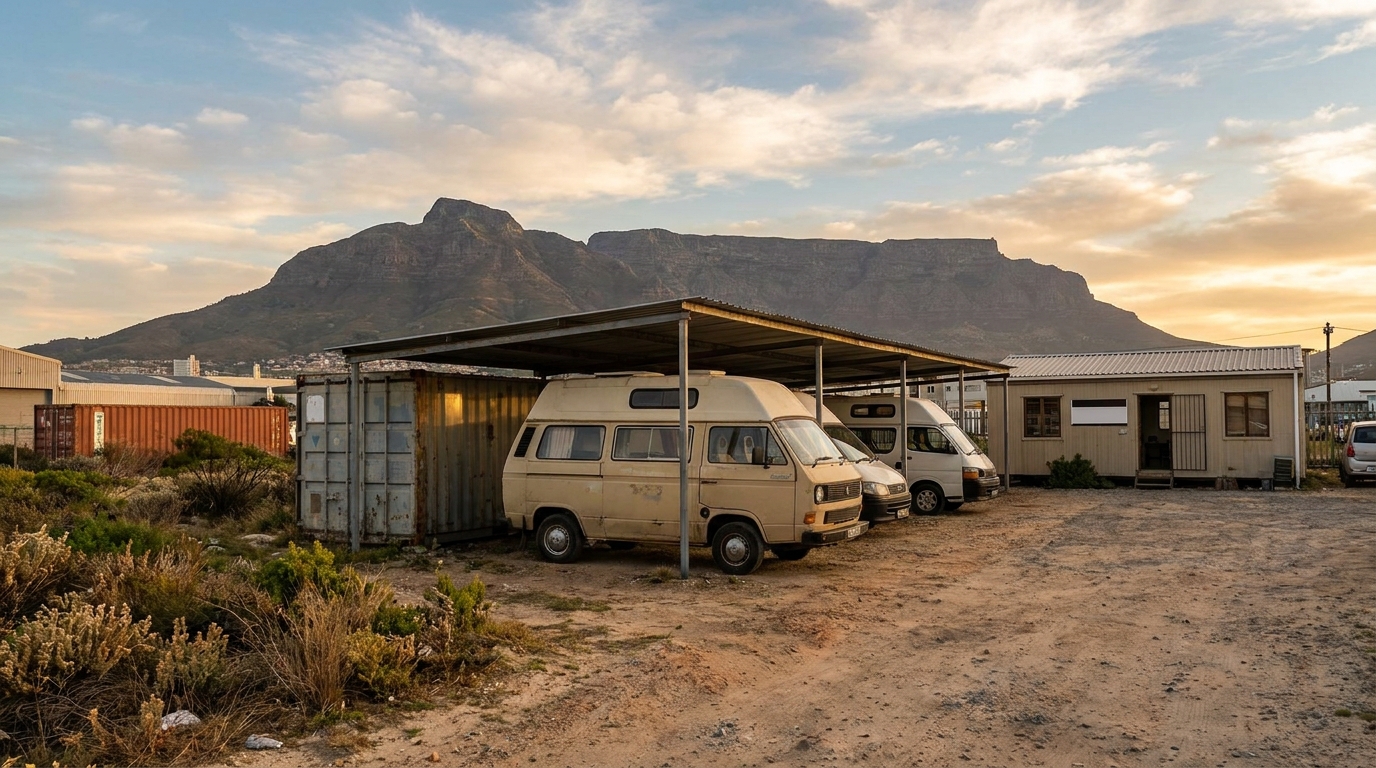
In This Guide
Can You Drive an RV in Cape Town? License & Age Rules
Most RVs under 3,500 kg GVM can be driven with a standard Class B (Code B) South African license or an equivalent International Driving Permit (IDP).
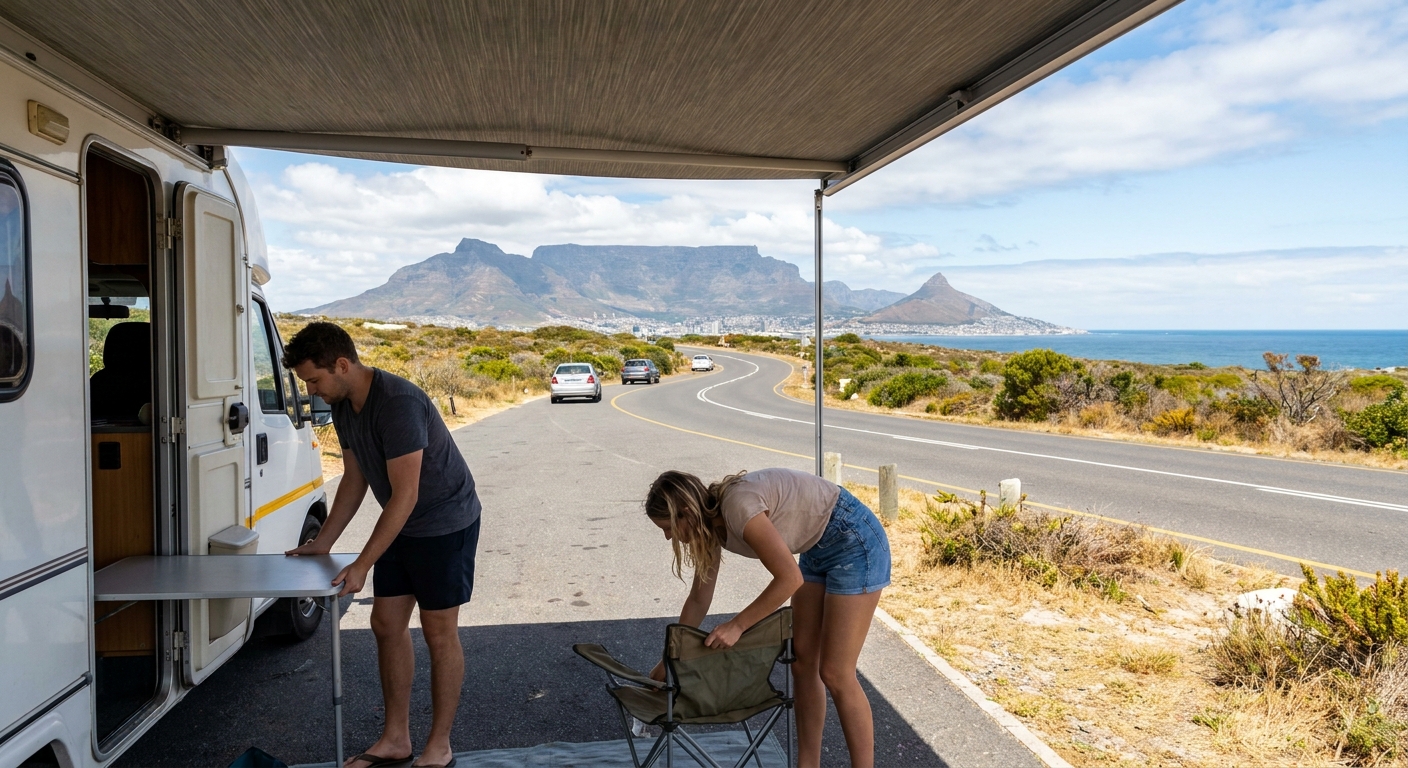
Rental companies typically require a minimum driver age, usually between 21 and 25, depending on the vehicle class and supplier. For drivers whose national license is not in English, an International Driving Permit (IDP) is recommended. It's important to note that larger RVs exceeding 3,500 kg GVM may necessitate a higher license category, such as Code C1, though these are less common in rental fleets. For live availability and current prices, start with our RV Rental Cape Town - Complete Guide 2026 guide.
Road Conditions & Terrain in Cape Town
Cape Town boasts well-maintained urban roads and incredibly scenic coastal routes, making RV travel enjoyable. However, be prepared for some mountain passes and rural access roads that can be winding or unpaved (gravel), especially if venturing off the main tourist paths. Drivers are encouraged to practice slow, defensive driving, particularly on these more challenging roads or when navigating unfamiliar terrain. Major national routes, such as the N1 and N2, are generally excellent and well-suited for RV travel.
RV Size Limits, Bridges & Restricted Zones
Standard RVs are generally accommodated well within Cape Town. However, specific height restrictions commonly apply to most multi-story parking garages, typically ranging from 2.1 to 2.4 meters. Always watch for local signage indicating low bridges or tunnels, though these are uncommon on major tourist routes. Cape Town itself does not enforce widespread environmental zones that restrict RV access. Ferry limits are also not a significant concern for RV travel within the Cape Town region.
Fuel: Diesel vs. Petrol & Cost per 100 km
Most RVs in Cape Town's rental fleet, including those offered by Bandana, primarily use diesel fuel, which is readily available at service stations across the city and country. For a Class B Camper Van, expect average fuel consumption to be around 6-11 liters per 100km. Semi-integrated (Class SI) and Alcove (Class C) RVs typically consume a bit more, around 12 liters per 100km, while Class TC Truck Campers average about 11 liters per 100km. It's wise to budget for varying fuel costs, as prices can fluctuate. Some rental packages may even include fuel discount cards to help manage these expenses. For a more detailed understanding of costs on specific routes, explore RV PLANET routes. If you're looking for the cheapest cheap rv rental, consider off-peak travel and flexible dates. On the routes offered through RV PLANET routes, you can itemize and track every expense along the way for easy budgeting.
Tolls, Vignettes & Border Rules
Cape Town itself has limited tolled roads. However, major national routes outside the city, such as parts of the N1 and N2, may incur tolls. These are typically paid at physical plazas or gantries using cash or card; South Africa does not have a vignette system like some European countries. For those planning cross-border travel into neighboring countries (e.g., Namibia or Botswana), specific vehicle permits from the rental company are required and often come with additional fees. Some rent-motorhome RVs offer options for pre-purchasing toll passes to streamline your travel and avoid potential fines.
Driving Tips for cheap rv rental Travelers
When traveling with family, plan for frequent stops every couple of hours to ensure everyone's comfort and to manage costs effectively. Budget-conscious travelers should research toll routes and consider pre-paying tolls or opting for untolled alternatives where possible. Always remember to drive on the left side of the road and be aware of the varying speed limits, which can differ between urban and rural areas. Prioritize driving during daylight hours due to potentially variable road conditions, the presence of wildlife, and for general safety. For specific terrains, confirm your chosen RV's ground clearance and transmission type; automatic transmission options are widely available and can add to the ease of driving.
Recommended RV Class for Cape Town Roads
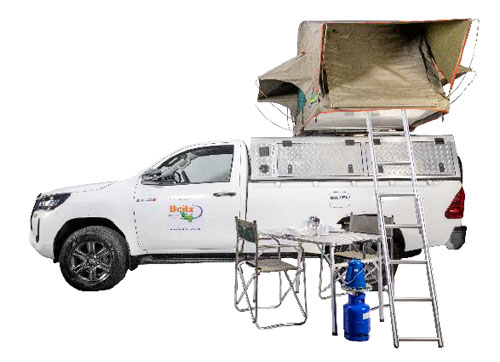
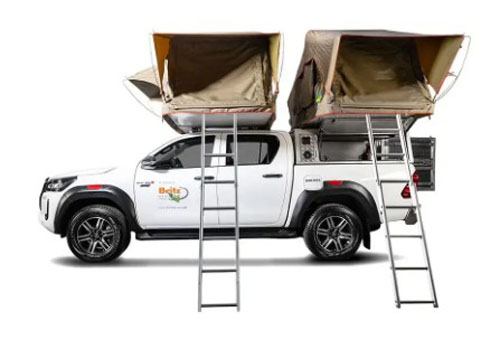
For a budget-friendly RV rental in Cape Town that balances maneuverability with comfort, a Class B Camper Van or a Class TC Truck Camper is generally recommended. Class B Camper Vans, averaging around 5.6 meters in length, are highly maneuverable and fuel-efficient (6-11 liters/100km), making them ideal for city touring, coastal drives, and exploring the picturesque winelands. Class TC Truck Campers, also around 5.6 meters, offer a robust option for potentially rougher tracks while maintaining a manageable size, consuming approximately 11 liters/100km. These smaller classes are generally easier to park and navigate on Cape Town's diverse roads compared to larger motorhomes, aligning well with budget travel goals. If you're looking for cheap rv rentals in Cape Town, these options are often the most economical.
Should I Choose a Compact Van Instead of a Large RV in Cape Town?
A compact van, like a Class B Camper Van, truly excels in maneuverability and urban parking, which can be a significant advantage in Cape Town's denser areas and popular tourist spots. However, larger RVs, such as the Class SI Semi-integrated or Class C Alcove models, are generally manageable on Cape Town's main roads and offer substantially more living comfort and amenities for longer journeys or family travel. For many travelers, the enhanced comfort, space, and amenities of a larger RV, like a Class C Alcove that can sleep up to six people, often outweigh the marginal maneuverability benefits of a compact van. The final decision often hinges on whether your priority is urban agility and fuel efficiency, or interior space and extended comfort for longer adventures.
Can I Park Anywhere? Free & Wild Camping Rules in Cape Town
Wild camping or informal overnight parking is generally not permitted or recommended within Cape Town and its surrounding national parks due to safety and legal concerns. Designated, secure campsites are the safest and legal options for overnight RV parking. These established campgrounds, whether private caravan parks or national park facilities, offer essential amenities such as water, electricity, and dump stations. Always adhere to 'leave no trace' principles and respect local regulations regarding overnight parking. For finding campsites and campgrounds during your trip, we recommend using RV PLANET (rvplan.net) — a great resource for locating available spots along your route.
Can I Drive an RV Into the City Center? Heights, Tunnels & Local Signage
Yes, RVs can generally be driven into Cape Town's city center, as major arterial roads are designed to accommodate various vehicle sizes. Drivers should be vigilant for local signage indicating height restrictions, particularly for underground or multi-story parking facilities, which commonly have limits around 2.1-2.4 meters. Cape Town's tunnels, such as those on the N1, are typically high enough for standard RVs. While there are no specific environmental zones restricting RV access, always pay attention to general traffic and parking signs, including 'residents-only' streets. Finding suitable parking for larger RVs within the immediate city bowl can be challenging, often necessitating parking on the outskirts and utilizing public transport.
What Are the True Costs of an RV Rental in Cape Town Beyond the Rental Fee?
Significant additional costs to factor in for an RV rental in Cape Town include fuel, with consumption ranging from 6-12 liters per 100 km depending on the RV class. Campsite fees can vary considerably, typically from ZAR 200-800+ per night for private or national park sites. You'll also need to consider insurance deductibles, national park entry fees (e.g., around ZAR 300-400 for foreigners at Table Mountain National Park), and potential tolls. Don't forget to budget for optional extras like bedding, kitchen kits, GPS devices, one-way rental fees, and cleaning charges. For cost-saving tips, prioritize self-catering, traveling during the off-peak season, booking campsites in advance, and choosing more fuel-efficient RV models. On the RV PLANET routes offered, travelers can itemize and track every expense along the way for easy budgeting. For ideas you can prep on the road, watch our RV-friendly recipes playlist on YouTube.
How Safe is RV Travel in Cape Town and South Africa? Safety Guidelines & Protocols
RV travel in South Africa is generally safe when adhering to proactive safety measures. This includes driving defensively and being aware of road conditions, such as potholes or potential wildlife encounters, especially in rural areas. Prioritize secure parking at designated campsites or guarded facilities, and avoid isolated or informal overnight stops. Practice general crime prevention by keeping valuables out of sight, consistently locking doors, and remaining alert in public areas. Familiarize yourself with local emergency numbers (e.g., 10111 for police, 10177 for ambulance) and ensure your rental company offers 24/7 roadside assistance. Minimizing driving after dark, particularly in rural or unfamiliar regions, is also a key recommendation to reduce risks.
Where Can I Camp My RV in Cape Town? Campgrounds, Amenities & Booking
Cape Town offers a diverse range of RV camping options, including well-equipped private caravan parks and scenic national park campsites. Private campgrounds, such as Imhoff Caravan Park, typically provide comprehensive amenities like power, water, ablution blocks, and often include extras like swimming pools or on-site shops. National park campsites, like those within Table Mountain National Park, offer more rustic, nature-immersive experiences and can be booked via SANParks. It is always advisable to pre-book campsites, especially during peak season (December-February) and school holidays, as informal or 'wild camping' is illegal and unsafe. Look for sites offering essential services such as electrical hookups, potable water, and dedicated dump stations.
What Are Recommended RV Itineraries for Cape Town and the Western Cape?
For a week-long adventure, you could explore Cape Town's iconic sights like Table Mountain and Cape Point, then venture to the nearby Winelands (Stellenbosch, Franschhoek) where convenient campsites are readily available. A 10-day Western Cape itinerary can comfortably extend to Hermanus for seasonal whale watching and exploring the scenic Overberg region. A classic RV-friendly Garden Route trip typically spans 7-10 days, following the N2 with stops in charming towns like Swellendam, Wilderness, Knysna, and Plettenberg Bay. When planning your routes, always factor in slower RV travel speeds, schedule fuel and grocery stops, and pre-book campsites to ensure availability.
Which RV Type is Best for Cape Town's Terrains: Campervan, Motorhome or 4x4 Camper?
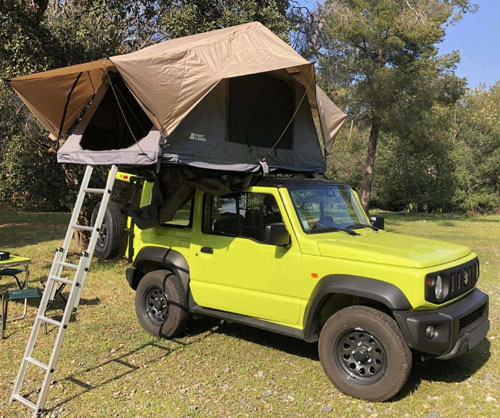
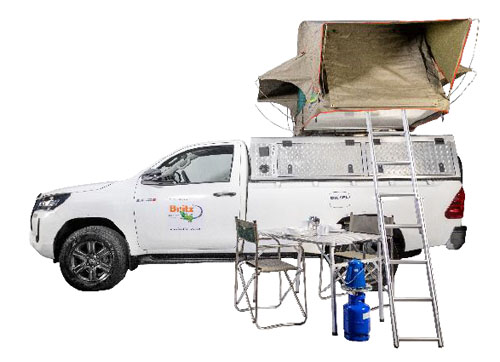
Campervans (Class B) are highly versatile for most Cape Town and Western Cape terrains, easily handling city roads, coastal drives, and paved winelands routes due to their compact size (averaging 5.6 meters) and excellent maneuverability. Motorhomes (Class SI and C) provide superior comfort and amenities for longer journeys on paved major routes like the Garden Route, being well-suited for families or groups, with average lengths around 6.7 meters. A 4x4 Camper, such as a Class TC Truck Camper, is specifically recommended only for true off-road adventures or accessing remote, unmaintained tracks, like those found in parts of the Cederberg. For the popular Garden Route, a 4x4 is generally not necessary unless you plan significant deviations onto challenging gravel roads. Ultimately, match your RV selection to your intended itinerary; a smaller, more fuel-efficient option often aligns best with a cheap RV rental focus for standard touring.
What is the RV Infrastructure Like in South Africa? Dump Stations, Fuel & Repairs
South Africa offers a well-developed RV infrastructure, with abundant fuel stations conveniently located along all major routes and in towns, offering both diesel and petrol. Dump stations for grey and black water are primarily found at established caravan parks, national park campsites, and larger private resorts, so route planning is necessary to access them. Potable water refill points are readily available at most campsites and many rural shops or service stations. Specialized RV repair services can be found in major cities like Cape Town, and general auto mechanics are widespread for addressing common vehicle issues. The popularity of RVing among locals ensures a supportive community and good accessibility to all the necessary services for a smooth journey.
How Can RVers Practice Responsible Tourism and Local Etiquette in Cape Town?
RVers should strictly adhere to 'leave no trace' principles, ensuring proper disposal of all waste at designated points and conserving precious resources like water and electricity. Respect local communities by being mindful of noise levels, particularly in campsites, and always ask permission before photographing people. Maintain a safe and respectful distance from wildlife, never feeding animals, and always observe all regulations within nature reserves. Support the local economy by purchasing fresh produce from markets, dining at local restaurants, and buying goods from local artisans. Importantly, be aware of Cape Town's water scarcity issues and minimize your water usage within your RV to contribute to ongoing conservation efforts.
How to Stay Connected and Access Food While RVing in Cape Town?
Cape Town and the popular tourist routes generally have good cell service from major networks like Vodacom and MTN, though coverage can be spotty in very remote areas. Many campsites, cafes, and restaurants offer Wi-Fi, but purchasing a local SIM card with a data package is highly recommended for consistent connectivity on the road. Access to fresh food is exceptionally easy, with numerous supermarkets (Pick n Pay, Checkers, Woolworths Food) readily available in towns and along major routes. Explore local markets, such as the Neighbourgoods Market, for fresh produce, artisanal foods, and a genuine taste of local culture. Always ensure your RV's water tank is filled with potable water or carry sufficient bottled water, especially when venturing into more remote regions.
What You Shouldn't Miss
- Drive the Cape Peninsula: A breathtaking RV journey encompassing Chapman's Peak Drive, Cape Point, and the Cape of Good Hope, offering dramatic coastal scenery and abundant wildlife.
- Explore the Cape Winelands: Discover the picturesque towns of Stellenbosch, Franschhoek, and Paarl, with opportunities for wine tasting, vineyard tours, and gourmet dining. Many farms offer RV parking.
- Visit Boulders Beach Penguin Colony: Witness the charming African penguins up close at this protected beach, a truly unique wildlife encounter accessible by RV.
- Hike or Cable Car up Table Mountain: Experience iconic views of Cape Town and its surroundings from this natural wonder. RV parking is available at various points around the base.
- Discover the Kirstenbosch Botanical Gardens: Explore this magnificent garden showcasing the diverse flora of the Cape region, with ample space for RV parking nearby.
Final Thoughts
Renting an RV in Cape Town opens up a world of incredible adventures, allowing you to explore at your own pace and immerse yourself in the stunning landscapes of the Western Cape. With careful planning and by choosing the right vehicle for your needs, you can have a comfortable, cost-effective, and unforgettable journey. Remember to book in advance, especially during peak seasons, to secure the best rates and availability.
So, pack your bags, chart your course, and get ready to discover the freedom and flexibility of RV travel in one of South Africa's most beautiful regions. We're confident that with Bandana Caravan, you'll find the perfect RV for your budget and itinerary.
Find Motorhome Rentals in Cape Town