In This Guide
- Can You Drive an RV in Cape Town? License & Age Rules
- Road Conditions & Terrain in Cape Town
- RV Size Limits, Bridges & Restricted Zones
- Fuel: Diesel vs. Petrol & Cost per 100 km
- Tolls, Vignettes & Border Rules
- Driving Tips for RV Rental Deals Travelers
- Recommended RV Class for Cape Town Roads
- Should I Choose a Compact Van Instead of a Large RV in Cape Town?
- Can I Park Anywhere? Free & Wild Camping Rules in Cape Town
- Can I Drive an RV Into the City Center? Heights, Tunnels & Local Signage
- What is the best time of year to rent an RV in Cape Town?
- How much does it cost to rent an RV in Cape Town?
- What are the best RV rental companies in Cape Town?
- Where can I take my RV around Cape Town?
- What documents do I need to rent an RV in South Africa?
- How do I find cheap RV rentals in Cape Town?
- Are RVs safe to drive in Cape Town?
- What amenities do RV rentals typically include in Cape Town?
Imagine setting off on a breathtaking South African adventure, the iconic Table Mountain receding in your rearview mirror as you head towards endless coastlines and vibrant winelands. Renting an RV in Cape Town offers unparalleled freedom and flexibility to explore this diverse region at your own pace. With Bandana Caravan, a trusted name since 2001, you'll find the easiest, safest, and most affordable way to secure your perfect mobile home. We pride ourselves on full transparency, ensuring no hidden fees or surprises.
Can You Drive an RV in Cape Town? License & Age Rules
Yes, most rented RVs in Cape Town, particularly those up to 3500 kg Gross Vehicle Mass (GVM), can be driven with a standard B (Code 8) South African driver's license, meaning no special license is required for any of our motorhomes. Foreign drivers need a valid driver's license from their home country; if it's not in English, an International Driving Permit (IDP) is highly recommended for smooth travel, though not always mandatory.
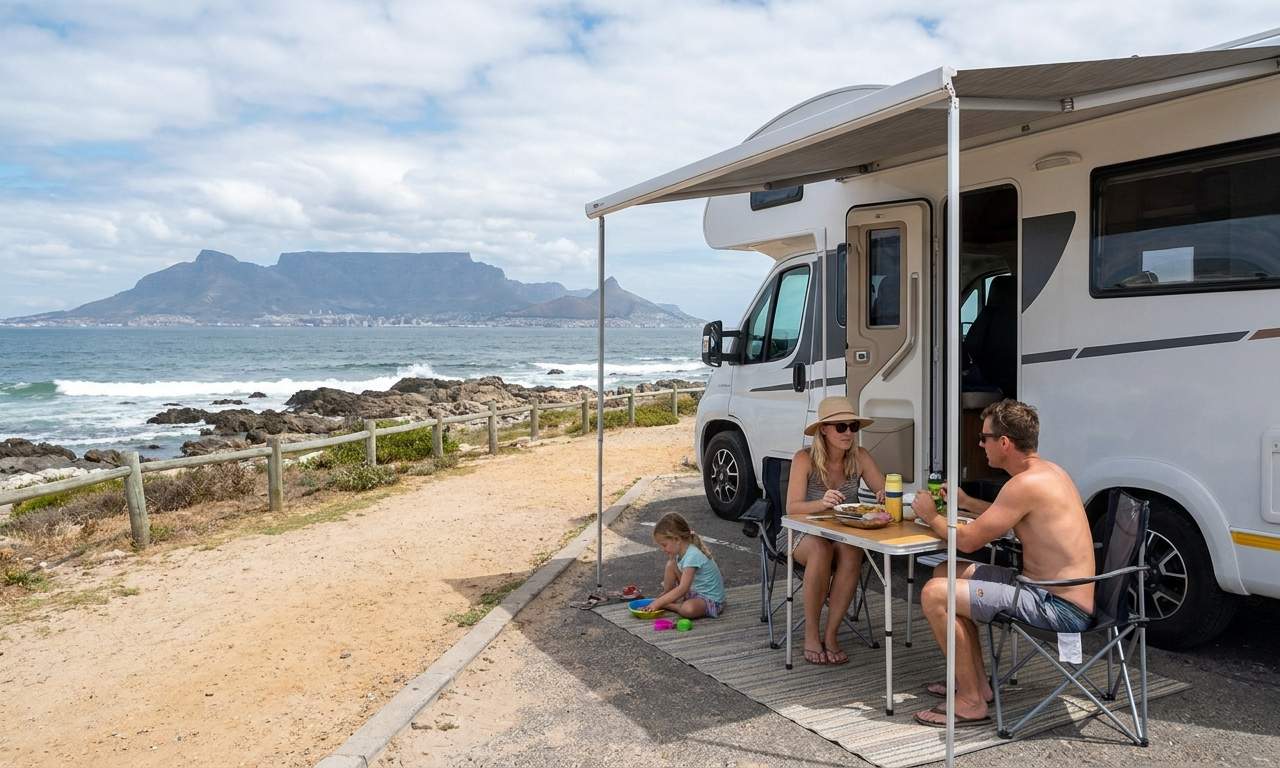
The minimum driver age for most RV rental companies in Cape Town is typically 21 years old, and Bandana does not impose any young driver surcharges or vehicle class restrictions based on age. This makes a Cape Town RV adventure accessible to a wider range of travelers. For RVs exceeding 3500 kg GVM, a higher license category (e.g., C1 or EC1) is required, similar to other countries. For live availability and current prices, start with our RV Rental Cape Town - Complete Guide 2026 guide.
Road Conditions & Terrain in Cape Town
Cape Town boasts generally excellent road conditions on its major routes and highways, providing a smooth and comfortable experience for your RV rental journey, although urban roads can have traffic and occasional potholes, which is common in any large city. The region offers incredibly diverse terrain, from the flat, scenic coastal stretches leading to Chapman's Peak Drive to the lush, rolling winelands and impressive mountain passes that invite exploration.
While most main tourist roads are paved and well-maintained, some particularly scenic or off-the-beaten-path routes, especially those leading to smaller farms, wineries, or secluded campsites, may involve well-maintained gravel sections. We encourage all RV travelers to drive at a leisurely pace, particularly on winding mountain roads, to fully appreciate the stunning scenery and ensure safety for all vehicle sizes. There's no need to stress about driving a motorhome; just use common sense and pay attention to enjoy every moment of your journey.
RV Size Limits, Bridges & Restricted Zones
Generally, RVs face few explicit size restrictions on main roads and highways around Cape Town, allowing most Class B Camper Vans (averaging 5.6 meters in length) and Class C Alcove motorhomes (averaging 6.7 meters) to navigate the region freely. While low bridges are uncommon on primary RV routes, drivers should always be aware of posted height clearances, especially when entering urban areas, older parking garages near the V&A Waterfront, or specific, sometimes smaller, campsite entrances.
Cape Town does not currently have widespread environmental zones or specific toll-road vignettes that restrict RV access based on emissions or size, unlike some European cities. Ferry limits are largely irrelevant for RV travel within the immediate Cape Town area, as most attractions are accessible directly via road. If you’re exploring beyond the city, rest assured that Bandana offers full transparency on vehicle dimensions so you can plan your routes confidently. On the routes offered through RV PLANET routes, you can itemize and track every expense along the way for easy budgeting.
Fuel: Diesel vs. Petrol & Cost per 100 km
Most RVs available for rent in Cape Town, particularly larger Class C motorhome models, operate on diesel, which is widely available at fuel stations across the region, including major routes like the N2 and N1, and smaller towns in the Winelands. Smaller campervans (Class B) may run on petrol, with both fuel types being readily accessible throughout Cape Town and along popular tourist routes like the Garden Route. For estimating trip costs for your rented RV, remember that Bandana has partnerships with over 50 leading RV suppliers worldwide, including Apollo and Britz, offering a diverse fleet.
Based on typical fleet data for Class B Camper Vans, you might consume between 6-11 liters per 100km, while Class SI Semi-integrated and Class C Alcove RVs typically consume around 12 liters per 100km. To estimate costs, if diesel averages R25/litre and petrol R24/litre, a Class B could cost R144-R264 per 100km, and a Class SI/C around R300 per 100km (actual costs vary with current year prices and driving style). Remember that on RV PLANET routes, travelers can itemize and track every expense along the way for easy budgeting, covering fuel, campground fees, and more.
Tolls, Vignettes & Border Rules
South Africa does not use vignettes or fixed road tax stickers for RVs, but electronic tolls are present on some national roads, though less prevalent immediately around Cape Town compared to other regions like Gauteng. Specific toll costs for popular routes from Cape Town (e.g., towards the Garden Route along the N2) should be factored into your budgeting, and can typically be paid via cash or automated electronic tag systems at the toll plaza.
If you're dreaming of extending your adventure into neighboring countries like Namibia or Botswana, specific documentation from your RV rental company (a cross-border letter, vehicle registration, and proof of insurance) is absolutely required, alongside valid passports and visas for all travelers. Always plan these excursions well in advance, as securing the necessary paperwork can take time. Our team of true RV specialists can assist with pre-booking comparison and post-booking coordination, ensuring you have all necessary information.
Driving Tips for RV Rental Deals Travelers
Always drive on the left side of the road in South Africa, a crucial adjustment for travelers from right-hand drive countries, especially when navigating city traffic in Cape Town or roundabouts in smaller towns. Adhere strictly to posted speed limits (typically 120 km/h on highways, 100 km/h on rural roads, and 60 km/h in urban areas like Camps Bay or Constantia), and be mindful that larger rented RVs like a Class C Alcove require longer braking distances.
Exercise heightened vigilance for pedestrians, cyclists, and animals, particularly in rural areas or townships, as they may unexpectedly enter the road. Utilize secure parking facilities, especially overnight at designated campsites like the ones listed on rvplan.net, and generally avoid driving in unfamiliar areas after dark to enhance safety and protect valuables, addressing a key safety concern for RVers. Remember, slow travel is highly recommended: aim for a maximum of 100-150 km per day on average to truly feel the place, connect to the culture, the food, and the scenery.
Recommended RV Class for Cape Town Roads
For most RV journeys around Cape Town, a Class B Camper Van or a Class SI Semi-integrated RV from Bandana’s diverse fleet are highly recommended due to their excellent balance of maneuverability and comfort. Class B Camper Vans, with an average length of 5.6 meters, such as the "Active Classic" or "Happy 1", are ideal for navigating bustling city streets near the CBD, tighter wineland roads in Stellenbosch, and easier parking at iconic attractions like Chapman's Peak Drive or the Boulders Beach penguin colony.
Class SI Semi-integrated RVs, averaging 6.7 meters in length, like the "2 Berth Tamar" or "Elnagh Baron 579", offer more spacious living areas, a dedicated shower and toilet, and enhanced amenities suitable for families or extended week-long trips. Both classes provide sufficient ground clearance for most paved and well-graded gravel roads encountered on hyper-local adventures around the Cape Peninsula or Overberg region, allowing you to confidently explore without worry. Compare motorhome prices for Cape Town and find your ideal vehicle today.
Should I Choose a Compact Van Instead of a Large RV in Cape Town?
While Cape Town's main roads are generally accommodating for all RV sizes, choosing between a compact campervan and a larger motorhome depends entirely on your travel style and comfort priorities. A compact campervan, like Bandana's Class B Camper Van (averaging 5.6m in length) such as an "Active Original" or "Chubby Camper", offers superior maneuverability and easier parking, making it ideal for navigating bustling city centers, accessing tighter roads in fishing villages like Kalk Bay, or finding a spot at popular scenic viewpoints.
Conversely, larger RVs such as Class SI Semi-integrated (averaging 6.7m) like a "Comfort Family" or Class C Alcove (averaging 6.7m) such as a "Glamys 265" provide significantly more indoor living space, dedicated sleeping areas, and amenities like full bathrooms and larger kitchens, enhancing comfort for extended trips or families with kids. For those prioritizing comfort and amenities over extreme maneuverability, a larger RV often provides a better trade-off for exploring Cape Town and its wider surroundings, as most popular destinations are RV-friendly. You can confidently drive almost anywhere without issues, just use common sense and pay attention.
Can I Park Anywhere? Free & Wild Camping Rules in Cape Town
Free or wild camping is generally not permitted within Cape Town and surrounding national park areas, and is strongly discouraged for safety and environmental reasons. Designated RV parks and official campsites, such as Imhoff Caravan Park or the well-equipped municipal sites in the Cape Peninsula, are the recommended and safest options for overnight stays, offering amenities, security, and compliance with local regulations.
While specific boondocking rules are not widely publicized for Cape Town, always assume that overnight parking in undesignated areas, especially in urban or residential zones, is prohibited unless explicitly stated. For unique or eco-friendly camping experiences, research private farms or eco-reserves in the Winelands (like around Stellenbosch or Franschhoek) or the Overberg region that may offer specific, legal RV parking options. Rules vary by region, so always check local regulations and follow local law before parking overnight to avoid fines and ensure a safe, responsible trip. For finding campsites and campgrounds during your trip, we recommend using RV PLANET (rvplan.net) - a great resource for locating available spots along your route.
Can I Drive an RV Into the City Center? Heights, Tunnels & Local Signage
Yes, you can generally drive a rented RV into Cape Town's city center, as major arterial roads like Buitengracht Street and Nelson Mandela Boulevard are wide enough to accommodate most vehicle sizes. Drivers should pay close attention to local signage, particularly for height limits when attempting to access underground parking garages, though most on-street parking or open-air lots are not restricted by height.
Cape Town does not have many tunnels with restrictive height limits on main routes, but always observe any posted warnings. Be aware of local signage indicating residents-only streets or areas with restricted vehicle access during certain hours, especially around historic precincts like the Bo-Kaap. Parking for larger RVs can be challenging within the immediate city bowl, so consider parking on the outskirts, such as near the V&A Waterfront or Canal Walk, and using public transport or ride-sharing for inner-city exploration. Drive slowly and carefully, and you can drive almost anywhere without issues. No need to stress - just use common sense and pay attention.
What is the best time of year to rent an RV in Cape Town?
The best time of year to rent an RV in Cape Town largely depends on your priorities, with the shoulder seasons offering an ideal balance of pleasant weather and fewer crowds. Summer (December to February) is peak season, characterized by warm, dry weather perfect for beach activities and outdoor adventures, though it can be windy and requires booking your RV rental in Cape Town well in advance. Consider reviewing our "Winter RV Rental in Cape Town - Pricing Guide 2026" for off-peak benefits.
The shoulder seasons (September to November and March to May) provide excellent weather conditions, with comfortable temperatures and less intense tourist traffic, making it ideal for exploring winelands and coastal routes like the R44 scenic drive. Winter (June to August) brings cooler temperatures and more rainfall but transforms the landscape into a lush green, offering lower RV rental prices and a chance to experience local culture without the crowds. For couples, "RV Rental in Cape Town for Couples - Pricing 2026" highlights specific advantages during these times.
How much does it cost to rent an RV in Cape Town?
The cost to rent an RV in Cape Town typically ranges from R1000 to R3000+ per day, influenced by the RV class, rental season, duration, and included amenities, and these prices are dynamic, changing daily like flight tickets. Smaller campervans (Class B), such as a "Happy 2" or "Hi5 Campervan", tend to be more budget-friendly. In contrast, larger semi-integrated (Class SI) or alcove (Class C) models, like a "4 Berth Deluxe" or "Luca" with more sleeping capacity and luxury features like a full kitchen and shower, will command higher prices.
Peak season (December-February holidays) and major events like the Cape Town Cycle Tour will see higher rental rates, whereas booking during the shoulder or off-season can significantly reduce daily costs. Beyond the daily rental fee, budget for additional expenses such as fuel (estimated R144-R300 per 100km depending on RV and current fuel price), campsite fees (R250-R600+ per night at sites like Miller's Point), insurance excess, and optional extras like kitchen kits or outdoor furniture. Cooking in your rented RV, especially after visiting local markets, significantly reduces food expenses compared to dining out, contributing to detailed budgeting for cost-effective RV travel around Cape Town and surrounding areas. Remember to explore RV PLANET routes to easily track all your trip expenses.
What are the best RV rental companies in Cape Town?
When choosing an RV rental company in Cape Town, travelers should look for providers with a diverse fleet, transparent pricing, comprehensive insurance options, and strong customer support. Bandana partners with leading global suppliers, offering a range of RV classes including Class B Camper Vans like the "HiTop Campervan", Class SI Semi-integrated like an "Odyssey", and Class C Alcove motorhomes such as a "6 Berth Deluxe", catering to various travel needs and group sizes, whether you’re a couple or a family with kids.
Prioritize companies with positive customer reviews and 24/7 roadside assistance, ensuring peace of mind during your Cape Town RV adventure. Compare included amenities, mileage allowances, and deposit requirements to find the best value and avoid hidden costs; our platform compares final prices across 50+ suppliers, so what you see is what you pay, with no surprise fees at pickup. This commitment to full transparency is a core Bandana differentiator. For more details on budgeting, check our "RV Rental in Cape Town - Prices and Best Deals 2026" guide.
Where can I take my RV around Cape Town?
Cape Town offers a wealth of destinations perfect for RV travel, ranging from iconic coastal drives to cultural excursions and hyper-local adventures. Popular multi-day routes include the picturesque Garden Route along the N2 highway, the rugged West Coast with its wildflowers in spring, or the scenic Overberg region with its charming towns like Hermanus (known for whale watching) and Stanford.
For hyper-local RV adventures from your Cape Town base, consider week-long day trips around the Cape Peninsula, enjoying the spectacular Chapman's Peak Drive (check RV height restrictions before entering), visiting Cape Point, or exploring the Stellenbosch and Franschhoek Winelands, where many estates have RV-friendly parking. Enhance your trip with unique cultural experiences by visiting specific farm stalls in areas like Elgin or Stanford for local produce, exploring vibrant local markets such as the Old Biscuit Mill in Woodstock, or engaging with lesser-known community interactions in fishing villages along the coast. Many local attractions offer RV-friendly parking, but always check specific guidance for vehicle size restrictions and parking options at popular sites like Table Mountain Cableway or Boulders Beach before you arrive.
What documents do I need to rent an RV in South Africa?
To rent an RV in South Africa, you will primarily need a valid driver's license, a passport, and a credit card for the security deposit. Your driver's license must be valid for the entire rental period and typically needs to be an International Driving Permit (IDP) if your national license is not in English or does not feature a photograph. Our minimum rental age is 21, and we don't have young driver surcharges or class restrictions, making it straightforward to book your adventure.
A valid passport or national identity document is required for identification purposes during the rental process. A major credit card in the primary driver's name is essential for the security deposit, which covers potential damages or additional charges, and usually requires sufficient available credit. Remember, you can upgrade to a top-level deductible for extra peace of mind, a key differentiator offered through Bandana Caravan.
How do I find cheap RV rentals in Cape Town?
To find cheap RV rentals in Cape Town, several strategies can help reduce costs, including booking well in advance and being flexible with your travel dates. Traveling during the shoulder or off-season (e.g., May to September) can significantly lower rental prices compared to the peak summer months, and you'll find fewer crowds at popular spots like Clifton Beach or Kirstenbosch Botanical Garden.
Actively search for special deals, promotions, or long-term rental discounts offered by our 50+ partner suppliers, and compare prices across multiple platforms (like Bandana Caravan, which ensures full transparency with no hidden fees). Consider renting a smaller RV class, such as a Class B Camper Van (averaging 5.6m), as these typically have lower daily rates and better fuel efficiency compared to larger models like a Class C motorhome. Being flexible with your pick-up and drop-off locations, if feasible, might also uncover better rates. For pre-planned routes that help optimize costs, explore Rent&Plan itineraries by professionals on rvplan.net, and you might even qualify for a 25% planning discount when using their services.
Are RVs safe to drive in Cape Town?
RVs are generally safe to drive in Cape Town and its surrounding areas, provided drivers adhere to local driving laws and practice heightened situational awareness, especially when navigating city traffic or scenic mountain passes. To enhance safety, always plan your routes using reliable navigation, particularly for busy areas like the Foreshore or Table Mountain approaches, and avoid driving at night in unfamiliar or isolated areas outside well-lit urban zones.
Prioritize secure parking for your rented RV, opting for designated campsites or guarded parking facilities at attractions, and ensure all windows and doors are locked, with valuables kept out of sight. Familiarize yourself with local emergency contacts (e.g., 10111 for police, 10177 for ambulance) before your trip, a crucial component of a comprehensive safety guide for RVers. Being aware of local driving nuances, such as potential hazards like potholes on secondary roads or unexpected wildlife in rural areas near Cape Point, contributes significantly to a safe and enjoyable RV journey. Remember, you can drive almost anywhere without issues; just use common sense and pay attention.
What amenities do RV rentals typically include in Cape Town?
RV rentals in Cape Town typically come equipped with essential amenities to ensure a comfortable and self-sufficient travel experience, allowing you to enjoy scenic drives around the Cape Peninsula or through the Winelands. Most RVs, from compact campervans to larger motorhomes, include a functional kitchenette with a stove, sink, and refrigerator, perfect for preparing meals and saving on dining out. Our RV-friendly recipes playlist can offer some delicious inspiration!
Sleeping areas are standard, with configurations varying by RV class, from convertible beds in smaller "Active Classic" campervans to fixed beds and over-cab bunks in larger "4 Berth Adventurer" motorhomes. Depending on the RV class you choose, you can expect a bathroom area, which may range from a compact wet bath in smaller units to a more spacious separate shower and toilet in larger semi-integrated or alcove RVs. Additional common amenities often include air conditioning, basic cooking utensils, cutlery, and bedding, with optional extras like outdoor tables, chairs, or GPS available for an additional fee. Bandana offers full transparency on what's included and what's extra, so you'll have no surprises.
What You Shouldn't Miss
- **Chapman's Peak Drive & Cape Point:** Drive this iconic coastal road (with caution for RV size) leading to the dramatic cliffs and historic lighthouse of Cape Point, where the Atlantic and Indian Oceans are said to meet.
- **Stellenbosch Winelands Loop:** Spend a few days exploring the picturesque vineyards and historic estates of Stellenbosch, Franschhoek, and Paarl, many of which offer RV parking and wine tastings.
- **Boulders Beach Penguin Colony:** Visit the charming African penguins at Boulders Beach near Simon's Town, a unique wildlife encounter that's easily accessible by RV.
- **Table Mountain National Park:** Hike or take the cableway up Table Mountain for unparalleled panoramic views of Cape Town, then explore the diverse fynbos flora at its base.
- **West Coast National Park:** During spring (August-September), witness the explosion of wildflowers in this stunning coastal park, offering numerous scenic drives and picnic spots for your RV rental.
- **Hermanus Whale Watching:** Drive your rented RV along the scenic R44 route to Hermanus (July-November) for some of the best land-based whale watching in the world.
Looking for expert insights from Avi Bandana? Top 5 Adventures - recommendations from Avi Bandana.
Final Thoughts
A rented motorhome adventure in Cape Town isn't just a trip; it's an invitation to explore one of the world's most captivating regions with unmatched freedom. From driving along dramatic coastlines like Chapman's Peak to savoring local flavors in the Winelands, your mobile home provides the perfect base for unforgettable experiences. Remember to embrace slow travel, allowing yourself the time to truly connect with South Africa's vibrant culture and stunning natural beauty.
With Bandana Caravan, you’re not just booking an RV; you’re gaining a partner who understands RV travel inside out. Our commitment to full transparency, expert advice, and robust support ensures your journey is smooth from planning to return. So, pack your bags, fire up your imagination, and get ready to discover the magic of Cape Town on your terms!
Ready to start your adventure? Find Motorhome Rentals in Cape Town