In This Guide
- Where to Camp in New Zealand - Top Options
- Campground Types in New Zealand (National, Private, Wild)
- Featured RV Park or Campground in New Zealand
- Hookups & Amenities - What to Expect
- Booking Windows & Reservations in New Zealand
- Nearby Supermarkets & Resupply Points
- Best RV Class for Camping in New Zealand
- How to Save on Campgrounds in New Zealand
- Can I park my motorhome anywhere in New Zealand?
- How much does it cost to park a campervan in New Zealand?
- Can you free camp anywhere in New Zealand?
- Does New Zealand have RV parks?
- How much does it cost to stay at a campground in New Zealand?
- Can you sleep in a camper anywhere in NZ?
- Is New Zealand RV friendly?
- Do you need a special license to drive an RV in New Zealand?
- Can you still free camp in New Zealand?
- Do you need to pre-book campsites in New Zealand?
New Zealand, with its breathtaking landscapes and friendly atmosphere, is a dream destination for a motorhome adventure. Imagine waking up to the sound of crashing waves on the North Island, or the majestic silence of a South Island fjord. Traveling with a rented RV gives you the freedom to explore at your own pace, creating unforgettable memories around every bend in the road. For live availability and current prices, start with our RV Rental New Zealand - Complete Guide 2026 guide.
Where to Camp in New Zealand - Top Options
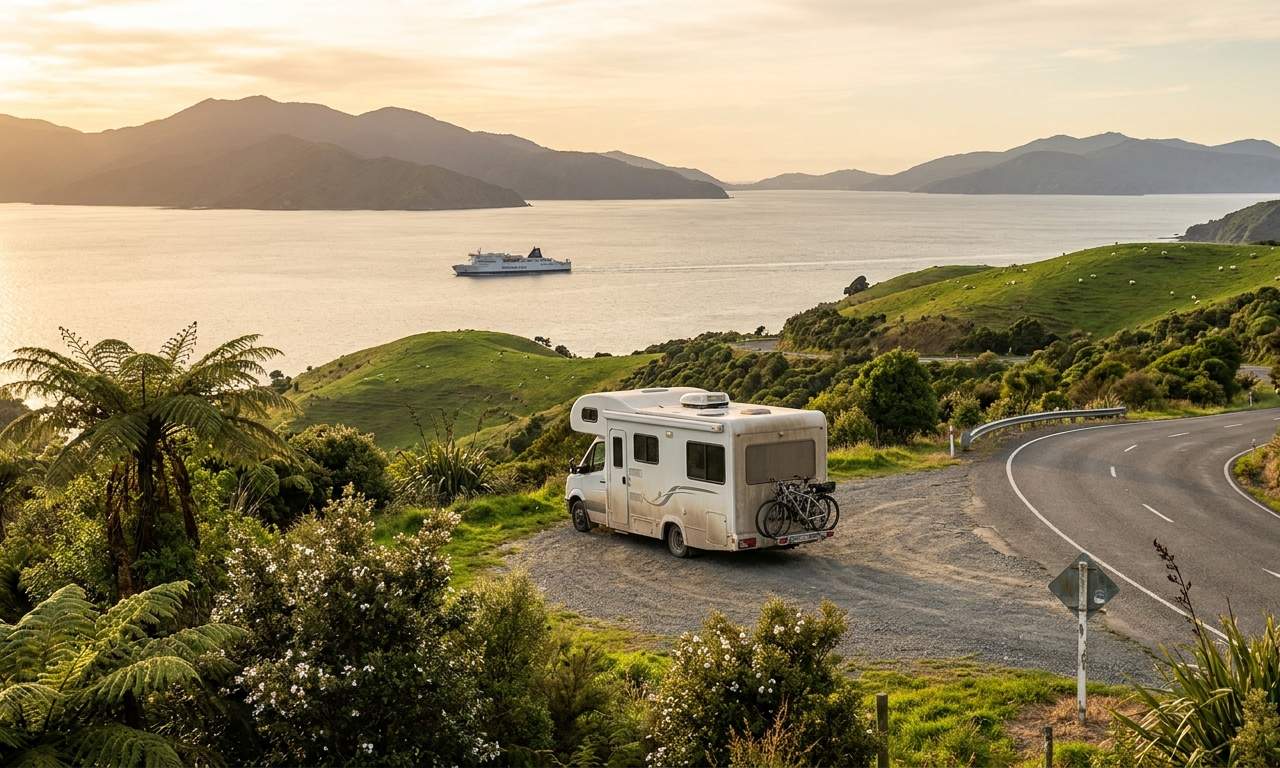
New Zealand offers diverse camping experiences across its stunning landscapes, with top options ranging from scenic Department of Conservation (DOC) sites to private holiday parks. The North Island provides highlights like the geothermal areas around Rotorua, the coastal beauty of Coromandel, and the volcanic landscapes of Tongariro National Park, all easily accessible with a rented campervan. Meanwhile, the South Island offers dramatic scenery in Queenstown, the majestic fjords of Fiordland National Park (which features 5 hiking areas), and the rugged beauty of the West Coast. With options varying from coastal beachfront sites to alpine retreats, there's truly something for every preference and RV size.
We always recommend slow travel in New Zealand, averaging a maximum of 100-150 km per day. This allows you to truly immerse yourself in the culture, savor the local food, and connect with the incredible scenery without feeling rushed. Many of our partner suppliers, including Britz and Apollo, offer comprehensive RVs perfect for extended trips, ensuring you have all the comforts of home as you explore. For finding campsites and campgrounds during your trip, we recommend using RV PLANET (rvplan.net) - a great resource for locating available spots along your route.
Campground Types in New Zealand (National, Private, Wild)
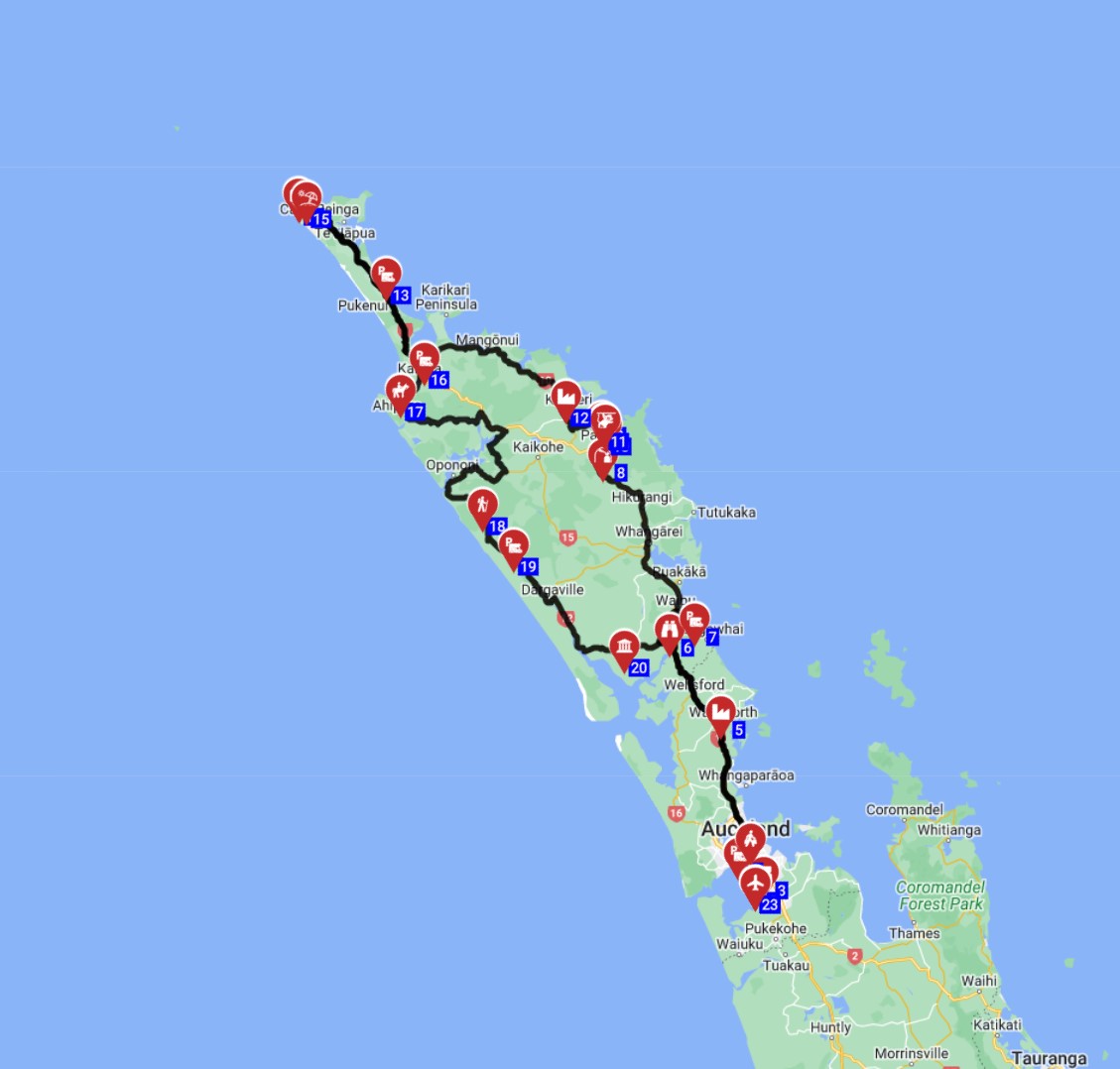
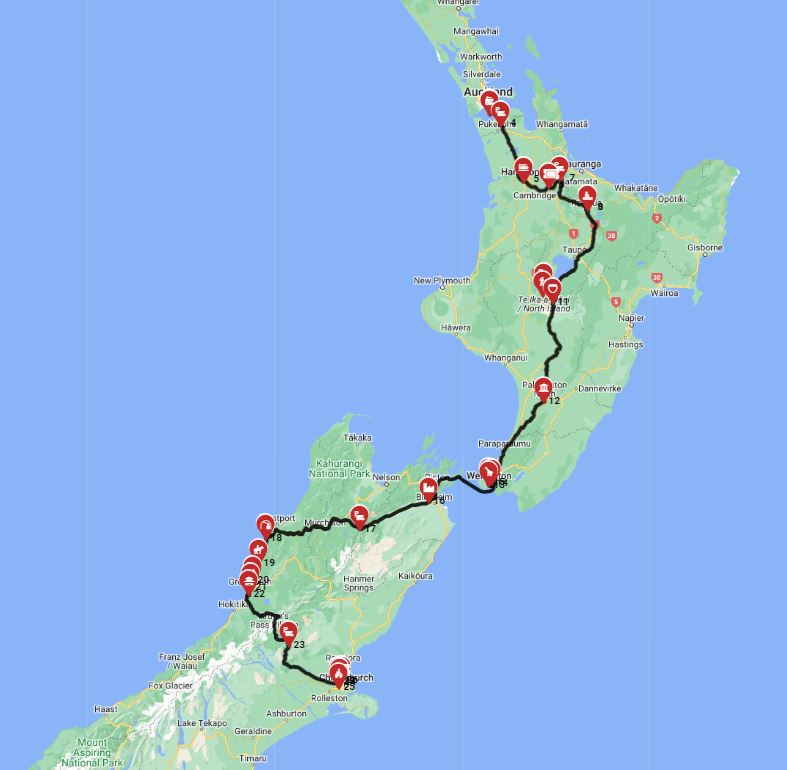
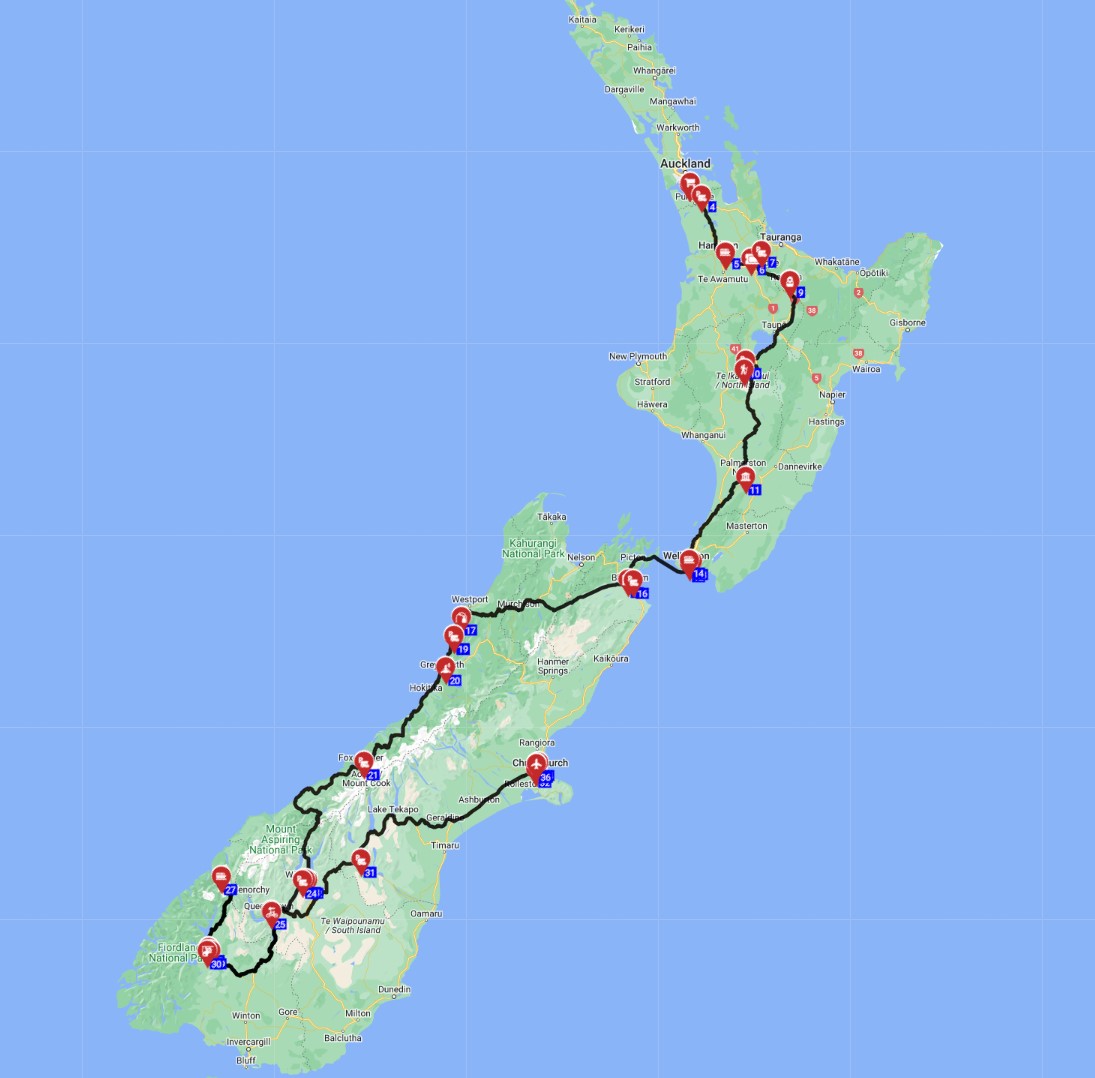
New Zealand features three primary types of campgrounds: national park (DOC) sites, privately-owned holiday parks, and designated freedom camping areas, each with distinct rules and amenities. Department of Conservation (DOC) Campsites are often basic, scenic, and located in national parks or conservation areas, costing NZD$8-15 per adult per night for unpowered sites. These sites are perfect for those seeking an authentic wilderness experience, offering minimal facilities but maximum natural beauty. Many DOC sites, for example, along the "
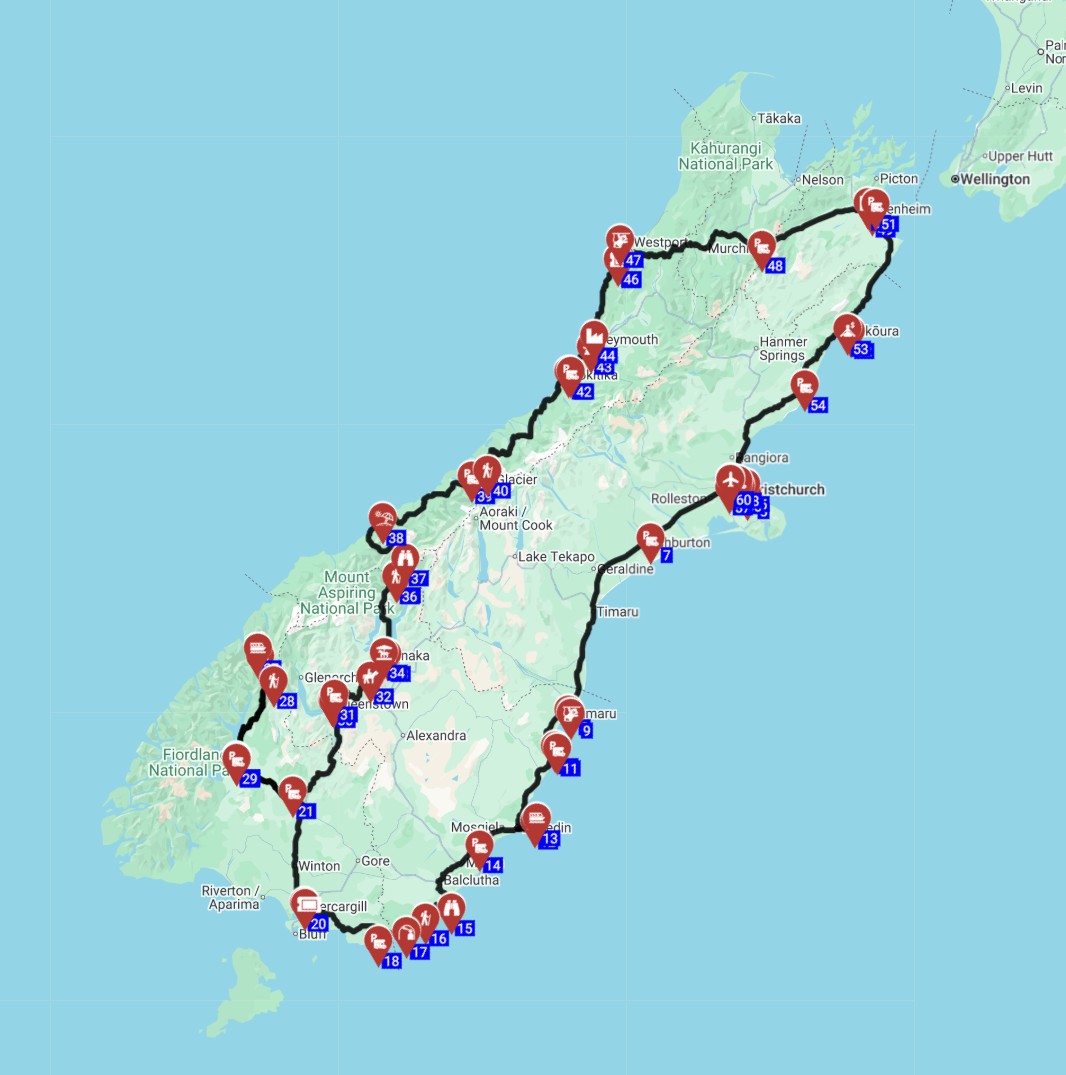
Private Holiday Parks, such as those found in popular areas like Queenstown or Rotorua, offer a full range of amenities including powered sites, dump stations, communal kitchens, laundry facilities, and often playgrounds or pools, at a higher cost of NZD$20-80 per night for a powered site. These are ideal if you appreciate convenience and connection. Freedom Camping is permitted only in designated areas for certified self-contained vehicles, adhering to strict national and local bylaws. Illegal freedom camping carries significant penalties (often NZD$200-$400 fines), so always ensure your rented motorhome meets the self-containment standards. On the routes offered through RV PLANET routes, you can itemize and track every expense along the way for easy budgeting.
Featured RV Park or Campground in New Zealand
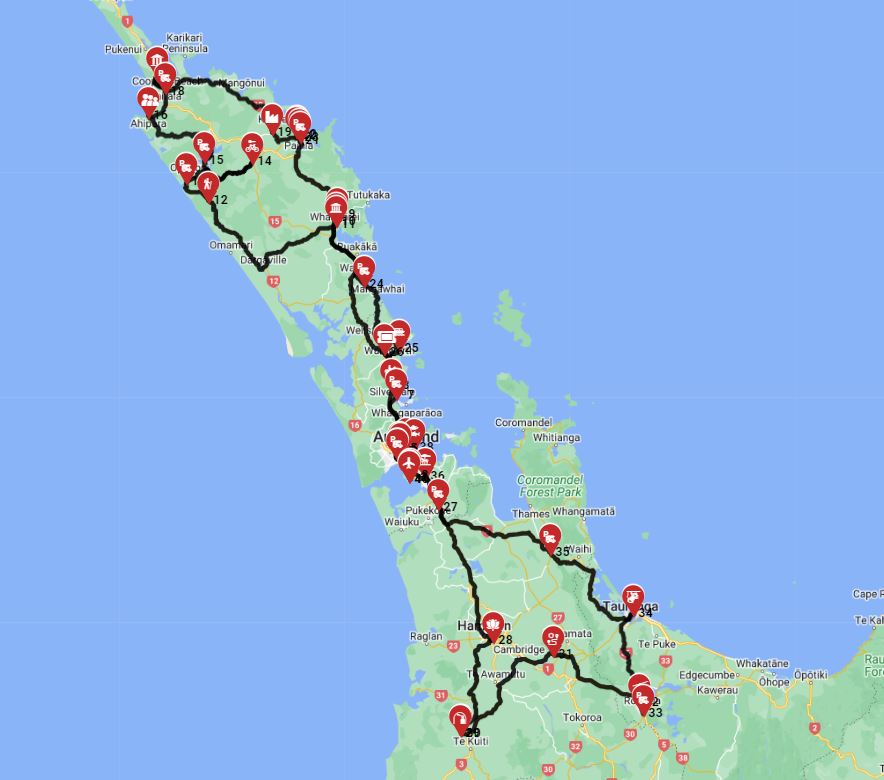
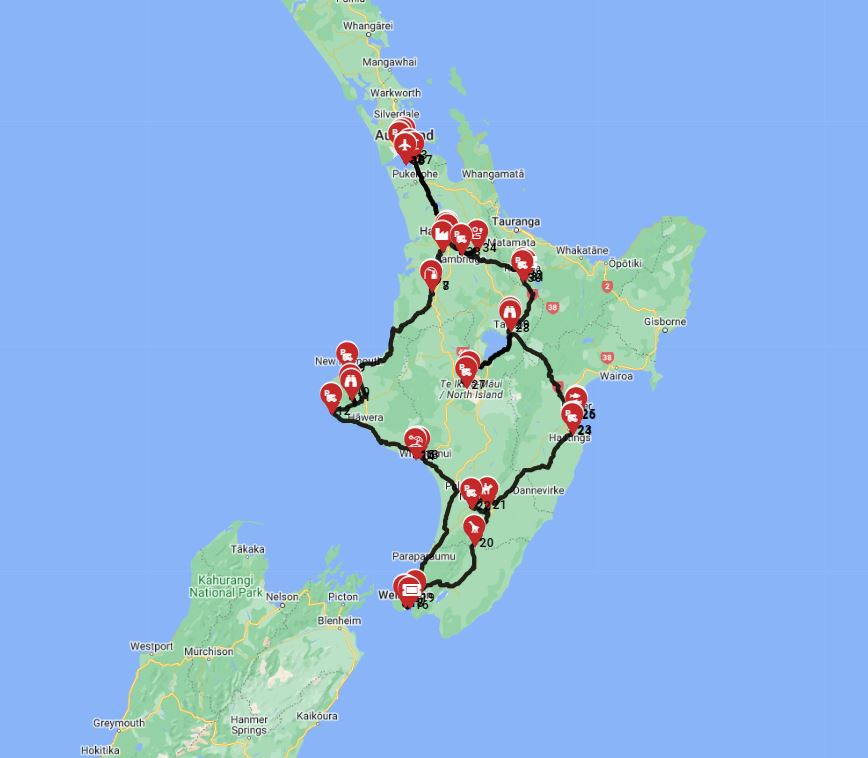
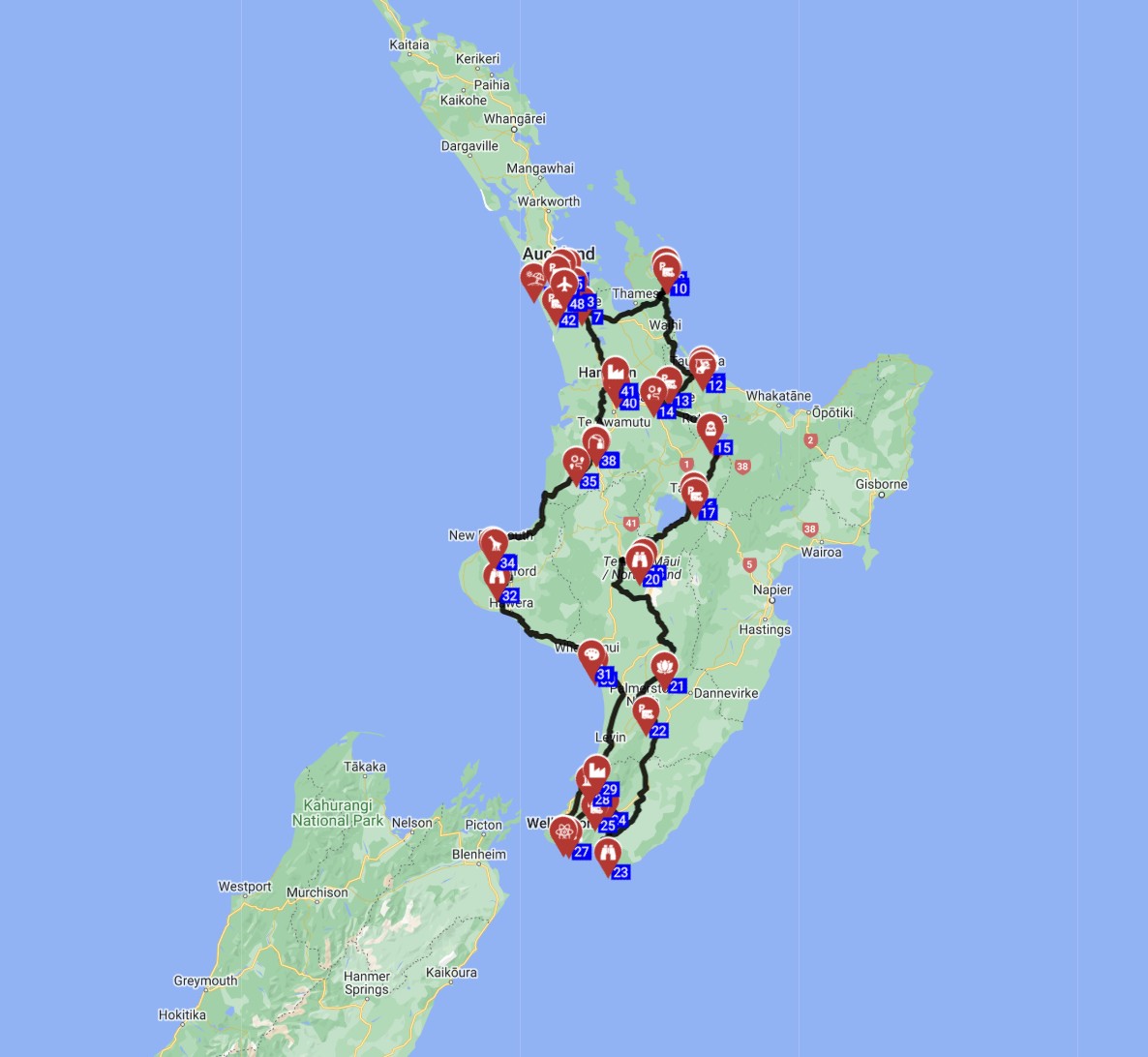
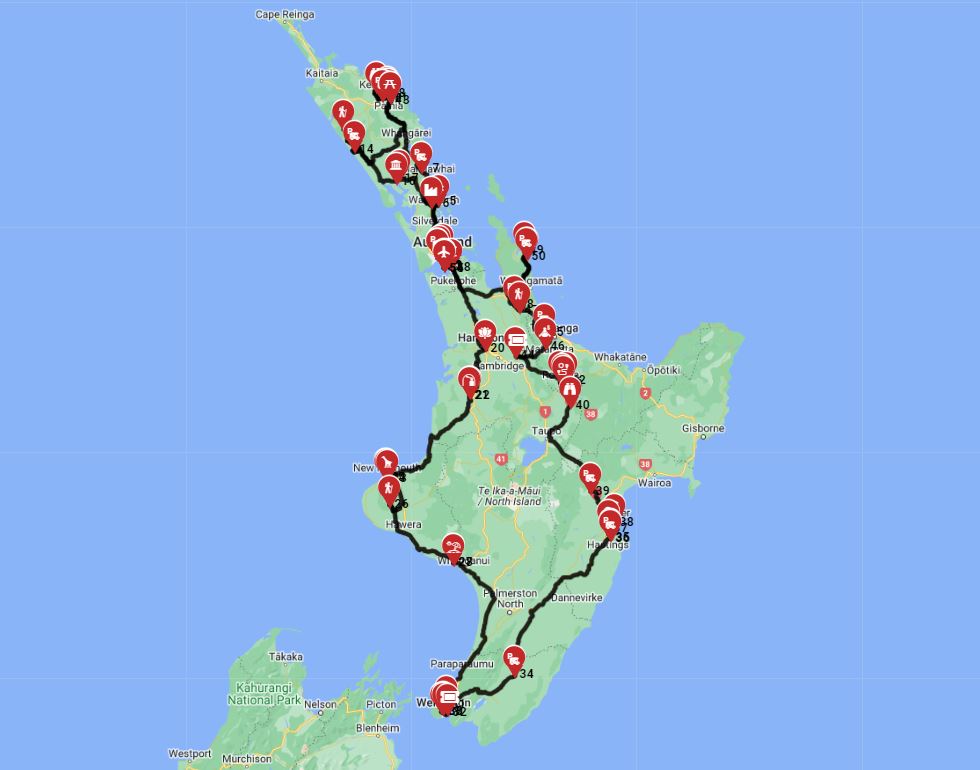
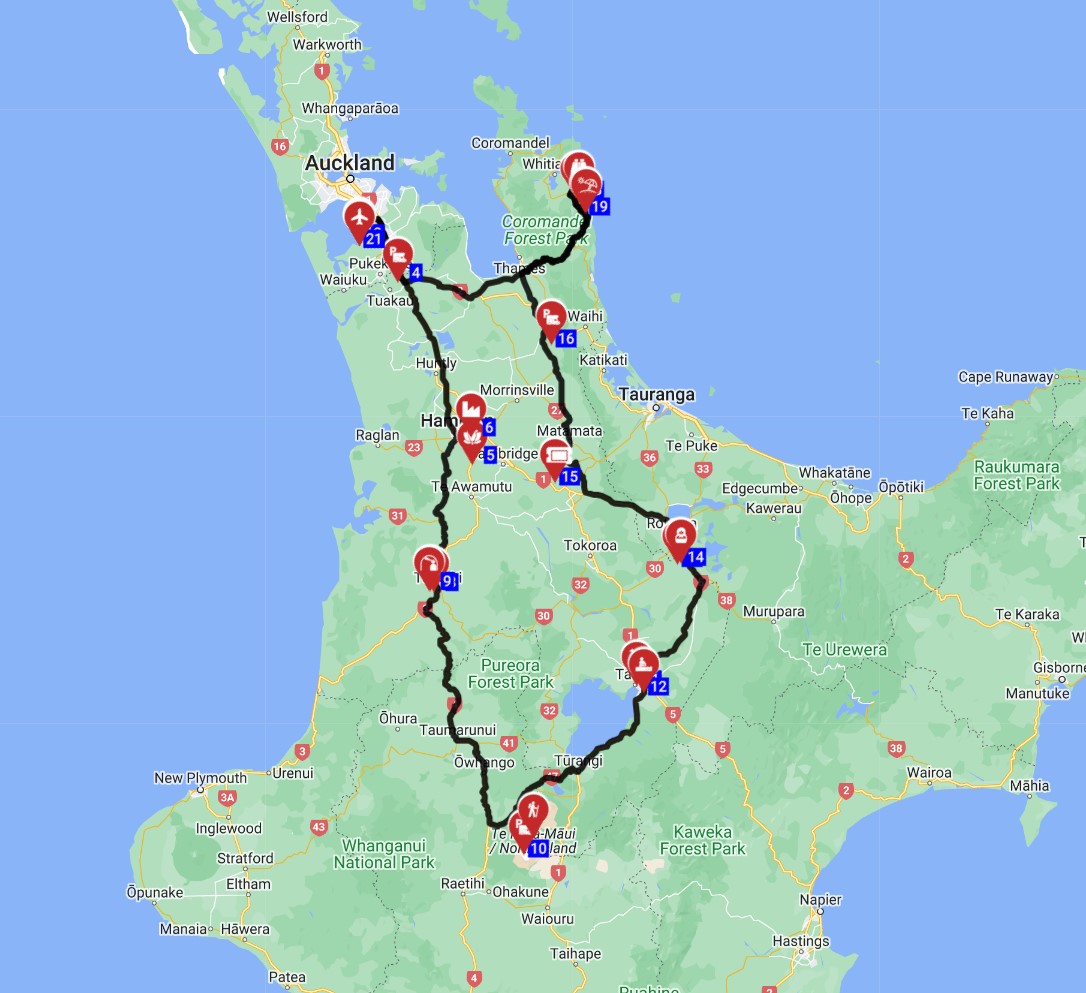
When choosing an RV park in New Zealand, look for properties that offer a balance of amenities, scenic location, and accessibility to local attractions. For example, the Top 10 Holiday Park group offers over 45 locations nationwide, providing reliable quality and a range of facilities. Prioritize parks with positive traveler reviews and essential amenities like 240V powered sites, fresh water connections, and dump stations, which are common at most reputable sites. Consider proximity to major sights or activities you plan to visit, such as the 1 Aquarium and 4 Animals Show / Wildlife watch opportunities along the "
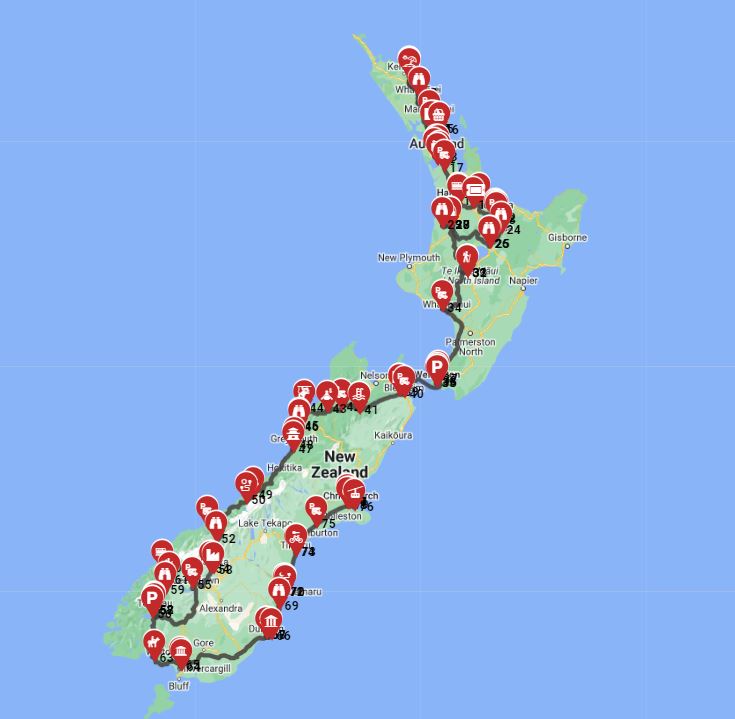
Many top holiday parks also offer additional facilities such as communal kitchens, BBQ areas (perfect for cooking your own meals; check out our RV-friendly recipes playlist for inspiration), and children's play equipment, enhancing your overall experience. Some even offer exclusive discounts for longer stays. Our direct partnerships with over 50 leading RV suppliers worldwide, including Apollo and Britz, ensure you have a wide range of well-maintained motorhomes and campervans to choose from, perfectly suited for New Zealand's diverse camping options.
Hookups & Amenities - What to Expect
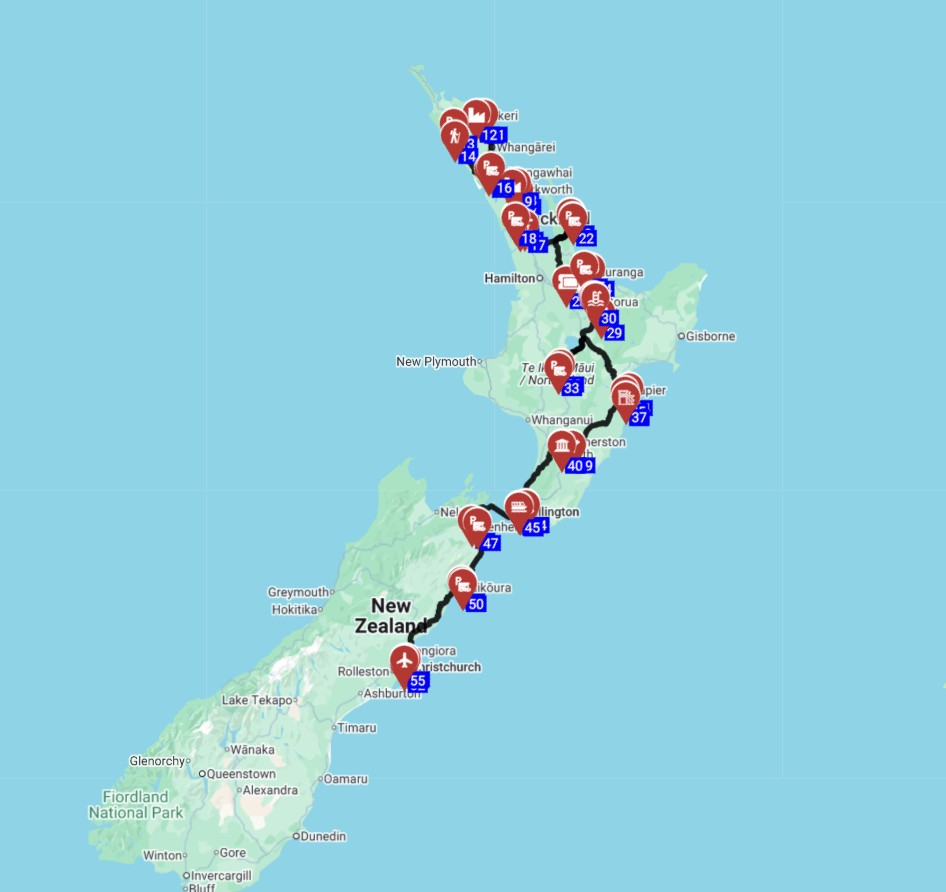
Most New Zealand RV parks and powered sites offer essential hookups including 240V electricity, fresh water connections, and convenient grey/black water dump stations. This comprehensive infrastructure makes extended road trips, like the "
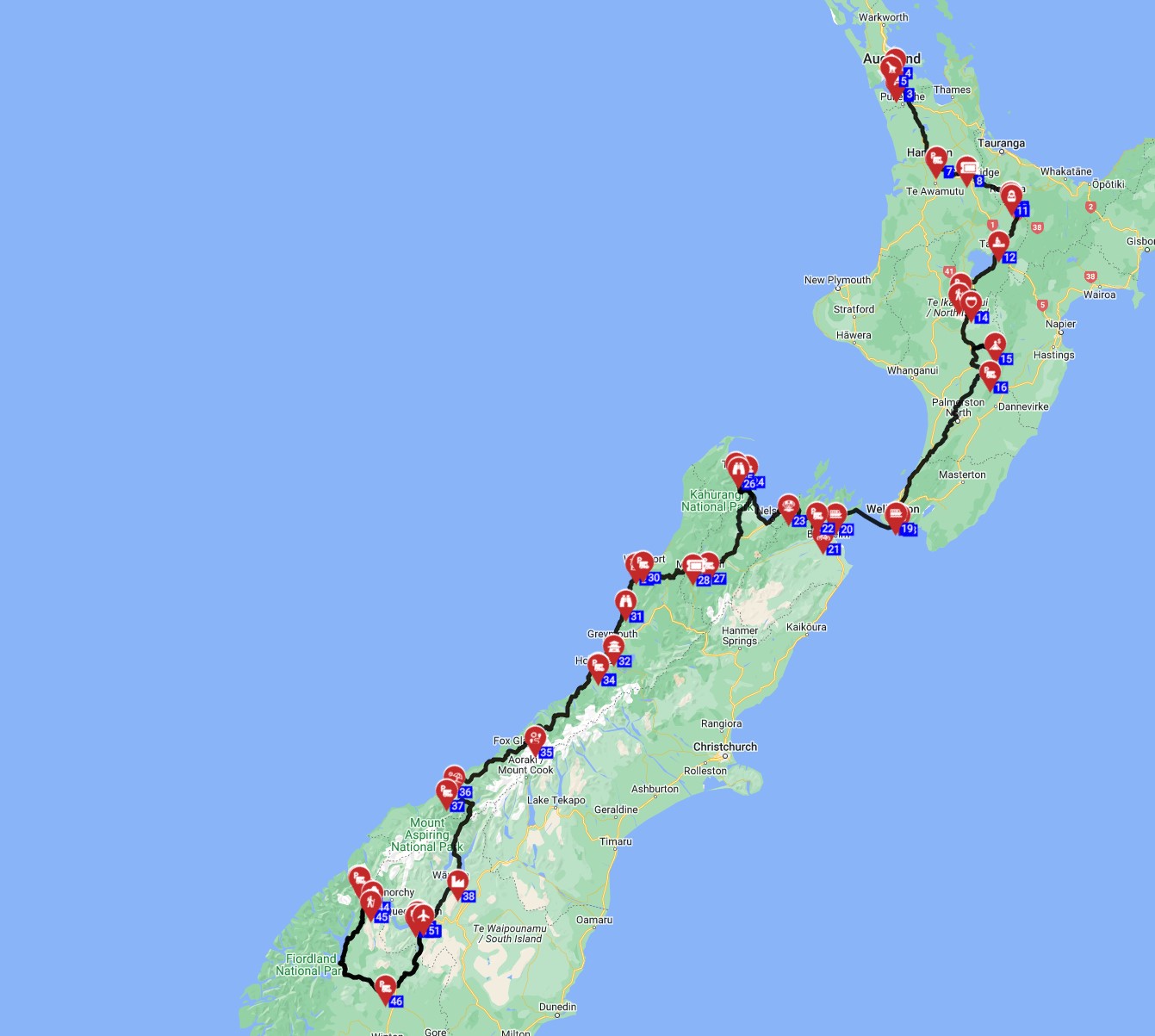
Dump stations are essential for grey and black water disposal and are found at most holiday parks, some DOC sites, and dedicated public facilities. You can easily locate these using apps like CamperMate or WikiCamps NZ. While WiFi is often available at private holiday parks, it might come at an additional cost or with data limits; consider a local SIM card for more consistent connectivity. Coin-operated laundry facilities and clean, shared shower/toilet blocks are standard at holiday parks, offering convenience after a day of exploring a hiking area or a beach. LPG (propane) for cooking and heating is also widely available for refill at gas stations and specialized outlets across both the North and South Islands.
🎬 Video coming soon
Booking Windows & Reservations in New Zealand
For popular New Zealand campgrounds, particularly Department of Conservation (DOC) sites and private holiday parks in peak season, it is highly recommended to book several months in advance to secure a spot. Peak season in New Zealand, running from December to February, sees high demand, especially around Christmas and New Year, meaning bookings for this period should ideally be made 3-6 months ahead to avoid disappointment and potentially save up to 30% on rates. Shoulder seasons (March-May and September-November) offer more flexibility, but pre-booking a few weeks out for popular destinations like Fiordland National Park is still advisable.
Some DOC Campsites can be fully booked online, while others reserve only 25-30% of spots for online reservation, with the remainder available on a first-come, first-served basis. This means spontaneous travel is certainly possible, particularly outside peak times, but it's always wise to call ahead to check availability before driving to a remote campground. Our expertise, honed over 25 years in RV travel, emphasizes that planning your route and booking popular campsites in advance for your rented motorhome ensures peace of mind, allowing you to focus on the journey rather than logistics.
Nearby Supermarkets & Resupply Points
Travelers in New Zealand can easily resupply their RVs at major supermarket chains like Countdown, Pak'nSave, and New World, which are found in most towns and cities across both the North and South Islands. These supermarket chains are ubiquitous in urban and suburban areas, offering a full range of groceries and supplies to keep your rented campervan well-stocked for your adventures. Pak'nSave is generally known for being the most budget-friendly option, perfect for saving on trip costs, while New World often stocks a wider variety of gourmet items for those looking for something special.
Look for local farmers' markets in larger towns for fresh, seasonal produce and unique local foods to enhance your RV cooking experience. Fuel stations throughout the country also often include convenience stores for quick top-ups of essential items. Planning your resupply stops along your route, perhaps using RV PLANET routes to itemize and track every expense, helps with budgeting and ensures you're always prepared for the next leg of your journey in a rented motorhome. With Bandana Caravan, you benefit from full transparency with no hidden fees, making it easier to manage your overall trip costs.
Best RV Class for Camping in New Zealand
For camping in New Zealand, Class B Camper Vans and Class SI Semi-integrated RVs from Bandana's fleet offer excellent choices, balancing maneuverability with comfort for diverse itineraries. Class B Camper Vans, like the "Active Pop Top" (a 4-berth campervan), are ideal for couples or small families, averaging 2.7 adults and 3.2 sleeping places. With an average length of 5.8m and fuel consumption typically ranging from 8-10 Liters/100 km, they are highly maneuverable on New Zealand's winding roads and fit into smaller, often more secluded, freedom camping spots. For instance, the "Condo" campervan, with a length of 4.7m and fuel consumption of 10-12 Litres per 100km, is perfect for navigating tight spots and accessing more remote scenic areas.
Class SI Semi-integrated motorhomes, such as the "K2D" (a 3-berth motorhome with 3 seatbelts) which has a length of 6.99m and fuel consumption of 12-14 Liters/100km, provide a good balance of living space and maneuverability for small families or groups, averaging 3.4 adults and 3.8 sleeping places. These vehicles offer more comfort while still being manageable for most roads and campgrounds. While larger options like Class C (e.g., the "4 Berth Adventurer" at 7.4m) and Class A (both averaging 7.5m in length) are available, their increased length may limit access to some very narrow roads or smaller, more remote Department of Conservation campgrounds. Selecting the right size rented camper is key to enjoying your adventure.
How to Save on Campgrounds in New Zealand
To save on campground costs in New Zealand, leverage discount programs, choose off-peak travel, and opt for more budget-friendly campground types. Utilizing discount cards, often available for purchase or included with certain holiday park memberships, can offer significant savings on participating private holiday parks. Traveling during the shoulder season (March-May, September-November) offers lower rates and fewer crowds compared to peak summer. For instance, booking a rented campervan in April rather than January could reduce your daily costs by 15-20%.
Prioritize Department of Conservation (DOC) campsites, which are often significantly cheaper (NZD$8-15 per adult per night) or even free for designated self-contained freedom camping spots. Look for municipal or regional campgrounds that may offer better value than larger private resorts. Many private campgrounds also offer weekly rates that are more economical than nightly stays, so consider staying 3+ nights in one location. If traveling with another RV, inquire about sharing hookups if the campground permits, potentially splitting costs. Remember, Bandana Caravan offers unparalleled personal experience and attention to the smallest details, helping you find the easiest, safest, and most affordable way to rent an RV, and allowing you to compare final prices across 50+ suppliers to secure the best deals.
Can I park my motorhome anywhere in New Zealand?
No, you cannot park your motorhome anywhere in New Zealand; parking and camping are strictly regulated by national and local bylaws, especially concerning freedom camping. Overnight parking is only permitted in designated freedom camping areas or official campgrounds and holiday parks. For freedom camping, your rented motorhome must be certified as 'self-contained' and display the official blue sticker. This certification, governed by the Freedom Camping Act 2026, requires a minimum 3L capacity for a fixed or portable toilet, a 12L greywater tank, and a 9L freshwater tank per person for 3 days.
Parking in prohibited areas, private land without permission, or specific urban parking lots can result in significant fines, often ranging from NZD$200-$400. Always check local signage and use official apps like CamperMate or WikiCamps NZ to find legal parking and camping spots to ensure you comply with regulations. Our RV specialists are here to provide support before and after your booking, ensuring you have all the information needed to travel responsibly and avoid any surprises.
How much does it cost to park a campervan in New Zealand?
The cost to park a campervan in New Zealand varies significantly, ranging from free at designated freedom camping spots to NZD$20-80 per night at commercial holiday parks. For example, Department of Conservation (DOC) Basic Campsites typically cost NZD$8-15 per adult per night, offering minimal facilities in scenic locations, while DOC Serviced Sites cost NZD$15-25 per adult per night with some amenities like flush toilets and potable water. Private Holiday Parks, offering extensive amenities, range from NZD$20-80 per night for a powered site, with premium locations in places like Queenstown sometimes exceeding this during peak season.
Additional costs to factor in include average fuel costs: Bandana's Class B Camper Vans typically consume 8-10 L/100km, while Class SI motorhomes consume 10-11 L/100km. A ferry crossing between the North and South Islands via Interislander or Bluebridge can cost NZD$200-500 depending on vehicle size and season. Some public dump stations may charge a small fee (NZD$5-10) if you are not staying at their associated park. These ancillary costs can be easily tracked and itemized through RV PLANET routes to ensure easy budgeting for your trip. For accurate current RV rental prices in New Zealand, check our RV Rental in New Zealand - Prices and Best Deals 2026 guide.
Can you free camp anywhere in New Zealand?
No, you cannot free camp anywhere in New Zealand; freedom camping is strictly permitted only in designated areas and requires your vehicle to be certified self-contained. A 'self-contained' rented motorhome must prominently display the official blue sticker, indicating it meets the specific standards for onboard water and waste storage. This includes a fixed or portable toilet with a minimum 3L capacity per person for 3 days, a greywater tank of at least 12L per person for 3 days, a freshwater tank of at least 9L per person for 3 days, and a sealable rubbish bin.
Local council bylaws, which can differ significantly by region (e.g., Queenstown Lakes District has stricter rules than some rural areas), specify where freedom camping is allowed or prohibited. Ignoring these regulations not only leads to significant fines, typically NZD$200-$400, but also impacts the country's efforts to maintain its pristine natural environment and a positive experience for all visitors. Always rely on official resources and apps to accurately locate legal freedom camping sites to ensure responsible and enjoyable travel. Our Rent&Plan service can also help you identify suitable campsites along pre-planned routes for your rented campervan in New Zealand.
Does New Zealand have RV parks?
Yes, New Zealand has an extensive and well-developed network of RV parks, locally known as holiday parks or motor camps, which offer a wide range of facilities for motorhome travelers. Hundreds of holiday parks operate nationwide, including major chains like Top 10 Holiday Parks and Kiwi Holiday Parks, as well as many independent sites, ensuring you'll always find a suitable spot for your rented RV. These parks typically provide essential amenities such as powered sites (240V), fresh water hookups, grey/black water dump stations, hot showers, flush toilets, and laundry facilities.
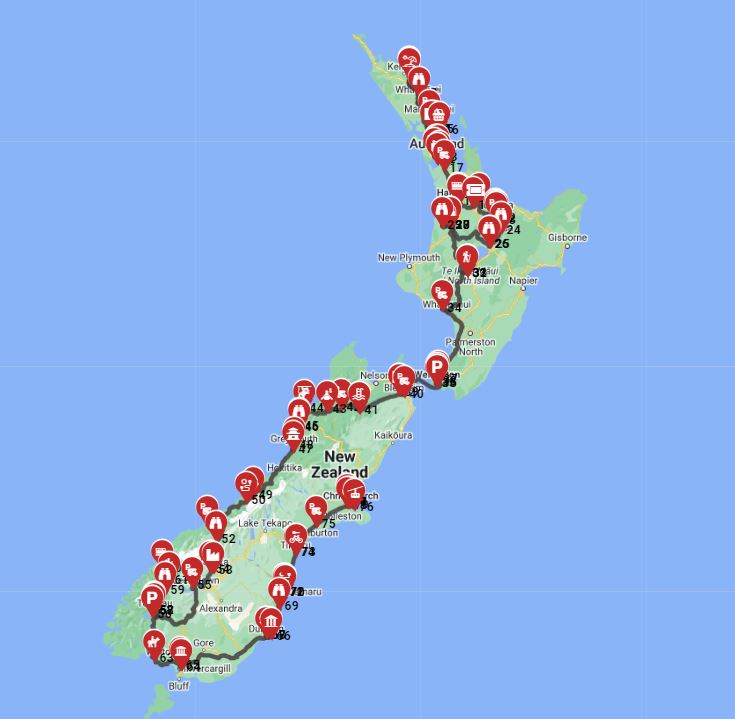
Many also offer additional features like playgrounds, swimming pools, BBQ areas, and internet access, catering to diverse traveler needs, whether you're a family with kids or a retired couple seeking relaxation. For example, during your "Auckland to Queenstown - The Great Kiwi Road Trip," you'll find plenty of well-equipped holiday parks along the route. For those seeking even more amenities, our Luxury RV Rental in New Zealand - Premium Prices 2026 guide can offer insights into top-tier parks and their associated costs. Bandana Caravan is composed of true RV specialists who understand the importance of a great camping experience and are here to help you navigate your options.
How much does it cost to stay at a campground in New Zealand?
Staying at a campground in New Zealand typically costs between NZD$8-25 per person per night for Department of Conservation (DOC) sites and NZD$20-80 per powered site per night for private holiday parks. DOC Basic Campsites, often located in stunning natural settings like those in Fiordland National Park, usually cost NZD$8-15 per adult per night, offering minimal facilities such as long-drop toilets and untreated water. DOC Serviced Sites, priced at NZD$15-25 per adult per night, provide slightly more amenities like flush toilets and potable water.
Private Holiday Parks, ranging from NZD$20-80 per powered site per night, offer comprehensive amenities including full electrical hookups, communal kitchens, hot showers, and often recreational options. Prices vary based on the season, location (e.g., popular tourist hubs like Queenstown are more expensive), and the number of people staying in the RV. For those on a tighter budget, exploring our "Cheap RV Rental in New Zealand - Budget Guide 2026" can provide additional cost-saving tips for your overall trip, which can be itemized and tracked on RV PLANET routes.
Can you sleep in a camper anywhere in NZ?
Sleeping in a camper anywhere in New Zealand is not permitted; you must use designated campsites or freedom camping areas, and your vehicle often needs to be certified self-contained for the latter. Regulations are strictly enforced to protect New Zealand's pristine environment and manage the impact of tourism. Unauthorized overnight parking or camping, particularly in popular tourist towns or prohibited areas, can lead to substantial fines (NZD$200-400) and negative environmental consequences.
Always consult local signage and official mobile applications like CamperMate or WikiCamps NZ to identify legal overnight parking and camping spots. This proactive approach ensures your trip remains hassle-free and respectful of local laws and nature. Even in a compact Class B campervan, which offers excellent maneuverability and can fit into smaller spots, adherence to camping regulations is crucial. We handle the details of your rental so you can focus on living the journey, but understanding local camping laws is key to a smooth adventure.
Is New Zealand RV friendly?
Yes, New Zealand is generally very RV friendly, offering a well-developed infrastructure of campgrounds, dump stations, and services, alongside breathtaking scenic routes. The country boasts an extensive network of hundreds of holiday parks and Department of Conservation (DOC) sites, catering to all types of rented RVs. Abundant dump stations and fresh water refill points are widely available, often accessible publicly or at petrol stations and holiday parks, as are LPG refill points for your cooking and heating needs.
While road infrastructure is generally excellent, be prepared for winding, narrow roads, especially in mountainous regions or on coastal routes. Drive slowly and carefully, and you can drive almost anywhere without issues. No need to stress - just use common sense and pay attention. You might also encounter wildlife like sheep on rural roads, requiring vigilance. Many popular attractions and towns provide dedicated RV parking, though larger RVs (such as Bandana's Class C motorhomes, averaging 7.5m in length, like the "Jayco Excursion" which has 3 double beds) might face access restrictions in very tight spaces or some city centers. For broader planning, our RV Travel Guide to New Zealand - Tips and Top Spots 2026 offers more detailed advice.
Do you need a special license to drive an RV in New Zealand?
No, you typically do not need a special license to drive an RV in New Zealand, provided your home country's driver's license is current and valid for the vehicle class, and you may need an International Driving Permit (IDP). A standard Class 1 (car) license is usually sufficient for driving most rental RVs up to 6,000 kg Gross Laden Weight (GLW), which includes the vast majority of Bandana's fleet of motorhomes and campervans. This means you won't need a Commercial Driver's License (CDL) or additional permits for your adventure.
If your driver's license is not in English, you are legally required to carry an accurate English translation or an International Driving Permit (IDP) with your original license. While an IDP is recommended for visitors from non-English-speaking countries, it is not mandatory in most cases. Ensure your license is valid for the entire duration of your RV rental and travel in New Zealand. Our 24/7 support ensures that real people are behind you, ready to answer any questions about licensing or rental requirements before, during, and after your booking, guaranteeing full transparency with no hidden fees.
Can you still free camp in New Zealand?
Yes, you can still free camp in New Zealand, but it is strictly regulated and only permitted in designated areas for certified self-contained vehicles. The Freedom Camping Act 2026 and subsequent regional bylaws govern free camping, requiring all vehicles to meet specific self-containment standards to obtain a blue certification sticker. This certification ensures the vehicle has sufficient onboard water and waste storage for at least three days (e.g., minimum 9L fresh water, 12L greywater, 3L toilet capacity per person for 3 days), minimizing environmental impact.
Ignoring these regulations not only leads to significant fines, often between NZD$200 and NZD$400, but also impacts the country's efforts to maintain its pristine natural environment and a positive experience for all visitors. Always rely on official resources and apps to accurately locate legal freedom camping sites and adhere to local guidelines. As true RV specialists, we emphasize the importance of responsible camping to preserve the beauty of New Zealand for everyone. Our Top-Level Deductible Reimbursement option allows you to travel with peace of mind, knowing you're covered should any unexpected issues arise.
Do you need to pre-book campsites in New Zealand?
While not always strictly necessary, pre-booking campsites in New Zealand is highly recommended, especially during peak season (December-February) and for popular locations, to guarantee a spot. During the summer holidays, demand for all types of campgrounds-from DOC sites to private holiday parks-is very high, making advance reservations crucial. Booking 3-6 months ahead for your rented motorhome or campervan for this period can prevent disappointment and often secures better rates. In shoulder seasons (spring and autumn), there's more flexibility, but booking a few weeks ahead for popular tourist areas like Fiordland National Park or Rotorua is still advisable.
Many Department of Conservation (DOC) sites offer limited online booking options, with a portion of spots often available on a first-come, first-served basis, requiring early arrival to secure a site. If you are traveling spontaneously, particularly to smaller or remote sites, it's always best to call ahead to check availability before commencing your drive. We understand that some travelers prefer to plan everything in advance, while others enjoy day-to-day spontaneity. Rest assured, you'll find a spot; if not at the first campground, then the next one. This flexibility is part of the magic of RV travel, and Bandana is here to support you every step of the way with transparent information and unmatched personal experience.
What You Shouldn't Miss
- **Explore Fiordland National Park:** Cruise Milford Sound or Doubtful Sound. The dramatic fjords and waterfalls are simply awe-inspiring. There are several scenic hiking areas within the park, some with multi-day trails.
- **Discover Rotorua's Geothermal Wonders:** Immerse yourself in the unique Māori culture and bubbling mud pools, geysers, and natural hot springs of this vibrant North Island hub.
- **Hike the Tongariro Alpine Crossing:** One of the world's best day hikes (19.4 km), offering volcanic landscapes, emerald lakes, and panoramic views. Remember to check weather conditions and shuttle options.
- **Relax in Queenstown, the Adventure Capital:** From bungee jumping to jet boating, Queenstown offers an array of extreme activities. For a more relaxed pace, enjoy a scenic cable railway ride up Bob's Peak.
- **Tour the Marlborough Wine Region:** Sample world-renowned Sauvignon Blanc and other varietals in this picturesque wine region on the South Island. Many wineries offer tastings and cellar door sales.
- **Visit Abel Tasman National Park:** Golden beaches, turquoise waters, and lush native bush make this a perfect spot for kayaking or hiking along the coastal track.
Looking for expert insights from Avi Bandana? Top 5 Adventures - recommendations from Avi Bandana.
Final Thoughts
Embarking on a rented RV adventure in New Zealand offers unparalleled freedom to discover its stunning landscapes and vibrant culture at your own pace. From the geothermal wonders of the North Island to the majestic fjords of the South, a motorhome provides your mobile home base, ensuring comfort and flexibility. With the right preparation-understanding camping types, booking strategically, and adhering to local regulations like the self-contained vehicle requirements for freedom camping-your trip will be nothing short of extraordinary.
Remember, we're here to support you every step of the way, from comparing prices across 50+ suppliers to providing transparent information and expert insights. New Zealand is calling, ready to unfold its beauty before you, one scenic drive at a time. Plan a trip itinerary in advance with minimal effort and maximum enjoyment, focusing on the immersive experiences that slow travel offers.
Discover top destinations, planning tips, all in one place with Bandana Caravan. Get inspired for your next trip and find your perfect campervan or motorhome rental in New Zealand today!