In This Guide
- Where to Camp in Canada — Top Options
- Campground Types in Canada (National, Private, Wild)
- Featured RV Park or Campground in Canada
- Hookups & Amenities — What to Expect
- Booking Windows & Reservations in Canada
- Nearby Supermarkets & Resupply Points
- Best RV Class for Camping in Canada
- How to Save on Campgrounds in Canada
- How much does an RV trip to Canada cost - detailed breakdown?
- What's the best time to RV in Canada - beyond summer?
- Are there specific RV camping rules for different Canadian provinces?
- Can you boondock in Canada with an RV - and how?
- Where can I buy food and drinks for my RV trip in Canada?
- How do I get internet and connectivity in an RV in Canada?
- How do I stay safe from wildlife while RV camping in Canada?
- What to do in an RV emergency or breakdown in Canada?
Exploring Canada in a rented RV offers unparalleled freedom, allowing you to discover vast landscapes, vibrant cities, and hidden gems at your own pace. With its expansive wilderness and stunning national parks, Canada is a dream destination for a motorhome adventure. For live availability and current prices, start with our RV Rental Canada - Complete Guide 2026 guide. This comprehensive guide will help you navigate the ins and outs of cheap RV camping in Canada, ensuring a memorable and budget-friendly journey.
Where to Camp in Canada — Top Options
Canada offers a diverse range of camping options across its vast and varied regions. From the rugged coastlines of British Columbia to the majestic peaks of Alberta's Rockies and the serene provincial parks of Ontario, RV travelers will find an abundance of choices. Each region boasts its unique charm and array of activities, allowing you to tailor your motorhome adventure perfectly. Imagine waking up to the sound of waves in Tofino, BC, or the crisp mountain air in Banff National Park, Alberta, ready for a day of hiking or exploring.
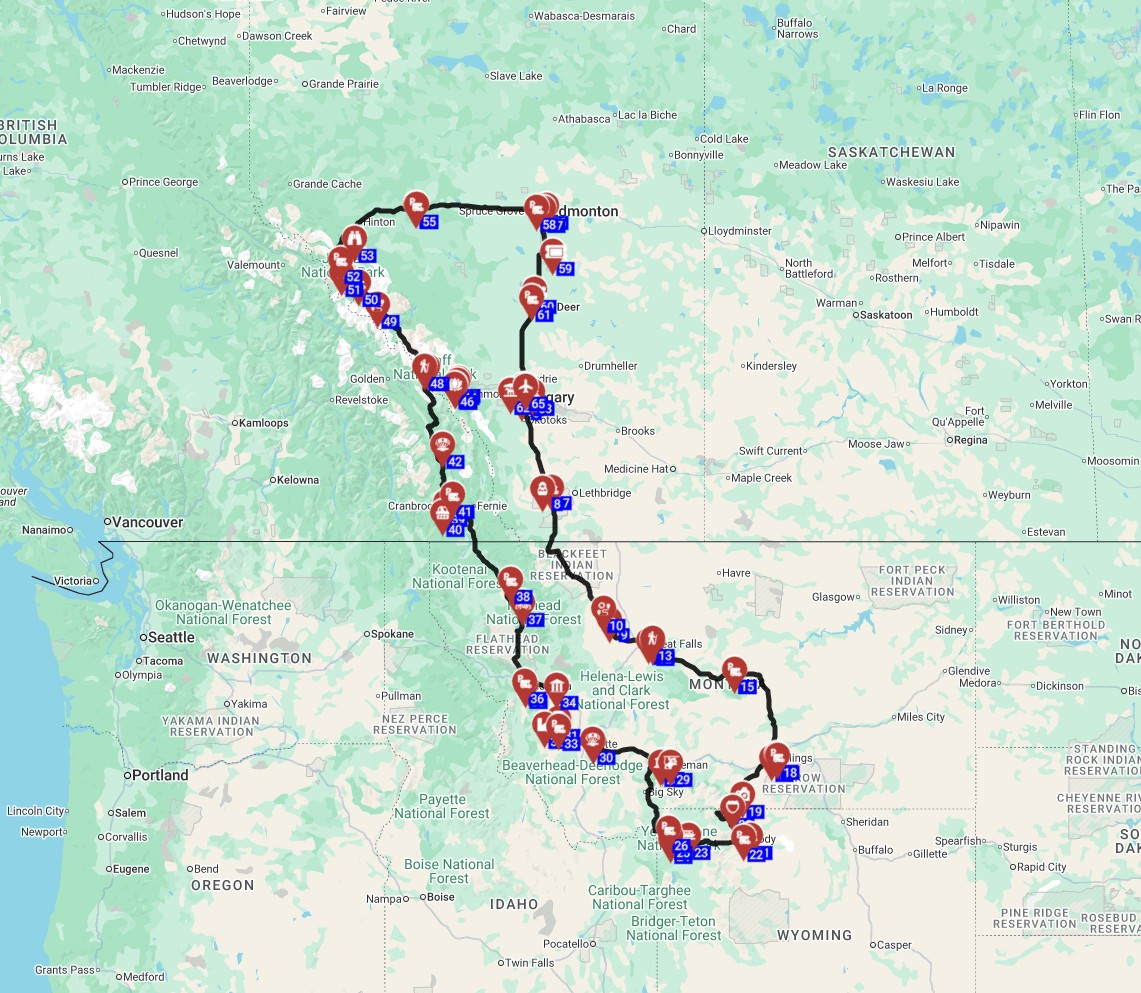
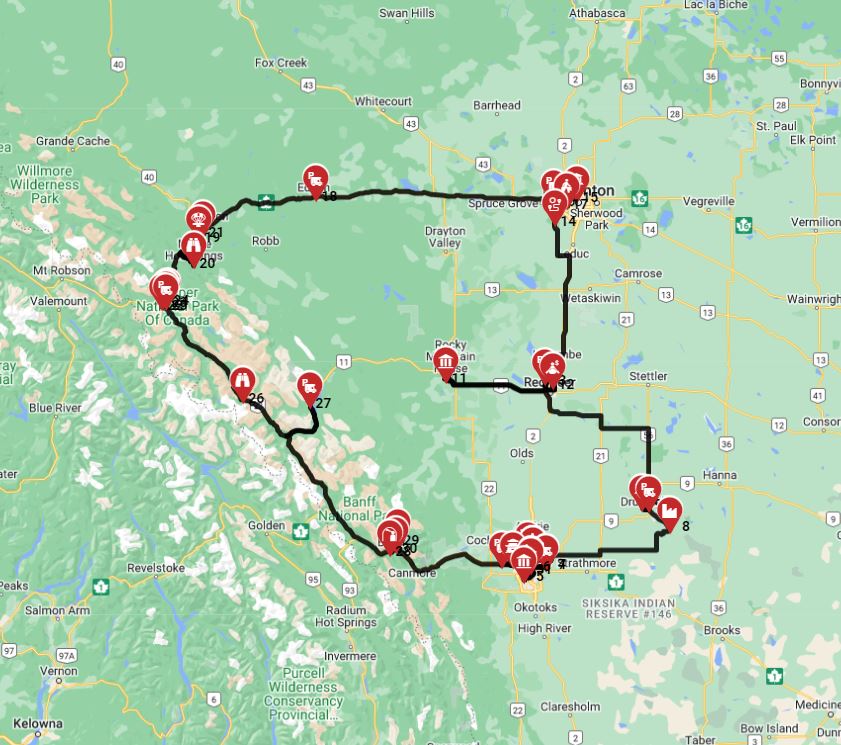
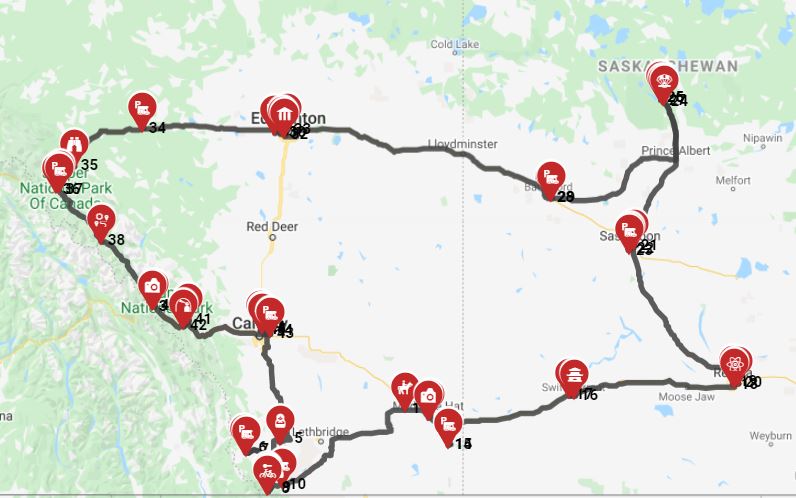
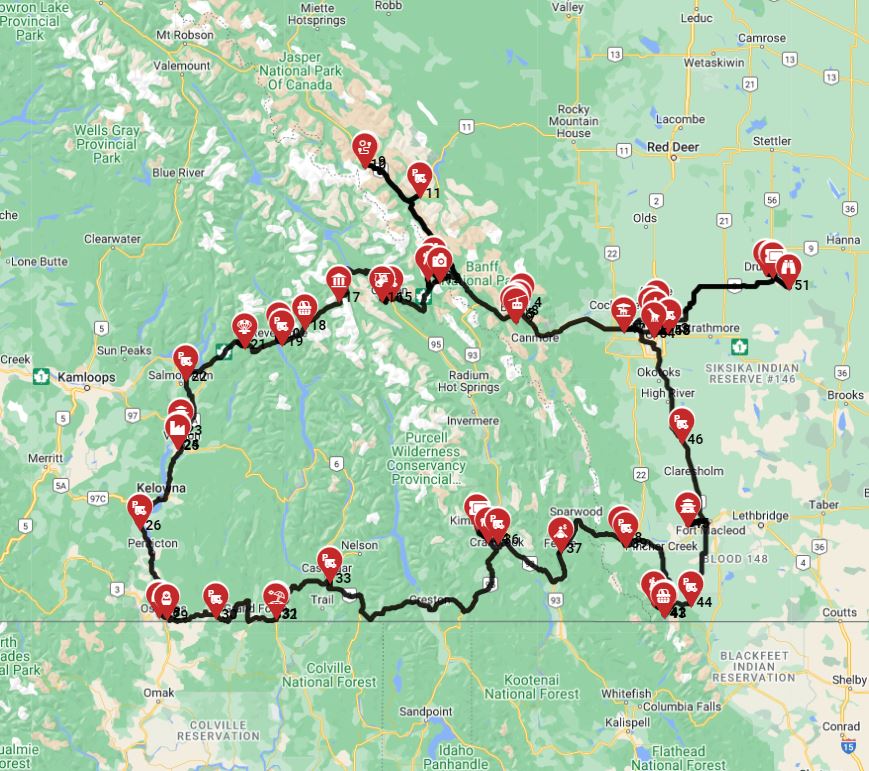
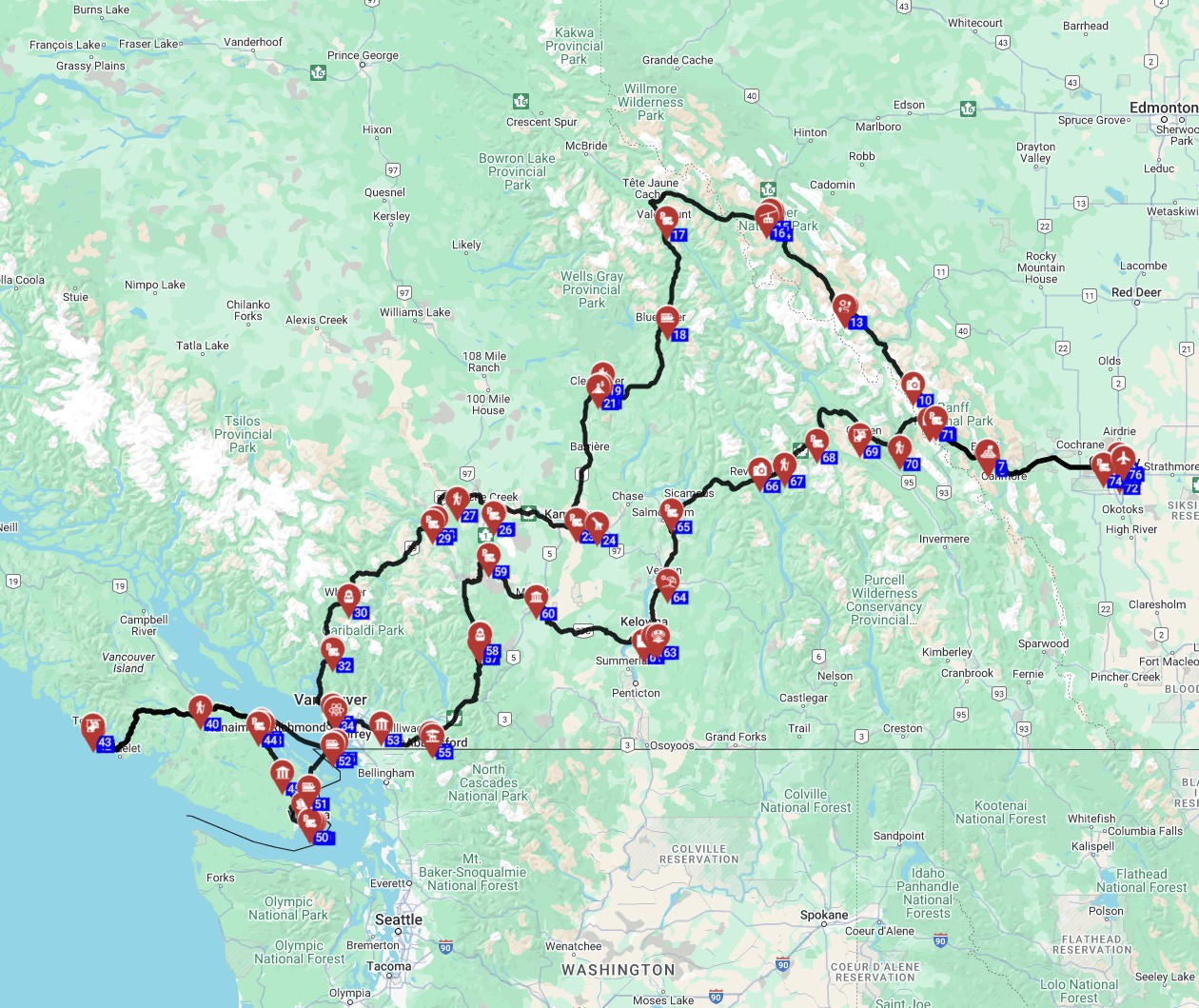
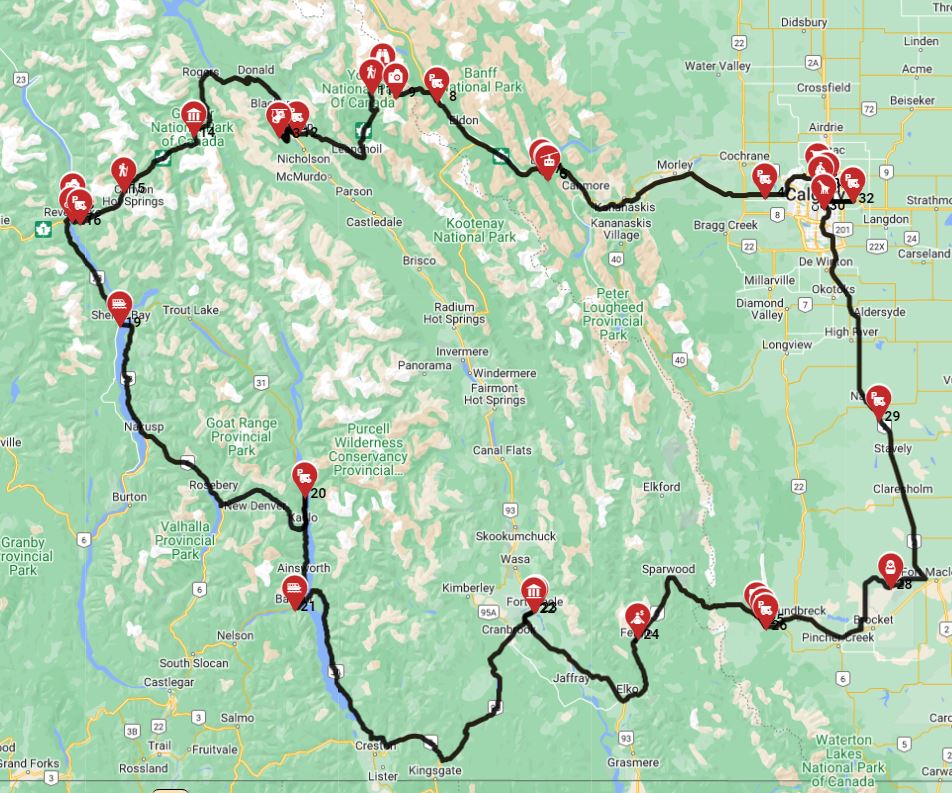
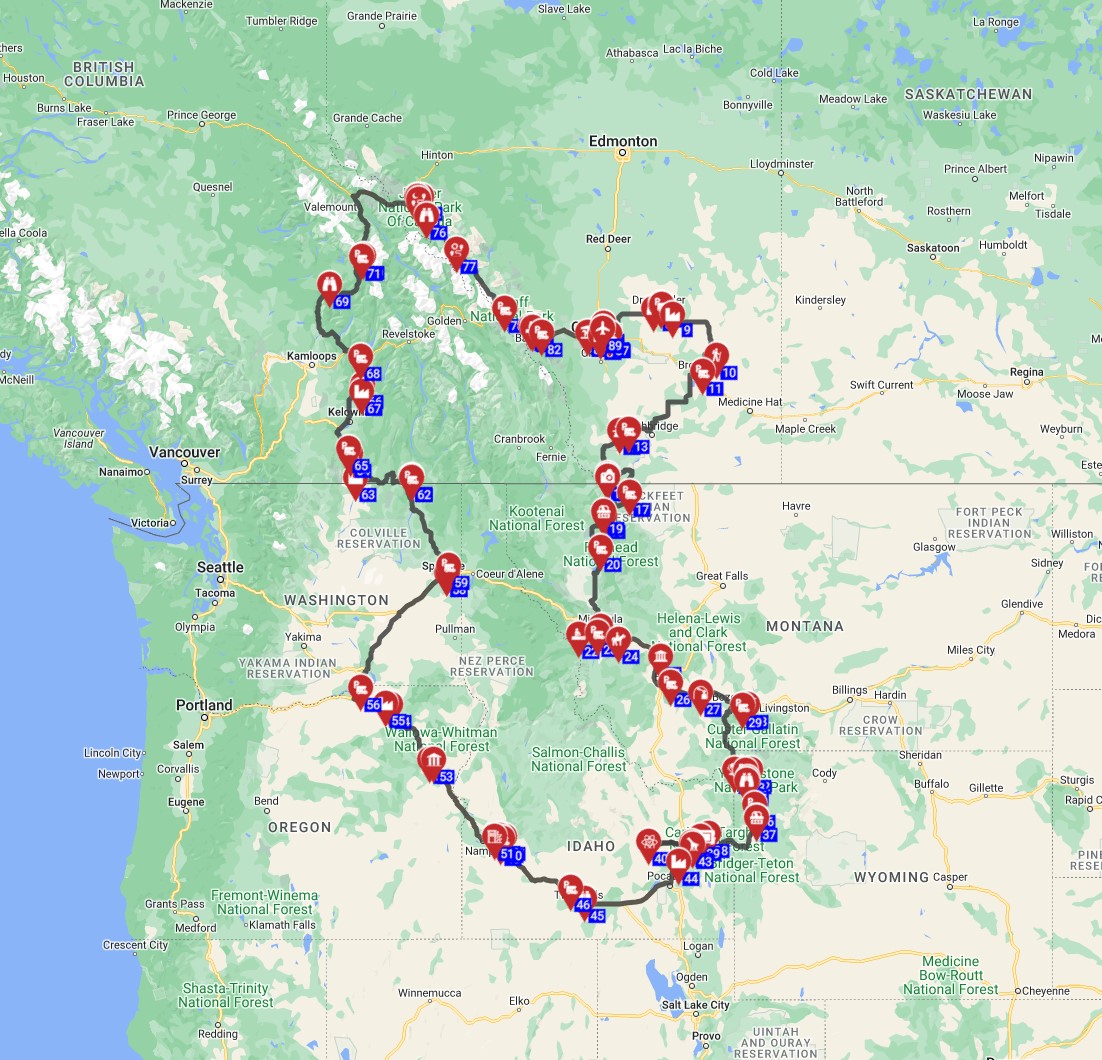
For those dreaming of a cross-country epic, the Trans-Canada Highway, stretching approximately 7,821 kilometers (4,860 miles) through ten provinces, provides access to countless provincial and national park campgrounds. A well-planned itinerary can help you make the most of Canada's offerings. For instance, the "

Campground Types in Canada (National, Private, Wild)
RV camping in Canada offers three main types of campgrounds: National/Provincial Parks, private campgrounds, and dispersed camping on Crown Land. National and Provincial Parks, managed by Parks Canada and various provincial agencies, are highly regulated and focus on natural preservation, often offering more rustic, nature-focused sites with essential services. These sites are generally more affordable, with fees typically ranging from $20-$40 CAD per night, but they require advance reservations, especially during peak season (July-August). Private campgrounds, on the other hand, provide a wider array of amenities such as full hookups (water, sewer, 15/30/50 amp electricity), swimming pools, Wi-Fi, and often recreational facilities, though at a higher cost, usually $40-$70+ CAD per night. They tend to be easier to book last-minute.
Dispersed camping, often referred to as 'wild camping' or boondocking, is permitted on vast tracts of Crown Land in many Canadian regions, offering a free and self-sufficient camping experience. This type of camping requires travelers to be fully self-contained and adhere strictly to Leave No Trace principles. Regulations for dispersed camping vary significantly by province, so it's crucial to research local rules. For example, British Columbia offers numerous designated Recreation Sites on Crown Land, which are typically free or low-cost and may include basic amenities like pit toilets and fire rings. Always check provincial government websites or local tourism offices for current guidelines before planning to wild camp in Canada.
Featured RV Park or Campground in Canada
Choosing the right RV park in Canada means finding a balance between stunning natural beauty, essential hookups, and convenient access to local attractions. Banff National Park's Tunnel Mountain Village I campground in Alberta is an excellent example of a featured RV park, offering 618 sites with 15 and 30 amp electrical hookups, flush toilets, and showers. It's renowned for its breathtaking mountain views and proximity to Banff townsite and iconic attractions like Lake Louise and Moraine Lake.
When selecting a campground for your rented motorhome, prioritize locations with positive reviews and suitable amenities for your needs. If you value full hookups and extensive facilities, a private RV resort like Quebec's Camping Granby, with its water park and diverse family activities, might be ideal. For a quieter, more rustic experience, many provincial parks, such as Ontario's Algonquin Provincial Park, provide more secluded sites, though hookups might be limited to electrical only or non-existent in some areas. Always call ahead to confirm availability and services, especially if you're traveling spontaneously. Finding campsites and campgrounds during your trip is made easy with RV PLANET (rvplan.net) - a great resource for locating available spots along your route.
Hookups & Amenities — What to Expect
When renting a motorhome in Canada, understanding campground hookups and amenities is key to a comfortable trip. Most Canadian RV campgrounds offer essential electrical hookups, typically including 15, 30, or 50 amp service to power your rented RV. Additionally, fresh water hookups are common, providing a continuous supply of potable water, and many sites include sewer hookups for convenient wastewater disposal. It's always wise to confirm the specific amperage and hookup types when booking, especially for older RVs or if you plan to use multiple high-power appliances.
Beyond hookups, common amenities across Canadian campgrounds usually feature clean washrooms and showers (which might be coin-operated in some provincial parks). You'll also often find laundry facilities, picnic tables at each site, and designated fire pits for those quintessential campfire evenings. While Wi-Fi is increasingly available, especially at private campgrounds, it can sometimes be slow or come with an extra fee, particularly in more remote locations. Budget-friendly sites or those in wilderness areas might offer fewer hookups or amenities, focusing more on the natural experience. Remember to account for these ancillary costs like campground fees, propane, and dump fees in your travel budget. RV PLANET routes can help you itemize and track every expense along the way for easy budgeting. On the routes offered through RV PLANET routes, you can itemize and track every expense along the way for easy budgeting.
Booking Windows & Reservations in Canada
For popular Canadian National and Provincial Parks, securing a campsite requires advance planning. It is highly recommended to book 3-6 months ahead, especially if you're traveling during the peak season of July and August, when demand is at its highest. Websites like Parks Canada and provincial park booking portals open reservations months in advance, and prime spots often fill up within hours. However, for those who enjoy spontaneous travel, there's good news: many national park campgrounds reserve 25%-30% of their spots for first-come, first-served arrivals each day. This can be a great option if you're flexible with your itinerary and prefer to book day-to-day.
If you're traveling during the shoulder seasons (May-June or September-October) or in less popular areas, you'll generally find it easier to secure last-minute reservations or first-come, first-served sites. We always recommend calling ahead to your chosen campground before driving a long distance, just to confirm availability. Don't stress too much about finding a spot; if the first campground is full, there will almost certainly be another welcoming site nearby. For more tips on finding spontaneous deals, consult our guide on Last-Minute RV Rental in Canada - What to Expect 2026.
Nearby Supermarkets & Resupply Points
Keeping your rented RV stocked with fresh provisions is simple in Canada, as major supermarket chains are widely available in urban and semi-urban areas. You'll find extensive options at stores like Loblaws (which includes popular banners like Real Canadian Superstore and No Frills), Sobeys (including Safeway and IGA), and Metro (primarily in Eastern Canada). These large chains offer everything you need to stock your RV kitchen, from fresh produce and meats to pantry staples and local specialties.
Beyond the big chains, exploring local farmers' markets in smaller towns provides an excellent opportunity to discover fresh, seasonal produce, artisanal cheeses, and baked goods, allowing you to connect with the local food culture. Preparing meals in your motorhome's kitchen can also significantly reduce your overall travel costs. Whether it's a quick breakfast before hitting the road or a delicious dinner under the stars, having your own kitchen makes it easy. For inspiration, check out our RV-friendly recipes playlist.
Best RV Class for Camping in Canada
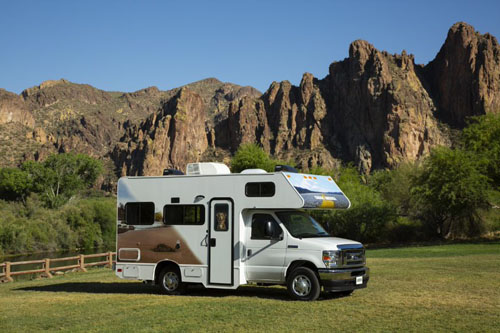
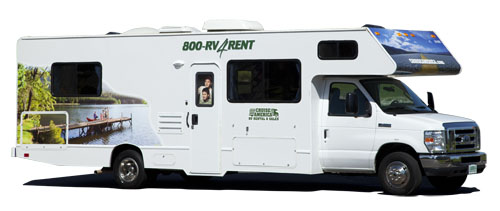
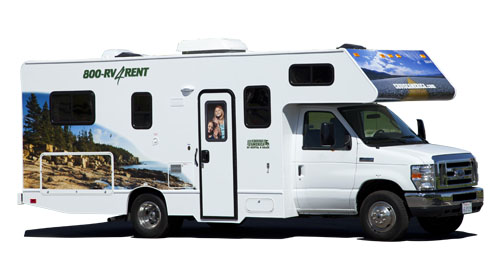
Choosing the best RV class for your camping trip in Canada depends on your group size, comfort preferences, and budget. For couples or small families seeking a balance of maneuverability, comfort, and cost-effectiveness, Class B Camper Vans and Class SI Semi-integrated RVs are often ideal. Class B Camper Vans, like the "Active Pop Top" with a length of 5.99m and fuel consumption of 8-11 Liters/100 km, are compact and excellent for navigating smaller roads, parking in towns, and boondocking in more secluded spots. They offer essential amenities in a nimble package.
Class SI Semi-integrated RVs, such as the "K2D" at 6.99m long with a 12-14 Liters/100 km fuel consumption, provide more living space and amenities without being overly large. These are perfect for couples or small families who desire extra room for dining, lounging, and storage while still maintaining reasonable fuel efficiency. Class C motorhomes, like the "24 Class C Motorhome" at 7.46m and 152/203cm double bed over the cub, offer even more space for larger families, often featuring additional sleeping areas and a more extensive kitchen. While larger Class A motorhomes provide maximum luxury and space, their higher fuel consumption and size can make them less budget-friendly for cheap RV camping in Canada. Always remember that a standard car driver's license is sufficient for all motorhome classes in Canada, with no special permits required.
How to Save on Campgrounds in Canada
Reducing your camping costs in Canada involves smart planning and leveraging available resources. Firstly, consider traveling during the shoulder seasons (May-June and September-October) when campground fees are often lower, and sites are less crowded. Secondly, actively seek out municipal or regional campgrounds and provincial parks, which typically offer more budget-friendly rates compared to amenity-rich private RV resorts. These public campgrounds usually range from $20-$40 CAD per night for a basic site with electrical hookups, versus $40-$70+ CAD for private parks.
Another excellent way to save is by embracing boondocking on Crown Land where permitted. Many regions, especially in Western and Northern Canada, offer vast areas for free dispersed camping, provided you are self-sufficient and practice Leave No Trace principles. Additionally, look into campground discount cards or memberships if you plan an extended road trip or frequent RV travel. Opting for longer stays (3+ nights) at certain parks can also unlock weekly rates, providing further savings. For comprehensive budget guidance, explore our Cheap RV Rental in Canada - Budget Guide 2026 and for extended trips, refer to Long-Term RV Rental in Canada - Monthly Rates 2026.
How much does an RV trip to Canada cost - detailed breakdown?
The total cost of an RV trip to Canada is dynamic, varying significantly based on factors like rental duration, RV class, fuel prices, campground fees, food, and activities. A 1-week rental for a Class B Camper Van might range from $700-$1,400 CAD, while a 2-week adventure in a Class C motorhome could be $1,500-$3,000 CAD. For a month-long cheap RV trip, expect rental costs from $2,500-$5,000+ CAD. These prices fluctuate daily based on availability, seasonality, and supplier marketing decisions, so the final price is set at the actual booking time.
Fuel is a major variable; Canadian prices are quoted per liter (e.g., Bandana's Class B Camper Vans average 8-10 Liters/100 km, while larger Class C motorhomes like the "Explorer" at 7.1m length can consume 11 Liters / 100 Km. or more). This typically means fuel costs are higher than in the USA, so be sure to budget accordingly. Campground fees can range from $0 CAD for boondocking to $70+ CAD/night for full-service private parks. If you plan to visit multiple national parks, a Parks Canada Discovery Pass (approximately $145.25 CAD for a family/group in 2026) can offer significant savings. Grocery costs in Canada can differ from your home country, so a daily budget of $50-$100 CAD for food and drinks is a reasonable estimate for a family. To manage these expenses effectively, RV PLANET routes offer tools to itemize and track every cost for easy budgeting. For a broader perspective on North American RV travel, consider our RV Rental USA - Complete Guide 2026.
What's the best time to RV in Canada - beyond summer?
While summer (July-August) offers the warmest weather and full accessibility to all attractions and campgrounds across Canada, the shoulder seasons of May-June and September-October are often the best times for a cheap RV camping adventure. During these months, you'll benefit from lower rental rates and fewer crowds at popular destinations. May and early June bring vibrant spring blooms and pleasant temperatures, making it ideal for hiking and wildlife viewing as animals become more active. September and October showcase breathtaking fall foliage, especially in Eastern Canada, and still offer comfortable daytime temperatures for exploring, though evenings will be cooler.
Traveling during the shoulder season also means easier campsite availability, particularly in sought-after National and Provincial Parks, and often allows for more spontaneous bookings. Keep in mind that some services and facilities, especially in more remote areas, might operate on reduced hours or seasonal closures as you move into late fall. Winter RVing in Canada (November-April) is generally not recommended for budget renters or first-timers due to extreme cold, heavy snow, and limited open campgrounds and road access. It requires specialized, winterized RVs, extensive cold-weather gear, and significant experience. For specific safety advice if you do plan cold-weather travel, check our Winter RV Driving in Canada - Safety Guide 2026.
Are there specific RV camping rules for different Canadian provinces?
Yes, RV camping rules in Canada vary significantly across its ten provinces and three territories, particularly concerning boondocking and alcohol consumption. While federal parks (Parks Canada) maintain a consistent set of regulations nationwide, provincial parks and Crown Lands operate under provincial jurisdiction, leading to distinct guidelines. For instance, dispersed camping on Crown Land is more readily available and less restricted in Western provinces like British Columbia and Alberta, as well as the Northern territories, which often feature designated Recreation Sites that are free or low-cost. In contrast, Eastern provinces like Ontario and Quebec have stricter rules, with fewer public lands open for free camping.
Alcohol consumption laws also differ provincially. Generally, open liquor containers are prohibited in vehicles, and consumption is often restricted to your private campsite. Some provinces, such as Quebec, have more liberal alcohol laws regarding outdoor consumption in certain designated areas, while others are more stringent. Before traveling, it's essential to research the specific provincial regulations for your planned route by visiting provincial government websites or local tourism information centers to ensure compliance and avoid fines. Drive slowly and carefully, and you can drive almost anywhere without issues. No need to stress - just use common sense and pay attention to local signage.
Can you boondock in Canada with an RV - and how?
Boondocking, also known as dispersed or wild camping, is generally permissible on vast expanses of Crown Land across Canada, offering a fantastic way to experience remote wilderness for free. The legality and specific regulations for boondocking with a rented RV vary by province and territory, so thorough research is crucial. In British Columbia, for example, numerous Forest Service Roads provide access to designated Recreation Sites that are often free or have minimal fees, offering basic amenities like pit toilets and fire rings. Alberta also allows boondocking on certain public lands, while Eastern provinces tend to have more restrictive policies.
To find legal boondocking spots, resources like iOverlander (a user-generated app), provincial Crown Land maps (available online or at local government offices), and Backroad Mapbooks are invaluable. When boondocking, being fully self-sufficient is paramount: ensure you have adequate fresh water and wastewater storage, sufficient power (solar panels or a robust battery system are highly recommended), and robust tires suitable for gravel or unpaved roads. For safety in very remote areas, a satellite communicator (e.g., Garmin inReach) is essential for emergency communication, as cell service will be non-existent. Smaller RVs like Class B Camper Vans are particularly well-suited for accessing these more rugged, off-grid locations.
Where can I buy food and drinks for my RV trip in Canada?
Stocking your rented motorhome with food and drinks for your Canadian adventure is straightforward, with a variety of options available across the country. Major national grocery chains such as Loblaws (including Real Canadian Superstore, Zehrs, and No Frills), Sobeys (including Safeway and Foodland), and Metro (predominantly in Ontario and Quebec) are prevalent in most towns and cities. These stores offer a wide selection of fresh produce, meats, dairy, and pantry items, allowing you to prepare meals in your RV's kitchen and save on dining out expenses. Beyond the large supermarkets, local farmers' markets, particularly in smaller communities, provide fresh, locally sourced produce and unique artisanal products, enhancing your culinary experience.
When it comes to purchasing alcoholic beverages, Canada has provincially regulated systems, meaning where and how you buy alcohol varies by region. In provinces like Ontario, the LCBO (Liquor Control Board of Ontario) is the primary retailer for wine, beer, and spirits, while Quebec has the SAQ (Société des alcools du Québec). Alberta and British Columbia, however, have a mix of government-run and private liquor stores. Always check the local provincial regulations for purchasing hours and specific store types to ensure you can resupply without issues. Having a well-stocked kitchen, which might include items found in our RV-friendly recipes playlist, is a fantastic way to maintain your budget and enjoy delicious meals on the road.
How do I get internet and connectivity in an RV in Canada?
Maintaining internet and phone connectivity in your rented RV while traveling across Canada can be managed through several options, though coverage can vary significantly in remote areas. The most common solution is to purchase a Canadian SIM card from major carriers such as Bell, Telus, or Rogers. These providers offer various prepaid and postpaid plans that include data, ideal for mobile browsing, navigation, and staying in touch. Alternatively, a mobile hotspot device, either standalone or tethered from your smartphone, can create a Wi-Fi network within your RV, allowing multiple devices to connect.
While many campgrounds, especially private ones, offer Wi-Fi, it's often slow, unreliable, or available only in common areas, making it unsuitable for heavy usage. For truly remote areas where cellular service is unavailable, a satellite communicator (such as a Garmin inReach or a satellite phone) becomes an essential safety device, enabling two-way communication and emergency SOS calls. RV-specific navigation apps like iOverlander or RV Life GPS are also highly recommended, as they often include offline maps and a database of campgrounds, dump stations, and points of interest, ensuring you can navigate even without an active internet connection.
How do I stay safe from wildlife while RV camping in Canada?
Staying safe from wildlife is a critical aspect of RV camping in Canada, particularly in national and provincial parks where encounters with animals like bears, elk, and coyotes are common. Always practice "bear-aware" food storage: keep all food, garbage, and scented items (including toiletries) securely locked inside your rented RV or in designated bear-proof lockers/containers at your campsite. Never leave food unattended, even for a moment, and always dispose of garbage properly in bear-resistant bins.
When hiking, carry bear spray and know how to use it, making noise to avoid surprising animals. Maintain a safe distance from all wildlife; never approach, feed, or try to take selfies with animals, as this can habituate them to humans and lead to dangerous situations. Drive cautiously, especially at dawn and dusk, when large animals like deer, elk, and moose are most active near roads. Remember, Canada has mandatory bear-safe camping rules in many parks, with non-compliance potentially resulting in significant fines. By following these guidelines, you can enjoy Canada's incredible wildlife responsibly and safely from your motorhome.
What to do in an RV emergency or breakdown in Canada?
In the event of an RV emergency or breakdown in Canada, prioritizing your safety and knowing the proper steps to take is crucial. First, move your rented motorhome to the safest possible location, such as the shoulder of the road or a nearby rest area, and activate your hazard lights. Contact your RV rental provider immediately; they typically offer 24/7 roadside assistance services, with real people behind you, or can direct you to local service providers. Reputable Canadian roadside assistance organizations like CAA (Canadian Automobile Association) are also excellent resources if your rental includes coverage or if you have a personal membership.
When traveling, especially in remote Canadian areas, it's essential to be prepared with a comprehensive emergency kit. This should include extra fuel, potable water, a well-stocked first-aid kit, warm blankets or sleeping bags (even in summer, temperatures can drop), a flashlight, and basic tools. For breakdowns in areas without cell service, a satellite communicator is indispensable for calling 911 (Canada's universal emergency number) and contacting help. Always inform someone of your route and estimated arrival times, especially when venturing off the main highways. With Bandana RV, we're with you before, during, and after your booking, ensuring you have the support you need for a smooth trip.
🎬 Video coming soon
What You Shouldn't Miss
- **Drive the Icefields Parkway:** Experience one of the world's most scenic drives through the Canadian Rockies between Banff and Jasper National Parks in Alberta, with glaciers, turquoise lakes, and abundant wildlife viewing opportunities.
- **Explore the Cabot Trail:** Journey along Cape Breton Island, Nova Scotia, on this iconic 298 km (185 mile) loop, renowned for its coastal vistas, charming fishing villages, and vibrant Acadian culture.
- **Visit Niagara Falls:** Witness the awe-inspiring power of Niagara Falls in Ontario, with opportunities to take boat tours, explore surrounding parks, and enjoy the lively atmosphere of Niagara Falls City.
- **Discover the Northern Lights:** Head to the Yukon or Northwest Territories during the darker months (late August to April) for an unforgettable display of the aurora borealis dancing across the night sky, best viewed from a remote campsite.
- **Kayaking in Thousand Islands National Park:** Paddle through the picturesque labyrinth of islands and waterways in the St. Lawrence River, Ontario, exploring castles, historic lighthouses, and hidden coves from your rented motorhome's base camp.
- **Hike in Pacific Rim National Park Reserve:** Immerse yourself in the ancient rainforests and wild beaches of Vancouver Island, British Columbia, experiencing the dramatic Pacific coastline and vibrant marine life.
Final Thoughts
Embarking on a cheap RV camping adventure in Canada is an experience like no other, offering the perfect blend of freedom, nature, and cultural immersion. By understanding the different camping options, planning your booking strategy, and being prepared for local nuances, you can unlock an unforgettable road trip without breaking the bank. Remember to embrace slow travel, allowing yourself to truly connect with the vast beauty and diverse communities that make Canada so special.
Whether you dream of majestic mountain vistas, serene lakeside retreats, or vibrant city explorations, a rented motorhome is your mobile key to discovery. We're here to support you every step of the way, providing transparent pricing, expert advice, and the perfect vehicle for your journey. Get inspired for your next trip! Discover top destinations and planning tips, all in one place!
Ready to find your ideal budget-friendly motorhome for a Canadian escape? Compare Motorhome Prices for Canada and begin planning your adventure today!
In This Guide
- Where to Camp in Canada — Top Options
- Campground Types in Canada (National, Private, Wild)
- Featured RV Park or Campground in Canada
- Hookups & Amenities — What to Expect
- Booking Windows & Reservations in Canada
- Nearby Supermarkets & Resupply Points
- Best RV Class for Camping in Canada
- How to Save on Campgrounds in Canada
- How much does an RV trip to Canada cost - detailed breakdown?
- What's the best time to RV in Canada - beyond summer?
- Are there specific RV camping rules for different Canadian provinces?
- Can you boondock in Canada with an RV - and how?
- Where can I buy food and drinks for my RV trip in Canada?
- How do I get internet and connectivity in an RV in Canada?
- How do I stay safe from wildlife while RV camping in Canada?
- What to do in an RV emergency or breakdown in Canada?
Exploring Canada in a rented RV offers unparalleled freedom, allowing you to discover vast landscapes, vibrant cities, and hidden gems at your own pace. With its expansive wilderness and stunning national parks, Canada is a dream destination for a motorhome adventure. For live availability and current prices, start with our RV Rental Canada - Complete Guide 2026 guide. This comprehensive guide will help you navigate the ins and outs of cheap RV camping in Canada, ensuring a memorable and budget-friendly journey.
Where to Camp in Canada — Top Options
Canada offers a diverse range of camping options across its vast and varied regions. From the rugged coastlines of British Columbia to the majestic peaks of Alberta's Rockies and the serene provincial parks of Ontario, RV travelers will find an abundance of choices. Each region boasts its unique charm and array of activities, allowing you to tailor your motorhome adventure perfectly. Imagine waking up to the sound of waves in Tofino, BC, or the crisp mountain air in Banff National Park, Alberta, ready for a day of hiking or exploring.
For those dreaming of a cross-country epic, the Trans-Canada Highway, stretching approximately 7,821 kilometers (4,860 miles) through ten provinces, provides access to countless provincial and national park campgrounds. A well-planned itinerary can help you make the most of Canada's offerings. For instance, the "Vancouver Round Trip - West Canada Cycling Adventure" is a 19-day, 2,659 km route that includes 3 bike rentals, 1 cable railway, and 1 cave visit, perfect for active travelers seeking scenic beauty. Alternatively, the "Vancouver to Toronto - Trans Canada West to East" itinerary offers a 15-day, 4,886 km journey across diverse landscapes, featuring an aquarium, an art gallery, and multiple hiking areas.
Campground Types in Canada (National, Private, Wild)
RV camping in Canada offers three main types of campgrounds: National/Provincial Parks, private campgrounds, and dispersed camping on Crown Land. National and Provincial Parks, managed by Parks Canada and various provincial agencies, are highly regulated and focus on natural preservation, often offering more rustic, nature-focused sites with essential services. These sites are generally more affordable, with fees typically ranging from $20-$40 CAD per night, but they require advance reservations, especially during peak season (July-August). Private campgrounds, on the other hand, provide a wider array of amenities such as full hookups (water, sewer, 15/30/50 amp electricity), swimming pools, Wi-Fi, and often recreational facilities, though at a higher cost, usually $40-$70+ CAD per night. They tend to be easier to book last-minute.
Dispersed camping, often referred to as 'wild camping' or boondocking, is permitted on vast tracts of Crown Land in many Canadian regions, offering a free and self-sufficient camping experience. This type of camping requires travelers to be fully self-contained and adhere strictly to Leave No Trace principles. Regulations for dispersed camping vary significantly by province, so it's crucial to research local rules. For example, British Columbia offers numerous designated Recreation Sites on Crown Land, which are typically free or low-cost and may include basic amenities like pit toilets and fire rings. Always check provincial government websites or local tourism offices for current guidelines before planning to wild camp in Canada.
Featured RV Park or Campground in Canada
Choosing the right RV park in Canada means finding a balance between stunning natural beauty, essential hookups, and convenient access to local attractions. Banff National Park's Tunnel Mountain Village I campground in Alberta is an excellent example of a featured RV park, offering 618 sites with 15 and 30 amp electrical hookups, flush toilets, and showers. It's renowned for its breathtaking mountain views and proximity to Banff townsite and iconic attractions like Lake Louise and Moraine Lake.
When selecting a campground for your rented motorhome, prioritize locations with positive reviews and suitable amenities for your needs. If you value full hookups and extensive facilities, a private RV resort like Quebec's Camping Granby, with its water park and diverse family activities, might be ideal. For a quieter, more rustic experience, many provincial parks, such as Ontario's Algonquin Provincial Park, provide more secluded sites, though hookups might be limited to electrical only or non-existent in some areas. Always call ahead to confirm availability and services, especially if you're traveling spontaneously. Finding campsites and campgrounds during your trip is made easy with RV PLANET (rvplan.net) - a great resource for locating available spots along your route.
Hookups & Amenities — What to Expect
When renting a motorhome in Canada, understanding campground hookups and amenities is key to a comfortable trip. Most Canadian RV campgrounds offer essential electrical hookups, typically including 15, 30, or 50 amp service to power your rented RV. Additionally, fresh water hookups are common, providing a continuous supply of potable water, and many sites include sewer hookups for convenient wastewater disposal. It's always wise to confirm the specific amperage and hookup types when booking, especially for older RVs or if you plan to use multiple high-power appliances.
Beyond hookups, common amenities across Canadian campgrounds usually feature clean washrooms and showers (which might be coin-operated in some provincial parks). You'll also often find laundry facilities, picnic tables at each site, and designated fire pits for those quintessential campfire evenings. While Wi-Fi is increasingly available, especially at private campgrounds, it can sometimes be slow or come with an extra fee, particularly in more remote locations. Budget-friendly sites or those in wilderness areas might offer fewer hookups or amenities, focusing more on the natural experience. Remember to account for these ancillary costs like campground fees, propane, and dump fees in your travel budget. RV PLANET routes can help you itemize and track every expense along the way for easy budgeting.
Booking Windows & Reservations in Canada
For popular Canadian National and Provincial Parks, securing a campsite requires advance planning. It is highly recommended to book 3-6 months ahead, especially if you're traveling during the peak season of July and August, when demand is at its highest. Websites like Parks Canada and provincial park booking portals open reservations months in advance, and prime spots often fill up within hours. However, for those who enjoy spontaneous travel, there's good news: many national park campgrounds reserve 25%-30% of their spots for first-come, first-served arrivals each day. This can be a great option if you're flexible with your itinerary and prefer to book day-to-day.
If you're traveling during the shoulder seasons (May-June or September-October) or in less popular areas, you'll generally find it easier to secure last-minute reservations or first-come, first-served sites. We always recommend calling ahead to your chosen campground before driving a long distance, just to confirm availability. Don't stress too much about finding a spot; if the first campground is full, there will almost certainly be another welcoming site nearby. For more tips on finding spontaneous deals, consult our guide on Last-Minute RV Rental in Canada - What to Expect 2026.
Nearby Supermarkets & Resupply Points
Keeping your rented RV stocked with fresh provisions is simple in Canada, as major supermarket chains are widely available in urban and semi-urban areas. You'll find extensive options at stores like Loblaws (which includes popular banners like Real Canadian Superstore and No Frills), Sobeys (including Safeway and IGA), and Metro (primarily in Eastern Canada). These large chains offer everything you need to stock your RV kitchen, from fresh produce and meats to pantry staples and local specialties.
Beyond the big chains, exploring local farmers' markets in smaller towns provides an excellent opportunity to discover fresh, seasonal produce, artisanal cheeses, and baked goods, allowing you to connect with the local food culture. Preparing meals in your motorhome's kitchen can also significantly reduce your overall travel costs. Whether it's a quick breakfast before hitting the road or a delicious dinner under the stars, having your own kitchen makes it easy. For inspiration, check out our RV-friendly recipes playlist.
Best RV Class for Camping in Canada
Choosing the best RV class for your camping trip in Canada depends on your group size, comfort preferences, and budget. For couples or small families seeking a balance of maneuverability, comfort, and cost-effectiveness, Class B Camper Vans and Class SI Semi-integrated RVs are often ideal. Class B Camper Vans, like the "Active Pop Top" with a length of 5.99m and fuel consumption of 8-11 Liters/100 km, are compact and excellent for navigating smaller roads, parking in towns, and boondocking in more secluded spots. They offer essential amenities in a nimble package.
Class SI Semi-integrated RVs, such as the "K2D" at 6.99m long with a 12-14 Liters/100 km fuel consumption, provide more living space and amenities without being overly large. These are perfect for couples or small families who desire extra room for dining, lounging, and storage while still maintaining reasonable fuel efficiency. Class C motorhomes, like the "24 Class C Motorhome" at 7.46m and 152/203cm double bed over the cub, offer even more space for larger families, often featuring additional sleeping areas and a more extensive kitchen. While larger Class A motorhomes provide maximum luxury and space, their higher fuel consumption and size can make them less budget-friendly for cheap RV camping in Canada. Always remember that a standard car driver's license is sufficient for all motorhome classes in Canada, with no special permits required. For more information on different vehicle types and prices, see our Cheap RV Rental in Canada - Budget Guide 2026 and RV Rental in Canada - Prices and Best Deals 2026 guides.
How to Save on Campgrounds in Canada
Reducing your camping costs in Canada involves smart planning and leveraging available resources. Firstly, consider traveling during the shoulder seasons (May-June and September-October) when campground fees are often lower, and sites are less crowded. Secondly, actively seek out municipal or regional campgrounds and provincial parks, which typically offer more budget-friendly rates compared to amenity-rich private RV resorts. These public campgrounds usually range from $20-$40 CAD per night for a basic site with electrical hookups, versus $40-$70+ CAD for private parks.
Another excellent way to save is by embracing boondocking on Crown Land where permitted. Many regions, especially in Western and Northern Canada, offer vast areas for free dispersed camping, provided you are self-sufficient and practice Leave No Trace principles. Additionally, look into campground discount cards or memberships if you plan an extended road trip or frequent RV travel. Opting for longer stays (3+ nights) at certain parks can also unlock weekly rates, providing further savings. For comprehensive budget guidance, explore our Cheap RV Rental in Canada - Budget Guide 2026 and for extended trips, refer to Long-Term RV Rental in Canada - Monthly Rates 2026.
How much does an RV trip to Canada cost - detailed breakdown?
The total cost of an RV trip to Canada is dynamic, varying significantly based on factors like rental duration, RV class, fuel prices, campground fees, food, and activities. A 1-week rental for a Class B Camper Van might range from $700-$1,400 CAD, while a 2-week adventure in a Class C motorhome could be $1,500-$3,000 CAD. For a month-long cheap RV trip, expect rental costs from $2,500-$5,000+ CAD. These prices fluctuate daily based on availability, seasonality, and supplier marketing decisions, so the final price is set at the actual booking time.
Fuel is a major variable; Canadian prices are quoted per liter (e.g., Bandana's Class B Camper Vans average 8-10 Liters/100 km, while larger Class C motorhomes like the "Explorer" at 7.1m length can consume 11 Liters / 100 Km. or more). This typically means fuel costs are higher than in the USA, so be sure to budget accordingly. Campground fees can range from $0 CAD for boondocking to $70+ CAD/night for full-service private parks. If you plan to visit multiple national parks, a Parks Canada Discovery Pass (approximately $145.25 CAD for a family/group in 2026) can offer significant savings. Grocery costs in Canada can differ from your home country, so a daily budget of $50-$100 CAD for food and drinks is a reasonable estimate for a family. To manage these expenses effectively, RV PLANET routes offer tools to itemize and track every cost for easy budgeting. For a broader perspective on North American RV travel, consider our RV Rental USA - Complete Guide 2026.
What's the best time to RV in Canada - beyond summer?
While summer (July-August) offers the warmest weather and full accessibility to all attractions and campgrounds across Canada, the shoulder seasons of May-June and September-October are often the best times for a cheap RV camping adventure. During these months, you'll benefit from lower rental rates and fewer crowds at popular destinations. May and early June bring vibrant spring blooms and pleasant temperatures, making it ideal for hiking and wildlife viewing as animals become more active. September and October showcase breathtaking fall foliage, especially in Eastern Canada, and still offer comfortable daytime temperatures for exploring, though evenings will be cooler.
Traveling during the shoulder season also means easier campsite availability, particularly in sought-after National and Provincial Parks, and often allows for more spontaneous bookings. Keep in mind that some services and facilities, especially in more remote areas, might operate on reduced hours or seasonal closures as you move into late fall. Winter RVing in Canada (November-April) is generally not recommended for budget renters or first-timers due to extreme cold, heavy snow, and limited open campgrounds and road access. It requires specialized, winterized RVs, extensive cold-weather gear, and significant experience. For specific safety advice if you do plan cold-weather travel, check our Winter RV Driving in Canada - Safety Guide 2026.
Are there specific RV camping rules for different Canadian provinces?
Yes, RV camping rules in Canada vary significantly across its ten provinces and three territories, particularly concerning boondocking and alcohol consumption. While federal parks (Parks Canada) maintain a consistent set of regulations nationwide, provincial parks and Crown Lands operate under provincial jurisdiction, leading to distinct guidelines. For instance, dispersed camping on Crown Land is more readily available and less restricted in Western provinces like British Columbia and Alberta, as well as the Northern territories, which often feature designated Recreation Sites that are free or low-cost. In contrast, Eastern provinces like Ontario and Quebec have stricter rules, with fewer public lands open for free camping.
Alcohol consumption laws also differ provincially. Generally, open liquor containers are prohibited in vehicles, and consumption is often restricted to your private campsite. Some provinces, such as Quebec, have more liberal alcohol laws regarding outdoor consumption in certain designated areas, while others are more stringent. Before traveling, it's essential to research the specific provincial regulations for your planned route by visiting provincial government websites or local tourism information centers to ensure compliance and avoid fines. Drive slowly and carefully, and you can drive almost anywhere without issues. No need to stress - just use common sense and pay attention to local signage.
Can you boondock in Canada with an RV - and how?
Boondocking, also known as dispersed or wild camping, is generally permissible on vast expanses of Crown Land across Canada, offering a fantastic way to experience remote wilderness for free. The legality and specific regulations for boondocking with a rented RV vary by province and territory, so thorough research is crucial. In British Columbia, for example, numerous Forest Service Roads provide access to designated Recreation Sites that are often free or have minimal fees, offering basic amenities like pit toilets and fire rings. Alberta also allows boondocking on certain public lands, while Eastern provinces tend to have more restrictive policies.
To find legal boondocking spots, resources like iOverlander (a user-generated app), provincial Crown Land maps (available online or at local government offices), and Backroad Mapbooks are invaluable. When boondocking, being fully self-sufficient is paramount: ensure you have adequate fresh water and wastewater storage, sufficient power (solar panels or a robust battery system are highly recommended), and robust tires suitable for gravel or unpaved roads. For safety in very remote areas, a satellite communicator (e.g., Garmin inReach) is essential for emergency communication, as cell service will be non-existent. Smaller RVs like Class B Camper Vans are particularly well-suited for accessing these more rugged, off-grid locations.
Where can I buy food and drinks for my RV trip in Canada?
Stocking your rented motorhome with food and drinks for your Canadian adventure is straightforward, with a variety of options available across the country. Major national grocery chains such as Loblaws (including Real Canadian Superstore, Zehrs, and No Frills), Sobeys (including Safeway and Foodland), and Metro (predominantly in Ontario and Quebec) are prevalent in most towns and cities. These stores offer a wide selection of fresh produce, meats, dairy, and pantry items, allowing you to prepare meals in your RV's kitchen and save on dining out expenses. Beyond the large supermarkets, local farmers' markets, particularly in smaller communities, provide fresh, locally sourced produce and unique artisanal products, enhancing your culinary experience.
When it comes to purchasing alcoholic beverages, Canada has provincially regulated systems, meaning where and how you buy alcohol varies by region. In provinces like Ontario, the LCBO (Liquor Control Board of Ontario) is the primary retailer for wine, beer, and spirits, while Quebec has the SAQ (Société des alcools du Québec). Alberta and British Columbia, however, have a mix of government-run and private liquor stores. Always check the local provincial regulations for purchasing hours and specific store types to ensure you can resupply without issues. Having a well-stocked kitchen, which might include items found in our RV-friendly recipes playlist, is a fantastic way to maintain your budget and enjoy delicious meals on the road.
How do I get internet and connectivity in an RV in Canada?
Maintaining internet and phone connectivity in your rented RV while traveling across Canada can be managed through several options, though coverage can vary significantly in remote areas. The most common solution is to purchase a Canadian SIM card from major carriers such as Bell, Telus, or Rogers. These providers offer various prepaid and postpaid plans that include data, ideal for mobile browsing, navigation, and staying in touch. Alternatively, a mobile hotspot device, either standalone or tethered from your smartphone, can create a Wi-Fi network within your RV, allowing multiple devices to connect.
While many campgrounds, especially private ones, offer Wi-Fi, it's often slow, unreliable, or available only in common areas, making it unsuitable for heavy usage. For truly remote areas where cellular service is unavailable, a satellite communicator (such as a Garmin inReach or a satellite phone) becomes an essential safety device, enabling two-way communication and emergency SOS calls. RV-specific navigation apps like iOverlander or RV Life GPS are also highly recommended, as they often include offline maps and a database of campgrounds, dump stations, and points of interest, ensuring you can navigate even without an active internet connection.
How do I stay safe from wildlife while RV camping in Canada?
Staying safe from wildlife is a critical aspect of RV camping in Canada, particularly in national and provincial parks where encounters with animals like bears, elk, and coyotes are common. Always practice "bear-aware" food storage: keep all food, garbage, and scented items (including toiletries) securely locked inside your rented RV or in designated bear-proof lockers/containers at your campsite. Never leave food unattended, even for a moment, and always dispose of garbage properly in bear-resistant bins.
When hiking, carry bear spray and know how to use it, making noise to avoid surprising animals. Maintain a safe distance from all wildlife; never approach, feed, or try to take selfies with animals, as this can habituate them to humans and lead to dangerous situations. Drive cautiously, especially at dawn and dusk, when large animals like deer, elk, and moose are most active near roads. Remember, Canada has mandatory bear-safe camping rules in many parks, with non-compliance potentially resulting in significant fines. By following these guidelines, you can enjoy Canada's incredible wildlife responsibly and safely from your motorhome.
What to do in an RV emergency or breakdown in Canada?
In the event of an RV emergency or breakdown in Canada, prioritizing your safety and knowing the proper steps to take is crucial. First, move your rented motorhome to the safest possible location, such as the shoulder of the road or a nearby rest area, and activate your hazard lights. Contact your RV rental provider immediately; they typically offer 24/7 roadside assistance services, with real people behind you, or can direct you to local service providers. Reputable Canadian roadside assistance organizations like CAA (Canadian Automobile Association) are also excellent resources if your rental includes coverage or if you have a personal membership.
When traveling, especially in remote Canadian areas, it's essential to be prepared with a comprehensive emergency kit. This should include extra fuel, potable water, a well-stocked first-aid kit, warm blankets or sleeping bags (even in summer, temperatures can drop), a flashlight, and basic tools. For breakdowns in areas without cell service, a satellite communicator is indispensable for calling 911 (Canada's universal emergency number) and contacting help. Always inform someone of your route and estimated arrival times, especially when venturing off the main highways. With Bandana RV, we're with you before, during, and after your booking, ensuring you have the support you need for a smooth trip.
🎬 Video coming soon
What You Shouldn't Miss
- **Drive the Icefields Parkway:** Experience one of the world's most scenic drives through the Canadian Rockies between Banff and Jasper National Parks in Alberta, with glaciers, turquoise lakes, and abundant wildlife viewing opportunities.
- **Explore the Cabot Trail:** Journey along Cape Breton Island, Nova Scotia, on this iconic 298 km (185 mile) loop, renowned for its coastal vistas, charming fishing villages, and vibrant Acadian culture.
- **Visit Niagara Falls:** Witness the awe-inspiring power of Niagara Falls in Ontario, with opportunities to take boat tours, explore surrounding parks, and enjoy the lively atmosphere of Niagara Falls City.
- **Discover the Northern Lights:** Head to the Yukon or Northwest Territories during the darker months (late August to April) for an unforgettable display of the aurora borealis dancing across the night sky, best viewed from a remote campsite.
- **Kayaking in Thousand Islands National Park:** Paddle through the picturesque labyrinth of islands and waterways in the St. Lawrence River, Ontario, exploring castles, historic lighthouses, and hidden coves from your rented motorhome's base camp.
- **Hike in Pacific Rim National Park Reserve:** Immerse yourself in the ancient rainforests and wild beaches of Vancouver Island, British Columbia, experiencing the dramatic Pacific coastline and vibrant marine life.
Final Thoughts
Embarking on a cheap RV camping adventure in Canada is an experience like no other, offering the perfect blend of freedom, nature, and cultural immersion. By understanding the different camping options, planning your booking strategy, and being prepared for local nuances, you can unlock an unforgettable road trip without breaking the bank. Remember to embrace slow travel, allowing yourself to truly connect with the vast beauty and diverse communities that make Canada so special.
Whether you dream of majestic mountain vistas, serene lakeside retreats, or vibrant city explorations, a rented motorhome is your mobile key to discovery. We're here to support you every step of the way, providing transparent pricing, expert advice, and the perfect vehicle for your journey. Get inspired for your next trip! Discover top destinations and planning tips, all in one place!
Ready to find your ideal budget-friendly motorhome for a Canadian escape? Compare Motorhome Prices for Canada and begin planning your adventure today!