In This Guide
- Can You Drive an RV in Canada? License & Age Rules
- Road Conditions & Terrain in Canada
- RV Size Limits, Bridges & Restricted Zones
- Fuel: Diesel vs. Petrol & Cost per 100 km
- Tolls, Vignettes & Border Rules
- Driving Tips for Winter RV Rental Travelers
- Recommended RV Class for Canada Roads
- Should I Choose a Compact Van Instead of a Large RV in Canada?
- Can I Park Anywhere? Free & Wild Camping Rules in Canada
- Can I Drive an RV Into the City Center? Heights, Tunnels & Local Signage
- Is Canada Good for RVing in Winter?
- What RV is Best for Winter Camping in Canada?
- How Do I Prepare an RV for Cold Weather Camping in Canada?
- What Are the Challenges of RVing in Canada in Winter?
- What Is the Best Month to RV in Canada?
- What RV Parks Are Open in Winter in Canada?
- How Much Does It Cost to Rent an RV in Canada for a Month?
- Can You Drive an RV Across Canada in Winter?
- What Do You Need for Winter Camping in Canada?
- What Do You Need to Know About Driving an RV in Winter?
- Is RV Insurance More Expensive in Winter for Canada?
- How Do I Keep My RV Pipes from Freezing in Canada?
- Do I Need Special Tires for RVing in Winter in Canada?
- Are There Specific Canadian Wildlife Safety Protocols for Winter RV Travel?
- What Are the Best Winter RV Routes in Canada?
Winter RV driving in Canada offers an unparalleled adventure through breathtaking snowy landscapes, from the serene beauty of national parks to the vibrant energy of snow-covered cities. Whether you're planning a week-long trip or an extended road trip, navigating Canada's winter roads with a rented motorhome or campervan requires careful preparation and an understanding of local conditions. At Bandana RV, we're true RV specialists, dedicated to ensuring your winter journey is safe, comfortable, and truly unforgettable. For live availability and current prices, start with our RV Rental Canada - Complete Guide 2026 guide.
Can You Drive an RV in Canada? License & Age Rules
Most standard RVs and campervans (under 11,000 kg / 24,250 lbs) in Canada only require a valid Class 5 (or equivalent) driver's license for residents, making RV travel accessible for most licensed drivers. Foreign visitors typically need a valid driver's license from their home country; however, an International Driving Permit (IDP) is highly recommended if your national license is not in English or French, though it is not mandatory in all cases. The minimum age for RV rental in Canada is commonly 21 years old, allowing younger adventurers to hit the road, and importantly, there are no young driver surcharges or vehicle class restrictions based on age with our trusted suppliers. Always carry your license and any necessary permits with you, as provincial regulations can vary slightly.Road Conditions & Terrain in Canada
Canada features incredibly diverse road conditions and terrains, ranging from impeccably maintained major highways like the Trans-Canada Highway to unpaved rural roads and challenging mountainous terrain in regions like the Canadian Rockies. Winter driving conditions necessitate heightened caution, reduced speeds, and constant awareness of snow, ice, and black ice, especially in more remote or elevated areas. Planning shorter driving days, perhaps averaging 100-150 km per day, is a smart strategy in winter to account for weather changes and ensure you have ample daylight for safe travel and setting up your rented motorhome. Always check current road conditions via provincial transportation websites (e.g., DriveBC or 511 Ontario) before heading out.RV Size Limits, Bridges & Restricted Zones
Canada's extensive road infrastructure generally accommodates large motorhomes and campervans, with few universal size restrictions on main highways. However, drivers of rented RVs must remain vigilant for posted height and weight restrictions on secondary roads, underpasses, and some city routes, especially when exploring charming towns or older urban centers like Halifax or Quebec City. Ferry services, particularly those connecting islands such as Vancouver Island or remote coastal areas in British Columbia, often have specific length and weight limits for RVs, requiring advance booking and adherence to their guidelines to avoid surprises. While explicit environmental zones like those found in Europe are not common, some national parks or urban areas may have seasonal or specific vehicle restrictions, so always check local park regulations before entry.Fuel: Diesel vs. Petrol & Cost per 100 km
Both diesel and petrol (gasoline) are widely available across Canada, though diesel stations may be less frequent in very remote or sparsely populated areas, particularly in the northern regions. Based on Bandana's global fleet averages, Class SI (Semi-integrated) and Class C (Alcove) RVs typically consume 10-12 Liters/100 km, while Class B (Camper Van) models average 8-10 Liters/100 km, indicating that fuel costs will be a significant portion of your travel budget. Fuel costs vary by province and global oil prices, making budgeting for significant fuel expenses crucial for any long-distance RV trip in Canada. For comprehensive financial planning, remember that RV PLANET routes allow you to itemize and track every expense along the way, including fuel, campground fees, and groceries, for easy budgeting and full transparency.Tolls, Vignettes & Border Rules
Canada does not operate a national vignette system for road usage; however, some provinces, primarily in Eastern Canada, feature toll roads and bridges. For instance, Highway 407 ETR in Ontario is an electronic toll road, and several bridges in Quebec and the Atlantic provinces also have tolls. It's advisable to research specific toll routes along your planned itinerary and understand payment methods, as some tolls are electronic and may require a transponder or online payment post-travel. For border crossings into Canada from the USA, expect standard checks for valid passports, vehicle registration, and restrictions on certain items, including specific food items, excessive alcohol, cannabis, and firearms. Travelers with a criminal record, even a minor one, may face entry denial, so it's wise to consult Canadian immigration services in advance if this applies to you.Driving Tips for Winter RV Rental Travelers
Winter RV driving in Canada demands a proactive approach: always check current road conditions and weather forecasts before setting out, as winter storms can rapidly close roads or make them impassable. Maintain a safe following distance and significantly reduce speed on icy or snow-covered roads, as braking distances are much longer for the heavier weight of a rented motorhome or campervan. Ensure your RV is equipped with appropriate winter tires (mud and snow rated or dedicated winter tires are crucial) and carry emergency supplies like blankets, extra food, water, a shovel, and traction aids. Planning shorter driving days during winter is highly recommended to account for reduced daylight hours and potential weather delays, allowing ample time for travel and setting up safely. Remember, drive slowly and carefully, and you can drive almost anywhere without issues. No need to stress - just use common sense and pay attention.Recommended RV Class for Canada Roads
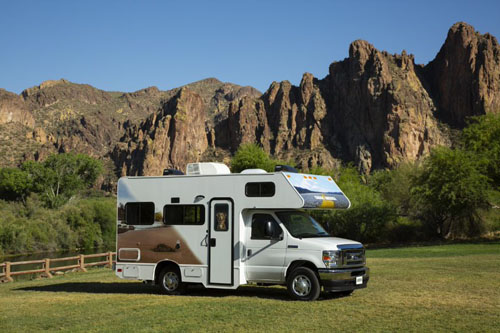
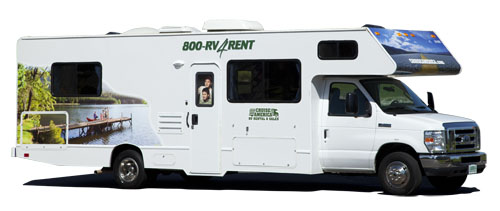
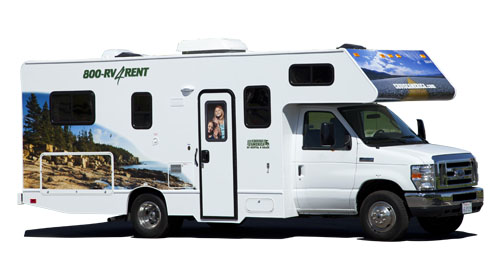
For winter RV travel in Canada, Class SI (Semi-integrated) and Class C (Alcove) RVs are generally recommended for their balance of comfort, amenities, and maneuverability. These classes often provide better insulation and robust heating systems essential for cold weather, offering a more comfortable experience than standard vehicles. For example, many Class SI models average 6.9m in length, while Class C RVs like the "24' Class C Motorhome" typically average 7.5m, providing ample living space for couples or families. These models usually offer sufficient power for varied terrain and are frequently available in winterized configurations from Bandana's partner suppliers like El Monte and Cruise America, making them highly suitable for Canadian winter conditions. You can choose a 2-berth, 4-berth, or 6-berth model based on your group size and desired space.Should I Choose a Compact Van Instead of a Large RV in Canada?
The choice between a compact van and a larger RV for a winter rental in Canada depends on your travel priorities and comfort needs. While Canada's main roads generally accommodate all RV sizes, a compact van like a Class B Camper Van (averaging 5.8m in length) can offer superior maneuverability for tighter city streets, smaller provincial park roads, and easier parking in destinations like Vancouver or Quebec City. However, a larger motorhome or campervan provides significantly more living space, potentially better insulation for sub-zero temperatures, and more extensive onboard amenities like larger bathrooms, kitchens, and ample water and waste tanks, which can be crucial for comfort during extended cold-weather trips. If urban exploration and agility are key, a compact van is a great choice, but for maximum winter living comfort and space, a larger RV is often preferred, especially for a week-long trip or more.Can I Park Anywhere? Free & Wild Camping Rules in Canada
Free camping, also known as boondocking or wild camping, is often permitted on Crown Land in Canada, especially in provinces with vast wilderness areas such as British Columbia or Ontario. However, rules vary significantly by province, territory, and municipality; some areas may have explicit prohibitions against overnight parking outside designated campgrounds or require permits for specific Crown Land access. Always adhere to 'Leave No Trace' principles by packing out all trash and respecting wildlife, camp responsibly, and check local regulations before parking overnight to avoid fines or disturbing natural environments. For finding campsites and campgrounds during your trip, we recommend using RV PLANET (rvplan.net), a great resource for locating available spots, including many that offer winter services or are suitable for off-grid camping.Can I Drive an RV Into the City Center? Heights, Tunnels & Local Signage
Driving a rented RV or motorhome into most Canadian city centers is generally feasible, as main thoroughfares are designed to accommodate commercial vehicles, but careful navigation is key. Drivers must pay close attention to local signage, which will indicate height restrictions for underpasses and tunnels, weight limits, and specific parking regulations in cities like Montreal, Toronto, or Vancouver. It's advisable to plan your route in advance using RV-specific GPS or maps that highlight vehicle restrictions to avoid tight spots or prohibited areas. Many cities offer designated RV parking at the outskirts or in larger lots near public transit, allowing you to explore the city without the stress of navigating a larger vehicle through dense traffic. Remember, drive slowly and carefully, and you can drive almost anywhere without issues. No need to stress - just use common sense and pay attention.Is Canada Good for RVing in Winter?
Canada can be an exceptional destination for RVing in winter, particularly for those seeking unique snowy landscapes, exhilarating winter sports, and a serene travel experience away from peak summer crowds. Success in winter RVing in Canada hinges on thorough preparation, a well-equipped winterized RV or campervan, and a deep understanding of regional winter conditions and available services. Destinations like the Canadian Rockies (e.g., Banff National Park) offer stunning views and world-class ski access, while parts of British Columbia's coast (e.g., Vancouver Island) can provide milder winter climates suitable for RV travel, with temperatures hovering around freezing. It's a fantastic way to experience a different side of Canada's natural beauty.What RV is Best for Winter Camping in Canada?
For winter camping in Canada, an RV specifically designed for cold weather, often marketed as a 'four-season' or 'winterized' model, is highly recommended. These motorhomes and campervans typically feature enhanced insulation in walls, floors, and ceilings, heated holding tanks for fresh and wastewater, dual-pane windows to minimize heat loss, and powerful furnaces to maintain interior warmth. Models with enclosed and heated underbellies, like many available from Bandana's premium suppliers, are crucial to prevent pipes and tanks from freezing in sub-zero temperatures. Such features ensure you stay cozy and comfortable, even when temperatures drop significantly, making your rented RV a true mobile home.How Do I Prepare an RV for Cold Weather Camping in Canada?
Preparing a rented RV for cold weather camping in Canada involves several critical steps to ensure comfort and prevent system damage. Firstly, ensure all plumbing is protected: either use non-toxic RV antifreeze in waste tanks and occasionally flush it through unused lines, or rely on heated tanks and insulated water lines if your RV is winterized. Thoroughly inspect and seal any drafts around windows and doors, verify your furnace and water heater are in optimal working condition, and always have an ample supply of propane, as heating will be a primary draw. Insulate windows with thermal covers or heavy curtains, test all electrical systems for cold-weather reliability, and pack an extensive emergency kit suited for extreme conditions, including extra blankets, food, water, a jump starter, and a shovel. Our 24/7 support team is also available before and after your booking to answer any preparation questions.What Are the Challenges of RVing in Canada in Winter?
RVing in Canada during winter presents distinct challenges that require careful planning and flexibility. Travelers should be prepared for rapidly changing and severe weather conditions, including blizzards, heavy snowfall, and ice storms, which can lead to sudden road closures and travel delays. Limited access to campgrounds and services is another significant factor, as many RV parks reduce operations or close entirely outside of peak summer season, necessitating careful planning for overnight stays and utility refills. Reduced daylight hours and increased demand on RV systems like heating, water, and battery power necessitate constant monitoring and proactive maintenance. Connectivity can also be an issue, as vast stretches of scenic routes, particularly in the Yukon, Northwest Territories, or remote national park areas like Banff and Jasper, have no cell service, making satellite communicators or pre-downloaded maps essential.🎬 Video coming soon
What Is the Best Month to RV in Canada?
The 'best' month to enjoy a rented RV trip in Canada largely depends on your desired experience. Summer months (July-August) offer the warmest weather, widest access to attractions, and longest daylight hours, making them ideal for exploring the coasts or the interior. Shoulder seasons (May-June, September-October) provide milder temperatures, fewer crowds, and often lower rental rates, making them perfect for scenic touring and experiencing the vibrant fall foliage. For winter RVing specifically, December to March caters to snow-sport enthusiasts and those seeking unique cold-weather adventures, though it demands specialized preparation and a flexible itinerary. Choosing to rent a motorhome in the winter allows for a truly unique perspective on Canada's pristine, snow-covered landscapes.What RV Parks Are Open in Winter in Canada?
While many RV parks in Canada close for the winter, a selection of private campgrounds and some national/provincial parks (often with limited services like water hookups) remain open, particularly near popular winter recreation areas or major cities like Toronto, Vancouver, or Quebec City. It is crucial to research and book campgrounds well in advance, confirming their winter operating hours, available hookups (electrical hookups are key for running your RV's heating systems), and amenities. Resources like provincial park websites (e.g., Parks Canada, BC Parks, Ontario Parks), private campground directories, and RV apps can help identify winter-friendly sites across different regions of Canada. Remember that many national and provincial parks reserve 25-30% of their winter spots for first-come-first-serve, so flexibility and calling ahead are your friends. You can also explore RV PLANET routes for pre-planned itineraries that highlight suitable campgrounds.How Much Does It Cost to Rent an RV in Canada for a Month?
The cost to rent an RV in Canada for a month varies significantly, reflecting the dynamic pricing common in the travel industry, similar to flight tickets. Prices are based on factors such as the RV class (e.g., Class B campervan, Class C motorhome, or a larger Class A), the season (winter months generally offer lower rates than peak summer), rental duration, included amenities, and the specific rental provider. For winter RV rentals, monthly costs typically range from CAD 2,000 to CAD 6,000 or more, with an average Class C motorhome costing between CAD 150-350 per day during the colder season. Beyond the base rental fee, budget for additional expenses including fuel (Class C average 10-12L/100km), campground fees (private campgrounds often cost CAD 30-70/night), optional insurance upgrades for top-level deductible reimbursement, propane, and groceries. When comparing options on Bandana, what you see is what you pay, with no surprise fees at pickup, ensuring full transparency. If you want to plan meals, check out our RV-friendly recipes playlist for delicious ideas on the go!Can You Drive an RV Across Canada in Winter?
Yes, it is certainly possible to drive a rented RV across Canada in winter, but it requires extensive preparation, a robustly winterized RV, and a flexible itinerary. This cross-country journey, spanning over 7,821 km of the Trans-Canada Highway, is a significant undertaking. Careful route planning is essential to anticipate and avoid severe weather systems and potential road closures, especially along mountainous passes in British Columbia and Alberta, or remote northern routes. Travelers must be prepared for challenging driving conditions, limited access to services, and reduced daylight, making the journey a true adventure. We always recommend slow travel, averaging a maximum of 100-150 km per day, to truly experience the vastness and beauty of Canada in winter, taking time to feel the place, connect to the culture, the food, and the scenery.What Do You Need for Winter Camping in Canada?
For a comfortable winter camping experience in a rented RV in Canada, essential items go beyond standard summer gear. You'll need a four-season rated motorhome or campervan with reliable heating and insulated tanks, along with a generous supply of propane for the furnace (plan for higher consumption). Pack cold-weather sleeping bags rated for sub-zero temperatures, appropriate layered clothing (wool or synthetic), waterproof outerwear, and insulated boots suitable for deep snow. Carry an extensive emergency kit with extra food, water, a robust first-aid kit, a jump starter, a heavy-duty shovel, traction aids (like sand or kitty litter), and reliable communication devices such as a satellite messenger for remote areas where cell service is non-existent. These preparations ensure safety and enjoyment during your winter adventure.What Do You Need to Know About Driving an RV in Winter?
Driving a rented RV in Canada during winter requires critical awareness and specific skills to ensure safety. First, understand how snow, ice, and cold temperatures significantly impact braking distance and tire traction; always drive slower than you think is necessary, especially on turns or descents. Familiarize yourself with winterizing RV systems on the go, such as managing water lines, emptying tanks when not using full hookups, and preventing freezing by keeping the interior heated and monitoring tank levels. Always maintain a full tank of fuel, keep your windshield washer fluid topped up with winter-grade liquid, and be prepared for reduced visibility due to blowing snow, fog, or whiteout conditions. Having a reliable RV-specific GPS that shows overhead clearances and can download offline maps is highly recommended for navigating through regions like Coquitlam or Dartmouth, which can present challenges with larger vehicles.Is RV Insurance More Expensive in Winter for Canada?
RV insurance costs in Canada generally do not increase specifically for winter travel; premiums are typically based on factors like the RV's value, the renter's driving history, and the chosen coverage levels. However, comprehensive coverage is absolutely crucial for winter trips to protect against potential damage from extreme weather conditions, accidents on icy roads, or issues arising from freezing pipes. Bandana offers a top-level deductible reimbursement as an optional upgrade, providing extra peace of mind for any unforeseen circumstances during your winter motorhome rental. Some policies may have specific clauses regarding proper winterization, and failure to adequately prepare your RV for cold weather could impact claims for related damages, so always review your rental agreement and insurance details carefully.How Do I Keep My RV Pipes from Freezing in Canada?
To effectively prevent your rented RV's pipes from freezing in Canada's harsh winter conditions, several strategies are essential. Primarily, opt for a four-season rated RV that comes equipped with heated tanks and insulated water lines. Consistently run the furnace to keep the interior warm, as this often extends heat to the underbelly where water pipes are located. When stationary, use a heated water hose if connected to a city water supply, and disconnect the hose when not in use to prevent it from freezing solid. Regularly check the temperature of your holding tanks and consider adding non-toxic RV antifreeze to both black and grey tanks, especially if temperatures are expected to drop significantly overnight. Additionally, ensure all external hoses are completely drained before storage or travel in freezing temperatures to protect your plumbing.Do I Need Special Tires for RVing in Winter in Canada?
While not all Canadian provinces legally mandate specific winter tires for RVs, it is highly recommended and often necessary to equip your rented RV or campervan with dedicated winter tires (marked with a snowflake symbol) or all-weather tires with sufficient tread for safe winter driving. Winter tires provide superior traction on snow and ice, significantly improving braking and handling, which is critical for the heavier weight of an RV. For example, provinces like Quebec have mandatory winter tire laws for all vehicles, including RVs, from December 1 to March 15. Moreover, mountainous regions in other provinces, such as the passes around Abbotsford or Coquitlam, may have chain requirements during severe conditions, so always carry chains and know how to install them. Prioritizing proper tires is a key safety measure for any winter RV trip in Canada.Are There Specific Canadian Wildlife Safety Protocols for Winter RV Travel?
Yes, specific Canadian wildlife safety protocols are essential for winter RV travel, emphasizing heightened awareness of animal behavior during colder months when food sources are scarce. Animals may be more active in search of food or seeking shelter, increasing the likelihood of roadside encounters with moose, deer, or elk. Maintain safe food storage practices to avoid attracting wildlife to your rented motorhome or campsite, including securing all food waste and cooking odors, and never feeding animals. While many bears hibernate, some may wake or remain active in milder coastal areas. Understand how to react to encounters with large animals, giving them ample space and never approaching them. Carry bear spray (know how to use it safely) in bear country, and keep pets on a leash, especially in areas with known wildlife activity.What Are the Best Winter RV Routes in Canada?
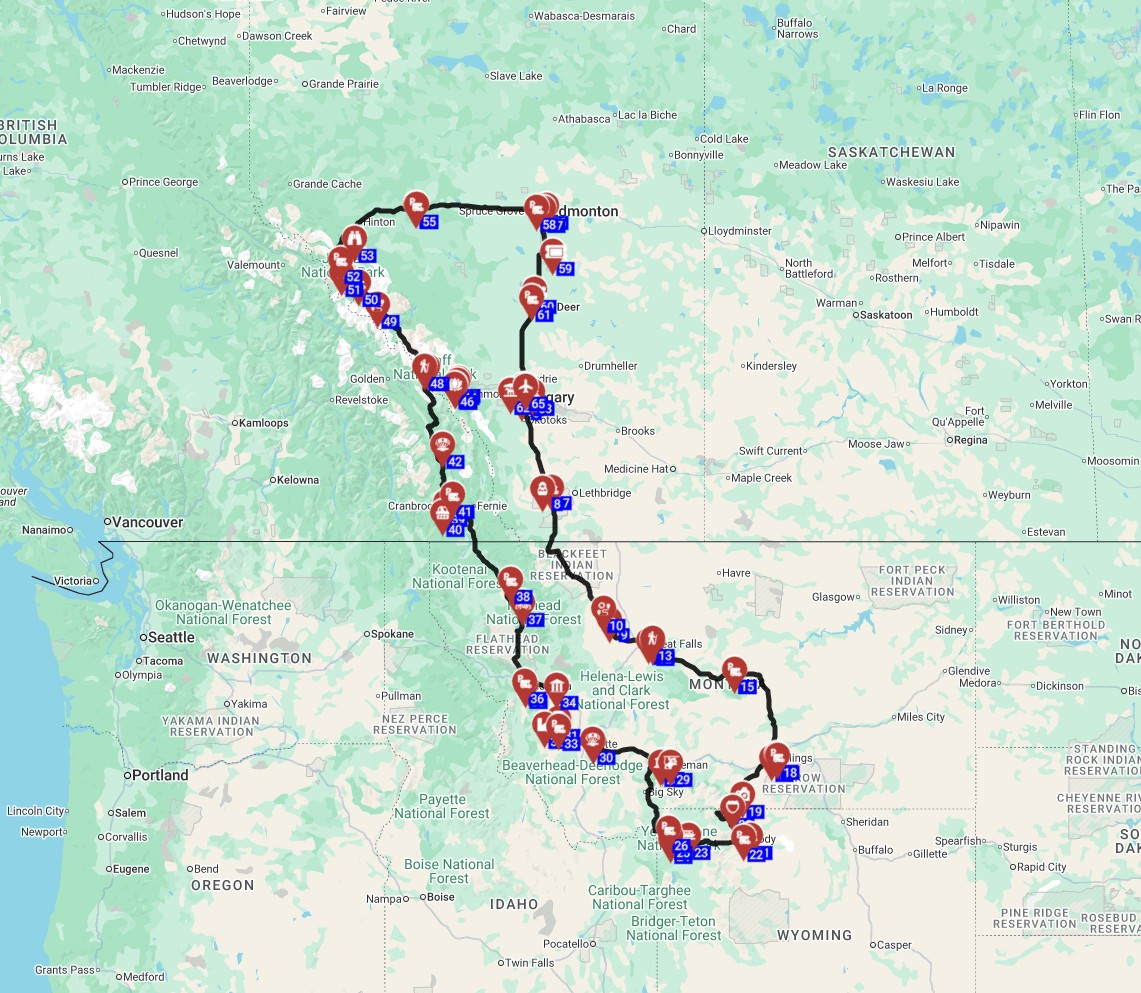
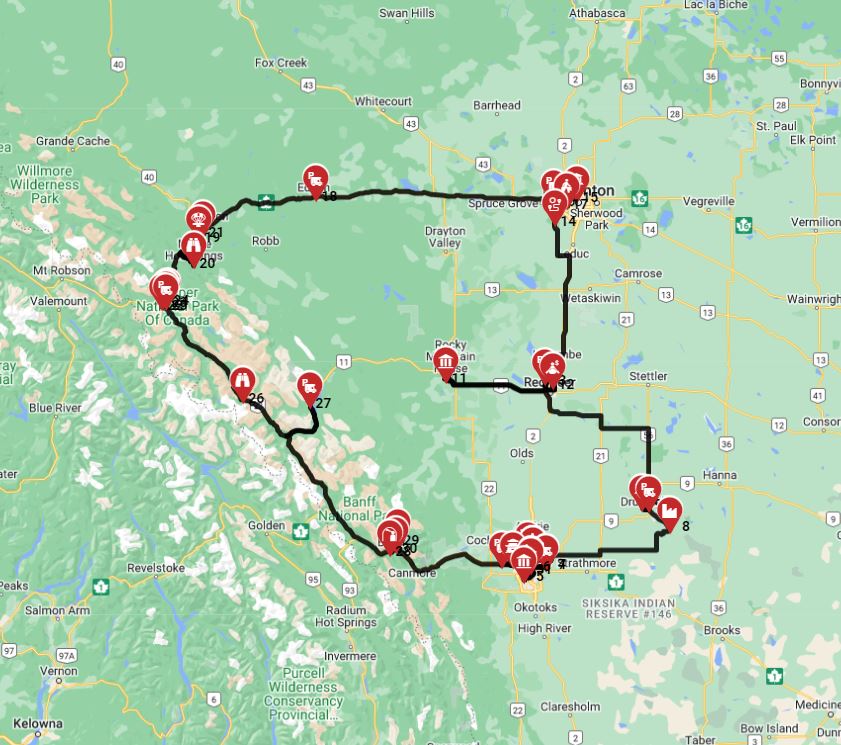
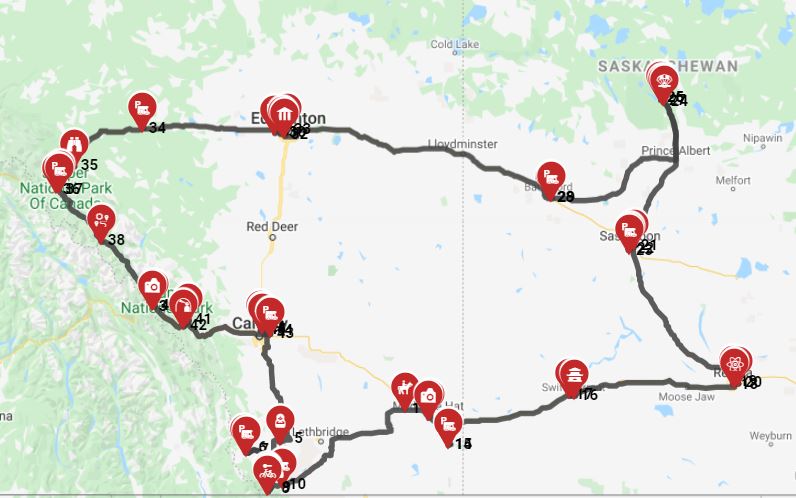
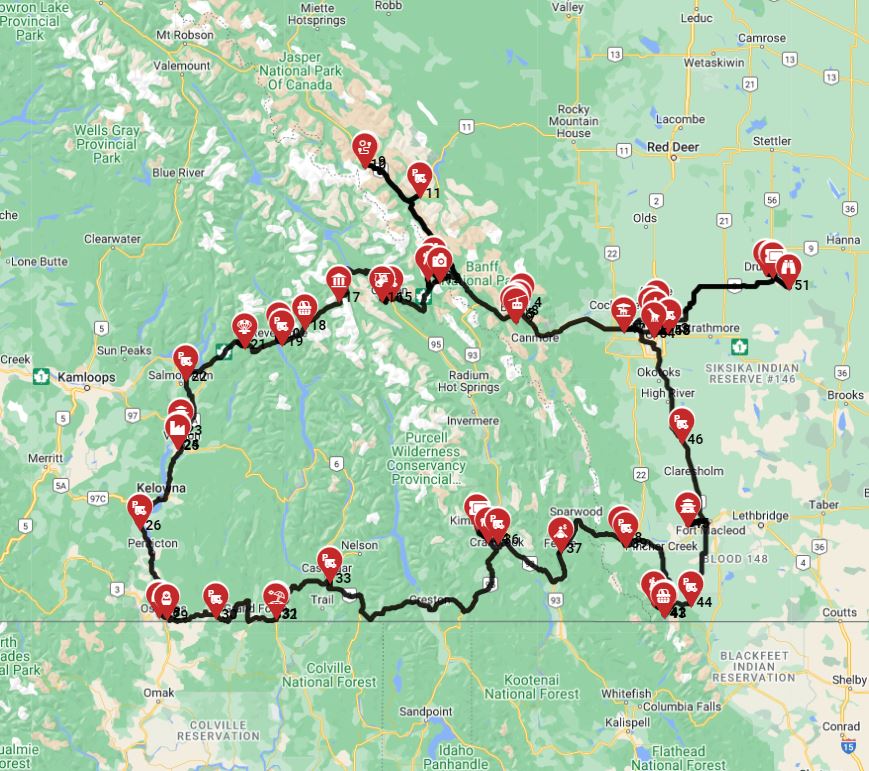
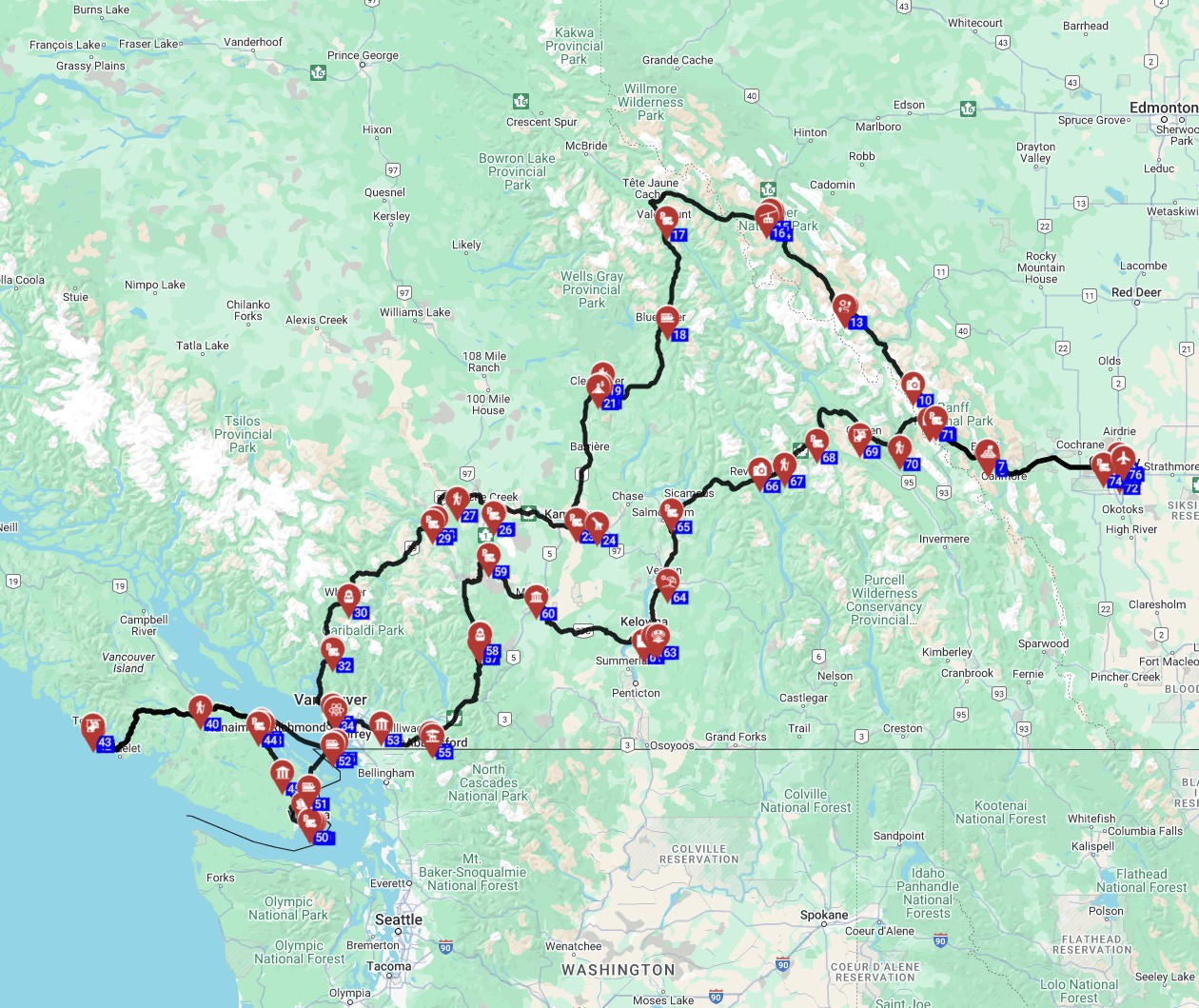
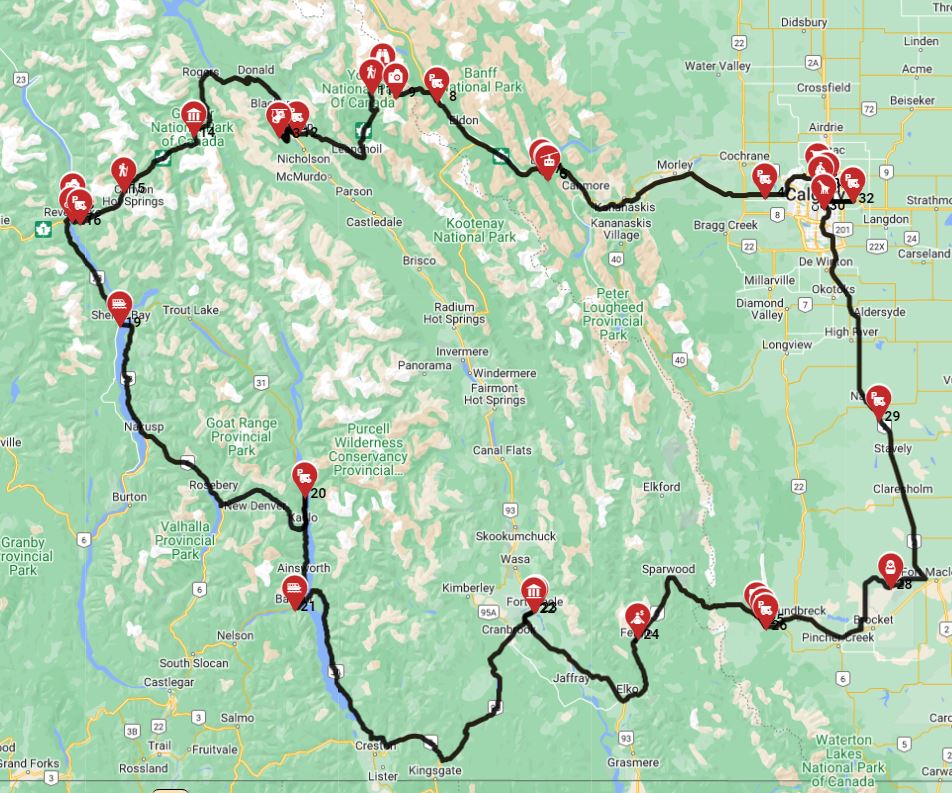
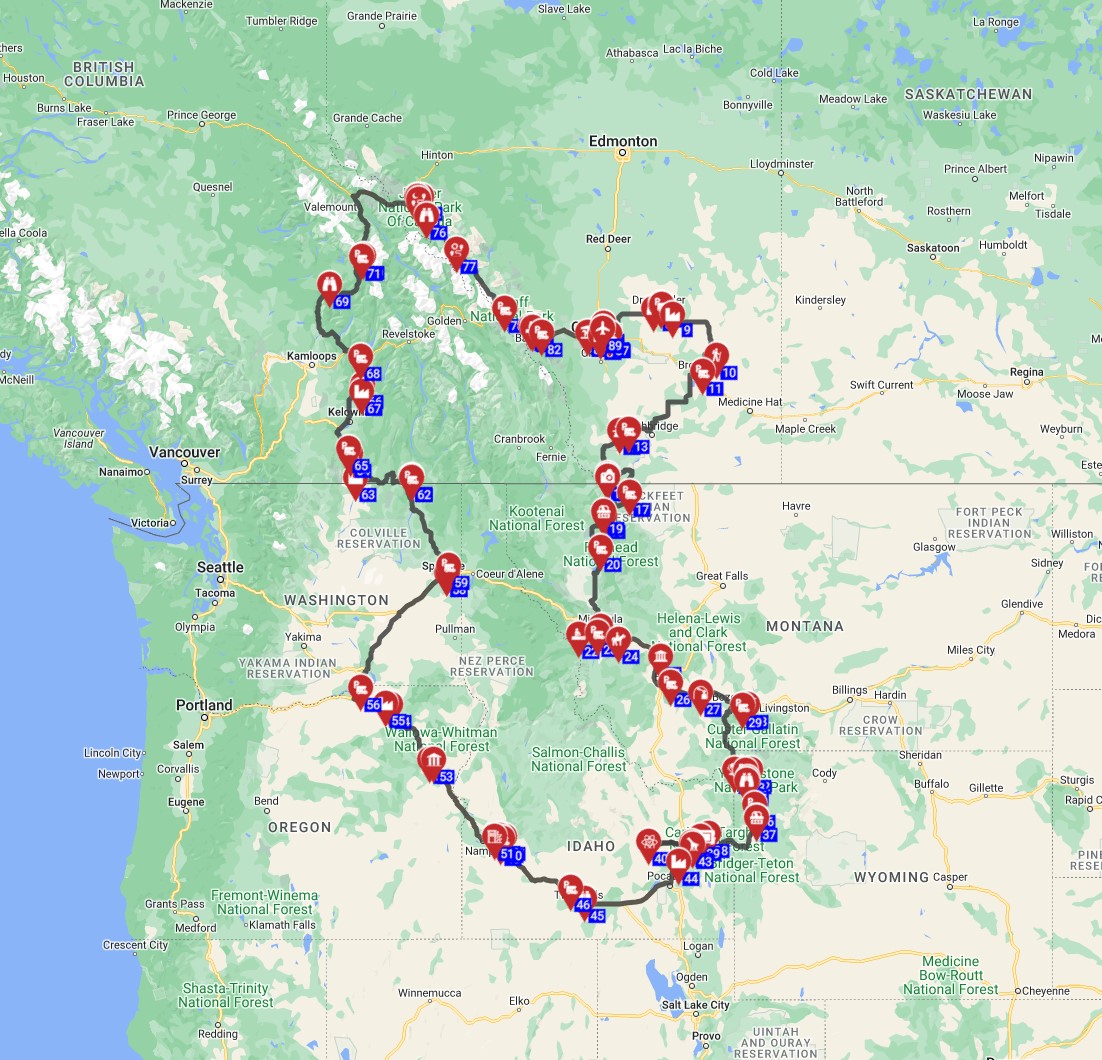
The best winter RV routes in Canada often focus on regions with established winter infrastructure, stunning scenery, and appealing attractions. Routes through the Canadian Rockies, specifically connecting iconic destinations like Banff, Lake Louise, and Jasper National Park, offer breathtaking snowy vistas and access to world-class skiing; however, travelers must check for Icefields Parkway closures due to heavy snow. Southern Ontario and Quebec offer access to charming cities like Montreal and Quebec City, ski resorts, and well-maintained highways, allowing for a mix of urban and snowy landscapes. Coastal drives in British Columbia, particularly Vancouver Island (accessible from Vancouver), can offer milder winter climates with access to temperate rainforests and coastal towns, providing a less extreme winter RV experience with average temperatures near freezing. For those seeking expert insights from Avi Bandana, check out our "Top 5 Adventures - recommendations from Avi Bandana" on our main site.For more detailed winter route plans and itineraries in Canada, including options like "Cheap RV Rental in Canada - Budget Guide 2026" or "RV Rental Deals in Canada - Latest Offers 2026", consider utilizing RV PLANET (rvplan.net). You can also discover more about "Long-Term RV Rental in Canada - Monthly Rates 2026" if planning an extended stay.
Final Thoughts
Embracing a winter RV adventure in Canada is an experience like no other, offering the chance to see this incredible country draped in snow, often with fewer crowds and a unique sense of tranquility. While it requires thorough preparation and respect for winter conditions, the rewards are immense, from dazzling dark sky preserves in Jasper to cozy nights in a well-insulated campervan. With a reliable rented motorhome and the right mindset, you're set for an unforgettable journey. At Bandana RV, we're here to make your planning seamless and enjoyable. Our full transparency, expert support, and wide selection of winter-ready RVs ensure you can embark on your Canadian escapade with confidence. So, get inspired for your next trip! Imagine waking up to a pristine snowy landscape, brewing fresh coffee in your mobile home, and setting off for a day of winter exploration. Ready to plan your winter escape? Find winter RV rentals in Canada today and discover the magic of the Great White North from the comfort of your own rented home on wheels.On the routes offered through RV PLANET routes, you can itemize and track every expense along the way for easy budgeting.