In This Guide
- Top 5 Tips for RV Rental in New Zealand
- Before You Book - Class, Dates, Insurance
- Pre-Trip Prep - Packing Checklist for New Zealand
- On the Road - Driving, Fueling, Navigation
- At the Campground - Setup, Hookups & Etiquette
- RV Rental-Specific Tips for New Zealand
- Common Mistakes to Avoid in New Zealand
- How much does it cost to rent a RV in New Zealand?
- What is the 333 rule for campervan?
- What is the best camper rental in New Zealand?
- Is it worth it to rent a campervan in New Zealand?
- Is it easy to drive a motorhome in New Zealand?
- Do and don'ts New Zealand?
- How much money would I need for 2 weeks in New Zealand?
- Is it easy to campervan around New Zealand?
- What are the drawbacks of renting an RV?
- What You Shouldn't Miss
- Why Book with Bandana Caravan
- Final Thoughts
- Frequently Asked Questions
New Zealand offers an incredible backdrop for an RV adventure, from its majestic fiords to its pristine beaches. A motorhome rental provides the ultimate freedom to explore at your own pace, creating memories that last a lifetime. To help you plan your ideal trip and make the most of your budget, we've compiled a comprehensive guide filled with expert tips and essential information. For live availability and current prices, start with our RV Rental New Zealand - Complete Guide 2026 guide.
Top 5 Tips for RV Rental in New Zealand
Planning an RV trip in New Zealand requires attention to a few key details to ensure a smooth and budget-friendly journey. First, booking well in advance, especially for the peak season (December-February), is crucial for securing specific vehicle types and better rental rates, potentially saving up to 25% on your booking. Second, understanding New Zealand's 'self-contained' certification is vital for freedom camping opportunities, which can significantly reduce accommodation costs. Third, always be prepared for varying road conditions, from sealed highways to unsealed gravel roads, and consult your rental agreement for any restrictions on unsealed surfaces.
Fourth, plan your itinerary to allow ample time for scenic stops and unexpected detours, embracing the slow travel philosophy of averaging 100-150 km per day. Finally, familiarize yourself with local driving rules, including driving on the left side of the road, understanding priority at one-lane bridges, and adhering to speed limits (typically 100 km/h on open roads, 50 km/h in urban areas). For even more detailed itineraries and route planning, consider exploring RV PLANET routes, which offers over 1,300 pre-planned routes across 5 continents, including many New Zealand-specific options like the
Before You Book - Class, Dates, Insurance
Making informed decisions before booking your rental RV can greatly impact your New Zealand adventure and overall budget. Consider your group size, budget, and desired comfort level when selecting from compact campervans (2-berth, like a "Paradise Family 5" ideal for a couple), medium motorhomes (3-4 berth, such as an "MIA" with a 100 Liter fresh water tank), or larger RVs (4-6 berth, like the spacious "Euro Deluxe" with 3 double beds and a 100 Liter fresh water tank). Prices are dynamic, similar to flight tickets, changing daily based on availability, seasonality, and supplier marketing decisions. You can find excellent value by searching for "Cheap RV Rental in New Zealand - Budget Guide 2026" during off-peak periods, such as May to September.
Locking in your dates strategically is also important, as rental prices fluctuate seasonally, with peak demand and higher rates occurring from December to February; booking 3-6 months ahead is highly recommended for best availability and pricing. When it comes to insurance, basic coverage is always included with your rental. To see prices including the most comprehensive coverage, select that option during your search on Bandana RV – then all relevant insurance options, including the ability to upgrade to a top-level deductible for extra peace of mind, will be shown. For a deep dive into premium options, read our guide on "Luxury RV Rental in New Zealand - Premium Prices 2026".
Pre-Trip Prep - Packing Checklist for New Zealand
A well-thought-out packing list ensures you’re comfortable and prepared for New Zealand’s diverse climate and activities. Most rental motorhomes, like a "Chaser" or "Chubby Camper," typically include bedding, kitchen essentials, and basic cleaning supplies. For preparing meals in your RV, you'll appreciate having a well-stocked kitchen onboard, and if you're looking for inspiration, check out our RV-friendly recipes playlist on YouTube.
Here's a checklist of essentials to bring for your New Zealand RV rental adventure:
- Layers for all seasons (e.g., thermal base layers, fleece, waterproof jacket)
- Comfortable walking shoes/hiking boots
- Swimwear and quick-dry towel
- Hat, sunglasses, and sunscreen with high SPF
- Reusable water bottles and coffee cups to minimize waste
- Small cooler or insulated bag for extra fresh produce (if not provided by RV)
- Basic condiments (salt, pepper, oil - can be purchased locally)
- First-aid kit including any personal medications
- Insect repellent, especially for sandflies
- Headlamp or flashlight for dark campgrounds
- Valid driver's license (with International Driving Permit if from a non-English speaking country, though often not mandatory)
- Passport and travel insurance details
- RV rental confirmation and itinerary
- Digital and physical copies of important documents for safety
Bandana RV is here to support you with pre-booking comparison, booking support, and post-booking coordination, ensuring you have all the information you need before you even pick up your campervan.
At the Campground - Setup, Hookups & Etiquette
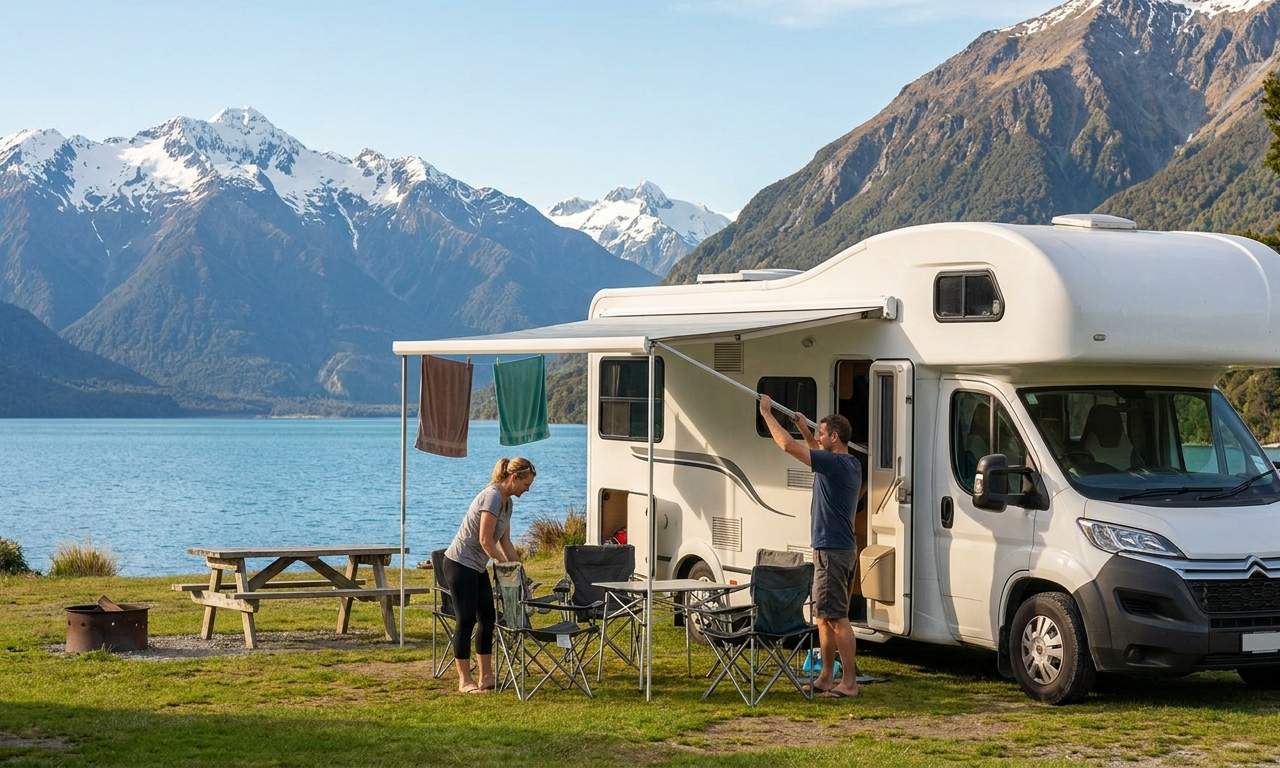
Setting up your rental RV at a New Zealand campground is straightforward, offering a comfortable base for your explorations. Upon arrival, choose a level spot or use leveling ramps to ensure comfort and proper functioning of onboard appliances like the refrigerator. If you've opted for a powered site, connect your RV's power cable to the campsite's electrical pedestal; ensure the main breaker is off before plugging in, then switch it on. For water, attach your potable water hose to the campsite's tap and your RV's freshwater inlet for a continuous supply. Managing wastewater involves connecting your grey water hose (for sink/shower water) to a drain and understanding how to properly empty your black water (toilet) tank at designated dump stations found at most campgrounds. On the routes offered through RV PLANET routes, you can itemize and track every expense along the way for easy budgeting.
Campground etiquette in New Zealand is generally relaxed but emphasizes respect for fellow campers and the environment. Observe quiet hours, typically from 10 PM to 7 AM, keep your site tidy, and dispose of all waste properly in designated bins. Freedom camping (camping outside of designated campgrounds) is permitted in some areas but requires your RV to be certified 'self-contained', adhering to strict environmental rules to prevent littering or improper waste disposal. For finding campsites and campgrounds during your trip, we recommend using RV PLANET (rvplan.net) – a great resource for locating available spots along your route.
🎬 Video coming soon
RV Rental-Specific Tips for New Zealand
Tailoring your RV rental choice to your travel style can greatly enhance your New Zealand experience. For families of 4-6, a larger Class C motorhome like the "MHC24" (with a 150 Liter fresh water tank) offers ample sleeping berths and living space; consider models with separate dinettes for kids and look for campsites with playgrounds. Groups of friends might also appreciate the space of a "Category Family 5" motorhome, which can sleep up to 6 people. For seniors, opting for an RV with automatic transmission, power steering, and an ergonomic layout, such as a "2 Berth Sandpiper" (with a 140/190cm double bed), can make driving and living more comfortable. All motorhomes available through Bandana RV only require a standard car driver's license.
Budget travelers will find great value in smaller, fuel-efficient campervans certified as 'self-contained,' enabling them to utilize free freedom camping spots where permitted. Cooking most meals in your rental campervan's kitchen, like the "Paradise Family 5" or "Chaser" (which typically have a 2-burner gas stove and 50-80 liter fridge), is another excellent way to save money. If you're seeking luxury, explore premium motorhomes with amenities like separate showers, larger refrigerators, and potentially a TV, such as the "new zealand motorhome hire example Euro Deluxe." Don't forget to check out "Cheap RV Rental in New Zealand - Budget Guide 2026" for more money-saving tips.
Common Mistakes to Avoid in New Zealand
Avoiding common pitfalls can make your New Zealand RV adventure much smoother and more enjoyable. A frequent mistake is underestimating driving times: New Zealand’s winding roads mean you should always add 20-30% to estimated driving durations for stops, scenic detours, and unexpected delays. Ignoring road conditions, particularly for mountain passes and unsealed roads, can also lead to issues; always check current road conditions and weather forecasts before setting out. Not booking popular Department of Conservation (DOC) or holiday park campsites in advance, especially during peak season, is another common error that can lead to disappointment; many national and state parks reserve only 25-30% of their spots, with the rest being first-come-first-serve, so calling ahead is always wise.
Failing to understand New Zealand’s freedom camping rules, especially the requirement for a 'self-contained' certified vehicle, can result in hefty fines. Improperly disposing of rubbish or wastewater is not only illegal but also harms the pristine environment, so always use designated dump stations. Forgetting to factor in fuel costs, including Road User Charges (RUC) for diesel vehicles, can quickly bust your budget; these ancillary costs beyond the RV rental itself can be itemized and tracked along RV PLANET routes for easy budgeting. Bandana RV offers full transparency with no hidden fees or surprises, and our true RV specialists are here to support you before and during your booking process.
How much does it cost to rent a RV in New Zealand?
The cost to rent an RV in New Zealand varies significantly based on vehicle size, rental duration, season, and included insurance. Typically, a compact campervan (2-berth) ranges from NZ$50-150 per day in low season (May-September) to NZ$200-300+ per day in peak season (December-February). Larger motorhomes (4-6 berth), such as the "6 Berth Discovery" (which has a 125 Liter fresh water tank and sleeps 6), can cost NZ$150-250 per day in low season, escalating to NZ$350-450+ per day during the bustling summer months. These prices are dynamic, changing daily, so checking "RV Rental Deals in New Zealand - Latest Offers 2026" is always a good idea.
Beyond the daily rental rate, budgeting for ancillary costs is crucial. Fuel can range from NZ$80-150 per day depending on mileage and vehicle type, with diesel vehicles also incurring Road User Charges (RUC). Campsite fees vary widely: holiday parks with powered sites typically cost NZ$25-60 per night, while Department of Conservation (DOC) sites are NZ$8-25 per night. Freedom camping is free but requires a 'self-contained' certified vehicle. Food expenses can average NZ$50-100 per day if cooking most meals, while activities and tours can range from NZ$100-300+ per person for adventure excursions, or be free for hiking. Our tool allows you to track all these expenses along RV PLANET routes.
What is the 333 rule for campervan?
The "333 rule" for campervans in New Zealand is an informal guideline for responsible freedom camping, though official regulations are centered around vehicles being certified as 'self-contained' under the Freedom Camping Act 2026. For a vehicle to be certified 'self-contained', it must have an onboard toilet, a fresh water tank (minimum 25L per person for 3 days), a grey water tank (minimum 25L per person for 3 days), and a rubbish bin with a lid. This certification is crucial for accessing many free camping spots. A suitable example would be the "Koru Star 4 Freedom" motorhome, which features a 100L fresh water tank and a 75L diesel tank.
While not a strict legal requirement, the "333 rule" encompasses principles like limiting your stay to a maximum of 3 consecutive nights in any one designated freedom camping spot, parking at least 3 meters away from the road's edge and residential properties, and ensuring all waste is collected and removed, effectively following a "Leave No Trace" principle. This means meticulously packing out what you pack in, and always using designated dump stations for waste disposal. Respecting these guidelines is essential to protect New Zealand's natural beauty and avoid potential fines up to NZ$400.
What is the best camper rental in New Zealand?
The "best" rental camper or motorhome in New Zealand ultimately depends on your individual travel needs, budget, and desired comfort level, as different suppliers cater to various preferences. Bandana RV offers direct partnerships with 50+ leading RV suppliers worldwide, including trusted names like Apollo and Britz in New Zealand, ensuring a wide selection. For solo travelers or couples on a budget, smaller campervans like the "Juliette 2-3" or a 2-berth "Happy 1 EX AUTO" often provide basic amenities and lower costs. These compact options are perfect for maneuvering through towns and offer excellent fuel efficiency (e.g., a "HiTop" can travel approximately 10-12 liters per 100km).
Mid-range options, such as 4-berth Class C motorhomes like the "4 Berth Adventurer," balance comfort and affordability, making them suitable for small families. For those seeking a premium experience, newer and more fully-equipped motorhomes from suppliers like Maui or KEA, often referred to as "Luxury RV Rental in New Zealand - Premium Prices 2026" models, feature amenities like separate showers, larger refrigerators, and even TVs. When comparing, always check what's included (bedding, kitchen kit, extra insurance, Road User Charges) as these can significantly impact the total trip cost. Our booking platform provides transparent pricing, with no hidden fees or conversion commissions, allowing you to easily compare options in 30+ currencies.
Is it worth it to rent a campervan in New Zealand?
Renting a campervan or motorhome in New Zealand is widely considered a highly rewarding and transformative way to explore the country, offering unparalleled flexibility and immersive experiences. The primary benefit is the freedom to easily adjust your itinerary to chase good weather, spontaneously pull over at breathtaking viewpoints, or explore unexpected gems off the beaten path. This travel style can also offer potential cost savings, as you can save on accommodation by utilizing freedom camping spots (if your vehicle is 'self-contained') or budget campsites, and significantly reduce food expenses by cooking your own meals in the onboard kitchen, rather than dining out for every meal. Imagine waking up to stunning coastal or mountain views directly from your bed, having your mobile headquarters with you at all times. This convenience, combining transport and accommodation, simplifies travel logistics greatly.
However, it is honest and transparent to acknowledge certain considerations. The upfront costs for rental and fuel can be substantial, especially for larger RVs or during the peak summer season (December-February), as prices are dynamic. Driving challenges exist, particularly navigating New Zealand’s often narrow, winding roads, numerous one-lane bridges, and finding suitable parking in smaller towns for larger vehicles. This may lead to slower travel times than expected. Managing onboard resources like fresh water, and the emptying of grey and black water tanks, requires regular attention. During peak season, popular campsites, especially Department of Conservation (DOC) sites, often require advance booking, which can limit spontaneity. Additionally, New Zealand weather can be unpredictable, impacting outdoor plans, and cell service or Wi-Fi can be limited in remote national parks, requiring some digital detox.
Is it easy to drive a motorhome in New Zealand?
Driving a motorhome in New Zealand is generally manageable for most confident drivers, but it certainly requires awareness and adaptation to unique road conditions. The most significant adjustment for many international visitors is driving on the left side of the road, a custom shared with our neighbor, "RV Rental Australia - Complete Guide 2026". While New Zealand boasts an excellent road infrastructure, many roads, particularly in scenic and mountainous regions, are narrow, winding, and steep, demanding slower speeds and focused attention. You will frequently encounter one-lane bridges, especially in the South Island, where signage dictates which direction has priority – a polite "Kiwi wave" of thanks is common practice.
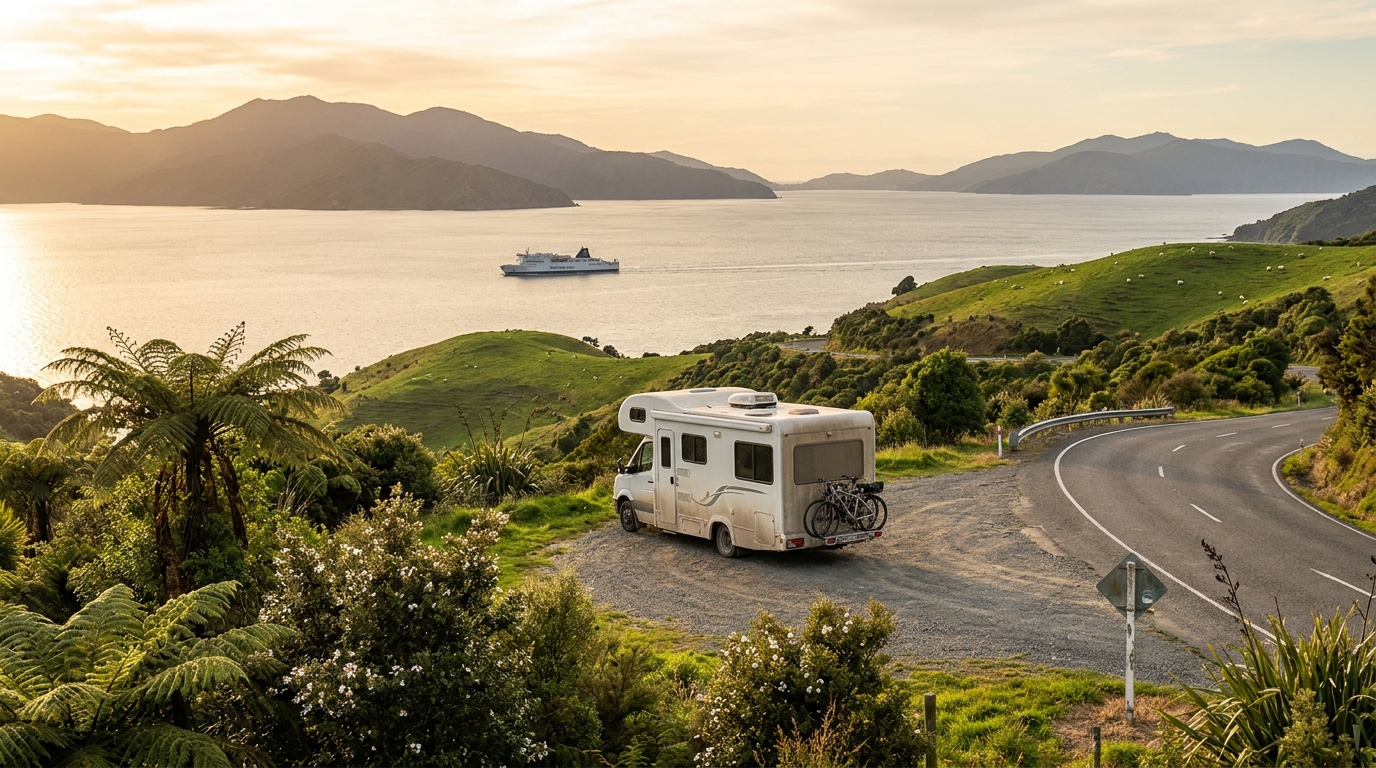
Some scenic routes or access roads to attractions may be unsealed (gravel); always check your rental agreement for restrictions on driving on these surfaces. If you plan to travel between the North and South Islands, driving your rental RV onto and off the Interislander ferry requires careful navigation and adherence to crew instructions. Finding suitable parking in towns and at popular attractions can also be challenging for larger vehicles; planning ahead or using designated RV parking spots is advisable. While driving is generally safe, long distances combined with demanding road conditions can be tiring, so planning regular breaks and adhering to the recommended slow travel pace of 100-150 km per day is essential for a relaxed journey.
Do and don'ts New Zealand?
To ensure a respectful and enjoyable RV trip in New Zealand, it's crucial to embrace local customs and uphold environmental stewardship. Do drive safely: always adhere to posted speed limits, take regular breaks, and allow extra time for winding roads. Do respect the "Leave No Trace" principles by meticulously packing out all your rubbish, disposing of wastewater responsibly at designated dump stations, and protecting the pristine natural environment. Do engage with Māori culture by learning a few basic Māori phrases like "Kia Ora" (hello) and showing respect for tikanga (Māori customs) at cultural sites. Be prepared for all seasons, as New Zealand weather can change rapidly; always pack layers. Finally, do book popular campsites and activities ahead of time, especially during the peak summer season (December-February), to avoid disappointment.
On the flip side, there are important don'ts to remember. Do not freedom camp illegally; only camp in designated 'self-contained' areas to avoid heavy fines up to NZD $400. Do not litter or dump waste improperly, as it is illegal and severely harmful to the environment. Do not underestimate distances or driving times; New Zealand roads are often slower than expected due to their winding nature. Do not ignore road signs, especially warning signs for sharp curves, steep hills, and one-lane bridges. Lastly, do not interfere with local wildlife; observe from a distance and never feed native animals. Our goal is to help you handle the details so you can live the journey, fully immersed in New Zealand's unique culture and nature.
How much money would I need for 2 weeks in New Zealand?
For a two-week RV trip in New Zealand for two people, a realistic budget typically ranges from NZ$3,000 to NZ$7,000+, depending heavily on your RV choice, travel style, and activity preferences. The RV rental itself will be your largest expense, potentially costing NZ$700 to NZ$6,300 for 14 days (NZ$50-450 per day) depending on the vehicle size and season. For instance, a budget-friendly campervan like the "new zealand motorhome hire example Hippie Drift" might cost significantly less than a larger, more luxurious motorhome such as the "new zealand motorhome hire example Euro Deluxe." Don't forget to look at our "One-Way RV Rental in New Zealand - Price Guide 2026" if you're considering a non-circular route.
Fuel costs for two weeks can be substantial, estimated at NZ$1,000 to NZ$2,100 (approximately NZ$70-150 per day for extensive travel) for a journey of around 2,000-3,000 km, factoring in diesel Road User Charges. Campsite fees will add NZ$0 to NZ$840, depending on your camping choices, with powered sites in holiday parks costing up to NZ$60/night, while freedom camping is free. Food and groceries, if you primarily cook in your RV, might be NZ$700-1,400 (NZ$50-100 per day). Activities and tours are highly variable, ranging from NZ$500 to NZ$2,000+ for a mix of free hikes and paid excursions. Always budget an additional NZ$100-300 for miscellaneous expenses like laundry, souvenirs, and unforeseen circumstances. You can use RV PLANET routes to itemize and track every expense for easy budgeting.
Is it easy to campervan around New Zealand?
Campervanning around New Zealand is generally considered very easy and highly accessible for travelers, largely due to its excellent infrastructure and supportive tourism environment. The country boasts a well-maintained road network, making most scenic destinations and attractions readily accessible, though many routes feature winding sections that require a slower pace. There is a vast network of accommodation options, including numerous holiday parks with powered sites, affordable Department of Conservation (DOC) campsites, and designated freedom camping spots for certified 'self-contained' vehicles, ensuring you'll always find a place to stay. Remember, many national/state parks reserve only 25-30% of spots for pre-booking; the rest are first-come-first-serve. You'll find a spot. If not at the first campground, then the next one. Call ahead before driving.
Access to essential facilities like fresh water refill points and dump stations for grey and black water is widespread, particularly at holiday parks and dedicated service points. Grocery shopping is convenient with supermarkets common in towns and cities, making it simple to resupply your rental campervan kitchen. While major towns have good cell service and Wi-Fi, be aware that connectivity can be limited in remote national parks and valleys, offering a chance for a digital detox. Navigation is straightforward with GPS and mapping apps, but downloading offline maps is a good backup. Opting for a certified 'self-contained' vehicle significantly broadens your freedom camping options, allowing for even more flexibility in your journey.
What are the drawbacks of renting an RV?
While RV rentals in New Zealand offer unparalleled freedom, it's helpful to be aware of potential drawbacks to ensure a well-planned trip. The primary concern for many is the overall cost, which can be higher than initially perceived; beyond the daily rental rate, substantial expenses accumulate from fuel (especially with diesel Road User Charges), campground fees (NZ$25-60/night for powered sites), and potentially higher insurance excesses if a top-level deductible is not purchased. A standard car driver's license is sufficient for all motorhome classes, but understanding all the costs is key to a stress-free trip.
Driving larger rental RVs can present challenges on New Zealand's narrow, winding roads, one-lane bridges, and in city parking, potentially leading to slower travel times and increased fatigue. Logistical management, such as the constant monitoring and replenishment of fresh water and the emptying of grey and black water tanks, can become a daily chore. During peak season (December-February), popular campsites often require advance booking, which can reduce the spontaneity that RV travel is known for. Unpredictable weather, including heavy rain or strong winds, can limit outdoor activities and make living in a smaller space less comfortable. Lastly, while rare, mechanical issues can disrupt itineraries, and troubleshooting onboard systems can be a learning curve. However, with careful planning and the support of true RV specialists like Bandana RV, these challenges are easily manageable.
What You Shouldn't Miss
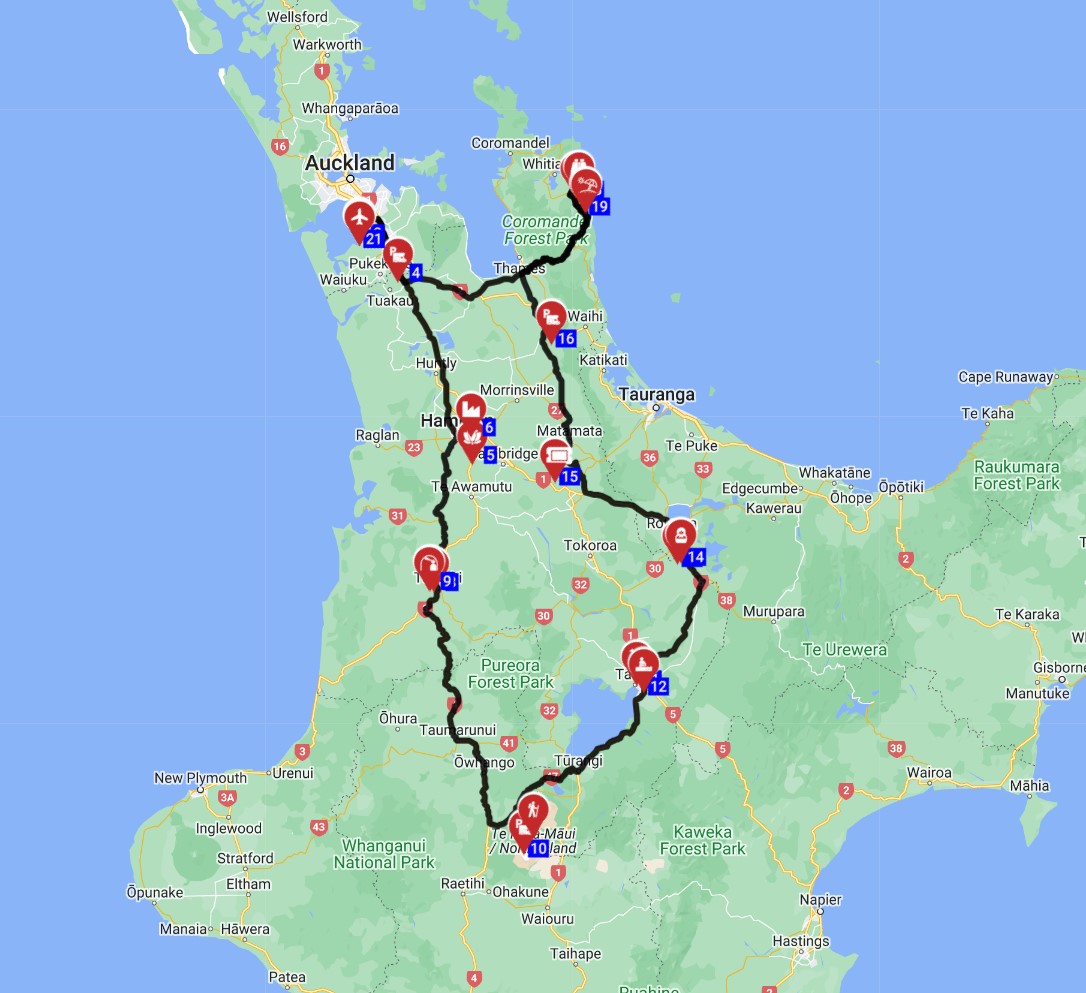
New Zealand is brimming with spectacular sights and unforgettable experiences perfect for a rented motorhome adventure. Imagine driving through the dramatic landscapes of the South Island, cruising past Milford Sound's towering cliffs or along the rugged West Coast. On the North Island, the geothermal wonders of Rotorua and the serene beaches of Coromandel await. Here are a few must-do experiences:
- **Explore Fiordland National Park:** Take a scenic cruise through Milford Sound, a UNESCO World Heritage site. The
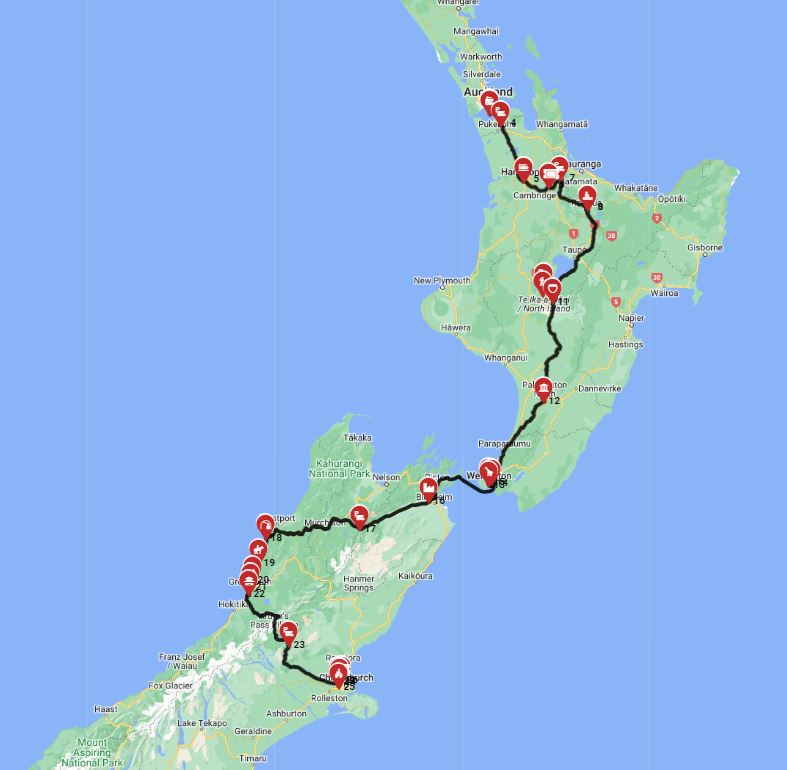
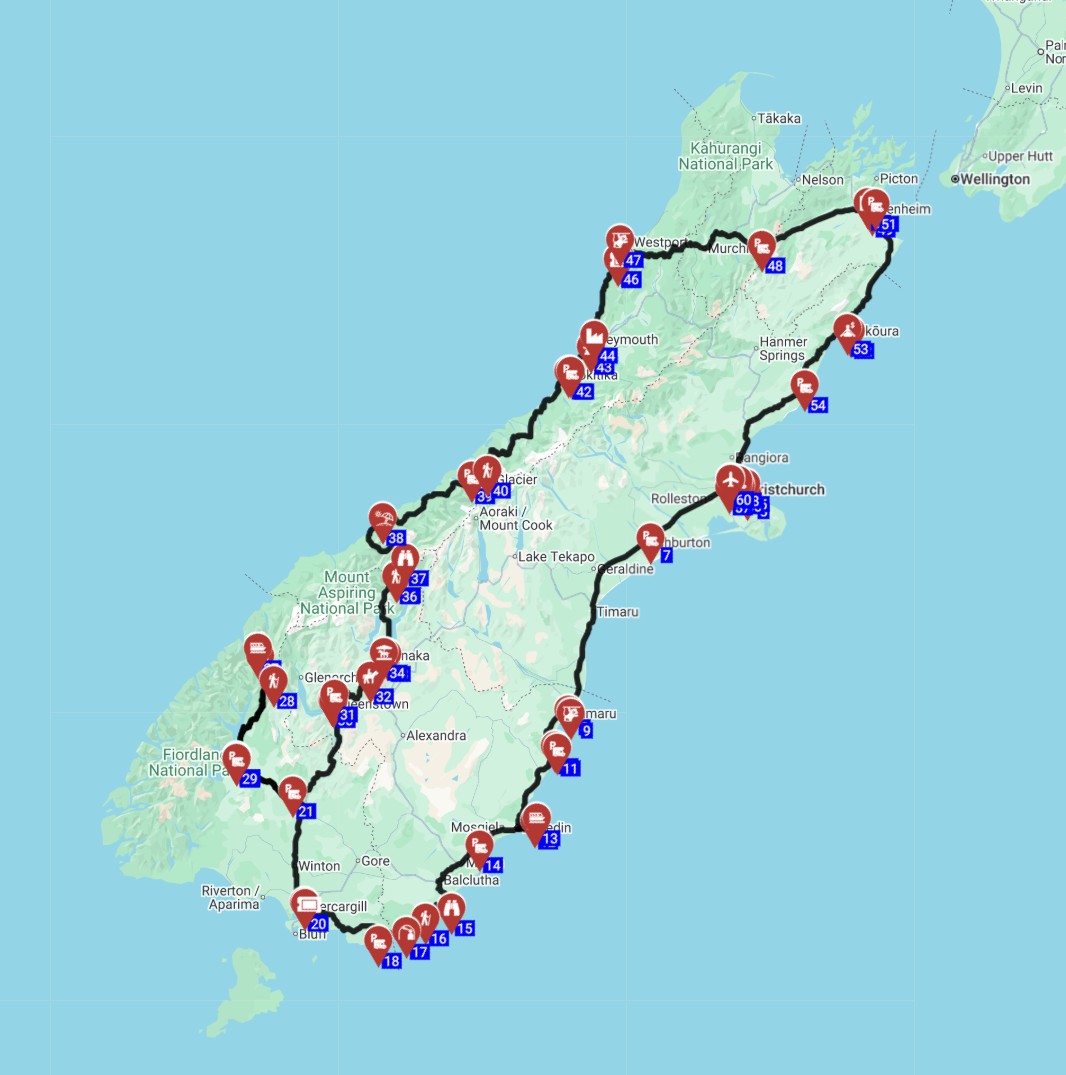
route covers 2647.3 km over 18 days, featuring 3 museums, 5 hiking areas, and 2 historical sites.
Christchurch Roundtrip - Around the South Island
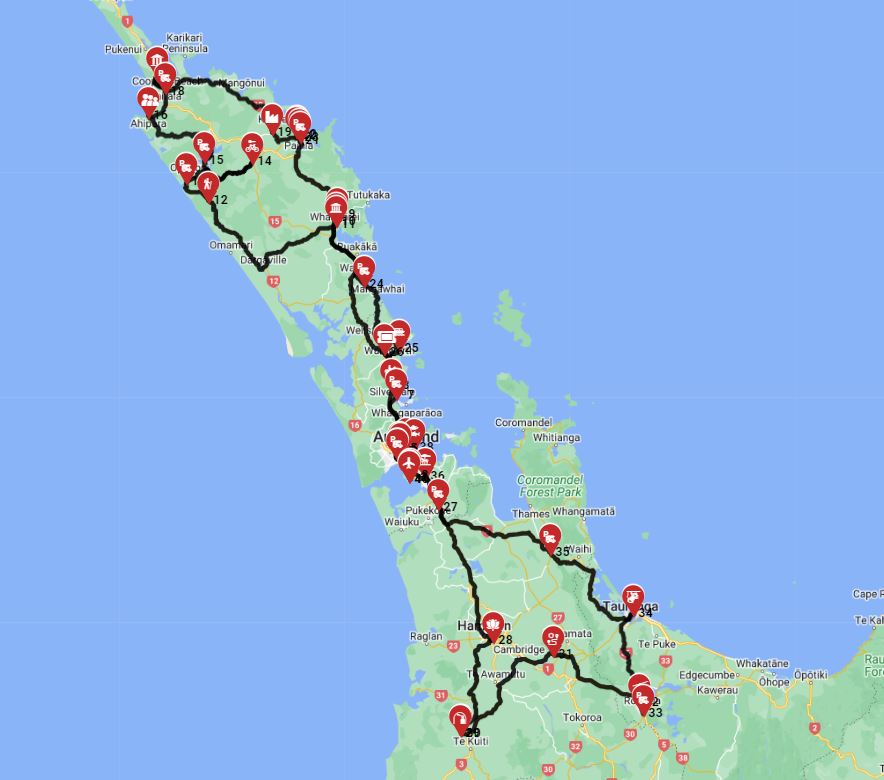
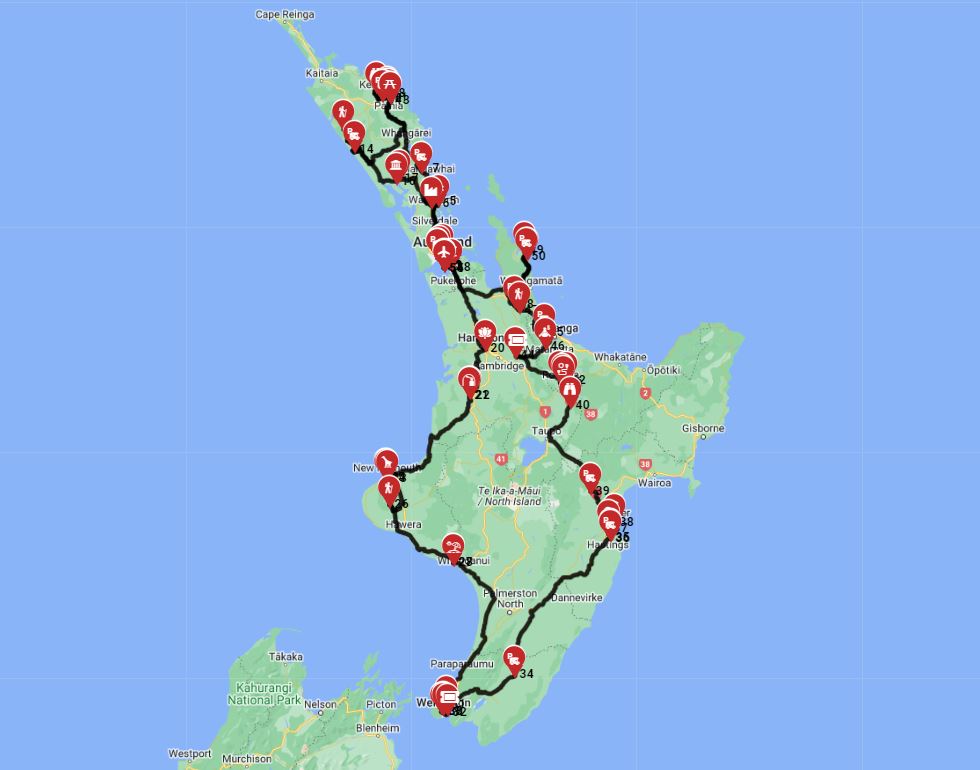
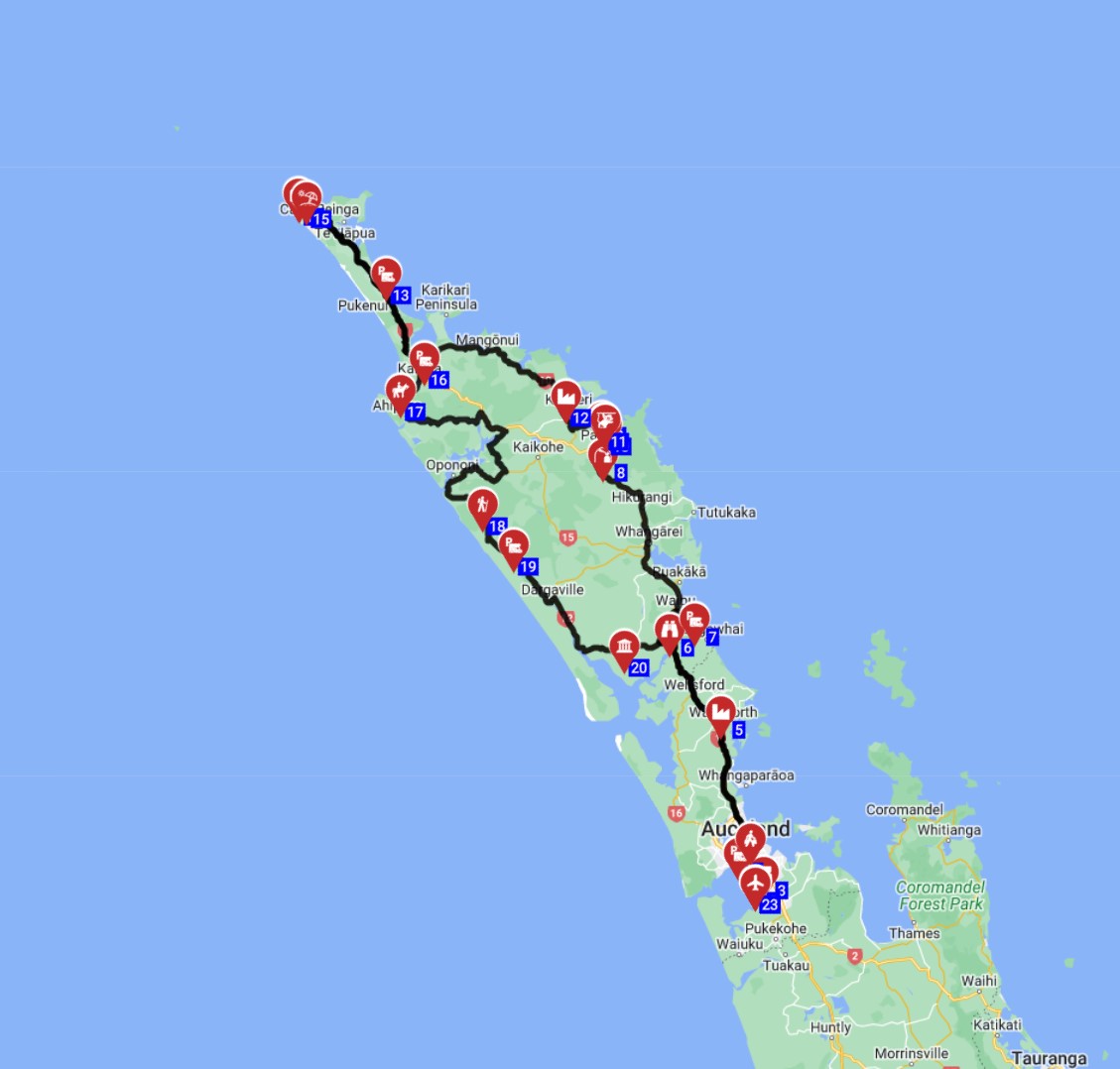
- **Visit the Bay of Islands:** Discover historical sites, pristine beaches, and marine life in the Northland region. The
(18 days, 2830.2 km, with 3 cruise terminals and 2 point of interest) takes you through diverse landscapes.
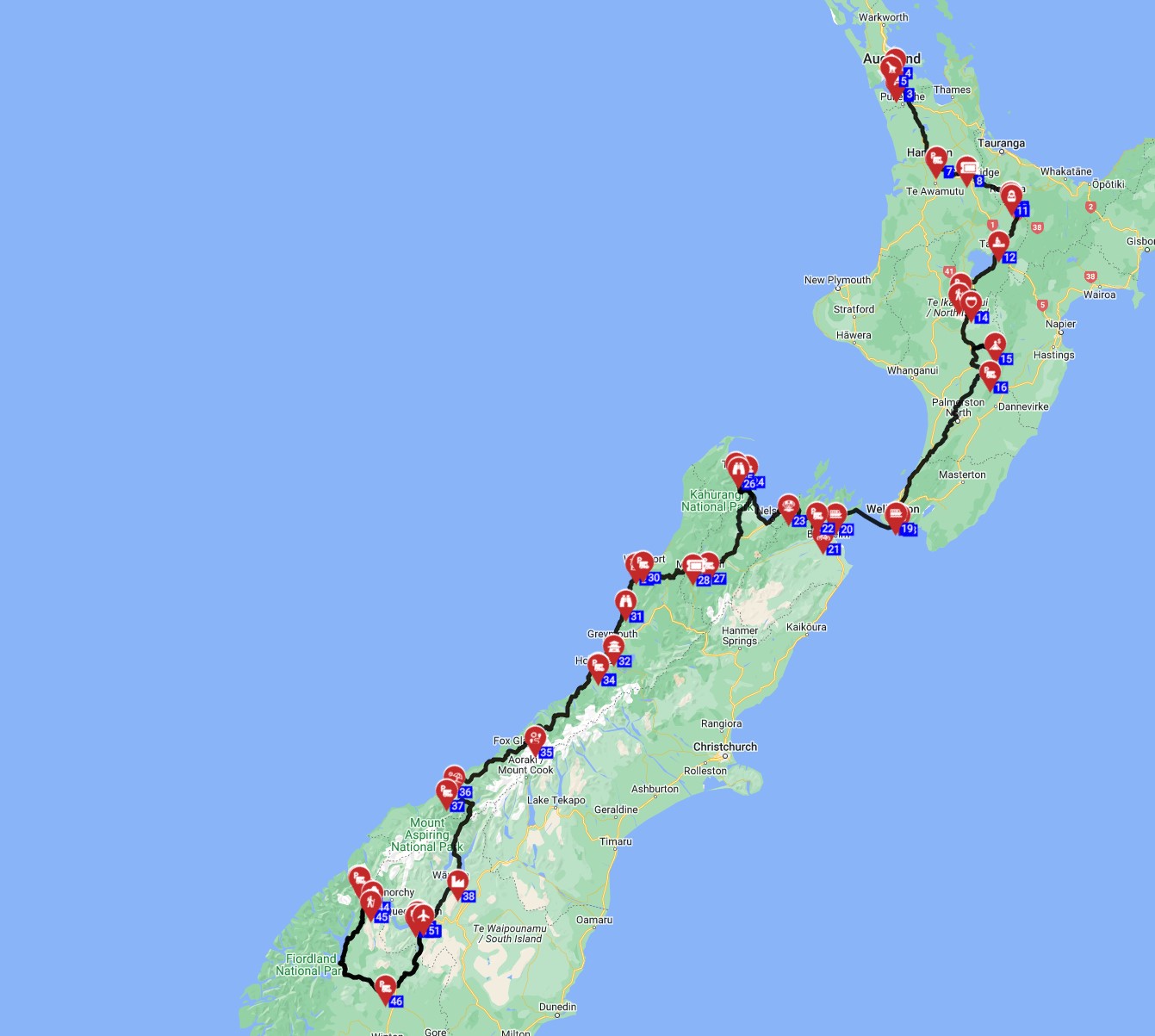 Auckland to Queenstown - The Great Kiwi Road Trip
 - **Experience Rotorua:** Immerse yourself in Māori culture and geothermal wonders, from bubbling mud pools to active geysers.
- **Hike in Tongariro National Park:** Home to the Tongariro Alpine Crossing, one of the world's best day hikes, offering volcanic landscapes.
- **Discover Queenstown, the Adventure Capital:** From bungee jumping to jet boating, there’s an adrenaline rush for everyone.
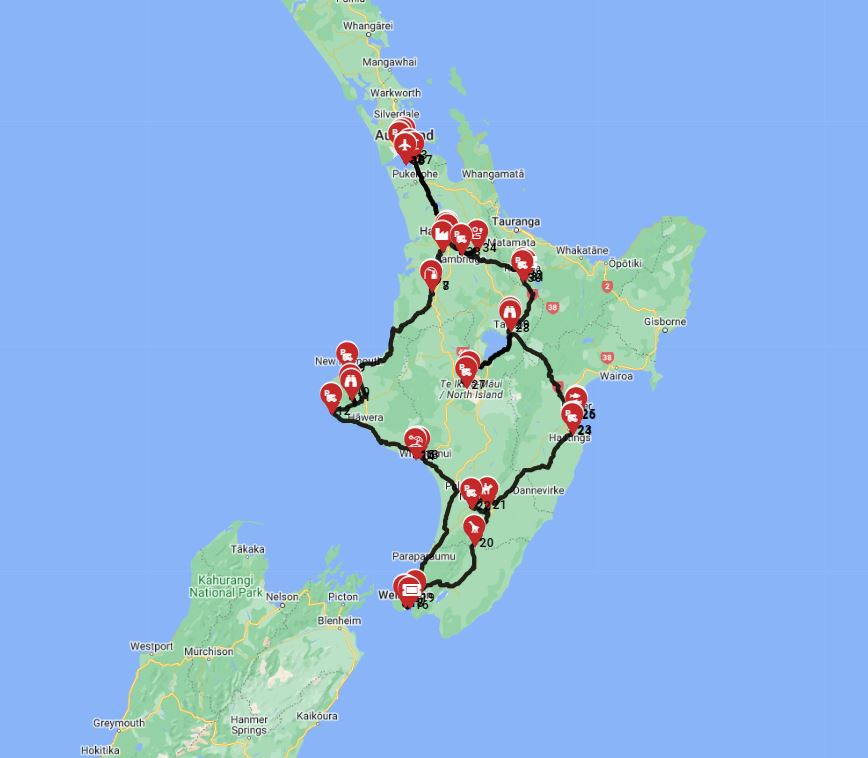
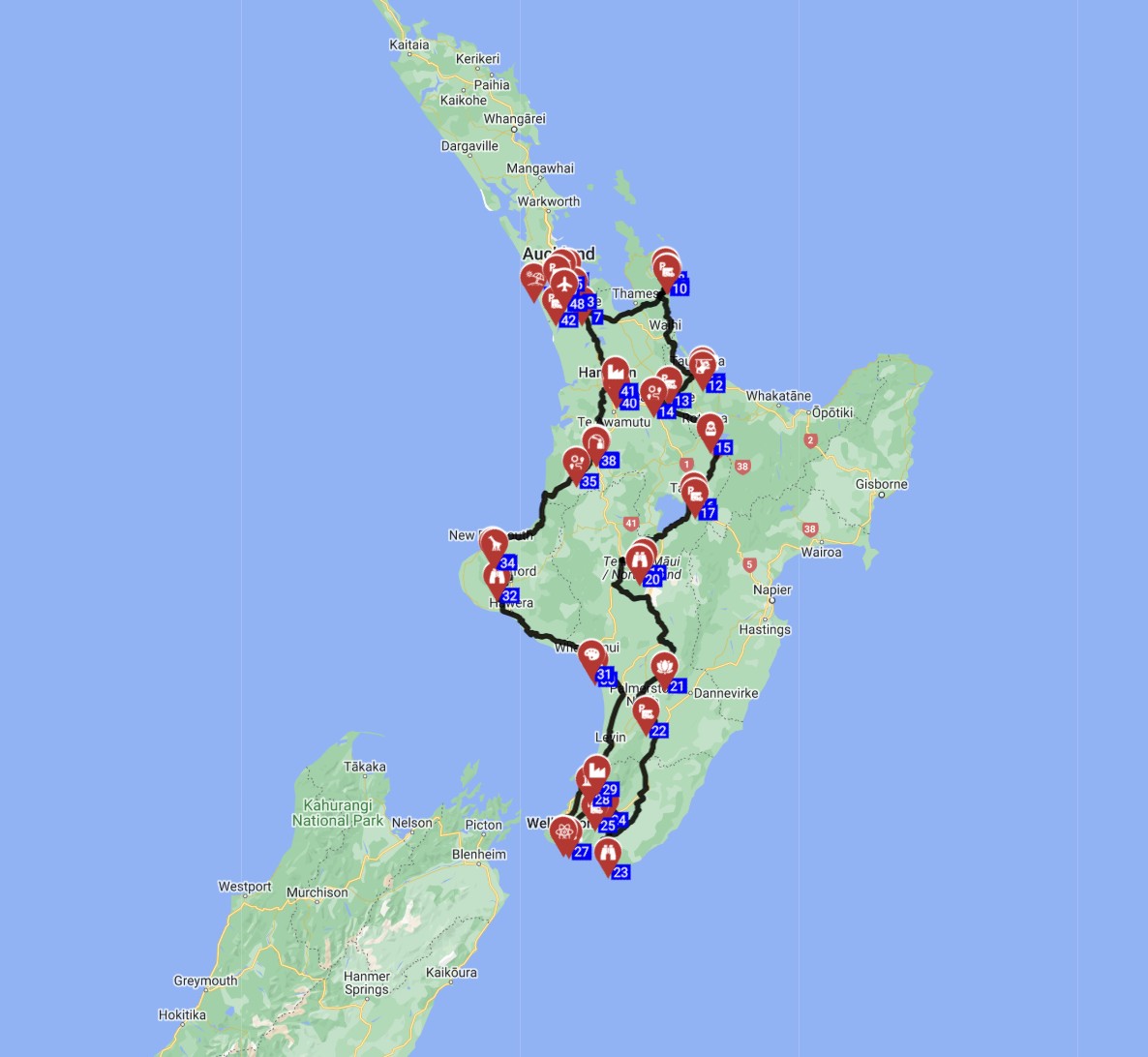
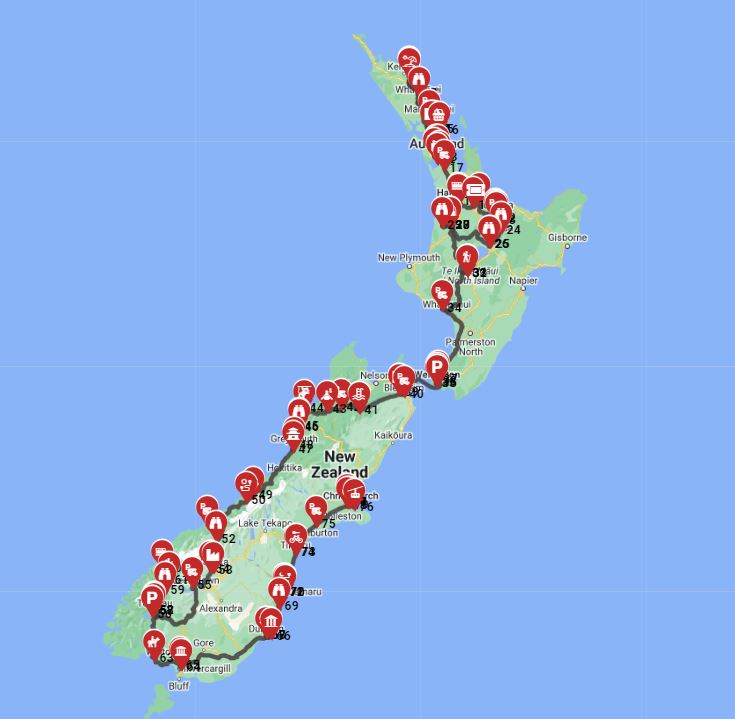
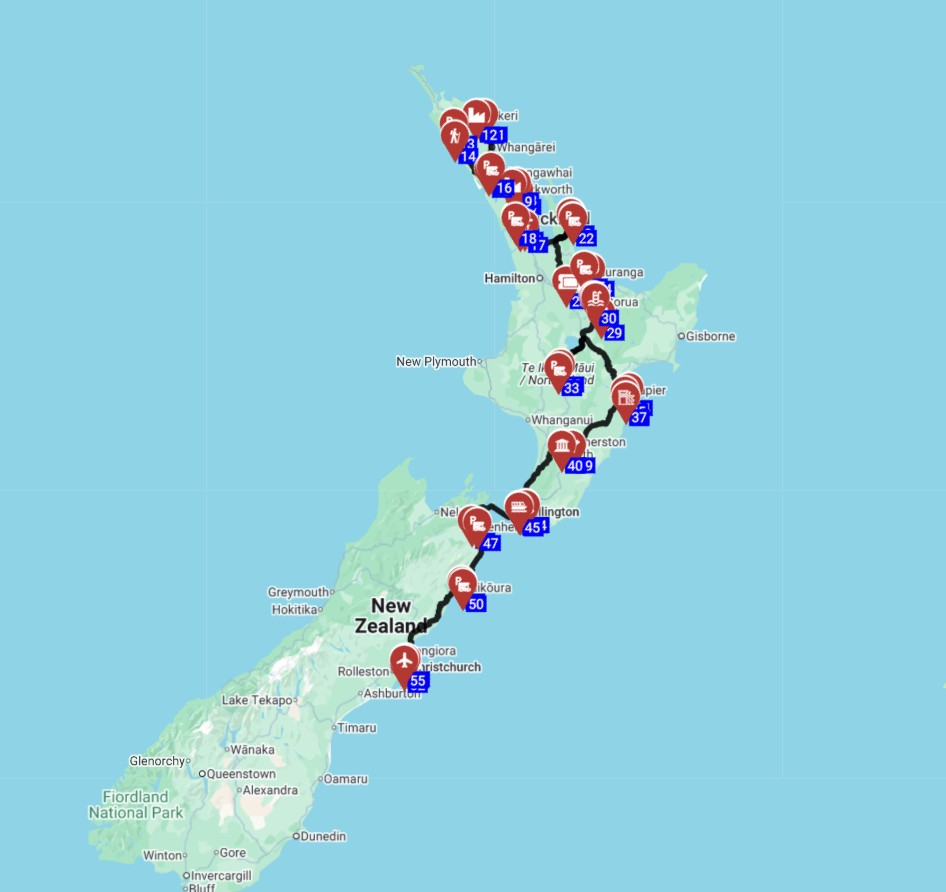
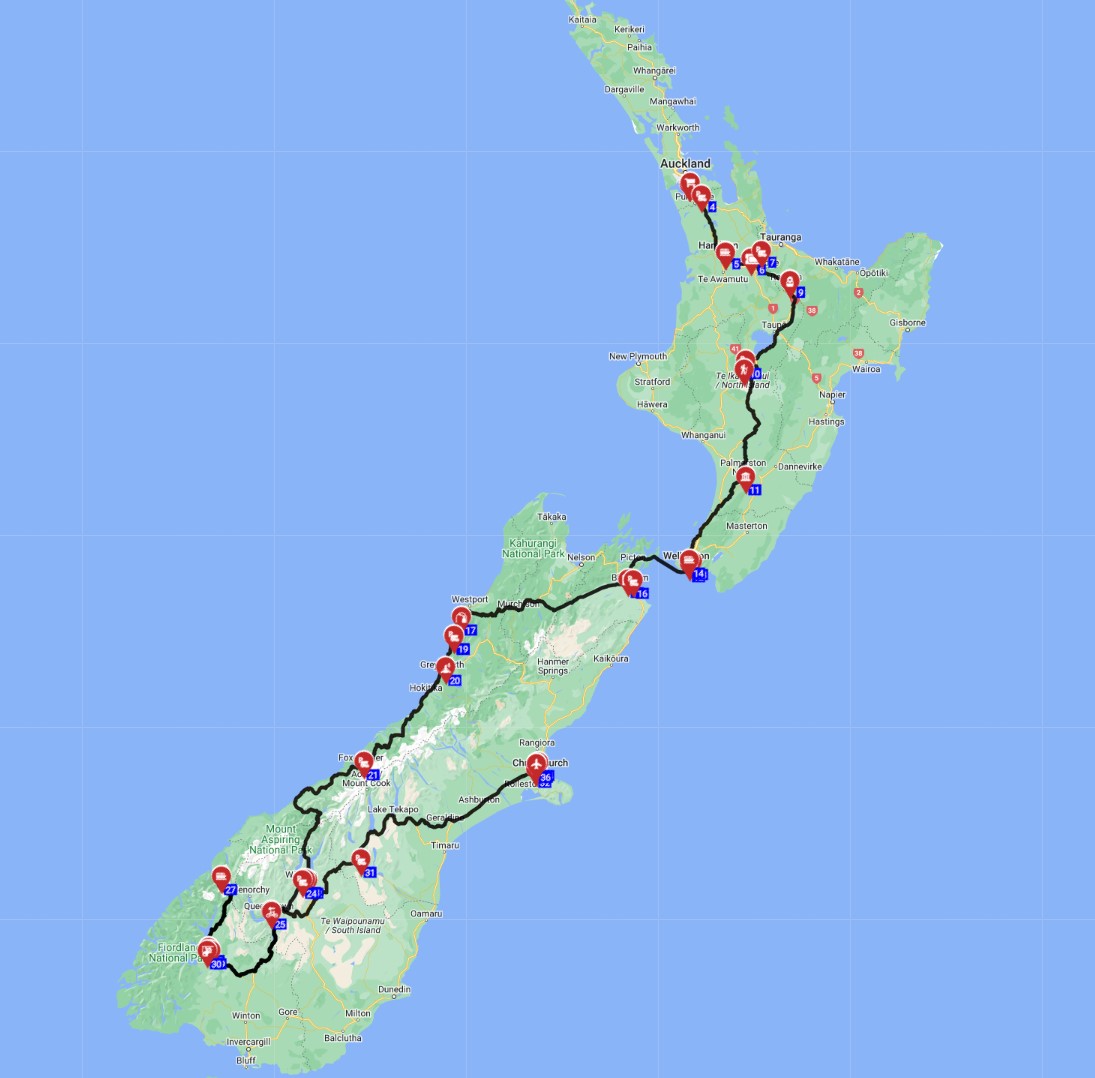
- **Drive the scenic routes:** Take your time on the roads, stopping to savor the views. The
route offers 4060.2 km over 25 days, with 4 wildlife watch opportunities and 9 natural features.
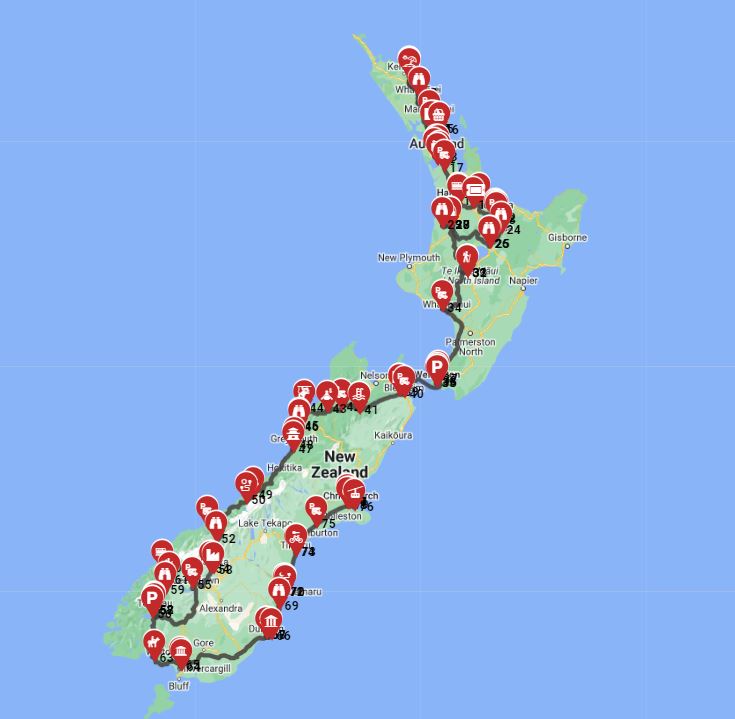 Auckland to Christchurch - Comprehensive New Zealand
Looking for expert insights from Avi Bandana? Top 5 Adventures - recommendations from Avi Bandana
Dive deeper into the best of New Zealand with personal recommendations from our founder. For more inspiring content, don't miss our RV Travel Guide to New Zealand - Tips and Top Spots 2026.
Final Thoughts
A rental RV trip through New Zealand is more than just a vacation; it's an invitation to experience one of the world's most stunning countries with unparalleled freedom and flexibility. By following these budget-friendly tips and preparing for the unique aspects of Kiwi road travel, you're set to embark on an unforgettable journey. Remember to embrace the local culture, respect the pristine environment, and savor every moment of your adventure.
We encourage you to travel slowly, averaging a maximum of 100-150 km per day. Take your time to feel the place, connect to the local culture, savor the delicious food, and immerse yourself in the breathtaking scenery. God is in the small details, and we take care of them. That's what makes the big difference in your trip.
Discover top destinations, planning tips, all in one place, and get inspired for your next trip! Plan a trip itinerary in advance with minimal effort and maximum enjoyment. When you're ready to compare options, Bandana RV is here to help you find the perfect motorhome rental in New Zealand, making your dream trip a reality.