In This Guide
- How much does it cost to rent an RV in Canada?
- What is the cheapest way to rent an RV in Canada?
- What is the best time of year for a cheap RV rental in Canada?
- Can You Drive an RV in Canada? License & Age Rules
- Road Conditions & Terrain in Canada
- RV Size Limits, Bridges & Restricted Zones
- Fuel: Diesel vs. Petrol & Cost per 100 km
- Tolls, Vignettes & Border Rules
- Driving Tips for cheap rv rental Travelers
- Recommended RV Class for Canada Roads
- Should I Choose a Compact Van Instead of a Large RV in Canada?
- Can I Park Anywhere? Free & Wild Camping Rules in Canada
- Can I Drive an RV Into the City Center? Heights, Tunnels & Local Signage
- What are the best places to visit with a cheap RV rental in Canada?
- What do I need to know about RV camping and boondocking in Canada?
- What safety precautions should I take for RV travel in Canada?
- Can I travel with pets in a cheap RV rental in Canada?
Embarking on a cheap RV rental adventure in Canada offers unparalleled freedom to explore vast landscapes, vibrant cities, and hidden gems at your own pace. As true RV specialists, we at Bandana RV understand that every traveler dreams of an unforgettable journey without hidden fees or surprises. That’s why we bring you this comprehensive guide to navigating Canada by motorhome or campervan, designed to help you save on fuel and experience the authentic spirit of Canadian travel.
Canada is an incredibly diverse country, boasting everything from the majestic Rocky Mountains to the tranquil Atlantic coastline. With a rented RV, you have a mobile headquarters to venture out to national parks, charming small towns, and bustling urban centers. For live availability and current prices, start with our RV Rental Canada - Complete Guide 2026 guide, ensuring you have all the tools for a smooth booking and an amazing road trip.
How much does it cost to rent an RV in Canada?
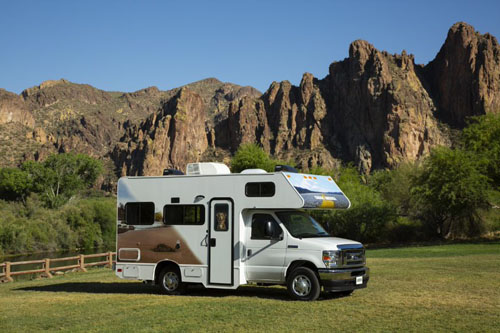
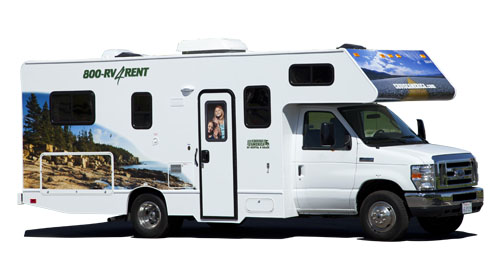
The cost to rent an RV in Canada typically ranges from CAD $100 to $400 per night, varying significantly based on the RV class, rental season, duration, and specific rental company. For example, a smaller Class B - Camper Van might start around $100-$200/night, while a family-friendly Class C - Alcove RV could be $200-$350/night, and larger Class A - Integrated RVs can exceed $400/night during peak season. These prices are dynamic, much like flight tickets, changing daily based on availability and demand.
Beyond the base rental rate, travelers must budget for additional costs including insurance (often CAD $20-$40/day), fuel (an average Class C consumes 10-12 Liters/100 km), campground fees (CAD $30-$80/night), and potential mileage charges, which can add substantial expense. For a detailed breakdown, explore our RV Rental in Canada - Prices and Best Deals 2026 guide. We believe in full transparency, meaning no hidden fees, and we're with you before, during, and after your booking to answer any questions about your total trip cost. Remember, you can track and itemize every expense along the way with RV PLANET routes for easy budgeting. On the routes offered through RV PLANET routes, you can itemize and track every expense along the way for easy budgeting.
What is the cheapest way to rent an RV in Canada?
The cheapest way to rent an RV in Canada is often by booking well in advance, taking advantage of early bird discounts, or opting for shoulder-season travel (spring or fall) when demand and rental rates are lower. For instance, booking 90+ days out can save you an average of 25% on peak-season rates. Choosing a smaller, more fuel-efficient RV class like a Class B - Camper Van, which typically consumes 8-10 Liters/100 km, can significantly reduce overall costs, especially for couples or solo travelers.
To further save money, consider rentals with unlimited mileage, avoid costly add-ons like kitchen kits or linens by bringing your own, and focus on free or low-cost camping options like designated Crown land sites or approved overnight parking. Our goal is to empower you to find the best deals, and platforms like Bandana RV, as true RV specialists, offer tools to compare prices from over 50 leading suppliers like El Monte and Cruise America, ensuring you get the most value for your budget. For more tips on cutting costs, check out our Cheap RV Rental in Canada - Budget Guide 2026.
What is the best time of year for a cheap RV rental in Canada?
The best time of year for a cheap RV rental in Canada is typically during the shoulder seasons—late April to mid-June (spring) and early September to mid-October (fall)—when rental rates are significantly lower than peak summer. Off-season travel, outside of July and August, offers numerous benefits beyond cost savings, including fewer crowds at popular attractions and campgrounds, better availability of RVs, and a more relaxed pace of travel. You might find rates 10-20% lower during these times.
While services may be more limited in very early spring or late fall, many major national and provincial parks remain accessible, particularly in southern regions like British Columbia, which can offer mild weather and stunning fall foliage. Travelers considering shoulder-season cheap RV rental should be prepared for variable weather conditions, including cooler temperatures or early snowfalls in higher elevations, and pack accordingly. However, the unique cultural experiences and lower costs often outweigh these considerations. Our Long-Term RV Rental in Canada - Monthly Rates 2026 guide can provide further insights into seasonal pricing trends.
Can You Drive an RV in Canada? License & Age Rules
Yes, most standard RVs under 11,000 kg (24,250 lbs) in Canada can be driven with a regular Class 5 (or equivalent) driver's license, which is typically what most drivers possess. For foreign drivers, a valid home country license is generally accepted for up to three months, often supplemented by an International Driving Permit (IDP) for clarity and translation purposes, though it is not mandatory in most cases. You don't need a special license, CDL, or additional permits for any rental motorhome.
The minimum age for RV rental in Canada is typically 21 years old, regardless of the vehicle class. Unlike some other destinations, Bandana RV does not impose young driver surcharges or vehicle class restrictions based on age, making RV travel accessible for younger adventurers. For RVs exceeding 11,000 kg gross vehicle weight or those towing heavy trailers, a higher class commercial or specialized license might be required, though these are rarely rented for recreational use and are not part of Bandana RV's fleet.
Road Conditions & Terrain in Canada
Canada boasts generally well-maintained highways, but road conditions can vary significantly from smooth urban routes to rugged, unpaved backroads, especially in remote or northern regions. Travelers will encounter diverse terrains including the Rocky Mountains with its steep grades and winding roads, vast prairies offering flat, long stretches, coastal highways that are often scenic but can be narrow, and dense boreal forests, all of which can influence driving speed and fuel consumption.
Seasonal changes heavily impact road conditions; winter brings snow and ice, while spring can mean potholes, making shoulder-season travel a consideration for budget travelers seeking fewer crowds. For cheap RV rental users, a slower, scenic driving approach is encouraged to fully appreciate the diverse landscapes and mitigate wear on the vehicle, especially on secondary or gravel roads. We recommend driving slowly, a maximum of 100-150 km per day on average, to truly connect with the culture, food, and scenery.
RV Size Limits, Bridges & Restricted Zones
While Canada generally accommodates large RVs, drivers must be mindful of provincial and municipal height, weight, and length restrictions, especially when entering older towns or national parks. Low bridges and tunnels are uncommon on major highways but can exist on secondary roads or in city centers; always pay attention to posted signage for height clearances, particularly with Class C (Alcove) RVs.
Certain sensitive environmental zones, particularly within national and provincial parks like Banff or Jasper, may have restrictions on vehicle type or size, or require specific permits, which should be researched prior to arrival. When planning ferry travel, particularly to destinations like Vancouver Island or Newfoundland, RV length and height are critical for booking and pricing, with longer vehicles incurring significantly higher costs. For example, a 7.1-meter "cruise america rv rental example Explorer" Class C motorhome needs careful route planning.
Fuel: Diesel vs. Petrol & Cost per 100 km
Most recreational RVs available for cheap RV rental in Canada, including Bandana's fleet, primarily run on petrol (gasoline), though some larger Class A and C models may use diesel, which is generally more fuel-efficient but can be pricier. Bandana's fleet of Class SI - Semi-integrated RVs typically consumes between 10-11 Liters/100 km, while Class C - Alcove RVs average 10-12 Liters/100 km, and Class B - Camper Vans are most efficient at 8-10 Liters/100 km.
Fuel availability is excellent along major Canadian routes, but remote areas may have limited options or higher prices; planning fuel stops is crucial for longer trips, especially in the Canadian Prairies or Rockies. The average cost per 100 km for a typical petrol RV in Canada can range from CAD $15-20, depending on current fuel prices, vehicle efficiency, and driving conditions, making fuel a significant budget consideration. Remember to account for these ancillary costs in your budget, and utilize RV PLANET routes to itemize and track every expense for easy budgeting.
Tolls, Vignettes & Border Rules
Tolls in Canada are less common than in some other countries but do exist on specific highways, bridges, or tunnels, primarily in provinces like Ontario, Quebec, and Nova Scotia; no nationwide vignette system is in place. Travelers should research specific routes for potential tolls, as some may be electronic and require online payment post-travel to avoid fines.
Crossing the border between Canada and the United States with a rental RV requires appropriate documentation, including passports, rental agreements, and potentially a letter of permission from the rental company. Be aware of customs regulations regarding food, alcohol, tobacco, and firearms when crossing international borders; declaring all items accurately is essential to avoid delays or penalties. For more insights on cross-border travel, you might find our RV Rental USA - Complete Guide 2026 helpful.
Driving Tips for cheap rv rental Travelers
Budget-conscious RV travelers should plan routes that minimize extensive detours and maximize fuel efficiency, considering the slower pace an RV necessitates. For families, regular stops every two hours are recommended to allow for stretching, snacks, and sight-seeing, enhancing the journey experience and reducing driver fatigue. Preparing meals in your rental motorhome's kitchen is a fantastic way to save on dining costs and truly immerse yourself in the local culinary scene. Discover new dishes with our RV-friendly recipes playlist.
Always research and prepay for any known tolls along your route to avoid higher on-the-spot charges or fines, a simple step to save money on a cheap RV rental. Be mindful of speed limits, which are often lower for larger vehicles, and adjust driving to Canadian weather conditions, particularly for rain, snow, or high winds, to ensure safety and prevent accidents. Familiarize yourself with basic RV operations before departure, including understanding dashboard warnings, water/wastewater systems, and appliance usage, to prevent unexpected issues on the road. We strongly recommend slow travel, averaging max 100-150 km per day, to truly soak in the unique Canadian culture and scenery.
Recommended RV Class for Canada Roads
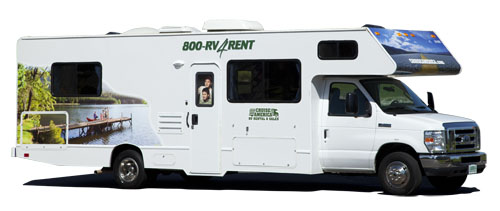
For most Canadian road trips, a Class C - Alcove RV or a Class SI - Semi-integrated RV is highly recommended due to their optimal balance of comfort, size, and maneuverability. Class C - Alcove RVs, with an average length of 7.5 meters and sleeping capacity for 5.8 people, are ideal for families, providing ample living space and storage for extended journeys through diverse Canadian landscapes like the Rockies. You might consider a "29′ Class C Motorhome" with automatic transmission, generator, and slide-out for maximum comfort.
Class SI - Semi-integrated RVs offer a slightly more compact option at an average length of 6.9 meters, comfortably accommodating 3.8 sleepers and providing a good balance between interior amenities and ease of driving on both major highways and smaller scenic routes. Both classes offer good ground clearance for varied Canadian terrain and are typically equipped with robust engines suitable for mountain passes and long distances, making them excellent choices for those seeking a cheap RV rental without sacrificing essential comforts.
🎬 Video coming soon
Should I Choose a Compact Van Instead of a Large RV in Canada?
Generally, there is no issue driving any RV size on Canada's main highways and in most towns; simply drive slowly and carefully, and you can drive almost anywhere without issues. No need to stress - just use common sense and pay attention. Therefore, comfort and indoor space are often more significant considerations than maneuverability alone for most travelers.
Choosing a compact van, such as a Class B - Camper Van with an average length of 5.8 meters like a "2 Berth Hi Top", can be advantageous for navigating very tight urban centers like Vancouver, parking in standard spots, or traversing exceptionally narrow mountain passes not typically found on major RV routes. For those prioritizing a more rustic or off-the-beaten-path experience, a smaller van may offer greater access to remote campsites or unpaved roads, though many larger RVs are also capable on gravel roads. However, for longer trips, family travel, or when desiring amenities like a full bathroom, separate sleeping areas, or larger kitchens, sticking with a larger Class C or SI RV often provides a better trade-off in comfort and living space, which can enhance the overall cheap RV rental experience.
Can I Park Anywhere? Free & Wild Camping Rules in Canada
True 'wild camping' or boondocking on public lands is generally more restricted in Canada compared to some other countries, with regulations varying significantly by province, territory, and land ownership. While some Crown lands (public lands) in certain provinces may permit dispersed camping for up to 21 days in one spot, it often requires research into specific regional guidelines, permits, and adherence to 'leave no trace' principles.
Overnight parking in store parking lots (e.g., Walmart) is often tolerated but not officially sanctioned and depends on individual store management; always ask permission first. Designated campgrounds, including national, provincial, and private parks, offer the most reliable and legal options for overnight stays, providing amenities and ensuring a safe, regulated experience. Rules vary by region — always check local regulations and follow local law before parking overnight, particularly concerning fire restrictions and waste disposal. For finding campsites and campgrounds during your trip, we recommend using RV PLANET (rvplan.net) — a great resource for locating available spots along your route. Our RV Camping in Canada - Best Campgrounds 2026 guide offers more in-depth information.
Can I Drive an RV Into the City Center? Heights, Tunnels & Local Signage
Yes, you can almost always drive an RV into Canadian city centers, though it requires careful attention to local signage, especially for larger vehicles. Drive slowly and carefully, and you can drive almost anywhere without issues. No need to stress - just use common sense and pay attention. Drivers should pay particular attention to posted height limits for tunnels, underpasses, and parking garages, as well as weight restrictions on certain bridges, though these are rare on main city arteries.
Be aware of specific environmental zones or residents-only streets that might restrict larger vehicles or require special permits, though such zones are less common in Canada compared to some European cities. Navigating urban areas with an RV can be challenging due to narrow streets, heavy traffic, and limited parking, so consider parking on the outskirts and using public transport for city exploration in places like Toronto or Halifax. Exploring cities with a smaller campervan, like a "Class B - Camper Van", might be more flexible for parking.
What are the best places to visit with a cheap RV rental in Canada?
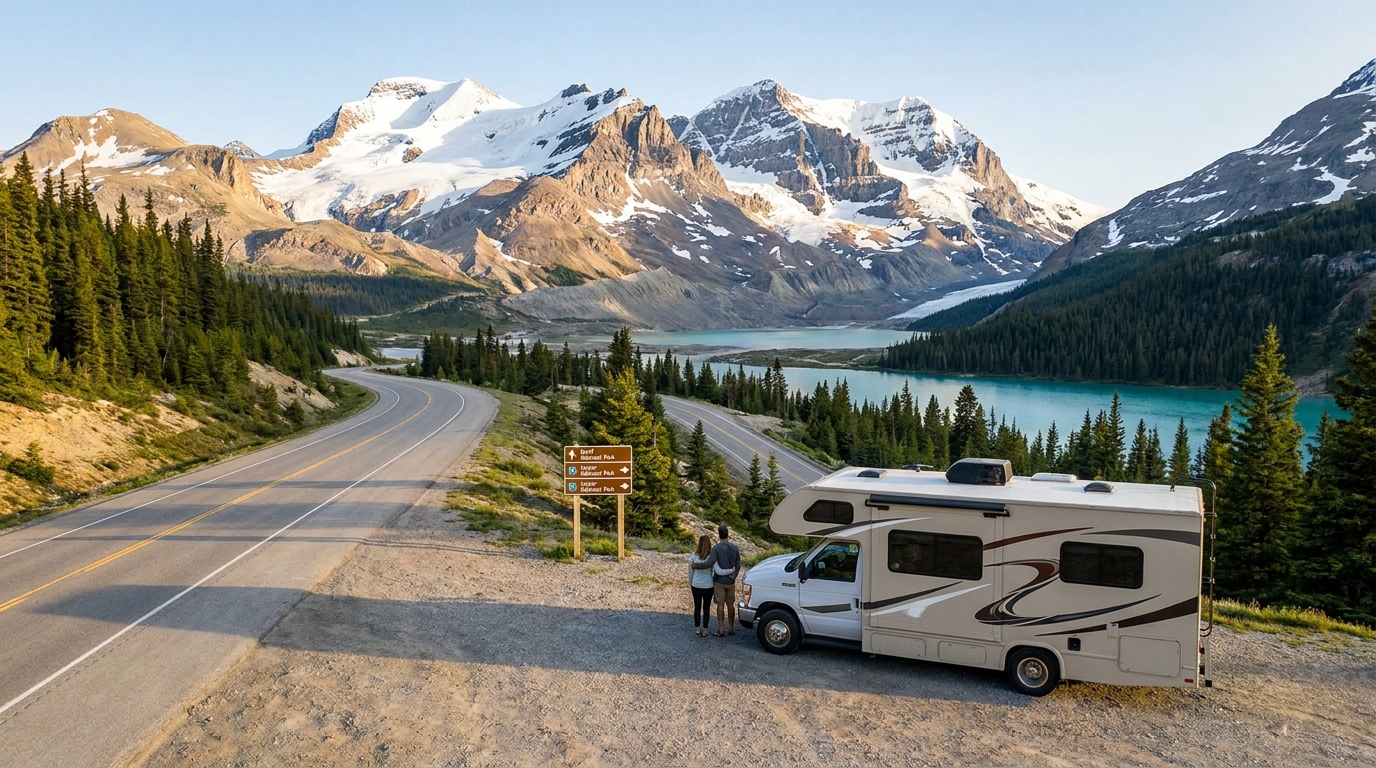
The Canadian Rockies, spanning Alberta and British Columbia, offer breathtaking scenic routes, iconic national parks like Banff and Jasper, and numerous well-equipped campgrounds, making them a top destination for RV travel. For a mix of urban exploration and natural beauty, the coastal routes of British Columbia, including Vancouver Island and Coquitlam, provide picturesque drives and access to vibrant local cultures and seafood experiences.
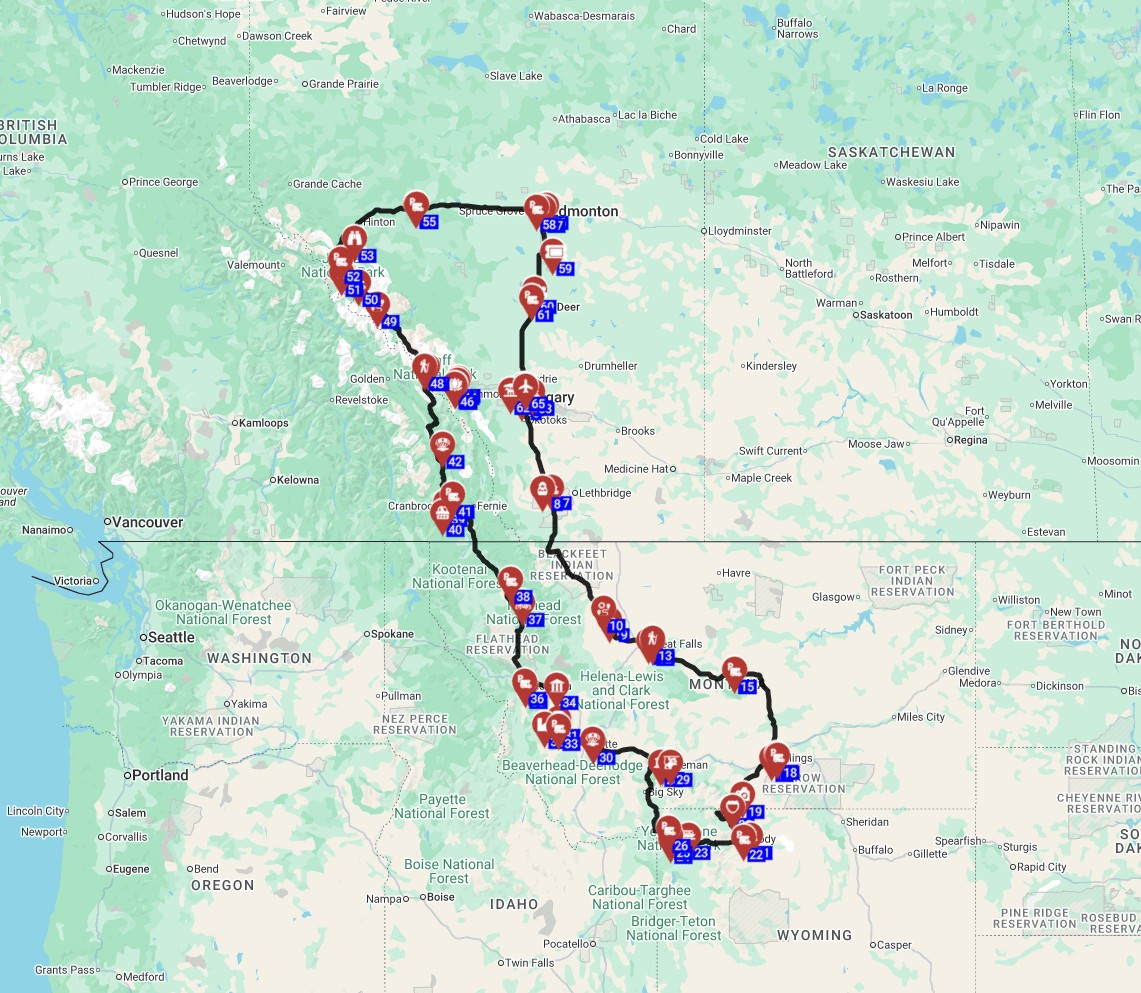
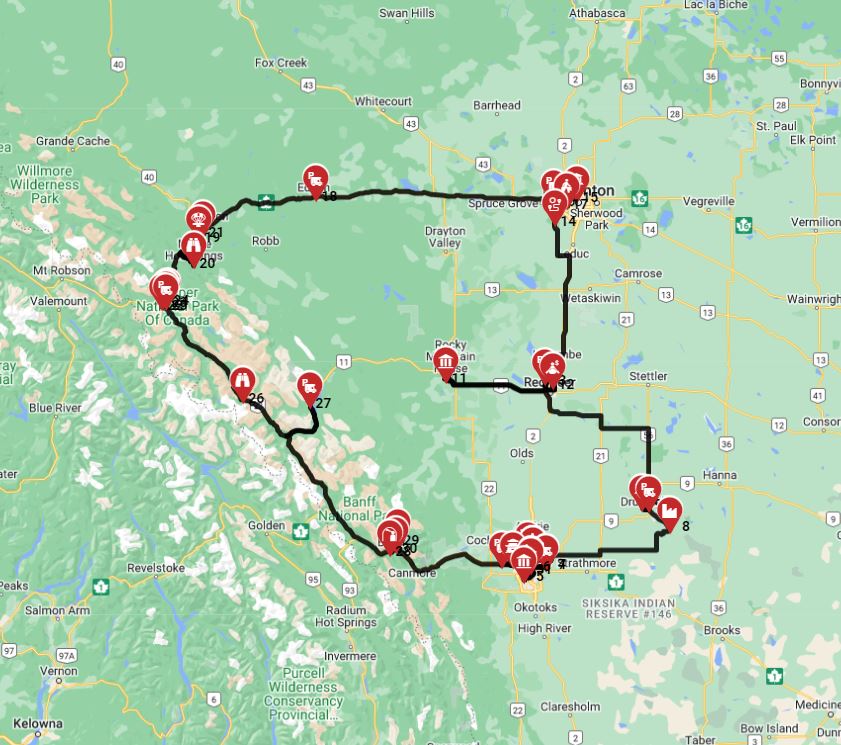
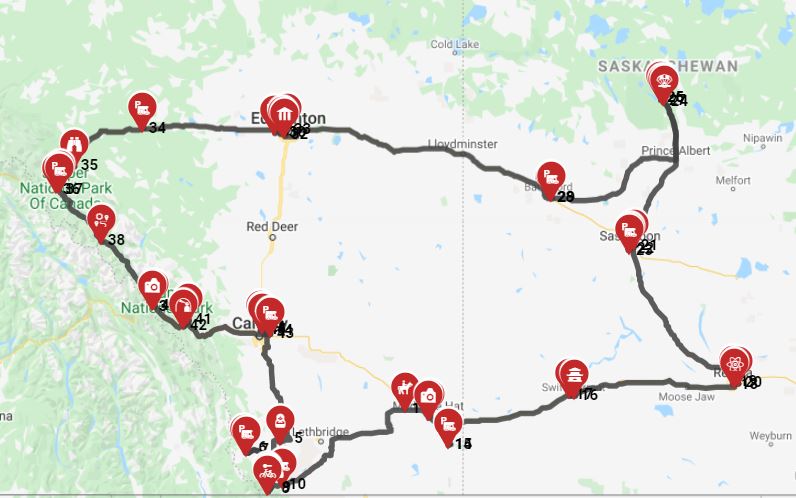
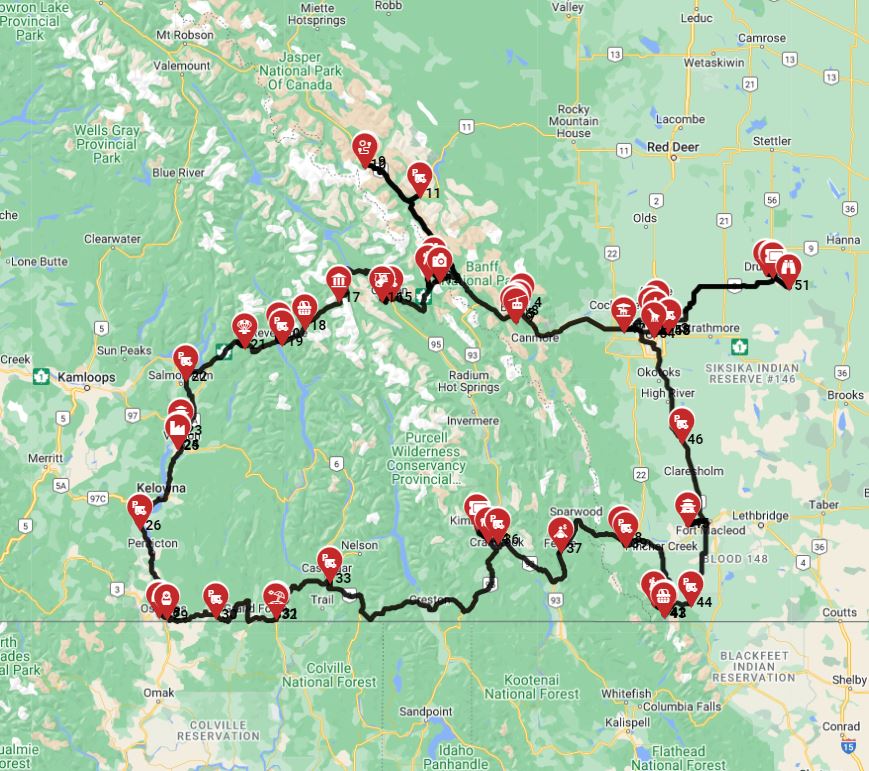
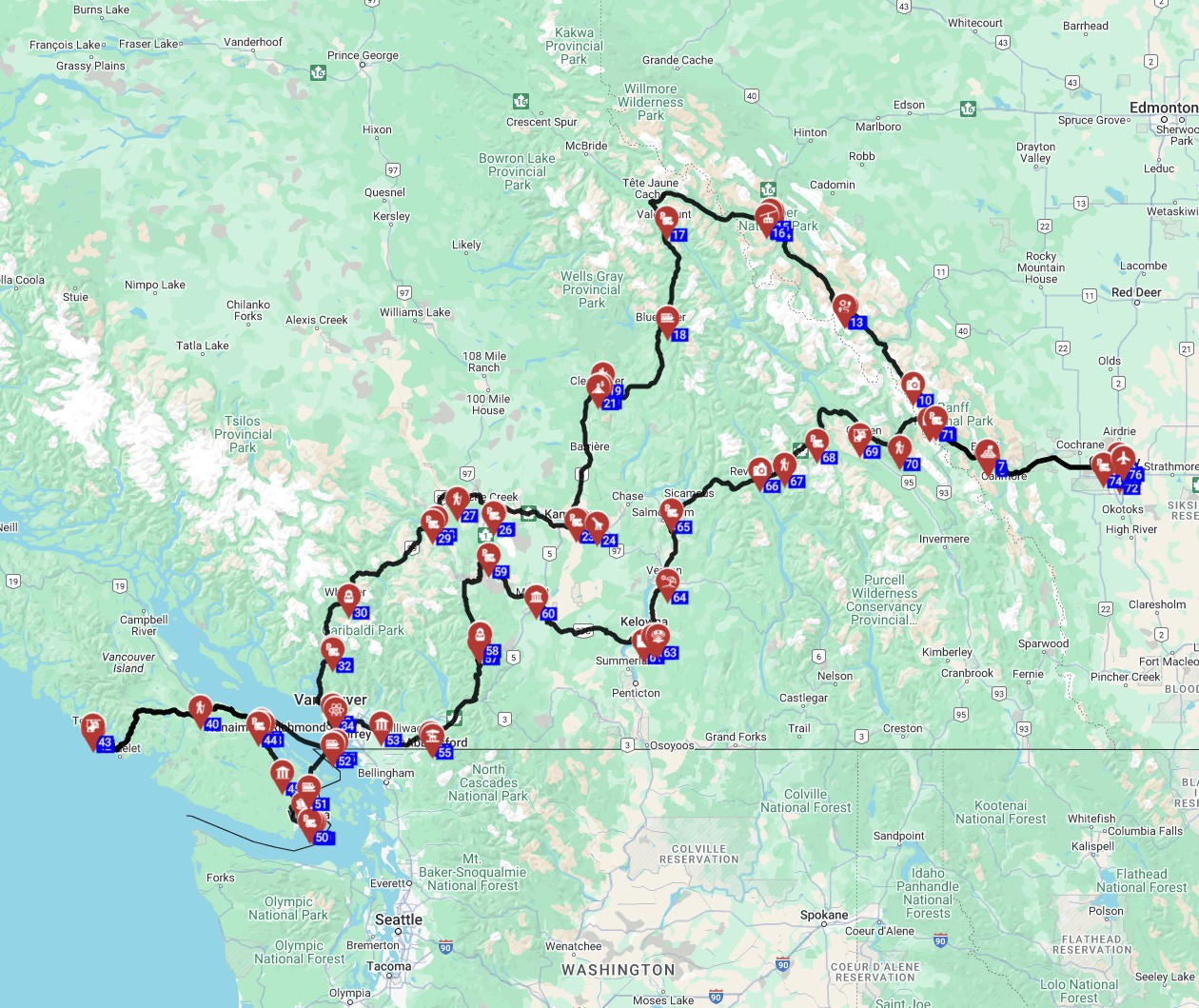
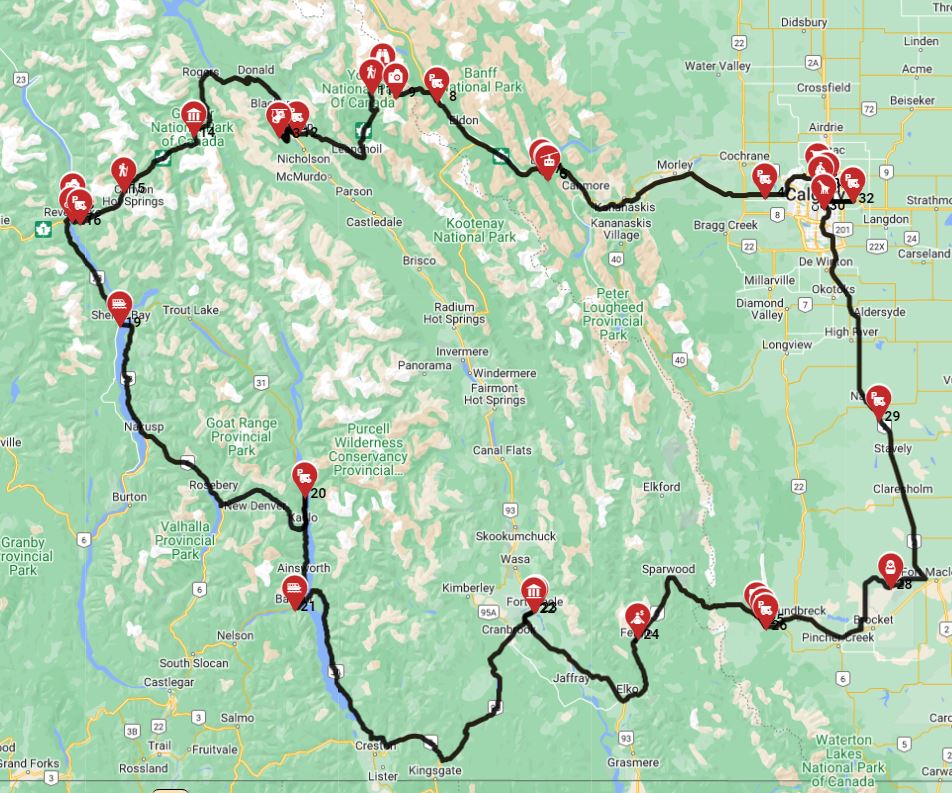
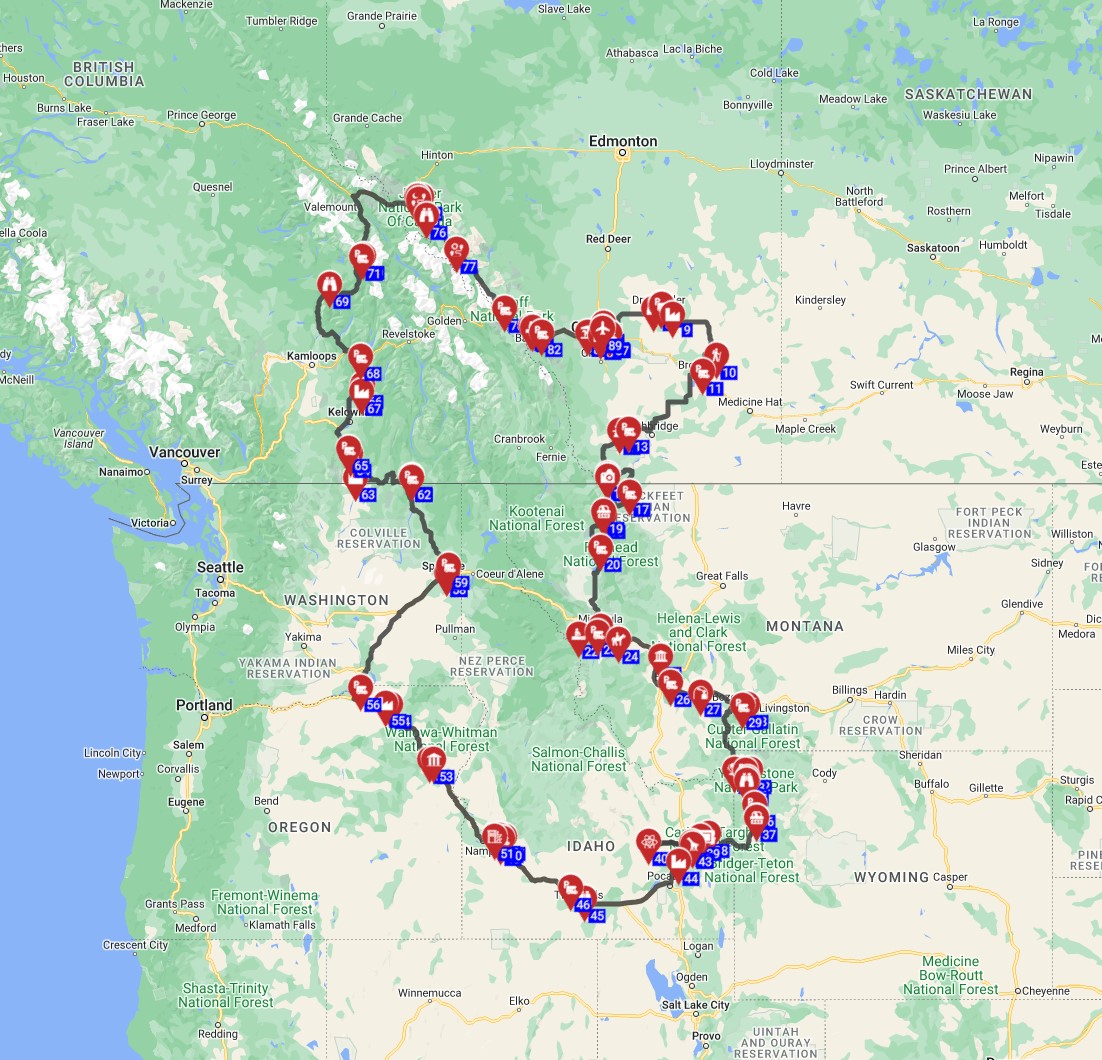
Eastern Canada, particularly the Maritime Provinces (Nova Scotia, New Brunswick, Prince Edward Island), offers charming coastal towns, historic sites, and scenic drives like the Cabot Trail from Halifax, ideal for experiencing authentic local culture and events. Detailed, regional-specific itineraries for various durations, such as a one-week tour of the Okanagan Valley or a two-week exploration of the Gaspe Peninsula, can enhance the cheap RV rental experience by focusing on unique local attractions beyond generic 'must-sees'. Our team at RV PLANET has pre-planned routes for every taste, designed by professionals to maximize your enjoyment.
Imagine a 37-day journey spanning 9199.1 km from Halifax to Whitehorse, where you can visit 6 museums, 4 hiking areas, and 3 historical sites. Or perhaps a 19-day

And for a truly epic cross-country journey, consider the Vancouver to Toronto - Trans Canada West to East. This 15-day route covering 4886.2 km includes stops like an aquarium, an art gallery, and several heritage sites, giving you a taste of Canada's diverse offerings from coast to coast.
What do I need to know about RV camping and boondocking in Canada?
RV camping in Canada primarily involves staying at designated national, provincial, and private campgrounds, which offer varying amenities from basic dry camping to full hook-ups (water, electricity, sewer). In-depth information on different types of camping highlights that boondocking (wild camping) regulations are stringent and vary greatly by province and specific land ownership, requiring careful research and often permits for Crown land use.
While private campgrounds offer consistent services, national and provincial parks blend natural beauty with structured facilities, providing opportunities to engage with park programs and enjoy outdoor activities, though reservations are essential, especially in peak season. Always distinguish between regulations for national, provincial, and private parks; familiarize yourself with rules on fires, waste disposal, and wildlife safety to ensure responsible and ethical camping practices. Our team knows the ins and outs, offering supportive guidance before your trip.
What safety precautions should I take for RV travel in Canada?
Thorough wildlife preparedness is crucial for RV travel in Canada, especially in national parks and remote areas, including understanding bear and moose safety protocols (e.g., proper food storage, making noise on trails, carrying bear spray). Always be aware of smaller pests like ticks and mosquitoes, especially during warmer months, and take precautions such as using insect repellent and checking for ticks after outdoor activities. Ensure you have a detailed route plan from rvplan.net so you know your surroundings.
Emergency preparedness for remote areas is vital; this includes carrying a comprehensive first-aid kit, extra water and food, a fully charged cell phone (though service may be spotty), and understanding breakdown scenarios. For areas with limited cell service, consider advanced connectivity solutions like satellite messengers, Starlink, or cell boosters, and always inform someone of your route and expected return, especially when venturing off main roads. Accessing services in the wilderness means knowing how to locate nearest towns or service centers for fuel, water/dump stations, and medical emergencies, making physical maps and downloaded offline maps essential.
Can I travel with pets in a cheap RV rental in Canada?
Many RV rental companies in Canada offer pet-friendly vehicles, but it's essential to confirm their specific policies, which often include an additional cleaning fee (typically CAD $50-$150) and restrictions on pet size or number. Specifics for pet-friendly RV travel include researching park and attraction allowances; while many national and provincial parks welcome pets on leash, certain trails, beaches, or buildings may restrict their access.
Pet safety in remote areas is crucial; ensure your pet is always on a leash to prevent wildlife encounters, carry sufficient water and food for them, and be aware of extreme temperatures inside the RV. Locating veterinary access along your route is important for emergencies, so plan stops in towns or cities that offer vet services, especially if traveling through less populated regions. As true RV specialists, we understand that pets are family, and we're here to help coordinate the perfect pet-friendly motorhome rental for your Canadian adventure.
What You Shouldn't Miss
- **Drive the Icefields Parkway (Alberta):** A 232 km (144 miles) scenic highway connecting Banff and Jasper National Parks, offering glacier views, turquoise lakes, and abundant wildlife. Allow at least two days for this iconic drive.
- **Explore Old Quebec City (Quebec):** Wander through North America's only walled city, a UNESCO World Heritage site, enjoying European charm, historic architecture, and delicious French-Canadian cuisine.
- **Visit Gros Morne National Park (Newfoundland):** Hike through dramatic fjords, barren tablelands, and coastal lowlands at this UNESCO-designated park, a geological marvel that feels like stepping onto another planet.
- **Experience the Bay of Fundy (New Brunswick & Nova Scotia):** Witness the world's highest tides, with a vertical range of up to 16 meters (52 feet), and explore sea caves, fossil cliffs, and ocean floor during low tide.
- **Discover Vancouver Island (British Columbia):** Take a ferry from Vancouver to explore ancient rainforests, surf towns like Tofino, and the charming capital city of Victoria, known for its gardens and maritime history.
- **Witness the Northern Lights:** Head to Canada's northern territories or remote areas in late fall, winter, or early spring for a chance to see the mesmerizing aurora borealis dance across the night sky.
Looking for expert insights from Avi Bandana?
Top 5 Adventures - recommendations from Avi Bandana: "Canada's vastness can be daunting, but that's its magic! Don't rush. Take a month, if you can, to truly immerse yourself. My personal favorite is combining the Rockies with a deep dive into British Columbia's coastal towns. The contrast is spectacular, and the food? Oh, the food!"
Final Thoughts
A cheap RV rental in Canada truly opens up a world of discovery, allowing you to immerse yourself in stunning natural beauty and vibrant local cultures without breaking the bank. By understanding licensing rules, anticipating fuel costs, planning smart routes, and embracing shoulder-season travel, you can make your Canadian motorhome adventure both affordable and incredibly rewarding.
Remember, we're here to support you every step of the way, offering full transparency and expert advice to ensure your trip is everything you dream of. So, pack your bags, choose your ideal campervan or motorhome, and get ready to experience Canada's vast wonders. Travel slowly, savor every moment, and let the open road lead you to unforgettable memories.
Get inspired for your next trip! Discover top destinations, planning tips, all in one place! Plan a trip itinerary in advance with minimal effort and maximum enjoyment. Compare Motorhome Prices for Canada now, and let your Canadian journey begin!
Find cheap rv Rentals in Canada and embark on the adventure of a lifetime. Check Canada RV Rental Prices Now and find your perfect ride.