In This Guide
- Top 5 Tips for Airport RV Rental in Canada
- Before You Book - Class, Dates, Insurance
- Pre-Trip Prep - Packing Checklist for Canada
- On the Road - Driving, Fueling, Navigation
- At the Campground - Setup, Hookups & Etiquette
- Airport RV Rental-Specific Tips for Canada
- Common Mistakes to Avoid in Canada
- What are the typical costs for an RV trip in Canada including fuel and campsites?
- What are the different types of RV camping available in Canada?
- How do seasons affect RV travel in Canada?
- Are there specific RV restrictions or driving rules in Canada?
- How can I stay connected in remote Canadian RV areas?
- What are essential safety tips for wilderness RV travel in Canada?
- How can I find authentic local experiences during my Canadian RV trip?
- What You Shouldn't Miss
- Why Book with Bandana Caravan
- Final Thoughts
- Frequently Asked Questions
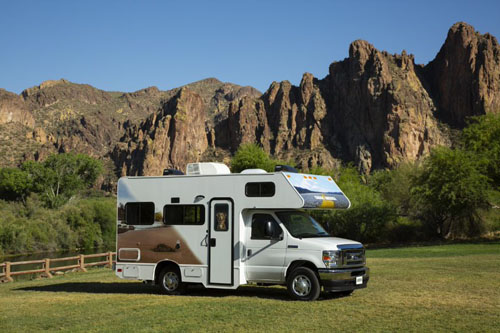
Imagine touching down in Canada, grabbing the keys to your rented motorhome, and setting off on an unforgettable adventure through breathtaking landscapes. Airport RV pickup in Canada offers the ultimate freedom for travelers eager to explore the country's vast wilderness, charming towns, and vibrant cities at their own pace. As true RV specialists, we've been helping tens of thousands of travelers since 2001, providing direct partnerships with over 50 leading RV suppliers worldwide, including trusted names like El Monte and Cruise America, to ensure you find the perfect campervan or motorhome for your Canadian journey.
For live availability and current prices, start with our RV Rental Canada - Complete Guide 2026 guide. This comprehensive guide will equip you with all the essential knowledge and tips to turn your Canadian RV dream into a seamless reality.
Top 5 Tips for Airport RV Rental in Canada
1. Booking your RV rental well in advance, especially for summer or popular routes, is crucial to secure your preferred vehicle and potentially better rates, with savings of up to 25% often possible by booking 3-6 months ahead. This is particularly true for Class C motorhomes, which are very popular among families. For travelers looking to compare options and find great deals, our "Cheap RV Rental in Canada - Budget Guide 2026" offers valuable insights.
2. Carefully reviewing all insurance options to understand your coverage is essential for peace of mind while exploring Canada. While basic liability coverage is typically included, consider upgrading to a top-level deductible for extra protection against unforeseen incidents on the road.
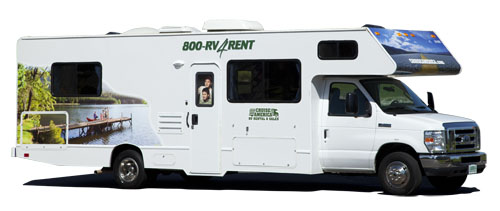
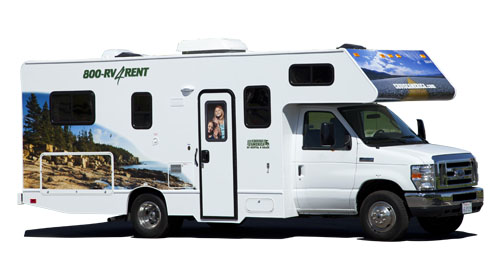
3. Selecting an RV class that matches your comfort level and driving experience ensures a more enjoyable trip. Smaller campervans, such as an "rv rental denver example Category Van" or "Active Standard Auto" (which might feature a 2.0L diesel engine), are agile for diverse roads and city navigation, while larger Class C motorhomes like an "rv rentals example Comfort Class" (often with 3 double beds) offer more space and amenities for families, capable of driving almost anywhere without issues if you drive slowly and carefully.
4. Familiarizing yourself with Canadian road rules and driving conditions before your trip is vital for safety, including understanding speed limits in kilometers per hour and specific winter tire requirements in certain provinces like Quebec. Canada's vastness means diverse driving environments, from highways to mountain passes, so preparation is key.
5. Planning your route and pre-booking campsites, particularly in national or provincial parks, is highly recommended during peak season to guarantee a spot. Even for spontaneous travelers, many parks reserve a portion of their sites for first-come, first-served arrivals, so calling ahead before driving is always a smart move. For finding campsites and campgrounds during your trip, we recommend using RV PLANET (rvplan.net) - a great resource for locating available spots along your route.
Before You Book - Class, Dates, Insurance
Choosing an RV class for airport RV rental in Canada involves balancing space and maneuverability, as smaller units like campervans are easier to drive and park, while larger motorhomes offer more amenities and comfort for extended trips. For instance, a "hire campervan example Paradise S/T" is ideal for couples seeking a compact option, featuring automatic transmission and front air conditioning, while a Class C motorhome such as a "MHC24" (often with 3-4 burners, 283 liter refrigerator, and sleeping for 6) provides ample living space for a family of four or more.
To secure preferred dates and potentially better rates, it's advisable to lock in your RV rental dates several months ahead, particularly for peak season (June-August) or popular long weekends, potentially saving up to 25% on rental costs. Prices are dynamic, similar to flight tickets, changing daily based on availability, seasonality, and supplier marketing decisions. Flexible travelers may also find attractive options by checking "Last-Minute RV Rental in Canada - What to Expect 2026" guides.
Regarding insurance, basic coverage is always included with your rental. To see prices including the most comprehensive coverage, select that option during your search; then, all relevant insurance options will be shown. You can also upgrade to a top-level deductible for extra peace of mind, protecting against potential out-of-pocket expenses. Our commitment is to full transparency, so there are no hidden fees or surprises at pickup.
Pre-Trip Prep - Packing Checklist for Canada
A well-prepared packing checklist tailored to the Canadian climate can significantly enhance your RV experience, ensuring comfort and readiness for varied conditions. Considering Canada's diverse geography, from coastal regions to mountainous terrain, versatile layers and essential safety gear are paramount.
- Layers of clothing (base, mid, outer) for temperature fluctuations
- Waterproof/windproof jacket and pants for unpredictable weather
- Sturdy hiking shoes or boots suitable for diverse trails
- Swimsuit (if visiting lakes/hot springs during warmer months)
- Reusable water bottles to stay hydrated and reduce waste
- Basic cooking utensils and cutlery for preparing meals in your RV kitchen
- Dish soap and sponges for easy cleanup after cooking
- Reusable shopping bags for grocery trips
- First-aid kit for minor injuries and emergencies
- Bear spray (check provincial regulations and safe handling instructions upon arrival)
- Flashlight or headlamp with extra batteries for evenings and emergencies
- Multi-tool for various practical needs
- Passport/ID for identification
- Driver's license (a standard license is sufficient for all motorhome classes; an International Driving Permit is recommended for non-English speakers but not mandatory)
- RV rental agreement and contact details
- Travel insurance details for any unforeseen circumstances
Having a well-stocked kitchen is easy when you have a rented RV. Remember, many RVs come equipped with a stove and refrigerator, perfect for cooking up delicious meals on the go. Check out our RV-friendly recipes playlist for inspiration!
On the Road - Driving, Fueling, Navigation
Driving a rented RV in Canada often requires adjusting to wider turns, longer braking distances, and being mindful of posted speed limits in kilometers per hour. Canada's roads are generally well-maintained, but remote sections and mountain passes can be challenging, especially during shoulder seasons. Remember, you can drive almost anywhere without issues; just use common sense and pay attention to road signs, especially those indicating truck routes or low overpasses in urban areas.
For fueling, it's prudent to monitor your fuel tank, especially when traversing remote areas where gas stations may be infrequent, and note that diesel availability can vary in more isolated regions. Planning your fuel stops in advance can save you stress. When planning your budget for an RV Rental in Canada - Prices and Best Deals 2026 are subject to change, so keeping track of fuel costs on your chosen route is important. On the routes offered through RV PLANET routes, you can itemize and track every expense along the way for easy budgeting.
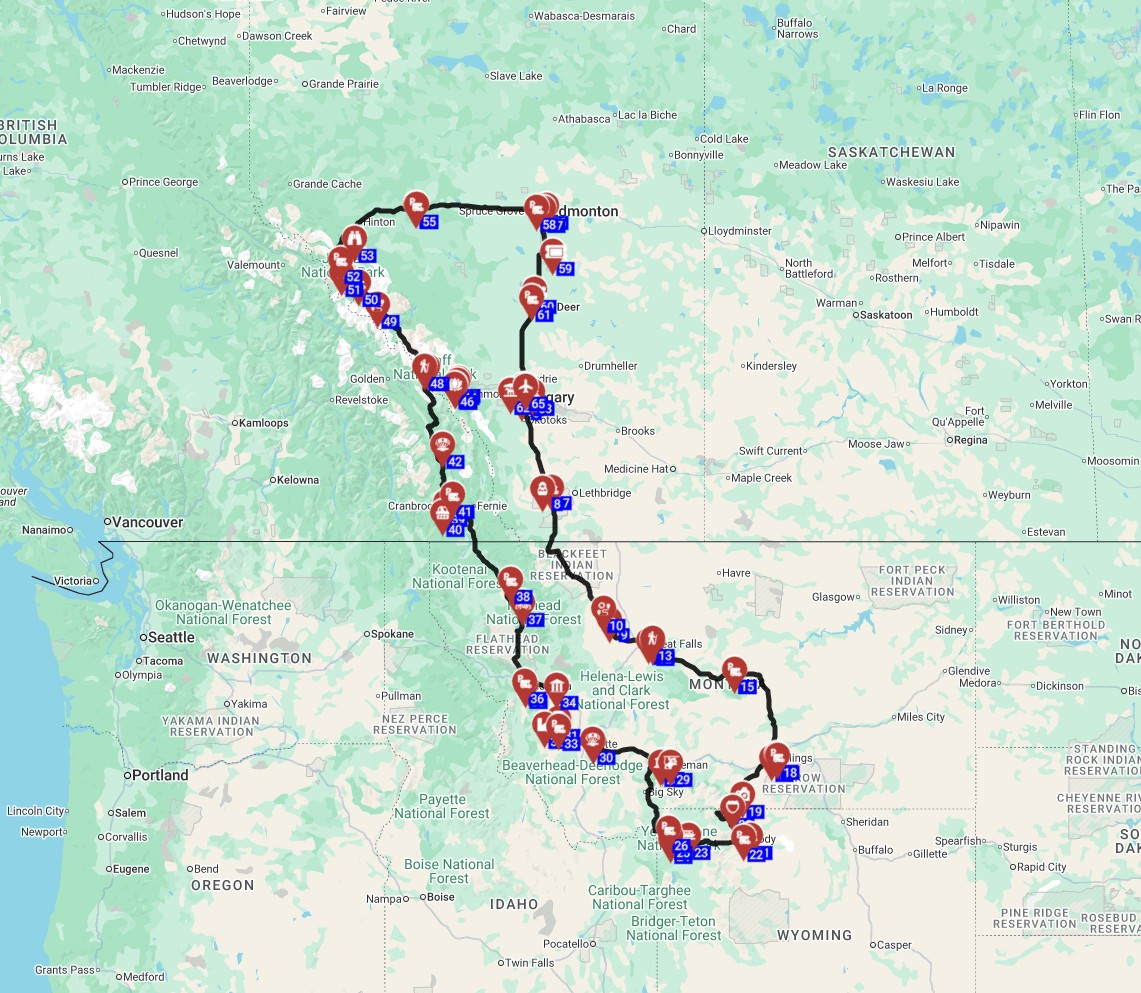
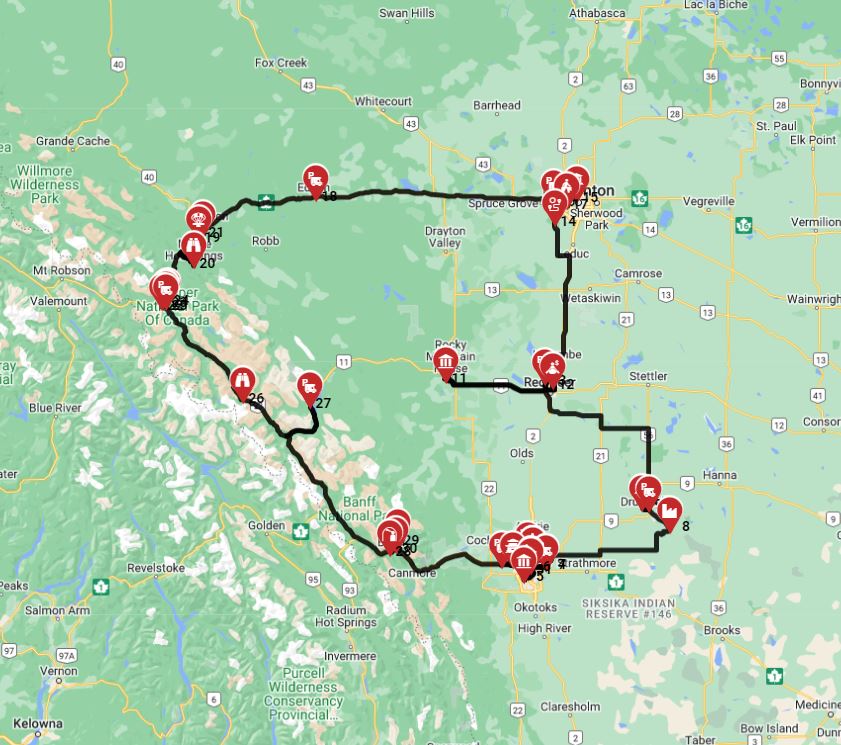
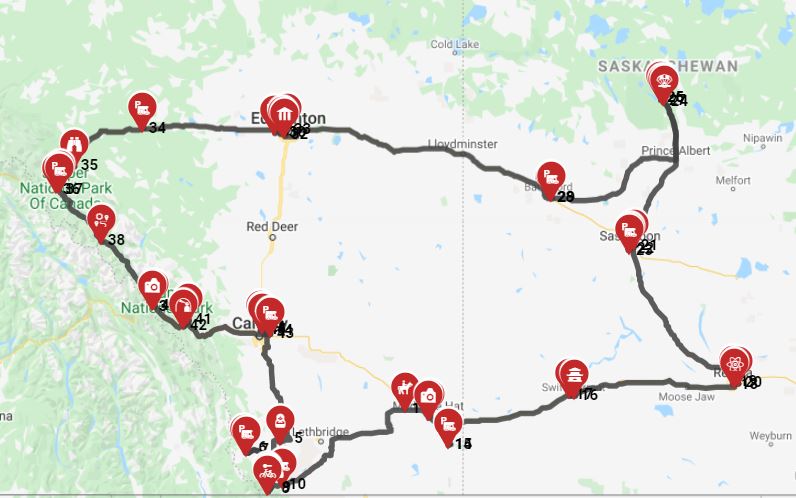
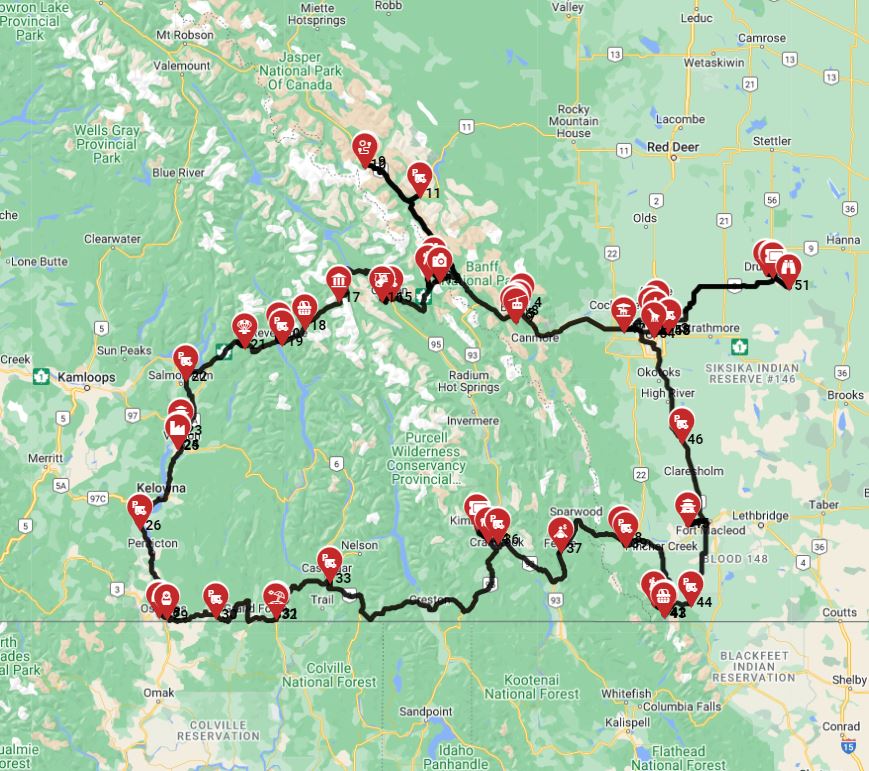
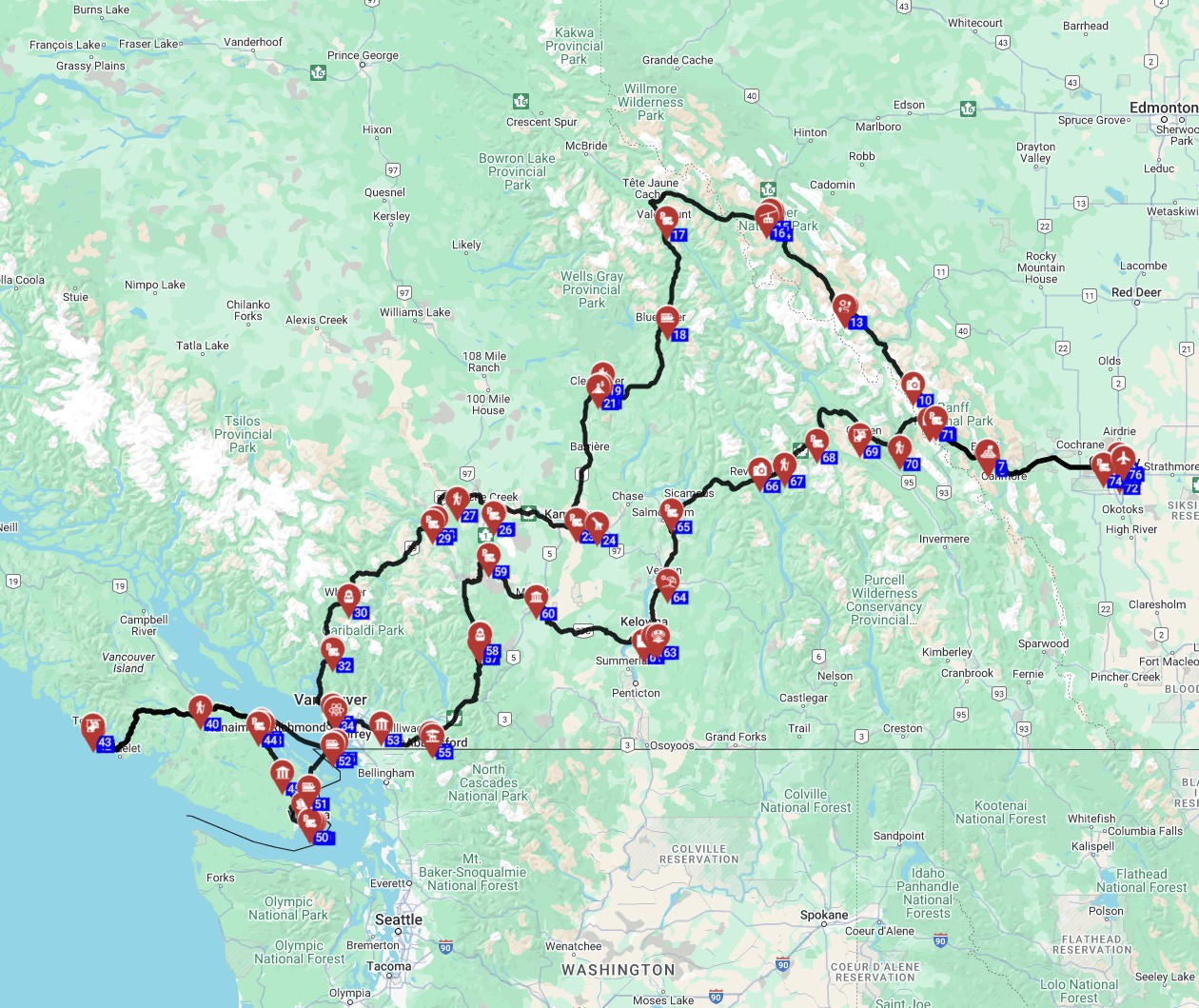
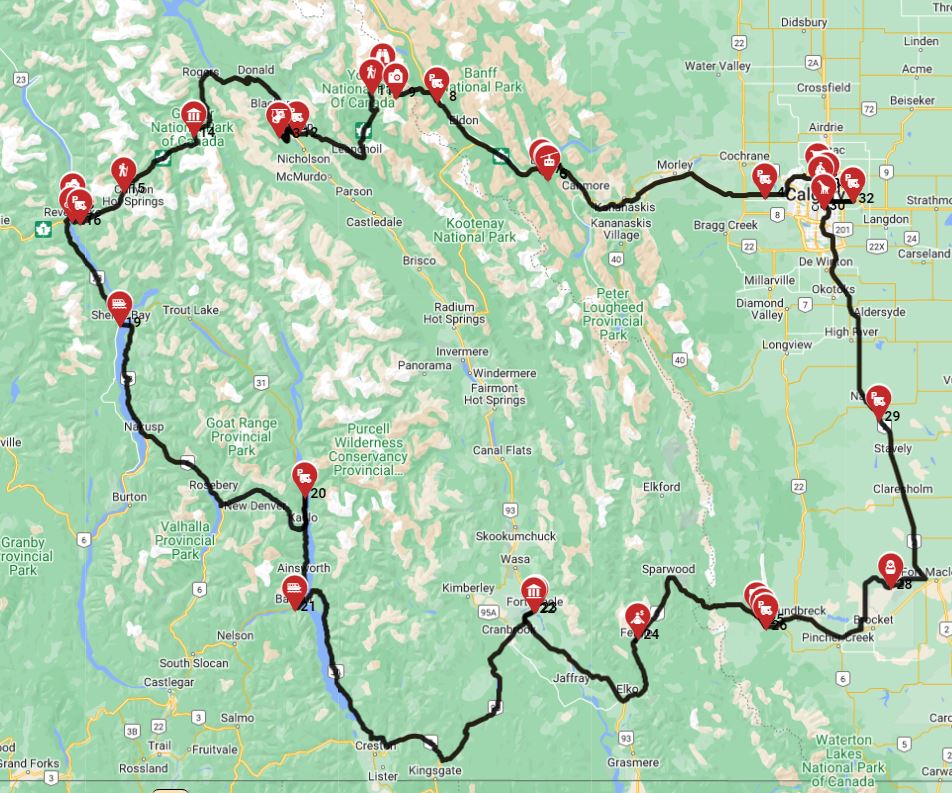
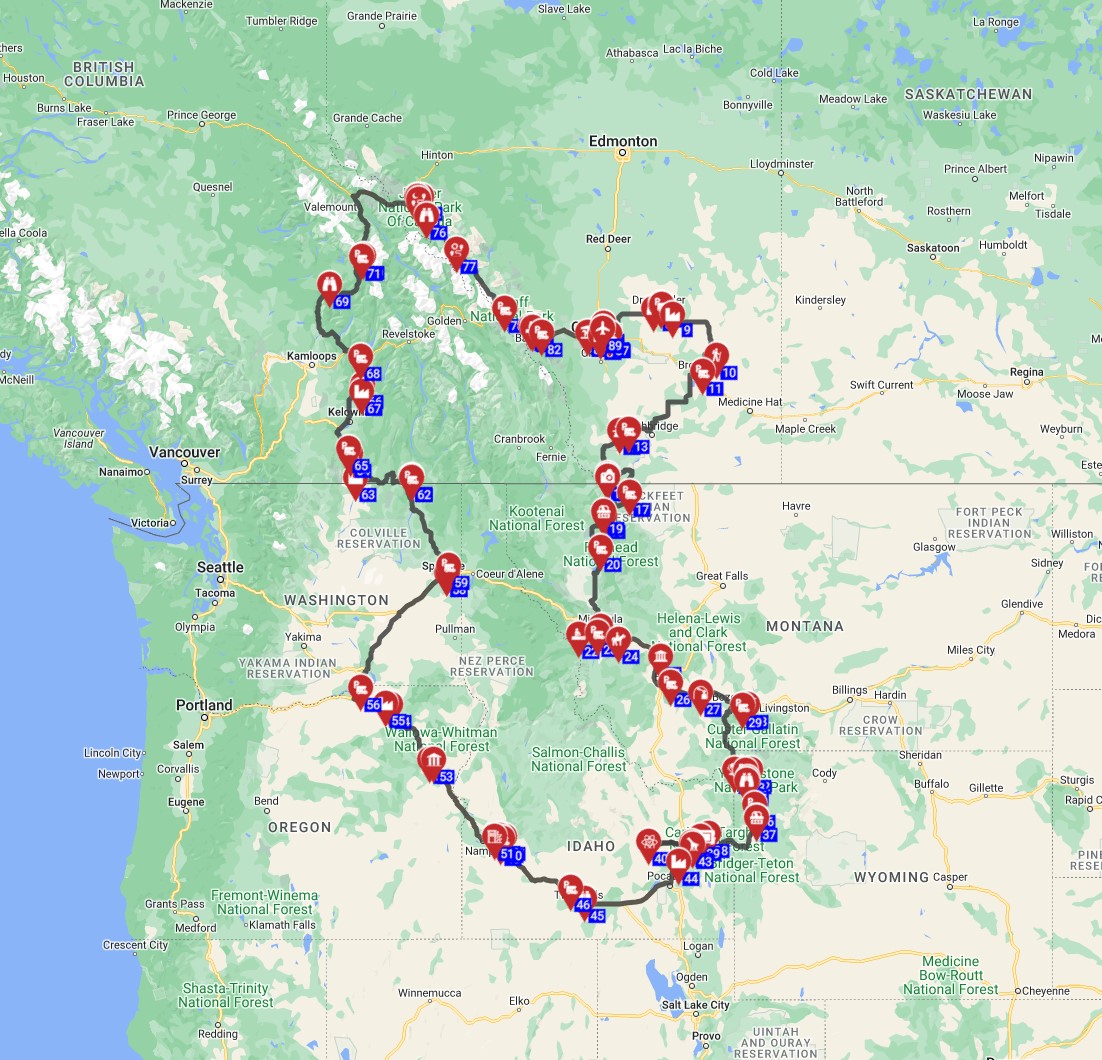
Effective navigation includes utilizing offline maps as cell service can be spotty in vast stretches of the Canadian wilderness, carrying physical maps as a backup, and checking for road closures or advisories, especially in mountainous regions. Apps like RV PLANET (rvplan.net) are excellent for pre-planning routes and can often be used offline to find points of interest and campgrounds. For example, our

We recommend traveling slowly, averaging a maximum of 100-150 km per day. This pace allows you to truly immerse yourself in the culture, food, and scenery of Canada, rather than rushing through it.
At the Campground - Setup, Hookups & Etiquette
Upon arriving at a Canadian campground, the RV setup typically begins with leveling the vehicle using blocks or the RV's built-in leveling system, followed by connecting electrical power, then the freshwater supply with a pressure regulator, and finally the sewer hose to a designated dump station. Proper setup ensures comfort and prevents issues during your stay. Some newer motorhomes, like the "Paradise Family 5" or "4 Berth Adventurer," offer efficient systems designed for easy setup.
Understanding hookups involves knowing your rented RV's electrical requirements (e.g., 30-amp or 50-amp service, though many Canadian campgrounds offer 15A/20A/30A options), using a water pressure regulator to protect your water lines from high pressure, and ensuring a secure connection for your sewer hose to prevent leaks. Always read campground instructions carefully, as specific rules for grey and black water disposal may vary.
Campground etiquette usually includes observing quiet hours (often 10 PM to 7 AM to respect fellow campers), respecting privacy by not cutting through other sites, and leaving your site clean upon departure. Always dispose of waste properly, including any food scraps, to avoid attracting wildlife. You'll find many provincial and national parks have dedicated bear-proof bins.
Airport RV Rental-Specific Tips for Canada
When arriving via airport for an RV rental in Canada, confirming the rental company's shuttle service details or transport options from the airport to the depot is a crucial first step. Many suppliers offer complimentary or paid shuttles from major airports in cities like Vancouver, Toronto, and Halifax. Booking in advance means smooth coordination after your flight.
To save time and stress after a long journey, consider arranging for grocery pickup or delivery at a store near your RV rental pick-up location. This allows you to quickly stock your rented campervan or motorhome with essentials like fresh produce and pantry staples, so you can hit the road faster. This is an excellent way to prepare for meals on board without losing precious travel time.
Allow ample time for the comprehensive RV orientation at the rental depot, as it covers essential vehicle operations, safety features, and local driving nuances. This typically takes 60-90 minutes and is invaluable for first-time RV renters or those unfamiliar with Canadian RV models. Our partners ensure you leave feeling confident and prepared.
Booking your first night at a campground close to the rental depot can provide a convenient, low-stress transition into RV life after your journey. This allows you to get comfortable with your rented motorhome's systems without the added pressure of a long drive or complex setup in an unfamiliar location. For example, staying near Abbotsford or Burlington depots can simplify your initial Canadian experience.
Upon arrival, consider purchasing a local Canadian SIM card for reliable mobile data and communication, especially if venturing into areas with variable cell coverage. Major Canadian providers like Bell, Rogers, and Telus offer various plans. This small investment can make a big difference for navigation, checking weather, and staying in touch with loved ones.
🎬 Video coming soon
Common Mistakes to Avoid in Canada
Instead of underestimating travel distances and times, build buffer time into your itinerary to account for scenic stops, fuel breaks, and unexpected delays, especially when planning a Long-Term RV Rental in Canada - Monthly Rates 2026 are often better for extended travel. Canada's vastness means journeys can take longer than anticipated, so allow for a leisurely pace, adhering to our recommendation of 100-150 km per day on average.
Rather than risking full campgrounds, proactively reserve your campsites, especially in popular national and provincial parks, months in advance during peak season. While many parks offer first-come, first-served spots (typically 25-30% of sites), relying solely on these can lead to disappointment, particularly for larger motorhomes like an "MH-A" (a Class A motorhome with 302-liter refrigerator and space for 6 people). Always call ahead before driving if you haven't booked.
Instead of overlooking RV height or length restrictions, always verify your rented vehicle's dimensions and check for any route-specific advisories, particularly on scenic byways, certain provincial roads, or ferry systems. These restrictions are clearly marked and can prevent costly detours or damage.
Rather than overpacking, focus on versatile layers and essentials, utilizing the RV's storage efficiently and planning for laundry stops along your route. Many larger RVs, like a "6 Berth Discovery" (which has a 190-liter refrigerator), offer ample storage, but excess luggage can quickly make living quarters feel cramped.
Instead of neglecting waste tanks, regularly monitor and empty your grey and black water tanks at designated dump stations to prevent overflow and maintain hygiene. Failing to do so is a common oversight that can lead to unpleasant situations and potential fines at campgrounds. Remember to budget for ancillary costs such as dump fees, propane, and fuel; RV PLANET routes allow you to itemize and track every expense.
What are the typical costs for an RV trip in Canada including fuel and campsites?
An RV trip in Canada involves costs for rental, fuel, campsites, and provisions, with fuel being a significant variable due to provincial pricing and vehicle efficiency, often ranging from CAD 1.50 to CAD 2.00+ per liter. Fuel prices are typically higher in more remote areas and vary between provinces and territories, with prices in British Columbia, for example, often being among the highest.
RV rental rates vary widely by season (higher in summer) and RV class, ranging from CAD 100-200 per night for smaller campervans like a "Combi Van" (with 60-liter fresh water tank) to CAD 250-500+ for larger motorhomes such as a "MHLUX" (a 37 ft Class A motorhome with 320-liter fuel tank) during peak times. These are dynamic prices; checking "RV Rental in Canada - Prices and Best Deals 2026" regularly helps you find optimal booking times.
Campsite fees generally range from CAD 25 to CAD 60 per night for unserviced sites in provincial or national parks and CAD 40 to CAD 100+ for full-service sites in private, provincial, or national parks offering amenities like electricity, water, and sewer hookups. National park passes, such as the Parks Canada Discovery Pass (approximately CAD 75 for an adult or CAD 150 for a family/group), are also an important consideration for accessing federal parks.
Additional costs include groceries, which can average CAD 80-120 per day for a family of four, activity fees, park entry passes, taxes (GST/HST/PST vary by province, from 5% to 15%), and potentially currency exchange fees if traveling from abroad. For accurate budgeting and trip planning, consider utilizing RV PLANET routes, which allow for detailed expense tracking for each stop and activity on your itinerary. This upfront planning provides full transparency, ensuring no hidden fees or surprises.
What are the different types of RV camping available in Canada?
Canada offers diverse RV camping options, including serviced private campgrounds, provincial and national park sites, and wilderness camping (often called boondocking or Crown Land access) where regulations vary significantly by province/territory. Each type provides a unique experience for your rented motorhome adventure.
Private campgrounds typically offer a wide range of amenities like full hookups (water, electricity, sewer), Wi-Fi, laundry facilities, and recreational facilities such as pools and playgrounds, with nightly rates often ranging from CAD 40 to CAD 100+. These are excellent options for families seeking comfort and convenience, with some even offering entertainment like mini-golf.
Provincial parks provide a mix of serviced (electricity, water, 30-amp hookups) and unserviced sites, often in beautiful natural settings, with amenities ranging from basic pit toilets to modern shower facilities, costing approximately CAD 25-70 per night. These parks offer excellent opportunities for hiking, fishing, and wildlife viewing, usually requiring reservations in peak season.
National parks offer camping experiences from basic unserviced sites to full hookups, prioritizing natural preservation and often requiring reservations many months in advance, especially for popular sites like those in Banff or Jasper. Fees typically range from CAD 30-90, plus park entry fees. Our 1300+ pre-planned routes across 5 continents via RV PLANET (rvplan.net) include numerous national park stays.
Crown Land camping (or 'boondocking') is free, dispersed camping on publicly owned land, but regulations on access, length of stay, and environmental impact vary greatly by province and territory, with some areas having explicit bans. Always research local rules thoroughly before attempting to wild camp in your rented campervan. Additionally, some businesses, like certain Walmarts or casinos, may allow overnight parking (boondocking) in their lots; always seek permission first to avoid issues.
How do seasons affect RV travel in Canada?
RV travel in Canada is significantly influenced by seasons, with summer offering warm weather and full access to most roads and campgrounds, while shoulder seasons present fewer crowds and unique beauty, and winter requires specific vehicle preparedness and route planning. Your choice of season will dictate much of your experience.
Summer (June-August) is peak season, characterized by warm weather (average temperatures of 20-30°C in many regions), long daylight hours, and fully open roads and campgrounds, but it also requires early booking (6+ months in advance) due to high demand and higher rental prices. This is the ideal time for exploring national parks and enjoying outdoor activities like hiking and canoeing.
Fall (September-October) offers vibrant foliage, cooler temperatures (10-20°C), fewer crowds, and potential for reduced rates on rented motorhomes, though some campgrounds and roads, especially in higher elevations, may begin to close by late October. This season is perfect for scenic drives, such as along the Cabot Trail in Nova Scotia or the Icefields Parkway in Alberta.
Spring (April-May) features melting snow, budding landscapes, and variable weather, with temperatures ranging from 5-15°C, and some services opening gradually. It's a good time for those seeking solitude and lower prices before the summer rush, but some higher-elevation roads may still be inaccessible due to snow. For instance, the Icefields Parkway between Jasper and Lake Louise often opens in late April or early May.
Winter (November-March) RVing is challenging and often requires a winterized RV rental, specialized tires (mandatory in Quebec from Dec 1 to March 15), and careful route planning due to snow, ice, and limited open campgrounds and roads. Many RV rental suppliers do not permit winter travel or require specific winter packages for their campervans or motorhomes. However, for the adventurous, winter offers unique experiences like ice fishing or skiing with your RV as a cozy base.
Are there specific RV restrictions or driving rules in Canada?
Canada has specific RV length limits and driving regulations, including some scenic routes with restrictions, winter tire requirements in certain provinces, and differing propane tank regulations, which RVers should be aware of. Understanding these rules ensures a smooth and legal road trip.
RV length restrictions may apply on certain scenic routes, mountain passes, or when utilizing ferry systems; it is advisable to check specific provincial or park regulations before planning your route. For instance, some roads in national parks might have limits on overall vehicle length (e.g., 25-30 feet for some smaller bridges or tight turns). Always drive slowly and carefully, and you can drive almost anywhere without issues, regardless of your rented motorhome's size.
Winter tire requirements are mandatory in provinces like Quebec from December 1 to March 15 and in specific regions of British Columbia during designated periods (typically October 1 to April 30, or March 31 on some highways). Failure to comply can result in fines ranging from CAD 75 to CAD 200, and some rental suppliers offer winter packages including appropriate tires.
Propane tank regulations involve safe transport, proper mounting, and periodic inspections; ensure tanks are securely fastened and turned off during fueling at gas stations or when on ferries. It is also illegal to fill a propane tank past 80% capacity to allow for expansion. Most RV rental suppliers will provide a demonstration of safe propane usage.
Speed limits are posted in kilometers per hour (km/h) across Canada, and rented RVs often have lower recommended maximum speeds than passenger vehicles, especially on highways, to ensure stability and safety. Typical highway speeds range from 90 km/h to 110 km/h, but always obey posted limits. Always carry your valid driver's license (minimum age 21 for RV rental) and RV registration, and be aware of differing rules regarding turning on red lights in some jurisdictions (e.g., it is generally prohibited in Montreal, Quebec).
How can I stay connected in remote Canadian RV areas?
Staying connected in remote Canadian RV areas often requires strategic planning, including choosing appropriate cell service providers, considering local SIM cards, leveraging Wi-Fi hotspots where available, and utilizing offline navigation tools. Canada's vast wilderness can present connectivity challenges.
Major cell service providers like Bell, Rogers, and Telus offer the broadest coverage, but even their networks have significant gaps in truly remote or mountainous regions, particularly in the northern territories or deep within national parks. Comparing their coverage maps for your specific route is advisable.
Purchasing a local Canadian SIM card upon arrival can provide better rates and data access compared to international roaming plans, costing around CAD 40-70 for a decent data package. You can find these at airport kiosks or electronic stores in larger cities like Vancouver, Toronto, or Halifax.
Many campgrounds, public libraries, coffee shops, and visitor centers offer Wi-Fi hotspots, though speeds and reliability can vary. Relying on these for extensive internet use is often impractical, but they are useful for quick updates or email checks. For example, some premium private RV parks guarantee Wi-Fi access at individual sites, although it may be slower than urban speeds.
For areas with no cell service, utilizing downloaded offline maps (e.g., Google Maps, HERE WeGo, or specialized RV navigation apps available via RV PLANET) or dedicated GPS devices is crucial for navigation. Printing physical maps as a backup is also a smart practice for truly off-grid exploration. You'll want to ensure all your essential information is accessible.
Considering a satellite communication device (e.g., Garmin inReach, Spot) is recommended for emergency communication when venturing far off-grid, such as on the Dempster Highway, as these devices allow for two-way messaging and SOS capabilities even without cellular signal. These devices offer a critical safety net in Canada's vast and often uninhabited landscapes.
What are essential safety tips for wilderness RV travel in Canada?
Essential safety tips for wilderness RV travel in Canada include comprehensive wildlife encounter protocols, bear safety practices, remote area first aid knowledge, and considering satellite communication options, particularly when venturing off-grid. Canada's wilderness offers incredible beauty but also requires respect and preparedness.
Wildlife encounter protocols involve maintaining a safe distance from animals like bears, elk, and moose (at least 30 meters for large animals and 100 meters for bears and wolves), securing all food and scented items in bear-proof containers or inside your RV, and never feeding wildlife. Fines for feeding wildlife in national parks can exceed CAD 25,000.
Bear safety specifically includes carrying bear spray (and knowing how to use it safely and effectively), making noise on trails to avoid surprising animals, and understanding how to react during an encounter (e.g., playing dead for grizzlies, fighting back for black bears). Always check provincial and park regulations on carrying bear spray, as rules can vary.
A comprehensive remote area first aid kit is crucial, along with basic knowledge of how to treat common injuries or illnesses in environments where medical help is hours away. This kit should include supplies for cuts, burns, sprains, allergic reactions, and pain relief. For additional preparedness, consider taking a wilderness first aid course.
Carrying a satellite communication device (e.g., satellite phone or personal locator beacon) is highly recommended for emergency contact outside of cell service areas, ensuring you can signal for help if stranded or facing a medical emergency. These devices often provide GPS tracking and the ability to send pre-programmed messages to contacts.
Always inform someone of your travel plans and expected return, especially when exploring remote trails or areas without established infrastructure. Provide them with your detailed itinerary, including your route and planned campsites, so authorities know where to look if you become overdue. This simple step can significantly improve search and rescue efforts if needed.
How can I find authentic local experiences during my Canadian RV trip?
Finding authentic local experiences during a Canadian RV trip involves looking beyond major tourist attractions to discover Indigenous cultural sites, regional culinary tours, unique local festivals, and niche outdoor activities. This approach allows for a deeper connection to Canada's diverse heritage.
Seek out Indigenous tourism initiatives and cultural centers, which offer profound insights into the history, traditions, and contemporary life of First Nations, Inuit, and Métis communities. For example, destinations like the Squamish Lil'wat Cultural Centre in Whistler or Wanuskewin Heritage Park in Saskatchewan provide immersive experiences, including traditional storytelling, craft workshops, and culinary tastings.
Visit local visitor information centers in smaller towns to learn about regional culinary tours, farmers' markets, craft breweries, and local eateries offering unique provincial specialties. These centers are treasure troves of local knowledge, providing insider tips on everything from the best poutine in Quebec to fresh seafood in Atlantic Canada or indigenous fusion cuisine.
Check local community calendars for unique festivals, events, and fairs that celebrate regional heritage, music, or agriculture. From folk festivals in Nova Scotia to rodeo events in Alberta or maple syrup festivals in Ontario, these gatherings offer a vibrant glimpse into local life. Many are RV-friendly, with nearby camping options.
Explore Canada's Dark Sky Preserves for unparalleled stargazing opportunities away from light pollution. With numerous designated DSPs, including the Beaver Hills Dark Sky Preserve in Alberta and the Fundy National Park Dark Sky Preserve in New Brunswick, RVers can park their campervan rentals and witness incredible celestial displays, often with guided tours or educational programs.
Engage in niche outdoor activities such as paddling on lesser-known lakes in Algonquin Provincial Park, exploring regional hiking trails in Kananaskis Country, or visiting specific ecological reserves to connect with local nature. These activities, often found a short drive from city centers like Coquitlam or Dartmouth, provide unique perspectives away from the more crowded tourist spots.
What You Shouldn't Miss
Canada is a land of endless exploration, and with a rented RV, you have the ultimate freedom to discover its wonders. Here are some must-do experiences:
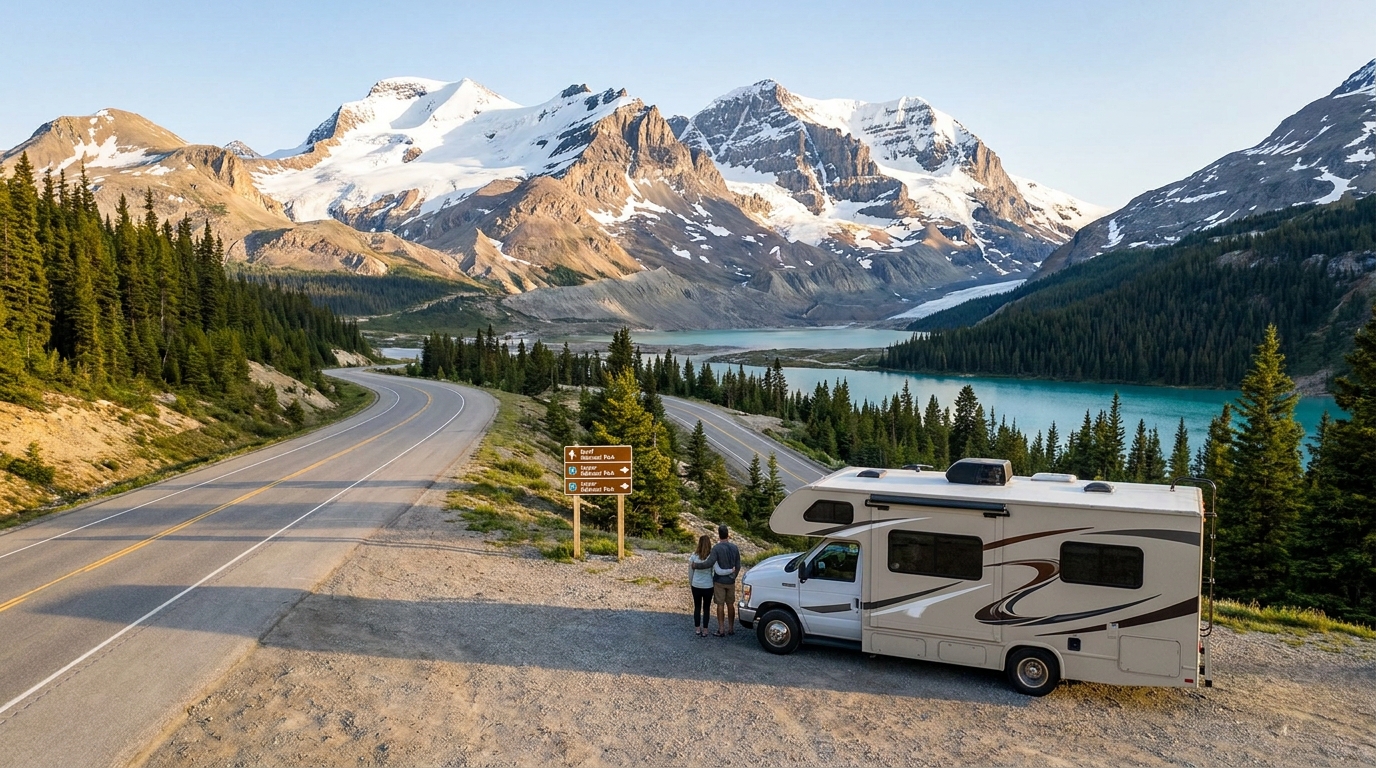
- **The Canadian Rockies:** Drive the Icefields Parkway between Banff and Jasper, witnessing majestic mountains, glaciers, and turquoise lakes. Explore Lake Louise and Moraine Lake, and hike iconic trails.
- **East Coast Charm:** Discover the vibrant coastal culture of Nova Scotia, New Brunswick, and Prince Edward Island. Drive the scenic Cabot Trail on Cape Breton Island, or explore the Bay of Fundy's epic tides.
- **Pacific Rim National Park Reserve:** On Vancouver Island, experience ancient rainforests, rugged coastlines, and stunning beaches. Perfect for surfing, hiking, and wildlife viewing.
- **The Yukon's Dempster Highway:** For the adventurous, drive North America's only public road to cross the Arctic Circle. This 736 km (457 mi) gravel road offers unparalleled wilderness and the chance to see the Midnight Sun in summer.
- **Quebec City's Old Town:** Park your motorhome nearby and immerse yourself in North America's only walled city. Wander cobblestone streets, visit historic sites, and savor French-Canadian cuisine.
- **Niagara Falls:** Witness the sheer power and beauty of one of the world's most famous waterfalls. Plenty of RV-friendly campgrounds are available nearby for a spectacular backdrop to your stay.
Looking for expert insights from Avi Bandana? Top 5 Adventures - recommendations from Avi Bandana.
Final Thoughts
Embarking on an airport RV adventure in Canada is an experience like no other, offering unparalleled freedom and access to some of the world's most spectacular landscapes. From the moment you pick up your rented motorhome at the airport, you're in control of your journey, able to explore bustling cities, tranquil national parks, and hidden gems at your leisure. Remember, we handle the details, so you can truly live the journey.
With careful planning, understanding local regulations, and embracing the spirit of slow travel, your Canadian RV trip will be filled with unforgettable memories. Whether you're seeking a short week-long trip or an extended month-long adventure, Canada by RV promises discovery around every bend.
Ready to start planning your Canadian fly-and-drive adventure? Discover top destinations, planning tips, all in one place! Find airport RV Rentals in Canada and make your dream trip a reality today!