In This Guide
- Top 5 Tips for RV Rental in New Zealand
- Before You Book - Class, Dates, Insurance
- Pre-Trip Prep - Packing Checklist for New Zealand
- On the Road - Driving, Fueling, Navigation
- At the Campground - Setup, Hookups & Etiquette
- RV Rental-Specific Tips for New Zealand
- Common Mistakes to Avoid in New Zealand
- How much does it cost to rent an RV in New Zealand?
- What is the 333 rule for campervan?
- What is the best camper rental in New Zealand?
- Is it worth it to rent a campervan in New Zealand?
- Is it easy to drive a motorhome in New Zealand?
- Do and don'ts New Zealand?
- How much money would I need for 2 weeks in New Zealand?
- Is it easy to campervan around New Zealand?
- What are the drawbacks of renting an RV?
- What You Shouldn't Miss
- Why Book with Bandana Caravan
- Final Thoughts
- Frequently Asked Questions
New Zealand, with its breathtaking landscapes and welcoming spirit, offers an unparalleled canvas for an RV adventure, even during its cooler winter months. Imagine waking up to snow-capped peaks outside your window or exploring geothermal wonders with fewer crowds. This guide provides essential winter RV tips for New Zealand, ensuring your cold-weather journey is as comfortable and unforgettable as possible. For live availability and current prices, start with our RV Rental New Zealand - Complete Guide 2026 guide.
Top 5 Tips for RV Rental in New Zealand
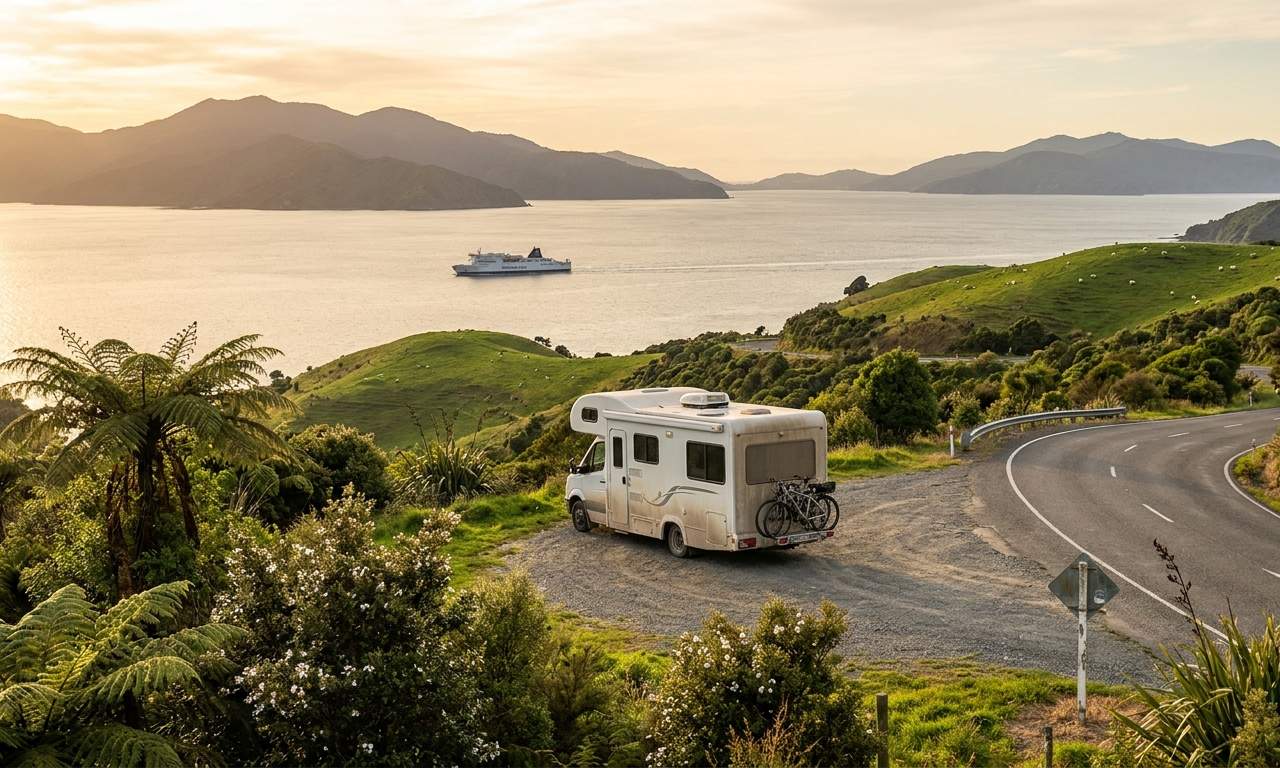
Navigating an RV in New Zealand's winter requires a few smart preparations to ensure a smooth trip.
- Book Well in Advance, Especially for Winter Sport Season: While peak season is typically December-February, winter sports enthusiasts flock to areas like Queenstown and Wanaka from June to August. Booking your desired campervan or motorhome rental in New Zealand several months ahead, especially a "Winter Ready" model like the 2 Berth Rover or a 2 Person 4WD Camper, ensures availability and often better rates, with potential savings of up to 25% when booking 90+ days out.
- Choose an RV Size that Matches Your Comfort Level and Planned Itinerary: New Zealand’s winding roads are easily navigable for all RV sizes if driven slowly and carefully. When planning for winter, consider a motorhome like the "4 Berth Deluxe" (RV size - Large, Winter Ready), offering more interior space and robust heating, which can be a comfort on colder days.
- Understand New Zealand's Freedom Camping Rules and Certified Self-Contained Requirements: The rules for freedom camping are strict, especially in winter when facilities may be limited. Your RV must be certified self-contained, meaning it has a toilet, fresh water tank, wastewater tank, and rubbish bin, meeting NZS 5465:2001 standards. Always check local council websites for specific regulations, as non-compliance can result in fines of NZ$200 or more.
- Budget for All Costs: Beyond the rental fees, comprehensive budgeting for a New Zealand RV trip needs to account for fuel, campsite fees (which average NZ$10-NZ$60/night), optional insurance upgrades, and activities. Remember that prices are dynamic and change daily based on demand and seasonality. Through RV PLANET routes, you can itemize and track every expense for easy budgeting.
- Consider a Top-Level Deductible Reimbursement for Peace of Mind: While basic insurance is always included, you can upgrade to a top-level deductible reimbursement for extra peace of mind against unforeseen circumstances, such as minor damages from gravel roads or unexpected winter conditions. This optional upgrade can save you from significant out-of-pocket expenses.
Before You Book - Class, Dates, Insurance
Choosing the right motorhome class for your New Zealand winter adventure hinges on your group size, luggage, and desired amenities, particularly robust heating and insulation features. Smaller campervans, such as an "Active Classic" (Class B - Camper Van, Front Air condition, Ideal for a couple, Shower, Toilet, Winter Ready), offer agility on winding roads and can be easier to park, while larger Class C motorhomes like a "4 Berth Henty" (Class C - Alcove, Roof Air condition, TV, Winter Ready) provide more living space and enhanced comfort for families or groups during colder weather.
To secure the best rates and availability for your RV rental in New Zealand, it's advisable to lock in your rental dates well in advance, especially for travel during the June-August winter season or shoulder months offering milder temperatures. Many travelers prefer to pre-plan everything, reserving their preferred vehicle and route months ahead, while others embrace spontaneity and book day-to-day. Rest assured, while popular national and state parks reserve a percentage of spots, many others are available first-come, first-serve. You'll find a spot; if not at the first campground, then the next one. Just call ahead before driving.
Basic insurance is always included with your RV rental. However, to see prices including the most comprehensive coverage, select the appropriate option during your search on Bandana. This will reveal all relevant insurance options, allowing you to upgrade to a top-level deductible for extra peace of mind against unexpected incidents. Bandana RV specializes in RV travel, offering full transparency with no hidden fees or surprises.
Pre-Trip Prep - Packing Checklist for New Zealand
Packing layers of clothing is essential for New Zealand's famously changeable weather, even in winter, where temperatures can vary significantly from coast to alpine regions. Include warm thermal base layers, fleece mid-layers, and waterproof and windproof outer layers to stay comfortable while exploring. Don't forget warm hats, gloves, and waterproof footwear for hiking or visiting snowy areas.
Prepare a basic kitchen kit if one isn't fully supplied with your rented campervan, considering essentials for making warm meals, like instant coffee, tea bags, quick-cooking oats, and pasta. Having a few go-to items for cooking inside your RV, especially on chilly days, can be a game-changer. For culinary inspiration on the go, check out our RV-friendly recipes playlist.
Ensure you have necessary safety items such as a well-stocked first-aid kit, a reflective vest, and a reliable flashlight or headlamp. For winter travel, consider adding snow chains if venturing into mountain passes, as they can be mandatory in some areas. Organize all travel documents, including your standard car driver's license (which is sufficient for all motorhome classes), passport, and rental agreements, keeping them accessible but secure.
At the Campground - Setup, Hookups & Etiquette
Upon arrival at a powered site in a New Zealand campground, the typical setup involves parking your rented camper or motorhome, ensuring it's level for comfort and proper appliance function, then connecting to electricity, followed by fresh water, and finally the grey water hose if a direct drain is available. Familiarize yourself with your RV's hookup points for electricity, fresh water, and waste disposal before arriving at your first campground to make setup seamless.
Observe quiet hours, usually from 10 PM to 7 AM, to respect fellow campers' rest. Dispose of waste responsibly in designated areas to maintain campground cleanliness and protect New Zealand's pristine environment. Always empty your wastewater tanks and toilet cassette at official dump stations, not in nature, to avoid fines and uphold responsible tourism. On the routes offered through RV PLANET routes, you can itemize and track every expense along the way for easy budgeting.
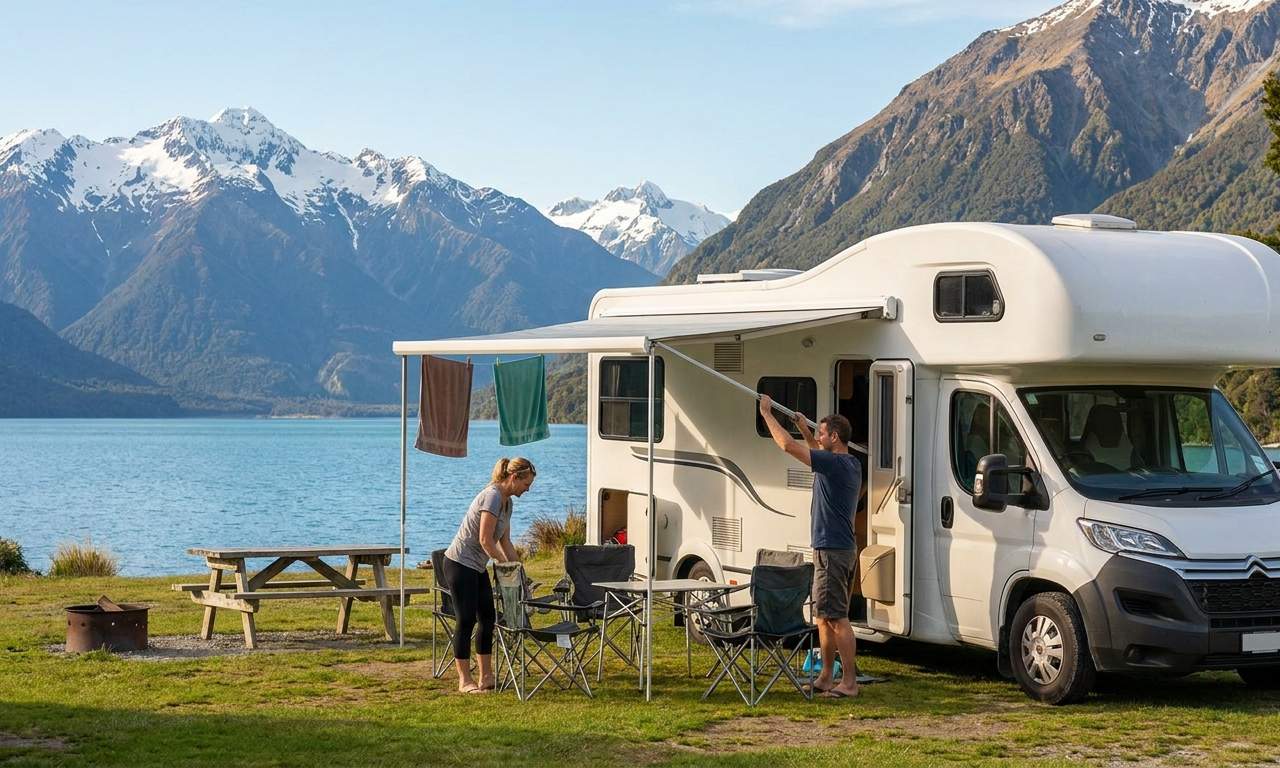
Respect fellow campers' space and privacy, and follow all campground-specific rules and regulations. This includes understanding the nuances of Department of Conservation (DOC) campsites, which are often basic but beautifully located, versus fully-equipped holiday parks offering more amenities. During winter, ensure your RV's heating system is operational, as night temperatures can drop significantly, especially in the South Island. Vehicles like the Koru Star 4 Freedom, with its dedicated diesel heating, are ideal for such conditions.
RV Rental-Specific Tips for New Zealand
When selecting your RV rental in New Zealand, consider your travel group and the time of year. For families with children, a larger motorhome like the "Euro Deluxe" (RV size - Large) with its "3 double beds" and "TV" offers separate sleeping areas and often includes child seat anchors for comfort and safety on longer journeys, especially useful during winter when more time might be spent indoors.
Seniors may prefer an automatic transmission RV with lower bed access and a walk-through cabin design for easier maneuverability and enhanced comfort. Many modern Class C motorhomes fit this description, providing amenities like showers and toilets, essential for a comfortable winter road trip. For instance, a "Category Small AT" is an automatic transmission Class SI - Semi-integrated vehicle, ideal for a couple, with front air conditioning, shower, and toilet, making it "Winter Ready."
Budget-conscious travelers can save by utilizing certified self-contained RVs for freedom camping where permitted, significantly reducing campsite fees. Vehicles like the "Chaser" (RV size - Small, Shower, Toilet, TV) offer self-contained features in a compact package. Luxury RV renters, on the other hand, can enhance their trip with premium add-ons like outdoor furniture, BBQ sets (for warmer days!), and pre-paid activity passes, ensuring a high-end experience.
Common Mistakes to Avoid in New Zealand
Instead of underestimating driving times, always allow extra time for travel due to New Zealand's winding roads, frequent one-lane bridges, and abundant photo opportunities. Winter conditions can also reduce average speeds, so factor in potential delays due to snow or ice, especially in mountain passes. The recommended pace for RV travel is slow travel, max 100-150 km per day on average, which lets you truly feel the place, connect to the culture, the food, and the scenery.
Instead of ignoring freedom camping rules, always check local regulations and ensure your rented campervan is certified self-contained if planning to freedom camp. Non-compliant camping can lead to significant fines. Utilize resources like rvplan.net to find designated campsites and understand local bylaws. Many national and state parks only reserve 25-30% of spots, leaving the rest for first-come, first-serve, so you'll always find a spot. Just call ahead.
Instead of packing too much, opt for versatile, layered clothing and consolidate items to maximize space within the RV. Overpacking can quickly make your mobile home feel cramped. For colder months, focus on warm, quick-drying fabrics. Instead of relying solely on phone navigation, download offline maps or carry a physical map, as mobile signal can be unreliable in remote areas, ensuring you always know your way.
🎬 Video coming soon
How much does it cost to rent an RV in New Zealand?
The cost to rent an RV in New Zealand typically ranges from NZ$50 to NZ$400 per day, varying significantly based on vehicle size, rental season, duration, and included amenities. For instance, a compact campervan like the "Juliette 2-3" might be at the lower end, while a larger "6 Berth Deluxe" motorhome would be at the higher end. Remember that prices are dynamic, much like flight tickets, changing daily based on availability and supplier decisions.
Budgeting for an RV trip in New Zealand should encompass not only the rental fee but also daily costs for fuel, campsite fees (NZ$10-NZ$60/night for powered sites), groceries, and activities, which collectively can range from NZ$150-NZ$600+ per day for a couple. Through RV PLANET routes, travelers can itemize and track every expense along the way for easy budgeting.
Peak season (December-February) sees the highest rental prices, while shoulder seasons (October-November, March-April) offer a balance of good weather and more moderate costs, potentially saving you money. Additional costs include comprehensive insurance options, one-way fees (which can range from NZ$150 to NZ$500), extra driver fees, and LPG refills, all of which should be factored into your overall trip budget for full transparency and no surprises.
What is the 333 rule for campervan?
The '333 rule' for campervans in New Zealand is a popular, informal guideline suggesting a comfortable and responsible travel pace: drive no more than 3 hours, stop every 3 hours, and ideally, stay in one place for at least 3 nights. This guideline is particularly helpful for enjoying New Zealand's diverse landscapes without feeling rushed and for reducing driver fatigue, which is crucial on the country's often challenging roads.
This rule, while not a legal regulation, helps prevent driver fatigue, allows for deeper exploration of local areas, and promotes a relaxed travel experience. Adhering to a slower pace helps navigate New Zealand's unique road conditions, including narrow, winding routes, steep inclines, and single-lane bridges, reducing stress and increasing safety for everyone in your rented motorhome. With over 1,300 pre-planned routes across 5 continents via RV PLANET (rvplan.net), you can find professionally designed itineraries that often incorporate similar slow-travel principles.
Integrating the 333 rule into your itinerary supports responsible tourism by allowing more time to appreciate local communities, connect to the culture, the food, and the scenery, and spend quality time at attractions, rather than rushing between destinations. It also encourages responsible waste management and allows ample time to locate appropriate dump stations and fresh water sources, especially important for cold-weather RV trips.
What is the best camper rental in New Zealand?
Determining the 'best' camper rental in New Zealand depends heavily on individual travel style, budget, group size, and desired amenities, with reputable providers like Apollo, Britz, and Maui offering diverse fleets. For a solo traveler or couple seeking agility and basic self-containment, a compact campervan such as the "Chaser" (RV size - Small) might be ideal. Families often prefer larger Class C motorhomes, like a "6 Berth Deluxe" (RV size - Large), which offers more space and comfort with features like multiple beds, a spacious refrigerator, and heating for chilly nights.
When comparing companies, assess vehicle types, included features, insurance options, customer service reputation, and depot locations for convenience. Some providers offer "Winter Ready" vehicles, crucial for colder months, which may include enhanced insulation and heating systems. Bandana Caravan, founded in 2001, has over 20 years of experience helping tens of thousands of travelers explore the world by RV, directly partnering with over 50 leading RV suppliers worldwide, including trusted names like Apollo and Britz.
For budget travelers, smaller, older models might offer competitive rates, while those seeking luxury can find premium Class A or Class C motorhomes with extensive features. Consider what is typically included, such as basic kitchenware and bedding, versus paid add-ons like outdoor tables, chairs, or additional mileage packages. We compare final prices across suppliers, ensuring what you see is what you pay, with no surprise fees at pickup, reflecting our commitment to full transparency.
Is it worth it to rent a campervan in New Zealand?
Renting a campervan in New Zealand is widely considered a highly worthwhile experience for those seeking flexibility, immersive natural exploration, and cost-effective travel, particularly when compared to a combination of car rental and hotel stays. The freedom to wake up to stunning landscapes each day, from coastal views to alpine vistas, and to create spontaneous itineraries is a major draw.
The primary benefit lies in the freedom to create spontaneous itineraries and access remote areas that might be less accessible with traditional accommodations. Imagine driving an "Adventure Truck Select" (Class TC - Truck Camper, 4 Wheel Drive, Automatic transmission) to a secluded beach or a serene lakeside spot. This type of travel allows you to connect more deeply with New Zealand's unique culture, food, and scenery.
While initial rental costs can seem higher, a campervan can offer significant savings on accommodation and dining, especially if utilizing freedom camping sites (with a certified self-contained vehicle) or self-catering. However, potential drawbacks include navigating larger vehicles on challenging roads, limited personal space, and the responsibilities of vehicle maintenance and waste disposal, which require realistic expectations and preparedness. Bandana RV offers 24/7 support before, during, and after your booking, ensuring you feel supported throughout your planning process.
Is it easy to drive a motorhome in New Zealand?
Driving a motorhome in New Zealand is manageable for most experienced drivers, though it requires heightened attention due to the country's unique road conditions, including narrow, winding roads, steep inclines, and approximately 1,500 one-lane bridges. Drivers should be prepared for varying terrains, including occasional gravel roads, and be mindful of slower average speeds compared to highways in other countries.
Specific challenges include navigating mountain passes like the Lindis Pass or Arthur's Pass, where careful driving and awareness of other road users are paramount, especially during winter months when conditions can be icy. Drive slowly and carefully, and you can drive almost anywhere without issues. No need to stress - just use common sense and pay attention, even in larger Class A or C motorhomes like the "Euro Deluxe" (RV size - Large).
Practicing defensive driving, understanding your vehicle dimensions, and utilizing passing lanes (often marked 'passing lane') when safe can significantly ease the driving experience. A standard car driver's license is sufficient for all motorhome classes; no special license or permits are required. An International Driving Permit (IDP) is recommended for visitors from non-English-speaking countries but is not mandatory in most cases.
Do and don'ts New Zealand?
When traveling in New Zealand, it's crucial to 'Do' respect the environment by using designated waste disposal sites and 'Don't' litter, especially in pristine natural areas. This includes proper disposal of grey water and toilet waste from your rented motorhome, which must be emptied at official dump stations.
Always 'Do' research and adhere to freedom camping regulations, ensuring your RV is certified self-contained where required, and 'Don't' attempt to freedom camp in prohibited areas. This not only avoids fines (NZ$200+) but also protects New Zealand's beautiful landscapes for future generations. Check local council websites and use apps to confirm legal camping spots.
Culturally, 'Do' show respect for Māori traditions and sacred sites (tapu), and 'Don't' enter without permission or touch carvings/objects unless invited. Environmentally, 'Do' follow 'Tiaki Promise' guidelines for responsible travel, protecting flora and fauna, and 'Don't' disturb wildlife or introduce foreign species. This mindful approach ensures an enriching experience for all.
How much money would I need for 2 weeks in New Zealand?
For a 2-week RV trip in New Zealand, a realistic budget for two people could range from NZ$3,000 to NZ$7,000+, covering RV rental, fuel, campsites, groceries, and activities, depending on travel style and vehicle choice. This estimate reflects the dynamic pricing of RVs, which fluctuate based on seasonality and demand.
RV rental costs for 14 days can be NZ$700-NZ$5,600, influenced by the season and vehicle type. For example, a compact campervan like a "HiTop Camper" (RV size - Small) will be considerably less than a luxurious "Euro Deluxe" motorhome. Fuel expenses for a typical 2-week circuit might range from NZ$500-NZ$1000+, given the distances (e.g., the 2830 km "
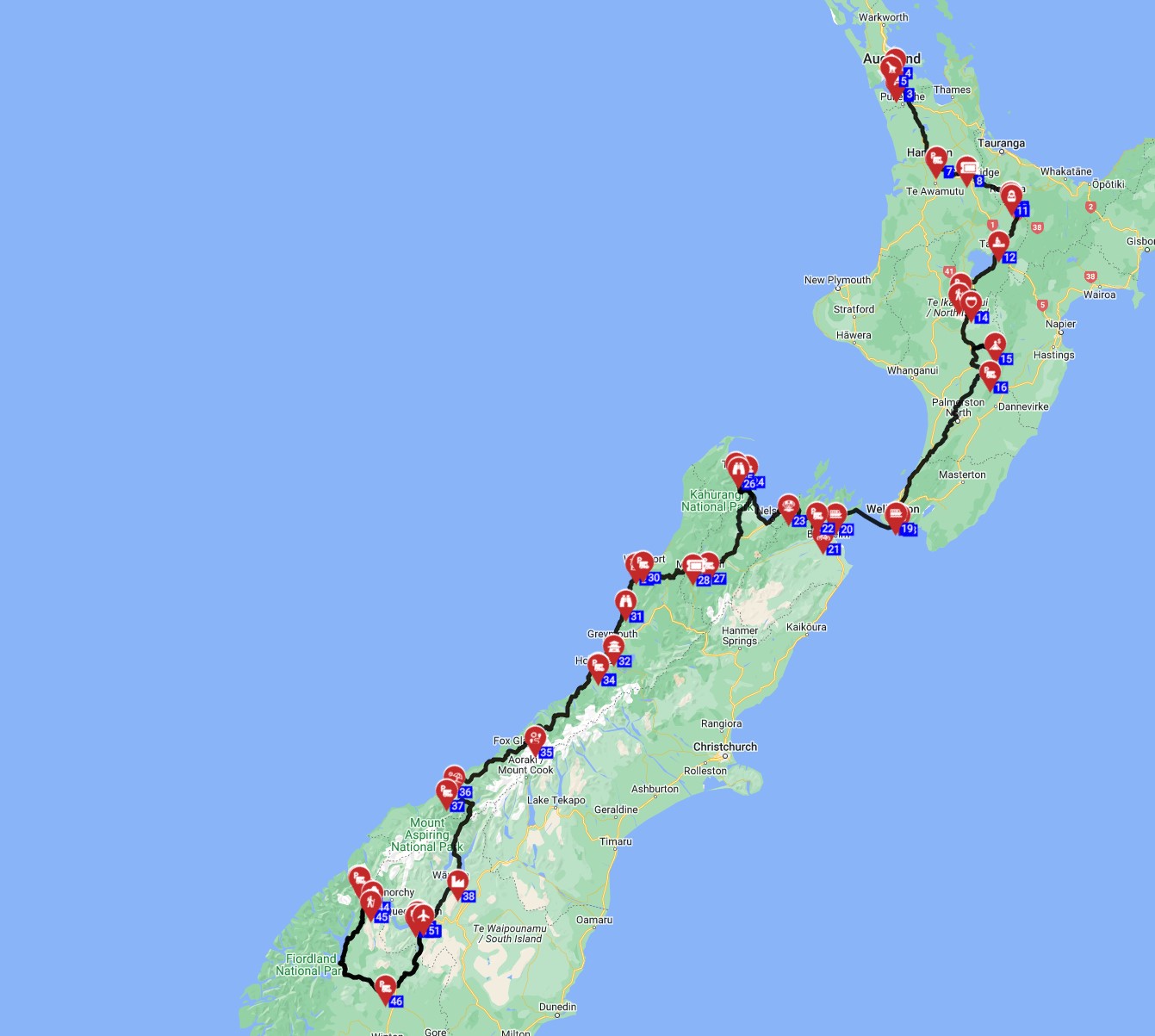
Campsite fees, if primarily staying in holiday parks, could add NZ$280-NZ$840, while grocery costs for self-catering might be around NZ$400-NZ$700, offering significant savings over dining out. Additional activity costs, from glacier hikes to Hobbiton tours, will further influence your total. Planning a long trip, like the "
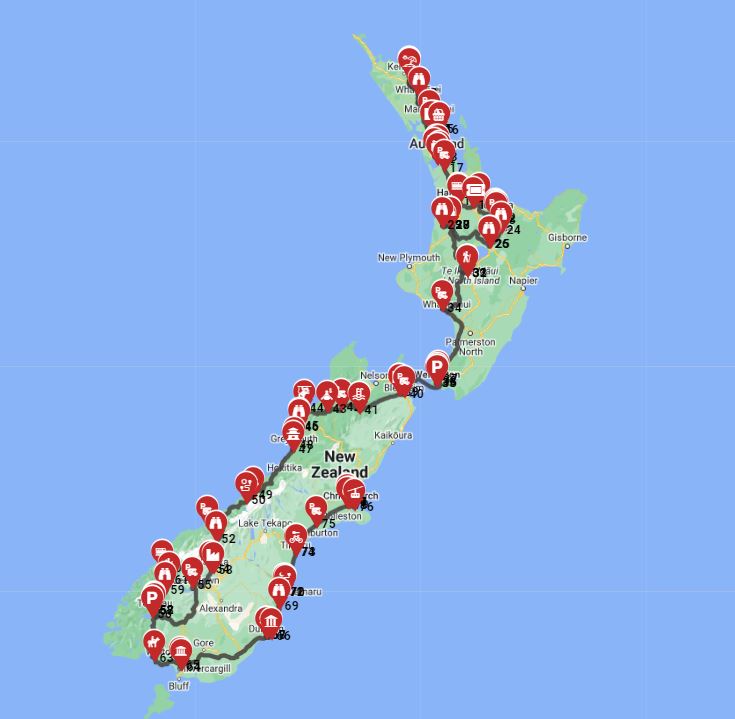
Is it easy to campervan around New Zealand?
Campervanning around New Zealand is generally considered easy due to well-maintained roads and comprehensive infrastructure for RVs, though it requires planning for specific logistical challenges like remote fuel stops and varying mobile signal. The country's stunning beauty makes every kilometer a delight, even on winding routes.
The country offers an extensive network of campsites, including Department of Conservation (DOC) sites, holiday parks, and designated freedom camping areas, making overnight stays straightforward with proper planning. For example, the "
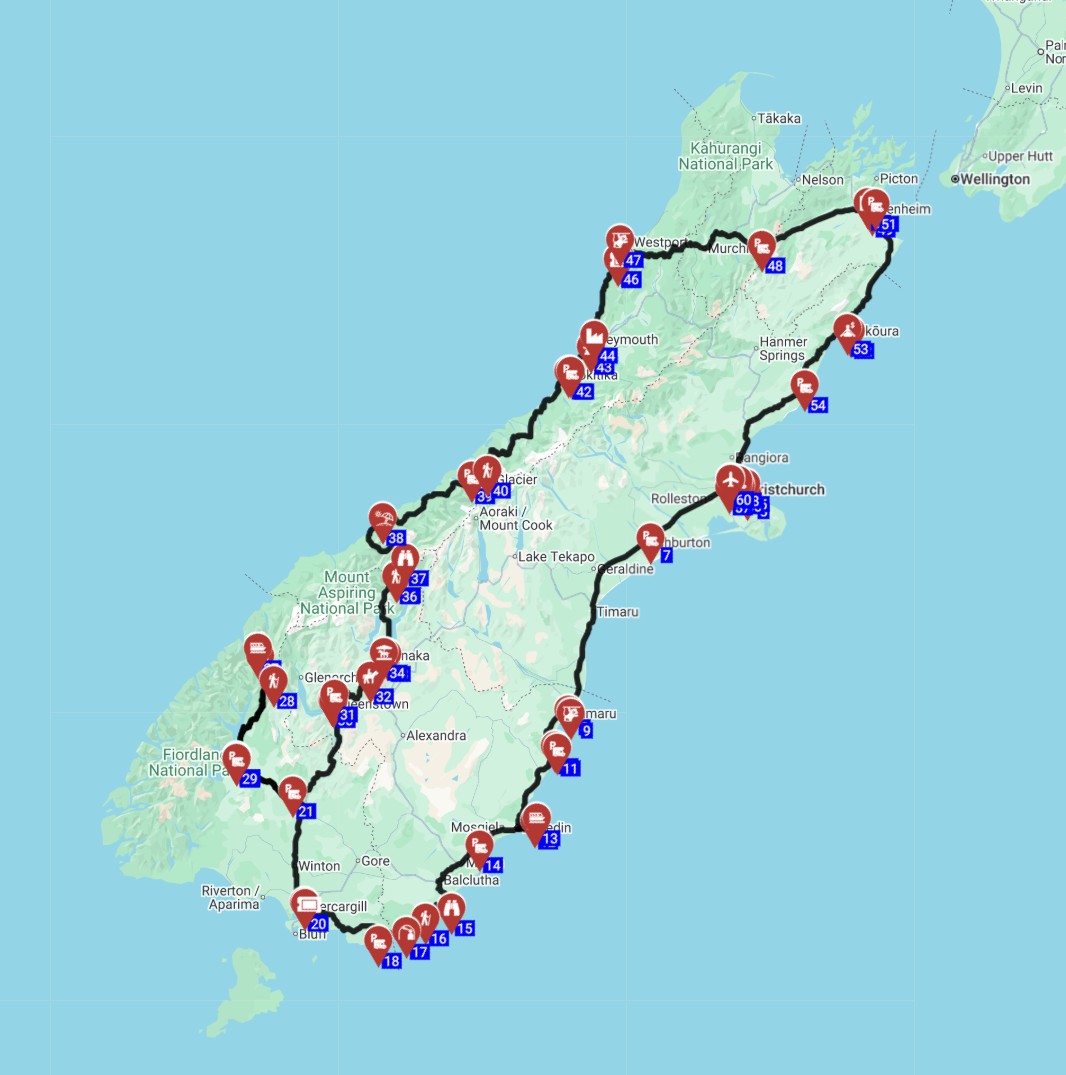
Logistics such as sourcing supplies, managing waste disposal, and finding fresh water are facilitated by numerous towns and service stations along popular routes. While route planning is crucial for optimizing your journey and sticking to the recommended slow travel pace of 100-150 km per day, the ease of access to stunning natural landscapes and diverse activities makes campervanning an accessible and rewarding way to explore New Zealand.
What are the drawbacks of renting an RV?
The primary drawbacks of renting an RV in New Zealand include the potentially higher initial rental cost compared to a standard car, the challenge of navigating larger vehicles on narrow or winding roads, and the responsibilities of vehicle maintenance and waste management. While a smaller campervan like the "2 Berth Hi Top" (RV size - Small) offers easier handling, a larger motorhome requires more careful driving.
RV travel can also involve limited personal space and storage, which might become an issue on longer trips or for larger groups if not chosen carefully. For instance, a "hire campervan example Paradise S/T" (RV size - Small) offers amenities, but storage can be compact. While offering flexibility, finding suitable campsites, especially during peak season or in popular winter destinations, requires advance booking, and freedom camping is strictly restricted to designated areas for certified self-contained vehicles.
Additional considerations are fuel consumption, which is generally higher than standard cars, and the time commitment for daily tasks like setting up camp, emptying waste tanks, and refilling water. However, with full transparency on pricing, 24/7 support from real people, and options to upgrade your deductible, Bandana Caravan aims to minimize these drawbacks, ensuring a hassle-free and professional experience for your RV rental in New Zealand.
What You Shouldn't Miss
New Zealand is brimming with experiences perfect for RV travelers, even in winter. Here are some must-do adventures:
- Explore the Southern Alps: Drive through breathtaking mountain passes in the South Island, perhaps heading towards Queenstown or Milford Sound, enjoying the majestic winter scenery. Just ensure your rented RV is equipped for colder conditions and you carry snow chains if necessary.
- Geothermal Wonders of Rotorua: Witness bubbling mud pools, powerful geysers, and vibrant silica terraces in the North Island. Winter often means clearer air and vibrant colors, and the warm pools are even more inviting!
- Whale Watching in Kaikoura: Take a boat tour from Kaikoura to spot sperm whales, dolphins, and seals. This area is a highlight of the "
" route, offering incredible wildlife encounters, as indicated by its 4 "Animals Show / Wildlife watch" points of interest.
Christchurch Roundtrip - Around the South Island
- Hiking in National Parks: Many national parks, like Tongariro or Aoraki/Mount Cook, offer stunning winter hikes (weather permitting). Enjoy the crisp air and serene, snow-dusted landscapes. Always check trail conditions and weather forecasts.
- Taste Local Delicacies: Indulge in local cuisine, from fresh seafood to traditional Māori hāngī. Many towns along popular RV routes offer fantastic dining experiences, complementing any cooking you do in your RV.
Looking for expert insights from Avi Bandana? Top 5 Adventures - recommendations from Avi Bandana
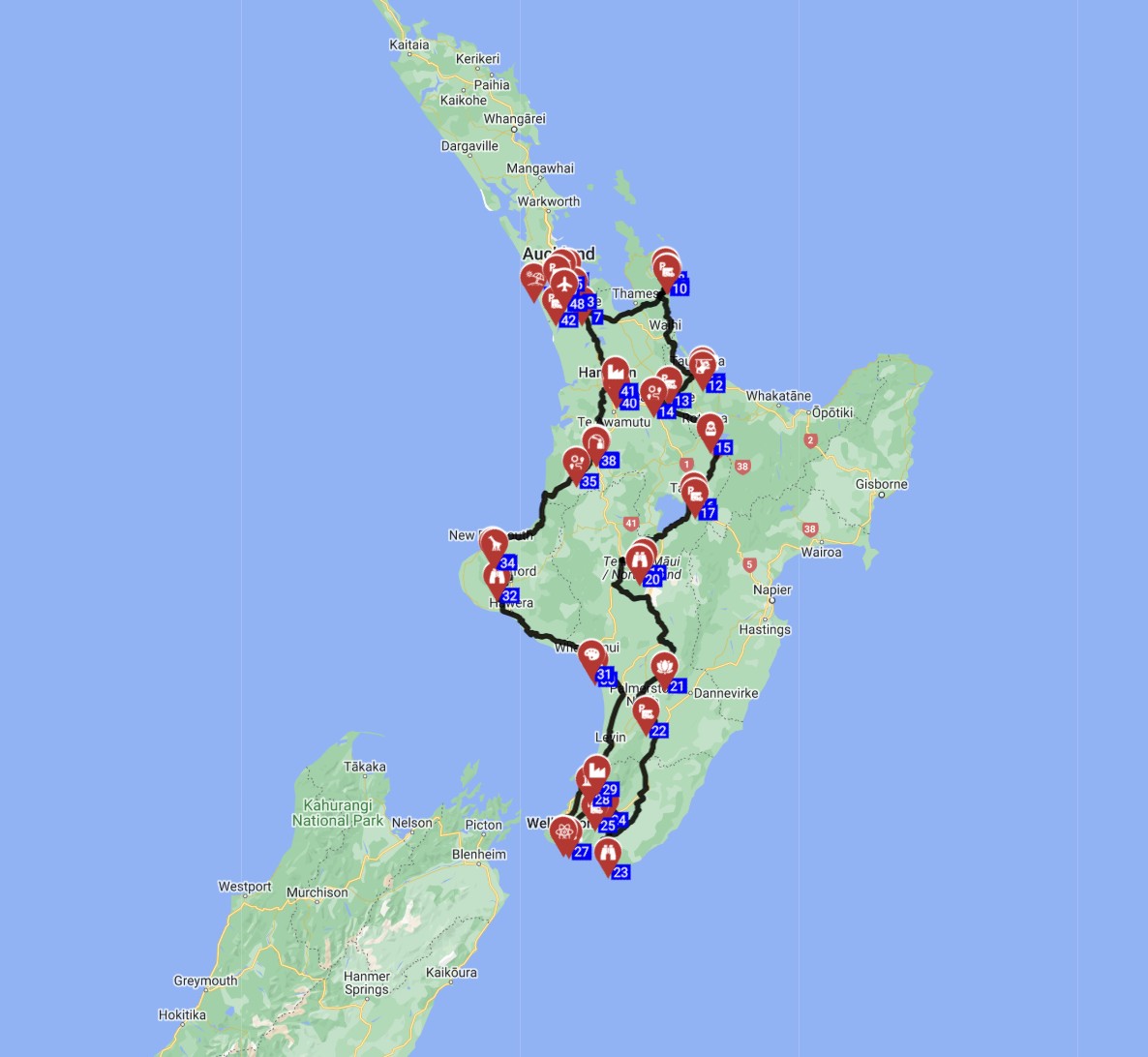
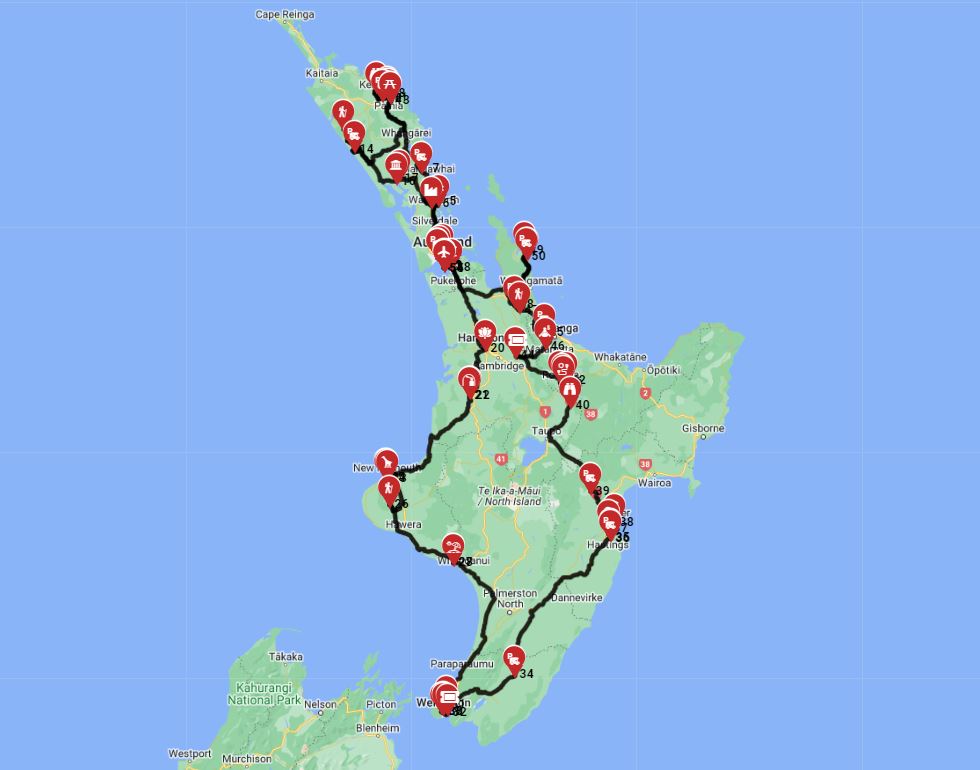
Our founder, Avi Bandana, is passionate about RV travel and has curated several exceptional route plans to help you make the most of your New Zealand adventure.
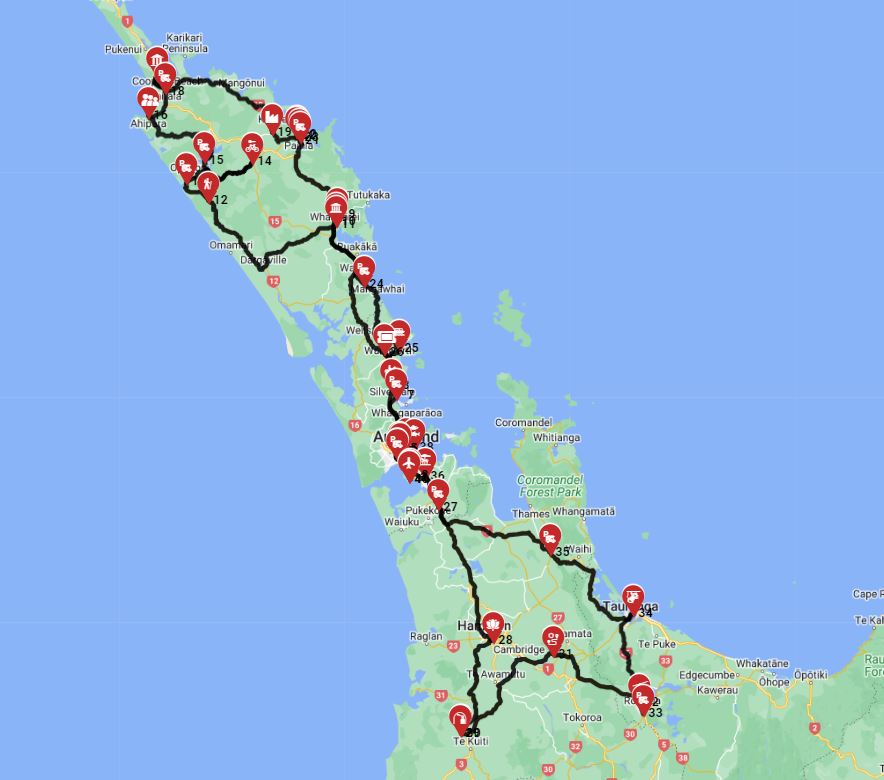
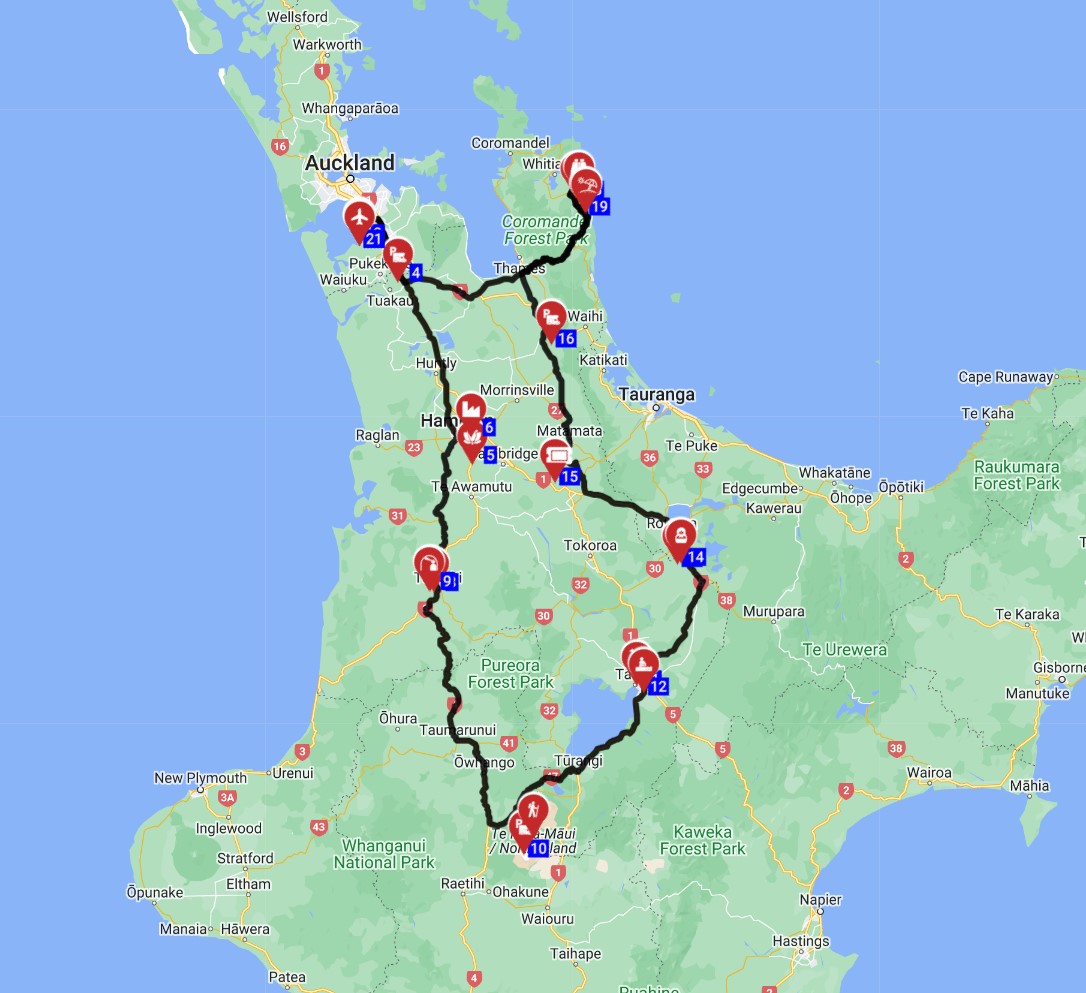
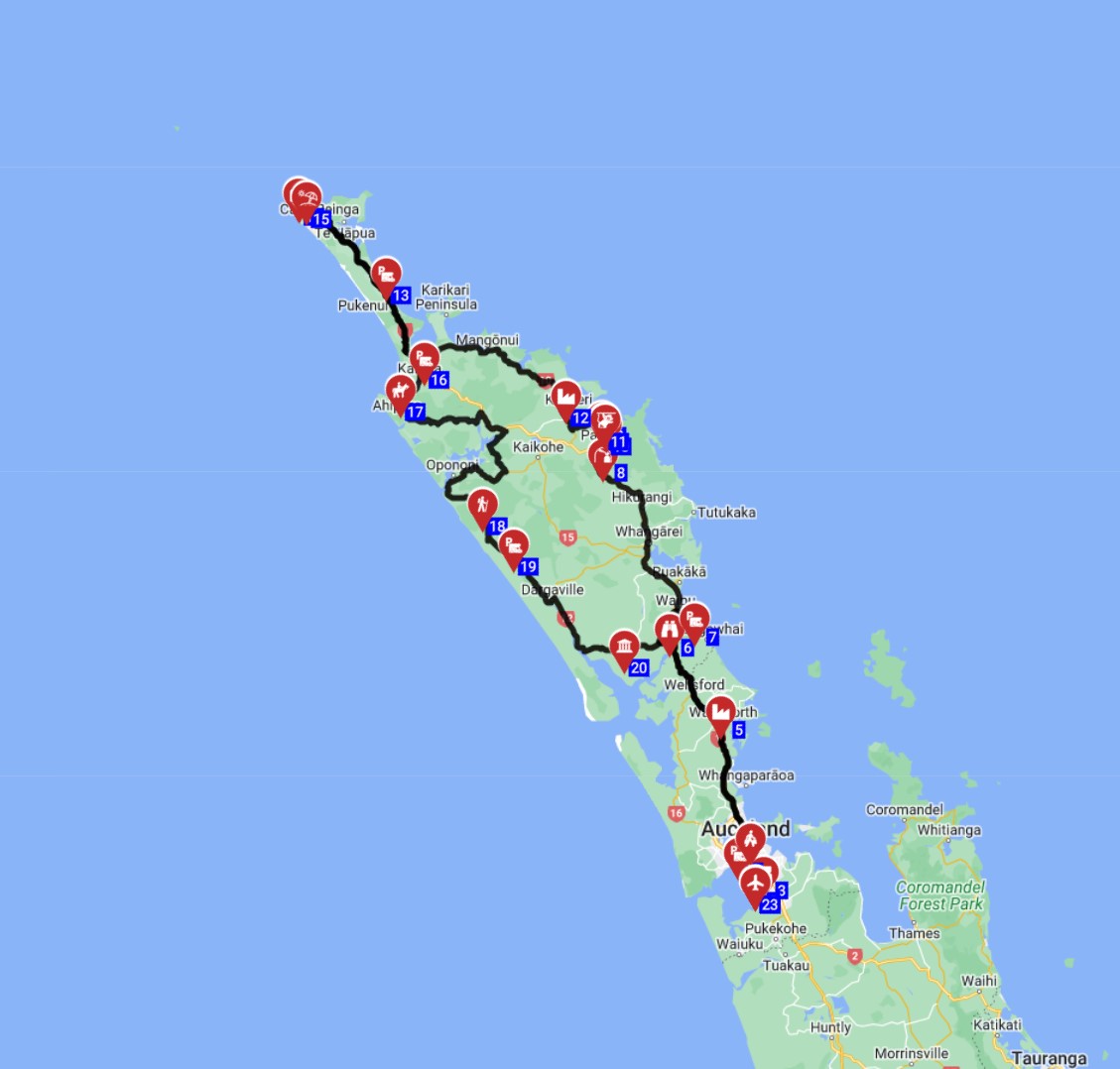
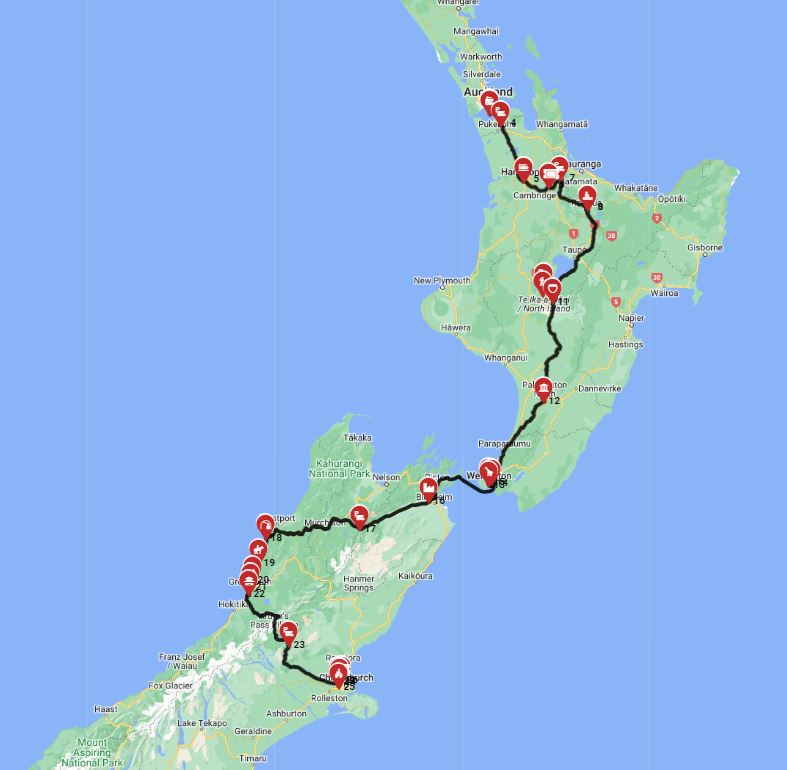
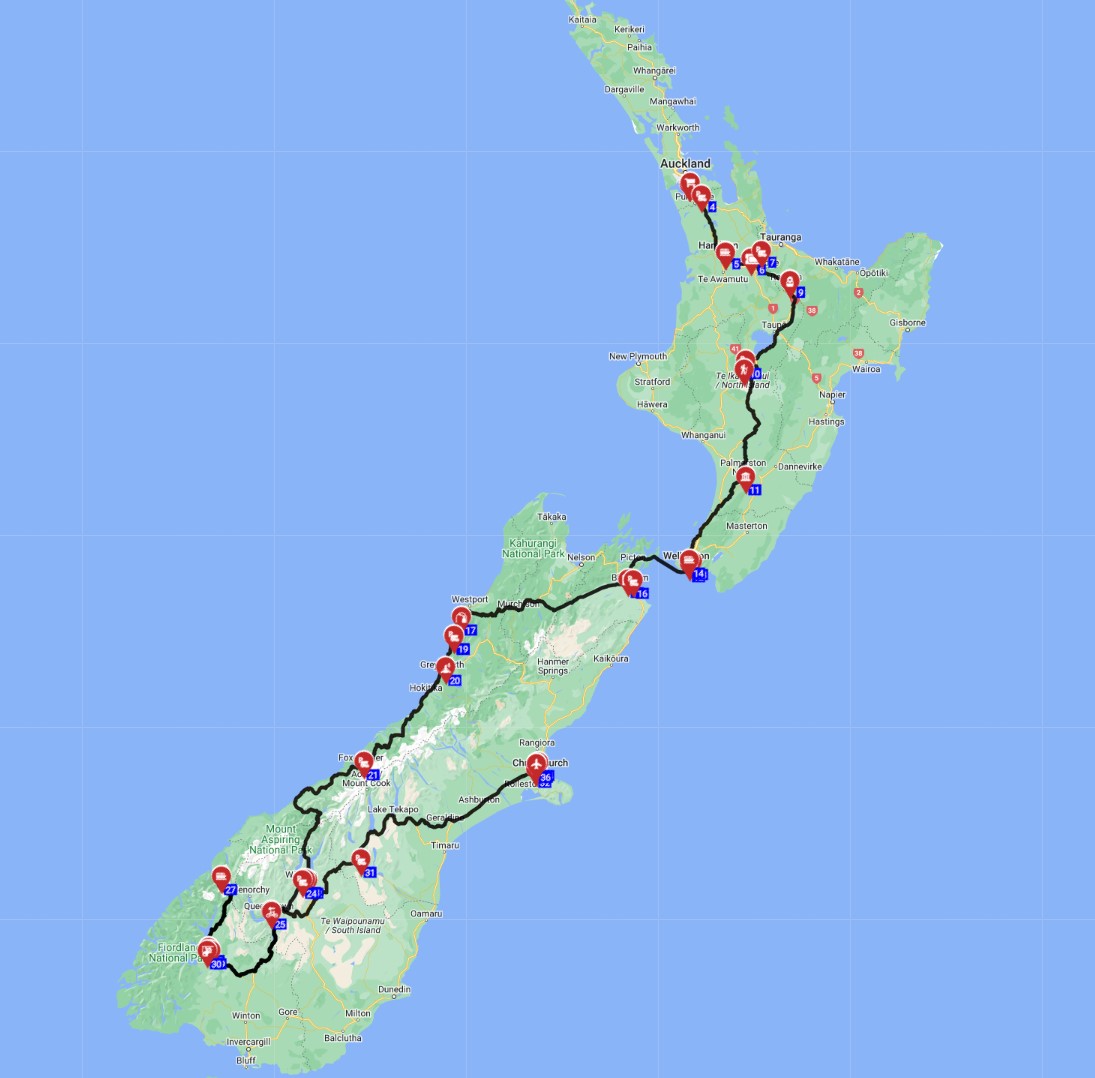
This extensive 25-day route, covering 4060.2 km, allows you to immerse yourself fully in New Zealand's diverse offerings, from its beautiful beaches to its stunning natural features and hiking areas.
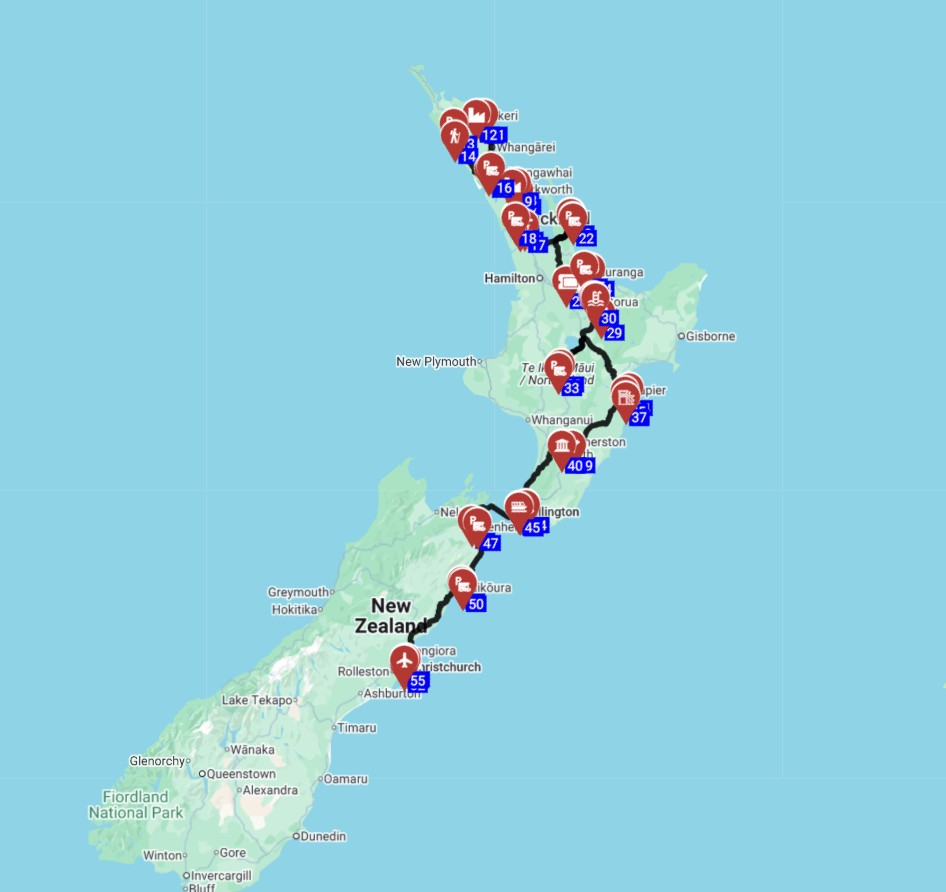
For those focused on the South Island's incredible beauty, this 18-day, 2647.29 km roundtrip offers access to 5 hiking areas, 3 museums, and numerous natural features, making it an excellent choice for a detailed exploration.
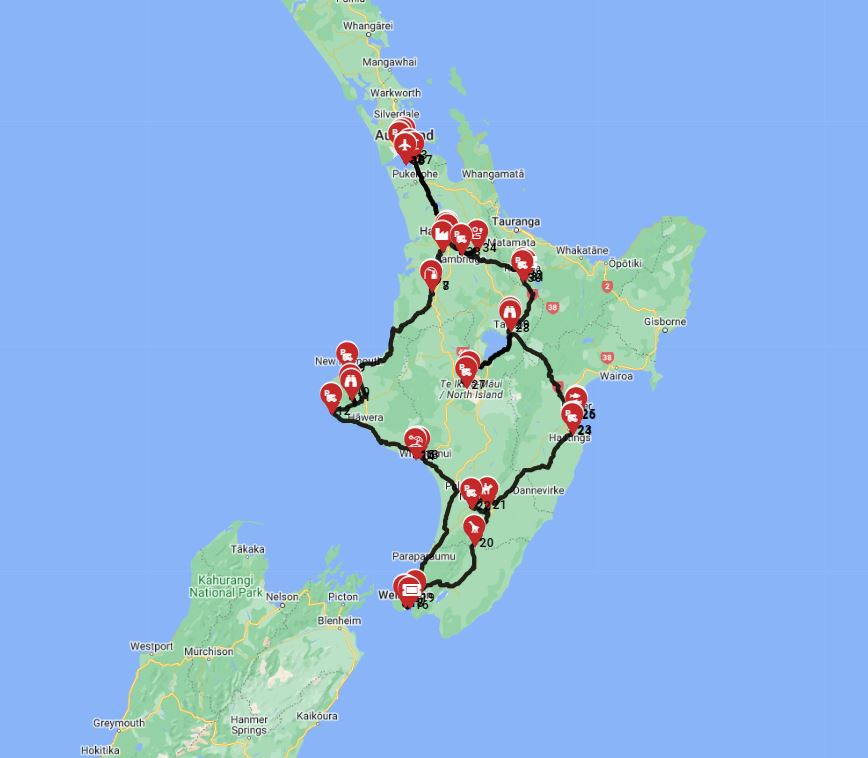
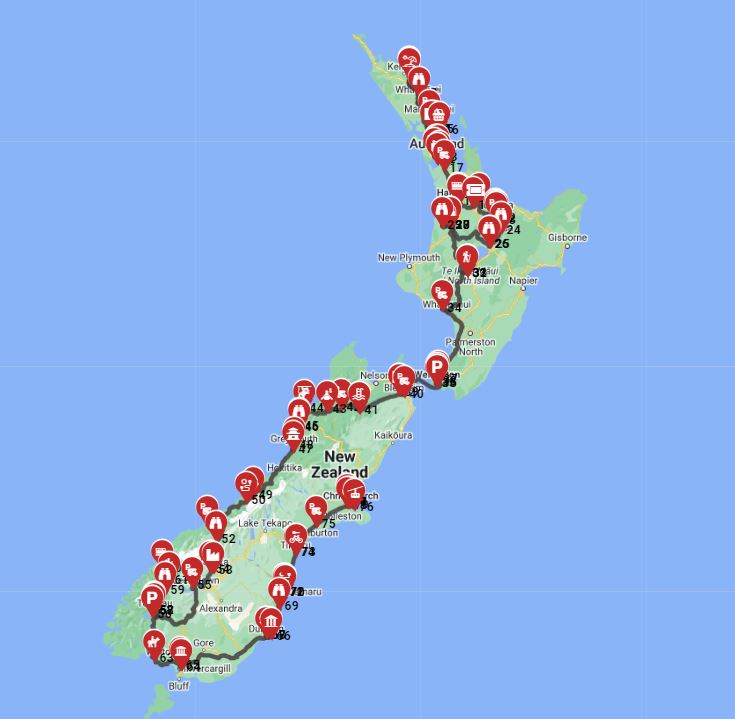
Embark on "The Great Kiwi Road Trip," an 18-day, 2830.2 km journey from Auckland to Queenstown, featuring 3 cruise terminal/sailing stops, 2 point of interest, and 2 tourist attractions. This route plan ensures you hit many of the country's highlights.
Final Thoughts
New Zealand in winter, with its dramatic landscapes and quieter routes, offers a truly magical RV rental experience. From the snow-kissed peaks of the Southern Alps to the steamy geothermal valleys, traveling by motorhome provides the freedom and flexibility to discover its unique charm at your own pace. Embrace the cooler temperatures with a well-equipped campervan, a solid plan, and a sense of adventure, and you'll find an unforgettable journey awaits.
Remember that careful planning, especially regarding vehicle choice with adequate heating and understanding local regulations, is key to a comfortable and responsible trip. Whether you're a seasoned RVer or embarking on your first adventure, New Zealand in winter promises spectacular vistas and heartwarming experiences.
So, get inspired for your next trip! Discover top destinations, planning tips, all in one place, and plan a trip itinerary in advance with minimal effort and maximum enjoyment. Your ultimate winter RV adventure in New Zealand is just a booking away. Compare Motorhome Prices for New Zealand and begin your journey!