In This Guide
- Top 5 Tips for Winter RV Rental in Germany
- Before You Book - Class, Dates, Insurance for Germany
- Pre-Trip Prep - Packing Checklist for Germany
- On the Road - Driving, Fueling, Navigation in Germany
- At the Campground - Setup, Hookups & Etiquette in Germany
- Winter RV Rental-Specific Tips for Germany
- Common Mistakes to Avoid for Winter RV Rental in Germany
- How to Find and Use Stellplatz for RVs in Germany?
- What are the Requirements for Bringing an RV into Germany from Outside the EU?
- How Can I Experience Local Culture and Unique Events with an RV in Germany?
- How Does RV Travel Differ Across Germany's Diverse Regions?
- What to Do in Case of an Emergency or Breakdown with an RV in Germany?
Embarking on a winter RV adventure in Germany offers a truly magical experience, transforming snow-dusted landscapes and festive Christmas markets into your personal winter wonderland. As true RV specialists, we at Bandana RV know the ins and outs of cold-weather motorhome travel, and we're here to guide you through every step, ensuring your journey is as smooth and comfortable as possible. For live availability and current prices, start with our RV Rental Germany - Complete Guide 2026 guide.
🎬 Video coming soon
Top 5 Tips for Winter RV Rental in Germany
Successfully navigating a winter RV rental in Germany hinges on thorough preparation and understanding cold-weather specifics. Firstly, selecting a truly winterized RV with excellent insulation and robust heating systems is paramount for comfort in temperatures often dropping below freezing.
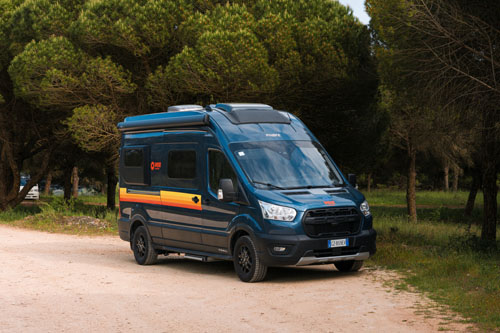
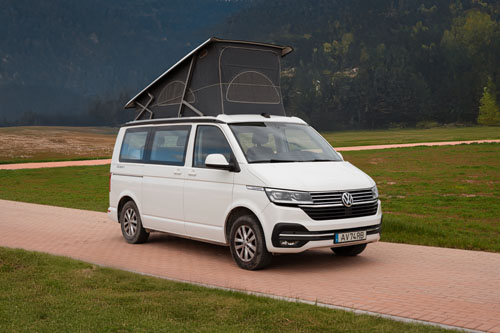
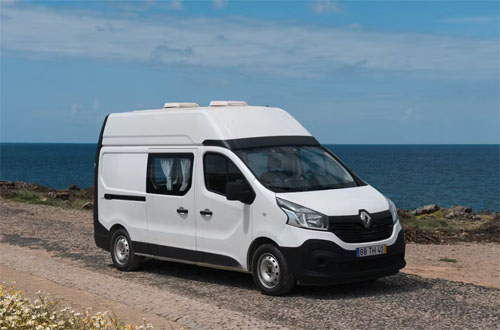
Secondly, careful route planning, accounting for shorter daylight hours and potential snow-covered roads, is essential for safe travel and enjoying the scenery at a leisurely pace of max 100-150 km per day. Thirdly, you must verify Germany's winter tire requirements, which mandate M+S rated tires, and consider carrying snow chains if your itinerary includes high-alpine regions like the Bavarian Alps. For example, a "2 Berth Hi Top" campervan with "Winter Ready" features would typically be equipped for such conditions.
Fourthly, becoming intimately familiar with your rented RV's heating, water, and waste systems, including how to prevent freezing and proper drainage techniques for cold weather, will save you significant hassle. Finally, proactively booking Stellplatz or campgrounds in advance, especially during popular periods like Christmas markets or ski season, ensures you always have a warm, secure place to spend the night. Many national and state parks, for instance, reserve only 25-30% of their spots in advance, leaving the rest for first-come-first-serve arrivals - but always call ahead before driving.
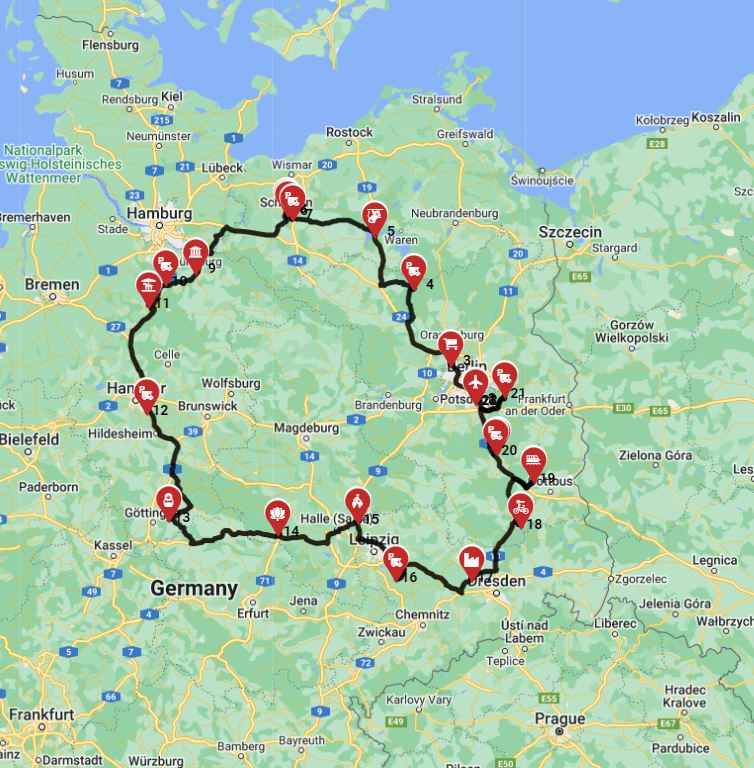
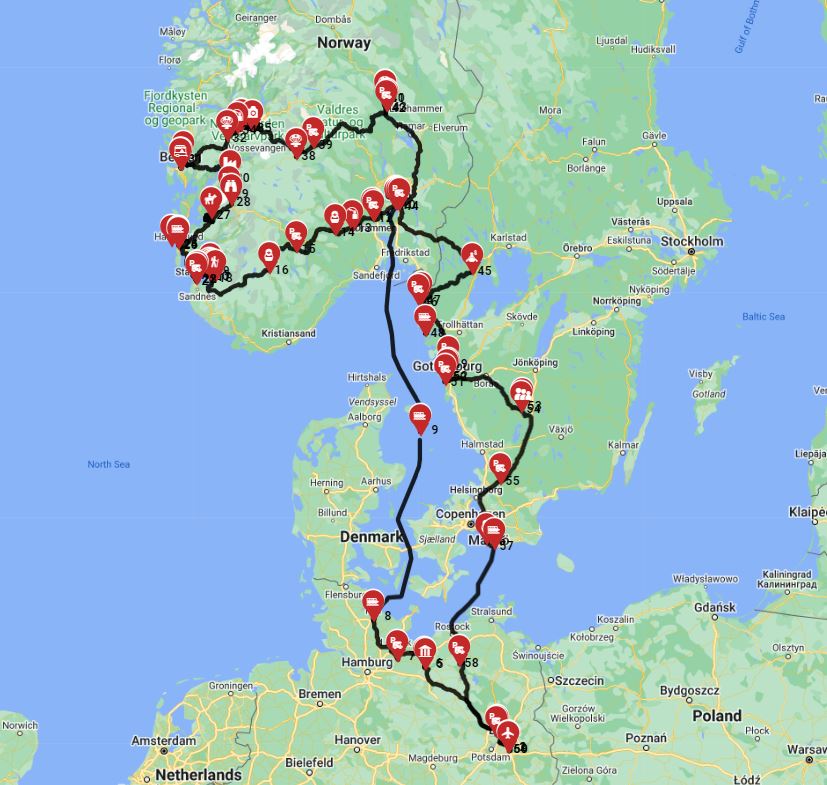
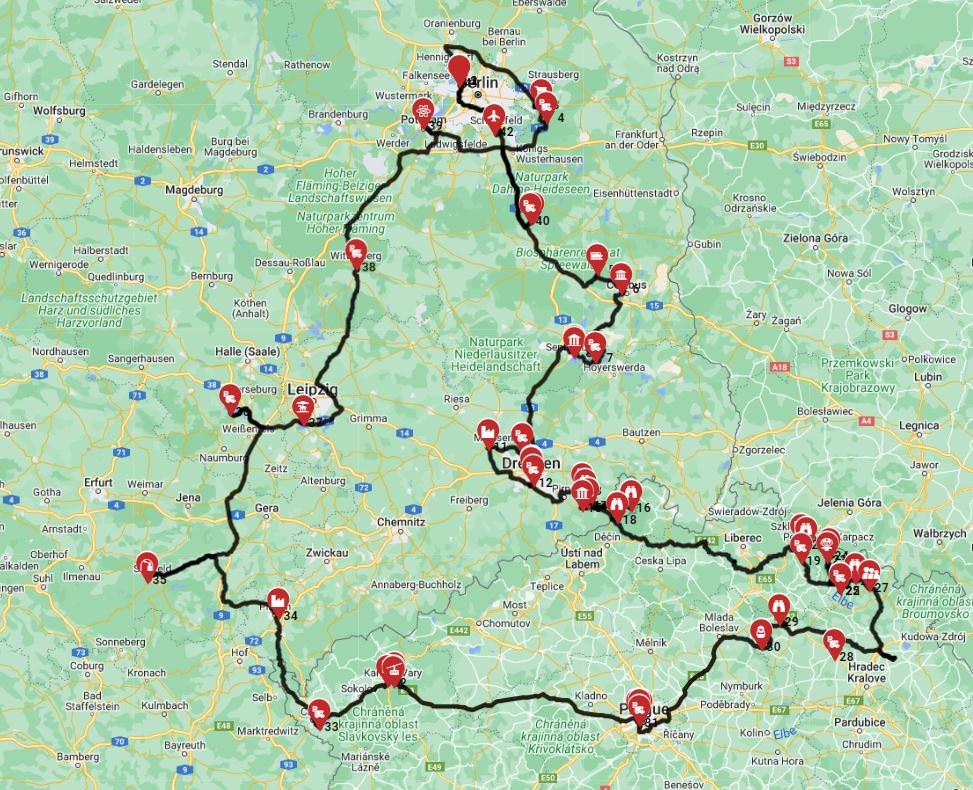
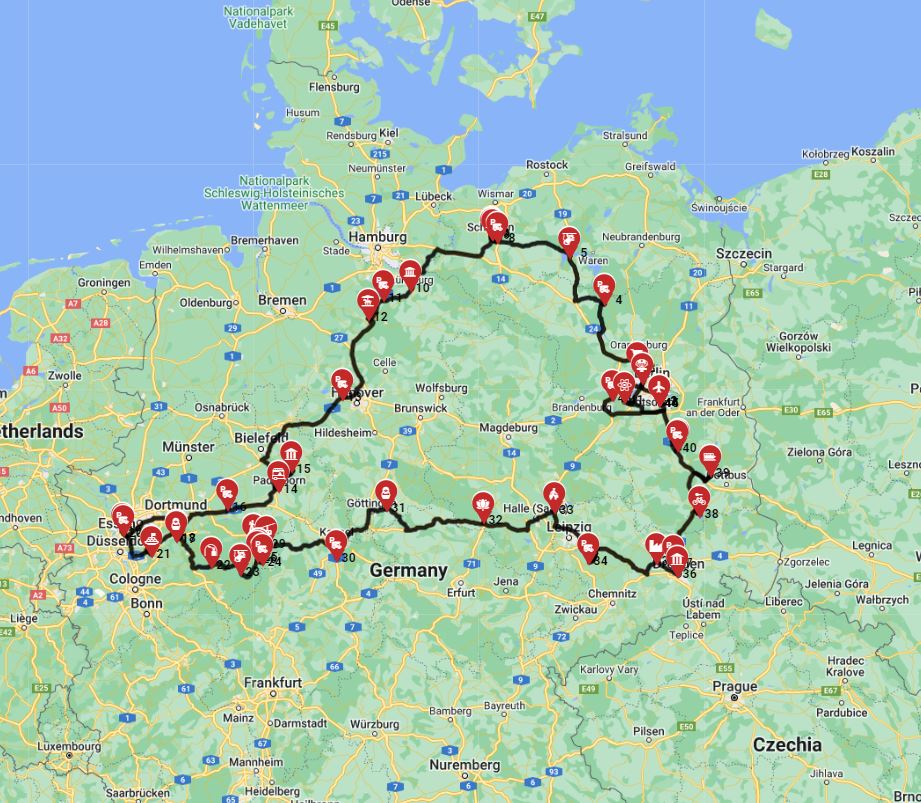
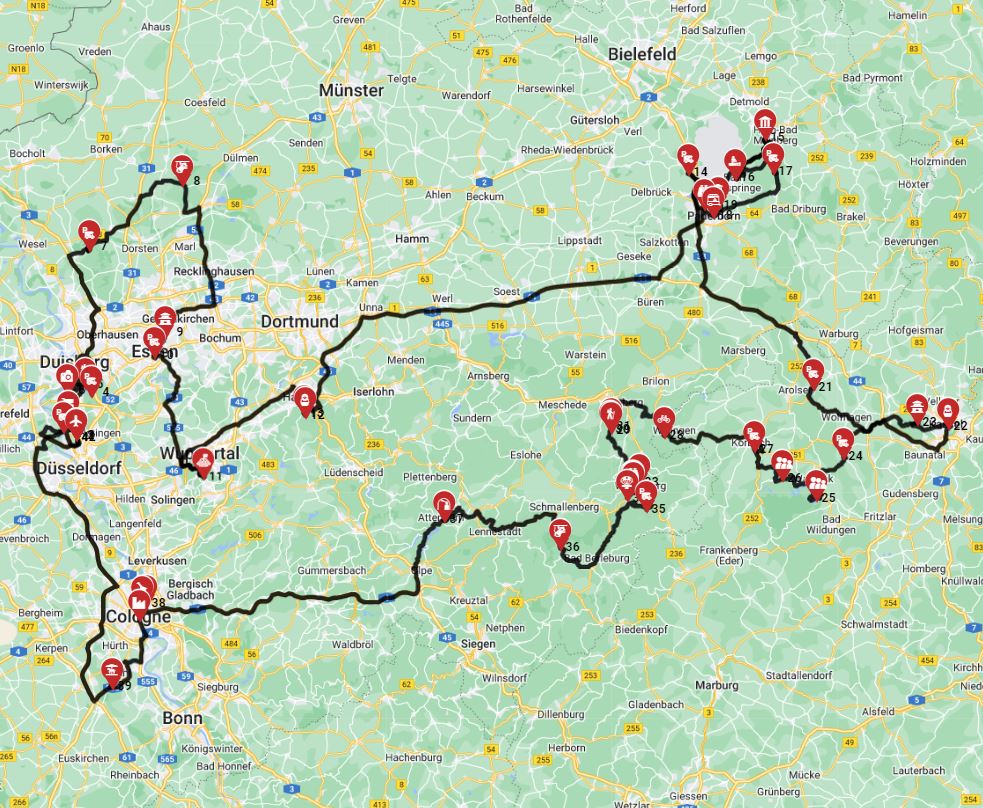
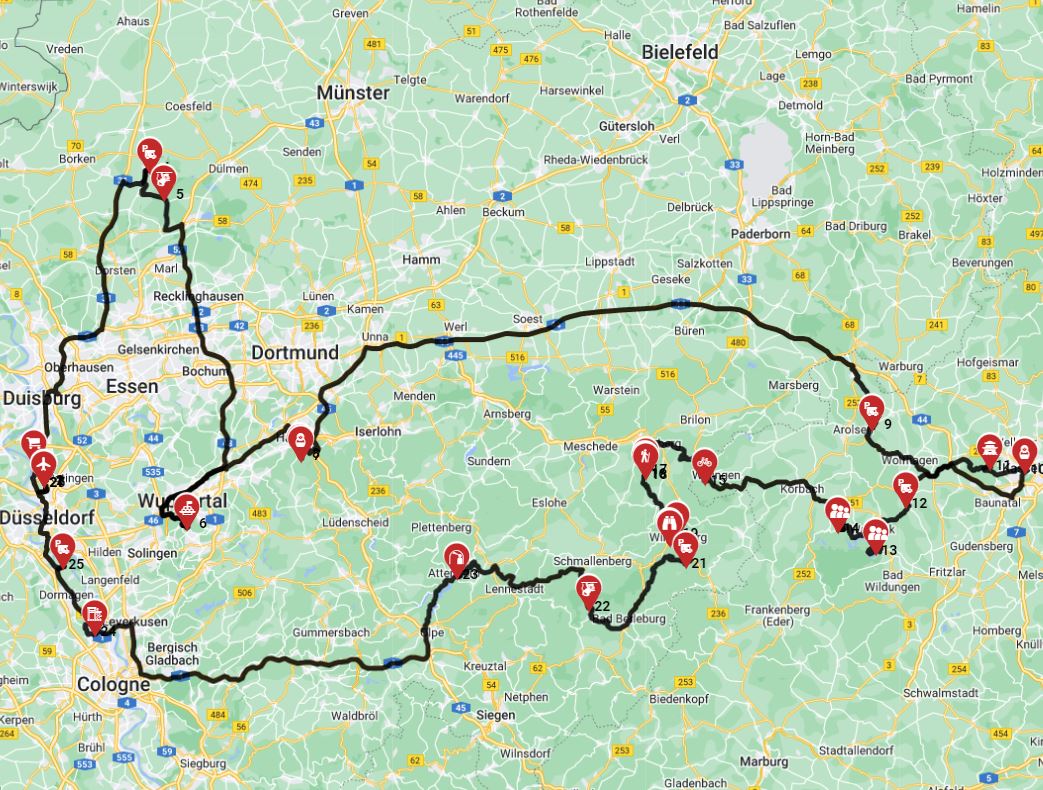
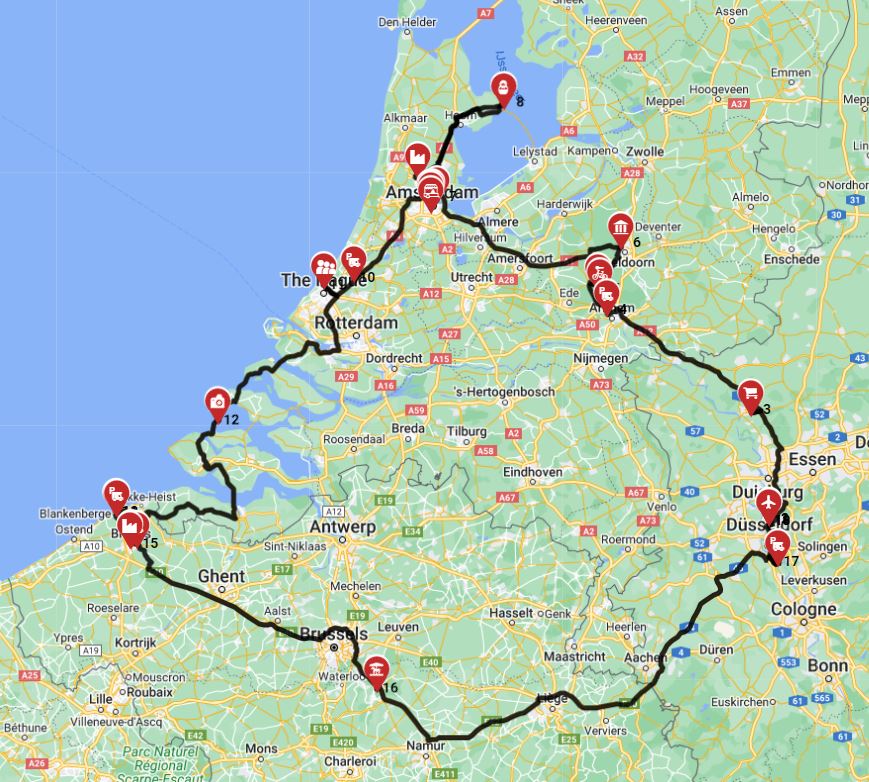
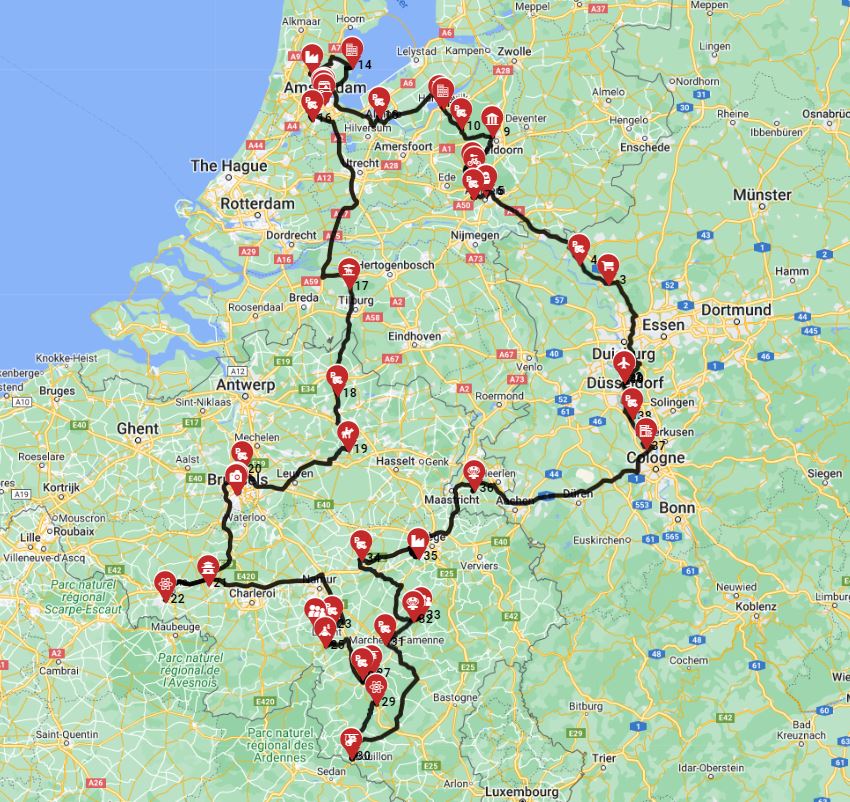
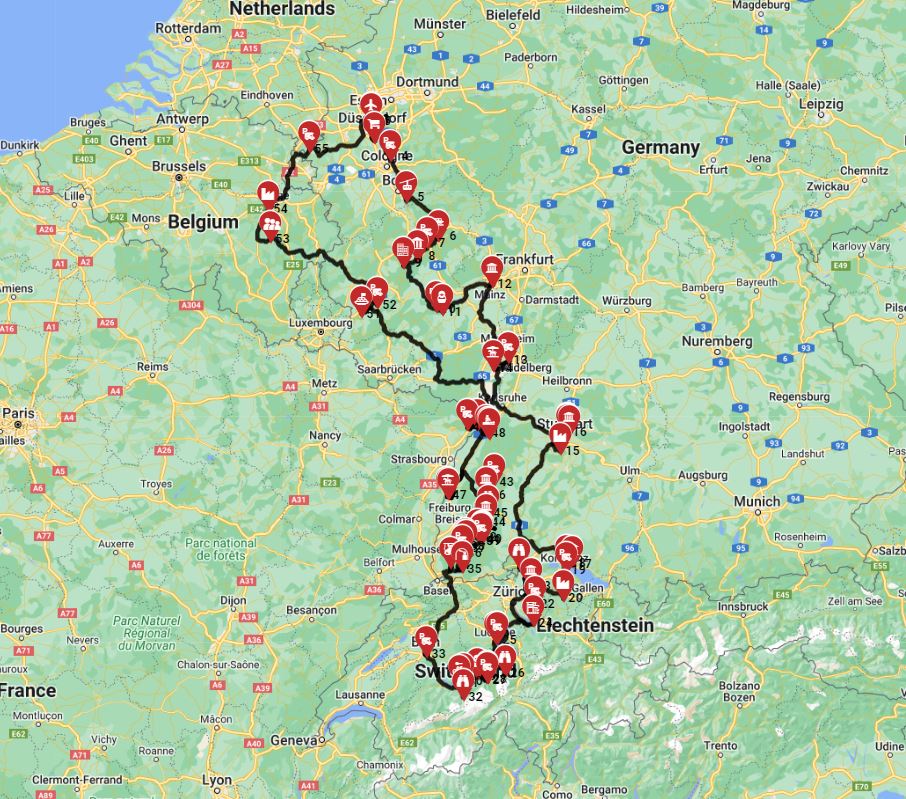
Discover top destinations, planning tips, all in one place with our RV PLANET routes to make your trip effortless.
Before You Book - Class, Dates, Insurance for Germany
Choosing the right motorhome class, confirming rental dates, and securing appropriate insurance are critical steps before a winter RV trip to Germany. Opt for a campervan or motorhome explicitly marketed as 'winter-suitable,' often featuring double-floor insulation and enhanced heating to maintain a comfortable interior, even when outdoor temperatures are frigid. Larger Class C motorhomes, like a '6 Berth Deluxe' with ample interior space, often provide better insulation and robust heating systems, making them ideal for families or groups during winter. For couples, a '2 Berth Sandpiper' with a double bed (140/190cm) and a 90-liter fuel tank offers a cozy, efficient option for exploring Germany.
Locking in your rental dates well in advance, especially for popular periods like the advent season with its famous Christmas markets or the peak ski season from December to March, is crucial for securing availability and better rates. Prices for an RV rental in Germany are dynamic, similar to flight tickets, and change daily based on demand and seasonality. Understanding the basic insurance coverage provided with your rental is also important; this typically covers third-party liability and includes a standard deductible. For maximum peace of mind during your winter adventure, consider upgrading to a comprehensive insurance package that may offer top-level deductible reimbursement or cover incidents like winter-specific road hazards.
You can easily use Bandana's comparison platform to filter vehicles by size, features like "Winter Ready," and compare prices with various insurance options, ensuring full transparency with no hidden fees or surprises.
Pre-Trip Prep - Packing Checklist for Germany
A well-curated packing list is fundamental for a comfortable winter RV trip in Germany, focusing on warmth, waterproof protection, and practicality. Pack layered clothing, including thermal underwear, fleece mid-layers, and a waterproof, windproof outer shell to adapt to varying temperatures from crisp city strolls to snowy mountain vistas. Don't forget insulated boots, wool socks, hats, and gloves to stay warm while exploring charming towns or engaging in outdoor activities.
For your rented RV's kitchen, bring compact, essential items for cooking your favorite meals, as rentals typically include basic cookware. Consider a small, portable coffee maker for cozy mornings. For simple yet hearty winter meals, you'll find plenty of inspiration in our RV-friendly recipes playlist. Assemble a comprehensive safety kit including a first-aid kit, a headlamp, extra batteries, a shovel for snow, a flashlight, and a portable power bank for electronics. Crucially, gather all necessary travel documents, such as your passport, rental agreement, and an International Driving Permit (IDP) if your home country's license is not in English (though a standard driver's license is sufficient for all motorhome classes, an IDP is highly recommended for translation). Lastly, download offline maps or a GPS app for your mobile device, as internet access can be spotty in remote, scenic areas of Germany.
On the Road - Driving, Fueling, Navigation in Germany
Driving a rented motorhome in Germany during winter demands a cautious approach and awareness of local regulations and conditions. Adjust your driving style for potentially icy or snowy conditions, always maintaining significantly longer braking distances than you would on dry roads. Drive slowly and carefully, and you can drive almost anywhere without issues. No need to stress - just use common sense and pay attention. Germany drives on the right side of the road, and road signs are generally clear and international. Our "Family RV Driving in Germany - Safe Routes 2026" guide offers more detailed driving advice.
Ensure your RV is fueled with winter diesel, which contains additives to prevent gelling in cold temperatures; this is typically available at all fuel stations during the colder months (roughly October to March). Germany's Autobahn network is renowned, and while most RVs under 3.5 tonnes are toll-free, trucks over 3.5 tonnes pay 'Maut' tolls. Utilize reliable navigation systems, such as Google Maps or a dedicated RV GPS, and supplement them with physical maps for rural areas where mobile signal might be weak. Be aware of specific speed limits for RVs on German roads and Autobahns; generally, RVs under 3.5 tonnes follow car limits, but larger vehicles have lower limits (e.g., 80 km/h on Autobahns for those over 3.5 tonnes). Understanding and obeying German road signs, especially those indicating winter road conditions (like 'Schneekettenpflicht' for snow chain requirements) or environmental zones, is critical for a smooth journey. Remember to purchase an 'Umweltplakette' (emission sticker) for city access well in advance. On the routes offered through RV PLANET routes, you can itemize and track every expense along the way for easy budgeting.
At the Campground - Setup, Hookups & Etiquette in Germany
Setting up your rented RV at a German campground during winter requires a few extra considerations to ensure comfort and prevent potential issues. Park your motorhome carefully on the designated pitch, allowing ample space for potential snow removal if heavy snowfall is expected. Always connect electrical hookups first to ensure consistent power for your heating and appliances, which are vital in cold weather. Our "Cheap RV Camping in Germany - Budget Sites 2026" guide offers more tips on finding affordable winter camping.
Managing water and waste systems diligently is crucial in freezing temperatures to prevent damage. Many winterized RVs feature heated tanks, but it's wise to insulate external hoses or use heating pads if available. Familiarize yourself with how to drain pipes or add RV-specific antifreeze (if recommended by your rental provider) if temperatures are expected to drop significantly below zero. Observing quiet hours, typically from 10 PM to 7 AM, is a fundamental aspect of German campground etiquette. Keep noise levels down, especially in the evenings, to respect your fellow campers. Dispose of all waste properly in designated bins and leave your pitch clean upon departure. For finding campsites and campgrounds during your trip, we recommend using RV PLANET (rvplan.net) - a great resource for locating available spots along your route. When budgeting for your journey, remember that on RV PLANET routes, you can itemize and track every expense along the way for easy financial planning, including campground fees and propane costs.
Winter RV Rental-Specific Tips for Germany
A successful winter RV rental in Germany relies on specialized knowledge to maximize comfort and safety in colder climates. It is crucial to verify that your rental RV is explicitly 'winterized' with adequate insulation, heated water tanks, and a powerful auxiliary heating system to maintain a cozy interior, even when outdoor temperatures are frigid. Vehicles like the 'Koru Star 4 Freedom' often include a 2.2KW diesel heating system connected to its 75-liter fuel tank, consuming an average of 300ml per hour, which is perfect for maintaining warmth. Our "Winter RV Rental in Germany - Pricing Guide 2026" can help you understand associated costs.
Master the RV's heating system early in your trip to efficiently maintain comfortable interior temperatures while conserving energy. Plan your daily itinerary around shorter daylight hours, which can be as little as 8 hours in December, focusing on key attractions in the afternoon and reserving evenings for relaxing in your warm motorhome. Regularly monitor local weather forecasts for snowfall, ice, and road closures, especially when driving in mountainous regions such as the Black Forest or the Bavarian Alps. Even if your RV has good heating, packing extra layers of warm clothing and cozy blankets is always a wise decision for added comfort during chilly evenings or unexpected temperature drops. Consider selecting campsites that specifically offer indoor facilities like heated washrooms or communal lounges, enhancing your overall winter camping experience.
Common Mistakes to Avoid for Winter RV Rental in Germany
Avoiding common pitfalls ensures a smooth and enjoyable winter RV rental experience in Germany. One significant mistake is underestimating winter driving challenges; instead, always drive defensively, allow ample extra time for travel, and meticulously verify that your rented motorhome has appropriate winter tires or snow chains where mandated, such as in the Alps. Neglecting proper management of water systems in freezing temperatures is another common error; instead, learn how to drain pipes or use RV-specific antifreeze to prevent costly damage. For instance, a Class B campervan like the 'V3' typically has a 100-liter fresh water tank and a 90-liter waste water tank that require careful attention in sub-zero conditions.
Do not forget to book popular campsites or Stellplatz in advance, especially during holiday periods like Christmas or during ski season, as prime spots fill up quickly. Many national and state parks only reserve 25-30% of their spots in advance, so if you're a spontaneous traveler, you can still find a spot - just call ahead. Ignoring environmental zones is a common issue for international travelers; instead, obtain the necessary 'Umweltplakette' (emission sticker) for urban access beforehand by researching your route and the specific sticker required for your vehicle. Relying solely on credit cards is another mistake; instead, carry a sufficient amount of Euros for smaller vendors, remote areas, or unexpected emergencies, as not all places accept card payments. Lastly, always remember to check regional tire requirements; while winter tires are generally mandatory across Germany in winter conditions, specific mountainous regions might mandate carrying and using snow chains, which must be installed on the driving wheels. For insights on overall costs, consult our "RV Rental in Germany - Prices and Best Deals 2026" guide.
How to Find and Use Stellplatz for RVs in Germany?
Finding and utilizing Stellplatz (motorhome parking spots) across Germany involves a mix of planning and on-the-spot awareness, as these are uniquely integrated into German RV culture. To locate available spots, travelers should primarily use dedicated RV apps and websites, such as Campercontact or park4night, which allow filtering by amenities (like electricity, fresh water, and waste disposal) and cost (many are free, others charge €5-€20 per night). These resources provide real-time information and user reviews, helping you plan your overnight stops.
It's important to understand that Stellplatz vary widely, from basic, free parking areas in town centers to more amenity-rich sites that resemble mini-campgrounds. Always adhere strictly to posted rules regarding parking duration (often 24-72 hours), vehicle size, and waste management to ensure a positive experience and respect local regulations. Practicing good etiquette by keeping noise levels down, maintaining cleanliness, and respecting fellow RVers is highly valued. For popular or amenity-rich Stellplatz, particularly those near Christmas markets or ski resorts during peak winter periods, consider booking in advance to secure your spot. This is especially true in cities like Aachen or Augsburg, which are popular for their festive markets. You'll find a spot. If not at the first campground, then the next one.
What are the Requirements for Bringing an RV into Germany from Outside the EU?
Bringing a personal RV into Germany from outside the EU involves several logistical and regulatory considerations to ensure compliance. First, thoroughly investigate customs regulations and potential import duties for temporary vehicle entry into Germany or the wider EU, as rules can vary based on your nationality and the vehicle's age. Second, ensure your RV has adequate insurance coverage recognized in Germany; this often requires a Green Card (international motor insurance card) or specific temporary German insurance if your existing policy is not sufficient. Third, verify your vehicle meets German road safety and environmental standards, including lighting and emissions, which might necessitate minor modifications.
Fourth, obtaining an 'Umweltplakette' (environmental sticker) well in advance is mandatory if you plan to drive in German environmental zones, which include most major cities and are enforced with fines starting from €100. Finally, be aware of vehicle dimensions and weight limits; while a standard car driver's license is sufficient for rental motorhomes up to 3.5 tonnes, a larger personal RV might fall into a category requiring specific licensing or additional permits depending on its gross vehicle weight (GVW). Remember that Bandana specializes exclusively in RV rentals, not personal RV logistics or sales.
How Can I Experience Local Culture and Unique Events with an RV in Germany?
An RV provides unparalleled flexibility to immerse yourself deeply in Germany's rich local culture and unique winter events, extending beyond typical tourist routes. Imagine yourself on the route, stopping at charming villages. Use your rented motorhome to seek out regional winter festivals and traditional Christmas markets ('Weihnachtsmärkte') in smaller towns and villages, which often offer more authentic experiences than larger city markets. For example, towns like Ammern or Bad Duben might host quaint, traditional events not found in major city guides.
Explore local culinary experiences by visiting farmer's markets, small family-run restaurants ('Gasthäuser'), or directly from local producers in rural areas. This allows you to savor regional specialties, from hearty Bavarian dishes to fresh North Sea seafood. Engage with locals in smaller towns and villages, perhaps by participating in a local activity like ice skating on a frozen lake or visiting a traditional tavern ('Kneipe') for a warm drink. Utilize your RV to access lesser-known natural parks, tranquil hiking trails, or historical sites that offer a more authentic connection to the German landscape and its heritage. Resources like local tourism offices and online forums are invaluable for discovering unique regional happenings and hidden gems throughout your travels. Plan a trip itinerary in advance with minimal effort and maximum enjoyment, focusing on cultural stops.
How Does RV Travel Differ Across Germany's Diverse Regions?
RV travel in Germany offers distinct experiences depending on the region, with varying road conditions, climate, and available amenities. In the Bavarian Alps (Southern Germany), RV travel in winter demands robust winter tires and potentially snow chains due to steep, often snow-covered mountain passes and challenging conditions. Stellplatz here are typically well-equipped for winter, often located near ski resorts or offering spa access. For instance, a Class C motorhome like the 'Motorhome MC4 Gold' can navigate these roads with proper winter tires, offering comfortable accommodations with its automatic transmission and heated interior.
The Black Forest region (South-Western Germany) presents picturesque, winding roads through dense forests, requiring careful driving and awareness of specific local Stellplatz offerings that might be smaller and more rustic. Coastal regions along the Baltic and North Seas (Northern Germany), while less snowy, can be exposed to strong winds and damp conditions, requiring an RV rental with good heating and gear capable of withstanding the elements; fewer specialized winter RV sites are found here compared to the Alps. Urban access rules, particularly environmental zones, are consistent nationwide but necessitate planning routes into cities like Hamburg or Berlin, and having the correct emission sticker, regardless of the region. Overall, the availability and type of winterized campsites vary significantly by region, with more abundant and amenity-rich options in popular tourist areas versus remote locales.
What to Do in Case of an Emergency or Breakdown with an RV in Germany?
Dealing with an emergency or breakdown during your RV rental in Germany requires immediate and clear steps to ensure safety and resolve the situation efficiently. First, prioritize safety by pulling your rented motorhome over to the safest possible location, activating your hazard lights, and deploying a warning triangle at a suitable distance behind your vehicle, along with wearing reflective vests. Secondly, immediately contact your RV rental provider's emergency number or roadside assistance service, which should be clearly listed in your rental agreement; a common national service is ADAC, the German automobile club.
For medical emergencies or serious accidents, dial 112, which is the pan-European emergency number that connects you directly to police, fire, or ambulance services across Germany. Be prepared for potential language barriers, especially in non-touristy regions, by having a translation app on your phone or a phrasebook handy. Finally, keep all critical documents, including your rental agreements, insurance papers, your driver's license, and emergency contact numbers, readily accessible in the RV's cabin, preferably in a waterproof pouch. Remember, we are with you before, during, and after your booking to ensure a seamless experience, coordinating directly with suppliers on your behalf.
What You Shouldn't Miss
- Christmas Markets in Nuremberg: Experience the enchanting Christkindlesmarkt, one of Germany's oldest and most famous Christmas markets, running from late November to December 24th, with over 180 traditional stalls.
- Skiing in the Bavarian Alps: Hit the slopes at Garmisch-Partenkirchen, Germany's premier ski resort, offering over 60 km of pistes and access to the Zugspitze, the country's highest peak at 2,962 meters.
- Romantic Road in Winter: Drive a portion of the picturesque Romantic Road, especially through towns like Rothenburg ob der Tauber, which transforms into a fairytale setting under a blanket of snow, with fewer crowds than in summer.
- Thermal Spas of Baden-Baden: Combine your RV adventure with relaxation at the luxurious thermal spas in Baden-Baden, like Caracalla Therme, offering warm pools and wellness treatments amidst winter landscapes.
- Rhine River Valley Castles: Witness the majestic castles along the Middle Rhine Valley (a UNESCO World Heritage site) dusted with snow, enjoying the view from cozy lookout points accessible by your motorhome.
Looking for expert insights from Avi Bandana? Top 5 Adventures - recommendations from Avi Bandana
Final Thoughts
A winter RV rental in Germany is not just a trip; it's an invitation to experience the country's captivating beauty in a truly unique and intimate way. Imagine waking up to a snowy forest outside your window, the warmth of your cozy motorhome inviting you to a fresh cup of coffee, ready for a new day's exploration. From festive Christmas markets to serene alpine landscapes, Germany offers a winter charm that truly comes alive when you travel at your own pace.
Don't let the thought of cold weather deter you; with the right preparation and a reliable, winter-ready RV from Bandana, your German winter adventure will be filled with unforgettable memories. We're here to ensure every detail is handled, so you can focus on making "Life is now!" your personal travel mantra. Get inspired for your next trip and compare winter RV Rentals for Germany to begin your winter wonderland journey.
Discover top destinations, planning tips, all in one place!