For live availability and current prices, start with our RV Rental Germany - Complete Guide 2026 guide.
In This Guide
- Can You Drive an RV in Germany? License & Age Rules
- Road Conditions & Terrain in Germany
- RV Size Limits, Bridges & Restricted Zones
- Fuel: Diesel vs. Petrol & Cost per 100 km
- Tolls, Vignettes & Border Rules
- Driving Tips for family rv rental Travelers
- Recommended RV Class for Germany Roads
- Should I Choose a Compact Van Instead of a Large RV in Germany?
- Can I Park Anywhere? Free & Wild Camping Rules in Germany
- Can I Drive an RV Into the City Center? Heights, Tunnels & Local Signage
- How Much Does a Family RV Rental Trip Cost in Germany?
- What are Stellplätze and How Do I Use Them in Germany?
- What are the Best Family-Friendly RV Routes and Destinations in Germany?
- How Can My Family Immerse in Local German Culture While RVing?
- What Practicalities Should Renters Know for an RV Trip in Germany?
Embarking on a family RV rental adventure in Germany promises an unforgettable journey filled with historic castles, lush forests, and vibrant cities, all at your own pace. With Bandana Caravan, your family can experience the ultimate flexibility and comfort, knowing you have a dedicated team of true RV specialists supporting you every step of the way. Since 2001, we've helped tens of thousands of travelers explore the world by RV, and we are committed to full transparency, ensuring no hidden fees or surprises.
For live availability and current prices, start with our RV Rental Germany - Complete Guide 2024. Whether you're a meticulous planner or a spontaneous adventurer, renting a motorhome in Germany opens up a world of possibilities for a truly immersive family vacation.
Can You Drive an RV in Germany? License & Age Rules
Yes, you can absolutely drive a rented RV in Germany, and the licensing requirements are straightforward for most family motorhomes. A standard national driving license, typically Category B in Europe, is sufficient for operating RVs with a maximum authorized mass (MAM) of up to 3.5 tonnes. If your rented RV or campervan weighs between 3.5 and 7.5 tonnes MAM, a Category C1 license is required, though most common family rental units fall under the 3.5-tonne limit. For international visitors, an International Driving Permit (IDP) is highly recommended. While not always legally mandatory for non-EU license holders, an IDP translates your license into multiple languages, simplifying any interactions with local authorities or rental agencies, and ensuring a smoother experience throughout your trip.
Regarding age, the minimum rental age in Germany is typically 21 years old. Unlike some other countries, there are generally no young driver surcharges and no vehicle class restrictions based on age when renting through our trusted partners. This means that a driver aged 21 can rent a Class A, Class B, or Class C motorhome, provided they hold the appropriate license.
Road Conditions & Terrain in Germany
Germany boasts an exceptional network of well-maintained roads, including the world-famous Autobahns and picturesque regional routes, offering diverse terrain perfect for a family motorhome adventure. The Autobahns are generally excellent, allowing for efficient travel between regions, and are mostly toll-free for RVs under 7.5 tonnes. For motorhomes, specific speed limits typically apply, often set at 100 km/h, even on sections without a general speed limit for cars. This helps ensure a safe and steady pace for your family rental journey. On the routes offered through RV PLANET routes, you can itemize and track every expense along the way for easy budgeting.
Beyond the Autobahns, Germany's regional roads (Bundesstraßen and Landstraßen) are equally high quality and ideal for scenic RV travel through charming towns and rolling countryside. You'll find varied landscapes, from the flat northern plains, which are very easy to navigate in any RV size, to the more mountainous southern regions, particularly the Bavarian Alps. When exploring alpine landscapes, a little more caution is advised on winding roads, but with common sense and careful driving, you and your family will navigate these beautiful areas without issues. Remember to drive slowly and carefully, and you can drive almost anywhere without issues. No need to stress - just use common sense and pay attention.
RV Size Limits, Bridges & Restricted Zones
When driving a rented RV in Germany, it's crucial to observe clearly marked signs for height, width, and weight restrictions, particularly in historic city centers and designated environmental zones. Always pay attention to posted height limits, as railway underpasses often have clearances between 3.5m-4.2m, and be mindful of weight restrictions on smaller roads or older bridges. Many German cities have 'Umweltzonen' (environmental zones) designed to reduce pollution, requiring a green 'Umweltplakette' (sticker) for entry. Most modern rental RVs already possess this sticker, but it's wise to confirm with your supplier.
Urban parking for a motorhome can be challenging, but is certainly manageable with some planning. Consider looking for designated RV parking lots ('Reisemobilparkplätze') or using Park & Ride options on the outskirts of major cities like Berlin or Munich. This allows you to park your family RV rental securely and then utilize Germany's efficient public transport to explore city centers stress-free. Driving slowly and carefully, you can navigate almost any urban area; the key is to be aware of signage and plan your stops.
Fuel: Diesel vs. Petrol & Cost per 100 km
The vast majority of family RV rentals in Germany, particularly motorhomes, operate on diesel fuel, which is widely available at thousands of petrol stations across the country. When planning your budget for a rented RV adventure, understanding fuel consumption is key. Based on Bandana's extensive fleet averages, you can expect consumption rates of approximately 8-10 Liters/100 km for a smaller Class B campervan, 10-11 Liters/100 km for a Class SI (Semi-integrated) model, and 10-12 Liters/100 km for a larger Class C (Alcove) family RV. A spacious Class A motorhome might consume between 8-12 Liters/100 km. You can budget around €1.70 - €2.00 per liter for diesel, though prices can fluctuate daily, just like flight tickets. For a 1000 km trip in a Class C RV, this means budgeting approximately €170-€240 for fuel costs alone. For detailed cost tracking and expense management on your itinerary, exploring RV PLANET routes allows you to itemize and track every expense along the way for easy budgeting.
Tolls, Vignettes & Border Rules
Navigating tolls and vignettes in Germany is refreshingly simple for RV renters. Germany's Autobahns are generally toll-free for motorhomes and campervans under 7.5 tonnes, meaning you won't need to purchase a specific vignette for domestic travel. The primary 'toll' you'll encounter is the mandatory green 'Umweltplakette' (environmental sticker) required for entry into 'Umweltzonen' (environmental zones) found in many German cities. Most reputable rental providers will ensure your vehicle is already equipped with this sticker. However, if your family RV rental adventure includes crossing borders into neighboring countries such as Austria, Switzerland, or the Czech Republic, be aware that these nations typically require their own separate vignettes or toll payments for motorway use. Always research specific requirements for each country you plan to visit to avoid unexpected fines. Some rental companies may offer options to pre-purchase toll passes for surrounding countries, which can save time and streamline your journey.
Driving Tips for family rv rental Travelers
Navigating Germany in a family RV rental is an incredibly enjoyable experience, made even smoother with a few tailored driving tips focused on safety and comfort. Firstly, remember to always drive slowly and carefully, and you can drive almost anywhere without issues. No need to stress - just use common sense and pay attention. German roads are generally excellent, but paying attention to local signage is key.
When on the Autobahn, consistently keep to the right lane unless overtaking, and respect the RV speed limit (typically 100 km/h or 80 km/h on specific roads). For your family's comfort, plan regular breaks every 2-3 hours; Germany has ample rest stops and service areas where everyone, especially children, can stretch their legs and stay refreshed. Familiarize yourself with common German road signs, such as 'Einbahnstraße' (one-way street) or 'Umleitung' (detour), for smoother navigation. When approaching historic town centers, consider parking your rented motorhome on the outskirts at designated RV parking or Park & Ride facilities and using public transport to avoid narrow streets and parking difficulties. Pre-planning your overnight stays at designated Stellplätze or campsites, especially during peak season, will ensure you always have a spot and comply with local regulations.
Recommended RV Class for Germany Roads
For family RV rentals in Germany, Semi-integrated (Class SI) and Alcove (Class C) RVs are highly recommended as they offer an optimal blend of comfort, amenities, and manageable driving dimensions suitable for German roads. Class SI RVs, with an average length of 6.9 meters and sleeping capacity for approximately 3.8 people, are incredibly versatile for small to medium families. They balance spacious living areas with easier maneuverability, making them a popular choice. A Semi-integrated motorhome, like an "Active Compact Select" or "Auto-Trail F60", offers a compact yet comfortable base for exploring.
Class C (Alcove) motorhomes, averaging 7.5 meters in length and comfortably sleeping around 5.8 people, are ideal for larger families. They provide ample bed space, often including an over-cab bunk and generous interior room, ensuring everyone has their own space. Examples such as a "Glamys 265" or "Nexus Triumph 29T" offer the space and features a family needs. While Camper Vans (Class B), averaging 5.8 meters, offer superior maneuverability for tighter spots, their limited space can be a trade-off for families on longer trips. Larger Class A (Integrated) motorhomes, also around 7.5 meters, offer luxury but can feel more substantial to drive, especially for those new to RV travel in Europe. Our team of true RV specialists can help you find the perfect match for your family's needs.
Should I Choose a Compact Van Instead of a Large RV in Germany?
For most family RV trips in Germany, a larger rented RV, such as a Semi-integrated or Alcove class motorhome, generally offers superior comfort and space without significant driving disadvantages. Germany's excellent road network is well-equipped to handle larger motorhomes, even on scenic routes outside major cities. So, the maneuverability difference in a larger RV is often less impactful than some might expect.
Compact campervans (Class B), with an average length of 5.8 meters, certainly excel in navigating very tight city streets and finding parking more easily. They are a fantastic option if urban exploration is your top priority and your family is small or enjoys a more minimalist travel style. However, for families seeking comfortable living, dedicated sleeping areas, and ample on-board amenities for an extended road trip, a larger RV provides considerably more space for everyone to relax, dine, and sleep without feeling cramped. Remember, when driving a larger RV in cities, simply drive slowly and carefully, and you can drive almost anywhere without issues. No need to stress - just use common sense and pay attention to signage.
Can I Park Anywhere? Free & Wild Camping Rules in Germany
While wild camping is generally prohibited and can incur significant fines in Germany, overnight parking to restore driver fitness is often tolerated at designated rest areas or specific Stellplätze, as long as no camping behavior occurs. This means you can park your rented RV for a single night, primarily for rest, in public parking lots or highway rest stops. However, expanding your camp beyond the vehicle's footprint (e.g., unfolding awnings, putting out chairs, cooking outside) in undesignated areas is strictly illegal across most of Germany, especially in nature reserves or private land.
The best and most common way to stay overnight in your motorhome or campervan is at one of Germany's thousands of 'Stellplätze'. These are dedicated motorhome parking areas, often with basic amenities like waste disposal, and are a legal and convenient option. Rules vary by region and specific location, so always check local regulations and follow local law before parking overnight to avoid any issues.
Can I Drive an RV Into the City Center? Heights, Tunnels & Local Signage
Yes, you can almost always drive a rented RV into German city centers, but it requires vigilance regarding specific local signage, especially for height restrictions, environmental zones, and parking. The primary consideration for city entry is often the mandatory green 'Umweltplakette' (environmental sticker) required to enter 'Umweltzonen' (environmental zones) prevalent in many German cities like Aachen, Augsburg, or Düsseldorf. Ensure your rental motorhome has this sticker, which most will.
Pay close attention to signs indicating height restrictions, as underpasses and older structures in historic districts can be low. Also, be aware of narrow streets, particularly in charming medieval towns such as Rothenburg ob der Tauber. Finding suitable parking for a larger RV in a bustling city center can be difficult and expensive; therefore, consider using Park & Ride facilities on the outskirts and utilizing Germany's excellent public transport. Remember, drive slowly and carefully, and you can drive almost anywhere without issues. No need to stress - just use common sense and pay attention to the clear, well-maintained German road signs.
How Much Does a Family RV Rental Trip Cost in Germany?
The total cost of a family RV rental trip in Germany involves several components beyond just the rental fee itself. For a 1-week family RV trip in Germany, rental costs for a Class C motorhome can typically range from €80-€200+ per night, depending on the season, vehicle size, and booking lead time. A two-week adventure might see daily rates slightly lower, and a month-long trip even more so due to longer rental discounts. Prices are dynamic and change daily based on availability and seasonality, much like flight tickets. For specific offers, check out our "RV Rental in Germany - Prices and Best Deals 2024" or "Cheap RV Rental in Germany - Budget Guide 2024" guides.
Fuel is a significant variable cost; for a typical 4-person Class C motorhome, expect consumption of around 10-12 Liters/100 km. With diesel prices often between €1.70-€2.00 per liter, a 1000 km journey would cost approximately €170-€240. Campsite fees generally range from €25-€50+ per night for a family with full hookups, while Stellplätze offer a more budget-friendly option at €10-€25 per night, often with basic utilities. For families with kids, opting for a 4-berth or 6-berth motorhome provides necessary space but might slightly increase fuel consumption. Self-catering and cooking meals in your RV can significantly reduce food expenses; a family might budget €50-€100 per day for groceries. Don't forget ancillary costs like entry fees for attractions, potential gas refills for onboard appliances, fresh water/waste disposal fees (minimal), and comprehensive travel insurance. For specific savings, consider our "Weekly RV Rental in Germany - Pricing 2024" guide. You can upgrade to a top-level deductible for extra peace of mind, an optional but highly recommended add-on. If you're flexible with your dates and can travel during off-peak seasons (shoulder months like May or September), you can often find cheaper family RV rental deals in Germany. Many national and state parks also reserve 25-30% of spots for first-come-first-serve arrivals, so don't stress about booking everything months in advance; you'll find a spot, and if not at the first campground, then the next one. Always call ahead before driving.
What are Stellplätze and How Do I Use Them in Germany?
Stellplätze are dedicated motorhome parking spaces, a unique and highly practical feature of RV travel in Germany and other European countries, offering an affordable and convenient alternative to traditional campsites for overnight stays. These designated areas, which number over 4,000 across Germany, typically provide basic services such as fresh water, waste disposal (grey and black water), and sometimes electricity hook-ups, often for a modest fee or even free. They range from simple parking spots by a lake to more elaborate facilities at vineyards (Winzerstellplätze) or farms (Bauernhofstellplätze), offering unique local immersion opportunities.
Specialized apps like park4night, Campercontact, or Bordatlas are invaluable tools for finding thousands of Stellplätze across Germany, complete with locations, user reviews, amenities, and pricing. Proper etiquette at Stellplätze is crucial: always follow posted rules, maintain low noise levels, dispose of waste responsibly at designated points, and avoid 'camping' behavior (e.g., setting out awnings, tables, or excessive gear) unless explicitly permitted. These spots are ideal for shorter stays, allowing families easy access to towns, attractions, or scenic spots without the full commitment and cost of a full-service campsite. They are a testament to Germany's welcoming approach to motorhome travelers.
What are the Best Family-Friendly RV Routes and Destinations in Germany?
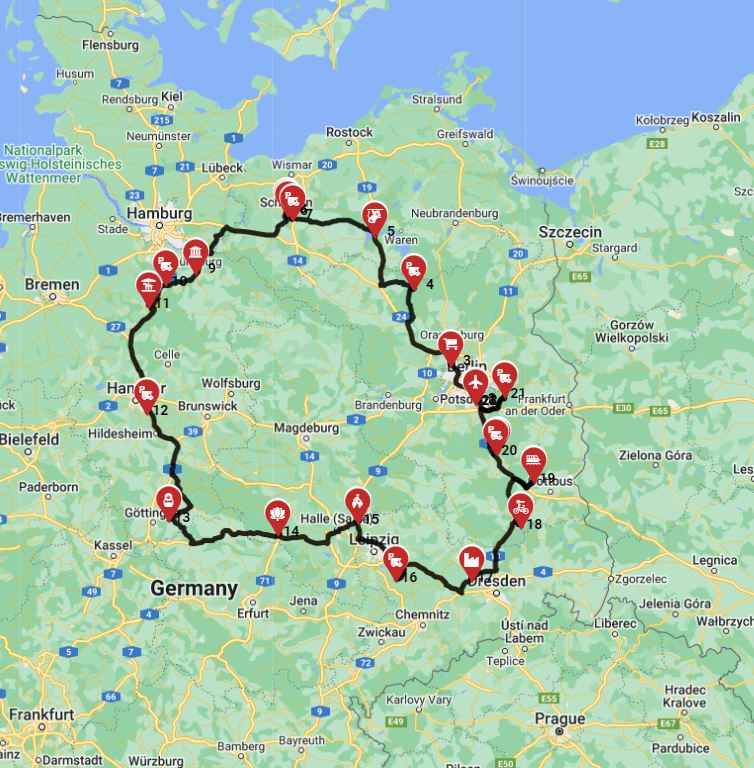
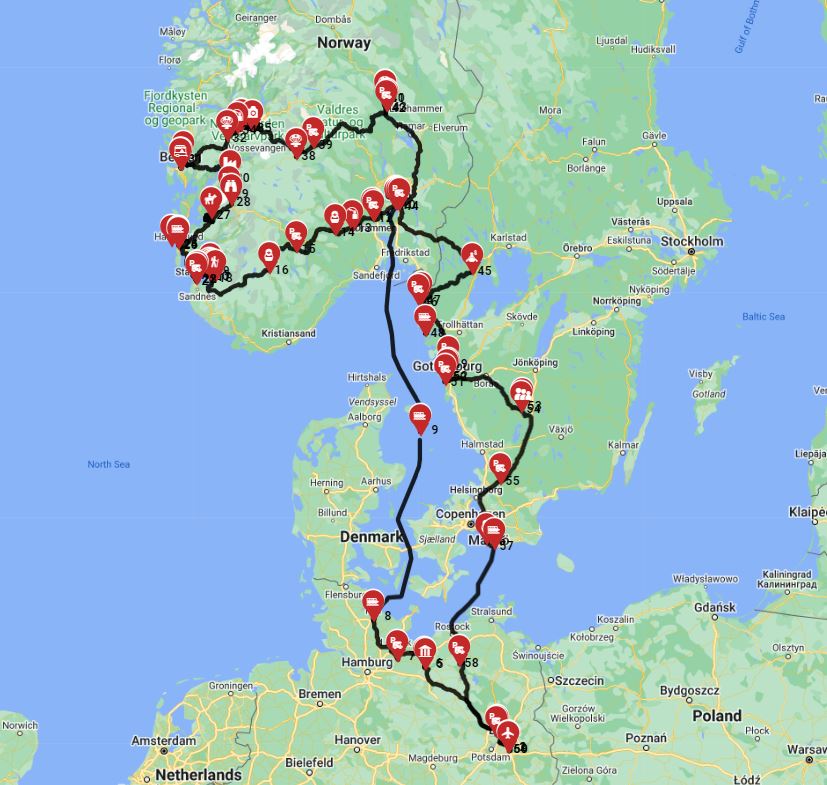
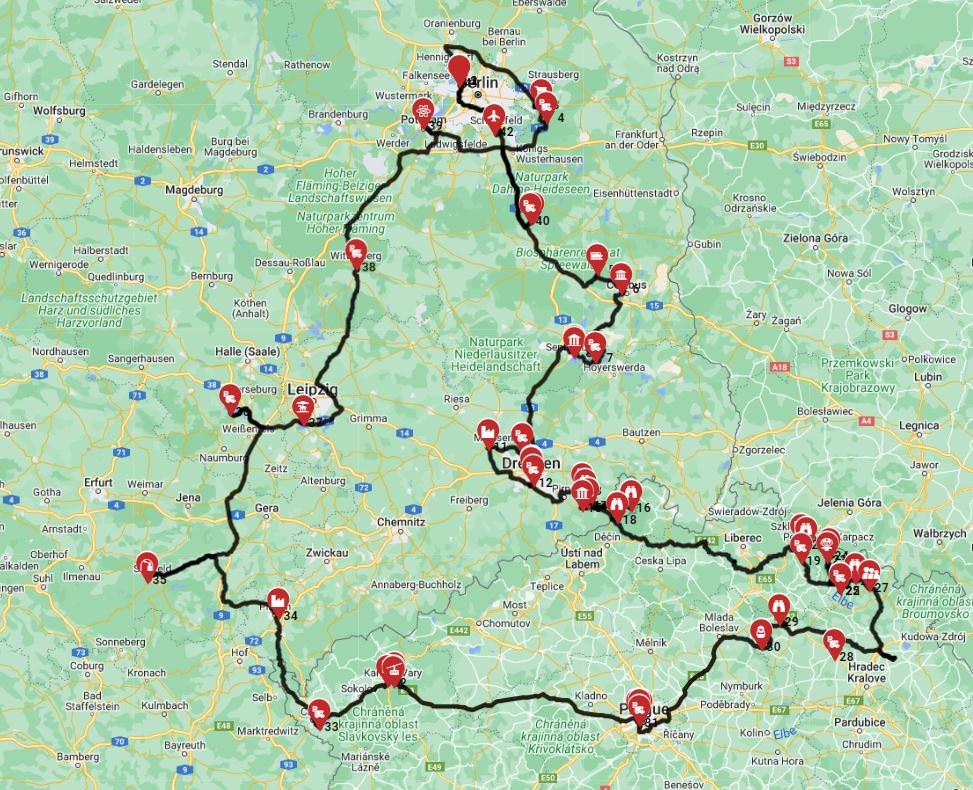
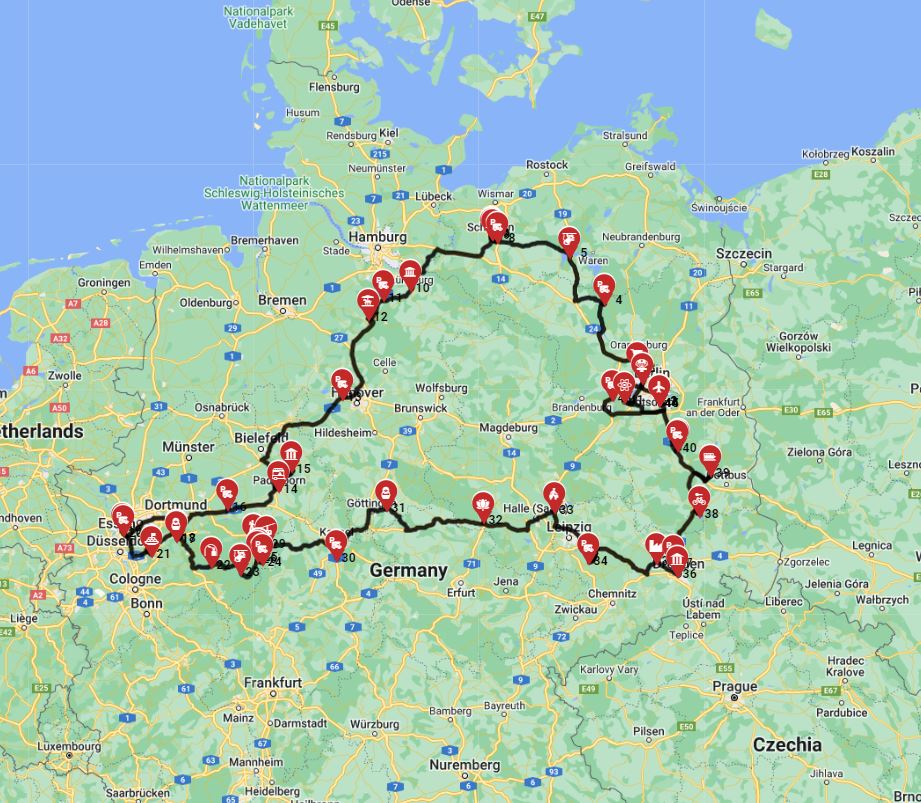
Germany offers numerous family-friendly RV routes and destinations beyond the typical tourist traps, from medieval castles along the Romantic Road to nature adventures in the Black Forest. Traveling slowly, aiming for a maximum of 100-150 km per day on average, allows your family to truly feel the place, connect to the culture, the food, and the scenery.
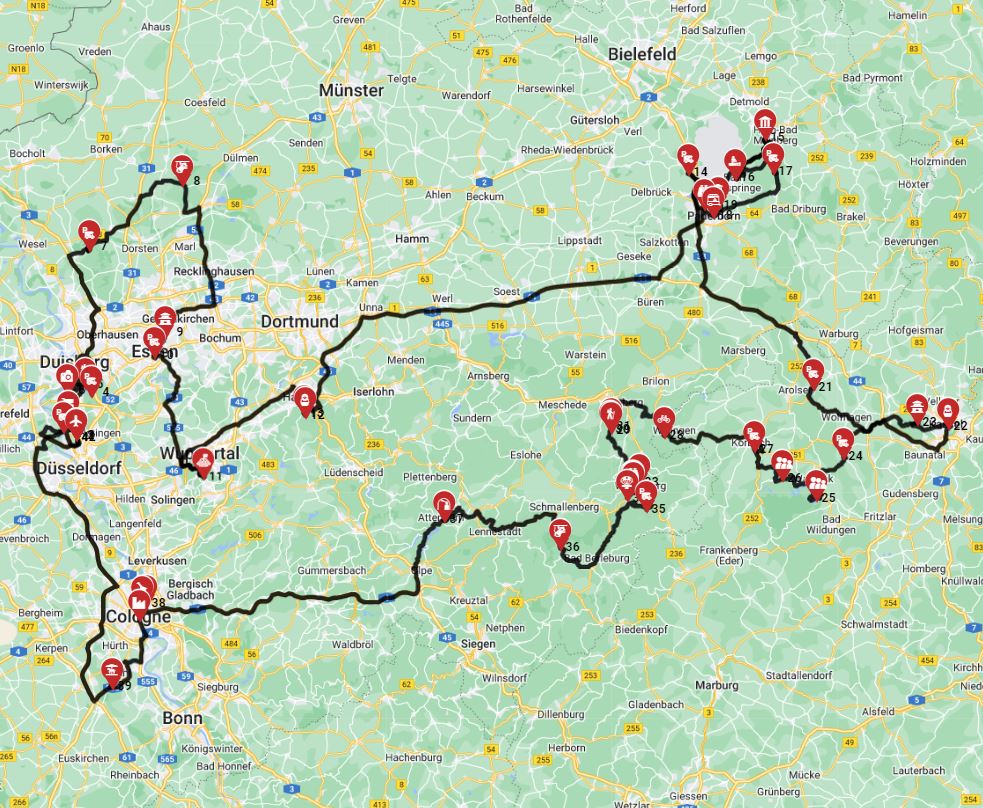
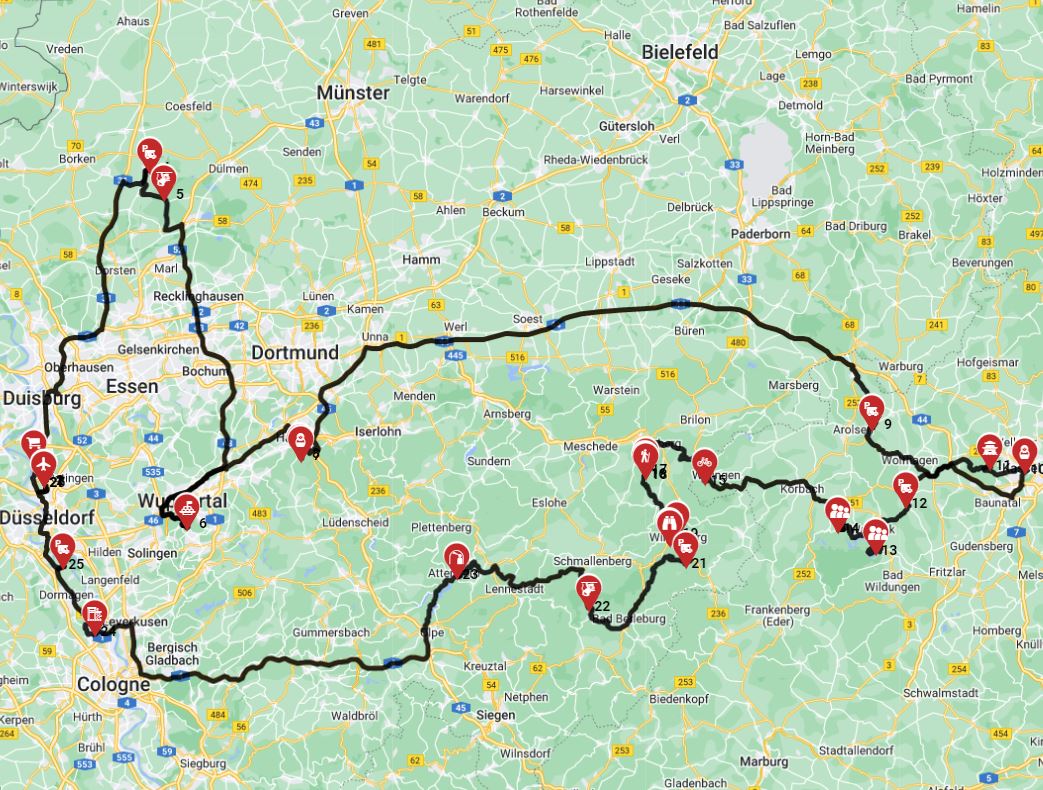
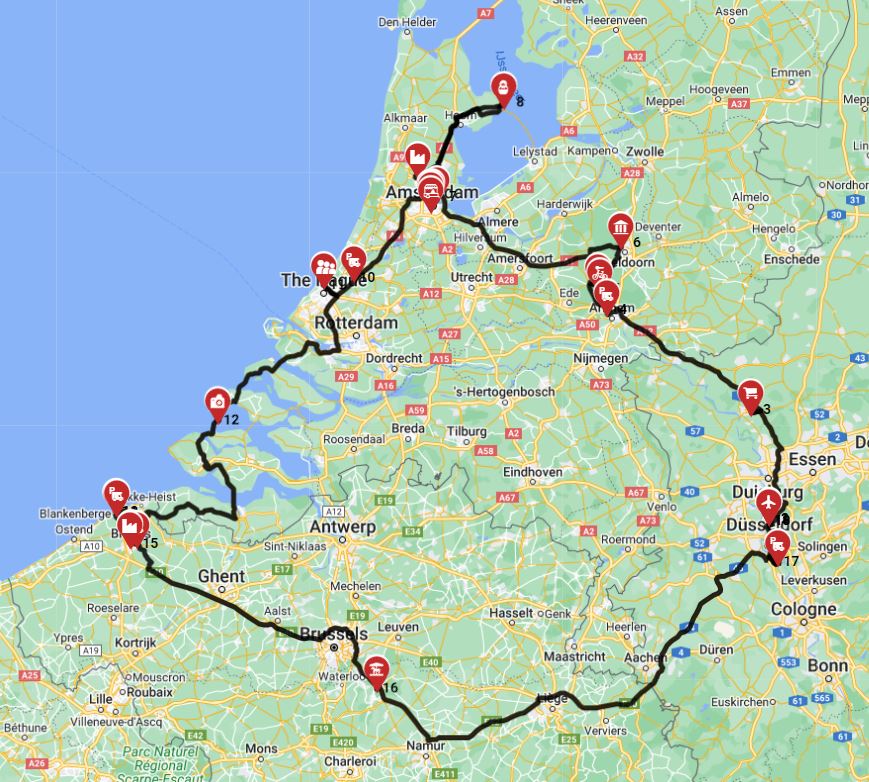
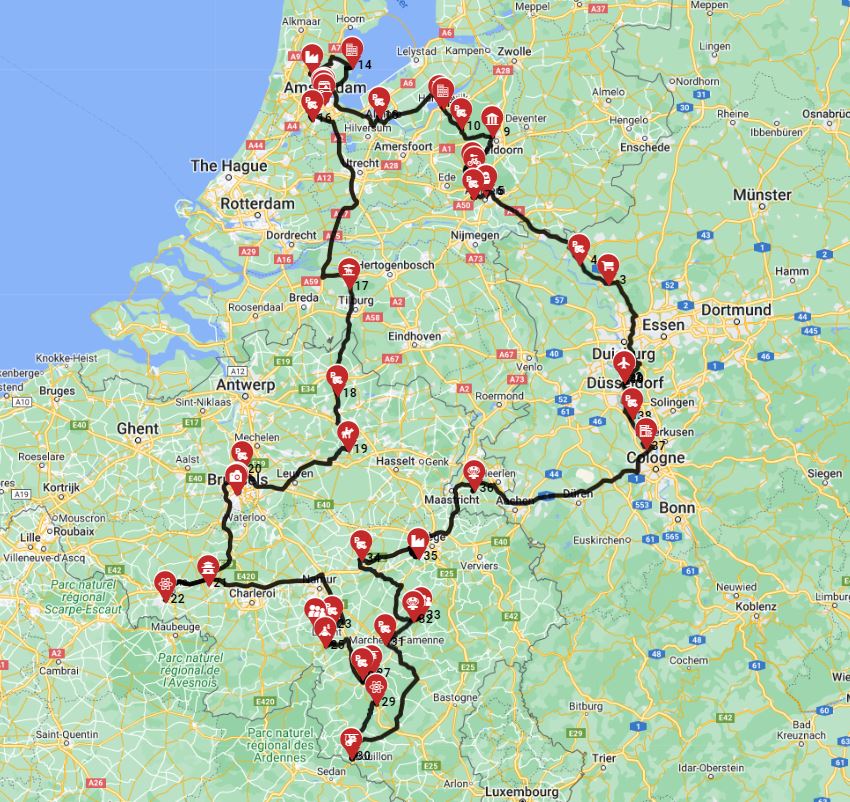
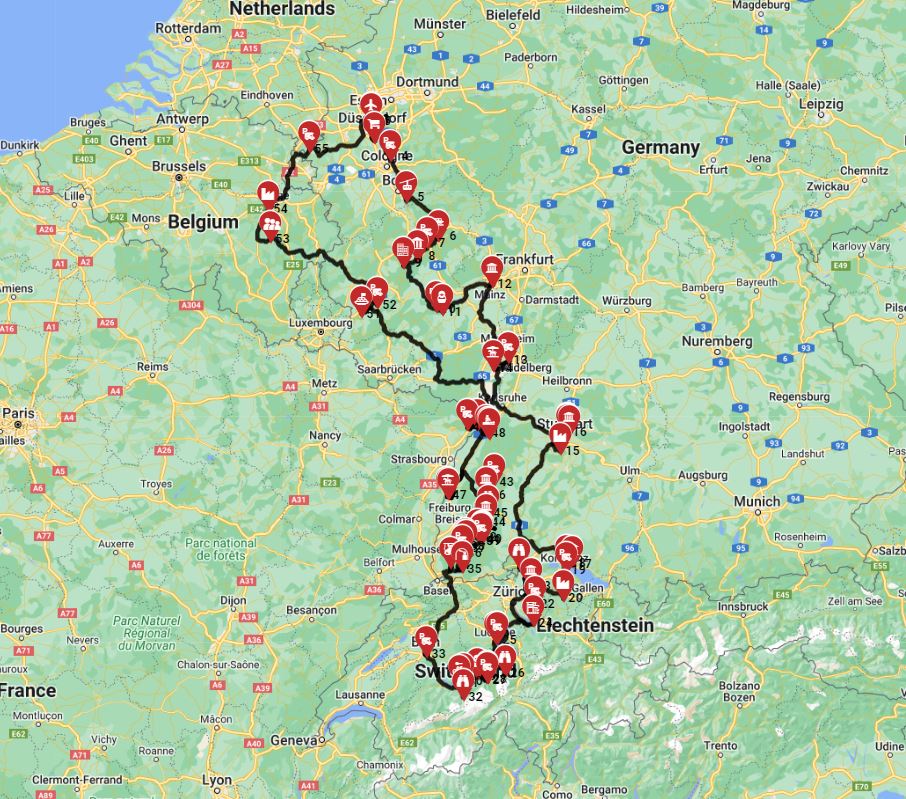
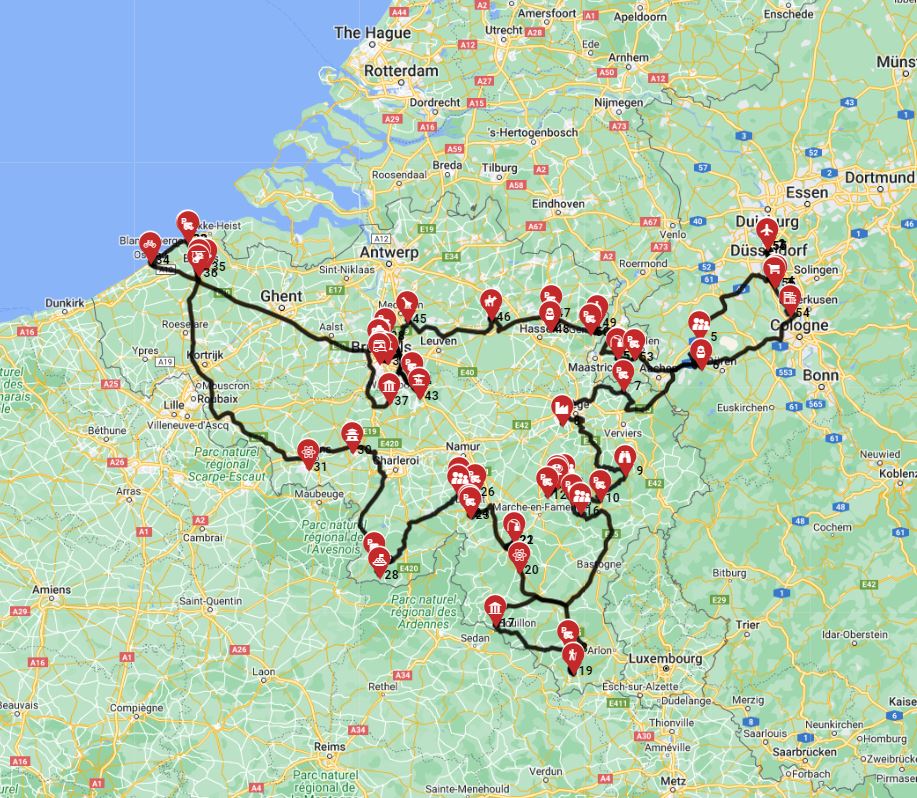
For a fantastic international experience, consider the 8-day Dusseldorf Roundtrip - Germany / Netherlands / Belgium, covering 1076.2 km and including diverse attractions like amusement parks, aquariums, historical sites, and traditional restaurants.
The 15-day Frankfurt Roundtrip - North Germany - Including Hamburg & Berlin, spanning 2230.1 km, offers a comprehensive tour with stops at an amusement park, wildlife reserves, museums, and historical sites in iconic cities like Hamburg and Berlin.
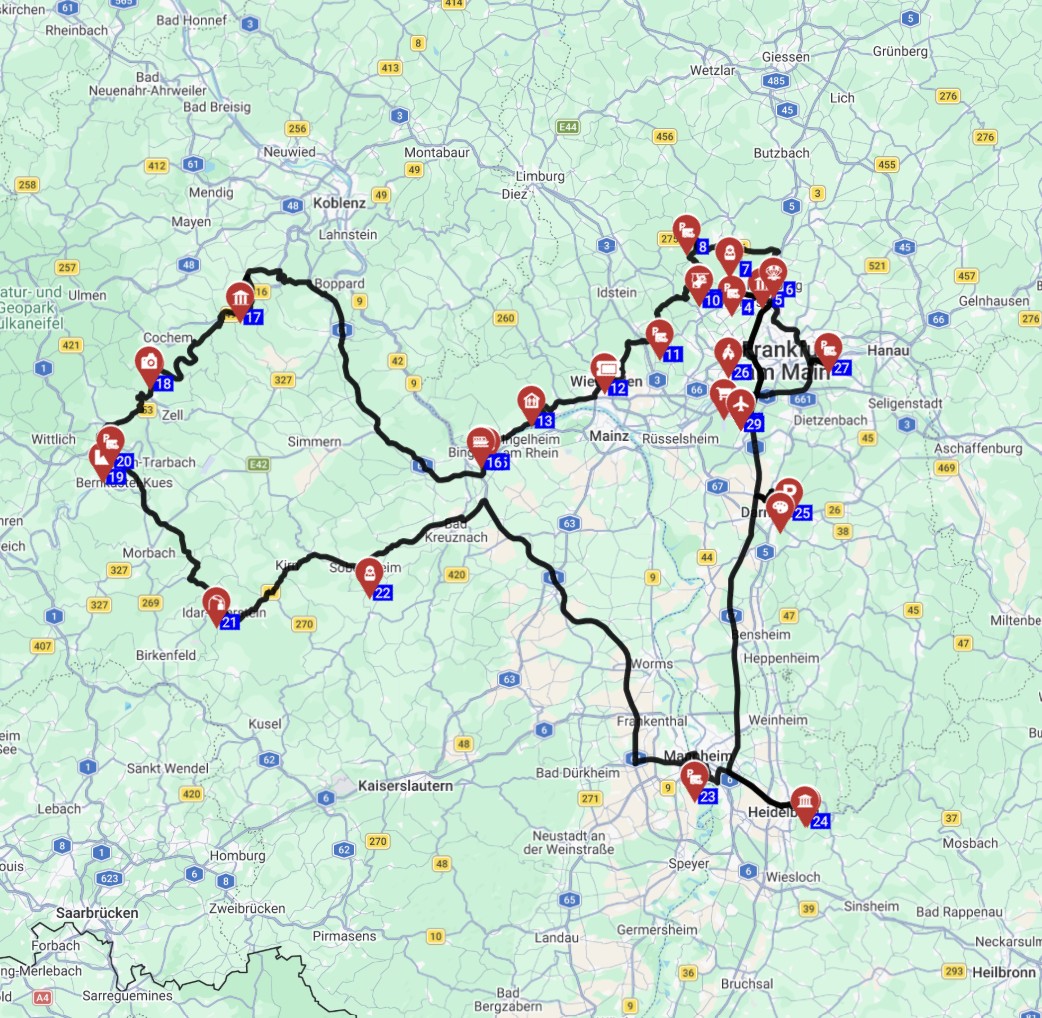
Alternatively, the 8-day
Other must-do experiences include the Romantic Road from Würzburg to Füssen, featuring fairy-tale castles like Neuschwanstein and medieval towns like Rothenburg ob der Tauber. The Black Forest High Road provides scenic drives through dense forests, perfect for hiking and exploring traditional cuckoo clock workshops. For a unique educational experience, consider the Industrial Heritage Route in the Ruhr Area, exploring former coal mines and industrial monuments transformed into cultural and interactive sites. Lesser-known regions like the Spreewald, ideal for canoe trips, or the Harz Mountains, offering hiking and historic steam trains, provide hidden gems for a different perspective of Germany.
How Can My Family Immerse in Local German Culture While RVing?
Experiencing local German culture with a family RV rental goes beyond major attractions; it's about engaging with regional festivals, culinary traditions, and basic local etiquette. Seek out local Volksfeste (folk festivals) or Wochenmärkte (weekly markets) in towns like Augsburg or Bad Kreuznach to witness authentic German life and traditions. If you're visiting in the colder months, a Winter RV Rental in Germany - Pricing Guide 2024 might lead you to charming Christmas markets. Make culinary discoveries by sampling regional specialties directly from local producers, visiting a traditional Gasthof for authentic meals, and exploring local bakeries for fresh bread and pastries. Preparing meals in your RV kitchen can be a fun family activity; check out our RV-friendly recipes playlist for ideas!
Observe basic German etiquette, such as greeting shopkeepers with 'Guten Tag,' maintaining quiet in residential areas and at Stellplätze, and diligently separating waste for recycling (the 'Pfand' system is a great example). Learning a few basic German phrases like 'Bitte' (please), 'Danke' (thank you), 'Entschuldigung' (excuse me), and 'Sprechen Sie Englisch?' (Do you speak English?) can significantly enhance interactions with locals. Staying at farm or vineyard Stellplätze offers direct interaction with local producers, providing a unique insight into regional life and genuine cultural connections, helping your family create truly special memories.
What Practicalities Should Renters Know for an RV Trip in Germany?
Renting an RV for a family trip in Germany involves several practical considerations to ensure a smooth and enjoyable journey. Firstly, spend ample time during pickup to understand your specific RV's controls, features, and dimensions; ask for clear instructions on water tanks (e.g., fresh water capacity, typically 80-140 liters for family models), waste disposal, heating, and awning operation. Our partners, including El Monte, Cruise America, Apollo, and Britz, ensure thorough walkthroughs.
For connectivity, consider purchasing a local German SIM card or an EU-wide eSIM for reliable mobile data, essential for navigation and communication, as public Wi-Fi can be unreliable outside of major cities. Ensure your rental RV comes with the appropriate CEE plug adapter for European 220V electricity sockets commonly found at Stellplätze and campsites, and understand how to fill fresh water and empty waste tanks at designated service points. Familiarize yourself with Germany's excellent recycling system by separating plastic, paper, glass, and organic waste responsibly. Finally, always verify that the RV includes required safety equipment such as a warning triangle, first-aid kit, and reflective vests, which are legally mandated in Germany. With these practicalities covered, you're all set for an incredible family RV adventure.
What You Shouldn't Miss
- **Neuschwanstein Castle:** Explore the iconic fairy-tale castle in Bavaria, a must-see for families and a highlight of the Romantic Road.
- **Black Forest High Road (Schwarzwaldhochstraße):** Drive this scenic 60 km route through dense forests, stopping at charming villages for cuckoo clocks and hiking.
- **Miniatur Wunderland, Hamburg:** Discover the world's largest model railway exhibition, a fascinating attraction for all ages, with over 15,715 meters of track.
- **Rhine Valley Cruise:** Take a river cruise past medieval castles, vineyards, and picturesque towns between Koblenz and Mainz.
- **Spreewald Biosphere Reserve:** Experience unique canoe trips through a network of waterways and traditional villages, a serene escape from bustling cities.
- **Avi Bandana Expert Recommendations: Top 5 Adventures - recommendations from Avi Bandana**
Final Thoughts
A family RV rental trip in Germany is more than just a vacation; it's an opportunity for connection, discovery, and unforgettable memories. With the freedom of your own rented motorhome or campervan, you can truly embrace slow travel, meandering through stunning landscapes and vibrant towns at your own pace. The country's excellent infrastructure, combined with dedicated resources like Stellplätze, makes RVing accessible and enjoyable for families of all sizes.
At Bandana Caravan, we are here to make your planning seamless, offering full transparency and expert guidance. We handle the details so you can focus on living the journey, from your initial comparison to the moment you hit the open road. Start dreaming about your next adventure, and let us help you find the easiest, safest, and most affordable way to rent an RV in Germany. Discover top destinations and planning tips, all in one place!
Why wait? The roads of Germany are calling for your family's next great adventure. Compare family RV Rentals in Germany now and embark on a journey that everyone will cherish for years to come!