In This Guide
- What RV Rental Costs in Germany (2026)
- Seasonal Pricing — Peak vs. Shoulder vs. Off-Season in Germany
- What's Included vs. What's an Add-On
- Hidden Costs to Budget For in Germany
- How to Save on RV Rental RV Rental in Germany
- Is it cheaper to rent an RV or stay in hotels in Germany
- Is it worth renting a motorhome in Germany
- Is Germany good for RV travel
- Is it easy to drive an RV in Germany
- Do you need an international driving permit to rent an RV in Germany
- Where can you park an RV in Germany
What RV Rental Costs in Germany (2026)
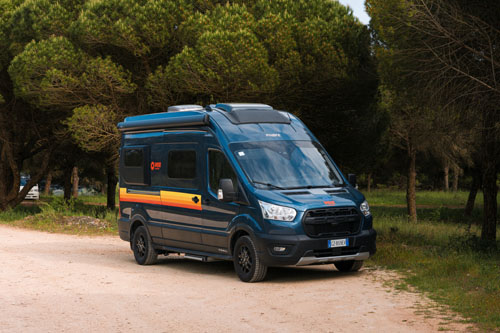
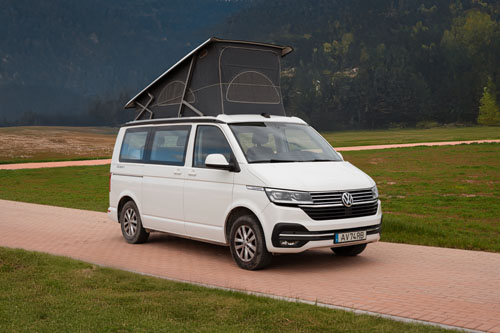
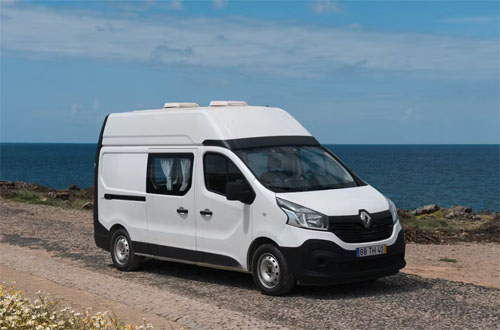
RV rental in Germany typically starts from around €60-€80 per day for a compact campervan in the off-season, with prices varying significantly by RV class, rental duration, and time of year. For a more comfortable Class C motorhome suitable for families, expect prices to range from €80-€150 per day during the shoulder seasons and potentially €120-€200+ per day during peak summer months or holidays. These are indicative prices, and actual rates are dynamic, fluctuating based on live flex-rates. For instance, April is often identified as the cheapest month for RV rental in Germany, while July and August see the highest demand and therefore the highest prices.
Utilizing a comparison platform is the best way to gauge current pricing. By entering your travel dates and desired vehicle class, you can see a transparent breakdown of costs. For example, a 7-berth motorhome designed for larger groups might cost approximately €100-€200 per day during the shoulder season, increasing to €150-€250+ during peak times. Conversely, a compact campervan for two, like the "Active Classic" model often seen with features like a shower and toilet, could range from €60-€90 daily in the off-season, rising to €80-€120 in summer. Remember, these figures are estimates; always check the specific rates for your chosen dates and vehicle via the comparison tool.
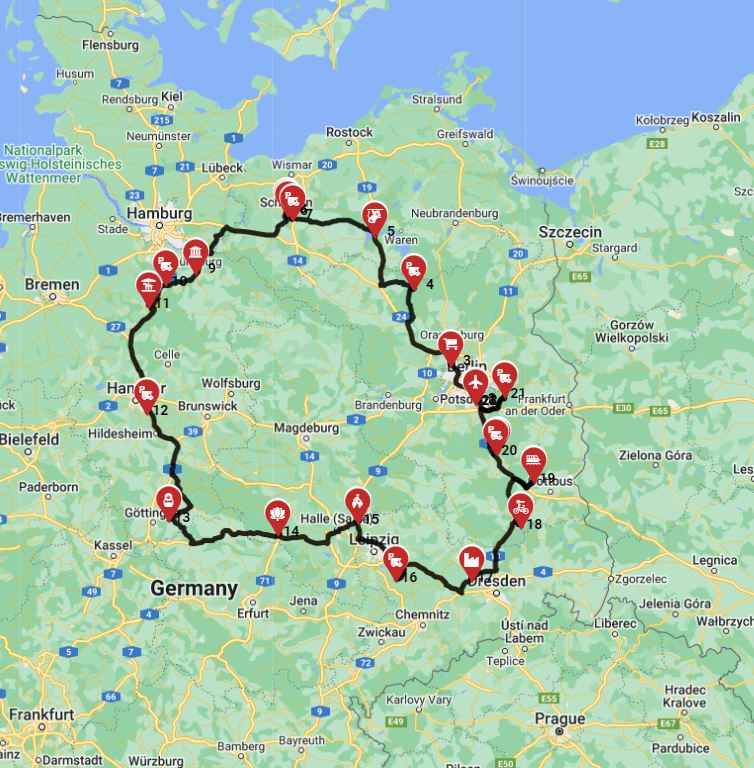
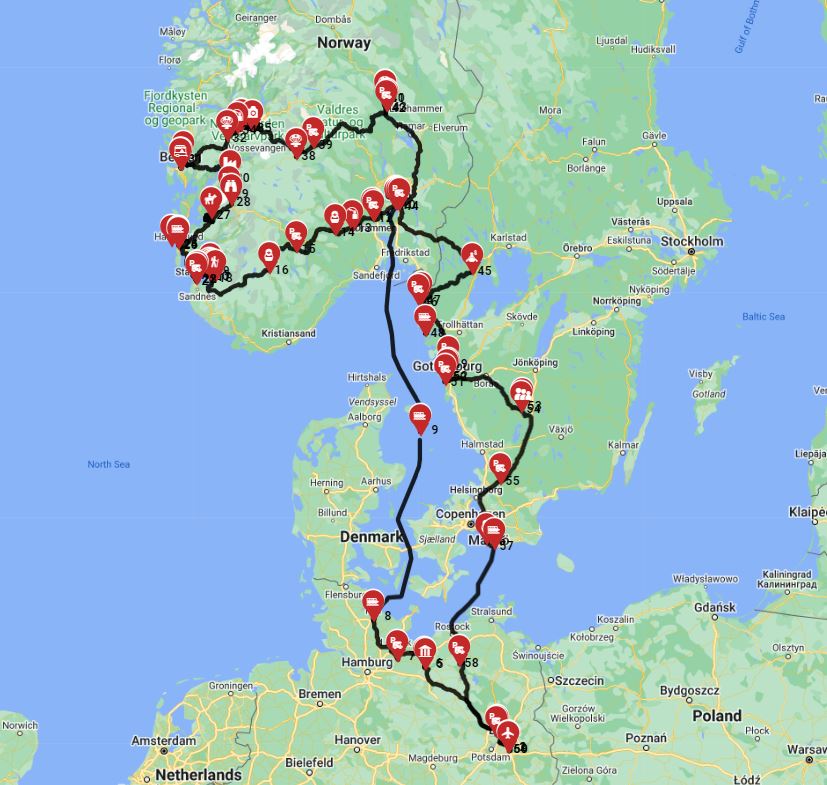
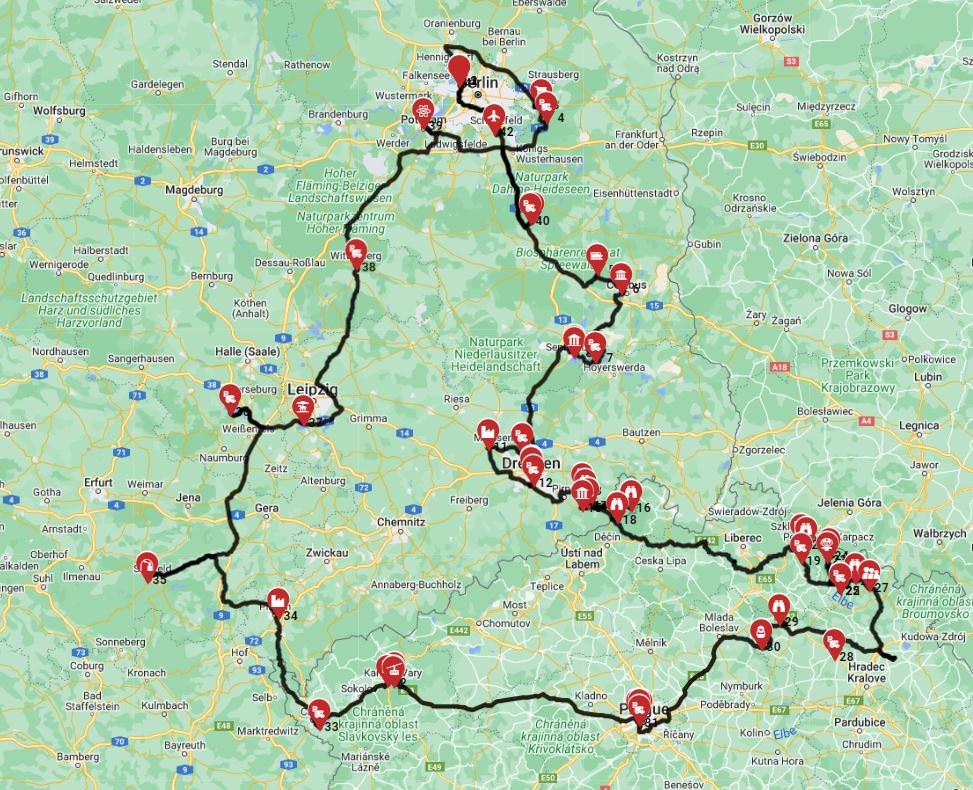
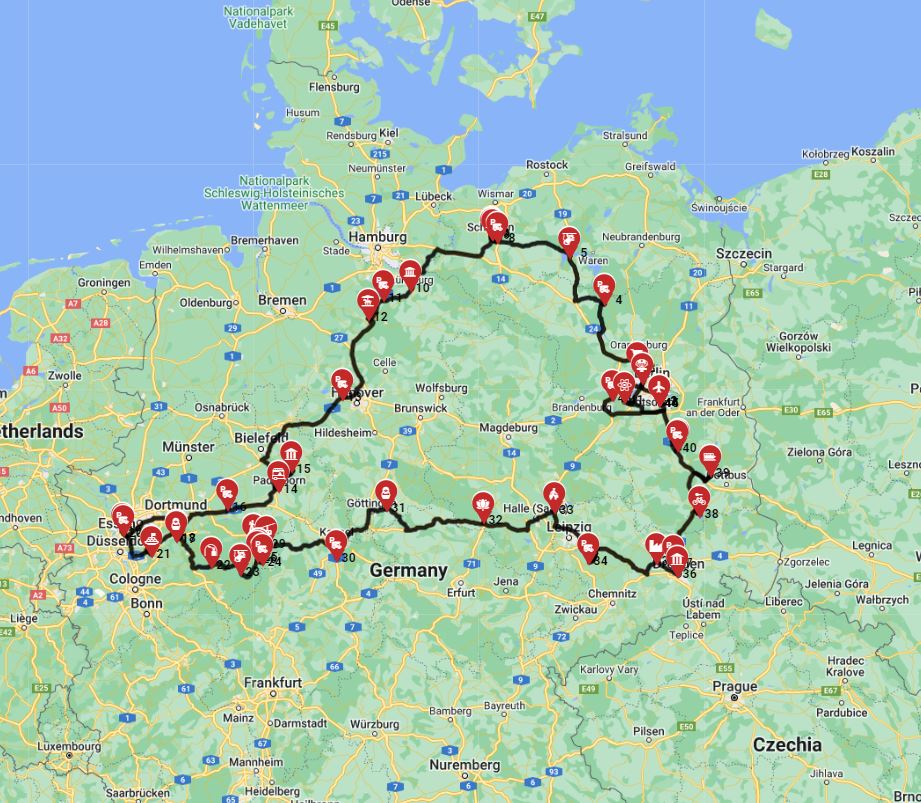
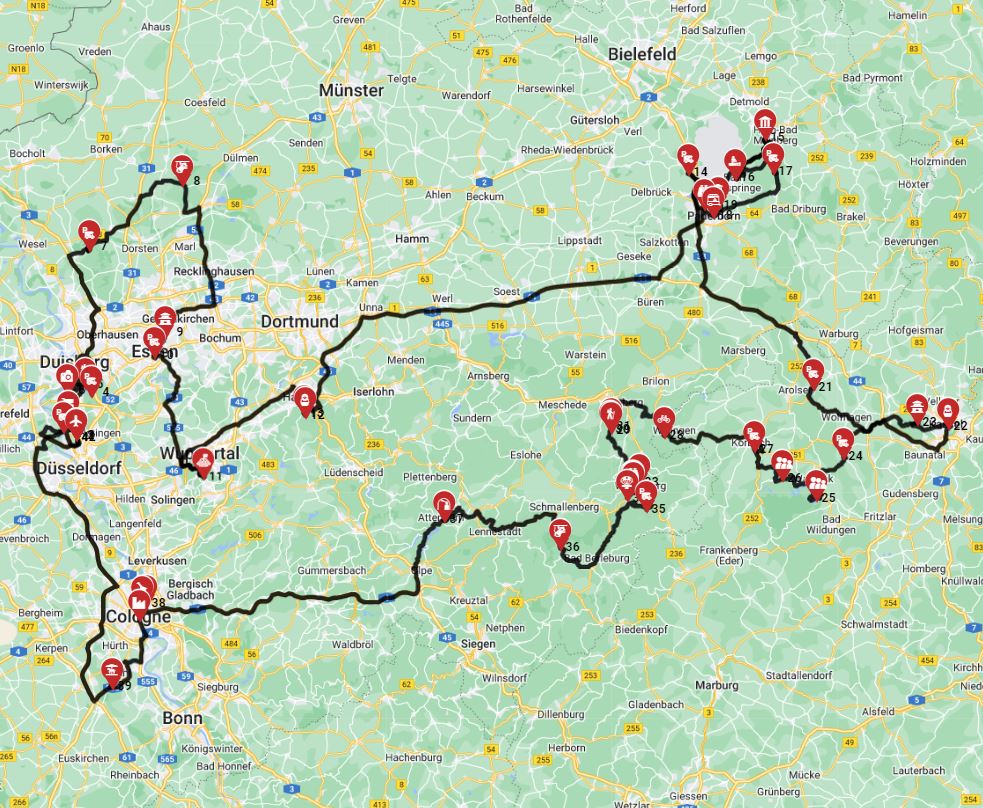
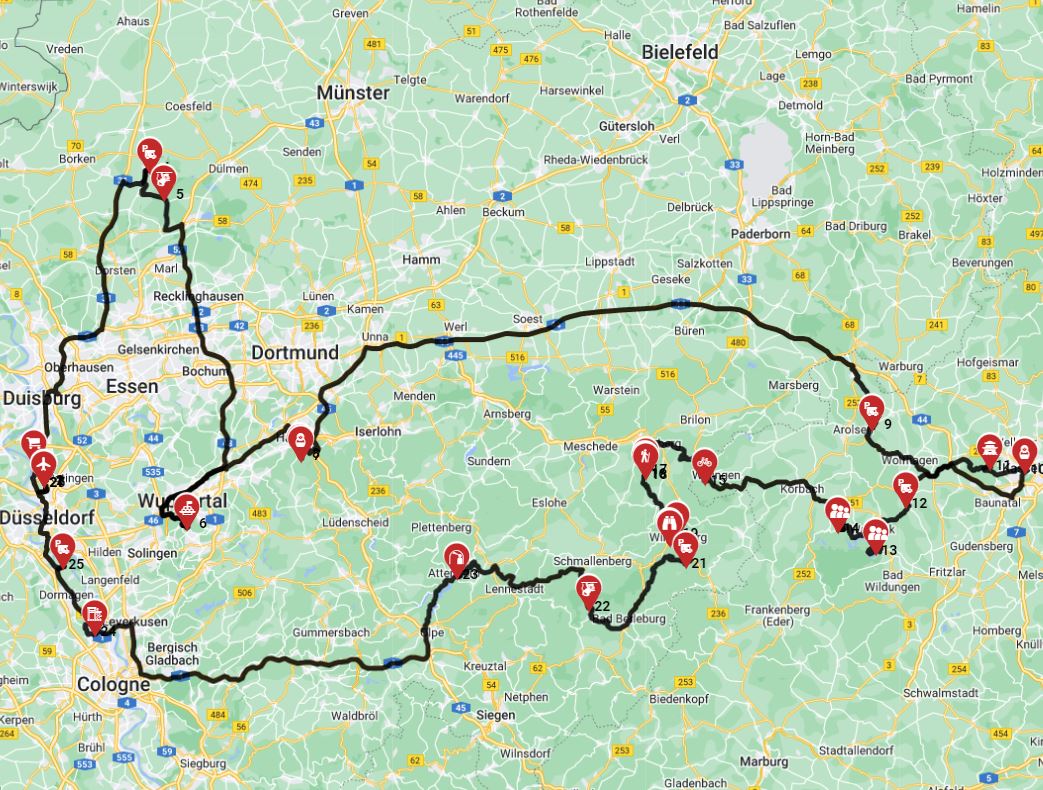
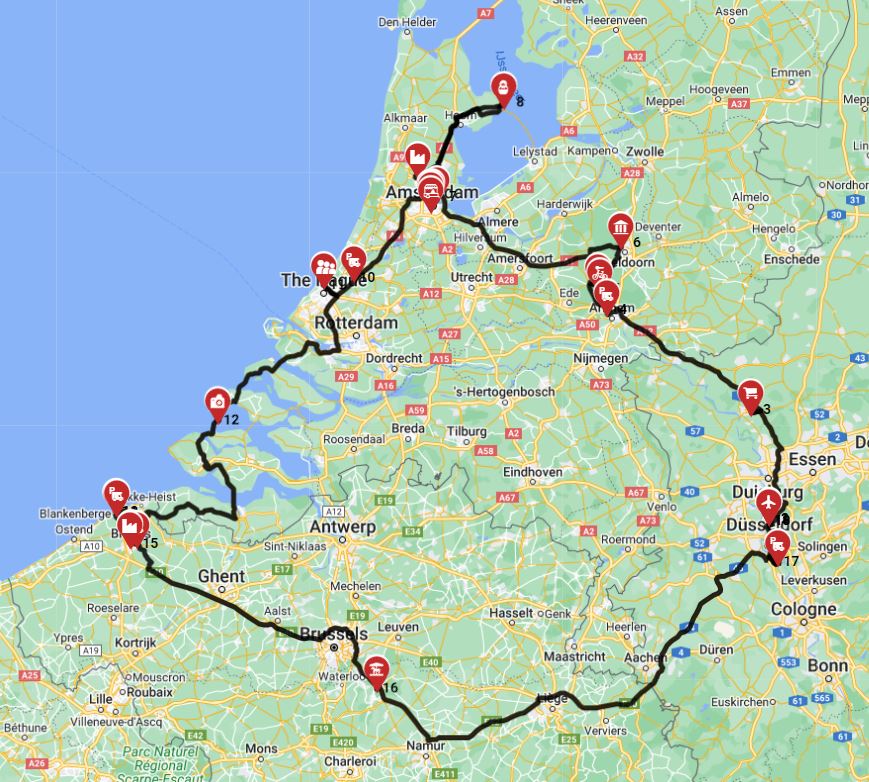
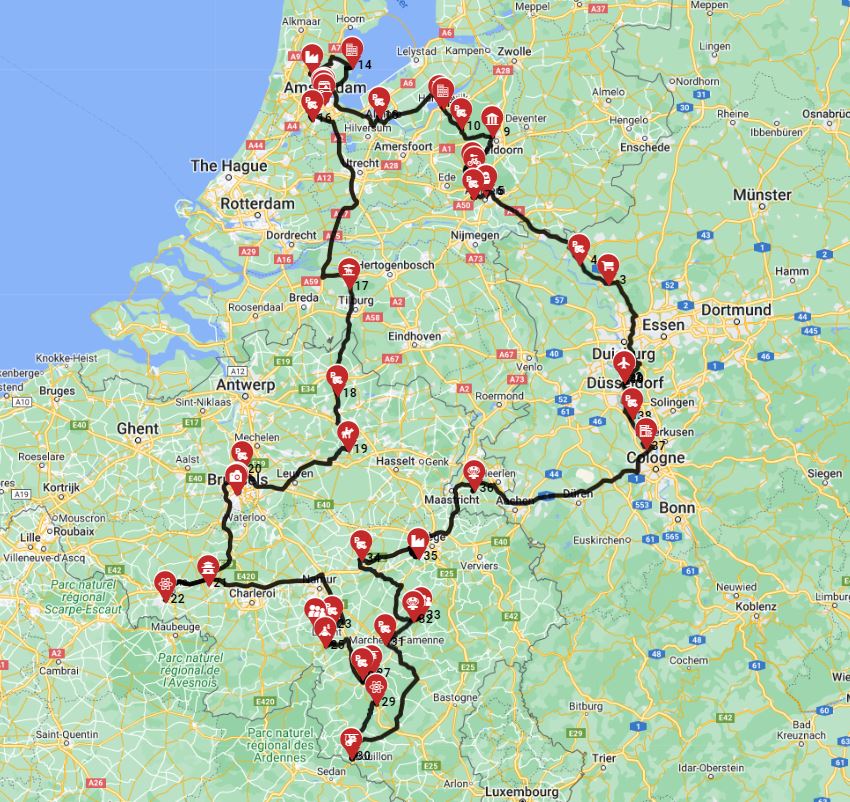
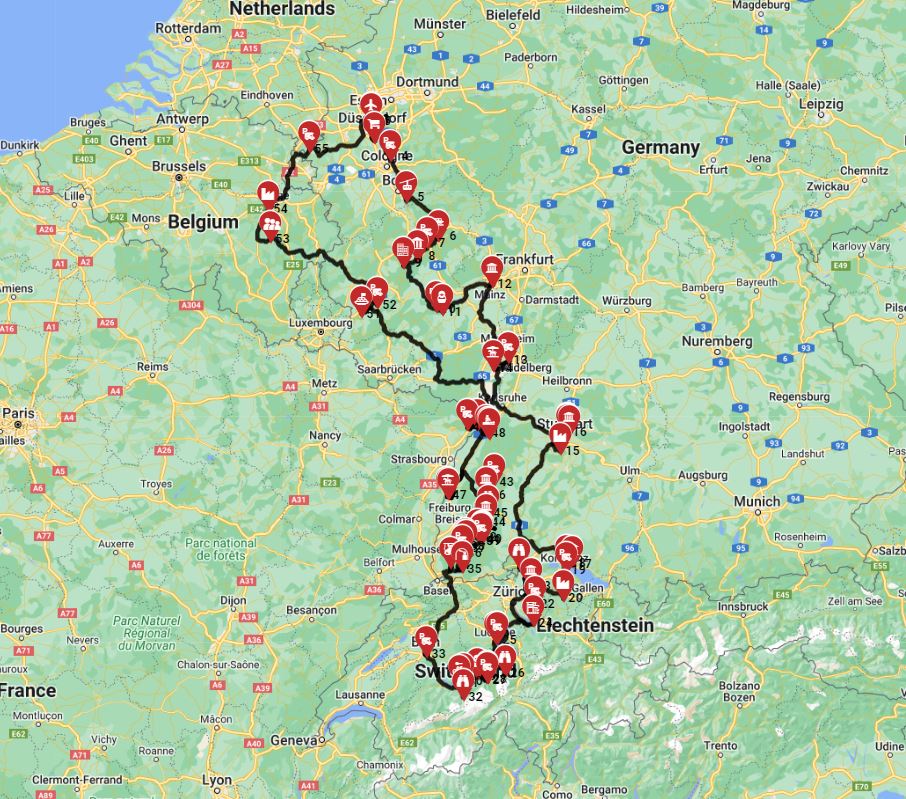
When comparing prices, pay attention to the rental duration, as longer rentals often come with a reduced daily rate. For a week-long trip in a mid-size motorhome, you might pay around €90-€130 per day, while a two-week rental could bring that daily average down to €80-€110. A month-long adventure might see daily rates dip even further, perhaps to €70-€100. This highlights the benefit of planning extended road trips. The table provided is an excellent resource to get a sense of current prices for different RV classes and durations, giving you a solid foundation for budgeting your German adventure. On the routes offered through RV PLANET routes, you can itemize and track every expense along the way for easy budgeting.
Seasonal Pricing — Peak vs. Shoulder vs. Off-Season in Germany
Understanding seasonal pricing is key to getting the best value on your German RV rental. Peak season, typically spanning July and August, witnesses the highest rental prices due to increased demand coinciding with school holidays and generally the most favorable weather. Prices during this period can fluctuate significantly on a day-to-day basis, making early booking advisable. For instance, a Class A motorhome that might cost €120 per day in the shoulder season could easily climb to €180-€250+ during peak summer months.
The shoulder seasons—May, June, and September, extending into early October—offer a fantastic balance. You'll find pleasant weather conditions suitable for exploring, coupled with more moderate prices compared to the summer rush. This is often considered the sweet spot for budget-conscious travelers who still want excellent weather. For example, renting a Class C motorhome during June might cost around €90-€140 per day, a noticeable saving from the July rates. These periods are also less crowded, allowing for a more relaxed travel experience.
The off-season, generally from November through April (excluding the Christmas and New Year holidays), presents the lowest rental rates. This is the time for significant savings, with daily prices for even larger motorhomes potentially dropping to €60-€100. However, it's important to note that some campsites may have reduced services or be closed during these months, and the weather will be colder, potentially impacting the types of activities you can enjoy. April often stands out as the cheapest month within this period, offering great deals for those prepared for cooler temperatures.
What's Included vs. What's an Add-On
When comparing RV rental options, it's crucial to distinguish between what's included in the base rate and what constitutes an optional add-on. Basic rental fees typically cover standard mileage allowances, which can vary from 150 km to unlimited, depending on the supplier and package selected. Essential vehicle insurance, usually third-party liability, is always included, providing a fundamental level of protection.
However, to enhance your travel experience and peace of mind, numerous add-ons are usually available. These can range from comprehensive insurance tiers that reduce your deductible significantly, to unlimited mileage packages if you plan extensive travel. Practical extras often include kitchen kits (cutlery, pots, pans, plates), bedding and linens, GPS navigation units, and outdoor camping furniture like tables and chairs. For families or those with active hobbies, bike racks or even specialized equipment might also be offered. Some rental companies, visible through the rent-motorhome comparison toggle, may bundle kitchen utensils, tableware, and bedding as optional extras or as part of a "comfort package," often providing better value than purchasing items individually. For ideas you can prep on the road, watch our RV-friendly recipes playlist on YouTube.
For example, while basic insurance is always included, upgrading to comprehensive coverage often becomes necessary for travelers seeking maximum peace of mind. You can easily see prices inclusive of the best protection by selecting this option during your search. Always verify the exact inclusions and optional add-ons directly with your chosen RV model and rental station before finalizing your booking to avoid any surprises and ensure your rental perfectly matches your needs.
Hidden Costs to Budget For in Germany
Beyond the daily rental fee, it's essential to factor in several ancillary costs to create a realistic budget for your German RV adventure. Fuel is a significant expense; depending on the RV's size, engine type (diesel is common and generally more fuel-efficient), and your driving habits, fuel costs can add up considerably. While Germany has a well-developed road network, be aware that potential road tolls, particularly if you plan to venture into neighboring countries like Austria or Switzerland, can also impact your budget. Some rental companies, visible through Bandana's comparison, may offer perks like pre-purchased toll usage for certain RVs to help avoid fines.
Campsite fees are a daily reality. Germany offers a spectrum from basic 'Stellplätze' (designated overnight parking spots, often free or very low-cost) to full-service campgrounds with extensive amenities. Fees can range from €0 for a simple Stellplatz to €40+ per night for premium sites with electrical hookups, water, and sanitation facilities. Researching and budgeting for these daily expenses is crucial. Additionally, budget for mandatory items like environmental zone stickers ('Umweltplakette'), which are required for RVs entering many German cities and towns to comply with emission standards. Failure to display the correct sticker can result in fines. Some rental partners may offer discount cards for campsites or fuel, which can help manage these additional costs.
It’s always wise to inquire about specific costs and available discounts at the time of pickup to avoid unexpected charges. Understanding these potential expenses upfront allows for smoother financial planning, ensuring your focus remains on enjoying the journey.
How to Save on RV Rental RV Rental in Germany
Securing the best deal on your German RV rental is achievable with a few smart strategies. Booking your RV during the shoulder seasons—typically May to June or September to October—is a prime way to enjoy milder weather and significantly lower rates compared to the peak summer months of July and August. For example, a Class C motorhome that might average €150 per day in July could be found for €90-€110 per day in September, offering substantial savings.
Consider opting for a smaller RV class if your group size allows. Compact campervans or smaller motorhomes generally have lower rental fees and better fuel efficiency, contributing to overall cost savings. For instance, a Class B campervan, like the "City Classic" which typically sleeps two, might cost 20-30% less per day than a larger Class A motorhome. Additionally, longer rental durations often come with reduced daily rates; booking for two weeks or more can unlock significant discounts compared to shorter, week-long rentals. Don't overlook the dynamic pricing; monitoring flex-rate drops and booking early, especially if your travel dates are flexible, can lead to finding the cheapest RV rental.
Furthermore, look for rental packages that bundle essential add-ons like kitchen kits or pre-paid mileage at a reduced overall cost compared to purchasing them separately. Pre-paying tolls or utilizing available discount cards, such as ACSI or ADAC for campsites, can also help minimize unexpected expenses during your trip. By combining these tips, you can make your German RV adventure more affordable without compromising on the experience.
Is it cheaper to rent an RV or stay in hotels in Germany
Renting an RV in Germany can often be a more cost-effective option than staying in hotels, particularly for families or longer trips, as it efficiently combines accommodation and transportation costs. For a family of four, a 10-day RV rental might cost around €1,000-€1,500, including rental fees and estimated fuel and campsite costs. In contrast, hotel stays for four people over the same period, plus car rental or public transport, could easily exceed €2,000-€2,500, especially when factoring in daily dining expenses.
The overall cost comparison, however, depends on several factors. These include the RV's size and class, the rental duration, the season of travel, current fuel prices, daily campsite fees, and your dining preferences. Opting to prepare meals in the RV’s kitchen, a common practice among RV travelers, significantly reduces daily expenses compared to eating out at restaurants for every meal. For example, cooking breakfast and packing lunches for a family of four could save €50-€100 per day compared to dining at restaurants.
While for shorter trips or solo travelers, a budget hotel might initially appear cheaper, an RV offers unparalleled flexibility and the ability to visit multiple locations without the hassle of constant packing and unpacking. The freedom to wake up to a new scenic view each day and to explore off-the-beaten-path destinations often outweighs the marginal cost difference, making the RV experience a more enriching value proposition.
Is it worth renting a motorhome in Germany
Renting a motorhome in Germany is unequivocally worth it for travelers seeking unparalleled flexibility, immersive scenic exploration, and a unique cultural experience. Germany offers an excellent infrastructure for RV travel, boasting a vast network of well-maintained roads, including the famous Autobahn, and a high density of 'Stellplätze' (designated overnight parking spots) and full-service campgrounds. This makes navigating the country and finding convenient overnight locations straightforward and accessible for RVs of all sizes.
An RV provides the freedom to explore Germany’s diverse landscapes, from the fairytale castles of Bavaria to the rugged beauty of the Black Forest and the charming coastal towns along the Baltic Sea. It allows you to venture beyond major tourist hubs, discover charming small towns, attend local festivals, and savor regional foods, fostering a deeper connection with German culture. Imagine waking up to a view of rolling vineyards on the German Wine Route or parking your motorhome near a historic town square for easy exploration—this is the essence of RV travel freedom.
Furthermore, an RV offers the ability to adjust your itinerary on the fly, linger longer in places you particularly love, and wake up to different scenic views each day. This level of spontaneous exploration and comfort significantly enhances the overall travel experience, making a motorhome rental in Germany a highly rewarding choice for uncovering the country's rich tapestry of experiences.
Is Germany good for RV travel
Germany is an exceptional destination for RV travel, consistently ranking high for its excellent infrastructure, stunning natural beauty, and welcoming attitude towards motorhome tourism. The country's commitment to high-quality roads, including extensive Autobahn networks perfect for smooth RV journeys, combined with an abundance of 'Stellplätze' and well-equipped campsites, makes navigating and finding overnight spots remarkably easy. Germany's compact size also means its diverse landscapes—from the Black Forest's dense woodlands to the Bavarian Alps' majestic peaks and the Baltic coast's serene beaches—are all efficiently accessible by RV, offering varied experiences for every type of traveler.
Germany places a strong emphasis on sustainable and eco-friendly travel, a principle that extends to RVing. Travelers are encouraged to practice responsible waste disposal, utilize designated facilities for emptying tanks, and consider booking eco-friendly campsites. This commitment to environmental consciousness is reflected in the well-maintained nature of the country and its tourism facilities. Essential gear for RV travel in Germany includes items like power adapters compatible with European outlets, leveling blocks for uneven terrain, mandatory safety equipment such as warning triangles and high-visibility vests, and crucially, the 'Umweltplakette' (environmental sticker) for accessing many city centers.
Connectivity is generally good, with Wi-Fi often available at campgrounds; however, for consistent and reliable data access on the go, consider purchasing a local German SIM card. Using RV-specific navigation apps that can account for vehicle dimensions and weight restrictions is also highly recommended to avoid unsuitable routes and ensure smooth travel. Familiarizing yourself with emergency procedures and roadside assistance numbers before your trip is always prudent, although breakdowns are rare with the well-maintained rental vehicles typically provided.
Is it easy to drive an RV in Germany
Driving an RV in Germany is generally considered straightforward and quite manageable, thanks to the country's excellent road infrastructure, clear signage, and the generally disciplined driving habits of its residents. The extensive Autobahn network provides smooth, efficient travel between regions, though it's crucial to be mindful of speed limits, which are often lower for vehicles over 3.5 tons compared to passenger cars. Many sections of the Autobahn are indeed unrestricted, but these are clearly marked, and drivers should always adhere to posted speed limits for RVs.
Specific RV types are better suited for different German travel experiences. Compact campervans, often referred to as Class B motorhomes, are ideal for navigating smaller towns, historic city centers, and the narrow, winding roads often found in scenic regions like the Romantic Road or the Black Forest. Their smaller footprint makes parking and maneuvering significantly easier. Larger motorhomes, such as Class A or Class C models, excel on the main routes and Autobahns but might present challenges in busier urban areas or very tight historic districts. Always check vehicle dimensions against any height and width restrictions, particularly when entering cities or parking in garages.
Practicing navigation in roundabouts and familiarizing yourself with parking rules, especially in busier areas, is highly recommended before embarking on longer journeys. Using a GPS system that is specifically updated for RVs, which can factor in vehicle size and weight, is also strongly advised to prevent encountering unsuitable routes or getting stuck in tight spots.
Do you need an international driving permit to rent an RV in Germany
For visitors from countries outside the European Union (EU) or the European Economic Area (EEA), an International Driving Permit (IDP) is generally required in conjunction with your valid national driver's license to legally rent and drive an RV in Germany. The IDP serves as an official translation of your domestic license into multiple languages, which helps validate it for German authorities and rental companies. It's a straightforward document to obtain from your home country's motor vehicle authority before you travel.
However, for drivers holding a valid national driver's license issued within the EU or EEA member states, this document is typically sufficient on its own to rent and drive an RV in Germany. These licenses are recognized across all EU countries without the need for an additional translation or permit.
It is always recommended to confirm the specific requirements directly with your chosen RV rental company and, if possible, with local German traffic authorities prior to your trip. Rental company policies can occasionally vary, and regulations may be subject to change, so verifying these details beforehand ensures a smooth pickup process and compliance with German driving laws.
Where can you park an RV in Germany
Germany offers a wealth of parking options for RVs, primarily through a well-established network of dedicated 'Stellplätze' (motorhome parking areas) and a comprehensive system of full-service campgrounds. Stellplätze are specifically designated overnight parking spots, often found in towns, rural areas, or scenic locations. Many are free or require only a nominal fee, typically providing essential services like fresh water, waste disposal, and sometimes basic electrical hookups, making them ideal for spontaneous and budget-friendly stops.
Full-service campgrounds, on the other hand, cater to longer stays and offer more extensive amenities. These typically include private bathroom facilities with showers, laundry services, restaurants, and recreational areas, and they require a daily fee, which can range from €20 to €40 or more depending on the location and included services. While outright 'wild camping'—parking your RV outside designated areas—is generally prohibited across Germany due to strict regulations protecting natural landscapes and private property, there is a common tolerance for a single overnight stay in certain public parking lots (like Autobahn rest stops or town car parks) solely for the purpose of 'restoring driving fitness.' This practice is permitted only if there are no signs explicitly forbidding overnight parking and provided no 'camping behavior' (such as setting out chairs, awnings, or leveling blocks) is exhibited.
To easily find legal and appropriate parking spots, RV travelers in Germany frequently utilize helpful resources. Apps like 'Park4Night' or specialized German publications such as 'Promobil Stellplatz-Radar' are invaluable for locating Stellplätze and campsites along your route, often including user reviews and information on available services and fees. Always adhere to local signage and respect the rules of private property to ensure a pleasant and legal RV experience.
What You Shouldn't Miss
- The Romantic Road: This iconic 400 km scenic route winds through picturesque Bavarian towns like Rothenburg ob der Tauber and Dinkelsbühl, offering a fairytale journey through medieval history and charming landscapes. It’s perfectly suited for RV travel, with numerous campsites and Stellplätze along the way.
- Black Forest Scenic Drive: Explore the dense forests, cuckoo clock villages, and scenic vistas of the Black Forest (Schwarzwald). The scenic routes, like the Schwarzwald Hochstraße (Black Forest High Road), are ideal for RVs, offering breathtaking views and opportunities to visit traditional farms and villages.
- Bavarian Alps & Castles: Beyond Neuschwanstein Castle, the Bavarian Alps offer stunning RV routes with access to crystal-clear lakes like Königssee and charming alpine towns. Many campsites are situated with direct access to hiking trails and panoramic views.
- Berlin's Urban Exploration: While larger cities require careful navigation, Berlin offers a wealth of history and culture. Utilize designated city campsites or Stellplätze on the outskirts and use public transport to explore iconic sites like the Brandenburg Gate and Reichstag Building. Remember your 'Umweltplakette'!
- Rhine Valley Castles: Cruise your RV along the Rhine River, stopping at charming riverside towns and visiting the numerous medieval castles perched on the hillsides, a UNESCO World Heritage site. Many campgrounds offer direct river access.
- Hamburg's Maritime Charm: Explore Germany's second-largest city, known for its vibrant harbor (HafenCity), Speicherstadt (warehouse district), and maritime atmosphere. RV parking is available, and the city is well-connected by public transport for easy sightseeing.
Final Thoughts
Embarking on an RV rental journey in Germany offers an unparalleled blend of freedom, flexibility, and immersion into a country renowned for its efficiency and natural beauty. From the dynamic pricing strategies to the essential inclusions and potential hidden costs, we’ve covered the key aspects to help you plan your adventure with confidence. Remember that booking in advance, especially for peak season travel, is highly recommended to secure the best rates and vehicle availability.
By embracing slow travel—driving shorter distances each day and taking time to truly connect with the culture, cuisine, and scenery—you’ll unlock the full potential of RVing in Germany. Utilize resources like RV PLANET (rvplan.net) for pre-planned routes, which can offer a structured yet flexible framework for your exploration, often highlighting unique local experiences and the best campgrounds. We handle the details, so you can live the journey. Get inspired for your next trip and discover top destinations, planning tips, all in one place!
We're here to support you every step of the way, ensuring your RV rental experience in Germany is as smooth and enjoyable as possible. Let the open road of Germany welcome you to an unforgettable adventure!