In This Guide
- What Winter RV Rental Costs in Germany (2026)
- Seasonal Pricing - Peak vs. Shoulder vs. Off-Season in Germany
- What's Included vs. What's an Add-On
- Hidden Costs to Budget For in Germany
- How to Save on Winter RV Rental in Germany
- What are the full costs to budget for a winter RV trip in Germany?
- What are the pros and cons of winter RV camping in Germany?
- What RV-specific logistics and preparations are needed for winter in Germany?
- Where can I camp with an RV in Germany during winter, beyond traditional Stellplatz?
- How can I experience authentic German culture during a winter RV trip?
- How long can a tourist stay in Germany with an RV, and what are the long-term travel implications?
Embarking on a winter RV adventure in Germany offers a truly unique experience, transforming familiar landscapes into snowy wonderland vistas and quaint towns into festive hubs. As true RV specialists, we at Bandana RV know the ins and outs of making your journey smooth and memorable, whether you're chasing Christmas markets or serene snow-covered forests. For live availability and current prices, start with our RV Rental Germany - Complete Guide 2026 guide.
What Winter RV Rental Costs in Germany (2026)
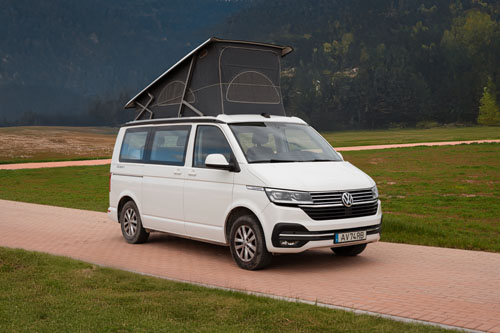
The daily cost for a winter RV rental in Germany during 2026 varies significantly based on vehicle size, rental duration, and specific dates, much like airline tickets. For example, a compact campervan like a `Combi Van` suitable for a couple might range from €60-€80 per day in early winter, while a spacious Class C motorhome like a `6 Berth Discovery` designed for a family of four could cost €120-€200+ per day. Prices are dynamic, meaning they change daily based on supplier availability and demand, so the final price is always set at the actual booking time. We always provide full transparency, so you'll never encounter hidden fees with Bandana RV.
A 1-week winter RV trip in Germany could range from €420 for a basic campervan to €1,400 for a larger motorhome, not including other expenses. A two-week adventure might cost between €800 and €2,800 for the rental alone, while a month-long trip could see rental fees from €1,500 to €5,000, as daily rates often decrease for extended rental durations. These estimates exclude fuel, campsites, and activity costs, which we'll detail further. To get the most accurate pricing for your specific travel dates and preferred vehicle, it's always best to use our comparison platform.
For couples, a cozy campervan like the `V3` or a small motorhome such as the `2 Berth Sandpiper` will be more budget-friendly, typically costing less than €100 per day. Families with kids, on the other hand, will require a larger Class C motorhome like a `Jayco Excursion` with a capacity for 6-7 people, which naturally comes with a higher price point due to increased space and amenities. Regardless of your group size, there are options to suit different budgets, and comparing prices across our 50+ leading RV suppliers worldwide is key to finding the best deal for your winter RV rental in Germany.
🎬 Video coming soon
Seasonal Pricing - Peak vs. Shoulder vs. Off-Season in Germany
Off-season in Germany, typically from November to March (excluding major holidays like Christmas and New Year's), offers the lowest RV rental prices and significantly fewer crowds at popular attractions. During this period, daily rental rates can be 20-30% lower than peak season, making it an excellent time for budget-conscious travelers seeking a serene, festive, or snow-filled experience. For example, a `Combi Van` might cost as low as €60/day in January compared to €90/day in July.
Shoulder season, which includes April-May and September-October, provides a balance of moderate prices with generally pleasant, albeit cooler, weather. While not as heavily discounted as the deep winter, you can still find good value and enjoy less crowded destinations than during summer. Expect rental prices to be 5-15% lower than peak rates, with more availability for popular models like the `Family Standard` motorhome, which comfortably sleeps a family of four.
Peak season for RV travel in Germany usually spans June to August, along with major holidays like Easter, Christmas, and New Year's, and these times see the highest rental prices and busiest tourist spots. During Christmas and New Year's, specifically, demand for winter-ready RVs can surge, pushing prices upwards, so booking well in advance is essential. A 90+ day advance booking for a December trip could still yield an average of 8-10% savings on a `MH6 - FRIGG` motorhome, which is well-equipped for colder weather.
What's Included vs. What's an Add-On
Standard RV rentals in Germany typically include basic vehicle insurance coverage and essential safety equipment like warning triangles and first-aid kits. Every rental motorhome will come with basic insurance as part of the package, covering liability and often a high deductible. However, for true peace of mind, you can upgrade to a top-level deductible for extra protection, significantly reducing your out-of-pocket expenses in case of an incident.
Beyond the basics, common add-ons can significantly enhance your winter RV experience but will increase the overall cost. These often include kitchen kits with pots, pans, and utensils; bedding packs with linens and towels; and portable Wi-Fi dongles for staying connected on the go. Some suppliers may also offer winterization kits or snow chains as optional extras, which are crucial for safe winter driving in Germany's colder regions. Always verify the specific inclusions for your chosen RV and rental station during the booking process, as these can vary even among our Bandana RV partner suppliers like El Monte and Apollo.
Hidden Costs to Budget For in Germany
Beyond the daily rental rate, several ancillary costs need to be factored into your Germany winter RV trip budget. Fuel is a significant expense, with diesel prices averaging €1.80-€2.00 per liter and winter driving potentially increasing consumption by 10-15%. Campsite fees, which range from €15-€25 per night for a basic Stellplatz (designated overnight parking spots with minimal amenities) to €30-€50+ for full-service campgrounds with heated facilities, electricity, and water hook-ups, are another major consideration. Germany's Autobahns are generally toll-free for RVs under 3.5 tons, but expect tolls for specific tunnels or mountain roads, and be aware of city environmental zones (`Umweltzonen`) that may require a special sticker (often around €5-€10, available at TÜV stations). On the routes offered through RV PLANET routes, you can itemize and track every expense along the way for easy budgeting.
Don't forget smaller, recurring costs such as propane refills for heating and cooking (estimated €15-€25 per week, depending on usage), dump station fees (often included at campgrounds, but sometimes €2-€5 at dedicated facilities), and fresh water refills. When planning your RV PLANET routes, you can meticulously itemize and track every expense along the way for easy budgeting, ensuring no surprises. Some rental companies or local tourist offices might offer discount cards for campgrounds or fuel, so always ask at pickup!
How to Save on Winter RV Rental in Germany
To find the cheapest winter RV rental in Germany, booking during the shoulder or off-season, such as November or February, can significantly reduce daily rates, sometimes by as much as 30% compared to peak holiday weeks. Flexibility with your travel dates by a few days can also yield considerable savings, as prices are dynamically set based on demand. For example, a mid-week pickup instead of a weekend can often be cheaper. Comparing different vehicle classes is also crucial; a smaller, efficient campervan like the `Combi Van` will cost less to rent and consume less fuel than a large Class C motorhome like the `Family Sleeper (FS)`.
Consider pre-paying for tolls or environmental stickers where available, and look into discount cards for campgrounds or fuel stations if offered by your rental supplier. Renting for a longer duration, such as a two-week adventure instead of a week-long trip, often results in a lower daily rate, making longer journeys more economical. Lastly, keep an eye on dynamic flex-rate drops. If your plans are flexible, checking prices frequently can help you snag a great deal for a winter RV rental in Germany.
What are the full costs to budget for a winter RV trip in Germany?
Beyond the RV rental fees, a full winter RV trip budget in Germany must account for fuel, campsite fees, road tolls, and potential winterization fees from certain suppliers. Fuel costs can be substantial, with an average 15-day trip covering 1,500 km requiring approximately €270-€300 in diesel for a motorhome averaging 10L/100km. Campsite fees will vary, but budgeting €30-€45 per night for powered pitches at winter-ready campgrounds is realistic. Factor in costs for city environmental zone stickers (if applicable) and occasional tolls for specific routes, usually a minor expense.
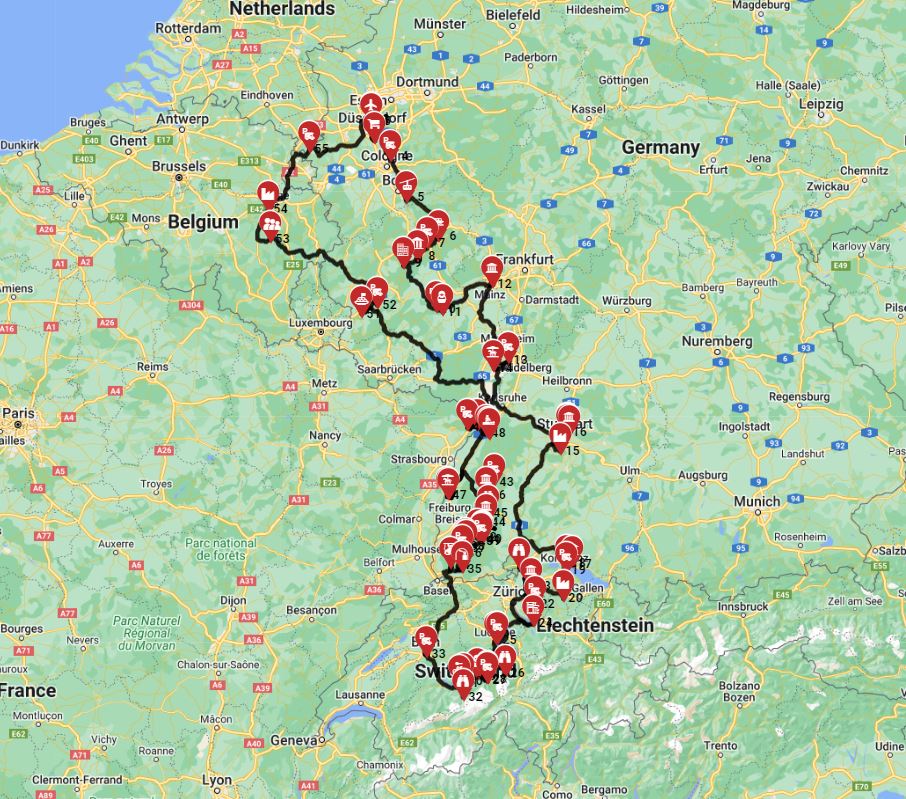
Personal travel insurance for medical emergencies and trip cancellations is highly recommended, costing roughly €50-€150 per person for a two-week trip, depending on coverage. Daily living expenses, including groceries for cooking in your RV's kitchen and occasional dining out at traditional Gasthäuser, could add €40-€70 per day for a family of four. Don't forget a buffer for winter activities like ski passes or entrance fees to festive markets, as well as propane refills for heating, which may be more frequent in colder temperatures. For a detailed cost breakdown tailored to your itinerary, remember to leverage RV PLANET, where you can itemize and track every expense, like those on the "Frankfurt Roundtrip - North Germany - Including Hamburg & Berlin" itinerary which covers 2230.1 km and includes 2 Traditional Restaurant / Fine Dining experiences.
What are the pros and cons of winter RV camping in Germany?
Winter RV camping in Germany offers several compelling advantages, including significantly fewer crowds at popular sites and the opportunity to experience stunning snowscapes and festive Christmas markets. Off-season travel often translates to lower rental and campsite prices, allowing for a more budget-friendly adventure. Imagine waking up to a blanket of fresh snow outside your warm motorhome, ready to explore without the summer rush!
However, there are also practical considerations. Colder temperatures, especially from December to February, mean shorter daylight hours, requiring more careful planning of your driving and activities. Campsite availability can be limited, as some smaller sites close for the winter, so it's wise to call ahead before driving. Potentially challenging driving conditions due to snow or ice demand extra caution; ensure your rented motorhome or campervan is fitted with appropriate winter tires and possibly snow chains (which may be mandatory in certain regions). Prioritize larger, year-round campsites equipped for winter with heated facilities, electrical hook-ups, and reliable water systems to ensure comfort and prevent pipes from freezing.
What RV-specific logistics and preparations are needed for winter in Germany?
For a winter RV trip in Germany, ensuring your rented motorhome or campervan is properly equipped is paramount. German law often requires vehicles to have appropriate winter tires (`M+S` or Alpine symbol) during winter conditions, and snow chains may be mandatory in specific mountainous areas. Always confirm these details with your Bandana RV supplier. Drive slowly and carefully, and you can drive almost anywhere without issues. No need to stress - just use common sense and pay attention.
Planning your routes meticulously is crucial, as some smaller roads, especially in higher elevations or remote regions, might be closed or difficult to navigate due to heavy snow. For internet connectivity, purchasing a local SIM card from providers like Telekom or Vodafone upon arrival offers reliable mobile data coverage across much of the country. Alternatively, many RV rental companies offer portable Wi-Fi devices as an add-on. Regularly emptying grey and black water tanks is essential to prevent freezing; check with your rental provider about recommended antifreeze solutions and proper waste disposal practices at designated dump stations. Traveling with pets requires up-to-date vaccinations and an ISO-compliant microchip, and always verify specific pet policies with individual campsites, as rules can vary.
Where can I camp with an RV in Germany during winter, beyond traditional Stellplatz?
While Germany's extensive network of Stellplatz offers convenient overnight parking, typically for €10-€20, there are other excellent winter camping options for RV travelers. Many larger, resort-style campsites remain open year-round, providing comprehensive winter services such as heated toilet and shower blocks, ski storage, and often on-site restaurants or shops, with prices generally ranging from €30-€50 per night for a powered pitch. These sites are ideal for comfort and access to amenities, especially important in colder months.
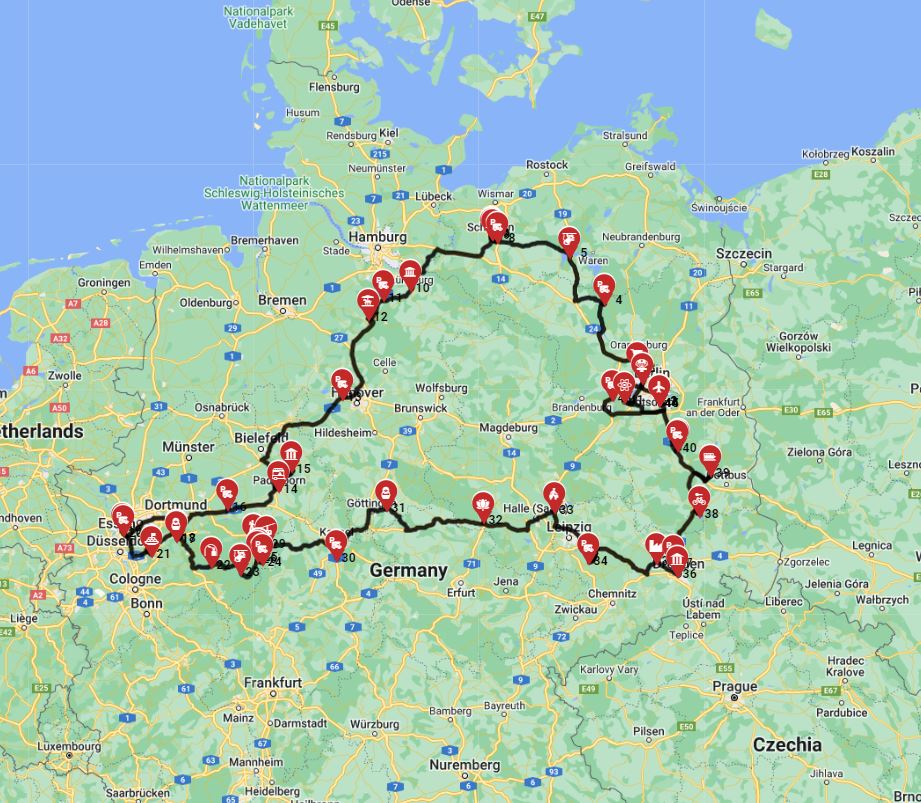
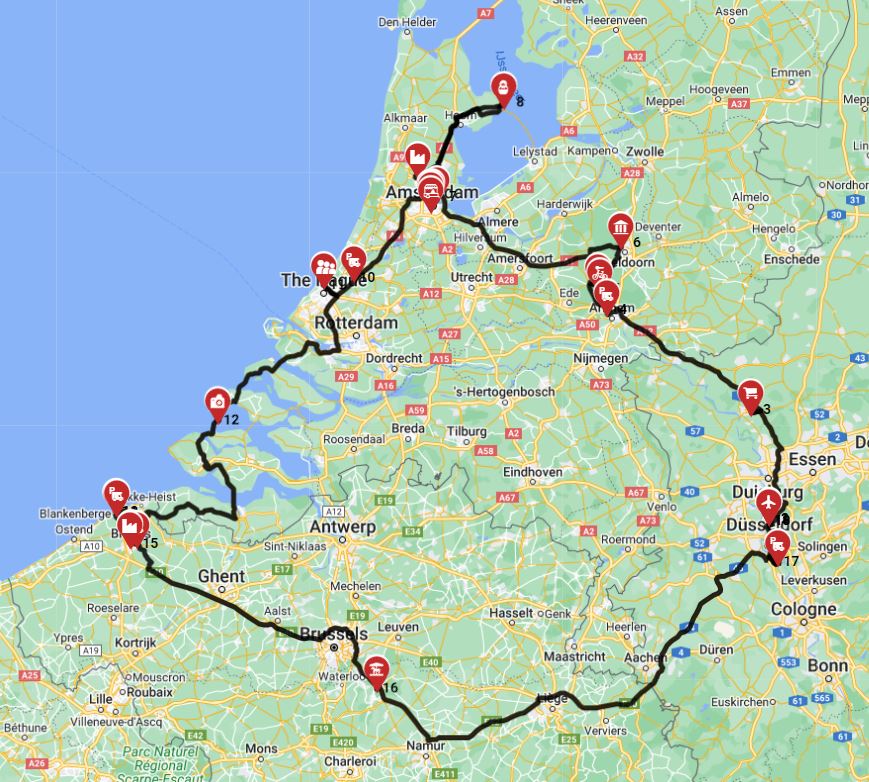
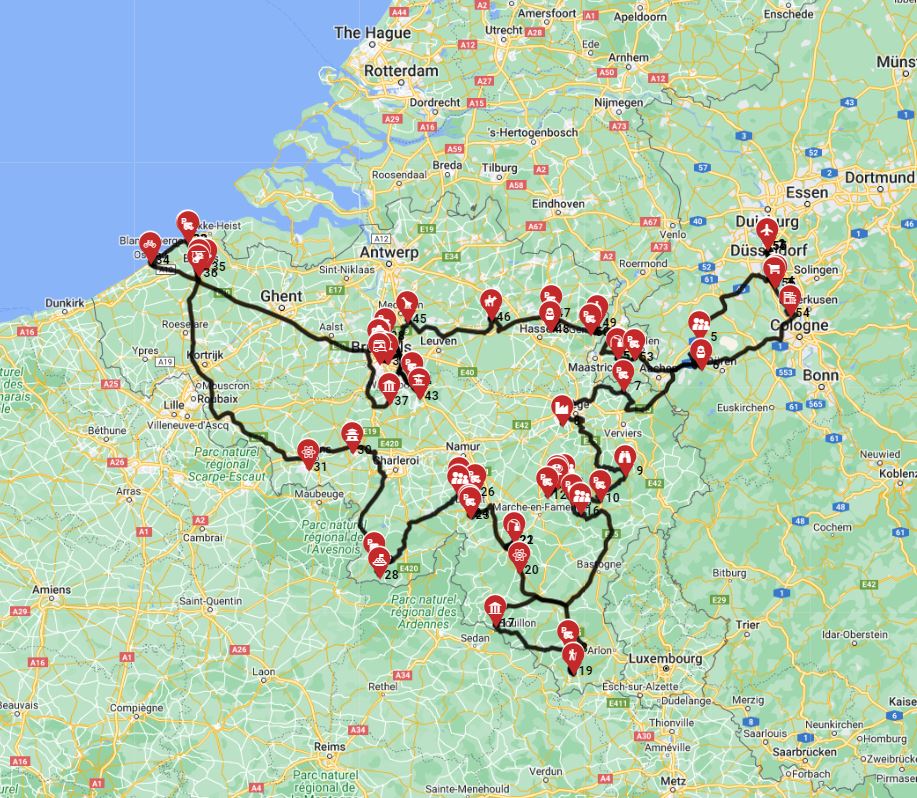
Beyond traditional campgrounds, unique cultural experiences can be found through programs like Landvergnügen, which offers farm stays across Germany. A membership is usually required (around €35-€50 annually), allowing RVers to stay overnight on private farms, vineyards, or artisanal producers' land, often for free or a small fee, in exchange for purchasing local products. This provides a truly authentic way to connect with local life and discover hidden gems. Overnight parking on private land is permissible only with explicit landowner permission. Wild camping, or parking and sleeping outside of designated areas, is generally illegal in Germany, particularly in nature reserves. Emergency overnight parking to rest for drivers is sometimes tolerated in public parking lots (not for full camping setups), but it's always best to stick to official sites or seek permission to avoid issues. For finding campsites and campgrounds during your trip, we recommend using RV PLANET (rvplan.net) - a great resource for locating available spots along your route, whether you're following the "Dusseldorf Roundtrip - Germany / Netherlands / Belgium" which includes 2 Cruise Terminal / Sailing stops, or a different itinerary.
How can I experience authentic German culture during a winter RV trip?
To truly immerse yourself in authentic German culture during a winter RV trip, visiting regional Christmas Markets (Weihnachtsmärkte) is a must. These vibrant markets, found in almost every town from late November to late December, offer a festive atmosphere where you can sample Glühwein, roasted almonds, and local crafts. Venturing beyond the major cities to explore smaller, less touristy towns and villages will also provide a more intimate glimpse into local life and traditions, such as the quaint villages along the Romantic Road.
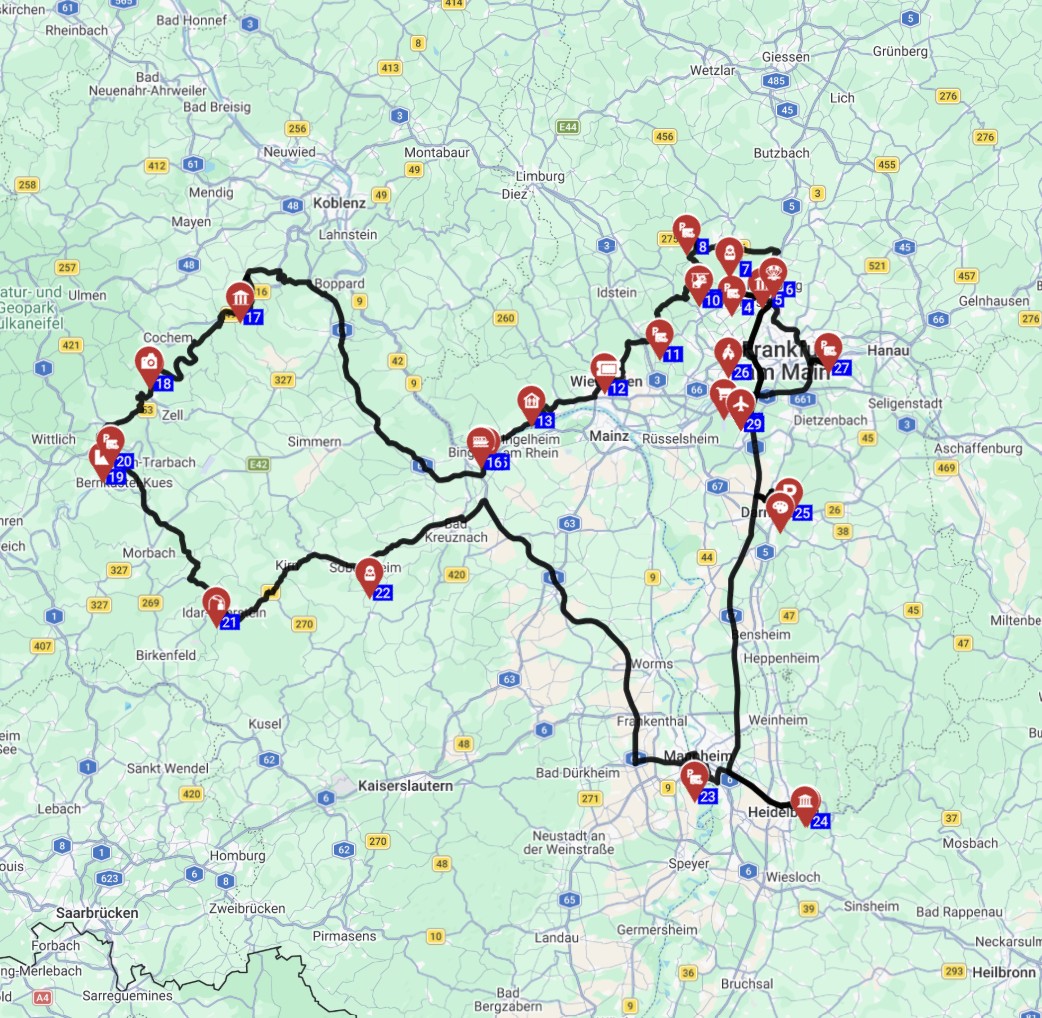
Dining at traditional Gasthäuser (guesthouses) is an excellent way to savor hearty regional winter cuisine like Goulash, Eisbein, and local stews, often accompanied by local beers or wines. Look for local winter festivals, seasonal parades, or folk music events, which are often advertised in local tourist offices or community centers. Engaging in popular winter activities such as ice skating in town squares or cross-country skiing in areas like the Black Forest, followed by a warm drink at a cozy local café, will further deepen your cultural experience. With a rented motorhome or campervan, you have the flexibility to cook some of your own regional meals in your RV kitchen, and our RV-friendly recipes playlist offers great ideas to get you started. Consider a route plan like "
How long can a tourist stay in Germany with an RV, and what are the long-term travel implications?
Non-EU tourists are generally allowed to stay within Germany and the entire Schengen Area for up to 90 days within any 180-day period without a visa. This applies to RV travel as well; you can enjoy an extended road trip across Europe, but must adhere to this 90/180-day rule. For stays exceeding 90 days in Germany, a specific German national visa (e.g., a long-stay visa) is required, which must be applied for and approved well in advance of your trip from your country of origin.
Long-term RV travel, especially in winter, necessitates careful vehicle maintenance. Regular checks of tire pressure, fluid levels, and heating systems at authorized workshops are crucial for safety and comfort. While Bandana RV focuses on rentals for vacation travel, we want you to have a great experience. Planning for managing finances abroad, including access to funds and bill payments, through international banking or dedicated travel cards, is also essential. Establishing a reliable mail forwarding service or a 'post restante' at a local post office can be helpful for receiving mail during extended trips. Remember to travel slowly, averaging a maximum of 100-150 km per day, to truly feel the place and connect to the culture, the food, and the scenery, as recommended for all RV adventures.
What You Shouldn't Miss
- Explore the Bavarian Alps: Drive a rented motorhome through picturesque snowy villages like Garmisch-Partenkirchen and enjoy stunning alpine views, perhaps stopping for some winter hiking or a cable car ride up the Zugspitze, Germany's highest peak.
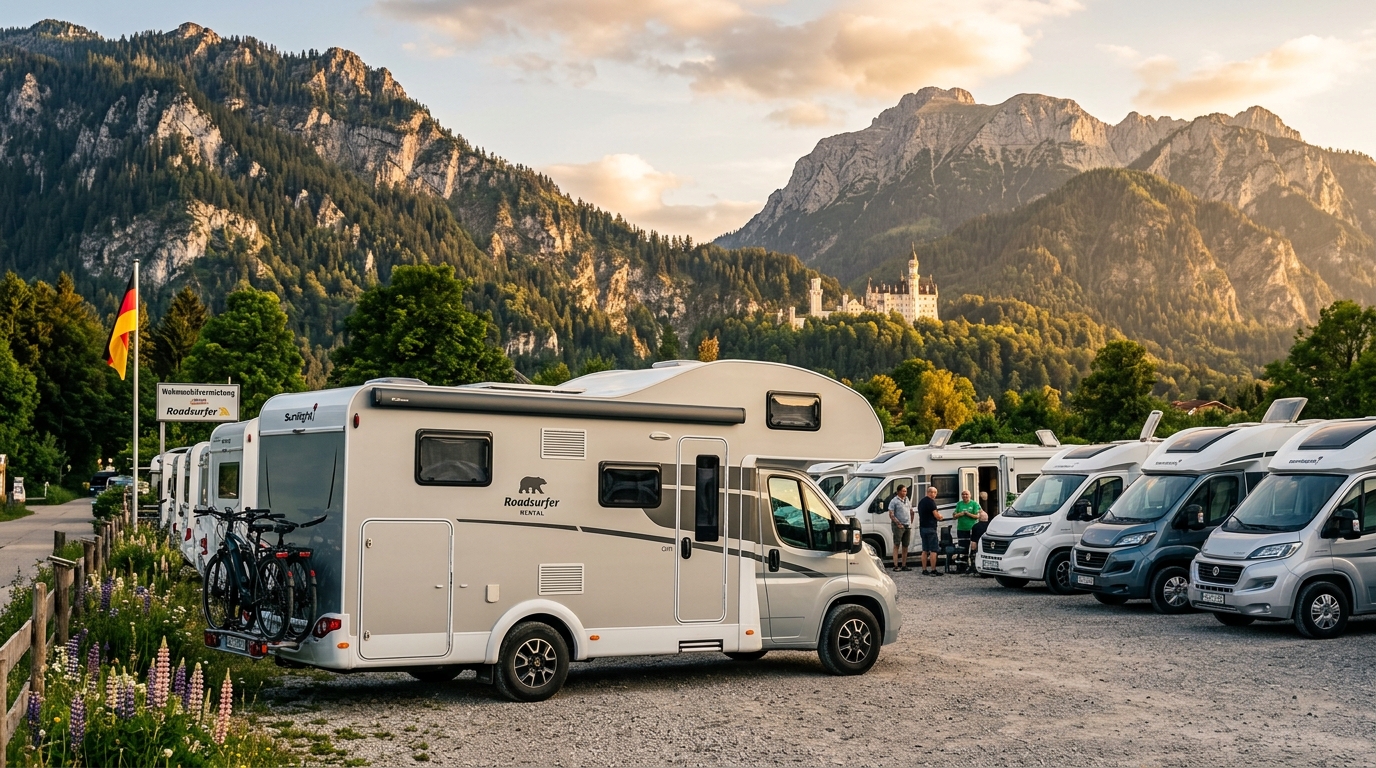
- Visit the Neuschwanstein Castle in Winter: Witness the iconic Neuschwanstein Castle draped in snow – a truly magical and less crowded experience than in warmer months.
- Experience Cologne's Christmas Markets: Wander through the enchanting Christmas markets of Cologne, particularly around the magnificent Cologne Cathedral, for festive cheer, unique gifts, and delicious seasonal treats.
- Road Trip the German Wine Route: Even in winter, the German Wine Route offers charming towns, cozy wine taverns (Straußwirtschaften), and beautiful landscapes, often with fewer tourists.
- Relax in a Thermal Spa: After a day of winter exploration, unwind at one of Germany's renowned thermal spas, such as those in Baden-Baden, for a rejuvenating experience.
- Looking for expert insights from Avi Bandana? Top 5 Adventures - recommendations from Avi Bandana
Final Thoughts
A winter RV rental in Germany offers an enchanting escape, from the festive glow of Christmas markets to the serene beauty of snow-dusted landscapes. With careful planning and the right information, your journey can be as comfortable and joyful as any summer trip. Remember that while winter presents unique challenges, they are all manageable with common sense and a spirit of adventure.
At Bandana RV, we're here to support you every step of the way, providing transparent pricing and expert advice before, during, and after your booking. So, pack your warmest clothes, prepare for picturesque scenery, and get ready to discover the magic of Germany in winter from the comfort of your rented motorhome. Your unforgettable adventure awaits!
Discover top destinations and planning tips, all in one place! Plan a trip itinerary in advance with minimal effort and maximum enjoyment.